Ship 30's static fire over the new Massey's Test site flame trench. As viewed from its windward side.
Getting ready for IFT-5.
Ship 30's static fire over the new Massey's Test site flame trench. As viewed from its windward side.
Getting ready for IFT-5.
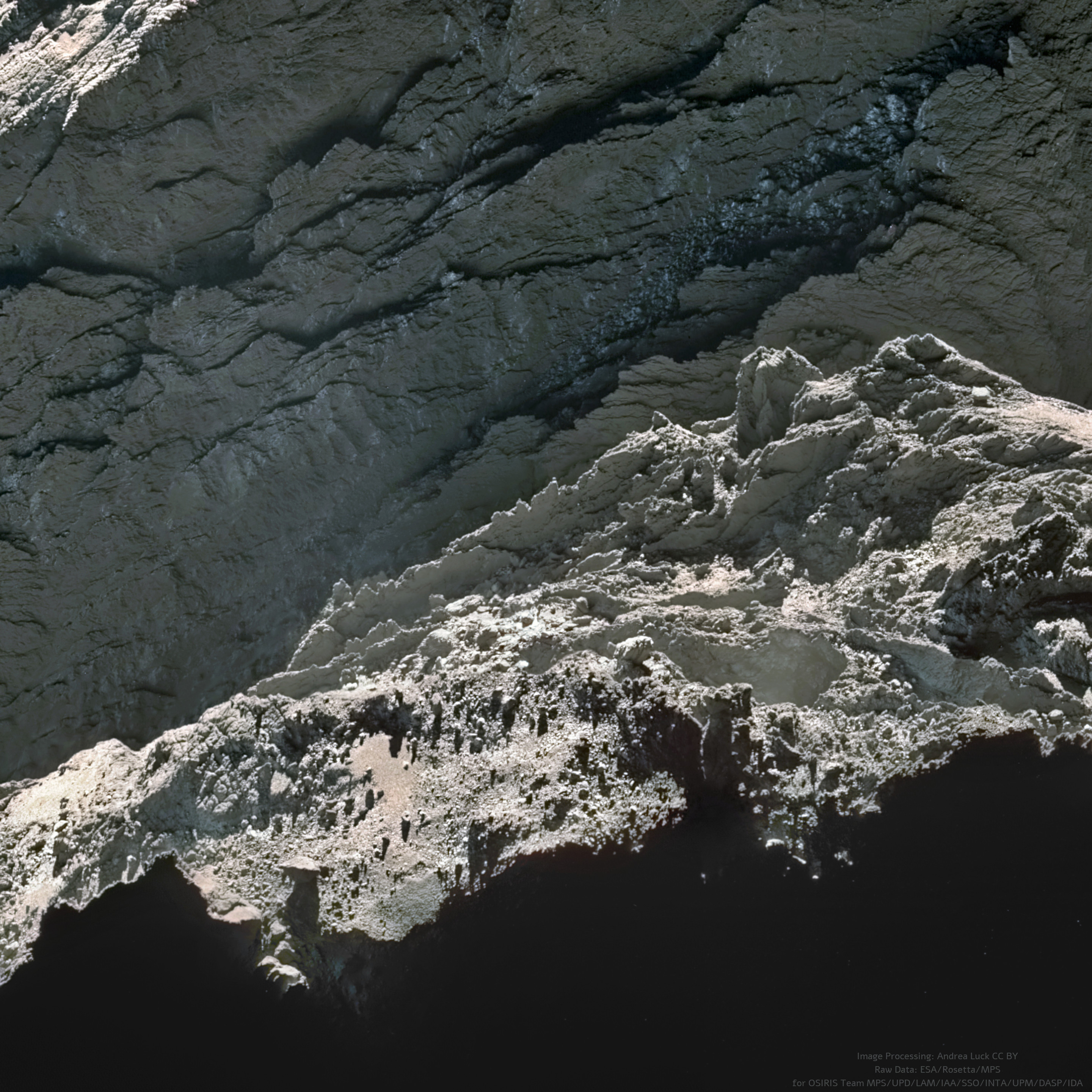
Close up image and animation of Comet67P
Full size image 3000x3000: https://flic.kr/p/2q5WmRH
Video: https://flic.kr/p/2q648Ym
ESA Rosetta Orbiter
Instrument: OSIRIS Narrow Angle Camera
Target: 67P/CHURYUMOV-GERASIMENKO
Altitude: 28 km
Time: 2016-04-23
Filters Near IR + Orange + Blue
Product IDs & more info on Flickr.
Raw image 1/3: https://rosetta-osiris.eu/image/NAC_2016-04-23T06.06.10.011
Credit:
Processing: Andrea Luck CC BY
Raw data: ESA/Rosetta/MPS/OSIRIS/IAA/INTA
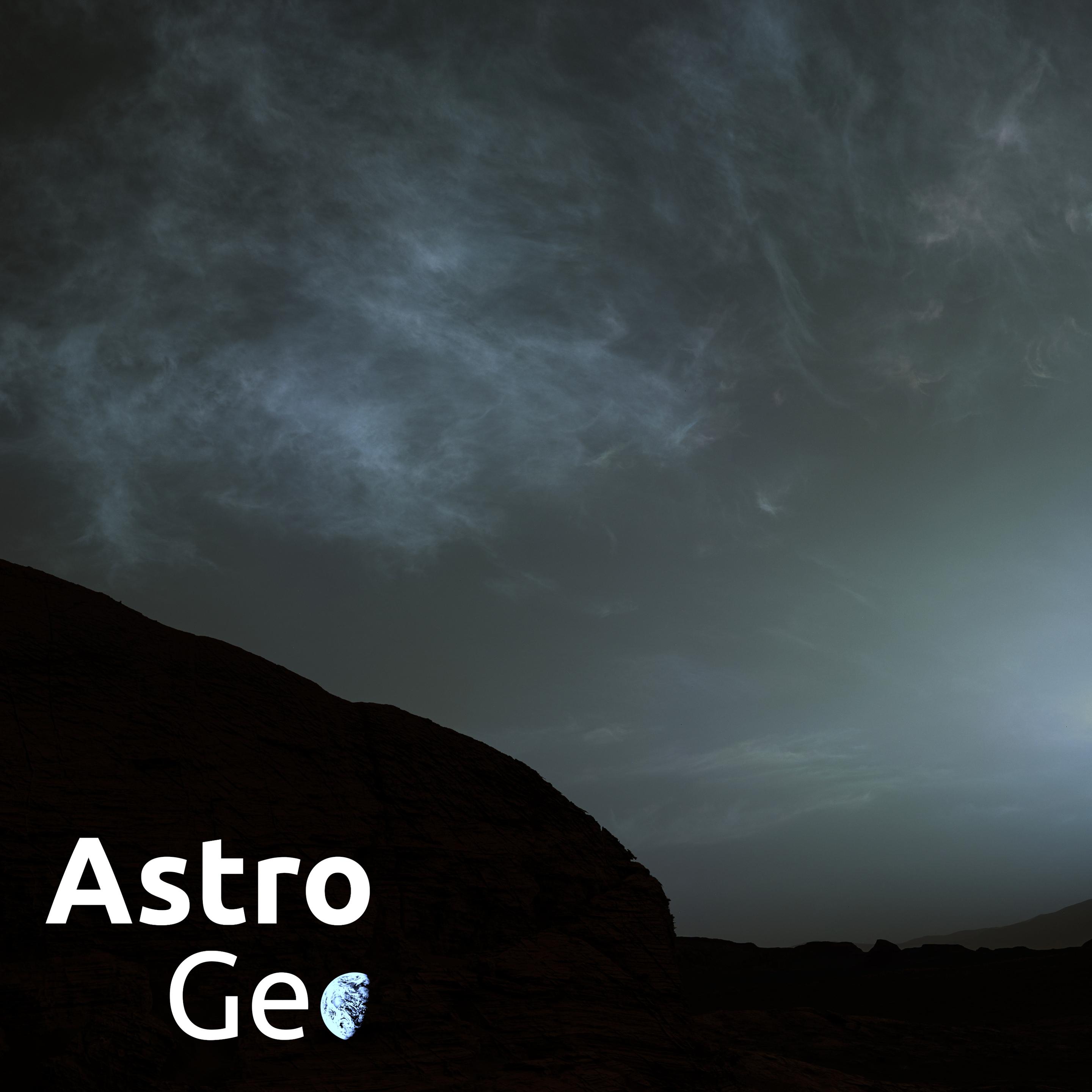
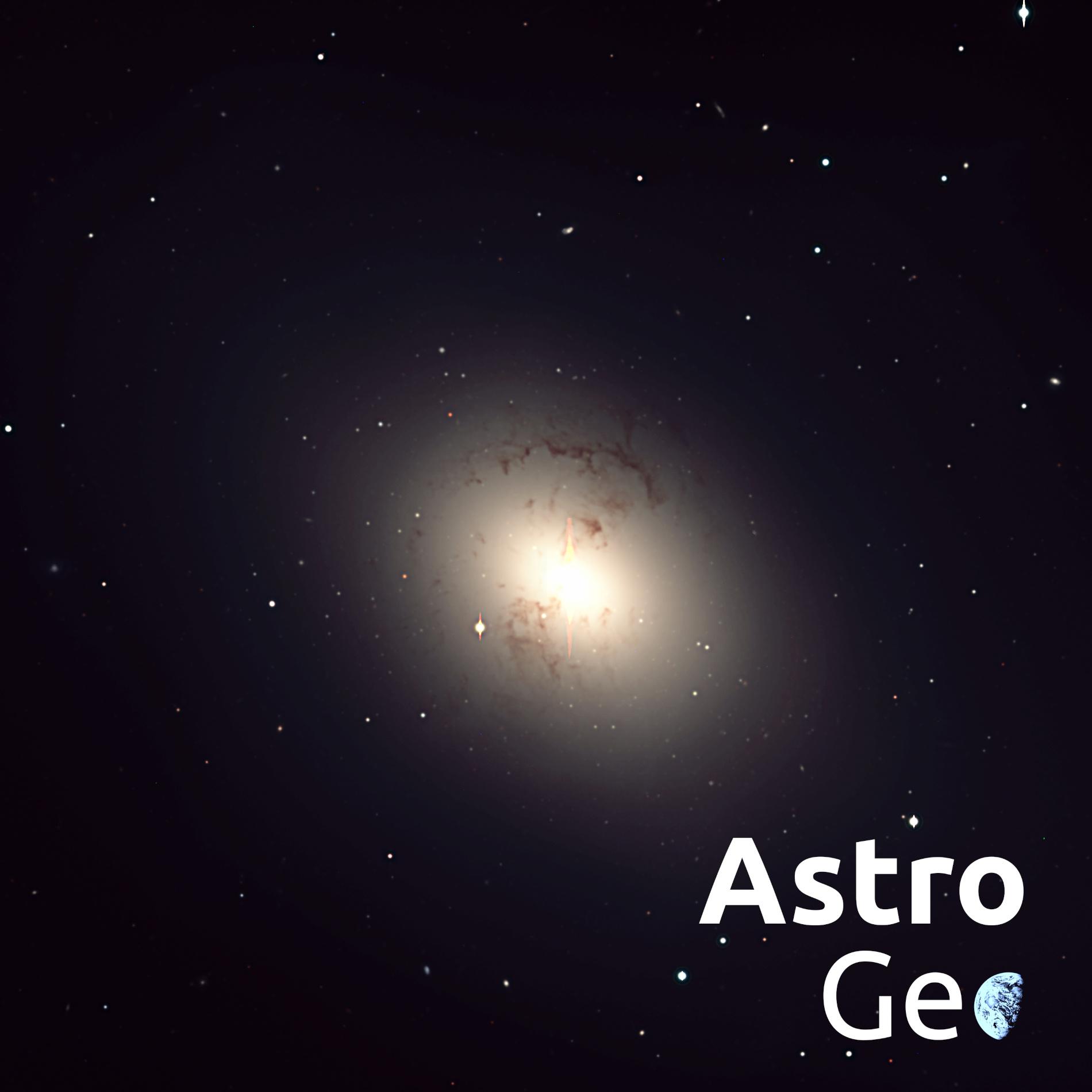
Neue Folge! 1965 zerstört ein einziges Foto die Träume vom Leben auf dem Mars. Jahrzehnte später entdeckt ein Doktorand rätselhafte Wolken – und eröffnet ein neues Forschungsfeld. Karl erzählt eine kleine Geschichte der Mars-Atmosphäre:
➡️ https://astrogeo.de/ag126-von-marskanaelen-zum-wolkenatlas-duenne-luft-auf-dem-mars/
📷 : NASA/JPL-Caltech/MSSS/ @stim3on
Don't cross the streams!
All four 8 m units of ESO's Very Large Telescope are now equipped with lasers, as part of the GRAVITY+ upgrade of the VLT Interferometer.
These telescopes can work together as a gigantic "virtual" telescope. But combining their beams requires, among other things, bright reference stars, which are scarce. The lasers create artificial stars high up in the atmosphere, solving that problem.
We tell you all about it here: https://www.youtube.com/watch?v=TzK1B3VU1L8
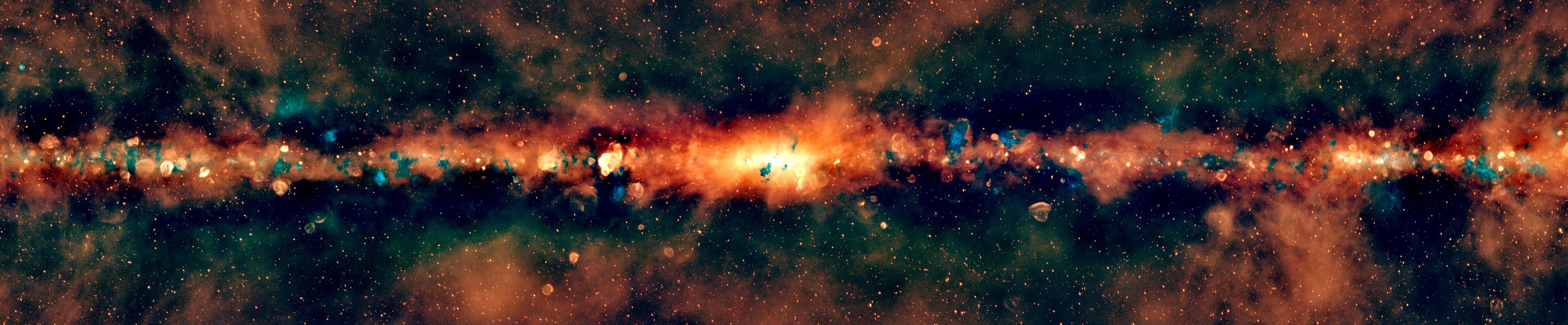
This is what the band of the Milky Way would look like at night if your eyes could see radio waves. A hidden beauty.
It's a new image created by the Murchison Widefield Array, which scanned the sky in 20 radio "colors" over frequencies from 72 to 231 megahertz.
https://www.icrar.org/gleam-x-galactic-plane/ #space #science #nature #tech
"The surge in megasatellite constellations is creating problems beyond amplifying the Earth-circling space debris, according to new research. Reentering spacecraft and rocket stages may also be damaging Earth’s atmosphere. 'Space waste,' spacecraft reentering the atmosphere, injects a considerable amount of its matter into the mesosphere and lower #thermosphere — enough to potentially weaken the Earth’s #ozone layer."
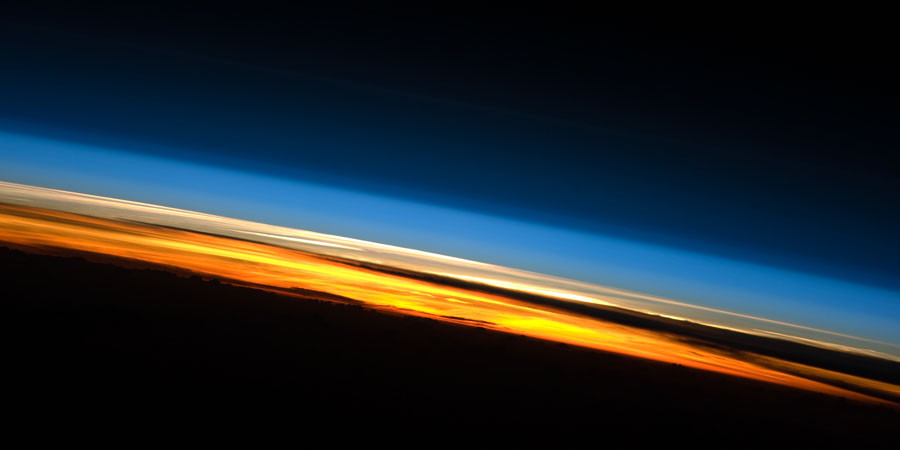
Sunset from the International Space Station
Credits: Expedition 23 Crew, #NASA
#nature #space #astrophotography
The SETI Institute recently hosted the Joint IRIS and MUSE Science Team Meeting, bringing together more than 50 solar physicists from around the world for an intensive week of collaboration and discovery.
During the meeting, scientists exchanged ideas and compared state-of-the-art models with real solar observations to deepen understanding of the complex processes driving solar dynamics and heating.
Learn more: https://www.seti.org/news/seti-institute-hosts-joint-iris-muse-solar-science-team-meeting/
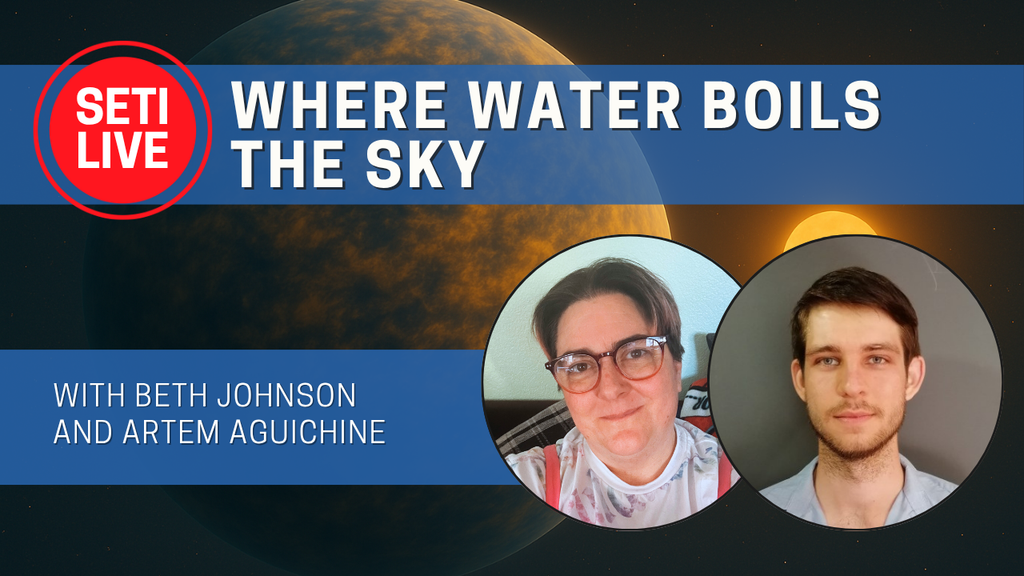
Next #SETILive: Where Water Boils the Sky
TODAY, 13 November, 2:30 pm PST
Today, host Beth Johnson talks with Artem Aguichine (UCSC) about his new research modeling the interiors and atmospheres of steam worlds—a class of water-rich sub-Neptunes that could dominate our galaxy. With data from the JWST revealing steam signatures on distant planets, these models are helping scientists decode what’s really going on beneath the haze.
WATCH LIVE: https://youtube.com/live/nBpyGdXkuXo
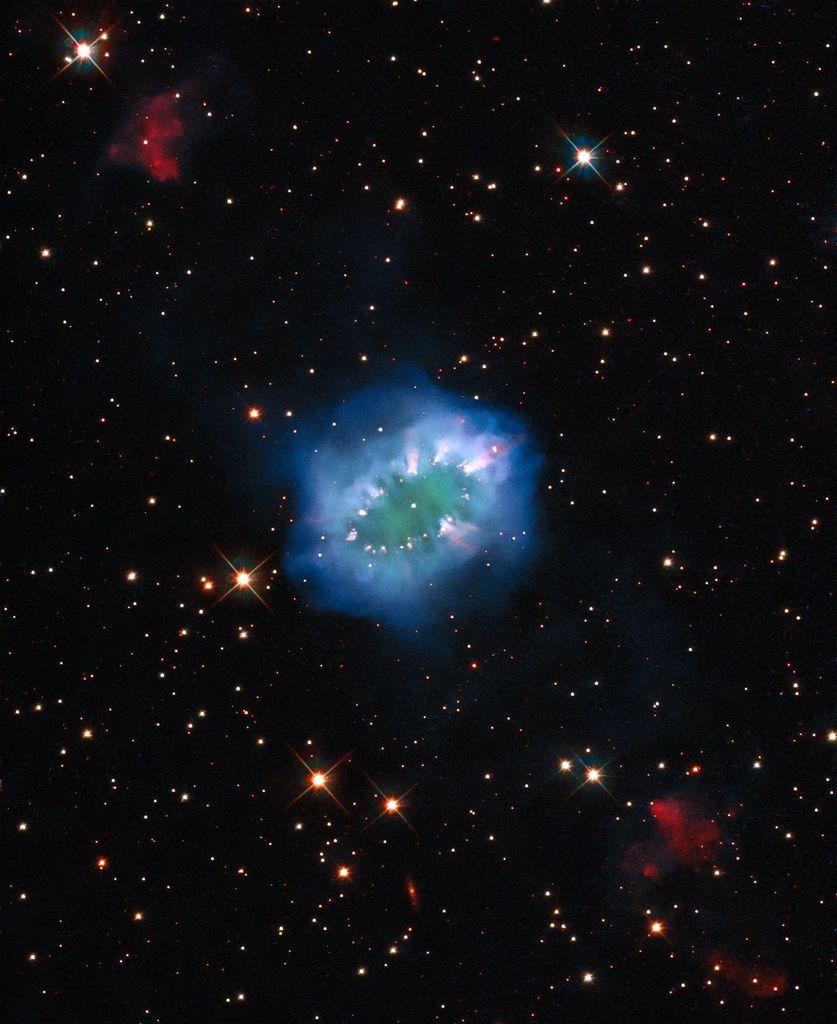
#PPOD: The interaction of two doomed stars has created this spectacular ring adorned with bright clumps of gas – a diamond necklace of cosmic proportions. Fittingly known as the “Necklace Nebula,” this planetary nebula is located 15,000 light-years away from Earth in the small, dim constellation of Sagitta (the Arrow). Credit: ESA/Hubble & NASA, K. Noll
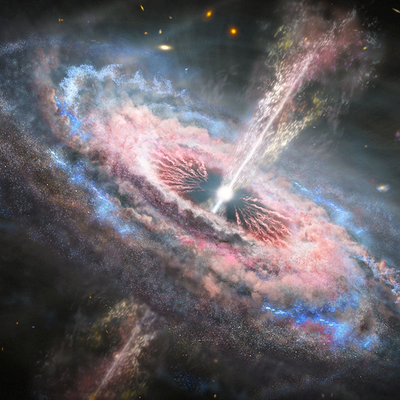
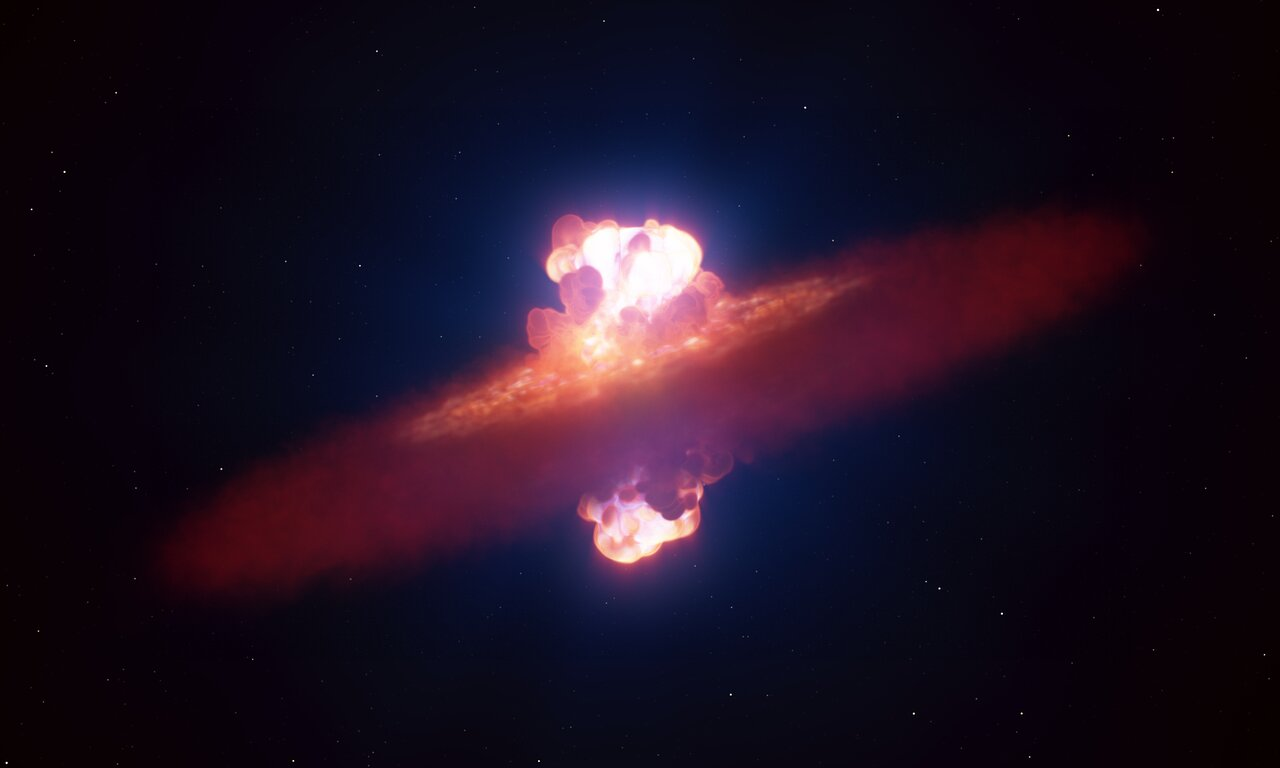
For the first time ever, astronomers have unveiled the shape of a star’s explosion at its earliest stage.
The feat was achieved by ESO's Very Large Telescope just a day after the detection of this supernova, as the blast was breaking through the star’s surface.
This brief initial phase wouldn’t have been observable a day later. This will help shed light on how massive stars go supernova.
https://www.eso.org/public/news/eso2520/
Illustration: ESO/L. Calçada
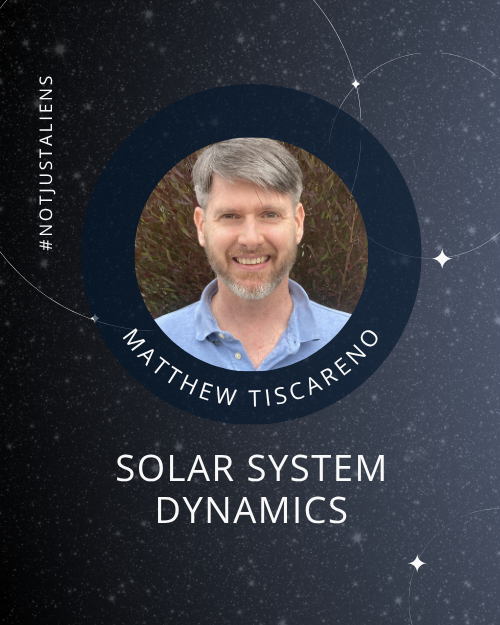
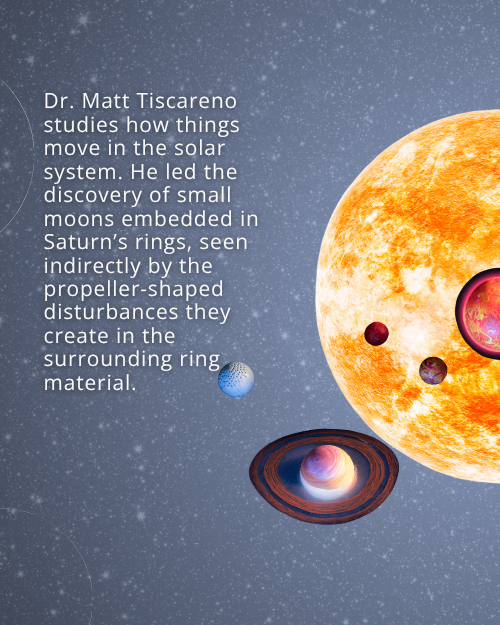
Dr. Matt Tiscareno studies how things move in the solar system. He led the discovery of small moons embedded in Saturn’s rings, seen indirectly by the propeller-shaped disturbances they create in the surrounding ring material.
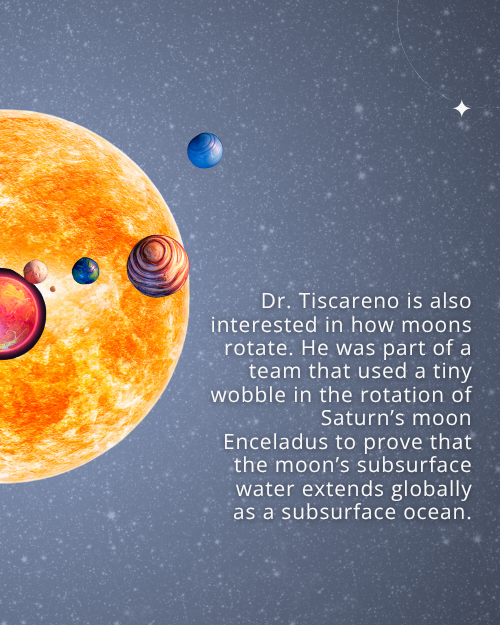
Dr. Tiscareno is also interested in how moons rotate. He was part of a team that used a tiny wobble in the rotation of Saturn’s moon Enceladus to prove that the moon’s subsurface water extends globally as a subsurface ocean.
#ICYMI: This week on #SETILive, Simon Steel chatted with scientists Manuel Scherf and Helmut Lammer about what makes Earth so special that intelligent life evolved and how those circumstances may lower the chances of similar life developing on another world. Watch the full interview: https://youtube.com/live/qy8spTZpTNI
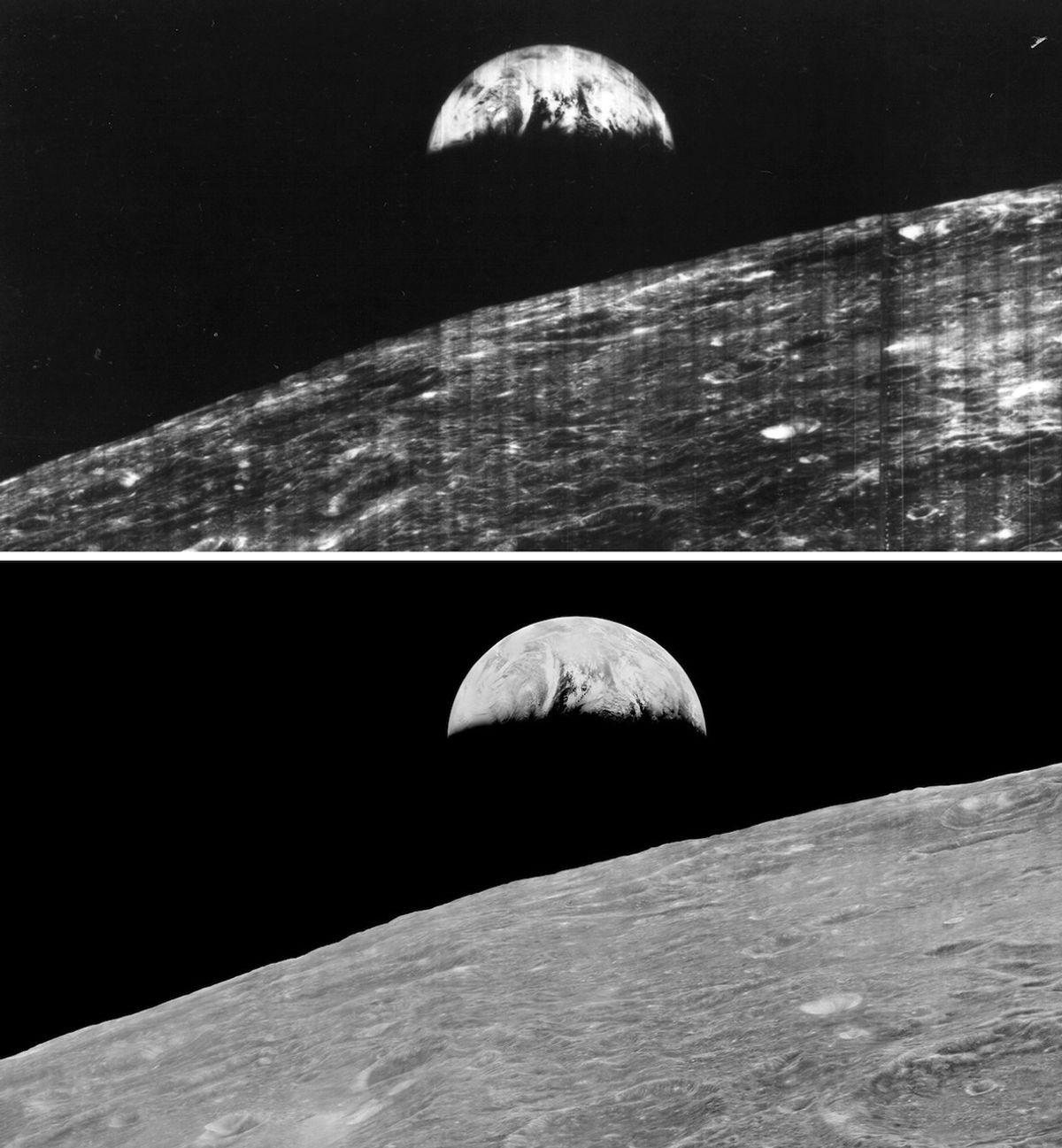
The historic first Earthrise photo from the Moon was received 60 years ago today. It was shot on film, developed onboard the Lunar Orbiter 1 spacecraft, scanned, transmitted home...and then meticulously restored decades later.
https://www.lpi.usra.edu/features/lunarOrbiter/ #space #science #history #tech
In der neuen Folge erzählt Franzi vom Ende des Universums. Denn dass es irgendwann zu Ende geht, daran besteht kein Zweifel. Wie genau das passiert, da gibt es noch ein paar offene Fragen.
➡️ https://astrogeo.de/aus-und-vorbei-das-universum-und-sein-ende/
PS: Big Rip ist kein Hamburger. 🍔
📷 : ESO
Hello friends! I’ve launched a new podcast called Planetary Pandemonium 🚀🐱
Episode 0 is a short introduction to the show—planetary science, science fiction, and the humans behind both.
If that sounds interesting to you, I’d love for you to listen:
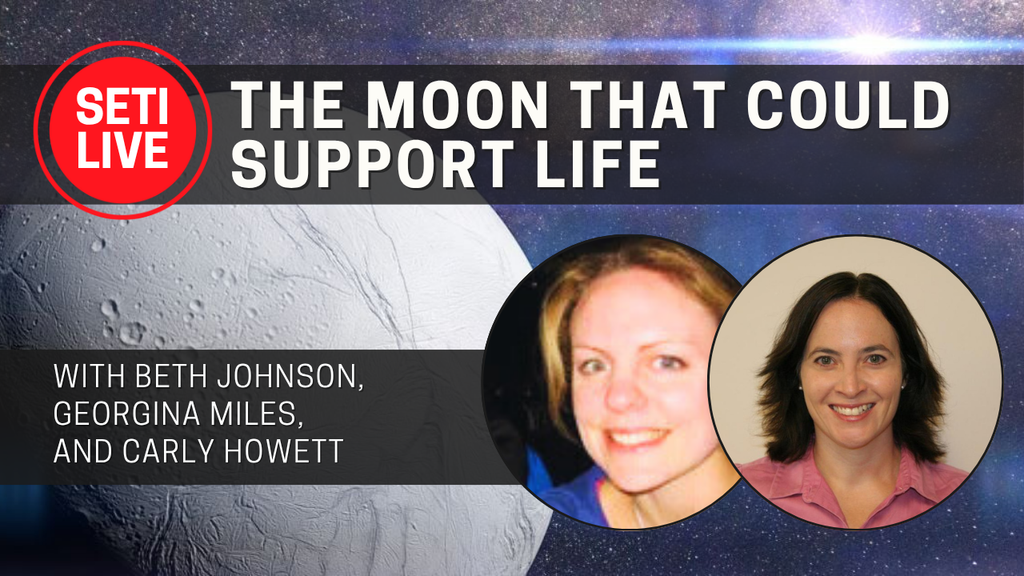
Next #SETILive: The Moon that Could Support Life
TODAY, 20 November, 11 am PST / 2 pm EST
Join host Beth Johnson for a fascinating episode of SETI Live, featuring planetary scientists Dr Georgina Miles and Dr Carly Howett from the University of Oxford. We’ll be unpacking their groundbreaking study showing that Enceladus — one of Saturn’s icy moons — may harbor a stable subsurface ocean capable of supporting life.
WATCH LIVE: https://youtube.com/live/fDf0VQ_S-Bs
On our latest #SETILive #podcast, Dr Carly Howett from the University of Oxford explains the kinds of Earth analogues that may exist for the subsurface ocean environment of Enceladus. Hydrothermal vents, anyone? Listen to the full episode: https://feeds.libsyn.com/462636/rss
😬
We have spent the whole movie getting emotionally attached to the characters as well...
NASA’s Curiosity rover conducted its first successful wet-chemistry experiment on Mars, revealing a diverse array of ancient organic molecules in a 3.5-billion-year-old rock. Nathalie Cabrol, Director of the Carl Sagan Center for Research at the SETI Institute, examines what the results mean and why they are important (even though they are #NotAliens).
Learn more: https://www.seti.org/news/rethinking-organics-on-mars/
Look at little Mercury transiting in front of the Sun! This scene wasn't visible from Earth, but NASA's STEREO A spacecraft caught it on April 7.
(The video is greatly sped up; the actual event took several hours.)
In a recent #SETILive episode, host Beth Johnson spoke with UC Santa Cruz postdoctoral researcher Dr. Artem Aguichine about his work modeling the interiors and atmospheres of steam worlds, a class of water-rich exoplanets wrapped in thick, high-temperature water vapor. Thanks to new spectra from the James Webb Space Telescope (JWST), these once-theoretical worlds are rapidly becoming an observational reality.
Learn more: https://www.seti.org/news/where-water-boils-the-sky-steam-worlds-and-the-search-for-life/