Comms are back, everything on target....
space
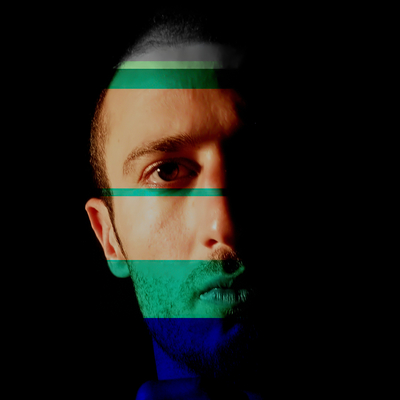
I love changing my #perspective by slipping into the most impossible roles. It helps me see everyday things with new eyes. When I became this cute little green #alien, this is the result:
🐸 a downloadable mini #zine as #HowTo #shift your perspective: https://ko-fi.com/s/700d3d3138
🌱 a photo reportage about a #space #moss #expedition: https://steady.page/en/naturematchcuts/posts/d242349d-fa59-4af8-a834-c93d580a4039
🐸 more infos about #zines and how to fold them: https://www.cronenburg.net/zines/
#reciprocity #natureWriting #nature #solarpunk #cartoon #education


Edited 269d ago


In our most recent #SETILive #podcast, we met the show's newest host, Dr. Moiya McTier, who gave us the lore on her science and communication background. Listen to the full episode: https://feeds.libsyn.com/462636/rss

What do planet formation and badminton have in common?
From @ArsTechnica: "Dust grains in protoplanetary disks align via the same aerodynamics as the sport."
See the full paper here: https://academic.oup.com/mnras/advance-article/doi/10.1093/mnras/stae2248/7783265?login=false
For more space news, follow @space-ScienceAlert
A new moon. An interstellar comet. An intriguing biosignature. An advance in signal detection. And so much more!
Across the SETI Institute, this year brought remarkable progress in our search for life and our understanding of the cosmos. We developed new techniques, expanded our datasets, and made discoveries that will shape the work ahead in meaningful ways.
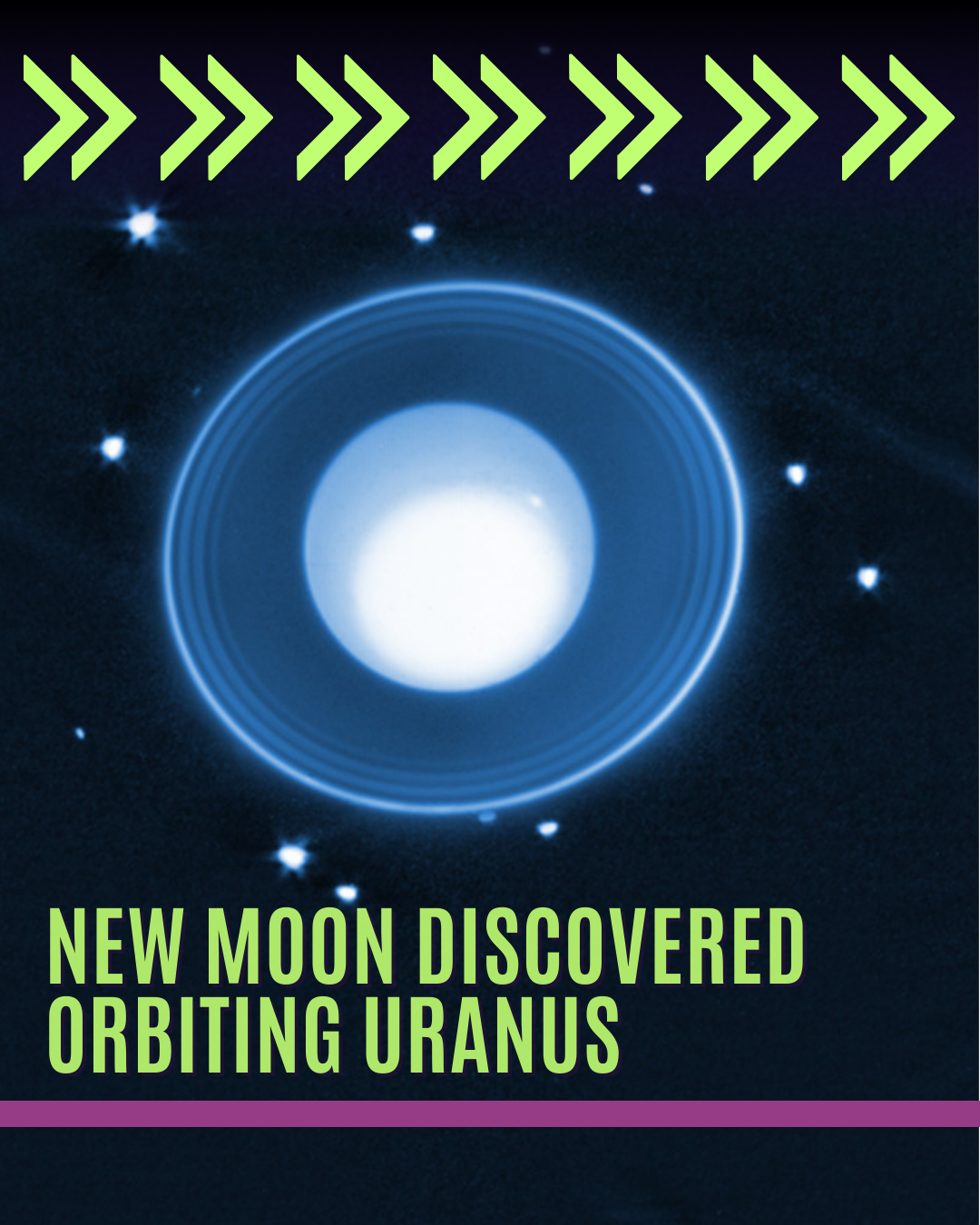
JWST has delivered one of the most detailed looks yet at how moons form around young planetary bodies. In a recent SETI Live conversation, host Dr. Moiya McTier spoke with University of Zürich research fellow Dr. Gabriele Cugno and Carnegie Institution for Science postdoctoral fellow Dr. Sierra L. Grant about their analysis of CT Cha b – a distant, planetary-mass companion surrounded by a compact moon-forming disk.
Learn more: https://www.seti.org/news/baby-moons-in-the-making-the-discovery-of-a-moon-forming-disk/
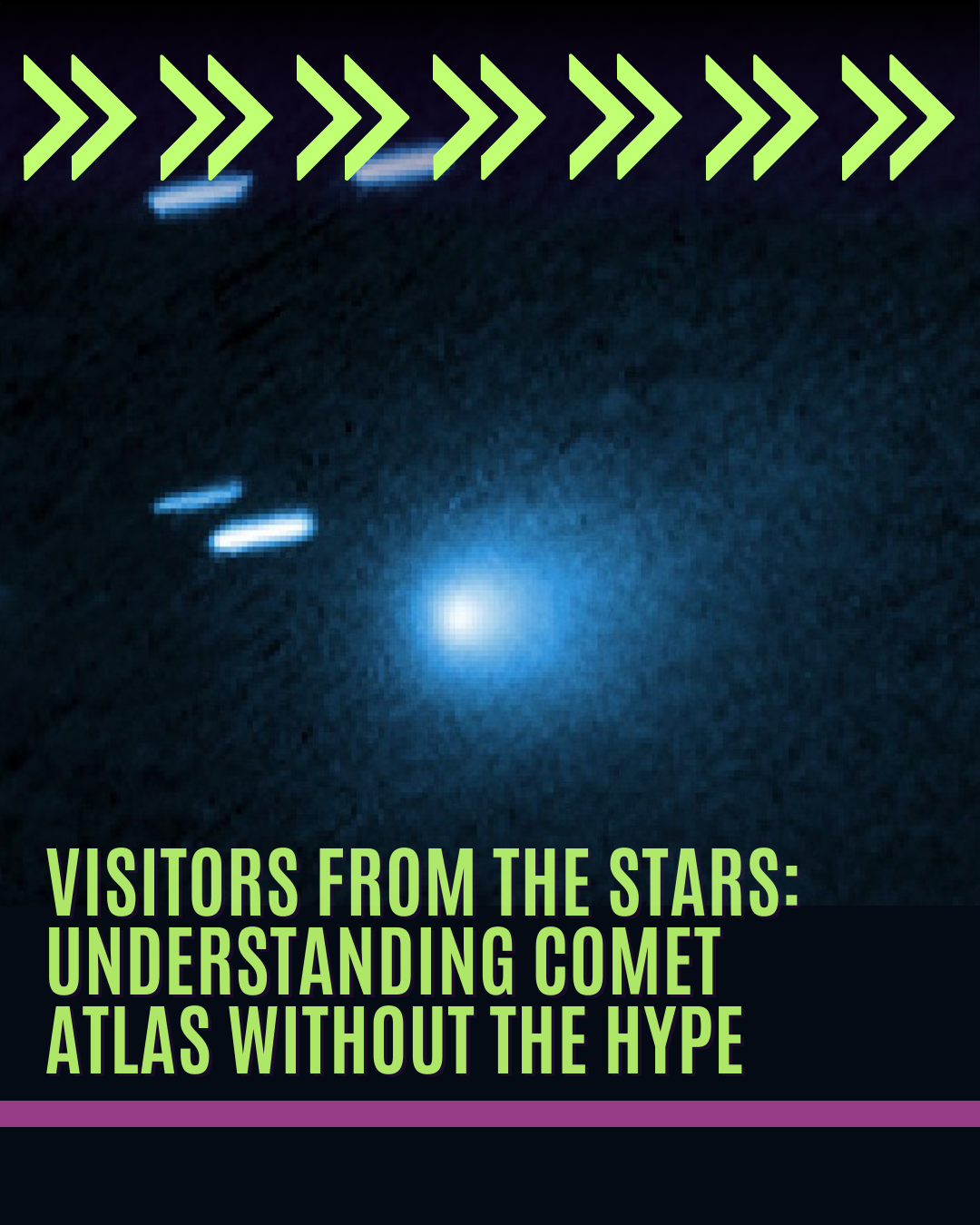
Comet 3I/ATLAS passed through the inner solar system on a one-time trajectory, entering a brief but consequential observational gap. During this interval, the object moved behind the Sun from Earth’s perspective.
In a recent #SETILive discussion, Beth Johnson and Dr. Cynthia Phillips discussed how an instrument built for a very different target was rapidly repurposed to study one of the rarest objects ever detected in the solar system.
Learn more: https://www.seti.org/news/3iatlas-caught-in-uv-what-europa-clipper-saw-when-no-one-else-could/

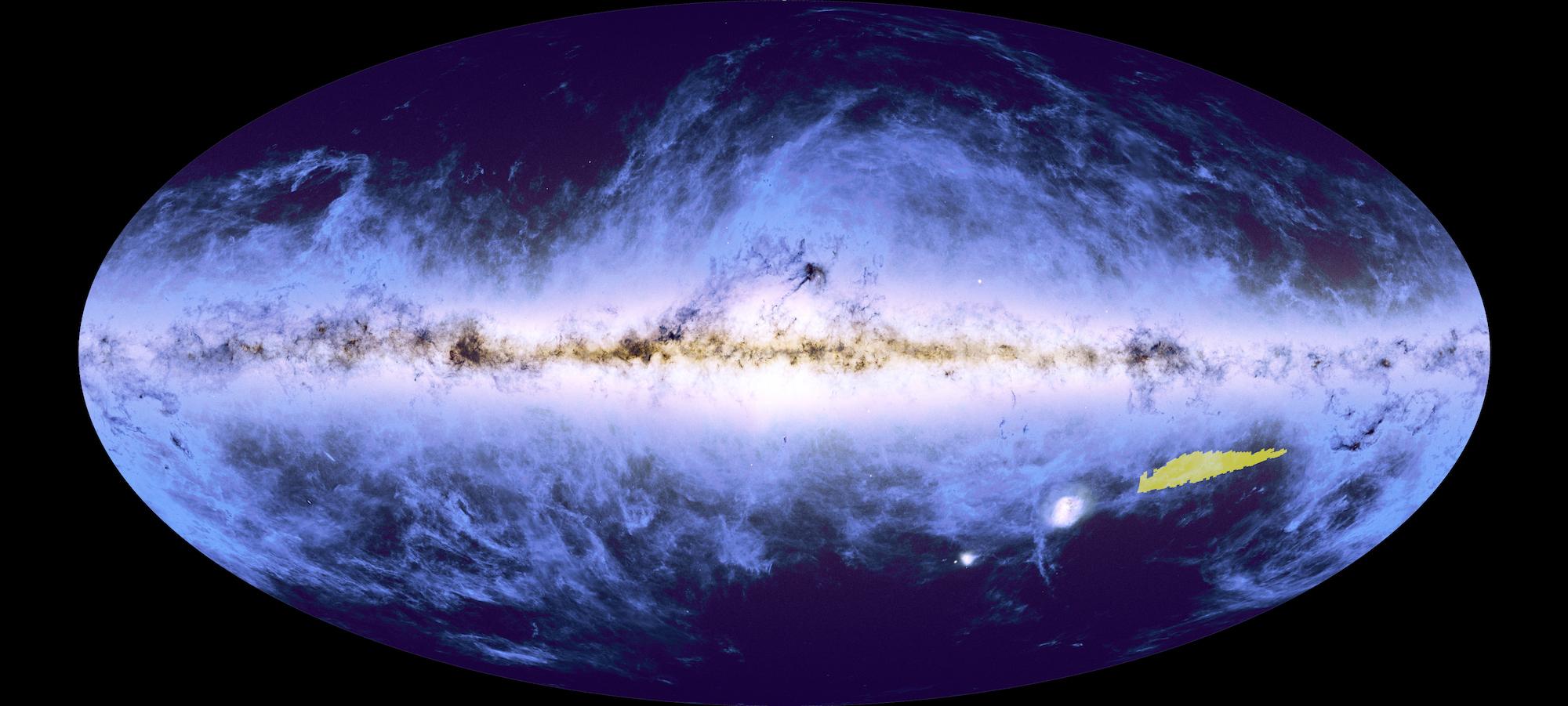
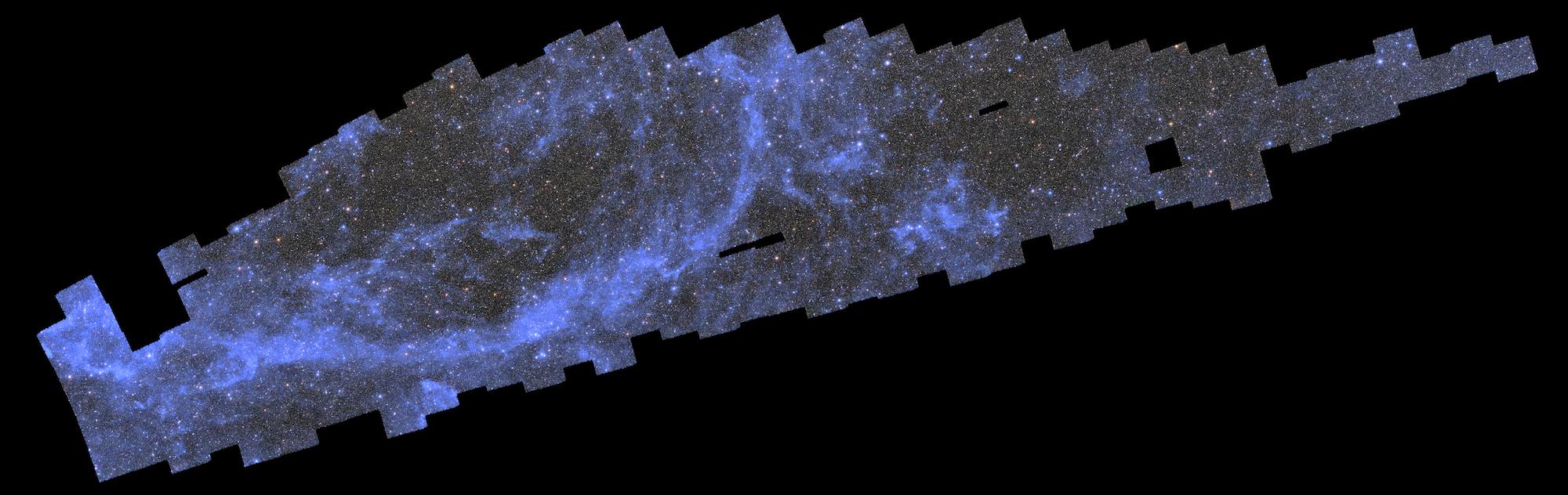
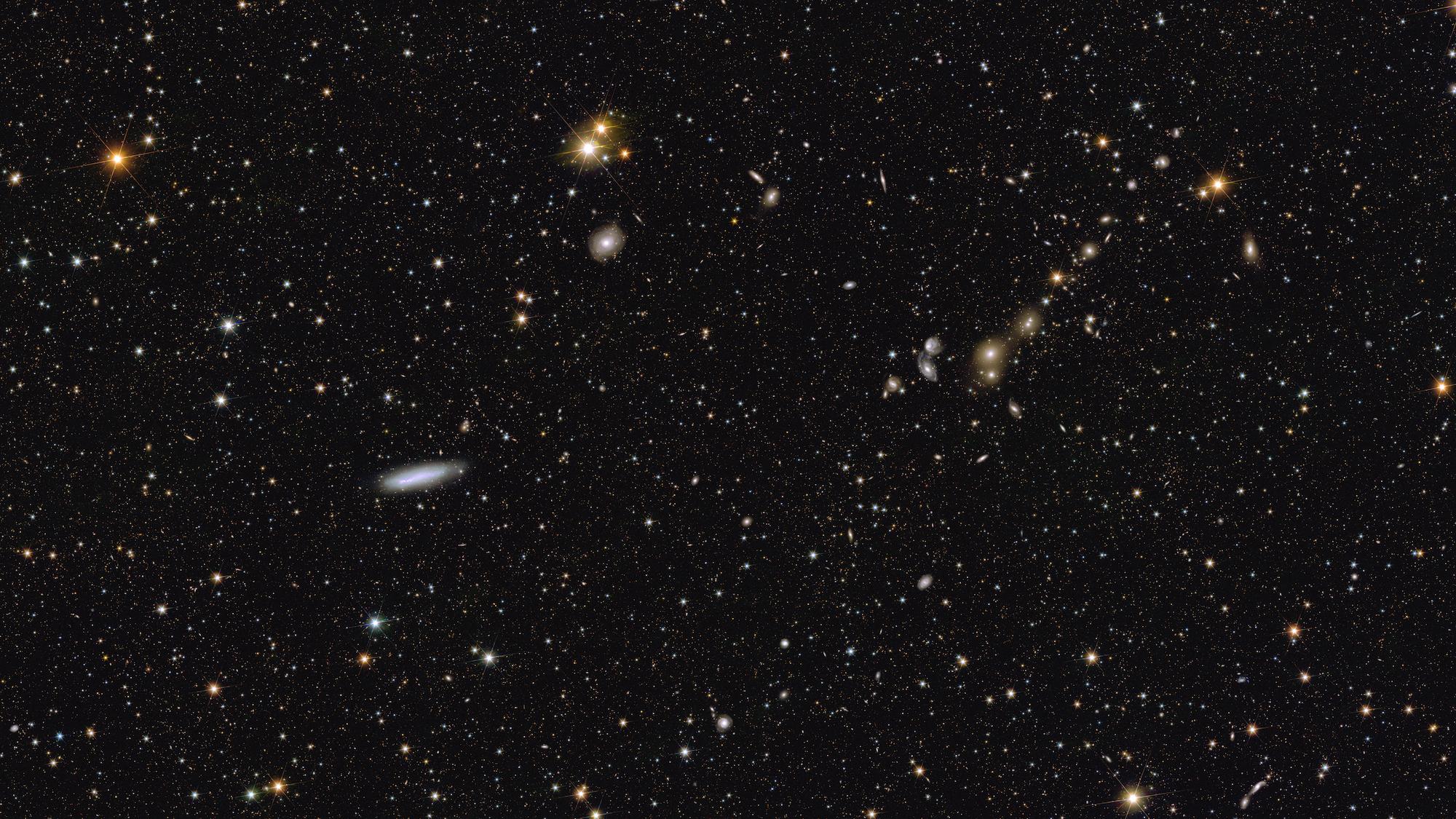
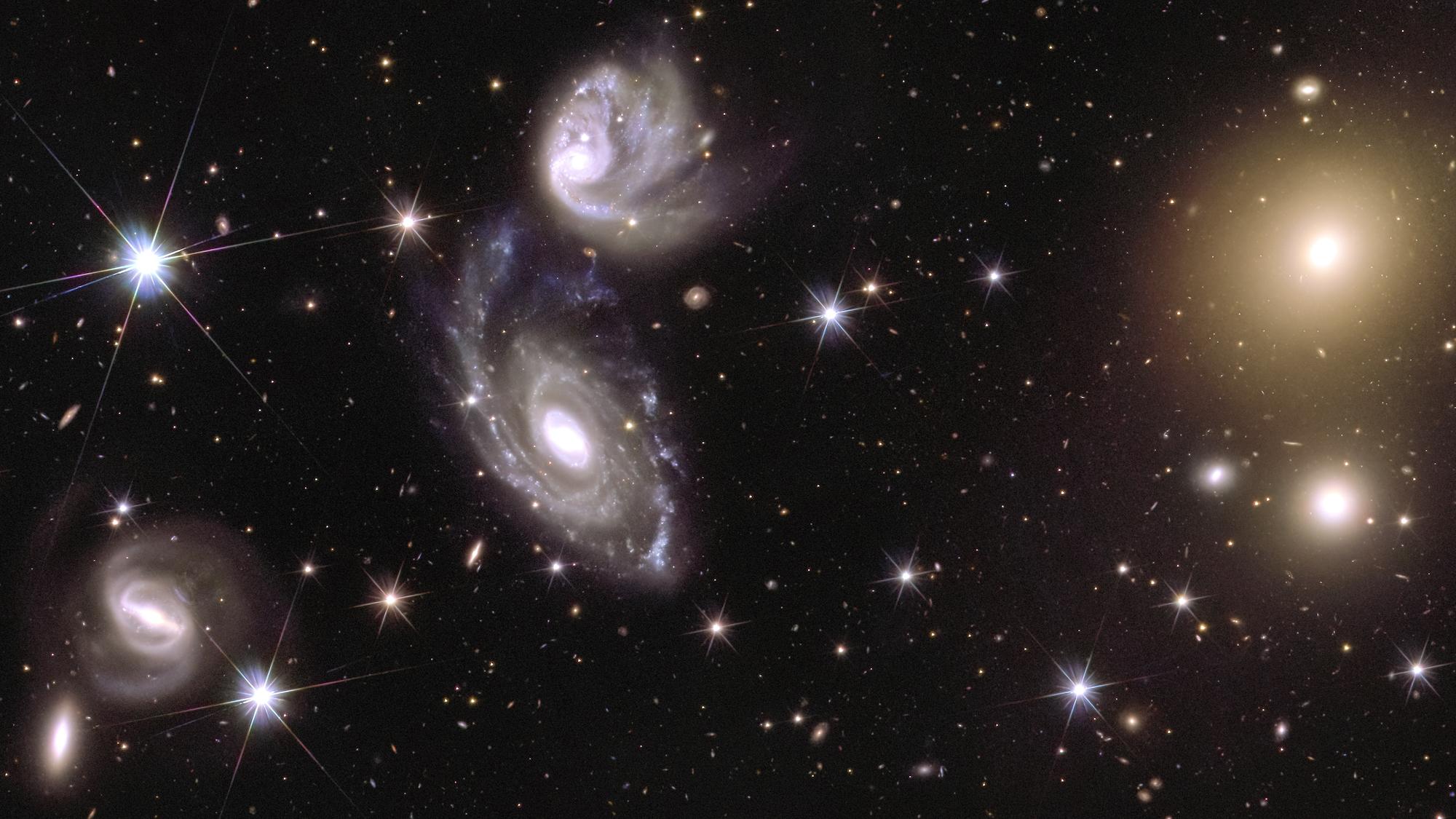
The European Space Agency's Euclid space telescope is assembling the largest 3D map of the universe ever made.
The first section is now complete. Take a look at what happens when you zoom in...
https://www.esa.int/Science_Exploration/Space_Science/Euclid/Zoom_into_the_first_page_of_ESA_Euclid_s_great_cosmic_atlas #space #science #astronomy #nature
During a recent #SETILive conversation, SETI Institute research scientist Dr. Lauren Sgro sat down with Arizona State University postdoctoral fellow Dr. Sagnick Mukherjee to discuss a problem that has frustrated exoplanet astronomers for years: clouds.
Learn more: https://www.seti.org/news/how-clouds-hide-alien-worlds/
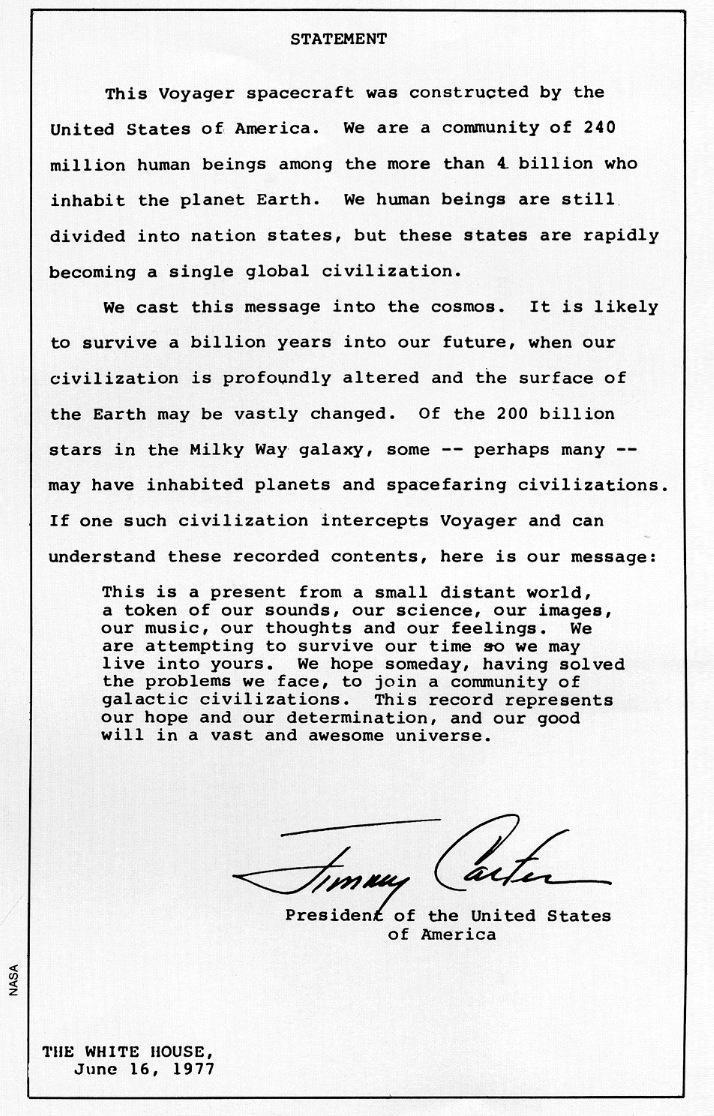
President #JimmyCarter created this message to travel on Voyager 1. It's still out there traveling at 40,000 mph, looking for a cosmic community to catch it and play the media.

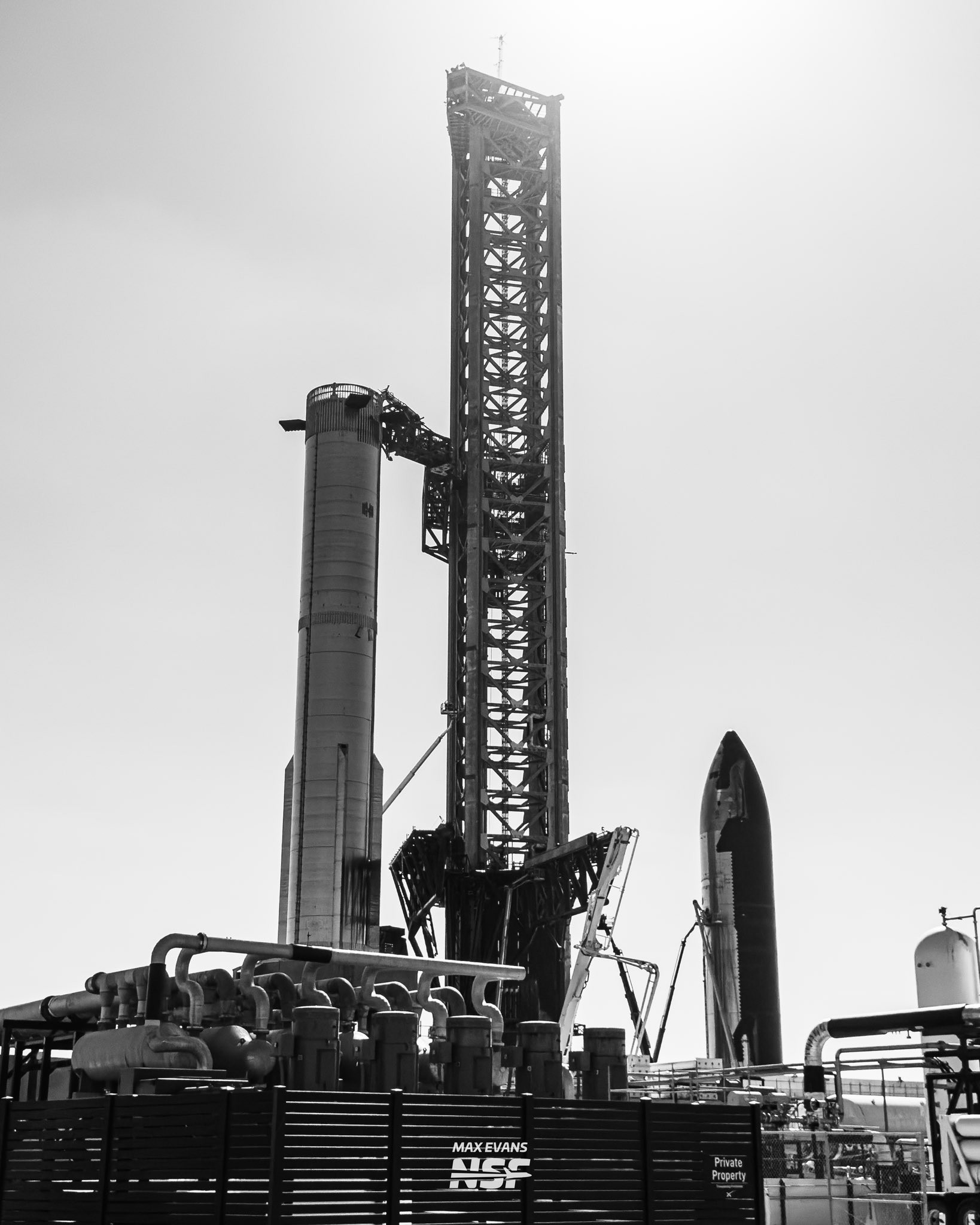
“We’re Too Close to the Debris”: How SpaceX Rockets Put Passenger Planes at Risk
---
The FAA predicted Elon Musk’s Starship would cause “minor or minimal” disruption. Then the rockets exploded twice in three months over busy airspace. Flight data reveals how many planes scrambled to protect passengers and avoid burning debris.
https://www.propublica.org/article/spacex-faa-launch-airlines-safety-explosions-florida-caribbean?utm_source=mastodon&utm_medium=social&utm_campaign=mastodon-post
#News #ElonMusk #SpaceX #Starship #Aviation #Space #Safety #Musk
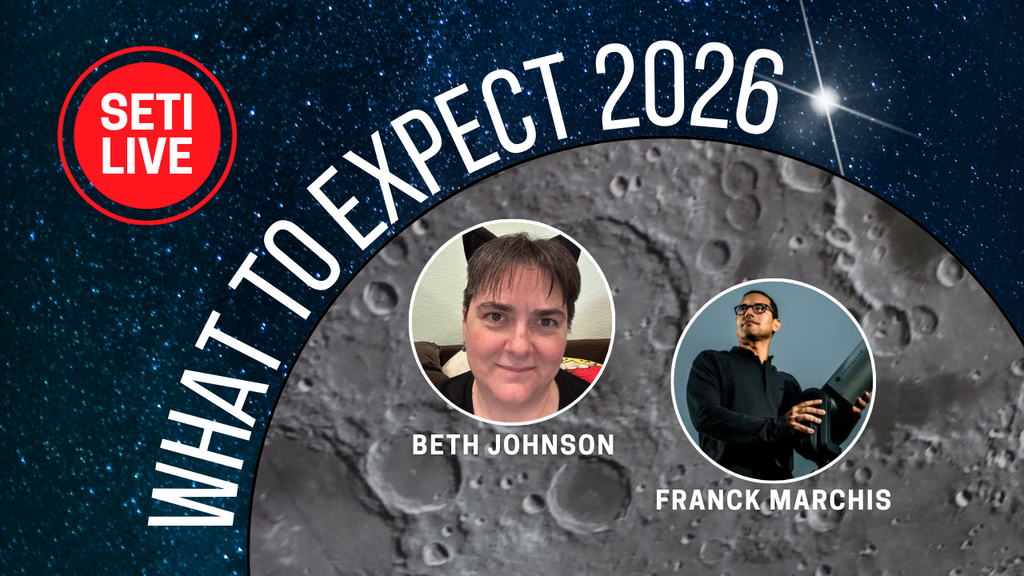
Next #SETILive: What to Expect in Space Science 2026
TODAY, 8 January, 2:30 PST
2026 is shaping up to be a pivotal year for space science.
This livestream will explore the major missions, discoveries, and milestones happening this year—from crewed lunar exploration to new space telescopes and planetary science. We’ll talk about what these missions are designed to discover and why they matter.
Join us live and bring your questions: https://youtube.com/live/3AK28FH1b3Y
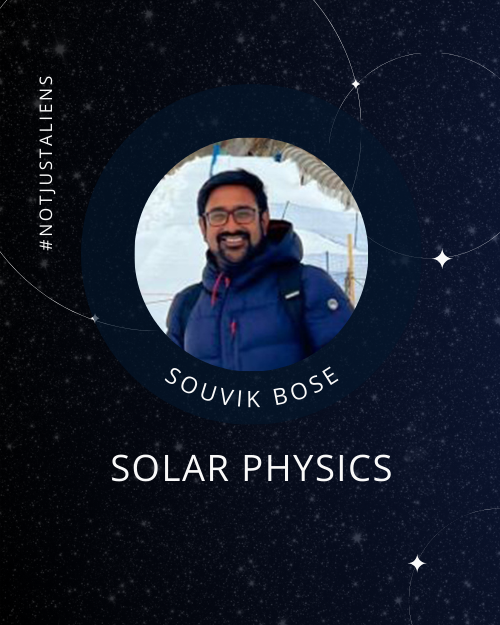
Dr. Souvik Bose focuses on unravelling the dynamics of the solar atmosphere with coordinated high-resolution ground- and space-based observations, using instruments on NASA’s IRIS, SDO and NASA-JAXA’s Hinode missions, among others.
Dr. Bose also works on computing synthetic observations from high-resolution MHD simulation snapshots using a variety of radiative transfer codes. He is involved in the data modeling and development of the upcoming MUSE mission.
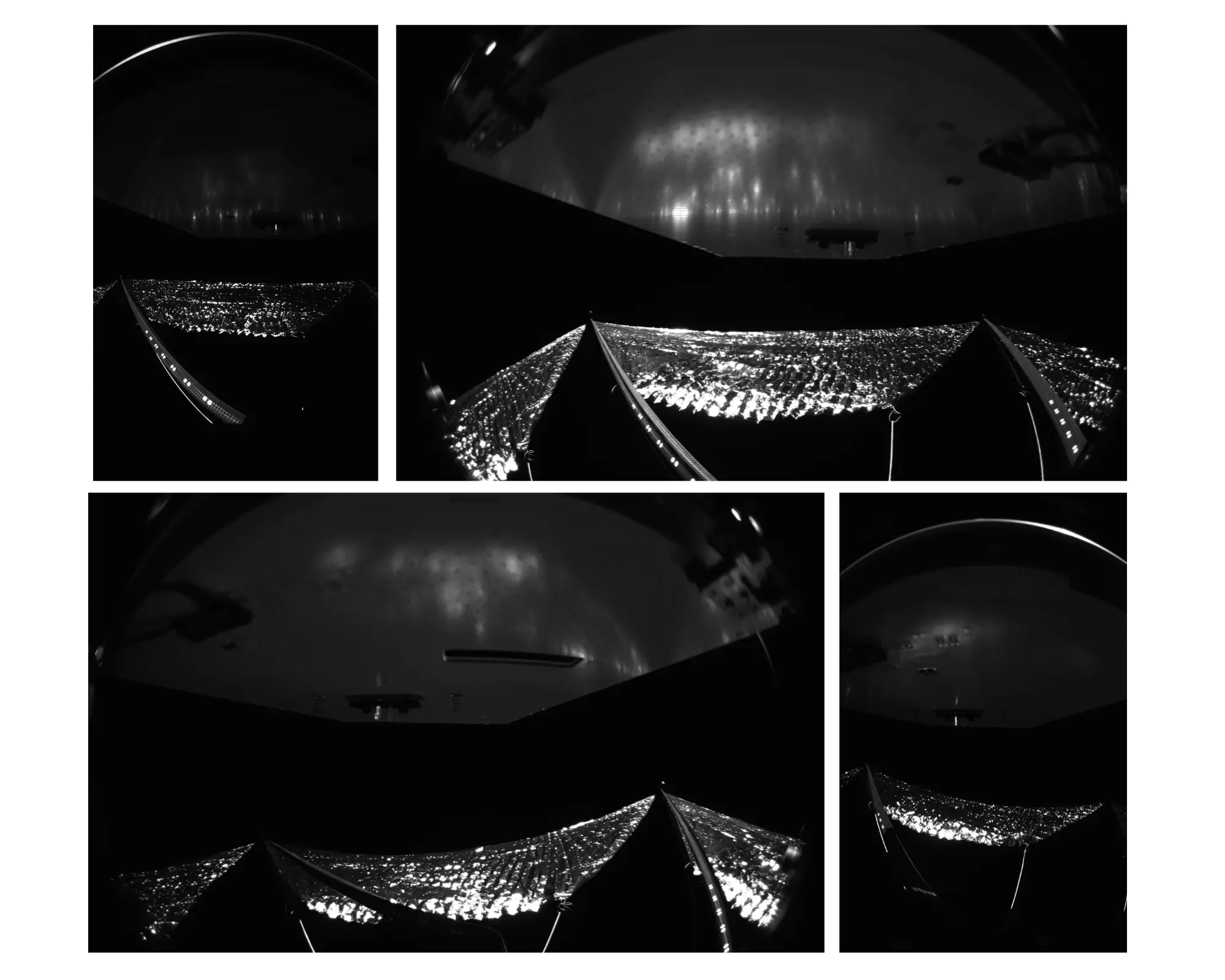
Quick reminder that NASA currently has a solar sail in Earth orbit, flapping its wings in the flow of sunshine.
https://blogs.nasa.gov/smallsatellites/2024/10/22/update-on-nasas-advanced-composite-solar-sail-system/ #space #science #nasa #tech
Epic Dust Storm on Mars!
Full size video (1920x1080): https://flic.kr/p/2qqz3ZU
Full res image (9770x5500): https://flic.kr/p/2qpZ51C
Credits:
Processing: AndreaLuck CC BY
Raw Data: ESA/DLR/FUBerlin
ESA Mars Express HRSC
Vastitas Borealis
Orbit 21940
Frames
1 HL940_0000_S14.IMG Time: 2021-05-12T12:42
2 HL940_0000_ND4.IMG Time: 2021-05-12T12:44
3 HL940_0000_S24.IMG Time: 2021-05-12T12:46
Colours
HL940_0000_RE4.IMG HL940_0000_GR4.IMG
HL940_0000_BL4.IMG
Edited 1y ago
Astronomers from The University of New Mexico, along with U.S. and international researchers, have confirmed the existence of a new giant exoplanet, made possible through a collaboration with citizen scientists around the world.
Several key programs enabled this global effort, including the TESS Follow-up Observing Program Sub Group 1, the Unistellar Citizen Science Network, and the TESS Single Transit Planet Candidate Working Group.
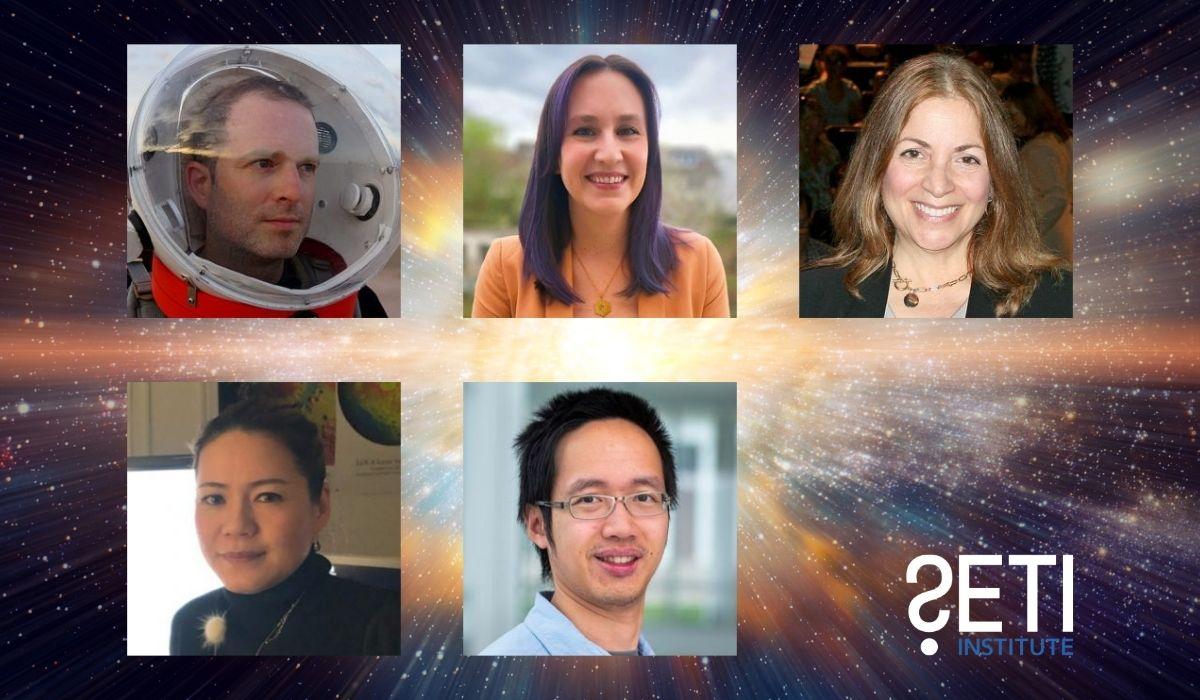
PRESS RELEASE: https://www.seti.org/press-release/seti-institute-strengthens-science-advisory-board-five-new-members
The SETI Institute welcomed five new experts to its Science Advisory Board (SAB), broadening its scope in important scientific and ethical domains essential to understanding life and intelligence in the universe. The new members bring expertise in science communication, ethics and philosophy, animal cognition and intelligence, analysis of extraterrestrial materials, and planetary astronomy.
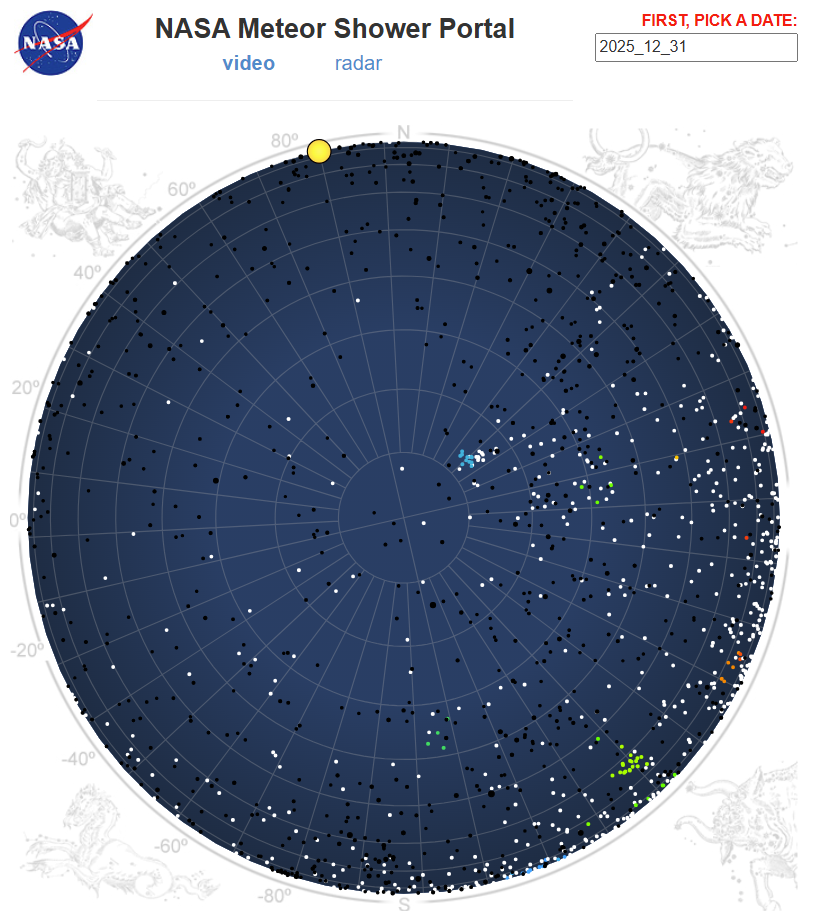
New Year’s Eve brought more than fireworks.
A rare meteor shower flared up in southern skies — debris from a comet, lighting up Earth’s atmosphere at cosmic speeds. 🌌
🔭 The Volantids were spotted again, just like they were in 2015 and 2020, hinting at a repeating pattern.
💥 Alongside it, observers from Australia, Brazil, Chile, New Zealand, and South Africa saw an outburst of the kappa Volantid meteors, with over 300 flashes recorded.
Learn more: https://www.seti.org/news/volantid-meteors-2025-2026/
This month’s highlights range from careful scientific evaluation of speculation surrounding interstellar comet 3I/ATLAS to broader discussions of where life might exist beyond Earth, informed by SETI’s integrated approach to biosignatures and technosignatures.
Read the full stories: https://www.seti.org/news/seti-institute-in-the-news-december-roundup-2025/
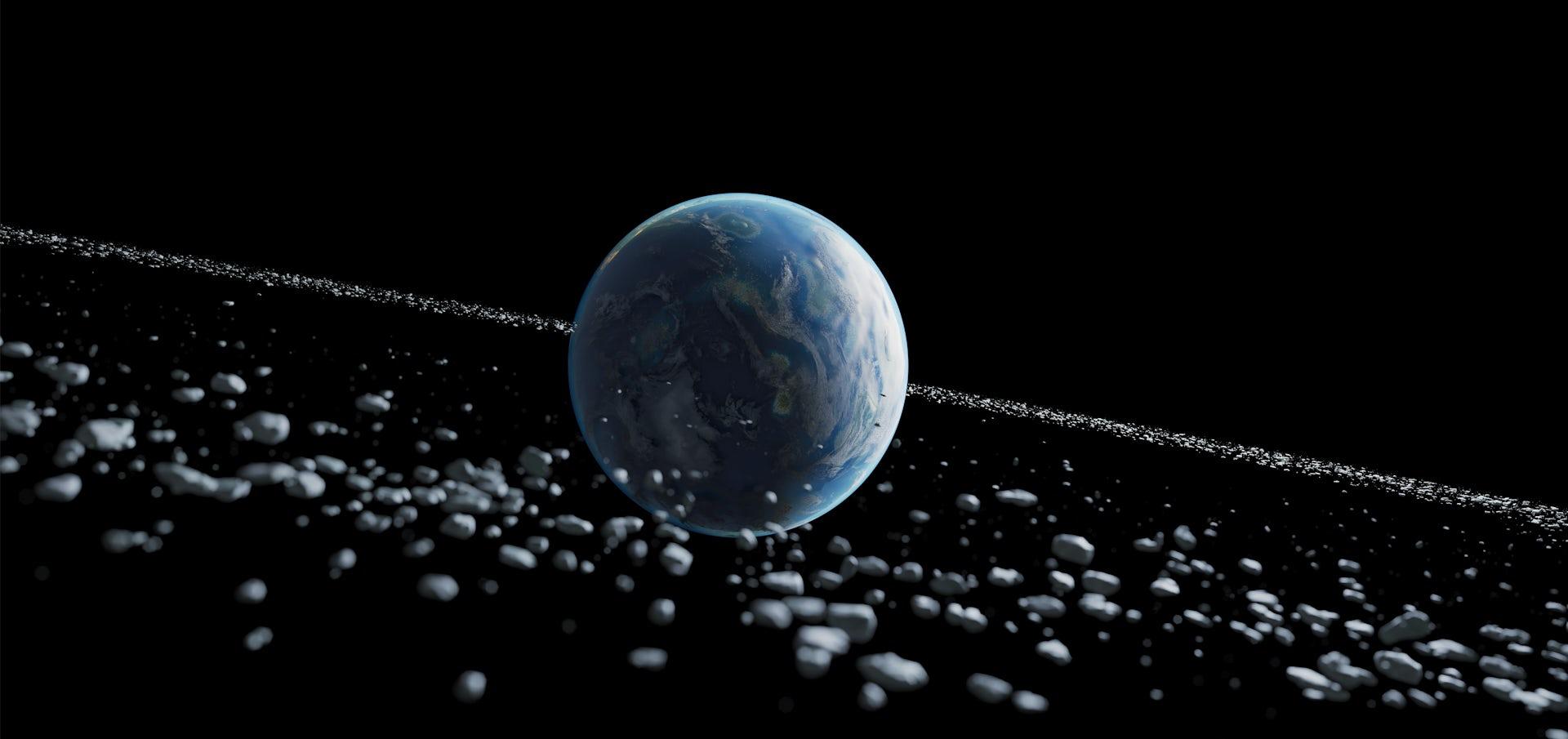
Two unusual things happened on Earth around 460 million years ago: a bunch of asteroid impacts near the equator & an intense global cold spell.
Possibly both were the result of an asteroid that broke up & gave our planet a pretty but deadly set of rings.
https://eos.org/articles/a-close-asteroid-encounter-may-have-once-given-earth-a-ring #space #science #nature
Are the colours in astronomical images real? What do these colours mean? And what about images that aren't taken in visible light?
We get these questions all the time, so in the latest episode of Chasing Starlight we show you how these colourful images are made:
#PPOD: Martian 'Spiderwebs' Up Close
From orbit, parts of Mars look like sprawling spiderwebs etched across the hillsides. These patterns may record a time when groundwater flowed through large fractures in the rock, leaving minerals behind. Over time, those minerals hardened into ridges while the surrounding rock—lacking that reinforcement—was slowly worn away by wind.
In a recent SETI Live conversation, Beth Johnson spoke with William J. Welch Postdoctoral Fellow Dr. Karen Perez, lead author of a new study reporting the possible discovery of a pulsar candidate near the Galactic Center. Using data from the Breakthrough Listen Deep Pulsar Survey and observations with the NSF Green Bank Telescope, Dr. Perez and collaborators are investigating one of the most important regions of the Milky Way.
Learn more: https://www.seti.org/news/lost-pulsars/

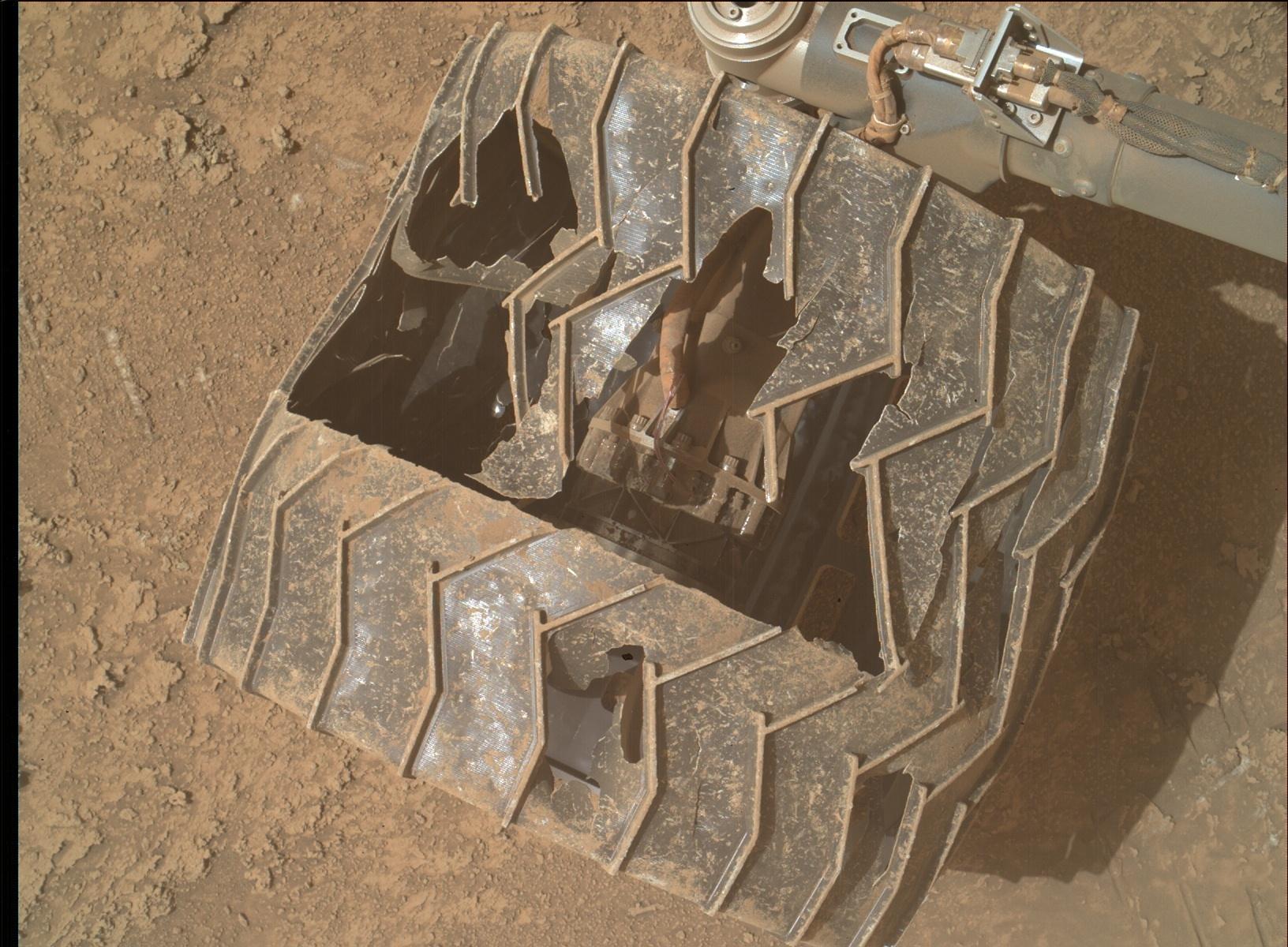
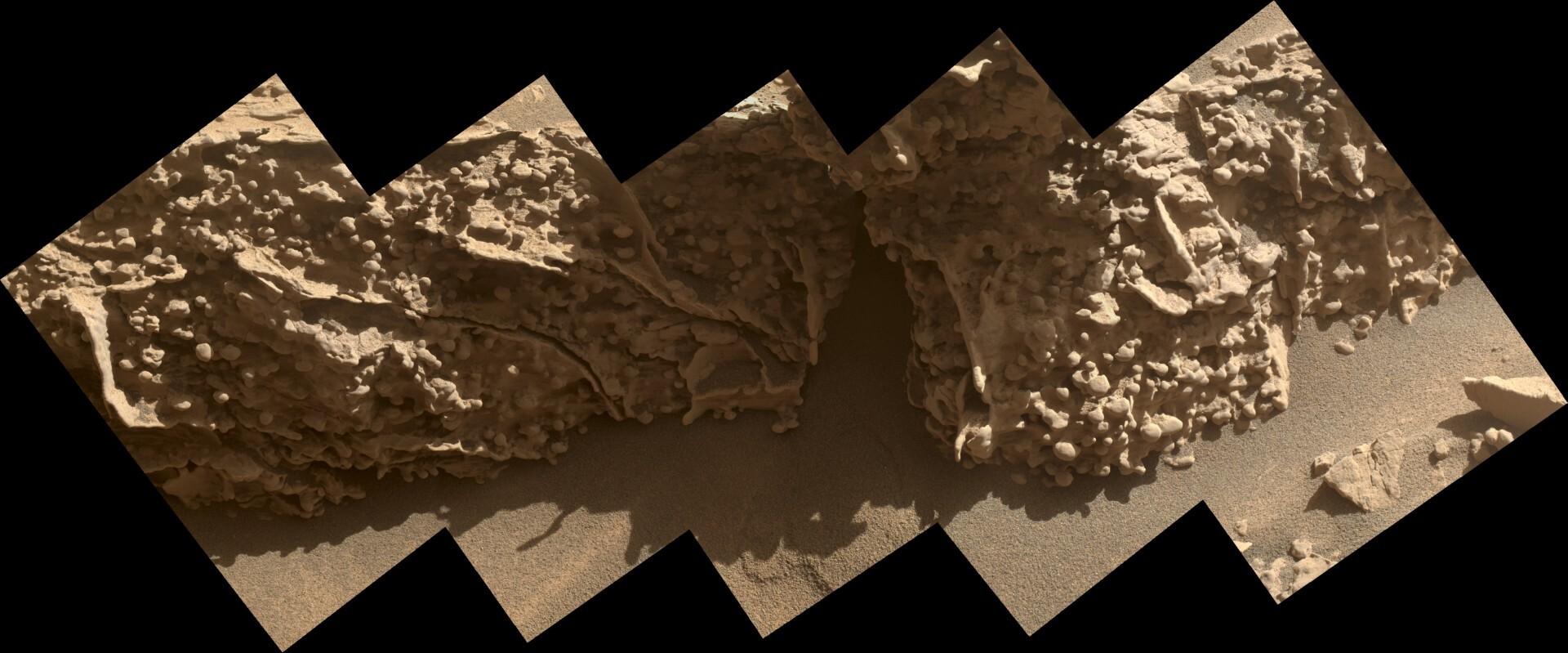
Curiosity: 4844th day of the mission
Image captured 6 hours ago.
Credits: NASA/JPL-Caltech/MSSS
#Mars #Curiosity #rover #Sol4844 #CuriosityRover #space #science