Astronomers trace massive cosmic explosion back 12 billion years. 'This is the most distant event where we can directly see light escaping from around stars'. Via @spacedotcom #Space #Astrophysics #OrbitalMechanics #Astronomy 🚀 🌌 ☄️ 🛰️
Astronomers trace massive cosm...
astrophysics
8pm Tuesday Boston time
#lispyGopherClimate #commonLisp #astrophysics #supercomputing #softwareEngineering #archive , https://communitymedia.video/w/9kysH4ZwVuP4J4erZozqFT we will have (now done) a live interview with
https://as.tufts.edu/physics/people/faculty/ken-olum
about the recent largest-ever cosmic string simulation also introducing their new spacetime-volume pseudo-parallel simulation technique, relating to gravitational backreaction.
People sometimes ask, "who uses common lisp today".
Olum learned #lisp from John McCarthy.
Edited 1y ago

The water you're drinking could be older than the Sun!
New ALMA observations show that water molecules carry the same chemical fingerprint all the way from star-forming clouds to planet-forming discs and comets, meaning these molecules have remained unaltered since they first formed.
What is this chemical signature and how do astronomers use it to trace the history of water? Find out: https://www.eso.org/public/blog/water-origin/

The Astrophysicist Who Loves the Things We Cannot Know
A conversation with “rational mystic,” physicist Marcelo Gleiser.
By Anne Strainchamps (from the archives)
Astrophysics at PG:
https://www.gutenberg.org/ebooks/subject/40414
A Century Ago, Pioneering Astrophysicist Cecilia Payne-Gaposchkin Showed Us What Stars Are Made Of
The trailblazing Harvard scientist, who documented the dominance of hydrogen and helium in stars, is still inspiring researchers today
By Elizabeth Landau
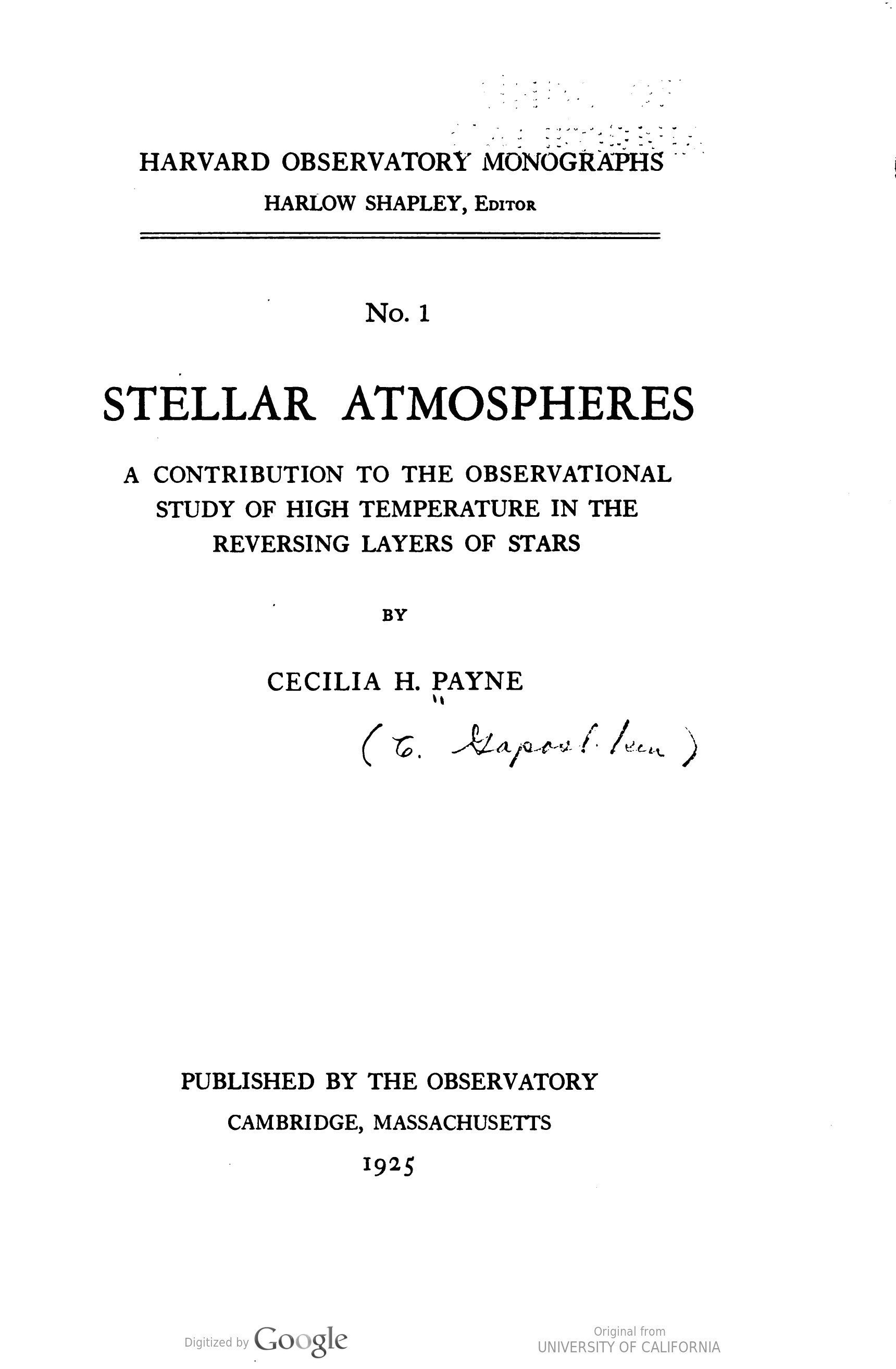
Stellar Atmospheres is available at PG:
https://www.gutenberg.org/ebooks/73996
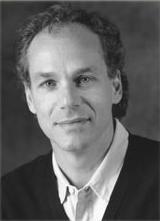
![Photograph of Cecilia Payne-Gaposchkin (1900-1979) at Harvard College Observatory Local number: SIA Acc. 90-105 [SIA2009-1326]
Taken during the early to mid-20th century, the image portrays Payne-Gaposchkin in a thoughtful pose, dressed in a modest sweater, with natural light softly illuminating her face. In the background, shelves and filing cabinets filled with papers and scientific documents suggest an academic setting deeply immersed in research and discovery.](/proxy/post_attachment/654149/89f0e1d9a3.jpg "Photograph of Cecilia Payne-Gaposchkin (1900-1979) at Harvard College Observatory Local number: SIA Acc. 90-105 [SIA2009-1326]
Taken during the early to mid-20th century, the image portrays Payne-Gaposchkin in a thoughtful pose, dressed in a modest sweater, with natural light softly illuminating her face. In the background, shelves and filing cabinets filled with papers and scientific documents suggest an academic setting deeply immersed in research and discovery.")
British astronomer and astrophysicist Cecilia Payne-Gaposchkin was born #OTD in 1900.
In 1925 she proposed that stars were composed primarily of hydrogen and helium. Her groundbreaking conclusion was initially rejected, because it contradicted the science of the time, which held that no significant elemental differences distinguished the Sun and Earth. Independent observations eventually proved that she was correct.
Cecilia Payne-Gaposchkin at PG:
https://www.gutenberg.org/ebooks/73996
![Photograph of Cecilia Payne-Gaposchkin (1900-1979) at Harvard College Observatory Local number: SIA Acc. 90-105 [SIA2009-1326]
Smithsonian Institution/Science Service, restored by Adam Cuerden - Air and Space Museum online gallery](/proxy/post_attachment/298778/ba1a8a460b.jpg "Photograph of Cecilia Payne-Gaposchkin (1900-1979) at Harvard College Observatory Local number: SIA Acc. 90-105 [SIA2009-1326]
Smithsonian Institution/Science Service, restored by Adam Cuerden - Air and Space Museum online gallery")
Edited 2y ago
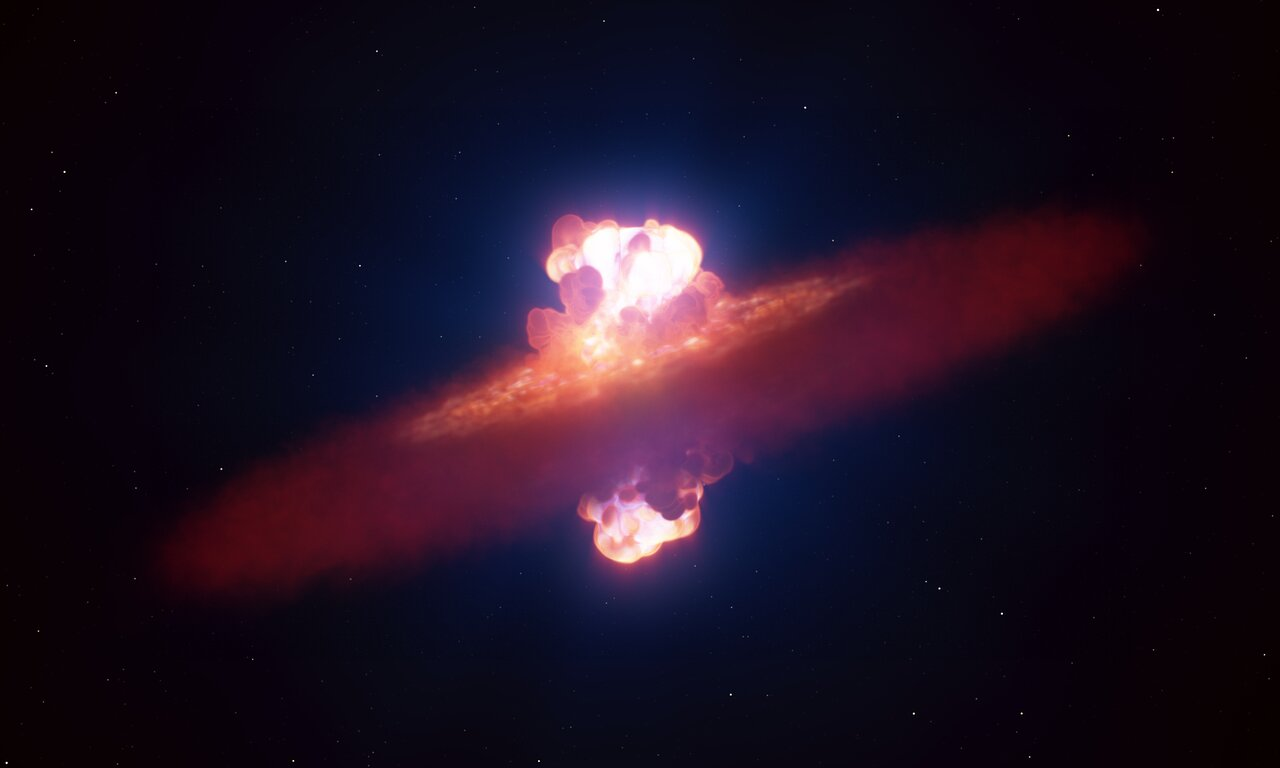
For the first time ever, astronomers have unveiled the shape of a star’s explosion at its earliest stage.
The feat was achieved by ESO's Very Large Telescope just a day after the detection of this supernova, as the blast was breaking through the star’s surface.
This brief initial phase wouldn’t have been observable a day later. This will help shed light on how massive stars go supernova.
https://www.eso.org/public/news/eso2520/
Illustration: ESO/L. Calçada
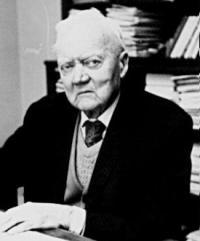
Estonian astronomer and astrophysicist Ernst Öpik was born #OTD in 1893.
He is best known for his pioneering work on the structure and dynamics of the Solar System, particularly his studies on the Oort Cloud, the origin of comets, and stellar evolution. Öpik's work laid the foundation for many modern astronomical theories and influenced later research on the distribution of comets and small celestial bodies in the outer reaches of the Solar System.
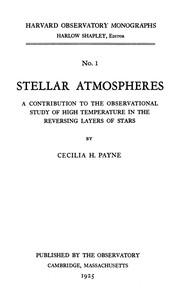
Cecilia Payne-Gaposchkin: The Woman Who Unraveled the Stars
By: Akshita Singh
Her PhD thesis is available at PG:
https://www.gutenberg.org/ebooks/73996
For a #trans person to finish #undergrad, we have to earn our #PhD several times over. And even then the department won't give us the time of fucking day.
#TransInAcademia #Academia #Astrophysics #Physics #Science #STEM
Edited 176d ago
Seeing dark matter in the Andromeda galaxy
By Vera Rubin, from the archives, via @physicstoday
This is a story of why and how Kent Ford and I studied the orbital velocities of stars in the Andromeda galaxy 40 years ago. Our study was influential in the later conclusion that most of the matter in the universe is dark.
https://pubs.aip.org/physicstoday/article/59/12/8/387114/Seeing-dark-matter-in-the-Andromeda-galaxy
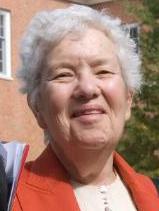

Do photons wear out? An astrophysicist explains light’s ability to travel vast cosmic distances without losing energy.
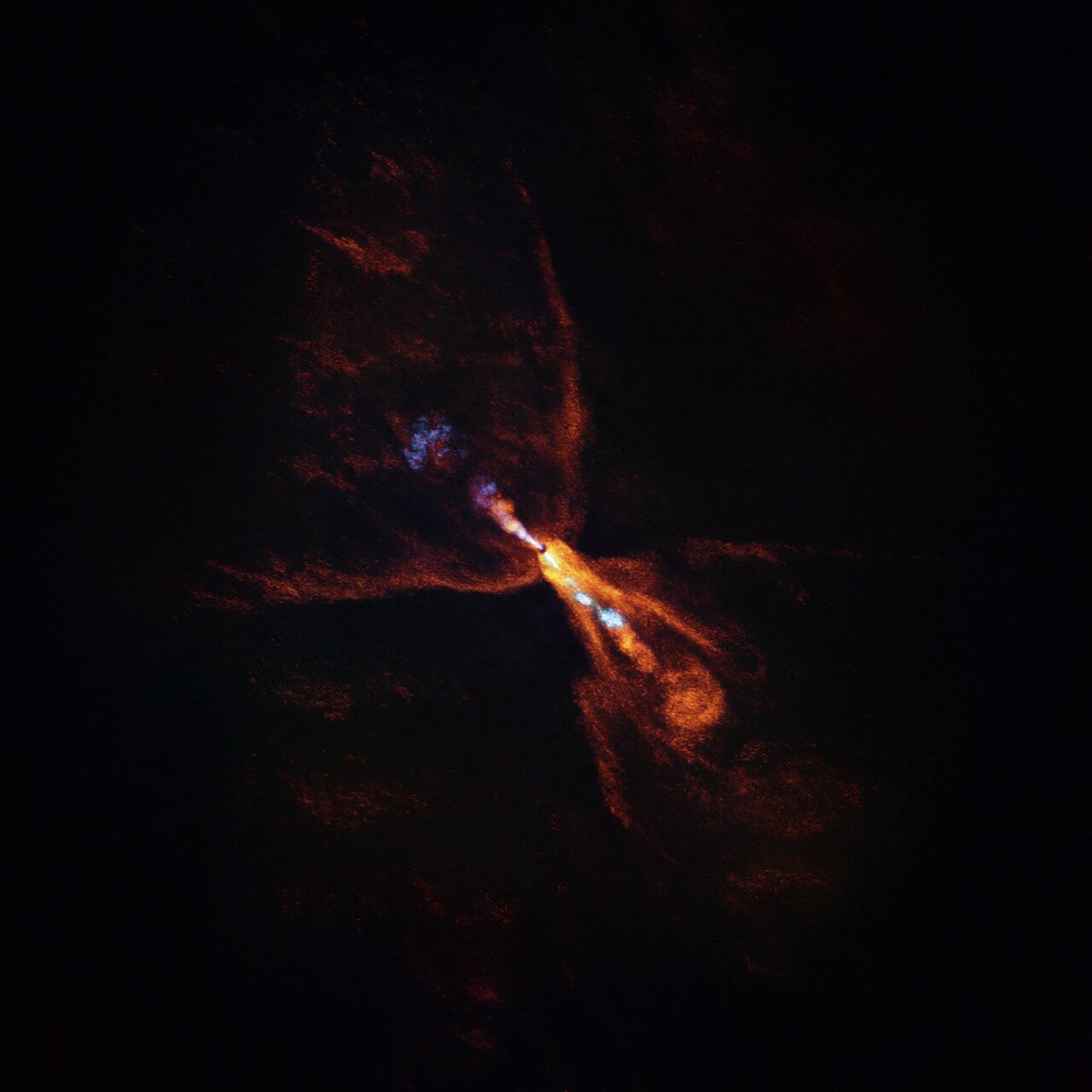
🚨 Astronomers have witnessed the dawn of a new solar system!
Using ALMA and JWST they observed the first specks of planet-forming material — hot minerals beginning to solidify around HOPS-315, a baby star 1300 light-years away.
This marks the first time a planetary system has been identified at such an early stage in its formation – a window to the past of our own Solar System.
https://www.eso.org/public/images/eso2512a/
#astrodon #astronomy #astrophysics #space #science
📷 ALMA(ESO/NAOJ/NRAO)/M. McClure et al
The Origin of the Asteroid That Killed the Dinosaurs
The story of the doom-bringing rock may help us prevent a repeat catastrophe
BY SEAN RAYMOND
The end of the story is written, literally, in stone.
Asteroids and Astrophysics at PG:
https://www.gutenberg.org/ebooks/subject/24464
https://www.gutenberg.org/ebooks/subject/40414
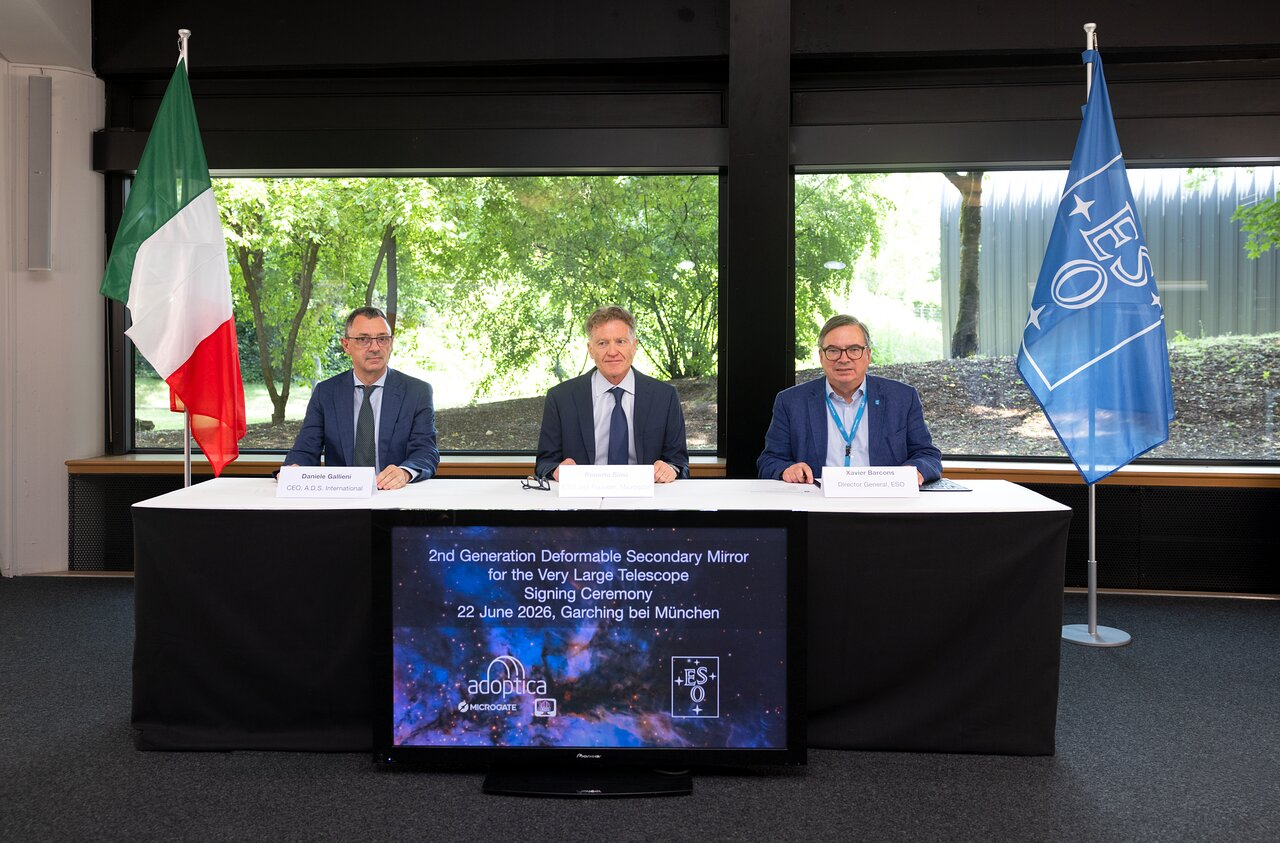
A next-generation deformable mirror for the VLT.
Today we signed a contract with AdOptica for the design & production of a new adaptive mirror.
Adaptive mirrors play a crucial role in adaptive optics facilities that correct observations for the atmosphere's blurring effect.
📷 ESO
1/3 🧵 👇
#astrodon #astronomy #astrophysics #space #science #engineering

Scales of the Universe:
Out Sun is five billion years old and will live another five billion.
A star with ten times the mass, lives some twenty million years, larger stars have an even shirter lifetime.
A star with half the mass of the Sun will live hundred billion years. Our universe is 13.7 billion years old -- the oldest low mass stars are not even past their teenage years yet.
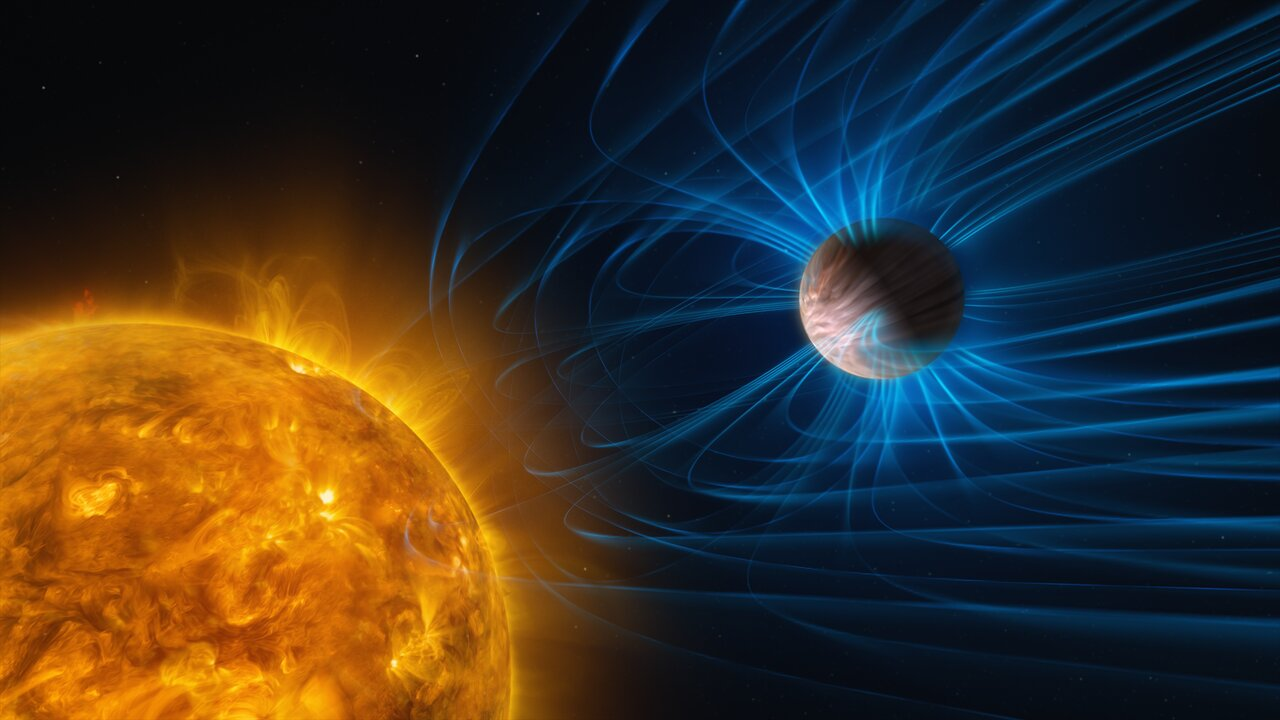
1/2 Astronomers have found the strongest hints yet of magnetic activity in exoplanets 🧲
Using our Very Large Telescope and Gemini North, they measured wind speeds on 7 very hot, Jupiter-like exoplanets. They saw a very intriguing pattern: the hotter the planet, the slower the wind.
This is unexpected, as hot planets have more energy to accelerate the winds. So what's going on? Keep reading...
Artist impression: ESO/M. Kornmesser, L. Calçada
Unblurring the skies!
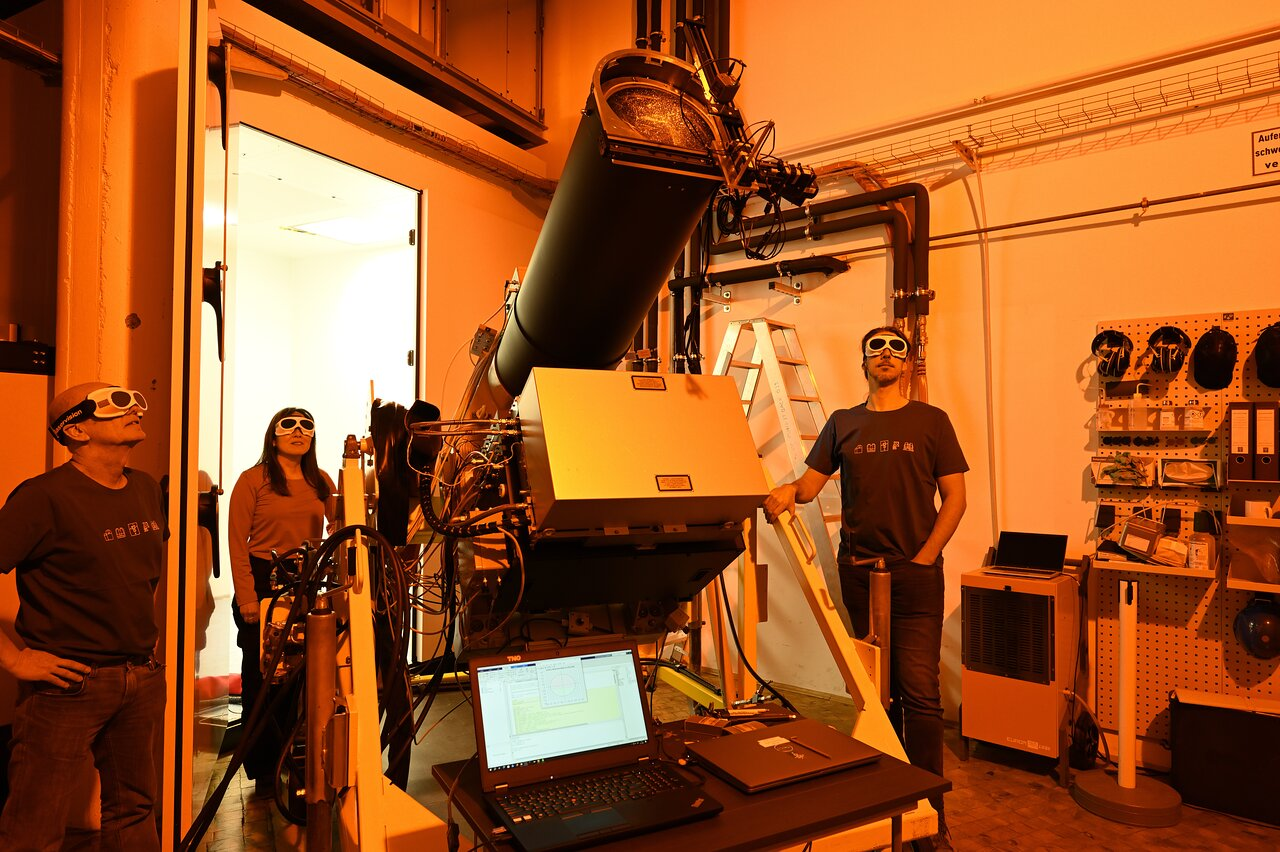
This is one of the lasers of our Extremely Large Telescope (ELT), under construction in #Chile
The laser, shown here undergoing tests at our Headquarters in Germany, is part of the ELT's adaptive optics system, which will correct the blurring effects of Earth’s atmosphere, enabling the ELT to capture much sharper views of the Universe.
Read more: https://www.eso.org/public/images/potw2625a/
📷 ESO/TNO/Demcon/Fred Kamphues
#astrodon #astronomy #astrophysics #space #science #engineering

Starter packs for geosciences, astronomy and physics (partly Germany-centric):
Earth and Geoscience: https://fedidevs.com/s/OTk1/ by @pikarl
Astronomy and Space: https://fedidevs.com/s/NjA2/
Physics: https://fedidevs.com/s/ODg2/
As I find I am running into limits with pinned posts, I've decided to consolidate three starter packs I like to recommend into this one single post. Enjoy!
#FollowFriday #StarterPacks #Science #Physics #Astrodon #Astronomy #Astrophysics #Geosciences #Geology #EarthSciences #PlanetaryScience
🚨 Beyond the limit 🚨
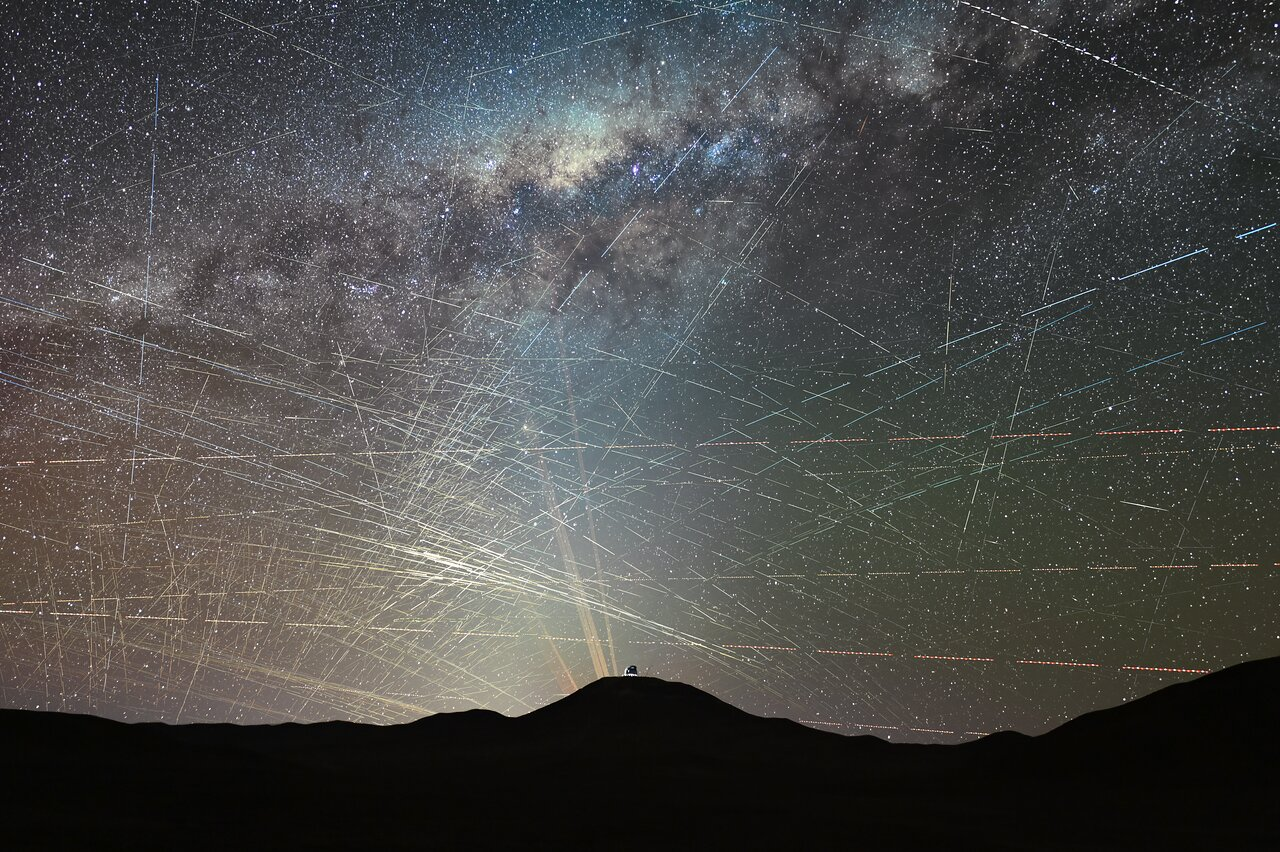
New ESO study finds that current proposals to launch 1.7+ million satellites into orbit would have devastating consequences for astronomy.
The most extreme proposals come from SpaceX & Reflect Orbital
1/4
📷 F. Kamphues, ESO/M. Kornmesser
#astrodon #astronomy #astrophysics #space #science #environment #pollution
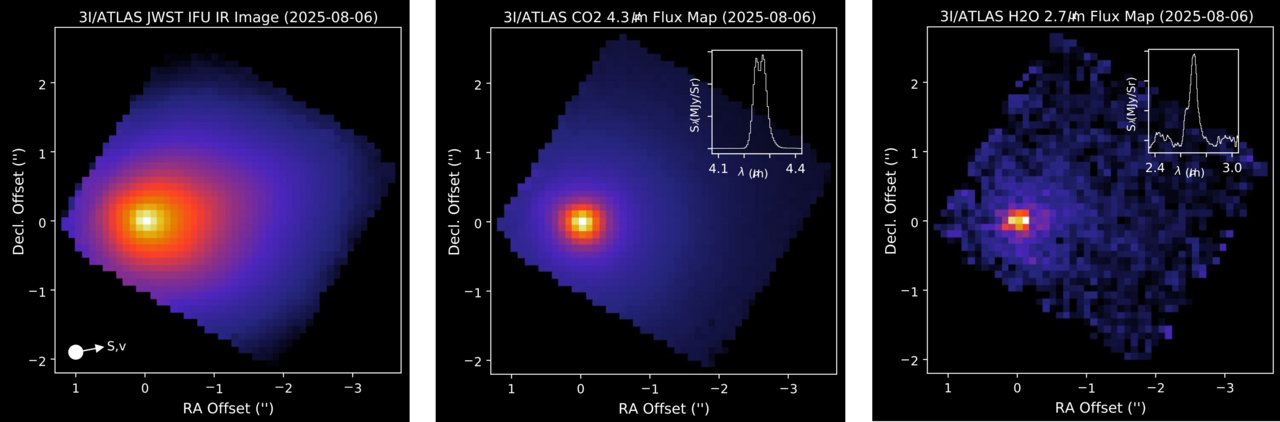
Deuterium in Comets Tells Interesting Tales
Comets were long viewed as omens by ancient cultures, but modern astronomy has revealed them to be icy, rocky bodies that release dust and gas as they travel through the inner Solar System.
By Carolyn Collins Petersen
https://www.universetoday.com/articles/deuterium-in-comets-tell-interesting-tales
Books about Comets at PG:
https://www.gutenberg.org/ebooks/subject/1827
Our congratulations to ESO fellows Maximilian Häberle & Bibiana Prinoth @bibianaprinoth on receiving the 2025 IAU PhD Prize 👏
Assigned by each IAU Division, it acknowledges remarkable work carried out in the Division's subject area during the previous year. 1/4
That's no moon. It's a...hang on, what should we call it? 🤔
Our VLT has revealed evidence for a moon-like object in the CD-35 2722 system. Yet this new ‘exomoon’ detection is challenging cosmic labels!
Illustration: ESO/M. Kornmesser
#astrodon #astronomy #astrophysics #space #science
1/4
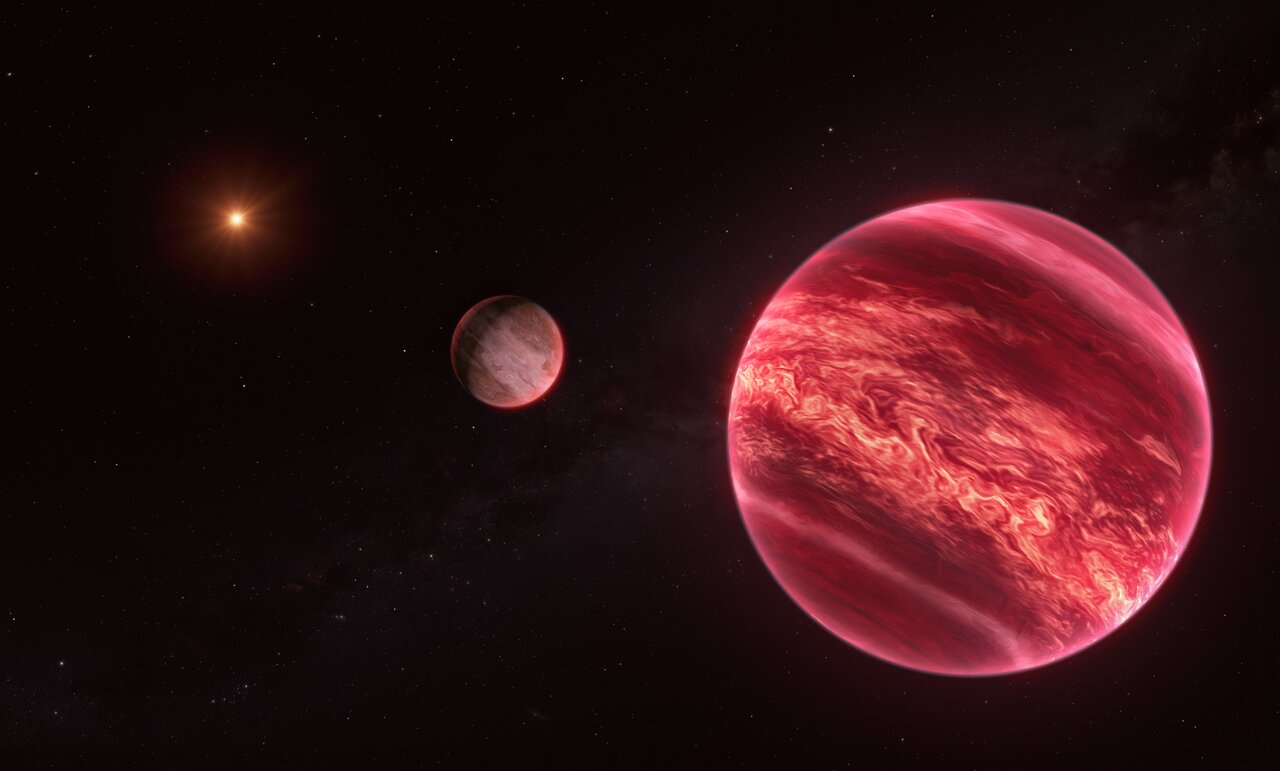
We know you loved the photograph of our Extremely Large Telescope that we shared earlier this week! Curious to learn more about how we rotated the 3500 t structure of the telescope for the first time? Check the video below 👇
Open PhD positions: The IMPRS for Solar System Science at the University of Göttingen and at TU Braunschweig is offering PhD projects in Star-Planet Interactions and in Planet Formation https://www.mps.mpg.de/phd/open-projects
Star-Planet Interactions with E. Ilin: https://www.mps.mpg.de/phd/star-planet-interactions
Planet Formation with J. Drążkowska: https://www.mps.mpg.de/phd/planet-formation
Application deadline: October 1st, 2026
Want to get notified when new PhD projects become available in the #IMPRS? This way, please: https://www.mps.mpg.de/phd/new-project-notification
@unigoettingen @thegoecampus @tubraunschweig @maxplanckgesellschaft
#SolarSystemSchool #MPSGoettingen #JobAd #FediHire #PhD #Jobs #PhDPositions #Astronomy #Astrophysics #Astrodon #Stars #Planets #PlanetFormation #Space