In our latest #SETILive #podcast, doctoral student Sanne Bloot details some of the characteristics of a white dwarf star that was found to be emitting a strange, repeated radio signal. Listen to the full episode: https://www.seti.org/outreach/seti-live/
space
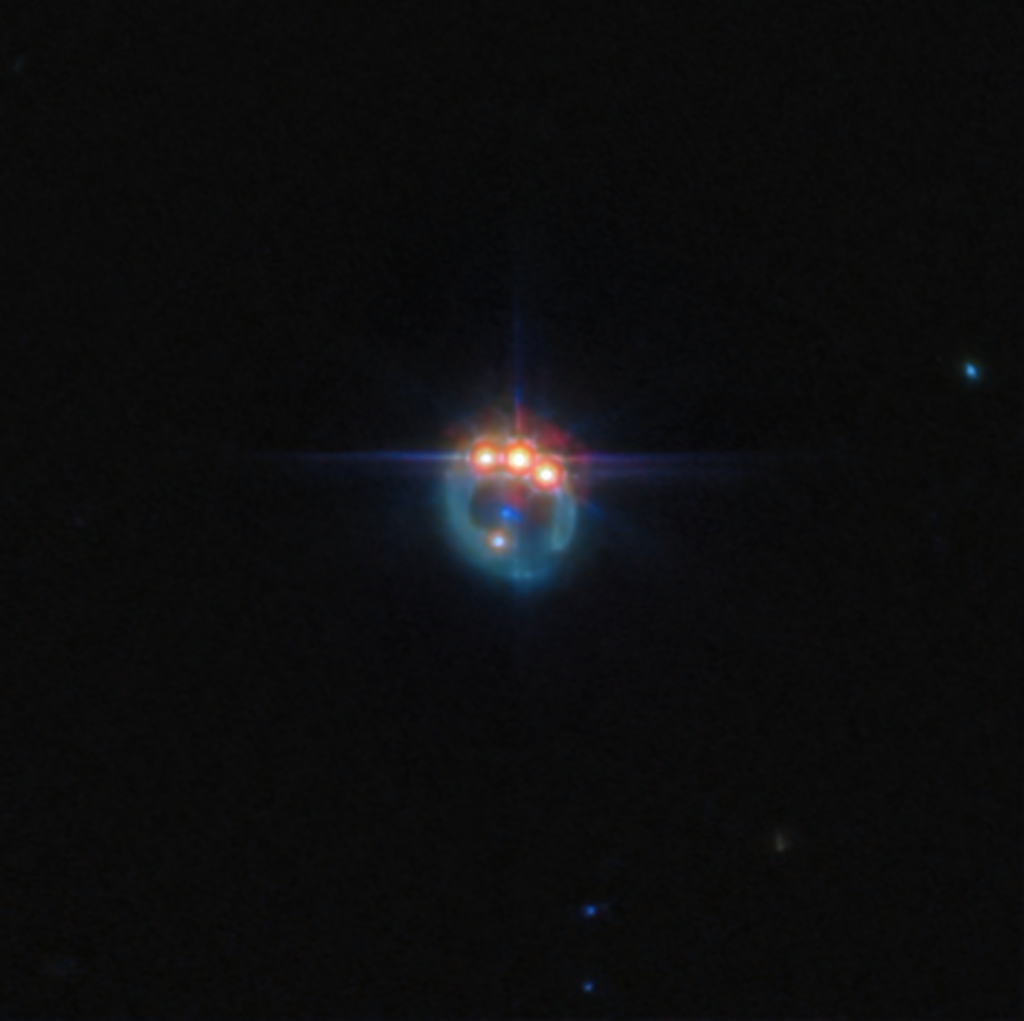
#PPOD: This picture from the NASA/ESA/CSA James Webb Space Telescope features the gravitational lensing of the quasar known as RX J1131-1231, located roughly six billion light-years from Earth in the constellation Crater. It is considered one of the best lensed quasars discovered to date, as the foreground galaxy distorts the image of the background quasar into a bright arc, creating four images of the object. Credit: ESA/Webb, NASA & CSA, A. Nierenberg
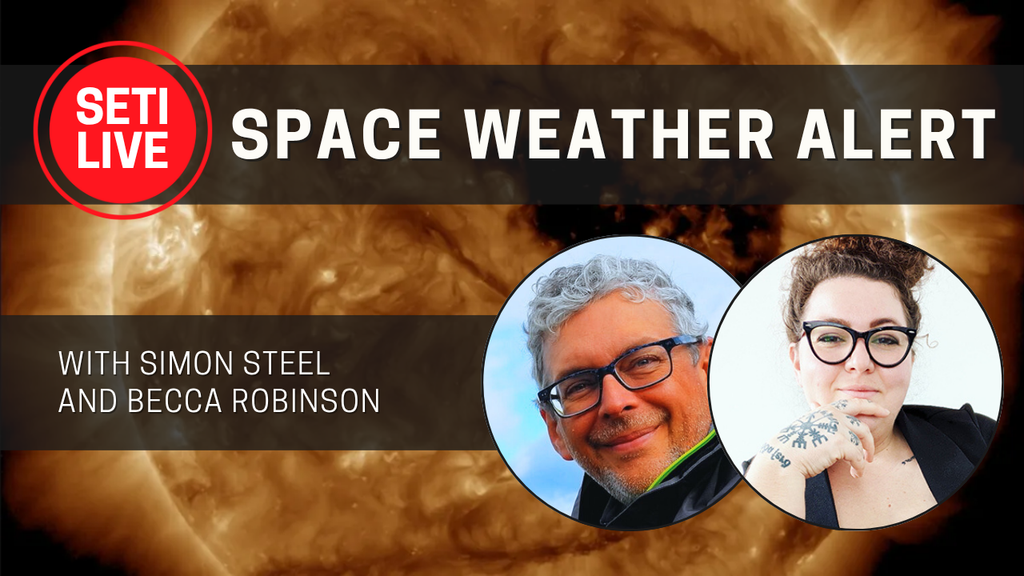
Next #SETILive: Space Weather Alert
TODAY, 7 October 2025, 2:30 pm PDT / 5:30 pm EDT
In this special SETI Live, heliophysicist Dr. Becca Robinson (SETI Institute) joins host Simon Steel (Deputy Director of the Carl Sagan Center at the SETI Institute) to explain what coronal holes are, how they form, and what their impacts mean for both our technology and our understanding of the Sun.
WATCH LIVE: https://youtube.com/live/rx0WpKCpbGk
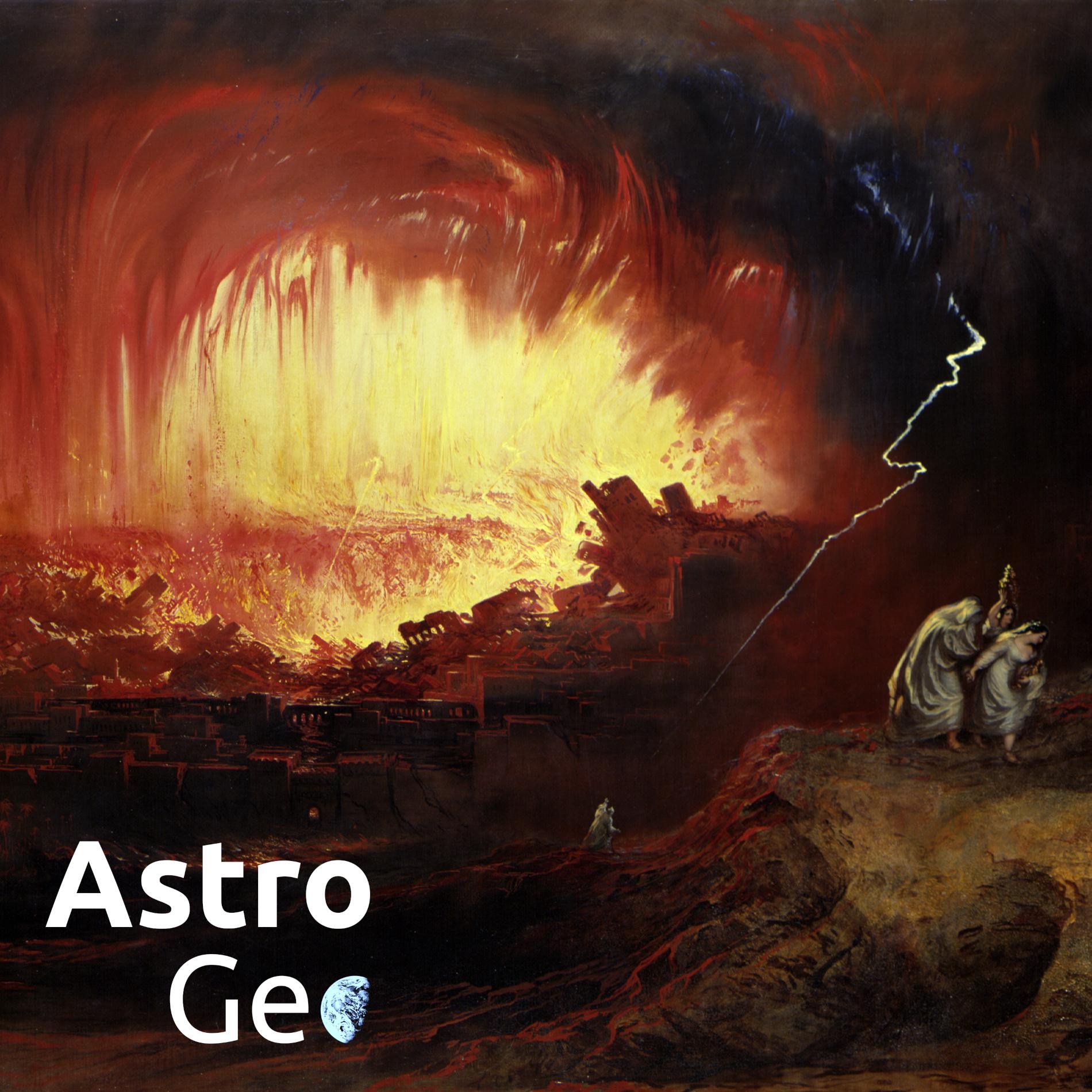
Neue Folge! Karl erzählt von einer Studie, nach der vor 3670 Jahren ein zerplatzter Meteorit eine Stadt im Jordantal zerstört habe. War es das biblische Sodom aus dem alten Testament?
➡️ https://astrogeo.de/biblische-bilder-broeckelnde-beweise-was-hat-sodom-und-gomorra-zerstoert/
Eine Geschichte von wissenschaftlichem Fehlverhalten, einer zurückgezogenen Studie und einer speziellen Form von Kreationismus.
🖼️ : Public Domain: John Martin (1852)
Edited 279d ago

this is not #AI
this is not a scene from a movie
this is simply a one in a billion video shot at the right time at the right angle by a teenager in #portugal a few days ago, may 18/ 19
fucking amazing! positively biblical
experts say it was a #comet fragment, a few feet wide
Edited 2y ago
SETI Institute In the News 2025: September Roundup
From Martian rocks that may hold traces of past life, to fragile asteroids that explode in Earth’s atmosphere, to bold ideas about AI-driven “astronauts,” SETI Institute scientists are at the forefront of discoveries shaping planetary science and humanity’s future in space.
Read the full stories: https://www.seti.org/news/seti-institute-in-the-news-2025-september-roundup/
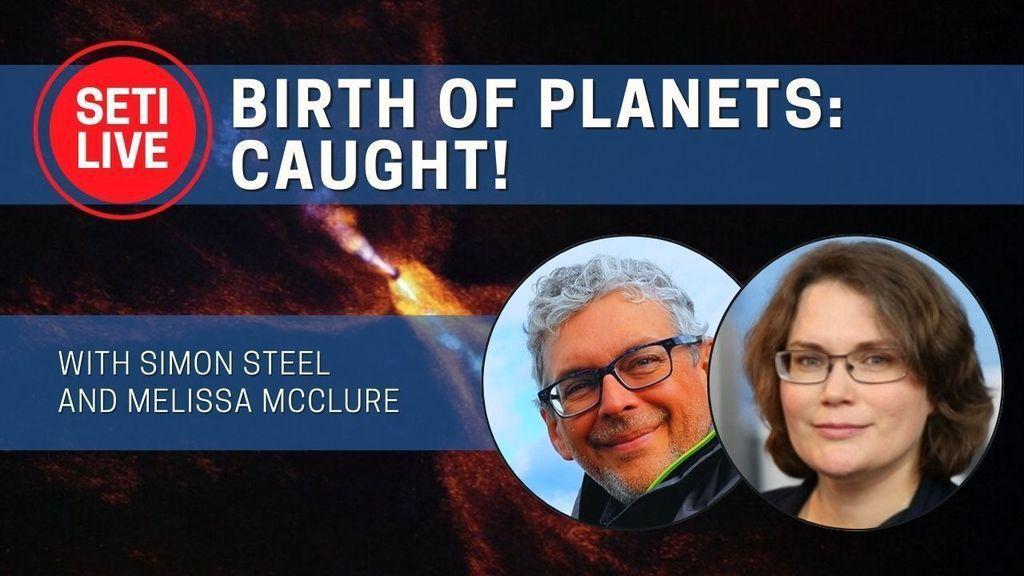
Next #SETILive: Birth of Planets: Caught!
TODAY, 9 October, 11:00 am PDT / 2:00 pm PDT
How do planets start? Host Simon Steel (SETI Institute) speaks with Melissa McClure (Leiden University), lead author of a new study that caught the earliest spark of planet formation.
WATCH LIVE: https://youtube.com/live/dtoULXg_nfg
Every once in a while, our solar system receives a fleeting visitor from the depths of our galaxy. On July 1, 2025, NASA’s ATLAS telescope in Chile discovered Comet 3I/ATLAS, the third known interstellar object ever detected, following ʻOumuamua in 2017 and 2I/Borisov in 2019. What makes it interstellar? Its orbit is hyperbolic, meaning it doesn’t loop back around the Sun but instead cuts straight through the solar system on a one-way journey.
Learn more: https://www.seti.org/news/visitors-from-the-stars-understanding-comet-atlas-without-the-hype/

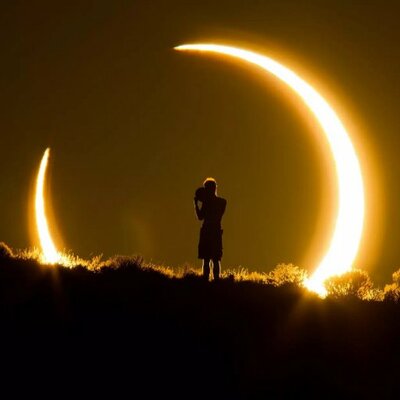
Astronaut Alan Bean enjoying weightlessness in the open space of the orbital workshop on the Skylab space station in 1973.

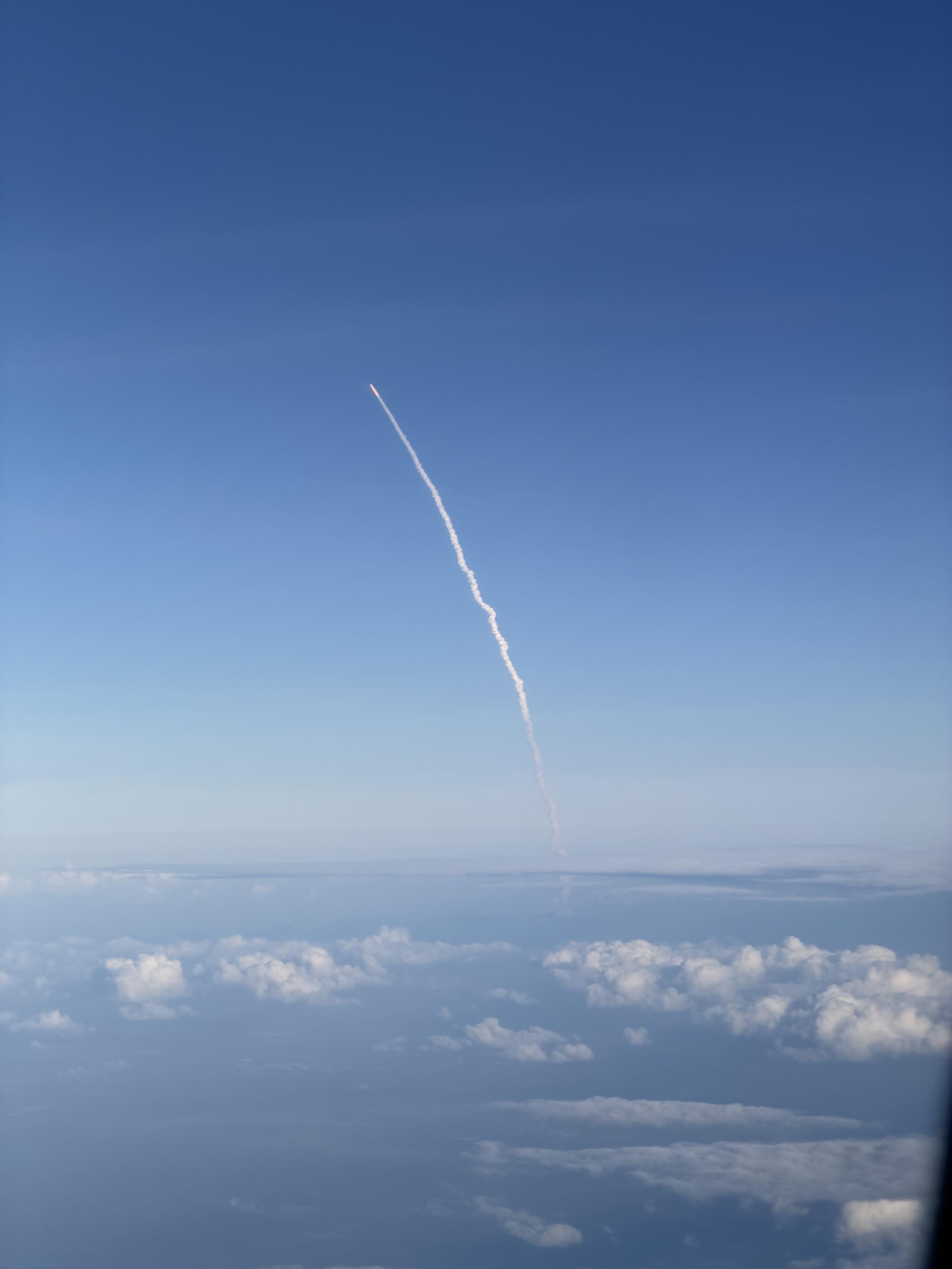
Holy shit you guys we just watched #Artemis go from the plane
(Edit: I posted videos in the replies, if that's of interest❤️)
Edited 159d ago

Earth has a new friend, it turns out. Astronomers have discovered a peculiar “moon” shadowing our planet as it moves through space. Read more from @sciencefocus:
Next #SETILive: Earth 2.0? Maybe Not.
TODAY, 8 December, 11 am PST
How common are biological extraterrestrial intelligences in the Milky Way? Host Simon Steel, Deputy Director of the Carl Sagan Center for Research, is joined by Manuel Scherf and Helmut Lammer to explore new research that challenges long-held assumptions about “Earth-like” planets and what it really takes for a world to support complex life.
WATCH LIVE: https://youtube.com/live/qy8spTZpTNI

Neues Geplänkel! Wir sprechen heute ausgiebig über euer Feedback zu unseren letzten Folgen. Es geht um Geoengineering an den Eisschilden. Und Franzi erklärt, warum Schwarze Löcher keine Haare haben. 👨🦲
➡️ https://astrogeo.de/astrogeoplaenkel-gletscherflut/
📷 : CC BY-SA 3.0 IGO, Copernicus Sentinel data processed by ESA; ASA, ESA, H. Bond (STScI), M. Barstow (Univ. of Leicester); NASA/CXC/SAO
Edited 322d ago
The International Astronomical Union (IAU) has officially named Asteroid 2006 BT282 as Asteroid Shostak, honoring Dr. Seth Shostak for his contributions to astronomy and science communication.
Learn more: https://www.seti.org/news/asteroid-shostak/

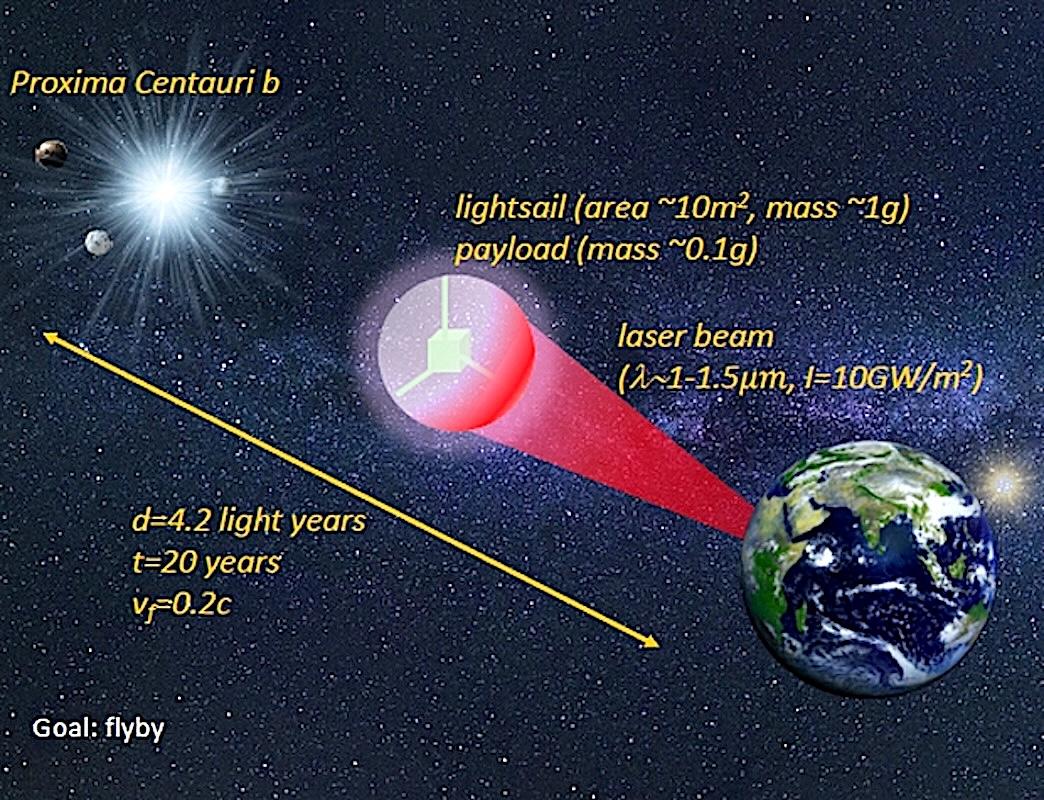
The wild "Starshot" project was conceived to design a probe that could reach Proxima Centauri in about 20 years.
Although project has gone dormant, it has yielded a lot of new ideas (many not widely shared, alas) about how to build a viable interstellar probe.
https://www.centauri-dreams.org/2026/03/10/starshot-is-a-success-part-ii/ #space #science #technology

#Space video accounts to follow:
(If an account looks blank to you, see https://fedi.tips/why-does-someones-account-page-look-completely-blank-is-it-really-blank)
➡️ @lightcurvefilms_socialmedia - Planetary science videos
➡️ @europlanet_media - European org for planetary science
➡️ @issi_media - Research on Solar System, planetary sci, astrophysics etc
➡️ @geo.x_media - Geoscientific competence network based in Berlin & Potsdam, Germany
➡️ @openplanetary_media - Helping planetary scientists & software developers to share data & tools
🧵 1/2
Edited 315d ago

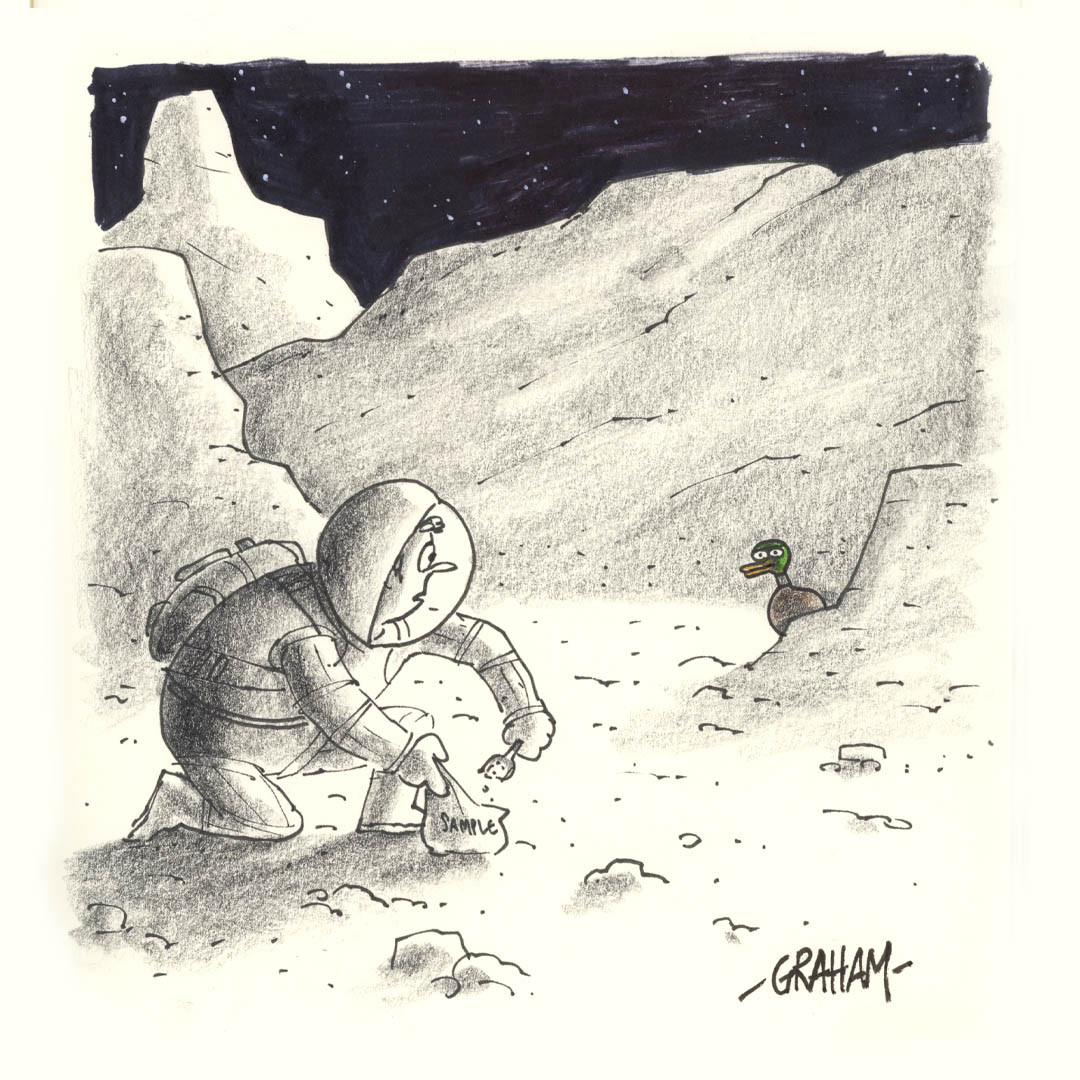

👨🚀🚀 3... 2... 1... Liftoff!
Last night, Europe's new heavy-lift rocket, #Ariane6, successfully made its inaugural flight.
Ariane 6 can launch both heavy and light payloads to a wide range of orbits for applications such as Earth observation, telecommunication, meteorology, science and navigation.
It is a key step towards secure and autonomous 🇪🇺 access to #space.
Congratulations to the teams at European Space Agency, National Centre for Space Studies, Arianespace on this success!
📷© ESA

Our first terraforming goal should be the Moon, not Mars
SETI Institute In the News 2025: October Roundup
Throughout October, the SETI Institute was featured across leading science and media outlets, underscoring its continued leadership in research, innovation, and public engagement. From advising Disney/Pixar on the science behind Elio to contributing expert analysis on Martian dust dynamics, SETI Institute scientists help bring complex discoveries to a global audience.
Read the full stories: https://www.seti.org/news/seti-institute-in-the-news-2025-october-roundup/
In a recent episode of SETI Live, SETI Institute Deputy Director Dr. Simon Steel spoke with astronomer Dr. Melissa McClure of Leiden University about a groundbreaking discovery: the earliest stages of planet formation caught in action.
The finding, published in Nature, marks the first direct evidence of hot mineral condensation in a protoplanetary system at such an early stage.
Learn more: https://www.seti.org/news/birth-of-planets-jwst-spots-hot-mineral-condensation-in-a-proto-stellar-system/
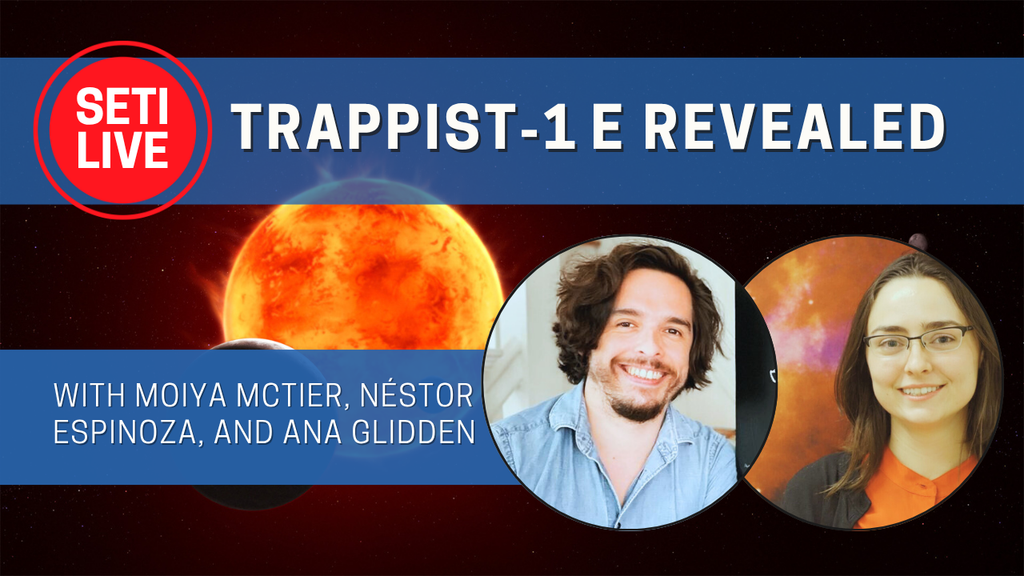
Next #SETILive: TRAPPIST‑1 e Revealed
Peering Inside an Exoplanet’s Atmosphere
TODAY, 6 November, 10 am PST / 1 pm EDT
Join SETI Live host Moiya McTier with Néstor Espinoza (STScI) and Ana Glidden (MIT) for a deep dive into the latest JWST observations of TRAPPIST‑1 e, one of the most tantalizing Earth-sized planets in the habitable zone of a nearby star.
WATCH LIVE: https://youtube.com/live/wQfR7yn82CY
"Beyond the limit": one million satellites and mirrors in space pose grave threat to the night sky, finds new ESO study
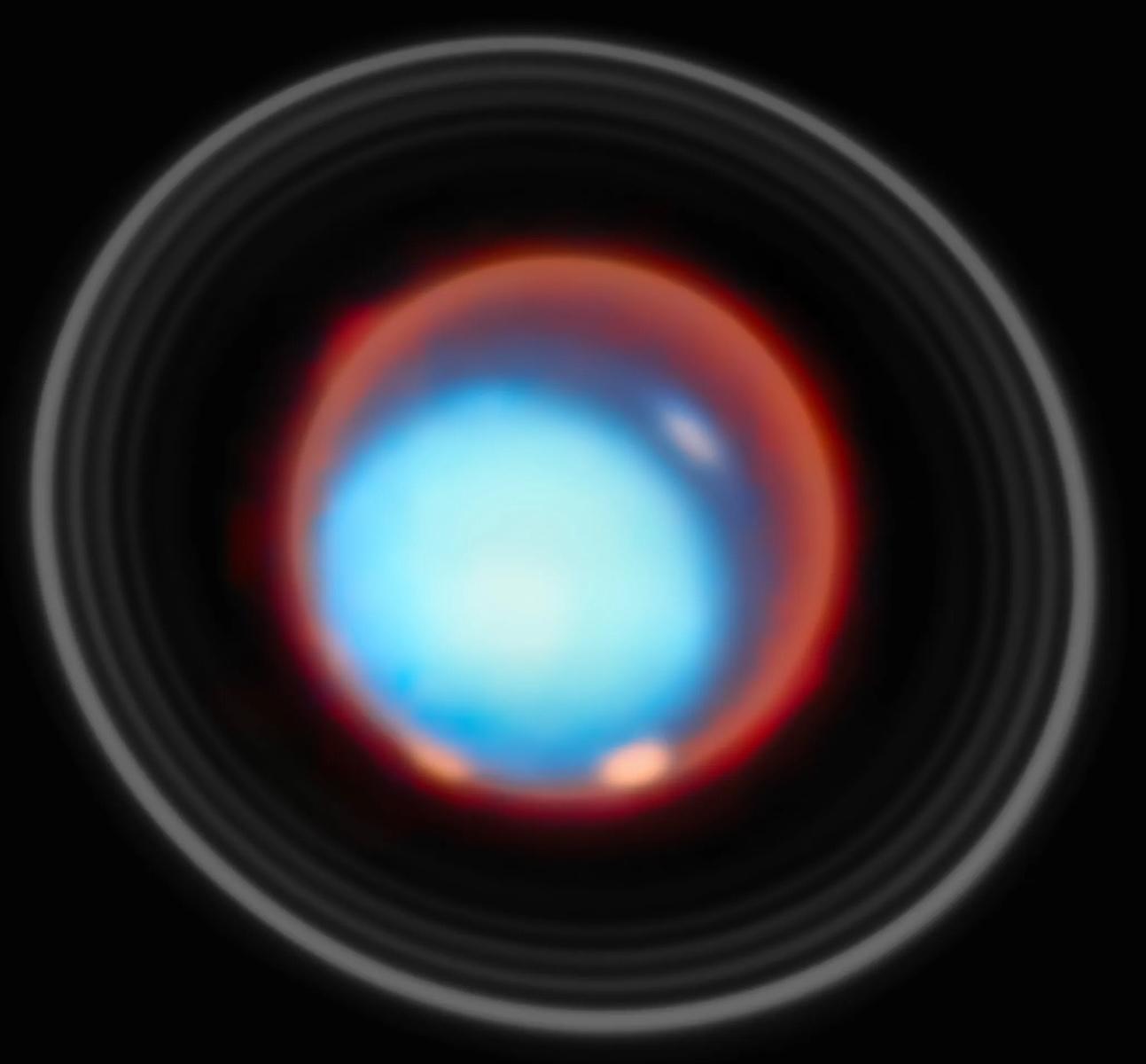
#PPOD: NASA’s JWST provided the first vertical view of Uranus’s ionosphere in this image released on Feb. 19, 2026, revealing auroras shaped by its tilted magnetic field.
Getting a look at the structure of the region where the atmosphere interacts strongly with the planet’s magnetic field is giving us the most detailed portrait yet of where its auroras form, how the magnetic field influences them, and also data on how Uranus’s atmosphere has continued to cool since the 1990s.