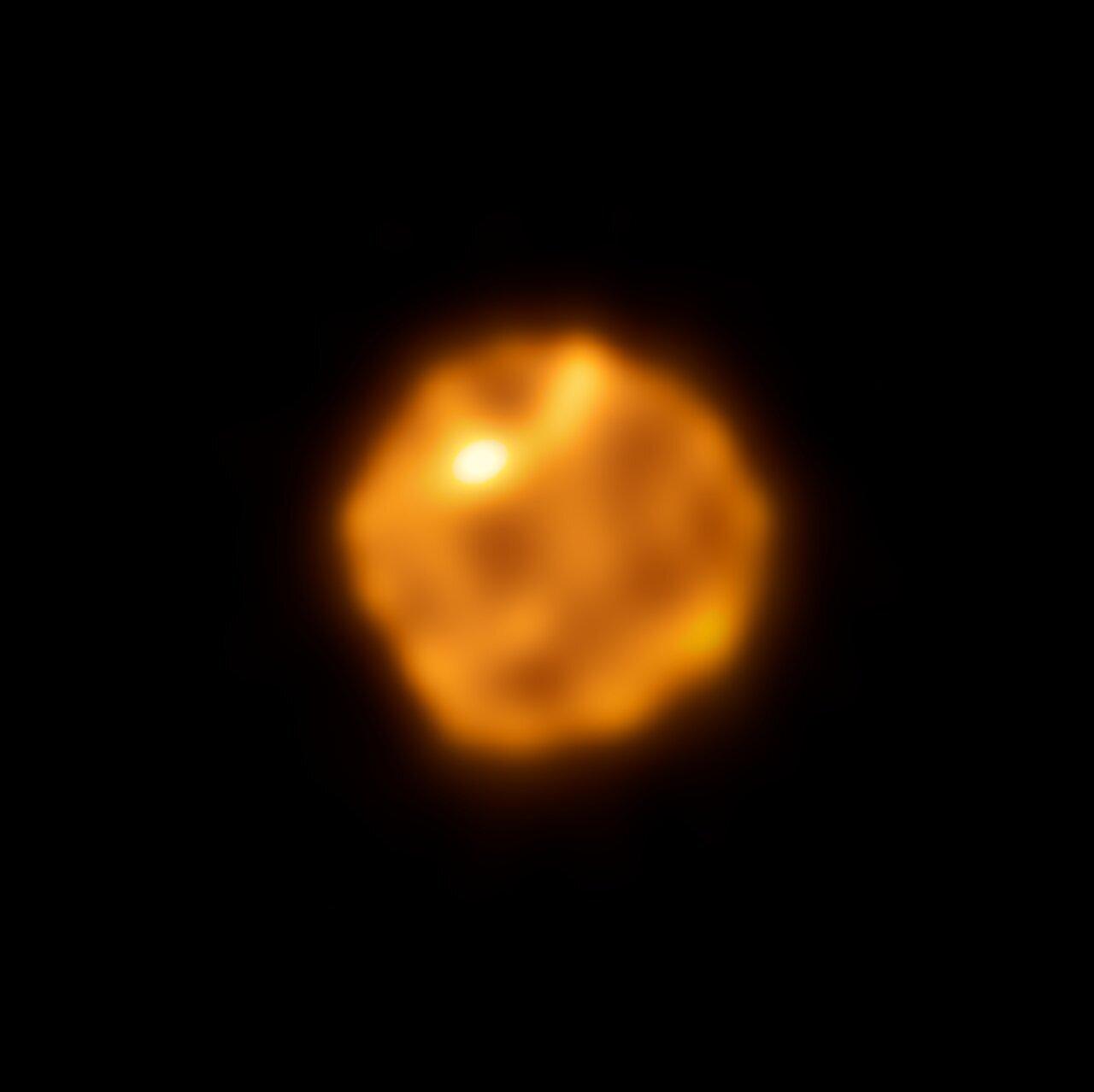
#PPOD: This remarkably detailed view of #Betelgeuse, captured by the Atacama Large Millimeter/submillimeter Array (ALMA), reveals the uneven, bubbling surface of the famous red supergiant about 600 light-years away. Nearly 800 times larger than the Sun, Betelgeuse is covered by enormous regions of hot gas rising from deep within the star, creating the bright hotspots seen across its surface. Credit: ALMA (ESO/NAOJ/NRAO)/W. Dent et al.
space
🌕 Is this the first exomoon?
Astronomers have detected a Jupiter-mass object orbiting a brown dwarf — and it’s challenging what we even mean by “moon.”
TODAY at 2:30 p.m. PDT, Kevin Hoy joins Dr. Franck Marchis on #SETILive.
Bring your questions! 🔭

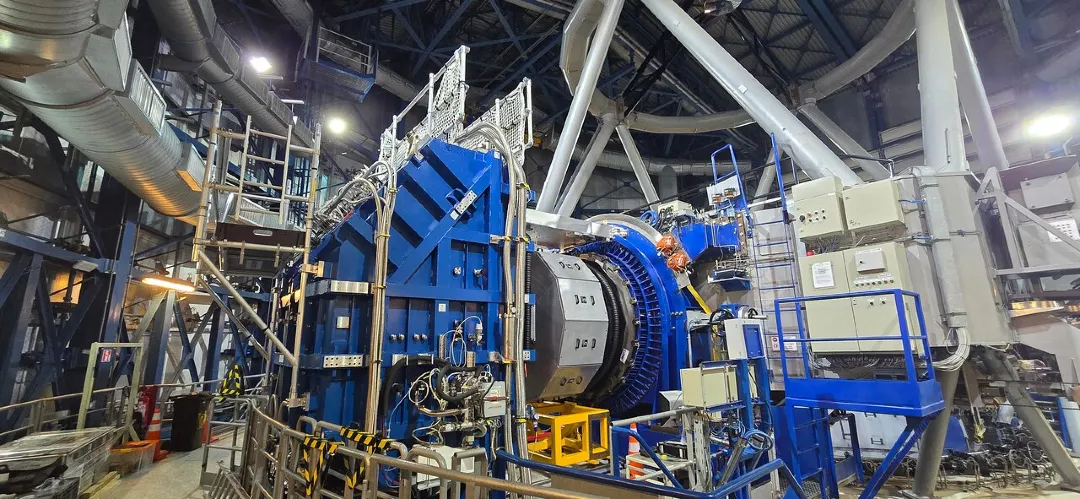
The first light of MOONS!
Mounted on our VLT in #Chile, the scientific instrument Multi-Object Optical and Near-infrared Spectrograph (MOONS) has successfully made its first observations.
During its ten-year design lifetime, it is expected to observe up to ten million objects.
1/3
📷 UK ATC/M. Black
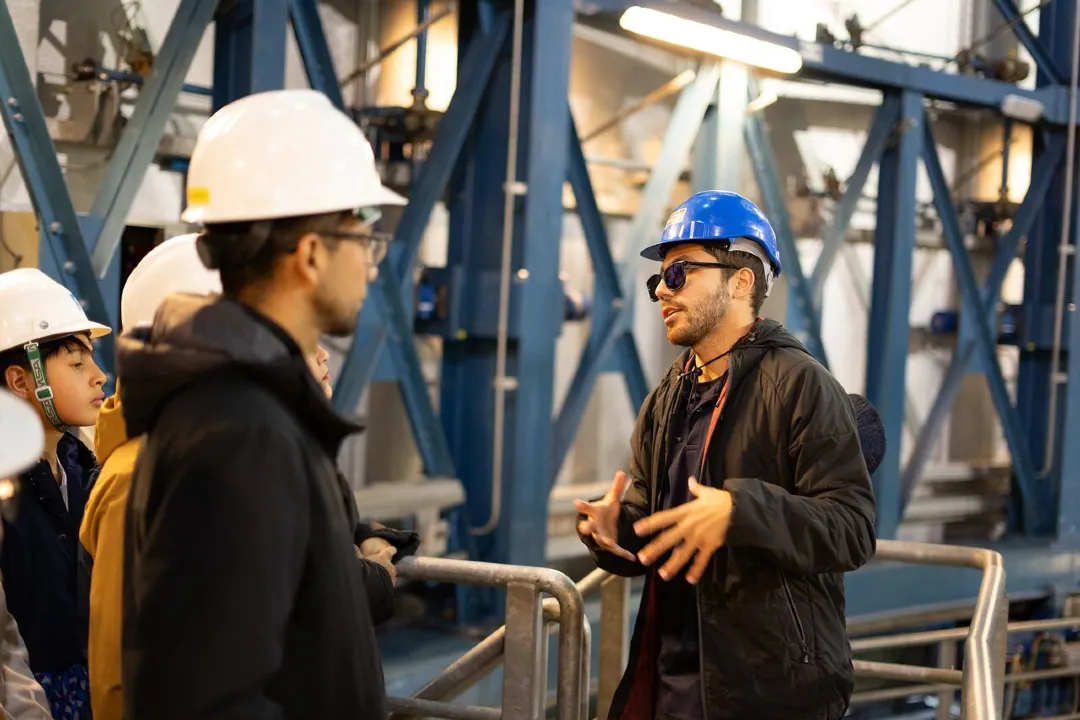
Experience spring at the Paranal Observatory!
We are opening reservations for daytime, free public tours for the southern-hemisphere 2026 spring season (October-December) at our Paranal Observatory in #Chile
As part of the tour, visitors get an inside look at some of the VLT telescopes. They also visit other scientific and support facilities and the Residence, a place of rest for staff.
Read more & reserve your spot: https://www.eso.org/public/announcements/annlang26009-es-cl/
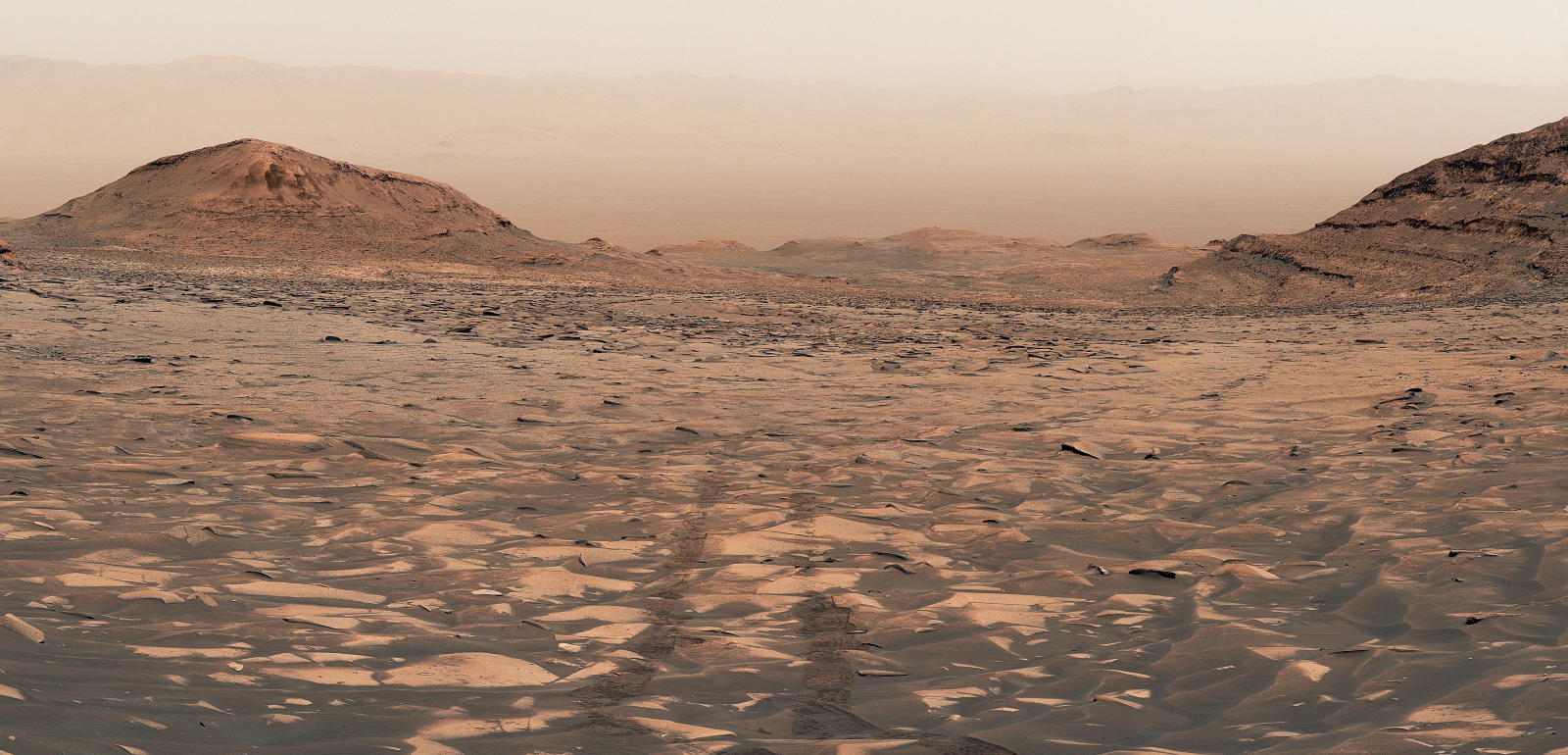
#PPOD: NASA’s Curiosity rover has climbed a full kilometer (0.62 miles) in elevation since landing in Gale Crater 14 years ago. This view looks back down Mount Sharp from “Valle Grande,” with Curiosity’s tracks stretching toward the crater floor through the dusty Martian atmosphere. The rover has been climbing Mount Sharp since 2014, exploring rocks that preserve billions of years of Martian history. Credit: NASA/JPL-Caltech/MSSS
👽 What happens when we finally discover life beyond Earth?
SETI Institute biologist Margaret Race and AIR Program Director Bettina Forget joined Michael L. Wong and Regina G. Barber at the Exploratorium to explore how science, art, and imagination can prepare us for that discovery.
Did Triton destroy Neptune’s original moons? 🔵💥
New JWST observations suggest Neptune’s small inner moons may be remnants of larger icy worlds shattered billions of years ago — possibly during Triton’s arrival.
TODAY on #SETILive, Dr. Moiya McTier talks with lead author Dr. Ryleigh Davis about Neptune’s strange moons and what they reveal about its ancient past.
🕝 2:30 pm PDT
🔴 Watch live and bring your questions! https://youtube.com/live/gHhjz7Csnjg

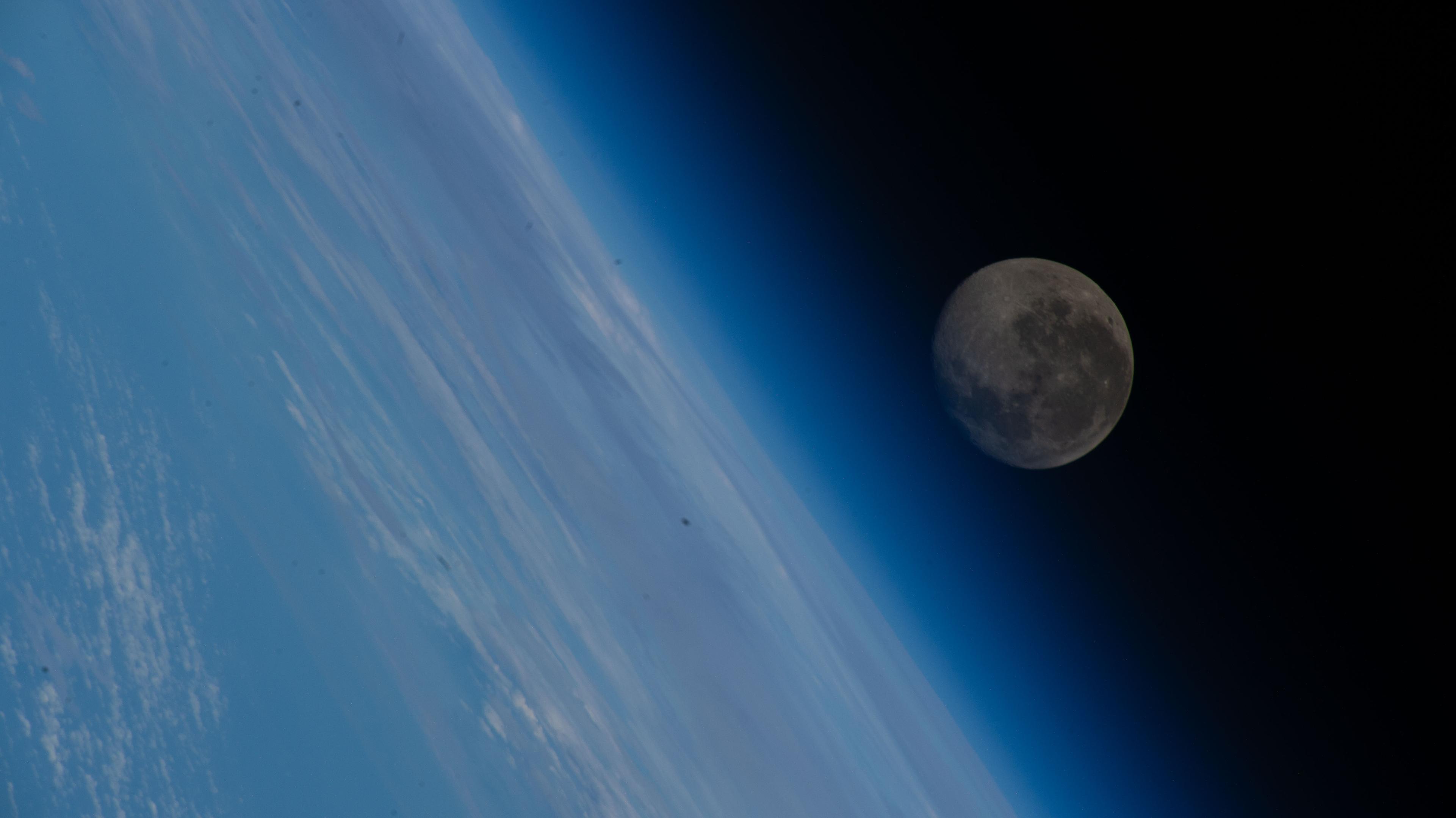
The waning gibbous Moon appears above Earth’s blue atmosphere
Captured Aug. 30, 2026 from the International Space Station.
Credit: NASA
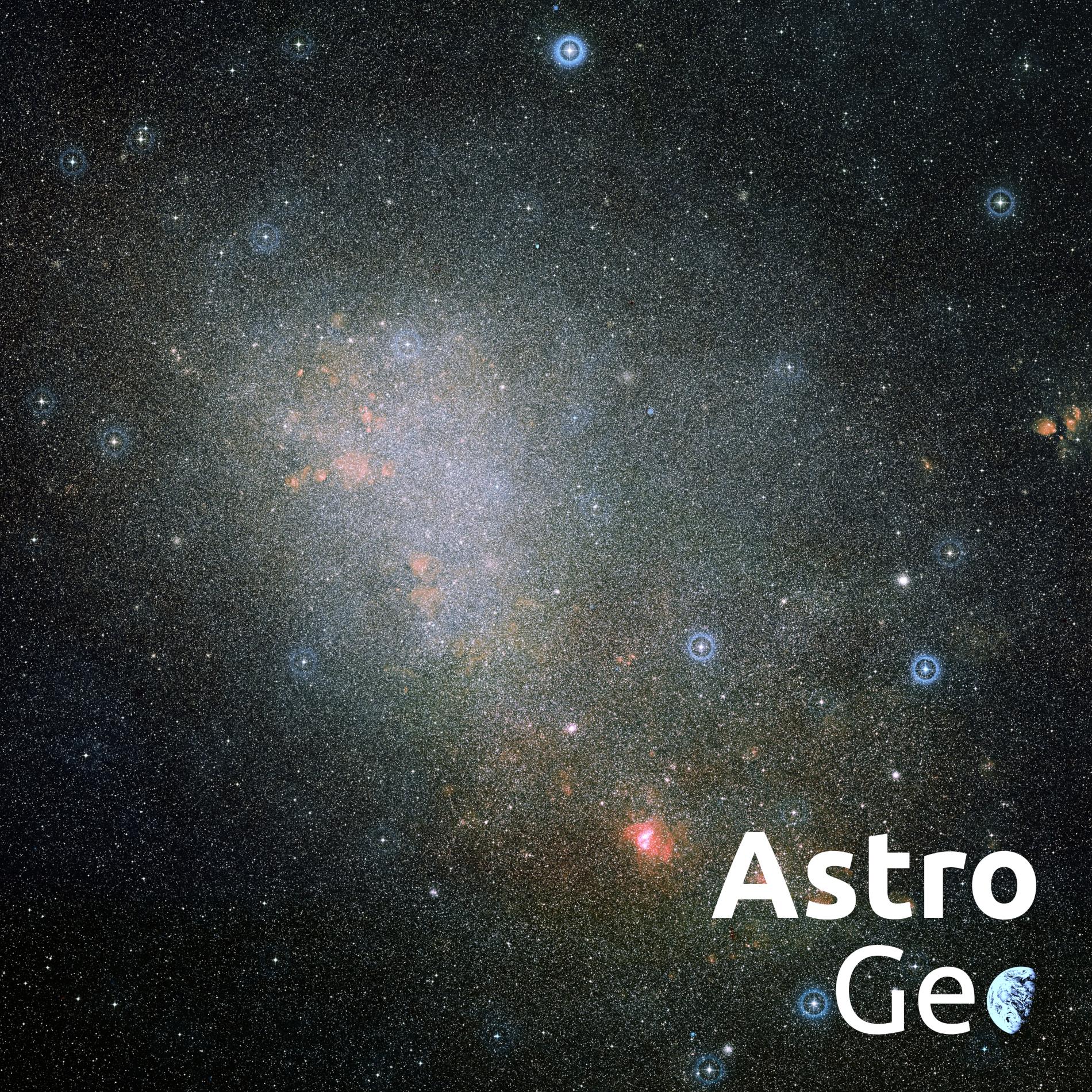
Neue Folge! Im Jahr 1912 findet die Astronomin Henrietta Swan Leavitt ein kurioses Detail in bestimmten Sternen der kleinen Magellanschen Wolke. 🔭
Nur wenige Jahre später wird klar, wie sehr am Rand sich unsere Sonne in der gewaltigen Milchstraße befindet:
➡️ https://astrogeo.de/ein-lineal-fuer-den-kosmos-wie-cepheiden-zu-standardkerzen-wurden/
🖼️ : ESO/Digitized Sky Survey 2/Davide De Martin

Everything set up to follow the ESA live stream on the Mercury Transfer Module (MTM) separation: The BepiColombo team at MPS Göttingen and colleagues are glued to the screen and are eagerly awaiting to see the outcome of the maneuver! Join us watching live via https://www.esa.int/Enabling_Support/Operations/Watch_live_BepiColombo_begins_its_arrival_at_Mercury
YT https://youtube.com/live/oC7lQngNG3o
More on MPS contributions to BepiColombo at https://www.mps.mpg.de/planetary-science/bepi-colombo-mission
#Mercury #ESA #JAXA #Bepicolombo #MTM #MPSGöttingen #Space #SolarSystem #livestream