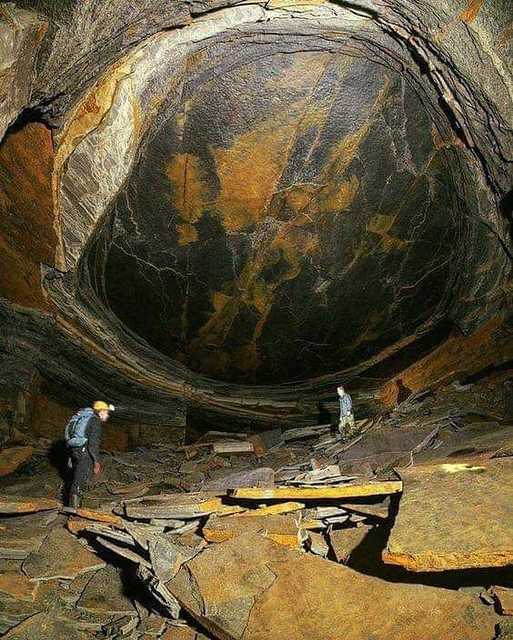
<p>Dragon's Eye</p><p>This photograph captures an incredible geological anomaly found inside an old, abandoned slate mine in Lancashire, England (often referred to by urban explorers and geologists as the "Dragon's Eye Stone Quarry").</p><p>The image shows two explorers standing on a floor of collapsed shale and slate tiles, looking up at a massive, perfectly spherical, and smooth rock formation embedded into the ceiling. </p><p><a href="/tags/photography/" rel="tag">#photography</a> <br><a href="/tags/rocks/" rel="tag">#rocks</a> <br><a href="/tags/geology/" rel="tag">#geology</a> <br><a href="/tags/alttext/" rel="tag">#AltText</a></p>
geology
<p>💁🏻♀️ TIL: 🏖️📉 <a href="/tags/california/" rel="tag">#California</a> has lost roughly 60% of its coastal sand dunes since the 1850s, a loss of about 442 km².</p><p>Researchers used historical <a href="/tags/maps/" rel="tag">#maps</a>, aerial <a href="/tags/photos/" rel="tag">#photos</a>, and <a href="/tags/lidar/" rel="tag">#lidar</a> <a href="/tags/data/" rel="tag">#data</a> tracked by <a href="/tags/machinelearning/" rel="tag">#machinelearning</a> to measure the decline. Most losses came from development, <a href="/tags/erosion/" rel="tag">#erosion</a>, and invasive grasses, but some dunes expanded by 15 km² .</p><p>👉 <a href="https://www.zmescience.com/science/news-science/california-coastal-dunes-disappearing/" rel="nofollow" class="ellipsis" title="www.zmescience.com/science/news-science/california-coastal-dunes-disappearing/"><span class="invisible">https://</span><span class="ellipsis">www.zmescience.com/science/new</span><span class="invisible">s-science/california-coastal-dunes-disappearing/</span></a></p><p><a href="/tags/coast/" rel="tag">#coast</a> <a href="/tags/pacific/" rel="tag">#pacific</a> <a href="/tags/ocean/" rel="tag">#ocean</a> <a href="/tags/dunes/" rel="tag">#dunes</a> <a href="/tags/sanddunes/" rel="tag">#sanddunes</a> <a href="/tags/climate/" rel="tag">#climate</a> <a href="/tags/climatechange/" rel="tag">#climatechange</a> <a href="/tags/conservation/" rel="tag">#conservation</a> <a href="/tags/habitats/" rel="tag">#habitats</a> <a href="/tags/wildlife/" rel="tag">#wildlife</a> <a href="/tags/environment/" rel="tag">#environment</a> <a href="/tags/storms/" rel="tag">#storms</a> <a href="/tags/restoration/" rel="tag">#restoration</a> <a href="/tags/science/" rel="tag">#science</a> <a href="/tags/geology/" rel="tag">#geology</a></p>
<p>Starter packs for geosciences, astronomy and physics (partly Germany-centric):</p><p>Earth and Geoscience: <a href="https://fedidevs.com/s/OTk1/" rel="nofollow"><span class="invisible">https://</span>fedidevs.com/s/OTk1/</a> by <span class="h-card"><a href="https://reporter.social/@pikarl" class="u-url mention" rel="nofollow noopener noreferrer" target="_blank">@<span>pikarl</span></a></span> </p><p>Astronomy and Space: <a href="https://fedidevs.com/s/NjA2/" rel="nofollow"><span class="invisible">https://</span>fedidevs.com/s/NjA2/</a></p><p>Physics: <a href="https://fedidevs.com/s/ODg2/" rel="nofollow"><span class="invisible">https://</span>fedidevs.com/s/ODg2/</a> </p><p>As I find I am running into limits with pinned posts, I've decided to consolidate three starter packs I like to recommend into this one single post. Enjoy!</p><p><a href="/tags/followfriday/" rel="tag">#FollowFriday</a> <a href="/tags/starterpacks/" rel="tag">#StarterPacks</a> <a href="/tags/science/" rel="tag">#Science</a> <a href="/tags/physics/" rel="tag">#Physics</a> <a href="/tags/astrodon/" rel="tag">#Astrodon</a> <a href="/tags/astronomy/" rel="tag">#Astronomy</a> <a href="/tags/astrophysics/" rel="tag">#Astrophysics</a> <a href="/tags/geosciences/" rel="tag">#Geosciences</a> <a href="/tags/geology/" rel="tag">#Geology</a> <a href="/tags/earthsciences/" rel="tag">#EarthSciences</a> <a href="/tags/planetaryscience/" rel="tag">#PlanetaryScience</a></p>
<p>There’s a river of molten rock flowing 1,400 miles below the Pacific Ocean in the Earth’s outer core, which is an important part of the planet’s magnetic field. Should we be concerned the river just changed directions? Read more from <span class="h-card"><a href="https://flipboard.com/@sciencefocus" class="u-url mention" rel="nofollow noopener noreferrer" target="_blank">@<span>sciencefocus</span></a></span>:</p><p><a href="https://flip.it/VqIZZd" rel="nofollow"><span class="invisible">https://</span>flip.it/VqIZZd</a></p><p><a href="/tags/science/" rel="tag">#Science</a> <a href="/tags/earth/" rel="tag">#Earth</a> <a href="/tags/geology/" rel="tag">#Geology</a></p>
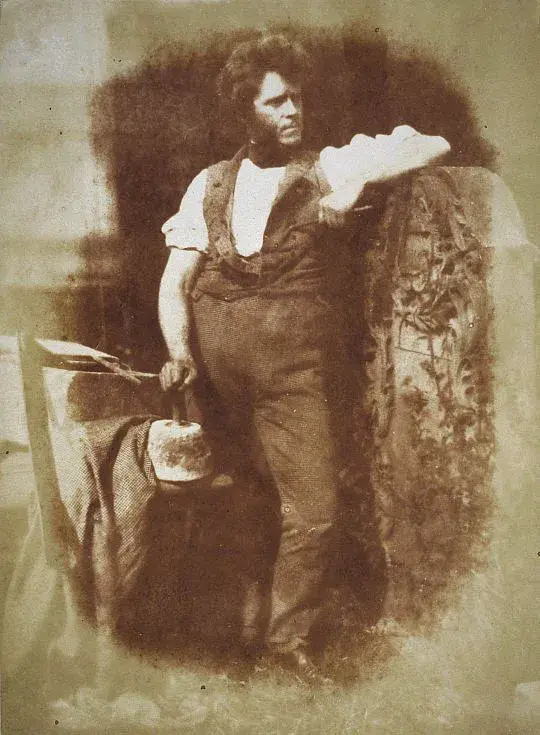
<p>James Hutton (1726–1797), father of modern geology, was born <a href="/tags/otd/" rel="tag">#OTD</a>, 14 June (NS; 3 June OS). One of the first European proponents of “deep time”, the conclusion of his 1788 paper “Theory of the Earth” has been called one of the most lyrical sentences in all of science:</p><p>The result, therefore, of our present enquiry is, that we find no vestige of a beginning,—no prospect of an end.</p><p>1/3</p><p><a href="https://www.nationalgalleries.org/art-and-artists/2808" rel="nofollow" class="ellipsis" title="www.nationalgalleries.org/art-and-artists/2808"><span class="invisible">https://</span><span class="ellipsis">www.nationalgalleries.org/art-</span><span class="invisible">and-artists/2808</span></a></p><p><a href="/tags/scottish/" rel="tag">#Scottish</a> <a href="/tags/literature/" rel="tag">#literature</a> <a href="/tags/enlightenment/" rel="tag">#Enlightenment</a> <a href="/tags/18thcentury/" rel="tag">#18thcentury</a> <a href="/tags/deeptime/" rel="tag">#DeepTime</a> <a href="/tags/science/" rel="tag">#science</a> <a href="/tags/geology/" rel="tag">#geology</a></p>
<p>Study Suggests Mount Etna May Have Formed Through a Rare Magma Transport Mechanism</p><p>📰 Original title: Europe's most active volcano may have a secret origin</p><p>🤖 IA: It's not clickbait ✅<br>👥 Users: It's not clickbait ✅</p><p>View full AI summary <a href="https://en.killbait.com/study-suggests-mount-etna-may-have-formed-through-a-rare-magma-transport-mechanism.html?utm_source=mastodon_world&utm_medium=social&utm_campaign=killbait.mastodon_world" rel="nofollow" class="ellipsis" title="en.killbait.com/study-suggests-mount-etna-may-have-formed-through-a-rare-magma-transport-mechanism.html?utm_source=mastodon_world&utm_medium=social&utm_campaign=killbait.mastodon_world"><span class="invisible">https://</span><span class="ellipsis">en.killbait.com/study-suggests</span><span class="invisible">-mount-etna-may-have-formed-through-a-rare-magma-transport-mechanism.html?utm_source=mastodon_world&utm_medium=social&utm_campaign=killbait.mastodon_world</span></a></p><p><a href="/tags/geology/" rel="tag">#geology</a> <a href="/tags/mountetna/" rel="tag">#mountetna</a> <a href="/tags/volcanology/" rel="tag">#volcanology</a> <a href="/tags/tectonicplates/" rel="tag">#tectonicplates</a></p>
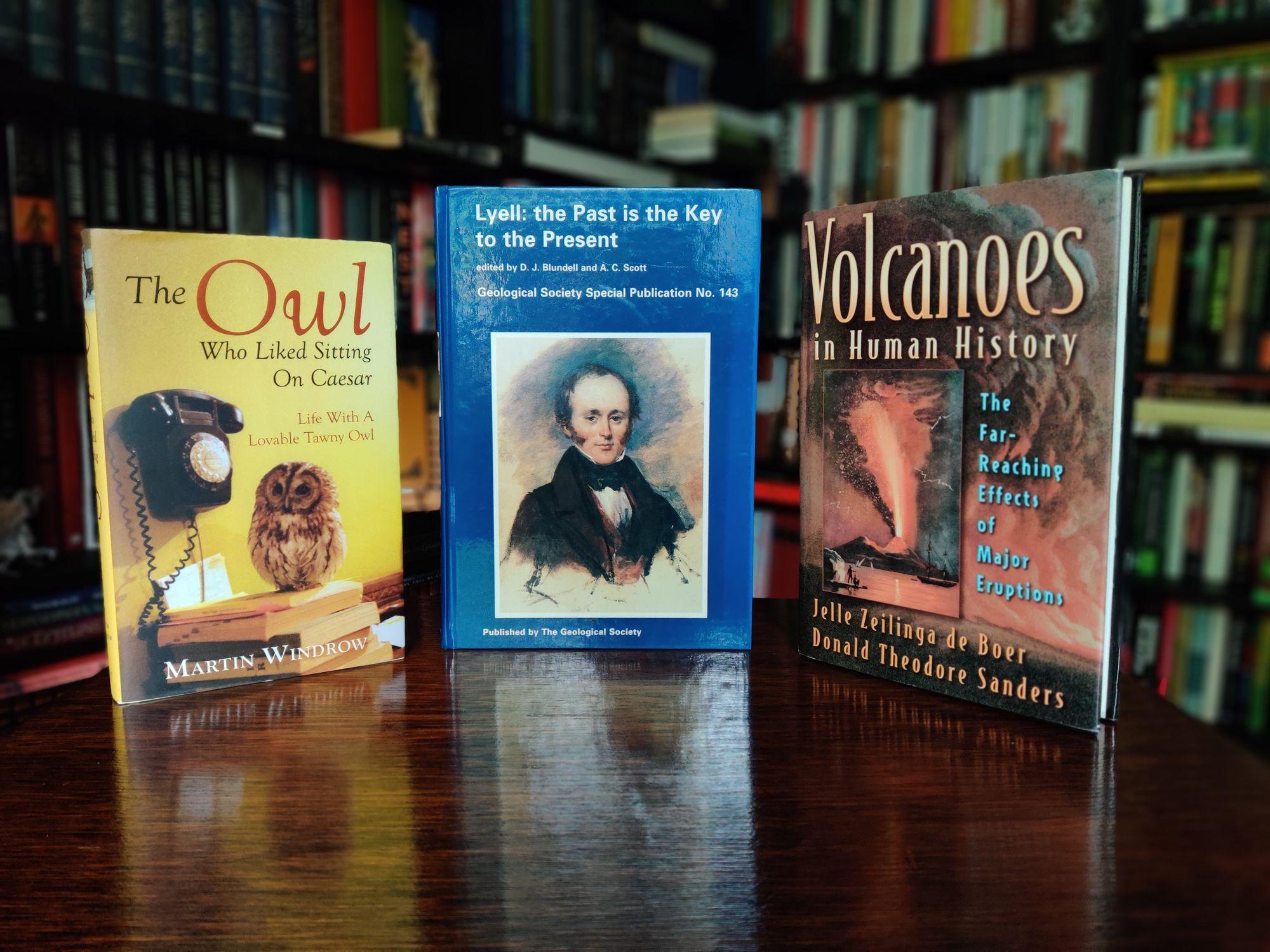
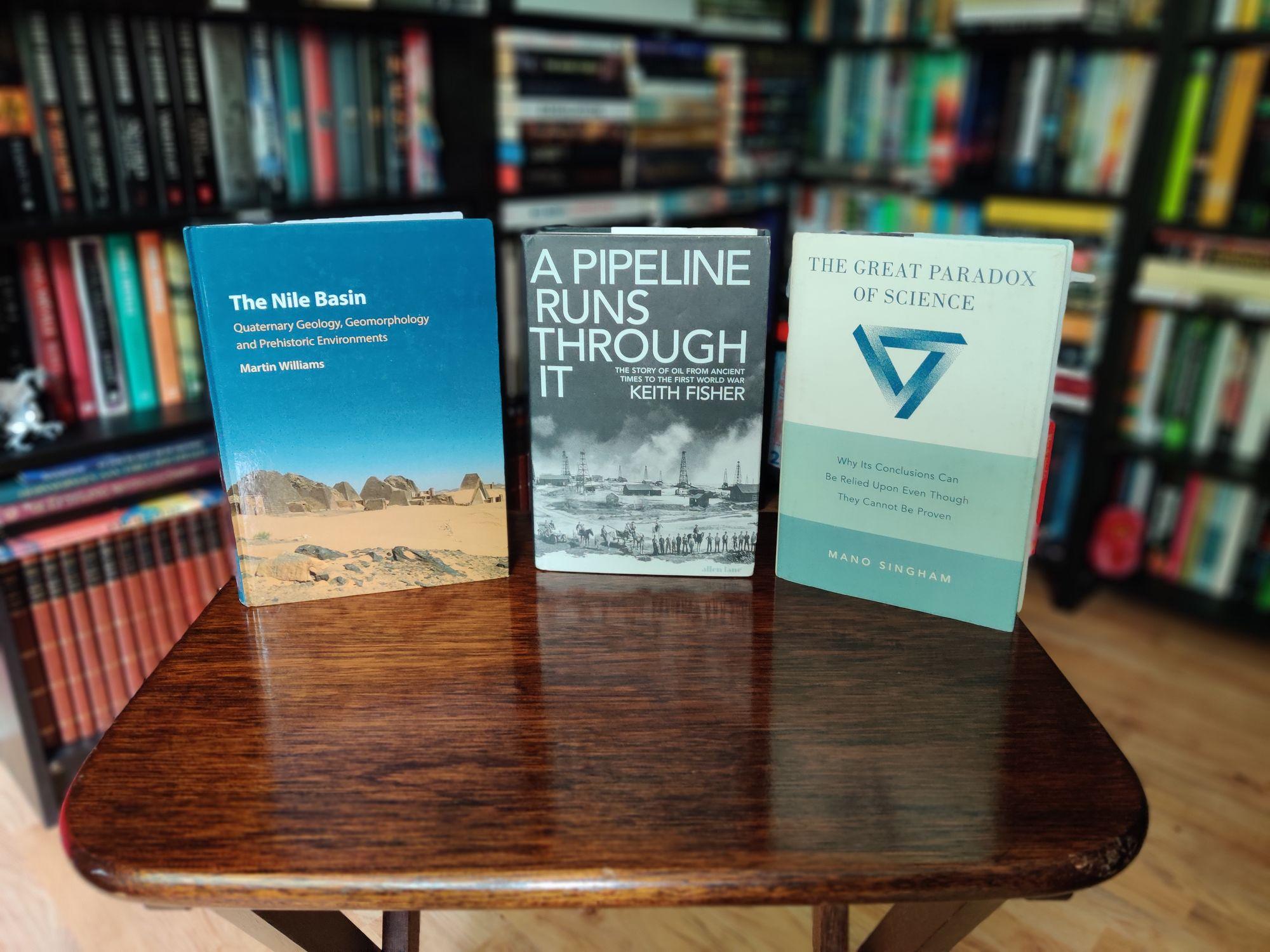
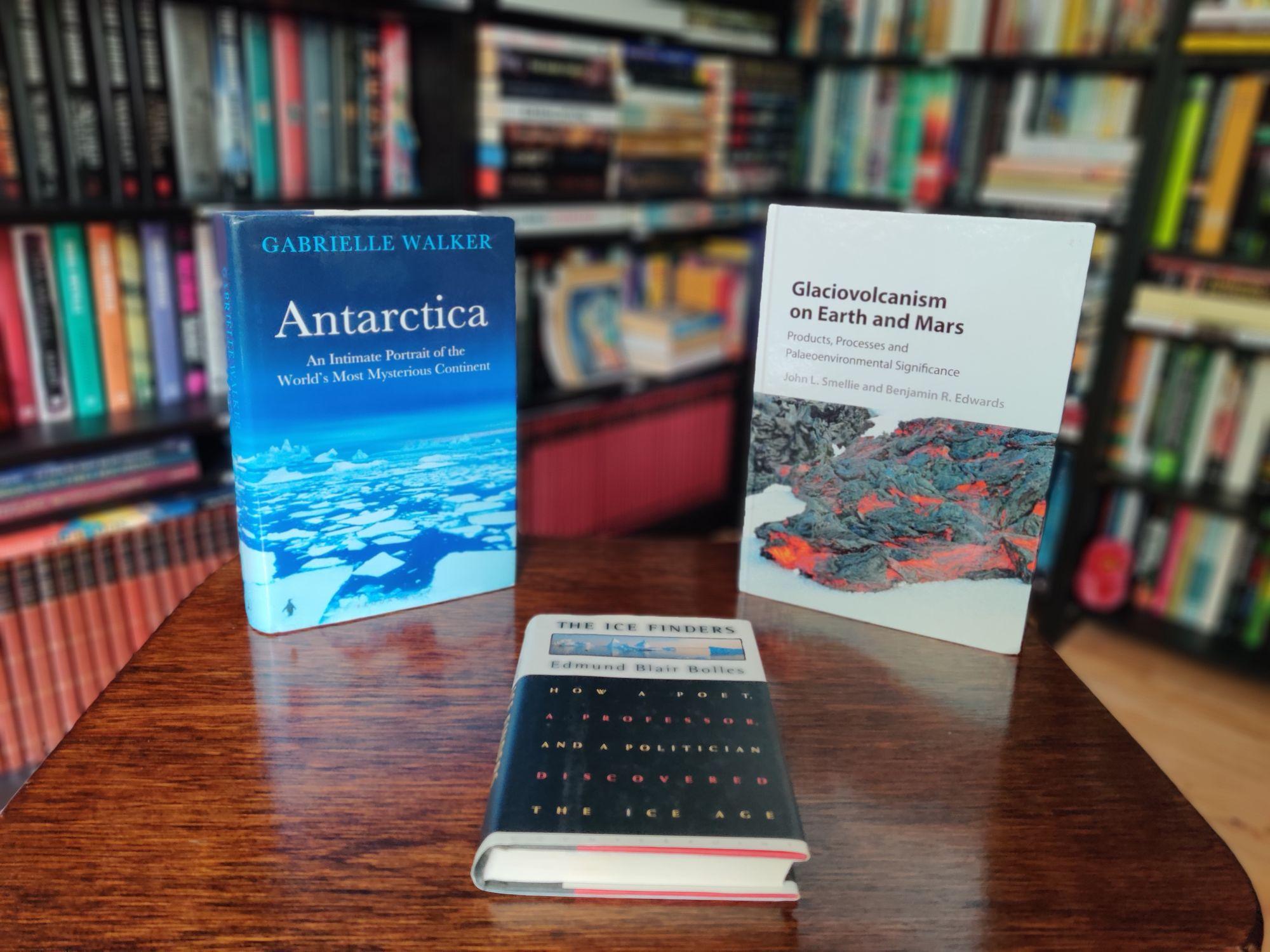
<p>This week's <a href="/tags/newbooks/" rel="tag">#NewBooks</a> at the library:<br>- I found a much reduced copy of Contesting Earth's History in Transatlantic Literary Culture, 1860–1935: Believers and Visionaries on the Borderlines of <a href="/tags/geology/" rel="tag">#Geology</a> and <a href="/tags/palaeontology/" rel="tag">#Palaeontology</a>, published by Oxford University Press<br>- I was so taken with Guillermo del Toro's visual take on <a href="/tags/frankenstein/" rel="tag">#Frankenstein</a>, I bought the book on the making of the movie by Sheila O'Malley, published by Titan Books.<br>- I found a second-hand copy of The Spirit of System: <a href="/tags/lamarck/" rel="tag">#Lamarck</a> and <a href="/tags/evolutionarybiology/" rel="tag">#EvolutionaryBiology</a>, published by Harvard University Press, which should come in handy for a future review on Lamarck. </p><p><a href="/tags/books/" rel="tag">#Books</a> <a href="/tags/bookstodon/" rel="tag">#Bookstodon</a> <a href="/tags/paleontology/" rel="tag">#Paleontology</a> <a href="/tags/historyofscience/" rel="tag">#HistoryOfScience</a> <a href="/tags/sciencehistory/" rel="tag">#ScienceHistory</a> <a href="/tags/histsci/" rel="tag">#HistSci</a> <a href="/tags/evolution/" rel="tag">#Evolution</a> <a href="/tags/scicomm/" rel="tag">#Scicomm</a> <span class="h-card"><a href="https://fedigroups.social/@bookstodon" class="u-url mention" rel="nofollow noopener noreferrer" target="_blank">@<span>bookstodon</span></a></span></p>
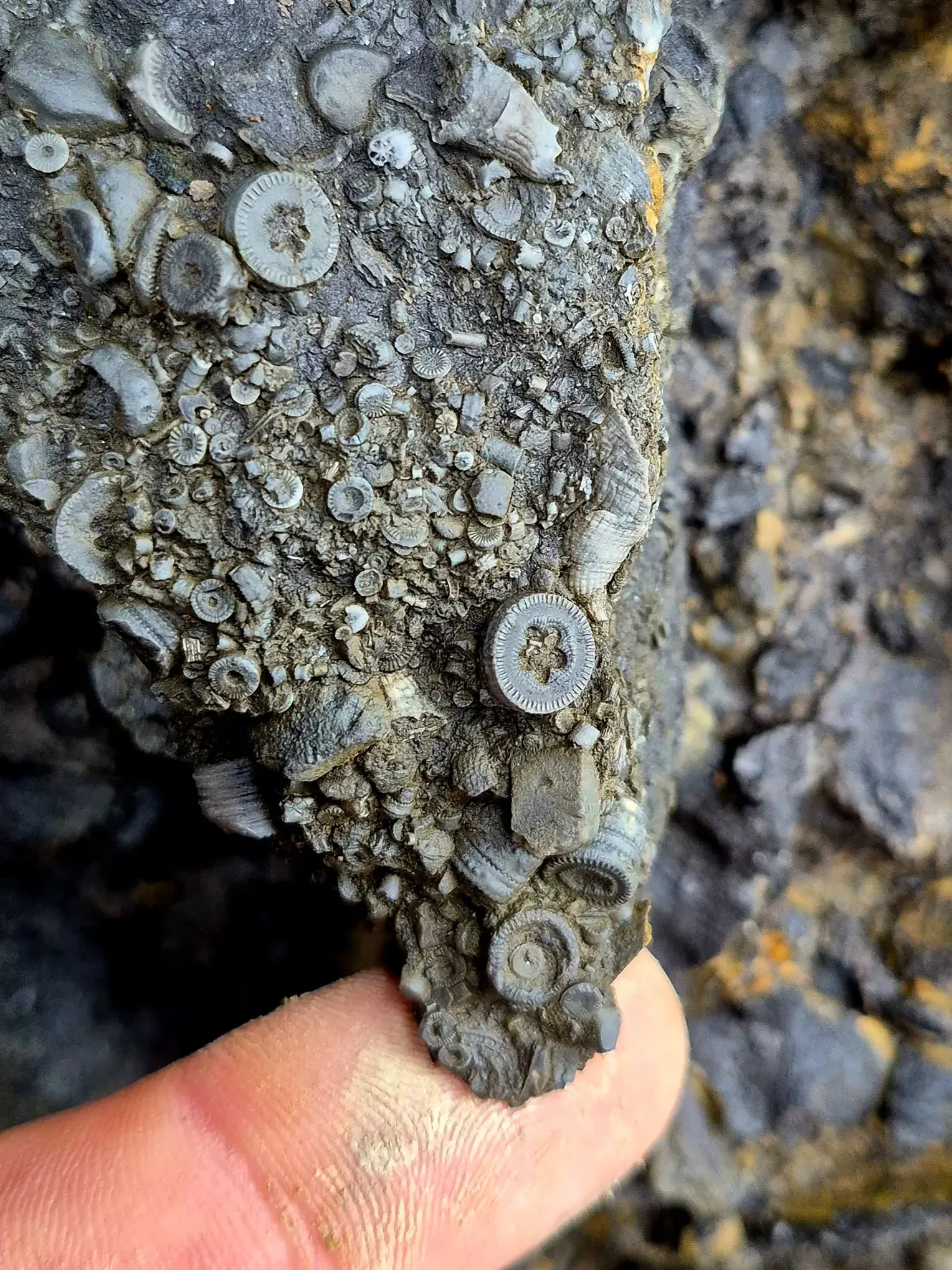
<p>Looking remarkably like you need a set of torx screwdrivers are these fossilized crinoids, brachiopods, and bryozoans. </p><p>Do zoom in btw! 🔍</p><p>Body parts of ancient marine creatures that lay scattered here on an ocean floor over 300 million years ago. County Donegal, Ireland.</p><p>📷 by Cormac MacFhionnlaoich, a hiking guide </p><p><a href="/tags/ie/" rel="tag">#IE</a> <a href="/tags/ireland/" rel="tag">#Ireland</a> <a href="/tags/fossils/" rel="tag">#Fossils</a> <a href="/tags/photo/" rel="tag">#Photo</a> <a href="/tags/geology/" rel="tag">#geology</a></p>
Edited 17d ago
🇪🇺🇮🇪