 🎸 🏳️🌈 ⁂
⋅ Color doesn’t exist—at least not how you think
biology

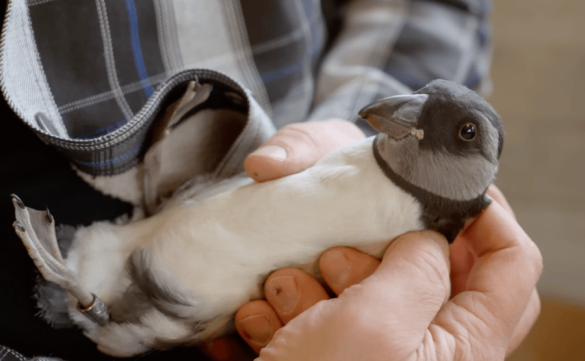
🐧🌙 In #Iceland's Westman Islands, entire families stay up all night during "puffling season" to rescue baby #puffins confused by town lights.
This century-old #tradition saves up to 7,000 pufflings each #summer. Light #pollution disrupts the natural navigation that guides these young #birds to sea, so the community collects lost birds in cardboard boxes and releases them from clifftops.
👉 Learn more: https://thekidshouldseethis.com/post/puffling-patrol-wild-hope-vestmannaeyjar-iceland?utm_source=mastodon&utm_medium=social&utm_campaign=new_content&utm_content=puffling_patrol
#tksst #video #animals #babies #biology #conservation #kids #nature #science

Since the 1990s, scientists have known that chemical pollution causes frogs to be sex-reversed or intersex and believed that this is inherently harmful. But in 2019, environmental scientist Max Lambert and Melina Packer, a social scientist, collaborated on investigating the subject through a queer feminist lens, challenging assumptions about masculine and feminine behaviors and the "wrongness" of supposedly "feminized" males. In an extract from a new book, "Feminism in the Wild," reproduced in MIT's The Reader, Packer and her co-author Ambika Kamath explain how this approach led to new discoveries.

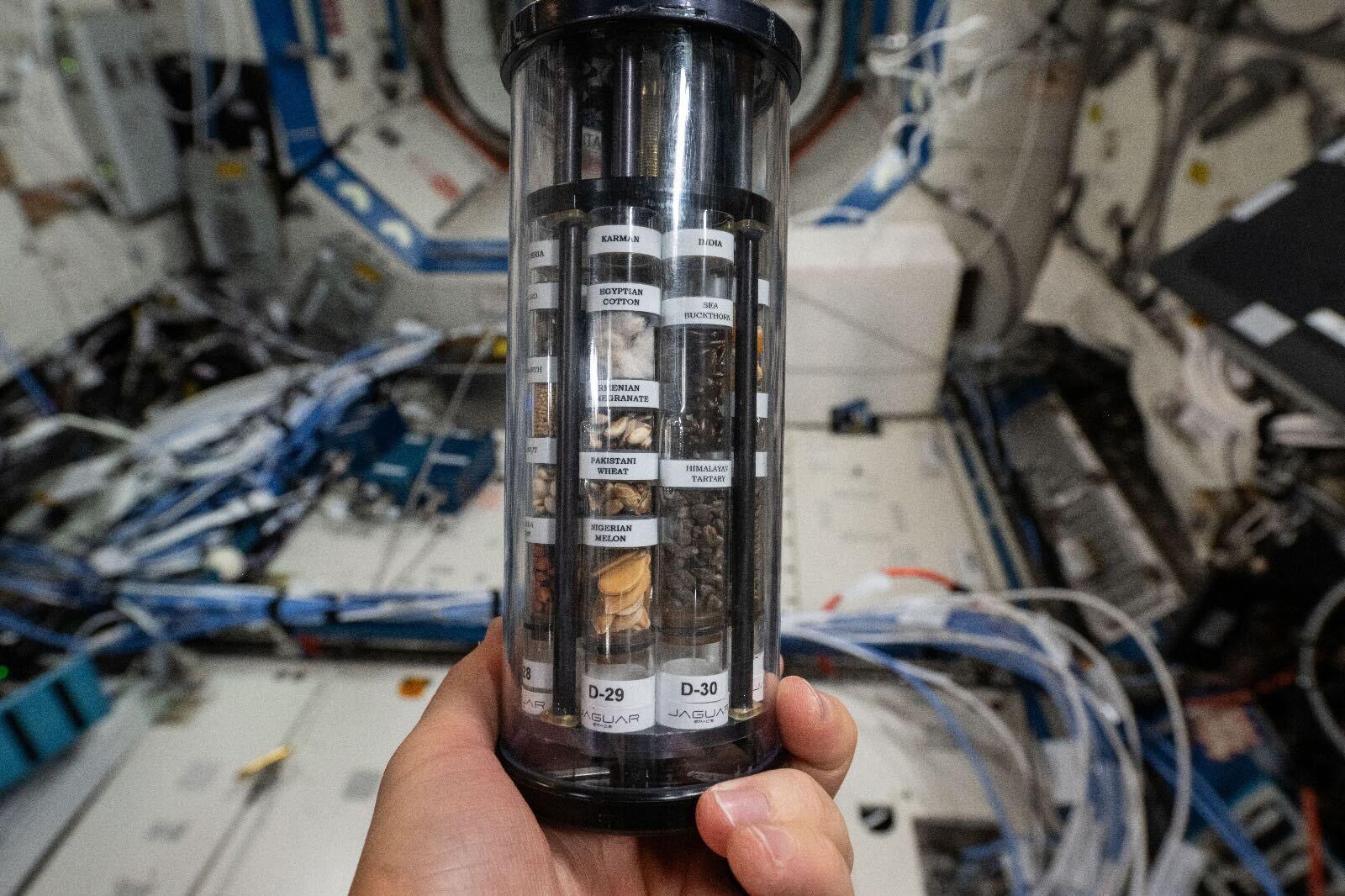
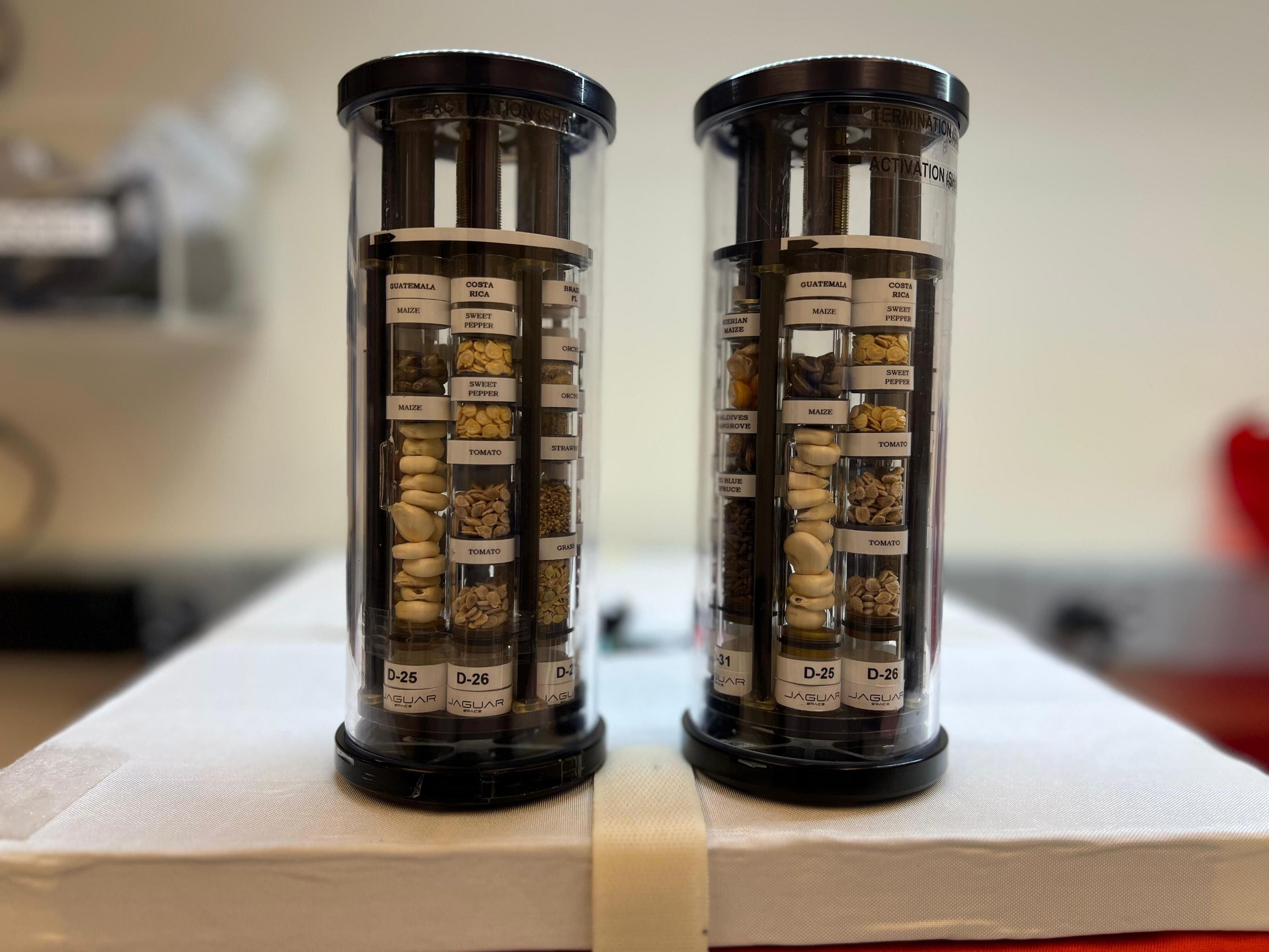
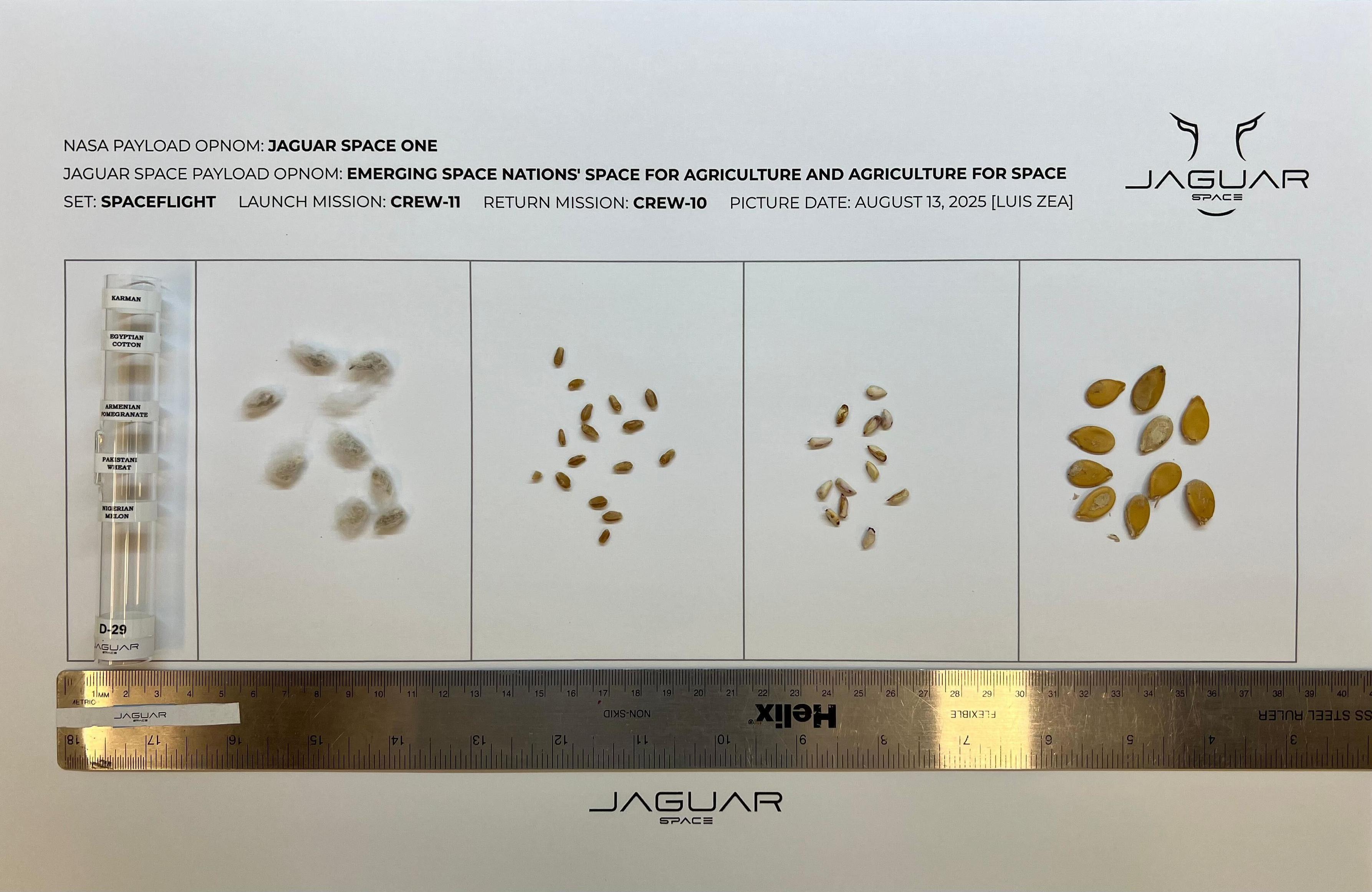
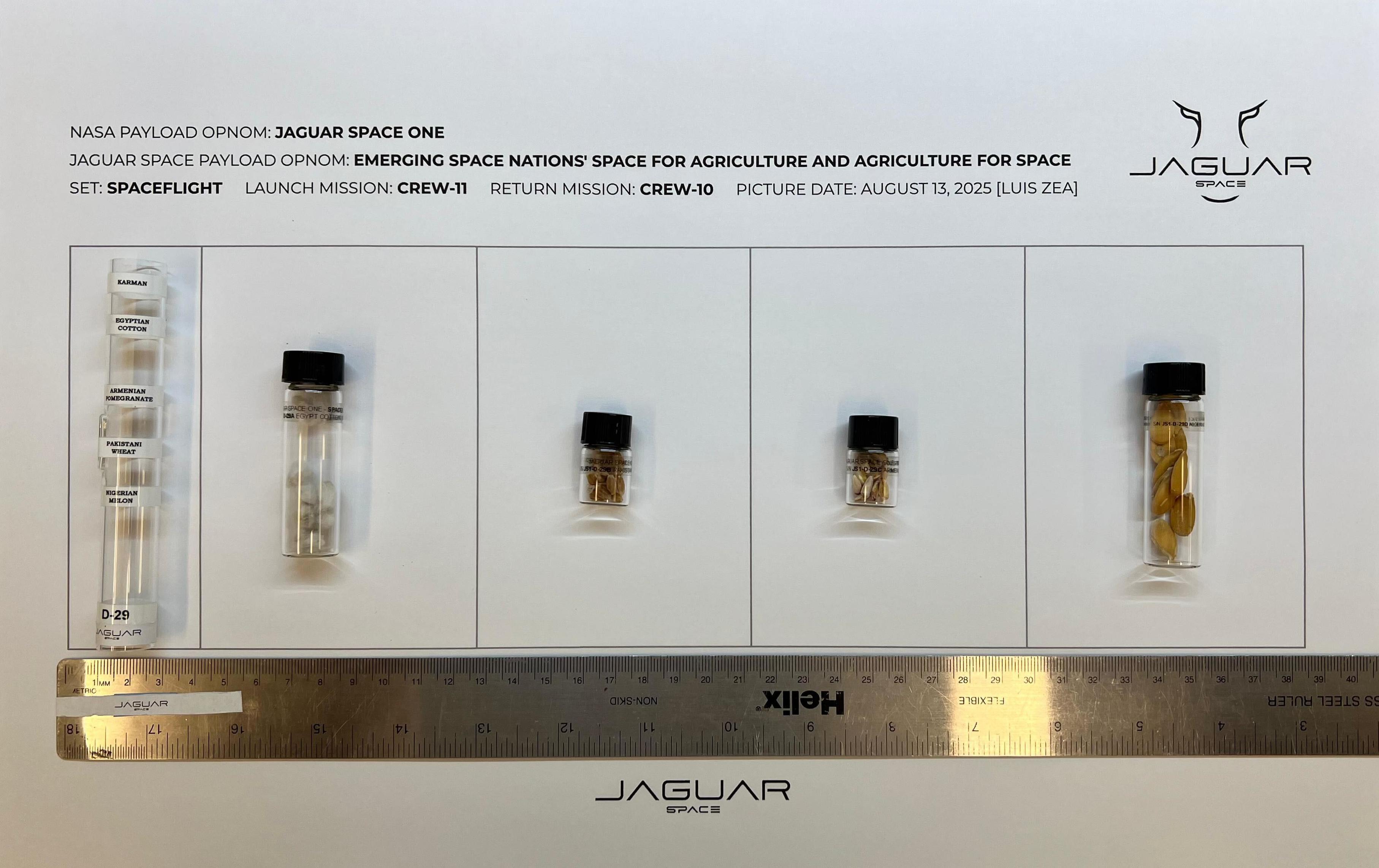
An update on the world’s first cultural crop payload!
NASA’s SpaceX Crew-11 docked with the International Space Station on August 2, and the seeds had a brief stay in space, during which ISS astronauts photographed them.
Then on August 9, the seeds returned safely to Earth along with Crew-10. Jaguar Space CEO Luis Zea packaged them up for study after retrieving them from NASA.
Why are there so many snakes? 🐍
@popsci reports: "Thousands of species of snakes slither across the globe. Researchers think this is a product of a mysterious singularity event."
For similar stories, follow "Animals, Animals, Animals" by Mashable: @animals-animals-animals-Mashable
If humans are indeed the most evolved species, why do so many of us suffer from developmental or genetic diseases? Phys.org explains why, unlike our ape ancestors, humans are still paying the price for losing our tails. https://flip.it/DX01o9
#Science #Humans #Biology #Evolution
Moderna CEO Stéphane Bancel says AI will help scientists understand "most diseases" in three to five years.
@Semafor quotes the executive: “The reason we still have people dying of cancer, people suffering from Alzheimer's, is we do not understand the fundamental biology of those diseases.”
#AI #ArtificialIntelligence #Disease #Cancer #Health #Science #Biology #Tech
Edited 2y ago
A forest in Utah made of a single tree known as Pando has 47,000 stems and has amassed 6,000 metric tons of life in its thousands of years on Earth. It’s the largest living organism on the planet in terms of mass. Naturally, something that large and old has something to say, and recordings released this year let us “hear” it like never before. More from Science Alert: https://flip.it/PSwxIA
#Science #Biology #Trees #Horticulture #Utah #Forest

Students ask me iF vIrUsEs NeEd ceLLs tO LiVe aRe ThEy ReAlLy aLiVe?
And I answer "If I sent you to the rings of Saturn, you're not alive. If you need the biosphere to live are you really alive?"

What is the absolute worst thing human beings have enabled in the modern era?
No, no, forget the usual topics
It is this:
😱 🦟
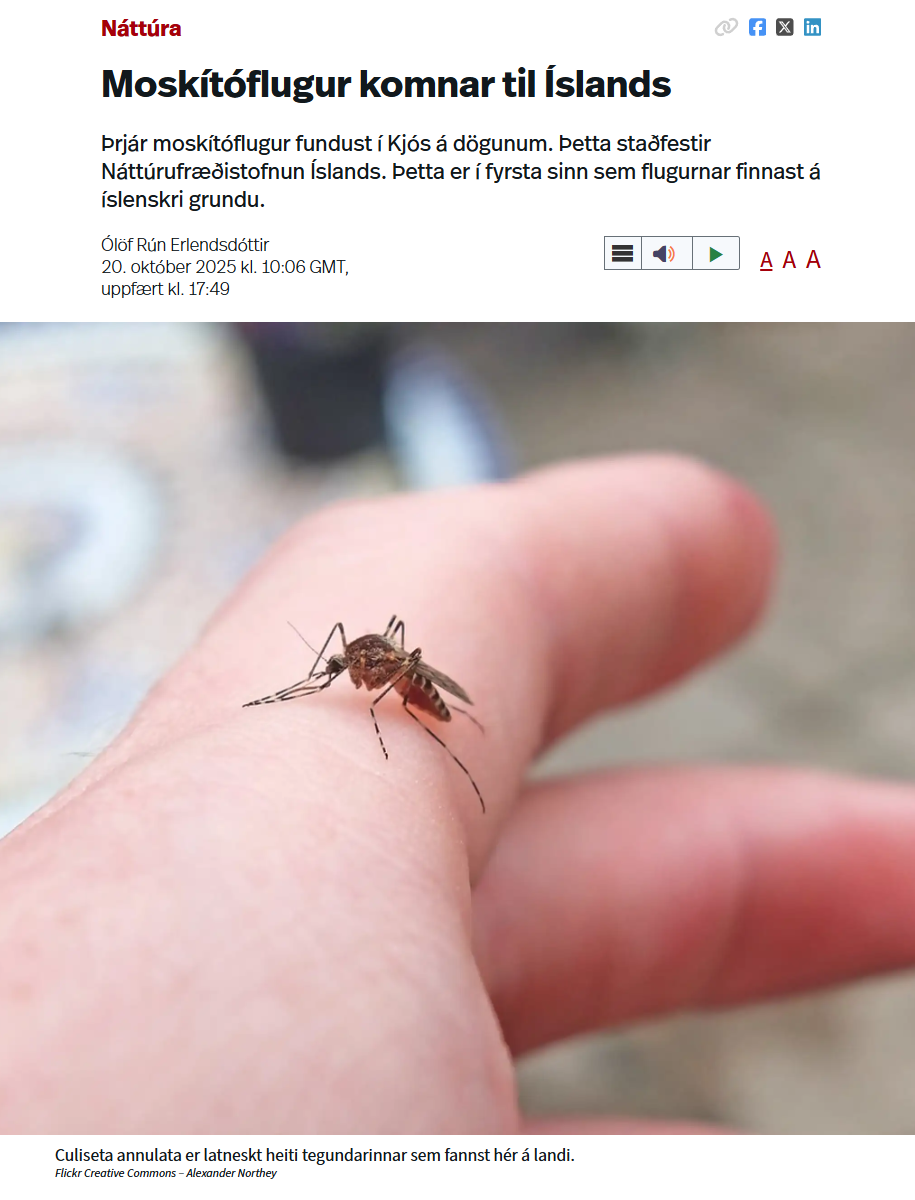
"#Mosquitoes have arrived in #Iceland
Three #mosquitos were found in Kjós recently. This has been confirmed by the Icelandic Institute of Natural History. This is the first time that the flies have been found on Icelandic soil."
https://www.ruv.is/frettir/innlent/2025-10-20-moskitoflugur-komnar-til-islands-456599
#Mosquito #ClimateCrisis #ClimateChange #Environment #Biology #Science #Ísland
Edited 324d ago


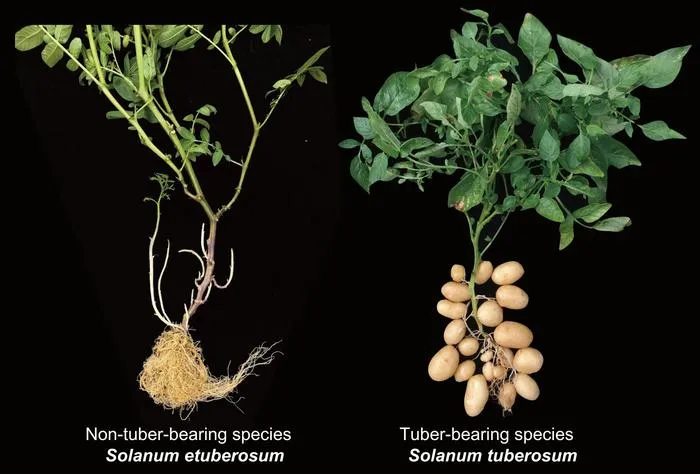
Turns out tomato sex is the reason we have one of life’s greatest foods: the modern potato. They’re hybrids of tomatoes and a non-tuberous potato ancestor called Solanum Etuberosum.
Thank you, horny little tomatoes.
Hat tip: @peteorrall
Edited 321d ago
Did you know that some shrews can shrink? There's a lot more to these little creatures than meets the eye. Read more about them in the latest guest essay at Brief Ecology 👇
https://www.briefecology.com/p/the-incredible-shrinking-shrew
I just saw the first bumble bee! Tiny insects are flying again. This is the time to come out of my hibernation modus and write more about #nature. I talk about #snails, and as they are still in their protection places, reflect on Homo-not-so-sapiens: https://steady.page/en/naturematchcuts/posts/28951404-a41f-4215-ab89-bc35dbc41233
You can subscribe to my free #Newsletter: https://steady.page/en/naturematchcuts/newsletter/sign_up ( #substack free #EuropeanAlternative )
#NatureMatchCuts #gastropods #sciComm #natureLovers #springVibes #journalism #factCheck #biology #biodiversity

Rethinking where language comes from: Framework reveals complex interplay of biology and culture
by Max Planck Society
https://phys.org/news/2025-11-rethinking-language-framework-reveals-complex.html#google_vignette


Inside an Ear
Our ears, like those of many other animals, convert mechanical signals to electrical ones, through a Rube-Goldberg-esque series of transformations. External sound waves make their way down the soft tube of the ear canal, which funnels them to a thin-walled cone, the eardrum, that’s about half as large as a dime. Here, the vibrating air pushes against the cone’s membrane, and those vibrations travel onward through a linked trio of small bones that amplify the vibration’s amplitude.
The last of these bones presses against an even smaller, oval-shaped membrane. As the bone moves, it shakes the membrane, sending waves through the liquid on its other side. Those waves travel down the spirals of the tiny, pea-sized cochlea, named for a snail shell’s shape. As the waves move through the liquid, they bend bundles of hair-like strands back and forth, like tall grass waving in a breeze. The bending triggers a chemical that binds to nerves at the base of the bundles, sending an electrical signal through the nerve and into the brain.
But the hair-like bundles, known as stereocilia, are also able to amplify incoming vibrations. In this case, the bundles in the outer portion of the cochlea expend energy to bend more than the incoming vibrations naturally make them move. This bending amplifies the fluid motion that gets transmitted to stereocilia further down the line; it’s those bundles that will make the final conversion to an electrical signal the brain receives. (Image credit: B. Kachar; research credit: Y. Thipmaungprom et al.; via APS)
Scanning electron microscope view of the stereocilia “hair bundles” inside a frog’s inner ear.#acoustics #biology #cilia #fluidDynamics #physics #science #vibration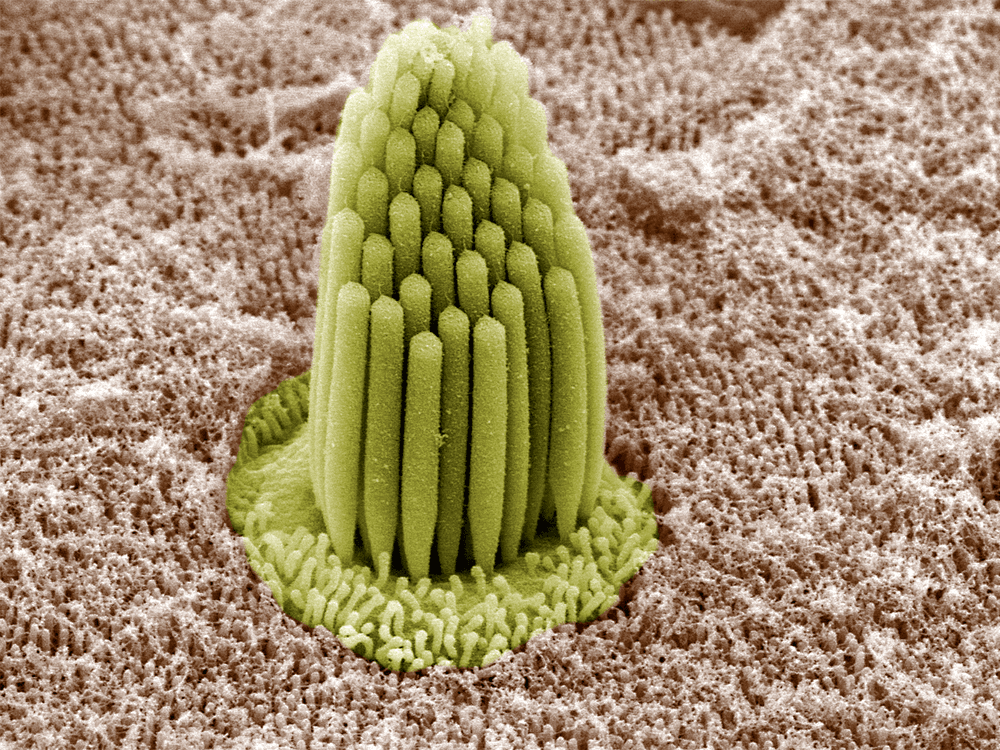

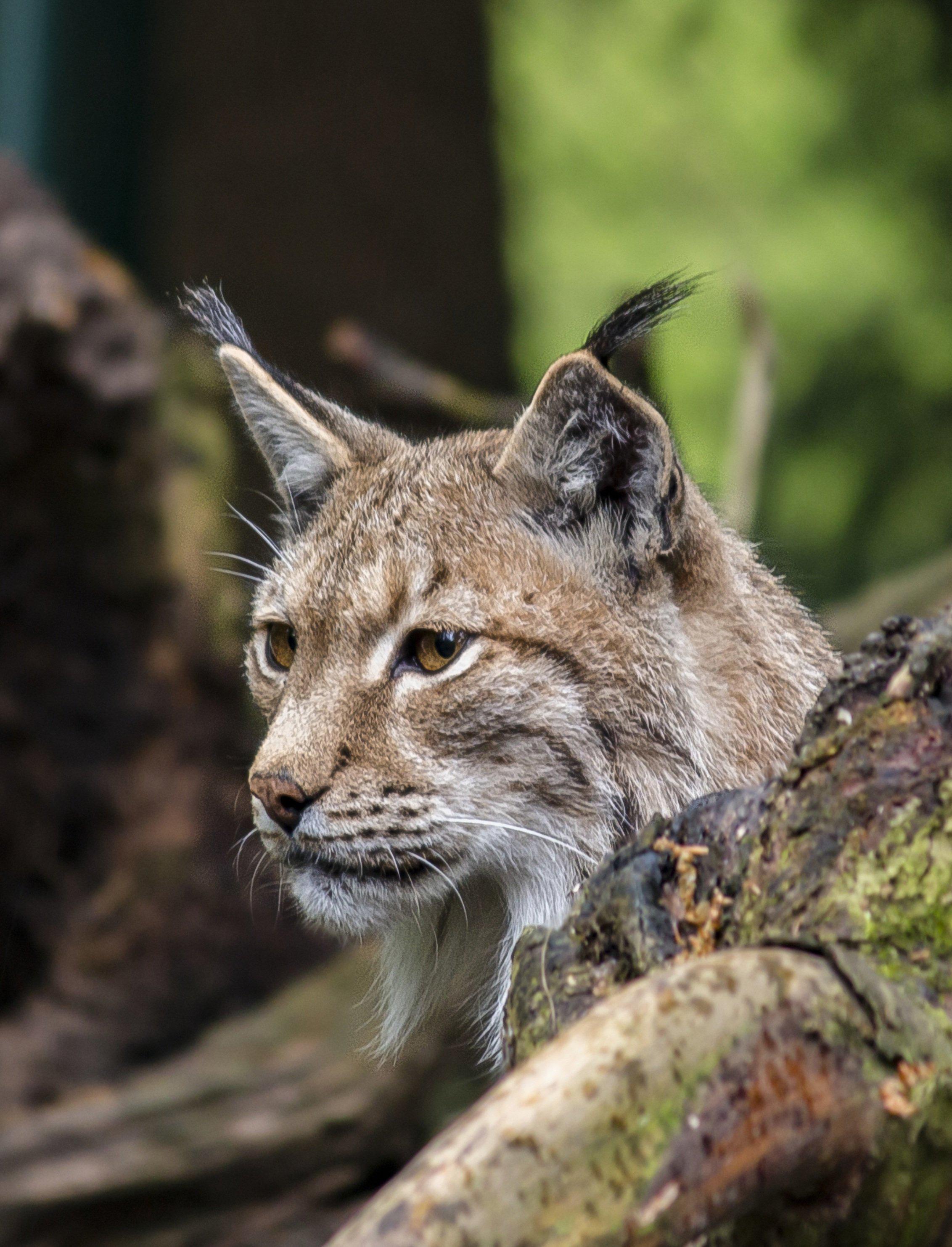
Eurasian lynx (Lynx lynx)..the largest of 4 species...they're a keystone species. Just their presence keeps deer on the move so they won't strip out plants..they cache their kill..when they leave leftovers, that provides for scavengers like beetles, birds, and smaller carnivores like foxes. #wildlife #nature #cats #biology #ecology #photo

🌧️🧠 Scientific #research demonstrates that the sensory experience of #rain reduces #stress and enhances mental focus. The smell of petrichor and the sound of falling #water provide measurable benefits to #brain #chemistry and mood.
#science #nature #biology #health #psychology #weather #wellness #environment

🙌 The new logo of Molecular Biology and Evolution is now live!
This new look will carry us forward while maintaining the same rigor and commitment to the molecular evolutionist community as an SMBE journal.
Visit our website to learn why publishing with MBE, as a society-owned journal, helps to support evolutionary science:
🔗 academic.oup.com/mbe/pages/why-publish

All known human languages display a surprising pattern: the most frequent word in a #language is twice as frequent as the second most frequent, three times as frequent as the third, and so on.
The same pattern is universally found across human languages bit also occurs in #whale song.
This complex signaling system, like human language, is culturally learned by each individual from others.
#biology
https://phys.org/news/2025-02-whalesong-patterns-universal-law-human.html
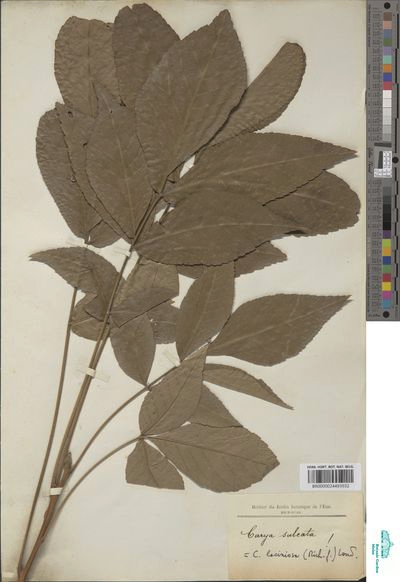
How an Enslaved Gardener Transformed the Pecan Into a Cash Crop
Beronda L. Montgomery on the Unsung Contributions of Black and Indigenous People to American Biology
Botanics at PG:
https://www.gutenberg.org/ebooks/bookshelf/115

#diet trends are always so dumb.
Like the paleo diet, which claims eating raw meat and #food is good for you, and the way it's meant to be.
Cooking food is why humans became humans.
It takes a HUGE amount of calories to digest raw food, which is important before food stability.
A brain uses a GIANT amount of calories, so by cooking food, calories were made available to develop a larger brain.
So it's less a paleo diet, and more a Homo Erectus diet.
#ICYMI: The Kaçar Lab, led by Dr. Betül Kaçar at the University of Wisconsin-Madison, is challenging the assumptions about life as we know it, its origins, and its future. Beth chatted with Dr. Kaçar in this week's #SETILive, and wow, we all learned a lot! Watch the full interview: https://youtube.com/live/hLw4olNyBng
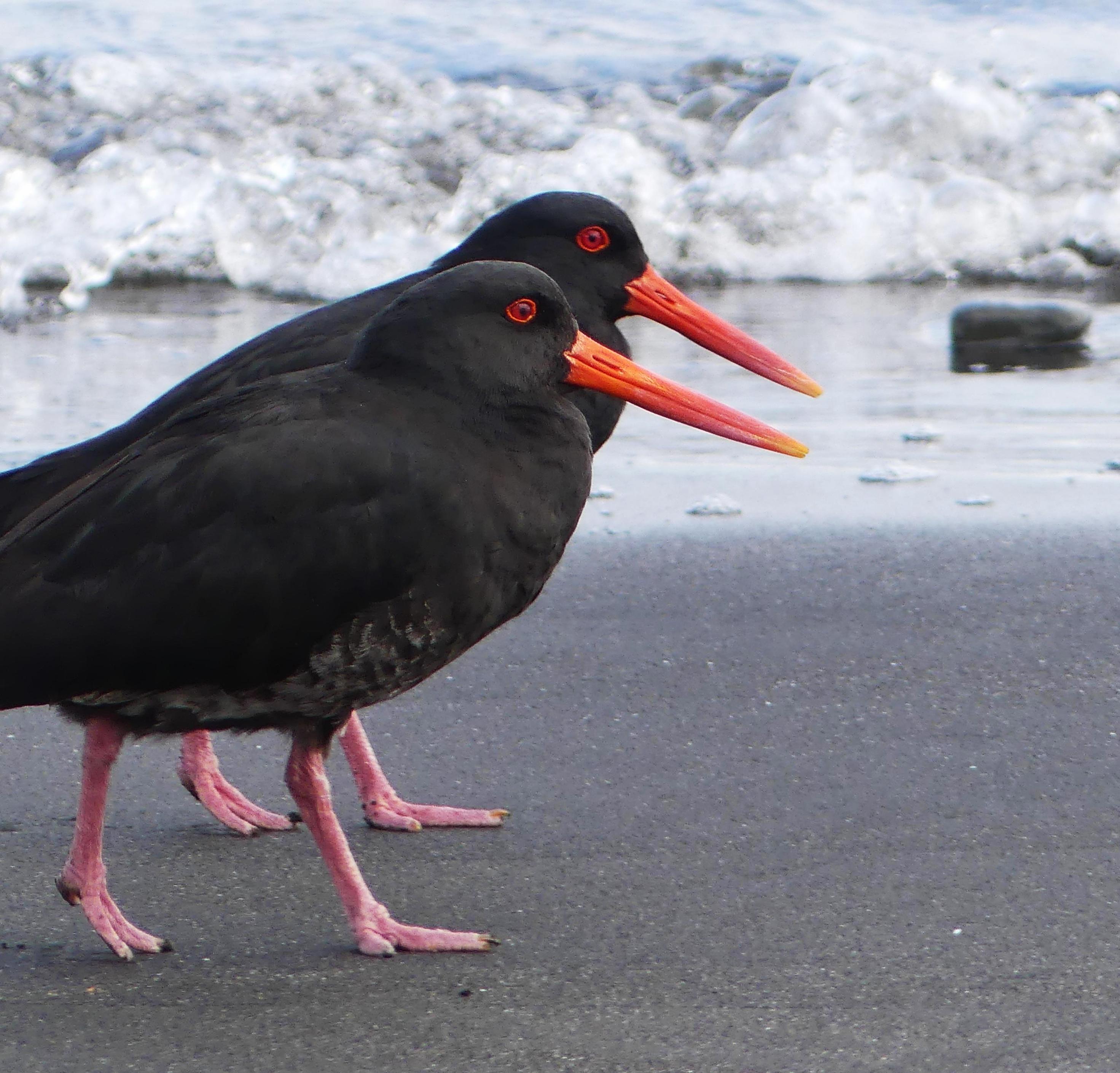
Sooty Oystercatchers (Haematopus fuliginosus),natives of Australia and New Zealand.If an oyster or other bivalve is slightly open, the oystercatcher quickly, precisely insert its bill to snip the adductor muscle that holds the two halves together. Then it's lunch. #birds #birdsofmastodon #biology #nature #photography #wildlife
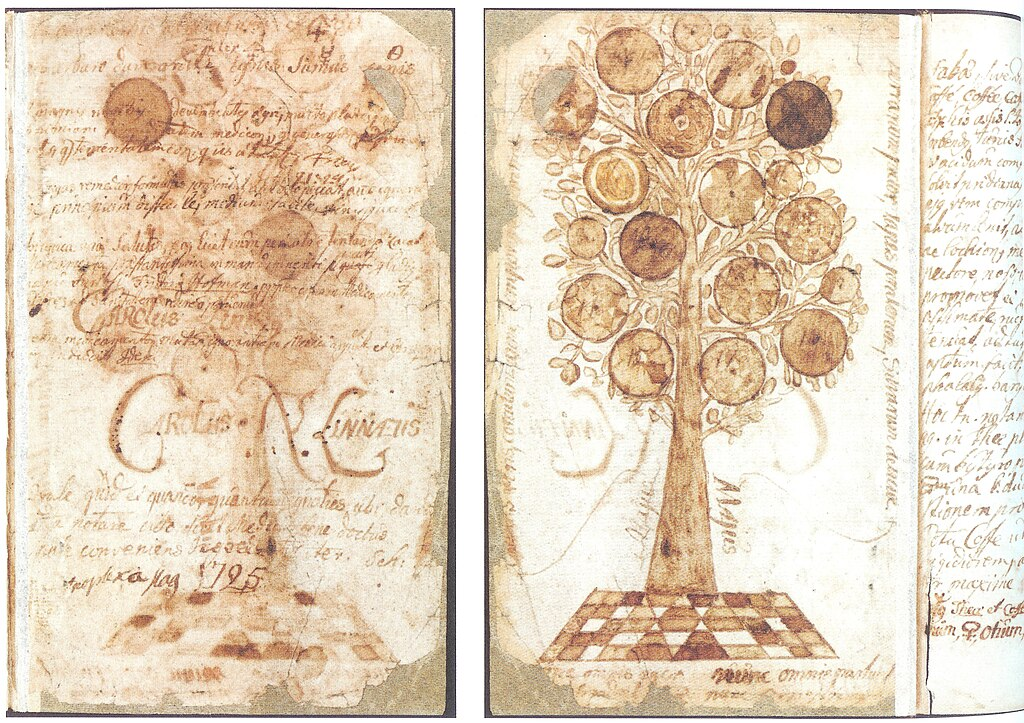
Defying classification, fantastical artworks reframe the racism of Carl Linnaeus
In the 18th century, the Swedish biologist Carl Linnaeus set out to classify life, creating a system of taxonomy that still endures. But, as Firelei Báez explains, his work included hierarchies of humans based on race that were ‘sheer nonsense’, embedding racist ideas into science that echo to this day.
Carl Linnaeus at PG:
https://www.gutenberg.org/ebooks/author/9516