space

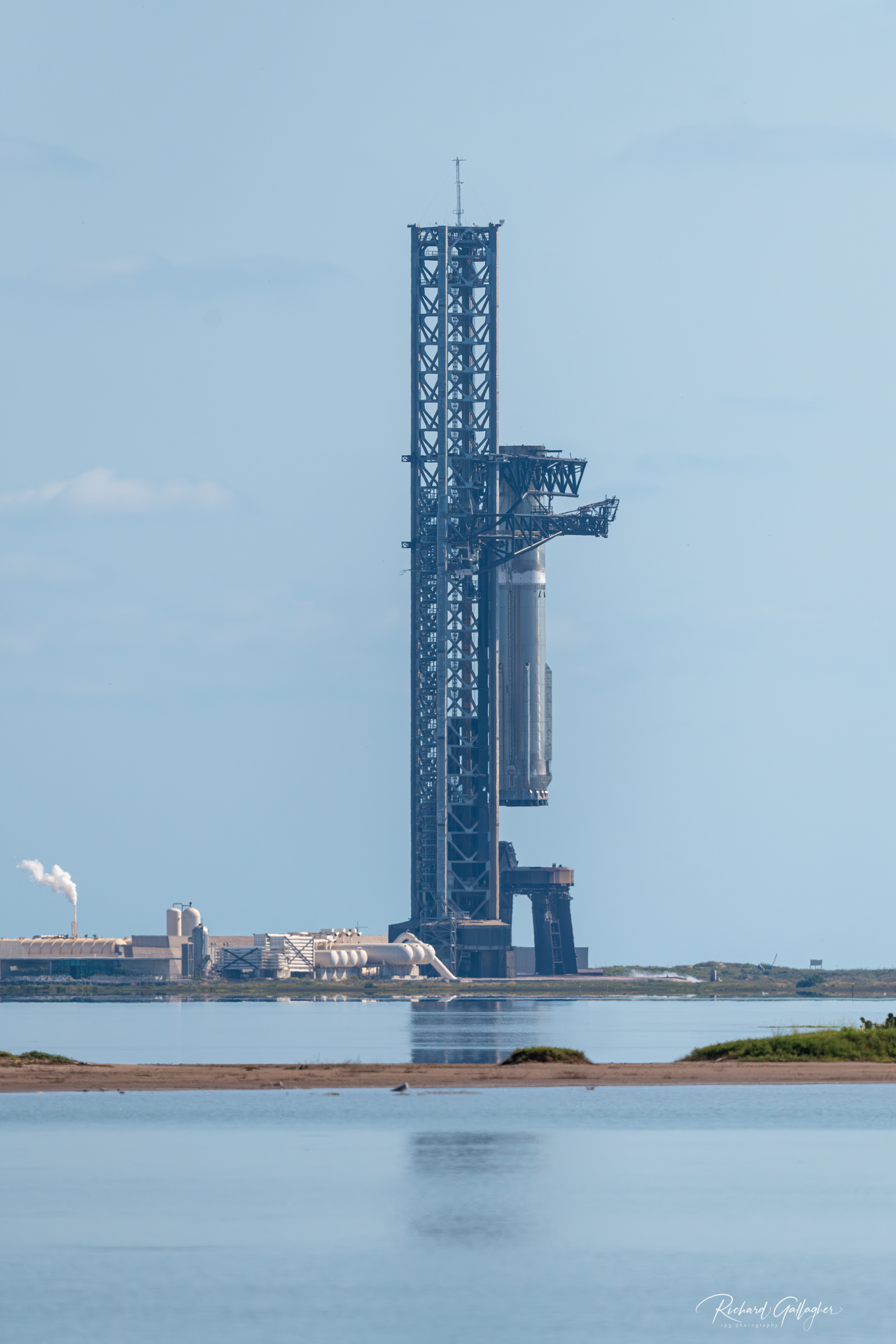
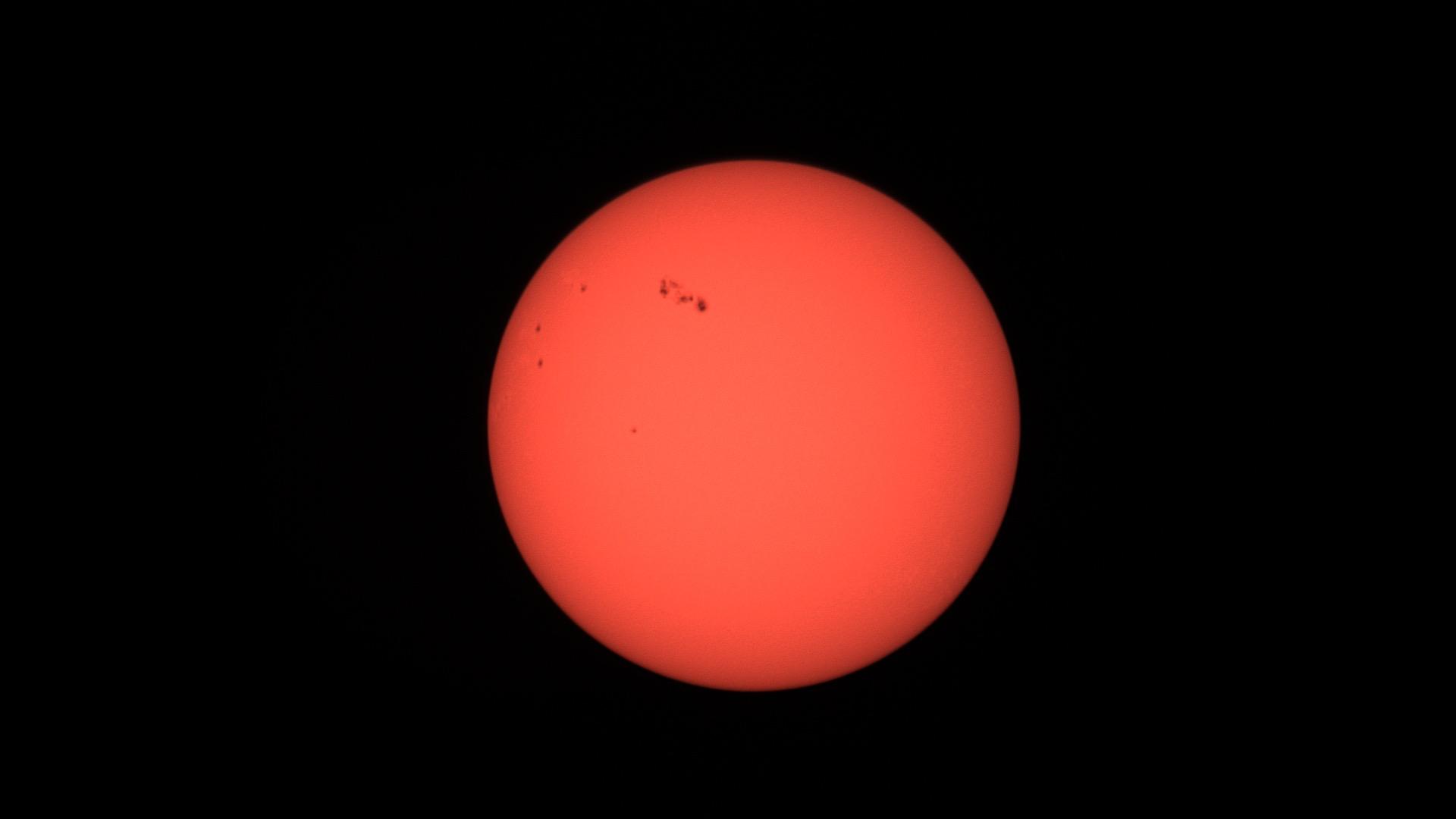
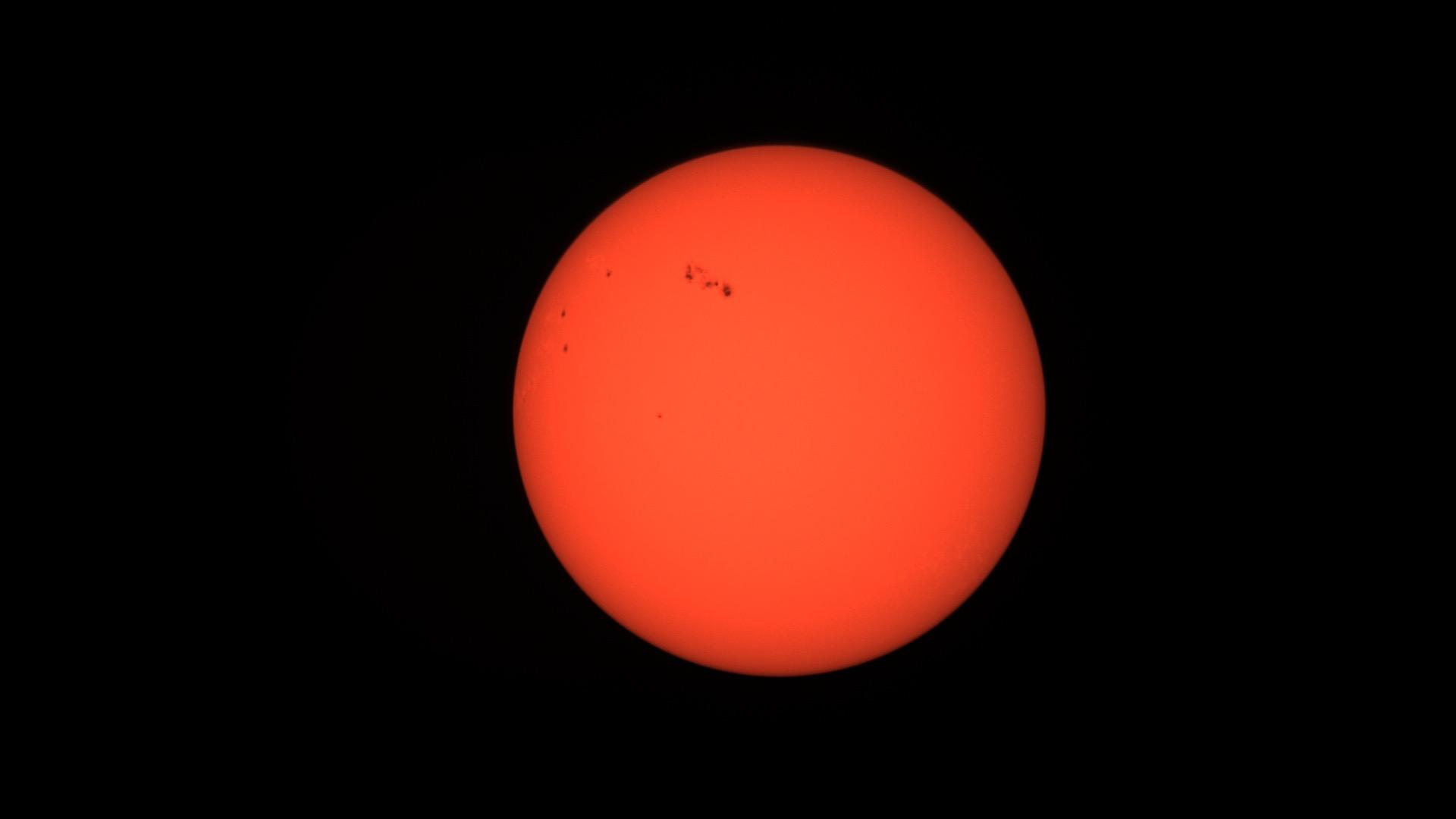
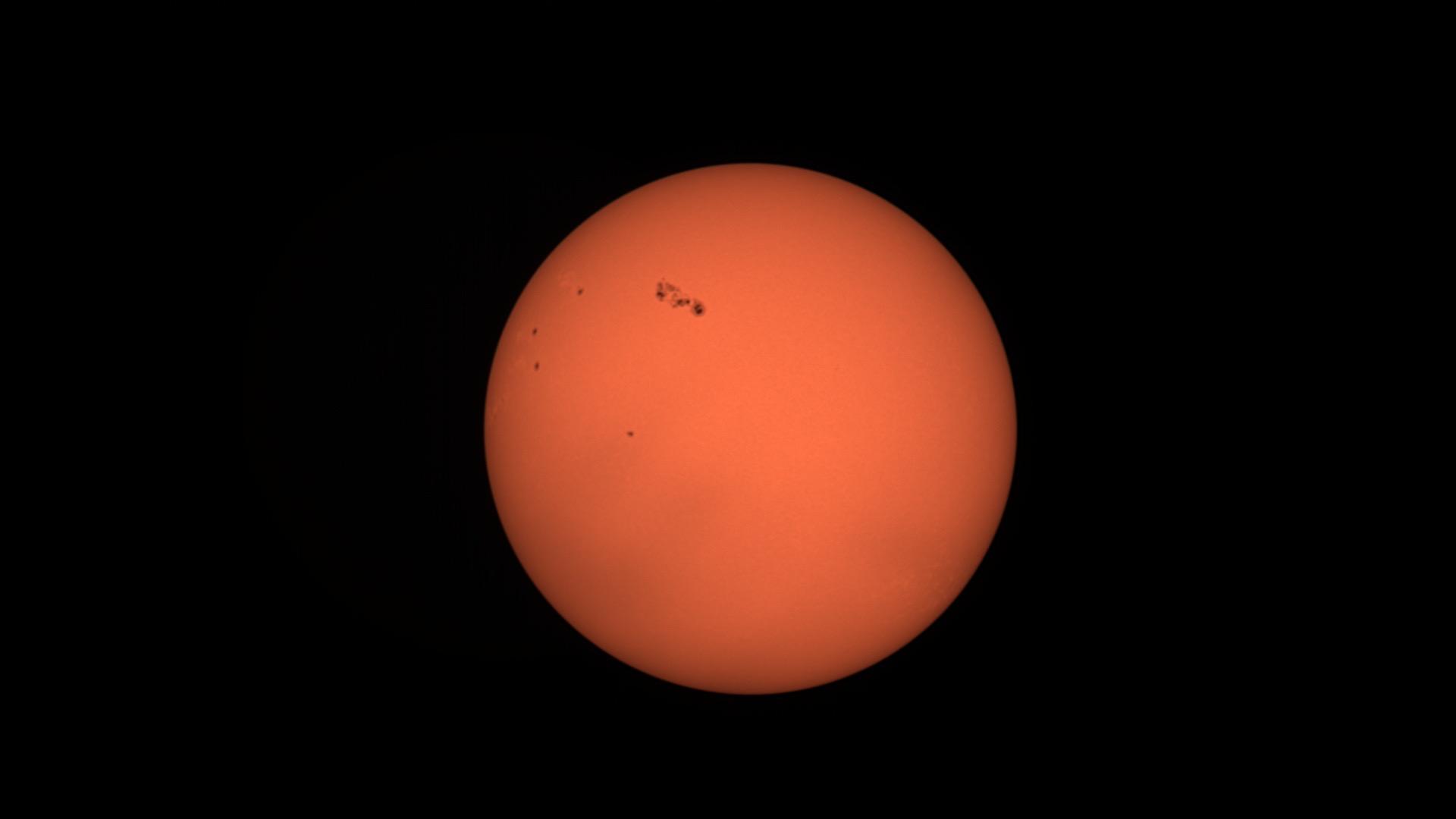
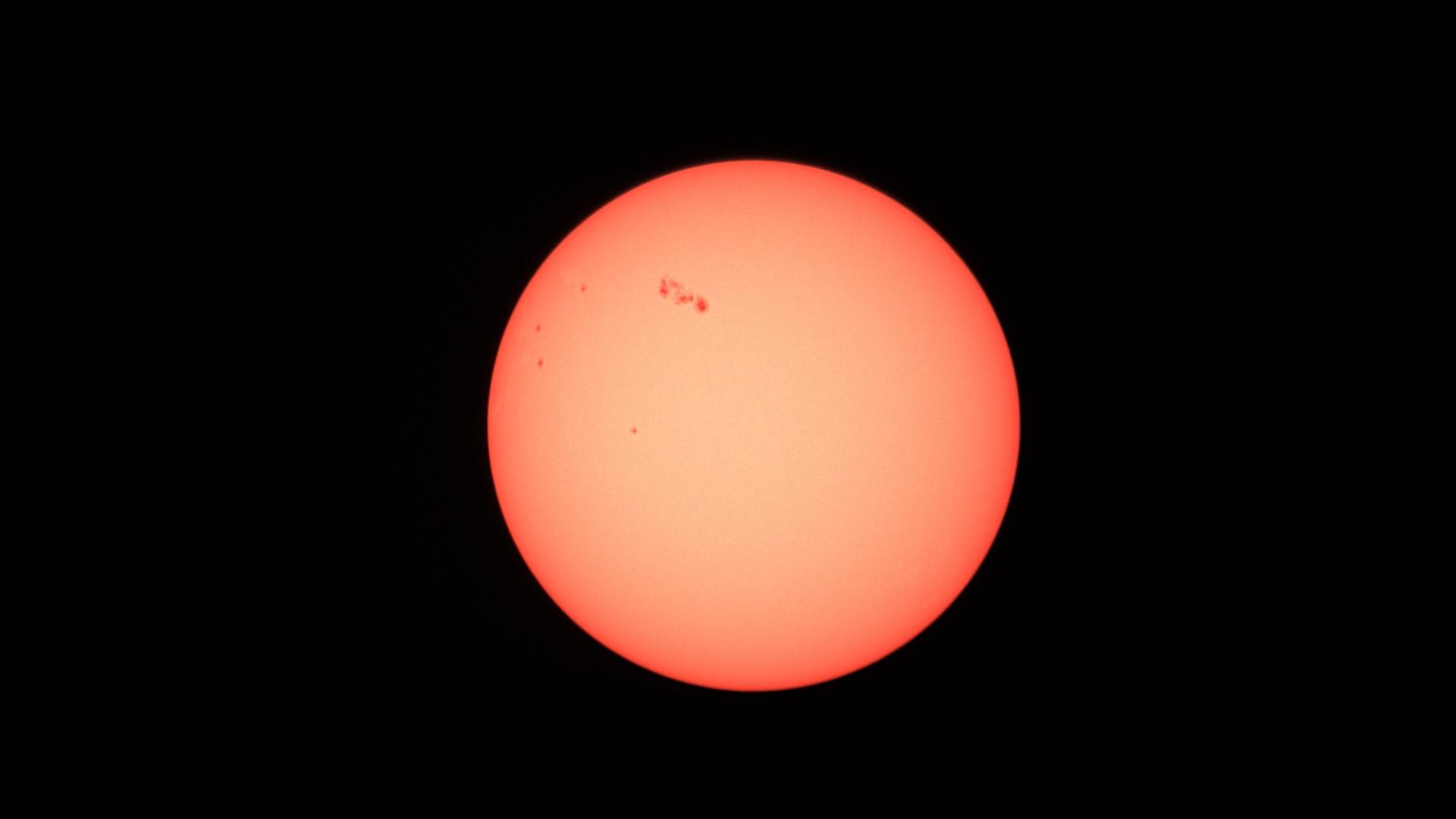
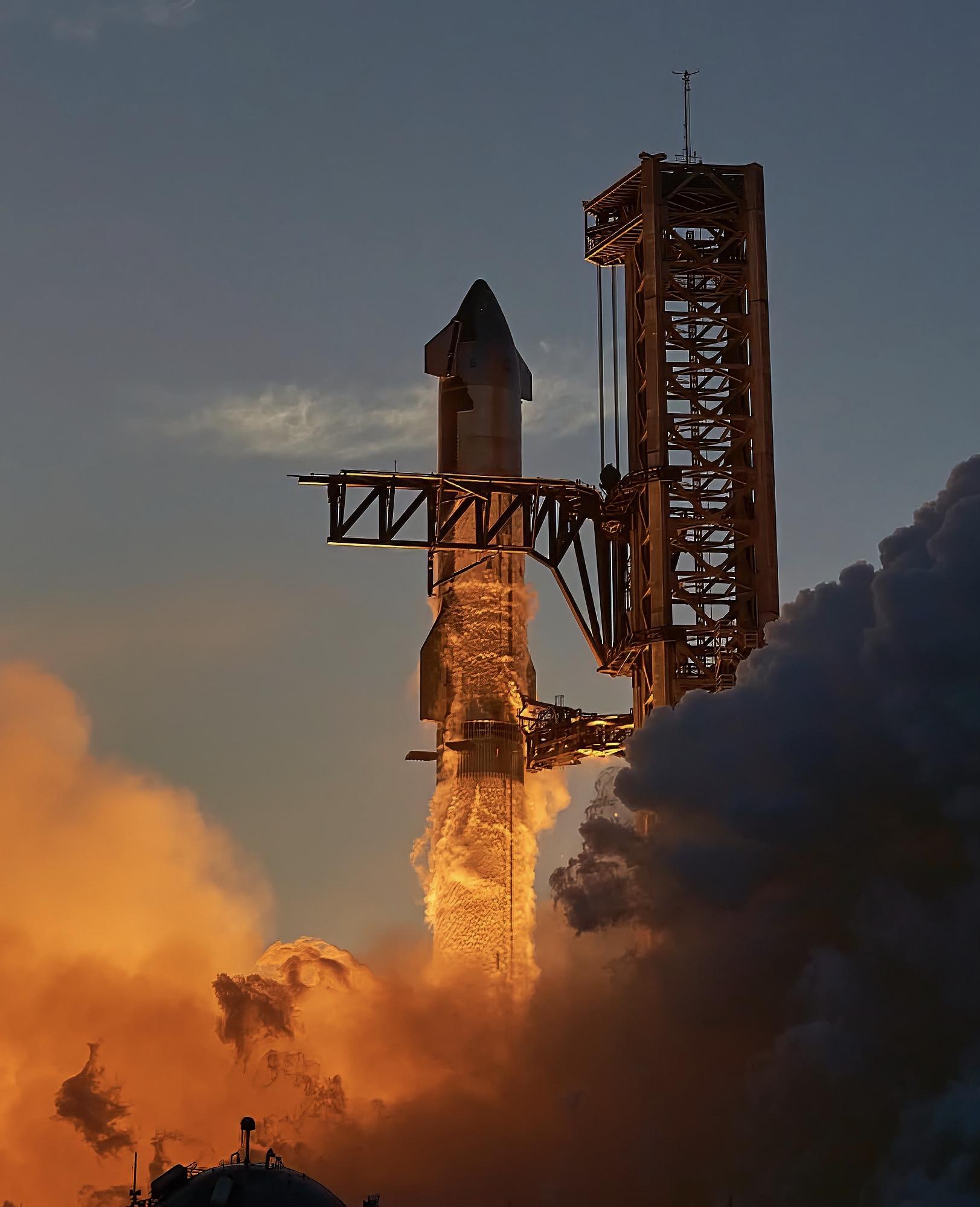
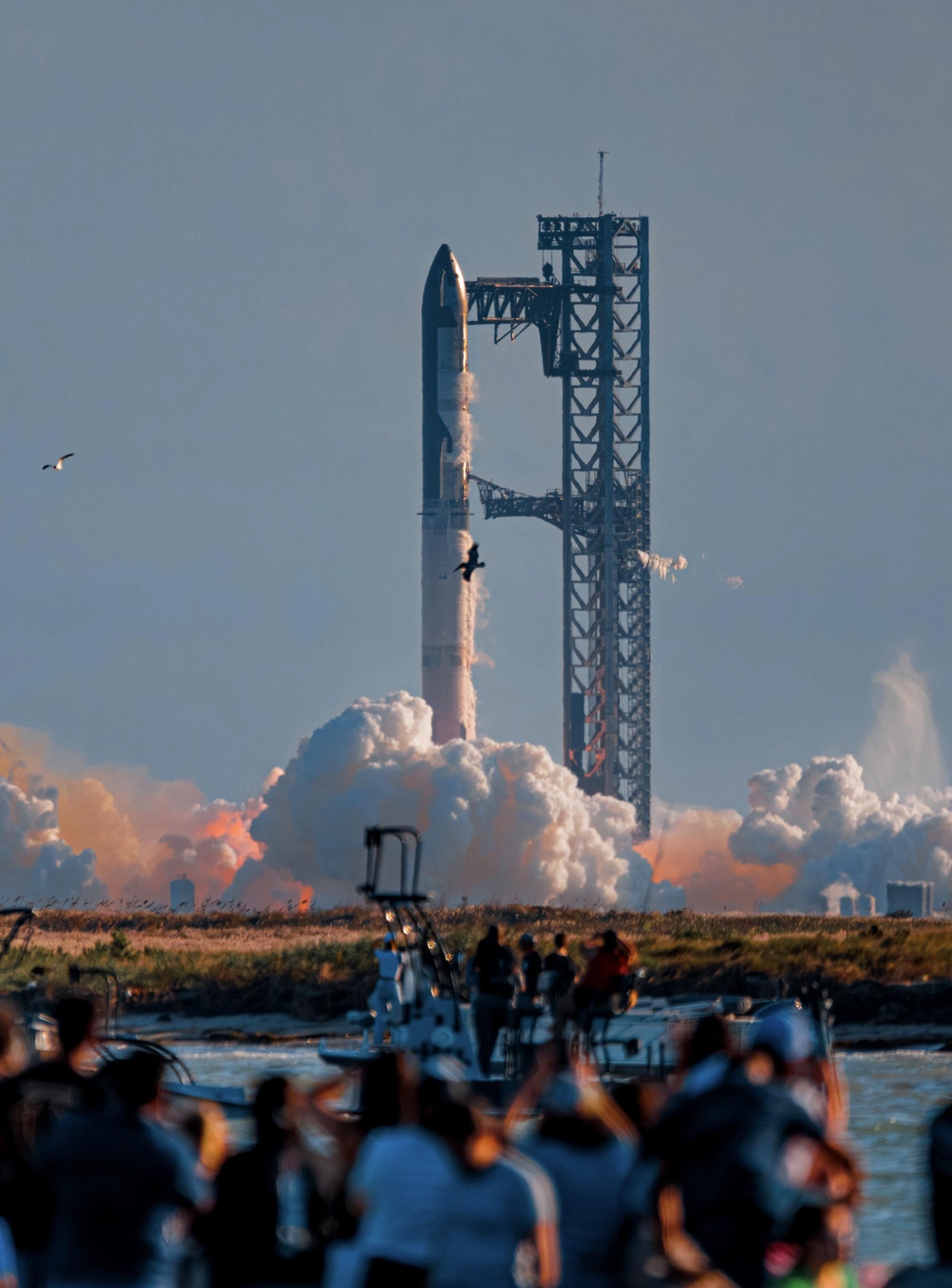
IFT-6 orbital test flight is NET November 18, 2024.
Local launch window opening at 1600. Allows for Ship 31 to flip and land in daylight in the Indian Ocean.
Raptor relight added as an objective (needed to prove the upper stage can do a safe orbital insertion and de-orbit). Booster 13 will attempt RTLS and landing at OLM 1 just like Booster 12.
#Space #Astrodon #SpaceX #Starship #ElonMusk #IFT6
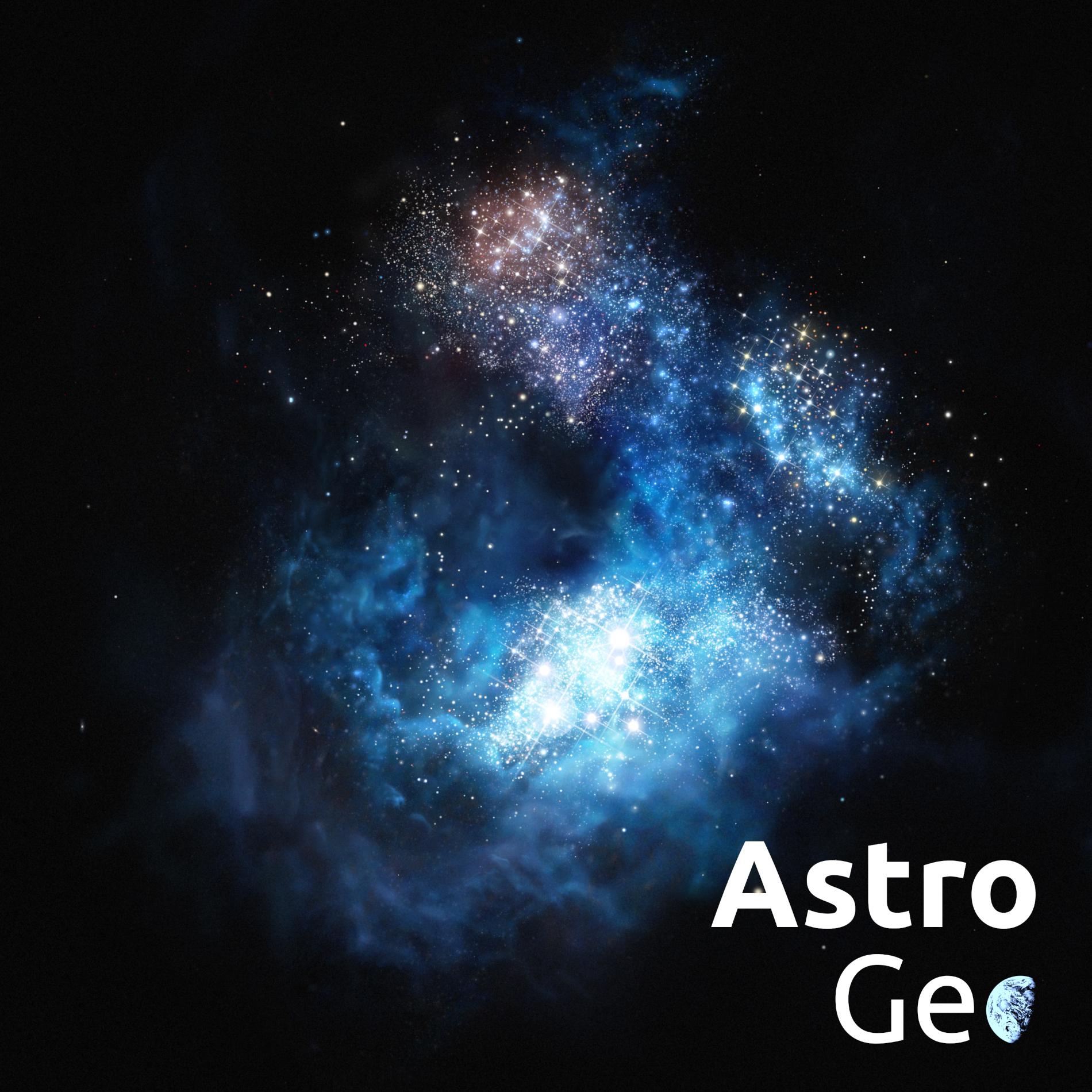
Wir sind im neuen Jahr angekommen. Franzi erzählt in der dieser Folge von einem Methusalem-Stern und der Suche nach den ältesten Sternen des Universums. Denn die haben recht viel mit uns zu tun:
➡️ https://astrogeo.de/als-im-universum-die-lichter-angingen-wo-sind-die-ersten-sterne/ ✨
🖼️ : ESO/M. Kornmesser (künstlerische Ansicht)

In happier news, it's been a great week for learning strange new things about the universe. A few highlights:
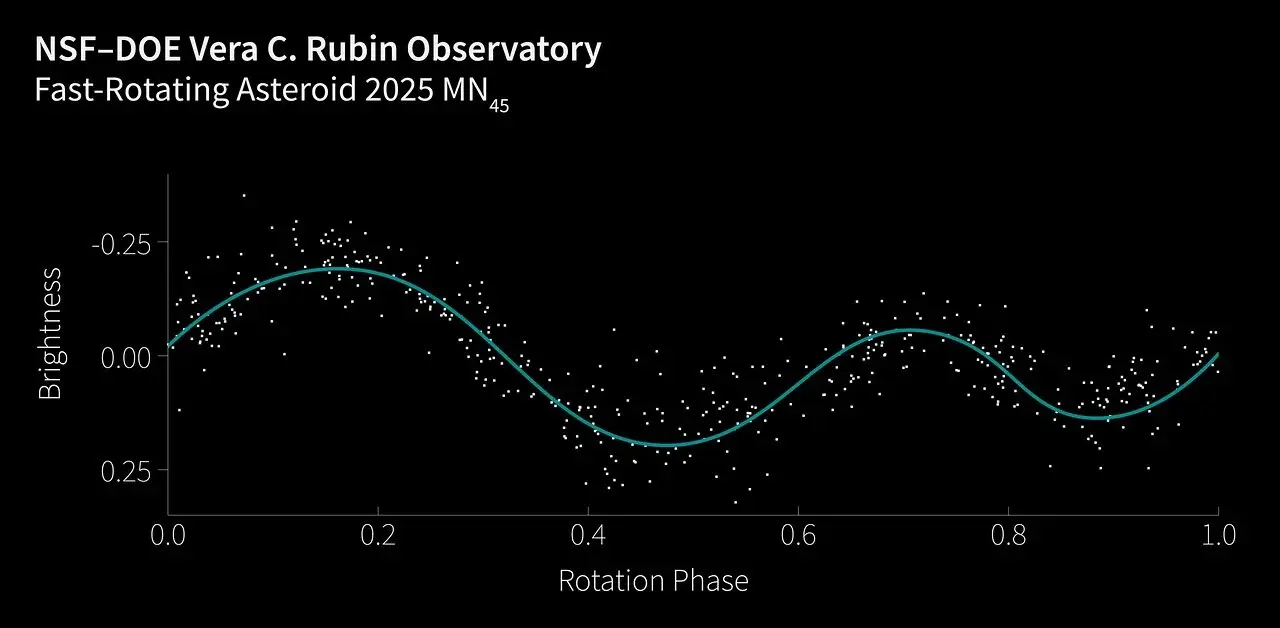
The Rubin Observatory opened its eyes & immediately discovered 1900 asteroids, including the fastest-spinning large asteroid (once every 1.88 minutes!).
https://noirlab.edu/public/news/noirlab2601/ #science #nature #space

In a recent #SETILive conversation, SETI Institute Communications Specialist Beth Johnson and SETI Institute Senior Planetary Astronomer Dr. Franck Marchis discussed the missions, milestones, and observations that define space science in 2026. Their discussion placed individual missions within a broader scientific framework focused on planetary systems, cosmic environments, and humanity’s place in the universe.
Learn more: https://www.seti.org/news/what-to-expect-in-space-science-2026/
On Wednesday, Jan. 28, 2026, at 7 pm (PST), Dr. Bruce Macintosh (Director of the University of California Observatories) will give a free, illustrated, non-technical lecture entitled:
"Pictures of Distant Worlds"
in the Smithwick Theater at Foothill College, in Los Altos (see directions below).
The talk is part of the Silicon Valley Astronomy Lecture Series, now in its 26th year.
Learn more: https://www.seti.org/events/pictures-of-distant-worlds/

NASA Shuts Off Instrument on Voyager 1 to Keep Spacecraft Operating
The Low-energy Charged Particles experiment has been operating almost without interruption since Voyager 1 launched in 1977 - almost 49 years.
 alternate
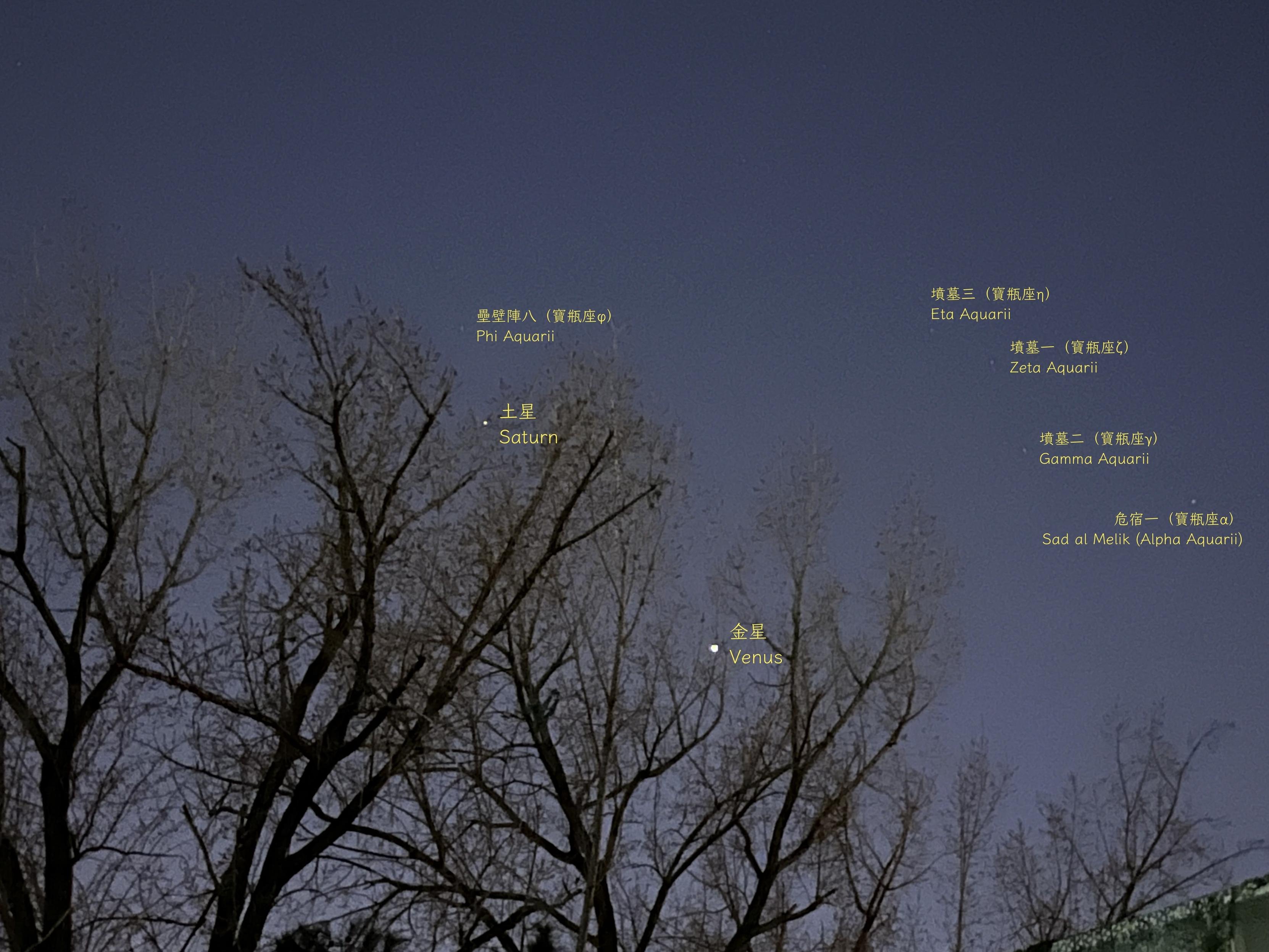
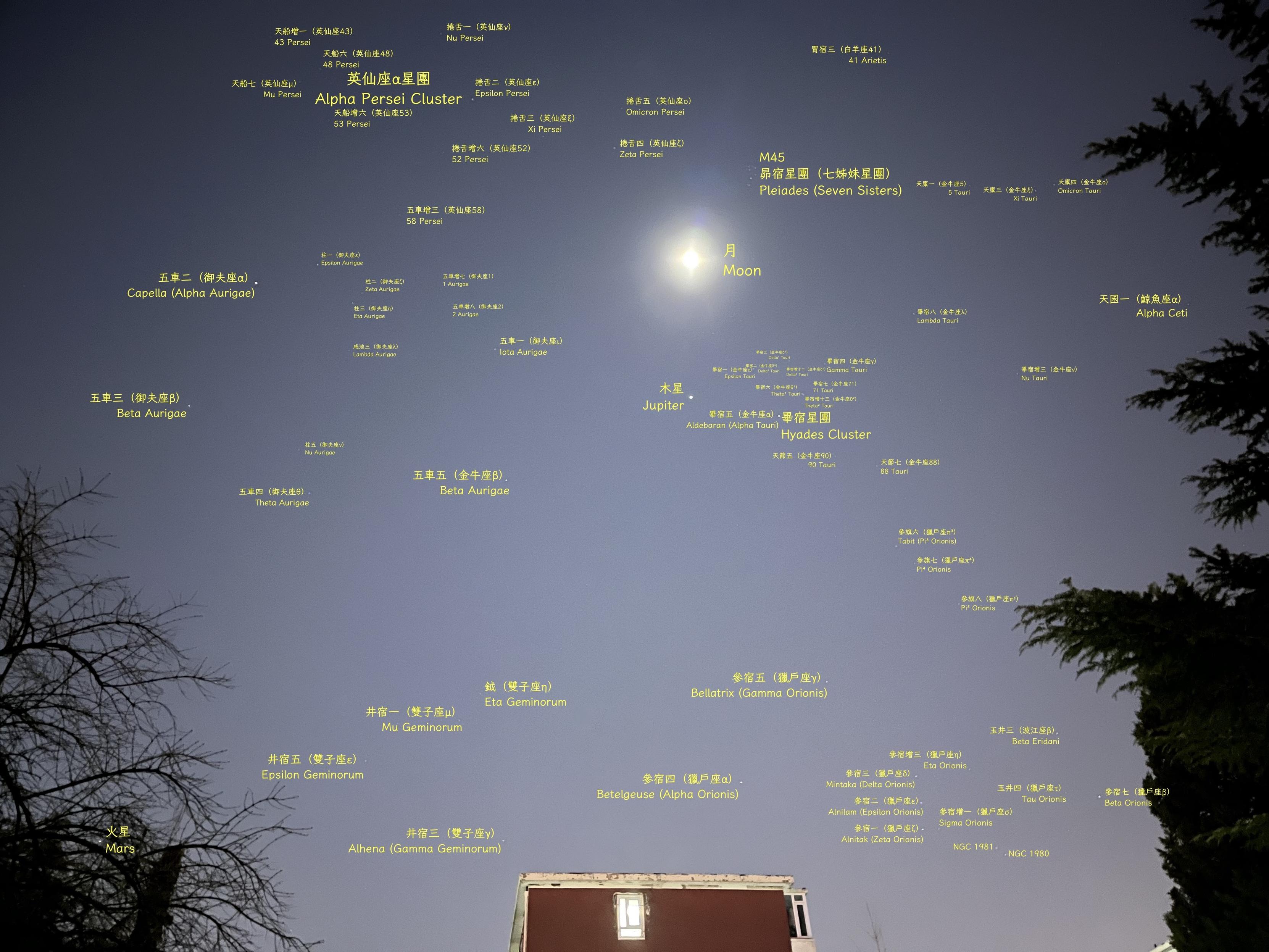
Looked up at the vast sky
Took in Beijing (39°56'51"N, 116°18'5"E)
18:17 and 18:34, Jan. 10, 2025 (UTC+8:00)
仰觀宇宙之大
攝於北京(39°56'51"N,116°18'5"E)
2025年1月10日18:17和18:34(UTC+8:00)
#picture #photo #fotografia #foto #Photos #風景写真 #照片 #撮影 #攝影 #写真 #photography #摄影 #天空の #fotografie #фотография #photographie #astrophotography #astronomy #月光 #天 #夜 #夜空 #宇宙_天文 #天文 #月 #night #nightphotography #sky #nightsky #星空 #moonlight #moon #scenery #Scenes #photographyisart #photooftheday #pictures #pictureoftheday #saturn #venus #土星 #金星 #木星 #木星合月 #火星 #星座 #星宿 #starrysky #starry_night #starrynight #starry_sky #Stellar #starsigns #mars #jupiter #jupiter_star #stars #Star #space #universe #universeodon #photodon
Scientists just narrowed the search for alien life 🌍✨
A new study identifies 45 Earth-like worlds that may be our best chance to detect life beyond our solar system.
Join us LIVE with Franck Marchis, Lisa Kaltnegger, and Abigail Bohl as we explore what makes these planets so promising—and how we’ll study them.
📅 April 17
⏰ 2:30 PM PDT
🔭 Watch live: https://youtube.com/live/WGFMT4M_Qnk
Data from NASA’s Kepler mission revealed that planets between Earth and Neptune in size, particularly compact systems of closely packed worlds, are extraordinarily common. Yet the Solar System contains none.
In a recent SETI Live conversation, Moiya McTier spoke with exoplanet scientist Dr. John H. Livingston about a newly characterized young planetary system that may represent the long-sought evolutionary bridge.
Learn more: https://www.seti.org/news/missing-link-found/
What if Saturn’s largest moon is the survivor of a colossal cosmic crash?
New research suggests Titan formed when two ancient moons merged, potentially setting off the chain of events that created Saturn’s rings.
Join us live with planetary dynamicist Matija Ćuk to explore this dramatic new model of the Saturn system.
📅 TODAY, March 12, 2:30 pm PDT / 5:30 pm EDT
🔗 https://youtube.com/live/MVyn_bfZsaI
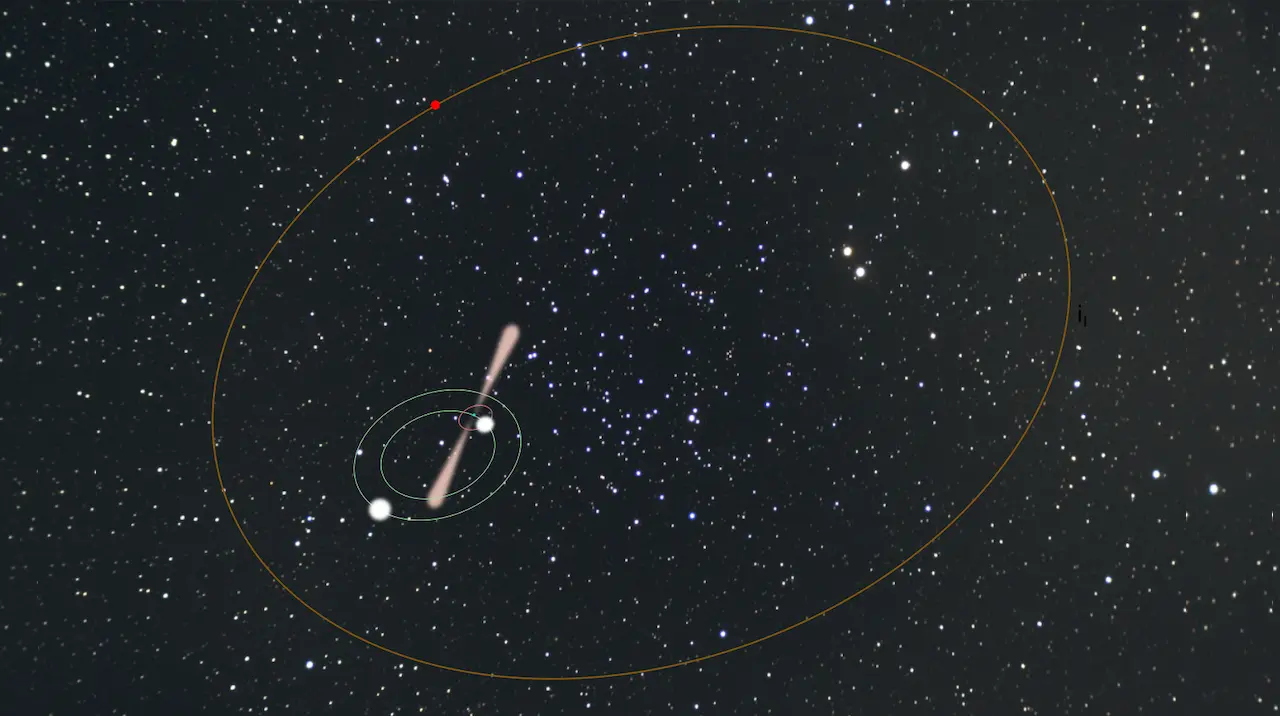
This may be the strangest planet yet discovered. It seems to be a Pluto-size world circling the remains of three dead stars: two white dwarfs & a pulsar, as massive as the Sun but no bigger than Brooklyn.
If confirmed, it would also be the smallest exoplanet known.
https://astrobiology.com/2025/01/have-we-discovered-the-smallest-extra-solar-planet.html #space #science #astronomy #nature
Through partnerships with the SETI Institute and Unistellar, the initiative mobilizes citizen scientists to generate valuable data on events like meteor showers and asteroids that professional observatories might miss. This collaborative approach transforms individuals from passive observers into active participants who help catalogue the cosmos alongside major scientific efforts.

Vera Rubin Was a Pioneering Female Astronomer. Her Federal Bio Now Doesn’t Mention Efforts to Diversify Science.
—
The edits to the webpage offer a glimpse into how far the Trump administration will go in refusing to acknowledge today’s inequalities as it purges federal initiatives promoting diversity, equity and inclusion.
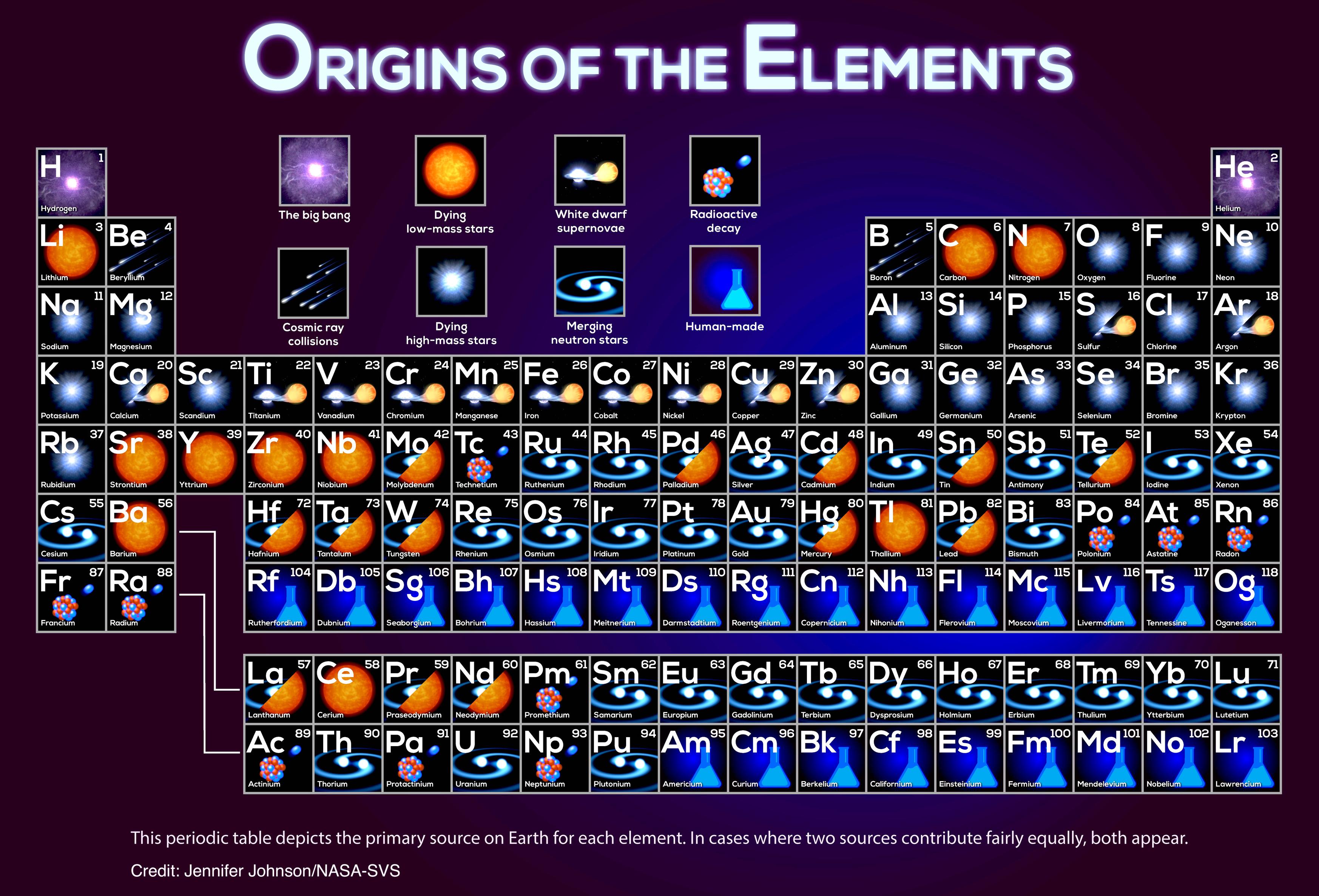
You've probably heard that "we are stardust," but this graphic breaks it down further & tells you what kind of stars your dust came from--and which elements didn't come from stars at all.
Meanwhile, far from Earth...
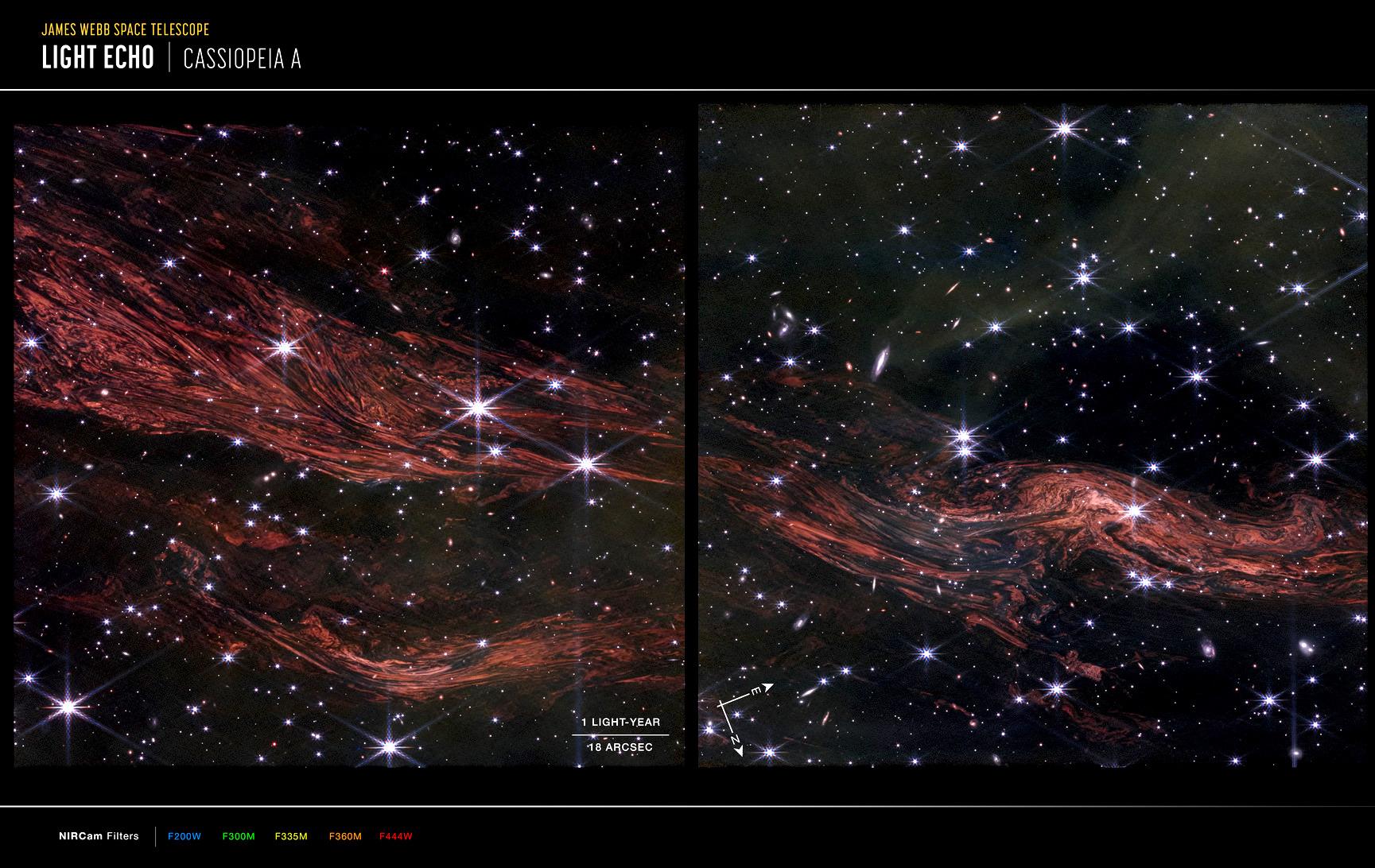
The space between stars is full of gas and dust that is normally dark & invisible to us. But a flash of light from a 350-year-old supernova has lit up the interstellar medium -- revealing it in all its strange, swirling glory.
https://webbtelescope.org/contents/news-releases/2025/news-2025-102 #space #science #nature
SEEKING SIGNS OF LIFE ON EARTH’S EVIL TWIN
Move aside, Mars. In 2026, we’ll be asking if there’s life on Venus, and whether it can survive—and thrive—in clouds of sulfuric acid, surface temperatures of 465°C, and pressure 90 times that of Earth
Nathalie A. Cabrol
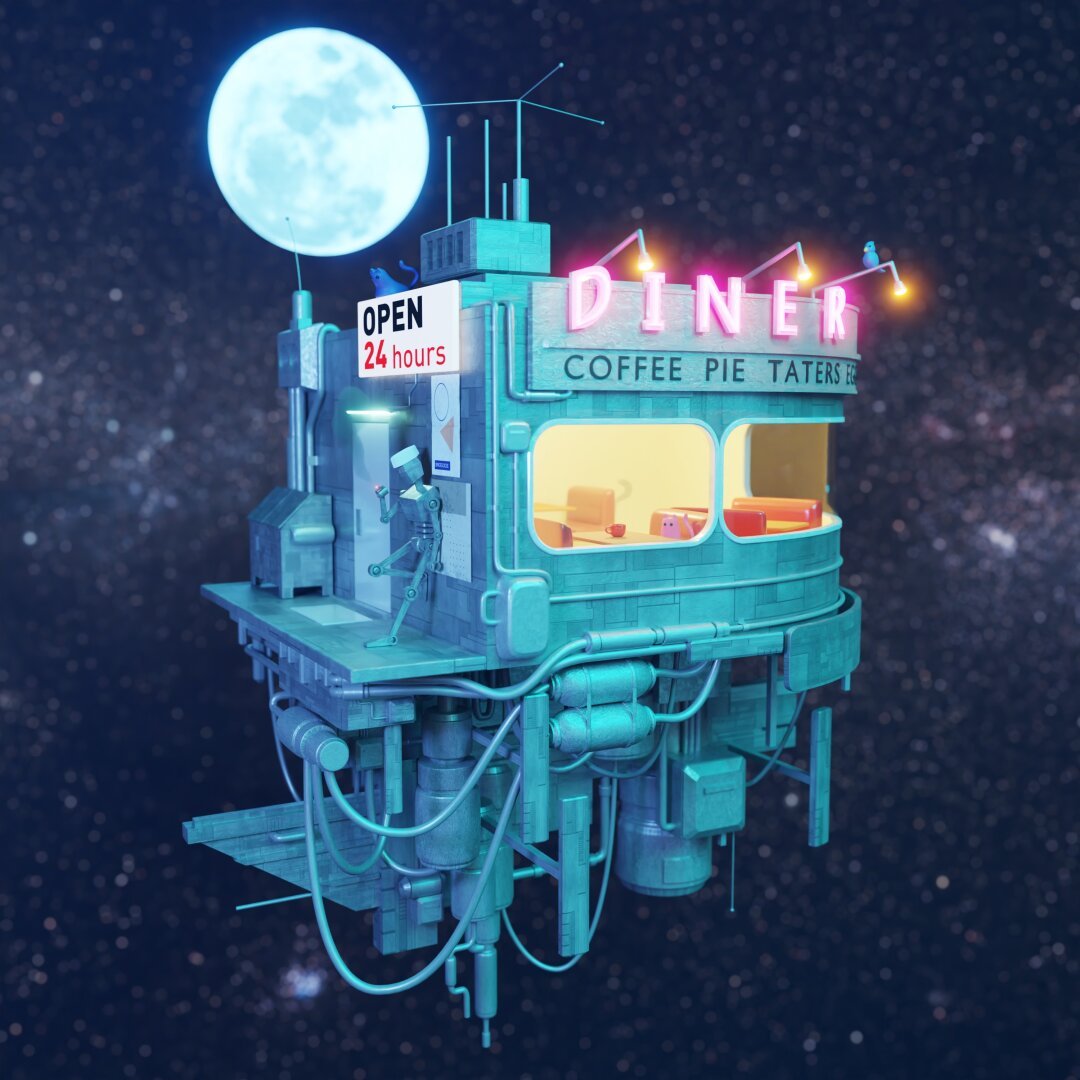
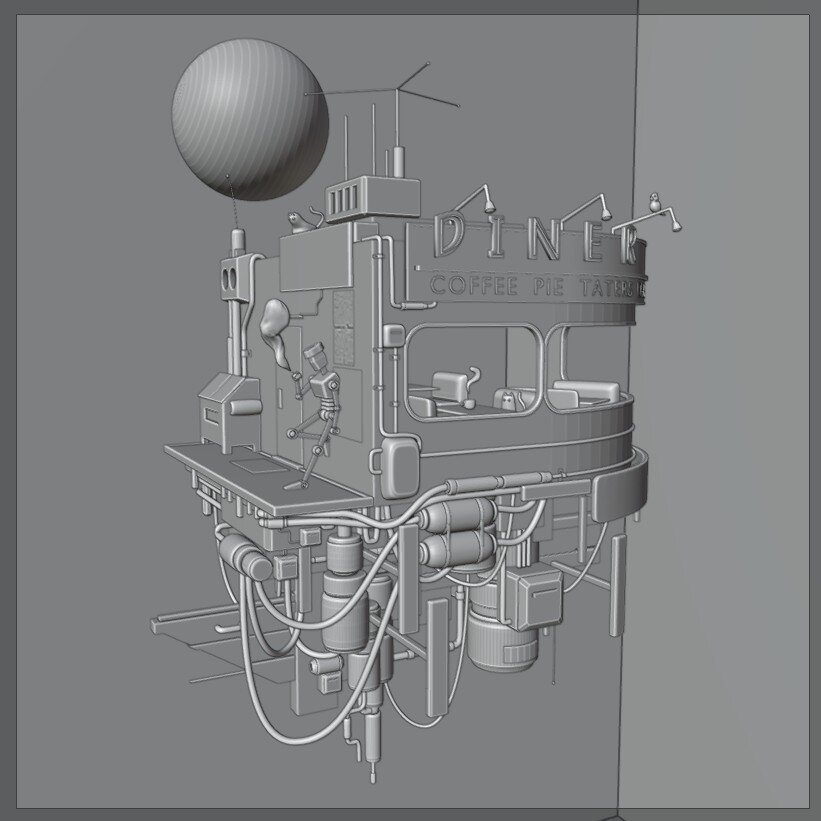
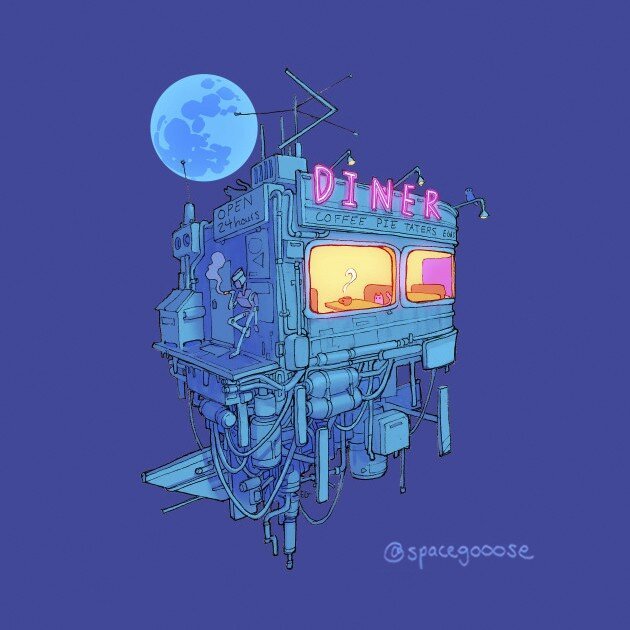
#Blender #Blender3D #scifiart #3D #3DArt #space #cats #Art #SciFi #Space #Illustration #DigitalArt


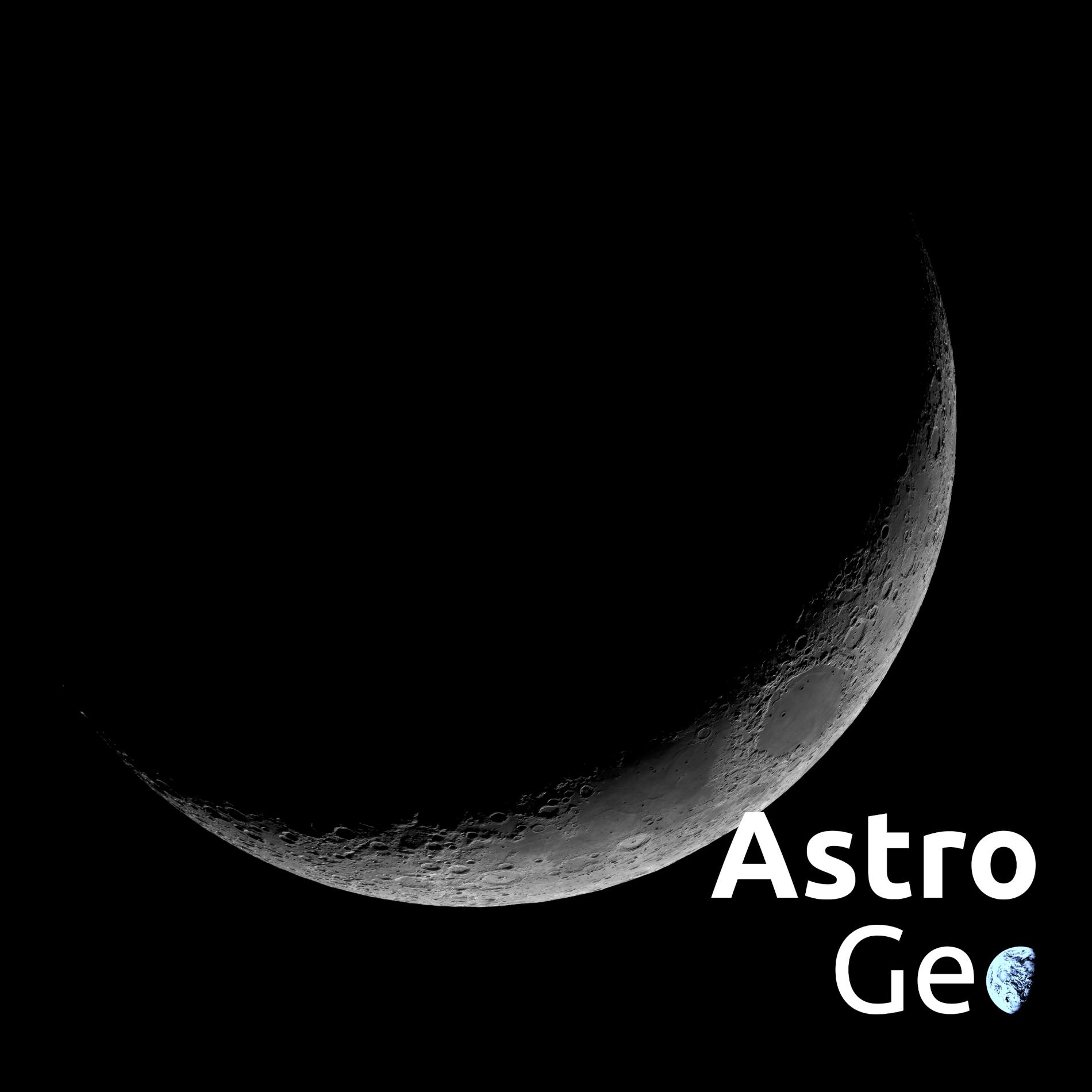
Die Erde hat einen schönen großen Mond. Aber wo kommt er her? Karl erzählt heute, wie noch bis in die 1970er Jahre viele konkurrierende Hypothesen herumgeisterten. Und dann - auf einen Schlag - war plötzlich (fast) alles klar. 💥🌖🌍
➡️ https://astrogeo.de/theias-grosser-einschlag-wie-der-mond-entstanden-ist/
📷 : CC-BY-SA 3.0 Rolf Hempel / Wikimedia Commons

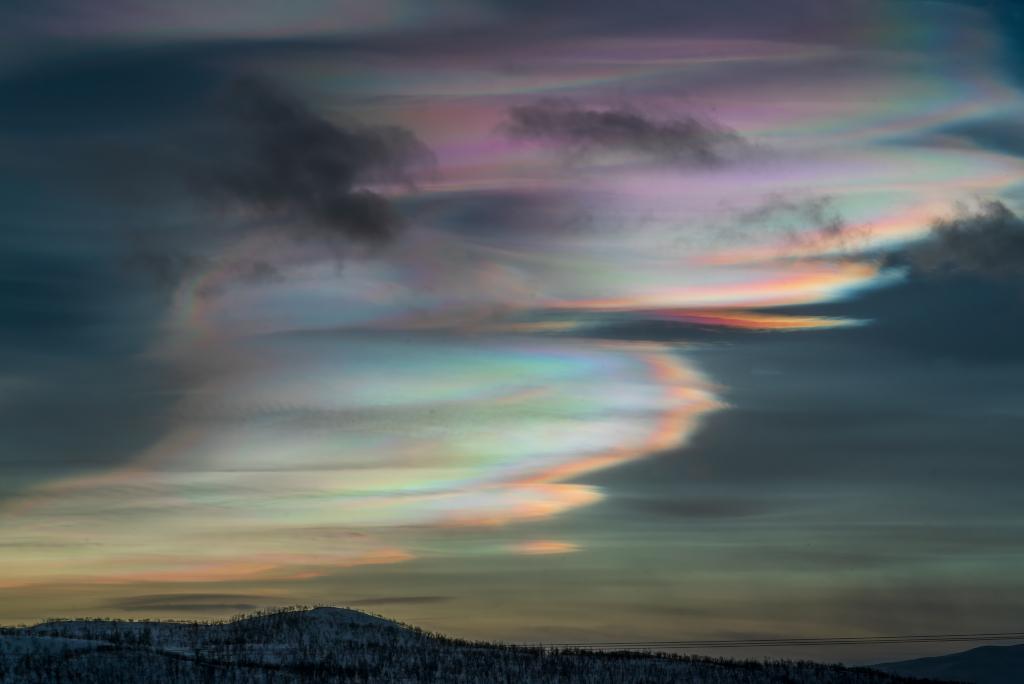
Nacreous Clouds over Lapland
Credits: Dennis Lehtonen
#nature #space #astrophotography
PRESS RELEASE: A research team led by Dr. Sofia Sheikh of the SETI Institute, in collaboration with the Characterizing Atmospheric Technosignatures project and the Penn State Extraterrestrial Intelligence Center, set out to answer a simple question: If an extraterrestrial civilization existed with technology similar to ours, would they be able to detect Earth and evidence of humanity? If so, what signals would they detect, and from how far away? https://youtu.be/Pdg2x3NP2ds