Linguagens Declarativas e o Nosso Cérebro
https://gmgall.net/blog/linguagens-declarativas-e-o-nosso-cerebro/
Linguagens Declarativas e o Nosso Cérebro
https://gmgall.net/blog/linguagens-declarativas-e-o-nosso-cerebro/
DATE: June 7, 2026 at 06:00PM
SOURCE: PSYPOST.ORG
** Research quality varies widely from fantastic to small exploratory studies. Please check research methods when conclusions are very important to you. **
-------------------------------------------------
TITLE: Eye-tracking study reveals visual preferences in toddlers with autism
Young children with autism tend to look less at faces and more at background details than their peers do, but taking objects out of their environment changes how they observe others. Removing toys from a social scene increases the amount of time all children spend looking at people, which could inform better designs for clinical and educational spaces. The findings were published in the Journal of Autism and Developmental Disorders.
Autism is a neurodevelopmental condition that influences communication, behavior, and social skills. One common feature of the condition in early childhood is a reduced tendency to look at the faces and eyes of other people. Psychologists use the term visual attention to describe how a person unconsciously decides where to direct their gaze in any given environment. When a child routinely focuses their eyes on toys or background details instead of human faces, they miss out on subtle social gestures and facial expressions.
Over time, a pattern of looking away from people can limit a child’s access to social learning experiences. Most young children naturally look toward faces because the human brain perceives social interactions as highly rewarding. When this natural drive to watch faces is altered, it can change the trajectory of how the brain develops its social and cognitive networks. Researchers want to know exactly what captures the attention of children with autism and whether changing the surrounding environment can alter their visual habits.
Psychologists use the concept of object value to explain why eyes naturally dart toward certain items in a busy room. The human brain continuously scans its surroundings and calculates how useful or relevant a piece of information might be for survival or social success. Typically, the brain assigns an exceptionally high value to human faces because expressions provide necessary behavioral clues. This internal valuation system dictates whether a person will prioritize looking at a social stimulus or a non-social object.
Isik Akin-Bulbul and Selda Ozdemir, a pair of researchers in the special education department at Hacettepe University in Turkey, noticed a gap in the existing research. Many studies test whether autistic children prefer looking at objects over people, but those studies often place a face on one side of a screen and an object on the other side. Real social interactions happen in chaotic rooms filled with mixed stimuli. The researchers wanted to see if the presence of toys inside a single dynamic scene would change how children allocate their visual attention.
To test this idea, the researchers enlisted 127 children between the ages of eighteen and thirty-six months. Fifty-three of the participants had a confirmed autism diagnosis, while the other seventy-four children were developing along expected timelines. The research team made sure the two groups were matched in age to provide a fair comparison. None of the children in the typically developing group had a family history of autism or siblings with developmental issues.
The team sat each child in front of a computer monitor equipped with an eye-tracking device. An eye tracker is a specialized camera that follows the exact movements of a person’s pupils in real time, calculating exactly where their gaze lands on a screen and how long it stays there. The technology allows researchers to record invisible, split-second changes in attention without asking the child to perform any specific tasks. The children simply had to watch a series of short videos on the monitor while sitting on a chair or in a parent’s lap.
The short video clips featured an adult and a child having a fun conversation. Three of the videos included objects, and three of the videos showed social interactions without any toys present. In the clips with objects, the actors played with a stuffed pelican, put toy people on a school bus, and tried to put a toy dog on the bus. In the clips without objects, the child ate a biscuit while the adult asked for a bite, the child offered the biscuit to the adult, and the two conversed about sharing a piece of chocolate.
Using analytical software, the research team mapped invisible boundaries over specific regions of the video screen. They designated these regions as the face area, the body area, the toy area, and the external background area. The software then calculated the total amount of time each child’s right eye lingered inside these marked boundaries. By comparing the viewing patterns, the researchers could uncover exactly how toys altered the children’s focus.
The results matched previous observations indicating that autistic children view environments differently than their naturally developing peers. Across all the videos, the children with autism spent much less time looking at faces than the typically developing children did. The children with autism also spent exceptionally high amounts of time looking at external background details. These differences existed no matter what was happening in the video clip.
When toys were visible in the scene, both groups of children found the objects highly distracting. Both the autistic children and the typically developing children spent the largest chunk of their time staring directly at the toys, prioritizing the objects over the people. Beyond the toys, the priority of gaze shifted depending on the group. The typically developing children looked at faces second, followed by bodies, and finally the background.
The children with autism showed a contrasting pattern when toys were present. After looking at the toys, the autistic children focused their eyes on the human bodies and the background scenery next. Faces were the last place they directed their visual attention in the scenes containing objects. This pattern reveals a pronounced tendency for autistic children to prefer non-social information in visually busy environments.
Taking the toys out of the video clips produced an immediate shift in visual behavior for all the participants. Without toys to distract them, both groups spent far more time staring at the faces and bodies of the actors on the screen. The gap in visual attention between the two groups remained similar, but removing objects universally elevated the amount of time everyone spent watching the social interaction.
Taking the toys out of the picture prompted the children with autism to look at bodies prior to looking at faces. The researchers suspect this might be due to the hand gestures and body movements the actors used while discussing the snacks. The findings suggest that autistic children might rely heavily on broader body language during social interactions, picking up cues from overall movements before observing specific facial features.
Parents and clinical professionals invest massive amounts of time into helping autistic toddlers build communication skills. Any imbalance in how a child allocates their visual focus can disrupt the success of these early interventions. Discovering exactly what redirects a child’s eyes during a play session can help adults create environments that naturally encourage social engagement. This research provides a direct window into how environmental complexity directly alters the ways neurodiverse children experience the world.
While the study provides a detailed look at how environments shape visual attention, the researchers noted a few limitations to their approach. To avoid reporting false findings, the team used rigorous mathematical corrections to analyze their data. They noted that this strict analytical strategy might have masked some subtle variations in how the children looked at the screens, meaning certain minor numerical differences were not statistically significant in the final calculations. Future studies might use a different balance of error control to capture more delicate changes in visual behavior.
Additionally, all the children involved in the experiment were already diagnosed with autism. Because they were assessed as older toddlers, the researchers could not track how these visual patterns originated. Understanding the developmental roots of autism will require testing infants from birth to see if and when they stop prioritizing faces over objects.
Despite the limitations, the findings carry practical weight for parents and educators working with neurodivergent toddlers. Because objects inevitably draw attention away from faces, clinical professionals might want to design early intervention spaces with fewer visual distractions. Managing the visual clutter in a room could gently encourage children with autism to spend more time observing the people around them.
The study, “Evaluation of the Social Attention Hypothesis: Do Children with Autism Prefer to See Objects Rather than People?,” was authored by Isik Akin-Bulbul and Selda Ozdemir.
-------------------------------------------------
Private, vetted email list for mental health professionals: https://www.clinicians-exchange.org
Unofficial Psychology Today Xitter to toot feed at Psych Today Unofficial Bot @PTUnofficialBot
-------------------------------------------------
#psychology #counseling #socialwork #psychotherapy @psychotherapist @psychotherapists @psychology @socialpsych @socialwork @psychiatry #mentalhealth #psychiatry #healthcare #depression #psychotherapist #AutismResearch #EyeTracking #SocialAttention #AutismEarlyIntervention #Neurodiversity #PediatricResearch #FacesOverObjects #AttentionPatterns #AutismStudies #ChildDevelopment
#Autism research frequently relies on affirmative research that unconsciously confirms neurotypical biases, often incorrectly applying neurotypical standards and expectations to autistic individuals instead of questioning foundational scientific premises.
#Psychology #BehavioralScience #sflorg
https://www.sflorg.com/2026/03/psy03302601.html
“its power as a starter in crowd psychology comes from Mackay’s insistence on humanising the follies he describes. No macroeconomic constructs here – just good old greed, optimism, superstition & cunning plans”
—Charles Mackay (1814–1889) was born #OTD, 27 March – best remembered today for his 1841 book Extraordinary Popular Delusions & the Madness of Crowds
1/3
#Scottish #literature #19thcentury #Victorian #psychology #masspsychology #economics #stockmarket #bubbles
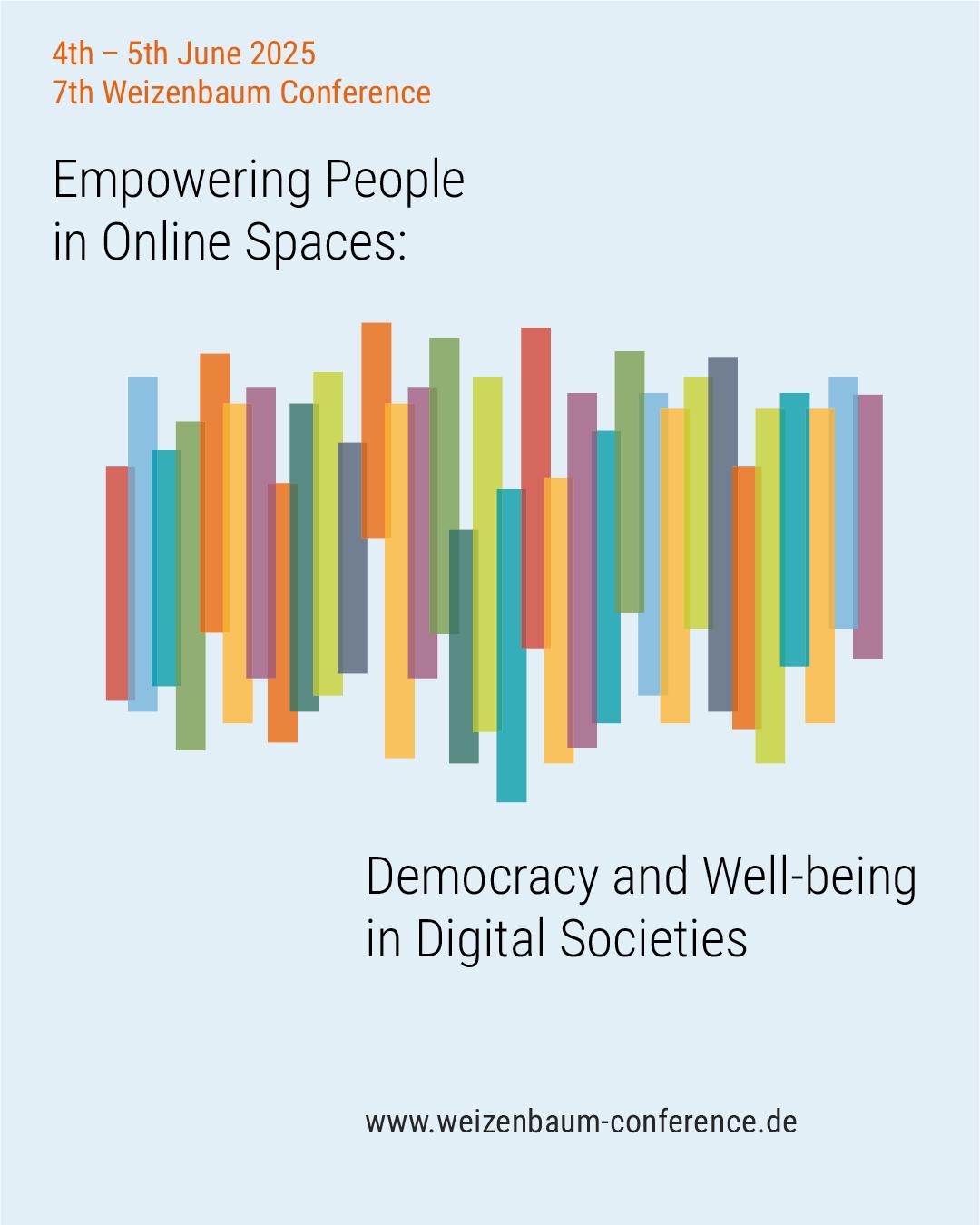
✨ Join us on June 4 & 5, 2025 for the 7th Weizenbaum Conference “Empowering People in Online Spaces: Democracy and Well-being in Digital Societies” ✨
👉 🔗 Register now: https://www.weizenbaum-conference.de/
#Democracy #Empowerment #Community #Power #DigitalResearch #WIConf25 #research #science #socialscience #humanities #economy #psychology
@freieuniversitaet @WZB_Berlin @FraunhoferFOKUS @unipotsdam @zevedi @CAISnrw @BerlinUAlliance
Why Do We Keep Telling the Same Stories? Archetypes in Pop Culture
"Archetypes aren't just storytelling tools—they're reflections of us. We keep retelling them because they help us feel understood."
https://www.thecollector.com/archetypes-pop-culture/
Books by Jung at PG:
https://www.gutenberg.org/ebooks/author/44679
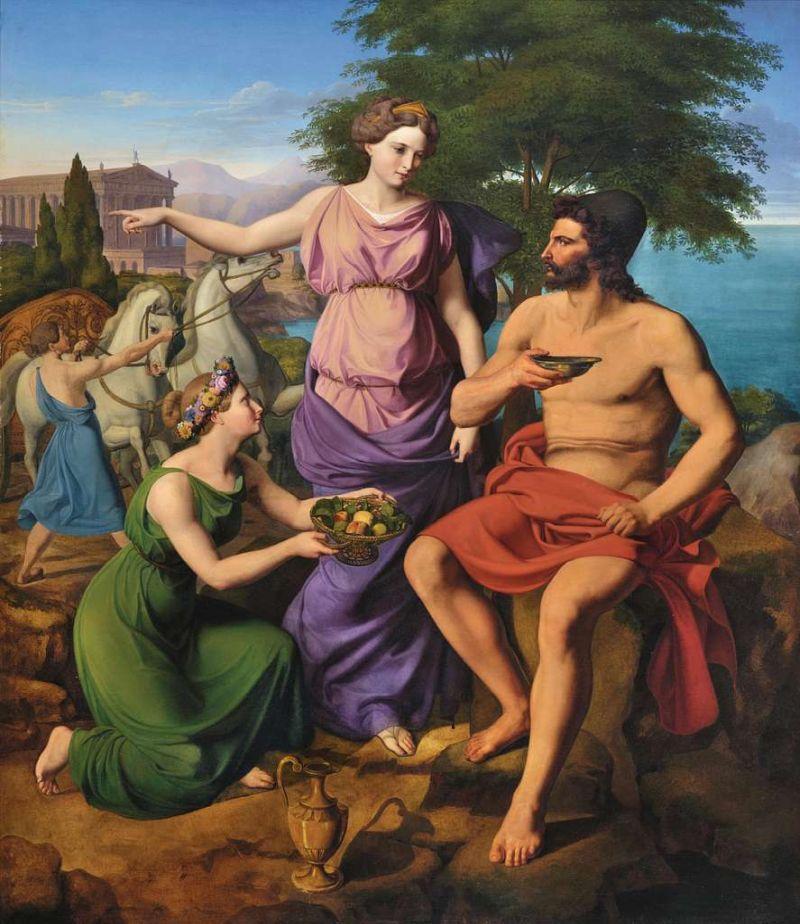
Odysseus und Nausicaa
Some people are chaos-seekers – and those people like Elon Musk, support political violence and share false information online.
A new study finds people under 40, those with less education, and individuals who pay the least attention to politics score highest on this "need for chaos" dimension.
Have you wondered where the claim that autistic people lack empathy came from?
The “jellyfish” study (2011) was influential in this, as it concluded that autistic people lacked Theory of Mind & capacity for moral reasoning.
https://medicalxpress.com/news/2011-01-autistic-mind.html
In the fictional scenario given to participants, Janet tells a friend it’s safe to swim with jellyfish. She believes they’re harmless. The friend is stung and dies.
⬇️
#Autism #Empathy #Neurodiversity #Psychology #TheoryofMind #ActuallyAutistic
Veterans Who Depend on Mental Health Care Keep Losing Their Therapists Under Trump
---
Hundreds of mental health professionals have left the Department of Veterans Affairs since President Donald Trump took office, leaving staff “at a breaking point” and some veterans waiting as long as six months for help.
https://www.propublica.org/article/veterans-affairs-mental-health-therapists-quit-trump?utm_source=mastodon&utm_medium=social&utm_campaign=mastodon-post
#News #Military #Army #Veterans #MentalHealth #PTSD #Health #Psychology #Psychiatry #SocialWork #Trump
Listen to Your Sleeping Dreams! - Tuning In
#psychology #health #art #MentalHealth
So the lesson from my story is, listen to your dreams! What parts of you might you have left behind, things that make your heart sing and that help you connect to yourself and others? If you don’t know, but you nevertheless feel a kind of nagging emptiness in living that you can’t quite define, the clues you need may already be in your own dreams, if you can learn to listen.
http://www.ajschuler.com/blog/listen-to-you-dreams
The Limitations of Professional Psychology - Tuning In
This is just an overview, a summary, of my thoughts from over three decades of study and practice in positive psychology to describe some limitations of contemporary professional psychology. What do you think? What have I missed? I’m eager for any comments, disagreements, or other perspectives.
#Psychology #MentalHealth #Healthcare #Politics #culture
http://www.ajschuler.com/blog/the-limitations-of-professional-psychology
Chances are we all have suffered or know someone who is suffering from depression. It’s natural to want to help those we care about, but choosing the right approach is important. Claudia Giolitti-Wright, a psychotherapist in New York, cringes when clients with depression report back on what their friends or family members inevitably say to them: “But you have so much to be grateful for!” It is, she believes, the No. 1 worst way to respond when someone opens up about their mental-health struggles. Read more from @time:
#Culture #Psychology #MentalHealth #Friendship #Communication
#bookReview #psychology #neuroscience #automata #engineering #technology #bookstodon
my Book review of Braitenberg’s Vehicles Experiments in Synthetic Psychology
https://screwlisp.small-web.org/complex/book-review-braitenberg-vehicles/
I connect this to #lisp #programming for our upcoming (48 hours from tooting) interview with @ksaj about cluster and swarm-intelligence computing, featuring lisp.
If you have adjacent thoughts or questions you might like Ksaj and I (and the usual crowd) to consider, please do discuss them here.
what we thought we knew about autism and... whatnot
'For decades, researchers had been measuring the wrong thing. Conflating communication style differences with empathy deficits produced dramatically inflated effect sizes and an illusion of empathy impairment'
Elizabeth Lopatto has some things to say about Marc Andreessen (and other techbros).
> Marc Andreessen is a philosophical zombie. https://www.theverge.com/tldr/897566/marc-andreessen-is-a-philosophical-zombie
"I’ve been wondering for a while why many of our Silicon Valley overlords behave like they’ve repeatedly sustained traumatic brain injuries, and I think I’ve come to a conclusion … If you stop using some skill, mental or physical, you lose it and its benefits."
[contd]
If you see a cold, cruel world, then you are justified to respond with coldness and cruelty, and that may even be your on the ground measure for intelligence
.
But those sort of statements, it's a harsh, uncaring universe, these are neither scientifically derived truths, nor observed ones, we have all seen instances of kindness, these are mythological statements, ideological summations, I'm saying they're part of your mind, like Kant showed about time and space, and if someone can find a way to say those things are part of the observer and not the observed, then it's hardly a leap to say it about attitude statements like it's a cruel world.
.
I can imagine some benefit, some imagined benefit at least in making this sort of a policy, that we operate in a nasty world where nasty is what keeps you alive, you think that, you're always prepared, right, you're not going to have any nasty surprises.
.
My argument is that it's a self-fulfilling thing to think that way and to act upon it, that we may be prepared for the worst but we have made no provision whatsoever for anything better.
.
Also, that to say the world is anything by itself ignores that we live in a human world, a world of our own making, see the previous sentence, "The world is," may be fairly accurate in a snap shot, but you are the ones making this world this way and, "The world is," is not a sane statement at all while you are forever still building it.
.
But it's all true in a way, that because you think the world is cruel, the world you make is getting that way, more so every generation. I know I said, mythological, ideological, if you follow you know I don't think words make the world, that it is biology, evolution and environment that matter, that this all begins with spanking, that the spanked, and the adapted for being spanked are going to tend to see a cruel world.
.
I don't know what could be more obvious.
.
#Philosophy #Psychology @autistics
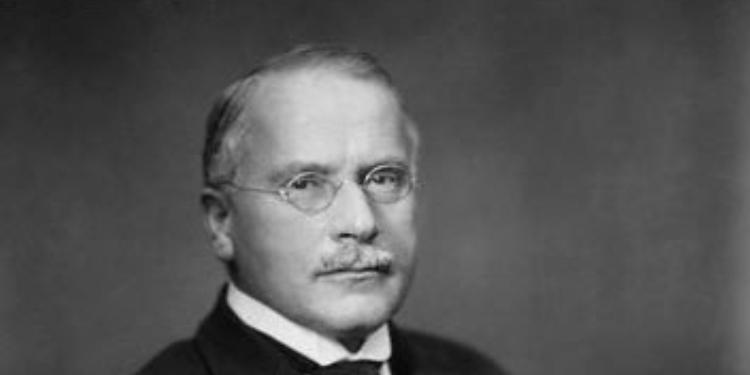
Where love rules, there is no will to power;
And where power predominates, love is lacking.
The one is the shadow of the other.
Carl Jung
#quotes #CarlJung #power #love #psyche #psychology #politics #quote #books #literature #book #bookstodon @bookstodon #author #reading #readingcommunity #booksky #readers #booklover #booklovers #bookstagram #writers #booktok #bookwyrm #booktwt
So they think looking you in the eye is an honesty test and not meeting their eyes is avoiding the test so you’re lying.
.
Of course lying successfully then involves passing the test, and people do pass that test while lying all day long. People “pass the test,” meaning they satisfy a criteria, but they’re still lying so the criteria isn’t really honesty.
.
I think it’s compliance, submission, and often they know you’re lying but they DGAF as long as you make the submissive acknowledgement. I mean, when they know you’re lying, why pretend to test that? You lie looking straight in their eyes, you pass a test, you tell the truth but don’t let them look into your soul, you fail.
.
Eye contact is a test for submission , but also for whether or not you’re a COMPETENT liar. If you are, in a world destroying irony, they can “trust,” you.
.
#ActuallyAutistic #ND #AuDHD #Psychology @autistics
That heightened, inflexible sense of justice that Autistics often have, that’s an extra organ, another region of the brain that does the actuarial stuff, and plans for the future, a thing that Autistics have and that Humankind needs but has almost lost.
.
/1
.
#ND #Philosophy
#AutisticScience #Psychology
@autistics
I knew my trauma shouldn't be ignored no matter how much people tell me to 'drop it' or 'think positive'. Y'all think clinging to the past is always a bad thing, but there's a valid reason I keep being triggered over even the smallest things or memories.
I'm fucking tired of my trauma being repressed with drugs and gaslighting. That's why I have started to reduce my med dosage just recently. I want to fully feel my pain again so I can wake up.
DATE: April 30, 2026 at 12:52AM
SOURCE: THE GOOD NEWS PODCAST
TITLE: Celebrating Prince 🎶
URL: https://share.transistor.fm/s/05cd81fc
Marking ten years since Prince's death, Paisley Park in Minnesota is releasing ten previously unreleased tracks over the next year- that's good news!
Read more about the celebration here
★ Support this podcast on Patreon ★
Here are any further reading link URLs found in the article text:
https://www.paisleypark.com/celebration2026">Read
https://www.patreon.com/thegoodnewspodcast"
URL: https://share.transistor.fm/s/05cd81fc
-------------------------------------------------
This robot is not affiliated with The Good News Podcast.
#psychology #depression #goodnews #goodnewsthread #happy #happynews #SpreadJoy #PositiveVibes #CommunityLove #SpreadLight #goodnewnetworkorg #positivescience #science @goodnews
ah, there's another memory getting audited for Autism - Dad's this time.
.
My sib would do something hyperactive, break something and Dad would start in on them for it, and they would start to say, "I didn't think (something)," and Dad would cut them off with, "That's right, you DON'T think (like, period)," and it's still rather shit of Dad, but boy oh boy, don't I, maybe don't we, think that about people sometimes, don't you people ever stop and think, LOL.
.
I mean, that's what CBT says too.
.
#ND #AuDHD #ActuallyAutistic @autistics #Psychology
my idea is that they say they don’t like evolution because of the past, they don’t want to think of themselves as the offspring of apes - but of course it’s really about the present and the future, they don’t want to know that it’s them making the broken, futureless human nature, they don’t want to break cycles and have to absorb the abuse of their childhood and never “get their power back” (Alice Miller’s language) from their children.
.
My . . . thorough acceptance of evolution tells me that’s exacty what they have to do, but I haven’t been able to convince one of them, let alone all of them. They seem to think they have the freedom to believe whatever they want.
.
#Psychology #NTPsychology #ND #ActuallyAutistic #AuDHD #TheGadfly @autistics
Blowing hard again, sorry 🫣
.
got Antiques Roadshow on and they’re talking about To Kill a Mockingbird and it’s one of the “most important books in American history,” and my divergence/contrarianism is grumbling, You mean it SHOULD have been, it WOULD have been if anything had changed.
.
I mean, I know about the civil rights movement and it’s successes, but the pendulum is swinging back again, and sure all that literature is brilliant and, honestly, “should have been important,” is about as good as it gets with a creature that collectively cannot learn.
.
It’s my same old story, same old song and dance, I find the whole
world of NT culture and speech to be devoid of causality, there is a blanket built in (and selected for) attitude that the default state of life and of people’s morals is shit, and so they aren’t even trying to understand WHY people do bad things. Racism is bad, that seems to be the message forever and the good non-racists seem happy to keep saying it and hoping, no-one thinks there needs to be a real world cause for hate, or that there could therefore be a real world solution.
.
So again, both “sides,” of the majority neurotype simply accepting that this evil is simply a forever and “natural,” part of life, the opposite “sides,” of this argument share the same core belief in a causeless, changeless, mythological sort of a “nature.”
.
Right? I mean, that’s how things look to me, but grain of salt, I’m pretty depressed. 💜
.
@autistics #Psychology #ND #ActuallyAutistic #AuDHD #Philosophy