Three small announcements:
1. RFC 9839, a guide to which Unicode characters you should never use: https://www.rfc-editor.org/rfc/rfc9839.html
2. Blog piece with background and context, “RFC 9839 and Bad Unicode”: https://www.tbray.org/ongoing/When/202x/2025/08/14/RFC9839
3. A little Go library that implements 9839’s exclusion subsets: https://github.com/timbray/RFC9839
unicode

Did you know that new #Emoji can be proposed by anyone, simply by following some guidelines laid out by the #Unicode consortium? There's a time window each year where they accept proposals, and a select few might make it into future sets.
This year I turned one in: "Circuit Board", which I was surprised to find 1. didn't exist and 2. had not been proposed before (though CPU and Microchip have both been submitted and declined in the last 5 years)
You can read my proposal here:
https://storage.googleapis.com/greg-kennedy.com/Proposal%20for%20Emoji%20%E2%80%9CCircuit%20Board%E2%80%9D.pdf
and you can see the Unicode emoji proposal guidelines here:
https://www.unicode.org/emoji/proposals.html
Anyway, the odds aren't great of getting accepted, but if it IS then you can say "hey! I know the guy who submitted that one!"
Attached are the sample images I drew up for the proposal - which, incidentally, are now Public Domain as well. Enjoy!


✔️ Consegui colocar OpenMoji como fonte suplementar em daltux.net e snac.daltux.net de maneira a exibir #emojis consistentemente, sem depender das fontes desse tipo no sistema operacional cliente, que podem variar ou faltar. Também quis provar a possibilidade de dispensar as fontes mais usadas para isso atualmente, de origens em corporações controversas.
Desenvolvi um script de ~150 linhas que facilita obter e adaptar os arquivos necessários para um diretório hospedado pelo servidor HTTP: https://codeberg.org/daltux/openmoji-woff-css

O projeto #OpenMoji também tem instruções para outras situações de uso da fonte experimental.
#blambers #emoji #web #shell #unicode
Desenvolvi um
script de ~150 linhas que facilita obter e adaptar os arquivos necessários para um diretório hospedado pelo servidor HTTP: https://codeberg.org/daltux/openmoji-woff-css O projeto #OpenMoji também tem instruções para outras situações de uso da fonte experimental.
#blambers #emoji #web #shell #unicode
Edited 1y ago
✔️ Consegui colocar OpenMoji como fonte suplementar em daltux.net e snac.daltux.net de maneira a exibir #emojis consistentemente, sem depender das fontes desse tipo no sistema operacional cliente, que podem variar ou faltar. Também quis provar a possibilidade de dispensar as fontes mais usadas para isso atualmente, de origens em corporações controversas.
Desenvolvi um script de ~150 linhas que facilita obter e adaptar os arquivos necessários para um diretório hospedado pelo servidor HTTP: https://codeberg.org/daltux/openmoji-woff-css
O projeto #OpenMoji também tem instruções para outras situações de uso da fonte experimental.
#blambers #emoji #web #shell #unicode
Desenvolvi um
script de ~150 linhas que facilita obter e adaptar os arquivos necessários para um diretório hospedado pelo servidor HTTP: https://codeberg.org/daltux/openmoji-woff-css O projeto #OpenMoji também tem instruções para outras situações de uso da fonte experimental.
#blambers #emoji #web #shell #unicode
✔️ Consegui colocar #OpenMoji como fonte suplementar em
Desenvolvi um script de ~150 linhas que facilita obter e adaptar os arquivos necessários para um diretório hospedado pelo servidor HTTP: https://codeberg.org/daltux/openmoji-woff-css
O projeto OpenMoji também tem instruções para outras situações de uso da fonte experimental.
#blambers #emoji #web #shell #unicode
daltux.net e snac.daltux.net de maneira a exibir #emojis consistentemente, sem depender das fontes desse tipo no sistema operacional cliente, que podem variar ou faltar. Também quis provar a possibilidade de dispensar as fontes mais usadas para isso atualmente, de origens em corporações controversas.Desenvolvi um
script de ~150 linhas que facilita obter e adaptar os arquivos necessários para um diretório hospedado pelo servidor HTTP: https://codeberg.org/daltux/openmoji-woff-css O projeto OpenMoji também tem instruções para outras situações de uso da fonte experimental.
#blambers #emoji #web #shell #unicode

Doing a routine expansion of my XCompose file! 𝐒𝐨 𝐦𝐚𝐧𝐲 𝐧𝐞𝐰 𝐜𝐡𝐚𝐫𝐚𝐜𝐭𝐞𝐫𝐬. ( So many new characters.) 
I had an idea, and now I’m wondering… how well could this approach scale…?
#lang_en #input #gnu #linux #lignux #x11 #unicode #ime

I had an idea, and now I’m wondering… how well could this approach scale…?
#lang_en #input #gnu #linux #lignux #x11 #unicode #ime
Edited 2y ago
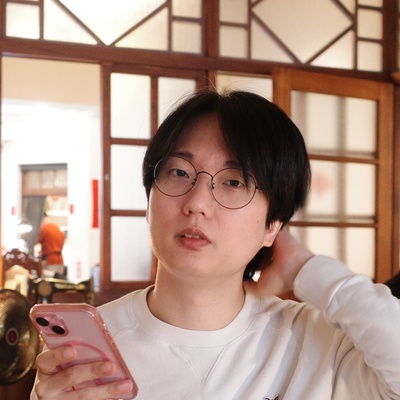
Hello, I'm an open source software engineer in my late 30s living in #Seoul, #Korea, and an avid advocate of #FLOSS and the #fediverse.
I'm the creator of @fedify, an #ActivityPub server framework in #TypeScript, and @hollo, a fediverse microblog for single users.
I'm also very interested in East Asian languages (so-called #CJK) and #Unicode. Feel free to talk to me in #English, #Korean (#한국어), or #Japanese (#日本語), or even in Literary Chinese (#文言文/#漢文)!
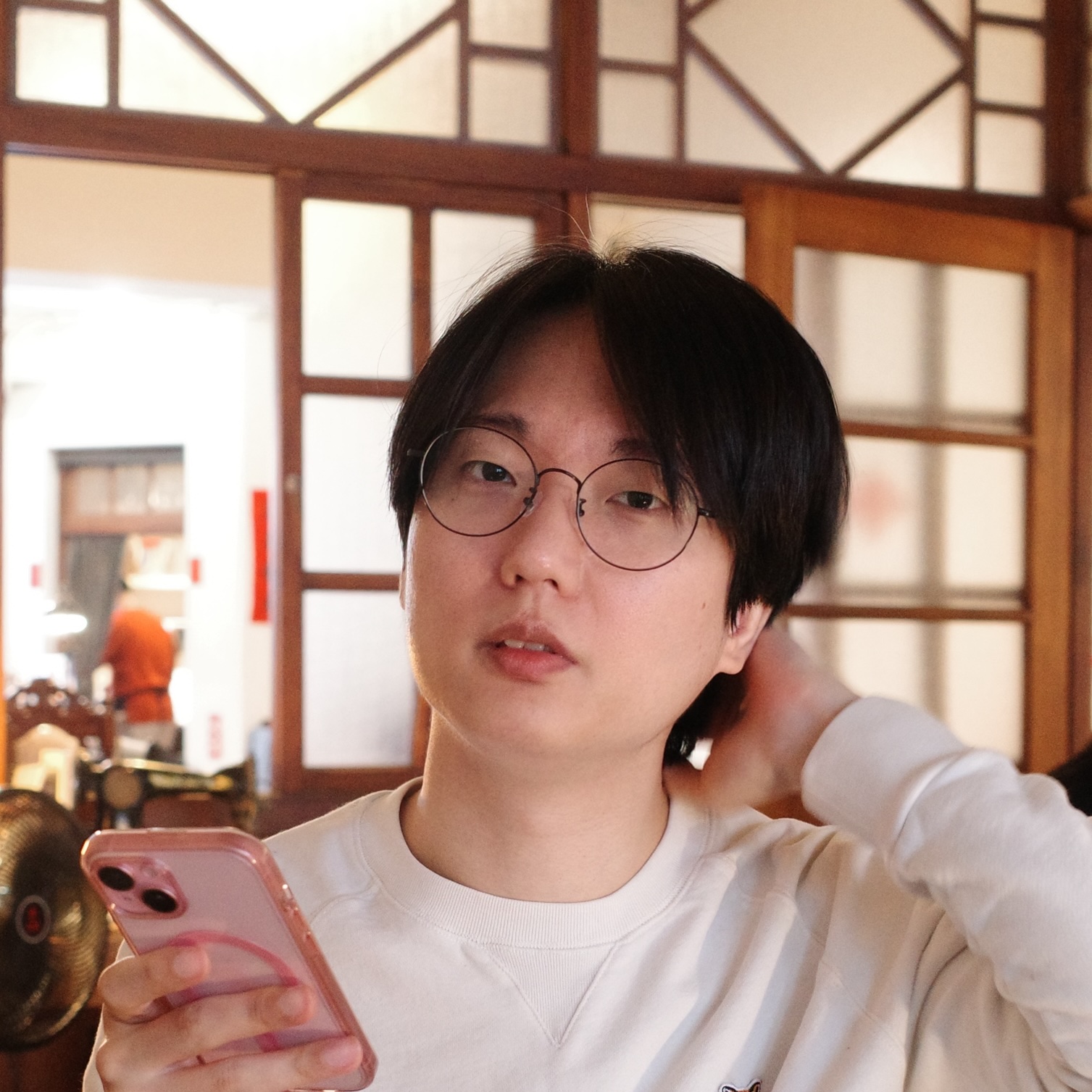
Hello, I'm an open source software engineer in my late 30s living in #Seoul, #Korea, and an avid advocate of #FLOSS and the #fediverse.
I'm the creator of @fedify, an #ActivityPub server framework in #TypeScript, and @hollo, an ActivityPub-enabled microblogging software for single users.
I'm also very interested in East Asian languages (so-called #CJK) and #Unicode. Feel free to talk to me in #English, #Korean (#한국어), or #Japanese (#日本語), or even in Literary Chinese (#文言文, #漢文)!

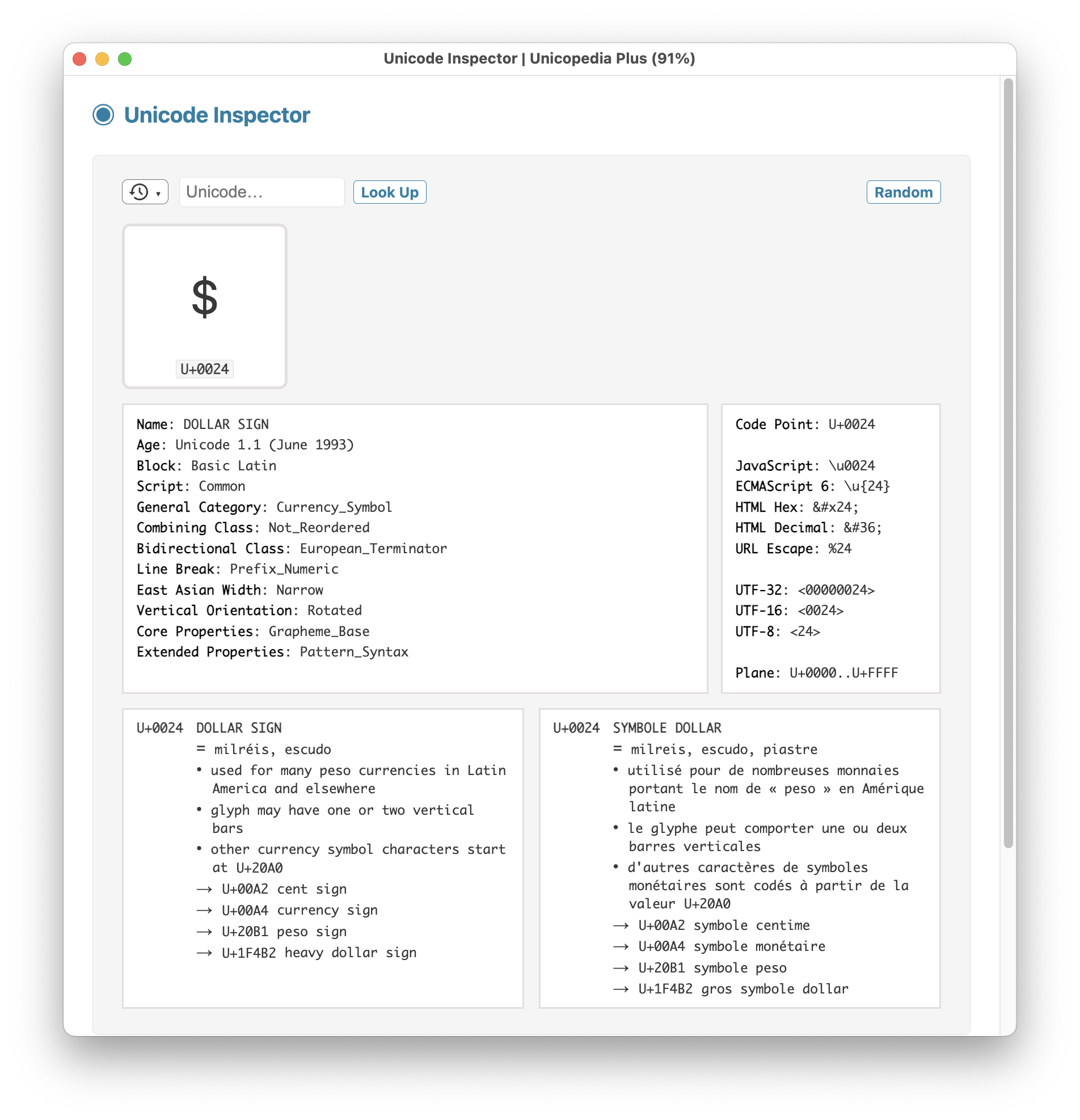
In the latest version of the open-source application "Unicopedia Plus", the "Unicode Inspector" utility adds code charts annotations, in English and French.
🔗 https://codeberg.org/tonton-pixel/unicopedia-plus
#Unicopedia #Unicode #CodePoints #CodeCharts #Annotations #English #French
Edited 44d ago

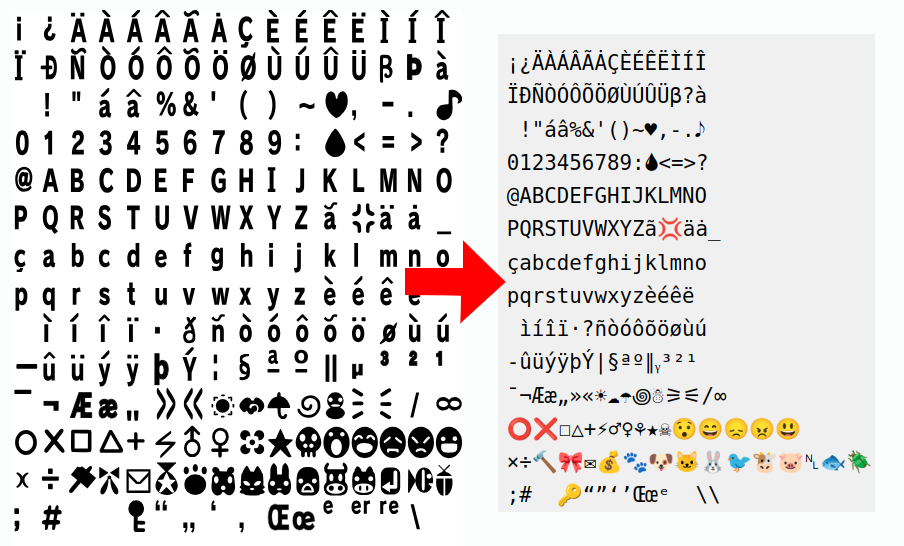
A(nimal Cros)SCII: mapping the character encoding for Animal Crossing GC town, player, and passwords to Unicode characters.
Edited 1y ago
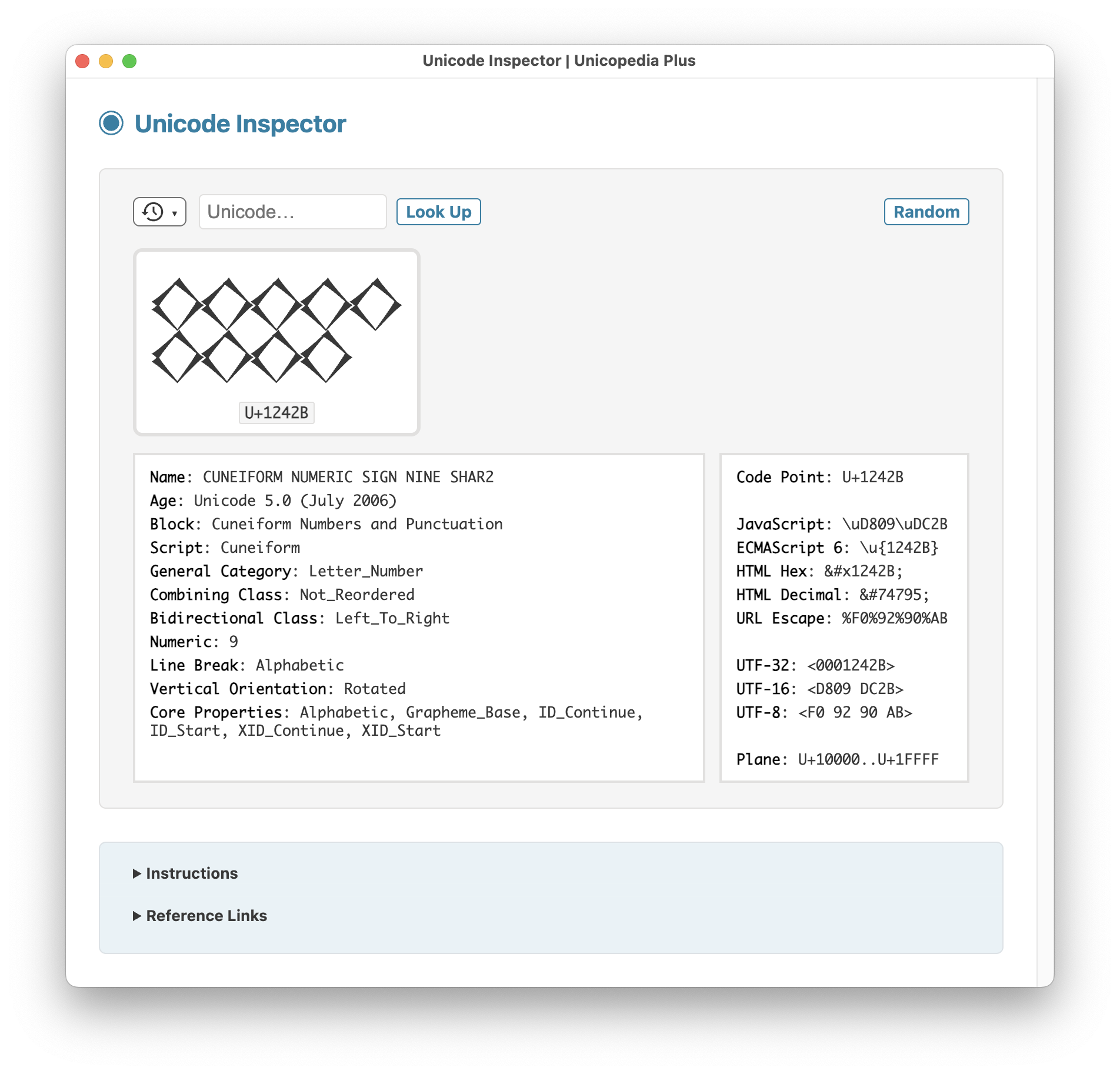
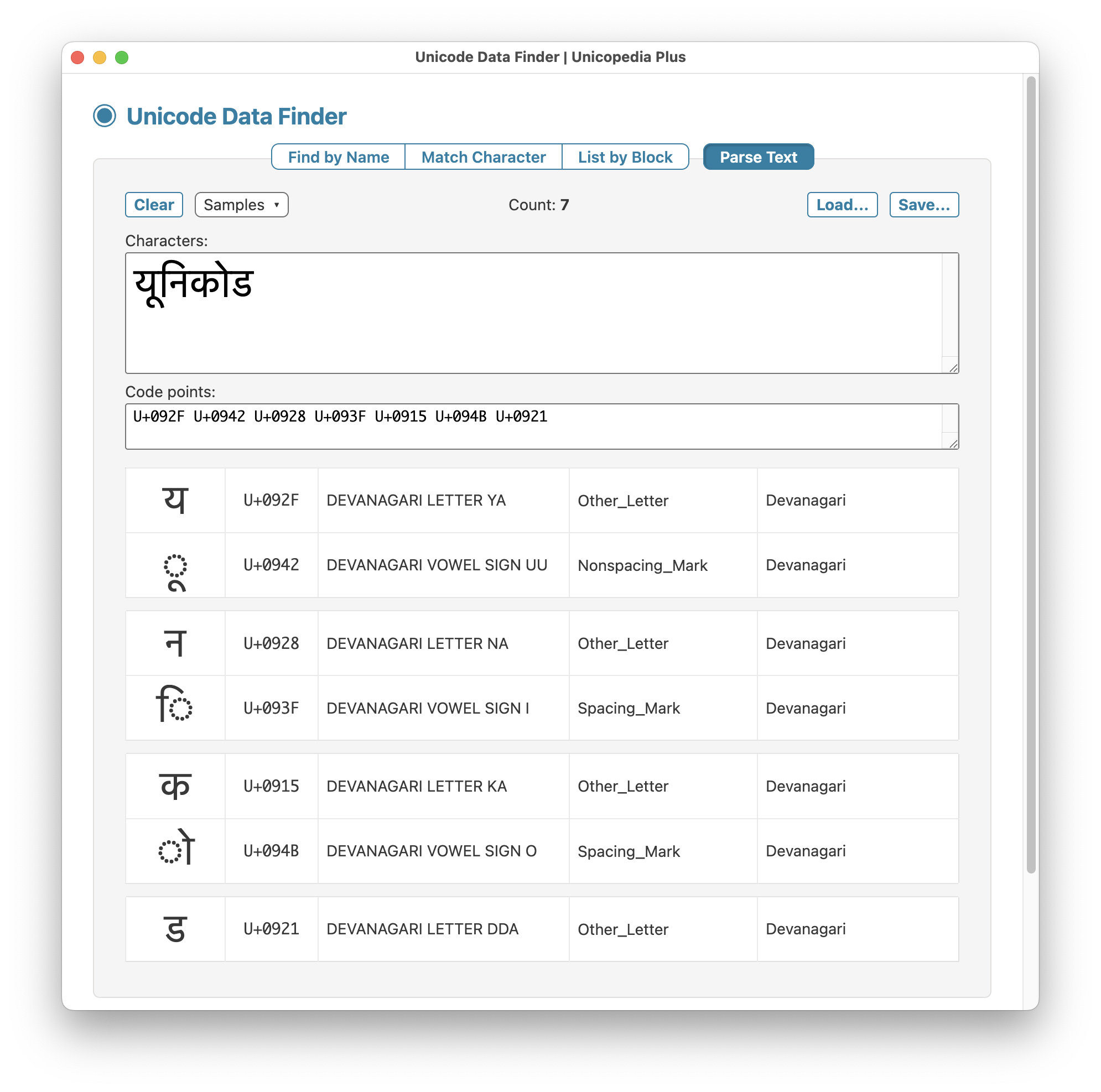
The latest version of the open-source application "Unicopedia Plus" introduces a revamped "Unicode Inspector" utility, coming with a new "Random" button, and a new "Parse Text" feature in the "Unicode Data Finder" utility, displaying a list of basic data for each Unicode character of each grapheme in a text string.
🔗 https://codeberg.org/tonton-pixel/unicopedia-plus
#Unicopedia #Unicode #CodePoints #Characters #Scripts #Blocks #Properties
Edited 106d ago
RE: https://cosocial.ca/@ArtisanalPortents/116852226391726342
It’s on #CosocialCa so whatever it is, it must be Canadian. I was puzzled at the bold-face effect and (relatedly) why you can’t search for any of the “portents”. Sleazy #Unicode trickery FTW I guess.

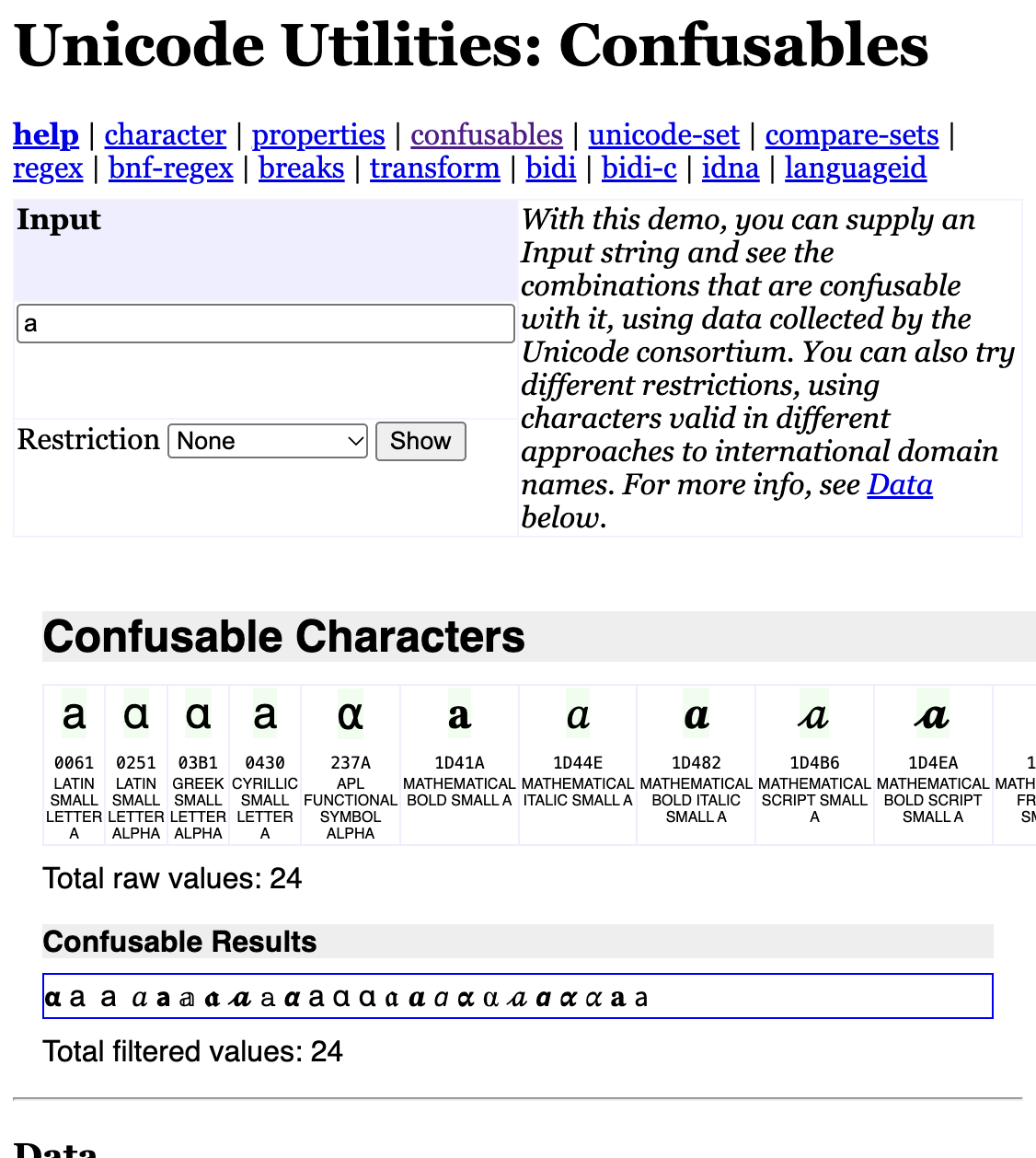
Very cool. "Unicode Utilities: Confusables" https://util.unicode.org/UnicodeJsps/confusables.jsp?a=a&r=None