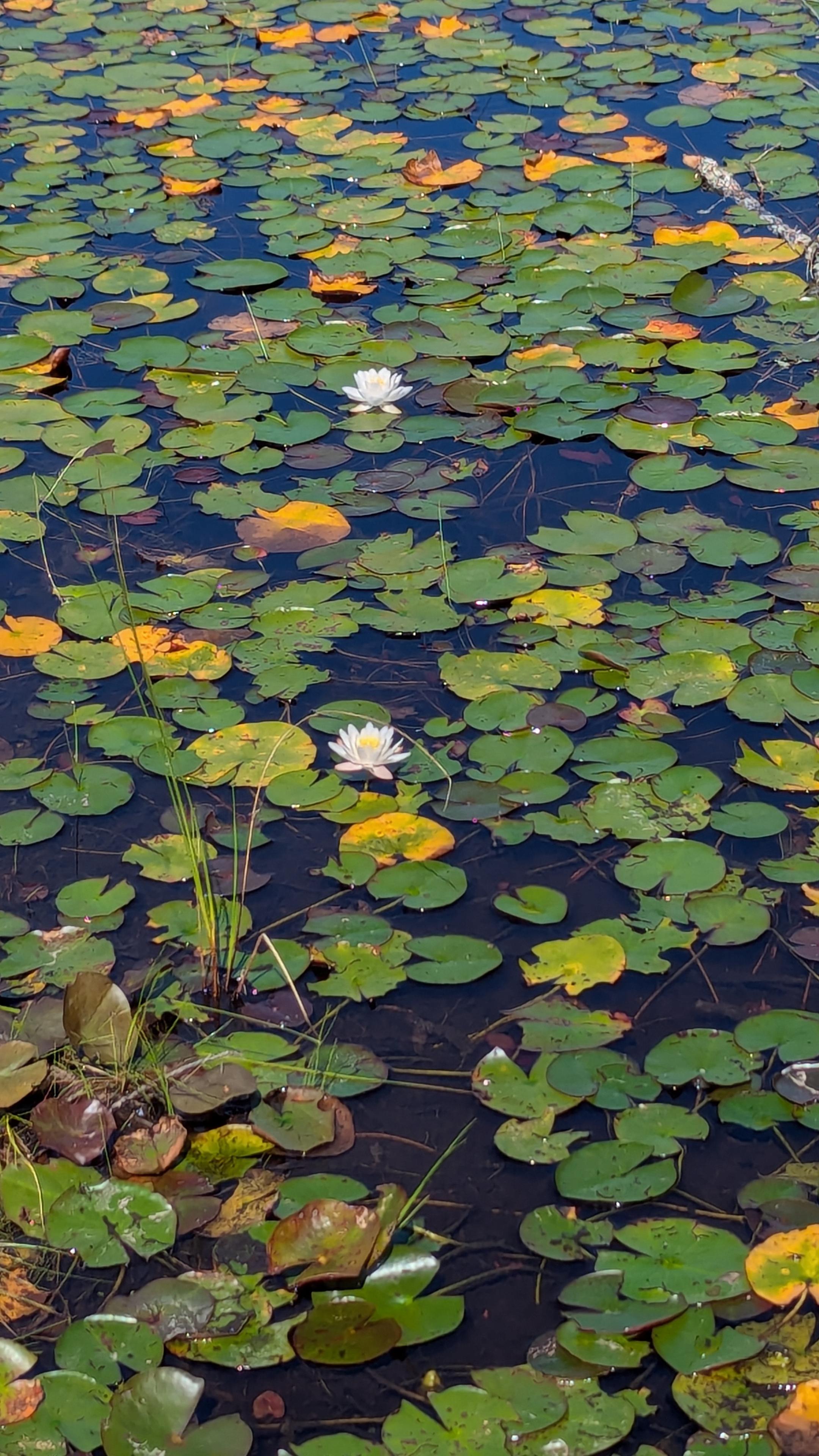
<p>I really can't wait until I can revert to just posting about <a href="/tags/climatechange/" rel="tag">#climatechange</a>, <a href="/tags/water/" rel="tag">#water</a>, and <a href="/tags/science/" rel="tag">#science</a> rather than garbage, racism, sexism, and the threat of a fascist takeover of America.</p><p>So, here's a pretty picture of water for now.</p>
Edited 1y ago
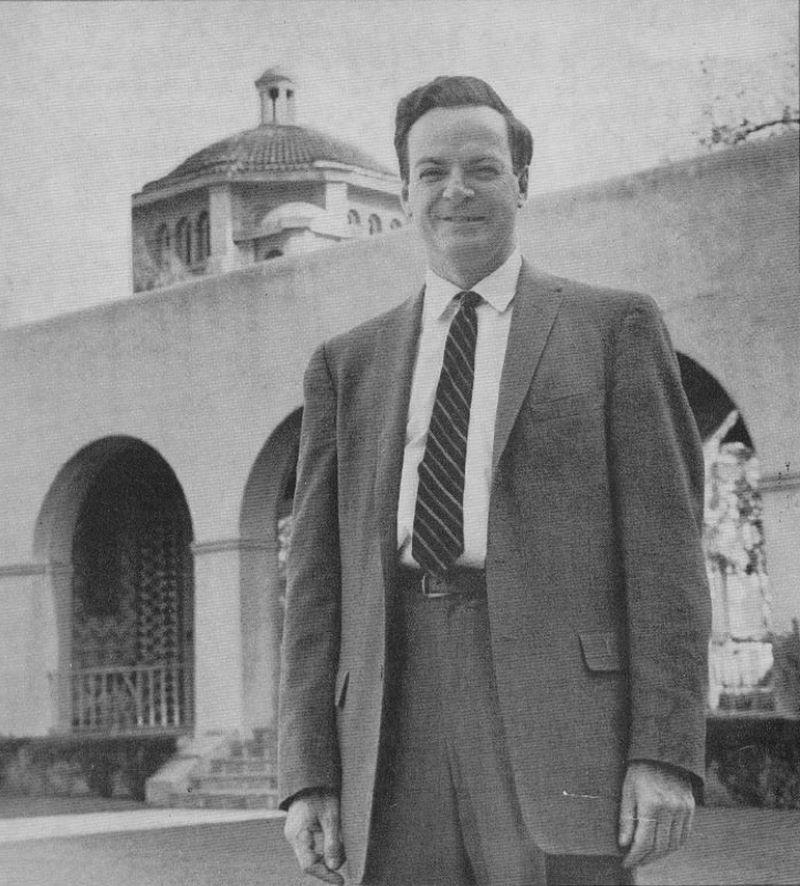
<p>Science history: Richard Feynman gives a fun little lecture — and dreams up an entirely new field of physics — Dec. 29, 1959</p><p>By Tia Ghose </p><p><a href="https://www.livescience.com/physics-mathematics/particle-physics/science-history-richard-feynman-gives-a-fun-little-lecture-and-dreams-up-an-entirely-new-field-of-physics-dec-29-1959" rel="nofollow" class="ellipsis" title="www.livescience.com/physics-mathematics/particle-physics/science-history-richard-feynman-gives-a-fun-little-lecture-and-dreams-up-an-entirely-new-field-of-physics-dec-29-1959"><span class="invisible">https://</span><span class="ellipsis">www.livescience.com/physics-ma</span><span class="invisible">thematics/particle-physics/science-history-richard-feynman-gives-a-fun-little-lecture-and-dreams-up-an-entirely-new-field-of-physics-dec-29-1959</span></a></p><p><a href="/tags/science/" rel="tag">#science</a> <a href="/tags/physics/" rel="tag">#physics</a> <a href="/tags/history/" rel="tag">#history</a> <a href="/tags/otd/" rel="tag">#otd</a></p>
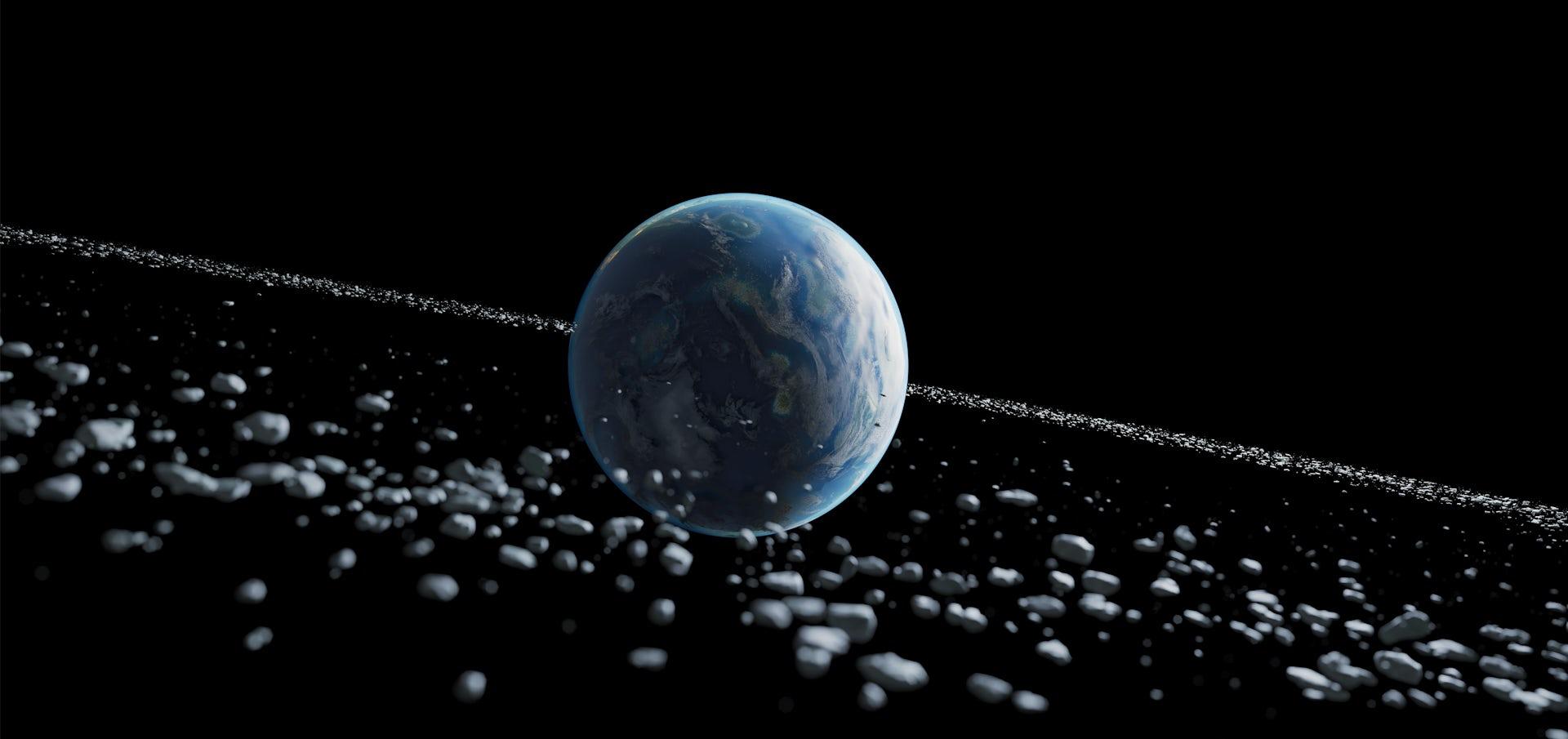
<p>Two unusual things happened on Earth around 460 million years ago: a bunch of asteroid impacts near the equator & an intense global cold spell.</p><p>Possibly both were the result of an asteroid that broke up & gave our planet a pretty but deadly set of rings.</p><p><a href="https://eos.org/articles/a-close-asteroid-encounter-may-have-once-given-earth-a-ring" rel="nofollow" class="ellipsis" title="eos.org/articles/a-close-asteroid-encounter-may-have-once-given-earth-a-ring"><span class="invisible">https://</span><span class="ellipsis">eos.org/articles/a-close-aster</span><span class="invisible">oid-encounter-may-have-once-given-earth-a-ring</span></a> <a href="/tags/space/" rel="tag">#space</a> <a href="/tags/science/" rel="tag">#science</a> <a href="/tags/nature/" rel="tag">#nature</a></p>
<p>Are the colours in astronomical images real? What do these colours mean? And what about images that aren't taken in visible light?</p><p>We get these questions all the time, so in the latest episode of Chasing Starlight we show you how these colourful images are made:</p><p><a href="https://www.youtube.com/watch?v=BodtjPYFaP8" rel="nofollow" class="ellipsis" title="www.youtube.com/watch?v=BodtjPYFaP8"><span class="invisible">https://</span><span class="ellipsis">www.youtube.com/watch?v=BodtjP</span><span class="invisible">YFaP8</span></a></p><p><a href="/tags/astrodon/" rel="tag">#astrodon</a> <a href="/tags/astronomy/" rel="tag">#astronomy</a> <a href="/tags/space/" rel="tag">#space</a> <a href="/tags/science/" rel="tag">#science</a></p>
<p>The death toll in the tragic flash floods that ravaged Texas Hill Country continues to rise, and the National Weather Service has taken some heat from officials who say the organization didn’t prepare them for the enormity of the storm. Meteorologists who talked to <span class="h-card"><a href="https://flipboard.com/@WIRED" class="u-url mention" rel="nofollow noopener noreferrer" target="_blank">@<span>WIRED</span></a></span> paint a much different picture:</p><p><a href="https://flip.it/Gc6dlO" rel="nofollow"><span class="invisible">https://</span>flip.it/Gc6dlO</a></p><p><a href="/tags/science/" rel="tag">#Science</a> <a href="/tags/weather/" rel="tag">#Weather</a> <a href="/tags/campmystic/" rel="tag">#CampMystic</a> <a href="/tags/texas/" rel="tag">#Texas</a></p>
<p>Folks interested in science should be interested in Retraction Watch, which is now 15 years old. Started by medical journalists Ivan Oransky & Adam Marcus, the site is the only one (that I know of, anyway) that uncovers and tracks scientific retractions, errors, and other controversies. My best friend of 27 years happens to work there too, but that's besides the point! They do vital work no one else is doing. Their year-end summary is impressive. </p><p><a href="/tags/science/" rel="tag">#science</a> </p><p><a href="https://retractionwatch.com/" rel="nofollow"><span class="invisible">https://</span>retractionwatch.com/</a></p>
Edited 97d ago
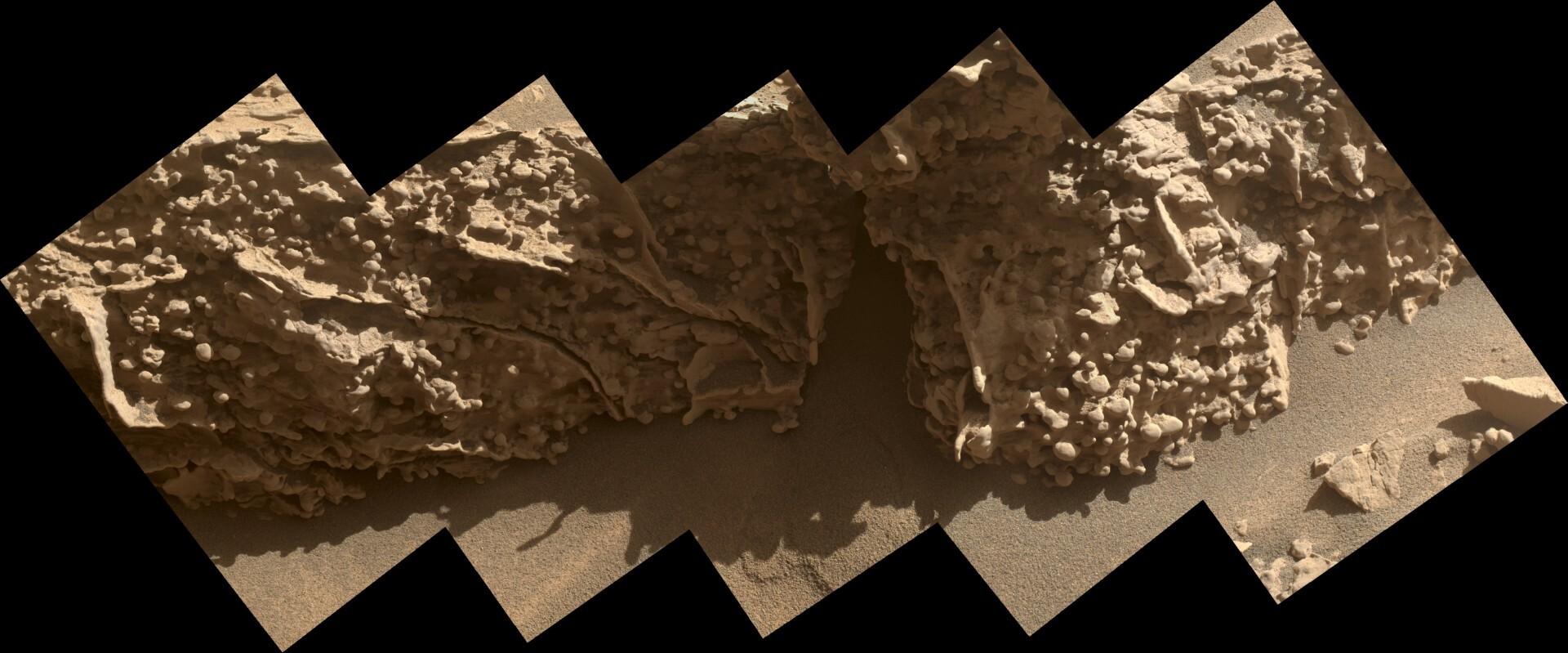
<p><a href="/tags/ppod/" rel="tag">#PPOD</a>: Martian 'Spiderwebs' Up Close</p><p>From orbit, parts of Mars look like sprawling spiderwebs etched across the hillsides. These patterns may record a time when groundwater flowed through large fractures in the rock, leaving minerals behind. Over time, those minerals hardened into ridges while the surrounding rock—lacking that reinforcement—was slowly worn away by wind.</p><p><a href="/tags/planetaryscience/" rel="tag">#planetaryscience</a> <a href="/tags/space/" rel="tag">#space</a> <a href="/tags/science/" rel="tag">#science</a></p>
<p>Back up everything friends! <a href="https://www.axios.com/2025/04/04/noaa-research-websites-go-dark-saturday-night" rel="nofollow" class="ellipsis" title="www.axios.com/2025/04/04/noaa-research-websites-go-dark-saturday-night"><span class="invisible">https://</span><span class="ellipsis">www.axios.com/2025/04/04/noaa-</span><span class="invisible">research-websites-go-dark-saturday-night</span></a> <a href="/tags/science/" rel="tag">#science</a> <a href="/tags/uspol/" rel="tag">#uspol</a></p>
<p>In a recent SETI Live conversation, Beth Johnson spoke with William J. Welch Postdoctoral Fellow Dr. Karen Perez, lead author of a new study reporting the possible discovery of a pulsar candidate near the Galactic Center. Using data from the Breakthrough Listen Deep Pulsar Survey and observations with the NSF Green Bank Telescope, Dr. Perez and collaborators are investigating one of the most important regions of the Milky Way. </p><p>Learn more: <a href="https://www.seti.org/news/lost-pulsars/" rel="nofollow" class="ellipsis" title="www.seti.org/news/lost-pulsars/"><span class="invisible">https://</span><span class="ellipsis">www.seti.org/news/lost-pulsars</span><span class="invisible">/</span></a></p><p><a href="/tags/space/" rel="tag">#space</a> <a href="/tags/science/" rel="tag">#science</a></p>
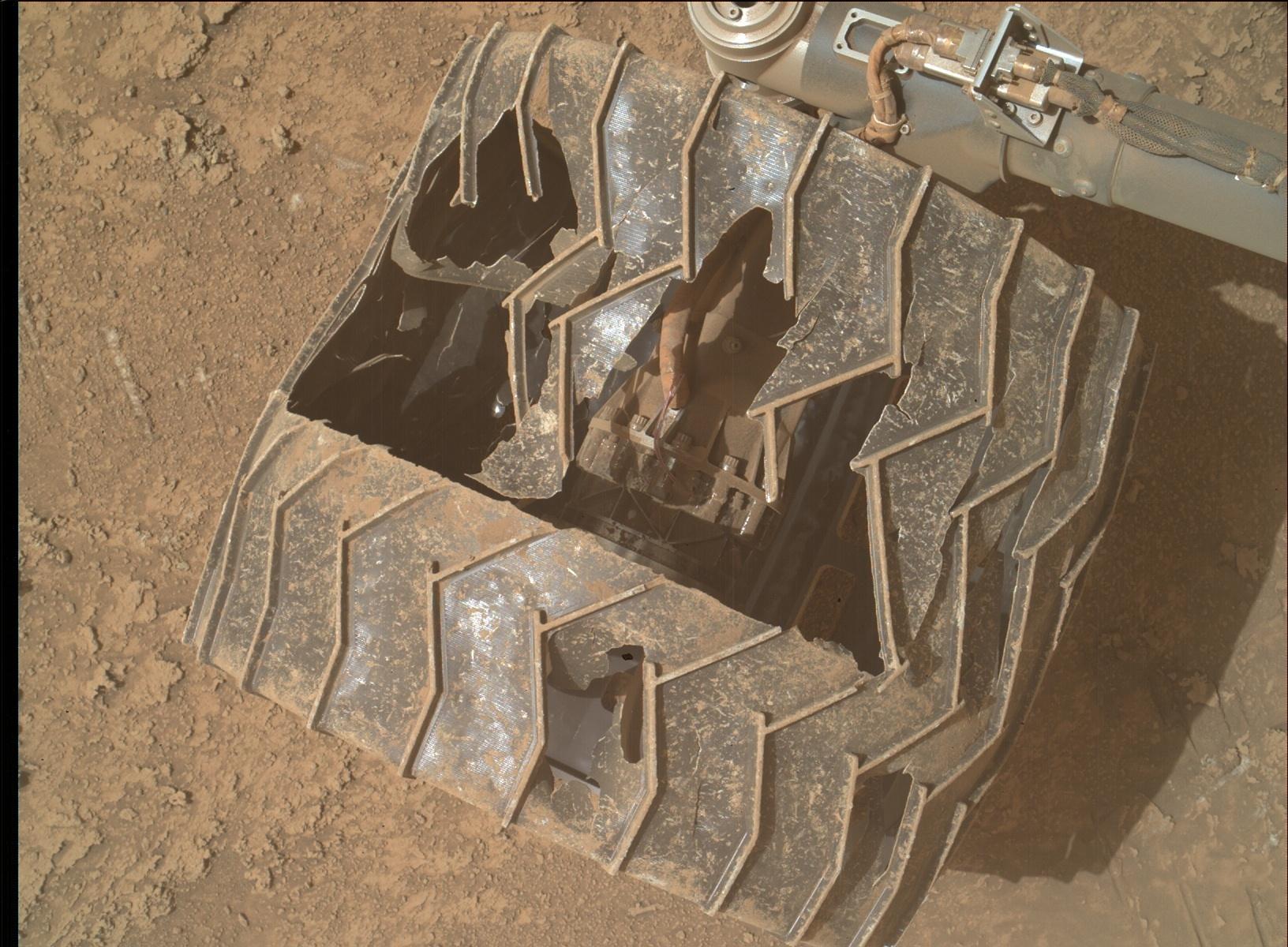
<p>Curiosity: 4844th day of the mission</p><p>Image captured 6 hours ago. </p><p>Credits: NASA/JPL-Caltech/MSSS</p><p><a href="/tags/mars/" rel="tag">#Mars</a> <a href="/tags/curiosity/" rel="tag">#Curiosity</a> <a href="/tags/rover/" rel="tag">#rover</a> <a href="/tags/sol4844/" rel="tag">#Sol4844</a> <a href="/tags/curiosityrover/" rel="tag">#CuriosityRover</a> <a href="/tags/space/" rel="tag">#space</a> <a href="/tags/science/" rel="tag">#science</a></p>
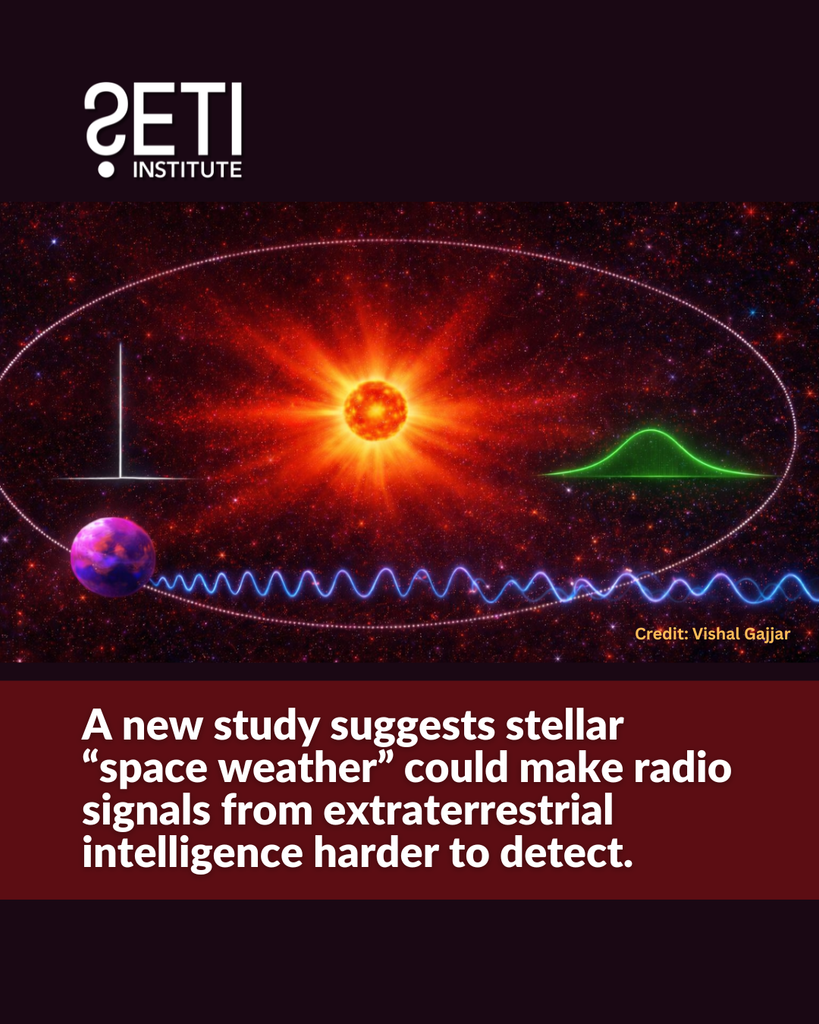
<p>PRESS RELEASE: <a href="https://www.seti.org/news/why-seti-might-have-been-missing-alien-signals/" rel="nofollow" class="ellipsis" title="www.seti.org/news/why-seti-might-have-been-missing-alien-signals/"><span class="invisible">https://</span><span class="ellipsis">www.seti.org/news/why-seti-mig</span><span class="invisible">ht-have-been-missing-alien-signals/</span></a> </p><p>A new study by researchers at the SETI Institute suggests stellar “space weather” could make radio signals from extraterrestrial intelligence harder to detect. Stellar activity and plasma turbulence near a transmitting planet can broaden an otherwise ultra-narrow signal, spreading its power across more frequencies and making it more difficult to detect in traditional narrowband searches.</p><p><a href="/tags/seti/" rel="tag">#seti</a> <a href="/tags/science/" rel="tag">#science</a></p>
<p>L'exposition « Cartes imaginaires » (Bibliothèque nationale de France (François-M.)) ouvrira demain ! <a href="/tags/exposition/" rel="tag">#exposition</a> <a href="/tags/musée/" rel="tag">#musée</a> <a href="/tags/paris/" rel="tag">#paris</a> <a href="/tags/science/" rel="tag">#science</a> <a href="https://www.bnf.fr/fr/agenda/cartes-imaginaires" rel="nofollow" class="ellipsis" title="www.bnf.fr/fr/agenda/cartes-imaginaires"><span class="invisible">https://</span><span class="ellipsis">www.bnf.fr/fr/agenda/cartes-im</span><span class="invisible">aginaires</span></a></p>
<p>Although the Nonprofit Industrial Complex has some sophisticated gatekeepers barring access, I've renewed my efforts to find San Francisco Bay Area cooperators interested in my proposed nonprofit for unique S.T.E.A.M.-focused ArtScience demonstration projects that serve the common good.</p><p>While general participants are welcome, I need the commitment of board-level founders.<br><a href="/tags/sfba/" rel="tag">#SFBA</a>, <a href="/tags/eastbay/" rel="tag">#EastBay</a>, <a href="/tags/nonprofit/" rel="tag">#NonProfit</a>, <a href="/tags/research/" rel="tag">#Research</a>, <a href="/tags/design/" rel="tag">#Design</a>, <a href="/tags/development/" rel="tag">#Development</a>, <a href="/tags/citizenscience/" rel="tag">#CitizenScience</a>, <a href="/tags/science/" rel="tag">#Science</a>, <a href="/tags/technology/" rel="tag">#Technology</a>, <a href="/tags/engineering/" rel="tag">#Engineering</a>, <a href="/tags/arts/" rel="tag">#Arts</a>, <a href="/tags/math/" rel="tag">#Math</a>, <a href="/tags/cooperative/" rel="tag">#Cooperative</a>, <a href="/tags/mutualism/" rel="tag">#Mutualism</a>, <a href="/tags/prefigurative/" rel="tag">#Prefigurative</a></p>
<p>Scientists documented whales in a group assisting in the birth</p><p>No cetaceans needed, they got video </p><p><a href="https://www.scientificamerican.com/article/sperm-whales-help-one-another-give-birth-new-study-finds/" rel="nofollow" class="ellipsis" title="www.scientificamerican.com/article/sperm-whales-help-one-another-give-birth-new-study-finds/"><span class="invisible">https://</span><span class="ellipsis">www.scientificamerican.com/art</span><span class="invisible">icle/sperm-whales-help-one-another-give-birth-new-study-finds/</span></a></p><p><a href="/tags/marine/" rel="tag">#Marine</a> <a href="/tags/science/" rel="tag">#Science</a> <a href="/tags/nature/" rel="tag">#Nature</a> <a href="/tags/whales/" rel="tag">#Whales</a> <a href="/tags/cetaceans/" rel="tag">#Cetaceans</a></p>
<p>Why did Louis de Broglie, Nobel laureate in physics, abandon his own pilot wave theory?</p><p>By Laurie Letertre</p><p><a href="https://theconversation.com/why-did-louis-de-broglie-nobel-laureate-in-physics-abandon-his-own-pilot-wave-theory-244594" rel="nofollow" class="ellipsis" title="theconversation.com/why-did-louis-de-broglie-nobel-laureate-in-physics-abandon-his-own-pilot-wave-theory-244594"><span class="invisible">https://</span><span class="ellipsis">theconversation.com/why-did-lo</span><span class="invisible">uis-de-broglie-nobel-laureate-in-physics-abandon-his-own-pilot-wave-theory-244594</span></a></p><p><a href="/tags/science/" rel="tag">#science</a> <a href="/tags/physics/" rel="tag">#physics</a></p>
<p>Such a great story! 😍</p><p>"Fold paper. Insert lens. This $2 microscope changes how kids see the world"</p><p><a href="https://www.npr.org/sections/goats-and-soda/2024/11/24/g-s1-35181/microscope-lens-students-foldscope" rel="nofollow" class="ellipsis" title="www.npr.org/sections/goats-and-soda/2024/11/24/g-s1-35181/microscope-lens-students-foldscope"><span class="invisible">https://</span><span class="ellipsis">www.npr.org/sections/goats-and</span><span class="invisible">-soda/2024/11/24/g-s1-35181/microscope-lens-students-foldscope</span></a></p><p>"Once assembled the Foldscope is the size of a bookmark. It’s small enough to fit in a pocket and can magnify up to 140 times.</p><p>Each unit costs around $2 to make. Foldscopes are offered for free to kids in lower income countries; various upgraded models with extras are sold as well, earning money for the charitable endeavor."</p><p><a href="/tags/science/" rel="tag">#Science</a> <a href="/tags/education/" rel="tag">#Education</a> <a href="/tags/foldscope/" rel="tag">#Foldscope</a> <a href="/tags/npr/" rel="tag">#NPR</a></p>
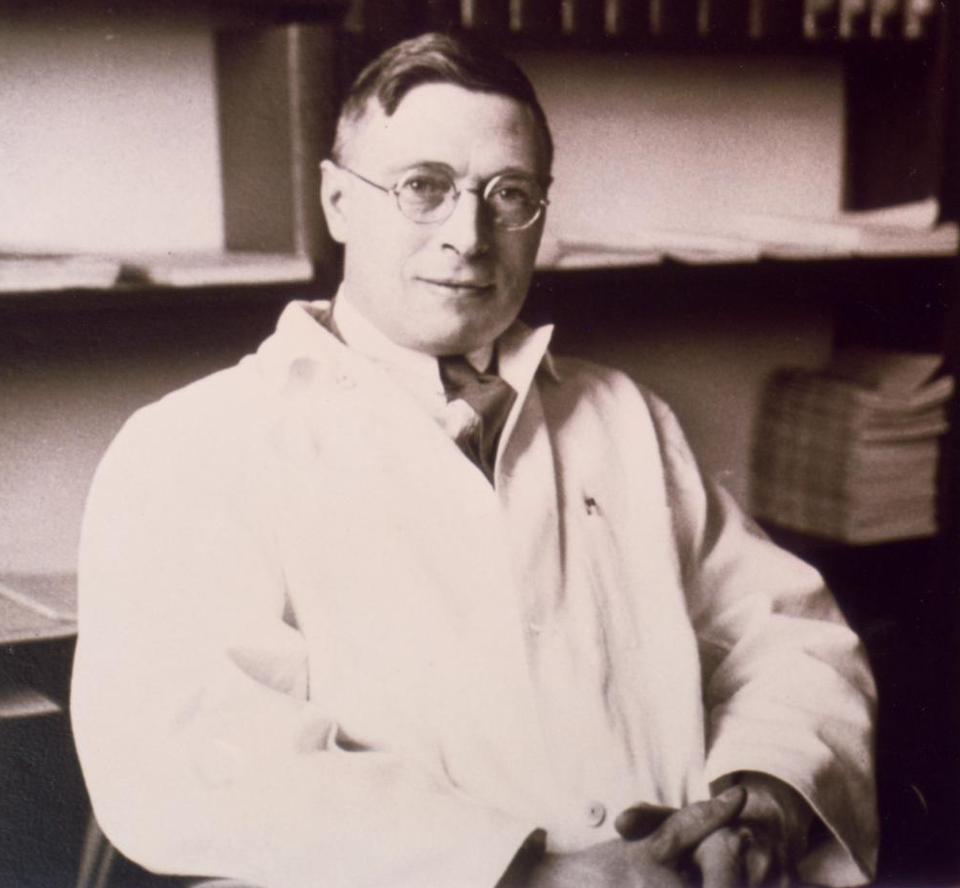
<p><a href="/tags/otd/" rel="tag">#OTD</a> in 1922.</p><p>At Toronto General Hospital, 14-year old Leonard Thompson became the first human to receive an injection of insulin as a treatment for diabetes, administered by Dr. James Collip. Thompson developed an allergic reaction to the injection. Additional work was done to refine the treatment and a second dose given on January 23.</p><p>More about insulin:<br><a href="https://en.wikipedia.org/wiki/Insulin" rel="nofollow"><span class="invisible">https://</span>en.wikipedia.org/wiki/Insulin</a></p><p><a href="/tags/science/" rel="tag">#science</a> <a href="/tags/medicine/" rel="tag">#medicine</a></p>
<p>We Didn’t All Evolve From One Population Of Early Humans, New Research Claims</p><p>"We've arrived at a place where we can begin to address some key questions about our shared ancestry and even emerge with new questions we haven't known to ask before."</p><p><a href="https://allthatsinteresting.com/human-evolution-population-groups" rel="nofollow" class="ellipsis" title="allthatsinteresting.com/human-evolution-population-groups"><span class="invisible">https://</span><span class="ellipsis">allthatsinteresting.com/human-</span><span class="invisible">evolution-population-groups</span></a></p><p><a href="/tags/anthropology/" rel="tag">#anthropology</a> <a href="/tags/science/" rel="tag">#science</a></p>
<p>Under <a href="/tags/trump/" rel="tag">#Trump</a>, <a href="/tags/epa/" rel="tag">#EPA</a> scientists say managers encouraged them to delete evidence of chemicals’ harms, including <a href="/tags/cancer/" rel="tag">#cancer</a>, miscarriage and neurological problems, from their reports. And in some cases, they said, their managers deleted the information themselves.</p><p><a href="/tags/news/" rel="tag">#News</a> <a href="/tags/science/" rel="tag">#Science</a> <a href="/tags/environment/" rel="tag">#Environment</a> <a href="/tags/health/" rel="tag">#Health</a> <a href="/tags/government/" rel="tag">#Government</a></p><p>(Published Sept. 2024) <a href="https://propub.li/3Zx4ljp" rel="nofollow"><span class="invisible">https://</span>propub.li/3Zx4ljp</a></p>
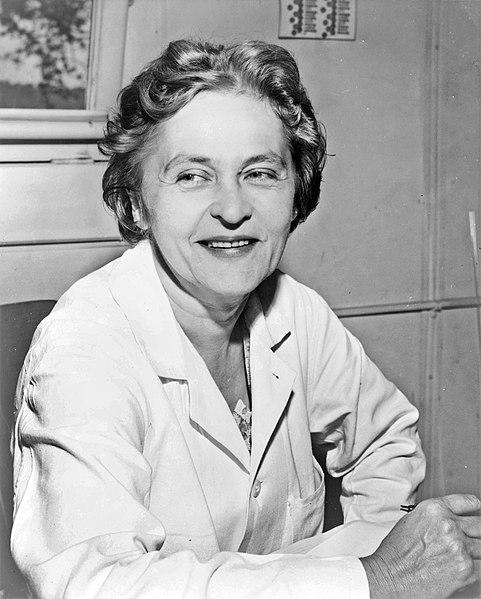
<p>Mária Telkes died <a href="/tags/otd/" rel="tag">#OTD</a> in 1980. She was a Hungarian-American biophysicist, engineer, & inventor who worked on solar energy technologies.</p><p>During World War II, she developed a solar water distillation device, deployed at the end of the war, which saved the lives of downed airmen and torpedoed sailors. In the 1940s she and architect Eleanor Raymond created one of the first solar-heated houses, Dover Sun House, by storing energy each day.</p><p><a href="https://en.wikipedia.org/wiki/M%C3%A1ria_Telkes" rel="nofollow" class="ellipsis" title="en.wikipedia.org/wiki/M%C3%A1ria_Telkes"><span class="invisible">https://</span><span class="ellipsis">en.wikipedia.org/wiki/M%C3%A1r</span><span class="invisible">ia_Telkes</span></a></p><p><a href="/tags/science/" rel="tag">#science</a> <a href="/tags/technology/" rel="tag">#technology</a> <a href="/tags/womeninstem/" rel="tag">#WomenInSTEM</a></p>
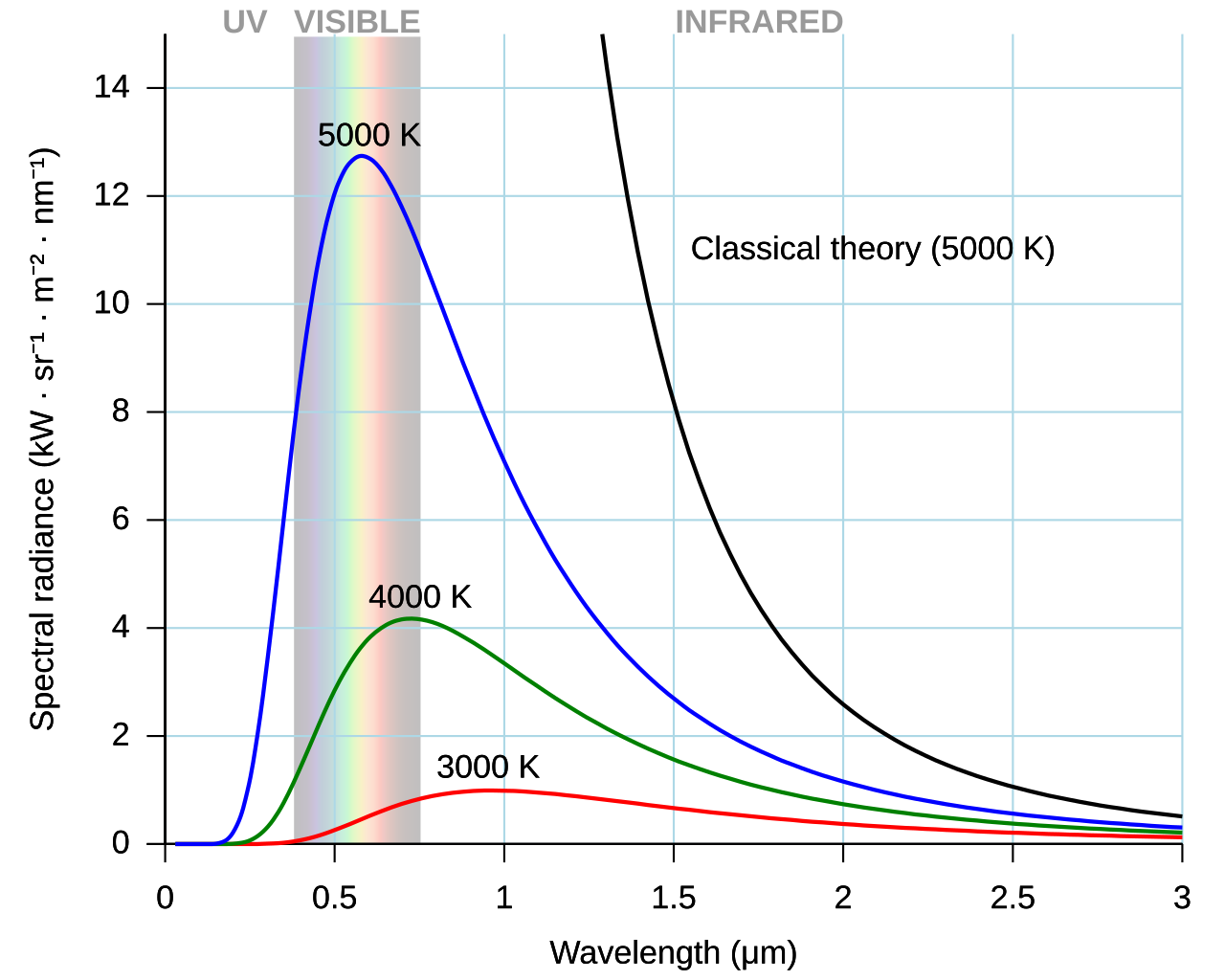
<p>"Science cannot solve the ultimate mystery of nature. And that is because, in the last analysis, we ourselves are part of nature and therefore part of the mystery that we are trying to solve."<br>Where is Science Going? The Universe in the light of modern physics. </p><p><a href="/tags/otd/" rel="tag">#OTD</a> in 1900.</p><p>Max Planck presents a theoretical derivation of his black-body radiation law (quantum theory) at the Physic Society in Berlin.</p><p><a href="https://en.wikipedia.org/wiki/Planck%27s_law" rel="nofollow" class="ellipsis" title="en.wikipedia.org/wiki/Planck%27s_law"><span class="invisible">https://</span><span class="ellipsis">en.wikipedia.org/wiki/Planck%2</span><span class="invisible">7s_law</span></a></p><p>Max Planck at PG:<br><a href="https://www.gutenberg.org/ebooks/author/35343" rel="nofollow" class="ellipsis" title="www.gutenberg.org/ebooks/author/35343"><span class="invisible">https://</span><span class="ellipsis">www.gutenberg.org/ebooks/autho</span><span class="invisible">r/35343</span></a></p><p><a href="/tags/bboks/" rel="tag">#bboks</a> <a href="/tags/science/" rel="tag">#science</a> <a href="/tags/physics/" rel="tag">#physics</a></p>
<p>Dale Andersen’s Astrobiology Antarctic Status Report: 11 January 2026</p><p>This morning, Dale Andersen and his team departed their arrival point at Ultima Air base and headed south to Lake Untersee. They departed around 6:30 am ET and arrived at the shore of Lake Untersee at their traditional base camp location (at S 71.260082° E 13.506017° at an elevation of 2,645 ft.) around 12:00 – 12:30 pm ET. </p><p>Read more: <a href="https://astrobiology.com/2026/01/dale-andersens-astrobiology-antarctic-status-report-11-january-2026-overland-traverse-to-lake-untersee.html" rel="nofollow" class="ellipsis" title="astrobiology.com/2026/01/dale-andersens-astrobiology-antarctic-status-report-11-january-2026-overland-traverse-to-lake-untersee.html"><span class="invisible">https://</span><span class="ellipsis">astrobiology.com/2026/01/dale-</span><span class="invisible">andersens-astrobiology-antarctic-status-report-11-january-2026-overland-traverse-to-lake-untersee.html</span></a></p><p><a href="/tags/science/" rel="tag">#science</a></p>
<p>Galera pedi a <span class="h-card"><a href="https://transverso.org/@isadora" class="u-url mention" rel="nofollow noopener noreferrer" target="_blank">@<span>isadora</span></a></span> para criar um canal só para ciência, no protocolo XMPP, vamos lá se empolguem e vamos dialogar. Segue o link abaixo<br>xmpp:ciencia@conference.isacloud.cc?join</p><p><span class="h-card"><a href="https://mato.social/@josemurilo" class="u-url mention" rel="nofollow noopener noreferrer" target="_blank">@<span>josemurilo</span></a></span> <span class="h-card"><a href="https://bolha.us/@OG" class="u-url mention" rel="nofollow noopener noreferrer" target="_blank">@<span>OG</span></a></span> <span class="h-card"><a href="https://ursal.zone/@biloti" class="u-url mention" rel="nofollow noopener noreferrer" target="_blank">@<span>biloti</span></a></span> <span class="h-card"><a href="https://bolha.us/@rogawa" class="u-url mention" rel="nofollow noopener noreferrer" target="_blank">@<span>rogawa</span></a></span> <span class="h-card"><a href="https://novaparis.art.br/users/rony" class="u-url mention" rel="nofollow noopener noreferrer" target="_blank">@<span>rony</span></a></span> <span class="h-card"><a href="https://bertha.social/@labdciencia" class="u-url mention" rel="nofollow noopener noreferrer" target="_blank">@<span>labdciencia</span></a></span> <span class="h-card"><a href="https://mastodon.social/@henriqueffcustodio" class="u-url mention" rel="nofollow noopener noreferrer" target="_blank">@<span>henriqueffcustodio</span></a></span> <span class="h-card"><a href="https://pynews.com.br/@melissawm" class="u-url mention" rel="nofollow noopener noreferrer" target="_blank">@<span>melissawm</span></a></span> <span class="h-card"><a href="https://bolha.us/@tiagojferreira" class="u-url mention" rel="nofollow noopener noreferrer" target="_blank">@<span>tiagojferreira</span></a></span> <span class="h-card"><a href="[{'type': 'Link', 'href': 'https://tubedu.org/c/numerico/videos', 'mediaType': 'text/html'}, {'type': 'Link', 'href': 'https://tubedu.org/c/numerico', 'mediaType': 'text/html'}, {'type': 'Link', 'href': 'https://tubedu.org/video-channels/numerico', 'mediaType': 'text/html'}]" class="u-url mention" rel="nofollow noopener noreferrer" target="_blank">@<span>numerico</span></a></span> </p><p><a href="/tags/ciencia/" rel="tag">#ciencia</a> <a href="/tags/science/" rel="tag">#science</a> <a href="/tags/xmpp/" rel="tag">#xmpp</a></p>
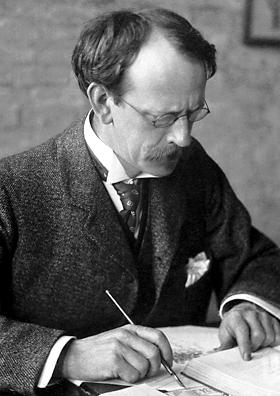
<p>J. J. Thomson, who was born <a href="/tags/otd/" rel="tag">#OTD</a> in 1856, received the Nobel Prize in Physics in 1906 for his discovery of the electron, the first subatomic particle to be found.</p><p>Thomson was also a teacher, and seven of his students went on to win Nobel Prizes: Ernest Rutherford, Lawrence Bragg, Charles Barkla, Francis Aston, Charles Thomson Rees Wilson, Owen Richardson and Edward Victor Appleton.</p><p><a href="https://en.wikipedia.org/wiki/J._J._Thomson" rel="nofollow" class="ellipsis" title="en.wikipedia.org/wiki/J._J._Thomson"><span class="invisible">https://</span><span class="ellipsis">en.wikipedia.org/wiki/J._J._Th</span><span class="invisible">omson</span></a></p><p>Books by J.J. Thomson at PG:<br><a href="https://www.gutenberg.org/ebooks/author/38322" rel="nofollow" class="ellipsis" title="www.gutenberg.org/ebooks/author/38322"><span class="invisible">https://</span><span class="ellipsis">www.gutenberg.org/ebooks/autho</span><span class="invisible">r/38322</span></a></p><p><a href="/tags/books/" rel="tag">#books</a> <a href="/tags/science/" rel="tag">#science</a> <a href="/tags/physics/" rel="tag">#physics</a></p>
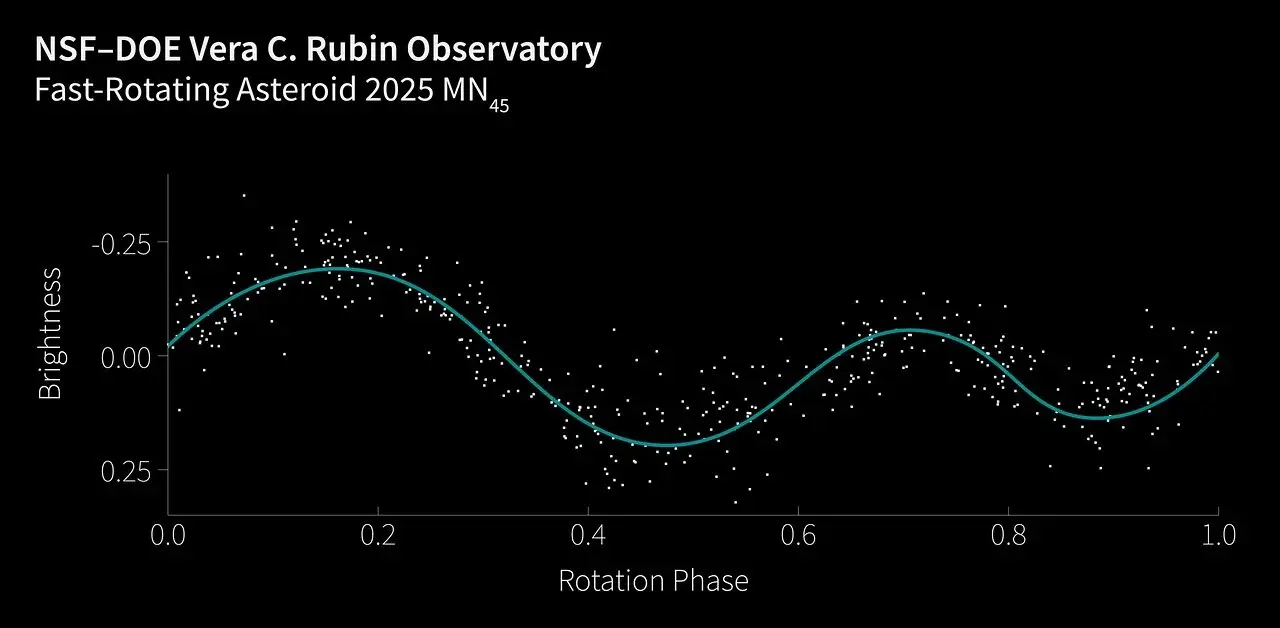
<p>In happier news, it's been a great week for learning strange new things about the universe. A few highlights:</p><p>The Rubin Observatory opened its eyes & immediately discovered 1900 asteroids, including the fastest-spinning large asteroid (once every 1.88 minutes!).</p><p><a href="https://noirlab.edu/public/news/noirlab2601/" rel="nofollow" class="ellipsis" title="noirlab.edu/public/news/noirlab2601/"><span class="invisible">https://</span><span class="ellipsis">noirlab.edu/public/news/noirla</span><span class="invisible">b2601/</span></a> <a href="/tags/science/" rel="tag">#science</a> <a href="/tags/nature/" rel="tag">#nature</a> <a href="/tags/space/" rel="tag">#space</a></p>