
<p>Ever watched a pet cow pick up a broom and scratch herself with it? You have now</p><p>By Chris Simms </p><p>"A pet cow in Austria started using a broom to scratch herself — the first ever documented case of bovine tool use."</p><p><a href="https://www.livescience.com/animals/land-mammals/ever-seen-a-pet-cow-pick-up-a-broom-and-scratch-herself-with-it-you-have-now" rel="nofollow" class="ellipsis" title="www.livescience.com/animals/land-mammals/ever-seen-a-pet-cow-pick-up-a-broom-and-scratch-herself-with-it-you-have-now"><span class="invisible">https://</span><span class="ellipsis">www.livescience.com/animals/la</span><span class="invisible">nd-mammals/ever-seen-a-pet-cow-pick-up-a-broom-and-scratch-herself-with-it-you-have-now</span></a></p><p><a href="/tags/science/" rel="tag">#science</a> <a href="/tags/animals/" rel="tag">#animals</a></p>
science
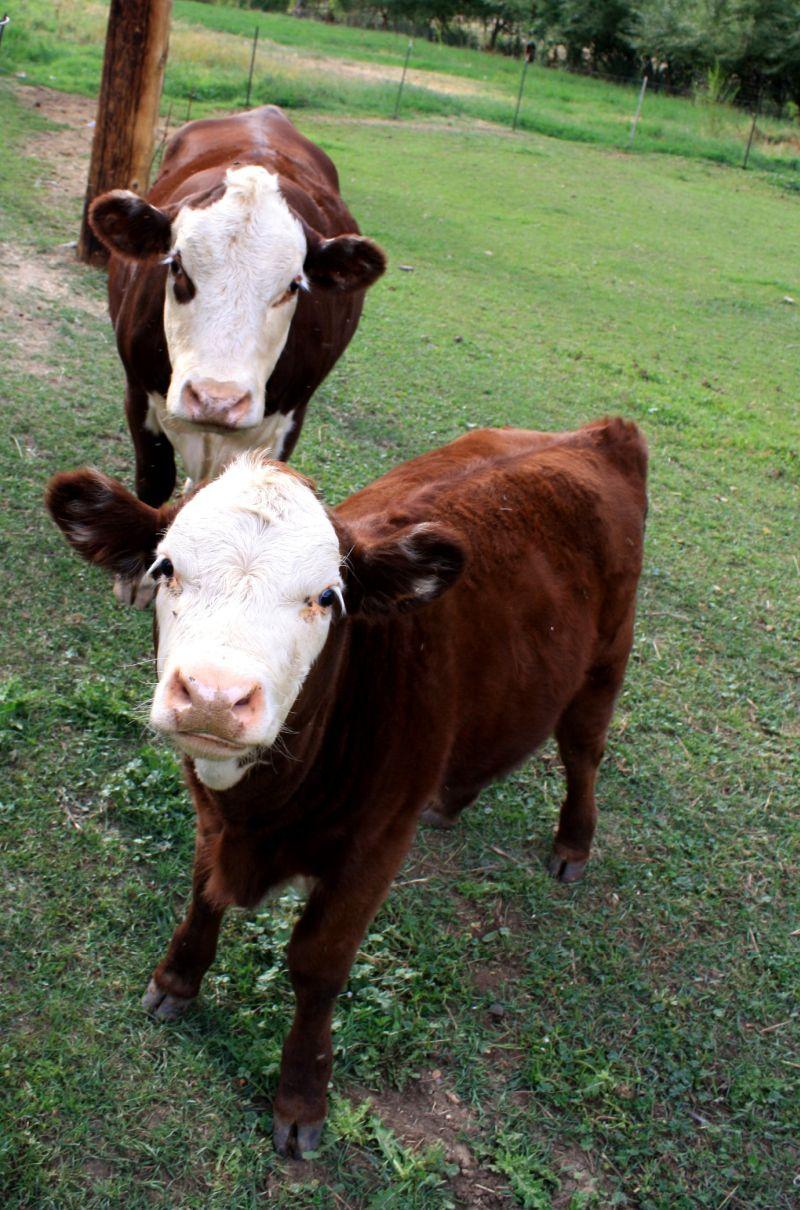

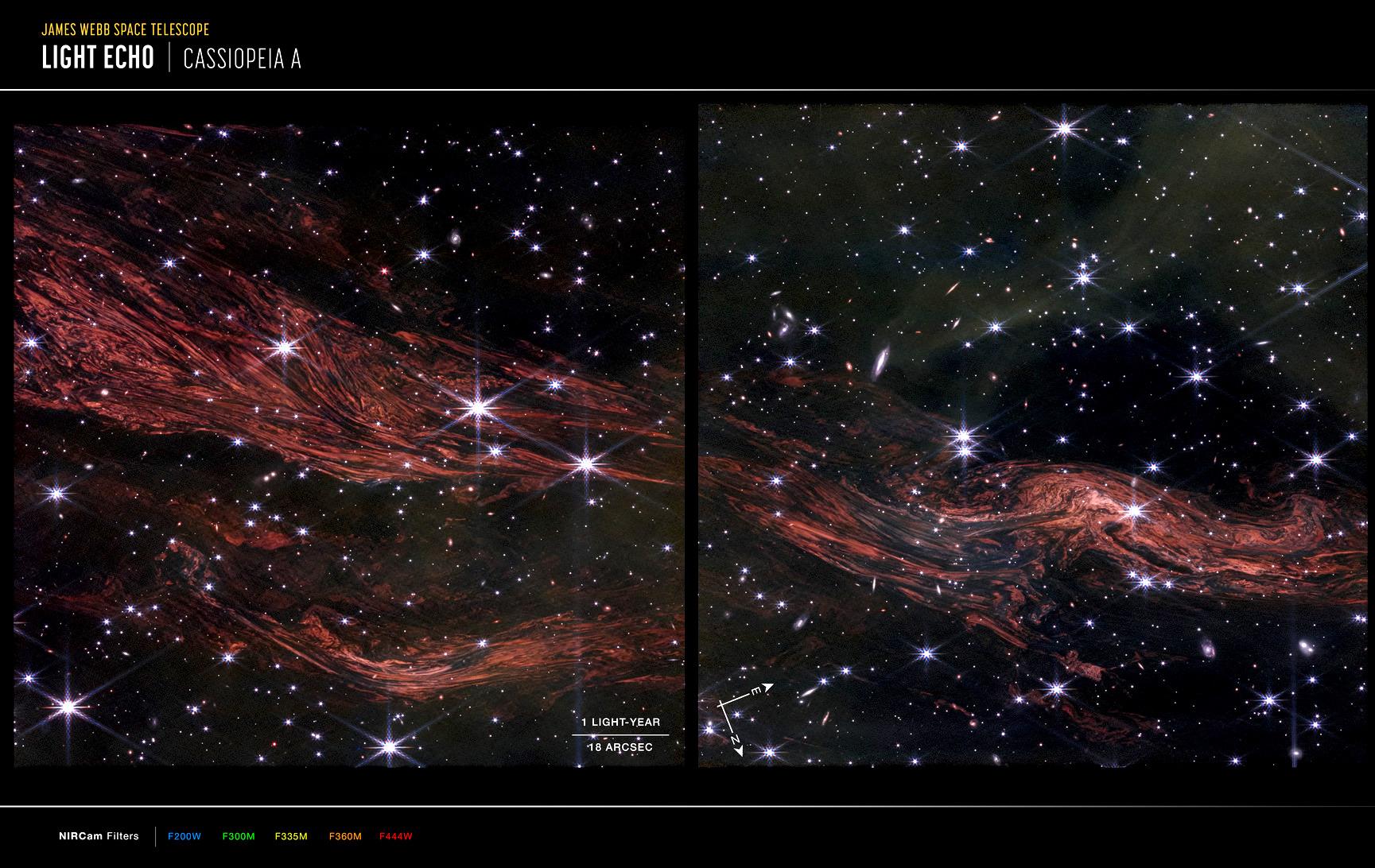
<p>Meanwhile, far from Earth...</p><p>The space between stars is full of gas and dust that is normally dark & invisible to us. But a flash of light from a 350-year-old supernova has lit up the interstellar medium -- revealing it in all its strange, swirling glory.</p><p><a href="https://webbtelescope.org/contents/news-releases/2025/news-2025-102" rel="nofollow" class="ellipsis" title="webbtelescope.org/contents/news-releases/2025/news-2025-102"><span class="invisible">https://</span><span class="ellipsis">webbtelescope.org/contents/new</span><span class="invisible">s-releases/2025/news-2025-102</span></a> <a href="/tags/space/" rel="tag">#space</a> <a href="/tags/science/" rel="tag">#science</a> <a href="/tags/nature/" rel="tag">#nature</a></p>

I was listening to an interview with Tabish Khair about his book Literature Against Fundamentalism, and I was struck by the suggestion that ahistorical readings of texts are in essence fundamentalist (dogmatic) readings. It put a word to a disturbing tendency in computer science to ignore its own past--not to mention the histories of the areas in which it is applied--that has always deeply bothered me. There are quite a few fundamentalist computer scientists, unfortunately.<br><br><a href="/tags/computerscience/" rel="tag">#ComputerScience</a> <a href="/tags/science/" rel="tag">#Science</a><br>
Edited 1y ago
<p>My lab's using an LLM in an experiment for the first time. It's interesting to see how that's going.</p><p>For one thing, we (roughly a dozen AI experts) struggle to understand whether this thing is doing what we want. It's just such an ambiguous interface! We send it some text and a picture and get text back, but what is it doing? We're forced to run side experiments just to validate this one component. That makes me uncomfortable, and wonder why folks who aren't AI researchers would do such a thing.</p><p>Worse, my lab mate keeps doing more prompt engineering, data pre-processing, and restricting the LLM's vocabulary to make it work. That's a lot of effort the LLM was meant to take care of which is becoming our problem instead.</p><p>It feels like he's incrementally developing a domain specific language for this project, and all the LLM is doing is translating between English into this DSL! If that's the case, then there's no point in using an LLM, but it's hard to tell when we've crossed that line.</p><p><a href="/tags/ai/" rel="tag">#ai</a> <a href="/tags/science/" rel="tag">#science</a> <a href="/tags/llm/" rel="tag">#llm</a></p>
<p>This new tool could tell us how consciousness works</p><p>Researchers propose a roadmap for using transcranial focused ultrasound, a noninvasive way to stimulate the brain and see how it functions.</p><p>by Peter Dizikes</p><p><a href="https://news.mit.edu/2026/new-tool-could-tell-us-how-consciousness-works-0112" rel="nofollow" class="ellipsis" title="news.mit.edu/2026/new-tool-could-tell-us-how-consciousness-works-0112"><span class="invisible">https://</span><span class="ellipsis">news.mit.edu/2026/new-tool-cou</span><span class="invisible">ld-tell-us-how-consciousness-works-0112</span></a></p><p>Consciousness at PG:<br><a href="https://www.gutenberg.org/ebooks/subject/996" rel="nofollow" class="ellipsis" title="www.gutenberg.org/ebooks/subject/996"><span class="invisible">https://</span><span class="ellipsis">www.gutenberg.org/ebooks/subje</span><span class="invisible">ct/996</span></a></p><p><a href="/tags/science/" rel="tag">#science</a> <a href="/tags/imaging/" rel="tag">#imaging</a> <a href="/tags/neuroscience/" rel="tag">#neuroscience</a></p>
![17th-century representation of consciousness by Robert Fludd, an English Paracelsian physician
Robert Fludd - Utriusque cosmi maioris scilicet et minoris […] historia, tomus II (1619), tractatus I, sectio I, liber X, De triplici animae in corpore visione
This is an early modern representation of consciousness and perception, showing how the mind processes information from the senses and connects with both the physical and spiritual realms:
The human profile: Represents the individual person as the microcosm
Circles emanating from the head: Different faculties of the mind and soul
"Mundus sensibilis" (Sensible/Physical World) - the realm of the senses
"Mundus Intellectualis" (Intellectual World) - the realm of reason and understanding
Various spheres labeled with Latin terms for different mental faculties
"Terra" (Earth) appears in multiple circles, showing levels of understanding
Top section: "Mundus Intellectualis" with "DEUS" (God) at the center, surrounded by angels and spiritual hierarchies
The eye: Representing vision and perception
Connections: Lines showing how sensory information flows from the physical world through the senses to higher understanding
https://en.wikipedia.org/wiki/Consciousness#/media/File:RobertFuddBewusstsein17Jh.png](/proxy/post_attachment/972424/64b92c13cb.png "17th-century representation of consciousness by Robert Fludd, an English Paracelsian physician
Robert Fludd - Utriusque cosmi maioris scilicet et minoris […] historia, tomus II (1619), tractatus I, sectio I, liber X, De triplici animae in corpore visione
This is an early modern representation of consciousness and perception, showing how the mind processes information from the senses and connects with both the physical and spiritual realms:
The human profile: Represents the individual person as the microcosm
Circles emanating from the head: Different faculties of the mind and soul
\"Mundus sensibilis\" (Sensible/Physical World) - the realm of the senses
\"Mundus Intellectualis\" (Intellectual World) - the realm of reason and understanding
Various spheres labeled with Latin terms for different mental faculties
\"Terra\" (Earth) appears in multiple circles, showing levels of understanding
Top section: \"Mundus Intellectualis\" with \"DEUS\" (God) at the center, surrounded by angels and spiritual hierarchies
The eye: Representing vision and perception
Connections: Lines showing how sensory information flows from the physical world through the senses to higher understanding
https://en.wikipedia.org/wiki/Consciousness#/media/File:RobertFuddBewusstsein17Jh.png")
You are not doing science research if you stuff an LLM into the critical path of your experiments. You are, instead, producing science-shaped artifacts with the same peripheral relationship to science that LLM text output has to truth.<br><br>The reason for this shouldn't be hard to see but apparently is. Simplistically, science is about hypothesis-driven investigation of research questions. You formulate the question first, you derive hypotheses from it, and then you make observations designed to tell you something about the hypotheses. (1)(2) If you stuff an LLM in what should be the observations part, you are not performing observations relevant to your hypothesis, you are filtering what might have been observations through a black box. If you knew how to de-convolve the LLM's response function from the signal that matters to your question, maybe you'd be OK, but nobody knows how to do that. (3)<br><br>If you stick an LLM in the question-generating part, or the hypothesis-generating part, then forget it, at that point you're playing a scientistic video game. The possibility of a scientific discovery coming out of it is the same as the possibility of getting physically wet while watching a computer simulation of rain. (4)<br><br>If you stick an LLM in the communication part, then you're putting yourself on the <a href="https://retractionwatch.com" rel="nofollow">Retraction Watch</a> list, not communicating.<br><br><a href="/tags/science/" rel="tag">#science</a> <a href="/tags/llm/" rel="tag">#LLM</a> <a href="/tags/ai/" rel="tag">#AI</a> <a href="/tags/genai/" rel="tag">#GenAI</a> <a href="/tags/generativeai/" rel="tag">#GenerativeAI</a> <a href="/tags/aihype/" rel="tag">#AIHype</a> <a href="/tags/hype/" rel="tag">#hype</a><br><br>(1) I know this is a cartoonishly simple view of science, but I do firmly believe that something along these lines is the backbone of it, however real-world messy it becomes in practice.<br>(2) A large number of computer scientists are very sloppy about this process--and I have been in the past too--but that does not mean it should be condoned.<br>(3) Things are so dire that very few even seem to have the thought that this is something you should try to do.<br>(4) Yes, you might discover something while watching the LLM glop, but that's you, the human being, making the discovery, not the AI, in a chance manner despite the process, not in a systematic manner enhanced by the process. You could likewise accidentally spill a glass of water on yourself while watching RainSim.<br>

<p>SEEKING SIGNS OF LIFE ON EARTH’S EVIL TWIN</p><p>Move aside, Mars. In 2026, we’ll be asking if there’s life on Venus, and whether it can survive—and thrive—in clouds of sulfuric acid, surface temperatures of 465°C, and pressure 90 times that of Earth</p><p>Nathalie A. Cabrol </p><p>Read more: <a href="https://www.zinio.com/article/the-wired-world/2026-i716365/seeking-signs-of-life-on-earths-evil-twin-a17" rel="nofollow" class="ellipsis" title="www.zinio.com/article/the-wired-world/2026-i716365/seeking-signs-of-life-on-earths-evil-twin-a17"><span class="invisible">https://</span><span class="ellipsis">www.zinio.com/article/the-wire</span><span class="invisible">d-world/2026-i716365/seeking-signs-of-life-on-earths-evil-twin-a17</span></a></p><p><a href="/tags/space/" rel="tag">#space</a> <a href="/tags/science/" rel="tag">#science</a></p>
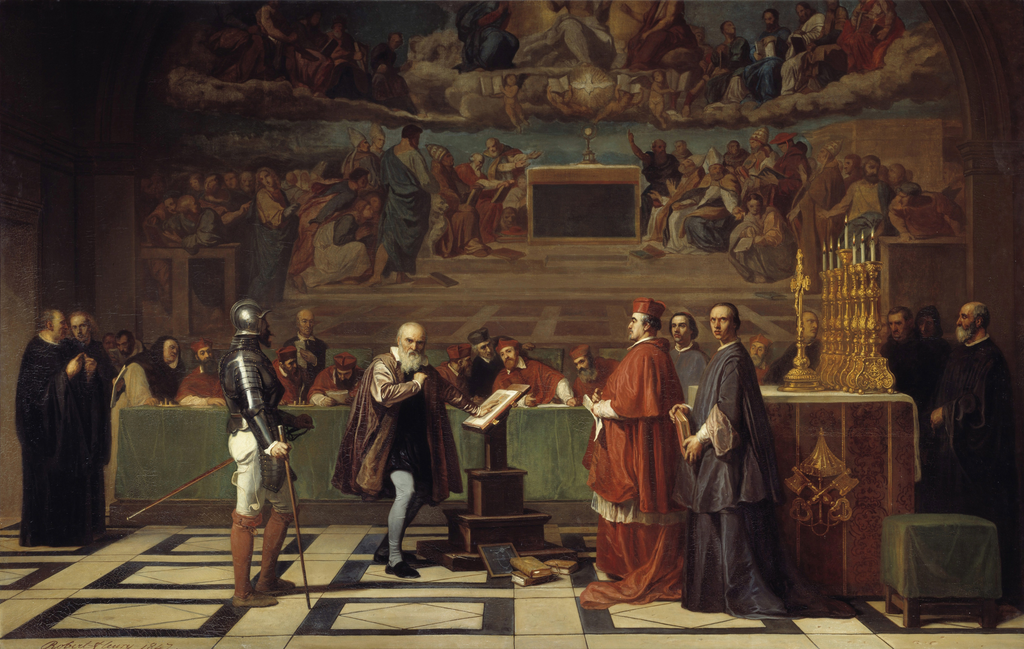
<p><a href="/tags/otd/" rel="tag">#OTD</a> in 1616.</p><p>Galileo Galilei is formally banned by the Roman Catholic Church from teaching or defending the view that the earth orbits the sun.</p><p><a href="https://en.wikipedia.org/wiki/Galileo_affair#Inquisition_and_first_judgment,_1616" rel="nofollow" class="ellipsis" title="en.wikipedia.org/wiki/Galileo_affair#Inquisition_and_first_judgment,_1616"><span class="invisible">https://</span><span class="ellipsis">en.wikipedia.org/wiki/Galileo_</span><span class="invisible">affair#Inquisition_and_first_judgment,_1616</span></a></p><p>Galileo Galilei at PG:<br><a href="https://www.gutenberg.org/ebooks/search/?query=galileo+galilei&submit_search=Search" rel="nofollow" class="ellipsis" title="www.gutenberg.org/ebooks/search/?query=galileo+galilei&submit_search=Search"><span class="invisible">https://</span><span class="ellipsis">www.gutenberg.org/ebooks/searc</span><span class="invisible">h/?query=galileo+galilei&submit_search=Search</span></a></p><p><a href="/tags/books/" rel="tag">#books</a> <a href="/tags/science/" rel="tag">#science</a> <a href="/tags/astronomy/" rel="tag">#astronomy</a></p>
<p>Gladys West, mathematician whose work paved the way for GPS, dies at 95</p><p>She navigated segregation to become an esteemed mathematician — and today, her work helps billions of people navigate the world.</p><p>By Bill Chappell</p><p><a href="https://www.npr.org/2026/01/23/nx-s1-5685027/gladys-west-gps-mathematician" rel="nofollow" class="ellipsis" title="www.npr.org/2026/01/23/nx-s1-5685027/gladys-west-gps-mathematician"><span class="invisible">https://</span><span class="ellipsis">www.npr.org/2026/01/23/nx-s1-5</span><span class="invisible">685027/gladys-west-gps-mathematician</span></a></p><p><a href="/tags/science/" rel="tag">#science</a> <a href="/tags/technology/" rel="tag">#technology</a> <a href="/tags/womeninstem/" rel="tag">#womeninstem</a></p>


<p>🙌 The new logo of Molecular Biology and Evolution is now live!</p><p>This new look will carry us forward while maintaining the same rigor and commitment to the molecular evolutionist community as an SMBE journal.</p><p>Visit our website to learn why publishing with MBE, as a society-owned journal, helps to support evolutionary science:<br>🔗 academic.oup.com/mbe/pages/why-publish</p><p><a href="/tags/evobio/" rel="tag">#evobio</a> <a href="/tags/molbio/" rel="tag">#molbio</a> <a href="/tags/science/" rel="tag">#science</a> <a href="/tags/biology/" rel="tag">#biology</a> <a href="/tags/societyjournal/" rel="tag">#societyjournal</a></p>

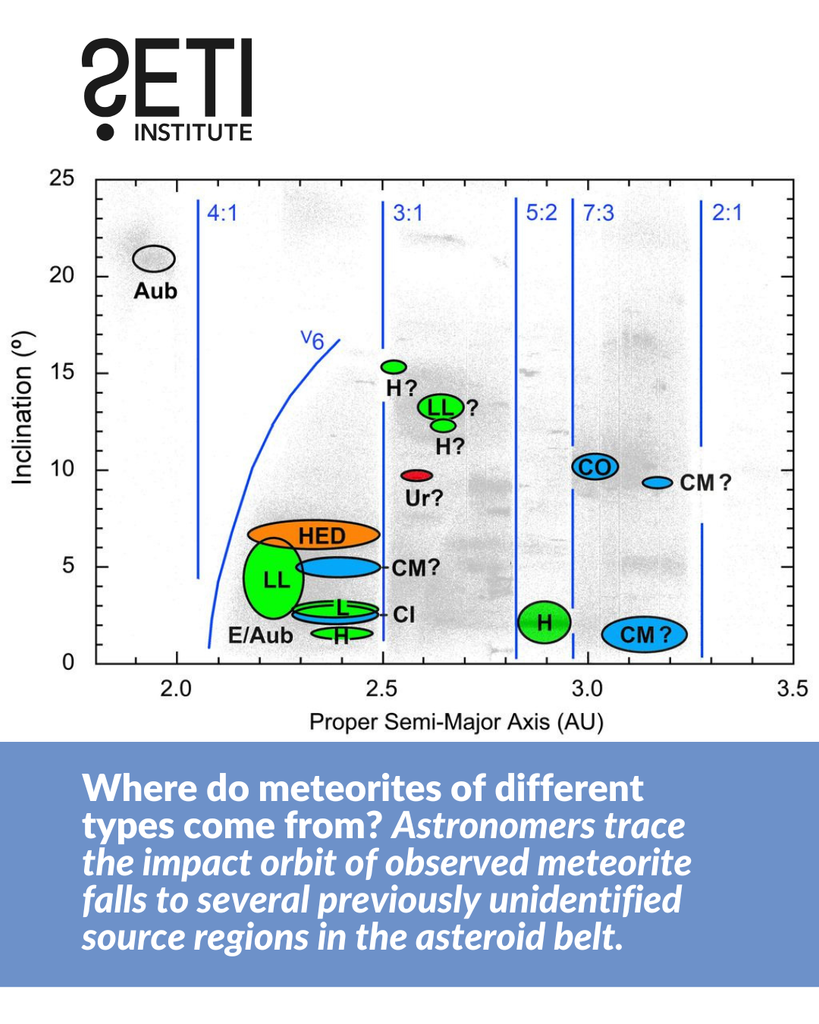
<p>PRESS RELEASE: <a href="https://www.seti.org/press-release/meteorites-geologic-map-asteroid-belt" rel="nofollow" class="ellipsis" title="www.seti.org/press-release/meteorites-geologic-map-asteroid-belt"><span class="invisible">https://</span><span class="ellipsis">www.seti.org/press-release/met</span><span class="invisible">eorites-geologic-map-asteroid-belt</span></a> </p><p>Where do meteorites of different types come from? Astronomers trace the impact orbit of observed meteorite falls to several previously unidentified source regions in the asteroid belt. </p><p>“This has been a decade-long detective story, with each recorded meteorite fall providing a new clue,” said Peter Jenniskens of the SETI Institute and NASA Ames Research Center. “We now have the first outlines of a geologic map of the asteroid belt.”</p><p><a href="/tags/science/" rel="tag">#science</a> <a href="/tags/scicomm/" rel="tag">#scicomm</a></p>

<p>My name is Alexandra. I help build I Write Like, a text editor. Unless one is a tech giant, the chances of people discovering their creation are slim, regardless of how wonderful the creation is. I wanted to change that, so I came to Mastodon.<br>I’m a writer. I share my short stories and poems, often illustrated with my own art and photography. I'm also interested in <a href="/tags/science/" rel="tag">#science</a>, <a href="/tags/history/" rel="tag">#history</a>, and <a href="/tags/music/" rel="tag">#music</a>.<br>I’m fairly new here and still learning.</p><p><a href="/tags/writing/" rel="tag">#Writing</a> <a href="/tags/art/" rel="tag">#Art</a></p>

<p>Rewrites.bio: 60x speedup in Genomics QC + AI rewrite guidelines for Science by <span class="h-card"><a href="https://genomic.social/@emiller" class="u-url mention" rel="nofollow noopener noreferrer" target="_blank">@<span>emiller</span></a></span> <a href="https://lobste.rs/s/gie57r" rel="nofollow"><span class="invisible">https://</span>lobste.rs/s/gie57r</a> <a href="/tags/rust/" rel="tag">#rust</a> <a href="/tags/science/" rel="tag">#science</a> <a href="/tags/vibecoding/" rel="tag">#vibecoding</a><br><a href="https://rewrites.bio/" rel="nofollow"><span class="invisible">https://</span>rewrites.bio/</a></p>

<p>My grand unified theory is that sentient beings (who need not be apes) may only exist within a select subsection of an infinite series of layers, itself exceeding any imaginable dimension, and that these beings will be perplexed at this reality and seek grand unified theories to explain their place in the universe.</p><p><a href="/tags/science/" rel="tag">#science</a> <a href="/tags/physics/" rel="tag">#physics</a> <a href="/tags/gut/" rel="tag">#gut</a></p>
Edited 73d ago

<p>Find a rat. Give it drugs. Play jazz. What else are you supposed to do? <a href="/tags/science/" rel="tag">#science</a> <a href="/tags/jazz/" rel="tag">#jazz</a> <a href="/tags/rat/" rel="tag">#rat</a></p>


<p>It's like Wordle but for organic <a href="/tags/chemistry/" rel="tag">#chemistry</a> buffs. Chemdle. <a href="/tags/science/" rel="tag">#science</a> <a href="https://chemdle.com/" rel="nofollow"><span class="invisible">https://</span>chemdle.com/</a></p>
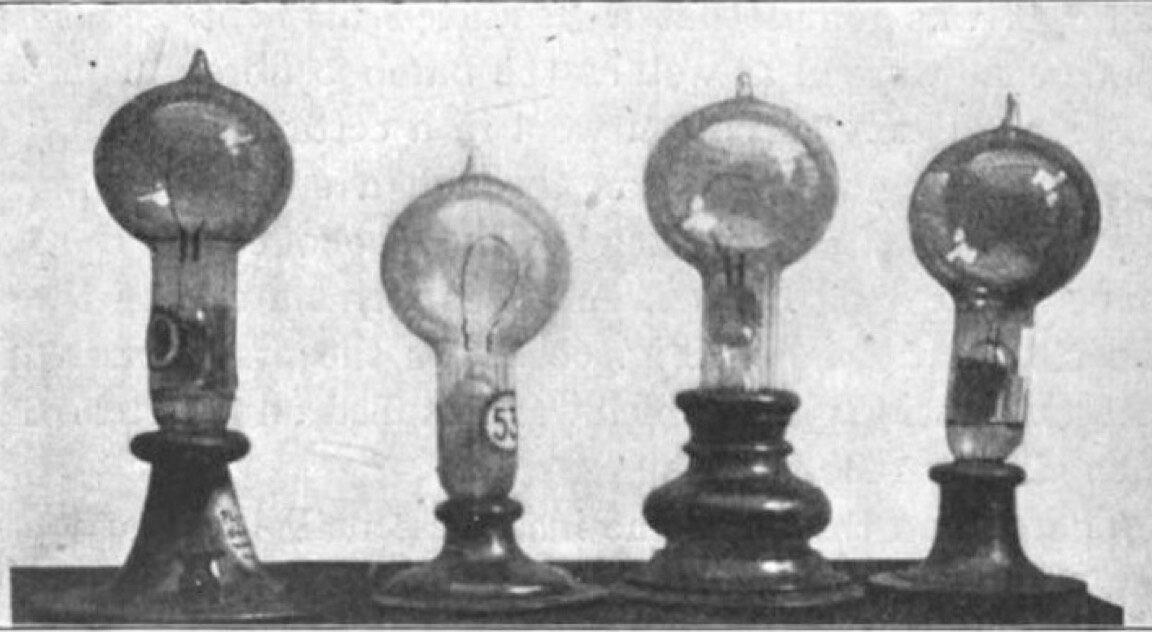
<p>Did Edison accidentally make graphene in 1879?</p><p>Rice University chemists replicated Thomas Edison’s seminal experiment and found a surprising byproduct.</p><p>by Jennifer Ouellette</p><p><a href="https://arstechnica.com/science/2026/01/did-edison-accidentally-make-graphene-in-1879/" rel="nofollow" class="ellipsis" title="arstechnica.com/science/2026/01/did-edison-accidentally-make-graphene-in-1879/"><span class="invisible">https://</span><span class="ellipsis">arstechnica.com/science/2026/0</span><span class="invisible">1/did-edison-accidentally-make-graphene-in-1879/</span></a></p><p>Thomas Edison at PG:<br><a href="https://www.gutenberg.org/ebooks/author/3325" rel="nofollow" class="ellipsis" title="www.gutenberg.org/ebooks/author/3325"><span class="invisible">https://</span><span class="ellipsis">www.gutenberg.org/ebooks/autho</span><span class="invisible">r/3325</span></a></p><p><a href="/tags/books/" rel="tag">#books</a> <a href="/tags/science/" rel="tag">#science</a> <a href="/tags/technology/" rel="tag">#technology</a></p>

<p>What exactly goes on in your brain when you meditate?</p><p><a href="/tags/photography/" rel="tag">#photography</a> <a href="/tags/blackandwhite/" rel="tag">#blackAndWhite</a> <a href="/tags/meditation/" rel="tag">#meditation</a> <a href="/tags/zen/" rel="tag">#zen</a> <a href="/tags/science/" rel="tag">#science</a> <a href="/tags/consciousness/" rel="tag">#consciousness</a> <a href="/tags/mindfulness/" rel="tag">#mindfulness</a></p><p><a href="http://shojiwax.com/2026/01/24/meditation-what-goes-on-between-your-ears/" rel="nofollow" class="ellipsis" title="shojiwax.com/2026/01/24/meditation-what-goes-on-between-your-ears/"><span class="invisible">http://</span><span class="ellipsis">shojiwax.com/2026/01/24/medita</span><span class="invisible">tion-what-goes-on-between-your-ears/</span></a></p>
Edited 73d ago

<p>Do you love cats? Do you enjoy science and statistics? Willing to help cats a few hours a week by doing good science, from home?</p><p>Consider joining our team of volunteer scientists! </p><p><a href="/tags/statistics/" rel="tag">#statistics</a> <a href="/tags/science/" rel="tag">#science</a> <a href="/tags/cats/" rel="tag">#cats</a> <a href="/tags/phd/" rel="tag">#PhD</a><br>Boosts are greatly appreciated!</p>

Edited 275d ago
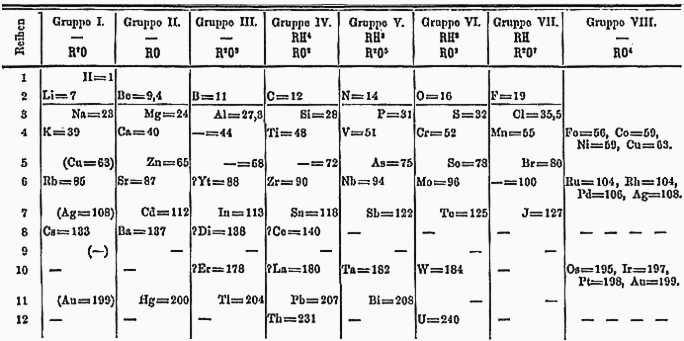
<p>Chemical laws</p><p>Often dismissed as the poor cousin of the sciences, chemistry has revealed natural laws that illuminate our Universe</p><p>by Vanessa A Seifert</p><p><a href="https://aeon.co/essays/the-neglected-laws-of-chemistry-and-why-they-matter?utm_source=Aeon+Newsletter&utm_campaign=0a874a1766-EMAIL_CAMPAIGN_2025_01_24&utm_medium=email&utm_term=0_-69b28dd3d9-72664972" rel="nofollow" class="ellipsis" title="aeon.co/essays/the-neglected-laws-of-chemistry-and-why-they-matter?utm_source=Aeon+Newsletter&utm_campaign=0a874a1766-EMAIL_CAMPAIGN_2025_01_24&utm_medium=email&utm_term=0_-69b28dd3d9-72664972"><span class="invisible">https://</span><span class="ellipsis">aeon.co/essays/the-neglected-l</span><span class="invisible">aws-of-chemistry-and-why-they-matter?utm_source=Aeon+Newsletter&utm_campaign=0a874a1766-EMAIL_CAMPAIGN_2025_01_24&utm_medium=email&utm_term=0_-69b28dd3d9-72664972</span></a></p><p><a href="/tags/science/" rel="tag">#science</a> <a href="/tags/chemistry/" rel="tag">#chemistry</a> <a href="/tags/historyofscience/" rel="tag">#historyofscience</a></p>
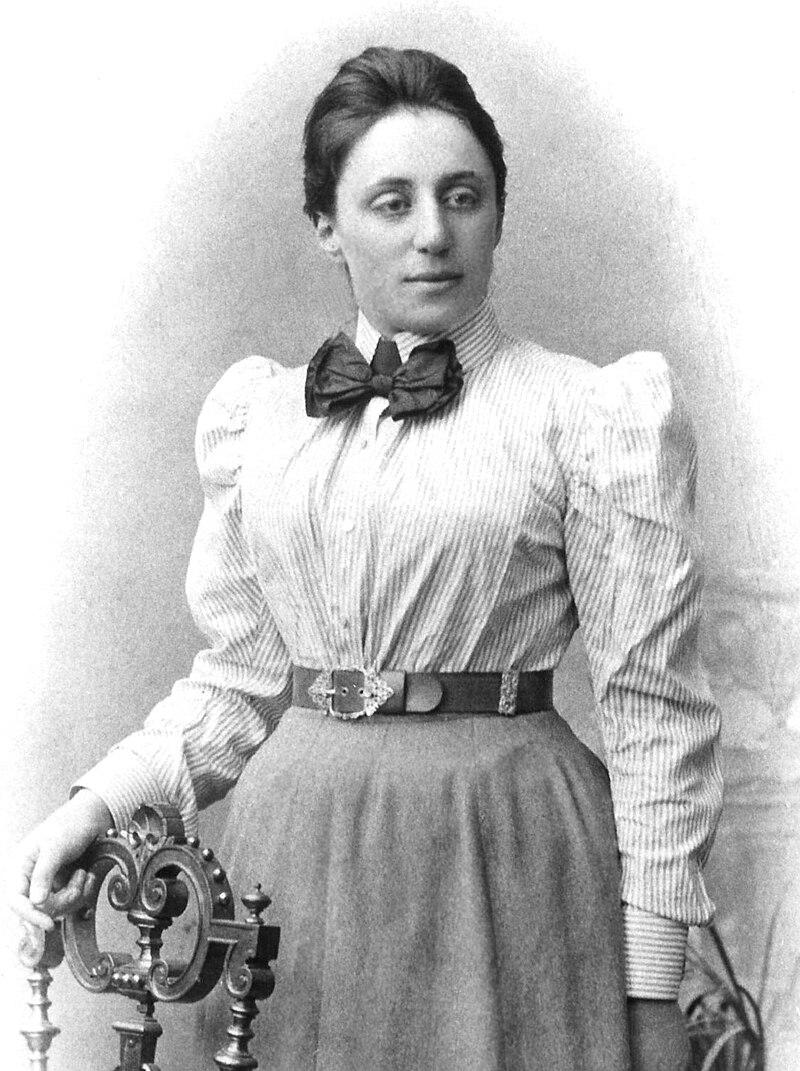
<p>How Noether’s Theorem Revolutionized Physics</p><p>Emmy Noether showed that fundamental physical laws are just a consequence of simple symmetries. A century later, her insights continue to shape physics.</p><p>By Shalma Wegsman</p><p><a href="https://www.quantamagazine.org/how-noethers-theorem-revolutionized-physics-20250207/" rel="nofollow" class="ellipsis" title="www.quantamagazine.org/how-noethers-theorem-revolutionized-physics-20250207/"><span class="invisible">https://</span><span class="ellipsis">www.quantamagazine.org/how-noe</span><span class="invisible">thers-theorem-revolutionized-physics-20250207/</span></a></p><p>More information about Noether's theorem:<br><a href="https://en.wikipedia.org/wiki/Noether%27s_theorem" rel="nofollow" class="ellipsis" title="en.wikipedia.org/wiki/Noether%27s_theorem"><span class="invisible">https://</span><span class="ellipsis">en.wikipedia.org/wiki/Noether%</span><span class="invisible">27s_theorem</span></a></p><p><a href="/tags/science/" rel="tag">#science</a> <a href="/tags/physics/" rel="tag">#physics</a> <a href="/tags/womeninstem/" rel="tag">#womeninStem</a></p>
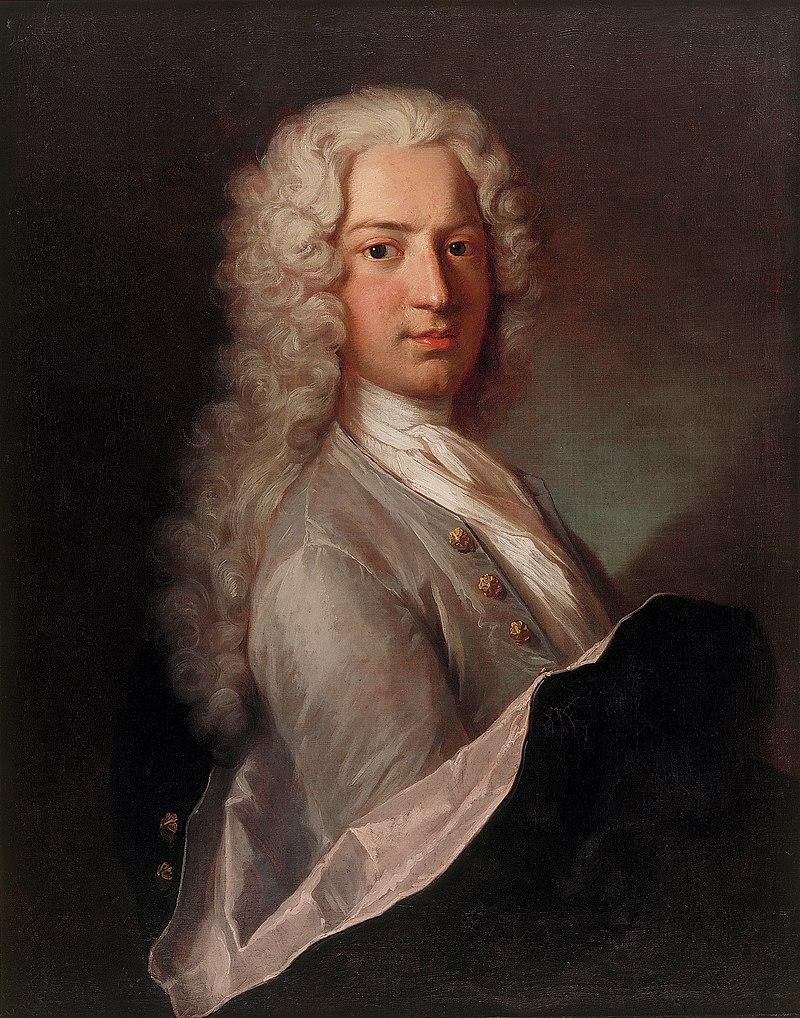
<p>Dutch-Swiss mathematician and physicist Daniel Bernoulli was born <a href="/tags/otd/" rel="tag">#OTD</a> in 1700.</p><p>He is particularly remembered for his applications of mathematics to mechanics, especially fluid mechanics, and for his pioneering work in probability and statistics. His name is commemorated in the Bernoulli's principle, a particular example of the conservation of energy.</p><p><a href="https://en.wikipedia.org/wiki/Daniel_Bernoulli" rel="nofollow" class="ellipsis" title="en.wikipedia.org/wiki/Daniel_Bernoulli"><span class="invisible">https://</span><span class="ellipsis">en.wikipedia.org/wiki/Daniel_B</span><span class="invisible">ernoulli</span></a></p><p>Books by Daniel Bernoulli at PG:<br><a href="https://www.gutenberg.org/ebooks/author/41345" rel="nofollow" class="ellipsis" title="www.gutenberg.org/ebooks/author/41345"><span class="invisible">https://</span><span class="ellipsis">www.gutenberg.org/ebooks/autho</span><span class="invisible">r/41345</span></a></p><p><a href="/tags/books/" rel="tag">#books</a> <a href="/tags/science/" rel="tag">#science</a> <a href="/tags/mathematics/" rel="tag">#mathematics</a> <a href="/tags/physics/" rel="tag">#physics</a></p>
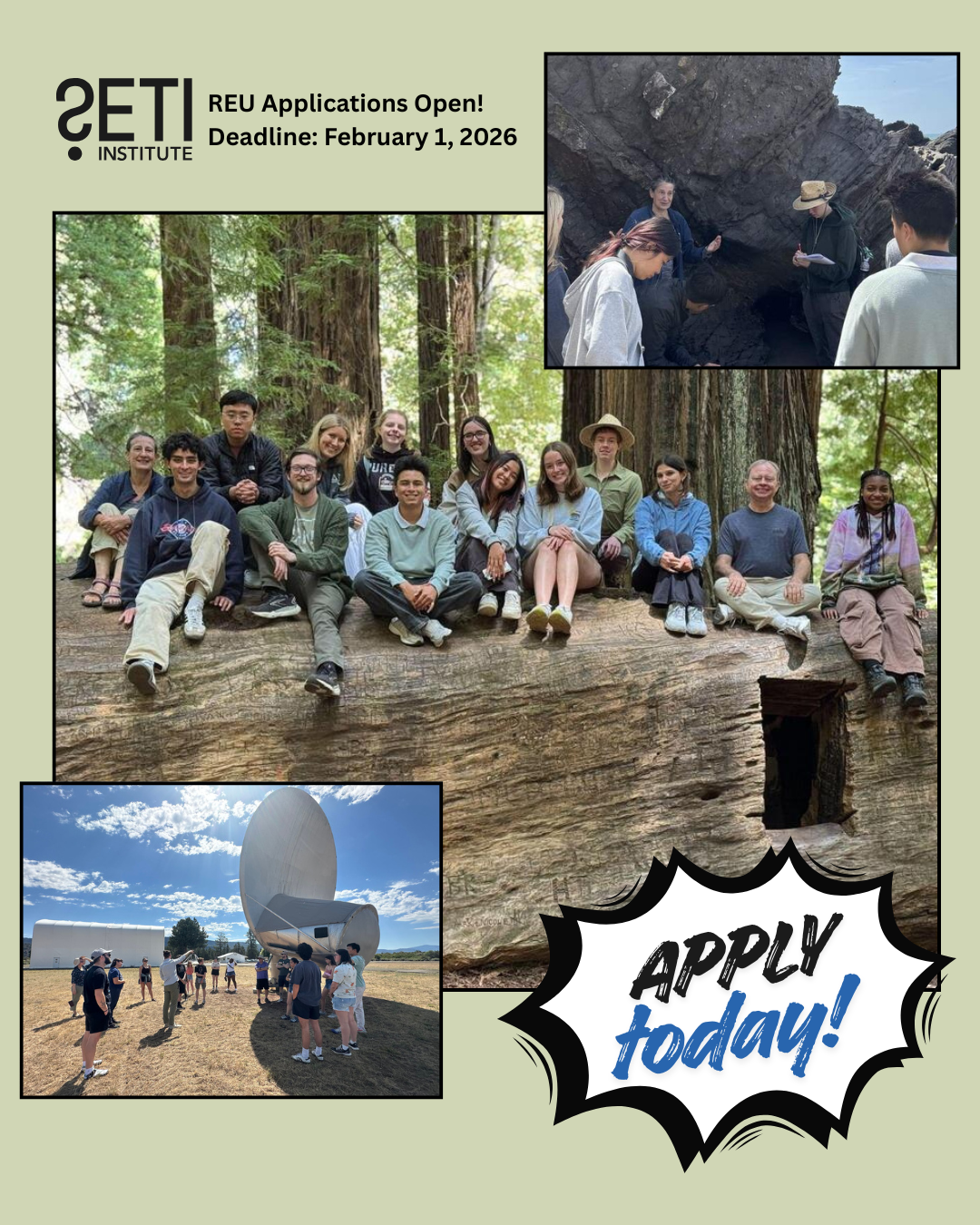
<p>DEADLINE APPROACHING: It's that time of year! The SETI Institute, a non-profit private scientific research institution located in California’s Silicon Valley, invites you to apply for a summer Research Experience for Undergraduates program for highly motivated students who are interested in research related to astronomy, astrobiology, and planetary science.</p><p><a href="/tags/undergrad/" rel="tag">#undergrad</a> <a href="/tags/reu/" rel="tag">#reu</a> <a href="/tags/science/" rel="tag">#science</a></p>
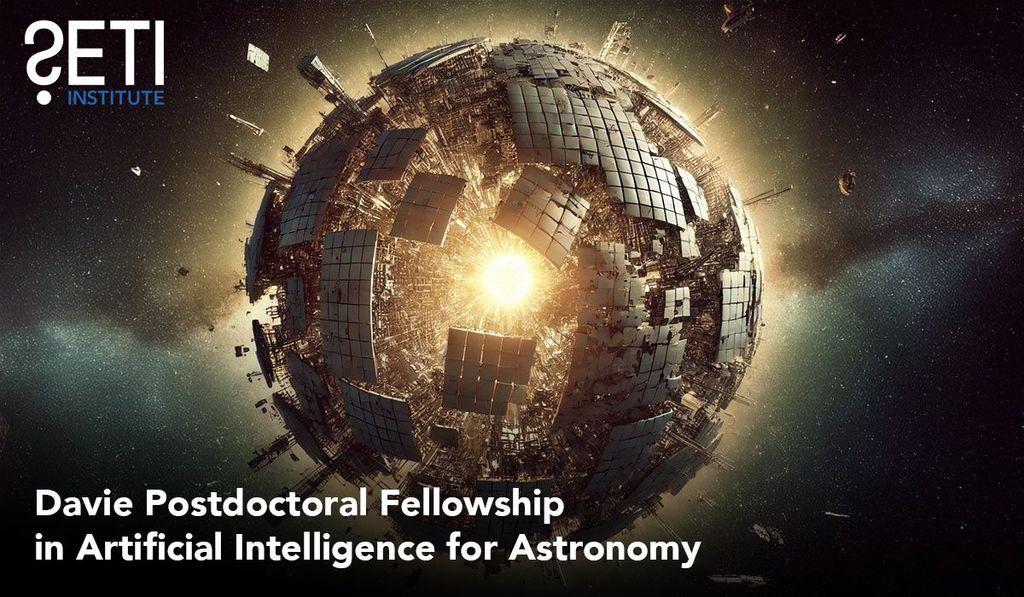
<p>PRESS RELEASE: <a href="https://www.seti.org/press-release/apply-davie-postdoctoral-fellowship-artificial-intelligence-astronomy" rel="nofollow" class="ellipsis" title="www.seti.org/press-release/apply-davie-postdoctoral-fellowship-artificial-intelligence-astronomy"><span class="invisible">https://</span><span class="ellipsis">www.seti.org/press-release/app</span><span class="invisible">ly-davie-postdoctoral-fellowship-artificial-intelligence-astronomy</span></a></p><p>The SETI Institute announced the Davie Postdoctoral Fellowship in Artificial Intelligence for Astronomy, inviting researchers to refine and expand ML-driven pipelines for exoplanet discovery. The successful candidate will join the SETI Institute researcher Dr. Vishal Gajjar and his team and collaborators at the SETI Institute and IIT Tirupati in India. The application deadline is March 15, 2025.</p><p><a href="/tags/jobs/" rel="tag">#jobs</a> <a href="/tags/postdoc/" rel="tag">#postdoc</a> <a href="/tags/science/" rel="tag">#science</a></p>
<p>PRESS RELEASE: A research team led by Dr. Sofia Sheikh of the SETI Institute, in collaboration with the Characterizing Atmospheric Technosignatures project and the Penn State Extraterrestrial Intelligence Center, set out to answer a simple question: If an extraterrestrial civilization existed with technology similar to ours, would they be able to detect Earth and evidence of humanity? If so, what signals would they detect, and from how far away? <a href="https://youtu.be/Pdg2x3NP2ds" rel="nofollow"><span class="invisible">https://</span>youtu.be/Pdg2x3NP2ds</a> </p><p><a href="/tags/science/" rel="tag">#science</a> <a href="/tags/space/" rel="tag">#space</a> <a href="/tags/scicomm/" rel="tag">#scicomm</a></p>