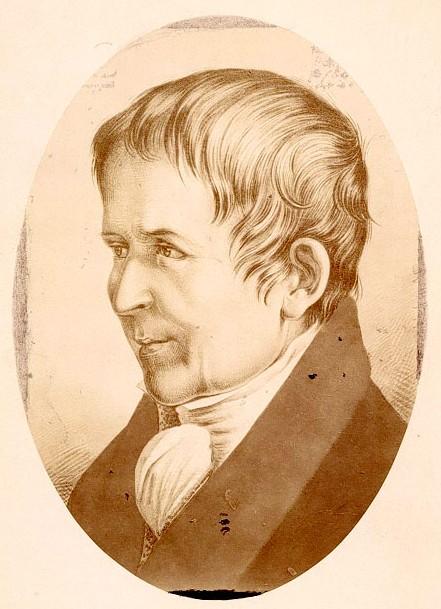
<p>"Empires dissolve and peoples disappear,<br>Song passes not away."</p><p>English poet William Watson died <a href="/tags/otd/" rel="tag">#OTD</a> in 1935.</p><p>Watson's early work, like Wordsworth's Grave (1890), demonstrated his deep admiration for the Romantic poets and established him as a significant literary figure. Despite his popularity and influence during his lifetime, his work fell out of favor in the years following his death, and he is less well-known today. </p><p>William Watson at PG:<br><a href="https://www.gutenberg.org/ebooks/author/4885" rel="nofollow" class="ellipsis" title="www.gutenberg.org/ebooks/author/4885"><span class="invisible">https://</span><span class="ellipsis">www.gutenberg.org/ebooks/autho</span><span class="invisible">r/4885</span></a></p><p><a href="/tags/books/" rel="tag">#books</a> <a href="/tags/literature/" rel="tag">#literature</a></p>
otd
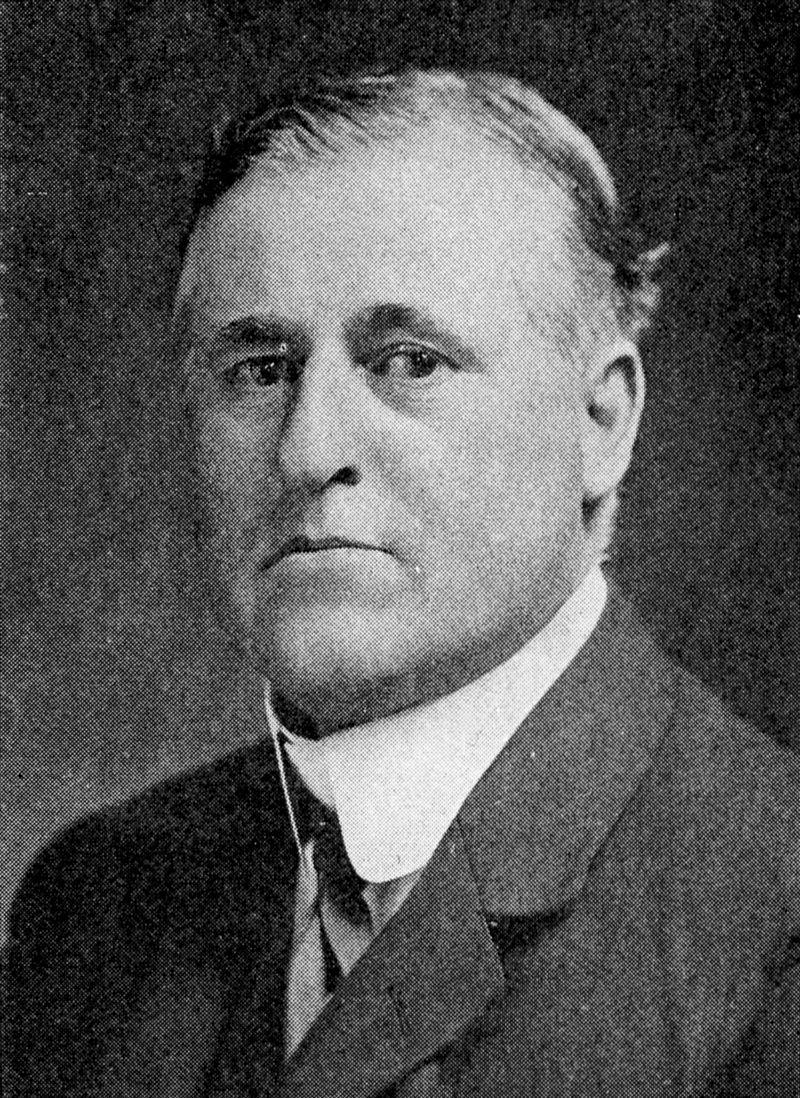
<p>Portuguese poet Tomás António Gonzaga was born <a href="/tags/otd/" rel="tag">#OTD</a> in 1744.</p><p>He is best known for his work Marília de Dirceu, a collection of pastoral love poems that became a classic of Portuguese literature. His life took a dramatic turn when he was implicated in the Inconfidência Mineira, a failed conspiracy against Portuguese rule in Brazil. He was arrested and exiled to Mozambique, where he spent the remainder of his life. </p><p>Books by Tomás António Gonzaga at PG:<br><a href="https://www.gutenberg.org/ebooks/author/7794" rel="nofollow" class="ellipsis" title="www.gutenberg.org/ebooks/author/7794"><span class="invisible">https://</span><span class="ellipsis">www.gutenberg.org/ebooks/autho</span><span class="invisible">r/7794</span></a></p><p><a href="/tags/books/" rel="tag">#books</a> <a href="/tags/literature/" rel="tag">#literature</a></p>
![A drawing of Gonzaga
Unknown author - Pantheon Escolar Brazileiro. p. Cartão 09 (THOMAZ Antonio Gonzaga: Inconfidente, Desmbargador Poeta de "Marilia e Dirceu". Rio de Janeiro, RJ: Livraria de J. G. de Azevedo, [18--]. 1 cartão, zincogravura, p&b, 13,4 x 9cm.
Disponível em: http://objdigital.bn.br/objdigital2/acervo_digital/div_iconografia/icon95726_1396400/icon1396386.jpg. Acesso em: 5 ago. 2019.).](/proxy/post_attachment/321430/ac21ce0e2b.jpg "A drawing of Gonzaga
Unknown author - Pantheon Escolar Brazileiro. p. Cartão 09 (THOMAZ Antonio Gonzaga: Inconfidente, Desmbargador Poeta de \"Marilia e Dirceu\". Rio de Janeiro, RJ: Livraria de J. G. de Azevedo, [18--]. 1 cartão, zincogravura, p&b, 13,4 x 9cm.
Disponível em: http://objdigital.bn.br/objdigital2/acervo_digital/div_iconografia/icon95726_1396400/icon1396386.jpg. Acesso em: 5 ago. 2019.).")
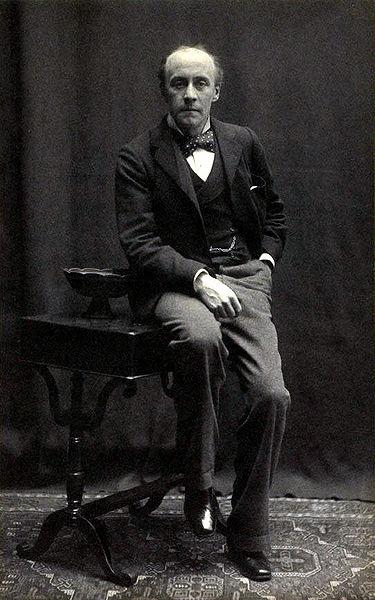
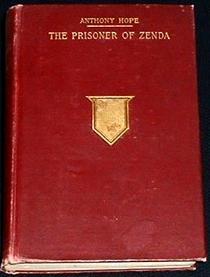
<p>"Unless one is a genius, it is best to aim at being intelligible."<br>The Dolly Dialogues</p><p>British novelist and playwright Anthony Hope died <a href="/tags/otd/" rel="tag">#OTD</a> in 1933.</p><p>Hope wrote numerous other novels and plays, though none achieved the same level of acclaim as "The Prisoner of Zenda." Notable works include "The Dolly Dialogues", a collection of witty sketches, and "The Chronicles of Count Antonio", an adventure novel set in Renaissance Italy.</p><p>Anthony Hope at PG:<br><a href="https://www.gutenberg.org/ebooks/author/63" rel="nofollow" class="ellipsis" title="www.gutenberg.org/ebooks/author/63"><span class="invisible">https://</span><span class="ellipsis">www.gutenberg.org/ebooks/autho</span><span class="invisible">r/63</span></a></p><p><a href="/tags/books/" rel="tag">#books</a> <a href="/tags/literature/" rel="tag">#literature</a></p>
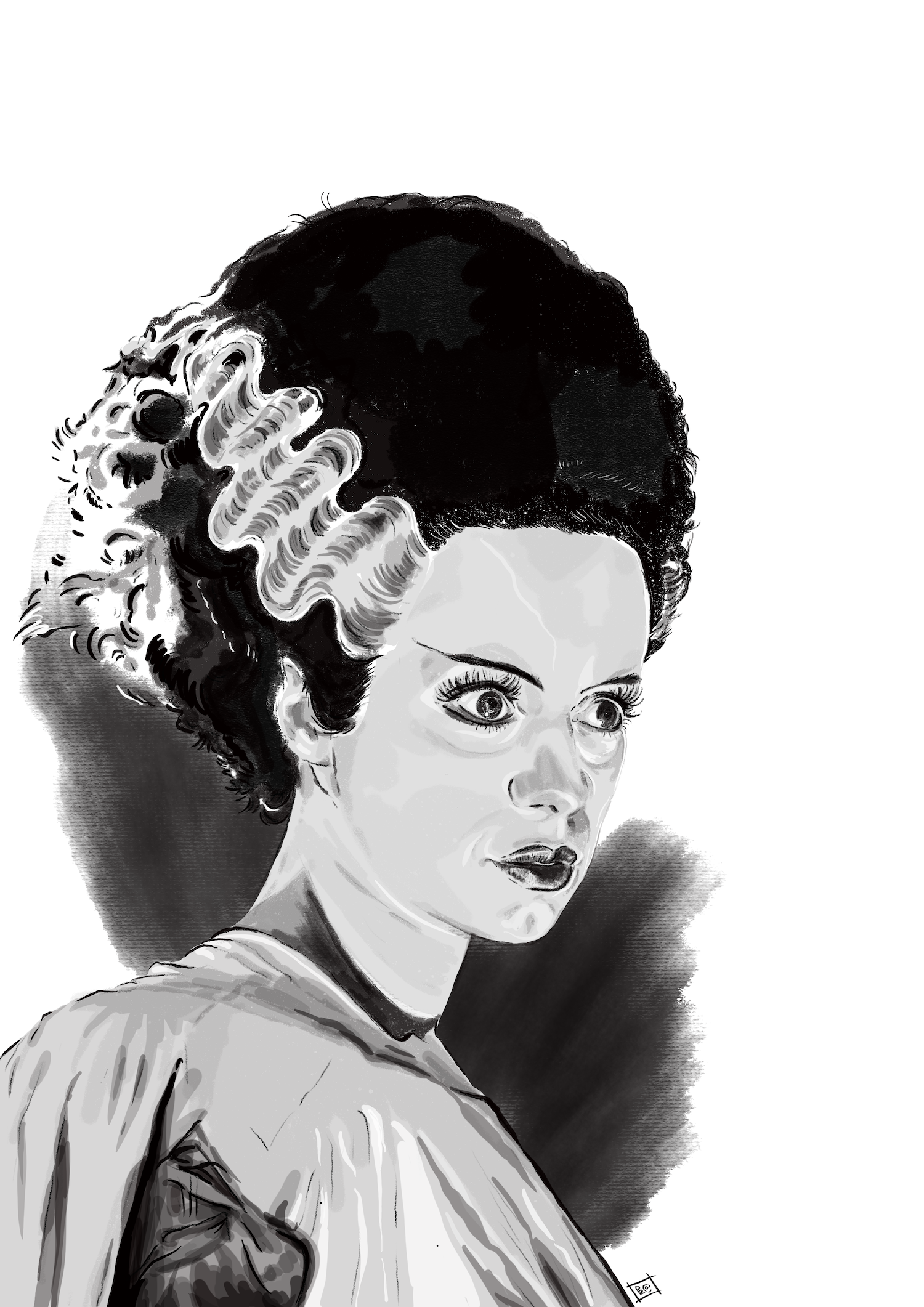
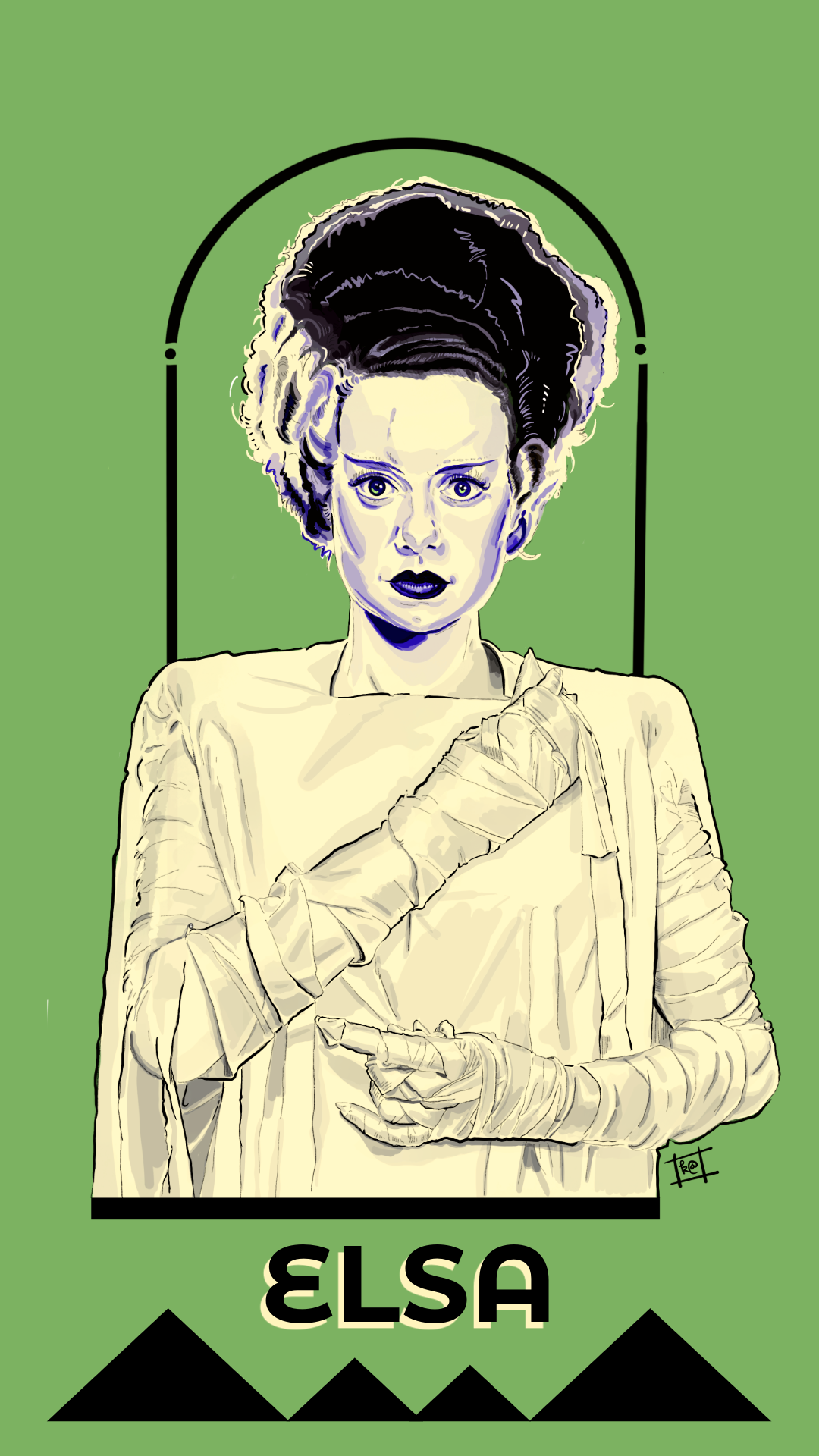
<p><a href="/tags/art/" rel="tag">#art</a> <a href="/tags/history/" rel="tag">#history</a>: every 28th october, i use elsa lanchester (born <a href="/tags/otd/" rel="tag">#otd</a> in 1902) as an excuse to pay homage to mary wollstonecraft shelley's masterpiece, 'frankenstein'. mind you, elsa was pretty cool, herself. difficult not to be when you're the daughter of a suffragette who was also secretary to eleanor marx. <br>i've got more to say about elsa in the response posts below, so read or ignore as you wish. <br><a href="/tags/wip/" rel="tag">#wip</a> <a href="/tags/illustration/" rel="tag">#illustration</a> <a href="/tags/cinema/" rel="tag">#cinema</a> <a href="/tags/literature/" rel="tag">#literature</a> <a href="/tags/frankenstein/" rel="tag">#frankenstein</a> <a href="/tags/maryshelley/" rel="tag">#maryShelley</a> <a href="/tags/elsalanchester/" rel="tag">#elsaLanchester</a></p>
Edited 160d ago
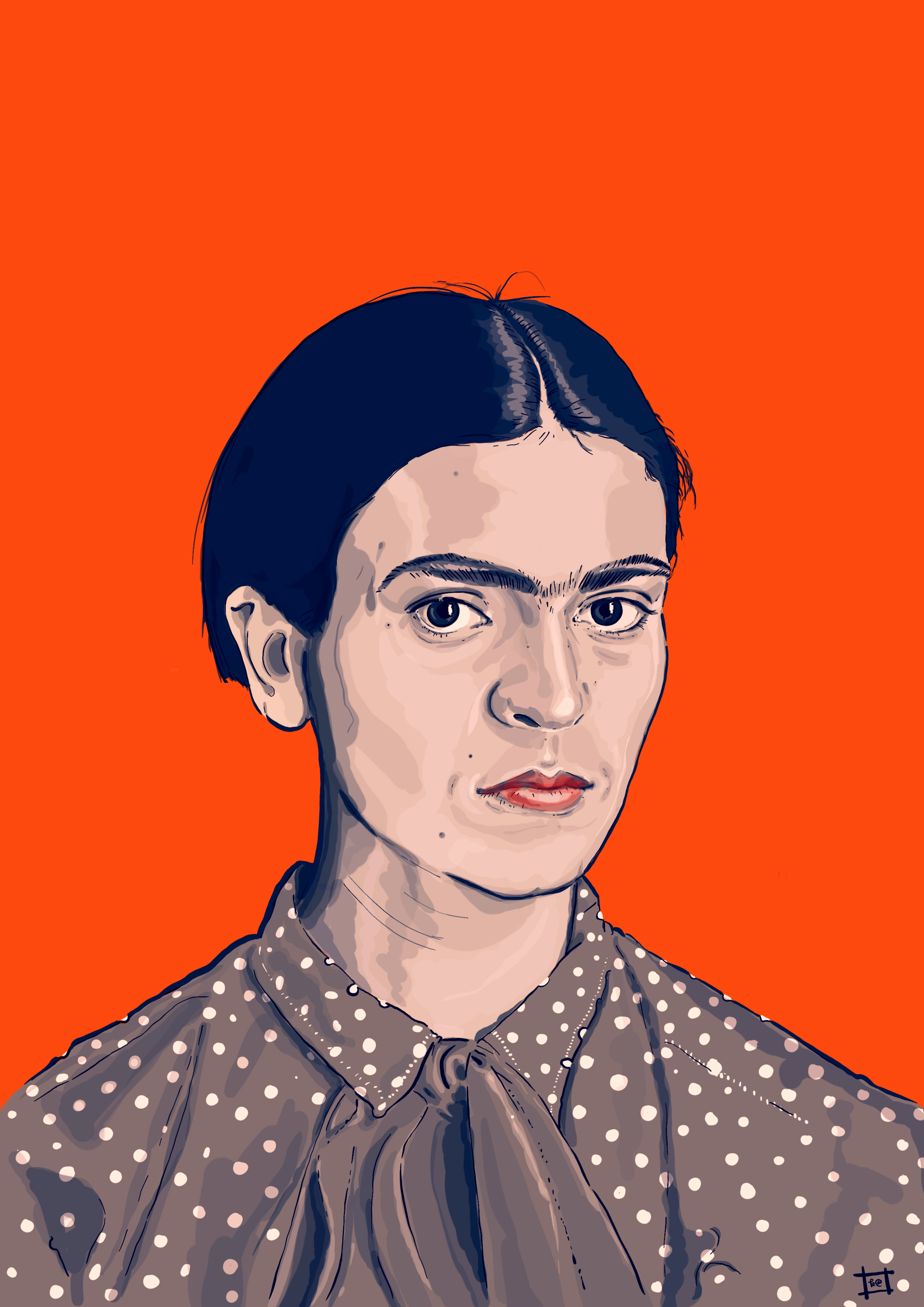
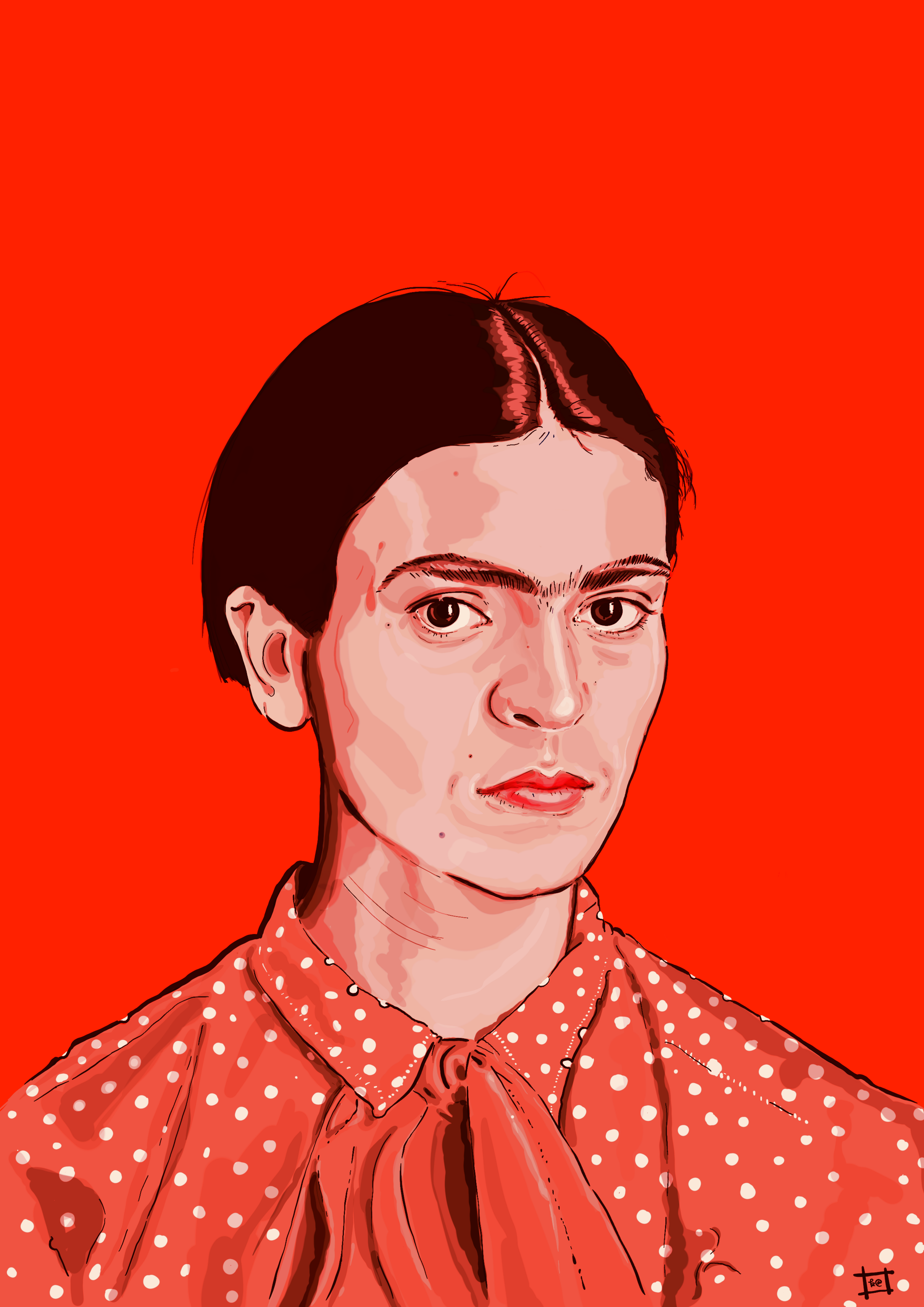
<p><a href="/tags/art/" rel="tag">#art</a> <a href="/tags/history/" rel="tag">#history</a>: i promised myself that this year would be the one during which i paid tribute to the revolutionary, frida kahlo (born <a href="/tags/otd/" rel="tag">#otd</a> in 1907), & then i was too busy to do her any sort of justice. not only have i rushed her portrait, but i've also had no time to write up the sort of blurb that she merits. she was a death-defying, genre-spanning communist powerhouse & diego was punching waaaaaaaay up. :)<br><a href="/tags/fridakahlo/" rel="tag">#fridaKahlo</a> <a href="/tags/illustration/" rel="tag">#illustration</a> <a href="/tags/sketch/" rel="tag">#sketch</a> <a href="/tags/artist/" rel="tag">#artist</a> <a href="/tags/mexico/" rel="tag">#mexico</a> <a href="/tags/communism/" rel="tag">#communism</a></p>
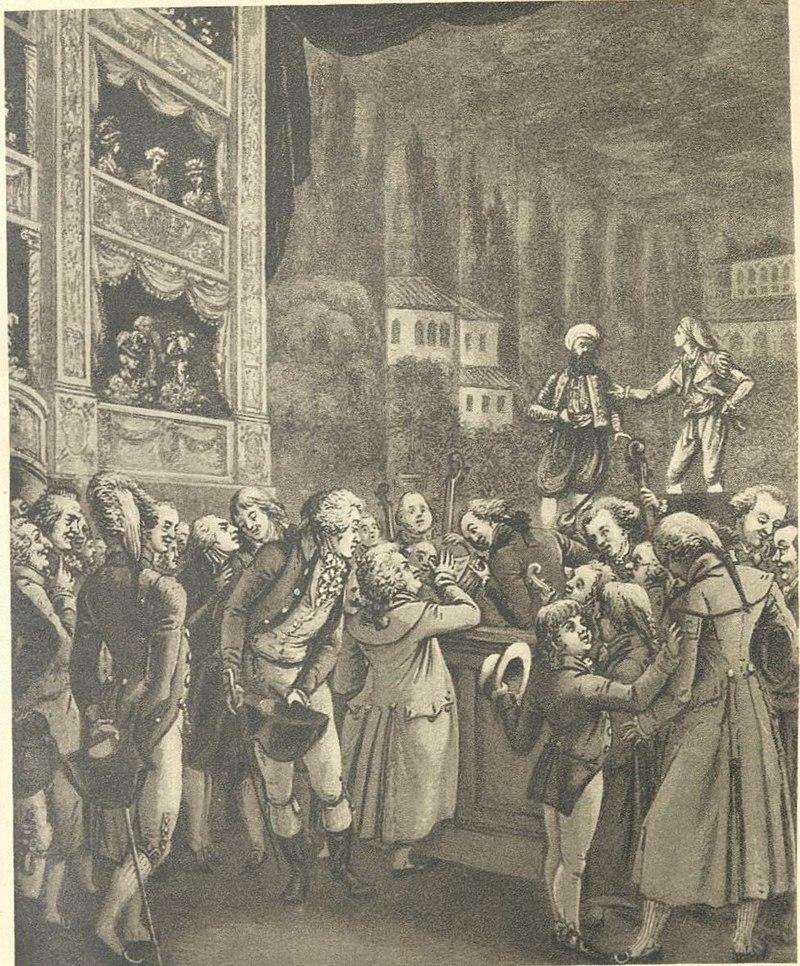
<p><a href="/tags/otd/" rel="tag">#OTD</a> in 1782.</p><p>Wolfgang Amadeus Mozart's opera Die Entführung aus dem Serail premiered in Vienna with the composer conducting, after which Emperor Joseph II anecdotally remarked that it had "too many notes".</p><p>The German libretto is by Gottlieb Stephanie, based on Christoph Friedrich Bretzner's Belmont und Constanze, oder Die Entführung aus dem Serail.</p><p><a href="https://en.wikipedia.org/wiki/Die_Entf%C3%BChrung_aus_dem_Serail" rel="nofollow" class="ellipsis" title="en.wikipedia.org/wiki/Die_Entf%C3%BChrung_aus_dem_Serail"><span class="invisible">https://</span><span class="ellipsis">en.wikipedia.org/wiki/Die_Entf</span><span class="invisible">%C3%BChrung_aus_dem_Serail</span></a></p><p>Books by Amadeus Mozart at PG:<br><a href="https://www.gutenberg.org/ebooks/author/1368" rel="nofollow" class="ellipsis" title="www.gutenberg.org/ebooks/author/1368"><span class="invisible">https://</span><span class="ellipsis">www.gutenberg.org/ebooks/autho</span><span class="invisible">r/1368</span></a></p><p><a href="/tags/art/" rel="tag">#art</a> <a href="/tags/music/" rel="tag">#music</a> <a href="/tags/opera/" rel="tag">#opera</a></p>
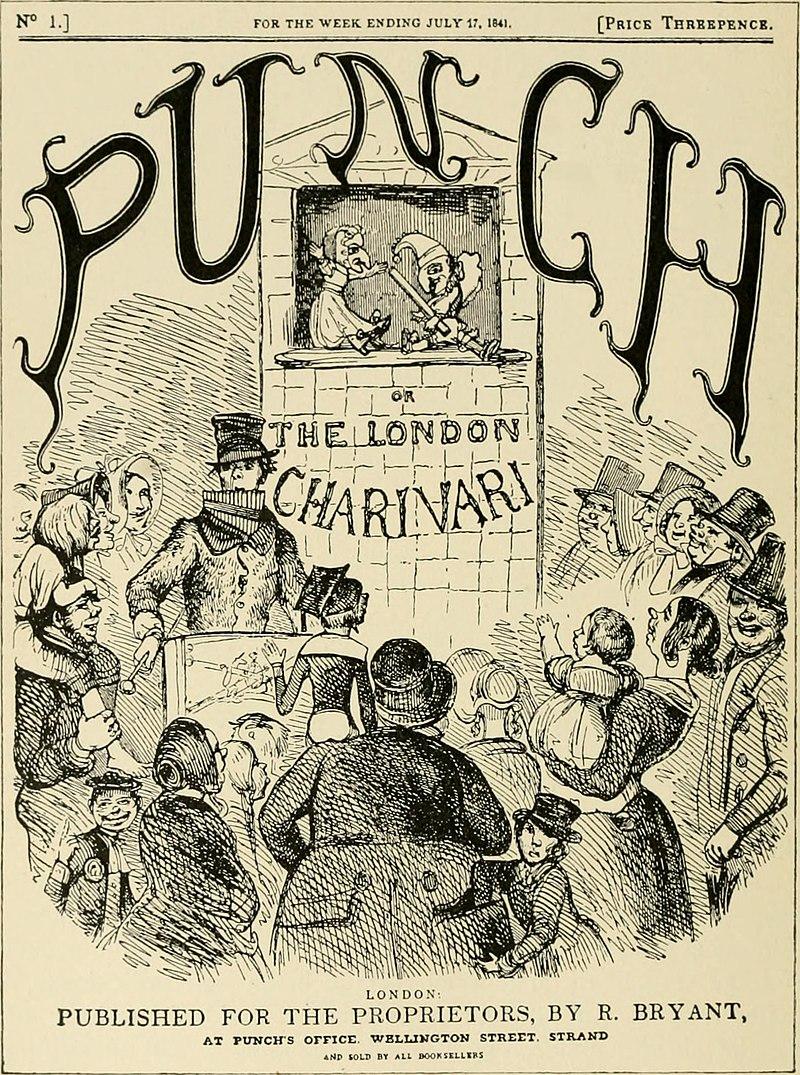
<p><a href="/tags/otd/" rel="tag">#OTD</a> in 1841.</p><p>Punch magazine, founded in London by Henry Mayhew and engraver Ebenezer Landells, is edited by Mayhew and Mark Lemon.</p><p>Historically, it was most influential in the 1840s and 1850s, when it helped to coin the term "cartoon" in its modern sense as a humorous illustration. Artists at Punch included John Tenniel who, from 1850, was the chief cartoon artist at the magazine for over 50 years. </p><p><a href="https://en.wikipedia.org/wiki/Punch_(magazine)" rel="nofollow" class="ellipsis" title="en.wikipedia.org/wiki/Punch_(magazine)"><span class="invisible">https://</span><span class="ellipsis">en.wikipedia.org/wiki/Punch_(m</span><span class="invisible">agazine)</span></a></p><p>Punch at PG:<br><a href="https://www.gutenberg.org/ebooks/search/?query=punch&submit_search=Go%21" rel="nofollow" class="ellipsis" title="www.gutenberg.org/ebooks/search/?query=punch&submit_search=Go%21"><span class="invisible">https://</span><span class="ellipsis">www.gutenberg.org/ebooks/searc</span><span class="invisible">h/?query=punch&submit_search=Go%21</span></a></p><p><a href="/tags/periodicals/" rel="tag">#periodicals</a> <a href="/tags/literature/" rel="tag">#literature</a></p>
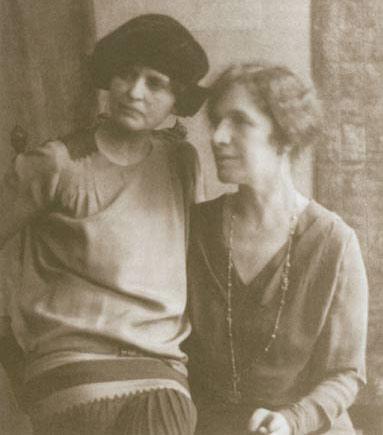
<p>"The dusk crept out across the fields wiping out the day's light."<br>Black April (1927)</p><p>American author Julia Peterkin died <a href="/tags/otd/" rel="tag">#OTD</a> in 1961.</p><p>In 1929 she won the Pulitzer Prize for Novel/Literature for her novel Scarlet Sister Mary. She wrote several novels about the plantation South, especially the Gullah people of the Lowcountry. She was one of the few white authors who wrote about the African-American experience.</p><p><a href="https://en.wikipedia.org/wiki/Julia_Peterkin" rel="nofollow" class="ellipsis" title="en.wikipedia.org/wiki/Julia_Peterkin"><span class="invisible">https://</span><span class="ellipsis">en.wikipedia.org/wiki/Julia_Pe</span><span class="invisible">terkin</span></a></p><p><a href="https://www.gutenberg.org/ebooks/72611" rel="nofollow"><span class="invisible">https://</span>www.gutenberg.org/ebooks/72611</a></p><p><a href="/tags/books/" rel="tag">#books</a> <a href="/tags/literature/" rel="tag">#literature</a></p>
Edited 1y ago
<p><a href="/tags/onthisday/" rel="tag">#OnThisDay</a>, 3 Nov 1992, voters in Illinois, USA, make Carol Moseley Braun the first African-American woman to be a US Senator. She takes up office in 1993. </p><p><a href="/tags/womeninhistory/" rel="tag">#WomenInHistory</a> <a href="/tags/otd/" rel="tag">#OTD</a> <a href="/tags/history/" rel="tag">#History</a> <a href="/tags/womenshistory/" rel="tag">#WomensHistory</a> <a href="/tags/americanhistory/" rel="tag">#AmericanHistory</a> <a href="/tags/histodons/" rel="tag">#Histodons</a></p>

Edited 155d ago
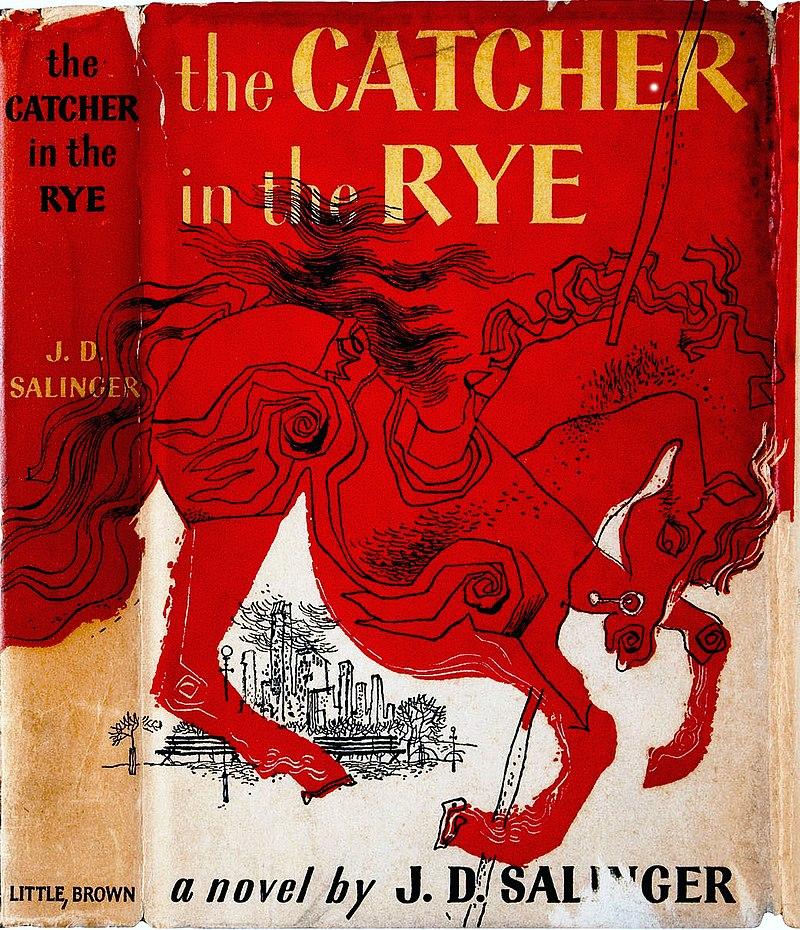
<p><a href="/tags/otd/" rel="tag">#OTD</a> in 1951.</p><p>J. D. Salinger publishes his popular yet controversial novel, The Catcher in the Rye.</p><p>Between 1961 and 1982, The Catcher in the Rye was the most censored book in high schools and libraries in the United States. According to the American Library Association, The Catcher in the Rye was the 10th most frequently challenged book from 1990 to 1999.</p><p><a href="https://en.wikipedia.org/wiki/The_Catcher_in_the_Rye" rel="nofollow" class="ellipsis" title="en.wikipedia.org/wiki/The_Catcher_in_the_Rye"><span class="invisible">https://</span><span class="ellipsis">en.wikipedia.org/wiki/The_Catc</span><span class="invisible">her_in_the_Rye</span></a></p><p><a href="/tags/books/" rel="tag">#books</a> <a href="/tags/literature/" rel="tag">#literature</a></p>
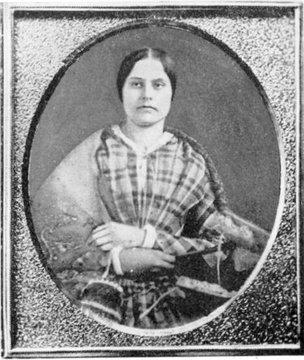
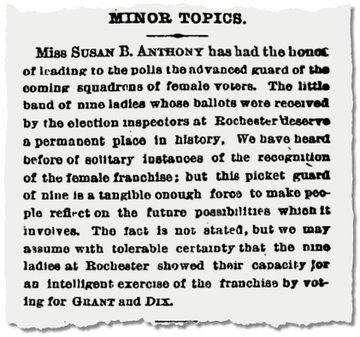
<p><a href="/tags/onthisday/" rel="tag">#OnThisDay</a>, 5 Nov 1872, suffragists Susan B Anthony and 13 other women illegally vote in the US Presidential election. </p><p>Anthony is subsequently arrested and put on trial. She is found guilty, but refuses to pay the fine. The judge decides not to jail her.</p><p>Nine of the voters were initially reported as a "minor topic".</p><p><a href="/tags/womeninhistory/" rel="tag">#WomenInHistory</a> <a href="/tags/otd/" rel="tag">#OTD</a> <a href="/tags/history/" rel="tag">#History</a> <a href="/tags/womenshistory/" rel="tag">#WomensHistory</a> <a href="/tags/americanhistory/" rel="tag">#AmericanHistory</a> <a href="/tags/histodons/" rel="tag">#Histodons</a> <a href="/tags/votesforwomen/" rel="tag">#VotesForWomen</a></p><p>1/2</p>
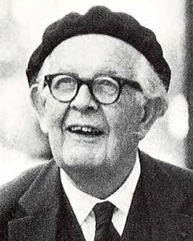
<p>"We know an object only by acting on it and transforming it."</p><p>Swiss psychologist Jean Piaget was born <a href="/tags/otd/" rel="tag">#OTD</a> in 1896.</p><p>He is known for his work in developmental psychology and epistemology through what he called genetic epistemology. His work sheds light on "intelligence", understood as a specific form of the adaptation of living organisms to their environment, on the evolutionary stages of intelligence in children, and on his theory of learning. </p><p><a href="https://en.wikipedia.org/wiki/Jean_Piaget" rel="nofollow" class="ellipsis" title="en.wikipedia.org/wiki/Jean_Piaget"><span class="invisible">https://</span><span class="ellipsis">en.wikipedia.org/wiki/Jean_Pia</span><span class="invisible">get</span></a></p><p><a href="/tags/books/" rel="tag">#books</a> <a href="/tags/psychology/" rel="tag">#psychology</a></p>
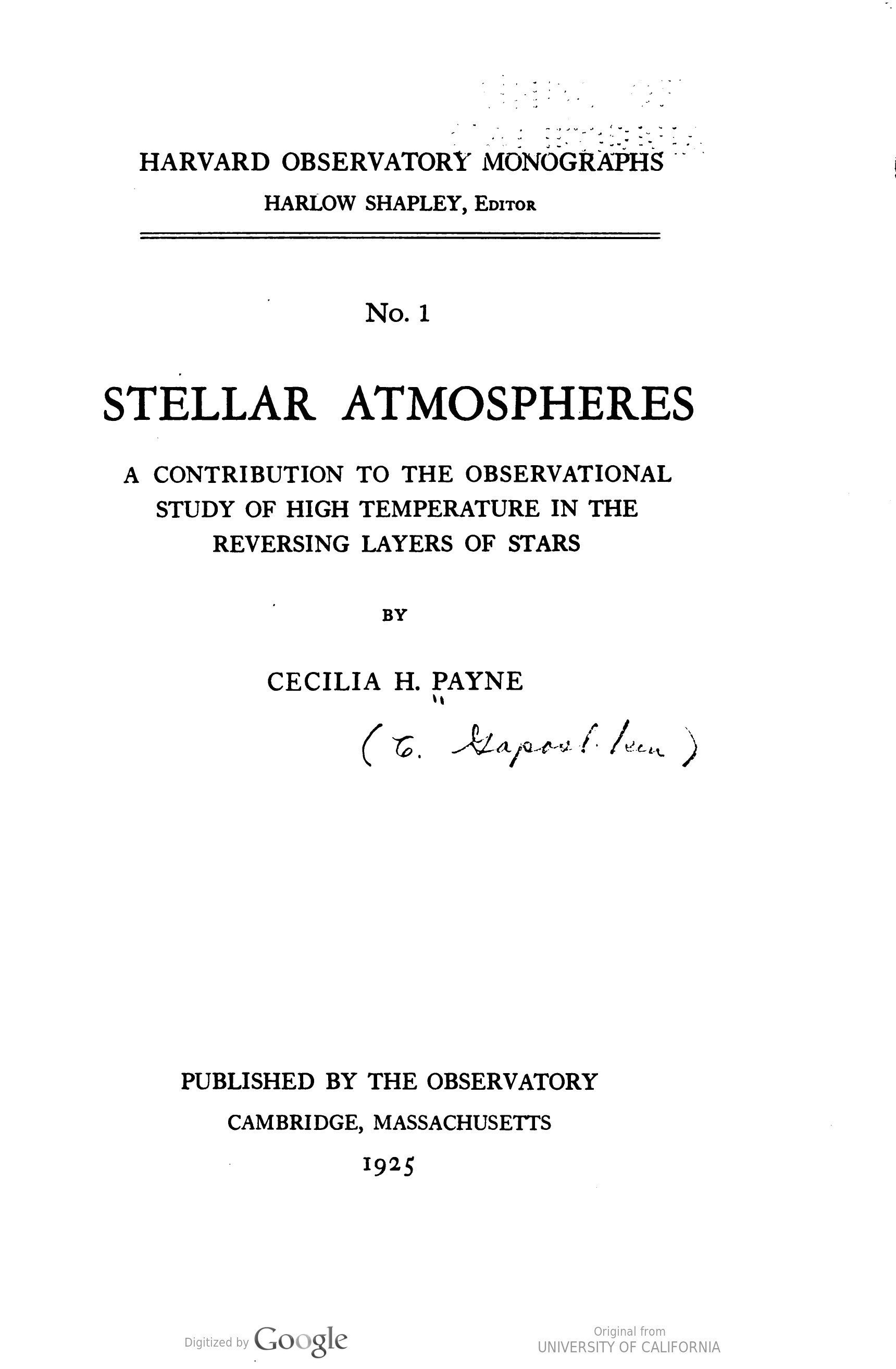
<p>British astronomer and astrophysicist Cecilia Payne-Gaposchkin was born <a href="/tags/otd/" rel="tag">#OTD</a> in 1900.</p><p>In 1925 she proposed that stars were composed primarily of hydrogen and helium. Her groundbreaking conclusion was initially rejected, because it contradicted the science of the time, which held that no significant elemental differences distinguished the Sun and Earth. Independent observations eventually proved that she was correct.</p><p>Cecilia Payne-Gaposchkin at PG:<br><a href="https://www.gutenberg.org/ebooks/73996" rel="nofollow"><span class="invisible">https://</span>www.gutenberg.org/ebooks/73996</a></p><p><a href="/tags/books/" rel="tag">#books</a> <a href="/tags/astrophysics/" rel="tag">#astrophysics</a></p>
![Photograph of Cecilia Payne-Gaposchkin (1900-1979) at Harvard College Observatory Local number: SIA Acc. 90-105 [SIA2009-1326]
Smithsonian Institution/Science Service, restored by Adam Cuerden - Air and Space Museum online gallery](/proxy/post_attachment/298778/ba1a8a460b.jpg "Photograph of Cecilia Payne-Gaposchkin (1900-1979) at Harvard College Observatory Local number: SIA Acc. 90-105 [SIA2009-1326]
Smithsonian Institution/Science Service, restored by Adam Cuerden - Air and Space Museum online gallery")
Edited 1y ago
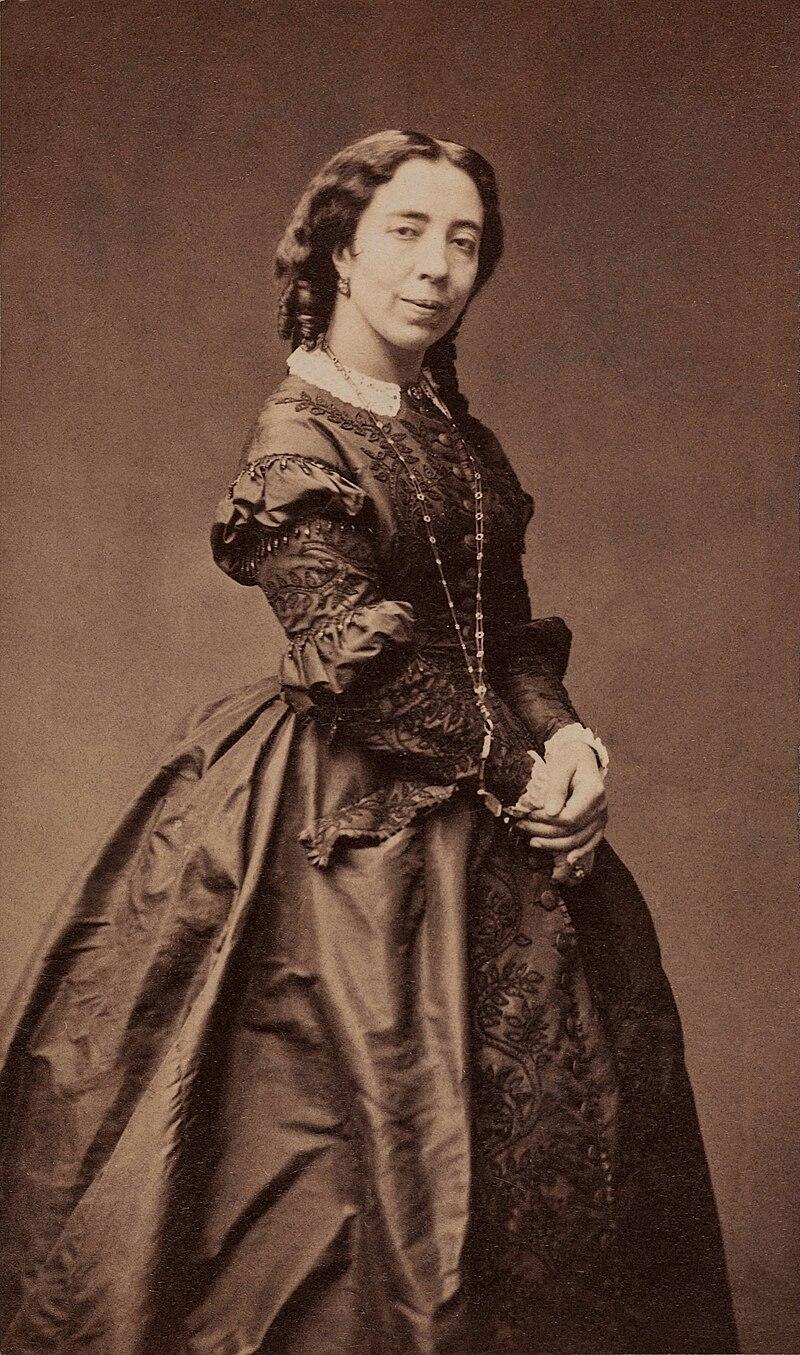
<p>French dramatic mezzo-soprano, composer and pianist Pauline Viardot was born <a href="/tags/otd/" rel="tag">#OTD</a> in 1821.</p><p>Viardot made her operatic debut in 1839 in London. She performed in a wide range of operas, including works by Rossini, Bellini, Donizetti, and Meyerbeer. Viardot was a muse and collaborator to many composers and writers, including Ivan Turgenev. She was influential in the music community, promoting works by young composers such as Johannes Brahms and Gabriel Fauré.</p><p><a href="https://en.wikipedia.org/wiki/Pauline_Viardot" rel="nofollow" class="ellipsis" title="en.wikipedia.org/wiki/Pauline_Viardot"><span class="invisible">https://</span><span class="ellipsis">en.wikipedia.org/wiki/Pauline_</span><span class="invisible">Viardot</span></a></p><p><a href="/tags/art/" rel="tag">#art</a> <a href="/tags/music/" rel="tag">#music</a></p>
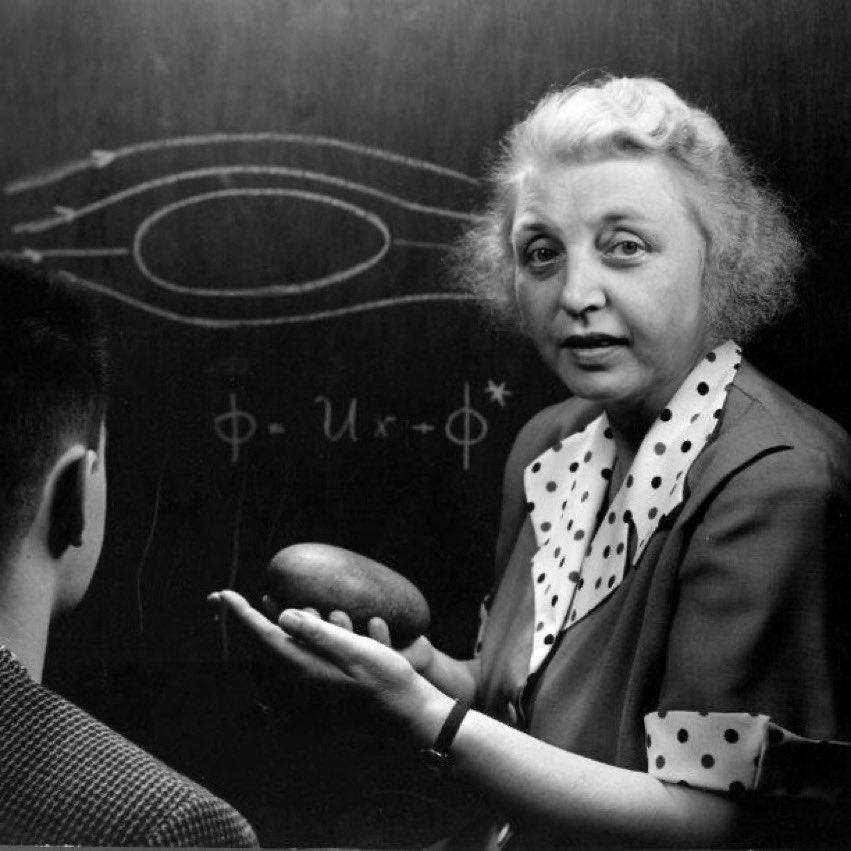
<p>Aerodynamics engineer and mathematician Irmgard Flügge-Lotz was born <a href="/tags/otd/" rel="tag">#OTD</a> in 1903. </p><p>She advanced the understanding of aerodynamic pressure on wings and turbine blades, pioneered the theory of discontinuous control systems, and was the first woman named full professor of engineering at Stanford.</p>
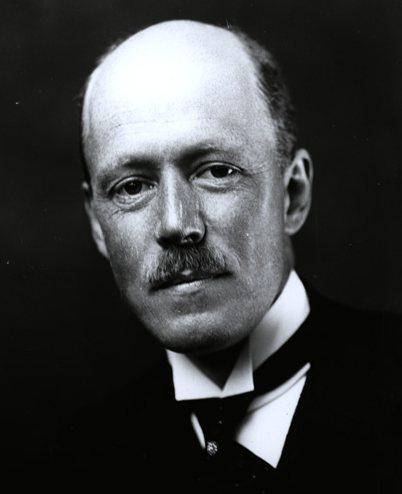
<p>English civil servant and author E.R. Eddison died <a href="/tags/otd/" rel="tag">#OTD</a> in 1945.</p><p>He is best known for The Worm Ouroboros (1922) and for the Zimiamvian Trilogy set in the imaginary world Zimiamvia. The Worm of Ouroboros shaped the landscape of contemporary science fiction and fantasy. When The Lord of the Rings first appeared, the critics inevitably compared it to this landmark work. Tolkien himself frankly acknowledged its influence, with warm praise for its imaginative appeal.</p><p><a href="https://en.wikipedia.org/wiki/E._R._Eddison" rel="nofollow" class="ellipsis" title="en.wikipedia.org/wiki/E._R._Eddison"><span class="invisible">https://</span><span class="ellipsis">en.wikipedia.org/wiki/E._R._Ed</span><span class="invisible">dison</span></a></p><p><a href="/tags/books/" rel="tag">#books</a></p>
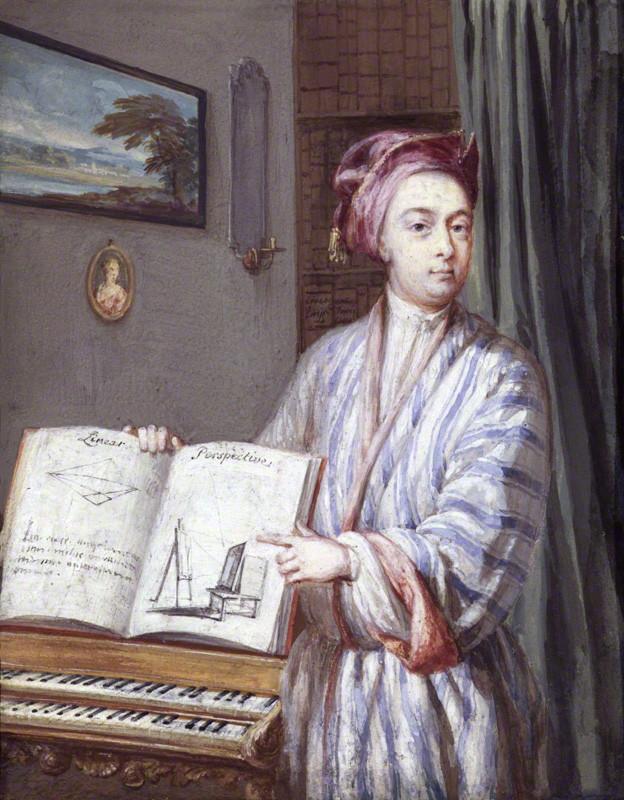
<p>English mathematician and barrister Brook Taylor was born <a href="/tags/otd/" rel="tag">#OTD</a> in 1685.</p><p>He is best known for his foundational work in calculus, particularly the Taylor series, which is an expansion of functions into infinite sums of derivatives. His work on the Taylor series, first published in 1715 in his book Methodus Incrementorum Directa et Inversa, revolutionized mathematical analysis and laid the groundwork for future developments in calculus.</p><p><a href="https://en.wikipedia.org/wiki/Brook_Taylor" rel="nofollow" class="ellipsis" title="en.wikipedia.org/wiki/Brook_Taylor"><span class="invisible">https://</span><span class="ellipsis">en.wikipedia.org/wiki/Brook_Ta</span><span class="invisible">ylor</span></a></p><p><a href="/tags/mathematics/" rel="tag">#mathematics</a></p>

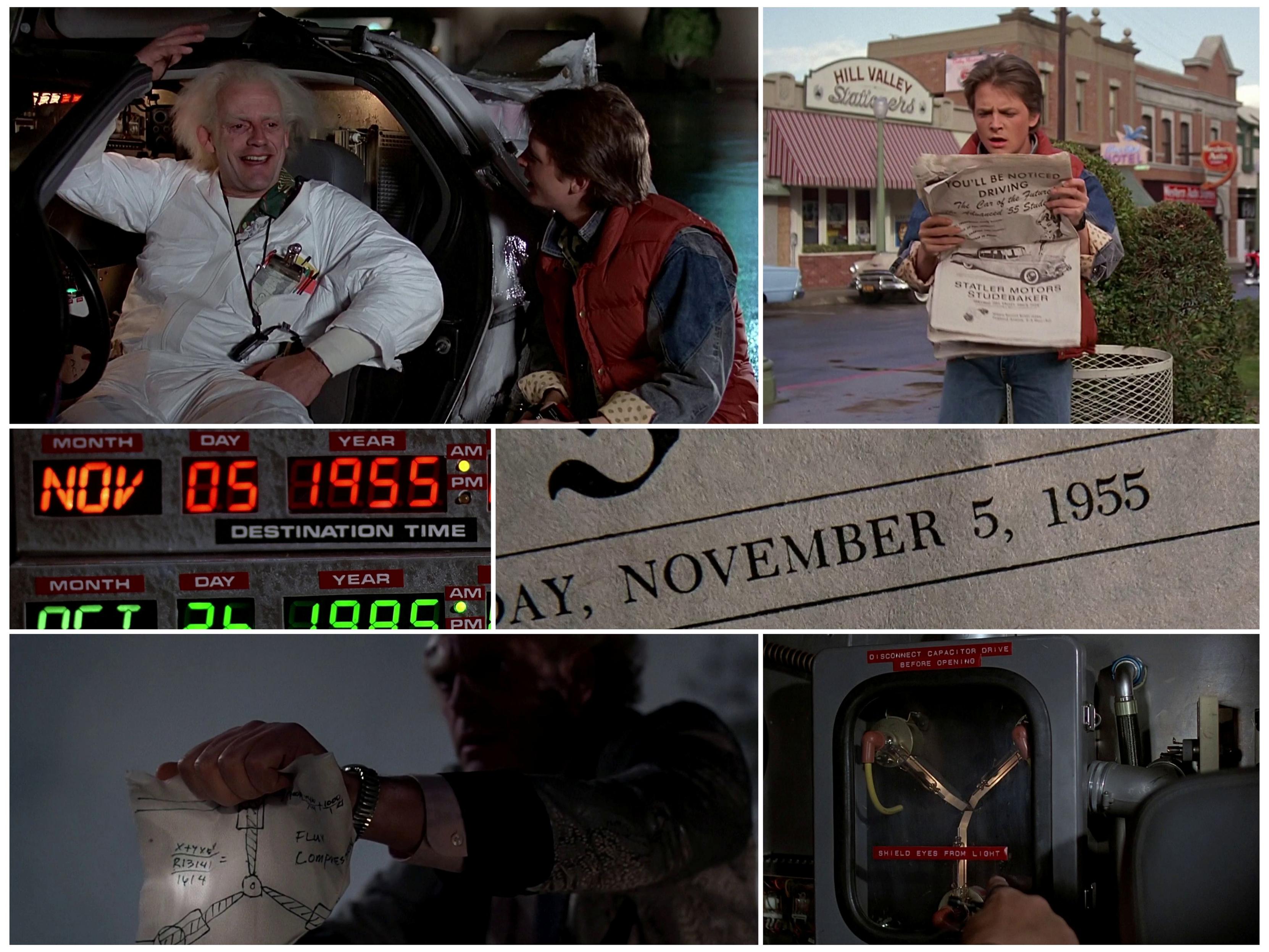
<p>70 years ago, on November 5, 1955, Doc Brown accidentally invents time travel by slipping, hitting his head on the sink, and getting a vision for the flux capacitor.</p><p><a href="/tags/otd/" rel="tag">#OTD</a> <a href="/tags/backtothefuture/" rel="tag">#BackToTheFuture</a> <a href="/tags/movies/" rel="tag">#Movies</a> <a href="/tags/cinemastodon/" rel="tag">#CineMastodon</a> <a href="/tags/filmmastodon/" rel="tag">#FilmMastodon</a> <a href="/tags/80s/" rel="tag">#80s</a> <a href="/tags/onthisday/" rel="tag">#OnThisDay</a> <a href="/tags/bttf/" rel="tag">#BTTF</a> <a href="/tags/entertainment/" rel="tag">#Entertainment</a> <a href="/tags/popculture/" rel="tag">#PopCulture</a></p>
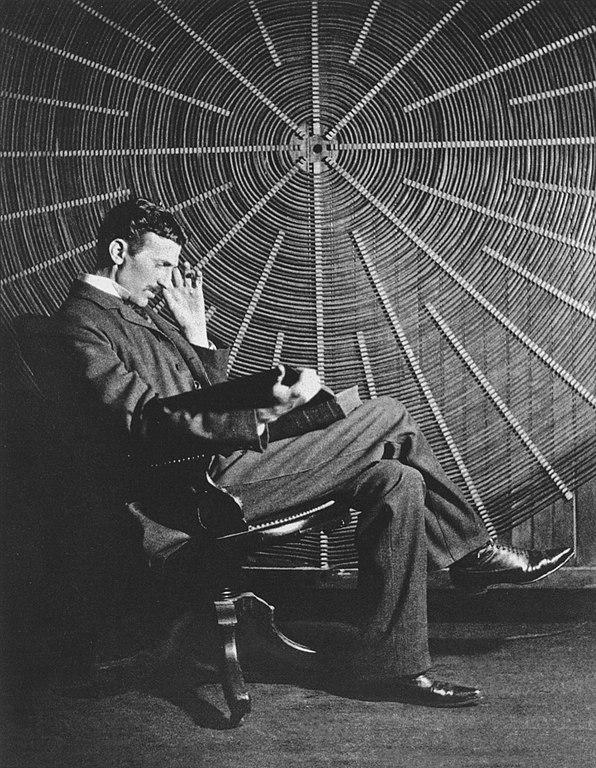
<p>Serbian inventor, electrical engineer, mechanical engineer, and futurist Nikola Tesla was born <a href="/tags/otd/" rel="tag">#OTD</a> in 1856.</p><p>Some of Tesla´s inventions and innovations: alternating Current (AC) system; induction motor; Tesla coil; wireless transmission of electricity; radio technology; remote control; neon and fluorescent lighting; X-Ray technology; Tesla turbine; oscillators and frequency generators.</p><p><a href="https://en.wikipedia.org/wiki/Nikola_Tesla" rel="nofollow" class="ellipsis" title="en.wikipedia.org/wiki/Nikola_Tesla"><span class="invisible">https://</span><span class="ellipsis">en.wikipedia.org/wiki/Nikola_T</span><span class="invisible">esla</span></a></p><p>Books by Nikola Tesla at PG:<br><a href="https://www.gutenberg.org/ebooks/author/5067" rel="nofollow" class="ellipsis" title="www.gutenberg.org/ebooks/author/5067"><span class="invisible">https://</span><span class="ellipsis">www.gutenberg.org/ebooks/autho</span><span class="invisible">r/5067</span></a></p><p><a href="/tags/books/" rel="tag">#books</a> <a href="/tags/science/" rel="tag">#science</a> <a href="/tags/technology/" rel="tag">#technology</a></p>
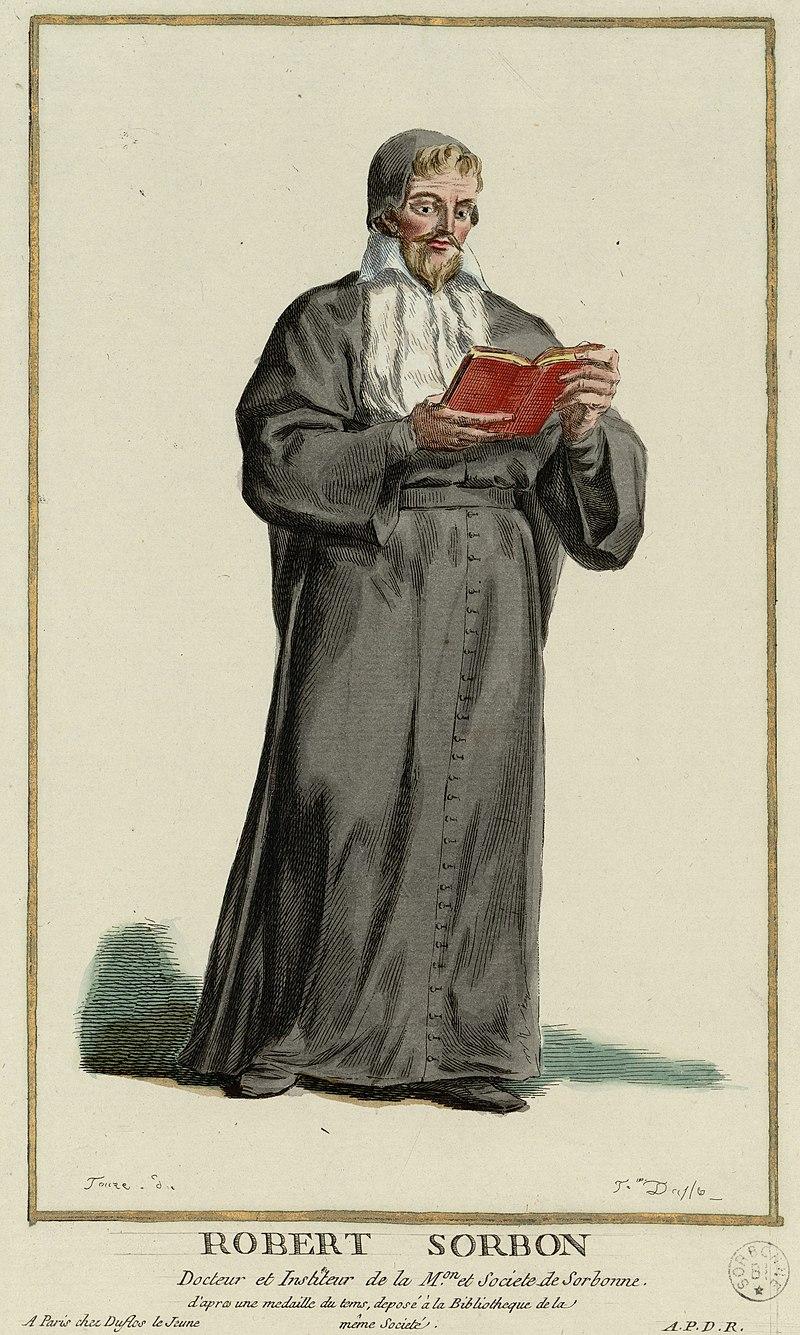
<p>French theologian and founder of the Sorbonne college in Paris Robert de Sorbon died <a href="/tags/otd/" rel="tag">#OTD</a> in 1274.</p><p>He was the founder of the Sorbonne, an institution set up to enable secular theology students to study without material hardship. In a deed dated October 21, 1250, Queen Blanche, ceded a house for the residence of poor schoolchildren and the adjoining stables of Pierre Pique-l'Ane, located in rue Coupe-Gueule, in front of the Palais des Thermes.</p><p><a href="https://fr.wikipedia.org/wiki/Robert_de_Sorbon" rel="nofollow" class="ellipsis" title="fr.wikipedia.org/wiki/Robert_de_Sorbon"><span class="invisible">https://</span><span class="ellipsis">fr.wikipedia.org/wiki/Robert_d</span><span class="invisible">e_Sorbon</span></a></p><p><a href="/tags/universities/" rel="tag">#universities</a></p>
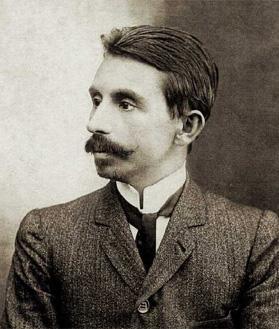
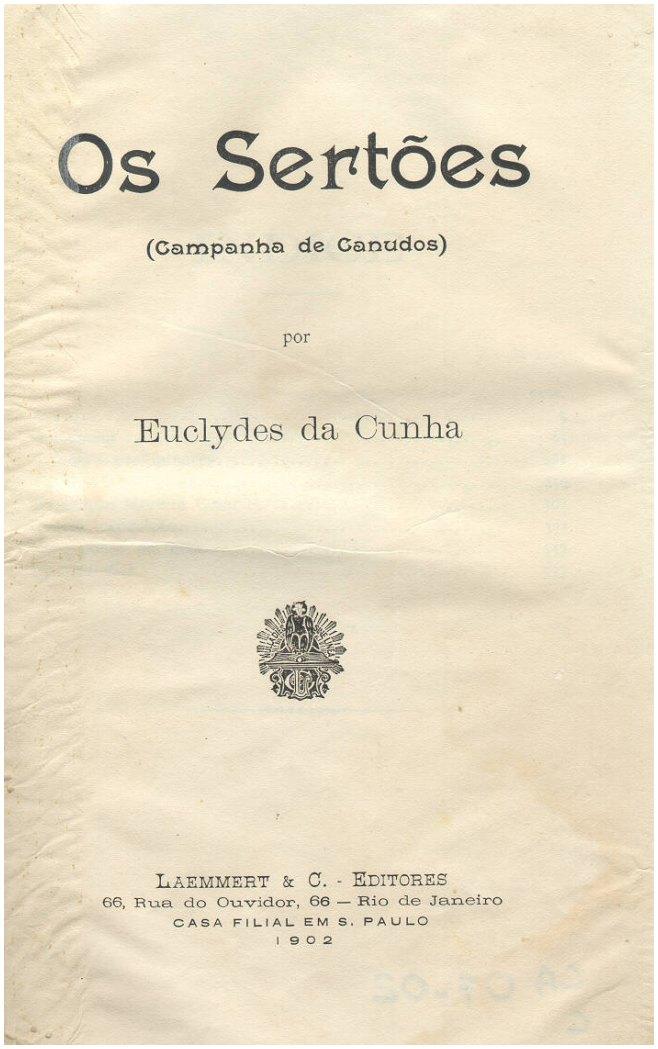
<p>“It's not the barbarian who threatens us, it's civilization that frightens us.”</p><p>Brazilian sociologist and journalist Euclides da Cunha died <a href="/tags/otd/" rel="tag">#OTD</a> in 1909.</p><p>His most important work is Os Sertões (Rebellion in the Backlands), a non-fictional account of the military expeditions promoted by the Brazilian government against the rebellious village of Canudos, known as the War of Canudos.</p><p><a href="https://en.wikipedia.org/wiki/Euclides_da_Cunha" rel="nofollow" class="ellipsis" title="en.wikipedia.org/wiki/Euclides_da_Cunha"><span class="invisible">https://</span><span class="ellipsis">en.wikipedia.org/wiki/Euclides</span><span class="invisible">_da_Cunha</span></a></p><p><a href="/tags/books/" rel="tag">#books</a> <a href="/tags/literature/" rel="tag">#literature</a></p>
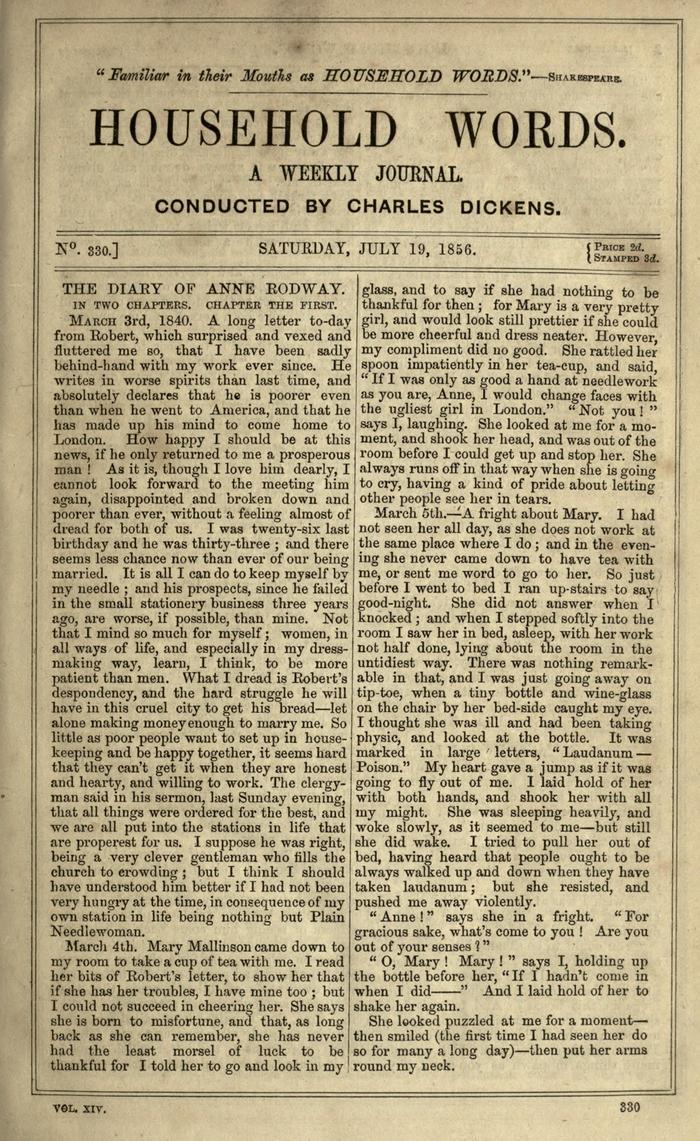
<p><a href="/tags/otd/" rel="tag">#OTD</a> in 1856.</p><p>Wilkie Collins' "Anne Rodway", a story in diary form about a needlewoman and her fiancé investigating the murder of a friend, appears in Household Words (first chapter), as the first English story to feature a woman as the main detective character.</p><p>The story is set in mid-19th century London, depicting the harsh realities of life for the working poor.</p><p><a href="https://djo.org.uk/household-words/volume-xiv/page-1.html" rel="nofollow" class="ellipsis" title="djo.org.uk/household-words/volume-xiv/page-1.html"><span class="invisible">https://</span><span class="ellipsis">djo.org.uk/household-words/vol</span><span class="invisible">ume-xiv/page-1.html</span></a></p><p><a href="/tags/books/" rel="tag">#books</a> <a href="/tags/literature/" rel="tag">#literature</a></p>
Edited 1y ago
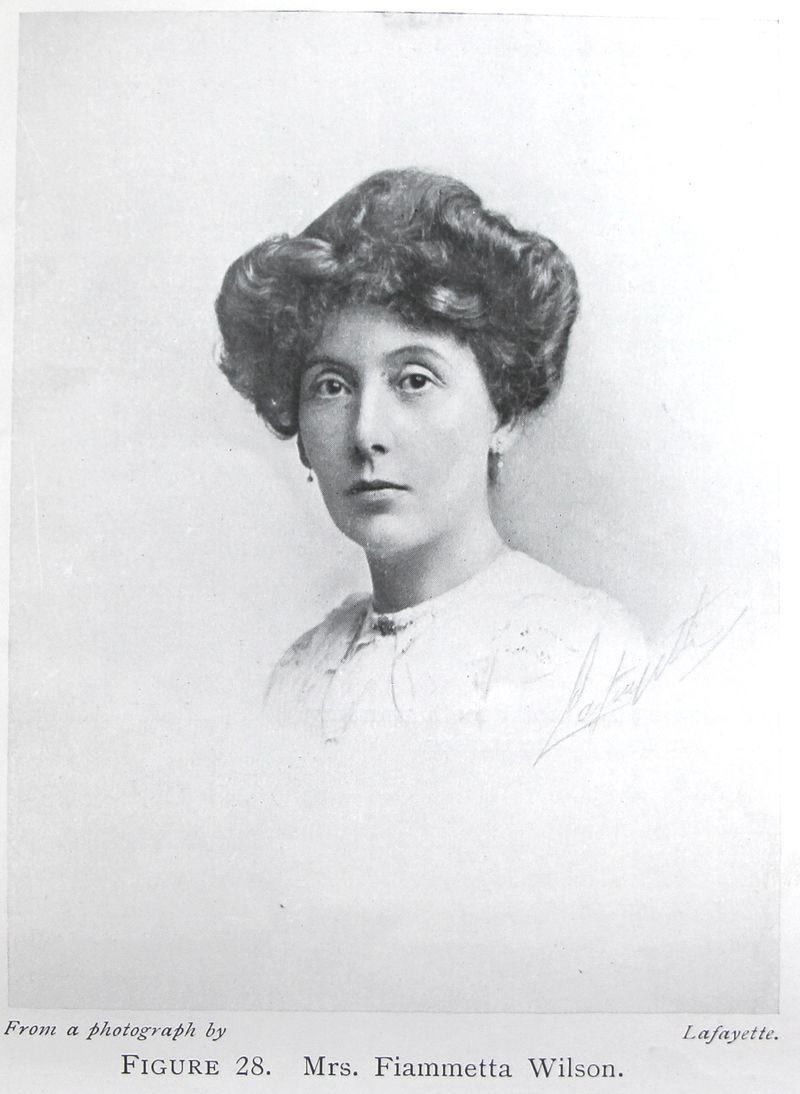
<p>Bristish astronomer Fiammetta Wilson was born <a href="/tags/otd/" rel="tag">#OTD</a> in 1864.</p><p>Wilson is best known for her work as an amateur astronomer focusing on meteor observation. She meticulously recorded and analyzed meteor showers, contributing valuable data to the field. She became one of the first women to be elected as a Fellow of the Royal Astronomical Society in 1916. Between the years 1910-20, she observed about 10,000 meteors and accurately calculated the paths of 650 of them.</p><p><a href="https://en.wikipedia.org/wiki/Fiammetta_Wilson" rel="nofollow" class="ellipsis" title="en.wikipedia.org/wiki/Fiammetta_Wilson"><span class="invisible">https://</span><span class="ellipsis">en.wikipedia.org/wiki/Fiammett</span><span class="invisible">a_Wilson</span></a></p><p><a href="/tags/astronomy/" rel="tag">#astronomy</a></p>
<p>Agnes Meyer Driscoll, known as "Miss Aggie" or "Madame X'", was born <a href="/tags/otd/" rel="tag">#OTD</a> in 1889.</p><p>She was an American cryptanalyst during both World War I and World War II and was known as "the first lady of naval cryptology." Driscoll played a key role in breaking the Red Book code, a Japanese naval code, in the 1920s. She worked on machine ciphers & contributed to the development of new cryptographic techniques and devices.</p><p><a href="https://en.wikipedia.org/wiki/Agnes_Meyer_Driscoll" rel="nofollow" class="ellipsis" title="en.wikipedia.org/wiki/Agnes_Meyer_Driscoll"><span class="invisible">https://</span><span class="ellipsis">en.wikipedia.org/wiki/Agnes_Me</span><span class="invisible">yer_Driscoll</span></a></p><p><a href="/tags/science/" rel="tag">#science</a> <a href="/tags/cryptology/" rel="tag">#cryptology</a> <a href="/tags/intelligenceanalysis/" rel="tag">#intelligenceanalysis</a> <a href="/tags/womeninscience/" rel="tag">#womeninscience</a></p>
<p><a href="/tags/otd/" rel="tag">#OTD</a> in 1801.</p><p>French astronomer Jean-Louis Pons makes his first comet discovery, jointly attributed to Charles Messier. In the next 27 years he discovers another 36 comets, more than any other person in history.</p><p>He appears to have used telescopes and lenses of his own design; his "Grand Chercheur" ("Great Seeker") seems to have been an instrument with large aperture and short focal length, similar to a "comet seeker".</p><p><a href="https://en.wikipedia.org/wiki/Jean-Louis_Pons" rel="nofollow" class="ellipsis" title="en.wikipedia.org/wiki/Jean-Louis_Pons"><span class="invisible">https://</span><span class="ellipsis">en.wikipedia.org/wiki/Jean-Lou</span><span class="invisible">is_Pons</span></a></p><p><a href="/tags/science/" rel="tag">#science</a> <a href="/tags/astronomy/" rel="tag">#astronomy</a> <a href="/tags/comet/" rel="tag">#comet</a></p>