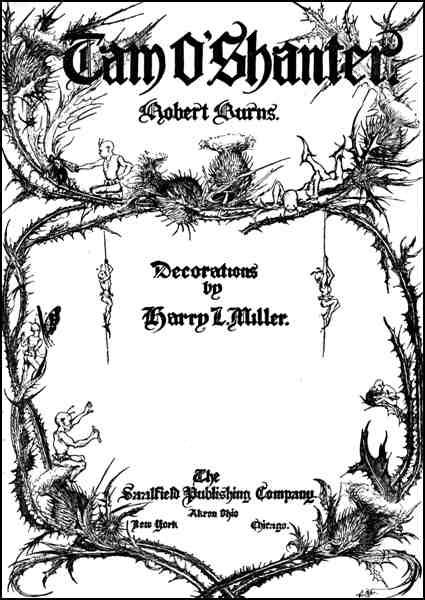
<p>Today is Burns' birthday, let's celebrate! </p><p>'There's no other poem like it': Why this Robert Burns classic is a masterpiece</p><p>Tam O'Shanter is a rip-roaring tale of witches and alcohol, but it has hidden depths. On Burns Night this Sunday – and 235 years after the poem was published in 1791 – Scots everywhere may well be treated to a masterwork with a unique, universal appeal.</p><p>By Nicholas Barber</p><p><a href="https://www.bbc.co.uk/culture/article/20260122-why-this-robert-burns-poem-is-a-masterpiece" rel="nofollow" class="ellipsis" title="www.bbc.co.uk/culture/article/20260122-why-this-robert-burns-poem-is-a-masterpiece"><span class="invisible">https://</span><span class="ellipsis">www.bbc.co.uk/culture/article/</span><span class="invisible">20260122-why-this-robert-burns-poem-is-a-masterpiece</span></a></p><p>Tam O'Shanter at PG:<br><a href="https://www.gutenberg.org/ebooks/25733" rel="nofollow"><span class="invisible">https://</span>www.gutenberg.org/ebooks/25733</a></p><p><a href="/tags/books/" rel="tag">#books</a> <a href="/tags/literature/" rel="tag">#literature</a> <a href="/tags/poetry/" rel="tag">#poetry</a></p>
literature
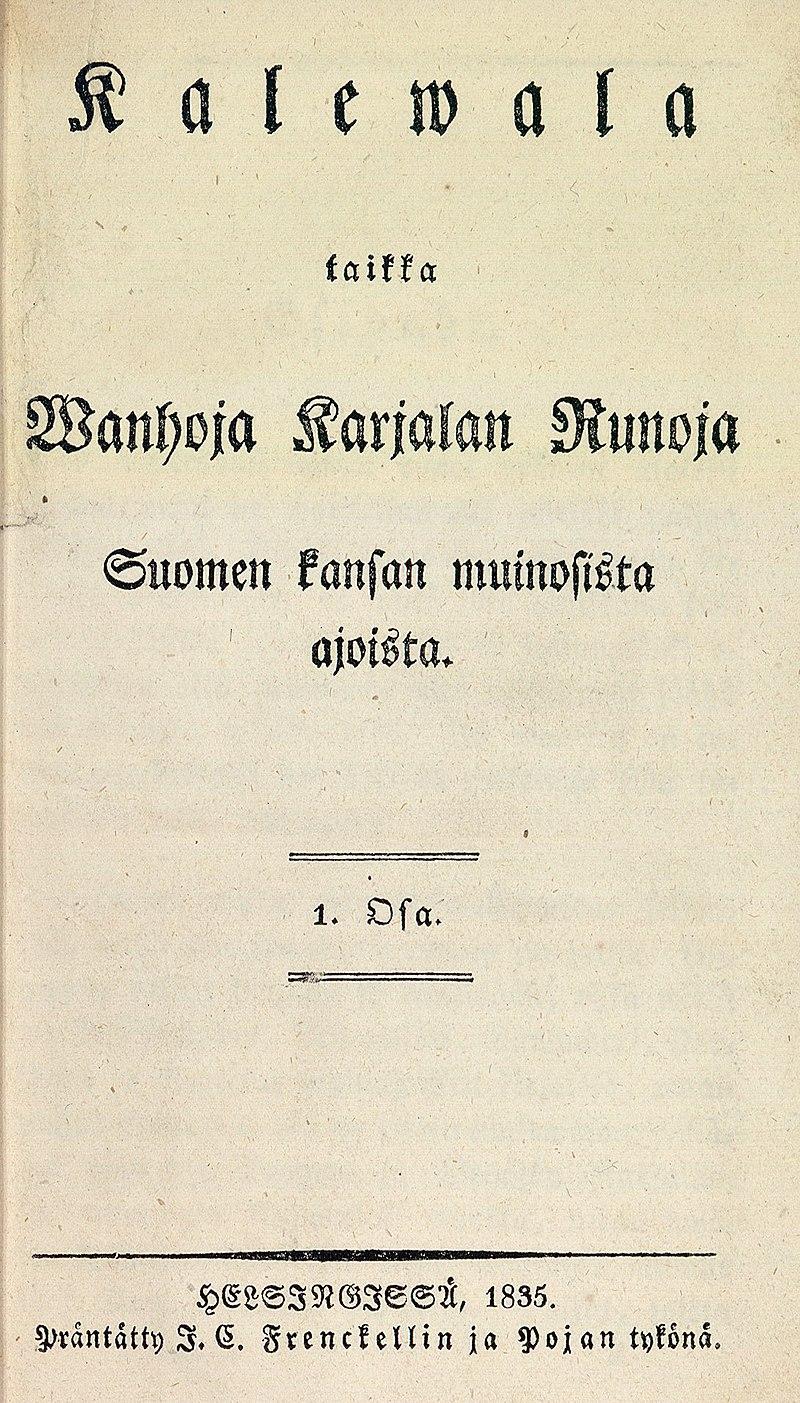
<p>"Thus the wise and worthy singer<br>Sings not all his garnered wisdom;<br>Better leave unsung some sayings<br>Than to sing them out of season."<br>Epilogue, line 20</p><p><a href="/tags/otd/" rel="tag">#OTD</a> in 1835.</p><p>The Finnish language epic poetry Kalevala, compiled by Elias Lönnrot from oral sources, is first published in the Grand Duchy of Finland, becoming influential in the Fennoman movement.</p><p><a href="https://en.wikipedia.org/wiki/Kalevala" rel="nofollow"><span class="invisible">https://</span>en.wikipedia.org/wiki/Kalevala</a></p><p>Kalevala at PG:<br><a href="https://gutenberg.org/ebooks/5186" rel="nofollow"><span class="invisible">https://</span>gutenberg.org/ebooks/5186</a></p><p><a href="/tags/books/" rel="tag">#books</a> <a href="/tags/literature/" rel="tag">#literature</a> <a href="/tags/poetry/" rel="tag">#poetry</a></p>

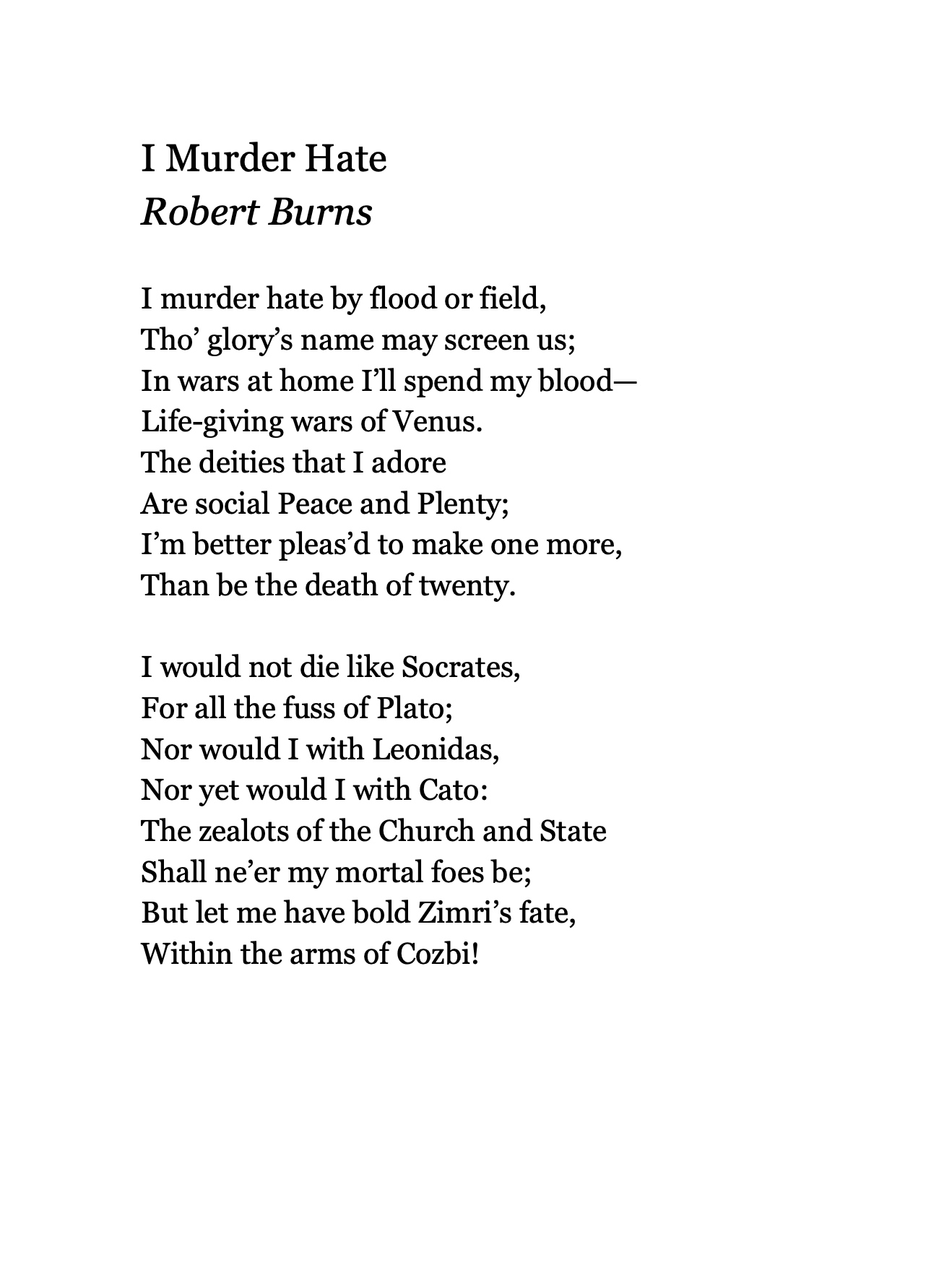
<p>I murder hate by flood or field, <br>Tho’ glory's name may screen us; <br>In wars at home I’ll spend my blood—<br>Life-giving wars of Venus.<br>The deities that I adore<br>Are social Peace and Plenty;<br>I’m better pleas’d to make one more,<br>Than be the death of twenty…<br> <br>—Robert Burns, “I Murder Hate”</p><p><a href="/tags/scottish/" rel="tag">#Scottish</a> <a href="/tags/literature/" rel="tag">#literature</a> <a href="/tags/robertburns/" rel="tag">#RobertBurns</a> <a href="/tags/burnsnight/" rel="tag">#BurnsNight</a> <a href="/tags/poetry/" rel="tag">#poetry</a> <a href="/tags/romanticism/" rel="tag">#romanticism</a> <a href="/tags/18thcentury/" rel="tag">#18thcentury</a></p>
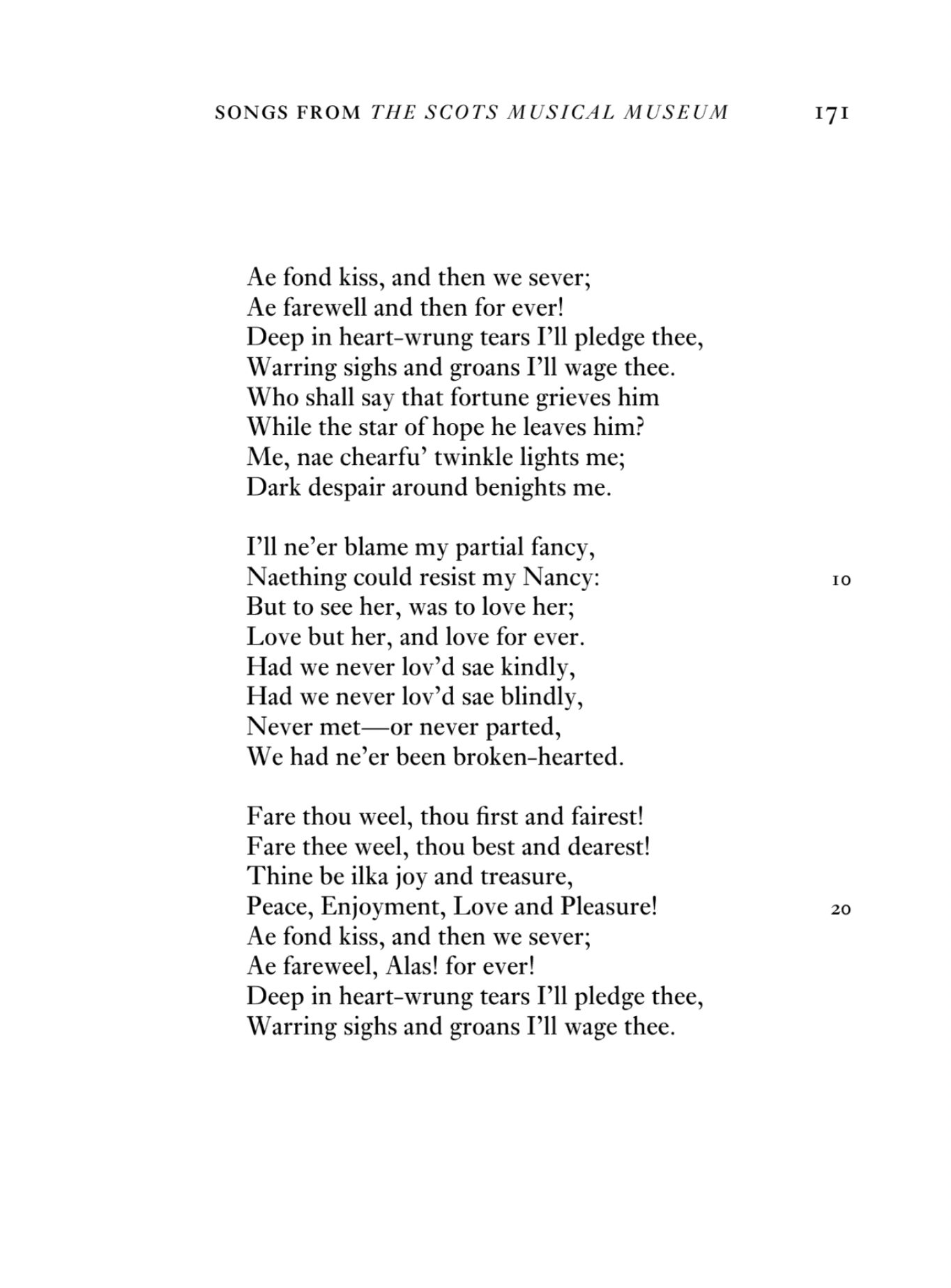
<p>Ae fond kiss, and then we sever;<br>Ae fareweel, and then forever!<br>Deep in heart-wrung tears I’ll pledge thee,<br>Warring sighs and groans I’ll wage thee…</p><p>—Robert Burns<br>published in SELECTED POEMS & SONGS (OUP, 2013)</p><p><a href="https://global.oup.com/academic/product/selected-poems-and-songs-9780199682324" rel="nofollow" class="ellipsis" title="global.oup.com/academic/product/selected-poems-and-songs-9780199682324"><span class="invisible">https://</span><span class="ellipsis">global.oup.com/academic/produc</span><span class="invisible">t/selected-poems-and-songs-9780199682324</span></a></p><p><a href="/tags/scottish/" rel="tag">#Scottish</a> <a href="/tags/literature/" rel="tag">#literature</a> <a href="/tags/robertburns/" rel="tag">#RobertBurns</a> <a href="/tags/burnsnight/" rel="tag">#BurnsNight</a> <a href="/tags/poetry/" rel="tag">#poetry</a> <a href="/tags/romanticism/" rel="tag">#romanticism</a> <a href="/tags/18thcentury/" rel="tag">#18thcentury</a> <a href="/tags/song/" rel="tag">#song</a> <a href="/tags/folksong/" rel="tag">#folksong</a> <a href="/tags/lovesong/" rel="tag">#lovesong</a></p>
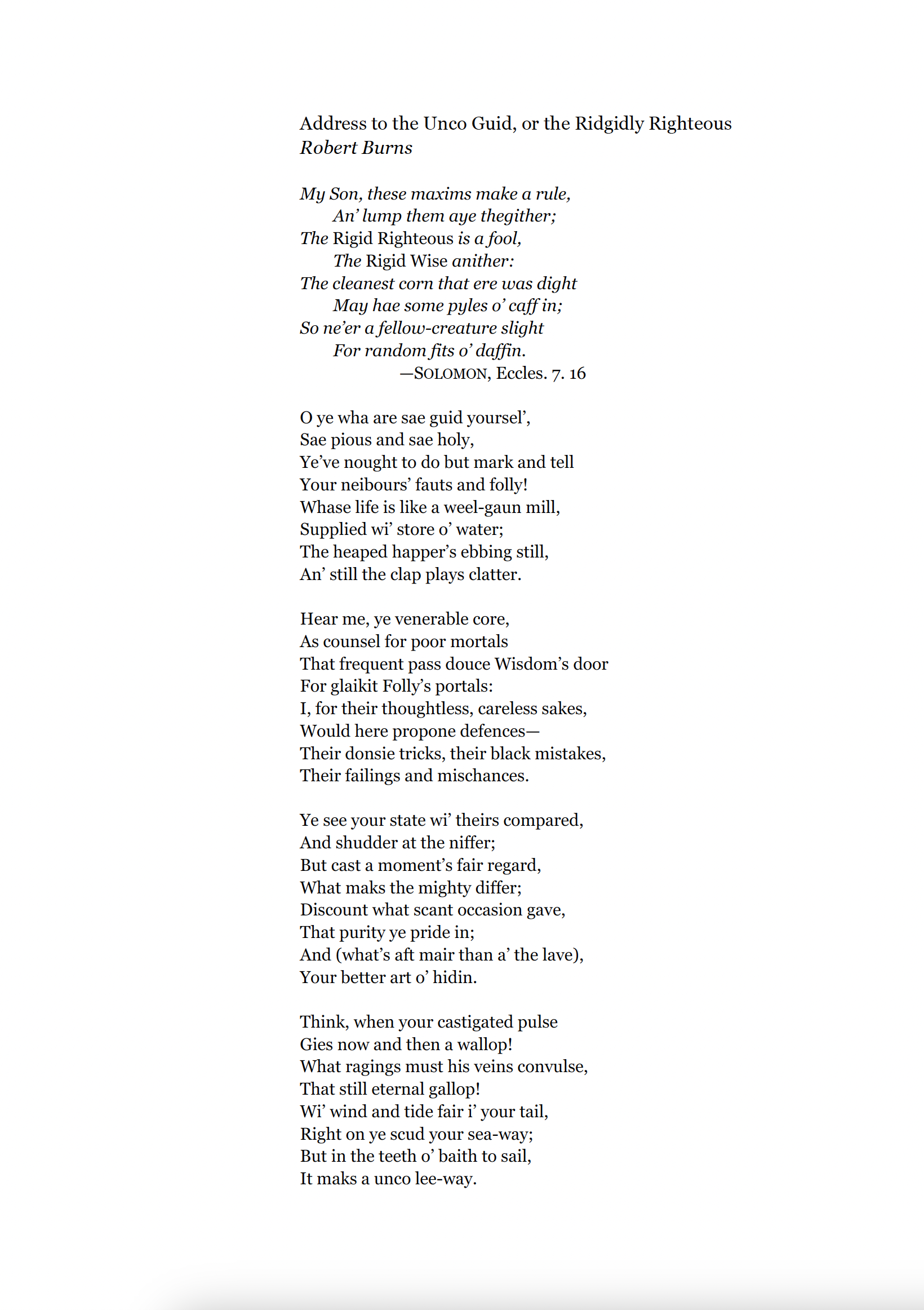
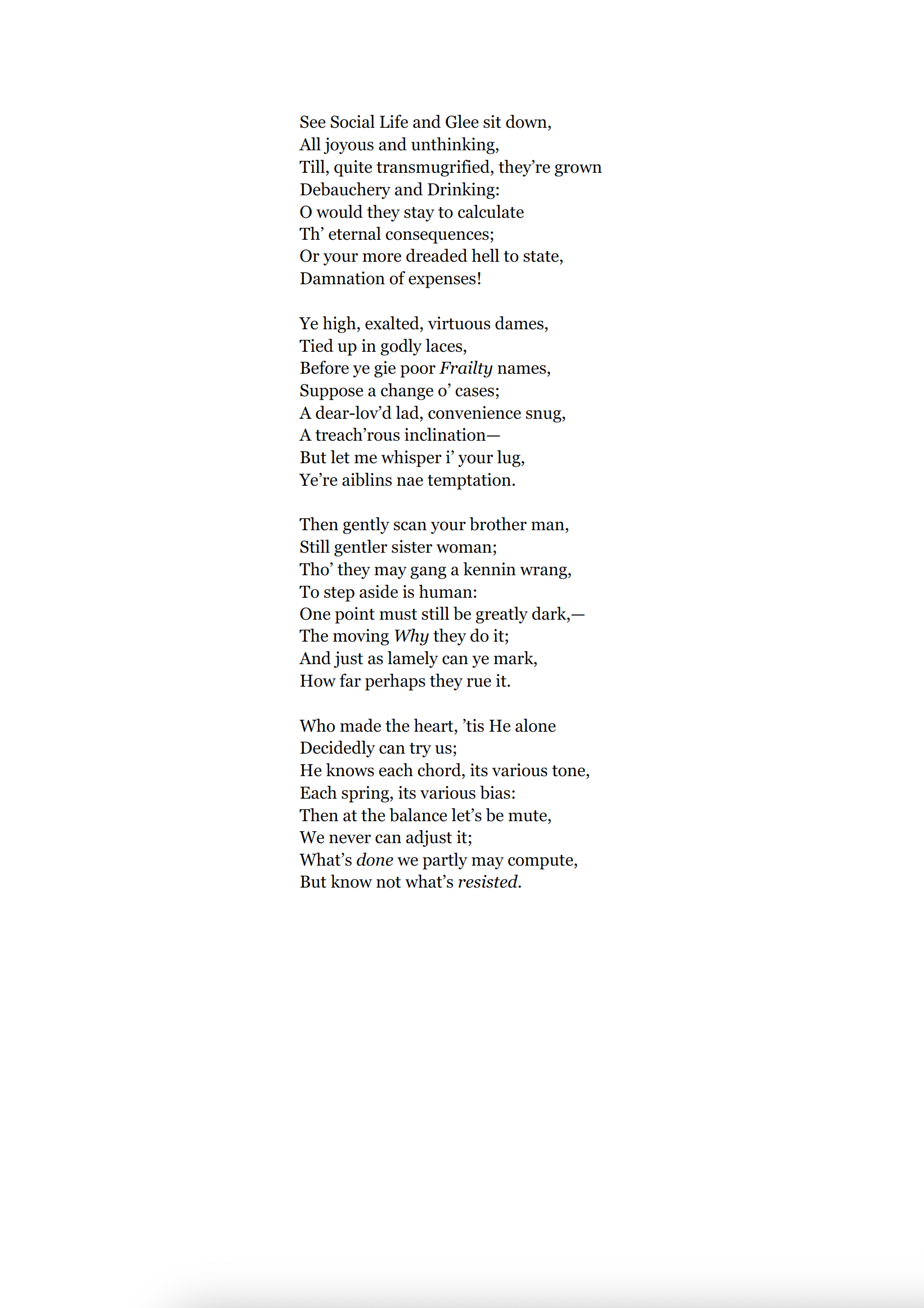
<p>My Son, these maxims make a rule,<br>An’ lump them aye thegither; <br>The Rigid Righteous is a fool,<br>The Rigid Wise anither…</p><p>—Robert Burns, “Address to the Unco Guid, or the Ridgidly Righteous”</p><p><a href="/tags/scottish/" rel="tag">#Scottish</a> <a href="/tags/literature/" rel="tag">#literature</a> <a href="/tags/robertburns/" rel="tag">#RobertBurns</a> <a href="/tags/burnsnight/" rel="tag">#BurnsNight</a> <a href="/tags/poem/" rel="tag">#poem</a> <a href="/tags/poetry/" rel="tag">#poetry</a> <a href="/tags/18thcentury/" rel="tag">#18thcentury</a> <a href="/tags/humour/" rel="tag">#humour</a></p>
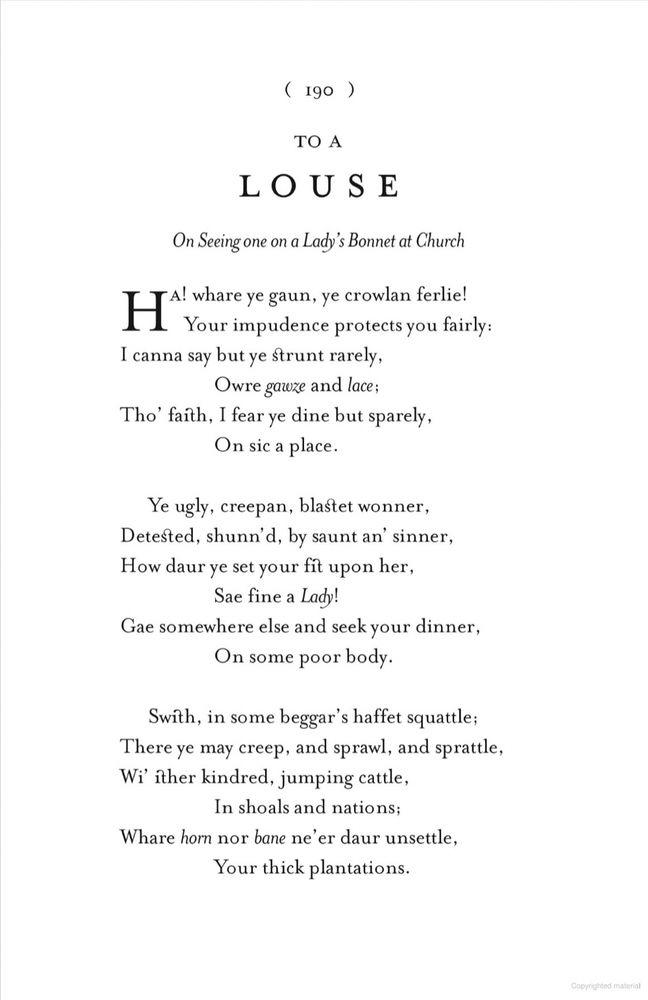
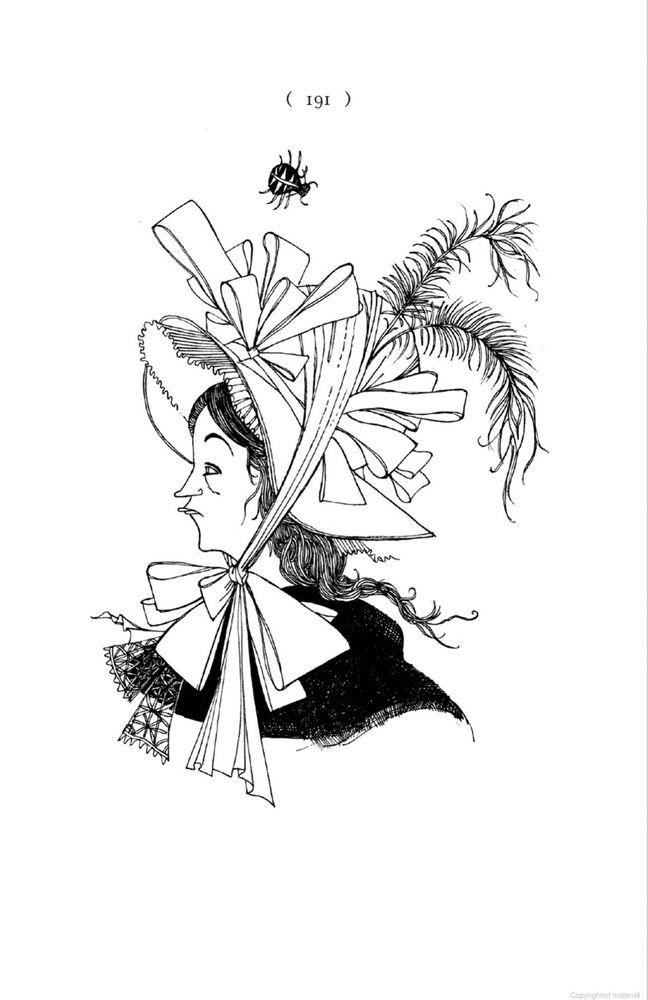
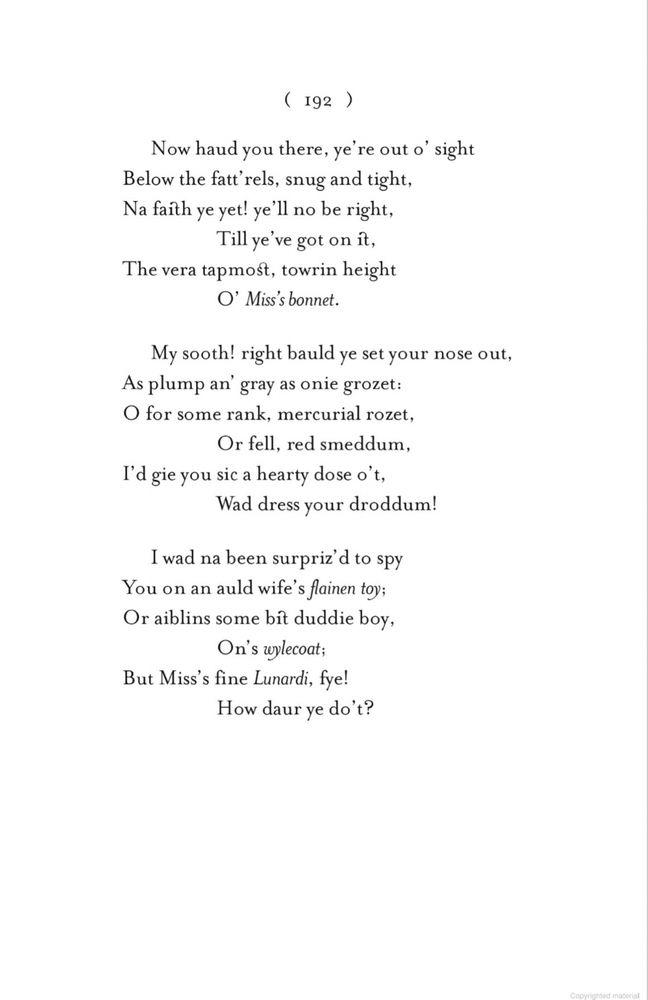
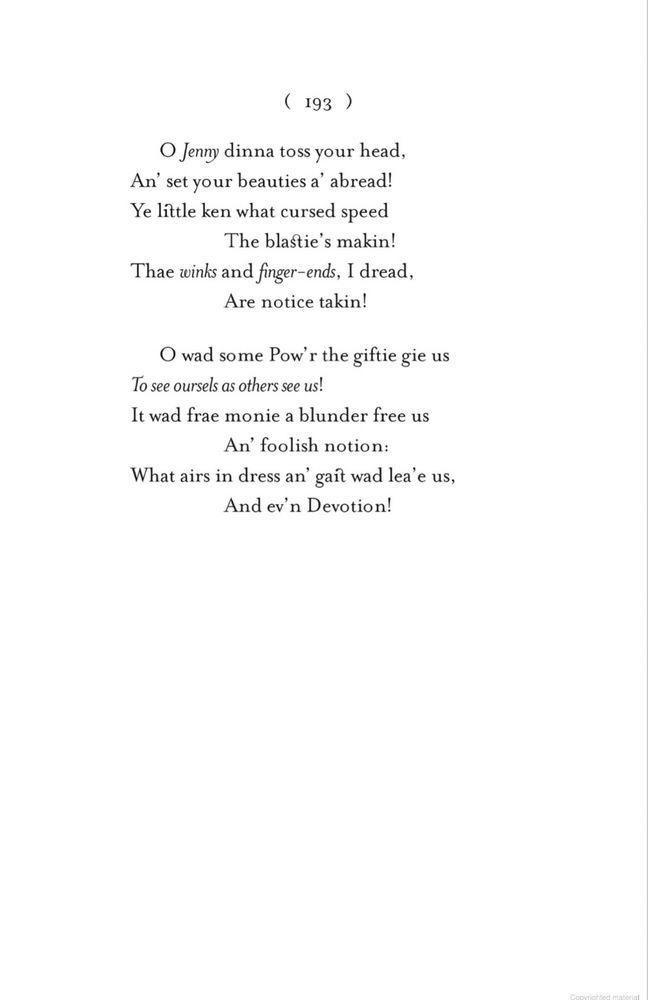
<p>O wad some Pow’r the giftie gie us<br>To see oursels as others see us!<br>It wad frae monie a blunder free us<br>An’ foolish notion:<br>What airs in dress an’ gait wad lea’e us,<br>And ev’n Devotion!</p><p>—Robert Burns, “To a Louse”<br>from Poems, Chiefly in the Scottish Dialect: The Luath Kilmarnock Edition, illustrated by Bob Dewar</p><p><a href="https://luath.co.uk/products/poems-chiefly-in-the-scottish-dialect?variant=42807652581526" rel="nofollow" class="ellipsis" title="luath.co.uk/products/poems-chiefly-in-the-scottish-dialect?variant=42807652581526"><span class="invisible">https://</span><span class="ellipsis">luath.co.uk/products/poems-chi</span><span class="invisible">efly-in-the-scottish-dialect?variant=42807652581526</span></a></p><p><a href="/tags/scottish/" rel="tag">#Scottish</a> <a href="/tags/literature/" rel="tag">#literature</a> <a href="/tags/robertburns/" rel="tag">#RobertBurns</a> <a href="/tags/burnsnight/" rel="tag">#BurnsNight</a> <a href="/tags/poem/" rel="tag">#poem</a> <a href="/tags/poetry/" rel="tag">#poetry</a> <a href="/tags/18thcentury/" rel="tag">#18thcentury</a> <a href="/tags/humour/" rel="tag">#humour</a></p>
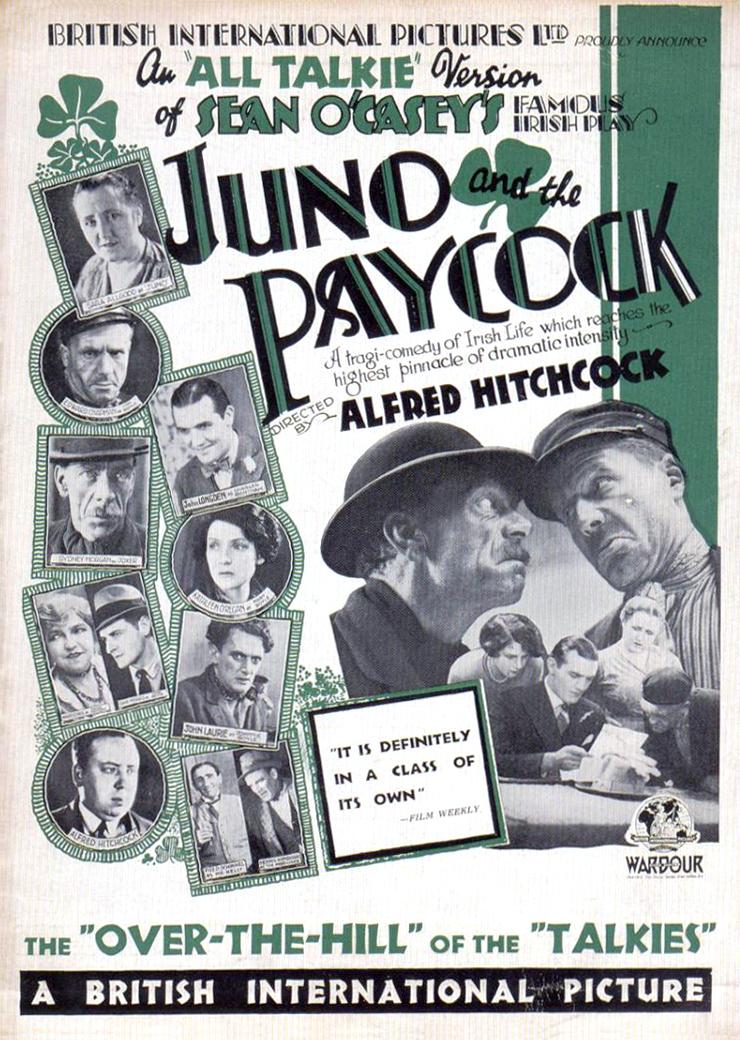
<p><a href="/tags/otd/" rel="tag">#OTD</a> in 1924.</p><p>Seán O'Casey's drama Juno and the Paycock opens at the Abbey Theatre, Dublin. It is set in the working-class tenements of Dublin in the early 1920s, during the Irish Civil War period.</p><p>It is the second of his "Dublin Trilogy" – the other two being The Shadow of a Gunman (1923) and The Plough and the Stars (1926).</p><p><a href="https://en.wikipedia.org/wiki/Juno_and_the_Paycock" rel="nofollow" class="ellipsis" title="en.wikipedia.org/wiki/Juno_and_the_Paycock"><span class="invisible">https://</span><span class="ellipsis">en.wikipedia.org/wiki/Juno_and</span><span class="invisible">_the_Paycock</span></a></p><p><a href="/tags/books/" rel="tag">#books</a> <a href="/tags/literature/" rel="tag">#literature</a> <a href="/tags/drama/" rel="tag">#drama</a> <a href="/tags/theatre/" rel="tag">#theatre</a></p>
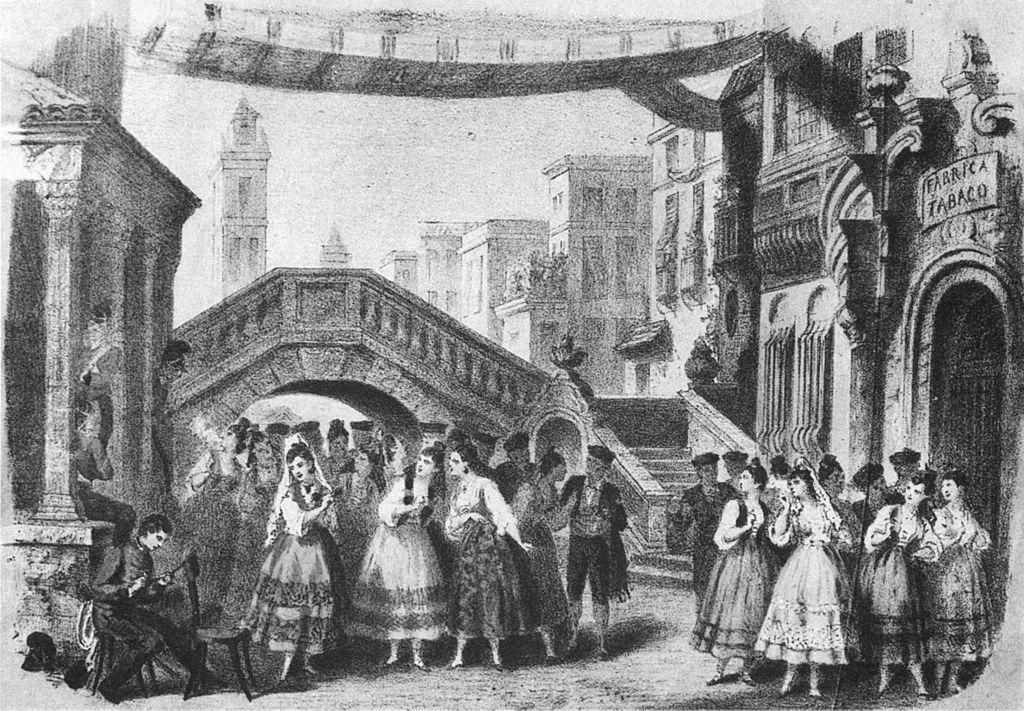
<p><a href="/tags/otd/" rel="tag">#OTD</a> in 1875.</p><p>Bizet's Carmen premiered at the Opéra-Comique in Paris, with mezzo-soprano Célestine Galli-Marié in the title role. It is an opera in four acts by the French composer Georges Bizet. The libretto was written by Henri Meilhac and Ludovic Halévy, based on the novella of the same title by Prosper Mérimée. </p><p><a href="https://en.wikipedia.org/wiki/Carmen" rel="nofollow"><span class="invisible">https://</span>en.wikipedia.org/wiki/Carmen</a></p><p>Carmem at IMSLP:<br><a href="https://imslp.org/wiki/Carmen_(Bizet,_Georges)" rel="nofollow" class="ellipsis" title="imslp.org/wiki/Carmen_(Bizet,_Georges)"><span class="invisible">https://</span><span class="ellipsis">imslp.org/wiki/Carmen_(Bizet,_</span><span class="invisible">Georges)</span></a></p><p><a href="/tags/art/" rel="tag">#art</a> <a href="/tags/music/" rel="tag">#music</a> <a href="/tags/literature/" rel="tag">#literature</a></p>
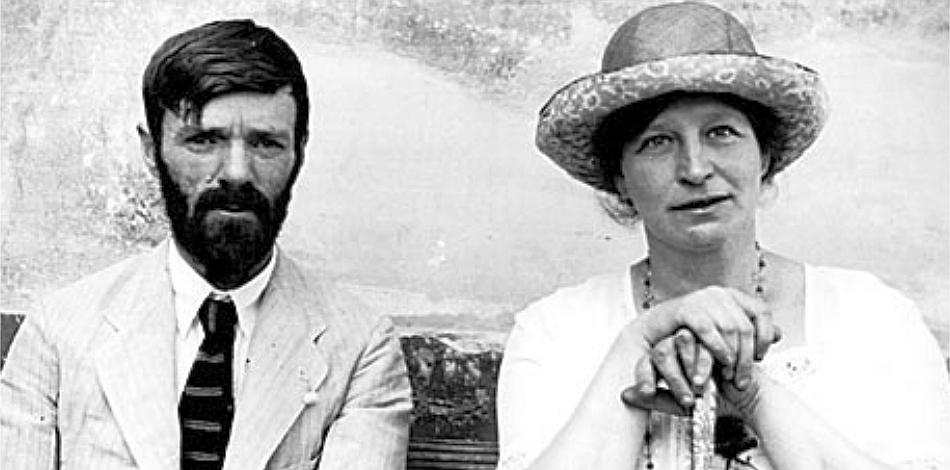
<p><a href="/tags/otd/" rel="tag">#OTD</a> in 1912.</p><p>Frieda Weekley meets D. H. Lawrence in Nottingham. She met D. H. Lawrence, a former student of her husband's; they soon fell in love and eloped to Germany. During their stay Lawrence was arrested for spying; after the intervention of Frieda's father, the couple walked south over the Alps to Italy. In 1914, following her divorce, Frieda and D.H. Lawrence married. </p><p><a href="https://en.wikipedia.org/wiki/Frieda_Lawrence" rel="nofollow" class="ellipsis" title="en.wikipedia.org/wiki/Frieda_Lawrence"><span class="invisible">https://</span><span class="ellipsis">en.wikipedia.org/wiki/Frieda_L</span><span class="invisible">awrence</span></a></p><p>D.H. Lawrence at PG:<br><a href="https://www.gutenberg.org/ebooks/author/123" rel="nofollow" class="ellipsis" title="www.gutenberg.org/ebooks/author/123"><span class="invisible">https://</span><span class="ellipsis">www.gutenberg.org/ebooks/autho</span><span class="invisible">r/123</span></a></p><p><a href="/tags/books/" rel="tag">#books</a> <a href="/tags/literature/" rel="tag">#literature</a></p>
Edited 1y ago
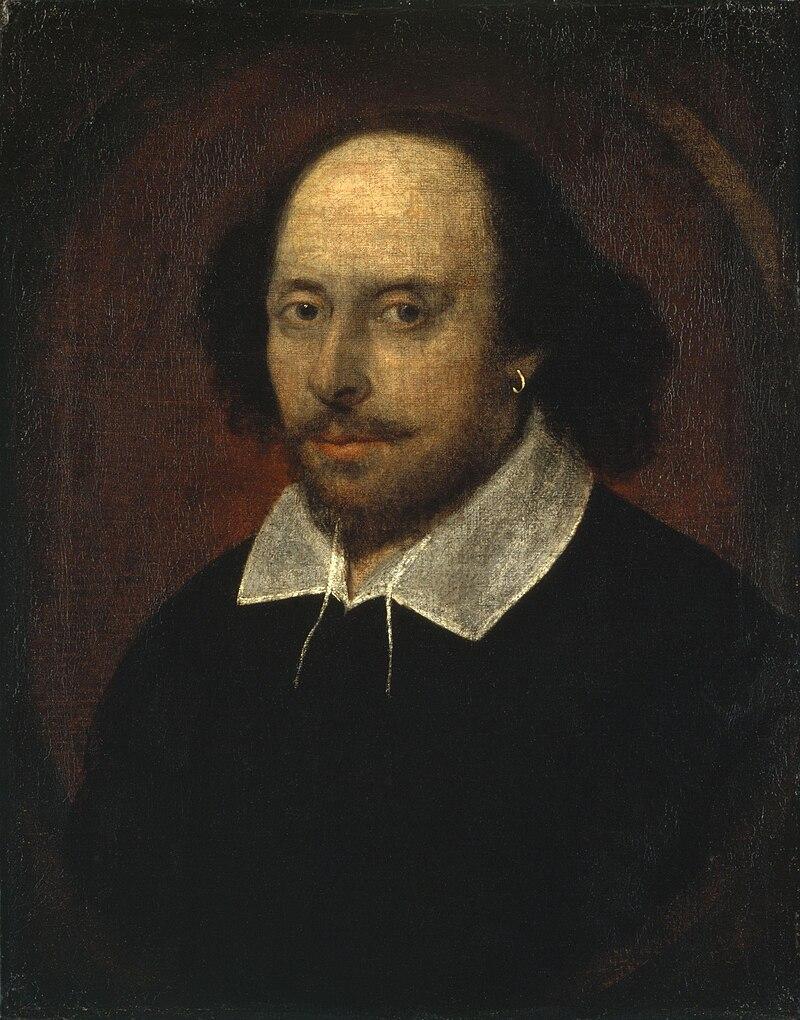
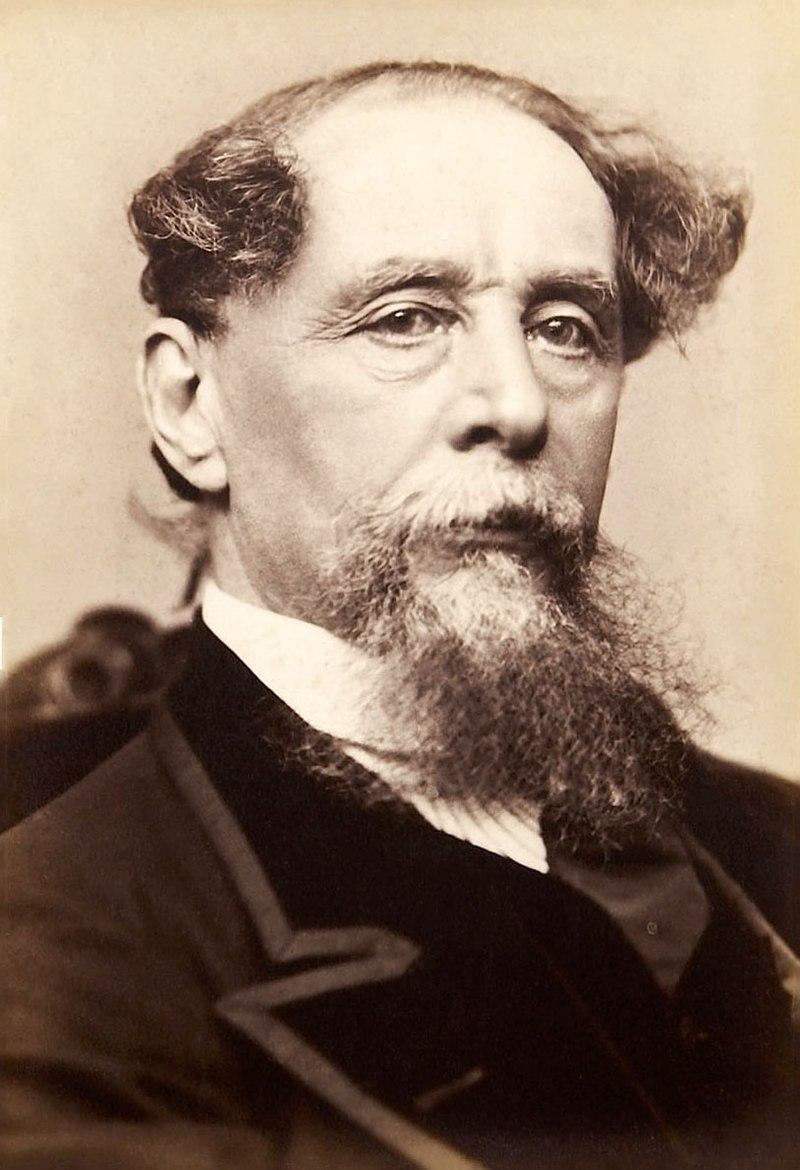
<p>‘He contains the whole of literature’: is Dickens better than Shakespeare?</p><p>After rereading the entire works of the great Victorian novelist during the pandemic, Peter Conrad became convinced – whisper it – that Dickens is an even greater writer than that other British literary giant, the Bard.</p><p><a href="https://www.theguardian.com/books/2025/mar/02/is-dickens-better-than-shakespeare" rel="nofollow" class="ellipsis" title="www.theguardian.com/books/2025/mar/02/is-dickens-better-than-shakespeare"><span class="invisible">https://</span><span class="ellipsis">www.theguardian.com/books/2025</span><span class="invisible">/mar/02/is-dickens-better-than-shakespeare</span></a></p><p>Shakespeare at PG:<br><a href="https://www.gutenberg.org/ebooks/author/65" rel="nofollow" class="ellipsis" title="www.gutenberg.org/ebooks/author/65"><span class="invisible">https://</span><span class="ellipsis">www.gutenberg.org/ebooks/autho</span><span class="invisible">r/65</span></a></p><p>Charles Dickens at PG:<br><a href="https://www.gutenberg.org/ebooks/author/37" rel="nofollow" class="ellipsis" title="www.gutenberg.org/ebooks/author/37"><span class="invisible">https://</span><span class="ellipsis">www.gutenberg.org/ebooks/autho</span><span class="invisible">r/37</span></a></p><p><a href="/tags/books/" rel="tag">#books</a> <a href="/tags/literature/" rel="tag">#literature</a></p>
<p>Kirkcudbright Book Festival 2026<br>5–8 March</p><p>Kirkcudbright Book Festival celebrates local & national voices, local history, Scottish culture, children’s authors, crime fiction, nature and the environment & much more – full programme online now</p><p><a href="https://www.kbtbookfestival.org/full-programme" rel="nofollow" class="ellipsis" title="www.kbtbookfestival.org/full-programme"><span class="invisible">https://</span><span class="ellipsis">www.kbtbookfestival.org/full-p</span><span class="invisible">rogramme</span></a></p><p><a href="/tags/scottish/" rel="tag">#Scottish</a> <a href="/tags/literature/" rel="tag">#literature</a> <a href="/tags/kidlit/" rel="tag">#kidlit</a> <a href="/tags/crimefiction/" rel="tag">#crimefiction</a> <a href="/tags/naturewriting/" rel="tag">#naturewriting</a> <a href="/tags/scottishculture/" rel="tag">#ScottishCulture</a> <a href="/tags/bookfestival/" rel="tag">#bookfestival</a> <a href="/tags/kirkcudbright/" rel="tag">#Kirkcudbright</a></p>
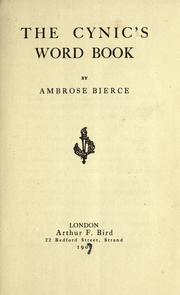
<p>In March 1881.</p><p>Ambrose Bierce contributes to the weekly satirical San Francisco magazine The Wasp & resumes his column "Prattle" and the series of cynical definitions which he first calls The Devil's Dictionary.</p><p>Bierce's witty definitions were imitated & plagiarized for years before he gathered them into books, first as The Cynic's Word Book in 1906 & then in a more complete version as The Devil's Dictionary in 1911.</p><p><a href="https://en.wikipedia.org/wiki/The_Devil%27s_Dictionary" rel="nofollow" class="ellipsis" title="en.wikipedia.org/wiki/The_Devil%27s_Dictionary"><span class="invisible">https://</span><span class="ellipsis">en.wikipedia.org/wiki/The_Devi</span><span class="invisible">l%27s_Dictionary</span></a></p><p>At PG:<br><a href="https://gutenberg.org/ebooks/972" rel="nofollow"><span class="invisible">https://</span>gutenberg.org/ebooks/972</a></p><p><a href="/tags/books/" rel="tag">#books</a> <a href="/tags/literature/" rel="tag">#literature</a></p>
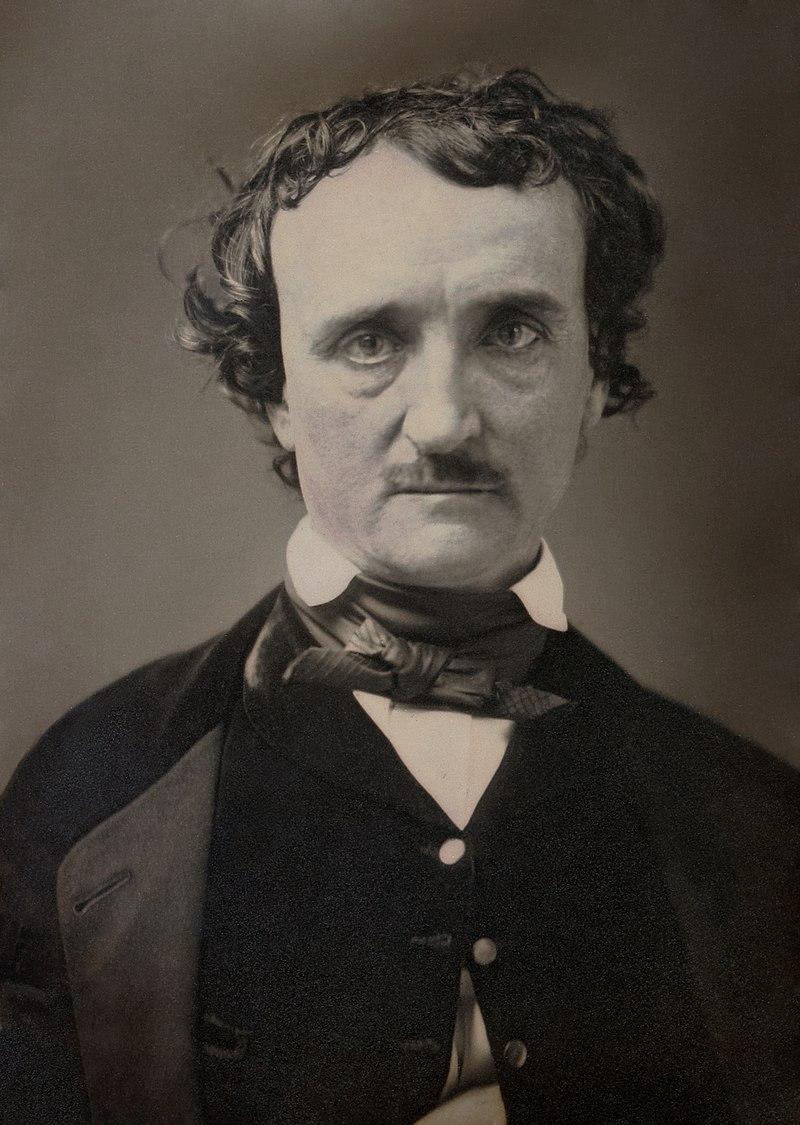
<p>The Post-Millennial Poe, or, Edgar Allan Holmes?</p><p>In life, Edgar Allan Poe was best known as a literary critic. Today, he’s best remembered for his disquieting tales…but that may be changing.</p><p>By: Matthew Wills </p><p><a href="https://daily.jstor.org/the-post-millennial-poe-or-edgar-allan-holmes/" rel="nofollow" class="ellipsis" title="daily.jstor.org/the-post-millennial-poe-or-edgar-allan-holmes/"><span class="invisible">https://</span><span class="ellipsis">daily.jstor.org/the-post-mille</span><span class="invisible">nnial-poe-or-edgar-allan-holmes/</span></a></p><p><a href="/tags/books/" rel="tag">#books</a> <a href="/tags/literature/" rel="tag">#literature</a> <a href="/tags/literarycriticism/" rel="tag">#literarycriticism</a></p>
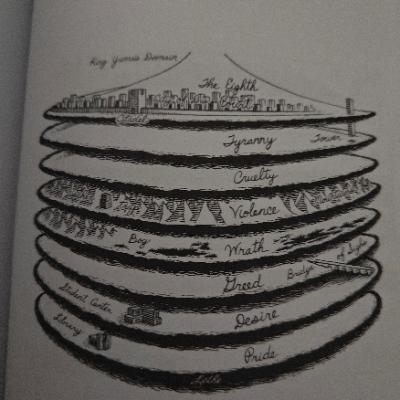
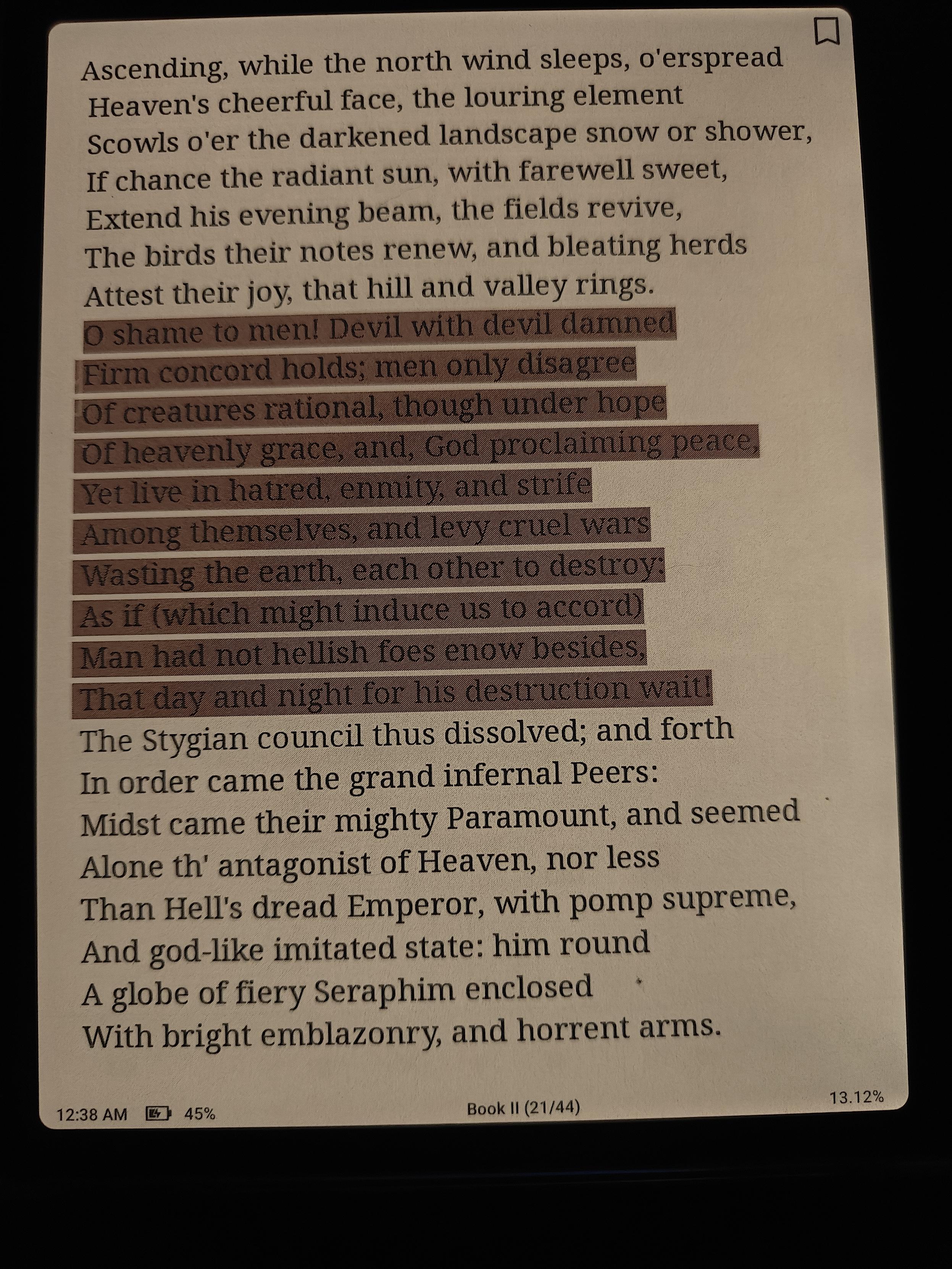
<p>This part really stuck with me while doing an immersive read of Paradise Lost tonight. </p><p>@bookstodon @reading <a href="/tags/classiclit/" rel="tag">#classiclit</a> <a href="/tags/classicliterature/" rel="tag">#ClassicLiterature</a> <a href="/tags/fiction/" rel="tag">#fiction</a> <a href="/tags/johnmilton/" rel="tag">#johnmilton</a> <a href="/tags/literature/" rel="tag">#literature</a></p>
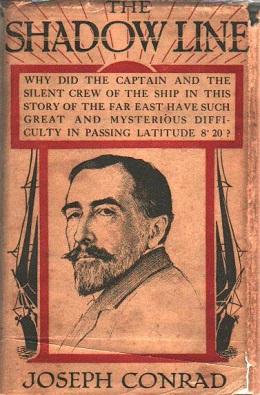
<p><a href="/tags/otd/" rel="tag">#OTD</a> in 1888.</p><p>During Joseph Conrad's career at sea as Józef Teodor Konrad Korzeniowski, he departs from Bangkok for Sydney in his first command as master, on the British barque Otago. This provides a basis for his novella The Shadow Line (1916).</p><p>It was first published as a serial in New York's Metropolitan Magazine in the English Review and published in book form in 1917 in the UK and America.</p><p><a href="https://en.wikipedia.org/wiki/The_Shadow_Line_(novel)" rel="nofollow" class="ellipsis" title="en.wikipedia.org/wiki/The_Shadow_Line_(novel)"><span class="invisible">https://</span><span class="ellipsis">en.wikipedia.org/wiki/The_Shad</span><span class="invisible">ow_Line_(novel)</span></a></p><p>The Shadow Line at PG:<br><a href="https://gutenberg.org/ebooks/451" rel="nofollow"><span class="invisible">https://</span>gutenberg.org/ebooks/451</a></p><p><a href="/tags/books/" rel="tag">#books</a> <a href="/tags/literature/" rel="tag">#literature</a></p>

<p>Be happy for this moment. This moment is your life.</p><p>Omar Khayyam</p><p><span class="h-card"><a href="https://fedigroups.social/@bookstodon" class="u-url mention" rel="nofollow noopener noreferrer" target="_blank">@<span>bookstodon</span></a></span> <br><a href="/tags/books/" rel="tag">#books</a> <a href="/tags/literature/" rel="tag">#literature</a> <a href="/tags/bookstodon/" rel="tag">#bookstodon</a></p>
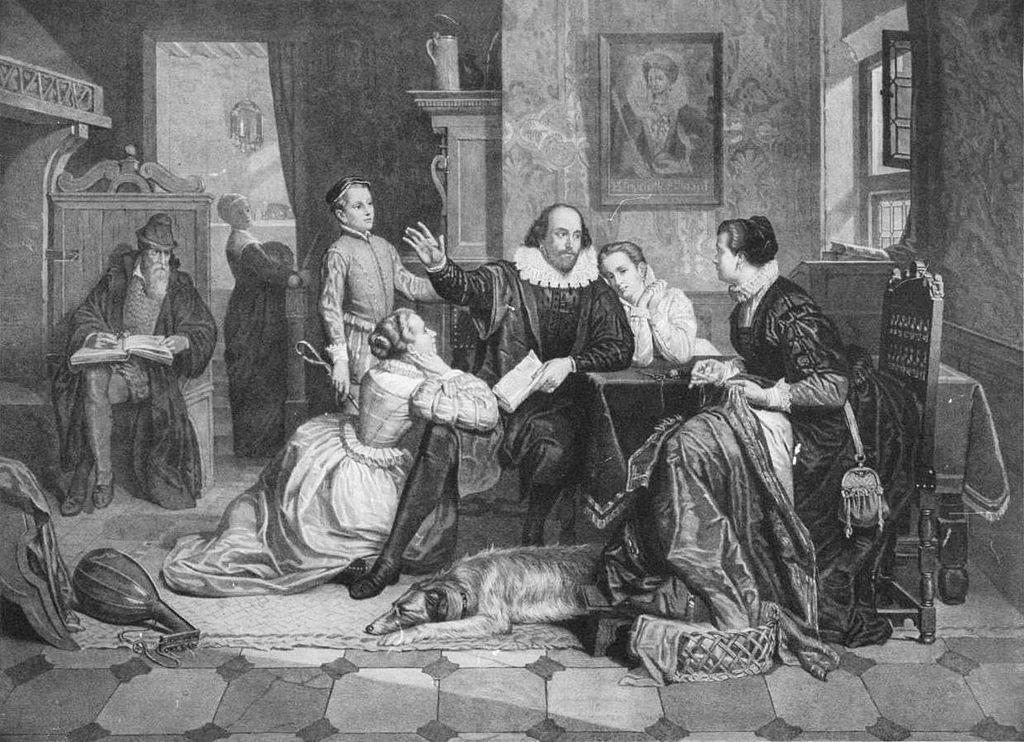
<p>Happy birthday Shakespeare (born <a href="/tags/otd/" rel="tag">#OTD</a> in 1564)!</p><p><a href="/tags/otd/" rel="tag">#OTD</a> in 1932. To mark Shakespeare's birthday:</p><p>The Royal Shakespeare Company's new theatre opens at Stratford-upon-Avon.</p><p><a href="https://en.wikipedia.org/wiki/Royal_Shakespeare_Company" rel="nofollow" class="ellipsis" title="en.wikipedia.org/wiki/Royal_Shakespeare_Company"><span class="invisible">https://</span><span class="ellipsis">en.wikipedia.org/wiki/Royal_Sh</span><span class="invisible">akespeare_Company</span></a></p><p>The Folger Shakespeare Library opens in Washington, D.C.</p><p><a href="https://en.wikipedia.org/wiki/Folger_Shakespeare_Library" rel="nofollow" class="ellipsis" title="en.wikipedia.org/wiki/Folger_Shakespeare_Library"><span class="invisible">https://</span><span class="ellipsis">en.wikipedia.org/wiki/Folger_S</span><span class="invisible">hakespeare_Library</span></a></p><p>Shakespeare at PG:<br><a href="https://www.gutenberg.org/ebooks/author/65" rel="nofollow" class="ellipsis" title="www.gutenberg.org/ebooks/author/65"><span class="invisible">https://</span><span class="ellipsis">www.gutenberg.org/ebooks/autho</span><span class="invisible">r/65</span></a></p><p><a href="/tags/books/" rel="tag">#books</a> <a href="/tags/literature/" rel="tag">#literature</a> <a href="/tags/theatre/" rel="tag">#theatre</a></p>
<p>Reading Scotland with Gioia Angeletti: Early 19th-century Scottish Migration Literature<br>3 Feb, free online</p><p>Examining how Scotland’s experience of “internal colonialism” after the 1707 Union shaped its literary engagement with empire & migration during the long eighteenth century</p><p>@litstudies </p><p><a href="https://www.scotland.uni-mainz.de/reading-scotland/" rel="nofollow" class="ellipsis" title="www.scotland.uni-mainz.de/reading-scotland/"><span class="invisible">https://</span><span class="ellipsis">www.scotland.uni-mainz.de/read</span><span class="invisible">ing-scotland/</span></a></p><p><a href="/tags/scottish/" rel="tag">#Scottish</a> <a href="/tags/literature/" rel="tag">#literature</a> <a href="/tags/18thcentury/" rel="tag">#18thcentury</a> <a href="/tags/19thcentury/" rel="tag">#19thcentury</a> <a href="/tags/migration/" rel="tag">#migration</a> <a href="/tags/empire/" rel="tag">#empire</a> <a href="/tags/imperialism/" rel="tag">#imperialism</a> <a href="/tags/colonialism/" rel="tag">#colonialism</a> <a href="/tags/nationalidentity/" rel="tag">#nationalidentity</a></p>

Edited 72d ago
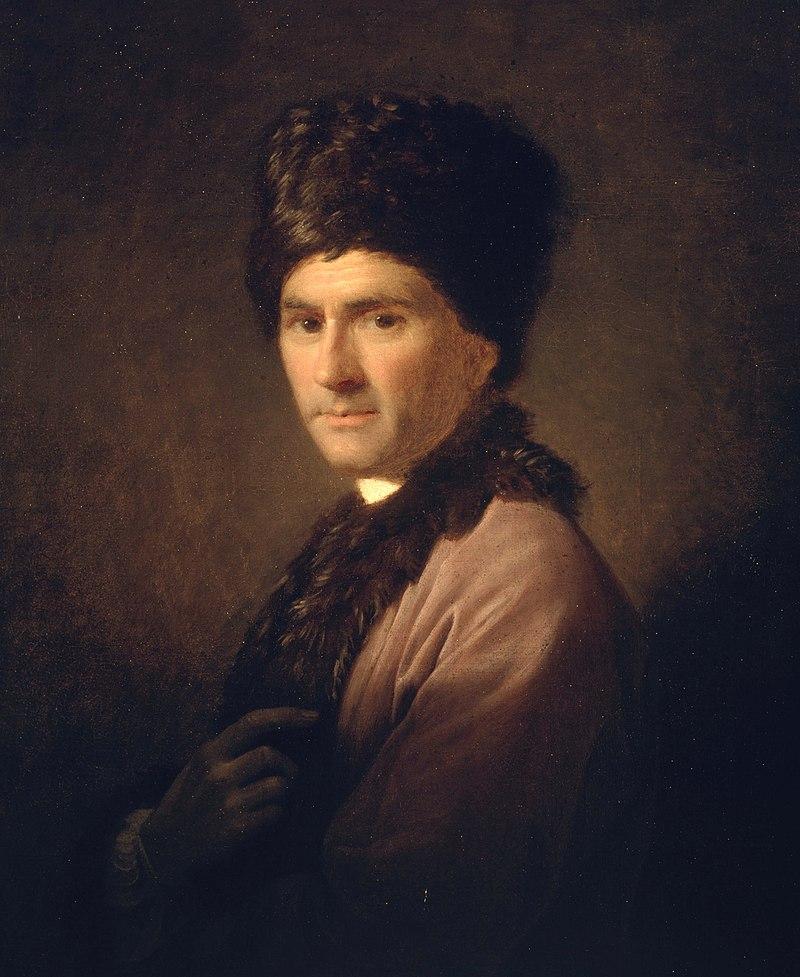
<p>What Is Rousseau’s Social Contract Theory? (Definition & Criticisms)</p><p>Rousseau’s social contract theory advocates for collective sovereignty, freedom, and equality through the general will for a just society.</p><p>By Viktoriya Sus</p><p><a href="https://www.thecollector.com/rousseau-social-contract-theory-definition/" rel="nofollow" class="ellipsis" title="www.thecollector.com/rousseau-social-contract-theory-definition/"><span class="invisible">https://</span><span class="ellipsis">www.thecollector.com/rousseau-</span><span class="invisible">social-contract-theory-definition/</span></a></p><p>The Social Contract at PG:<br><a href="https://www.gutenberg.org/ebooks/46333" rel="nofollow"><span class="invisible">https://</span>www.gutenberg.org/ebooks/46333</a></p><p><a href="/tags/books/" rel="tag">#books</a> <a href="/tags/literature/" rel="tag">#literature</a> <a href="/tags/philosophy/" rel="tag">#philosophy</a></p>
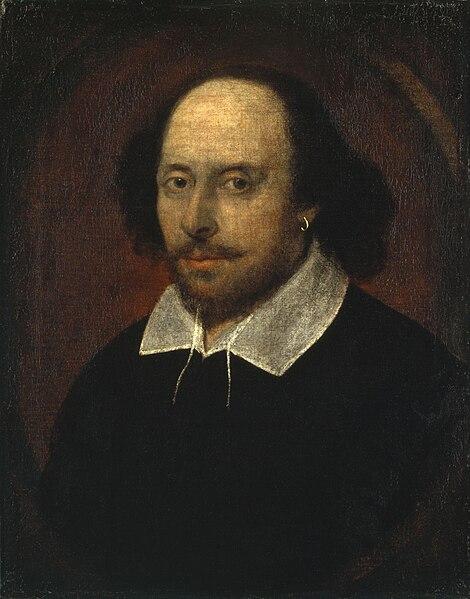
<p>The Authorship Debate: Who Is the Real Shakespeare?</p><p>The Shakespeare Authorship Debate concerns the ongoing mystery as to the true author of the plays, sonnets and other works attributed to William Shakespeare of Stratford Upon Avon.</p><p>By Lauren Jones</p><p><a href="https://www.thecollector.com/the-authorship-debate-who-is-the-real-shakespeare/" rel="nofollow" class="ellipsis" title="www.thecollector.com/the-authorship-debate-who-is-the-real-shakespeare/"><span class="invisible">https://</span><span class="ellipsis">www.thecollector.com/the-autho</span><span class="invisible">rship-debate-who-is-the-real-shakespeare/</span></a></p><p>Shakespeare at PG:<br><a href="https://www.gutenberg.org/ebooks/author/65" rel="nofollow" class="ellipsis" title="www.gutenberg.org/ebooks/author/65"><span class="invisible">https://</span><span class="ellipsis">www.gutenberg.org/ebooks/autho</span><span class="invisible">r/65</span></a></p><p><a href="/tags/books/" rel="tag">#books</a> <a href="/tags/literature/" rel="tag">#literature</a> <a href="/tags/drama/" rel="tag">#drama</a></p>
<p>7 Out-of-This-World Facts About Ray Bradbury’s ‘The Martian Chronicles’</p><p>The fix-up novel, which turns 75 this year, would become one of Bradbury’s most famous books—and inspire future scientists.</p><p>By Lorna Wallace</p><p><a href="https://www.mentalfloss.com/ray-bradbury-martian-chronicles-book-facts" rel="nofollow" class="ellipsis" title="www.mentalfloss.com/ray-bradbury-martian-chronicles-book-facts"><span class="invisible">https://</span><span class="ellipsis">www.mentalfloss.com/ray-bradbu</span><span class="invisible">ry-martian-chronicles-book-facts</span></a></p><p><a href="/tags/books/" rel="tag">#books</a> <a href="/tags/literature/" rel="tag">#literature</a></p>
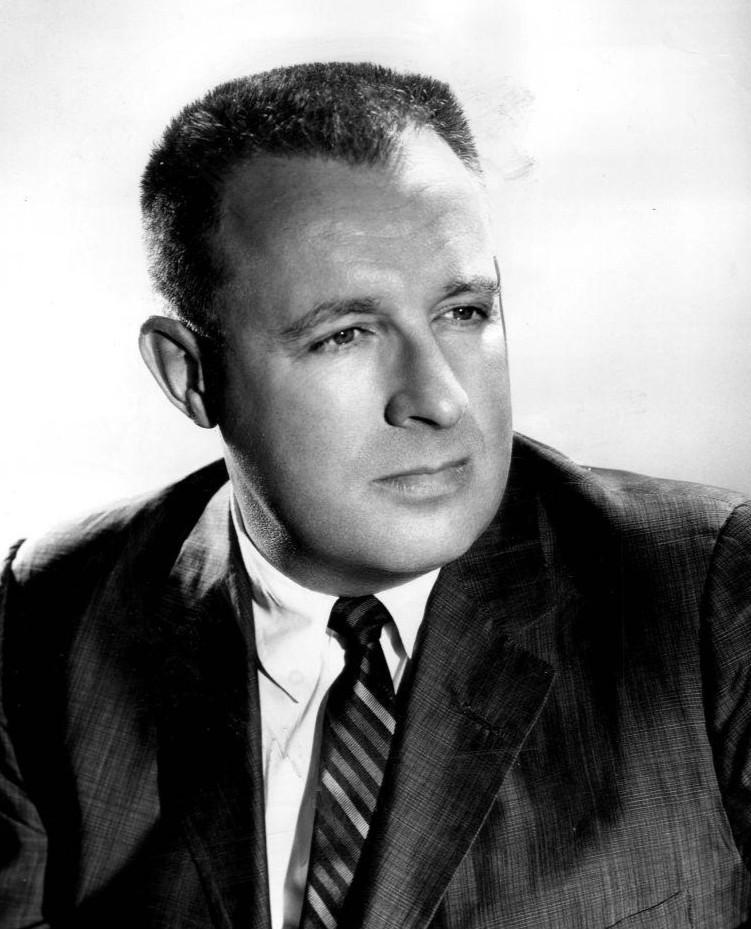
<p>In February 1929.</p><p>The first of Margery Allingham's crime novels to feature Albert Campion, The Crime at Black Dudley (U.S. title: The Black Dudley Murder), is published in the UK. It introduces Albert Campion, her misleadingly vapid detective, who would go on to appear in another 18 novels and many short stories over the next 30 years.</p><p><a href="https://en.wikipedia.org/wiki/The_Crime_at_Black_Dudley" rel="nofollow" class="ellipsis" title="en.wikipedia.org/wiki/The_Crime_at_Black_Dudley"><span class="invisible">https://</span><span class="ellipsis">en.wikipedia.org/wiki/The_Crim</span><span class="invisible">e_at_Black_Dudley</span></a></p><p>Books by Margery Allingham at PG:<br><a href="https://www.gutenberg.org/ebooks/search/?query=Margery+Allingham&submit_search=Search" rel="nofollow" class="ellipsis" title="www.gutenberg.org/ebooks/search/?query=Margery+Allingham&submit_search=Search"><span class="invisible">https://</span><span class="ellipsis">www.gutenberg.org/ebooks/searc</span><span class="invisible">h/?query=Margery+Allingham&submit_search=Search</span></a></p><p><a href="/tags/books/" rel="tag">#books</a> <a href="/tags/literature/" rel="tag">#literature</a></p>
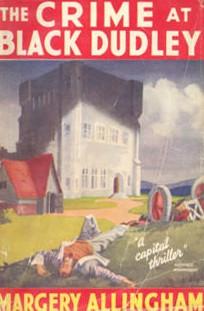
<p>From February to August 1929.</p><p>Voltaire's Candide (1759) is held to be obscene by the United States Customs Service in Boston.</p><p>Immediately after its secretive publication, the book was widely banned because of its religious blasphemy, political sedition, and intellectual hostility hidden under a thin veil of naivety.</p><p><a href="https://en.wikipedia.org/wiki/Candide" rel="nofollow"><span class="invisible">https://</span>en.wikipedia.org/wiki/Candide</a></p><p>Candide at PG:<br><a href="https://gutenberg.org/ebooks/19942" rel="nofollow"><span class="invisible">https://</span>gutenberg.org/ebooks/19942</a></p><p><a href="/tags/books/" rel="tag">#books</a> <a href="/tags/literature/" rel="tag">#literature</a></p>
<p>A History of Existential Anxiety</p><p>From medieval theology to modern philosophy, dread has long been a guide for living ethically.</p><p>By: Livia Gershon </p><p><a href="https://daily.jstor.org/a-history-of-existential-anxiety/" rel="nofollow" class="ellipsis" title="daily.jstor.org/a-history-of-existential-anxiety/"><span class="invisible">https://</span><span class="ellipsis">daily.jstor.org/a-history-of-e</span><span class="invisible">xistential-anxiety/</span></a></p><p>Original article:<br><a href="https://www.jstor.org/stable/44017151?mag=a-history-of-existential-anxiety&seq=1" rel="nofollow" class="ellipsis" title="www.jstor.org/stable/44017151?mag=a-history-of-existential-anxiety&seq=1"><span class="invisible">https://</span><span class="ellipsis">www.jstor.org/stable/44017151?</span><span class="invisible">mag=a-history-of-existential-anxiety&seq=1</span></a></p><p>Kierkegaard, Julian of Norwich, Margery Kempe at PG: <br><a href="https://www.gutenberg.org/ebooks/author/46682" rel="nofollow" class="ellipsis" title="www.gutenberg.org/ebooks/author/46682"><span class="invisible">https://</span><span class="ellipsis">www.gutenberg.org/ebooks/autho</span><span class="invisible">r/46682</span></a><br><a href="https://www.gutenberg.org/ebooks/author/47157" rel="nofollow" class="ellipsis" title="www.gutenberg.org/ebooks/author/47157"><span class="invisible">https://</span><span class="ellipsis">www.gutenberg.org/ebooks/autho</span><span class="invisible">r/47157</span></a><br><a href="https://www.gutenberg.org/ebooks/search/?query=Margery+Kempe" rel="nofollow" class="ellipsis" title="www.gutenberg.org/ebooks/search/?query=Margery+Kempe"><span class="invisible">https://</span><span class="ellipsis">www.gutenberg.org/ebooks/searc</span><span class="invisible">h/?query=Margery+Kempe</span></a></p><p><a href="/tags/books/" rel="tag">#books</a> <a href="/tags/literature/" rel="tag">#literature</a> <a href="/tags/philosophy/" rel="tag">#philosophy</a> <a href="/tags/religion/" rel="tag">#religion</a></p>

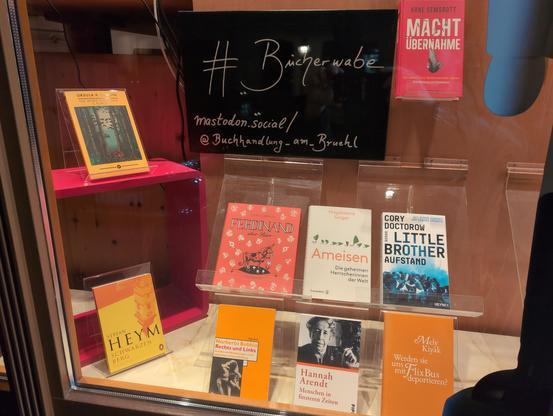
<p>"Little Brother" von Cory Doctorow ( <span class="h-card"><a href="https://mamot.fr/@pluralistic" class="u-url mention" rel="nofollow noopener noreferrer" target="_blank">@<span>pluralistic</span></a></span> ) handelt davon, wie schnell die eigene Heimat zum Feindstaat werden kann, wenn die Freiheit der Sicherheit untergeordnet wird. Und davon wie schnell die Technik, die uns ermächtigt und vernetzt, zum Mittel der Überwachung und Unterdrückung werden kann. Dabei macht Doctorow Mut mit den Mitteln der Technik für die Demokratie zu kämpfen. <a href="/tags/bücherwabe/" rel="tag">#bücherwabe</a> <a href="/tags/chemnitz/" rel="tag">#chemnitz</a> <a href="/tags/bücher/" rel="tag">#bücher</a> <a href="/tags/literatur/" rel="tag">#literatur</a> <a href="/tags/lesen/" rel="tag">#lesen</a> <a href="/tags/books/" rel="tag">#books</a> <a href="/tags/literature/" rel="tag">#literature</a> <a href="/tags/bookstodon/" rel="tag">#bookstodon</a> <a href="/tags/scifi/" rel="tag">#scifi</a> <a href="/tags/politik/" rel="tag">#politik</a> <a href="/tags/politics/" rel="tag">#politics</a></p>