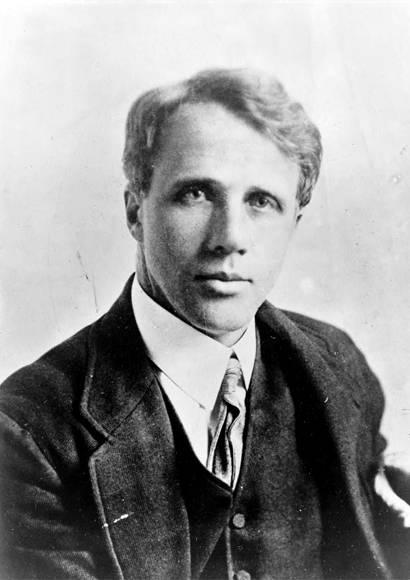
<p>Charles Lutwidge Dodgson (aka Lewis Carroll) was born <a href="/tags/otd/" rel="tag">#OTD</a> in 1832.</p><p>An interesting comment from one proofreader at <span class="h-card"><a href="https://universeodon.com/@DProofreaders" class="u-url mention" rel="nofollow noopener noreferrer" target="_blank">@<span>DProofreaders</span></a></span> : "It is said that Queen Victoria enjoyed the Alice books so much that she sent for all the author's works, and was then appalled to find herself confronted by mathematics."</p><p>"Curiosa mathematica, Part I: A new theory of parallels" by Dodgson, Charles L. coming soon at PG.</p><p>Lewis Carroll at PG:<br><a href="https://www.gutenberg.org/ebooks/author/7" rel="nofollow" class="ellipsis" title="www.gutenberg.org/ebooks/author/7"><span class="invisible">https://</span><span class="ellipsis">www.gutenberg.org/ebooks/autho</span><span class="invisible">r/7</span></a></p><p><a href="/tags/books/" rel="tag">#books</a> <a href="/tags/literature/" rel="tag">#literature</a> <a href="/tags/mathematics/" rel="tag">#mathematics</a></p>
literature
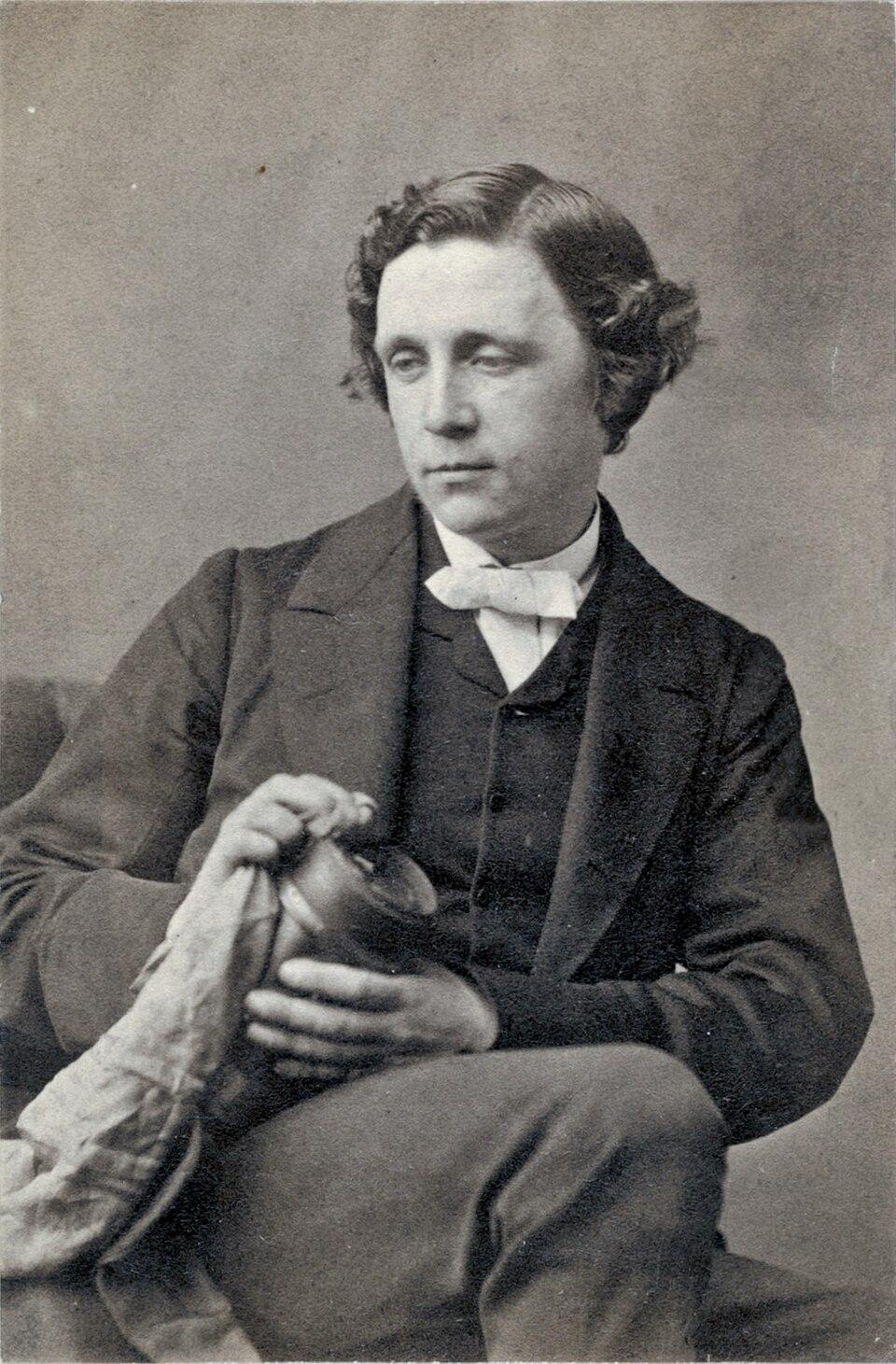

<p>When you have walked through a town, as an infantryman<br>you’ll never go through streets the same way again.</p><p>There is shoulder-ache from rifle-sling, and sore<br>butt-bruise, of bolt, on hip and thigh…</p><p>—“Infantryman”, by Colin McIntyre (1927–2012) – born <a href="/tags/otd/" rel="tag">#OTD</a>, 27 January</p><p>Published in FROM THE LINE: Scottish War Poetry 1914–1945</p><p><a href="https://asls.org.uk/publications/books/volumes/from_the_line/" rel="nofollow" class="ellipsis" title="asls.org.uk/publications/books/volumes/from_the_line/"><span class="invisible">https://</span><span class="ellipsis">asls.org.uk/publications/books</span><span class="invisible">/volumes/from_the_line/</span></a></p><p><a href="/tags/scottish/" rel="tag">#Scottish</a> <a href="/tags/literature/" rel="tag">#literature</a> <a href="/tags/poem/" rel="tag">#poem</a> <a href="/tags/poetry/" rel="tag">#poetry</a> <a href="/tags/warpoetry/" rel="tag">#warpoetry</a> <a href="/tags/ww2/" rel="tag">#WW2</a></p>
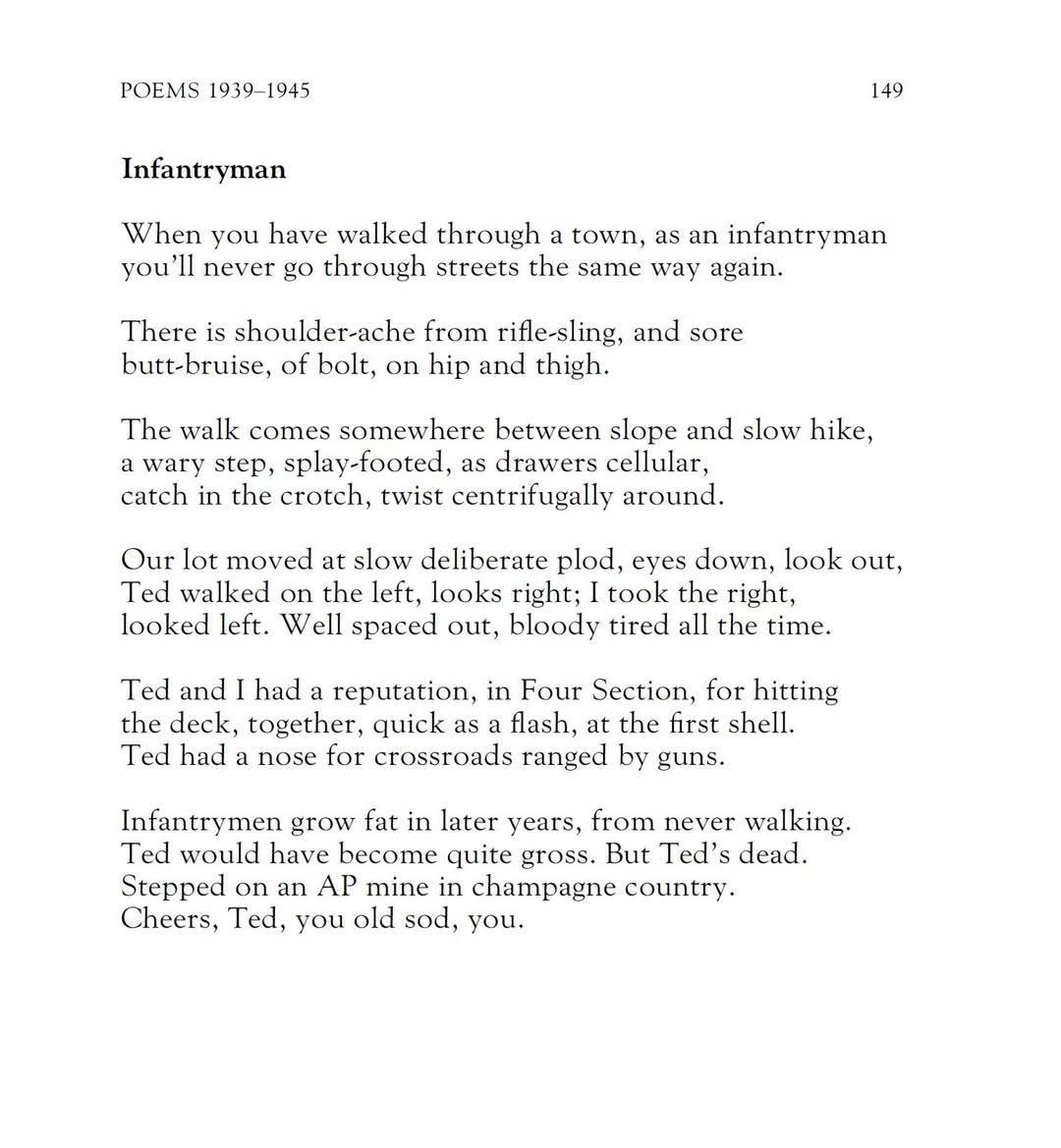
<p>“It is a bold move to be so morally unflinching, especially in the face of a perceived aesthetic orthodoxy that so often privileges distance and irony, but in Glyph we see a major British writer answering the call of the day when so many others have equivocated or turned away.”</p><p>—GLYPH by Ali Smith: bearing witness to the war in Gaza</p><p><a href="https://www.theguardian.com/books/2026/jan/27/glyph-by-ali-smith-review-bearing-witness-to-the-war-in-gaza" rel="nofollow" class="ellipsis" title="www.theguardian.com/books/2026/jan/27/glyph-by-ali-smith-review-bearing-witness-to-the-war-in-gaza"><span class="invisible">https://</span><span class="ellipsis">www.theguardian.com/books/2026</span><span class="invisible">/jan/27/glyph-by-ali-smith-review-bearing-witness-to-the-war-in-gaza</span></a></p><p><a href="/tags/scottish/" rel="tag">#Scottish</a> <a href="/tags/literature/" rel="tag">#literature</a> <a href="/tags/gaza/" rel="tag">#Gaza</a> <a href="/tags/alismith/" rel="tag">#AliSmith</a> <a href="/tags/womenwriters/" rel="tag">#womenwriters</a></p>

<p>Be happy for this moment. This moment is your life.</p><p>Omar Khayyam</p><p><span class="h-card"><a href="https://fedigroups.social/@bookstodon" class="u-url mention" rel="nofollow noopener noreferrer" target="_blank">@<span>bookstodon</span></a></span> <br><a href="/tags/books/" rel="tag">#books</a> <a href="/tags/literature/" rel="tag">#literature</a> <a href="/tags/bookstodon/" rel="tag">#bookstodon</a></p>
<p>Reading Scotland with Gioia Angeletti: Early 19th-century Scottish Migration Literature<br>3 Feb, free online</p><p>Examining how Scotland’s experience of “internal colonialism” after the 1707 Union shaped its literary engagement with empire & migration during the long eighteenth century</p><p>@litstudies </p><p><a href="https://www.scotland.uni-mainz.de/reading-scotland/" rel="nofollow" class="ellipsis" title="www.scotland.uni-mainz.de/reading-scotland/"><span class="invisible">https://</span><span class="ellipsis">www.scotland.uni-mainz.de/read</span><span class="invisible">ing-scotland/</span></a></p><p><a href="/tags/scottish/" rel="tag">#Scottish</a> <a href="/tags/literature/" rel="tag">#literature</a> <a href="/tags/18thcentury/" rel="tag">#18thcentury</a> <a href="/tags/19thcentury/" rel="tag">#19thcentury</a> <a href="/tags/migration/" rel="tag">#migration</a> <a href="/tags/empire/" rel="tag">#empire</a> <a href="/tags/imperialism/" rel="tag">#imperialism</a> <a href="/tags/colonialism/" rel="tag">#colonialism</a> <a href="/tags/nationalidentity/" rel="tag">#nationalidentity</a></p>

Edited 72d ago
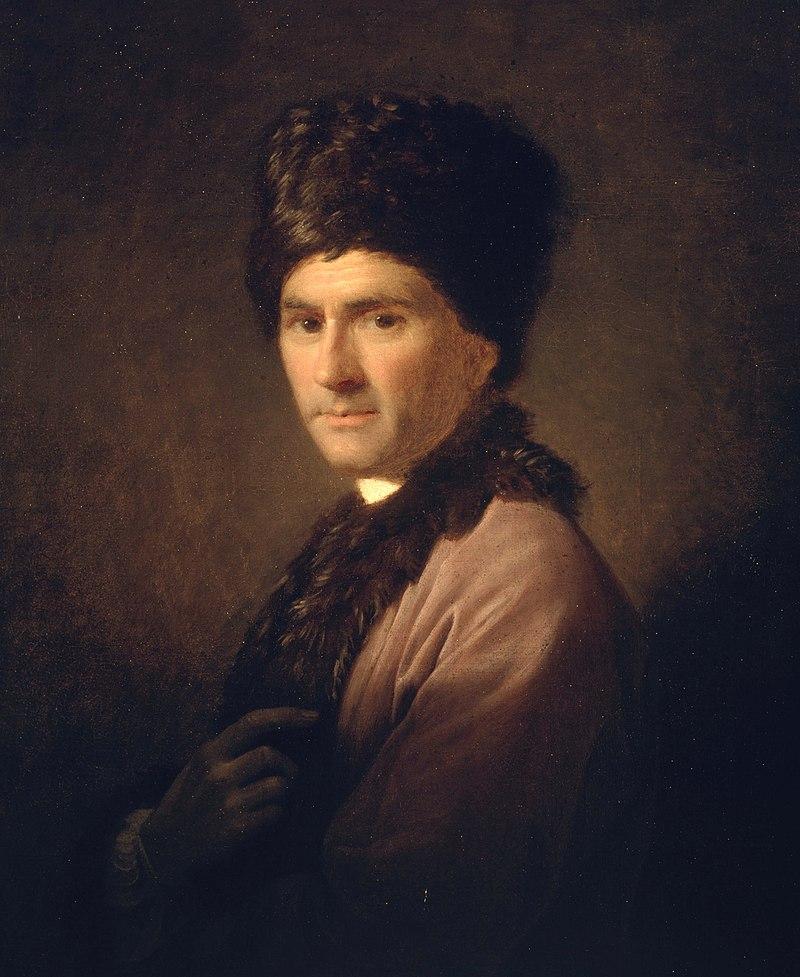
<p>What Is Rousseau’s Social Contract Theory? (Definition & Criticisms)</p><p>Rousseau’s social contract theory advocates for collective sovereignty, freedom, and equality through the general will for a just society.</p><p>By Viktoriya Sus</p><p><a href="https://www.thecollector.com/rousseau-social-contract-theory-definition/" rel="nofollow" class="ellipsis" title="www.thecollector.com/rousseau-social-contract-theory-definition/"><span class="invisible">https://</span><span class="ellipsis">www.thecollector.com/rousseau-</span><span class="invisible">social-contract-theory-definition/</span></a></p><p>The Social Contract at PG:<br><a href="https://www.gutenberg.org/ebooks/46333" rel="nofollow"><span class="invisible">https://</span>www.gutenberg.org/ebooks/46333</a></p><p><a href="/tags/books/" rel="tag">#books</a> <a href="/tags/literature/" rel="tag">#literature</a> <a href="/tags/philosophy/" rel="tag">#philosophy</a></p>
<p>The Authorship Debate: Who Is the Real Shakespeare?</p><p>The Shakespeare Authorship Debate concerns the ongoing mystery as to the true author of the plays, sonnets and other works attributed to William Shakespeare of Stratford Upon Avon.</p><p>By Lauren Jones</p><p><a href="https://www.thecollector.com/the-authorship-debate-who-is-the-real-shakespeare/" rel="nofollow" class="ellipsis" title="www.thecollector.com/the-authorship-debate-who-is-the-real-shakespeare/"><span class="invisible">https://</span><span class="ellipsis">www.thecollector.com/the-autho</span><span class="invisible">rship-debate-who-is-the-real-shakespeare/</span></a></p><p>Shakespeare at PG:<br><a href="https://www.gutenberg.org/ebooks/author/65" rel="nofollow" class="ellipsis" title="www.gutenberg.org/ebooks/author/65"><span class="invisible">https://</span><span class="ellipsis">www.gutenberg.org/ebooks/autho</span><span class="invisible">r/65</span></a></p><p><a href="/tags/books/" rel="tag">#books</a> <a href="/tags/literature/" rel="tag">#literature</a> <a href="/tags/drama/" rel="tag">#drama</a></p>
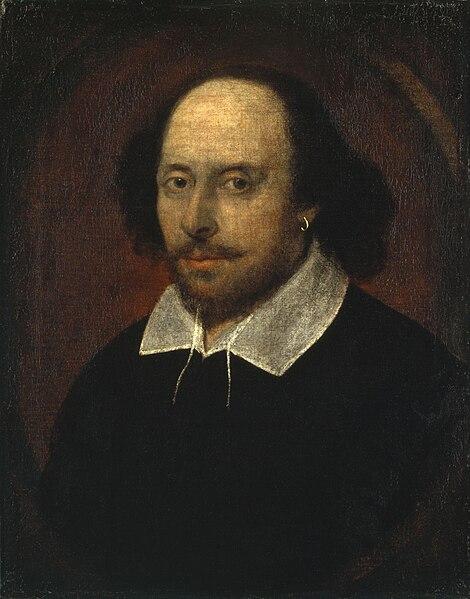
<p>In February 1929.</p><p>The first of Margery Allingham's crime novels to feature Albert Campion, The Crime at Black Dudley (U.S. title: The Black Dudley Murder), is published in the UK. It introduces Albert Campion, her misleadingly vapid detective, who would go on to appear in another 18 novels and many short stories over the next 30 years.</p><p><a href="https://en.wikipedia.org/wiki/The_Crime_at_Black_Dudley" rel="nofollow" class="ellipsis" title="en.wikipedia.org/wiki/The_Crime_at_Black_Dudley"><span class="invisible">https://</span><span class="ellipsis">en.wikipedia.org/wiki/The_Crim</span><span class="invisible">e_at_Black_Dudley</span></a></p><p>Books by Margery Allingham at PG:<br><a href="https://www.gutenberg.org/ebooks/search/?query=Margery+Allingham&submit_search=Search" rel="nofollow" class="ellipsis" title="www.gutenberg.org/ebooks/search/?query=Margery+Allingham&submit_search=Search"><span class="invisible">https://</span><span class="ellipsis">www.gutenberg.org/ebooks/searc</span><span class="invisible">h/?query=Margery+Allingham&submit_search=Search</span></a></p><p><a href="/tags/books/" rel="tag">#books</a> <a href="/tags/literature/" rel="tag">#literature</a></p>
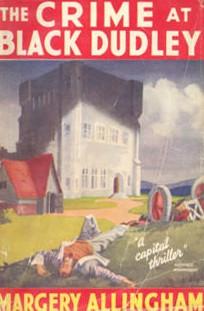
<p>A History of Existential Anxiety</p><p>From medieval theology to modern philosophy, dread has long been a guide for living ethically.</p><p>By: Livia Gershon </p><p><a href="https://daily.jstor.org/a-history-of-existential-anxiety/" rel="nofollow" class="ellipsis" title="daily.jstor.org/a-history-of-existential-anxiety/"><span class="invisible">https://</span><span class="ellipsis">daily.jstor.org/a-history-of-e</span><span class="invisible">xistential-anxiety/</span></a></p><p>Original article:<br><a href="https://www.jstor.org/stable/44017151?mag=a-history-of-existential-anxiety&seq=1" rel="nofollow" class="ellipsis" title="www.jstor.org/stable/44017151?mag=a-history-of-existential-anxiety&seq=1"><span class="invisible">https://</span><span class="ellipsis">www.jstor.org/stable/44017151?</span><span class="invisible">mag=a-history-of-existential-anxiety&seq=1</span></a></p><p>Kierkegaard, Julian of Norwich, Margery Kempe at PG: <br><a href="https://www.gutenberg.org/ebooks/author/46682" rel="nofollow" class="ellipsis" title="www.gutenberg.org/ebooks/author/46682"><span class="invisible">https://</span><span class="ellipsis">www.gutenberg.org/ebooks/autho</span><span class="invisible">r/46682</span></a><br><a href="https://www.gutenberg.org/ebooks/author/47157" rel="nofollow" class="ellipsis" title="www.gutenberg.org/ebooks/author/47157"><span class="invisible">https://</span><span class="ellipsis">www.gutenberg.org/ebooks/autho</span><span class="invisible">r/47157</span></a><br><a href="https://www.gutenberg.org/ebooks/search/?query=Margery+Kempe" rel="nofollow" class="ellipsis" title="www.gutenberg.org/ebooks/search/?query=Margery+Kempe"><span class="invisible">https://</span><span class="ellipsis">www.gutenberg.org/ebooks/searc</span><span class="invisible">h/?query=Margery+Kempe</span></a></p><p><a href="/tags/books/" rel="tag">#books</a> <a href="/tags/literature/" rel="tag">#literature</a> <a href="/tags/philosophy/" rel="tag">#philosophy</a> <a href="/tags/religion/" rel="tag">#religion</a></p>
<p>The Wigtown Poetry Prizes offer awards for poetry in all three of Scotland’s languages. The 2026 competitions are open for submission from today (2 Feb) until 6 May</p><p><a href="https://www.wigtownpoetryprize.com/poetry-competition" rel="nofollow" class="ellipsis" title="www.wigtownpoetryprize.com/poetry-competition"><span class="invisible">https://</span><span class="ellipsis">www.wigtownpoetryprize.com/poe</span><span class="invisible">try-competition</span></a></p><p><a href="/tags/scottish/" rel="tag">#Scottish</a> <a href="/tags/literature/" rel="tag">#literature</a> <a href="/tags/poetry/" rel="tag">#poetry</a> <a href="/tags/competition/" rel="tag">#competition</a> <a href="/tags/writing/" rel="tag">#writing</a> <a href="/tags/gaidhlig/" rel="tag">#Gaidhlig</a> <a href="/tags/gaelic/" rel="tag">#Gaelic</a> <a href="/tags/scots/" rel="tag">#Scots</a> <a href="/tags/scotslanguage/" rel="tag">#Scotslanguage</a></p>

<p>THAT PROMETHEAN SPARK<br>The Bottle Imp – Muriel Spark special issue</p><p>Muriel Spark was born <a href="/tags/otd/" rel="tag">#OTD</a>, 1 Feb, 1918</p><p>“With a writing career that included biography, criticism, drama and short fiction as well as novels, Muriel Spark was never one to do things by halves…” </p><p>A 🎂 🧵</p><p>1/18</p><p><a href="https://www.thebottleimp.org.uk/2017/11/that-promethian-spark/" rel="nofollow" class="ellipsis" title="www.thebottleimp.org.uk/2017/11/that-promethian-spark/"><span class="invisible">https://</span><span class="ellipsis">www.thebottleimp.org.uk/2017/1</span><span class="invisible">1/that-promethian-spark/</span></a></p><p><a href="/tags/scottish/" rel="tag">#Scottish</a> <a href="/tags/literature/" rel="tag">#literature</a> <a href="/tags/murielspark/" rel="tag">#MurielSpark</a> <a href="/tags/20thcentury/" rel="tag">#20thCentury</a> <a href="/tags/womenwriters/" rel="tag">#WomenWriters</a></p>
<p><a href="/tags/otd/" rel="tag">#OTD</a> in 1776.</p><p>Scottish political economist Adam Smith's book The Wealth of Nations, the first modern work in economics, was published.</p><p>It has become a fundamental work in classical economics, and has been described as "the first formulation of a comprehensive system of political economy".</p><p><a href="https://en.wikipedia.org/wiki/The_Wealth_of_Nations" rel="nofollow" class="ellipsis" title="en.wikipedia.org/wiki/The_Wealth_of_Nations"><span class="invisible">https://</span><span class="ellipsis">en.wikipedia.org/wiki/The_Weal</span><span class="invisible">th_of_Nations</span></a></p><p>Wealth of Nations at PG:<br><a href="https://www.gutenberg.org/ebooks/3300" rel="nofollow"><span class="invisible">https://</span>www.gutenberg.org/ebooks/3300</a></p><p><a href="/tags/books/" rel="tag">#books</a> <a href="/tags/literature/" rel="tag">#literature</a> <a href="/tags/economy/" rel="tag">#economy</a></p>
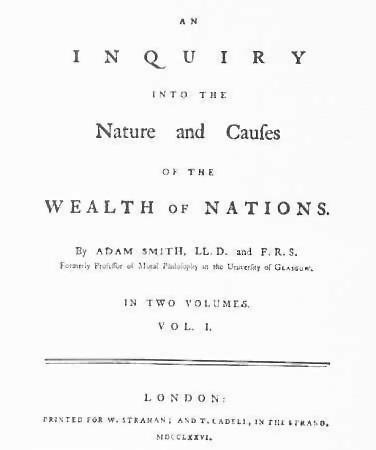
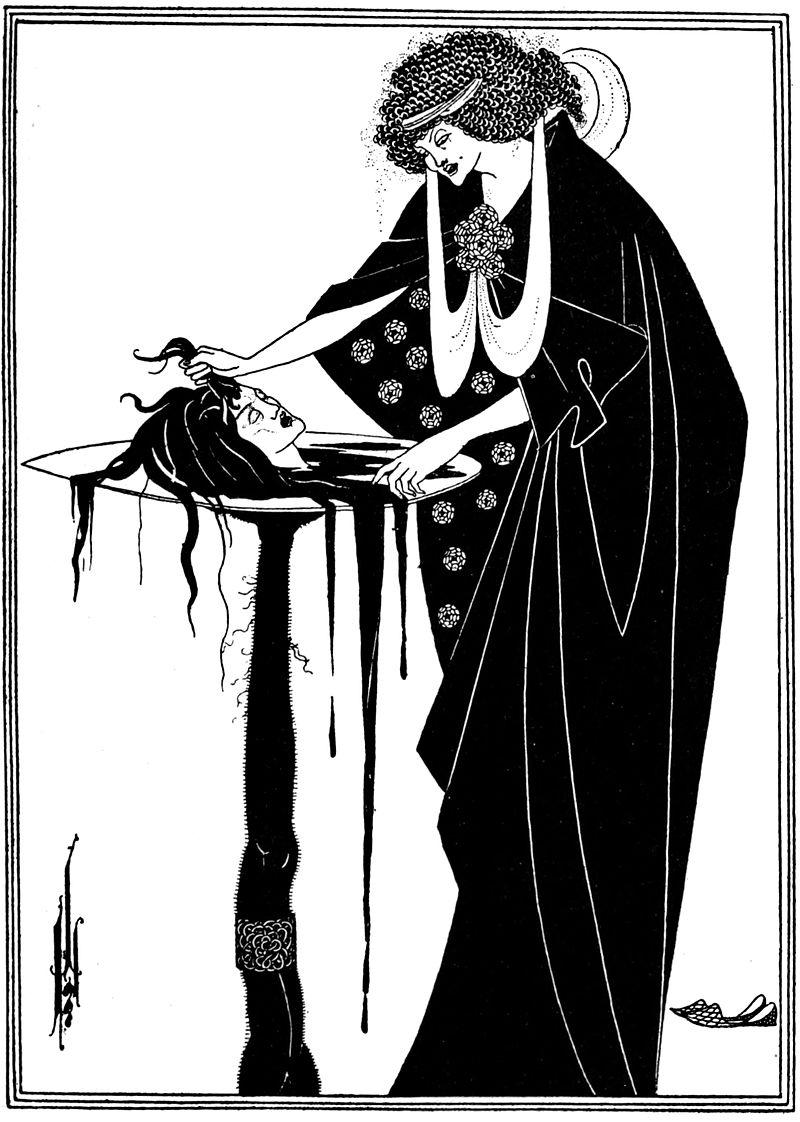
<p><a href="/tags/otd/" rel="tag">#OTD</a> in 1896.</p><p>While Oscar Wilde is in prison, his play Salome (written in 1891) is premièred in its original French by Lugné-Poe's Théâtre de l'Œuvre company in Paris, perhaps at the Comédie-Parisienne. Because the play depicted biblical characters it was banned in Britain and was not performed publicly there until 1931.</p><p><a href="https://en.wikipedia.org/wiki/Salome_(play)" rel="nofollow" class="ellipsis" title="en.wikipedia.org/wiki/Salome_(play)"><span class="invisible">https://</span><span class="ellipsis">en.wikipedia.org/wiki/Salome_(</span><span class="invisible">play)</span></a></p><p>Salomé at PG:<br><a href="https://www.gutenberg.org/ebooks/1339" rel="nofollow"><span class="invisible">https://</span>www.gutenberg.org/ebooks/1339</a></p><p><a href="/tags/books/" rel="tag">#books</a> <a href="/tags/literature/" rel="tag">#literature</a> <a href="/tags/theatre/" rel="tag">#theatre</a></p>
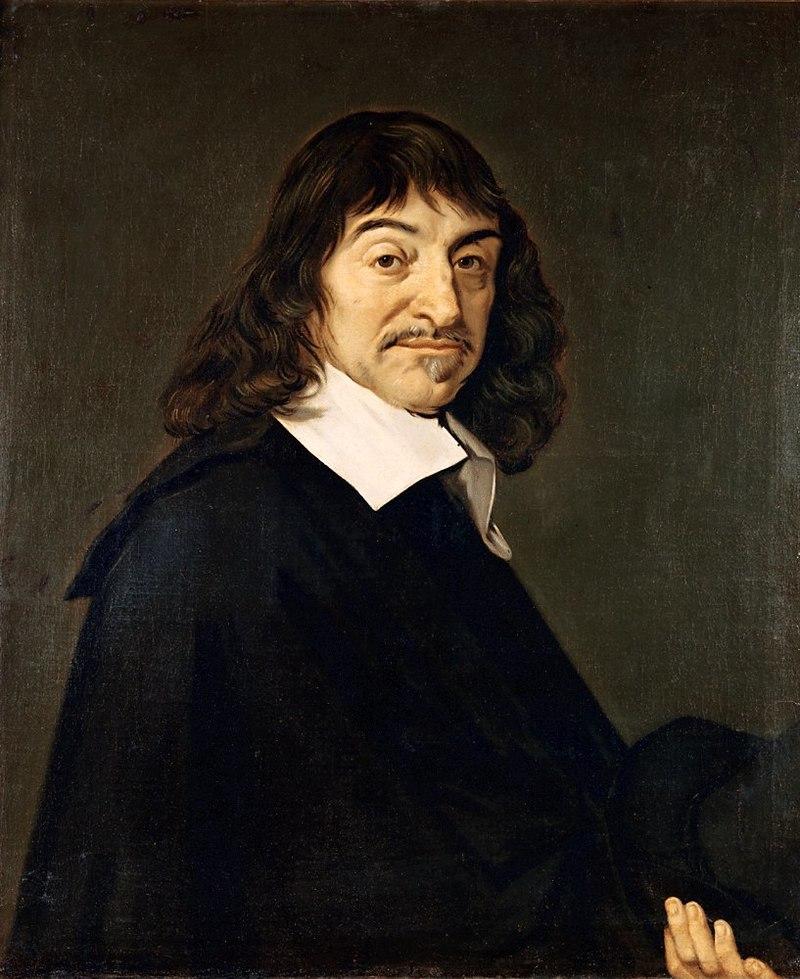
<p>French mathematician and philosopher René Descartes died <a href="/tags/otd/" rel="tag">#OTD</a> in 1650.</p><p>He is known for his influential arguments for substance dualism, where mind and body are considered to have distinct essences, one being characterized by thought, the other by spatial extension. He has been dubbed the "Father of Modern Philosophy" and the "Father of Modern Mathematics."</p><p><a href="https://en.wikipedia.org/wiki/Ren%C3%A9_Descartes" rel="nofollow" class="ellipsis" title="en.wikipedia.org/wiki/Ren%C3%A9_Descartes"><span class="invisible">https://</span><span class="ellipsis">en.wikipedia.org/wiki/Ren%C3%A</span><span class="invisible">9_Descartes</span></a></p><p>Books by René Descartes at PG:<br><a href="https://www.gutenberg.org/ebooks/author/44" rel="nofollow" class="ellipsis" title="www.gutenberg.org/ebooks/author/44"><span class="invisible">https://</span><span class="ellipsis">www.gutenberg.org/ebooks/autho</span><span class="invisible">r/44</span></a></p><p><a href="/tags/books/" rel="tag">#books</a> <a href="/tags/literature/" rel="tag">#literature</a> <a href="/tags/philosophy/" rel="tag">#philosophy</a> <a href="/tags/mathematics/" rel="tag">#mathematics</a></p>
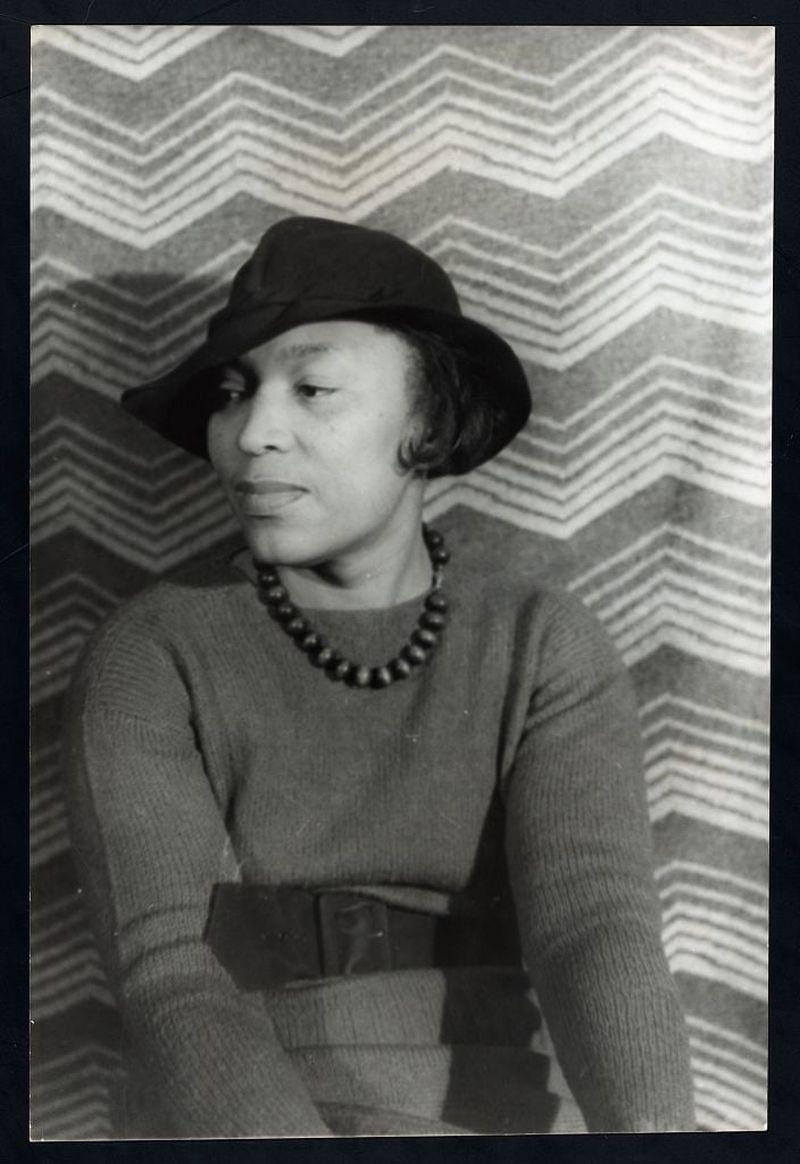
<p><a href="/tags/otd/" rel="tag">#OTD</a> in1960 Zora Neale Hurston died. She "was an American writer, anthropologist, folklorist, and documentary filmmaker. She portrayed racial struggles in the early-20th-century American South and published research on Hoodoo and Caribbean Vodou."</p><p><a href="https://en.wikipedia.org/wiki/Zora_Neale_Hurston" rel="nofollow" class="ellipsis" title="en.wikipedia.org/wiki/Zora_Neale_Hurston"><span class="invisible">https://</span><span class="ellipsis">en.wikipedia.org/wiki/Zora_Nea</span><span class="invisible">le_Hurston</span></a></p><p>Books by Hurston at PG:</p><p><a href="https://www.gutenberg.org/ebooks/author/6368" rel="nofollow" class="ellipsis" title="www.gutenberg.org/ebooks/author/6368"><span class="invisible">https://</span><span class="ellipsis">www.gutenberg.org/ebooks/autho</span><span class="invisible">r/6368</span></a></p><p><a href="/tags/books/" rel="tag">#books</a> <a href="/tags/literature/" rel="tag">#literature</a></p>
<p>Dr Jekyll and Mr Hyde: The Read with Reece Shearsmith</p><p>Currently available on the BBC iPlayer: Reece Shearsmith narrates Robert Louis Stevenson’s classic work of gothic horror</p><p><a href="https://www.bbc.co.uk/programmes/m0027pdf" rel="nofollow" class="ellipsis" title="www.bbc.co.uk/programmes/m0027pdf"><span class="invisible">https://</span><span class="ellipsis">www.bbc.co.uk/programmes/m0027</span><span class="invisible">pdf</span></a></p><p><a href="/tags/scottish/" rel="tag">#Scottish</a> <a href="/tags/literature/" rel="tag">#literature</a> <a href="/tags/19thcentury/" rel="tag">#19thcentury</a> <a href="/tags/victorian/" rel="tag">#Victorian</a> <a href="/tags/robertlouisstevenson/" rel="tag">#RobertLouisStevenson</a> <a href="/tags/horror/" rel="tag">#horror</a> <a href="/tags/gothic/" rel="tag">#gothic</a></p>
<p>Historians recently discovered a hidden fragment of the Bible.</p><p>A part of the book of Matthew was found under two other layers of text.</p><p><a href="https://historyfacts.com/world-history/fact/historians-recently-discovered-a-hidden-fragment-of-the-bible/" rel="nofollow" class="ellipsis" title="historyfacts.com/world-history/fact/historians-recently-discovered-a-hidden-fragment-of-the-bible/"><span class="invisible">https://</span><span class="ellipsis">historyfacts.com/world-history</span><span class="invisible">/fact/historians-recently-discovered-a-hidden-fragment-of-the-bible/</span></a></p><p><a href="/tags/books/" rel="tag">#books</a> <a href="/tags/literature/" rel="tag">#literature</a> <a href="/tags/bible/" rel="tag">#bible</a></p>

Edited 1y ago
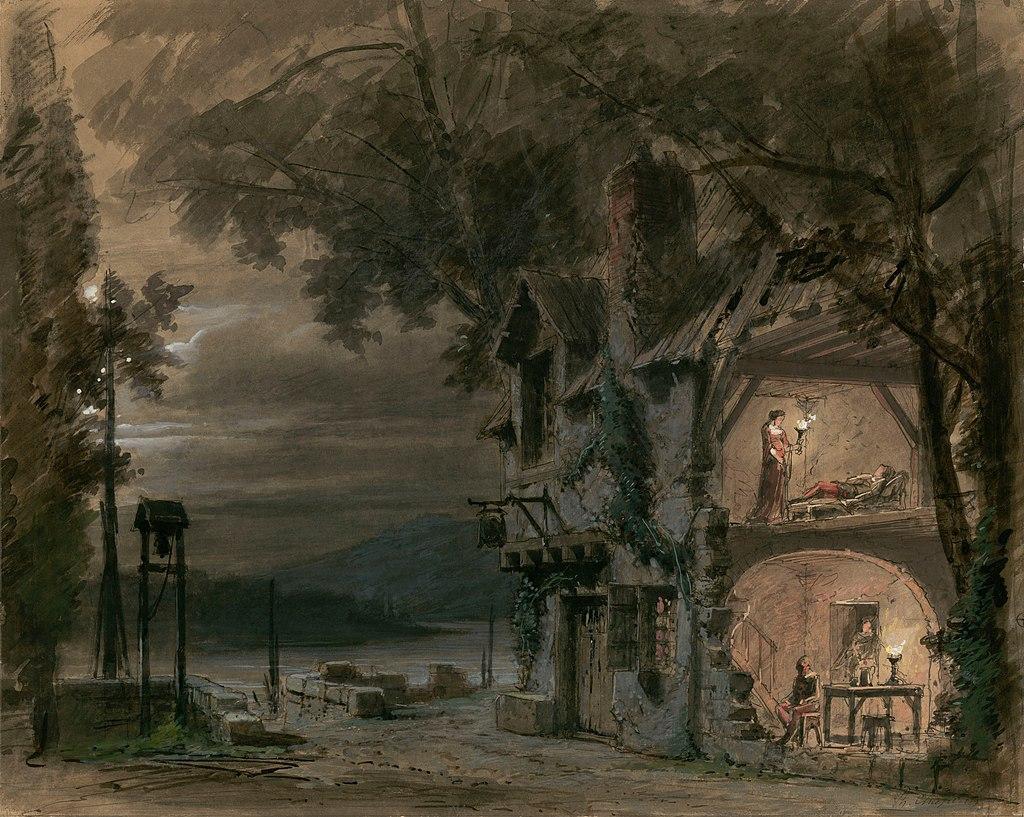
<p><a href="/tags/otd/" rel="tag">#OTD</a> in 1851.</p><p>The first performance of Rigoletto by Giuseppe Verdi takes place in Venice. The Italian libretto was written by Francesco Maria Piave based on the 1832 play Le roi s'amuse by Victor Hugo.</p><p><a href="https://en.wikipedia.org/wiki/Rigoletto" rel="nofollow" class="ellipsis" title="en.wikipedia.org/wiki/Rigoletto"><span class="invisible">https://</span><span class="ellipsis">en.wikipedia.org/wiki/Rigolett</span><span class="invisible">o</span></a></p><p>Le Roi s'amuse at PG:<br><a href="https://www.gutenberg.org/ebooks/29549" rel="nofollow"><span class="invisible">https://</span>www.gutenberg.org/ebooks/29549</a></p><p><a href="/tags/books/" rel="tag">#books</a> <a href="/tags/literature/" rel="tag">#literature</a> <a href="/tags/theatre/" rel="tag">#theatre</a></p>
<p>10 Myths About the Greek Goddess Artemis</p><p>Fascinating stories about the goddess Artemis from Greek myth. The twin sister of Apollo, the chaste goddess, represents the wild wilderness and the hunt.</p><p> by Daniel Soulard</p><p><a href="https://www.thecollector.com/myths-about-artemis-greek-goddess/" rel="nofollow" class="ellipsis" title="www.thecollector.com/myths-about-artemis-greek-goddess/"><span class="invisible">https://</span><span class="ellipsis">www.thecollector.com/myths-abo</span><span class="invisible">ut-artemis-greek-goddess/</span></a></p><p>There are two interesting books about Artemis at PG:<br><a href="https://www.gutenberg.org/ebooks/14576" rel="nofollow"><span class="invisible">https://</span>www.gutenberg.org/ebooks/14576</a><br><a href="https://www.gutenberg.org/ebooks/9283" rel="nofollow"><span class="invisible">https://</span>www.gutenberg.org/ebooks/9283</a></p><p><a href="/tags/books/" rel="tag">#books</a> <a href="/tags/literature/" rel="tag">#literature</a> <a href="/tags/mythology/" rel="tag">#mythology</a></p>
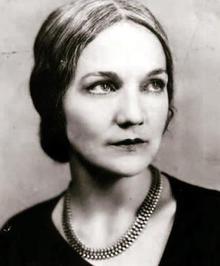
<p>"I look upon literature as an art, and I believe that if you misuse it or abuse it, it will leave you. It is not a thing that you can nail down and use as you want. You have to let it use you, too."<br>Conversations</p><p>Happy birthday Katherine Anne Porter!</p><p>More information:<br><a href="https://en.wikipedia.org/wiki/Katherine_Anne_Porter" rel="nofollow" class="ellipsis" title="en.wikipedia.org/wiki/Katherine_Anne_Porter"><span class="invisible">https://</span><span class="ellipsis">en.wikipedia.org/wiki/Katherin</span><span class="invisible">e_Anne_Porter</span></a></p><p><a href="/tags/books/" rel="tag">#books</a> <a href="/tags/literature/" rel="tag">#literature</a></p>
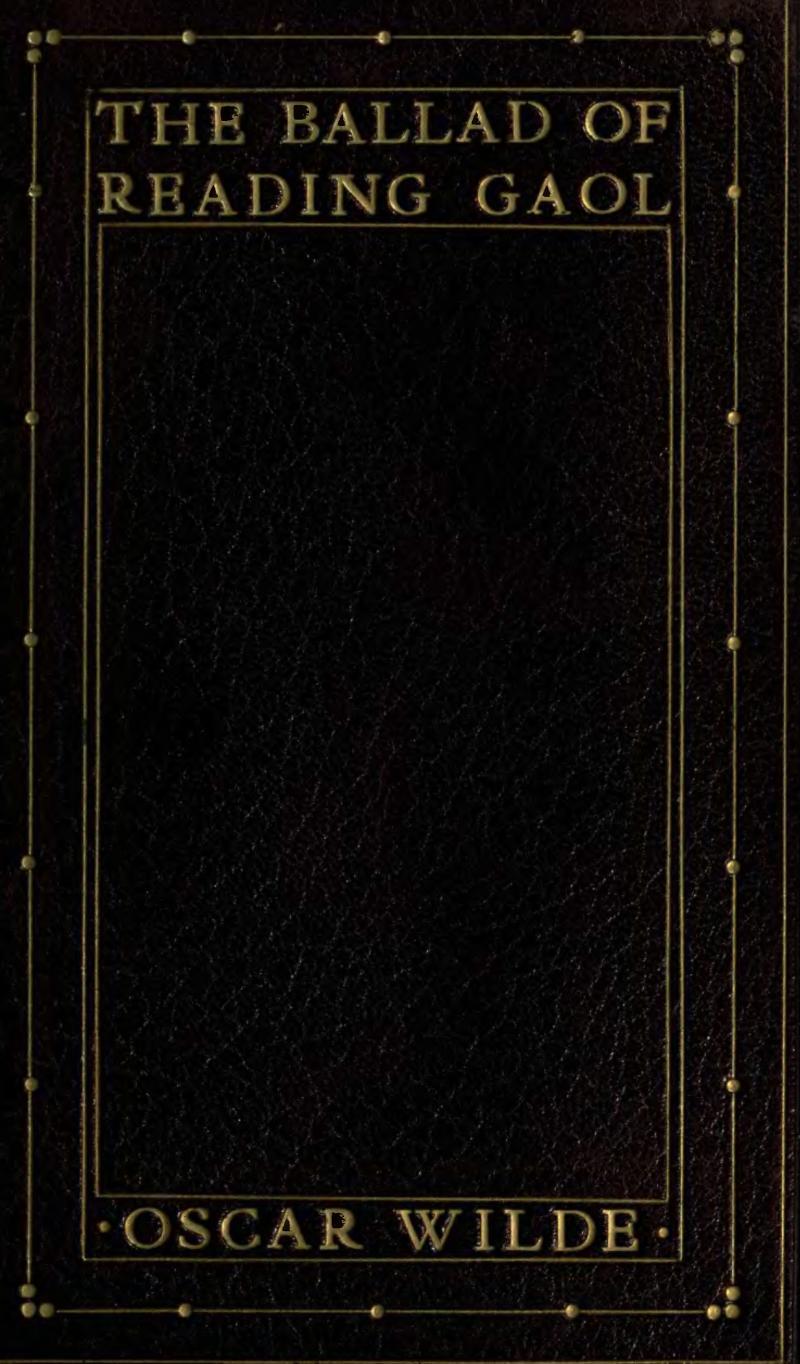
<p>"Yet each man kills the thing he loves<br> By each let this be heard.<br>Some do it with a bitter look,<br> Some with a flattering word.<br>The coward does it with a kiss,<br> The brave man with a sword!"</p><p><a href="/tags/otd/" rel="tag">#OTD</a> in 1898.</p><p>The Ballad of Reading Gaol by Oscar Wilde was published by Leonard Smithers, under the name "C.3.3.", which stood for cell block C, landing 3, cell 3.</p><p><a href="https://en.wikipedia.org/wiki/The_Ballad_of_Reading_Gaol" rel="nofollow" class="ellipsis" title="en.wikipedia.org/wiki/The_Ballad_of_Reading_Gaol"><span class="invisible">https://</span><span class="ellipsis">en.wikipedia.org/wiki/The_Ball</span><span class="invisible">ad_of_Reading_Gaol</span></a></p><p>Ballad of Reading Gaol at PG:<br><a href="https://www.gutenberg.org/ebooks/301" rel="nofollow"><span class="invisible">https://</span>www.gutenberg.org/ebooks/301</a></p><p><a href="/tags/books/" rel="tag">#books</a> <a href="/tags/literature/" rel="tag">#literature</a> <a href="/tags/poetry/" rel="tag">#poetry</a></p>
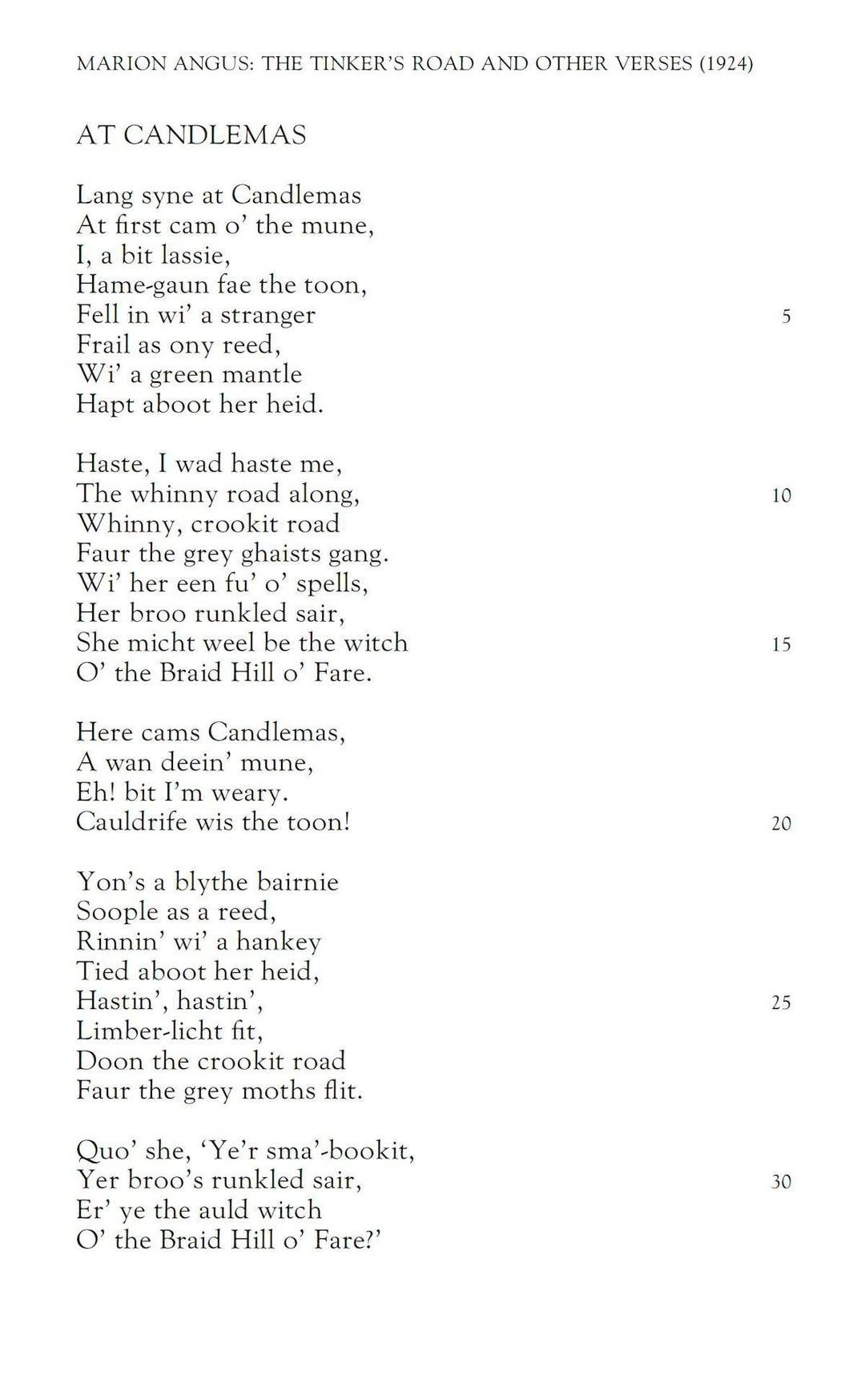
<p>Today, 2 February, is Candlemas. As well as being a Christian holy day, it is one of the four Scottish Quarter Days, when rents were due.</p><p>The Scots poem “At Candlemas” by Marion Angus (1865–1946) is a typically unsentimental look at how swiftly youth turns to old age:</p><p><a href="/tags/scottish/" rel="tag">#Scottish</a> <a href="/tags/literature/" rel="tag">#literature</a> <a href="/tags/poem/" rel="tag">#poem</a> <a href="/tags/poetry/" rel="tag">#poetry</a> <a href="/tags/candlemas/" rel="tag">#Candlemas</a> <a href="/tags/scots/" rel="tag">#Scots</a> <a href="/tags/scotslanguage/" rel="tag">#Scotslanguage</a> <a href="/tags/womenwriters/" rel="tag">#womenwriters</a> <a href="/tags/20thcentury/" rel="tag">#20thcentury</a> <a href="/tags/aging/" rel="tag">#aging</a></p>
<p>The haill clanjamfrie: What’s so braw aboot Scots<br>13 March, Royal Society of Edinburgh & online – free, ticketed</p><p>Through live readings of poetry & prose, alongside open conversation, this RSE Investigates event explores Scots as a powerful tool for creative expression & social commentary – with writers Len Pennie, Chris McQueer, & Michael Pedersen</p><p><a href="https://rse.org.uk/event/the-haill-clanjamfrie-whats-so-braw-aboot-scots/" rel="nofollow" class="ellipsis" title="rse.org.uk/event/the-haill-clanjamfrie-whats-so-braw-aboot-scots/"><span class="invisible">https://</span><span class="ellipsis">rse.org.uk/event/the-haill-cla</span><span class="invisible">njamfrie-whats-so-braw-aboot-scots/</span></a></p><p><a href="/tags/scottish/" rel="tag">#Scottish</a> <a href="/tags/literature/" rel="tag">#literature</a> <a href="/tags/scots/" rel="tag">#Scots</a> <a href="/tags/scotslanguage/" rel="tag">#Scotslanguage</a> <a href="/tags/writing/" rel="tag">#writing</a> <a href="/tags/creativewriting/" rel="tag">#creativewriting</a></p>
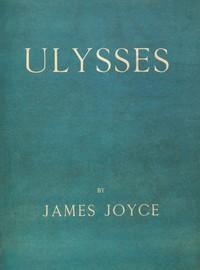
<p>"Secrets, silent, stony sit in the dark palaces of both our hearts: secrets weary of their tyranny: tyrants, willing to be dethroned."<br>ch. 2: Nestor page 28</p><p>Ulysses by James Joyce was partially serialised in the American journal The Little Review from March 1918 to December 1920, the entire work was published in Paris by Sylvia Beach <a href="/tags/otd/" rel="tag">#OTD</a> in 1922.</p><p>Ulysses at PG:<br><a href="https://www.gutenberg.org/ebooks/4300" rel="nofollow"><span class="invisible">https://</span>www.gutenberg.org/ebooks/4300</a></p><p><a href="/tags/books/" rel="tag">#books</a> <a href="/tags/literature/" rel="tag">#literature</a></p>
<p>"They cannot scare me with their empty spaces<br>Between stars—on stars where no human race is.<br>I have it in me so much nearer home<br>To scare myself with my own desert places."</p><p>'Desert Places'</p><p>~Robert Frost (March 26, 1874 – January 29, 1963) </p><p>Robert Frost at PG:<br><a href="https://www.gutenberg.org/ebooks/author/1091" rel="nofollow" class="ellipsis" title="www.gutenberg.org/ebooks/author/1091"><span class="invisible">https://</span><span class="ellipsis">www.gutenberg.org/ebooks/autho</span><span class="invisible">r/1091</span></a></p><p><a href="/tags/books/" rel="tag">#books</a> <a href="/tags/literature/" rel="tag">#literature</a> <a href="/tags/poetry/" rel="tag">#poetry</a></p>