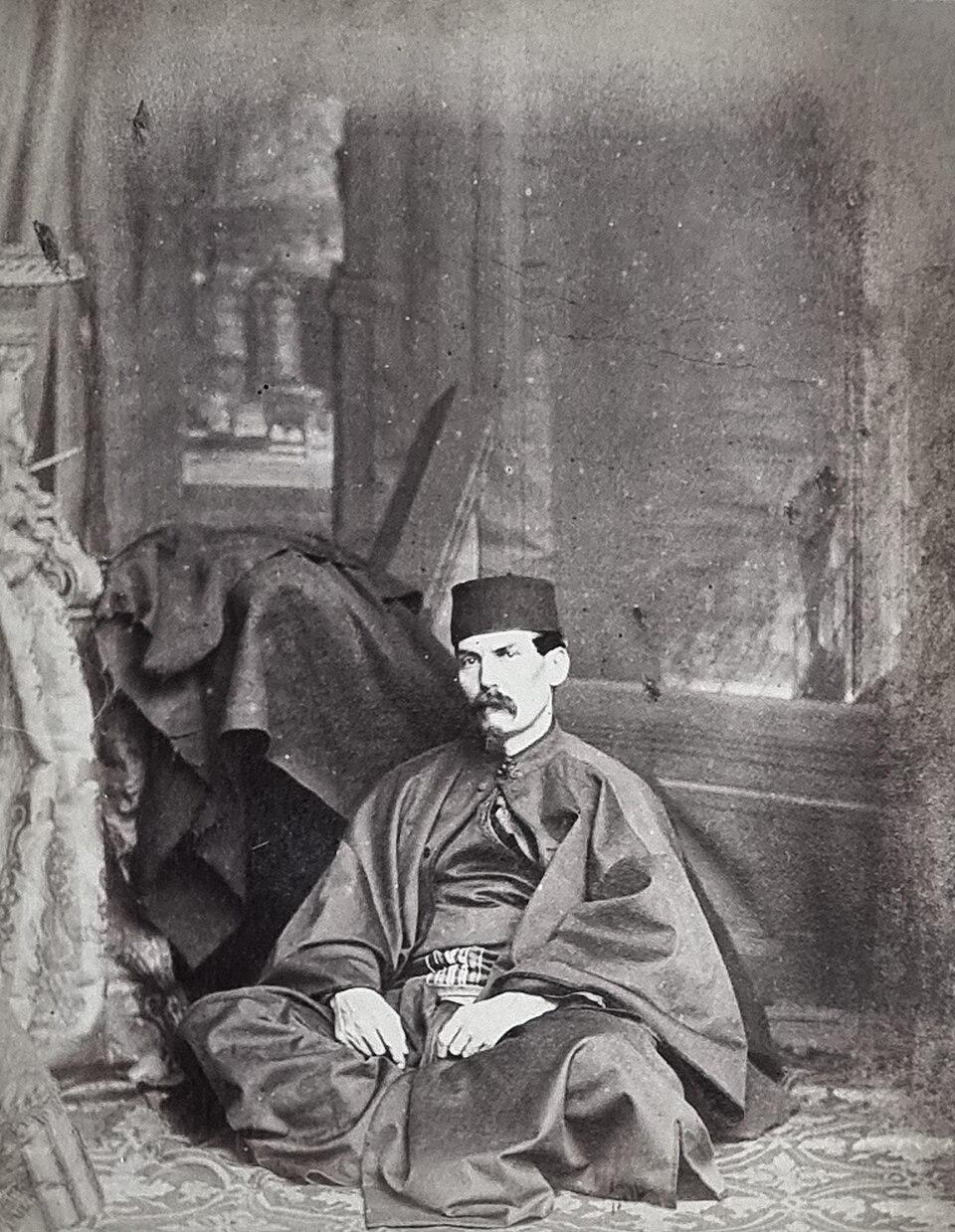
<p><a href="/tags/otd/" rel="tag">#OTD</a> in 1904.</p><p>The first of Virginia Woolf's published writings, "Haworth, November 1904", an account of a visit to the Brontë family home, appears anonymously in a women's supplement to a clerical journal, The Guardian. (A book review written later has appeared in the same journal a week earlier.)</p><p><a href="https://en.wikipedia.org/wiki/Haworth" rel="nofollow"><span class="invisible">https://</span>en.wikipedia.org/wiki/Haworth</a></p><p>Books by Virginia Woolf at PG:<br><a href="https://www.gutenberg.org/ebooks/author/89" rel="nofollow" class="ellipsis" title="www.gutenberg.org/ebooks/author/89"><span class="invisible">https://</span><span class="ellipsis">www.gutenberg.org/ebooks/autho</span><span class="invisible">r/89</span></a></p><p><a href="/tags/books/" rel="tag">#books</a> <a href="/tags/literature/" rel="tag">#literature</a></p>
literature
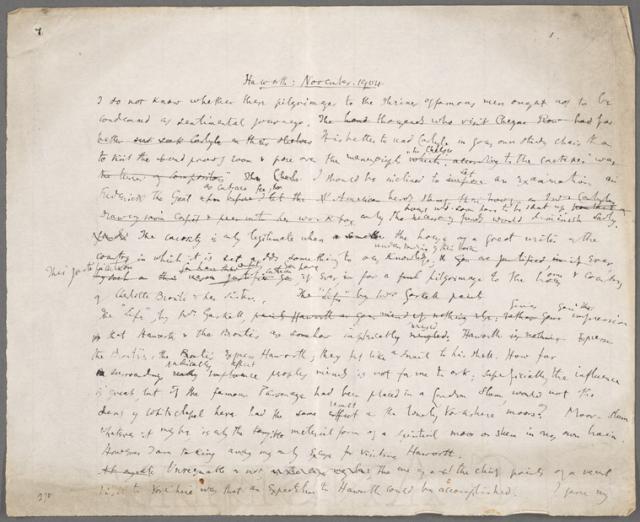
<p>"There can be no freedom or beauty about a home life that depends on borrowing and debt."<br>Torvald Helmer, Act I</p><p><a href="/tags/otd/" rel="tag">#OTD</a> in 1879.</p><p>The first production of Henrik Ibsen's controversial "modern drama" A Doll's House takes place at the Royal Danish Theatre in Copenhagen, after publication there on December 4.</p><p><a href="https://en.wikipedia.org/wiki/A_Doll%27s_House" rel="nofollow" class="ellipsis" title="en.wikipedia.org/wiki/A_Doll%27s_House"><span class="invisible">https://</span><span class="ellipsis">en.wikipedia.org/wiki/A_Doll%2</span><span class="invisible">7s_House</span></a></p><p>A Doll's House at PG:<br><a href="https://gutenberg.org/ebooks/2542" rel="nofollow"><span class="invisible">https://</span>gutenberg.org/ebooks/2542</a></p><p><a href="/tags/books/" rel="tag">#books</a> <a href="/tags/literature/" rel="tag">#literature</a> <a href="/tags/theatre/" rel="tag">#theatre</a></p>
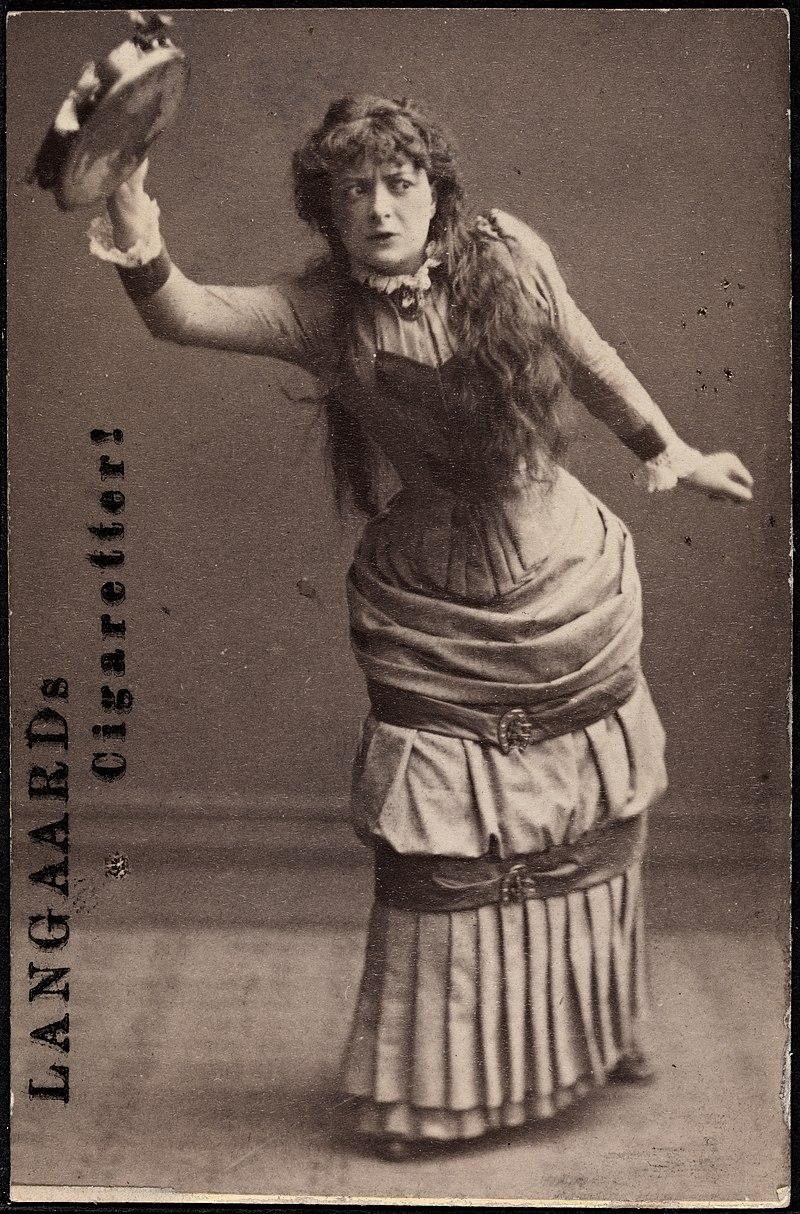
<p>The Remarkable Life of Charles Dickens: Hard Times & Great Expectations</p><p>One of the greatest writers of English literary history, Charles Dickens’ rags-to-riches story is as incredible as any of his greatest works of fiction.</p><p>By Catherine Dent</p><p><a href="https://www.thecollector.com/charles-dickens-remarkable-life/" rel="nofollow" class="ellipsis" title="www.thecollector.com/charles-dickens-remarkable-life/"><span class="invisible">https://</span><span class="ellipsis">www.thecollector.com/charles-d</span><span class="invisible">ickens-remarkable-life/</span></a></p><p>Books by Charles Dickens at PG:<br><a href="https://www.gutenberg.org/ebooks/author/37" rel="nofollow" class="ellipsis" title="www.gutenberg.org/ebooks/author/37"><span class="invisible">https://</span><span class="ellipsis">www.gutenberg.org/ebooks/autho</span><span class="invisible">r/37</span></a></p><p><a href="/tags/books/" rel="tag">#books</a> <a href="/tags/literature/" rel="tag">#literature</a></p>
<p><a href="/tags/otd/" rel="tag">#OTD</a> in 1872.</p><p>Jules Verne's novel Around the World in Eighty Days (Le Tour du monde en quatre-vingts jours) finishes serialisation (since November 2) in the daily Le Temps, the day after the concluding date of the narrative. The story was published in installments over the next 45 days, with its ending timed to synchronize Fogg's December 21 deadline with the real world. </p><p><a href="https://en.wikipedia.org/wiki/Around_the_World_in_Eighty_Days" rel="nofollow" class="ellipsis" title="en.wikipedia.org/wiki/Around_the_World_in_Eighty_Days"><span class="invisible">https://</span><span class="ellipsis">en.wikipedia.org/wiki/Around_t</span><span class="invisible">he_World_in_Eighty_Days</span></a></p><p>Around the World in Eighty Days at PG:<br><a href="https://gutenberg.org/ebooks/search/?query=le+tour+du+monde&submit_search=Go%21" rel="nofollow" class="ellipsis" title="gutenberg.org/ebooks/search/?query=le+tour+du+monde&submit_search=Go%21"><span class="invisible">https://</span><span class="ellipsis">gutenberg.org/ebooks/search/?q</span><span class="invisible">uery=le+tour+du+monde&submit_search=Go%21</span></a></p><p><a href="/tags/books/" rel="tag">#books</a> <a href="/tags/literature/" rel="tag">#literature</a></p>
![Cover of the French first edition of Jules Verne's Around the World in Eighty Days. Published on January 30, 1873,[1] printed by Gauthier-Villars, published by Pierre-Jules Hetzel & Cie, Paris. 217 pages, illustrated with B/W engravings by De Neuville and Benett. (publisher's binding).
Centered prominently is the title, "Le Tour du Monde en Quatre-Vingts Jours," surrounded by ornate borders and motifs inspired by travel, exploration, and exotic destinations. Visual elements such as globes, compasses, and decorative frames emphasize the book's focus on global circumnavigation.
The illustrations by De Neuville and Benett, reproduced in black and white within the 217 pages, add further detail to the narrative, bringing key scenes to life with precision and dramatic flair. The overall design of the cover communicates a sense of grandeur and excitement, perfectly encapsulating the spirit of Verne’s iconic tale.](/proxy/post_attachment/554920/7139f6e747.jpg "Cover of the French first edition of Jules Verne's Around the World in Eighty Days. Published on January 30, 1873,[1] printed by Gauthier-Villars, published by Pierre-Jules Hetzel & Cie, Paris. 217 pages, illustrated with B/W engravings by De Neuville and Benett. (publisher's binding).
Centered prominently is the title, \"Le Tour du Monde en Quatre-Vingts Jours,\" surrounded by ornate borders and motifs inspired by travel, exploration, and exotic destinations. Visual elements such as globes, compasses, and decorative frames emphasize the book's focus on global circumnavigation.
The illustrations by De Neuville and Benett, reproduced in black and white within the 217 pages, add further detail to the narrative, bringing key scenes to life with precision and dramatic flair. The overall design of the cover communicates a sense of grandeur and excitement, perfectly encapsulating the spirit of Verne’s iconic tale.")
<p>"The trouble with this country is... that there're too many people going about saying "The trouble with this country is—"<br>Dodsworth, Ch. 10 (1929)</p><p>American novelist, short-story writer, and playwright Sinclair Lewis died <a href="/tags/otd/" rel="tag">#OTD</a> in 1951.</p><p>Lewis wrote six popular novels: Main Street (1920), Babbitt (1922), Arrowsmith (1925), Elmer Gantry (1927), Dodsworth (1929), and It Can't Happen Here (1935). </p><p><a href="https://en.wikipedia.org/wiki/Sinclair_Lewis" rel="nofollow" class="ellipsis" title="en.wikipedia.org/wiki/Sinclair_Lewis"><span class="invisible">https://</span><span class="ellipsis">en.wikipedia.org/wiki/Sinclair</span><span class="invisible">_Lewis</span></a></p><p>Sinclair Lewis at PG:<br><a href="https://www.gutenberg.org/ebooks/author/278" rel="nofollow" class="ellipsis" title="www.gutenberg.org/ebooks/author/278"><span class="invisible">https://</span><span class="ellipsis">www.gutenberg.org/ebooks/autho</span><span class="invisible">r/278</span></a></p><p><a href="/tags/books/" rel="tag">#books</a> <a href="/tags/literature/" rel="tag">#literature</a></p>
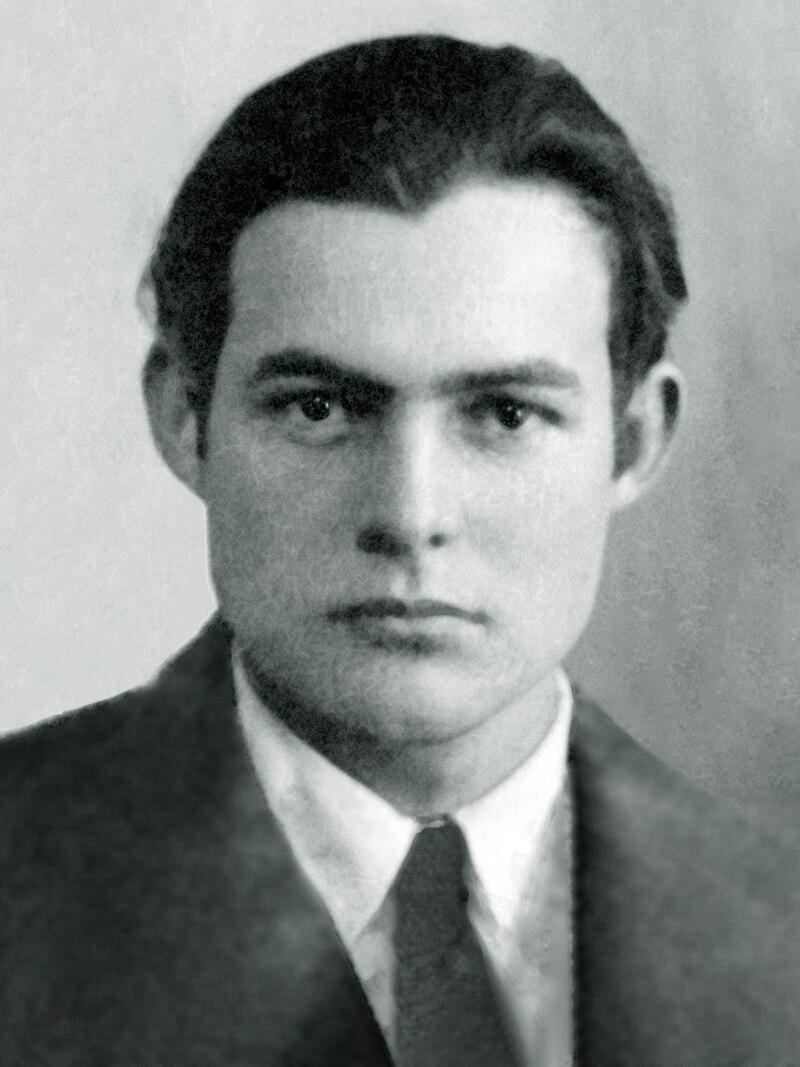
<p>The Editor Who Drove Hemingway Away</p><p>Harry C. Hindmarsh, assistant managing editor of the Toronto Daily Star, knew how to get under Ernest Hemingway’s skin.</p><p><a href="https://daily.jstor.org/the-editor-who-drove-hemingway-away/" rel="nofollow" class="ellipsis" title="daily.jstor.org/the-editor-who-drove-hemingway-away/"><span class="invisible">https://</span><span class="ellipsis">daily.jstor.org/the-editor-who</span><span class="invisible">-drove-hemingway-away/</span></a></p><p>Hemingway at PG:<br><a href="https://www.gutenberg.org/ebooks/author/50533" rel="nofollow" class="ellipsis" title="www.gutenberg.org/ebooks/author/50533"><span class="invisible">https://</span><span class="ellipsis">www.gutenberg.org/ebooks/autho</span><span class="invisible">r/50533</span></a></p><p><a href="/tags/books/" rel="tag">#books</a> <a href="/tags/literature/" rel="tag">#literature</a></p>
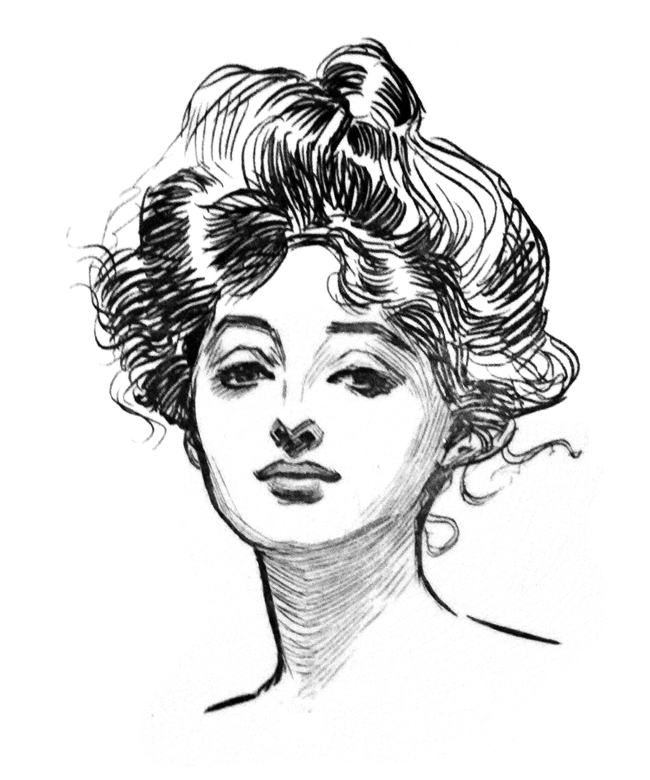
<p>Who Was the Inspiration Behind the ‘Gibson Girl’ Illustrations? The Artist Said She Was Every Woman</p><p>Charles Dana Gibson’s archetype became the original American “it girl” in the late 19th and early 20th centuries, and helped transform fashion and beauty</p><p>by Michelle Mehrtens</p><p><a href="https://www.smithsonianmag.com/smithsonian-institution/who-was-the-inspiration-behind-the-gibson-girl-illustrations-the-artist-said-she-was-every-woman-180988014/?utm_source=smithsoniandaily&utm_medium=email&utm_campaign=editorial&lctg=93133550" rel="nofollow" class="ellipsis" title="www.smithsonianmag.com/smithsonian-institution/who-was-the-inspiration-behind-the-gibson-girl-illustrations-the-artist-said-she-was-every-woman-180988014/?utm_source=smithsoniandaily&utm_medium=email&utm_campaign=editorial&lctg=93133550"><span class="invisible">https://</span><span class="ellipsis">www.smithsonianmag.com/smithso</span><span class="invisible">nian-institution/who-was-the-inspiration-behind-the-gibson-girl-illustrations-the-artist-said-she-was-every-woman-180988014/?utm_source=smithsoniandaily&utm_medium=email&utm_campaign=editorial&lctg=93133550</span></a></p><p>Charles Dana Gibson at PG:<br><a href="https://www.gutenberg.org/ebooks/author/26456" rel="nofollow" class="ellipsis" title="www.gutenberg.org/ebooks/author/26456"><span class="invisible">https://</span><span class="ellipsis">www.gutenberg.org/ebooks/autho</span><span class="invisible">r/26456</span></a></p><p><a href="/tags/books/" rel="tag">#books</a> <a href="/tags/literature/" rel="tag">#literature</a> <a href="/tags/illustrations/" rel="tag">#illustrations</a></p>

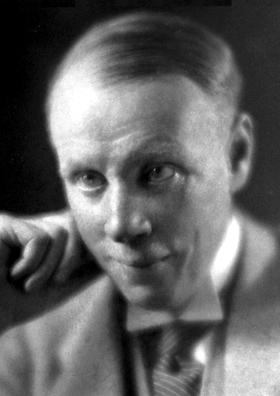
<p>Straight Outta Compton (Mackenzie)</p><p>Edward Compton Mackenzie (1883–1972) was born <a href="/tags/otd/" rel="tag">#OTD</a>, 17 Jan. Mainly remembered today for his 1947 comedy WHISKY GALORE, he wrote more than 100 books & influenced writers such as F Scott Fitzgerald, George Orwell, & Cyril Connolly</p><p>A 🎂🧵</p><p>1/4</p><p><a href="https://unherd.com/2022/11/the-forgotten-genius-of-compton-mackenzie/" rel="nofollow" class="ellipsis" title="unherd.com/2022/11/the-forgotten-genius-of-compton-mackenzie/"><span class="invisible">https://</span><span class="ellipsis">unherd.com/2022/11/the-forgott</span><span class="invisible">en-genius-of-compton-mackenzie/</span></a></p><p><a href="/tags/scottish/" rel="tag">#Scottish</a> <a href="/tags/literature/" rel="tag">#literature</a> <a href="/tags/20thcentury/" rel="tag">#20thcentury</a> <a href="/tags/modernism/" rel="tag">#modernism</a> <a href="/tags/comptonmackenzie/" rel="tag">#ComptonMackenzie</a> <a href="/tags/fscottfitzgerald/" rel="tag">#FScottFitzgerald</a> <a href="/tags/georgeorwell/" rel="tag">#GeorgeOrwell</a> <a href="/tags/cyrilconnolly/" rel="tag">#CyrilConnolly</a></p>
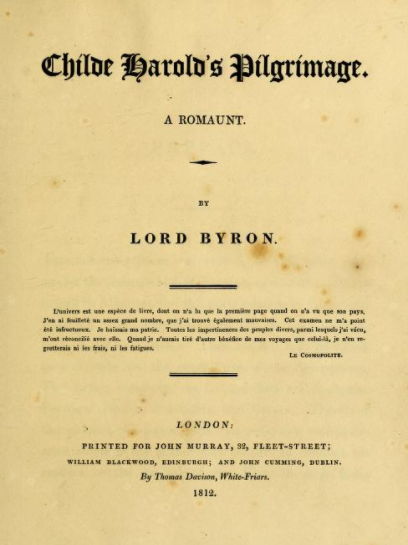
<p><a href="/tags/otd/" rel="tag">#OTD</a> in 1818.</p><p> Lord Byron, in Venice, sends the final part of Childe Harold to his publisher.</p><p>The poem contains elements thought to be autobiographical, as Byron generated some of the storyline from experience gained during his travels through Portugal, the Mediterranean and Aegean Sea between 1809 and 1811.</p><p><a href="https://en.wikipedia.org/wiki/Childe_Harold%27s_Pilgrimage" rel="nofollow" class="ellipsis" title="en.wikipedia.org/wiki/Childe_Harold%27s_Pilgrimage"><span class="invisible">https://</span><span class="ellipsis">en.wikipedia.org/wiki/Childe_H</span><span class="invisible">arold%27s_Pilgrimage</span></a></p><p>Childe Harold's Pilgrimage at PG:<br><a href="https://gutenberg.org/ebooks/5131" rel="nofollow"><span class="invisible">https://</span>gutenberg.org/ebooks/5131</a></p><p><a href="/tags/books/" rel="tag">#books</a> <a href="/tags/literature/" rel="tag">#literature</a> <a href="/tags/poetry/" rel="tag">#poetry</a></p>
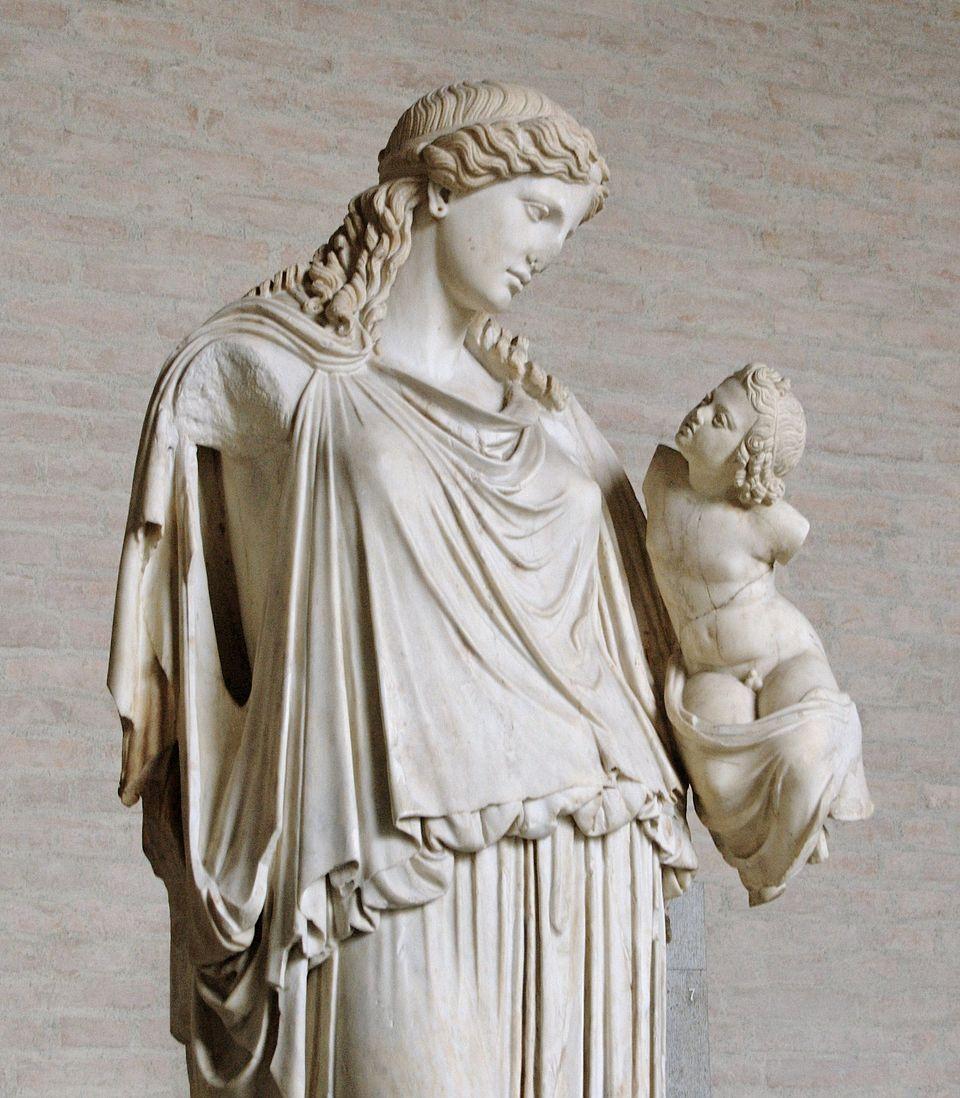
<p>In Pursuit of Peace, Ancient Athens Created a Goddess</p><p>In the aftermath of the Peloponnesian War, Athenians worshipped Eirene. Her cult reflects the political role of religion in Ancient Greece.</p><p>By: Anna Gustafsson </p><p><a href="https://daily.jstor.org/in-pursuit-of-peace-ancient-athens-created-a-goddess/?utm_source=mcae&utm_medium=email&utm_campaign=jstordaily-01152026" rel="nofollow" class="ellipsis" title="daily.jstor.org/in-pursuit-of-peace-ancient-athens-created-a-goddess/?utm_source=mcae&utm_medium=email&utm_campaign=jstordaily-01152026"><span class="invisible">https://</span><span class="ellipsis">daily.jstor.org/in-pursuit-of-</span><span class="invisible">peace-ancient-athens-created-a-goddess/?utm_source=mcae&utm_medium=email&utm_campaign=jstordaily-01152026</span></a></p><p>Eirene at PG:<br><a href="https://www.gutenberg.org/ebooks/search/?query=eirene" rel="nofollow" class="ellipsis" title="www.gutenberg.org/ebooks/search/?query=eirene"><span class="invisible">https://</span><span class="ellipsis">www.gutenberg.org/ebooks/searc</span><span class="invisible">h/?query=eirene</span></a></p><p><a href="/tags/books/" rel="tag">#books</a> <a href="/tags/literature/" rel="tag">#literature</a> <a href="/tags/history/" rel="tag">#history</a></p>
<p><a href="/tags/otd/" rel="tag">#OTD</a> in 1879.</p><p>During construction of an extension to Birmingham Central Library in England, a fire destroys 50,000 books and the original manuscript of the Coventry Mystery Plays (including the "Coventry Carol").</p><p><a href="https://en.wikipedia.org/wiki/Coventry_Mystery_Plays" rel="nofollow" class="ellipsis" title="en.wikipedia.org/wiki/Coventry_Mystery_Plays"><span class="invisible">https://</span><span class="ellipsis">en.wikipedia.org/wiki/Coventry</span><span class="invisible">_Mystery_Plays</span></a></p><p><a href="https://en.wikipedia.org/wiki/Coventry_Carol" rel="nofollow" class="ellipsis" title="en.wikipedia.org/wiki/Coventry_Carol"><span class="invisible">https://</span><span class="ellipsis">en.wikipedia.org/wiki/Coventry</span><span class="invisible">_Carol</span></a></p><p>Coventry Carol at PG (as audio book):<br><a href="https://www.gutenberg.org/ebooks/20603" rel="nofollow"><span class="invisible">https://</span>www.gutenberg.org/ebooks/20603</a></p><p><a href="/tags/books/" rel="tag">#books</a> <a href="/tags/literature/" rel="tag">#literature</a></p>

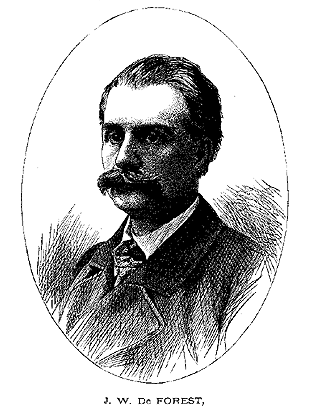
<p><a href="/tags/otd/" rel="tag">#OTD</a> in 1868.</p><p>John William De Forest, writing for The Nation, calls for a more specifically American literature; the essay's title, "The Great American Novel", is the first known use of the term. In 1880, writer Henry James simplified the term with the initialism "GAN".</p><p><a href="https://en.wikipedia.org/wiki/Great_American_Novel" rel="nofollow" class="ellipsis" title="en.wikipedia.org/wiki/Great_American_Novel"><span class="invisible">https://</span><span class="ellipsis">en.wikipedia.org/wiki/Great_Am</span><span class="invisible">erican_Novel</span></a></p><p><a href="https://en.wikipedia.org/wiki/Great_American_Novel#Notable_candidates" rel="nofollow" class="ellipsis" title="en.wikipedia.org/wiki/Great_American_Novel#Notable_candidates"><span class="invisible">https://</span><span class="ellipsis">en.wikipedia.org/wiki/Great_Am</span><span class="invisible">erican_Novel#Notable_candidates</span></a></p><p>Books by John William De Forest at PG:<br><a href="https://www.gutenberg.org/ebooks/author/4323" rel="nofollow" class="ellipsis" title="www.gutenberg.org/ebooks/author/4323"><span class="invisible">https://</span><span class="ellipsis">www.gutenberg.org/ebooks/autho</span><span class="invisible">r/4323</span></a></p><p><a href="/tags/books/" rel="tag">#books</a> <a href="/tags/literature/" rel="tag">#literature</a></p>
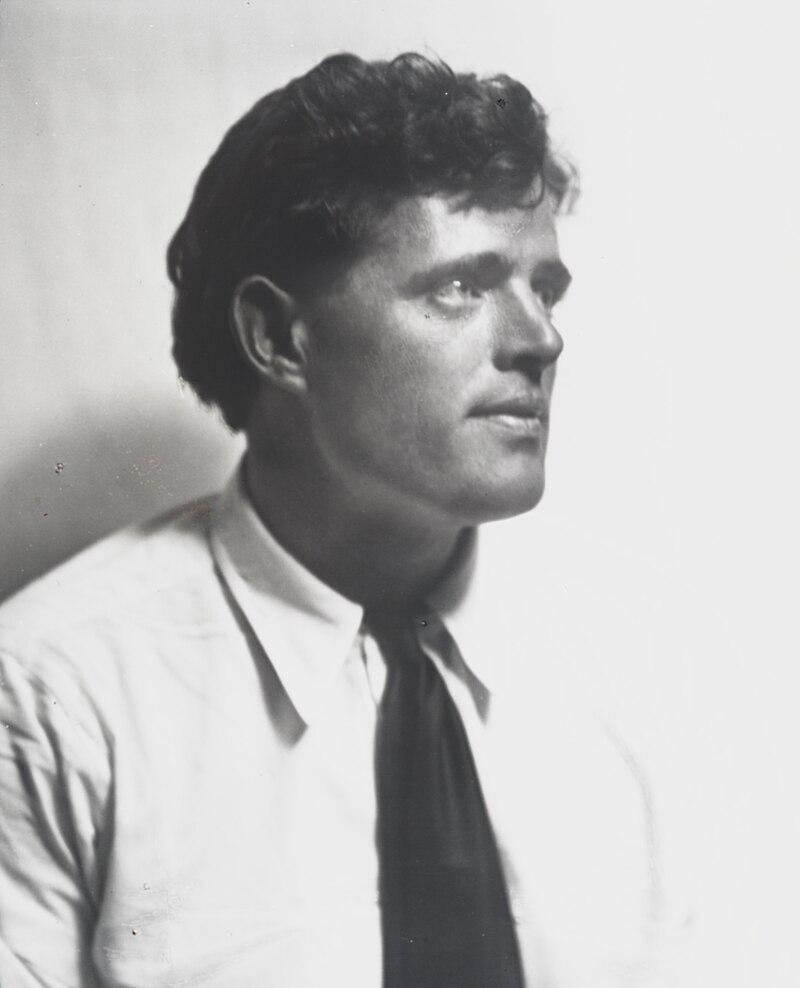
<p>American novelist, journalist and activist Jack London was born <a href="/tags/otd/" rel="tag">#OTD</a> in 1876.</p><p>London wrote several works dealing with animal welfare, workers' rights and socialism, such as his dystopian novel The Iron Heel, his non-fiction exposé The People of the Abyss, War of the Classes, and Before Adam. His most famous works include The Call of the Wild and White Fang.</p><p><a href="https://en.wikipedia.org/wiki/Jack_London" rel="nofollow" class="ellipsis" title="en.wikipedia.org/wiki/Jack_London"><span class="invisible">https://</span><span class="ellipsis">en.wikipedia.org/wiki/Jack_Lon</span><span class="invisible">don</span></a></p><p>Books By Jack London at PG:<br><a href="https://www.gutenberg.org/ebooks/author/120" rel="nofollow" class="ellipsis" title="www.gutenberg.org/ebooks/author/120"><span class="invisible">https://</span><span class="ellipsis">www.gutenberg.org/ebooks/autho</span><span class="invisible">r/120</span></a></p><p><a href="/tags/books/" rel="tag">#books</a> <a href="/tags/literature/" rel="tag">#literature</a></p>
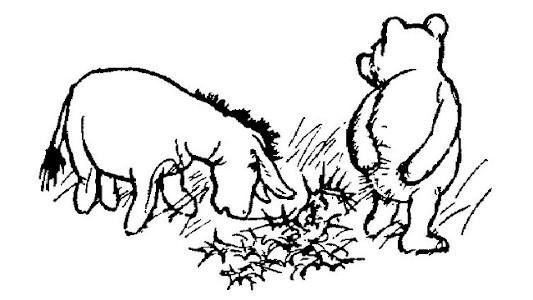
<p>Why we love literary anniversaries</p><p>In 2026 there is another slew of big anniversaries, marking the tercentenary of Jonathan Swift’s Gulliver’s Travels, and 200 years since the ever-relevant Mary Shelley’s The Last Man.</p><p>by Amy Wilcockson</p><p><a href="https://theconversation.com/why-we-love-literary-anniversaries-273375" rel="nofollow" class="ellipsis" title="theconversation.com/why-we-love-literary-anniversaries-273375"><span class="invisible">https://</span><span class="ellipsis">theconversation.com/why-we-lov</span><span class="invisible">e-literary-anniversaries-273375</span></a></p><p>Some literary anniversaries at PG:<br>Gulliver’s Travels: <a href="https://www.gutenberg.org/ebooks/829" rel="nofollow"><span class="invisible">https://</span>www.gutenberg.org/ebooks/829</a><br>The Last man: <a href="https://www.gutenberg.org/ebooks/18247" rel="nofollow"><span class="invisible">https://</span>www.gutenberg.org/ebooks/18247</a><br>Winnie-the-Pooh: <a href="https://www.gutenberg.org/ebooks/67098" rel="nofollow"><span class="invisible">https://</span>www.gutenberg.org/ebooks/67098</a><br>The murder of Roger Ackroyd: <a href="https://www.gutenberg.org/ebooks/69087" rel="nofollow"><span class="invisible">https://</span>www.gutenberg.org/ebooks/69087</a></p><p><a href="/tags/books/" rel="tag">#books</a> <a href="/tags/literature/" rel="tag">#literature</a></p>
<p>"We thought we believed in trial marriage. Nothing of the sort—trial separation! What marriage put asunder divorce has joined together."</p><p><a href="/tags/otd/" rel="tag">#OTD</a> in 1917.</p><p>Jesse Lynch Williams' Why Marry?, the first drama to win a Pulitzer Prize, opens at the Astor Theatre (New York).</p><p><a href="https://en.wikipedia.org/wiki/Why_Marry%3F" rel="nofollow" class="ellipsis" title="en.wikipedia.org/wiki/Why_Marry%3F"><span class="invisible">https://</span><span class="ellipsis">en.wikipedia.org/wiki/Why_Marr</span><span class="invisible">y%3F</span></a></p><p>Why Marry? at PG:<br><a href="https://www.gutenberg.org/ebooks/35389" rel="nofollow"><span class="invisible">https://</span>www.gutenberg.org/ebooks/35389</a></p><p><a href="/tags/books/" rel="tag">#books</a> <a href="/tags/literature/" rel="tag">#literature</a> <a href="/tags/theatre/" rel="tag">#theatre</a> <a href="/tags/drama/" rel="tag">#drama</a></p>
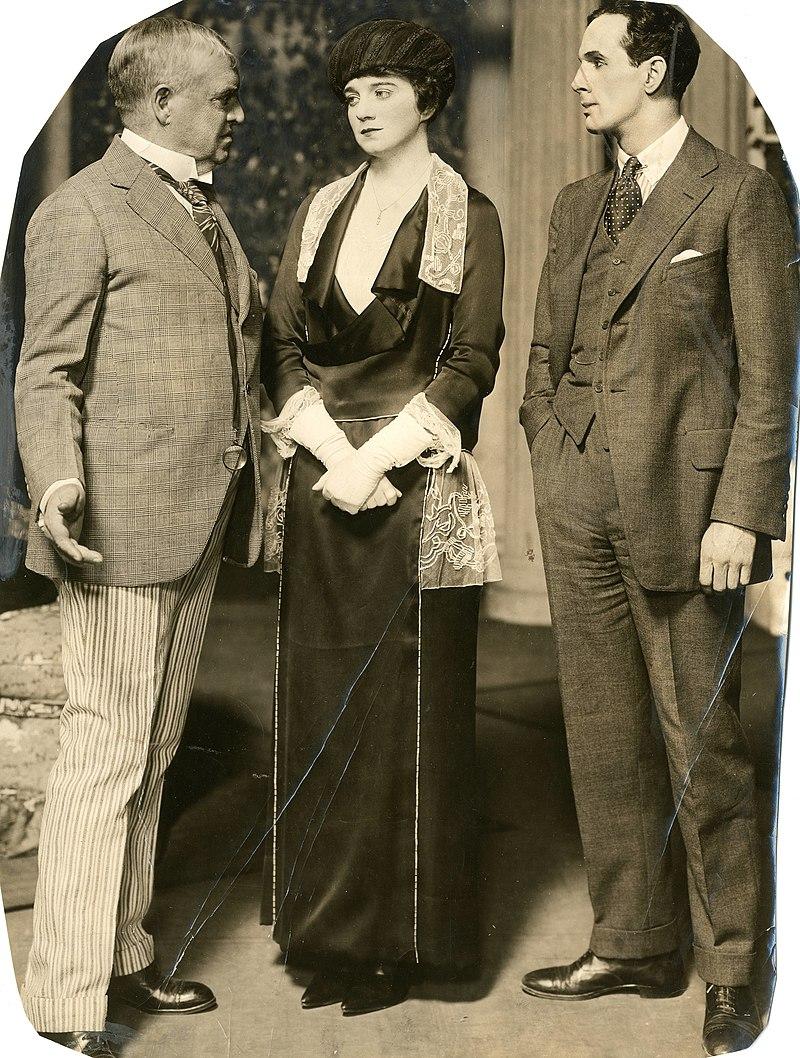
<p><a href="/tags/otd/" rel="tag">#OTD</a> in 1893.</p><p>Kate Chopin's short stories "Désirée's Baby" and "A Visit to Avoyelles" appear in Vogue magazine in the United States. It first appeared under the title "The Father of Désirée's Baby" in a section called "Character Studies".</p><p><a href="https://en.wikipedia.org/wiki/D%C3%A9sir%C3%A9e%27s_Baby" rel="nofollow" class="ellipsis" title="en.wikipedia.org/wiki/D%C3%A9sir%C3%A9e%27s_Baby"><span class="invisible">https://</span><span class="ellipsis">en.wikipedia.org/wiki/D%C3%A9s</span><span class="invisible">ir%C3%A9e%27s_Baby</span></a></p><p>Désirée's Baby at PG:<br><a href="https://www.gutenberg.org/ebooks/160" rel="nofollow"><span class="invisible">https://</span>www.gutenberg.org/ebooks/160</a></p><p><a href="/tags/books/" rel="tag">#books</a> <a href="/tags/literature/" rel="tag">#literature</a></p>
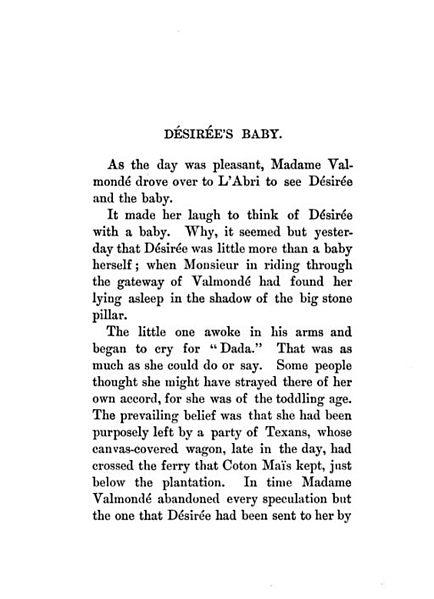
<p>"Here is a golden Rule to begin with. Write legibly. The average temper of the human race would be perceptibly sweetened, if everybody obeyed this Rule! A great deal of the bad writing in the world comes simply from writing too quickly."</p><p>Eight or Nine Wise Words About Letter-Writing (1890)</p><p>~Lewis Carroll (27 January 1832 – 14 January 1898)</p><p>Books by Lewis Carroll at PG:<br><a href="https://www.gutenberg.org/ebooks/author/7" rel="nofollow" class="ellipsis" title="www.gutenberg.org/ebooks/author/7"><span class="invisible">https://</span><span class="ellipsis">www.gutenberg.org/ebooks/autho</span><span class="invisible">r/7</span></a></p><p><a href="/tags/books/" rel="tag">#books</a> <a href="/tags/literature/" rel="tag">#literature</a></p>
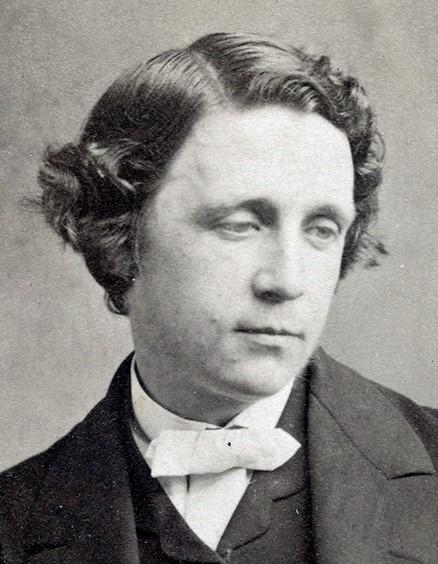
<p>The shape of time</p><p>In the 19th century, the linear idea of time became dominant – with profound implications for how we experience the world</p><p>By Emily Thomas</p><p><a href="https://aeon.co/essays/when-we-turned-time-into-a-line-we-reimagined-past-and-future?utm_source=Aeon+Newsletter&utm_campaign=6edcc3967b-EMAIL_CAMPAIGN_2026_01_10_COPY_01&utm_medium=email&utm_term=0_-4ef8a26106-72664972" rel="nofollow" class="ellipsis" title="aeon.co/essays/when-we-turned-time-into-a-line-we-reimagined-past-and-future?utm_source=Aeon+Newsletter&utm_campaign=6edcc3967b-EMAIL_CAMPAIGN_2026_01_10_COPY_01&utm_medium=email&utm_term=0_-4ef8a26106-72664972"><span class="invisible">https://</span><span class="ellipsis">aeon.co/essays/when-we-turned-</span><span class="invisible">time-into-a-line-we-reimagined-past-and-future?utm_source=Aeon+Newsletter&utm_campaign=6edcc3967b-EMAIL_CAMPAIGN_2026_01_10_COPY_01&utm_medium=email&utm_term=0_-4ef8a26106-72664972</span></a></p><p>Space and Time at PG:<br><a href="https://www.gutenberg.org/ebooks/subject/7601" rel="nofollow" class="ellipsis" title="www.gutenberg.org/ebooks/subject/7601"><span class="invisible">https://</span><span class="ellipsis">www.gutenberg.org/ebooks/subje</span><span class="invisible">ct/7601</span></a></p><p><a href="/tags/books/" rel="tag">#books</a> <a href="/tags/literature/" rel="tag">#literature</a> <a href="/tags/historyofscience/" rel="tag">#historyofscience</a></p>
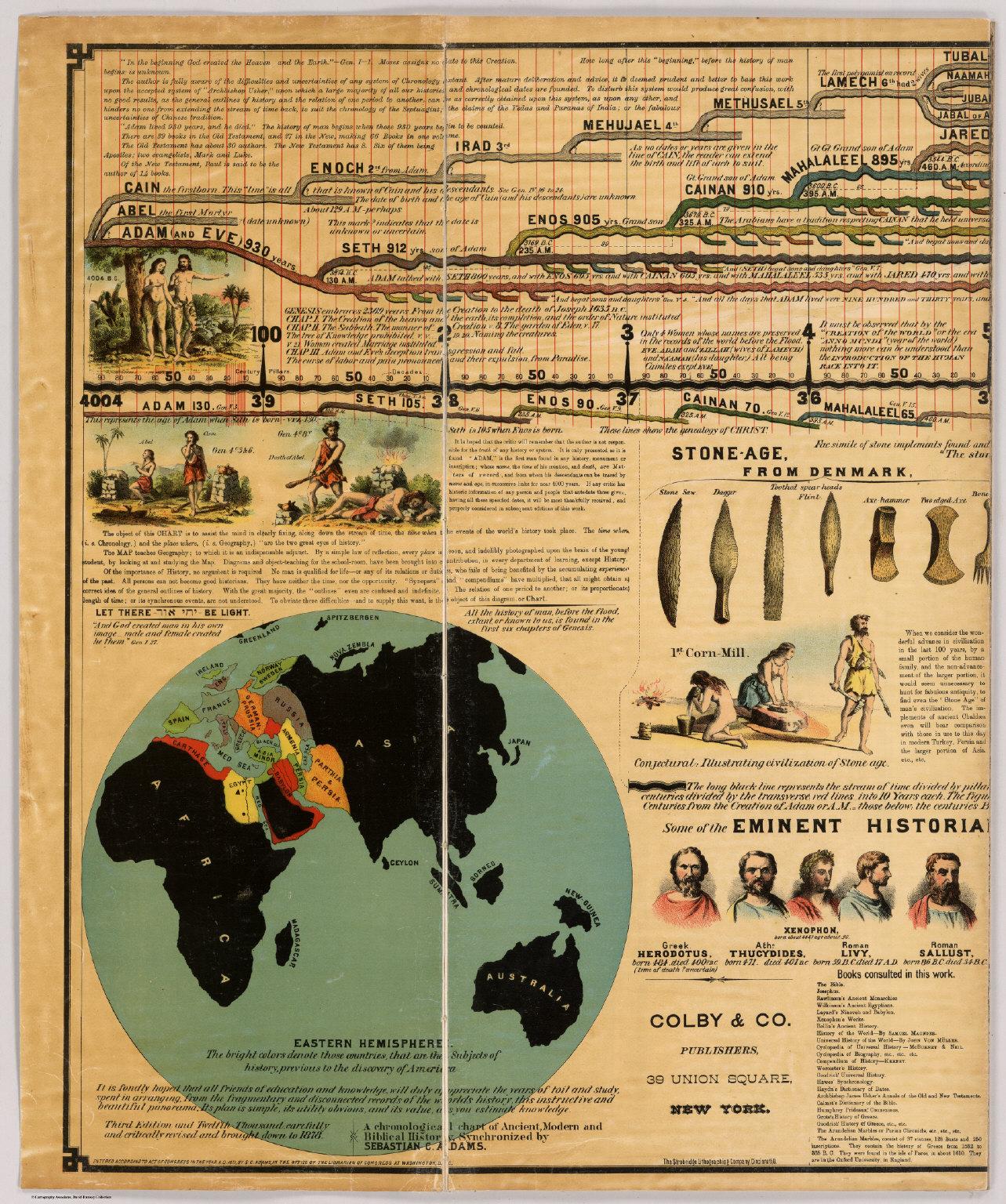
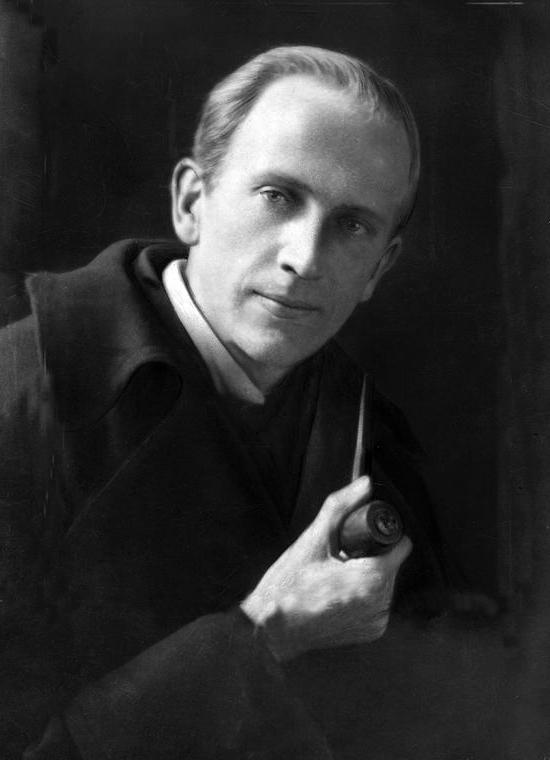
<p>English writer A. A. Milne was born <a href="/tags/otd/" rel="tag">#OTD</a> in 1882.</p><p>He is best best known for his books about the teddy bear Winnie-the-Pooh, as well as for children's poetry. Milne was primarily a playwright before the huge success of Winnie-the-Pooh overshadowed all his previous work.</p><p>Watch our podcast on Winnie the Pooh:<br><a href="https://www.youtube.com/watch?v=zWZxwuam5Iw" rel="nofollow" class="ellipsis" title="www.youtube.com/watch?v=zWZxwuam5Iw"><span class="invisible">https://</span><span class="ellipsis">www.youtube.com/watch?v=zWZxwu</span><span class="invisible">am5Iw</span></a></p><p>A. A. Milne's Winnie-the-Pooh as an accessible eBook:<br><a href="https://tilde.zone/@gluejar/113749300977151258" rel="nofollow" class="ellipsis" title="tilde.zone/@gluejar/113749300977151258"><span class="invisible">https://</span><span class="ellipsis">tilde.zone/@gluejar/1137493009</span><span class="invisible">77151258</span></a></p><p>Books by A.A. Milne at PG:<br><a href="https://www.gutenberg.org/ebooks/author/730" rel="nofollow" class="ellipsis" title="www.gutenberg.org/ebooks/author/730"><span class="invisible">https://</span><span class="ellipsis">www.gutenberg.org/ebooks/autho</span><span class="invisible">r/730</span></a></p><p><a href="/tags/books/" rel="tag">#books</a> <a href="/tags/literature/" rel="tag">#literature</a></p>
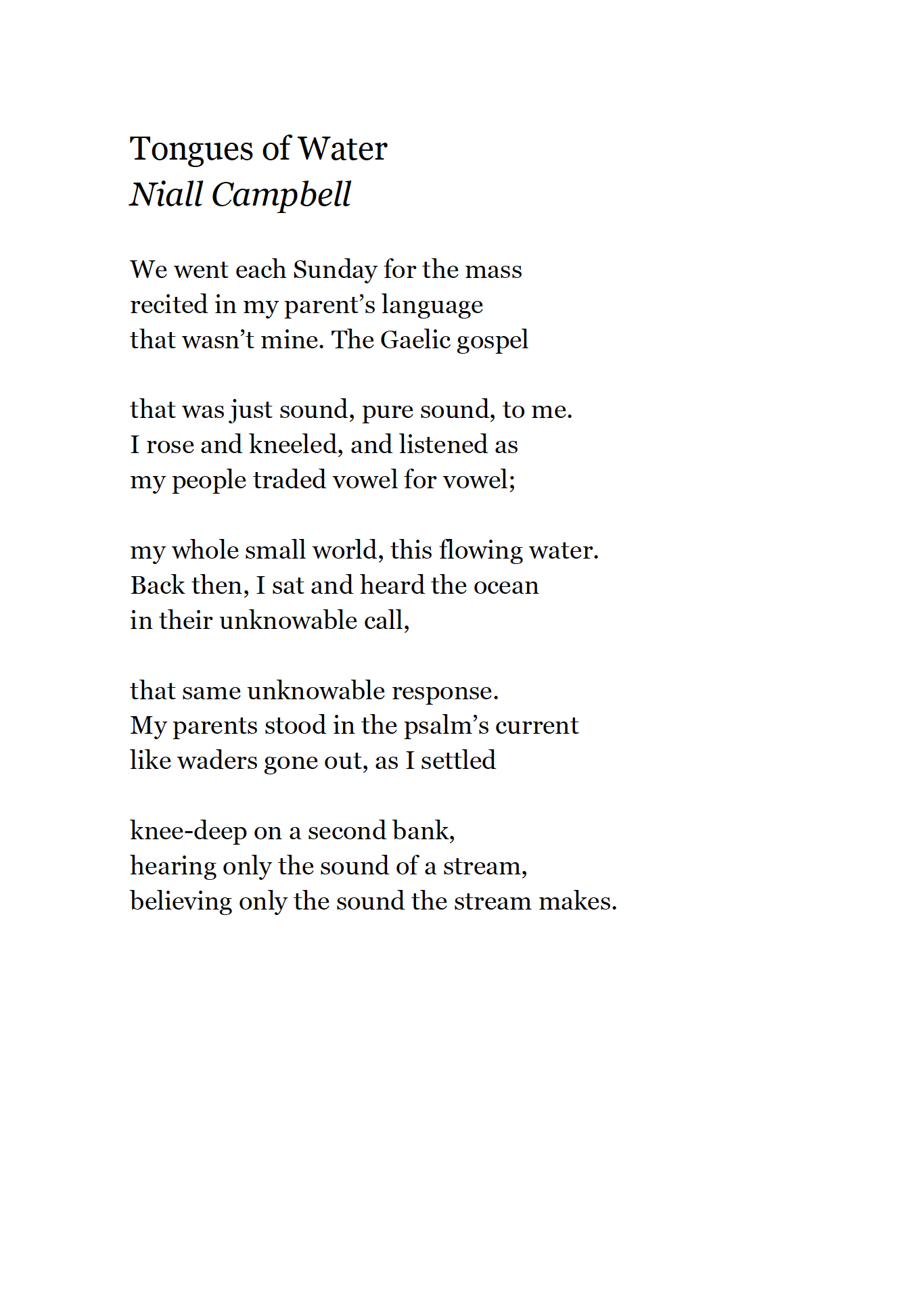
<p>We went each Sunday for the mass<br>recited in my parent’s language<br>that wasn’t mine. The Gaelic gospel</p><p>that was just sound, pure sound, to me.<br>I rose and kneeled, and listened as<br>my people traded vowel for vowel…</p><p>—Niall Campbell, “Tongues of Water”<br>published in THE ISLAND IN THE SOUND (Bloodaxe Books, 2024)</p><p><a href="https://www.bloodaxebooks.com/ecs/product/the-island-in-the-sound-1361" rel="nofollow" class="ellipsis" title="www.bloodaxebooks.com/ecs/product/the-island-in-the-sound-1361"><span class="invisible">https://</span><span class="ellipsis">www.bloodaxebooks.com/ecs/prod</span><span class="invisible">uct/the-island-in-the-sound-1361</span></a></p><p><a href="/tags/scottish/" rel="tag">#Scottish</a> <a href="/tags/literature/" rel="tag">#literature</a> <a href="/tags/poem/" rel="tag">#poem</a> <a href="/tags/poetry/" rel="tag">#poetry</a> <a href="/tags/gaidhlig/" rel="tag">#Gaidhlig</a> <a href="/tags/gaelic/" rel="tag">#Gaelic</a> <a href="/tags/minoritylanguages/" rel="tag">#minoritylanguages</a></p>
<p>Perpetual Movement: Francis Picabia’s 391 Review (1917–1924).</p><p>Francis Picabia, like his close friend and collaborator Marcel Duchamp, was a man of many names. While Duchamp famously went by his feminine alter ego Rrose Sélavy and signed his 1917 Fountain with the pseudonym R. Mutt, Picabia adopted numerous aliases across his literary and artistic practice. </p><p><a href="https://publicdomainreview.org/collection/francis-picabia-391-review/?utm_source=newsletter" rel="nofollow" class="ellipsis" title="publicdomainreview.org/collection/francis-picabia-391-review/?utm_source=newsletter"><span class="invisible">https://</span><span class="ellipsis">publicdomainreview.org/collect</span><span class="invisible">ion/francis-picabia-391-review/?utm_source=newsletter</span></a></p><p><a href="https://archive.org/details/391-vol-1-19" rel="nofollow" class="ellipsis" title="archive.org/details/391-vol-1-19"><span class="invisible">https://</span><span class="ellipsis">archive.org/details/391-vol-1-</span><span class="invisible">19</span></a></p><p>Picabia at PG:<br><a href="https://www.gutenberg.org/ebooks/search/?query=picabia&submit_search=Search" rel="nofollow" class="ellipsis" title="www.gutenberg.org/ebooks/search/?query=picabia&submit_search=Search"><span class="invisible">https://</span><span class="ellipsis">www.gutenberg.org/ebooks/searc</span><span class="invisible">h/?query=picabia&submit_search=Search</span></a></p><p><a href="/tags/art/" rel="tag">#art</a> <a href="/tags/books/" rel="tag">#books</a> <a href="/tags/literature/" rel="tag">#literature</a> <a href="/tags/dada/" rel="tag">#dada</a></p>

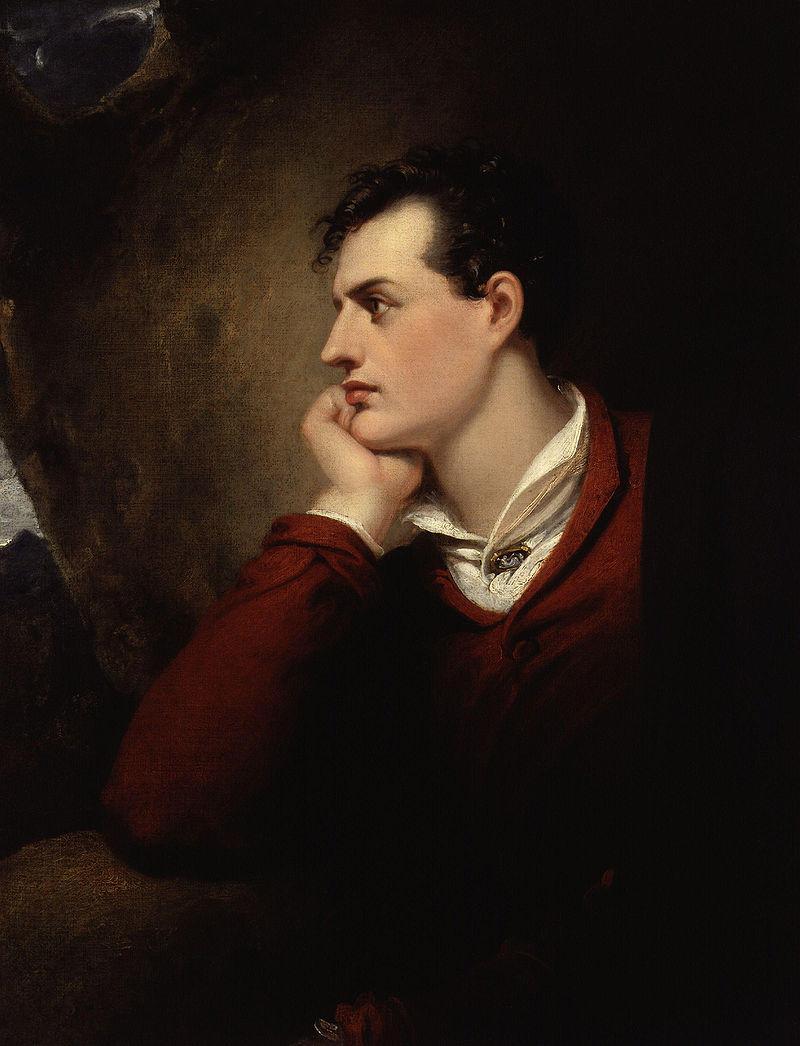
<p><a href="/tags/otd/" rel="tag">#OTD</a> in 1812.</p><p>Lord Byron takes his seat in the Parliament of the United Kingdom.</p><p>These parlamentary experiences inspired Byron to write political poems such as Song for the Luddites (1816) and The Landlords' Interest, Canto XIV of The Age of Bronze. Examples of poems in which he attacked his political opponents include Wellington: The Best of the Cut-Throats (1819) and The Intellectual Eunuch Castlereagh (1818).</p><p>Books by Lord Byron at PG:<br><a href="https://www.gutenberg.org/ebooks/author/1708" rel="nofollow" class="ellipsis" title="www.gutenberg.org/ebooks/author/1708"><span class="invisible">https://</span><span class="ellipsis">www.gutenberg.org/ebooks/autho</span><span class="invisible">r/1708</span></a></p><p><a href="/tags/books/" rel="tag">#books</a> <a href="/tags/literature/" rel="tag">#literature</a></p>
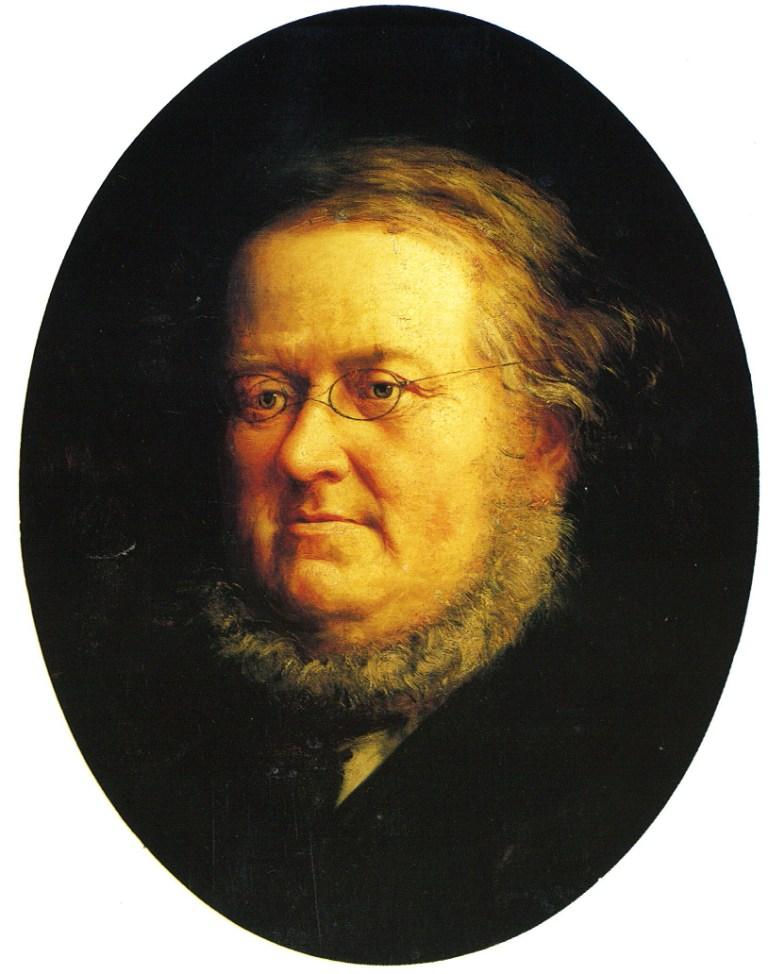
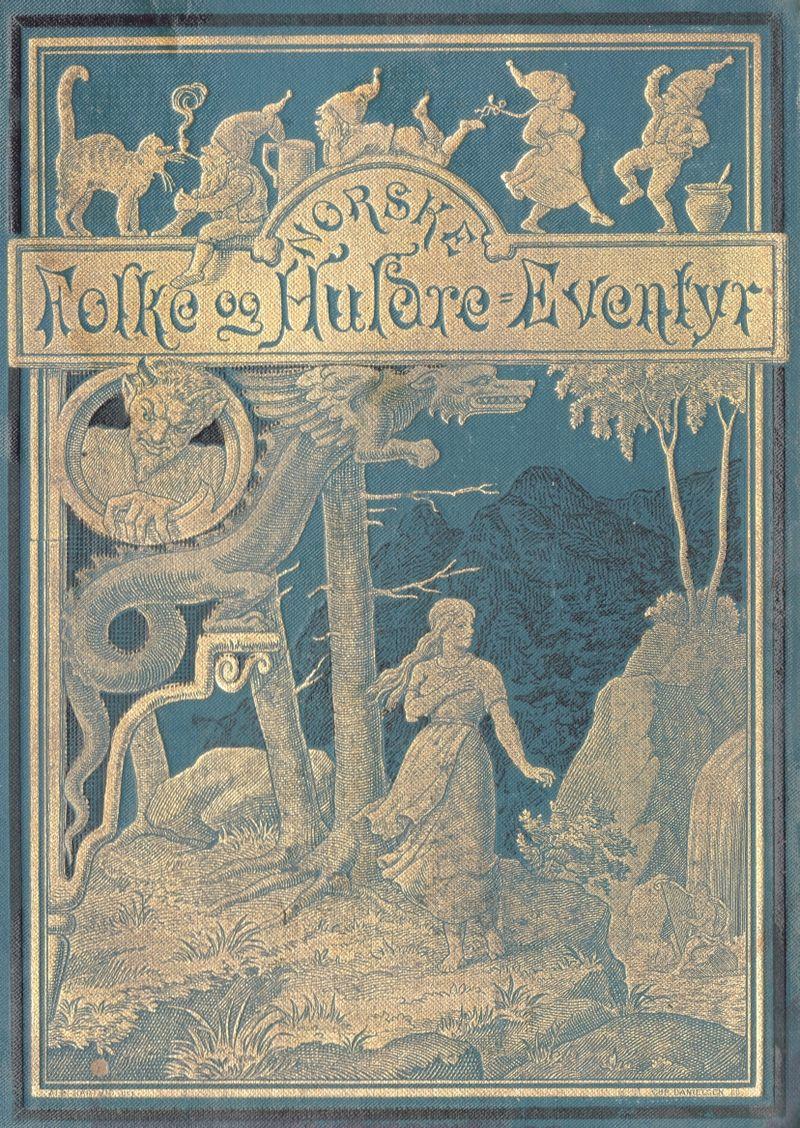
<p>Norwegian folklorist, writer, and zoologist Peter Christen Asbjørnsen was born <a href="/tags/otd/" rel="tag">#OTD</a> in 1812.</p><p>He and Jørgen Engebretsen Moe were collectors of Norwegian folklore. The most famous collection, "Norske Folkeeventyr" ("Norwegian Folktales"), was co-published with Moe starting in 1841. He worked as a zoologist and forestry expert, publishing writings on nature and the environment.</p><p><a href="https://en.wikipedia.org/wiki/Peter_Christen_Asbj%C3%B8rnsen" rel="nofollow" class="ellipsis" title="en.wikipedia.org/wiki/Peter_Christen_Asbj%C3%B8rnsen"><span class="invisible">https://</span><span class="ellipsis">en.wikipedia.org/wiki/Peter_Ch</span><span class="invisible">risten_Asbj%C3%B8rnsen</span></a></p><p>Books by Peter Christen Asbjørnsen at PG:<br><a href="https://www.gutenberg.org/ebooks/author/34177" rel="nofollow" class="ellipsis" title="www.gutenberg.org/ebooks/author/34177"><span class="invisible">https://</span><span class="ellipsis">www.gutenberg.org/ebooks/autho</span><span class="invisible">r/34177</span></a></p><p><a href="/tags/books/" rel="tag">#books</a> <a href="/tags/literature/" rel="tag">#literature</a></p>
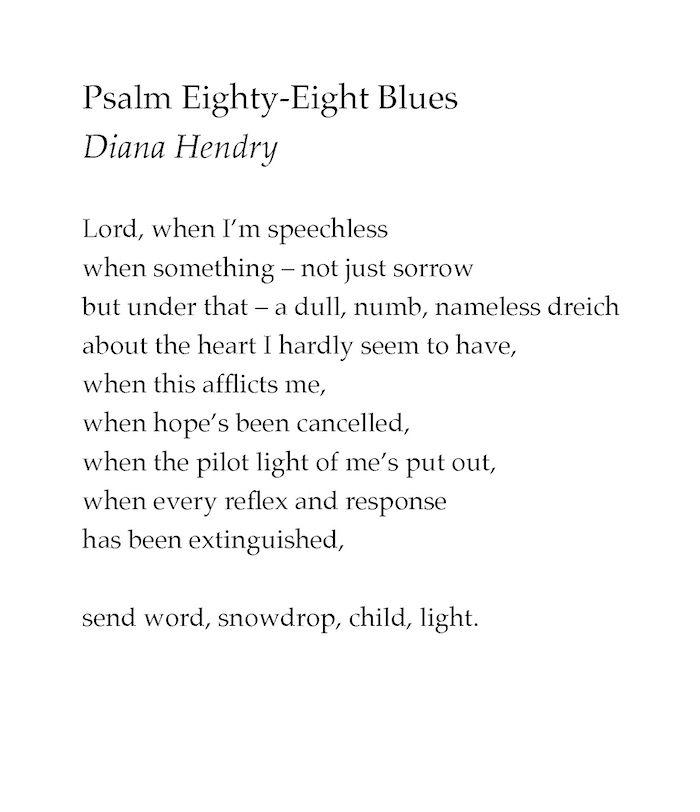
<p>Lord, when I’m speechless<br>when something – not just sorrow<br>but under that – a dull, numb, nameless dreich<br>about the heart I hardly seem to have…</p><p>—Diana Hendry, “Psalm 88 Blues”<br>Published in TWELVE LILTS (Mariscat Press, 2003)</p><p>A poem for Blue Monday – officially the most depressing day of the year…</p><p><a href="/tags/scottish/" rel="tag">#Scottish</a> <a href="/tags/literature/" rel="tag">#literature</a> <a href="/tags/poem/" rel="tag">#poem</a> <a href="/tags/poetry/" rel="tag">#poetry</a> <a href="/tags/bluemonday/" rel="tag">#BlueMonday</a></p>
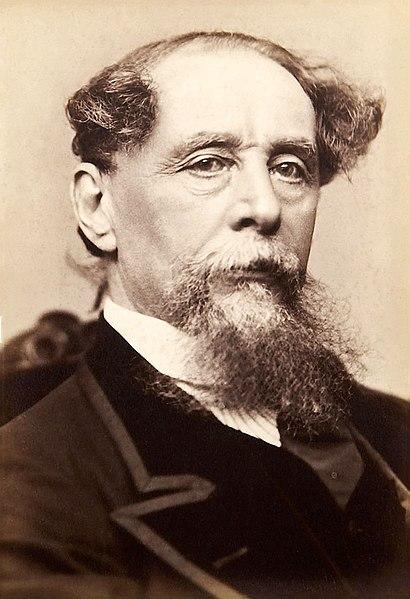
<p>The Explorer Who Faked His Way Through the Hajj</p><p>Englishman Richard Burton wore several disguises, ranging from merchant to doctor to pilgrim in the holy city of Mecca.</p><p>By Kayla Johnson</p><p><a href="https://daily.jstor.org/the-explorer-who-faked-his-way-through-the-hajj/?utm_source=mcae&utm_medium=email&utm_campaign=jstordaily_01302026" rel="nofollow" class="ellipsis" title="daily.jstor.org/the-explorer-who-faked-his-way-through-the-hajj/?utm_source=mcae&utm_medium=email&utm_campaign=jstordaily_01302026"><span class="invisible">https://</span><span class="ellipsis">daily.jstor.org/the-explorer-w</span><span class="invisible">ho-faked-his-way-through-the-hajj/?utm_source=mcae&utm_medium=email&utm_campaign=jstordaily_01302026</span></a></p><p>Richard Burton at PG:<br><a href="https://www.gutenberg.org/ebooks/author/898" rel="nofollow" class="ellipsis" title="www.gutenberg.org/ebooks/author/898"><span class="invisible">https://</span><span class="ellipsis">www.gutenberg.org/ebooks/autho</span><span class="invisible">r/898</span></a></p><p><a href="/tags/books/" rel="tag">#books</a> <a href="/tags/literature/" rel="tag">#literature</a> <a href="/tags/history/" rel="tag">#history</a></p>