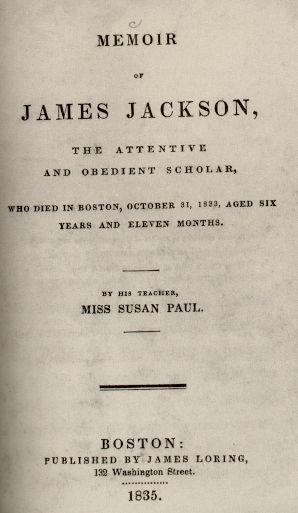
<p>"Ah! the death of the poor, the empty entrails, howling hunger, the animal appetite that leads one with chattering teeth to fill one’s stomach with beastly refuse in this great Paris, so bright and golden! "<br>Chapter XII</p><p><a href="/tags/otd/" rel="tag">#OTD</a> in 1877.</p><p>Émile Zola's L'Assommoir, 7th in his novel sequence Les Rougon-Macquart, is first published in book format a few weeks after its serialisation ends in Le Bien public (Paris). </p><p><a href="https://en.wikipedia.org/wiki/L%27Assommoir" rel="nofollow" class="ellipsis" title="en.wikipedia.org/wiki/L%27Assommoir"><span class="invisible">https://</span><span class="ellipsis">en.wikipedia.org/wiki/L%27Asso</span><span class="invisible">mmoir</span></a></p><p>L´Assommoir at PG:<br><a href="https://gutenberg.org/ebooks/search/?query=L%27Assommoir&submit_search=Go%21" rel="nofollow" class="ellipsis" title="gutenberg.org/ebooks/search/?query=L%27Assommoir&submit_search=Go%21"><span class="invisible">https://</span><span class="ellipsis">gutenberg.org/ebooks/search/?q</span><span class="invisible">uery=L%27Assommoir&submit_search=Go%21</span></a></p><p><a href="/tags/books/" rel="tag">#books</a> <a href="/tags/literature/" rel="tag">#literature</a></p>
literature
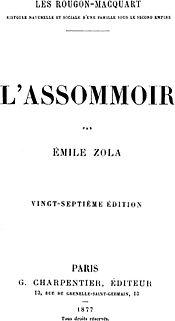
<p><a href="/tags/otd/" rel="tag">#OTD</a> in 1835.</p><p>Abolitionist Susan Paul officiates at a meeting of the New England Anti-Slavery Society (NEASS) in Boston. Later in the year, her Memoir of James Jackson becomes the earliest-known published narrative by an African-American woman and the first account documenting the life of a free black child in the United States.</p><p><a href="https://en.wikipedia.org/wiki/Susan_Paul" rel="nofollow" class="ellipsis" title="en.wikipedia.org/wiki/Susan_Paul"><span class="invisible">https://</span><span class="ellipsis">en.wikipedia.org/wiki/Susan_Pa</span><span class="invisible">ul</span></a></p><p><a href="/tags/books/" rel="tag">#books</a> <a href="/tags/literature/" rel="tag">#literature</a></p>
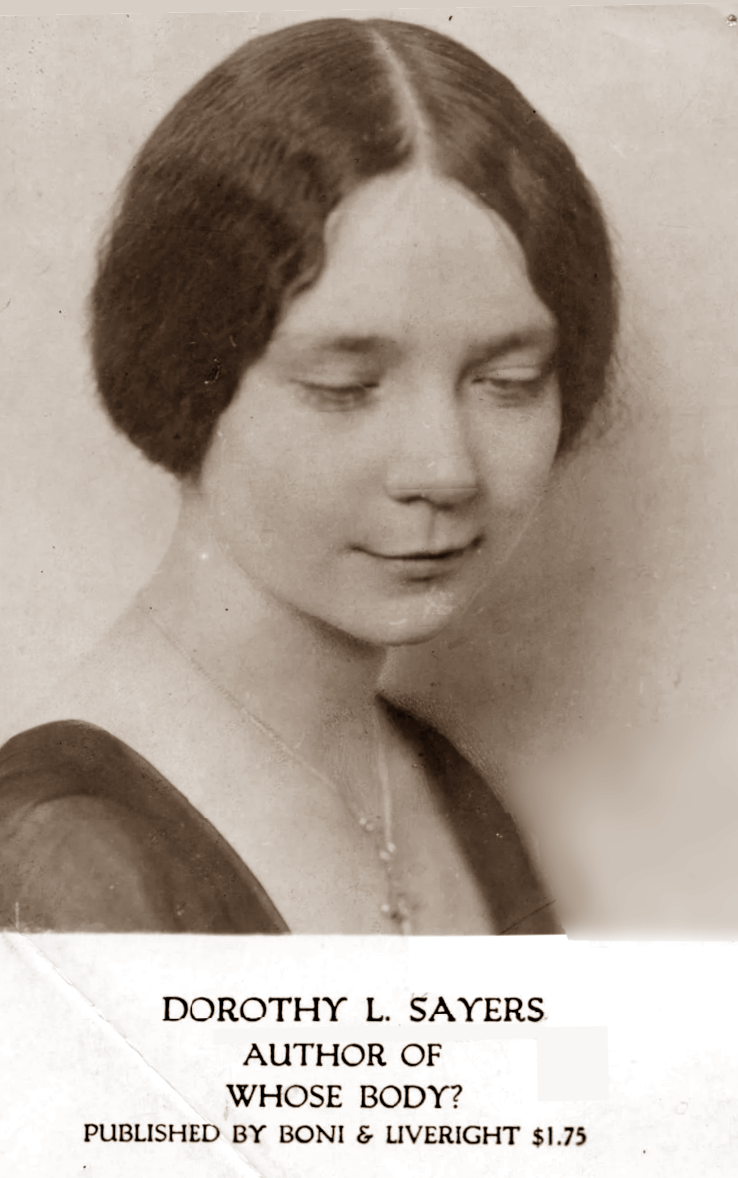
<p>" I always have a quotation for everything - it saves original thinking."<br>Have His Carcase</p><p>English author, poet, and playwright Dorothy L. Sayers died <a href="/tags/otd/" rel="tag">#OTD</a> in 1957. Sayers is most famous for her detective novels featuring Lord Peter Wimsey, an aristocratic amateur sleuth. She wrote several plays, including The Zeal of Thy House and The Man Born to Be King. Sayers also translated major works, notably Dante’s Divine Comedy. </p><p>Dorothy L. Sayers at PG:<br><a href="https://www.gutenberg.org/ebooks/author/45867" rel="nofollow" class="ellipsis" title="www.gutenberg.org/ebooks/author/45867"><span class="invisible">https://</span><span class="ellipsis">www.gutenberg.org/ebooks/autho</span><span class="invisible">r/45867</span></a></p><p><a href="/tags/books/" rel="tag">#books</a> <a href="/tags/literature/" rel="tag">#literature</a></p>
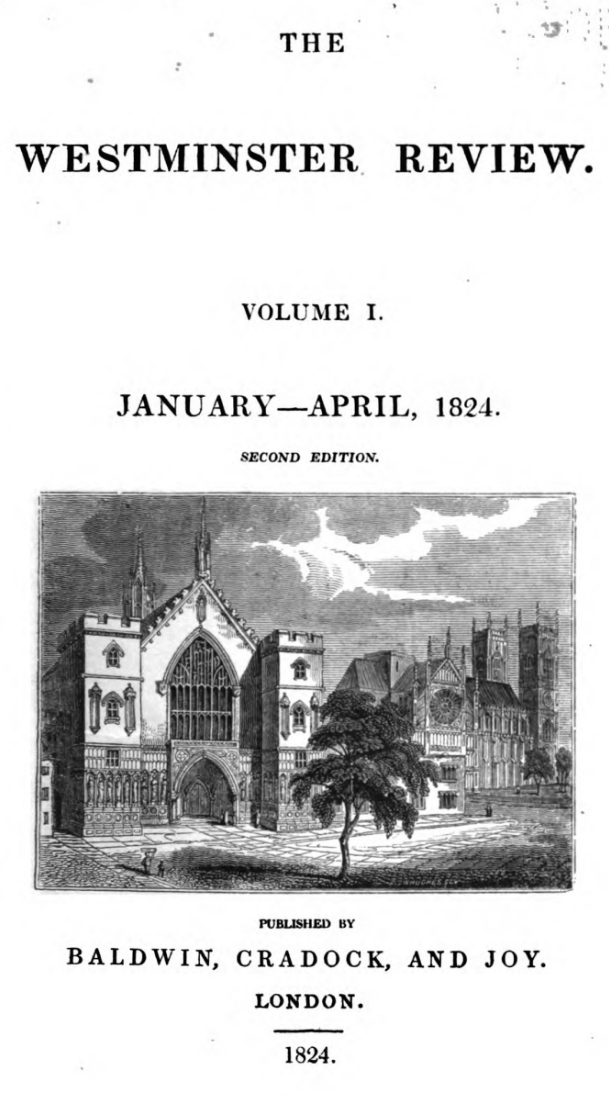
<p><a href="/tags/otd/" rel="tag">#OTD</a> in 1824.</p><p>The first issue of a radical quarterly founded by Jeremy Bentham, The Westminster Review, is published in London.</p><p>It was published from 1824 to 1914. James Mill was one of the driving forces behind the liberal journal until 1828. Some notable contributors: George Eliot, Harriet Martineau, John Stuart Mill, Mary Shelley, Herbert Spencer, John Tyndall, Caroline Cornwallis, Julia Wedgwood, Elizabeth Clarke Wolstenholme Elmy. </p><p><a href="https://en.wikipedia.org/wiki/The_Westminster_Review" rel="nofollow" class="ellipsis" title="en.wikipedia.org/wiki/The_Westminster_Review"><span class="invisible">https://</span><span class="ellipsis">en.wikipedia.org/wiki/The_West</span><span class="invisible">minster_Review</span></a></p><p><a href="/tags/books/" rel="tag">#books</a> <a href="/tags/literature/" rel="tag">#literature</a></p>
<p>HAPPY PUBLIC DOMAIN DAY!</p><p>Books which will enter the US public domain:</p><p>William Faulkner, The Sound and the Fury<br>Ernest Hemingway, A Farewell to Arms<br>Virginia Woolf, A Room of One's Own<br>Dashiell Hammett, Red Harvest and The Maltese Falcon (as serialized in Black Mask magazine)<br>John Steinbeck, Cup of Gold (Steinbeck's first novel)<br>Richard Hughes, A High Wind in Jamaica<br>Oliver La Farge, Laughing Boy: A Navajo Love Story<br>Patrick Hamilton, Rope</p><p><a href="/tags/books/" rel="tag">#books</a> <a href="/tags/literature/" rel="tag">#literature</a> <a href="/tags/publicdomain/" rel="tag">#publicdomain</a> <br>/1</p>
Edited 1y ago
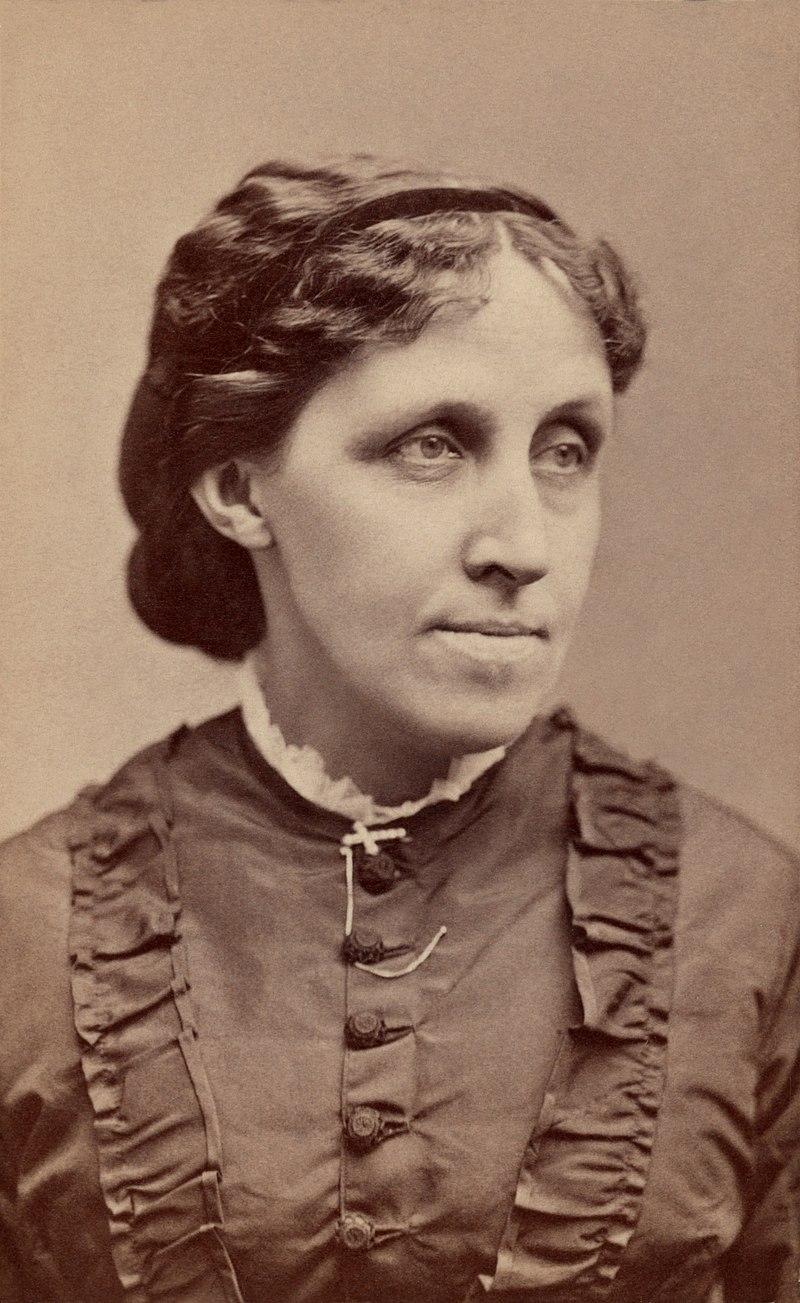
<p><a href="/tags/otd/" rel="tag">#OTD</a> in 1873.</p><p>Louisa May Alcott's family satire "Transcendental Wild Oats" is published in the newspaper The Independent.</p><p>The work was first published in a New York newspaper in 1873, and reprinted in 1874, 1876, and 1915 and after. Alcott's view of male arrogance and female exploitation in this piece is paralleled in her novel Work, published in the same year as Transcendental Wild Oats.</p><p><a href="https://en.wikipedia.org/wiki/Transcendental_Wild_Oats" rel="nofollow" class="ellipsis" title="en.wikipedia.org/wiki/Transcendental_Wild_Oats"><span class="invisible">https://</span><span class="ellipsis">en.wikipedia.org/wiki/Transcen</span><span class="invisible">dental_Wild_Oats</span></a></p><p>Transcendental Wild Oats at PG:<br><a href="https://www.gutenberg.org/ebooks/34920" rel="nofollow"><span class="invisible">https://</span>www.gutenberg.org/ebooks/34920</a></p><p><a href="/tags/books/" rel="tag">#books</a> <a href="/tags/literature/" rel="tag">#literature</a></p>
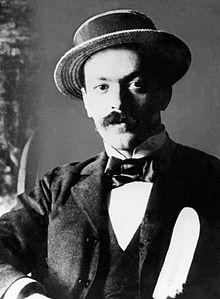
<p>"Thus, after pursuing those images, I overtook them. Now I know that I invented them. But inventing is a creation, not a lie."<br>La coscienza di Zeno (1923)</p><p><a href="/tags/otd/" rel="tag">#OTD</a> in 1928.</p><p>Italo Svevo (Aron Schmitz), returning from an Alpine resort to Trieste, suffers a car accident. He dies next day leaving his novel Il Vegliardo (The Old Man) unfinished in mid-word.</p><p><a href="https://en.wikipedia.org/wiki/Italo_Svevo" rel="nofollow" class="ellipsis" title="en.wikipedia.org/wiki/Italo_Svevo"><span class="invisible">https://</span><span class="ellipsis">en.wikipedia.org/wiki/Italo_Sv</span><span class="invisible">evo</span></a></p><p><a href="/tags/books/" rel="tag">#books</a> <a href="/tags/literature/" rel="tag">#literature</a></p>
<p>What January taught George Orwell about control and resistance</p><p>Like many of us, George Orwell saw January as a month to be endured rather than enjoyed. You can picture him steeling himself against its cold, gloom, rain, frost and wind.</p><p>by Nathan Waddell</p><p><a href="https://theconversation.com/what-january-taught-george-orwell-about-control-and-resistance-272860" rel="nofollow" class="ellipsis" title="theconversation.com/what-january-taught-george-orwell-about-control-and-resistance-272860"><span class="invisible">https://</span><span class="ellipsis">theconversation.com/what-janua</span><span class="invisible">ry-taught-george-orwell-about-control-and-resistance-272860</span></a></p><p><a href="/tags/books/" rel="tag">#books</a> <a href="/tags/literature/" rel="tag">#literature</a></p>
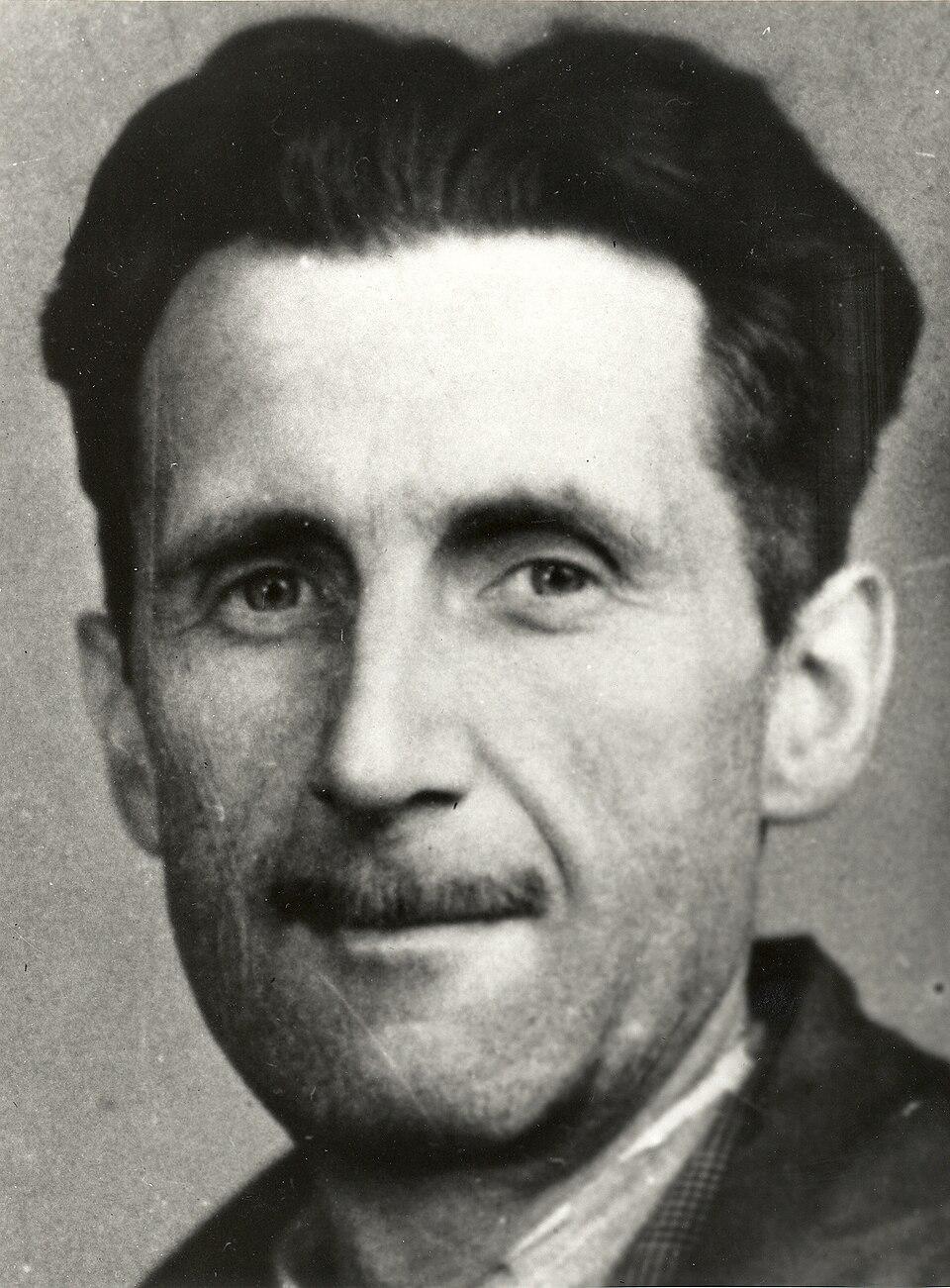
<p>Peter Kropotkin’s Memoirs of a Revolutionist (1899)</p><p>“Many a man and many a woman have accomplished a great life-work without having led a great life”, the influential Danish literary critic Georg Brandes wrote in his introduction to Peter Kropotkin’s 1899 Memoirs of a Revolutionist. “Many people are interesting, although their lives may have been quite insignificant and commonplace. Kropotkin’s life is both great and interesting”.</p><p>Book at PG:</p><p><a href="https://www.gutenberg.org/ebooks/73882" rel="nofollow"><span class="invisible">https://</span>www.gutenberg.org/ebooks/73882</a></p><p><a href="/tags/books/" rel="tag">#books</a> <a href="/tags/literature/" rel="tag">#literature</a></p>
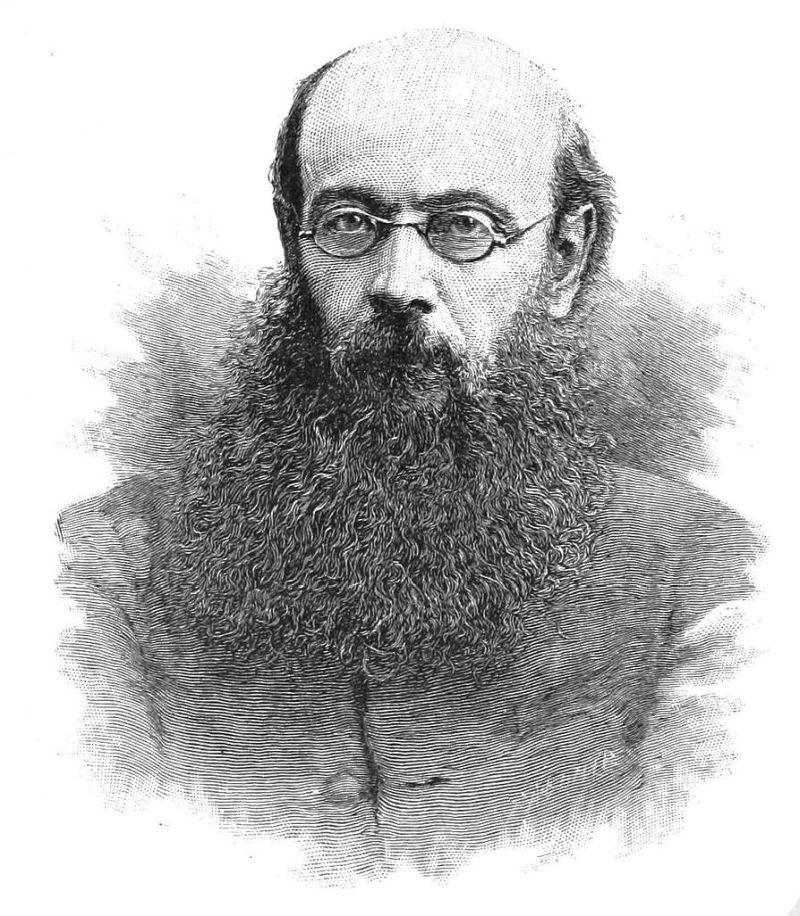
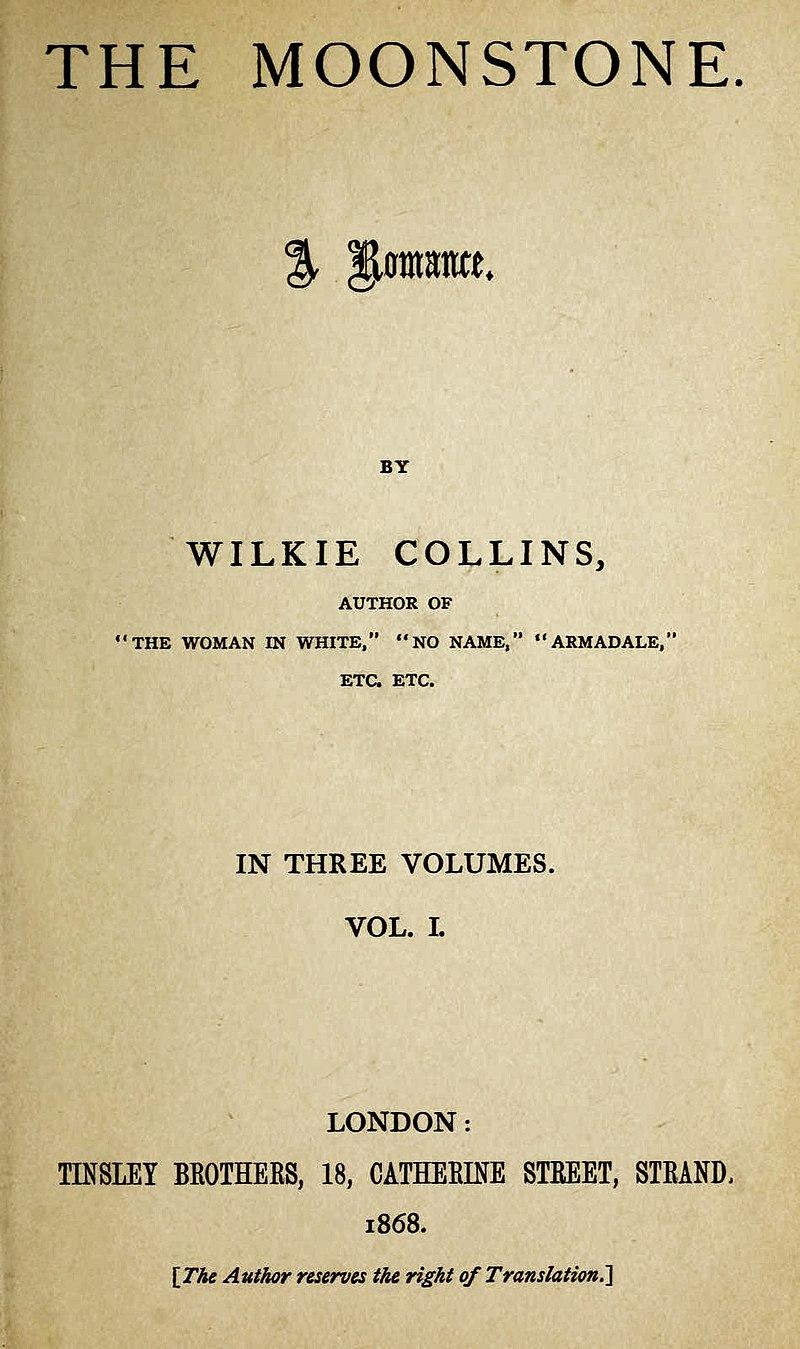
<p>"Every human institution (Justice included) will stretch a little, if you only pull it the right way."</p><p>From January 4 till August 8 1868.</p><p>Wilkie Collins' epistolary novel The Moonstone: a Romance is serialised in All the Year Round (U.K.), being published in book format in July by Tinsley Brothers of London. It is seen as a precursor of full-length mystery fiction and the psychological thriller.</p><p><a href="https://en.wikipedia.org/wiki/The_Moonstone" rel="nofollow" class="ellipsis" title="en.wikipedia.org/wiki/The_Moonstone"><span class="invisible">https://</span><span class="ellipsis">en.wikipedia.org/wiki/The_Moon</span><span class="invisible">stone</span></a></p><p>The Moonstone at PG:<br><a href="https://gutenberg.org/ebooks/155" rel="nofollow"><span class="invisible">https://</span>gutenberg.org/ebooks/155</a></p><p><a href="/tags/books/" rel="tag">#books</a> <a href="/tags/literature/" rel="tag">#literature</a></p>
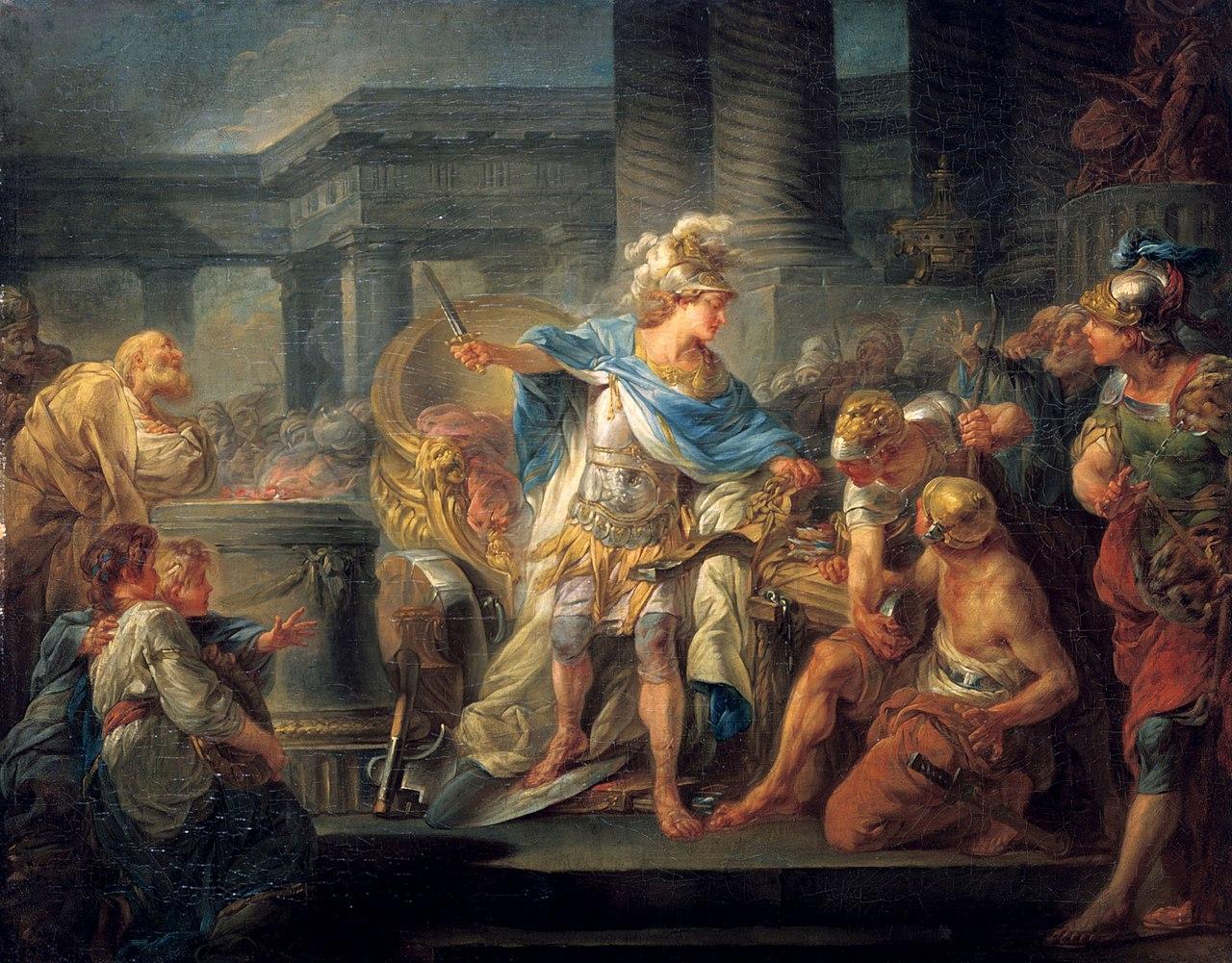
<p>Alexander the Great, Ancient Gay Icon</p><p>Harry Tanner Explores Queerness and Homophobia in the Hellenistic Period</p><p><a href="https://lithub.com/alexander-the-great-ancient-gay-icon/" rel="nofollow" class="ellipsis" title="lithub.com/alexander-the-great-ancient-gay-icon/"><span class="invisible">https://</span><span class="ellipsis">lithub.com/alexander-the-great</span><span class="invisible">-ancient-gay-icon/</span></a></p><p>Alexander the Great at PG:<br><a href="https://www.gutenberg.org/ebooks/subject/3864" rel="nofollow" class="ellipsis" title="www.gutenberg.org/ebooks/subject/3864"><span class="invisible">https://</span><span class="ellipsis">www.gutenberg.org/ebooks/subje</span><span class="invisible">ct/3864</span></a></p><p><a href="/tags/books/" rel="tag">#books</a> <a href="/tags/literature/" rel="tag">#literature</a> <a href="/tags/history/" rel="tag">#history</a></p>
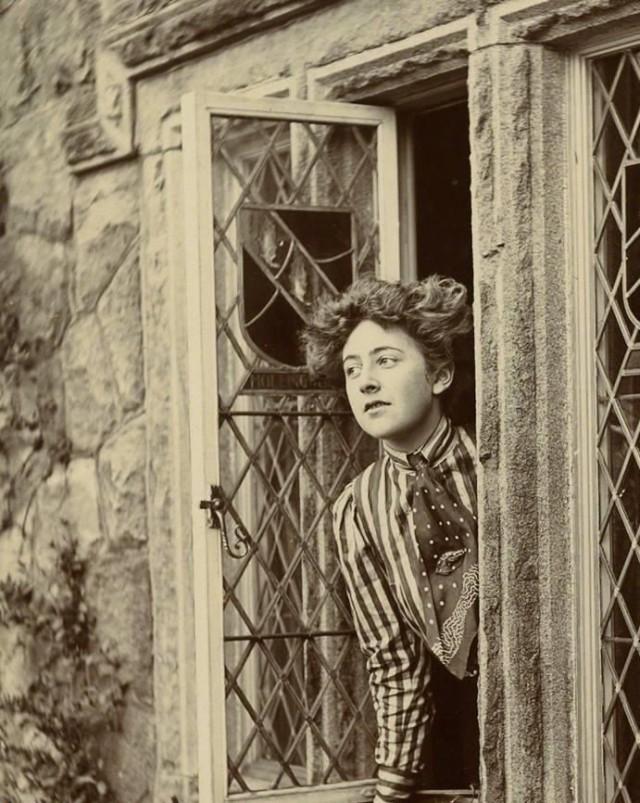
<p>On Henry James and the Enduring Lessons of Love</p><p>Katherine J. Chen Rediscovers James (and Falls in Love)</p><p><a href="https://lithub.com/on-henry-james-and-the-enduring-lessons-of-love/" rel="nofollow" class="ellipsis" title="lithub.com/on-henry-james-and-the-enduring-lessons-of-love/"><span class="invisible">https://</span><span class="ellipsis">lithub.com/on-henry-james-and-</span><span class="invisible">the-enduring-lessons-of-love/</span></a></p><p>Books by Henry James at PG:<br><a href="https://www.gutenberg.org/ebooks/author/113" rel="nofollow" class="ellipsis" title="www.gutenberg.org/ebooks/author/113"><span class="invisible">https://</span><span class="ellipsis">www.gutenberg.org/ebooks/autho</span><span class="invisible">r/113</span></a></p><p><a href="/tags/books/" rel="tag">#books</a> <a href="/tags/literature/" rel="tag">#literature</a> <a href="/tags/literarycriticism/" rel="tag">#literarycriticism</a></p>
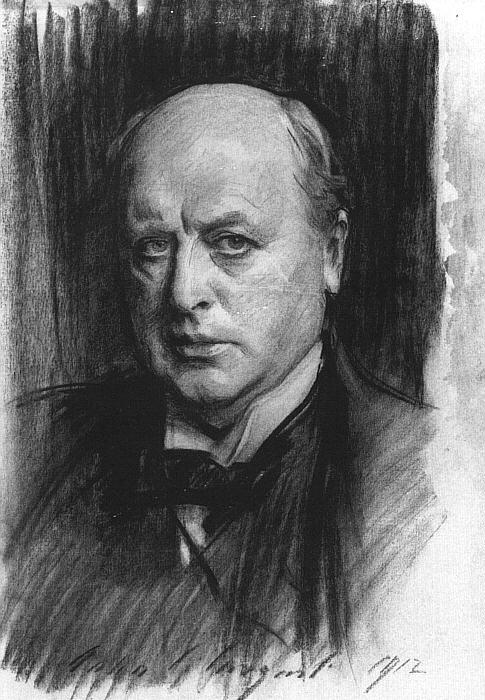
<p><a href="/tags/otd/" rel="tag">#OTD</a> in 1846.</p><p>Fyodor Dostoevsky's first original novel, Poor Folk, is published in the St. Petersburg Collection.</p><p>The first English translation was provided by Lena Milman in 1894, with an introduction by George Moore, cover art design by Aubrey Beardsley and publication by London's Mathews and Lane. It is the first novel by Fyodor Dostoevsky, written over the span of nine months between 1844 and 1845.</p><p><a href="https://en.wikipedia.org/wiki/Poor_Folk" rel="nofollow" class="ellipsis" title="en.wikipedia.org/wiki/Poor_Folk"><span class="invisible">https://</span><span class="ellipsis">en.wikipedia.org/wiki/Poor_Fol</span><span class="invisible">k</span></a></p><p>Poor Folk at PG:<br><a href="https://gutenberg.org/ebooks/2302" rel="nofollow"><span class="invisible">https://</span>gutenberg.org/ebooks/2302</a></p><p><a href="/tags/books/" rel="tag">#books</a> <a href="/tags/literature/" rel="tag">#literature</a></p>
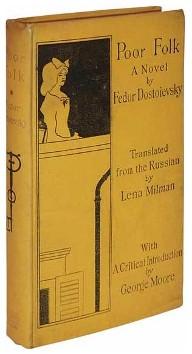
<p><a href="/tags/otd/" rel="tag">#OTD</a> in 1904.</p><p>The first of Virginia Woolf's published writings, "Haworth, November 1904", an account of a visit to the Brontë family home, appears anonymously in a women's supplement to a clerical journal, The Guardian. (A book review written later has appeared in the same journal a week earlier.)</p><p><a href="https://en.wikipedia.org/wiki/Haworth" rel="nofollow"><span class="invisible">https://</span>en.wikipedia.org/wiki/Haworth</a></p><p>Books by Virginia Woolf at PG:<br><a href="https://www.gutenberg.org/ebooks/author/89" rel="nofollow" class="ellipsis" title="www.gutenberg.org/ebooks/author/89"><span class="invisible">https://</span><span class="ellipsis">www.gutenberg.org/ebooks/autho</span><span class="invisible">r/89</span></a></p><p><a href="/tags/books/" rel="tag">#books</a> <a href="/tags/literature/" rel="tag">#literature</a></p>
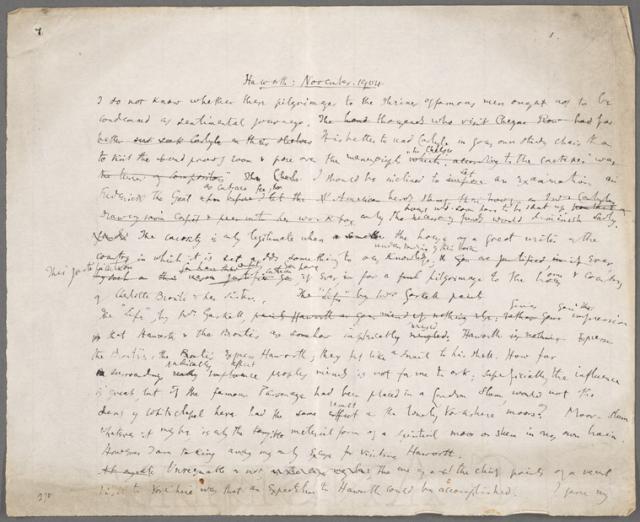
<p>English author Agatha Christie died <a href="/tags/otd/" rel="tag">#OTD</a> in 1976.</p><p>She is best known for her 66 detective novels and 14 short story collections, particularly those revolving around fictional detectives Hercule Poirot and Miss Marple. She also wrote the world's longest-running play, the murder mystery The Mousetrap.</p><p>Watch our podcast about The Big Four:<br><a href="https://www.youtube.com/watch?v=MoKUX5a7T0Y&t=74s" rel="nofollow" class="ellipsis" title="www.youtube.com/watch?v=MoKUX5a7T0Y&t=74s"><span class="invisible">https://</span><span class="ellipsis">www.youtube.com/watch?v=MoKUX5</span><span class="invisible">a7T0Y&t=74s</span></a></p><p>Books by Agatha Chrissie at PG:<br><a href="https://www.gutenberg.org/ebooks/author/451" rel="nofollow" class="ellipsis" title="www.gutenberg.org/ebooks/author/451"><span class="invisible">https://</span><span class="ellipsis">www.gutenberg.org/ebooks/autho</span><span class="invisible">r/451</span></a></p><p><a href="/tags/books/" rel="tag">#books</a> <a href="/tags/literature/" rel="tag">#literature</a></p>
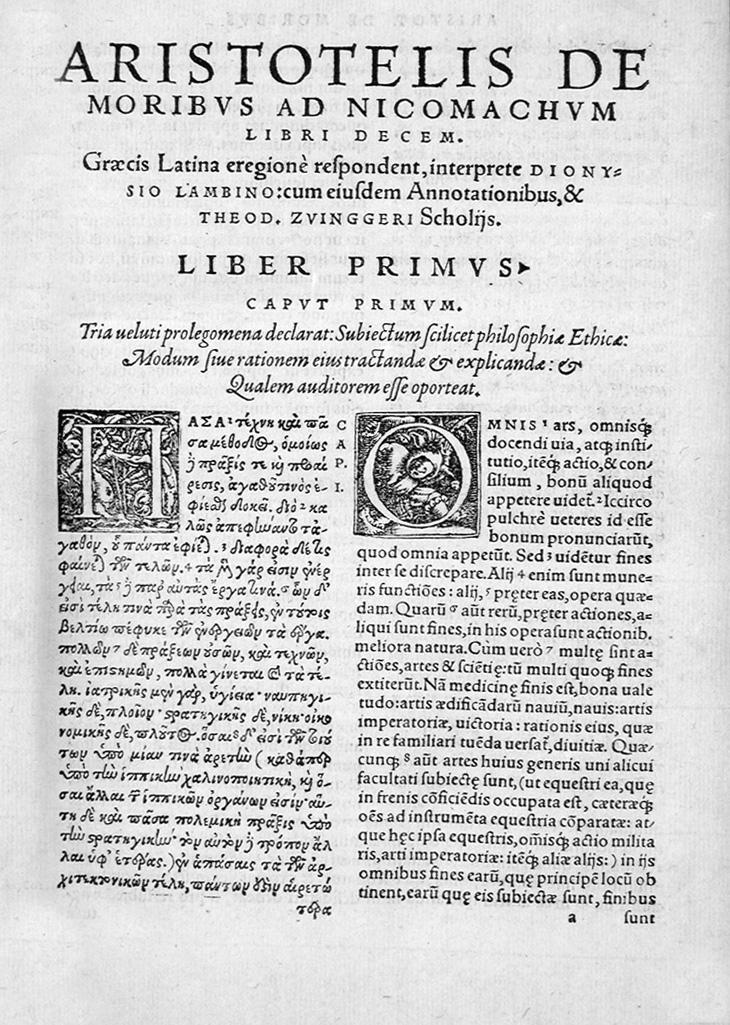
<p>3 philosophy classics that are better than self-help books</p><p>Self-help often distills philosophical ideas for the modern ear. Sometimes, its better to go back to the source.</p><p>By Jonny Thomson</p><p><a href="https://bigthink.com/thinking/3-philosophy-classics-that-are-better-than-self-help-books/" rel="nofollow" class="ellipsis" title="bigthink.com/thinking/3-philosophy-classics-that-are-better-than-self-help-books/"><span class="invisible">https://</span><span class="ellipsis">bigthink.com/thinking/3-philos</span><span class="invisible">ophy-classics-that-are-better-than-self-help-books/</span></a></p><p>The 3 philosophy classics are available at PG:<br><a href="https://www.gutenberg.org/ebooks/search/?query=Nicomachean+Ethics&submit_search=Search" rel="nofollow" class="ellipsis" title="www.gutenberg.org/ebooks/search/?query=Nicomachean+Ethics&submit_search=Search"><span class="invisible">https://</span><span class="ellipsis">www.gutenberg.org/ebooks/searc</span><span class="invisible">h/?query=Nicomachean+Ethics&submit_search=Search</span></a><br><a href="https://www.gutenberg.org/ebooks/3600" rel="nofollow"><span class="invisible">https://</span>www.gutenberg.org/ebooks/3600</a><br><a href="https://www.gutenberg.org/ebooks/49965" rel="nofollow"><span class="invisible">https://</span>www.gutenberg.org/ebooks/49965</a></p><p><a href="/tags/books/" rel="tag">#books</a> <a href="/tags/literature/" rel="tag">#literature</a> <a href="/tags/philosophy/" rel="tag">#philosophy</a></p>
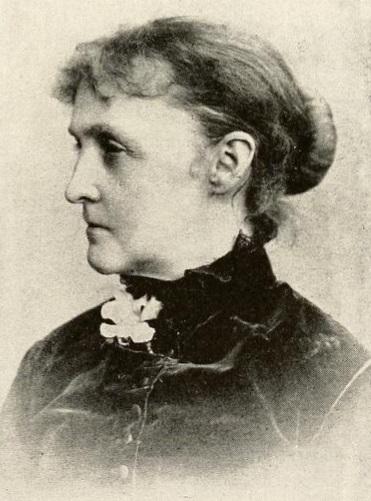
<p>"All the glories of the sunset,<br>In the sunrise one may see;<br>That which others call the dawning<br>Is the night for you and me."</p><p>Sarah Morgan Bryan Piatt , who died <a href="/tags/otd/" rel="tag">#OTD</a> in 1919, was an American poet. She published hundreds of poems in nationally circulated newspapers, magazines, and anthologies as well as in eighteen volumes of poems, two of which she co-authored with her husband, the poet John James Piatt.</p><p><a href="https://en.wikipedia.org/wiki/Sarah_Morgan_Bryan_Piatt" rel="nofollow" class="ellipsis" title="en.wikipedia.org/wiki/Sarah_Morgan_Bryan_Piatt"><span class="invisible">https://</span><span class="ellipsis">en.wikipedia.org/wiki/Sarah_Mo</span><span class="invisible">rgan_Bryan_Piatt</span></a></p><p><a href="https://www.gutenberg.org/ebooks/25004" rel="nofollow"><span class="invisible">https://</span>www.gutenberg.org/ebooks/25004</a></p><p><a href="/tags/books/" rel="tag">#books</a> <a href="/tags/literature/" rel="tag">#literature</a> <a href="/tags/poetry/" rel="tag">#poetry</a></p>
<p>Rights of Nature: A Reading List</p><p>What would it mean for rivers, forests, and animals to have legal rights? A global movement is rethinking law’s relationship to nature.</p><p>By: Sam Firman </p><p><a href="https://daily.jstor.org/rights-of-nature-a-reading-list/?utm_source=Klaviyo&utm_medium=campaign&utm_id=01KEYB46PN6NMF8X3GYBW3ZKEX&_kx=3MZUehzXM-41qlWAMPUiuNZadX2p0SByuNf_t0eMLB0.U5D8ER" rel="nofollow" class="ellipsis" title="daily.jstor.org/rights-of-nature-a-reading-list/?utm_source=Klaviyo&utm_medium=campaign&utm_id=01KEYB46PN6NMF8X3GYBW3ZKEX&_kx=3MZUehzXM-41qlWAMPUiuNZadX2p0SByuNf_t0eMLB0.U5D8ER"><span class="invisible">https://</span><span class="ellipsis">daily.jstor.org/rights-of-natu</span><span class="invisible">re-a-reading-list/?utm_source=Klaviyo&utm_medium=campaign&utm_id=01KEYB46PN6NMF8X3GYBW3ZKEX&_kx=3MZUehzXM-41qlWAMPUiuNZadX2p0SByuNf_t0eMLB0.U5D8ER</span></a></p><p><a href="/tags/books/" rel="tag">#books</a> <a href="/tags/literature/" rel="tag">#literature</a> <a href="/tags/environment/" rel="tag">#environment</a></p>
<p>The Editor Who Drove Hemingway Away</p><p>Harry C. Hindmarsh, assistant managing editor of the Toronto Daily Star, knew how to get under Ernest Hemingway’s skin.</p><p><a href="https://daily.jstor.org/the-editor-who-drove-hemingway-away/" rel="nofollow" class="ellipsis" title="daily.jstor.org/the-editor-who-drove-hemingway-away/"><span class="invisible">https://</span><span class="ellipsis">daily.jstor.org/the-editor-who</span><span class="invisible">-drove-hemingway-away/</span></a></p><p>Hemingway at PG:<br><a href="https://www.gutenberg.org/ebooks/author/50533" rel="nofollow" class="ellipsis" title="www.gutenberg.org/ebooks/author/50533"><span class="invisible">https://</span><span class="ellipsis">www.gutenberg.org/ebooks/autho</span><span class="invisible">r/50533</span></a></p><p><a href="/tags/books/" rel="tag">#books</a> <a href="/tags/literature/" rel="tag">#literature</a></p>
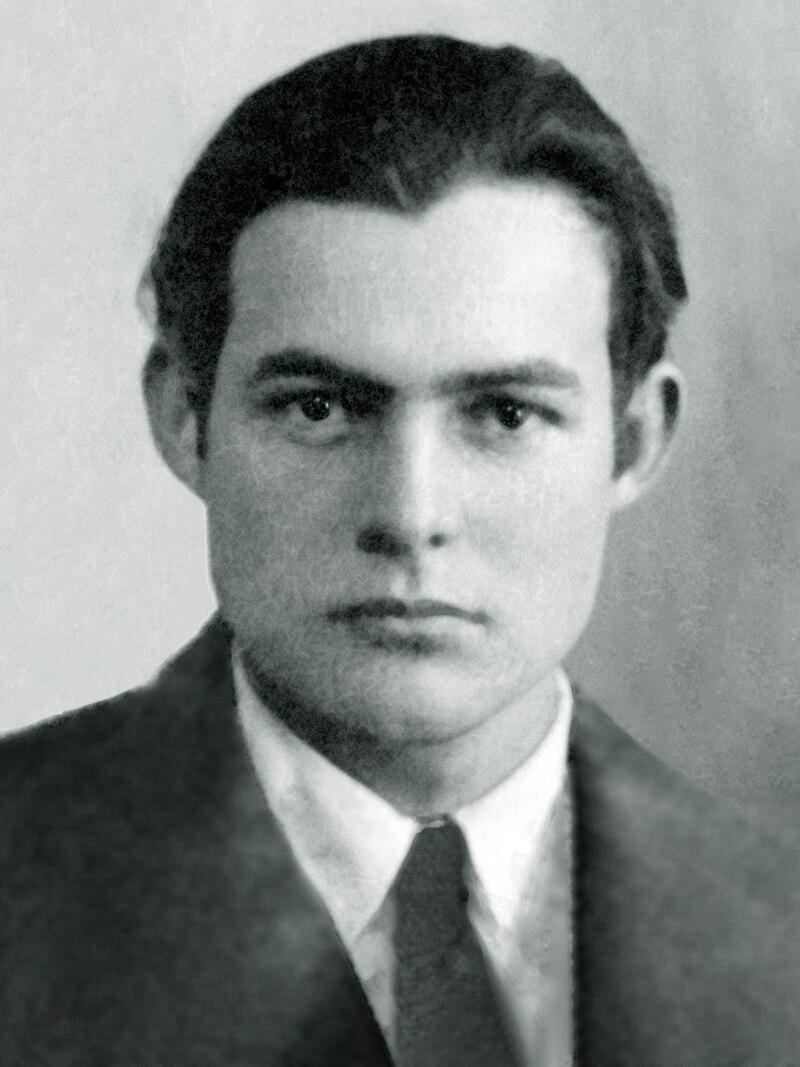
<p>The strange tale of Sigmund Freud’s begonia</p><p>How the gift of a plant helped Emma Freud finally get to know her great-grandfather</p><p>by Emma Freud</p><p><a href="https://observer.co.uk/news/first-person/article/emma-freud-sigmund-freuds-begonia" rel="nofollow" class="ellipsis" title="observer.co.uk/news/first-person/article/emma-freud-sigmund-freuds-begonia"><span class="invisible">https://</span><span class="ellipsis">observer.co.uk/news/first-pers</span><span class="invisible">on/article/emma-freud-sigmund-freuds-begonia</span></a></p><p><a href="/tags/books/" rel="tag">#books</a> <a href="/tags/literature/" rel="tag">#literature</a> <a href="/tags/botany/" rel="tag">#botany</a></p>
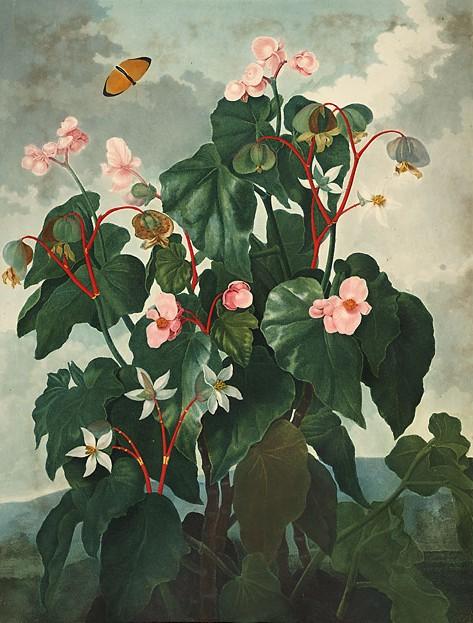
<p>Who Was the Inspiration Behind the ‘Gibson Girl’ Illustrations? The Artist Said She Was Every Woman</p><p>Charles Dana Gibson’s archetype became the original American “it girl” in the late 19th and early 20th centuries, and helped transform fashion and beauty</p><p>by Michelle Mehrtens</p><p><a href="https://www.smithsonianmag.com/smithsonian-institution/who-was-the-inspiration-behind-the-gibson-girl-illustrations-the-artist-said-she-was-every-woman-180988014/?utm_source=smithsoniandaily&utm_medium=email&utm_campaign=editorial&lctg=93133550" rel="nofollow" class="ellipsis" title="www.smithsonianmag.com/smithsonian-institution/who-was-the-inspiration-behind-the-gibson-girl-illustrations-the-artist-said-she-was-every-woman-180988014/?utm_source=smithsoniandaily&utm_medium=email&utm_campaign=editorial&lctg=93133550"><span class="invisible">https://</span><span class="ellipsis">www.smithsonianmag.com/smithso</span><span class="invisible">nian-institution/who-was-the-inspiration-behind-the-gibson-girl-illustrations-the-artist-said-she-was-every-woman-180988014/?utm_source=smithsoniandaily&utm_medium=email&utm_campaign=editorial&lctg=93133550</span></a></p><p>Charles Dana Gibson at PG:<br><a href="https://www.gutenberg.org/ebooks/author/26456" rel="nofollow" class="ellipsis" title="www.gutenberg.org/ebooks/author/26456"><span class="invisible">https://</span><span class="ellipsis">www.gutenberg.org/ebooks/autho</span><span class="invisible">r/26456</span></a></p><p><a href="/tags/books/" rel="tag">#books</a> <a href="/tags/literature/" rel="tag">#literature</a> <a href="/tags/illustrations/" rel="tag">#illustrations</a></p>

<p>“I have a harmonium and it’s going to explode in two minutes”</p><p>Ivor Cutler (1923–2006) – poet, singer, musician, songwriter, artist, humorist – was born <a href="/tags/otd/" rel="tag">#OTD</a>, 15 Jan</p><p>In 2013, to mark what would have been his 90th birthday, BBC Radio 4 celebrated his life & career:</p><p>1/7</p><p><a href="https://www.bbc.co.uk/programmes/b0381jzt" rel="nofollow" class="ellipsis" title="www.bbc.co.uk/programmes/b0381jzt"><span class="invisible">https://</span><span class="ellipsis">www.bbc.co.uk/programmes/b0381</span><span class="invisible">jzt</span></a></p><p><a href="/tags/scottish/" rel="tag">#Scottish</a> <a href="/tags/literature/" rel="tag">#literature</a> <a href="/tags/poetry/" rel="tag">#poetry</a> <a href="/tags/music/" rel="tag">#music</a> <a href="/tags/humour/" rel="tag">#humour</a> <a href="/tags/surrealism/" rel="tag">#surrealism</a> <a href="/tags/absurdist/" rel="tag">#absurdist</a> <a href="/tags/ivorcutler/" rel="tag">#IvorCutler</a></p>
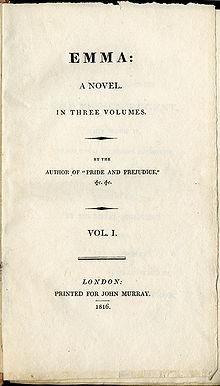
<p><a href="/tags/otd/" rel="tag">#OTD</a> in 1815.</p><p>Jane Austen's novel Emma is published anonymously by John Murray in London dated 1816. About 1500 copies sell over the next 5 years. Murray offered Austen £450 for this plus the copyrights of Mansfield Park and Sense and Sensibility, which she refused. Instead, she published two thousand copies of the novel at her own expense, retaining the copyright and paying a 10% commission to Murray.</p><p>Emma at PG:<br><a href="https://gutenberg.org/ebooks/158" rel="nofollow"><span class="invisible">https://</span>gutenberg.org/ebooks/158</a></p><p><a href="/tags/books/" rel="tag">#books</a> <a href="/tags/literature/" rel="tag">#literature</a></p>
<p>Straight Outta Compton (Mackenzie)</p><p>Edward Compton Mackenzie (1883–1972) was born <a href="/tags/otd/" rel="tag">#OTD</a>, 17 Jan. Mainly remembered today for his 1947 comedy WHISKY GALORE, he wrote more than 100 books & influenced writers such as F Scott Fitzgerald, George Orwell, & Cyril Connolly</p><p>A 🎂🧵</p><p>1/4</p><p><a href="https://unherd.com/2022/11/the-forgotten-genius-of-compton-mackenzie/" rel="nofollow" class="ellipsis" title="unherd.com/2022/11/the-forgotten-genius-of-compton-mackenzie/"><span class="invisible">https://</span><span class="ellipsis">unherd.com/2022/11/the-forgott</span><span class="invisible">en-genius-of-compton-mackenzie/</span></a></p><p><a href="/tags/scottish/" rel="tag">#Scottish</a> <a href="/tags/literature/" rel="tag">#literature</a> <a href="/tags/20thcentury/" rel="tag">#20thcentury</a> <a href="/tags/modernism/" rel="tag">#modernism</a> <a href="/tags/comptonmackenzie/" rel="tag">#ComptonMackenzie</a> <a href="/tags/fscottfitzgerald/" rel="tag">#FScottFitzgerald</a> <a href="/tags/georgeorwell/" rel="tag">#GeorgeOrwell</a> <a href="/tags/cyrilconnolly/" rel="tag">#CyrilConnolly</a></p>
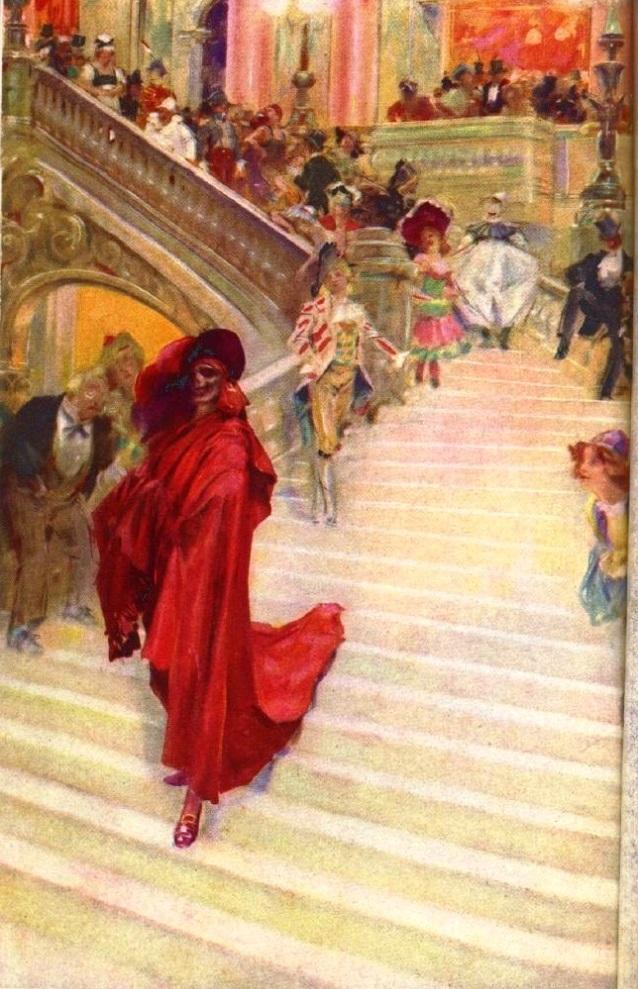
<p><a href="/tags/otd/" rel="tag">#OTD</a> in 1910.</p><p>Serialisation of Gaston Leroux's novel The Phantom of the Opera (Le Fantôme de l'Opéra) concludes in the Paris newspaper Le Gaulois.</p><p>Because of his fascination with both Edgar Allan Poe and Sir Arthur Conan Doyle, he wrote a detective mystery entitled The Mystery of the Yellow Room in 1907, and four years later he published Le Fantôme de l'Opéra.</p><p><a href="https://en.wikipedia.org/wiki/The_Phantom_of_the_Opera_(novel)" rel="nofollow" class="ellipsis" title="en.wikipedia.org/wiki/The_Phantom_of_the_Opera_(novel)"><span class="invisible">https://</span><span class="ellipsis">en.wikipedia.org/wiki/The_Phan</span><span class="invisible">tom_of_the_Opera_(novel)</span></a></p><p>The Phantom of the Opera at PG:<br><a href="https://gutenberg.org/ebooks/175" rel="nofollow"><span class="invisible">https://</span>gutenberg.org/ebooks/175</a></p><p><a href="/tags/books/" rel="tag">#books</a> <a href="/tags/literature/" rel="tag">#literature</a></p>