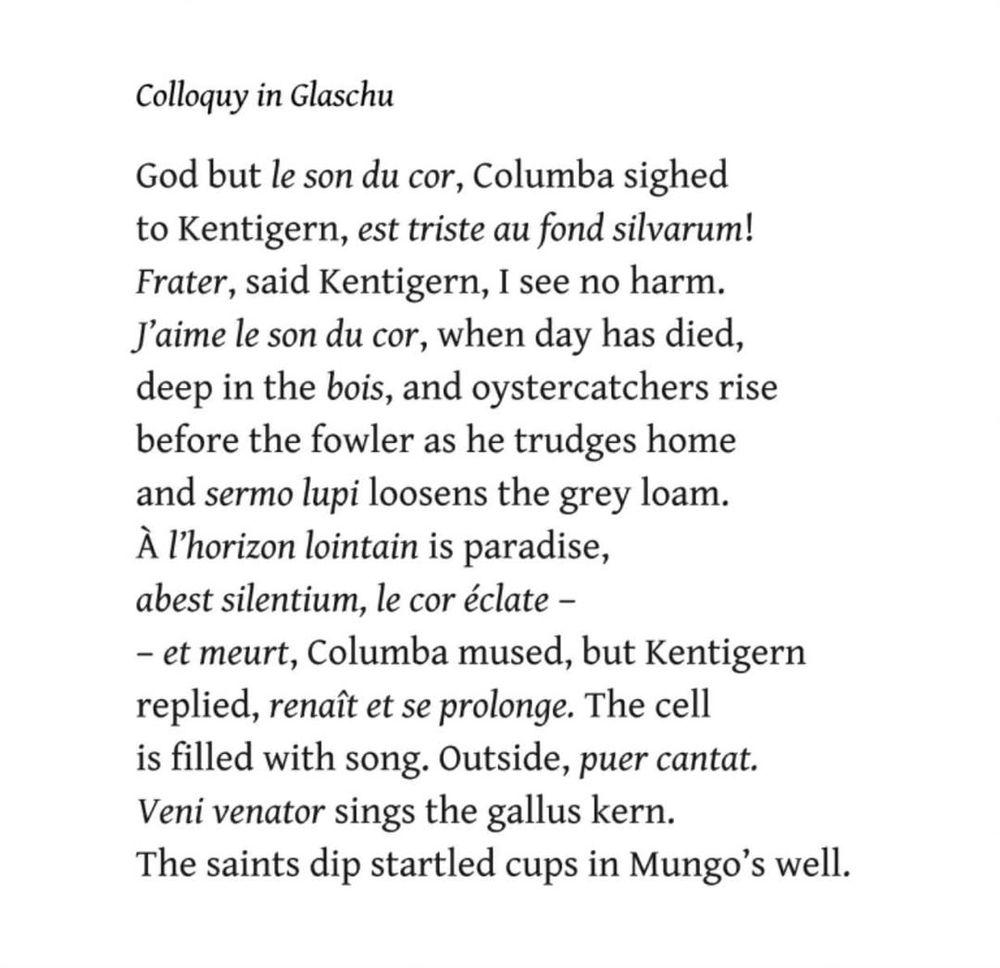
<p>The laverock rises owe blin waas<br>At ane wi the great North wun<br>At the heid o hecht…</p><p>—“The Heid o Hecht” by Duncan Glen, born <a href="/tags/otd/" rel="tag">#OTD</a>, 11 Jan, 1933. Starting out as an apprentice printer, he became a poet, designer, editor, publisher, & academic</p><p>1/3</p><p><a href="https://asls.org.uk/publications/books/volumes/a-kist-o-skinlan-things/" rel="nofollow" class="ellipsis" title="asls.org.uk/publications/books/volumes/a-kist-o-skinlan-things/"><span class="invisible">https://</span><span class="ellipsis">asls.org.uk/publications/books</span><span class="invisible">/volumes/a-kist-o-skinlan-things/</span></a></p><p><a href="/tags/scotish/" rel="tag">#Scotish</a> <a href="/tags/literature/" rel="tag">#literature</a> <a href="/tags/poem/" rel="tag">#poem</a> <a href="/tags/poetry/" rel="tag">#poetry</a> <a href="/tags/20thcentury/" rel="tag">#20thcentury</a> <a href="/tags/scots/" rel="tag">#Scots</a> <a href="/tags/scotslanguage/" rel="tag">#Scotslanguage</a></p>
literature
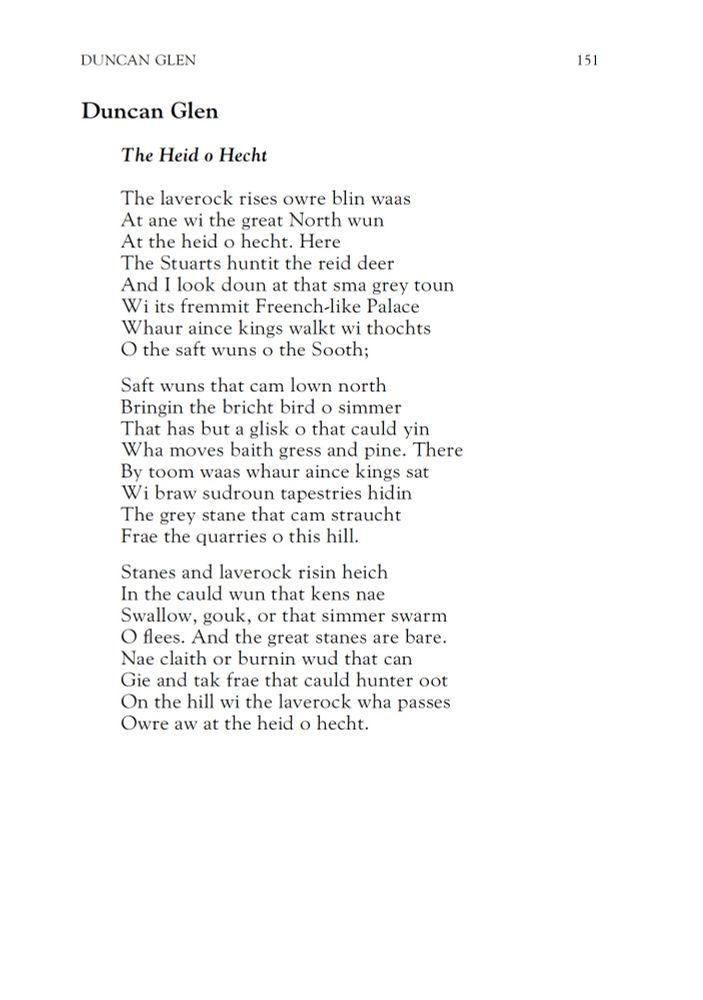

<p><a href="/tags/otd/" rel="tag">#OTD</a> in 1812.</p><p>Leigh Hunt is tried and convicted of libel for calling the Prince Regent "a violator of his word, a libertine over head and ears in debt and disgrace" in The Examiner on March 22.</p><p><a href="https://en.wikipedia.org/wiki/Leigh_Hunt" rel="nofollow" class="ellipsis" title="en.wikipedia.org/wiki/Leigh_Hunt"><span class="invisible">https://</span><span class="ellipsis">en.wikipedia.org/wiki/Leigh_Hu</span><span class="invisible">nt</span></a></p><p>Original files (with links) are available at <span class="h-card"><a href="https://mastodon.archive.org/@internetarchive" class="u-url mention" rel="nofollow noopener noreferrer" target="_blank">@<span>internetarchive</span></a></span> </p><p>Books by Leigh Hunt at PG:<br><a href="https://www.gutenberg.org/ebooks/author/3612" rel="nofollow" class="ellipsis" title="www.gutenberg.org/ebooks/author/3612"><span class="invisible">https://</span><span class="ellipsis">www.gutenberg.org/ebooks/autho</span><span class="invisible">r/3612</span></a></p><p><a href="/tags/books/" rel="tag">#books</a> <a href="/tags/literature/" rel="tag">#literature</a></p>


<p>"It is equally a fault to believe all men or to believe none."</p><p><a href="/tags/otd/" rel="tag">#OTD</a> in 1817.</p><p>Walter Scott's historical novel Rob Roy, written from this spring, is published anonymously by Archibald Constable in Edinburgh, while a shipload of copies is carried from Leith to London for simultaneous publication there by Longman.</p><p><a href="https://en.wikipedia.org/wiki/Rob_Roy_(novel)" rel="nofollow" class="ellipsis" title="en.wikipedia.org/wiki/Rob_Roy_(novel)"><span class="invisible">https://</span><span class="ellipsis">en.wikipedia.org/wiki/Rob_Roy_</span><span class="invisible">(novel)</span></a></p><p>Rob Roy at PG:<br><a href="https://gutenberg.org/ebooks/7025" rel="nofollow"><span class="invisible">https://</span>gutenberg.org/ebooks/7025</a></p><p><a href="/tags/books/" rel="tag">#books</a> <a href="/tags/literature/" rel="tag">#literature</a></p>

<p>"Everything comes in time to him who knows how to wait."</p><p>In December 1869.</p><p>Publication of Leo Tolstoy's novel War and Peace complete in book form concludes. It is printed in Moscow and sold by the author on subscription. Portions of an earlier version, titled The Year 1805, were serialized in The Russian Messenger from 1865 to 1867 before the novel was published in its entirety in 1869.</p><p><a href="https://en.wikipedia.org/wiki/War_and_Peace#" rel="nofollow" class="ellipsis" title="en.wikipedia.org/wiki/War_and_Peace#"><span class="invisible">https://</span><span class="ellipsis">en.wikipedia.org/wiki/War_and_</span><span class="invisible">Peace#</span></a></p><p>War and Peace at PG:<br><a href="https://gutenberg.org/ebooks/2600" rel="nofollow"><span class="invisible">https://</span>gutenberg.org/ebooks/2600</a></p><p><a href="/tags/books/" rel="tag">#books</a> <a href="/tags/literature/" rel="tag">#literature</a></p>

<p>In December 1855.</p><p>Charles Dickens publishes the first instalment of Little Dorrit, which continues to appear into 1857.</p><p>Little Dorrit was published in 19 monthly instalments, each consisting of 32 pages with two illustrations by Hablot Knight Browne whose pen name was Phiz. Each instalment cost a shilling except for the last, a double issue which cost two shillings.</p><p><a href="https://en.wikipedia.org/wiki/Little_Dorrit#" rel="nofollow" class="ellipsis" title="en.wikipedia.org/wiki/Little_Dorrit#"><span class="invisible">https://</span><span class="ellipsis">en.wikipedia.org/wiki/Little_D</span><span class="invisible">orrit#</span></a></p><p>Little Dorrit at PG:<br><a href="https://gutenberg.org/ebooks/963" rel="nofollow"><span class="invisible">https://</span>gutenberg.org/ebooks/963</a></p><p><a href="/tags/books/" rel="tag">#books</a> <a href="/tags/literature/" rel="tag">#literature</a></p>

<p><a href="/tags/otd/" rel="tag">#OTD</a> in 1898.</p><p>Moscow Art Theatre's first season opens with a double bill of Emilia Matthai's Greta's Happiness and Carlo Goldoni's The Mistress of the Inn. The successful and influential Moscow Art Theatre production of The Seagull by Chekhov (its Moscow première), would open on 29 December 1898.</p><p><a href="https://en.wikipedia.org/wiki/The_Mistress_of_the_Inn" rel="nofollow" class="ellipsis" title="en.wikipedia.org/wiki/The_Mistress_of_the_Inn"><span class="invisible">https://</span><span class="ellipsis">en.wikipedia.org/wiki/The_Mist</span><span class="invisible">ress_of_the_Inn</span></a></p><p><a href="/tags/books/" rel="tag">#books</a> <a href="/tags/literature/" rel="tag">#literature</a> <a href="/tags/theatre/" rel="tag">#theatre</a></p>
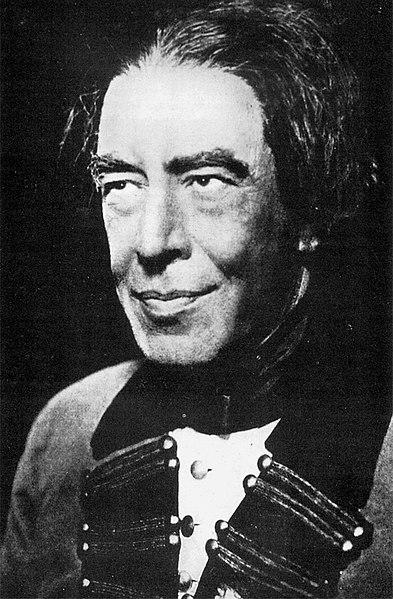
<p><a href="/tags/otd/" rel="tag">#OTD</a> in 1851.</p><p>The French coup d'état of 1851 prompts Victor Hugo to be a leader of an unsuccessful insurrection against it. He is forced into exile, initially to Brussels, then Jersey, from which he was expelled for supporting L’Homme. He finally settled with his family at Hauteville House in Saint Peter Port, Guernsey, where he would live in exile from October 1855 until 1870.</p><p>Books by Victor Hugo at PG:<br><a href="https://www.gutenberg.org/ebooks/author/85" rel="nofollow" class="ellipsis" title="www.gutenberg.org/ebooks/author/85"><span class="invisible">https://</span><span class="ellipsis">www.gutenberg.org/ebooks/autho</span><span class="invisible">r/85</span></a></p><p><a href="/tags/books/" rel="tag">#books</a> <a href="/tags/literature/" rel="tag">#literature</a></p>
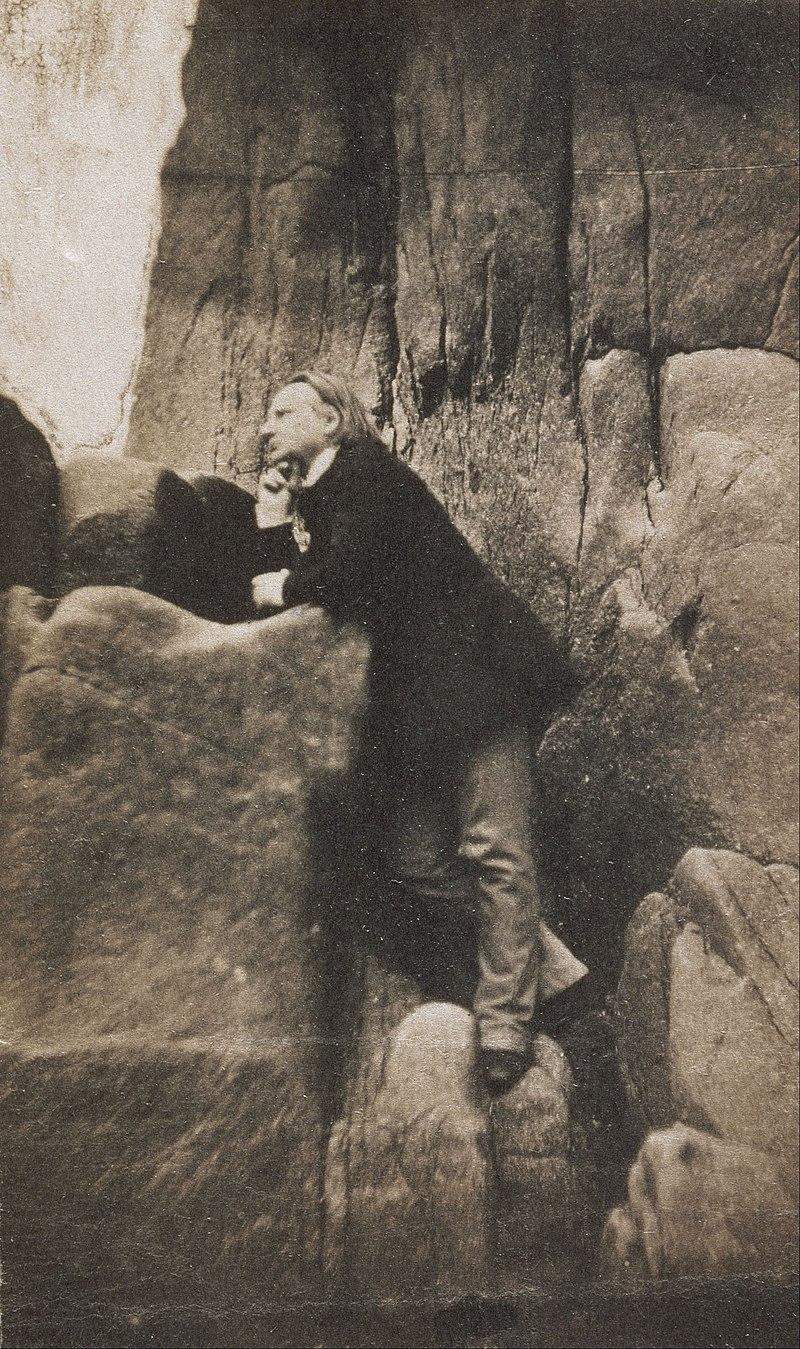
<p><a href="/tags/otd/" rel="tag">#OTD</a> in 1928.</p><p>Radclyffe Hall's novel The Well of Loneliness, published by Jonathan Cape in London, is tried and convicted on the grounds of obscenity under the Hicklin test, after a campaign against it by James Douglas in the Sunday Express. </p><p><a href="https://gutenberg.org/ebooks/73042" rel="nofollow"><span class="invisible">https://</span>gutenberg.org/ebooks/73042</a></p><p><a href="/tags/books/" rel="tag">#books</a> <a href="/tags/literature/" rel="tag">#literature</a></p>
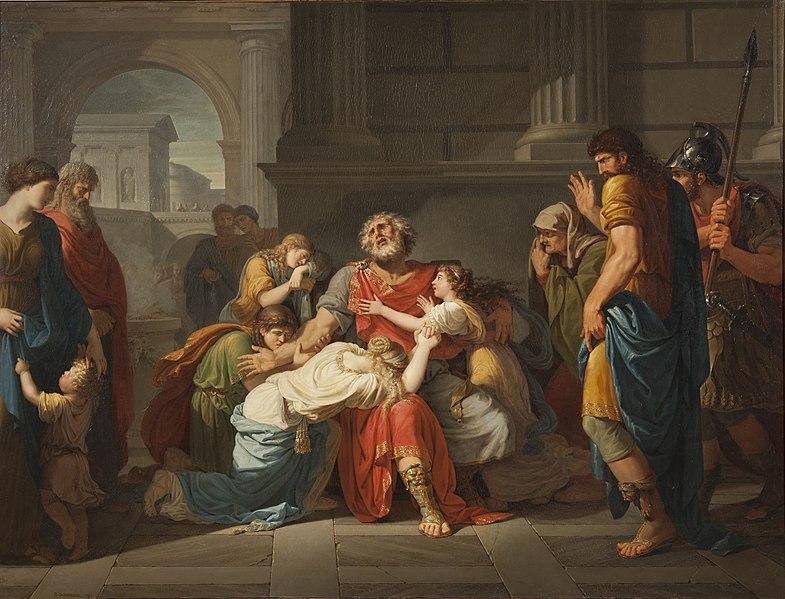
<p>Is Oedipus Rex the Mother of All Drama?</p><p>Sophocles’s Oedipus Rex (aka Oedipus the King) … Is it the mother of all Western drama? The father? Or both?</p><p>By Thom Delapa</p><p><a href="https://www.thecollector.com/oedipus-rex-mother-drama/" rel="nofollow" class="ellipsis" title="www.thecollector.com/oedipus-rex-mother-drama/"><span class="invisible">https://</span><span class="ellipsis">www.thecollector.com/oedipus-r</span><span class="invisible">ex-mother-drama/</span></a></p><p><a href="https://en.wikipedia.org/wiki/Oedipus_Rex" rel="nofollow" class="ellipsis" title="en.wikipedia.org/wiki/Oedipus_Rex"><span class="invisible">https://</span><span class="ellipsis">en.wikipedia.org/wiki/Oedipus_</span><span class="invisible">Rex</span></a></p><p>Oedipus King of Thebes by Sophocles at PG:<br><a href="https://www.gutenberg.org/ebooks/27673" rel="nofollow"><span class="invisible">https://</span>www.gutenberg.org/ebooks/27673</a></p><p><a href="/tags/books/" rel="tag">#books</a> <a href="/tags/literature/" rel="tag">#literature</a> <a href="/tags/culture/" rel="tag">#culture</a> <a href="/tags/history/" rel="tag">#history</a></p>
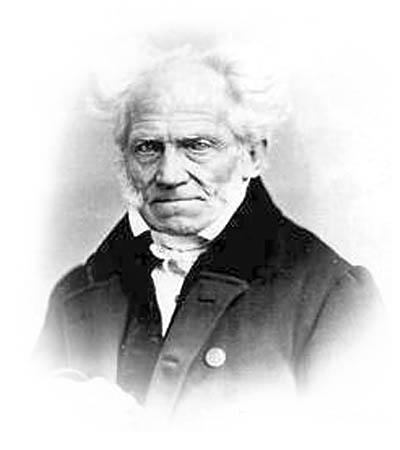
<p>Arthur Schopenhauer’s Idealism: Is Our World Just a Dream?<br>Schopenhauer argued that the world is but an intricate dream, and what he suggested lies beyond it may shock you.</p><p>By Maysara Kamal</p><p><a href="https://www.thecollector.com/arthur-schopenhauers-idealism-is-our-world-just-a-dream/" rel="nofollow" class="ellipsis" title="www.thecollector.com/arthur-schopenhauers-idealism-is-our-world-just-a-dream/"><span class="invisible">https://</span><span class="ellipsis">www.thecollector.com/arthur-sc</span><span class="invisible">hopenhauers-idealism-is-our-world-just-a-dream/</span></a></p><p>Books by Arthur Schopenhauer at PG:<br><a href="https://www.gutenberg.org/ebooks/author/3648" rel="nofollow" class="ellipsis" title="www.gutenberg.org/ebooks/author/3648"><span class="invisible">https://</span><span class="ellipsis">www.gutenberg.org/ebooks/autho</span><span class="invisible">r/3648</span></a></p><p><a href="/tags/books/" rel="tag">#books</a> <a href="/tags/literature/" rel="tag">#literature</a> <a href="/tags/philosophy/" rel="tag">#philosophy</a></p>
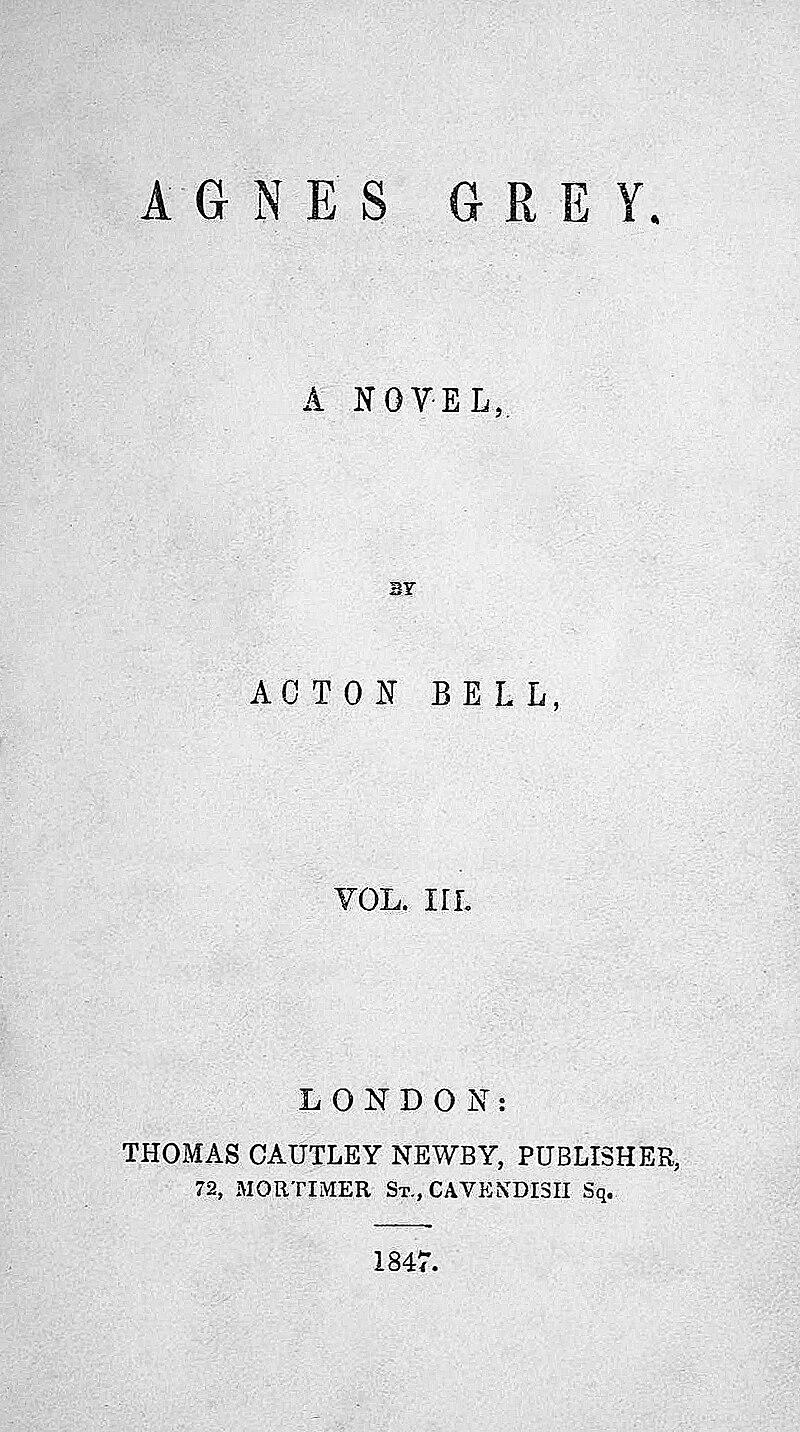
<p><a href="/tags/otd/" rel="tag">#OTD</a> in 1847.</p><p>Emily Brontë's Wuthering Heights and Anne Brontë's Agnes Grey are published in a three-volume set under the pen names of Ellis and Acton Bell respectively, in London by T. C. Newby. Wuthering Heights will be Emily's only published novel, as she dies a year later, aged 30.</p><p><a href="https://en.wikipedia.org/wiki/Wuthering_Heights" rel="nofollow" class="ellipsis" title="en.wikipedia.org/wiki/Wuthering_Heights"><span class="invisible">https://</span><span class="ellipsis">en.wikipedia.org/wiki/Wutherin</span><span class="invisible">g_Heights</span></a></p><p>Wuthering Heights at PG:<br><a href="https://gutenberg.org/ebooks/768" rel="nofollow"><span class="invisible">https://</span>gutenberg.org/ebooks/768</a></p><p><a href="https://en.wikipedia.org/wiki/Agnes_Grey" rel="nofollow" class="ellipsis" title="en.wikipedia.org/wiki/Agnes_Grey"><span class="invisible">https://</span><span class="ellipsis">en.wikipedia.org/wiki/Agnes_Gr</span><span class="invisible">ey</span></a></p><p>Agnes Grey at PG:<br><a href="https://gutenberg.org/ebooks/767" rel="nofollow"><span class="invisible">https://</span>gutenberg.org/ebooks/767</a></p><p><a href="/tags/books/" rel="tag">#books</a> <a href="/tags/literature/" rel="tag">#literature</a></p>

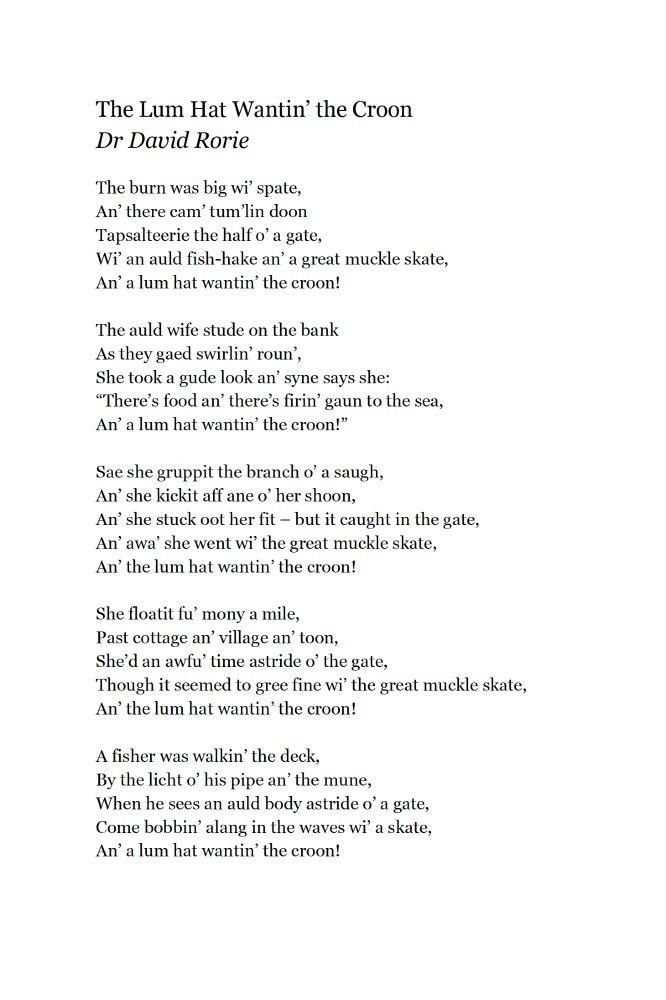
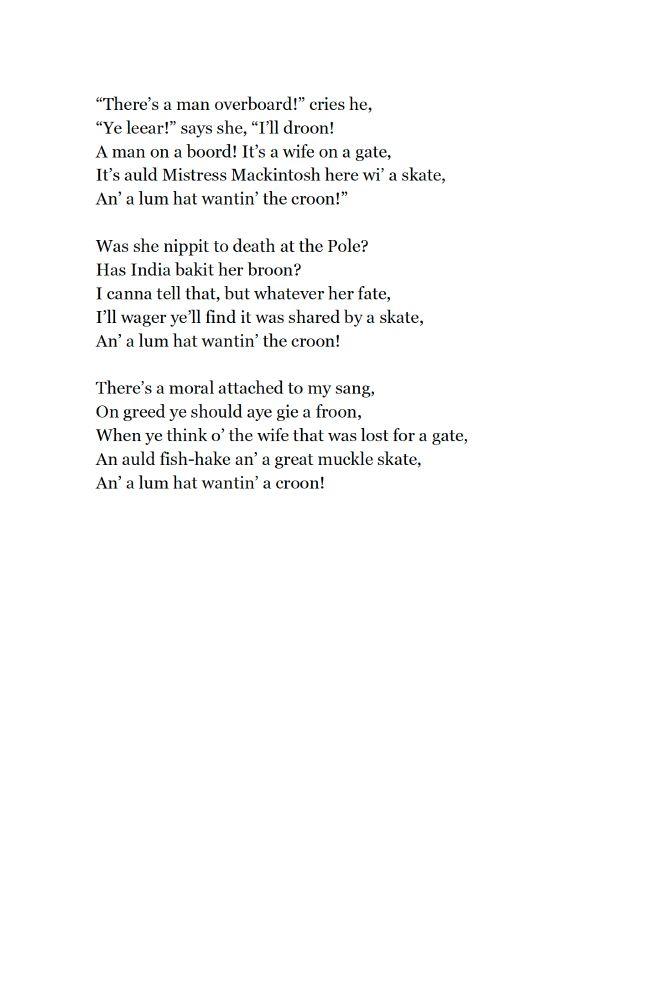
<p>The burn was big wi’ spate,<br>An’ there cam’ tum’lin doon<br>Tapsalteerie the half o’ a gate,<br>Wi’ an auld fish-hake an’ a great muckle skate,<br>An’ a lum hat wantin’ the croon!</p><p>—David Rorie, “The Lum Hat Wantin’ the Croon”</p><p>As things start to thaw in the north-east, mind how ye go…</p><p><a href="/tags/scottish/" rel="tag">#Scottish</a> <a href="/tags/literature/" rel="tag">#literature</a> <a href="/tags/poem/" rel="tag">#poem</a> <a href="/tags/poetry/" rel="tag">#poetry</a> <a href="/tags/song/" rel="tag">#song</a> <a href="/tags/20thcentury/" rel="tag">#20thcentury</a> <a href="/tags/humour/" rel="tag">#humour</a> <a href="/tags/scots/" rel="tag">#Scots</a> <a href="/tags/scotslanguage/" rel="tag">#Scotslanguage</a></p>
Edited 84d ago
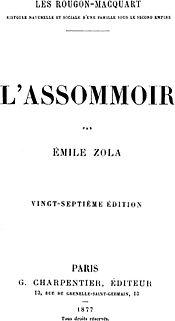
<p>"Ah! the death of the poor, the empty entrails, howling hunger, the animal appetite that leads one with chattering teeth to fill one’s stomach with beastly refuse in this great Paris, so bright and golden! "<br>Chapter XII</p><p><a href="/tags/otd/" rel="tag">#OTD</a> in 1877.</p><p>Émile Zola's L'Assommoir, 7th in his novel sequence Les Rougon-Macquart, is first published in book format a few weeks after its serialisation ends in Le Bien public (Paris). </p><p><a href="https://en.wikipedia.org/wiki/L%27Assommoir" rel="nofollow" class="ellipsis" title="en.wikipedia.org/wiki/L%27Assommoir"><span class="invisible">https://</span><span class="ellipsis">en.wikipedia.org/wiki/L%27Asso</span><span class="invisible">mmoir</span></a></p><p>L´Assommoir at PG:<br><a href="https://gutenberg.org/ebooks/search/?query=L%27Assommoir&submit_search=Go%21" rel="nofollow" class="ellipsis" title="gutenberg.org/ebooks/search/?query=L%27Assommoir&submit_search=Go%21"><span class="invisible">https://</span><span class="ellipsis">gutenberg.org/ebooks/search/?q</span><span class="invisible">uery=L%27Assommoir&submit_search=Go%21</span></a></p><p><a href="/tags/books/" rel="tag">#books</a> <a href="/tags/literature/" rel="tag">#literature</a></p>
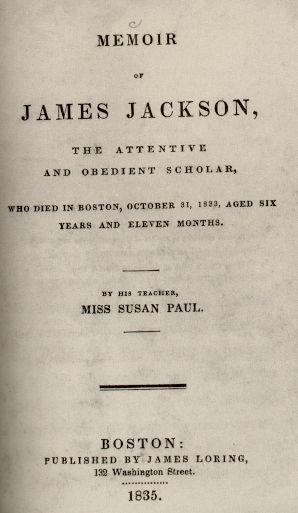
<p><a href="/tags/otd/" rel="tag">#OTD</a> in 1835.</p><p>Abolitionist Susan Paul officiates at a meeting of the New England Anti-Slavery Society (NEASS) in Boston. Later in the year, her Memoir of James Jackson becomes the earliest-known published narrative by an African-American woman and the first account documenting the life of a free black child in the United States.</p><p><a href="https://en.wikipedia.org/wiki/Susan_Paul" rel="nofollow" class="ellipsis" title="en.wikipedia.org/wiki/Susan_Paul"><span class="invisible">https://</span><span class="ellipsis">en.wikipedia.org/wiki/Susan_Pa</span><span class="invisible">ul</span></a></p><p><a href="/tags/books/" rel="tag">#books</a> <a href="/tags/literature/" rel="tag">#literature</a></p>
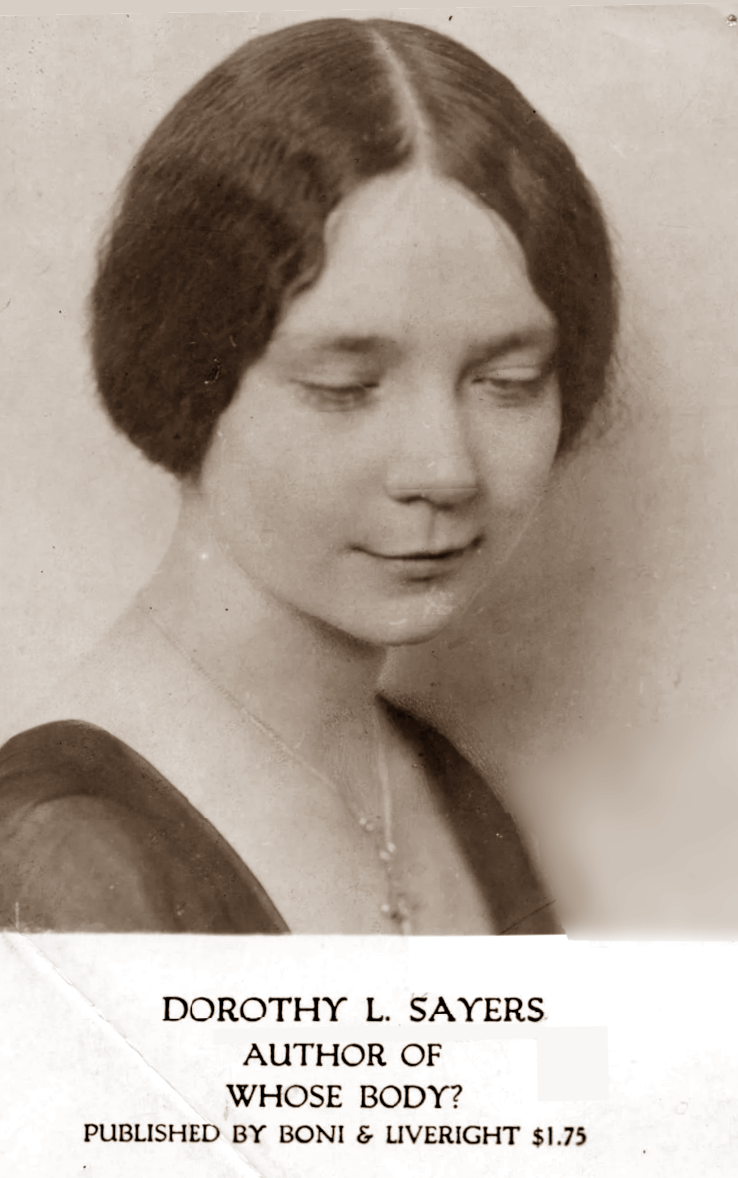
<p>" I always have a quotation for everything - it saves original thinking."<br>Have His Carcase</p><p>English author, poet, and playwright Dorothy L. Sayers died <a href="/tags/otd/" rel="tag">#OTD</a> in 1957. Sayers is most famous for her detective novels featuring Lord Peter Wimsey, an aristocratic amateur sleuth. She wrote several plays, including The Zeal of Thy House and The Man Born to Be King. Sayers also translated major works, notably Dante’s Divine Comedy. </p><p>Dorothy L. Sayers at PG:<br><a href="https://www.gutenberg.org/ebooks/author/45867" rel="nofollow" class="ellipsis" title="www.gutenberg.org/ebooks/author/45867"><span class="invisible">https://</span><span class="ellipsis">www.gutenberg.org/ebooks/autho</span><span class="invisible">r/45867</span></a></p><p><a href="/tags/books/" rel="tag">#books</a> <a href="/tags/literature/" rel="tag">#literature</a></p>
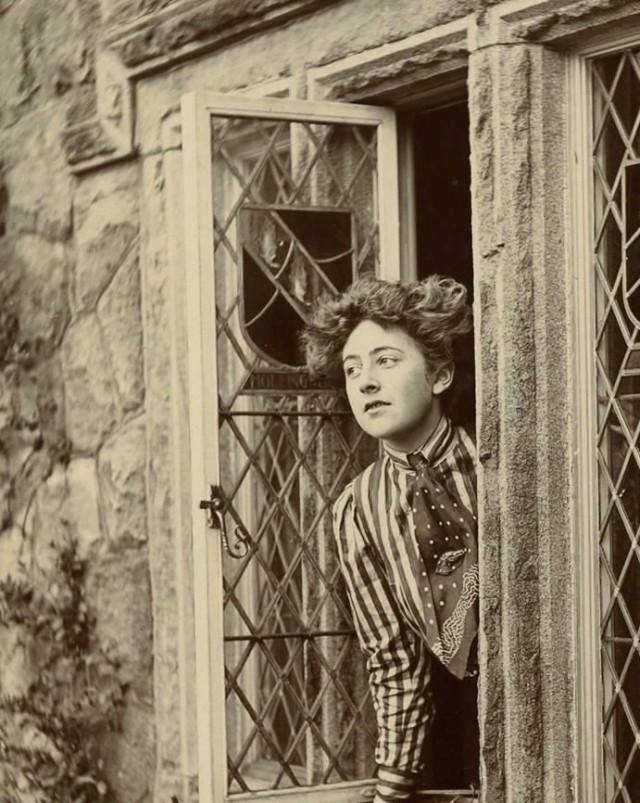
<p>"Understand this, I mean to arrive at the truth. The truth, however ugly in itself, is always curious and beautiful to seekers after it."<br>The Murder of Roger Ackroyd (1926)</p><p>Dame Agatha Christie died <a href="/tags/otd/" rel="tag">#OTD</a> 50 years ago.</p><p>She wrote 66 detective novels and 14 short story collections. She also wrote six novels under the pseudonym Mary Westmacott.</p><p><a href="https://en.wikipedia.org/wiki/Agatha_Christie" rel="nofollow" class="ellipsis" title="en.wikipedia.org/wiki/Agatha_Christie"><span class="invisible">https://</span><span class="ellipsis">en.wikipedia.org/wiki/Agatha_C</span><span class="invisible">hristie</span></a></p><p>Agatha Christie at PG:<br><a href="https://www.gutenberg.org/ebooks/author/451" rel="nofollow" class="ellipsis" title="www.gutenberg.org/ebooks/author/451"><span class="invisible">https://</span><span class="ellipsis">www.gutenberg.org/ebooks/autho</span><span class="invisible">r/451</span></a></p><p><a href="/tags/books/" rel="tag">#books</a> <a href="/tags/literature/" rel="tag">#literature</a></p>
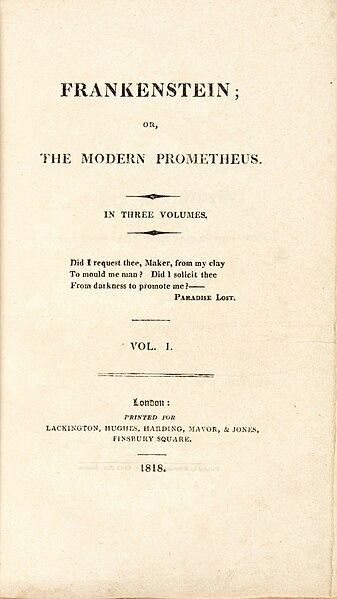
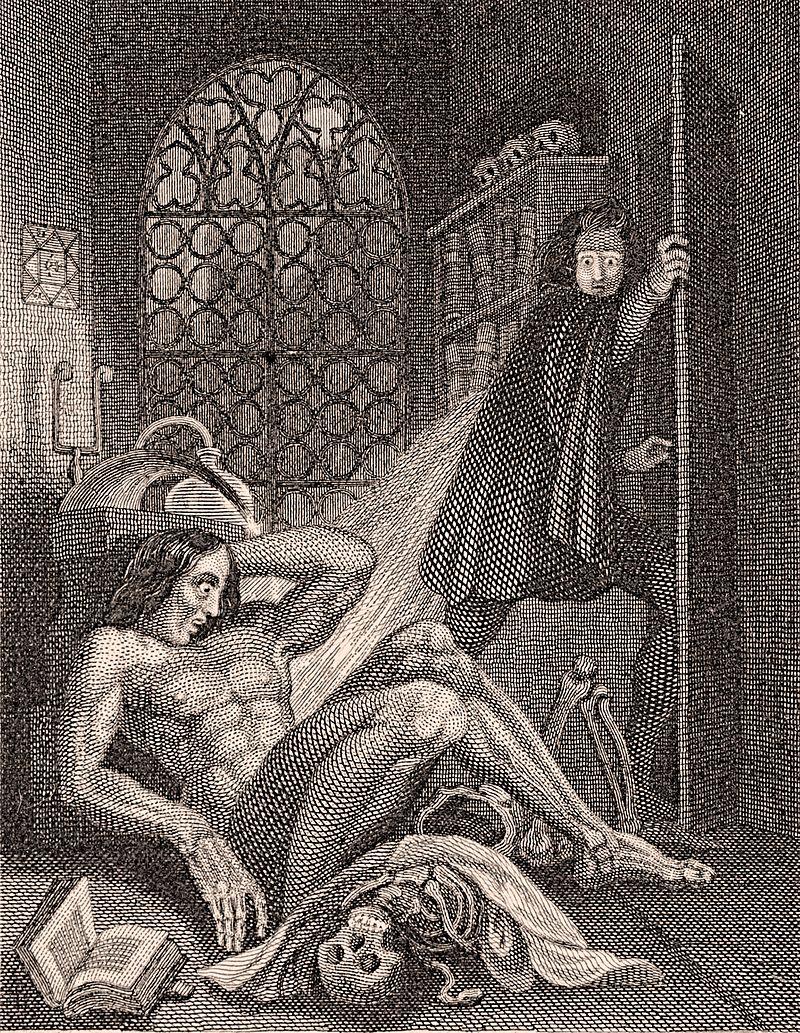
<p><a href="/tags/otd/" rel="tag">#OTD</a> in 1818.</p><p>Mary Shelley's novel Frankenstein; or, the Modern Prometheus first appears anonymously in London. </p><p>Shelley started writing the story when she was 18, and the first edition was published anonymously in London on 1 January 1818, when she was 20. Her name first appeared in the second edition, which was published in Paris in 1821.</p><p><a href="https://en.wikipedia.org/wiki/Frankenstein" rel="nofollow" class="ellipsis" title="en.wikipedia.org/wiki/Frankenstein"><span class="invisible">https://</span><span class="ellipsis">en.wikipedia.org/wiki/Frankens</span><span class="invisible">tein</span></a></p><p>1818 edition at PG:<br><a href="https://gutenberg.org/ebooks/41445" rel="nofollow"><span class="invisible">https://</span>gutenberg.org/ebooks/41445</a><br>1831 edition<br><a href="https://gutenberg.org/ebooks/42324" rel="nofollow"><span class="invisible">https://</span>gutenberg.org/ebooks/42324</a></p><p><a href="/tags/books/" rel="tag">#books</a> <a href="/tags/literature/" rel="tag">#literature</a></p>
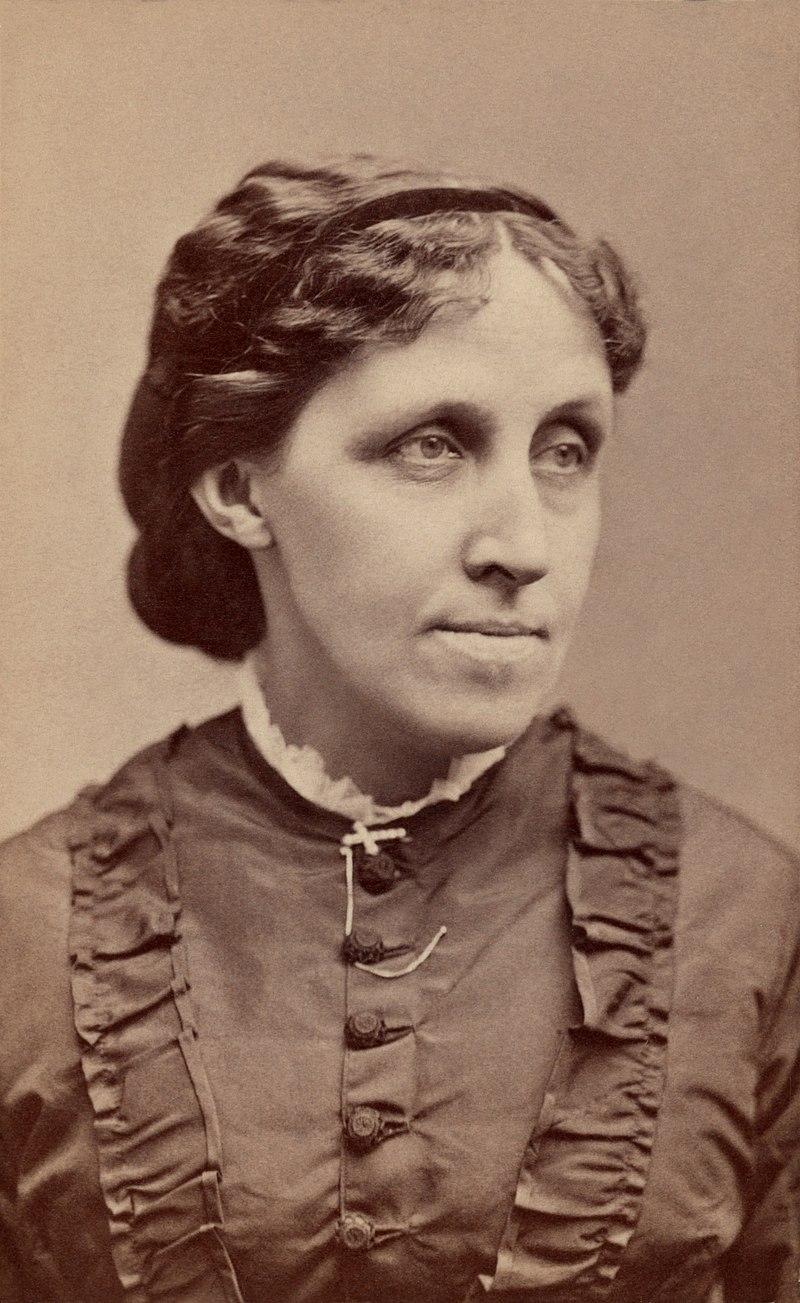
<p><a href="/tags/otd/" rel="tag">#OTD</a> in 1873.</p><p>Louisa May Alcott's family satire "Transcendental Wild Oats" is published in the newspaper The Independent.</p><p>The work was first published in a New York newspaper in 1873, and reprinted in 1874, 1876, and 1915 and after. Alcott's view of male arrogance and female exploitation in this piece is paralleled in her novel Work, published in the same year as Transcendental Wild Oats.</p><p><a href="https://en.wikipedia.org/wiki/Transcendental_Wild_Oats" rel="nofollow" class="ellipsis" title="en.wikipedia.org/wiki/Transcendental_Wild_Oats"><span class="invisible">https://</span><span class="ellipsis">en.wikipedia.org/wiki/Transcen</span><span class="invisible">dental_Wild_Oats</span></a></p><p>Transcendental Wild Oats at PG:<br><a href="https://www.gutenberg.org/ebooks/34920" rel="nofollow"><span class="invisible">https://</span>www.gutenberg.org/ebooks/34920</a></p><p><a href="/tags/books/" rel="tag">#books</a> <a href="/tags/literature/" rel="tag">#literature</a></p>
<p>Thomas Hardy’s Jude the Obscure criticised university elitism – it still rings true today</p><p>by Shelley Galpin</p><p><a href="https://theconversation.com/thomas-hardys-jude-the-obscure-criticised-university-elitism-it-still-rings-true-today-266009" rel="nofollow" class="ellipsis" title="theconversation.com/thomas-hardys-jude-the-obscure-criticised-university-elitism-it-still-rings-true-today-266009"><span class="invisible">https://</span><span class="ellipsis">theconversation.com/thomas-har</span><span class="invisible">dys-jude-the-obscure-criticised-university-elitism-it-still-rings-true-today-266009</span></a></p><p>Jude the Obscure at PG:<br><a href="https://www.gutenberg.org/ebooks/153" rel="nofollow"><span class="invisible">https://</span>www.gutenberg.org/ebooks/153</a></p><p><a href="/tags/books/" rel="tag">#books</a> <a href="/tags/literature/" rel="tag">#literature</a></p>
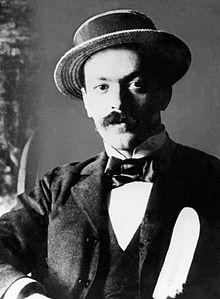
<p>"Thus, after pursuing those images, I overtook them. Now I know that I invented them. But inventing is a creation, not a lie."<br>La coscienza di Zeno (1923)</p><p><a href="/tags/otd/" rel="tag">#OTD</a> in 1928.</p><p>Italo Svevo (Aron Schmitz), returning from an Alpine resort to Trieste, suffers a car accident. He dies next day leaving his novel Il Vegliardo (The Old Man) unfinished in mid-word.</p><p><a href="https://en.wikipedia.org/wiki/Italo_Svevo" rel="nofollow" class="ellipsis" title="en.wikipedia.org/wiki/Italo_Svevo"><span class="invisible">https://</span><span class="ellipsis">en.wikipedia.org/wiki/Italo_Sv</span><span class="invisible">evo</span></a></p><p><a href="/tags/books/" rel="tag">#books</a> <a href="/tags/literature/" rel="tag">#literature</a></p>
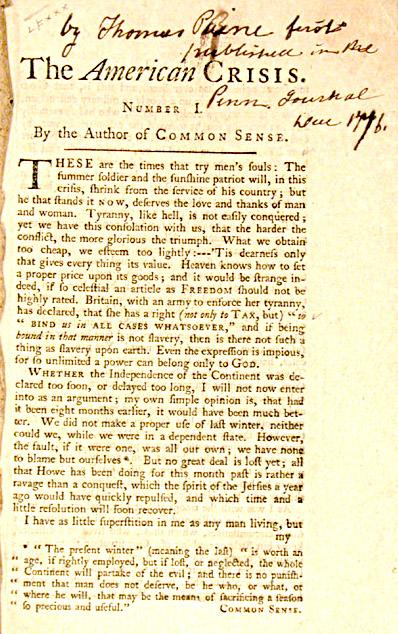
<p>"THE times that tried men's souls," are over- and the greatest and completest revolution the world ever knew, gloriously and happily accomplished."</p><p><a href="/tags/otd/" rel="tag">#OTD</a> in 1776.</p><p>Thomas Paine publishes one of a series of pamphlets in The Pennsylvania Journal entitled "The American Crisis". Paine signed the pamphlets with the pseudonym, "Common Sense".</p><p><a href="https://en.wikipedia.org/wiki/The_American_Crisis" rel="nofollow" class="ellipsis" title="en.wikipedia.org/wiki/The_American_Crisis"><span class="invisible">https://</span><span class="ellipsis">en.wikipedia.org/wiki/The_Amer</span><span class="invisible">ican_Crisis</span></a></p><p>The American Crisis at PG:<br><a href="https://www.gutenberg.org/ebooks/3741" rel="nofollow"><span class="invisible">https://</span>www.gutenberg.org/ebooks/3741</a></p><p><a href="/tags/books/" rel="tag">#books</a> <a href="/tags/literature/" rel="tag">#literature</a></p>
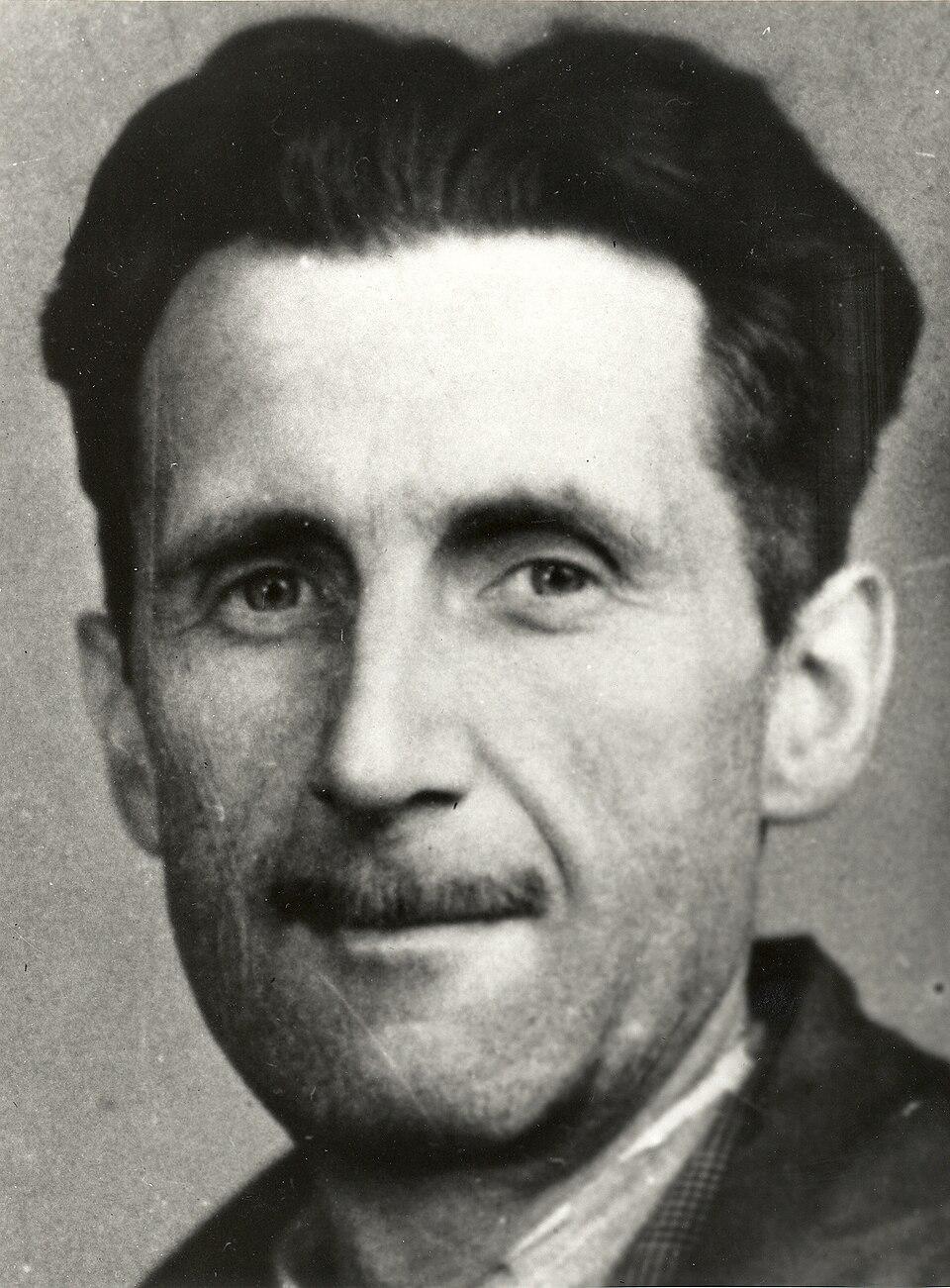
<p>What January taught George Orwell about control and resistance</p><p>Like many of us, George Orwell saw January as a month to be endured rather than enjoyed. You can picture him steeling himself against its cold, gloom, rain, frost and wind.</p><p>by Nathan Waddell</p><p><a href="https://theconversation.com/what-january-taught-george-orwell-about-control-and-resistance-272860" rel="nofollow" class="ellipsis" title="theconversation.com/what-january-taught-george-orwell-about-control-and-resistance-272860"><span class="invisible">https://</span><span class="ellipsis">theconversation.com/what-janua</span><span class="invisible">ry-taught-george-orwell-about-control-and-resistance-272860</span></a></p><p><a href="/tags/books/" rel="tag">#books</a> <a href="/tags/literature/" rel="tag">#literature</a></p>
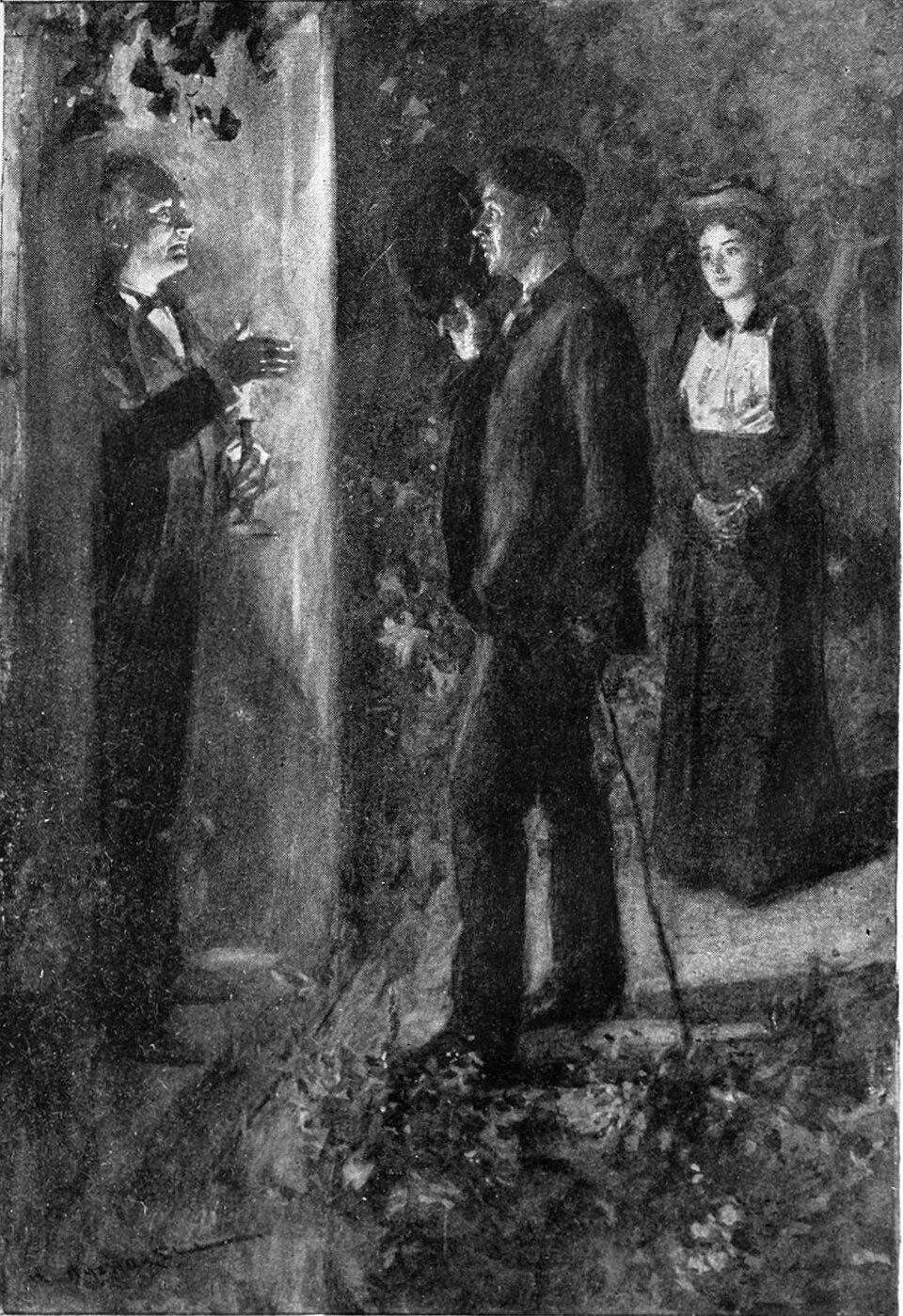
<p><a href="/tags/otd/" rel="tag">#OTD</a> in 1864 (until April 16).</p><p>James Payn publishes his most popular story, Lost Sir Massingberd, in Chambers's Journal. He follows it in the magazine (August 6 – December 24) by Married Beneath Him. Lost Sir Massingberd was published as a book in two volumes in 1864.</p><p><a href="https://en.wikipedia.org/wiki/Lost_Sir_Massingberd" rel="nofollow" class="ellipsis" title="en.wikipedia.org/wiki/Lost_Sir_Massingberd"><span class="invisible">https://</span><span class="ellipsis">en.wikipedia.org/wiki/Lost_Sir</span><span class="invisible">_Massingberd</span></a></p><p>Lost Sir Massingberd at PG:<br><a href="https://www.gutenberg.org/ebooks/37170" rel="nofollow"><span class="invisible">https://</span>www.gutenberg.org/ebooks/37170</a><br><a href="https://www.gutenberg.org/ebooks/37171" rel="nofollow"><span class="invisible">https://</span>www.gutenberg.org/ebooks/37171</a></p><p><a href="/tags/books/" rel="tag">#books</a> <a href="/tags/literature/" rel="tag">#literature</a></p>
![Title page of Lost Sir Massingberd.
The book is in two volumes, with this being Volume I.
Published in London by Sampson Low, Son, and Marston, located at 14, Ludgate Hill, in 1864.
It includes the note: "[The Right of Translation is Reserved.]".](/proxy/post_attachment/567629/66fd41f7dd.png "Title page of Lost Sir Massingberd.
The book is in two volumes, with this being Volume I.
Published in London by Sampson Low, Son, and Marston, located at 14, Ludgate Hill, in 1864.
It includes the note: \"[The Right of Translation is Reserved.]\".")
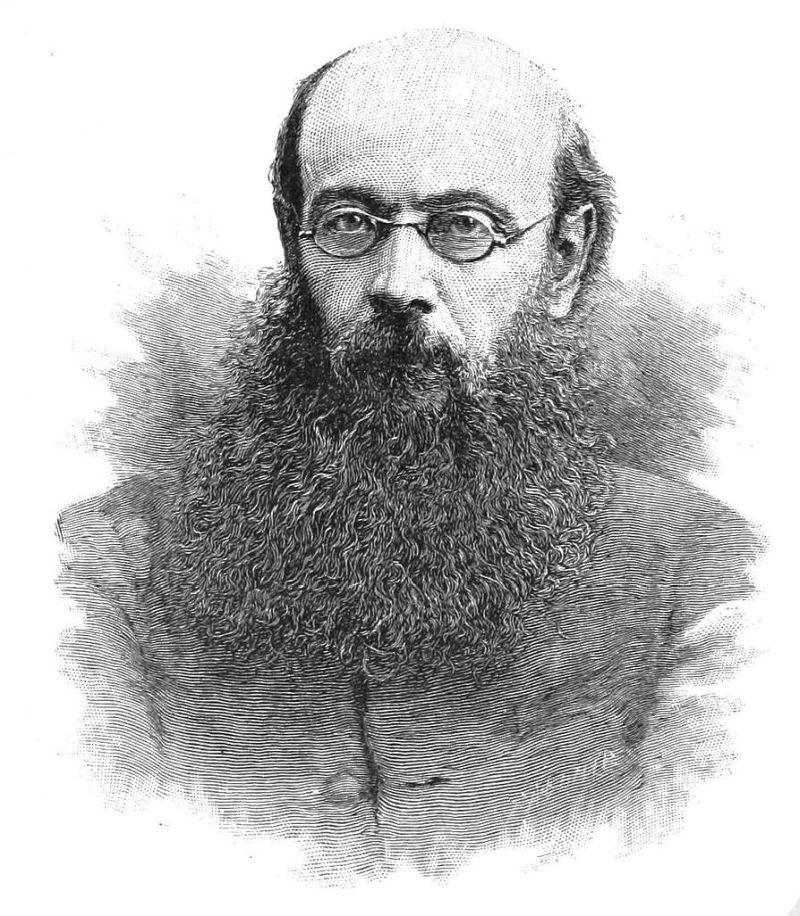
<p>Peter Kropotkin’s Memoirs of a Revolutionist (1899)</p><p>“Many a man and many a woman have accomplished a great life-work without having led a great life”, the influential Danish literary critic Georg Brandes wrote in his introduction to Peter Kropotkin’s 1899 Memoirs of a Revolutionist. “Many people are interesting, although their lives may have been quite insignificant and commonplace. Kropotkin’s life is both great and interesting”.</p><p>Book at PG:</p><p><a href="https://www.gutenberg.org/ebooks/73882" rel="nofollow"><span class="invisible">https://</span>www.gutenberg.org/ebooks/73882</a></p><p><a href="/tags/books/" rel="tag">#books</a> <a href="/tags/literature/" rel="tag">#literature</a></p>
<p>Today, 13 January, is the Feast Day of St Mungo (AKA St Kentigern), patron saint of Glasgow. Edwin Morgan’s “Colloquy in Glaschu” imagines a conversation between St Mungo & St Columba.</p><p>From CENTENARY SELECTED POEMS (Carcanet, 2020)</p><p>1/5</p><p><a href="https://www.carcanet.co.uk/cgi-bin/indexer?product=9781784109967" rel="nofollow" class="ellipsis" title="www.carcanet.co.uk/cgi-bin/indexer?product=9781784109967"><span class="invisible">https://</span><span class="ellipsis">www.carcanet.co.uk/cgi-bin/ind</span><span class="invisible">exer?product=9781784109967</span></a></p><p><a href="/tags/scottish/" rel="tag">#Scottish</a> <a href="/tags/literature/" rel="tag">#literature</a> <a href="/tags/poem/" rel="tag">#poem</a> <a href="/tags/poetry/" rel="tag">#poetry</a> <a href="/tags/edwinmorgan/" rel="tag">#EdwinMorgan</a> <a href="/tags/glasgow/" rel="tag">#Glasgow</a> <a href="/tags/saints/" rel="tag">#Saints</a> <a href="/tags/stmungo/" rel="tag">#StMungo</a></p>