
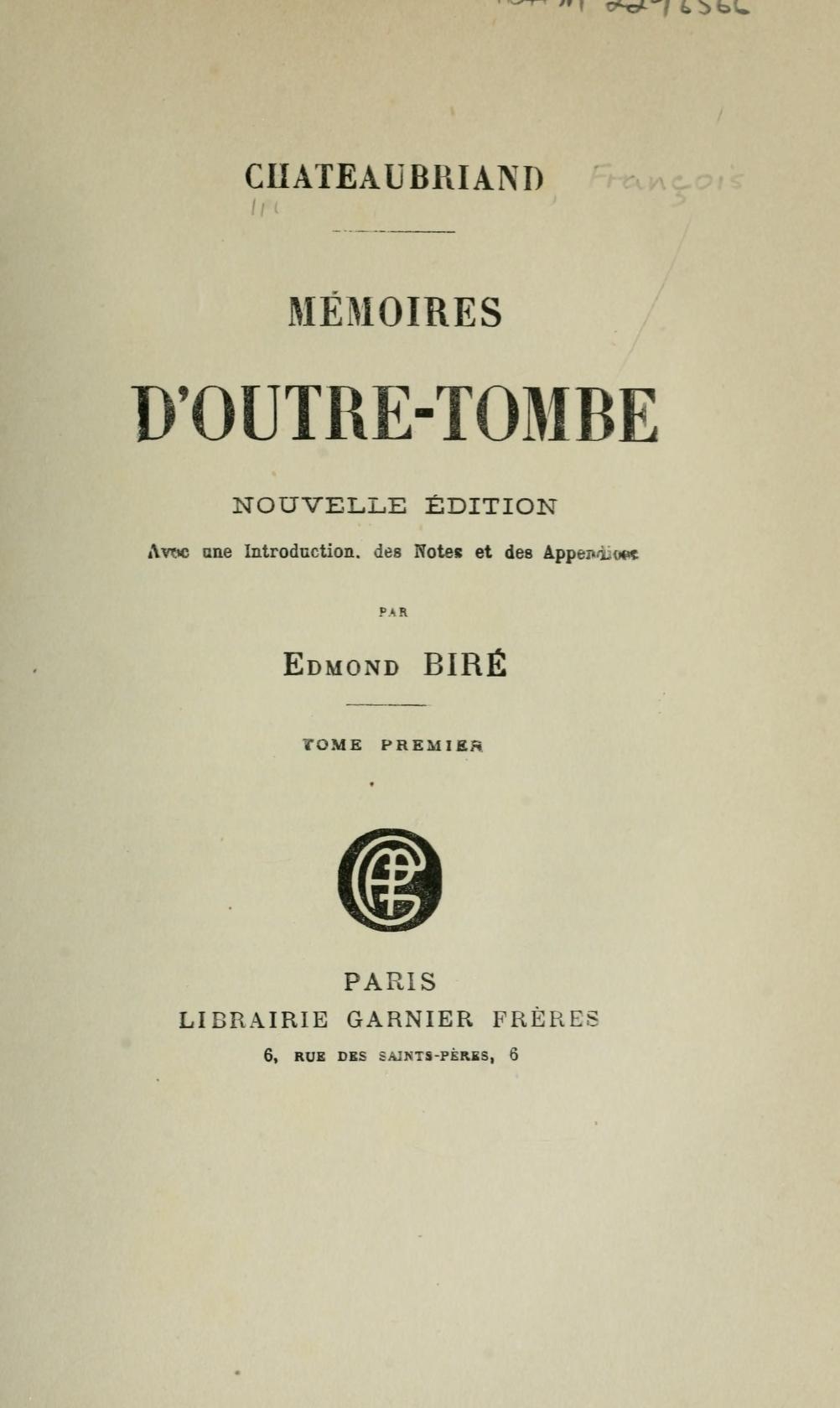
<p>"Aristocracy has three successive ages, — the age of superiorities, the age of privileges, and the age of vanities; having passed out of the first, it degenerates in the second, and dies away in the third."<br>Book I, Ch. 1 : The Vallé-aux-loups</p><p>In August 1830.</p><p>François-René de Chateaubriand sacrifices his political career by refusing to swear an oath of allegiance to Louis-Philippe, and retires to write his memoirs.</p><p>Books by Chateaubriand at PG:<br><a href="https://www.gutenberg.org/ebooks/author/7255" rel="nofollow" class="ellipsis" title="www.gutenberg.org/ebooks/author/7255"><span class="invisible">https://</span><span class="ellipsis">www.gutenberg.org/ebooks/autho</span><span class="invisible">r/7255</span></a></p><p><a href="/tags/books/" rel="tag">#books</a> <a href="/tags/literature/" rel="tag">#literature</a></p>
literature
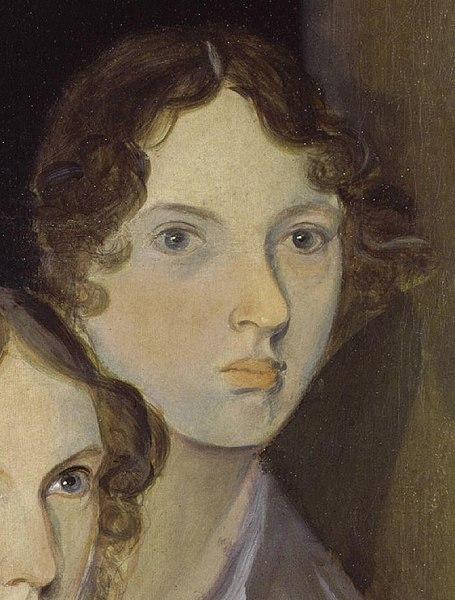
<p>"Heaven did not seem to be my home; and I broke my heart with weeping to come back to earth; and the angels were so angry that they flung me out into the middle of the heath on the top of Wuthering Heights; where I woke sobbing for joy."</p><p>Wuthering Heights (ed. 1858)</p><p>~Emily Brontë (30 July 1818 – 19 December 1848)</p><p>Books by Emily Brontë at PG:<br><a href="https://www.gutenberg.org/ebooks/author/405" rel="nofollow" class="ellipsis" title="www.gutenberg.org/ebooks/author/405"><span class="invisible">https://</span><span class="ellipsis">www.gutenberg.org/ebooks/autho</span><span class="invisible">r/405</span></a></p><p><a href="/tags/books/" rel="tag">#books</a> <a href="/tags/literature/" rel="tag">#literature</a></p>

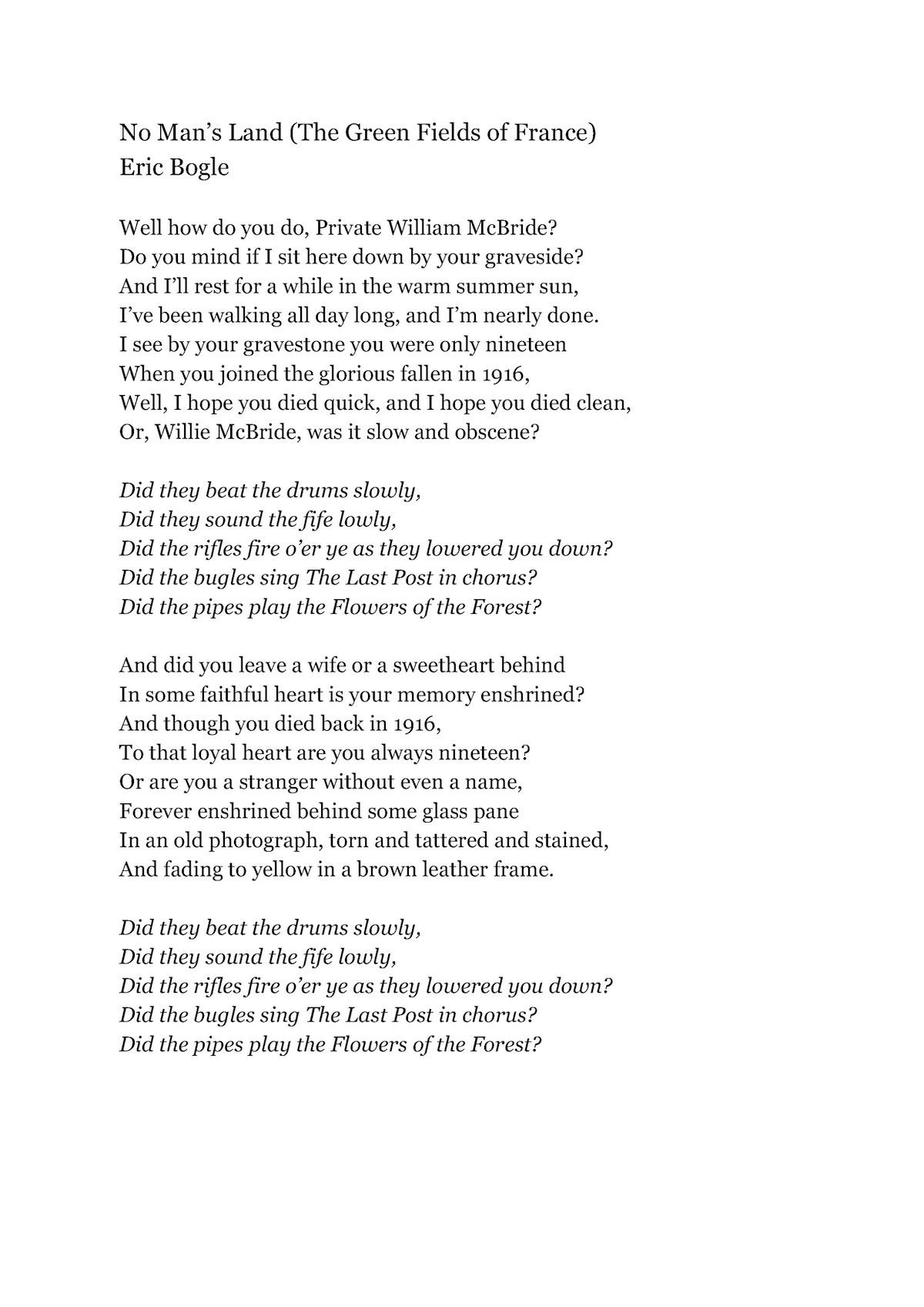
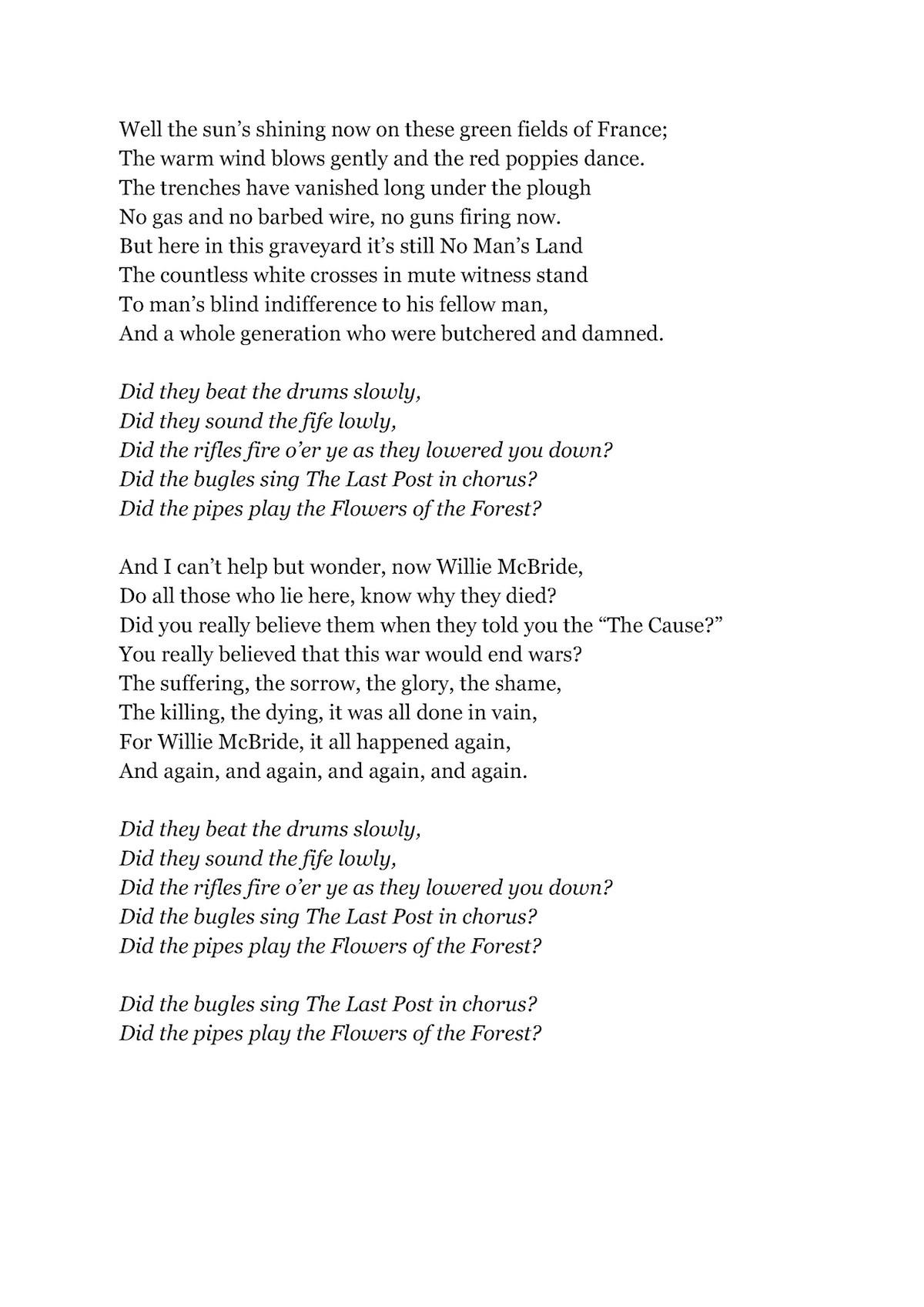
<p>Well how do you do, Private William McBride?<br>Do you mind if I sit here down by your graveside?<br>And I’ll rest for a while in the warm summer sun,<br>I’ve been walking all day long, and I’m nearly done…</p><p>—Eric Bogle, “No Man’s Land”</p><p><a href="https://www.youtube.com/watch?v=PxwBg3X3gBI" rel="nofollow" class="ellipsis" title="www.youtube.com/watch?v=PxwBg3X3gBI"><span class="invisible">https://</span><span class="ellipsis">www.youtube.com/watch?v=PxwBg3</span><span class="invisible">X3gBI</span></a></p><p><a href="/tags/remembrancesunday/" rel="tag">#RemembranceSunday</a> <a href="/tags/scottish/" rel="tag">#Scottish</a> <a href="/tags/literature/" rel="tag">#literature</a> <a href="/tags/song/" rel="tag">#song</a> <a href="/tags/ww1/" rel="tag">#WW1</a></p>
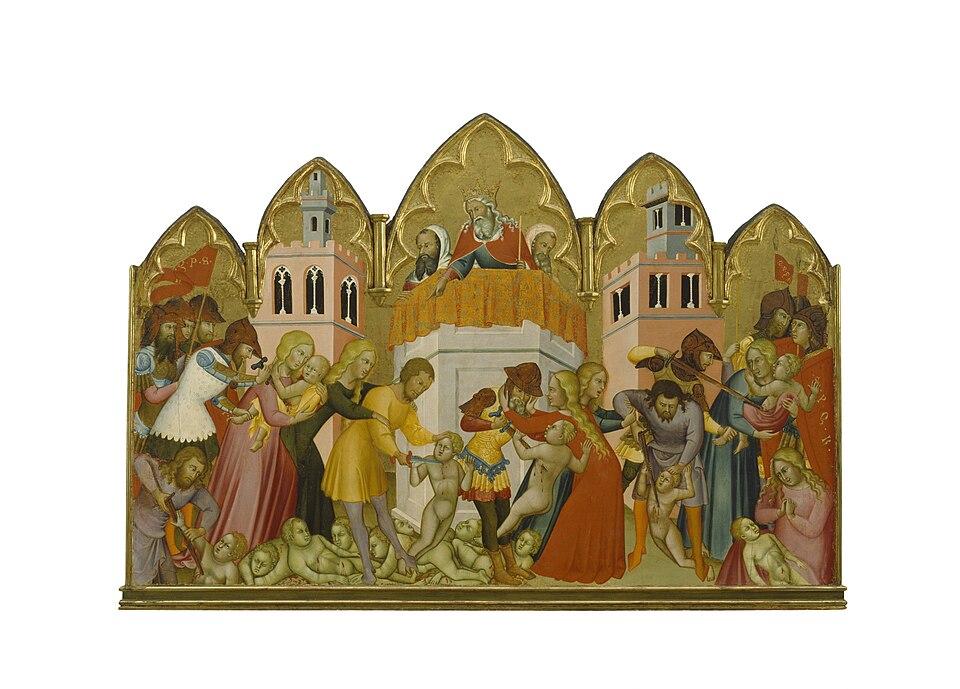
<p>A Fierce Devotion to the “Empress of Hell”</p><p>Medieval dramatizations of the confrontation between the Virgin Mary and King Herod offered a symbolic resistance to tyranny.</p><p>By: H.M.A. Leow </p><p><a href="https://daily.jstor.org/a-fierce-devotion-to-the-empress-of-hell/" rel="nofollow" class="ellipsis" title="daily.jstor.org/a-fierce-devotion-to-the-empress-of-hell/"><span class="invisible">https://</span><span class="ellipsis">daily.jstor.org/a-fierce-devot</span><span class="invisible">ion-to-the-empress-of-hell/</span></a></p><p>Theater history at PG:<br><a href="https://www.gutenberg.org/ebooks/subjects/search/?query=theater+history" rel="nofollow" class="ellipsis" title="www.gutenberg.org/ebooks/subjects/search/?query=theater+history"><span class="invisible">https://</span><span class="ellipsis">www.gutenberg.org/ebooks/subje</span><span class="invisible">cts/search/?query=theater+history</span></a></p><p><a href="/tags/books/" rel="tag">#books</a> <a href="/tags/literature/" rel="tag">#literature</a></p>
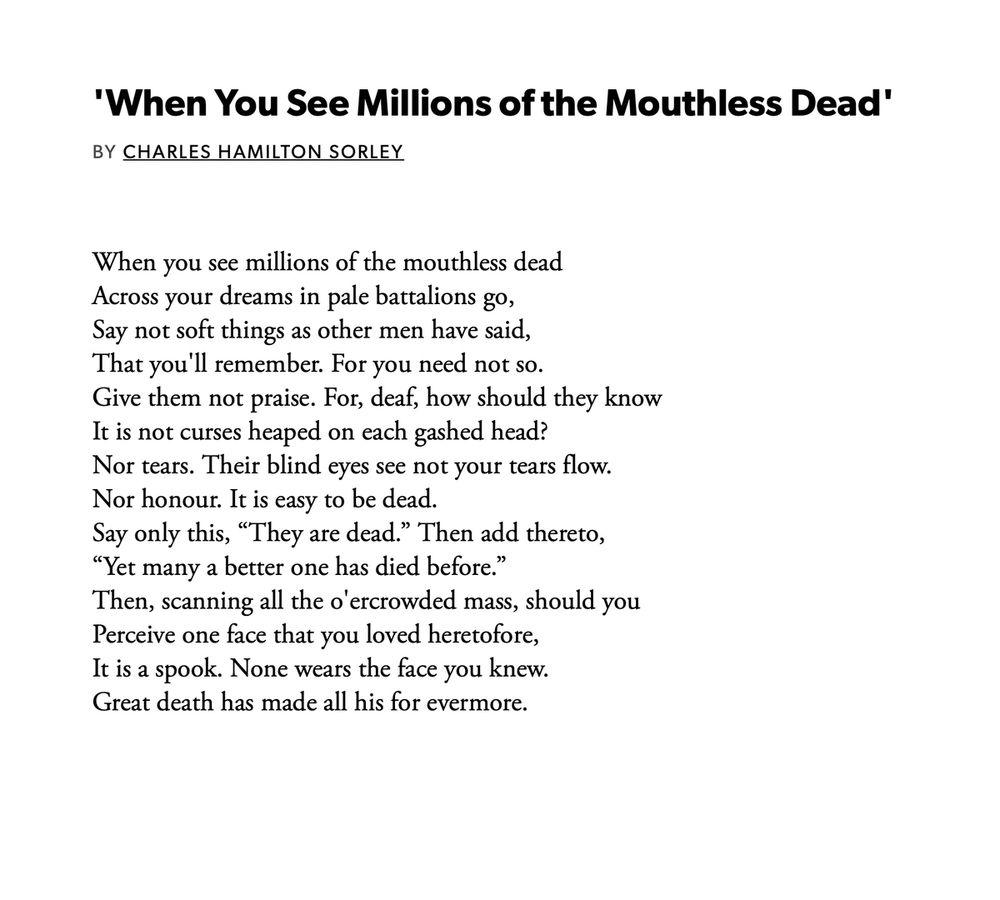
<p>When you see millions of the mouthless dead<br>Across your dreams in pale battalions go,<br>Say not soft things as other men have said,<br>That you’ll remember. For you need not so…</p><p>—Charles Hamilton Sorley (1895–1915)</p><p><a href="https://www.poetryfoundation.org/poems/47427/when-you-see-millions-of-the-mouthless-dead" rel="nofollow" class="ellipsis" title="www.poetryfoundation.org/poems/47427/when-you-see-millions-of-the-mouthless-dead"><span class="invisible">https://</span><span class="ellipsis">www.poetryfoundation.org/poems</span><span class="invisible">/47427/when-you-see-millions-of-the-mouthless-dead</span></a></p><p><a href="/tags/remembrancesunday/" rel="tag">#RemembranceSunday</a> <a href="/tags/scottish/" rel="tag">#Scottish</a> <a href="/tags/literature/" rel="tag">#literature</a> <a href="/tags/poem/" rel="tag">#poem</a> <a href="/tags/poetry/" rel="tag">#poetry</a> <a href="/tags/warpoetry/" rel="tag">#warpoetry</a> <a href="/tags/ww1/" rel="tag">#WW1</a></p>
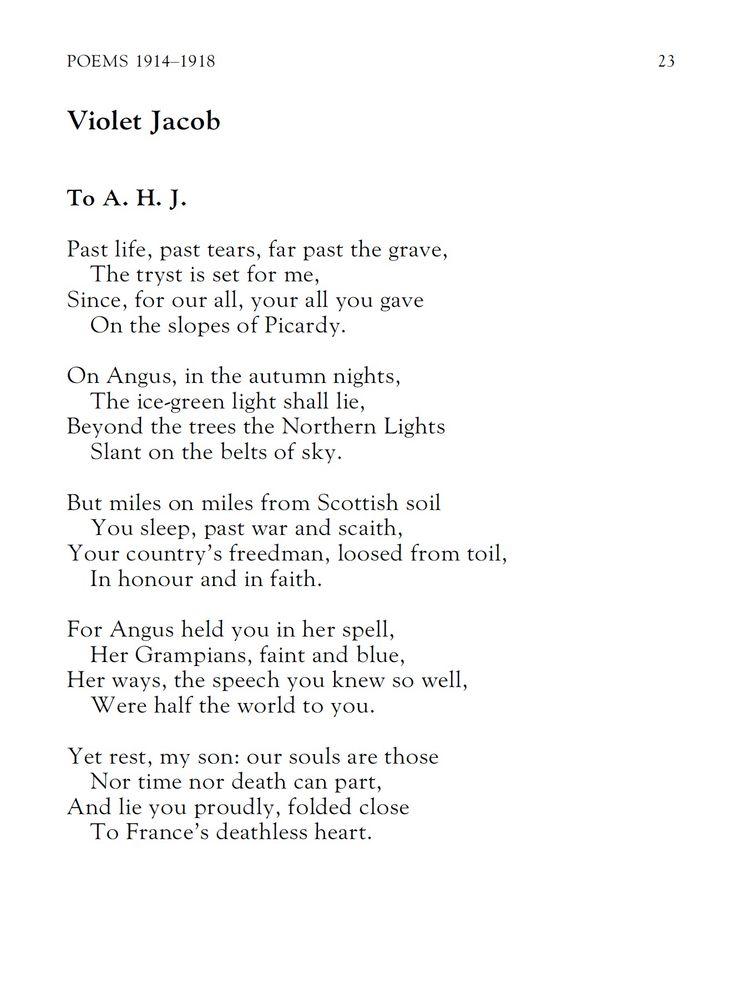
<p>Past life, past tears, far past the grave,<br>The tryst is set for me,<br>Since, for our all, your all you gave<br>On the slopes of Picardy…</p><p>—Violet Jacob, “To A.H.J.”</p><p>Violet Jacob’s only son, Harry, was killed at the Battle of the Somme on 16 July 1916, aged 20</p><p><a href="https://www.cwgc.org/find-records/find-war-dead/casualty-details/502598/arthur-henry-augustus-jacob/" rel="nofollow" class="ellipsis" title="www.cwgc.org/find-records/find-war-dead/casualty-details/502598/arthur-henry-augustus-jacob/"><span class="invisible">https://</span><span class="ellipsis">www.cwgc.org/find-records/find</span><span class="invisible">-war-dead/casualty-details/502598/arthur-henry-augustus-jacob/</span></a></p><p><a href="/tags/remembrancesunday/" rel="tag">#RemembranceSunday</a> <a href="/tags/scottish/" rel="tag">#Scottish</a> <a href="/tags/literature/" rel="tag">#literature</a> <a href="/tags/poem/" rel="tag">#poem</a> <a href="/tags/poetry/" rel="tag">#poetry</a> <a href="/tags/warpoetry/" rel="tag">#warpoetry</a> <a href="/tags/ww1/" rel="tag">#WW1</a></p>
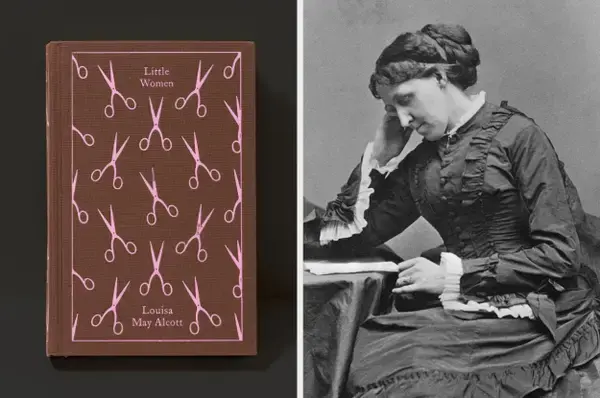
<p>"It Shouldn't Be Printed At All. It Should Be Burnt" — 23 Books Writers Regret Writing<br>The author of 'Little Women' wrote in her journal that she "never liked girls or knew many."</p><p>by Amy Glover via <span class="h-card"><a href="https://mastodon.social/@buzzfeed" class="u-url mention" rel="nofollow noopener noreferrer" target="_blank">@<span>buzzfeed</span></a></span></p><p><a href="https://www.buzzfeed.com/aglover/books-writers-regret-writing" rel="nofollow" class="ellipsis" title="www.buzzfeed.com/aglover/books-writers-regret-writing"><span class="invisible">https://</span><span class="ellipsis">www.buzzfeed.com/aglover/books</span><span class="invisible">-writers-regret-writing</span></a></p><p><a href="/tags/books/" rel="tag">#books</a> <a href="/tags/literature/" rel="tag">#literature</a></p>
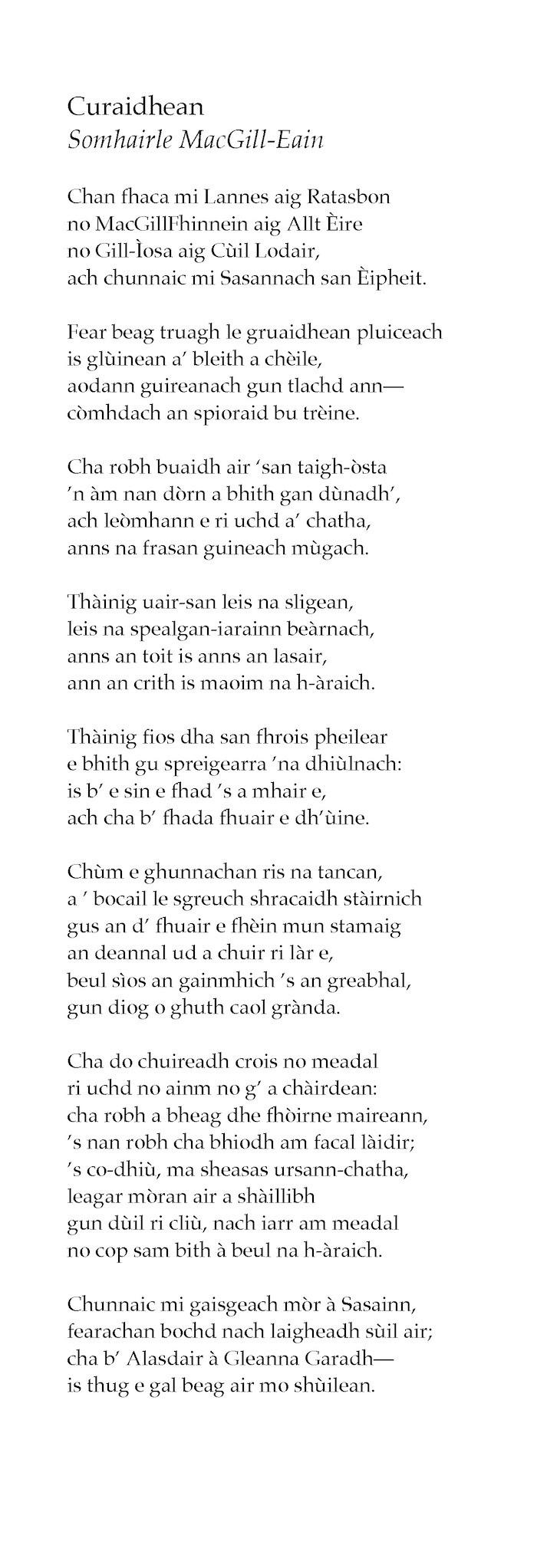
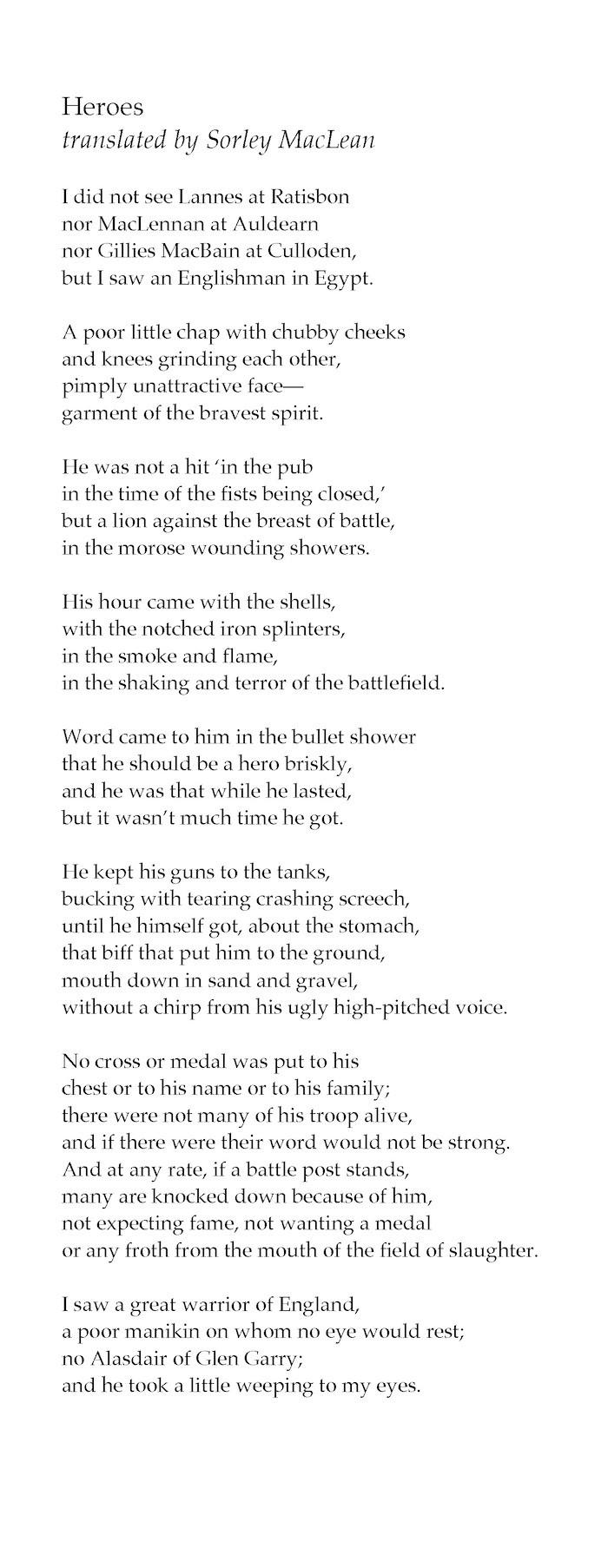
<p>Chan fhaca mi Lannes aig Ratasbon<br>no MacGillFhinnein aig Allt Èire<br>no Gill-Ìosa aig Cùil Lodair,<br>ach chunnaic mi Sasannach san Èipheit.</p><p>(I did not see Lannes at Ratisbon<br>nor MacLennan at Auldearn<br>nor Gillies MacBain at Culloden,<br>but I saw an Englishman in Egypt.)</p><p>—Somhairle MacGill-Eain (Sorley MacLean), “Curaidhean” (“Heroes”)</p><p>Sorley MacLean was severely wounded at El Alamein, 1942</p><p><a href="/tags/remembrancesunday/" rel="tag">#RemembranceSunday</a> <a href="/tags/scottish/" rel="tag">#Scottish</a> <a href="/tags/literature/" rel="tag">#literature</a> <a href="/tags/gaelic/" rel="tag">#Gaelic</a> <a href="/tags/gaidhlig/" rel="tag">#Gaidhlig</a> <a href="/tags/poem/" rel="tag">#poem</a> <a href="/tags/poetry/" rel="tag">#poetry</a> <a href="/tags/warpoetry/" rel="tag">#warpoetry</a> <a href="/tags/ww2/" rel="tag">#WW2</a></p>
<p>Call for Papers<br>Regional Perspectives, Planetary Reach: Themes, Genres, Forms of Narration in Contemporary Irish & Scottish Fiction<br>28–29 May 2026, Università di Naploli L’Orientale, Italy</p><p>The European Anglophone literary scene has seen a growing prominence of Scottish & Irish fiction. This conference will look at the latest trends in fiction, poetry, drama, film, TV, digital media, & critical theory</p><p>@litstudies </p><p><a href="https://sites.google.com/view/irsconference/home-page" rel="nofollow" class="ellipsis" title="sites.google.com/view/irsconference/home-page"><span class="invisible">https://</span><span class="ellipsis">sites.google.com/view/irsconfe</span><span class="invisible">rence/home-page</span></a></p><p><a href="/tags/scottish/" rel="tag">#Scottish</a> <a href="/tags/irish/" rel="tag">#Irish</a> <a href="/tags/literature/" rel="tag">#literature</a> <a href="/tags/callforpapers/" rel="tag">#CallForPapers</a></p>
Edited 148d ago
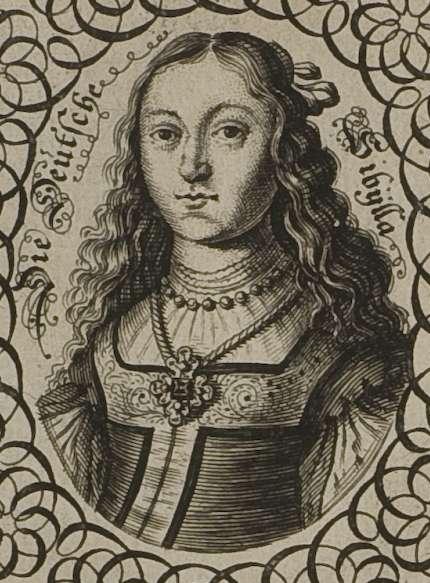
<p>German poet Sibylla Schwarz died <a href="/tags/otd/" rel="tag">#OTD</a> in 1638.</p><p>Her verse reflects the difficult times in the middle of the Thirty Years' War, of which she saw neither the beginning nor the end. Her verse was published posthumously in 1650 by her teacher Samuel Gerlach under the title Deutsche Poëtische Gedichte in two parts containing over 100 poems. She was famous as the "Pomeranian Sappho", but her work fell into oblivion in the 18th century. </p><p><a href="https://en.wikipedia.org/wiki/Sibylla_Schwarz" rel="nofollow" class="ellipsis" title="en.wikipedia.org/wiki/Sibylla_Schwarz"><span class="invisible">https://</span><span class="ellipsis">en.wikipedia.org/wiki/Sibylla_</span><span class="invisible">Schwarz</span></a></p><p><a href="/tags/books/" rel="tag">#books</a> <a href="/tags/literature/" rel="tag">#literature</a> <a href="/tags/poetry/" rel="tag">#poetry</a></p>

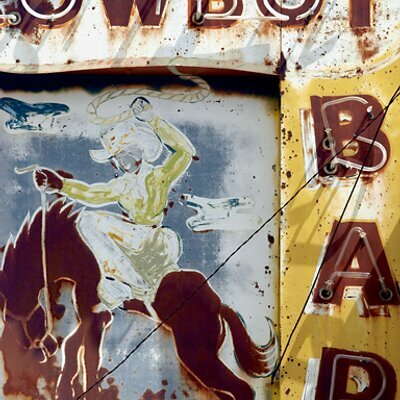
<p>Today's POTD ©️ me</p><p>MESSIAH</p><p>So Jesus <br>ministered to <br>the dregs of society. <br>In His name a religion <br>was raised. <br>Messiahs </p><p>have <br>been seen <br>and are awaited by<br>Christian Jewish and <br>Arab believers. <br>Millions </p><p>upon <br>millions of <br>them. Irony: The <br>Messiah will <br>go </p><p>unrecognized. </p><p>cuz </p><p>the Messiah <br>will be dirty, poor, <br>bedraggled, sometimes <br>even bloodied. That's </p><p>just </p><p>how it is, <br>ministering <br>at the edges to </p><p>dregs</p><p><a href="/tags/literature/" rel="tag">#literature</a> <a href="/tags/poetry/" rel="tag">#poetry</a> <a href="/tags/religion/" rel="tag">#religion</a></p>
Edited 194d ago
<p>He lacks the ordnance of words.<br>A self-portrait shows<br>stitches where his mouth should be;<br>eyes like empty casings.<br>He left a part of himself in the desert,<br>this ultra-Marine…</p><p>—Sandra Ireland, “Ultramarine”<br>published in New Writing Scotland 36 (2018)</p><p><a href="/tags/remembrancesunday/" rel="tag">#RemembranceSunday</a> <a href="/tags/scottish/" rel="tag">#Scottish</a> <a href="/tags/literature/" rel="tag">#literature</a> <a href="/tags/poem/" rel="tag">#poem</a> <a href="/tags/poetry/" rel="tag">#poetry</a> <a href="/tags/trauma/" rel="tag">#trauma</a></p>
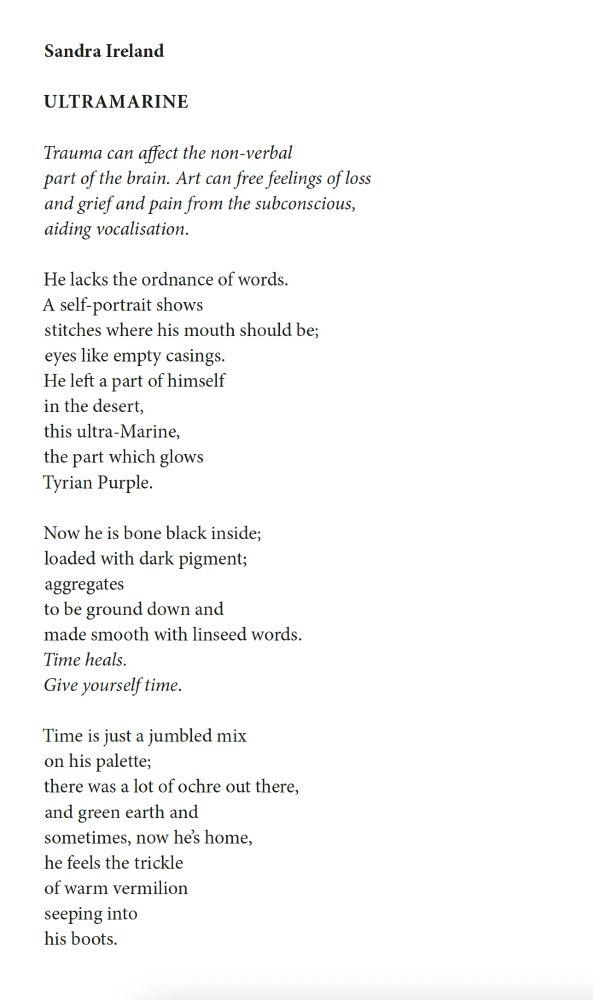
<p>"I am no bird, and no net ensnares me,..."</p><p>Between 7-24 August 1847.</p><p>Charlotte Brontë completes Jane Eyre at Haworth and sends the manuscript to her publisher, who has rejected The Professor.</p><p>It was published under her pen name "Currer Bell" on 19 October 1847 by Smith, Elder & Co. of London. The first American edition was published the following year by Harper & Brothers of New York.</p><p><a href="https://en.wikipedia.org/wiki/Jane_Eyre" rel="nofollow" class="ellipsis" title="en.wikipedia.org/wiki/Jane_Eyre"><span class="invisible">https://</span><span class="ellipsis">en.wikipedia.org/wiki/Jane_Eyr</span><span class="invisible">e</span></a></p><p>Jane Eyre at PG:<br><a href="https://gutenberg.org/ebooks/1260" rel="nofollow"><span class="invisible">https://</span>gutenberg.org/ebooks/1260</a></p><p><a href="/tags/books/" rel="tag">#books</a> <a href="/tags/literature/" rel="tag">#literature</a></p>
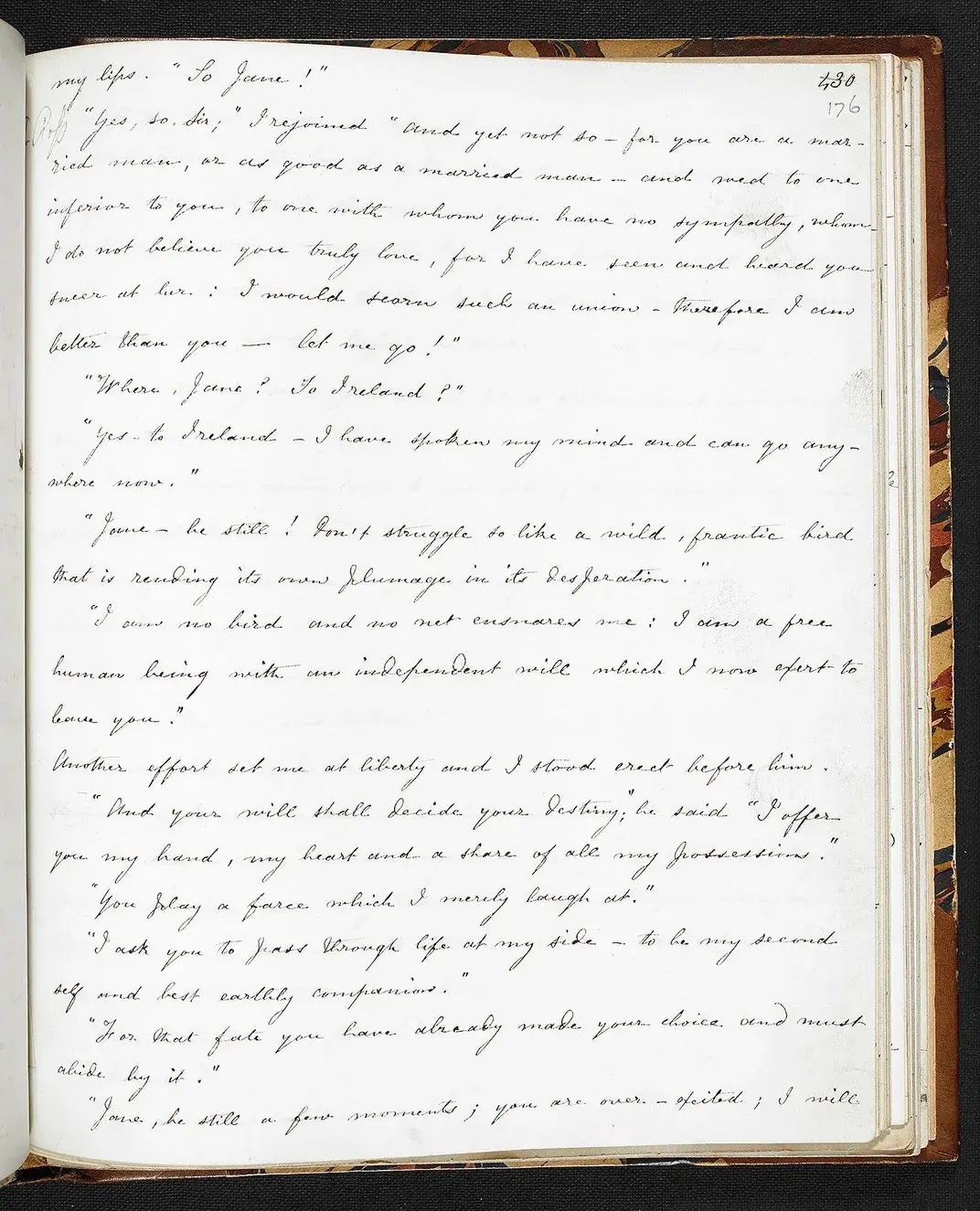
<p>Ravens are kekklin’ prophecies o’ woe,<br>Pyots in black an’ white spiel superstitions,<br>The rooks mak’ bedlam i’ the elms below,<br>An’ saft-winged hoolets plan their midnicht missions…</p><p>—Helen Cruickshank, “Corstorphine Woods”<br>pulished in A KIST O SKINKLAN THINGS (ASL, 2017)</p><p><a href="https://asls.org.uk/publications/books/volumes/a-kist-o-skinlan-things/" rel="nofollow" class="ellipsis" title="asls.org.uk/publications/books/volumes/a-kist-o-skinlan-things/"><span class="invisible">https://</span><span class="ellipsis">asls.org.uk/publications/books</span><span class="invisible">/volumes/a-kist-o-skinlan-things/</span></a></p><p><a href="/tags/scottish/" rel="tag">#Scottish</a> <a href="/tags/literature/" rel="tag">#literature</a> <a href="/tags/poem/" rel="tag">#poem</a> <a href="/tags/poetry/" rel="tag">#poetry</a> <a href="/tags/scots/" rel="tag">#Scots</a> <a href="/tags/scotslanguage/" rel="tag">#Scotslanguage</a> <a href="/tags/naturewriting/" rel="tag">#naturewriting</a></p>
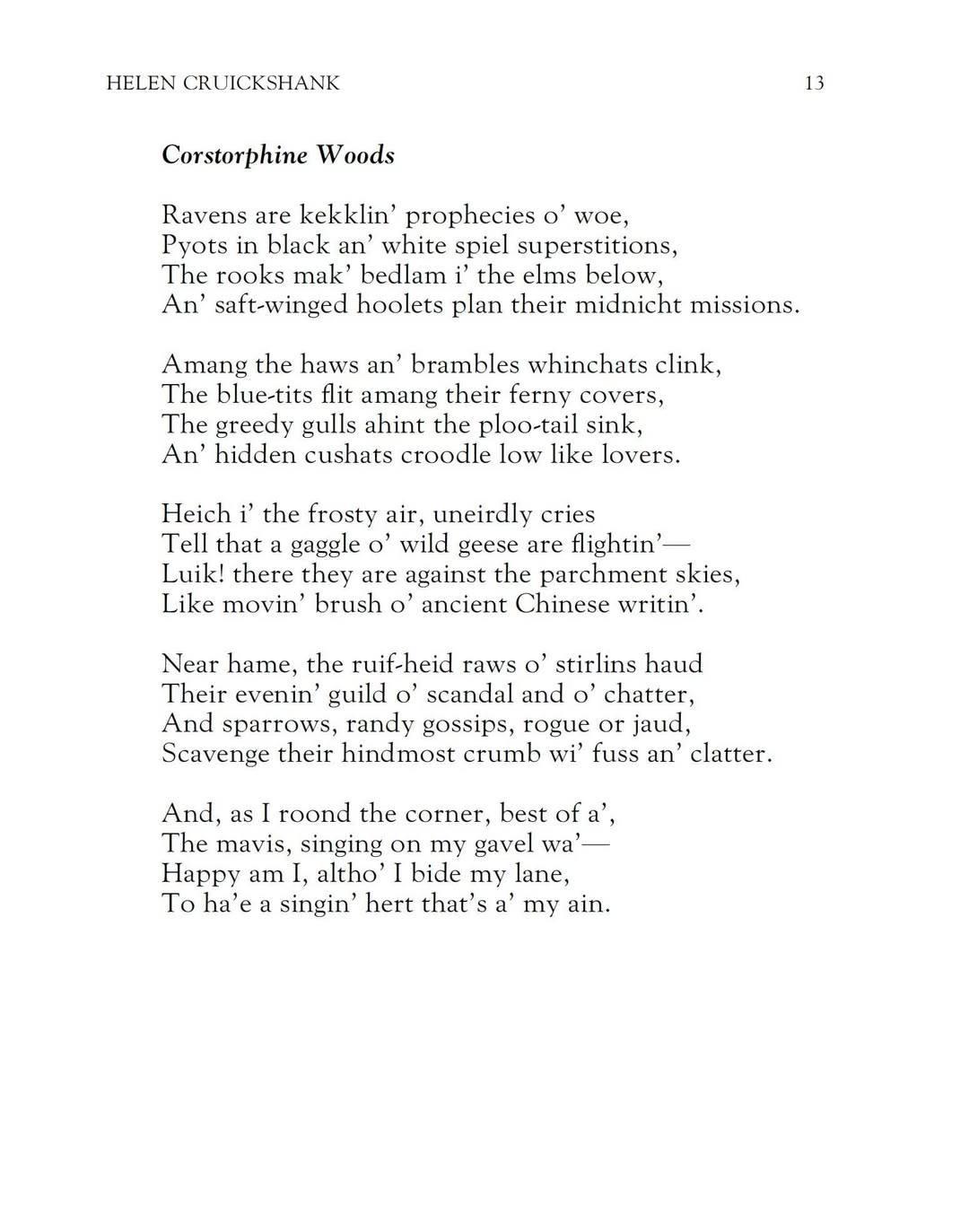
<p>Did Odysseus Really Travel All Around the Mediterranean?</p><p>"The traditional view of the Odyssey is that Odysseus traveled all over the Mediterranean. Is that really what Homer described?"</p><p><a href="https://www.thecollector.com/odysseus-travels-mediterranean/" rel="nofollow" class="ellipsis" title="www.thecollector.com/odysseus-travels-mediterranean/"><span class="invisible">https://</span><span class="ellipsis">www.thecollector.com/odysseus-</span><span class="invisible">travels-mediterranean/</span></a></p><p>The Odyssey at PG:</p><p><a href="https://www.gutenberg.org/ebooks/1727" rel="nofollow"><span class="invisible">https://</span>www.gutenberg.org/ebooks/1727</a></p><p><a href="/tags/books/" rel="tag">#books</a> <a href="/tags/literature/" rel="tag">#literature</a> <a href="/tags/poetry/" rel="tag">#poetry</a></p>
Edited 148d ago
<p>British writer George Griffith was born <a href="/tags/otd/" rel="tag">#OTD</a> in 1857.</p><p>He was active mainly in the science fiction genre—or as it was known at the time, scientific romance—in particular writing many future-war stories and playing a significant role in shaping that emerging subgenre. He was a contemporary of H.G. Wells and Jules Verne, and his works contributed to the development of the science fiction genre.</p><p><a href="https://en.wikipedia.org/wiki/George_Griffith" rel="nofollow" class="ellipsis" title="en.wikipedia.org/wiki/George_Griffith"><span class="invisible">https://</span><span class="ellipsis">en.wikipedia.org/wiki/George_G</span><span class="invisible">riffith</span></a></p><p>Books by George Griffith at PG:<br><a href="https://www.gutenberg.org/ebooks/author/8557" rel="nofollow" class="ellipsis" title="www.gutenberg.org/ebooks/author/8557"><span class="invisible">https://</span><span class="ellipsis">www.gutenberg.org/ebooks/autho</span><span class="invisible">r/8557</span></a></p><p><a href="/tags/books/" rel="tag">#books</a> <a href="/tags/literature/" rel="tag">#literature</a></p>
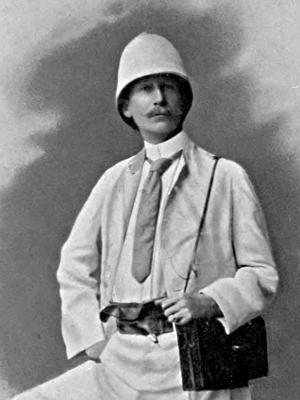
<p>Ethnomusicologist, photographer, folklorist, & scholar Margaret Fay Shaw (1903–2004) was born <a href="/tags/otd/" rel="tag">#OTD</a>, 9 Nov. She gave up a privileged upbringing & classical music training in 1920s New York to help build the first proper archive of traditional Hebridean song & folklore</p><p><a href="https://www.bbc.co.uk/programmes/m000rmks" rel="nofollow" class="ellipsis" title="www.bbc.co.uk/programmes/m000rmks"><span class="invisible">https://</span><span class="ellipsis">www.bbc.co.uk/programmes/m000r</span><span class="invisible">mks</span></a></p><p><a href="/tags/scottish/" rel="tag">#Scottish</a> <a href="/tags/literature/" rel="tag">#literature</a> <a href="/tags/music/" rel="tag">#music</a> <a href="/tags/song/" rel="tag">#song</a> <a href="/tags/folklore/" rel="tag">#folklore</a> <a href="/tags/hebrides/" rel="tag">#Hebrides</a> <a href="/tags/gaelic/" rel="tag">#Gaelic</a> <a href="/tags/gaidhlig/" rel="tag">#Gaidhlig</a> <a href="/tags/ethnology/" rel="tag">#ethnology</a> <a href="/tags/photography/" rel="tag">#photography</a></p>
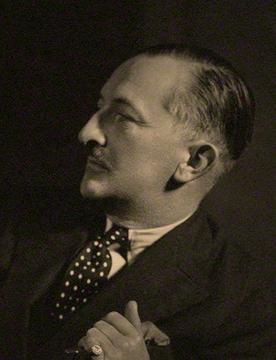
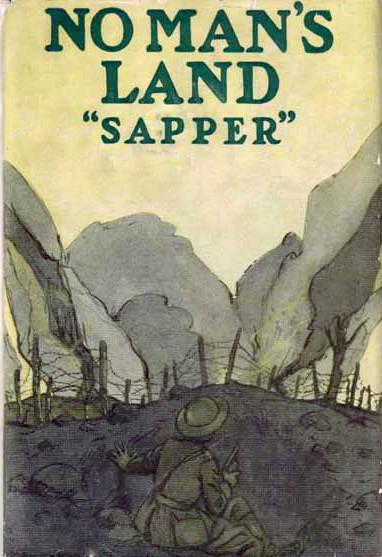
<p>British writer and soldier Sapper died <a href="/tags/otd/" rel="tag">#OTD</a> in 1937.</p><p>"Sapper" was the pen name of Herman Cyril McNeile, known primarily for his popular series of adventure novels featuring the character Bulldog Drummond. He began his writing career by contributing stories to magazines and newspapers while still in the army. After the war, he adopted the pseudonym "Sapper," derived from his service in the Royal Engineers. </p><p><a href="https://en.wikipedia.org/wiki/H._C._McNeile" rel="nofollow" class="ellipsis" title="en.wikipedia.org/wiki/H._C._McNeile"><span class="invisible">https://</span><span class="ellipsis">en.wikipedia.org/wiki/H._C._Mc</span><span class="invisible">Neile</span></a></p><p>H.C. McNeile at PG:<br><a href="https://www.gutenberg.org/ebooks/author/26827" rel="nofollow" class="ellipsis" title="www.gutenberg.org/ebooks/author/26827"><span class="invisible">https://</span><span class="ellipsis">www.gutenberg.org/ebooks/autho</span><span class="invisible">r/26827</span></a></p><p><a href="/tags/books/" rel="tag">#books</a> <a href="/tags/literature/" rel="tag">#literature</a></p>
Edited 1y ago
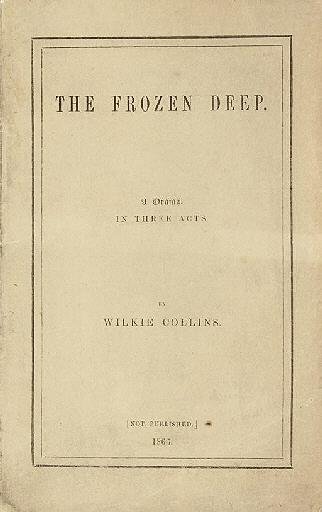
<p><a href="/tags/otd/" rel="tag">#OTD</a> in 1857</p><p>Performances of Wilkie Collins' drama The Frozen Deep at the Free Trade Hall for the benefit of the widow of writer Douglas W. Jerrold, during which Charles Dickens, becomes infatuated with the professional actress Ellen Ternan.</p><p>Dickens's hand was so prominent—beside acting in the play for several performances, he added a preface, altered lines, & attended to most of the props and sets.</p><p><a href="https://en.wikipedia.org/wiki/The_Frozen_Deep" rel="nofollow" class="ellipsis" title="en.wikipedia.org/wiki/The_Frozen_Deep"><span class="invisible">https://</span><span class="ellipsis">en.wikipedia.org/wiki/The_Froz</span><span class="invisible">en_Deep</span></a></p><p>The Frozen Deep at PG:<br><a href="https://www.gutenberg.org/ebooks/1625" rel="nofollow"><span class="invisible">https://</span>www.gutenberg.org/ebooks/1625</a></p><p><a href="/tags/books/" rel="tag">#books</a> <a href="/tags/literature/" rel="tag">#literature</a></p>
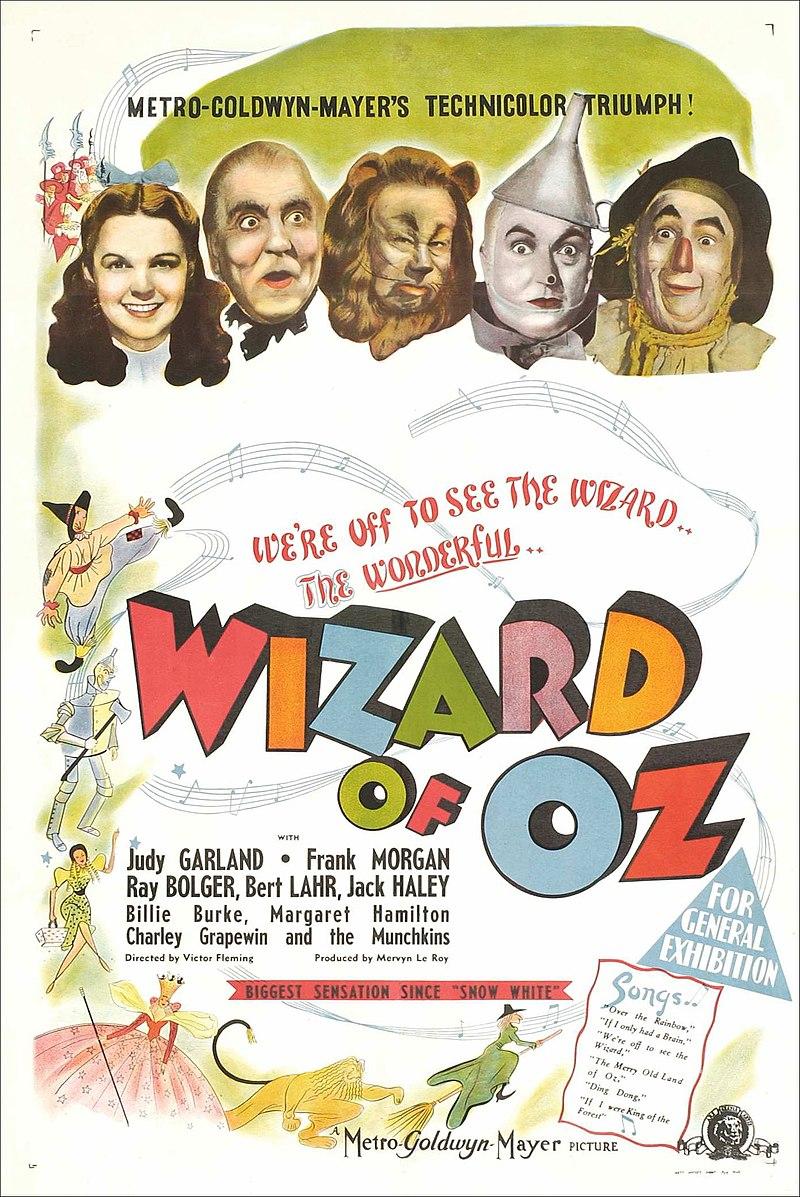
<p><a href="/tags/otd/" rel="tag">#OTD</a> in 1939.</p><p>The Wizard of Oz premieres at Grauman's Chinese Theater in Los Angeles, California.</p><p>It stars Judy Garland, Frank Morgan, Ray Bolger, Bert Lahr, Jack Haley, Billie Burke and Margaret Hamilton. Noel Langley, Florence Ryerson and Edgar Allan Woolf received credit for the screenplay, while others made uncredited contributions.</p><p><a href="https://en.wikipedia.org/wiki/The_Wizard_of_Oz" rel="nofollow" class="ellipsis" title="en.wikipedia.org/wiki/The_Wizard_of_Oz"><span class="invisible">https://</span><span class="ellipsis">en.wikipedia.org/wiki/The_Wiza</span><span class="invisible">rd_of_Oz</span></a></p><p>The Wonderful Wizard of Oz by L. Frank Baum at PG:<br><a href="https://www.gutenberg.org/ebooks/55" rel="nofollow"><span class="invisible">https://</span>www.gutenberg.org/ebooks/55</a></p><p><a href="/tags/books/" rel="tag">#books</a> <a href="/tags/literature/" rel="tag">#literature</a> <a href="/tags/movies/" rel="tag">#movies</a></p>
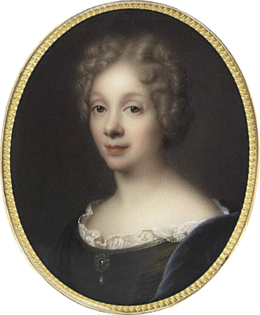
<p>French scholar, translator, commentator and editor of the classics Anne Dacier died <a href="/tags/otd/" rel="tag">#OTD</a> in 1730.</p><p>She is best known for her translations of classical works from Greek and Latin into French. Anne Dacier's most famous works include her translations of Homer's "Iliad" and "Odyssey". In addition to Homer, Dacier also translated works by other classical authors, such as Terence and Aristophanes, and wrote commentaries and essays on classical literature. </p><p><a href="https://en.wikipedia.org/wiki/Anne_Dacier" rel="nofollow" class="ellipsis" title="en.wikipedia.org/wiki/Anne_Dacier"><span class="invisible">https://</span><span class="ellipsis">en.wikipedia.org/wiki/Anne_Dac</span><span class="invisible">ier</span></a></p><p><a href="/tags/books/" rel="tag">#books</a> <a href="/tags/literature/" rel="tag">#literature</a></p>
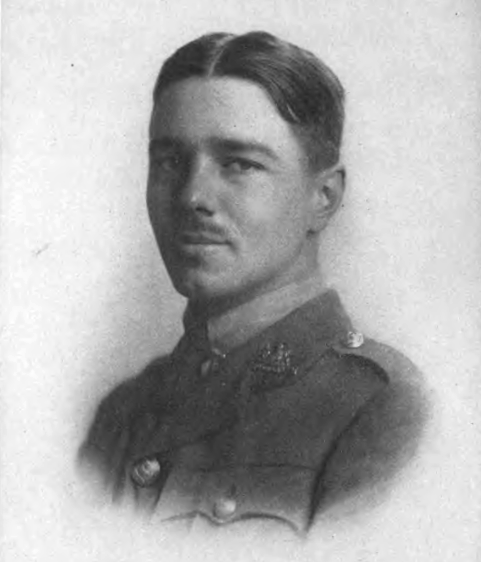
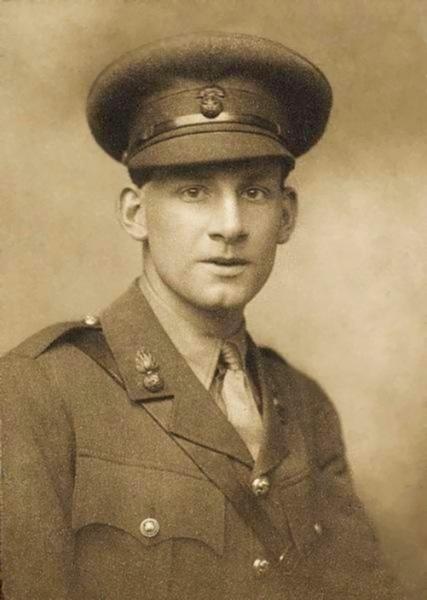
<p><a href="/tags/otd/" rel="tag">#OTD</a> in 1918.</p><p>The poets Wilfred Owen and Siegfried Sassoon meet for the last time, in London, and spend what Sassoon will recall as "the whole of a hot cloudless afternoon together."</p><p><a href="https://en.wikipedia.org/wiki/Wilfred_Owen#Relationship_with_Sassoon" rel="nofollow" class="ellipsis" title="en.wikipedia.org/wiki/Wilfred_Owen#Relationship_with_Sassoon"><span class="invisible">https://</span><span class="ellipsis">en.wikipedia.org/wiki/Wilfred_</span><span class="invisible">Owen#Relationship_with_Sassoon</span></a></p><p>Books by Wilfred Owen at PG:<br><a href="https://www.gutenberg.org/ebooks/author/517" rel="nofollow" class="ellipsis" title="www.gutenberg.org/ebooks/author/517"><span class="invisible">https://</span><span class="ellipsis">www.gutenberg.org/ebooks/autho</span><span class="invisible">r/517</span></a></p><p>Books by Siegfried Sassoon at PG:<br><a href="https://www.gutenberg.org/ebooks/author/2934" rel="nofollow" class="ellipsis" title="www.gutenberg.org/ebooks/author/2934"><span class="invisible">https://</span><span class="ellipsis">www.gutenberg.org/ebooks/autho</span><span class="invisible">r/2934</span></a></p><p><a href="/tags/books/" rel="tag">#books</a> <a href="/tags/literature/" rel="tag">#literature</a></p>
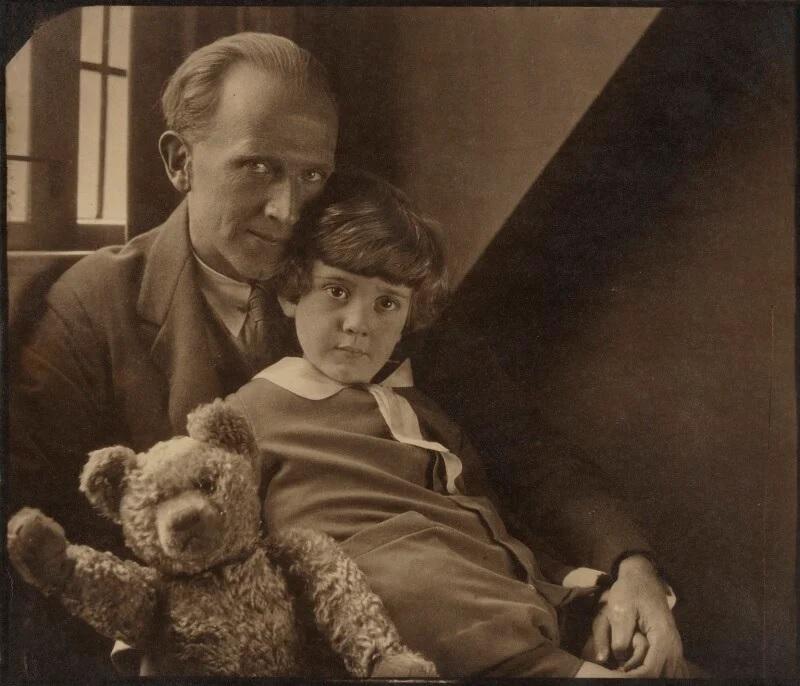
<p>English author and bookseller Christopher Robin Milne was born <a href="/tags/otd/" rel="tag">#OTD</a> in 1920.</p><p>He was the only child of author A. A. Milne. As a child, he was the basis of the character Christopher Robin in his father's Winnie-the-Pooh stories and in two books of poems.</p><p><a href="https://en.wikipedia.org/wiki/Christopher_Robin_Milne" rel="nofollow" class="ellipsis" title="en.wikipedia.org/wiki/Christopher_Robin_Milne"><span class="invisible">https://</span><span class="ellipsis">en.wikipedia.org/wiki/Christop</span><span class="invisible">her_Robin_Milne</span></a></p><p>Watch our video about Winnie-the-Pooh:<br><a href="https://www.youtube.com/watch?v=zWZxwuam5Iw&t=155s" rel="nofollow" class="ellipsis" title="www.youtube.com/watch?v=zWZxwuam5Iw&t=155s"><span class="invisible">https://</span><span class="ellipsis">www.youtube.com/watch?v=zWZxwu</span><span class="invisible">am5Iw&t=155s</span></a></p><p>Winnie-the-Pooh by A. A. Milne is available at PG:<br><a href="https://www.gutenberg.org/ebooks/67098" rel="nofollow"><span class="invisible">https://</span>www.gutenberg.org/ebooks/67098</a></p><p><a href="/tags/books/" rel="tag">#books</a> <a href="/tags/literature/" rel="tag">#literature</a></p>
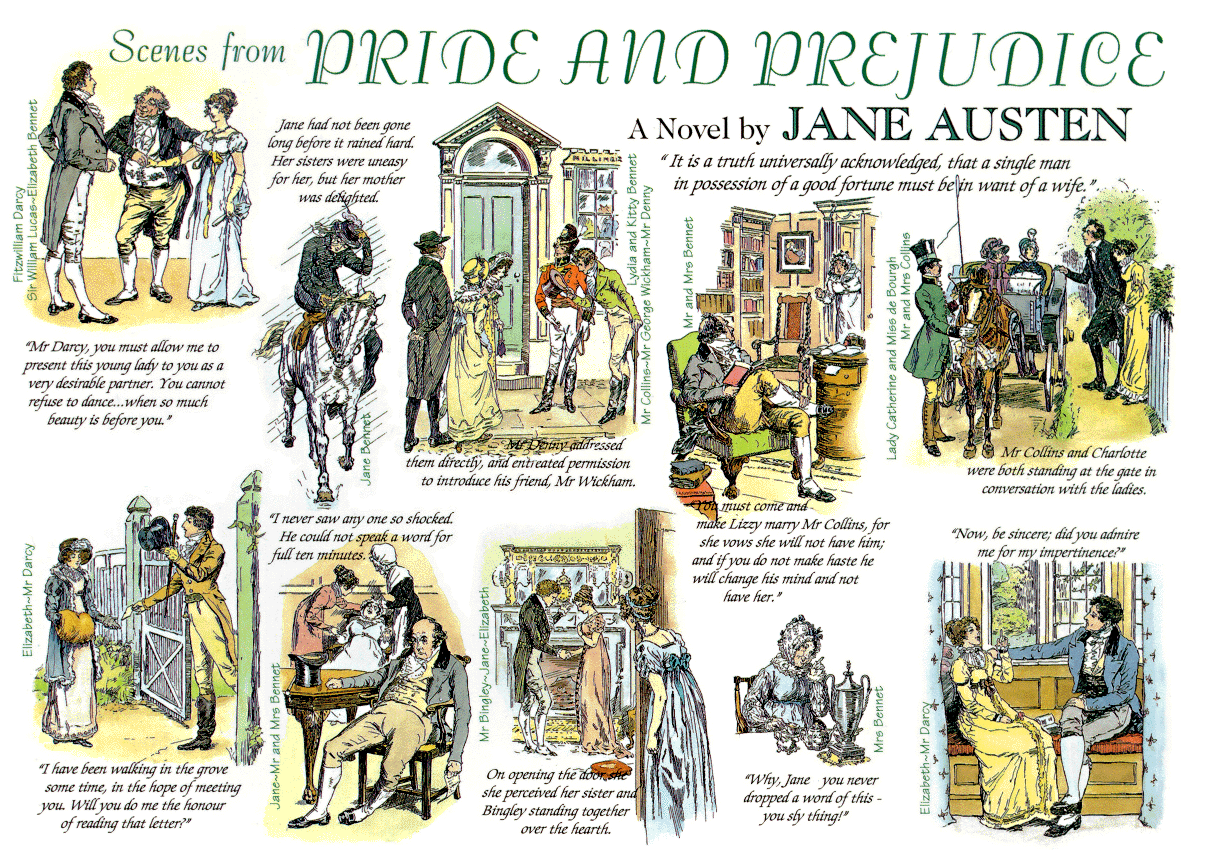
<p>Jane Austen’s ‘Pride and Prejudice’ Was Initially Rejected by a Publisher. It Later Became One of the World’s Most Beloved Novels</p><p>The British author wrote six novels, but it’s her second published book that has resonated the most in the 250 years since her birth in 1775</p><p>by Kayla Randall </p><p><a href="https://www.smithsonianmag.com/history/jane-austens-pride-and-prejudice-was-initially-rejected-by-a-publisher-it-later-became-one-of-the-worlds-most-beloved-novels-180987807/?utm_source=smithsoniandaily&utm_medium=email&utm_campaign=editorial&lctg=93133550" rel="nofollow" class="ellipsis" title="www.smithsonianmag.com/history/jane-austens-pride-and-prejudice-was-initially-rejected-by-a-publisher-it-later-became-one-of-the-worlds-most-beloved-novels-180987807/?utm_source=smithsoniandaily&utm_medium=email&utm_campaign=editorial&lctg=93133550"><span class="invisible">https://</span><span class="ellipsis">www.smithsonianmag.com/history</span><span class="invisible">/jane-austens-pride-and-prejudice-was-initially-rejected-by-a-publisher-it-later-became-one-of-the-worlds-most-beloved-novels-180987807/?utm_source=smithsoniandaily&utm_medium=email&utm_campaign=editorial&lctg=93133550</span></a></p><p>Pride and Prejudice at PG:<br><a href="https://www.gutenberg.org/ebooks/1342" rel="nofollow"><span class="invisible">https://</span>www.gutenberg.org/ebooks/1342</a></p><p><a href="/tags/books/" rel="tag">#books</a> <a href="/tags/literature/" rel="tag">#literature</a></p>
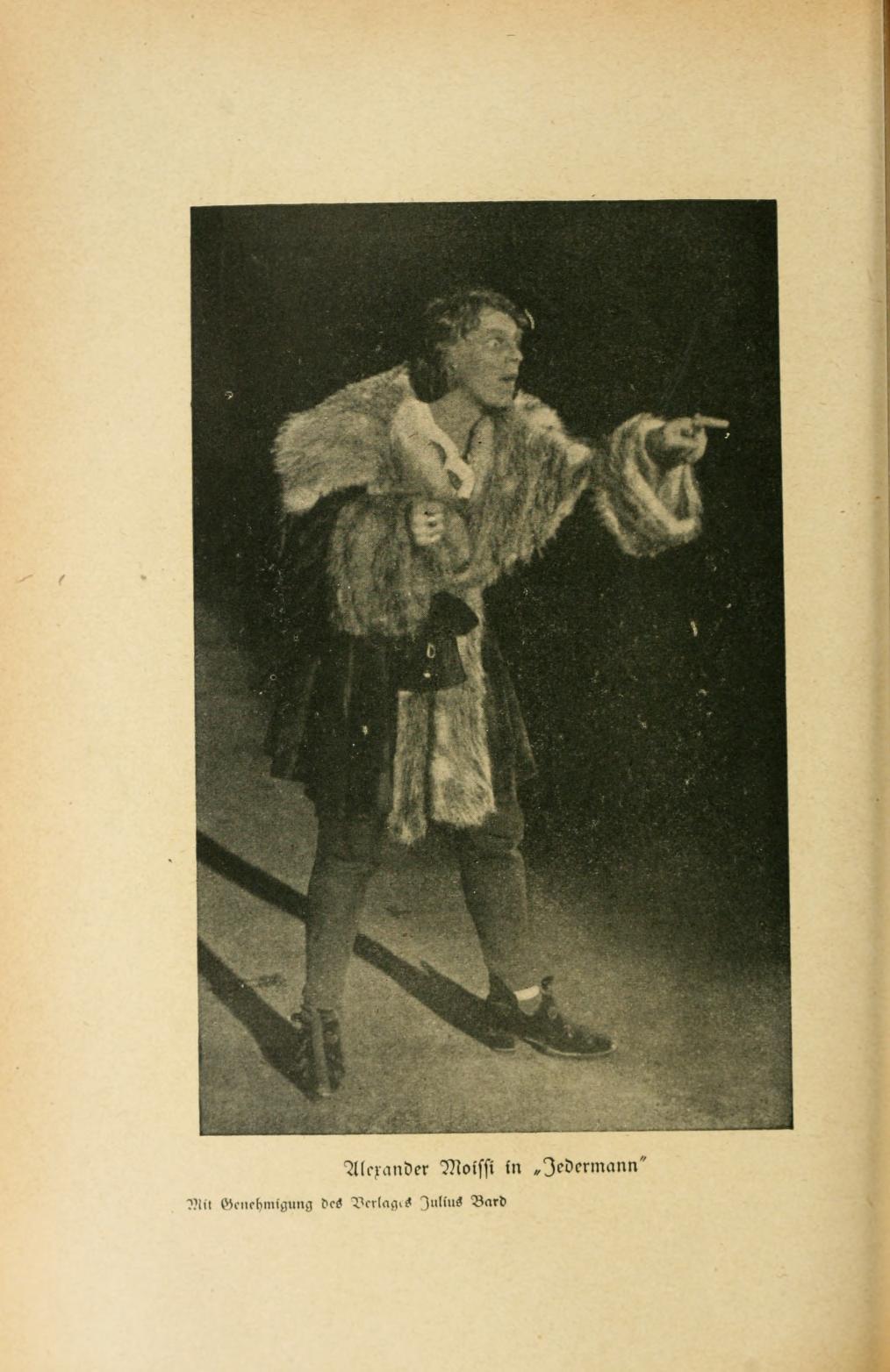
<p><a href="/tags/otd/" rel="tag">#OTD</a> in 1920.</p><p>The Salzburg Festival in Austria is inaugurated with a performance of Hugo von Hofmannsthal's play Jedermann (Everyman, 1911) in front of Salzburg Cathedral, directed by Max Reinhardt.</p><p><a href="https://en.wikipedia.org/wiki/Jedermann_(play)" rel="nofollow" class="ellipsis" title="en.wikipedia.org/wiki/Jedermann_(play)"><span class="invisible">https://</span><span class="ellipsis">en.wikipedia.org/wiki/Jederman</span><span class="invisible">n_(play)</span></a></p><p><a href="https://en.wikipedia.org/wiki/Salzburg_Festival" rel="nofollow" class="ellipsis" title="en.wikipedia.org/wiki/Salzburg_Festival"><span class="invisible">https://</span><span class="ellipsis">en.wikipedia.org/wiki/Salzburg</span><span class="invisible">_Festival</span></a></p><p>Jedermann: Das Spiel vom Sterben des reichen Mannes by Hugo von Hofmannsthal at PG:<br><a href="https://www.gutenberg.org/ebooks/28949" rel="nofollow"><span class="invisible">https://</span>www.gutenberg.org/ebooks/28949</a></p><p><a href="/tags/books/" rel="tag">#books</a> <a href="/tags/literature/" rel="tag">#literature</a> <a href="/tags/theatre/" rel="tag">#theatre</a></p>
Edited 1y ago