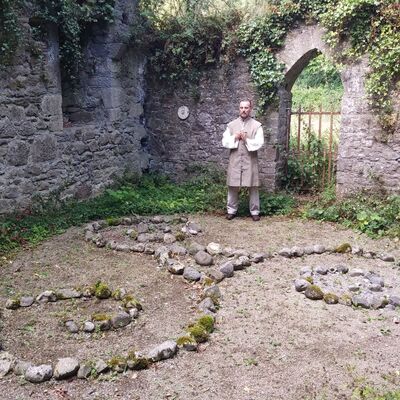
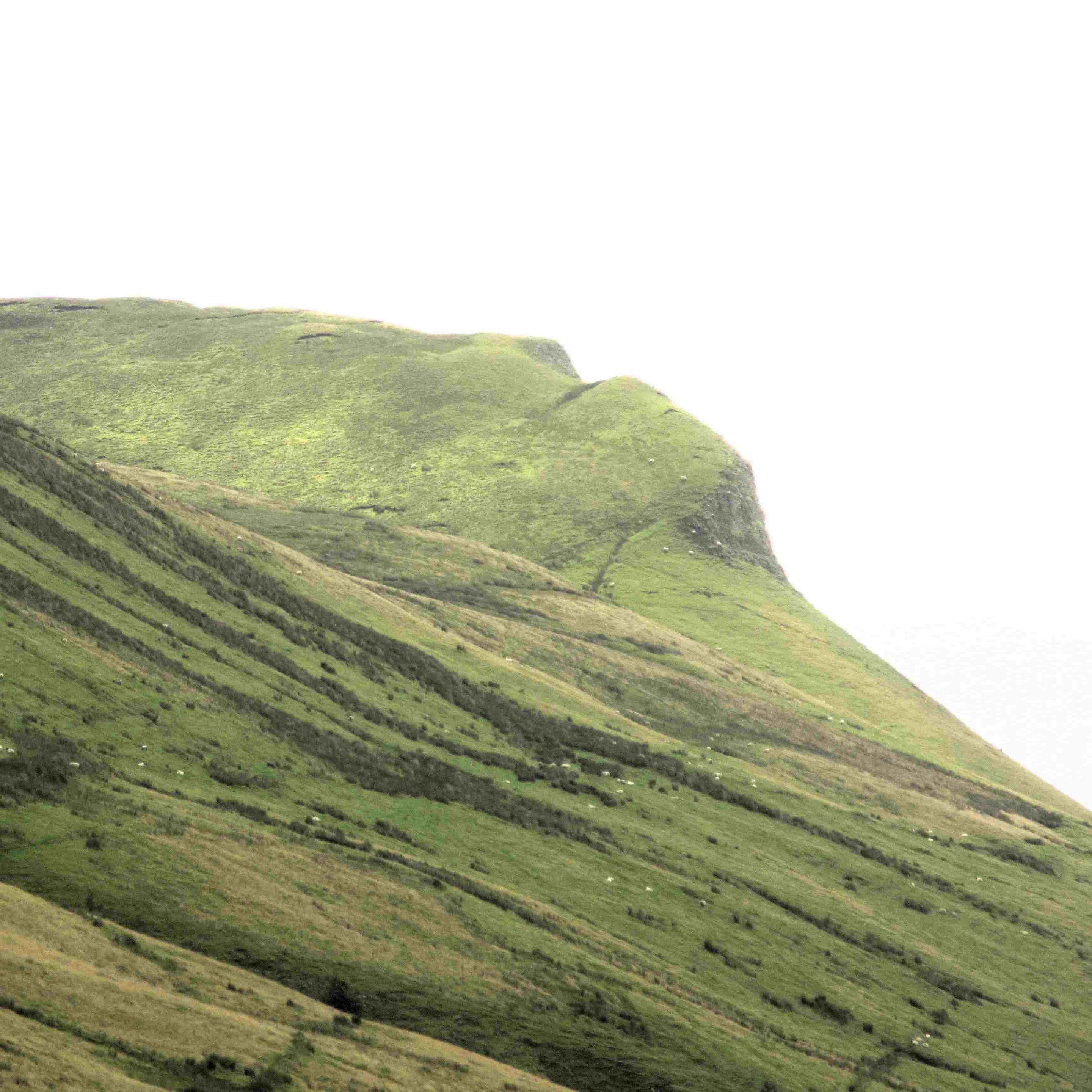
Nua-#CelticSoulJourney in #Ireland: #Oisin, `the little fawn`, was found as a naked boy of about seven by his father, #Fionn Mac Cumhaill, on the old magic mountain #Benbulbin. He became a warrior-poet of the #Fianna, living 300 years in the land of eternal youth #TírNanÓg.
#discoverireland #failteireland #ireland_gram #thisisireland #insta_ireland #wanderireland #roadtripireland #discoverireland #tourismireland #irelandphotography #beautifulireland #Celtic
celtic

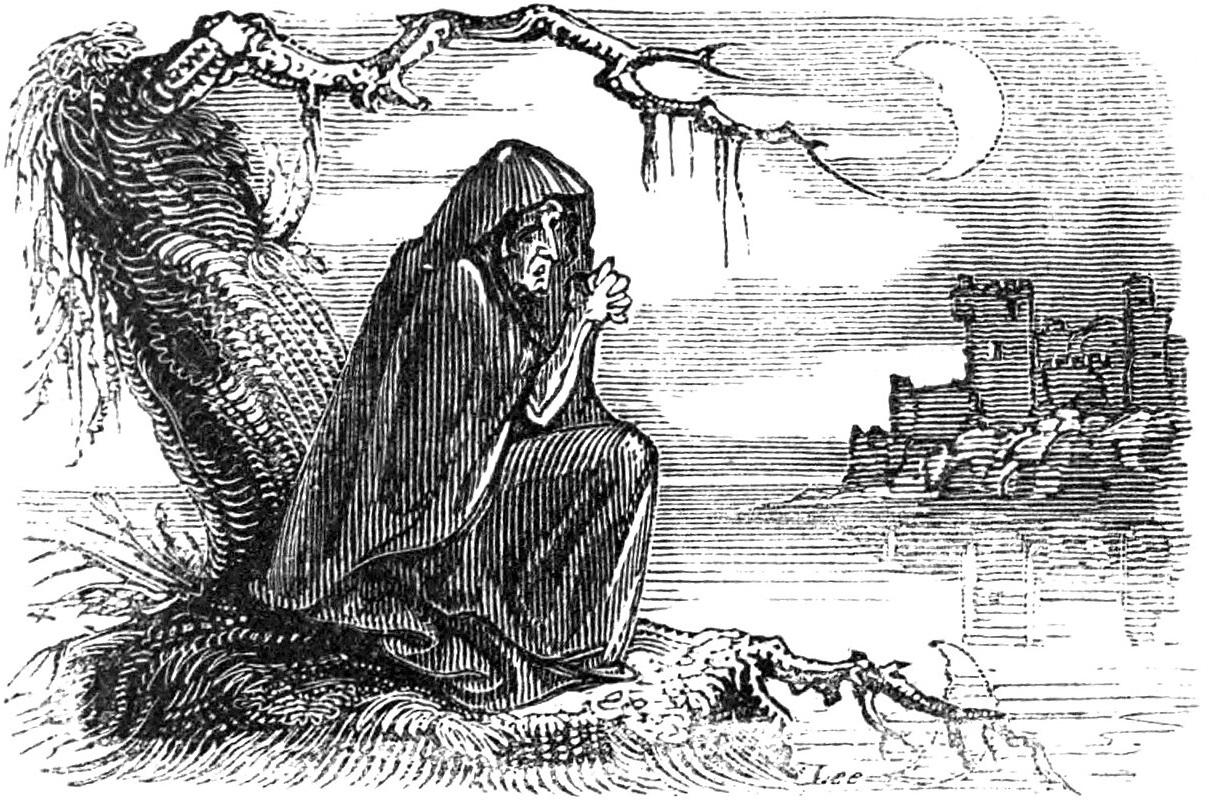
A banshee is a fairy or phantom from Irish folklore who bonds with a specific family. She heralds the deaths of the family's members by sobbing, wailing, and shrieking. The banshee appears as a long-haired woman with a ghastly complexion and eyes red from weeping.
🎨 Thomas Crofton Croker
#PhantomFriday #Mythology #Folklore #Irish #Gaelic #Celtic #Monster #Phantom #Ghost #Fairy
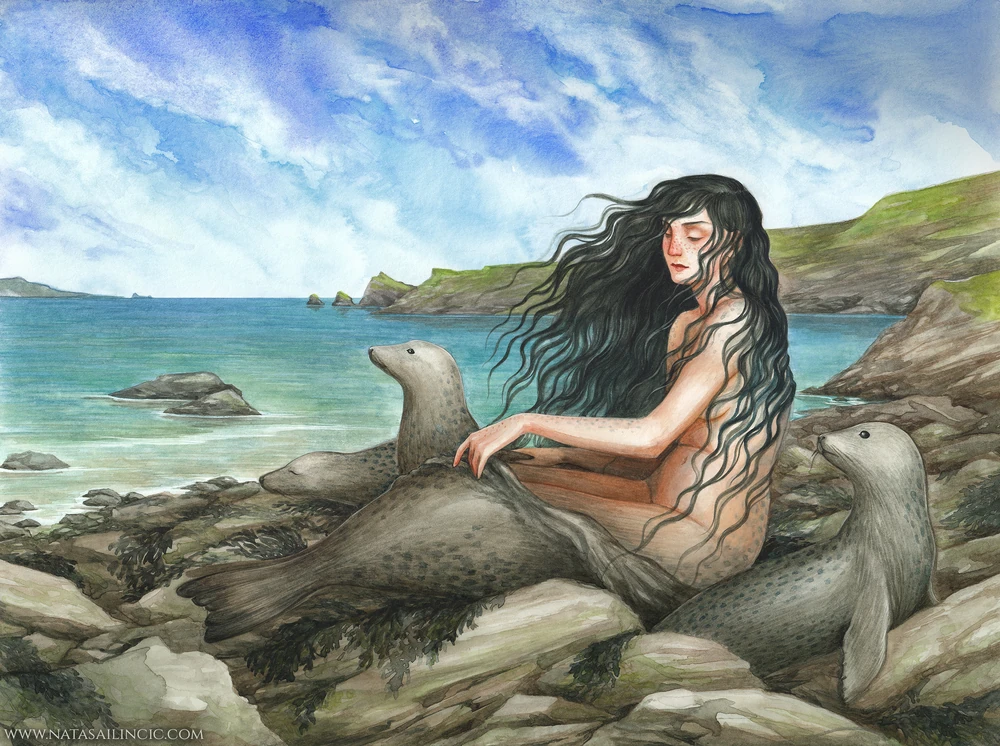
In Scottish folklore, selkies are intelligent seals who often become fascinated by human life. They can remove their seal skins to temporarily become beautiful men and women, and will have romances with the local humans. However, eventually all selkies return to the ocean.
🎨 Nataša Ilinčić
#FairyTaleTuesday #Mythology #Folklore #Scotland #Celtic #Monster #Wereseal #Fairy #Faerie #Seal
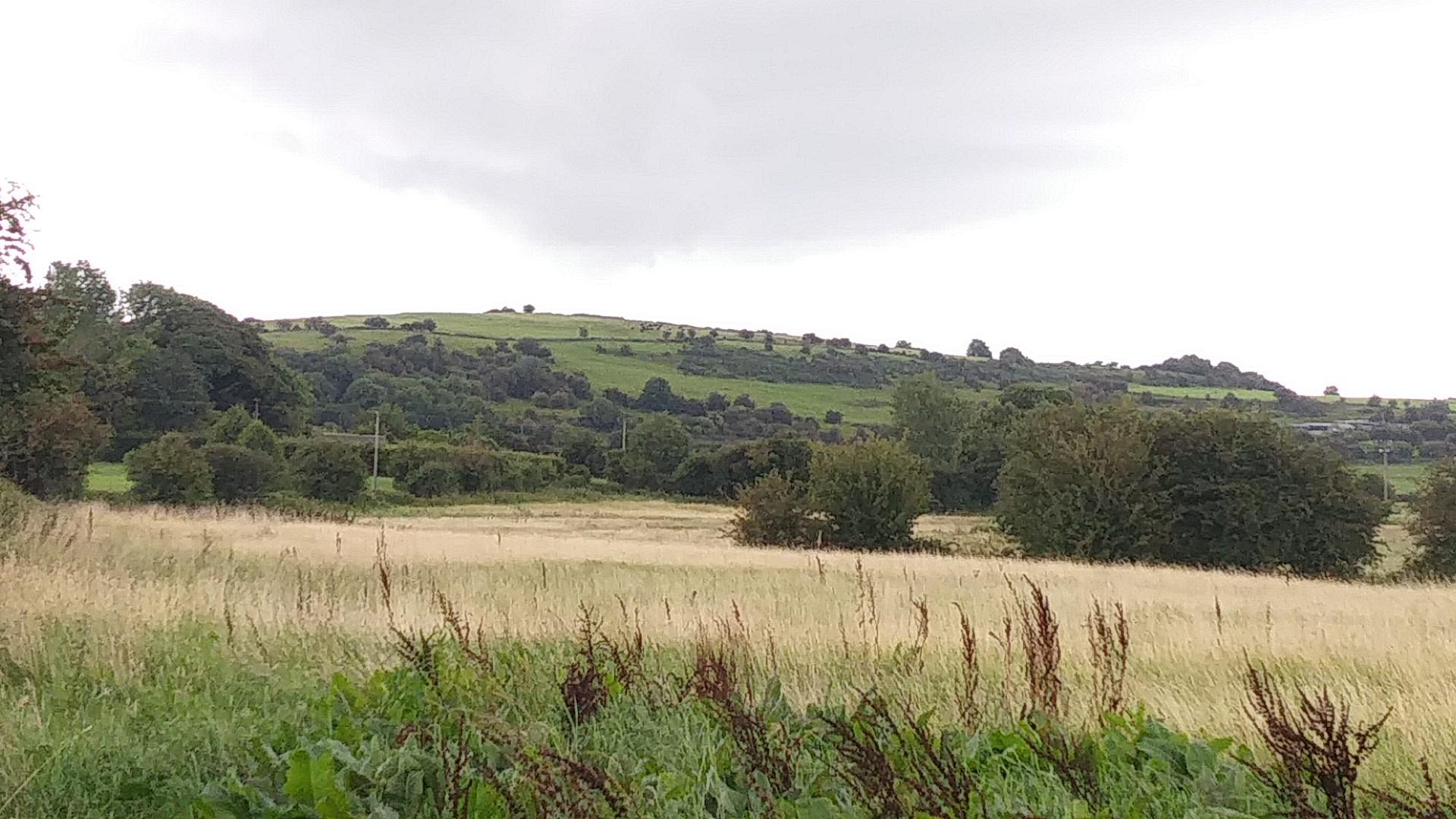
#FairyTaleTuesday #Celtic: `The Men of Dea agreed to marry off Midhir's three daughters, Doirenn, and Aife, and Aillbhe to the sons of Lugaidh Menn, King of Ireland, Eochaid, and Fiacha, and Ruide. Then Midhir asked Bodb to say what marriage portion should be given to them. "I will tell you that," said Bodb. "We are three times fifty sons of kings in this hill; let every king's son give three times fifty ounces of red gold. And I myself," he said, "will give them along with that, three times fifty suits of clothing of all colours."
Source: Gods and Fighting Men by Lady Gregory - Project Gutenberg eBook
Here’s the backstory: https://hear-me.social/@NeuKelte/116680427697942890
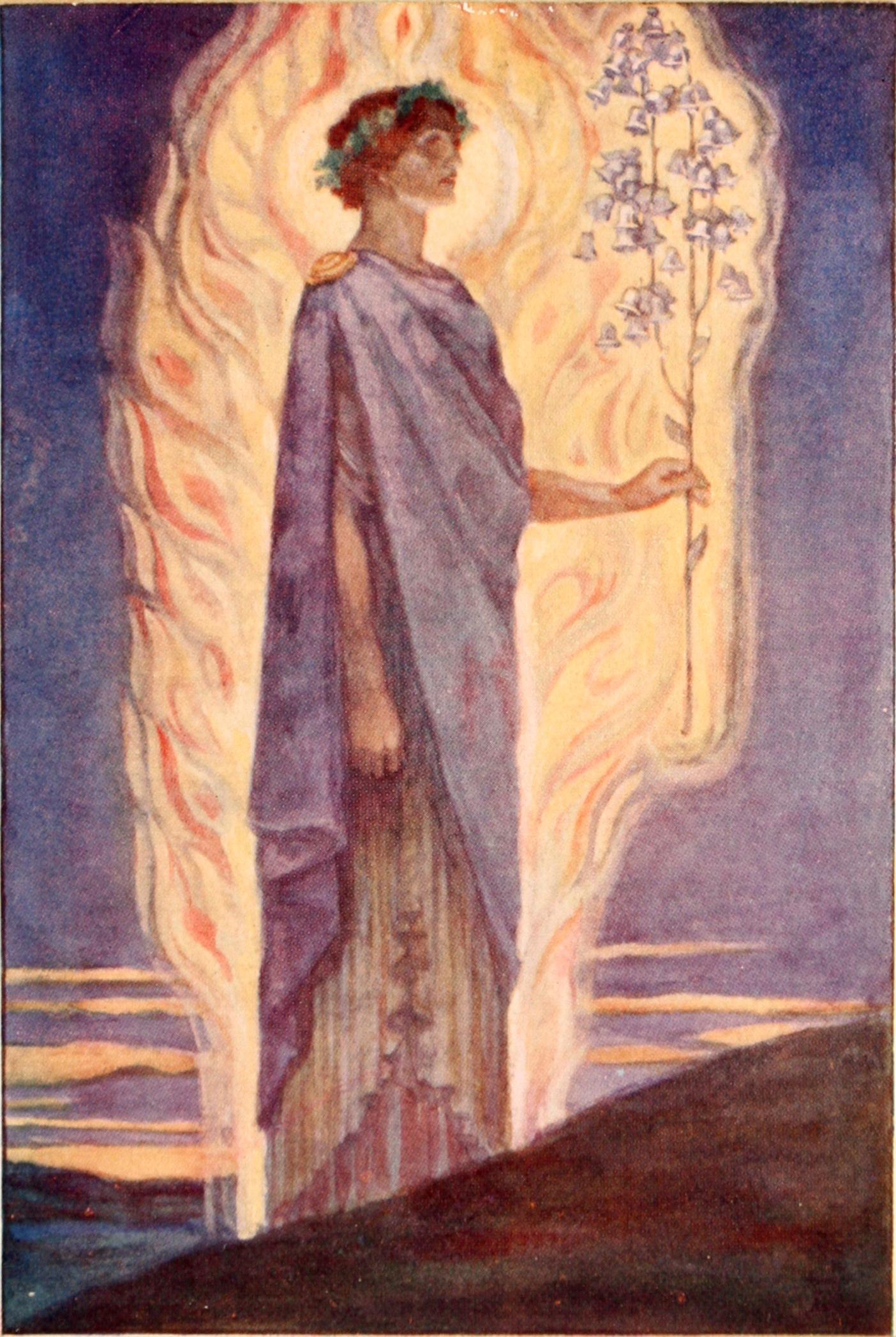
#FolkloreThursday #Celtic: #Brigid rules the summer months between #Beltane and #Samhain. Helmut Birkhan (`#Kelten`) sees in her cult a special form of #Celtic sun worship.
`She was patron of poetry and learning, of healing and of craftsmanship, and, as regards status, such was her prestige that her name could be used as a synonym for ‘goddess``.
Source: Wolf, Casey June `The Mythical Pairing of Brig and Bres`
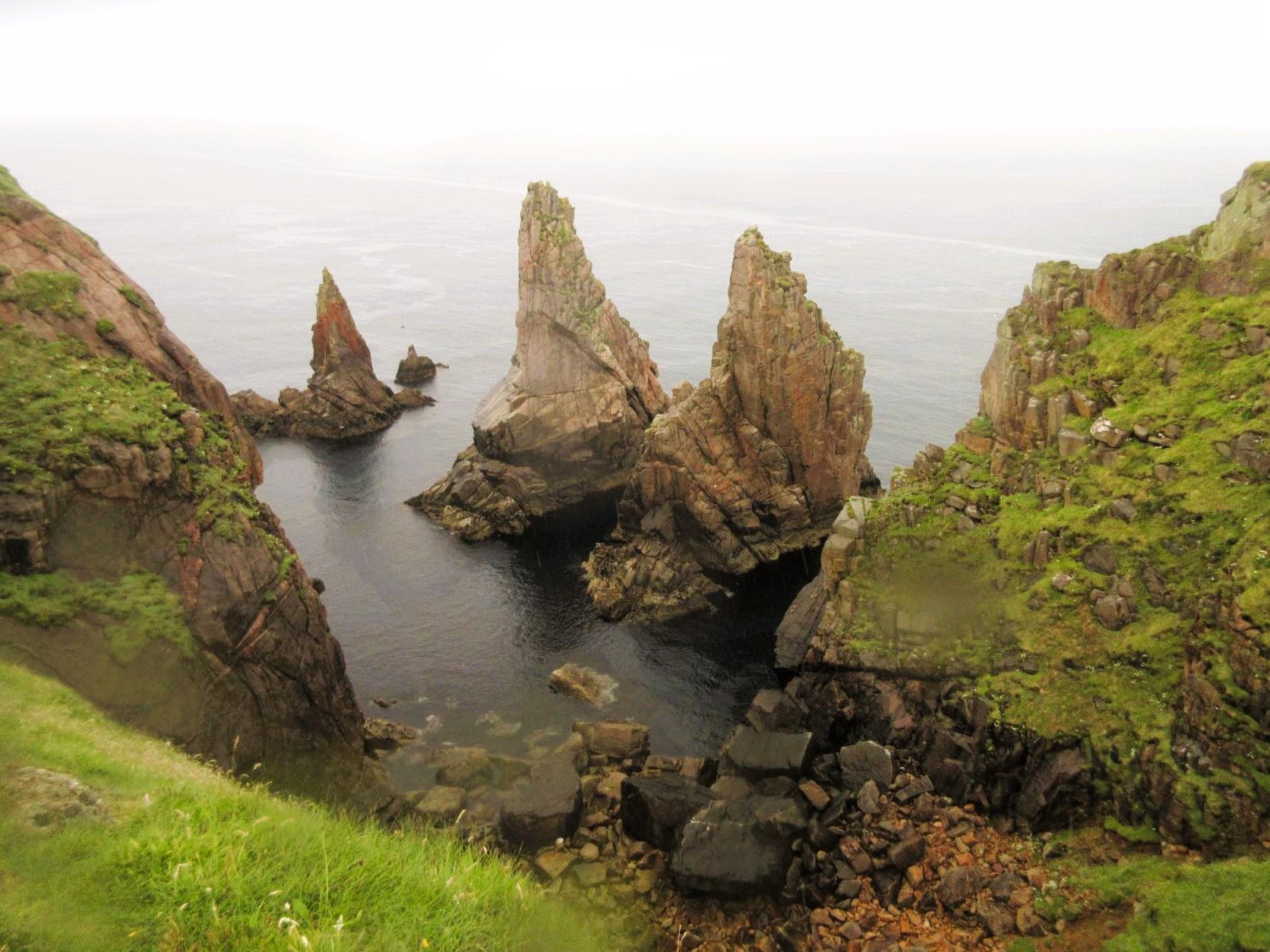
#WyrdWednesday #Celtic: `At the time the Fomor used to be coming to Ireland, Balor of the Strong Blows, or, as some called him, of the Evil Eye, was living on the Island of the Tower of Glass. There was danger for ships that went near that island, for the Fomor would come out and take them. And some say the sons of Nemed in the old time, before the Firbolgs were in Ireland, passed near it in their ships, and what they saw was a tower of glass in the middle of the sea, and on the tower something that had the appearance of men, and they went against it with Druid spells to attack it. And the Fomor worked against them with Druid spells of their own; and the sons of Nemed attacked the tower, and it vanished, and they thought it was destroyed. But a great wave rose over them then, and all their ships went down and all that were in them.`
Source: Gods and Fighting Men by Lady Gregory - Project Gutenberg eBook
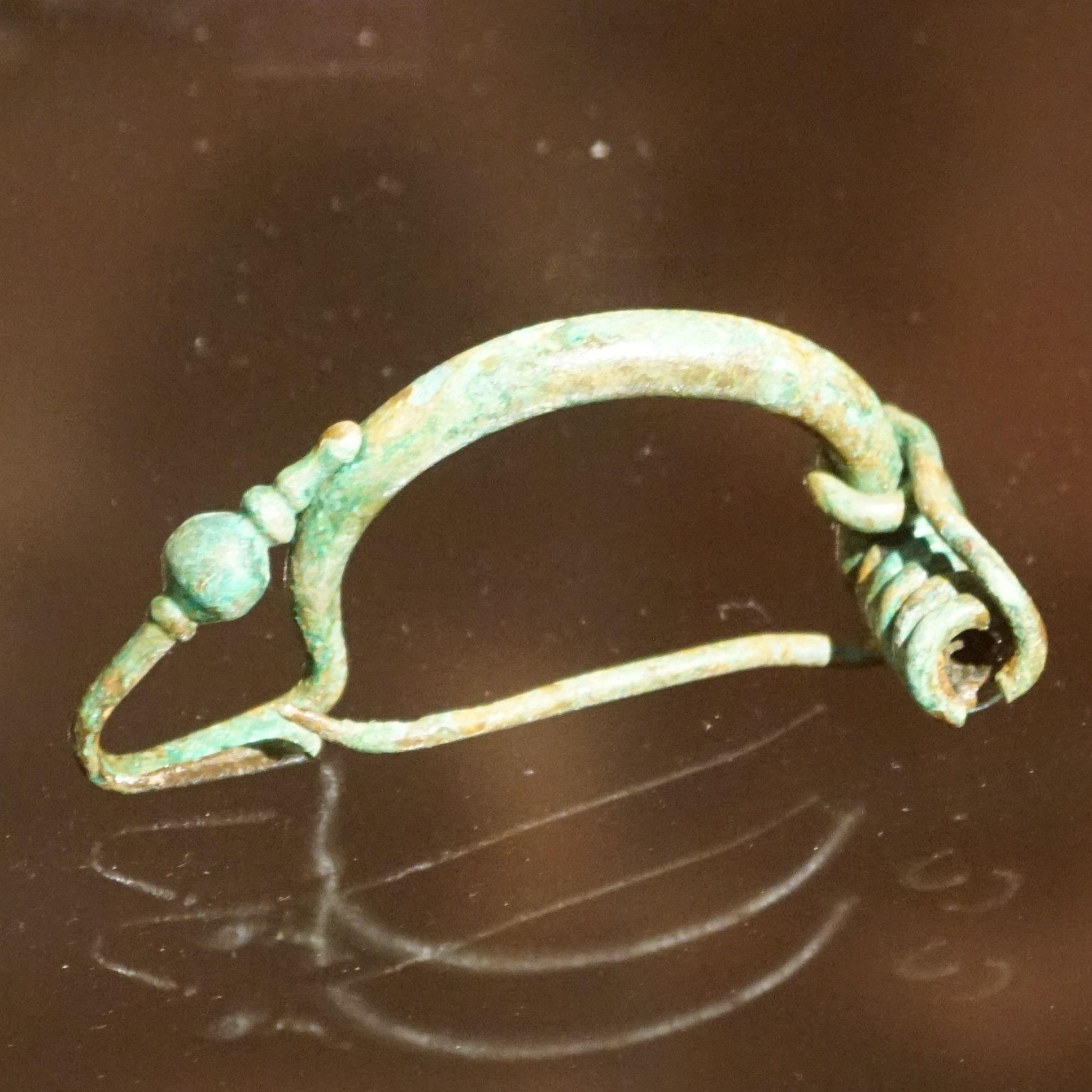
#FindsFriday #Celtic: `How do modern archaeologists come to associate finds such as the grave goods from Glauberg, Bad Nauheim (both in the Wetterau district) or the ‘Ebel’ site in Frankfurt am Main-Praunheim with the Celts – rather than, for example, with the Germanic tribes or the Chatti? This association is based on the fact that archaeological finds from the second half of the 1st millennium BC in the Rhine-Main region can be attributed to the so-called La Tène culture.` (Translated with DeepL.com)
Source: https://www.academia.edu/145217312/Kelten_in_Hessen_Sonderausstellung_im_Arch%C3%A4ologischen_Museum_Frankfurt
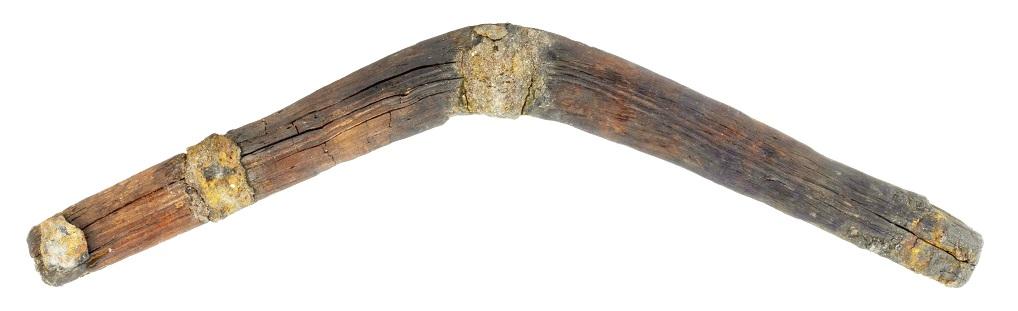
#FindsFriday #Celtic: `The throwing stick or ‘boomerang’ from Urville-Nacqueville (https://charabanctour.wordpress.com/2022/04/03/le-boomerang-de-normandie/) was found in situ in a vertical position against the wall of the ditch. Preserved from degradation by soil moisture since it was buried during the Second Iron Age (La Tène D1b: 120–80 BC), the stick was unearthed from a ditch into which it appears to have been deliberately placed as part of a ritual act. Beyond taphonomic evidence (relating to the various processes that have taken place since it was buried), this impression is reinforced by the deposition nearby, and under similar conditions, of a chimera combining, in an anatomically incorrect manner, the pelvis of an equid with a dog’s skull, and associated with several pieces of whale rib.
A throwing stick – of which the boomerang is the most famous example – is a universal and timeless weapon.
In an article from 1843, Samuel Ferguson was one of the first to recognise the existence of the boomerang in ancient Europe. Drawing on the writings of ancient authors, he proposed restoring its Latin name, ‘cateia’, which was subsequently explained by Salomon Reinach and later adopted by the Gaffiot Latin-French dictionary to mean a ‘throwing weapon of the Gauls which, like the boomerang [sic], returns to its point of origin’.
Whilst the general context of the site does not suggest any military activity, this weapon does, however, find its place within a settlement where hunting was facilitated by the presence of various mammals (deer, roe deer, wild boar) and waterbirds (great and little auks, herring gulls, northern gannets, etc.). Through the social values it embodies, the Urville throwing stick also fits perfectly into the material culture of the site. As a hunting weapon intended for a leisure activity reserved for a privileged population free from productive labour, this object, like many others discovered at the site, outlines the contours of a prosperous civilian population whose status remains difficult to assess in detail.`
Source: https://www.inrap.fr/breves-gauloises-le-boomerang-d-urville-naccqueville-manche-20828
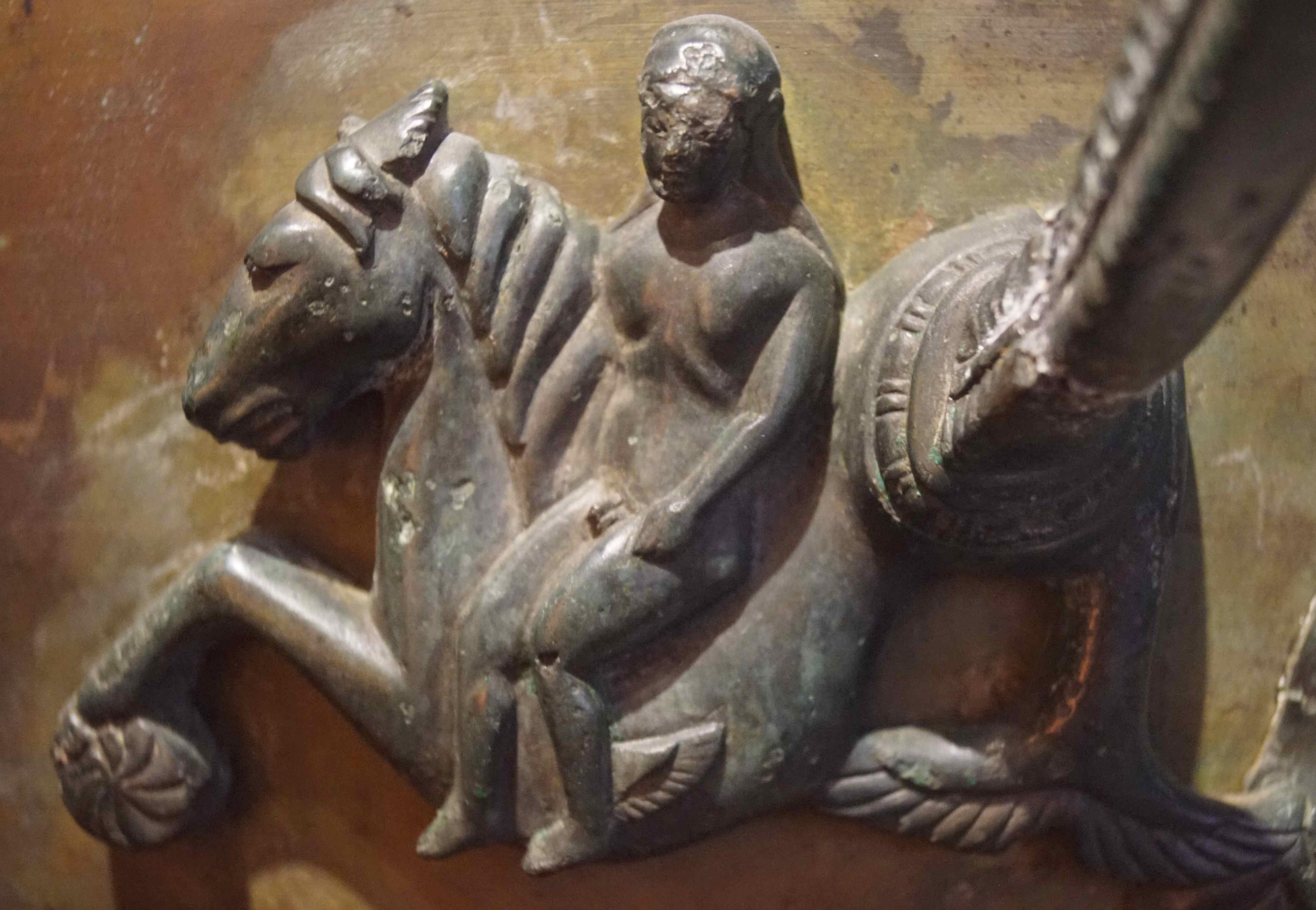
#WyrdWednesday #Celtic: `Train claims the glashtin to be a water-horse, and that this sea-glashtin would at one time emerge from his marine habitat, mingling with the local land-roving ponies, and cross breed to produce foal.`
Source: https://en.wikipedia.org/wiki/Glashtyn