The light beyond sight
Only a tiny sliver of the Universe’s light can be seen by human eyes. But today we’re catching glimpses of the invisible
By Corey S Powell
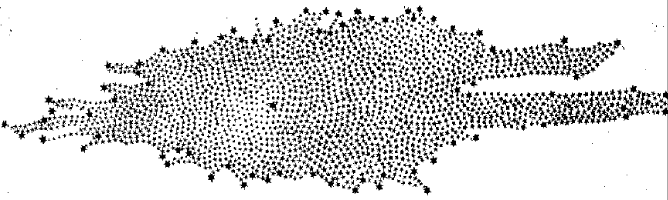
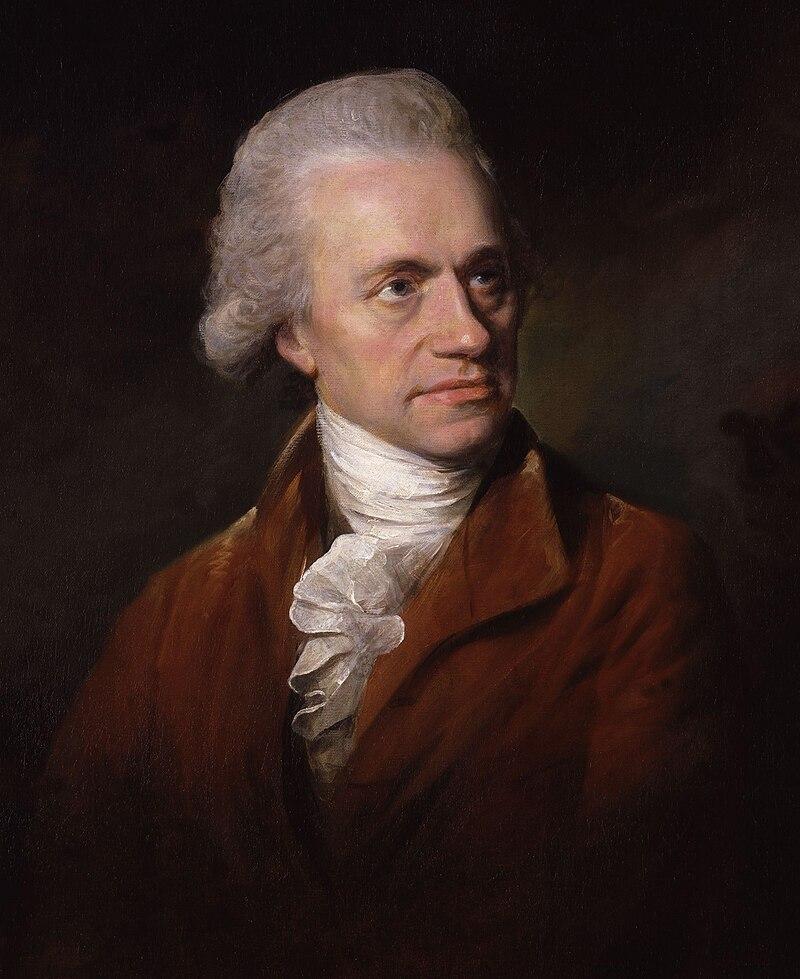
Herschel at PG:
https://www.gutenberg.org/ebooks/search/?query=william+herschel
The light beyond sight
Only a tiny sliver of the Universe’s light can be seen by human eyes. But today we’re catching glimpses of the invisible
By Corey S Powell
Herschel at PG:
https://www.gutenberg.org/ebooks/search/?query=william+herschel
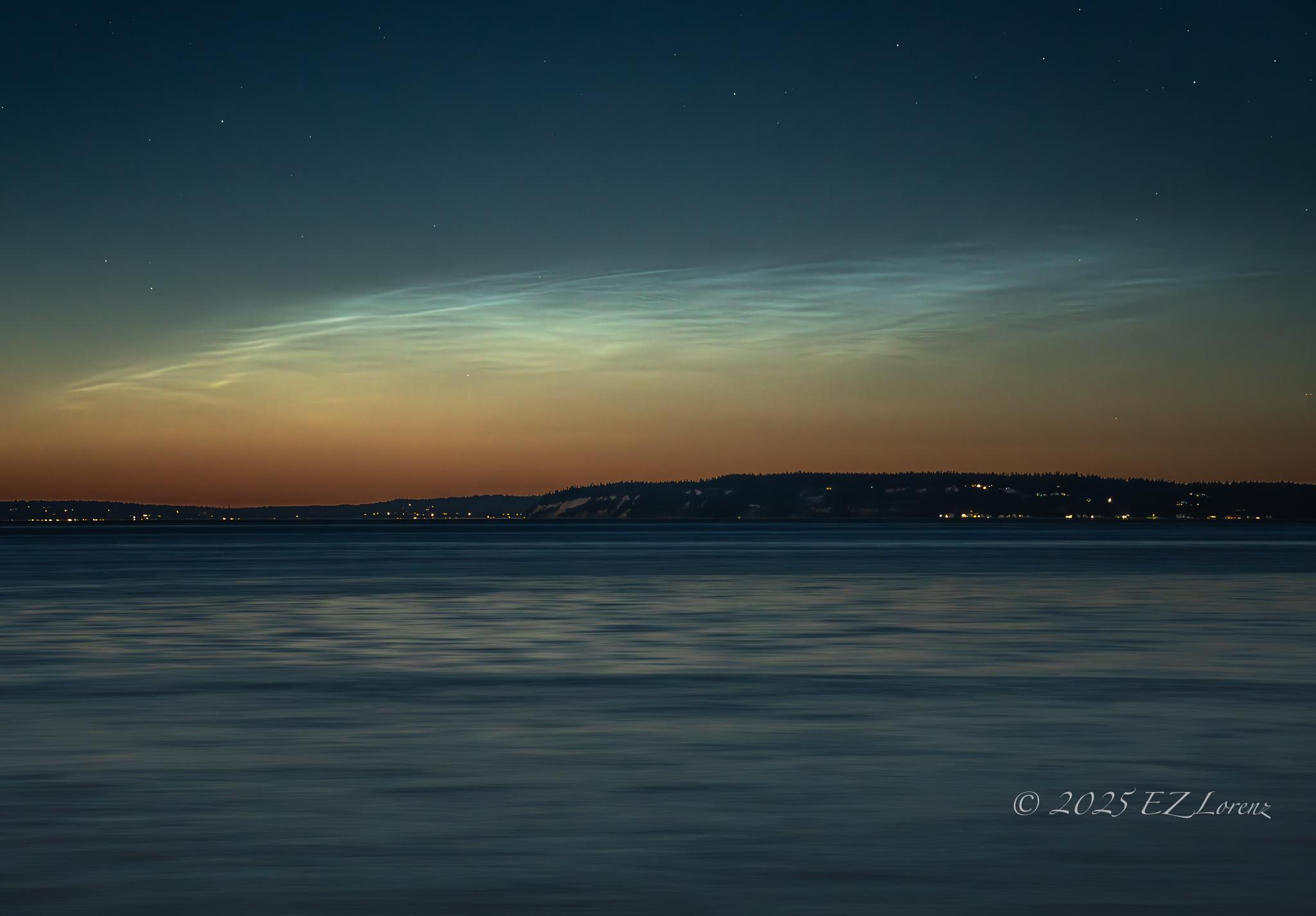
#PNW #Washington #NLC #Clouds #Night #WaWx #Nature #Photo #PhotoOfTheDay #Astronomy #Space #SpaceWeather #Science #sciencemastodon
An amateur astronomer may have just spotted the first known comet (or asteroid) impact on Saturn.
We've seen impact flashes on the Moon & Jupiter, but this would be by far the most distant one yet observed. 🧪🔭
https://earthsky.org/space/did-space-rock-hit-saturn-photo/ #space #science #nature #astronomy
NASA's Parker Solar Probe made the closest-ever studies of the Sun -- and got this unprecedented look at multiple solar eruptions piling up on top of each other.
https://science.nasa.gov/science-research/heliophysics/nasas-parker-solar-probe-snaps-closest-ever-images-to-sun/ #space #science #nature #astronomy #nasa
PRESS RELEASE: https://www.seti.org/news/skymapper-and-seti-institute-team-up-to-map-the-entire-sky-all-the-time/
Today, the SETI Institute announced a strategic collaboration with SkyMapper, the world’s leading decentralized global astronomy and space science network. Together, they plan to deliver continuous, real-time astronomical data to scientists, educators, and enthusiasts worldwide.
Astronomers Detect a Black Hole Merger That’s So Massive It Shouldn’t Exist
https://gizmodo.com/app/uploads/2025/07/black-hole-merger.jpg
First celestial image unveiled from revolutionary telescope
A powerful new telescope in Chile has released its first images, showing off its unprecedented ability to peer into the dark depths of the universe.
https://www.bbc.com/news/articles/cj3rmjjgx6xo
Telescopes at PG:
https://www.gutenberg.org/ebooks/subject/2331
Last year, astronomers detected a fast radio burst that got them excited as to a new discovery, but confused them as to the signal's power
When they pinpointed the signal it turned out to be... a #NASA satellite that died in 1964
They have some good theories as to how the zombie satellite fired off some signals but us #StarTrek fans know what's going on
V'GER
https://phys.org/news/2025-06-mysterious-fast-radio-dead-nasa.html
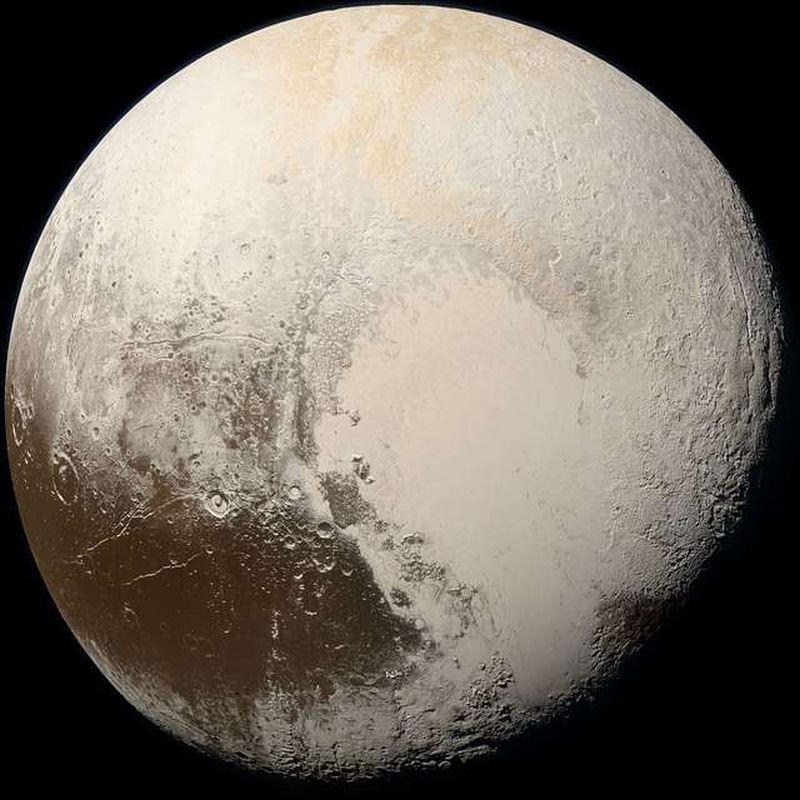
What are dwarf planets — and how many are there?
https://www.livescience.com/space/astronomy/what-are-dwarf-planets-and-how-many-are-there
Pluto
🚨 Astronomers have witnessed the dawn of a new solar system!
Using ALMA and JWST they observed the first specks of planet-forming material — hot minerals beginning to solidify around HOPS-315, a baby star 1300 light-years away.
This marks the first time a planetary system has been identified at such an early stage in its formation – a window to the past of our own Solar System.
https://www.eso.org/public/images/eso2512a/
#astrodon #astronomy #astrophysics #space #science
📷 ALMA(ESO/NAOJ/NRAO)/M. McClure et al
New instance, new #introduction !
Hi #fediverse ! We’re the European Southern Observatory, and we design, build and operate ground-based telescopes.
One of them is our Extremely Large Telescope, currently under construction in #Chile. It will have a 39 m mirror, and its rotating enclosure will weigh 6100 tonnes, or about 700 mastodons!
We’re looking forward to chatting with all of you about #astronomy
And many thanks to @sebinthestars for running our former instance!
📷 ESO/G. Vecchia
#Travel #Photography #Cruise #SciFi #BadMovies #RugbyLeague #NFL #Patriots #MST3K #Architecture #Brutalism #ArtDeco #Science #Astronomy #Archaeology #History #Portsmouth
Ignore this post. I need to pin my bio hashtags in a post because the bio links frustratingly break out of the advanced web view in this Mastodon build and they're my shortcut way of browsing posts. Hoping they fix this in a later build.
Early visions of Mars: Meet the 19th-century astronomer who used science fiction to imagine the red planet
Parisian astronomer Camille Flammarion brought used science fiction to bring Mars to life
By Matthew Shindell
Camille Flammarion at PG:
https://www.gutenberg.org/ebooks/author/8763
Christiaan Huygens and the Scientific Secrets of Saturn
Seventeenth-century science was so competitive that Christiaan Huygens used a cipher to conceal his Saturn observations when sharing them with interlocutors.
By: Danny Robb
https://daily.jstor.org/christiaan-huygens-and-the-scientific-secrets-of-saturn/
Christiaan Huygens at PG:
https://www.gutenberg.org/ebooks/author/5648
Maria Mitchell: America’s First Woman Astronomer and Mentor to Women in Science
As Vassar College’s first astronomy professor, Maria Mitchell advanced opportunities for women in science and mentored a generation of students using one of the country’s finest observatories.
By Deb Warner
Maria Mitchell at PG:
https://www.gutenberg.org/ebooks/author/3377