Paradjanov: The Confession (1992) [Movie] NeoDB IMDb Douban
Параджанов: Последняя весна
other title:
帕拉杰诺夫最后的春天
/
Параджанов: Последняя весна
…
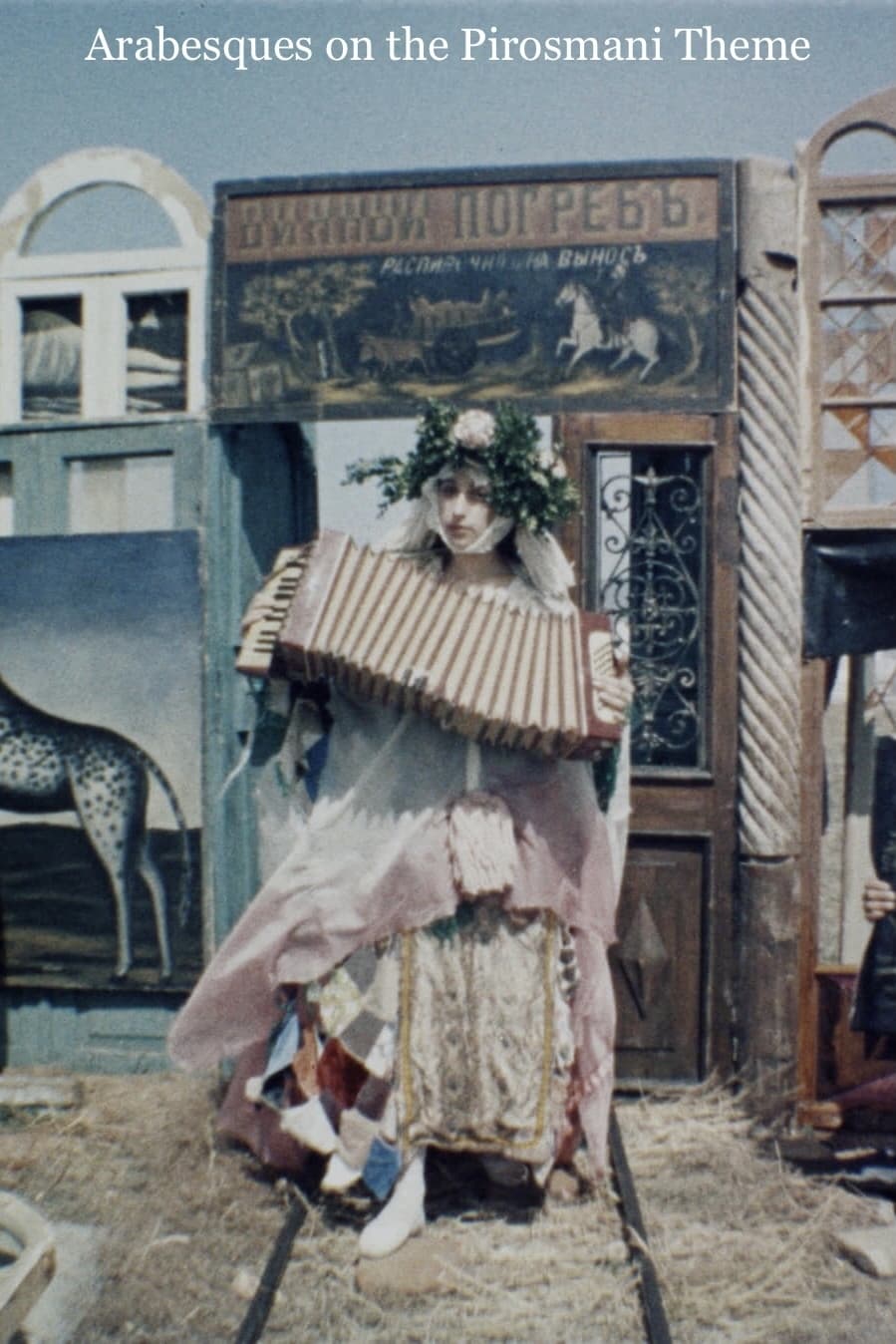
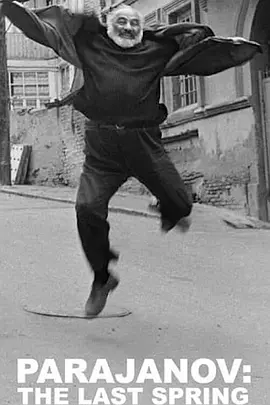
Made in wartime and edited in candlelight, Mikhail Vartanov's rarely-seen masterpiece tells about his friendship with the genius Sergei Parajanov who was imprisoned by KGB "at the peak of his artistic power". Vartanov takes us back with the scenes from his censored 1969 film The Color of Armenian Land where Paradjanov is at work on his suppressed chef-d'oeuvre The Color of Pomegranates - widely regarded as one of the greatest films of all time - and contrasts it with the shocking request Parajanov sent him in unpublished 1974 letters from the Soviet prisons. Vartanov's camera documents Parajanov's striking last day at work in 1990 during the making of the unfinished Confession - the original camera negative of which survives in Parajanov: The Last Spring (1992) - as Parajanov comments on this cherished autobiographical work. A monumental wordless montage - the entire sixth reel - concludes Vartanov's acclaimed documentary, his final film, and his most important work, which, despite the prohibitive conditions it was created in, won the admiration of cinema's greatest artists.