Franco Zeffirelli — Director (10)
Carmen 2010年维也纳国家歌剧院版 [Performance] Douban
part of Performance: Carmen
language: french 法语 troupe: Orchester der Wiener Staatsoper 维也纳国家歌剧院管弦乐团 ; Chor der Wiener Staatsoper 维也纳国家歌剧院合唱团 ; Ballett der Wiener Staatsoper und Volksoper 维也纳国家歌剧院和人民歌剧院芭蕾舞团 theater: Wiener Staatsoper 维也纳国家歌剧院 director: Franco Zeffirelli
other title: 2010年维也纳国家歌剧院版 playwright: Henri Meilhac / Ludovic Halévy composer: Georges Bizet actor: Nadia Krasteva / Massimo Giordano
Place: Seville, Spain, and surrounding hills
Time: Around 1820

Act 1
A square, in Seville. On the right, a door to the tobacco factory. At the back, a bridge. On the left, a guardhouse.

A group of soldiers relaxes in the square, waiting for the changing of the guard and commenting on the passers-by ("Sur la place, chacun passe"). Micaëla appears, seeking José. Moralès tells her that "José is not yet on duty" and invites her to wait with them. She declines, saying she will return later. José arrives with the new guard, who is greeted and imitated by a crowd of urchins ("Avec la garde montante").

As the factory bell rings, the cigarette girls emerge and exchange banter with young men in the crowd ("La cloche a sonné"). Carmen enters and sings her provocative habanera on the untameable nature of love ("L'amour est un oiseau rebelle"). The men plead with her to choose a lover, and after some teasing she throws a flower to Don José, who thus far has been ignoring her but is now annoyed by her insolence.

As the women go back to the factory, Micaëla returns and gives José a letter and a kiss from his mother ("Parle-moi de ma mère!"). He reads that his mother wants him to return home and marry Micaëla, who retreats in shy embarrassment on learning this. Just as José declares that he is ready to heed his mother's wishes, the women stream from the factory in great agitation. Zuniga, the officer of the guard, learns that Carmen has attacked a woman with a knife. When challenged, Carmen answers with mocking defiance ("Tra la la... Coupe-moi, brûle-moi"); Zuniga orders José to tie her hands while he prepares the prison warrant. Left alone with José, Carmen beguiles him with a seguidilla, in which she sings of a night of dancing and passion with her lover—whoever that may be—in Lillas Pastia's tavern. Confused yet mesmerised, José agrees to free her hands; as she is led away she pushes her escort to the ground and runs off laughing. José is arrested for dereliction of duty.

Act 2
Lillas Pastia's Inn.

Two months have passed. Carmen and her friends Frasquita and Mercédès are entertaining Zuniga and other officers ("Les tringles des sistres tintaient") in Pastia's inn. Carmen is delighted to learn of José's release from two months' detention. Outside, a chorus and procession announces the arrival of the toreador Escamillo ("Vivat, vivat le Toréro"). Invited inside, he introduces himself with the "Toreador Song" ("Votre toast, je peux vous le rendre") and sets his sights on Carmen, who brushes him aside. Lillas Pastia hustles the crowds and the soldiers away.

When only Carmen, Frasquita and Mercédès remain, smugglers Dancaïre and Remendado arrive and reveal their plans to dispose of some recently acquired contraband ("Nous avons en tête une affaire"). Frasquita and Mercédès are keen to help them, but Carmen refuses, since she wishes to wait for José. After the smugglers leave, José arrives. Carmen treats him to a private exotic dance ("Je vais danser en votre honneur... La la la"), but her song is joined by a distant bugle call from the barracks.

When José says he must return to duty, she mocks him, and he answers by showing her the flower that she threw to him in the square ("La fleur que tu m'avais jetée"). Unconvinced, Carmen demands he show his love by leaving with her. José refuses to desert, but as he prepares to depart, Zuniga enters looking for Carmen. He and José fight, and are separated by the returning smugglers, who restrain Zuniga. Having attacked a superior officer, José now has no choice but to join Carmen and the smugglers ("Suis-nous à travers la campagne").

Act 3
A wild spot in the mountains.

Carmen and José enter with the smugglers and their booty ("Écoute, écoute, compagnons"); Carmen has now become bored with José and tells him scornfully that he should go back to his mother. Frasquita and Mercédès amuse themselves by reading their fortunes from the cards; Carmen joins them and finds that the cards are foretelling her death, and José's. The women depart to suborn the customs officers who are watching the locality. José is placed on guard duty.

Micaëla enters with a guide, seeking José and determined to rescue him from Carmen ("Je dis que rien ne m'épouvante"). On hearing a gunshot she hides in fear; it is José, who has fired at an intruder who proves to be Escamillo. José's pleasure at meeting the bullfighter turns to anger when Escamillo declares his infatuation with Carmen. The pair fight ("Je suis Escamillo, toréro de Grenade"), but are interrupted by the returning smugglers and girls ("Holà, holà José"). As Escamillo leaves he invites everyone to his next bullfight in Seville. Micaëla is discovered; at first, José will not leave with her despite Carmen's mockery, but he agrees to go when told that his mother is dying. As he departs, vowing he will return, Escamillo is heard in the distance, singing the toreador's song.

Act 4
A square in Seville. At the back, the walls of an ancient amphitheatre.

Zuniga, Frasquita and Mercédès are among the crowd awaiting the arrival of the bullfighters ("Les voici ! Voici la quadrille!"). Escamillo enters with Carmen, and they express their mutual love ("Si tu m'aimes, Carmen"). As Escamillo goes into the arena, Frasquita and Mercedes warn Carmen that José is nearby, but Carmen is unafraid and willing to speak to him. Alone, she is confronted by the desperate José ("C'est toi ! C'est moi !"). While he pleads vainly for her to return to him, cheers are heard from the arena. As José makes his last entreaty, Carmen contemptuously throws down the ring he gave her and attempts to enter the arena. He then stabs her, and as Escamillo is acclaimed by the crowds, Carmen dies. José kneels and sings "Ah! Carmen! ma Carmen adorée!"; as the crowd exits the arena, José confesses to killing the woman he loved.
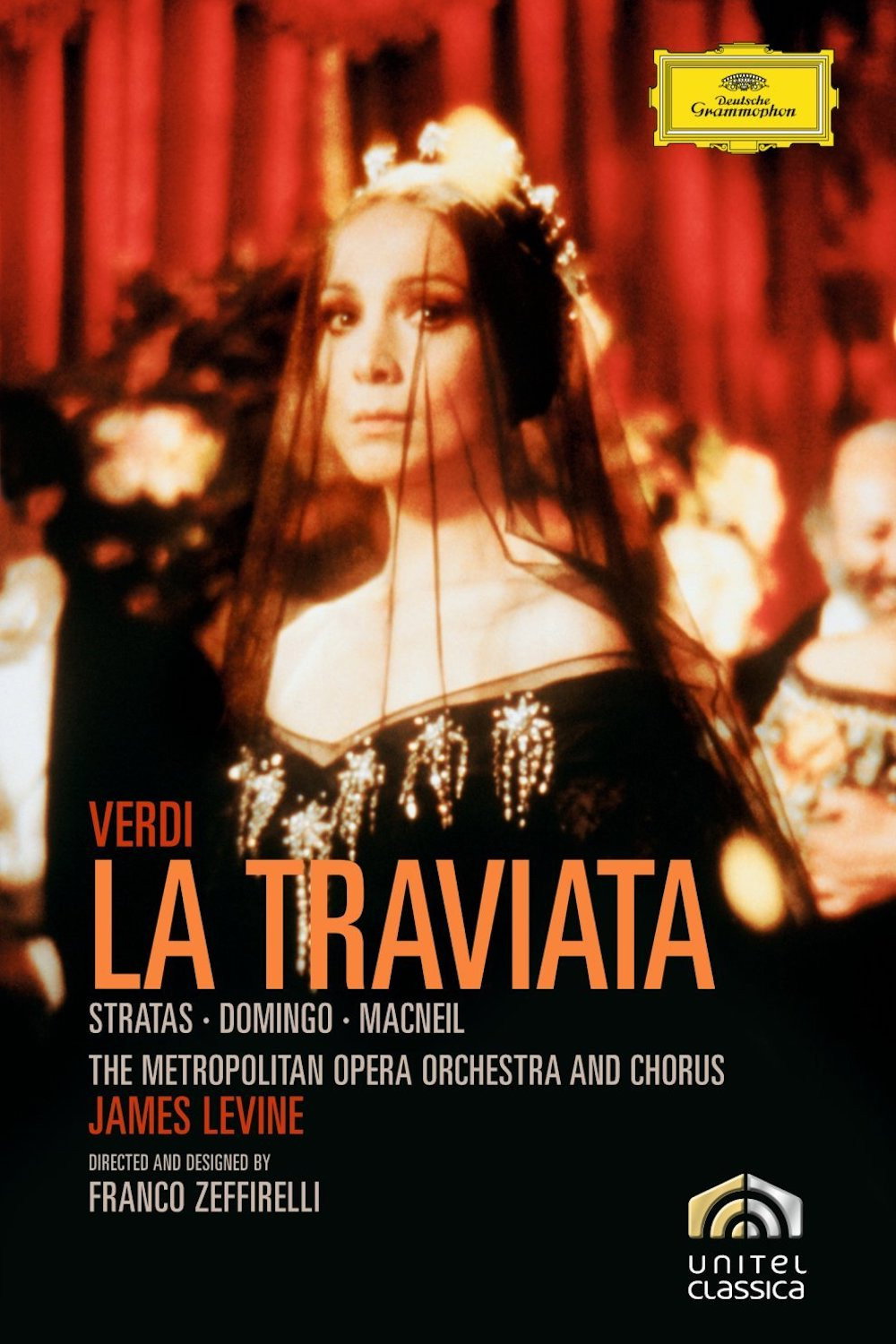
Carmen 1978年维也纳国家歌剧院版 [Performance] Douban
part of Performance: Carmen
language: french 法语 troupe: Orchester der Wiener Staatsoper 维也纳国家歌剧院管弦乐团 ; Chor der Wiener Staatsoper 维也纳国家歌剧院合唱团 ; Ballett der Wiener Staatsoper 维也纳国家歌剧院芭蕾舞团 ; Wiener Sängerknaben 维也纳男童合唱团 ; Mozart Sängerknaben 莫扎特男童合唱团 theater: Wiener Staatsoper 维也纳国家歌剧院 director: Franco Zeffirelli
other title: 1978年维也纳国家歌剧院版 playwright: Henri Meilhac / Ludovic Halévy composer: Georges Bizet actor: Elena Obraztsova / Plácido Domingo
Place: Seville, Spain, and surrounding hills
Time: Around 1820

Act 1
A square, in Seville. On the right, a door to the tobacco factory. At the back, a bridge. On the left, a guardhouse.

A group of soldiers relaxes in the square, waiting for the changing of the guard and commenting on the passers-by ("Sur la place, chacun passe"). Micaëla appears, seeking José. Moralès tells her that "José is not yet on duty" and invites her to wait with them. She declines, saying she will return later. José arrives with the new guard, who is greeted and imitated by a crowd of urchins ("Avec la garde montante").

As the factory bell rings, the cigarette girls emerge and exchange banter with young men in the crowd ("La cloche a sonné"). Carmen enters and sings her provocative habanera on the untameable nature of love ("L'amour est un oiseau rebelle"). The men plead with her to choose a lover, and after some teasing she throws a flower to Don José, who thus far has been ignoring her but is now annoyed by her insolence.

As the women go back to the factory, Micaëla returns and gives José a letter and a kiss from his mother ("Parle-moi de ma mère!"). He reads that his mother wants him to return home and marry Micaëla, who retreats in shy embarrassment on learning this. Just as José declares that he is ready to heed his mother's wishes, the women stream from the factory in great agitation. Zuniga, the officer of the guard, learns that Carmen has attacked a woman with a knife. When challenged, Carmen answers with mocking defiance ("Tra la la... Coupe-moi, brûle-moi"); Zuniga orders José to tie her hands while he prepares the prison warrant. Left alone with José, Carmen beguiles him with a seguidilla, in which she sings of a night of dancing and passion with her lover—whoever that may be—in Lillas Pastia's tavern. Confused yet mesmerised, José agrees to free her hands; as she is led away she pushes her escort to the ground and runs off laughing. José is arrested for dereliction of duty.

Act 2
Lillas Pastia's Inn.

Two months have passed. Carmen and her friends Frasquita and Mercédès are entertaining Zuniga and other officers ("Les tringles des sistres tintaient") in Pastia's inn. Carmen is delighted to learn of José's release from two months' detention. Outside, a chorus and procession announces the arrival of the toreador Escamillo ("Vivat, vivat le Toréro"). Invited inside, he introduces himself with the "Toreador Song" ("Votre toast, je peux vous le rendre") and sets his sights on Carmen, who brushes him aside. Lillas Pastia hustles the crowds and the soldiers away.

When only Carmen, Frasquita and Mercédès remain, smugglers Dancaïre and Remendado arrive and reveal their plans to dispose of some recently acquired contraband ("Nous avons en tête une affaire"). Frasquita and Mercédès are keen to help them, but Carmen refuses, since she wishes to wait for José. After the smugglers leave, José arrives. Carmen treats him to a private exotic dance ("Je vais danser en votre honneur... La la la"), but her song is joined by a distant bugle call from the barracks.

When José says he must return to duty, she mocks him, and he answers by showing her the flower that she threw to him in the square ("La fleur que tu m'avais jetée"). Unconvinced, Carmen demands he show his love by leaving with her. José refuses to desert, but as he prepares to depart, Zuniga enters looking for Carmen. He and José fight, and are separated by the returning smugglers, who restrain Zuniga. Having attacked a superior officer, José now has no choice but to join Carmen and the smugglers ("Suis-nous à travers la campagne").

Act 3
A wild spot in the mountains.

Carmen and José enter with the smugglers and their booty ("Écoute, écoute, compagnons"); Carmen has now become bored with José and tells him scornfully that he should go back to his mother. Frasquita and Mercédès amuse themselves by reading their fortunes from the cards; Carmen joins them and finds that the cards are foretelling her death, and José's. The women depart to suborn the customs officers who are watching the locality. José is placed on guard duty.

Micaëla enters with a guide, seeking José and determined to rescue him from Carmen ("Je dis que rien ne m'épouvante"). On hearing a gunshot she hides in fear; it is José, who has fired at an intruder who proves to be Escamillo. José's pleasure at meeting the bullfighter turns to anger when Escamillo declares his infatuation with Carmen. The pair fight ("Je suis Escamillo, toréro de Grenade"), but are interrupted by the returning smugglers and girls ("Holà, holà José"). As Escamillo leaves he invites everyone to his next bullfight in Seville. Micaëla is discovered; at first, José will not leave with her despite Carmen's mockery, but he agrees to go when told that his mother is dying. As he departs, vowing he will return, Escamillo is heard in the distance, singing the toreador's song.

Act 4
A square in Seville. At the back, the walls of an ancient amphitheatre.

Zuniga, Frasquita and Mercédès are among the crowd awaiting the arrival of the bullfighters ("Les voici ! Voici la quadrille!"). Escamillo enters with Carmen, and they express their mutual love ("Si tu m'aimes, Carmen"). As Escamillo goes into the arena, Frasquita and Mercedes warn Carmen that José is nearby, but Carmen is unafraid and willing to speak to him. Alone, she is confronted by the desperate José ("C'est toi ! C'est moi !"). While he pleads vainly for her to return to him, cheers are heard from the arena. As José makes his last entreaty, Carmen contemptuously throws down the ring he gave her and attempts to enter the arena. He then stabs her, and as Escamillo is acclaimed by the crowds, Carmen dies. José kneels and sings "Ah! Carmen! ma Carmen adorée!"; as the crowd exits the arena, José confesses to killing the woman he loved.
Romeo and Juliet (1968) [Movie] NeoDB TMDB Douban IMDb WikiData
Romeo and Juliet
director: Franco Zeffirelli actor: Leonard Whiting / Olivia Hussey
other title: Romeo e Giulietta / Romeu e Julieta
Romeo Montague and Juliet Capulet fall in love against the wishes of their feuding families. Driven by their passion, the young lovers defy their destiny and elope, only to suffer the ultimate tragedy.
The Champ (1979) [Movie] TMDB
The Champ
director: Franco Zeffirelli actor: Jon Voight / Faye Dunaway
other title: Il campione / Der Champ
Billy used to be a great boxer, but he's settled into a hardscrabble life that revolves around drinking, training horses, and the one bright spot in his existence — his young son, T.J. Although Billy has had custody of T.J. since his wife, Annie, left the family years ago, her return prompts a new struggle for the former fighter. Determined to hold on to his son, Billy gets back into the ring to try and recapture his past success.
Endless Love (1981) [Movie] TMDB
Endless Love
director: Franco Zeffirelli actor: Brooke Shields / Martin Hewitt
other title: Amore senza fine / Endlose Liebe
Parental disapproval of two teenagers wrapped up in a passionate love affair causes a confusion of arson, death and insanity.
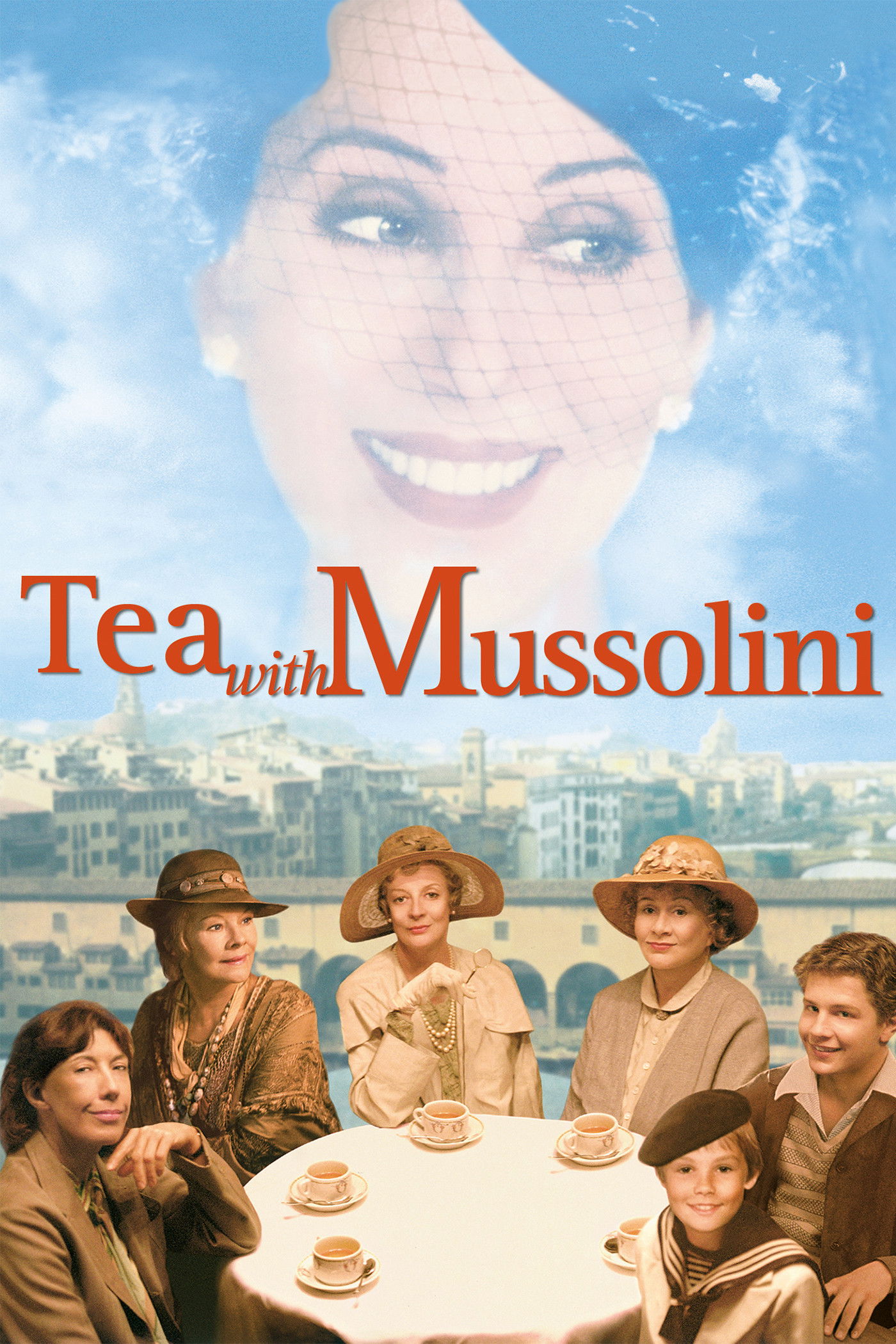
Tea with Mussolini (1999) [Movie] NeoDB WikiData Douban TMDB IMDb
Tea with Mussolini
director: Franco Zeffirelli actor: Maggie Smith / Judi Dench
other title: Un tè con Mussolini / Chá com Mussolini
In 1930s fascist Italy, adolescent Luca just lost his mother. His father, a callous businessman, sends him to be taken care of by British expatriate Mary Wallace. Mary and her cultured friends — including artist Arabella, young widow Elsa, and archaeologist Georgie — keep a watchful eye over the boy. But the women's cultivated lives take a dramatic turn when Allied forces declare war on Mussolini.
Jesus of Nazareth (1977) [TV] TMDB
Jesus of Nazareth
director: Franco Zeffirelli actor: Robert Powell / Olivia Hussey
other title: Gesù di Nazareth / Jesus von Nazareth
Dramatizes the Birth, Life, Ministry, Crucifixion, and Resurrection of Jesus Christ, largely according to the Holy Bible's New Testament Gospels.
Falstaff [Performance] NeoDB Douban
Falstaff
genre: Opera playwright: Arrigo Boito
other title: 福斯塔夫 / 法尔斯塔夫 / 法斯塔夫 director: 未知 / Franco Zeffirelli actor: Victor Maurel / Emma Zilli / Antonio Pini-Corsi / Edoardo Garbin / Adelina Stehle
Time: The reign of Henry IV, 1399 to 1413
Place: Windsor, England
Act 1
A room at the Garter Inn
Falstaff and his servants, Bardolfo and Pistola, are drinking at the inn. Dr Caius bursts in and accuses Falstaff of burgling his house and Bardolfo of picking his pocket. He is ejected. Falstaff hands a letter to each of his servants for delivery to Alice Ford and Meg Page, two wealthy married women. In these two identical letters, Falstaff professes his love for each of the women, although it is access to their husbands' money that he chiefly covets. Bardolfo and Pistola refuse, claiming that honour prevents them from obeying him. Falstaff dispatches his page, Robin, to deliver the letters. Falstaff delivers a tirade at his rebellious followers (L'onore! Ladri ... ! / "Honour! You rogues ... !") telling them that honour is a mere word and is of no practical value. He chases them out of his sight.
Ford's garden
Alice and Meg have received Falstaff's letters. They compare them, see that they are identical and, together with Mistress Quickly and Nannetta Ford, resolve to punish Falstaff. Meanwhile, Ford has been warned of the letters by Bardolfo and Pistola. All three are thirsty for revenge and are supported by Dr Caius and Fenton, a young gentleman. To Ford's disapproval, Fenton is in love with Nannetta. Finding a moment to be alone, the young lovers exchange banter. They are interrupted by the return of Alice, Meg and Mistress Quickly. The act ends with an ensemble in which the women and the men separately plan revenge on Falstaff.
Act 2
A room at the Garter Inn
Falstaff is alone at the inn. Bardolfo and Pistola, now in the pay of Ford, enter and pretend to beg for forgiveness for past transgressions. They announce to their master the arrival of Mistress Quickly, who delivers an invitation to go to Alice's house that afternoon between the hours of two and three. She also delivers an answer from Meg Page and assures Falstaff that neither is aware of the other's letter. Falstaff celebrates his potential success ("Va, vecchio John" / "Go, old Jack, go your own way"). Ford arrives, masquerading as "Signor Fontana", supposedly an admirer of Alice; he offers money to the fat knight to seduce her. Falstaff is puzzled at the request, and "Fontana" explains that if Alice succumbs to Falstaff, it will then be easier for Fontana to overcome her virtuous scruples. Falstaff agrees with pleasure and reveals that he already has a rendezvous arranged with Alice for two o'clock – the hour when Ford is always absent from home. Falstaff goes off to change into his best clothes; Ford is consumed with jealousy (È sogno o realtà? / "Is it a dream or reality?"). When Falstaff returns in his finery, they leave together with elaborate displays of mutual courtesy.
A room in Ford's house
The three women plot their strategy ("Gaie Comari di Windsor" / "Merry wives of Windsor, the time has come!"). They are in high spirits, but Alice notices that Nannetta is not. This is because Ford plans to marry her to Dr Caius, a man old enough to be her grandfather; the women reassure her that they will prevent it. Mistress Quickly announces Falstaff's arrival, and Mistress Ford has a large laundry basket and a screen placed in readiness. Falstaff's attempts to seduce Alice with tales of his past glory ("Quand'ero paggio del Duca di Norfolk" / "When I was page to the Duke of Norfolk I was slender") are cut short, as Mistress Quickly reports the impending arrival of Ford with a retinue of henchmen to catch his wife's lover. Falstaff hides first behind the screen, and then the women hide him in the laundry basket. In the meantime Fenton and Nannetta hide behind the screen. The men hear the sound of a kiss behind it. They assume it is Falstaff with Alice, but instead they find the young lovers. Ford orders Fenton to leave. Inside the hamper Falstaff is almost suffocating. While the men resume the search of the house Alice orders her servants to throw the laundry basket through the window into the River Thames, where Falstaff endures the jeers of the crowd.
Act 3
Before the inn
Falstaff glumly curses the sorry state of the world. Some mulled wine soon improves his mood. Mistress Quickly arrives and delivers another invitation to meet Alice. Falstaff at first wants nothing to do with it, but she persuades him. He is to meet Alice at midnight at Herne's Oak in Windsor Great Park dressed up as Herne the Hunter. He and Mistress Quickly go inside the inn. Ford has realised his error in suspecting his wife, and they and their allies have been watching secretly. They now concoct a plan for Falstaff's punishment: dressed as supernatural creatures, they will ambush and torment him at midnight. Ford privately proposes a separate plot to Caius: Nannetta will be disguised as Queen of the Fairies, Caius will wear a monk's costume, and Ford will join the two of them with a nuptial blessing. Mistress Quickly overhears and quietly vows to thwart Ford's scheme.
Herne's Oak in Windsor Park on a moonlit midnight
Fenton arrives at the oak tree and sings of his happiness ("Dal labbro il canto estasiato vola" / "From my lips, a song of ecstasy flies") ending with "Lips that are kissed lose none of their allure." Nannetta enters to finish the line with "Indeed, they renew it, like the moon." The women arrive and disguise Fenton as a monk, telling him that they have arranged to spoil Ford's and Caius's plans. Nannetta, as the Fairy Queen, instructs her helpers ("Sul fil d'un soffio etesio" / "On the breath of a fragrant breeze, fly, nimble spirits") before all the characters arrive on the scene. Falstaff's attempted love scene with Alice is interrupted by the announcement that witches are approaching, and the men, disguised as elves and fairies, soundly thrash Falstaff. At length he recognises Bardolfo in disguise. The joke is over, and Falstaff acknowledges that he has received his due. Ford announces that a wedding shall ensue. Caius and the Queen of the Fairies enter. A second couple, also in masquerade, ask Ford to deliver the same blessing for them as well. Ford conducts the double ceremony. Caius finds that instead of Nannetta, his bride is the disguised Bardolfo, and Ford has unwittingly blessed the marriage of Fenton and Nannetta. Ford accepts the fait accompli with good grace. Falstaff, pleased to find himself not the only dupe, proclaims in a fugue, which the entire company sings, that all the world is folly, and all are figures of fun (Tutto nel mondo è burla ... Tutti gabbati! / "Everything in the world is a jest ...").
Turandot [Performance] NeoDB Douban
Turandot
genre: Opera playwright: Giuseppe Adami / Renato Simoni
other title: 图兰朵 director: Giovacchino Forzano / Franco Zeffirelli actor: Rosa Raisa / Miguel Fleta / Maria Zamboni / Carlo Walter / Giacomo Rimini
Place: Peking, China
Time: Legendary times
Act 1
In China, beautiful Princess Turandot will only marry a suitor who can answer 3 secret riddles. A Mandarin announces the law of the land (Aria – Popolo di Pechino! – "People of Peking!"). The Prince of Persia has failed to answer the three riddles, and he is to be beheaded at the next moonrising. As the crowd surges towards the gates of the palace, the imperial guards brutally repulse them, causing a blind old man to be knocked to the ground. The old man's slave-girl, Liù, cries out for help. A young man hears her cry and recognizes that the old man is his long-lost father, Timur, the deposed king of Tartary. The young Prince of Tartary is overjoyed at seeing Timur alive, but still urges Timur to not speak his name because he is afraid that the Chinese rulers, who have conquered Tartary, may kill or harm them. Timur then tells his son that, of all his servants, only Liù has remained faithful to him. When the Prince asks her why, she tells him that once, long ago in the palace, the Prince had smiled at her (Trio with chorus – The crowd, Liù, Prince of Tartary, Timur: Indietro, cani! – "Back, dogs!").
The moon rises, and the crowd's cries for blood dissolve into silence. The doomed Prince of Persia, who is on his way to be executed, is led before the crowd. The young Prince is so handsome and kind that the crowd and the Prince of Tartary decide that they want Turandot to act compassionately, and they beg Turandot to appear and spare his life (Aria – The crowd, Prince of Tartary: O giovinetto! – "O youth!"). She then appears, and with a single imperious gesture, orders the execution to continue. The Prince of Tartary, who has never seen Turandot before, falls immediately in love with her, and joyfully cries out Turandot's name three times, foreshadowing the riddles to come. Then the Prince of Persia cries out one final time. The crowd, horrified, screams out one final time and the Prince of Persia is beheaded.
The Prince of Tartary is dazzled by Turandot's beauty. He is about to rush towards the gong and to strike it three times – the symbolic gesture of whoever wishes to attempt to solve the riddles so that he can marry Turandot – when the ministers Ping, Pang, and Pong appear. They urge him cynically to not lose his head for Turandot and to instead go back to his own country (Fermo, che fai?). Timur urges his son to desist, and Liù, who is secretly in love with the Prince, pleads with him not to attempt to solve the riddles (Signore, ascolta! – "Lord, hear!"). Liù's words touch the Prince's heart. He begs Liù to make Timur's exile more bearable by not abandoning Timur if the Prince fails to answer the riddles (Non piangere, Liù – "Do not cry, Liù"). The three ministers, Timur, and Liù then try one last time to stop the Prince (Ah! Per l'ultima volta! – "Ah! For the last time!") from attempting to answer the riddles, but he refuses to heed their advice.
He calls Turandot's name three times, and each time Liù, Timur, and the ministers reply, "Death!" and the crowd declares, "We're already digging your grave!" Rushing to the gong that hangs in front of the palace, the Prince strikes it three times, declaring himself to be a suitor. From the palace balcony, Turandot accepts his challenge, as Ping, Pang, and Pong laugh at the Prince's foolishness.
Act 2
Scene 1: A pavilion in the imperial palace. Before sunrise
Ping, Pang, and Pong lament their place as ministers, poring over palace documents and presiding over endless rituals. They prepare themselves for either a wedding or a funeral (Trio – Ping, Pang, Pong: Ola, Pang!). Ping suddenly longs for his country house in Honan, with its small lake surrounded by bamboo. Pong remembers his grove of forests near Tsiang, and Pang recalls his gardens near Kiu. The three share their fond memories of their lives away from the palace (Trio – Ping, Pang, Pong: Ho una casa nell'Honan – "I have a house in Honan"). They turn their thoughts back to how they have been accompanying young princes to their deaths. As the palace trumpet sounds, the ministers ready themselves for another spectacle as they await the entrance of their Emperor.
Scene 2: The courtyard of the palace. Sunrise
The Emperor Altoum, father of Turandot, sits on his grand throne in his palace. Weary of having to judge his isolated daughter's sport, he urges the Prince to withdraw his challenge, but the Prince refuses (Aria – Altoum, the Prince: Un giuramento atroce – "An atrocious oath"). Turandot enters and explains (In questa reggia – "In this palace") that her ancestress of millennia past, Princess Lo-u-Ling, reigned over her kingdom "in silence and joy, resisting the harsh domination of men" until she was raped and murdered by an invading foreign prince. Turandot claims that Lo-u-Ling now lives in her, and out of revenge, Turandot has sworn to never let any man wed her. She warns the Prince to withdraw but again he refuses. The Princess presents her first riddle: Straniero, ascolta! – "What is born each night and dies each dawn?" The Prince correctly replies, Speranza – "Hope." The Princess, unnerved, presents her second riddle (Guizza al pari di fiamma – "What flickers red and warm like a flame, but is not fire?") The Prince thinks for a moment before replying, Sangue – "Blood". Turandot is shaken. The crowd cheers the Prince, provoking Turandot's anger. She presents her third riddle (Gelo che ti da foco – "What is ice which gives you fire and which your fire freezes still more?"). He proclaims, "It is Turandot! Turandot!"
The crowd cheers for the triumphant Prince. Turandot throws herself at her father's feet and pleads with him not to leave her to the Prince's mercy. The Emperor insists that an oath is sacred and that it is Turandot's duty to wed the Prince (Duet – Turandot, Altoum, the Prince: Figlio del cielo). She cries out in despair, "Will you take me by force? (Mi porterai con la forza?) The Prince stops her, saying that he has a riddle for her: Tre enigmi m'hai proposto – "You do not know my name. Tell me my name before sunrise, and at dawn, I will die." Turandot accepts. The Emperor then declares that he hopes that he will be able to call the Prince his son when the sun next rises.
Act 3
Scene 1: The palace gardens. Night
In the distance, heralds call out Turandot's command: Cosi comanda Turandot – "This night, none shall sleep in Peking! The penalty for all will be death if the Prince's name is not discovered by morning". The Prince waits for dawn and anticipates his victory: Nessun dorma – "Nobody shall sleep!"
Ping, Pong, and Pang appear and offer the Prince women and riches if he will only give up Turandot (Tu che guardi le stelle), but he refuses. A group of soldiers then drag in Timur and Liù. They have been seen speaking to the Prince, so they must know his name. Turandot enters and orders Timur and Liù to speak. The Prince feigns ignorance, saying they know nothing. But when the guards begin to treat Timur harshly, Liù declares that she alone knows the Prince's name, but she will not reveal it. Ping demands the Prince's name, and when Liù refuses to say it, she is tortured. Turandot is clearly taken aback by Liù's resolve and asks Liù who or what gave her such a strong resolve. Liù answers, "Princess, love!" (Principessa, amore!). Turandot demands that Ping tear the Prince's name from Liù, and Ping orders Liù to be tortured even more. Liù counters Turandot (Tu che di gel sei cinta – "You who are begirdled by ice"), saying that Turandot too will learn the exquisite joy of being guided by caring and compassionate love.[note 1] Having spoken, Liù seizes a dagger from a soldier's belt and stabs herself. As she staggers towards the Prince and falls dead, the crowd screams for her to speak the Prince's name. Since Timur is blind, he must be told about Liù's death, and he cries out in anguish. When Timur warns that the gods will be offended by Liù's death, the crowd becomes subdued, very afraid and ashamed. The grieving Timur and the crowd follow Liù's body as it is carried away. Everybody departs, leaving the Prince and Turandot alone. He reproaches Turandot for her cruelty (Duet – The Prince, Turandot: Principessa di morte – "Princess of death"), then takes her in his arms and kisses her in spite of her resistance.
The Prince tries to convince Turandot to love him. At first she feels disgusted, but after he kisses her, she feels herself becoming more ardently desiring to be held and compassionately loved by him. She admits that ever since she met the Prince, she realized she both hated and loved him. She asks him to ask for nothing more and to leave, taking his mystery with him. The Prince, however, then reveals his name: "Calaf, son of Timur – Calaf, figlio di Timur", thereby placing his life in Turandot's hands. She can now destroy him if she wants (Duet – Turandot, Calaf: Del primo pianto).
Scene 2: The courtyard of the palace. Dawn
Turandot and Calaf approach the Emperor's throne. She declares that she knows the Prince's name: Diecimila anni al nostro Imperatore! – "It is ... love!" The crowd cheers and acclaims the two lovers (O sole! Vita! Eternità).