Djoko Rosic — Actor (4)
The Wind Is Whistling Under Their Feet (1976) [Movie] IMDb WikiData TMDB
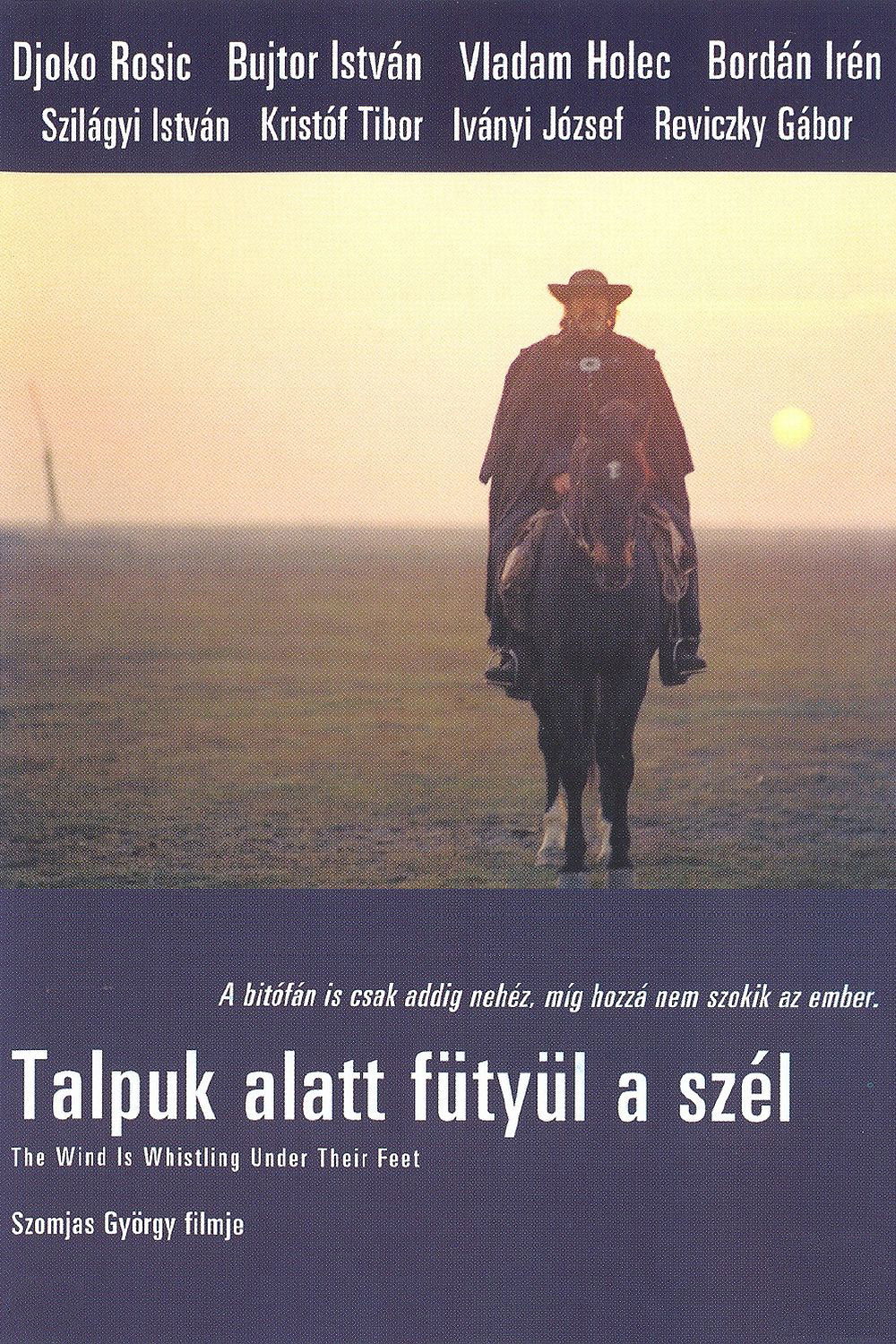
Talpuk alatt fütyül a szél
director: György Szomjas actor: Djoko Rosic / István Bujtor
other title: Talpuk alatt fütyül a szél / The Wind Blows Under Your Feet
György Szomjas’s first feature—made after a decade of short documentaries—is a bold attempt at a goulash western, set on the puszta, or Great Hungarian Plain, in 1837. Mixing Miklós Jancsó imagery and a Sergio Leone narrative, this ballad-like saga opens with image of a lone horseman on the empty plain, riding past a rude gallows. The film concerns the vengeful return of a legendary betyár (outlaw), briefly a hero to the local herdsmen who oppose the state building a canal across their grazing land. Although Szomjas works from ethnographic records and archival material, it is hardly surprising that this violent, primitivist film would be more popular with Hungarian audiences than critics. Replete with young guns, crooked sheriffs, tavern brawlers and hardbitten plug-uglies, this widescreen film is strikingly shot by Elémer Ragályi (cinematographer for most of Gyula Gazdag’s films)—a feast of loamy, autumnal colors.
Dead or Alive (1980) [Movie] TMDB IMDb
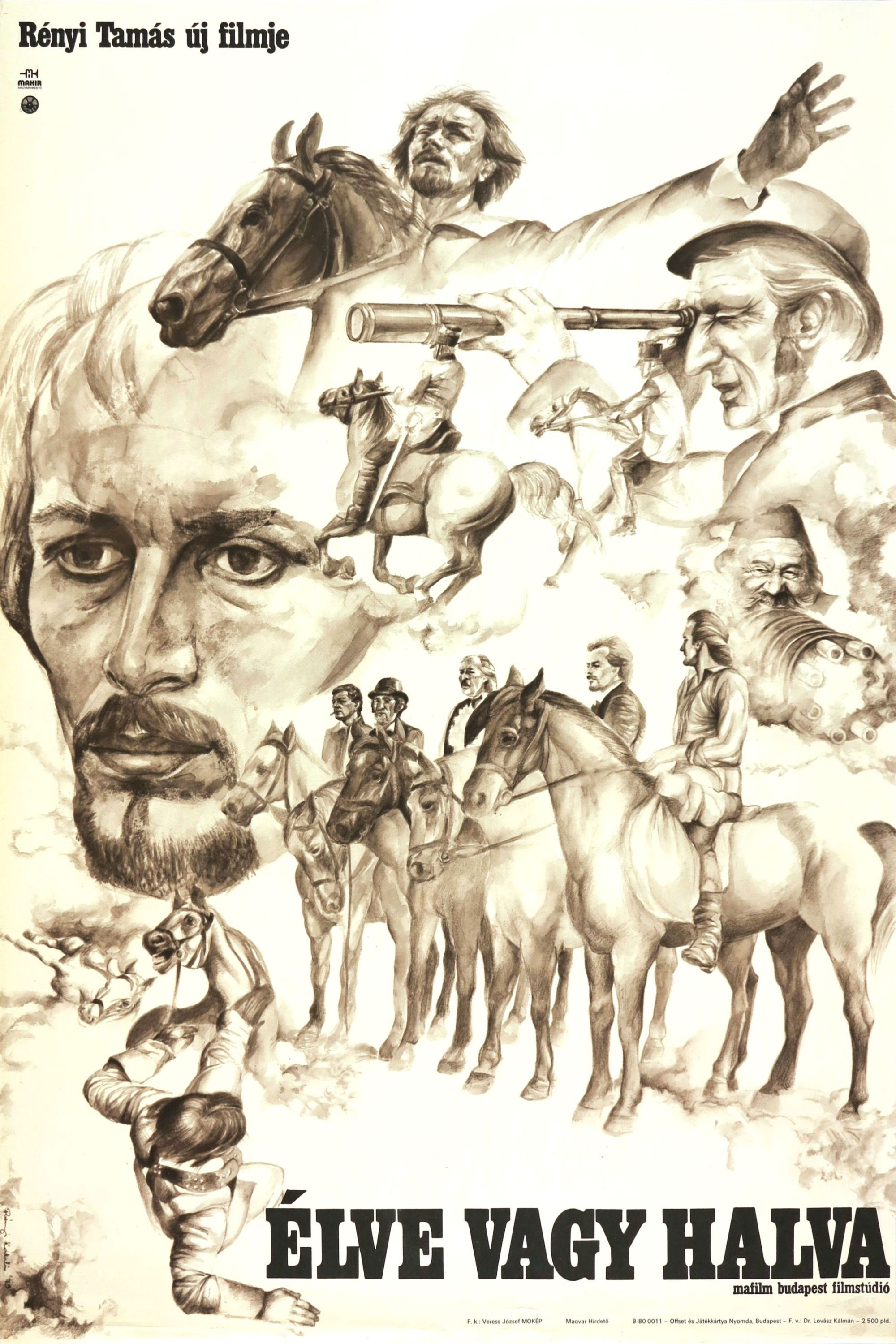
Élve vagy halva
director: Tamás Rényi actor: Lajos Balázsovits / György Cserhalmi
other title: Tot oder lebendig / Élve vagy halva
1852. Gáspár Noszlopy escapes from prison in order to capture the emperor, who is to visit Hungary, with his companions and force him to sign the Declaration of Independence. He is only able to find four fanatic men, as his one-time soldiers have already accepted the established order as unalterable, each of them having found a satisfactory way of life and unwilling to undertake a suicidal experiment.
My Father, the Painter (1974) [Movie] TMDB IMDb WikiData
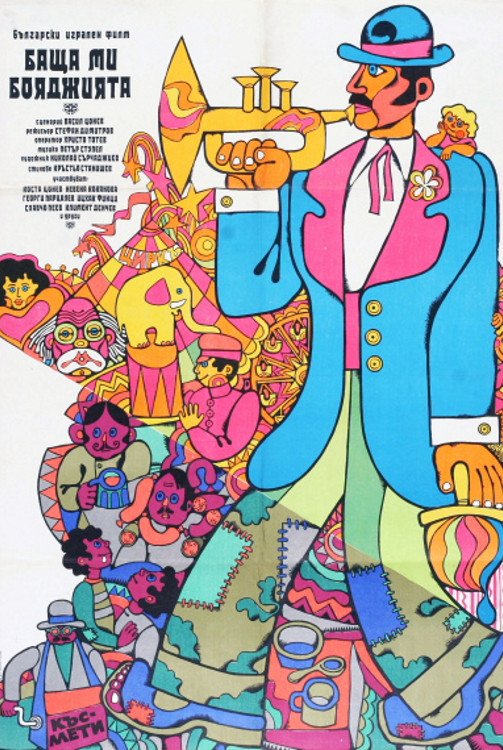
Баща ми бояджията
director: Stefan Dimitrov actor: Kosta Tsonev / Nevena Kokanova
other title: Баща ми бояджията / Bashta mi boyadzhiyata
A former history teacher, currently a house painter is broke before the New Year. Faith meets him with the rich man, who wants his living room to be painted by 4 o'clock for a hefty pay. The father and his six children begin the heavy task with a song. When all is done, the rich man calls that he is going to pay the house painter on the 2nd of January. The father decides to celebrate New Year no matter what.