Isao Hashimoto — Actor (8)
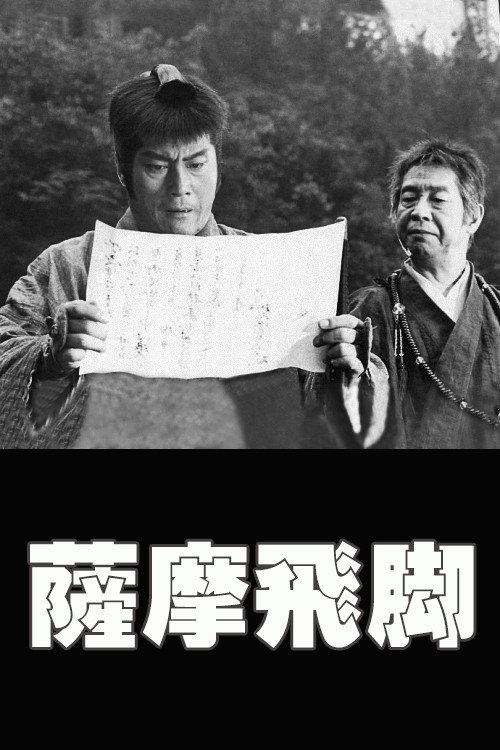
Messengers to Satsuma (1982) [Movie] TMDB
薩摩飛脚
director: Kazuo Mori actor: Mikijiro Hira / Kiwako Taichi
other title: 薩摩飛脚
By all indications, an anti-government conspiracy is brewing in the Satsuma Domain. Already seven oniwaban spies sent by the shogunate have infiltrated Satsuma in order to scout everything on the spot. However, they had all disappeared, and it was unclear whether they were alive or dead. Kenzaburo Kamiya and Iori Matsumura successfully infiltrate as the eighth and ninth spies and witness law-breaking exercises using a cannon. However, soon Satsuma men found them and drove them to the cliff...
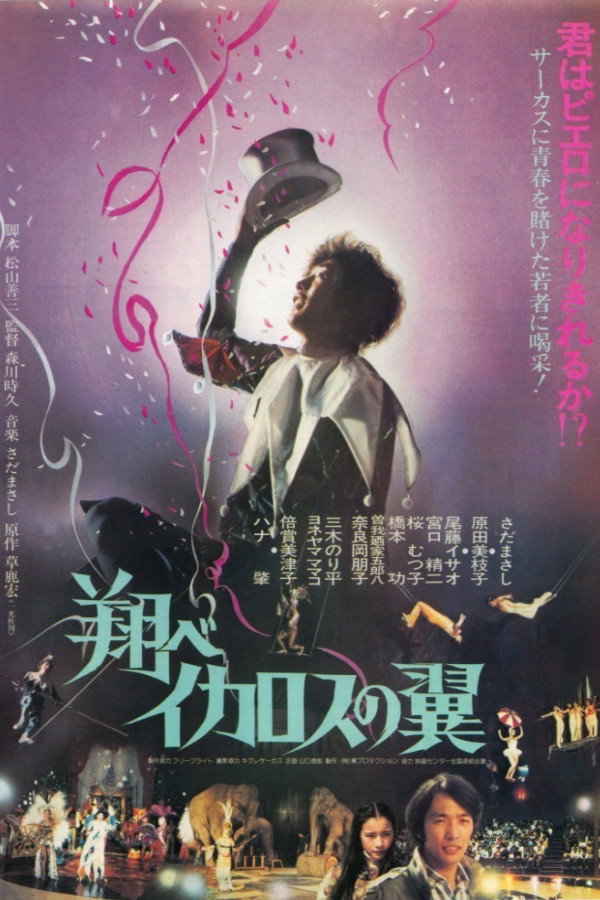
Wings of Icarus' Flight (1980) [Movie] IMDb TMDB
翔べイカロスの翼
other title: 翔べイカロスの翼
A young man who travels around the world with a camera in his hand finds the circus a fascinating subject. The huge tents and life-threatening acrobatics were filled with dreams, laughter, and excitement. From that moment on, his destiny changes. While living in the circus, the young man becomes fascinated by the art of performing, trains hard, and makes his debut on the big stage. He puts all of his youth into his quest to become a clown, the flower of the circus and the origin of laughter.
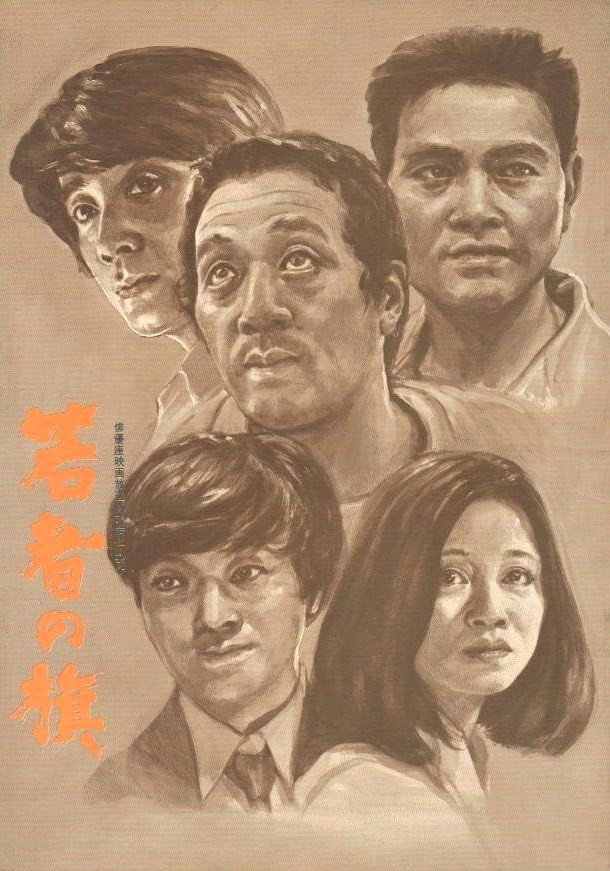
Banner of the Young (1970) [Movie] IMDb TMDB
若者の旗
other title: 若者の旗
The final part of the trilogy. It is about a younger brother, Suekichi. He learned well the lessons that life taught his older brothers. Therefore, he does not think to study, but strives for material well-being alone. To make a career, he ruthlessly pushes his colleagues with his elbows. For him, the high ideals of trade union activists Jiro and Saburo are an example of old-fashioned thinking, naive behavior.
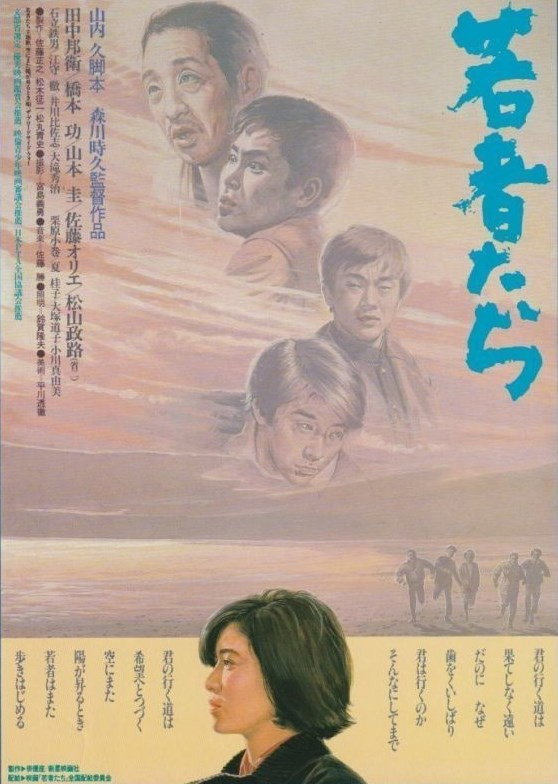
Young People (1968) [Movie] IMDb TMDB
若者たち
other title: 若者たち
"Young People" is a story about the lives of four brothers and a sister, Sato. After the death of his parents, the older brother, Taro, who works in construction, decides to replace them. The second brother, Jiro, is a truck driver. The third, Saburo, is a student, dreams of a better future for the whole family are connected with him, with his career. Brothers and sisters are fighting to give him a higher education. And, finally, the youngest of the brothers, Suekichi, is also going to enter the university after graduation. The life of the Sato family is complicated. Taro is kind, but limited, not always able to find a common language with his brothers and sister Orie. The girl cannot stand the despotism of her brother, leaves her home and goes to work at the factory. With her departure, everything in the house goes upside down. Suekichi fails her university entrance exams, Orie is forced to return to her family.
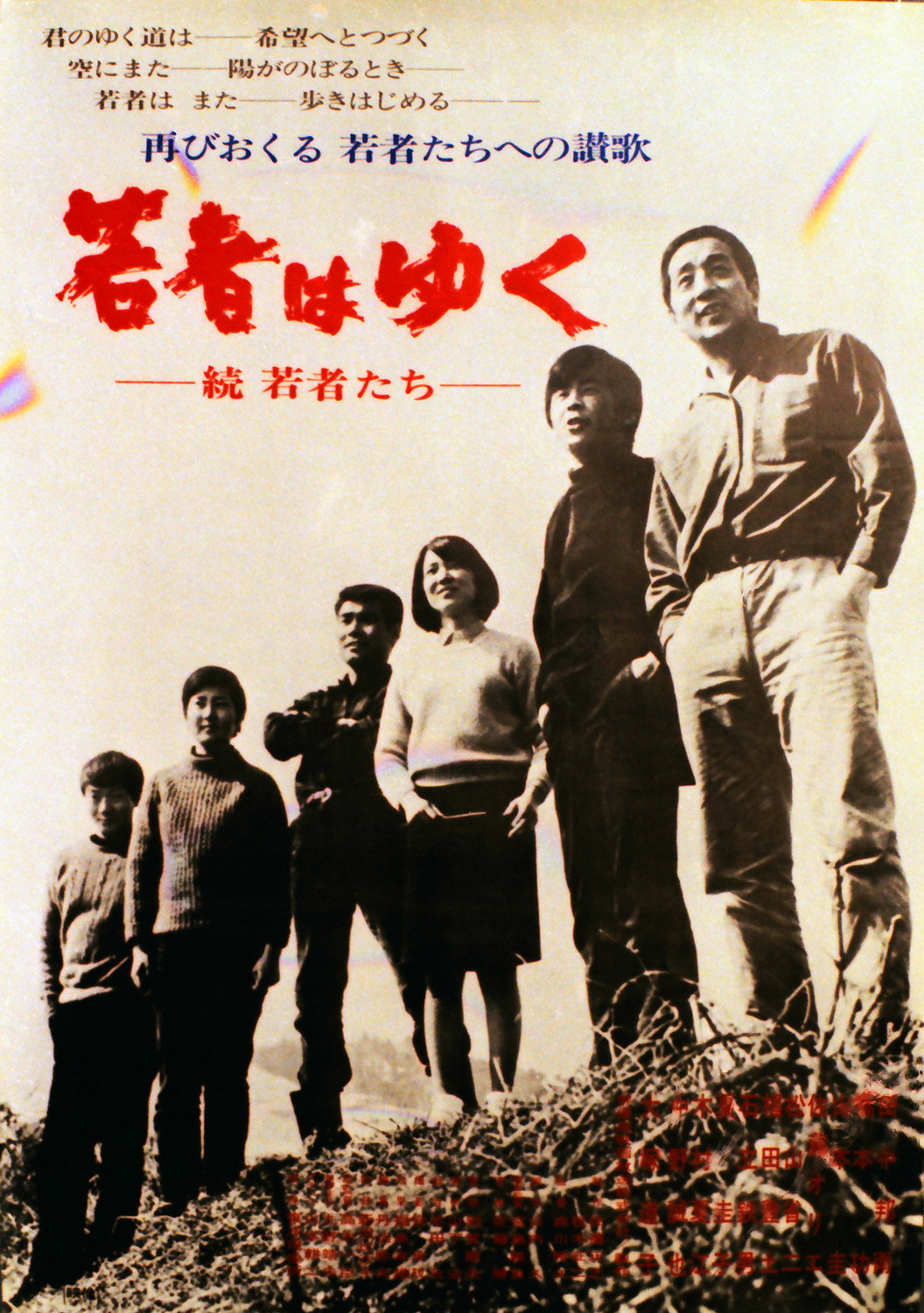
Forward, Young People! (1969) [Movie] IMDb TMDB
若者はゆく
other title: 若者はゆく
The second film tells about the life of matured brothers and sister Sato. Taro became a foreman. He saves every yen to fulfill his dream of building his own house with stone gates. Jiro continues to work in the transportation office, he dreams of getting married. Saburo faces a moral problem: in order to get a good position, he must answer the questions of the entrance test differently than his conscience tells him. At the exam, Saburo does not hide his views on life and is deprived of the promised position. Orie and Suekiti believe that he did wrong and betrayed his older brothers. But the anxiety in the Sato family is not limited to these events. Orie was being asked to marry a handsome, well-established young man, but she suddenly announced her decision to marry Tozaka, who was suffering from radiation sickness. Sato's peaceful home is falling apart...
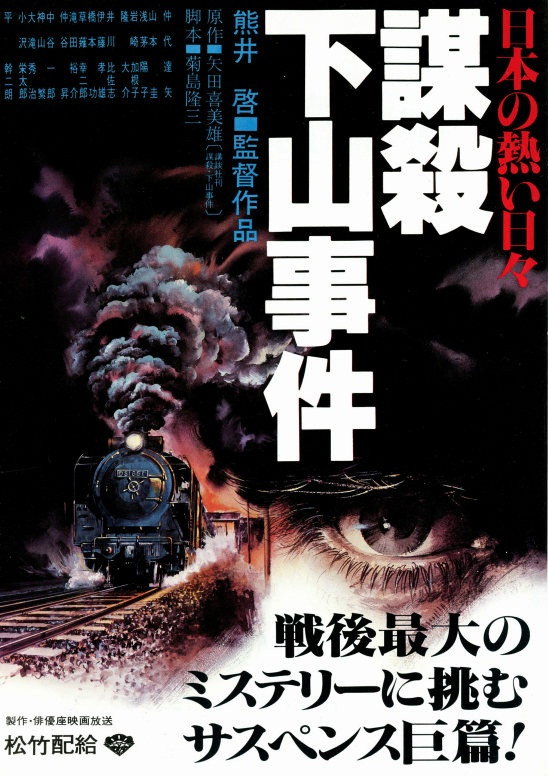
Willful Murder (1981) [Movie] IMDb TMDB
日本の熱い日々 謀殺・下山事件
director: Kei Kumai actor: Tatsuya Nakadai / Ichirō Nakatani
other title: L'Affaire Shimoyama / Willful murder
The president of the Japanese National Railways is found dead during a period in which train service is plagued by numerous layoffs, strikes and shutdowns. The government says that the president was murdered; the police claim it was a suicide. A quizzical reporter follows the case for years, but the basic question remains unanswered: was the victim killed by members of the burgeoning Communist movement in Japan, or was the death stage-managed by the authorities in hopes of discrediting the Communists?
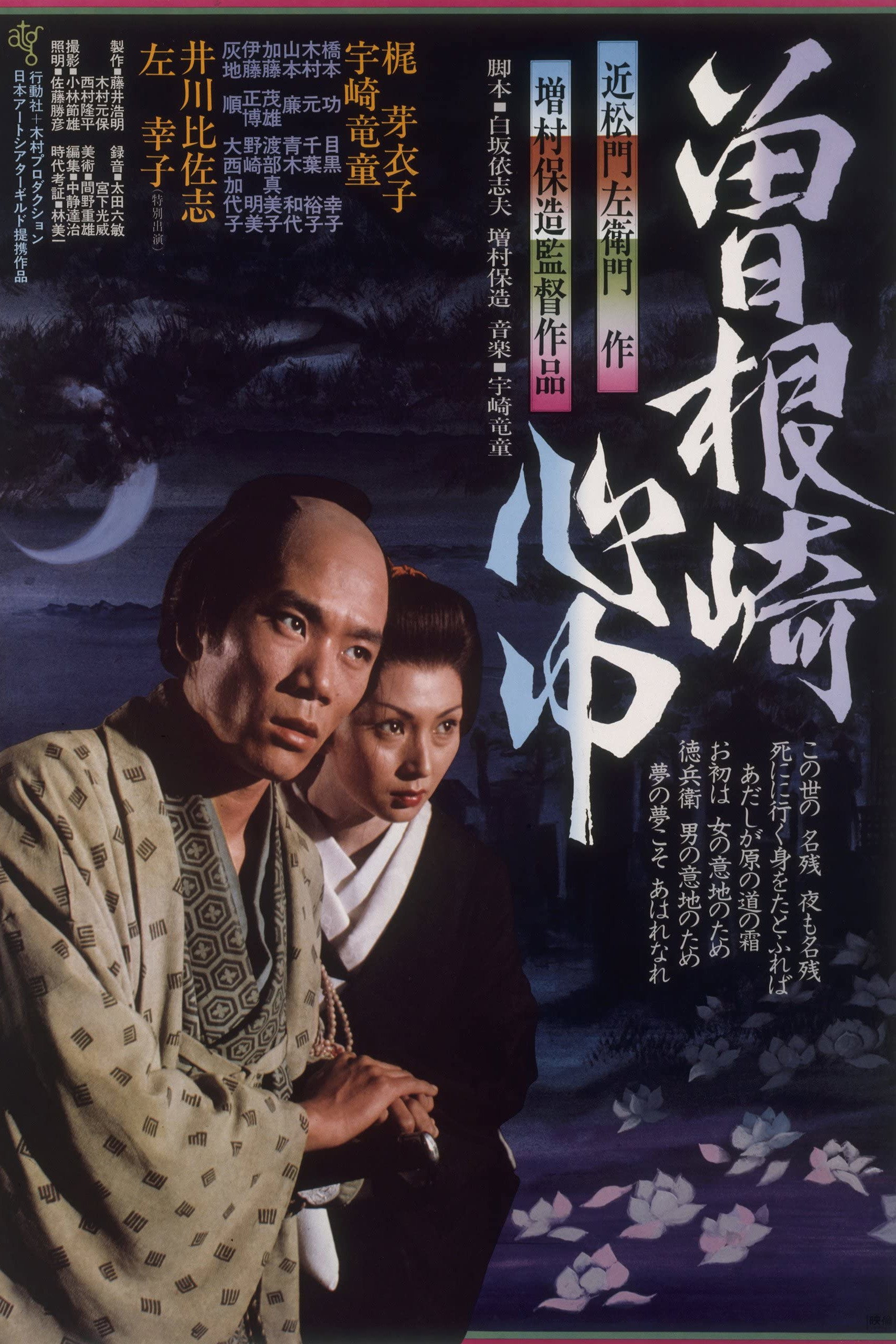
Double Suicide of Sonezaki (1978) [Movie] IMDb TMDB
曽根崎心中
director: Yasuzō Masumura actor: Meiko Kaji / Ryudo Uzaki
other title: Double suicide à Sonezaki / Doble suicidio en Sonezaki
Suicide has long been used as a form of social protest in Japan. In this film, set in 1703, samurai culture is being transformed by the emergence of a new merchant class. Elements of the social contract are beginning to unravel, and some unscrupulous people took undue advantage of these changes before the social order was re-created. In this story, a rich merchant gives his clerk an I.O.U. instead of wages. When the impoverished clerk presents the paper to the merchant at the agreed upon time asking for payment, the man flies into a rage and pretends he never wrote it and claims the clerk is trying to defraud him. Then he sets his henchmen on the clerk to administer a beating.