My favorite games

50 games  

My all-time favorite games from decades of gaming, ordered more or less from favorite to least favorite.

Game

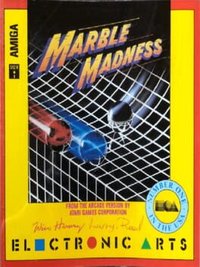
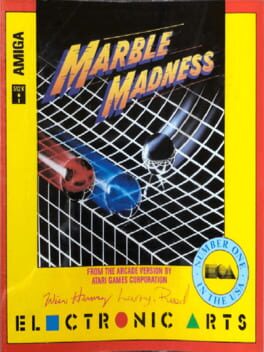
Marble Madness IGDB NeoDB
1986-12-31
genre: Puzzle / Arcade platform: Amiga developer: Atari Games publisher: Electronic Arts
The idea of this arcade game is deceptively simple: Guide a marble down a path without hitting any obstacles or straying off the course. The game is viewed from an isometric perspective, which makes it harder to stay focused on the direction the ball is to follow. There are tight corridors to follow and enemies to avoid. There is a 2-player mode in which players must race to the finish; otherwise you're racing against the clock.
Game

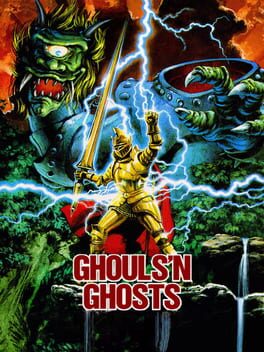
Ghouls 'n Ghosts IGDB NeoDB
1989-08-03
genre: Platformer platform: Genesis/Mega Drive developer: Capcom publisher: Capcom
Ghouls 'n Ghosts is a side-scrolling action platform game developed by Capcom and released as an arcade game in 1988, and subsequently ported to a number of other platforms. It is the sequel to Ghosts 'n Goblins and the second game in the Ghosts 'n Goblins series.

Game

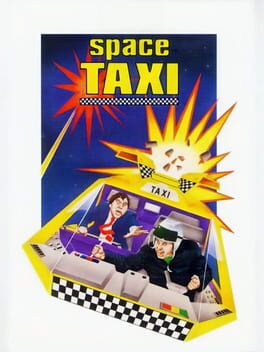
Space Taxi IGDB NeoDB
1984-12-31
genre: Platformer / Arcade platform: Commodore C64 / 128 / MAX publisher: Muse Software
Space Taxi is a 1984 arcade-style game where players control a flying taxi, ferrying passengers between various pads across 25 unique levels. Each level presents different obstacles and challenges to navigate. The game mechanics revolve around time management and fuel conservation, as players earn more money for quicker deliveries and must avoid running out of fuel to prevent crashing. The space-themed setting and taxi service concept combine to create a distinctive gameplay experience.

Game

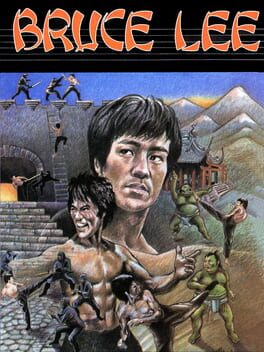
Bruce Lee IGDB NeoDB
1984-09-01
genre: Fighting / Platformer platform: DOS / Commodore C64 / 128 / MAX / Amstrad CPC … developer: Datasoft, Inc. publisher: U.S. Gold
Bruce Lee is a video game designed by Ron J. Fortier, with graphics by Kelly Day and music by John A. Fitzpatrick. It was originally developed for the Atari 8-bit family and published in 1984 by Datasoft, along with a port for the Commodore 64. The game was converted to the ZX Spectrum and Amstrad CPC and published by U.S. Gold in the same year. An MSX version was published in 1985 by Comptiq.

Bruce Lee is a platform game/beat 'em up hybrid, in which the player controls Bruce Lee.

Game

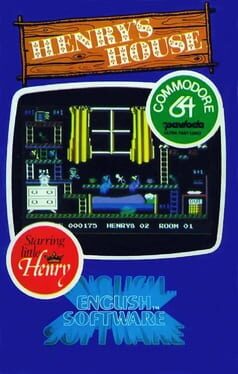
Henry's House IGDB NeoDB
1984-10-01
genre: Platformer platform: Commodore C64 / 128 / MAX / Atari 8-bit publisher: Mastertronic
In this platformer, the player has to guide Henry through the numerous rooms of his house. Each room is a screen-sized level filled with deadly household-items such as toothbrushes, teapots, flying toast or coffee machines. Touching one of these objects or falling from too high kills Henry. The goal of each room is to reach the exit, however, before the exit opens up, Henry has to collect a key and all items that are spread throughout the level. In order for a key to appear, Henry usually has to collect a special item that sometimes adds more obstacles to a room.

Game

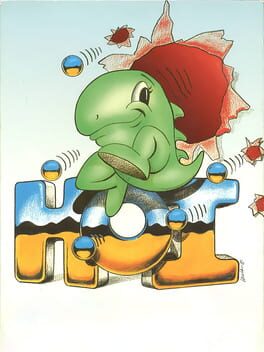
Hoi IGDB NeoDB
1992-12-31
genre: Platformer platform: Amiga publisher: Hollyware Entertainment
Hoi is a side-scrolling platformer featuring a small, dinosaur-like protagonist. Players navigate through vibrant, hazard-filled levels while avoiding enemies.

Game

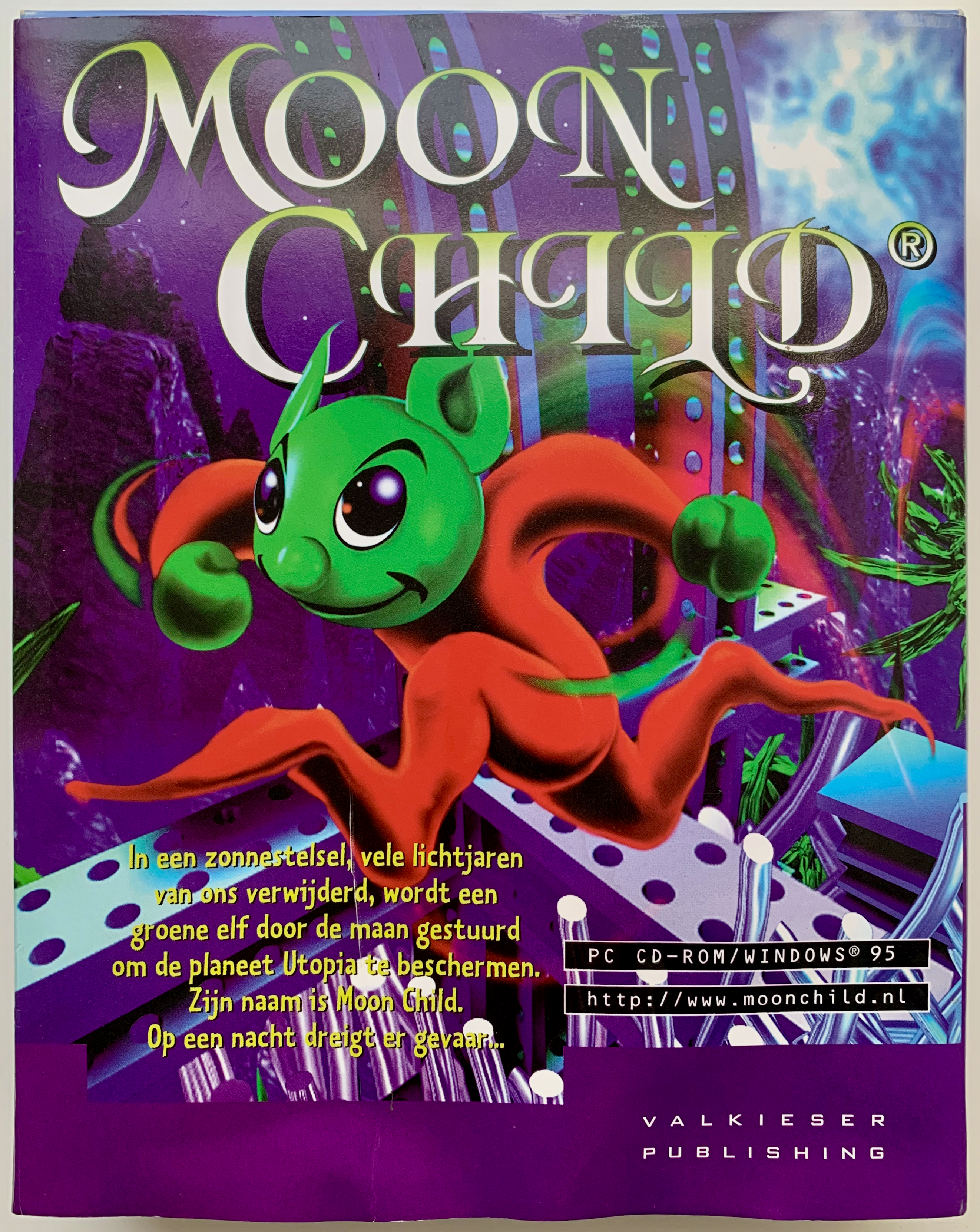
Moon Child NeoDB
genre: Platform game platform: Windows 95 / 98 developer: Reinier van Vliet publisher: Valkieser Publishing
Moon Child is a platform action game released in 1997 on CD-ROM for Windows 95/98, created by Team Hoi, existing of Reinier van Vliet (game design and coding), Metin Seven (game design and graphics) and Ramon Braumuller (sound effects and music).

From 1995 to 1997, Reinier and Metin ran a semi-autonomous game development department, employed by the Dutch multimedia company Valkieser. Ramon was hired as a freelancer to take care of the music and sound effects.

Moon Child was officially released in the Netherlands in 1997, on CD-ROM in a box. But shortly after the release, Valkieser experienced a financial setback due to a failed investment in Philips CD-i authoring systems and software. This caused the publishing department to be discontinued before Moon Child was released internationally.

Years later, Moon Child turned out to have been spread around the world in the piracy circuit, and Metin still receives e-mails every now and then from people around the world who express fond memories of playing Moon Child as a kid.

Moon Child development initially started on the Commodore Amiga (Advanced Graphics Architecture models), and featured the Hoi character from Team Hoi's previous Amiga platform game (1992) as an automated sidekick. The developers planned to turn Moon Child into a semi-sequel to Hoi. But Commodore went bankrupt in 1994, and Valkieser demanded a reboot of Moon Child for Windows PCs for understandable commercial viability reasons. A demo of the initial Moon Child AGA Amiga version is included among the available files.

Reinitiating Moon Child for Windows made it possible to go for an unusually high resolution for games in the mid-1990s: 640 x 480 pixels, enabling more detailed graphics.

Game

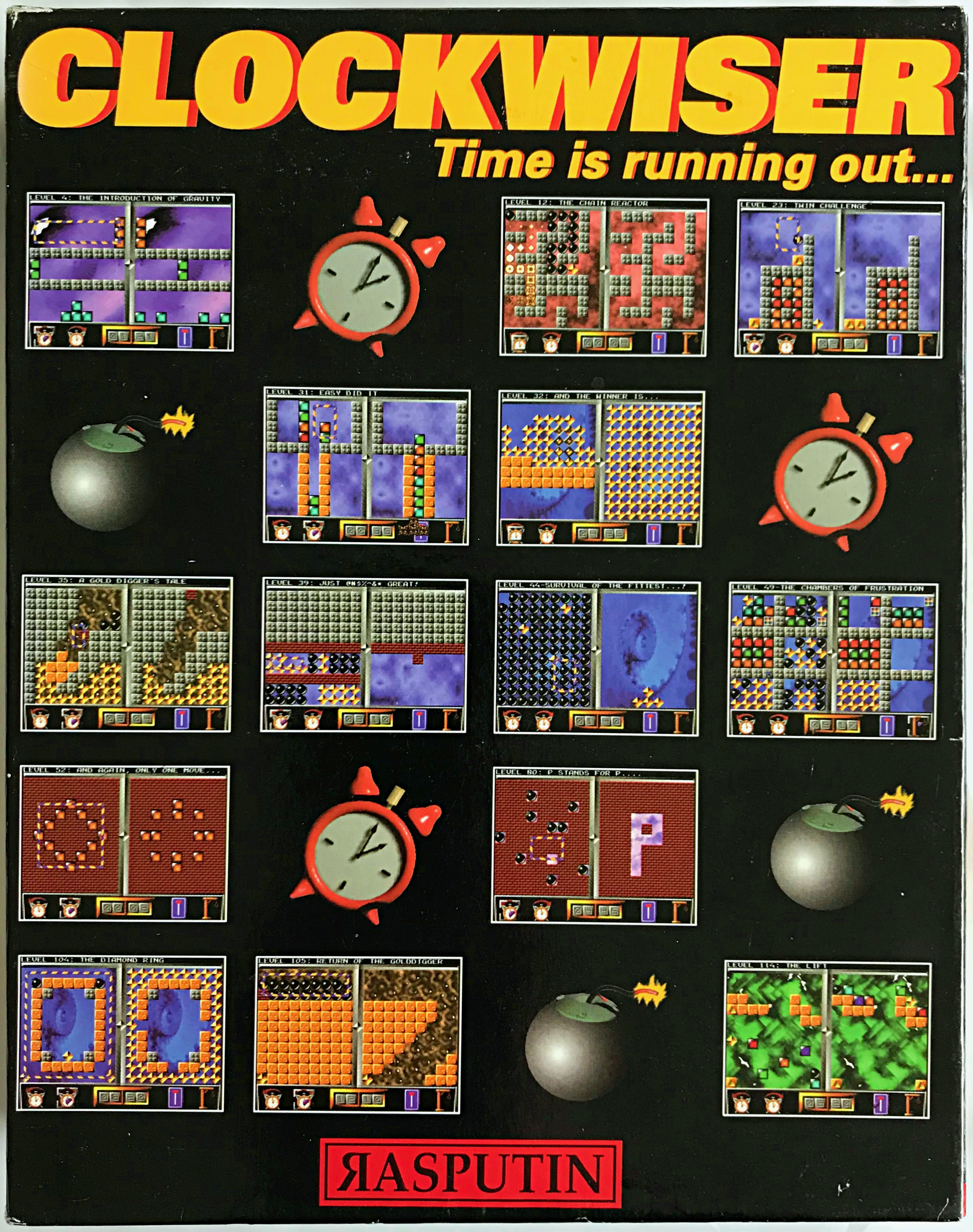
Clockwiser NeoDB
genre: Puzzle game platform: Amiga / CD32 / MS-DOS / Windows / Android developer: Reinier van Vliet publisher: Rasputin
Clockwiser is a puzzle game, developed by Team Hoi. It was published in 1994 by Rasputin Software.

There are over hundred levels, which consist of various arrangements of blocks. Each level is divided into two sections, an active one on the left and a static one on the right. The player's task is to make the section on the left look exactly like the one on the right. The player cannot move individual blocks directly; instead, the player can select a rectangle-shaped group of blocks and move them along the rectangle's edge, either clockwise or counterclockwise. The blocks are subject to gravity, so moving a block on top of empty space makes it fall down. On later levels, various other objects come into play, such as metal blocks that can't be moved, teleporters, and bombs which destroy blocks they fall on.

Game

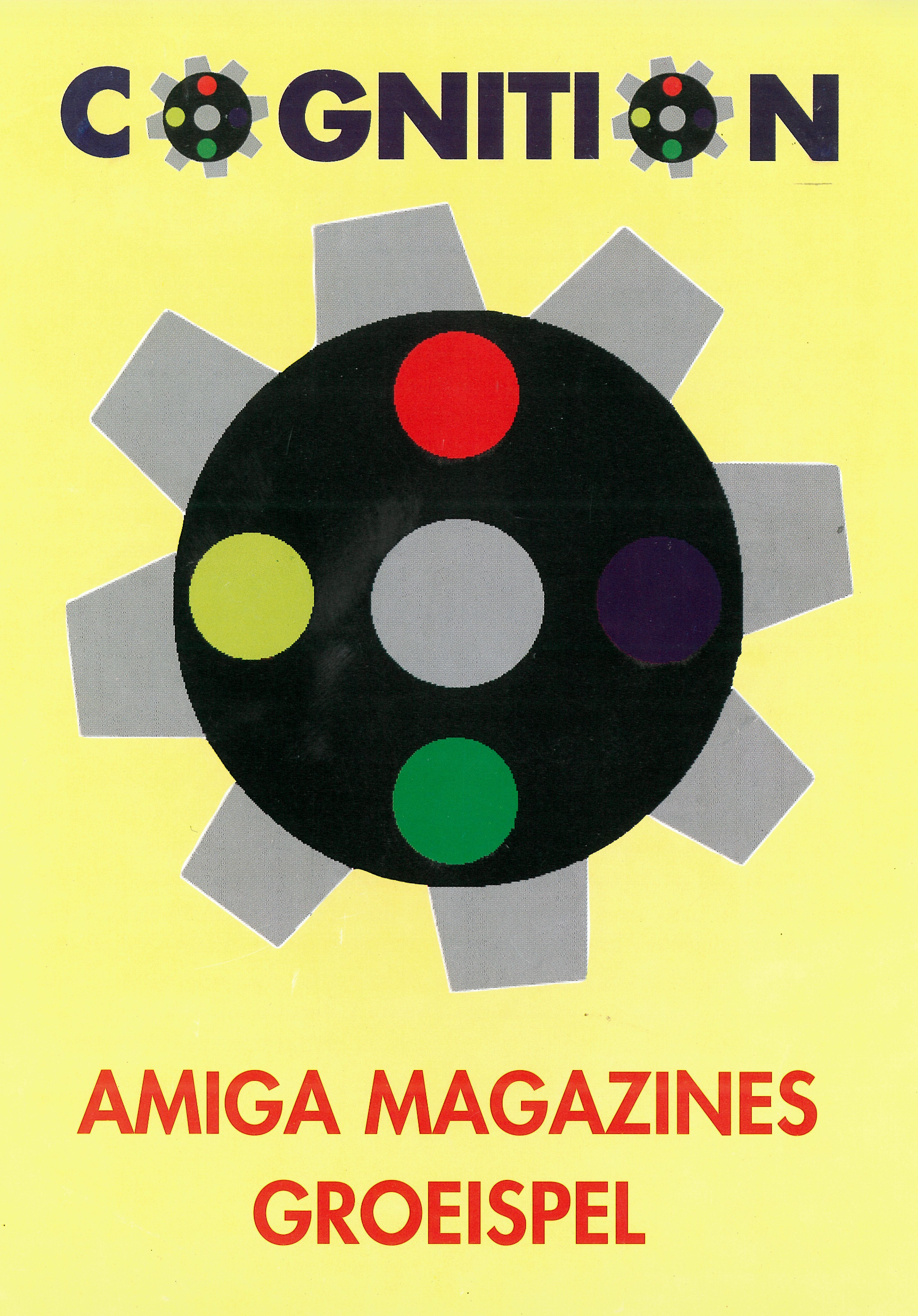
Cognition NeoDB
genre: Puzzle game platform: Amiga developer: Reinier van Vliet
Cognition is an Amiga puzzle game developed by the Dutch Team Hoi, published by Divo Publishing in 1994, as an exclusive offer for readers of the Dutch Amiga Magazine.

The aim is to match colored gems by turning cogwheels.

Game

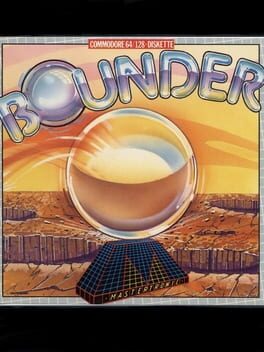
Bounder IGDB NeoDB
1985-12-31
genre: Platformer / Strategy … platform: Windows / Commodore C64 / 128 / MAX / Amstrad CPC … developer: Gremlin Graphics Software Ltd. publisher: Gremlin Graphics Software Ltd.
The player controls a tennis ball which is used to navigate courses, composed of numerous tiles, which are suspended high above ground. The ball must be bounced past walls and over enemies; coming into contact with either, or plummeting over the edge of the course, results in the loss of one of the player's seven lives.

Courses feature power squares, which push the tennis ball forward and allow longer jumps, these must be utilized to complete the course. Power squares are also used to enable the tennis ball to reach mystery spaces, tiles with question marks, which contain extra lives and bonus jumps which are used on bonus screens. Mystery spaces can also destroy the tennis ball, resulting in the loss of a life, through instant destruction or by freezing the ball in place while a missile flies across the play area and explodes.

Game

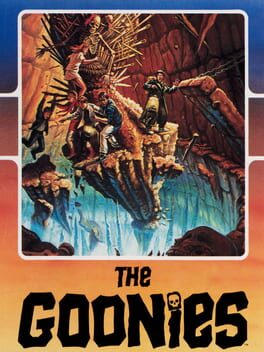
The Goonies IGDB NeoDB
1985-12-31
genre: Platformer / Arcade platform: Commodore C64 / 128 / MAX / Amstrad CPC / ZX Spectrum … developer: Datasoft, Inc. publisher: U.S. Gold
The Goonies is based on the Steven Spielberg film of the same name.

The game is divided into a series of eight screens based on scenes from the film, each of which contains puzzles that must be solved by coordinating the activities of two of the kids from the Goonies (and in the last screen, the elephant-man-like Sloth) without getting killed by deadly bats, homicidal Fratellis, flying demon-skull thingies, or other environmental hazards.

The Goonies are a group of kids or youths. Everything starts with an unscrupulous property shark who wants to purchase the kids' housing complex and the parents lack the money that is needed to prevent the pending sequestration.

In the house of their leader Mikey the group makes an unusual discovery. They find a treasure map which is supposed to lead to the hideout of "One-eyed Willie", a pirate.

Mikey can convince his friends to go for a treasure hunt. This starts in an abandoned restaurant. The evil Fratellis have settled in there. So after all Goonies, except for Chunk who is supposed to call the police, have entered a system of catacombs through a manhole in the restaurant, the adventure really begins. So the kids do not only have to beware of mean traps and bats, but also of Mama Fratelli.

Game

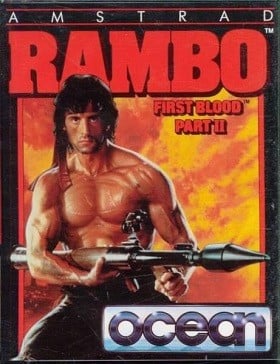
Rambo: First Blood Part II Bangumi NeoDB
other title: 第一滴血 / Rambo
platform: Amstrad CPC / Commodore 64 / ZX Spectrum
Rambo (stylized on-screen as Rambo: First Blood Part II) is a 1985 video game based on the film Rambo: First Blood Part II (1985). The game was designed by David Collier and Tony Pomfret with the ZX Spectrum version converted by Platinum Productions.

The Commodore 64 version's music is by Martin Galway from Northern Ireland, incorporating melodies from the film's score. The Amstrad CPC version's music was played and recorded live by Choice Software's in-house programmer/designer/musician James Edward Cosby also from Northern Ireland, using a Yamaha DX7 synthesiser via the then new MIDI serial comms protocol.

Several other games based on the film were also released, including Rambo for the Nintendo Entertainment System, and Rambo: First Blood Part II for the Master System.

Game

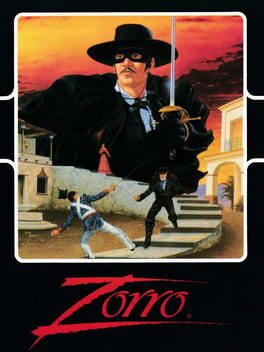
Zorro IGDB NeoDB
1985-12-31
genre: Platformer / Puzzle platform: Commodore C64 / 128 / MAX / Amstrad CPC / ZX Spectrum … developer: Datasoft, Inc. publisher: U.S. Gold
A swashbuckling adventure with an emphasis on puzzling. Programmed by James Garon and published in 1985 by Datasoft.

Team up with Zorro, Johnston McCulley's legendary masked crusader for justice and freedom!

Travel back and forth between the screents to reach your objective: rescue a pretty señorita from the clutches of wicked Sergeant Garcia.

Help Zorro search for crucial items that enable him to reach the Fort where the señorita is held captive. The "key" to the solution is in the Olé 6 Hotel.

Grab your sword, don your mask and cape and get ready to make the mark of the Z!

Game

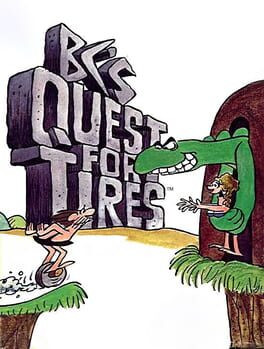
B.C.'s Quest for Tires IGDB NeoDB
1983-12-31
genre: Platformer platform: DOS / Commodore C64 / 128 / MAX / ZX Spectrum … developer: Sydney Development Corp. publisher: Toshiba-EMI
Cute Chick is in trouble! She is being held captive by the dinosaur, and it is up to Thor to ride his trusty wheel to the rescue. There are many obstacles in the way which Thor will need to jump and duck, including rocks, trees, rivers, lava pits, cliffs, and of course Fat Broad. When you duck, the character bounces up and down, so don't duck too soon. BC's Quest For Tires is a side scrolling action game resembling Moon Patrol in some ways, featuring characters from the comic strip BC.

Game

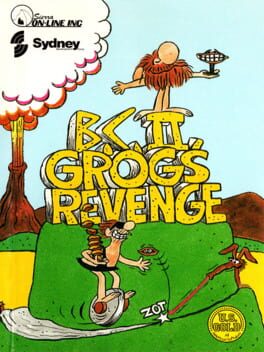
B.C. II: Grog's Revenge IGDB NeoDB
1984-12-31
genre: Platformer / Racing platform: Commodore C64 / 128 / MAX / MSX / ColecoVision developer: Sydney Development Corp. publisher: Erbe Software
Thor has completed his Quest for Tires. Now he must discover the Meaning of Life. But it won't be easy. The Meaning of Life is hidden away; somewhere in a long maze of mountains.

Each mountain is covered with clams and Thor needs to gather 100 clams in order to pay the tolls and advance through each mountain. The only way to Peter and the toll bridge is through the "real scary caves". There are lots of clams in the caves but watch out for stalagmites. Keep Thor's headlight sweeping back and forth for maximum clams.

Out of the cave, watch out for Grog, who saves clams from Thor. Thor also has contend with rocks, potholes and pterodactyls (they'll eat his wheel) in his Quest for Clams and the Meaning of Life.

Game

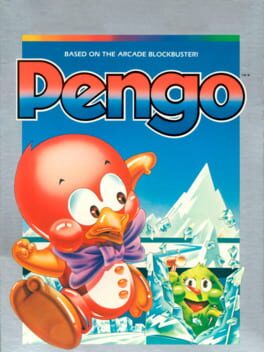
Pengo IGDB NeoDB
1982-09-26
genre: Puzzle / Arcade platform: Sega Game Gear / Arcade / Legacy Mobile Device / Atari 2600 / Atari 8-bit … developer: Codeten publisher: Sega Enterprises, Ltd.
The player controls Pengo, a red penguin that resides in the Antarctic. The game takes place in an overhead maze made of ice blocks, where Pengo fights the trolling, blob-like Sno-Bees. The objective of the game is for Pengo to survive a series of rounds by eliminating all Sno-Bees, while amassing bonuses by bringing together the three diamonds dispersed in the maze.

Game

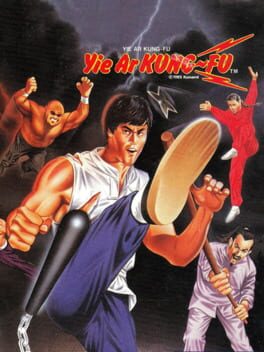
Yie Ar Kung-Fu IGDB NeoDB
1984-10-25
genre: Fighting / Arcade platform: Wii / Xbox 360 / Commodore C64 / 128 / MAX … developer: Konami publisher: Imagine Software
Yie Ar Kung-Fu is a 1985 fighting game developed and published by Konami. Along with 1984's Karate Champ, which influenced Yie-Ar Kung Fu, it is one of the games that established the basis for modern fighting games.

Game

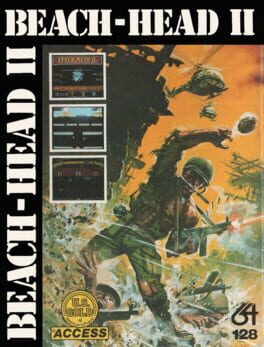
Beach-Head II IGDB NeoDB
1985-12-31
genre: Shooter / Arcade platform: Commodore C64 / 128 / MAX / Amstrad CPC / ZX Spectrum … developer: Access Software publisher: U.S. Gold
Beach-Head II features the player pursuing the eponymous Dictator in several ways. There are four levels in the game. In the first level, called Attack, the player deploys soldiers along a path with walls to cover him from the dictator's gun. The objective is to destroy the gun. The second level involves rescuing the prisoners from deadly obstacles by clearing them with a gun. The third level's objective is to escape from the area by flying a helicopter with the prisoners out of the dictator's fortress. Finally the player and the dictator face off, on opposite cliffs, separated by water. To defeat him, the player must make him fall in the water by throwing knives at him. The Dictator tries to do the same to the player.

Game

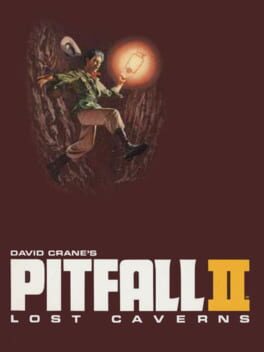
Pitfall II: The Lost Caverns IGDB NeoDB
1984-02-17
genre: Platformer / Arcade platform: DOS / Commodore C64 / 128 / MAX / ZX Spectrum … developer: Activision publisher: Tandy
Pitfall II: The Lost Caverns is the sequel to Pitfall and was released for a variety of systems during the mid-1980s including the SG-1000 in 1985. It was also ported to Sega System 1 arcade hardware by Sega. Gameplay is similar to the original game, but the levels are more maze-like.

Sega's version of Pitfall II was tweaked significantly from its western counterparts released for the Atari 2600, ColecoVision etc. The gameplay is largely the same, but there are many additions. These include a Lives system, mine-carts, balloons, and a final Demon boss. The increased specifications of System 1 hardware means the arcade version is much more detailed and allows the player to see more of the maze at one time. The SG-1000 version is directly inspired by the arcade game, and though cannot match the same level of graphical quality, it is arguably the nicest looking home port of the game.

Game

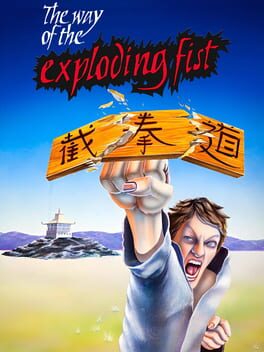
The Way of the Exploding Fist IGDB NeoDB
1985-12-31
genre: Fighting / Sports platform: Commodore C64 / 128 / MAX / Amstrad CPC / ZX Spectrum … developer: Beam Software publisher: Ricochet
Discover Kung-Fu: The Way of the Exploding Fist (also known as Way of the Exploding Fist, The Way of the Exploding Fist), an excellent game of 1985 runnable on Amstrad CPC system. With side view, fixed / flip-screen perspective, the publisher Melbourne House had wonderful ideas around fighting, martial arts.
Reply Quote March 16, 2026