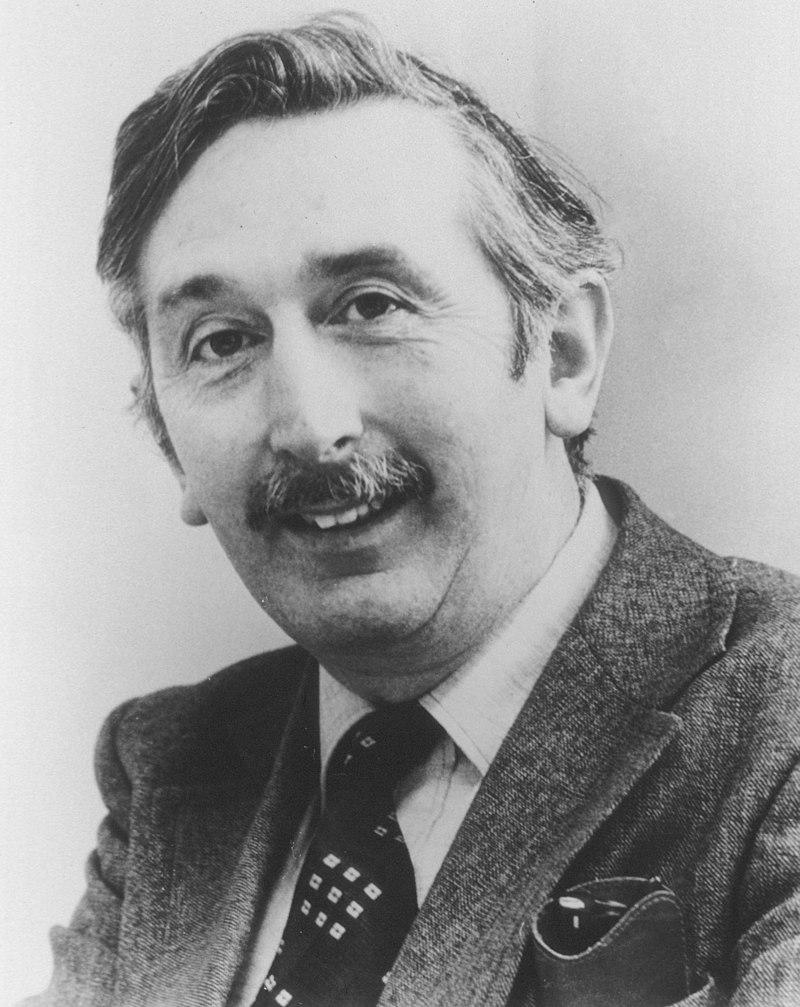
<p>British electrical engineer Godfrey Hounsfield died <a href="/tags/otd/" rel="tag">#OTD</a> in 2004.</p><p>He shared the 1979 Nobel Prize for Physiology or Medicine with Allan MacLeod Cormack for his part in developing the diagnostic technique of X-ray computed tomography (CT). His name is immortalised in the Hounsfield scale, a quantitative measure of radiodensity used in evaluating CT scans.</p><p><a href="https://en.wikipedia.org/wiki/Godfrey_Hounsfield" rel="nofollow" class="ellipsis" title="en.wikipedia.org/wiki/Godfrey_Hounsfield"><span class="invisible">https://</span><span class="ellipsis">en.wikipedia.org/wiki/Godfrey_</span><span class="invisible">Hounsfield</span></a></p><p>His patent showed in the figure is avaliable here:<br><a href="https://patents.justia.com/patent/4115698" rel="nofollow" class="ellipsis" title="patents.justia.com/patent/4115698"><span class="invisible">https://</span><span class="ellipsis">patents.justia.com/patent/4115</span><span class="invisible">698</span></a></p><p><a href="/tags/science/" rel="tag">#science</a> <a href="/tags/physics/" rel="tag">#physics</a> <a href="/tags/medicalimages/" rel="tag">#medicalimages</a></p>
Edited 1y ago
<p>Don't cross the streams!</p><p>All four 8 m units of ESO's Very Large Telescope are now equipped with lasers, as part of the GRAVITY+ upgrade of the VLT Interferometer.</p><p>These telescopes can work together as a gigantic "virtual" telescope. But combining their beams requires, among other things, bright reference stars, which are scarce. The lasers create artificial stars high up in the atmosphere, solving that problem.</p><p>We tell you all about it here: <a href="https://www.youtube.com/watch?v=TzK1B3VU1L8" rel="nofollow" class="ellipsis" title="www.youtube.com/watch?v=TzK1B3VU1L8"><span class="invisible">https://</span><span class="ellipsis">www.youtube.com/watch?v=TzK1B3</span><span class="invisible">VU1L8</span></a></p><p><a href="/tags/astronomy/" rel="tag">#astronomy</a> <a href="/tags/science/" rel="tag">#science</a> <a href="/tags/space/" rel="tag">#space</a></p>
Edited 147d ago
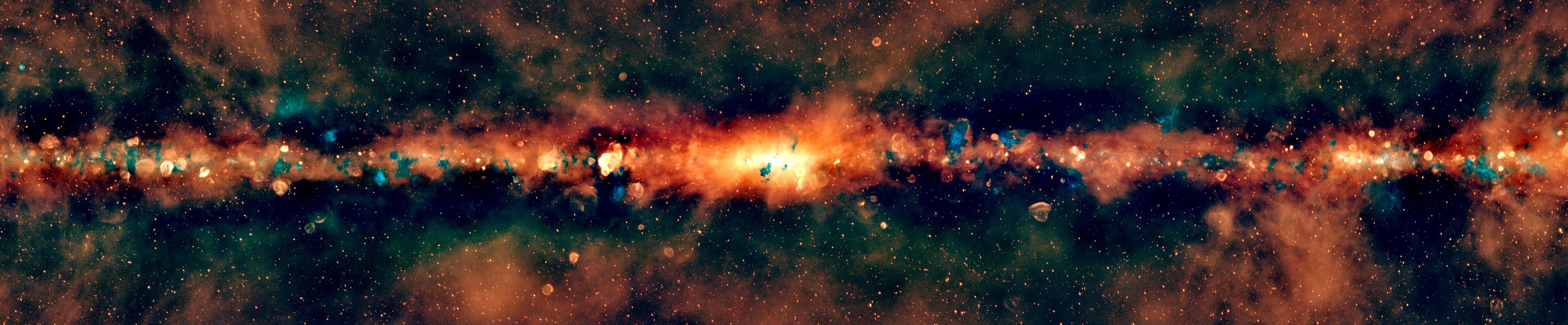
<p>This is what the band of the Milky Way would look like at night if your eyes could see radio waves. A hidden beauty.</p><p>It's a new image created by the Murchison Widefield Array, which scanned the sky in 20 radio "colors" over frequencies from 72 to 231 megahertz. </p><p><a href="https://www.icrar.org/gleam-x-galactic-plane/" rel="nofollow" class="ellipsis" title="www.icrar.org/gleam-x-galactic-plane/"><span class="invisible">https://</span><span class="ellipsis">www.icrar.org/gleam-x-galactic</span><span class="invisible">-plane/</span></a> <a href="/tags/space/" rel="tag">#space</a> <a href="/tags/science/" rel="tag">#science</a> <a href="/tags/nature/" rel="tag">#nature</a> <a href="/tags/tech/" rel="tag">#tech</a></p>
<p>Experts believe it’s only a matter of time until we find intelligent extraterrestrial life. With new tools and technologies, we search more of the cosmos every day. But what happens when we detect ET? How will we interact? What will we say? A scientist, a poet, and a science communicator explore these questions, grounding their perspectives in science. </p><p>Vote for our <a href="/tags/sxsw2025/" rel="tag">#SXSW2025</a> PanelPicker proposal: <a href="https://buff.ly/3yJB4ak" rel="nofollow"><span class="invisible">https://</span>buff.ly/3yJB4ak</a></p><p><a href="/tags/seti/" rel="tag">#seti</a> <a href="/tags/meti/" rel="tag">#meti</a> <a href="/tags/science/" rel="tag">#science</a> <a href="/tags/arewealone/" rel="tag">#arewealone</a></p>
<p>Next time you catch yourself saying: 'Fuck. That was stupid. Why did I do that?'</p><p>--- rewrite it: ---</p><p>'Fuck. That was thoughtless. Why did I do that?'</p><p>Then it becomes a problem you can work on vs. a reprimand from a shitty boss. </p><p>Be kind to yourself.</p><p><a href="/tags/kindness/" rel="tag">#kindness</a> <a href="/tags/selfcare/" rel="tag">#selfcare</a> <a href="/tags/health/" rel="tag">#health</a> <a href="/tags/mentalhealth/" rel="tag">#mentalhealth</a> <a href="/tags/psychology/" rel="tag">#psychology</a> <a href="/tags/science/" rel="tag">#science</a> <a href="/tags/alttext/" rel="tag">#alttext</a> <a href="/tags/art/" rel="tag">#art</a> <a href="/tags/photography/" rel="tag">#photography</a></p>
<p>Bananas are at risk of extinction, but scientists have a plan. 🍌 </p><p>From <span class="h-card"><a href="https://universeodon.com/@popsci" class="u-url mention" rel="nofollow noopener noreferrer" target="_blank">@<span>popsci</span></a></span>: A fungus that can infect over 100 different plants is devastating the popular fruit.</p><p><a href="https://flip.it/GPmKJH" rel="nofollow"><span class="invisible">https://</span>flip.it/GPmKJH</a></p><p><a href="/tags/bananas/" rel="tag">#Bananas</a> <a href="/tags/food/" rel="tag">#Food</a> <a href="/tags/climatechange/" rel="tag">#ClimateChange</a> <a href="/tags/climate/" rel="tag">#Climate</a> <a href="/tags/agriculture/" rel="tag">#Agriculture</a> <a href="/tags/botany/" rel="tag">#Botany</a> <a href="/tags/science/" rel="tag">#Science</a></p>
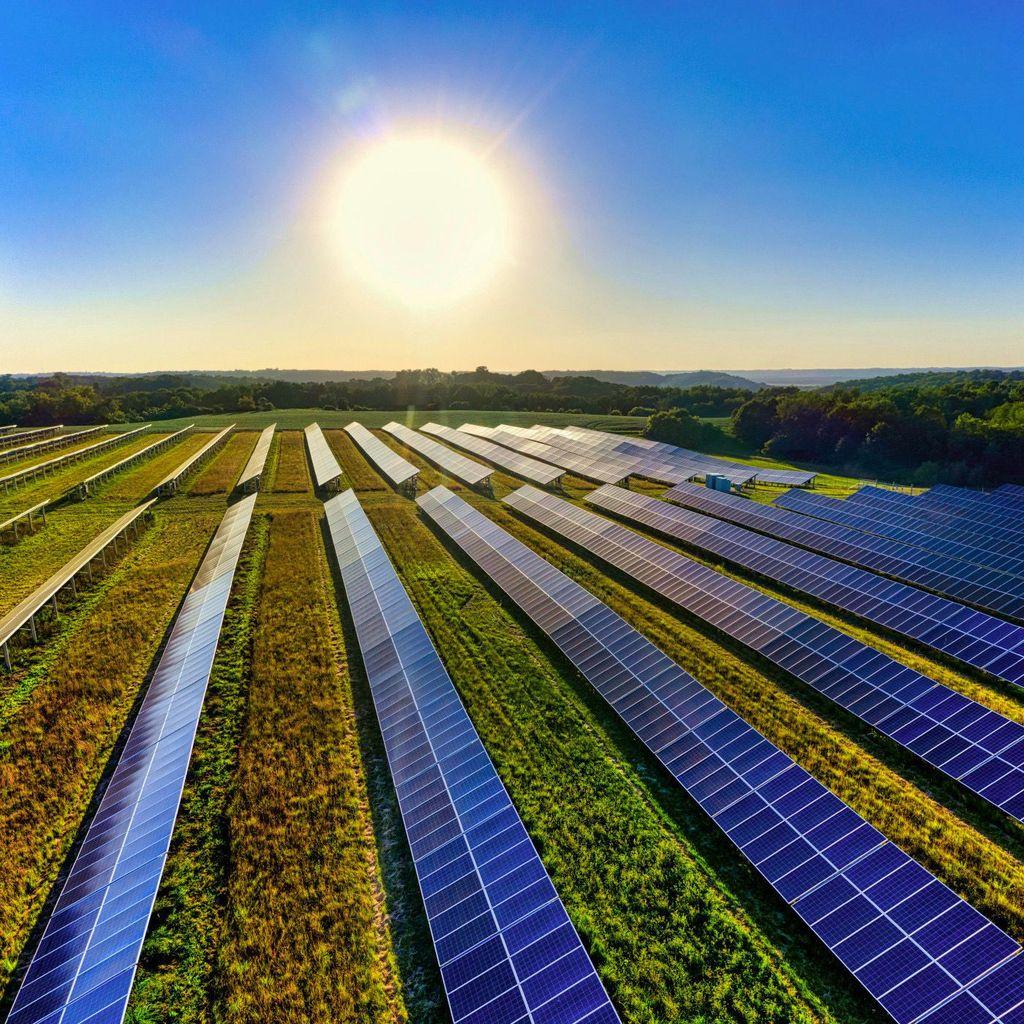
<p>Want good news on the climate front? The world is making immense strides in harnessing solar energy. Some of the leaders might surprise you (we see you, Texas!) This week, author Bill McKibben on our sunnier future on Big Picture Science. </p><p>Listen here: <a href="https://bigpicturescience.org/episodes/solar-good" rel="nofollow" class="ellipsis" title="bigpicturescience.org/episodes/solar-good"><span class="invisible">https://</span><span class="ellipsis">bigpicturescience.org/episodes</span><span class="invisible">/solar-good</span></a></p><p><a href="/tags/science/" rel="tag">#science</a> <a href="/tags/podcast/" rel="tag">#podcast</a> <a href="/tags/climatechange/" rel="tag">#climatechange</a></p>
<p>The SETI Institute recently hosted the Joint IRIS and MUSE Science Team Meeting, bringing together more than 50 solar physicists from around the world for an intensive week of collaboration and discovery.</p><p>During the meeting, scientists exchanged ideas and compared state-of-the-art models with real solar observations to deepen understanding of the complex processes driving solar dynamics and heating. </p><p>Learn more: <a href="https://www.seti.org/news/seti-institute-hosts-joint-iris-muse-solar-science-team-meeting/" rel="nofollow" class="ellipsis" title="www.seti.org/news/seti-institute-hosts-joint-iris-muse-solar-science-team-meeting/"><span class="invisible">https://</span><span class="ellipsis">www.seti.org/news/seti-institu</span><span class="invisible">te-hosts-joint-iris-muse-solar-science-team-meeting/</span></a></p><p><a href="/tags/space/" rel="tag">#space</a> <a href="/tags/science/" rel="tag">#science</a></p>
<p>This week, we've featured several amazing tech and science voices from the Mastodon community on Flipboard!</p><p>In case you missed the news, you can now follow anyone from the fediverse in the Flipboard app. We're excited to introduce our readers to people in the Mastodon community, including <span class="h-card"><a href="https://infosec.exchange/@alyssam_infosec" class="u-url mention" rel="nofollow noopener noreferrer" target="_blank">@<span>alyssam_infosec</span></a></span>, <span class="h-card"><a href="https://wandering.shop/@annaleen" class="u-url mention" rel="nofollow noopener noreferrer" target="_blank">@<span>annaleen</span></a></span>, <span class="h-card"><a href="https://mastodon.social/@pomarede" class="u-url mention" rel="nofollow noopener noreferrer" target="_blank">@<span>pomarede</span></a></span>, <span class="h-card"><a href="https://scicomm.xyz/@HelenBranswell" class="u-url mention" rel="nofollow noopener noreferrer" target="_blank">@<span>HelenBranswell</span></a></span>, <span class="h-card"><a href="https://mastodon.social/@lisamelton" class="u-url mention" rel="nofollow noopener noreferrer" target="_blank">@<span>lisamelton</span></a></span>, <span class="h-card"><a href="https://ioc.exchange/@percepticon" class="u-url mention" rel="nofollow noopener noreferrer" target="_blank">@<span>percepticon</span></a></span>, <span class="h-card"><a href="https://mastodon.online/@parismarx" class="u-url mention" rel="nofollow noopener noreferrer" target="_blank">@<span>parismarx</span></a></span>, <span class="h-card"><a href="https://mas.to/@TatianaIlyina" class="u-url mention" rel="nofollow noopener noreferrer" target="_blank">@<span>TatianaIlyina</span></a></span>, <span class="h-card"><a href="https://wandering.shop/@skrishna" class="u-url mention" rel="nofollow noopener noreferrer" target="_blank">@<span>skrishna</span></a></span> and <span class="h-card"><a href="https://mastodon.social/@zackwhittaker" class="u-url mention" rel="nofollow noopener noreferrer" target="_blank">@<span>zackwhittaker</span></a></span>.</p><p>To follow these accounts on Flipboard, download the app and visit the Tech & Science tab in Explore. You'll see posts from the fediverse accounts you follow in the new Fediverse Activity carousel in the For You feed.<br><a href="https://about.flipboard.com/download-flipboard/" rel="nofollow" class="ellipsis" title="about.flipboard.com/download-flipboard/"><span class="invisible">https://</span><span class="ellipsis">about.flipboard.com/download-f</span><span class="invisible">lipboard/</span></a></p><p><a href="/tags/tech/" rel="tag">#Tech</a> <a href="/tags/science/" rel="tag">#Science</a> <a href="/tags/flipboard/" rel="tag">#Flipboard</a> <a href="/tags/mastodon/" rel="tag">#Mastodon</a> <a href="/tags/fediverse/" rel="tag">#Fediverse</a> <a href="/tags/socialmedia/" rel="tag">#SocialMedia</a> <a href="/tags/technology/" rel="tag">#Technology</a></p>
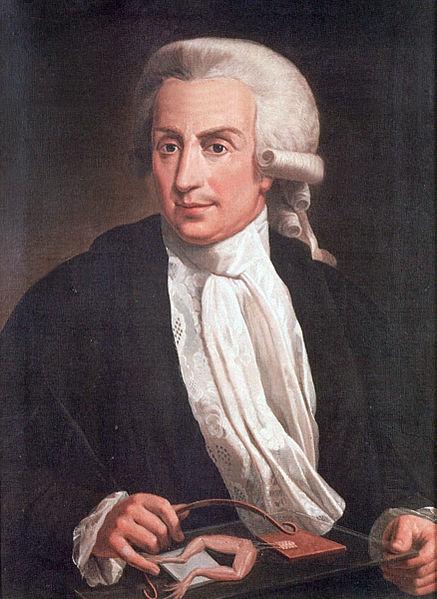
<p>Italian physician, physicist, biologist Luigi Galvani was born <a href="/tags/otd/" rel="tag">#OTD</a> in 1737.</p><p>In 1780, Galvani discovered that the muscles of dead frogs' legs twitched when struck by an electrical spark. Galvani's report of his investigations were mentioned specifically by Mary Shelley as part of the summer reading list leading up to an ad hoc ghost story contest on a rainy day in Switzerland—and the resultant novel Frankenstein—and its reanimated construct.</p><p><a href="https://en.wikipedia.org/wiki/Luigi_Galvani" rel="nofollow" class="ellipsis" title="en.wikipedia.org/wiki/Luigi_Galvani"><span class="invisible">https://</span><span class="ellipsis">en.wikipedia.org/wiki/Luigi_Ga</span><span class="invisible">lvani</span></a></p><p><a href="/tags/bioelectricity/" rel="tag">#bioelectricity</a> <a href="/tags/science/" rel="tag">#science</a></p>
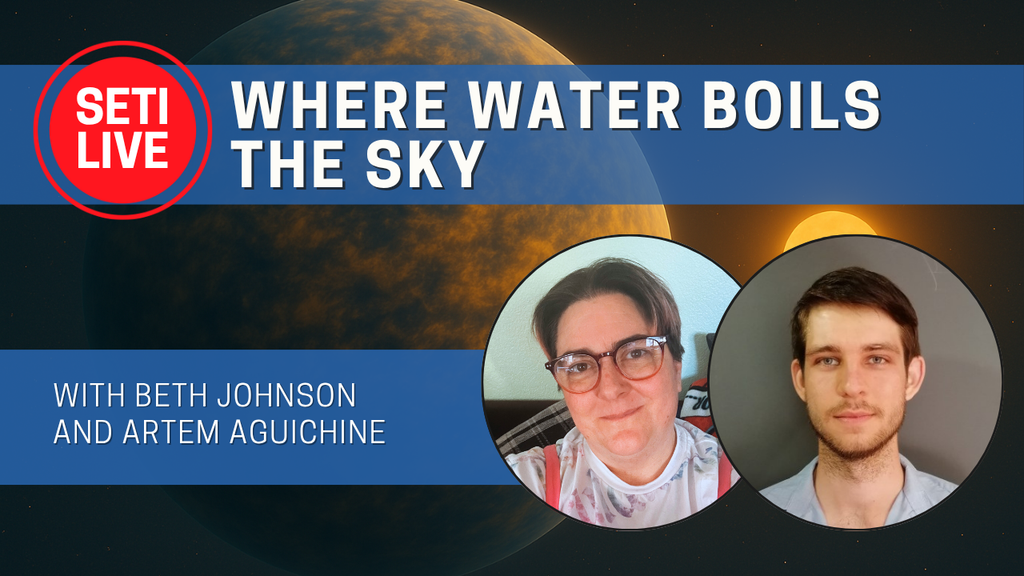
<p>Next <a href="/tags/setilive/" rel="tag">#SETILive</a>: Where Water Boils the Sky <br>TODAY, 13 November, 2:30 pm PST</p><p>Today, host Beth Johnson talks with Artem Aguichine (UCSC) about his new research modeling the interiors and atmospheres of steam worlds—a class of water-rich sub-Neptunes that could dominate our galaxy. With data from the JWST revealing steam signatures on distant planets, these models are helping scientists decode what’s really going on beneath the haze. </p><p>WATCH LIVE: <a href="https://youtube.com/live/nBpyGdXkuXo" rel="nofollow"><span class="invisible">https://</span>youtube.com/live/nBpyGdXkuXo</a> </p><p><a href="/tags/space/" rel="tag">#space</a> <a href="/tags/science/" rel="tag">#science</a></p>
<p>Danish noblewoman & horticulturalist Sophia Brahe was born <a href="/tags/otd/" rel="tag">#OTD</a> in 1559 (or 22 September 1556).</p><p>She played an essential role in assisting her brother, Tycho Brahe, with his astronomical observations. She worked alongside him at the Uraniborg observatory on the island of Hven, where they made some of the most precise measurements of planetary positions before the invention of the telescope. was deeply interested in horticulture, alchemy, & medicine.</p><p><a href="https://en.wikipedia.org/wiki/Sophia_Brahe" rel="nofollow" class="ellipsis" title="en.wikipedia.org/wiki/Sophia_Brahe"><span class="invisible">https://</span><span class="ellipsis">en.wikipedia.org/wiki/Sophia_B</span><span class="invisible">rahe</span></a></p><p><a href="/tags/science/" rel="tag">#science</a> <a href="/tags/astronomy/" rel="tag">#astronomy</a></p>
<p>English physicist and radio astronomer Bernard Lovell was born <a href="/tags/otd/" rel="tag">#OTD</a> in 1913.</p><p>He is best known for his contributions to the development of airbone radar (particularly on the magnetron) during World War II. He was also the founder of Jodrell Bank Observatory. The centerpiece of the observatory was the Lovell Telescope, completed in 1957. At the time, it was the largest steerable radio telescope in the world.</p><p><a href="https://en.wikipedia.org/wiki/Bernard_Lovell" rel="nofollow" class="ellipsis" title="en.wikipedia.org/wiki/Bernard_Lovell"><span class="invisible">https://</span><span class="ellipsis">en.wikipedia.org/wiki/Bernard_</span><span class="invisible">Lovell</span></a></p><p><a href="https://en.wikipedia.org/wiki/Lovell_Telescope" rel="nofollow" class="ellipsis" title="en.wikipedia.org/wiki/Lovell_Telescope"><span class="invisible">https://</span><span class="ellipsis">en.wikipedia.org/wiki/Lovell_T</span><span class="invisible">elescope</span></a></p><p><a href="/tags/radar/" rel="tag">#radar</a> <a href="/tags/astronomy/" rel="tag">#astronomy</a> <a href="/tags/science/" rel="tag">#science</a> <a href="/tags/technology/" rel="tag">#technology</a></p>
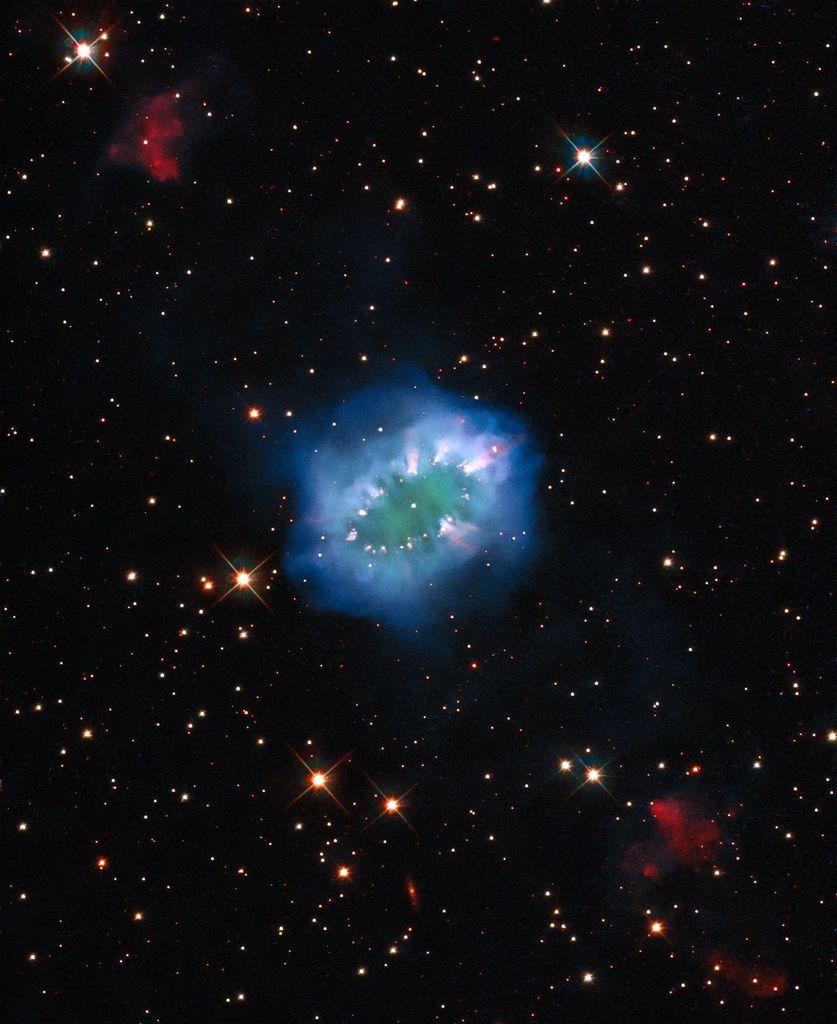
<p><a href="/tags/ppod/" rel="tag">#PPOD</a>: The interaction of two doomed stars has created this spectacular ring adorned with bright clumps of gas – a diamond necklace of cosmic proportions. Fittingly known as the “Necklace Nebula,” this planetary nebula is located 15,000 light-years away from Earth in the small, dim constellation of Sagitta (the Arrow). Credit: ESA/Hubble & NASA, K. Noll </p><p><a href="/tags/space/" rel="tag">#space</a> <a href="/tags/science/" rel="tag">#science</a></p>
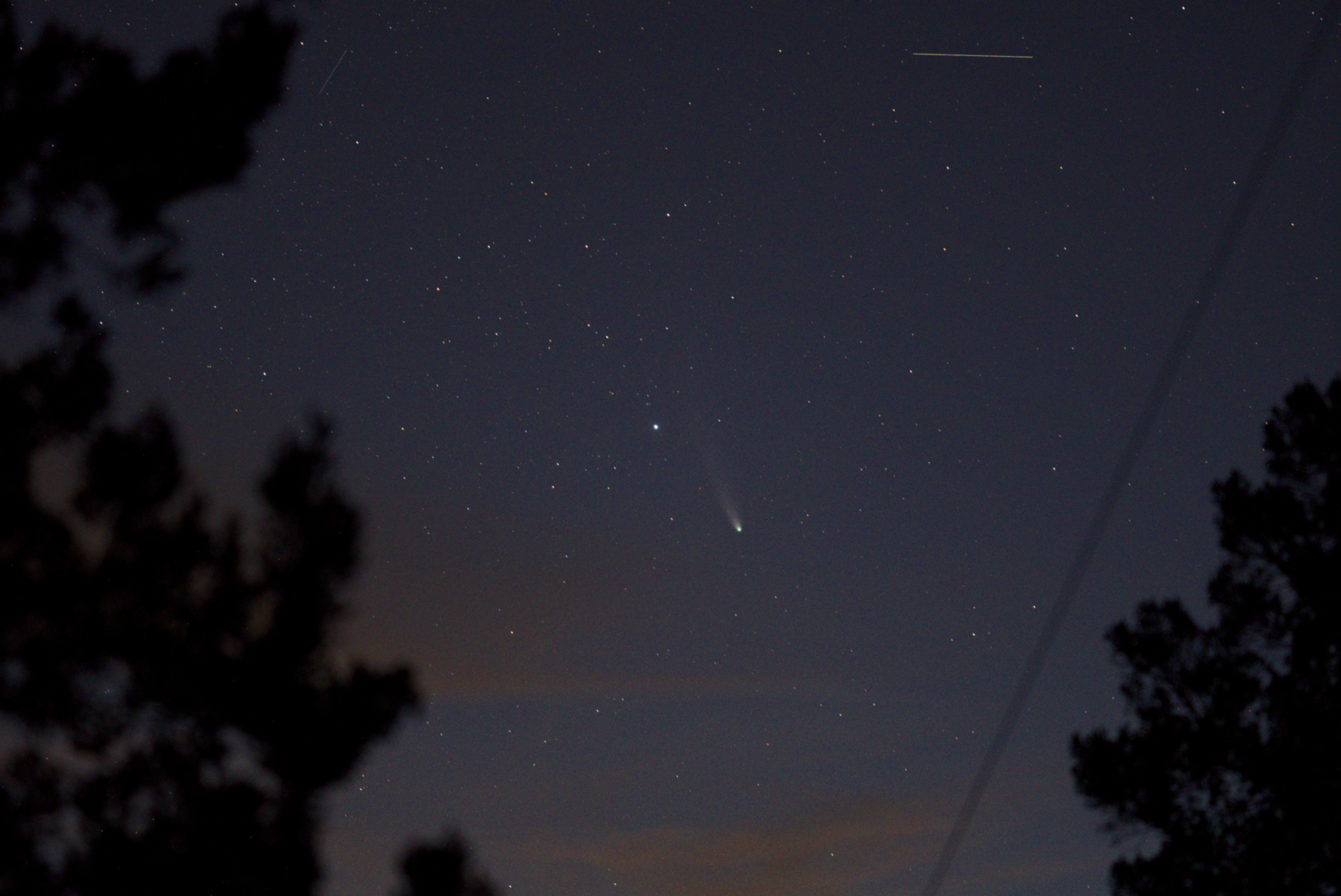
<p>Saying goodbye to comet A6 Lemmon. It's getting very low, and clouds are increasing in southern New Mexico.</p><p>It was a remarkable run of many clear nights.</p><p>This is a single exposure on a fixed tripod. </p><p>There's a blurred silhouette of a power line, and satellite trails in this image. They belong in the frame because this is the world we have created. It's getting increasingly difficult to escape to pristine nature.</p><p>Perhaps the phrase 'pristine nature' is now an oxymoron?</p><p>When is the first No Kings General Strike? </p><p>We all need to help with community building and boosting civic engagement. These activities have atrophied for decades, and it shows.</p><p><a href="/tags/newmexico/" rel="tag">#NewMexico</a> <a href="/tags/comet/" rel="tag">#Comet</a> <a href="/tags/photography/" rel="tag">#Photography</a> <a href="/tags/astrophotography/" rel="tag">#Astrophotography</a> <a href="/tags/technology/" rel="tag">#Technology</a> <a href="/tags/astronomy/" rel="tag">#Astronomy</a> <a href="/tags/science/" rel="tag">#Science</a> <a href="/tags/nature/" rel="tag">#Nature</a> <a href="/tags/politics/" rel="tag">#Politics</a> <a href="/tags/uspol/" rel="tag">#USpol</a> <a href="/tags/fascism/" rel="tag">#Fascism</a> <a href="/tags/maga/" rel="tag">#MAGA</a> <a href="/tags/climatechange/" rel="tag">#ClimateChange</a> <a href="/tags/trump/" rel="tag">#Trump</a> <a href="/tags/musk/" rel="tag">#Musk</a> <a href="/tags/anthropocene/" rel="tag">#Anthropocene</a></p>
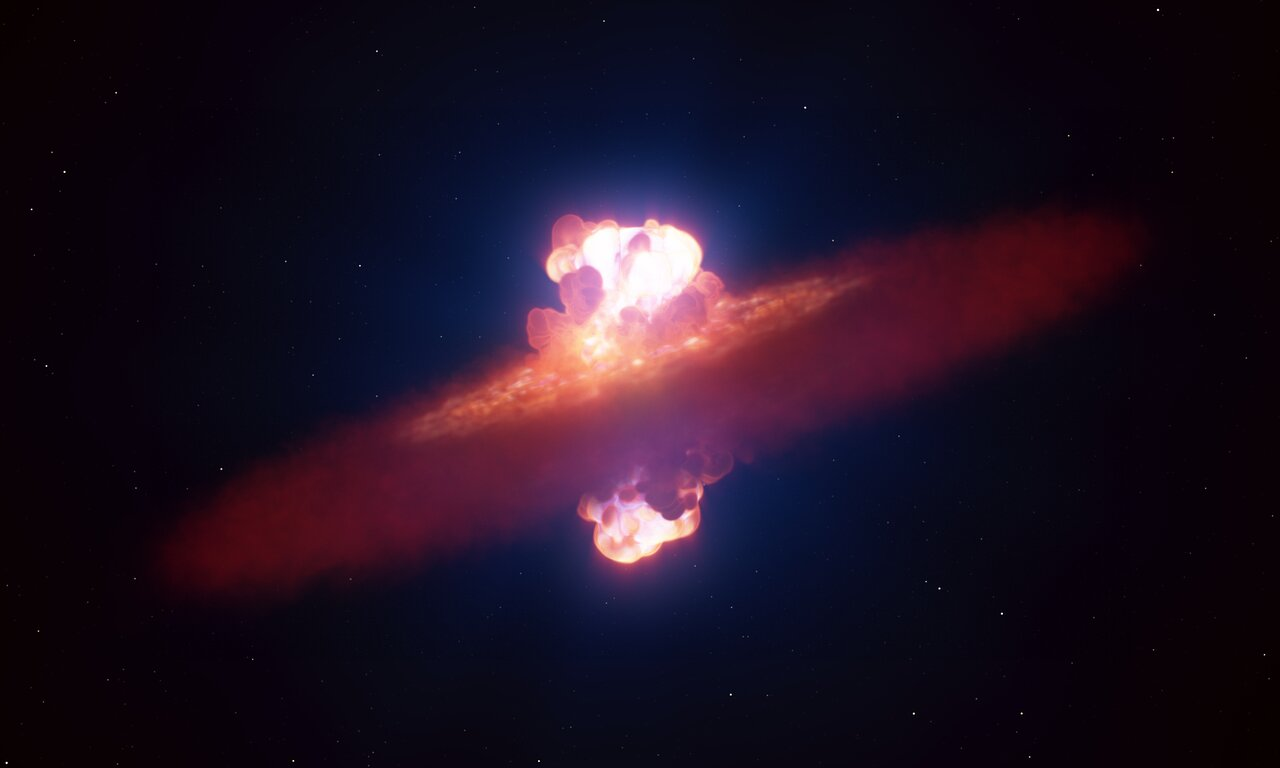
<p>For the first time ever, astronomers have unveiled the shape of a star’s explosion at its earliest stage.</p><p>The feat was achieved by ESO's Very Large Telescope just a day after the detection of this supernova, as the blast was breaking through the star’s surface.</p><p>This brief initial phase wouldn’t have been observable a day later. This will help shed light on how massive stars go supernova.</p><p><a href="https://www.eso.org/public/news/eso2520/" rel="nofollow" class="ellipsis" title="www.eso.org/public/news/eso2520/"><span class="invisible">https://</span><span class="ellipsis">www.eso.org/public/news/eso252</span><span class="invisible">0/</span></a></p><p>Illustration: ESO/L. Calçada</p><p><a href="/tags/astrodon/" rel="tag">#astrodon</a> <a href="/tags/astronomy/" rel="tag">#astronomy</a> <a href="/tags/astrophysics/" rel="tag">#astrophysics</a> <a href="/tags/space/" rel="tag">#space</a> <a href="/tags/science/" rel="tag">#science</a></p>
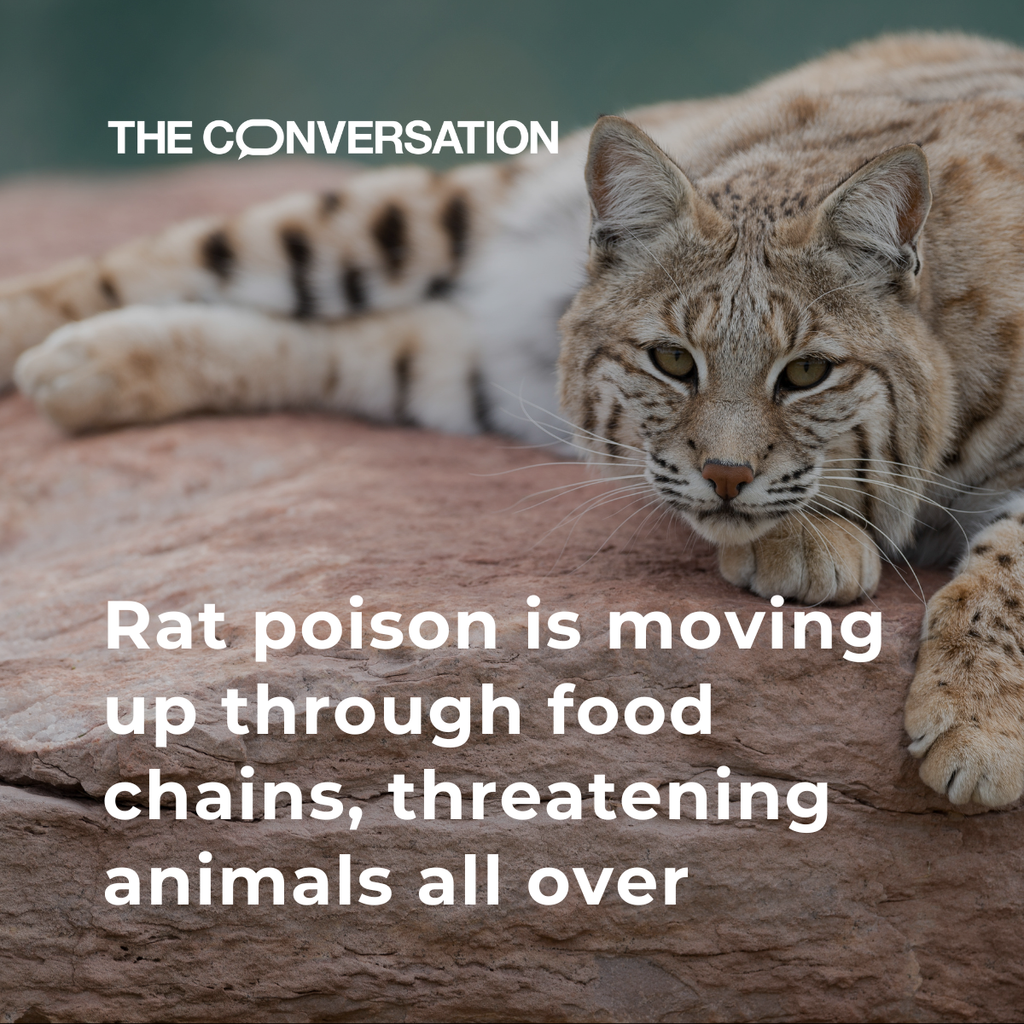
<p>Modern rodenticides can kill rats with a single dose – but they readily pass up the food chain to larger carnivores, like this bobcat.</p><p>They are widely used and largely unregulated.<br><a href="https://theconversation.com/rat-poison-is-moving-up-through-food-chains-threatening-carnivores-around-the-world-232471" rel="nofollow" class="ellipsis" title="theconversation.com/rat-poison-is-moving-up-through-food-chains-threatening-carnivores-around-the-world-232471"><span class="invisible">https://</span><span class="ellipsis">theconversation.com/rat-poison</span><span class="invisible">-is-moving-up-through-food-chains-threatening-carnivores-around-the-world-232471</span></a> <br><a href="/tags/animals/" rel="tag">#animals</a> <a href="/tags/science/" rel="tag">#science</a> <a href="/tags/news/" rel="tag">#news</a> <a href="/tags/wildlife/" rel="tag">#wildlife</a> <a href="/tags/environment/" rel="tag">#environment</a></p>
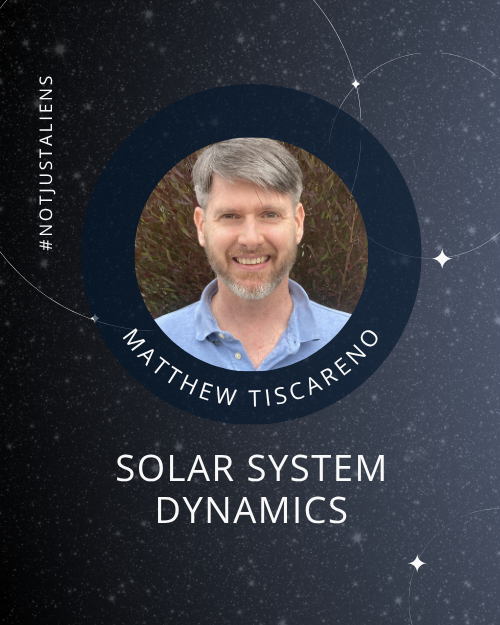
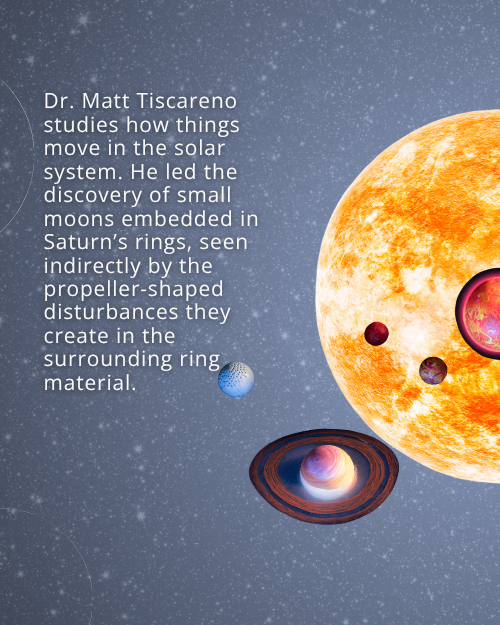
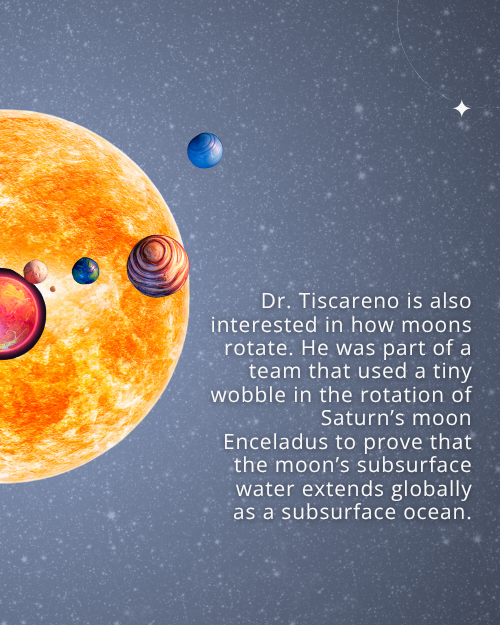
<p>Dr. Matt Tiscareno studies how things move in the solar system. He led the discovery of small moons embedded in Saturn’s rings, seen indirectly by the propeller-shaped disturbances they create in the surrounding ring material. </p><p>Dr. Tiscareno is also interested in how moons rotate. He was part of a team that used a tiny wobble in the rotation of Saturn’s moon Enceladus to prove that the moon’s subsurface water extends globally as a subsurface ocean. </p><p><a href="/tags/space/" rel="tag">#Space</a> <a href="/tags/science/" rel="tag">#Science</a> <a href="/tags/seti/" rel="tag">#SETI</a> <a href="/tags/notjustaliens/" rel="tag">#NotJustAliens</a></p>
<p>SETI Institute communications specialist Beth Johnson welcomed Professor Dagomar Degroot, environmental historian at Georgetown University, for a discussion on his new book Ripples on the Cosmic Ocean, released October 28, 2025. The book reframes the solar system as a dynamic network of interacting environments—a system in which planetary, solar, and cosmic processes continuously influence Earth’s history and humanity’s trajectory.</p><p>Learn more: <a href="https://www.seti.org/news/ripples-on-the-cosmic-ocean-an-environmental-history-of-our-place-in-the-solar-system/" rel="nofollow" class="ellipsis" title="www.seti.org/news/ripples-on-the-cosmic-ocean-an-environmental-history-of-our-place-in-the-solar-system/"><span class="invisible">https://</span><span class="ellipsis">www.seti.org/news/ripples-on-t</span><span class="invisible">he-cosmic-ocean-an-environmental-history-of-our-place-in-the-solar-system/</span></a></p><p><a href="/tags/science/" rel="tag">#science</a> <a href="/tags/climatechange/" rel="tag">#climatechange</a></p>
<p>The sun is the largest nuclear reactor we know. We now have momentum, harnessing its power at scale. From Texas to Pakistan to China, hear how cheap solar is toppling fossil fuel with author Bill McKibben on Big Picture Science.</p><p>Listen here: <a href="https://bigpicturescience.org/episodes/solar-good" rel="nofollow" class="ellipsis" title="bigpicturescience.org/episodes/solar-good"><span class="invisible">https://</span><span class="ellipsis">bigpicturescience.org/episodes</span><span class="invisible">/solar-good</span></a> </p><p><a href="/tags/podcast/" rel="tag">#podcast</a> <a href="/tags/science/" rel="tag">#science</a> <a href="/tags/climatechange/" rel="tag">#climatechange</a></p>
<p>How Colorful Ribbon Diagrams Became the Face of Proteins.</p><p>Proteins are often visualized as cascades of curled ribbons and twisted strings, which both reveal and conceal the mess of atoms that make up these impossibly complex molecules.</p><p>By Yasemin Saplakoglu via @QuantaMagazine </p><p><a href="https://www.quantamagazine.org/how-colorful-ribbon-diagrams-became-the-face-of-proteins-20240823/" rel="nofollow" class="ellipsis" title="www.quantamagazine.org/how-colorful-ribbon-diagrams-became-the-face-of-proteins-20240823/"><span class="invisible">https://</span><span class="ellipsis">www.quantamagazine.org/how-col</span><span class="invisible">orful-ribbon-diagrams-became-the-face-of-proteins-20240823/</span></a></p><p><a href="/tags/science/" rel="tag">#science</a> <a href="/tags/molecularbiology/" rel="tag">#molecularbiology</a> <a href="/tags/womeninscience/" rel="tag">#womeninscience</a></p>
<p>This is a terrifying article. </p><p>Methane, an extremely potent greenhouse gas, is increasing fast in our atmosphere — both from industrial emissions AND from "natural" sources triggered by global warming, which then cause more global warming, and so on, and so on...<br>_______________________________</p><p>New research shows that feedbacks in the climate system are boosting methane emissions from natural sources, especially tropical wetlands. </p><p>Scientists say that an abrupt surge in methane emissions in the early 2000s is probably due mainly to the response of wetlands to warming, with additional contributions coming from fossil fuel use, “implying that anthropogenic emissions must decrease more than expected to reach a given warming goal.”</p><p>Increasing rainfall, a well-documented impact of global warming, is making wetlands larger and wetter, and a warmer world fosters more plant growth, which means more decomposing material that emits methane.</p><p>About 60% of methane emissions are from fossil fuel use, farming, landfills, and waste, with the rest coming from rotting vegetation in wetlands in the tropics and Northern Hemisphere.</p><p>A new trouble spot is in the Arctic, where scientists recently found unexpectedly large methane emissions in winter. And globally, the increase in water vapor caused by global warming is slowing the rate at which methane breaks down in the atmosphere. <br>_______________________________</p><p>FULL ARTICLE -- <a href="https://insideclimatenews.org/news/28082024/surging-methane-emissions-major-climate-shift/" rel="nofollow" class="ellipsis" title="insideclimatenews.org/news/28082024/surging-methane-emissions-major-climate-shift/"><span class="invisible">https://</span><span class="ellipsis">insideclimatenews.org/news/280</span><span class="invisible">82024/surging-methane-emissions-major-climate-shift/</span></a></p><p><a href="/tags/science/" rel="tag">#Science</a> <a href="/tags/environment/" rel="tag">#Environment</a> <a href="/tags/climate/" rel="tag">#Climate</a> <a href="/tags/climatechange/" rel="tag">#ClimateChange</a> <a href="/tags/climatecrisis/" rel="tag">#ClimateCrisis</a></p>
Edited 1y ago
<p>Hooray!</p><p><a href="https://www.sciencedaily.com/releases/2025/10/251029002855.htm" rel="nofollow" class="ellipsis" title="www.sciencedaily.com/releases/2025/10/251029002855.htm"><span class="invisible">https://</span><span class="ellipsis">www.sciencedaily.com/releases/</span><span class="invisible">2025/10/251029002855.htm</span></a></p><p>But the takeaway in this article is this:</p><p>> Because developing new antibiotics is costly and offers limited financial reward, few pharmaceutical companies are investing in this critical area.</p><p><a href="/tags/health/" rel="tag">#Health</a> <a href="/tags/science/" rel="tag">#Science</a></p>
<p><a href="/tags/icymi/" rel="tag">#ICYMI</a>: This week on <a href="/tags/setilive/" rel="tag">#SETILive</a>, Simon Steel chatted with scientists Manuel Scherf and Helmut Lammer about what makes Earth so special that intelligent life evolved and how those circumstances may lower the chances of similar life developing on another world. Watch the full interview: <a href="https://youtube.com/live/qy8spTZpTNI" rel="nofollow"><span class="invisible">https://</span>youtube.com/live/qy8spTZpTNI</a> </p><p><a href="/tags/space/" rel="tag">#space</a> <a href="/tags/science/" rel="tag">#science</a></p>
<p>> Antimicrobial resistance is one of the world’s most urgent health challenges, WHO's new report showing there are ‘too few antibacterials in the pipeline’</p><p>> the limited commercial incentives deter investment in antibiotic discovery</p><p><a href="https://warwick.ac.uk/news/pressreleases/new_antibiotic_for_drug_resistant_bacteria_found_hiding_in_plain_sight" rel="nofollow" class="ellipsis" title="warwick.ac.uk/news/pressreleases/new_antibiotic_for_drug_resistant_bacteria_found_hiding_in_plain_sight"><span class="invisible">https://</span><span class="ellipsis">warwick.ac.uk/news/pressreleas</span><span class="invisible">es/new_antibiotic_for_drug_resistant_bacteria_found_hiding_in_plain_sight</span></a></p><p><a href="/tags/health/" rel="tag">#Health</a> <a href="/tags/science/" rel="tag">#Science</a></p>

![Schematic representation of CT scanner.
The author of This US Patent is Dr. Godfrey Newbold Hounsfield. Scanned by User:Tom Toyosaki. This Figure is extracted from US Patent and that patent is published before March 1, 1989 .
- Figure 1 of US4,115,698 (US Patent,Published at Sep. 19,1978)[1]](/proxy/post_attachment/321532/f608b312fa.jpg "Schematic representation of CT scanner.
The author of This US Patent is Dr. Godfrey Newbold Hounsfield. Scanned by User:Tom Toyosaki. This Figure is extracted from US Patent and that patent is published before March 1, 1989 .
- Figure 1 of US4,115,698 (US Patent,Published at Sep. 19,1978)[1]")