
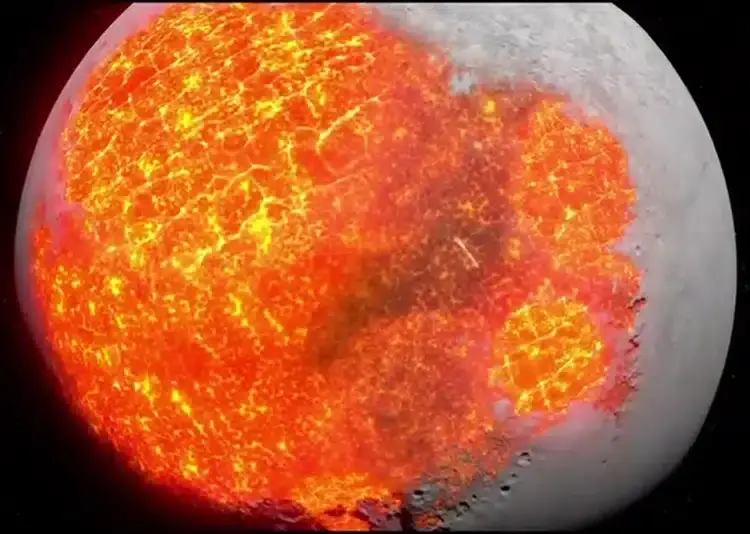
<p>Scientists Discover New Evidence That a Magma Ocean Once Covered the Moon</p><p>Scientists believe the Moon was created when a protoplanet impacted the early Earth, breaking off a large chunk of matter, and eventually formed a new body. This new body became the Moon we know through a cooling process over millions of years. During that time, scientists have long believed the surface was covered in an ocean of magma.</p><p>By Madeleine Muzdakis via @mymodernmet </p><p><a href="https://mymodernmet.com/lunar-magma-ocean/?utm_campaign=daily-digest&utm_content=link&utm_source=convertkit&utm_term=09012024&ck_subscriber_id=2836853634&utm_medium=email" rel="nofollow" class="ellipsis" title="mymodernmet.com/lunar-magma-ocean/?utm_campaign=daily-digest&utm_content=link&utm_source=convertkit&utm_term=09012024&ck_subscriber_id=2836853634&utm_medium=email"><span class="invisible">https://</span><span class="ellipsis">mymodernmet.com/lunar-magma-oc</span><span class="invisible">ean/?utm_campaign=daily-digest&utm_content=link&utm_source=convertkit&utm_term=09012024&ck_subscriber_id=2836853634&utm_medium=email</span></a></p><p><a href="/tags/science/" rel="tag">#science</a> <a href="/tags/astronomy/" rel="tag">#astronomy</a></p>
science

<p>A recent discovery from Yellowstone National Park has redefined one of biology’s most basic assumptions: that a cell must “choose” between using oxygen or other chemicals to breathe. In a recent SETI Live episode, Dr. Eric Boyd, microbial geochemist at Montana State University, joined SETI Institute communications specialist Beth Johnson to discuss his team’s groundbreaking findings. </p><p>Learn more: <a href="https://www.seti.org/news/this-microbe-breathes-two-ways-the-bacteria-that-challenge-biochemistry/" rel="nofollow" class="ellipsis" title="www.seti.org/news/this-microbe-breathes-two-ways-the-bacteria-that-challenge-biochemistry/"><span class="invisible">https://</span><span class="ellipsis">www.seti.org/news/this-microbe</span><span class="invisible">-breathes-two-ways-the-bacteria-that-challenge-biochemistry/</span></a></p><p><a href="/tags/science/" rel="tag">#science</a></p>
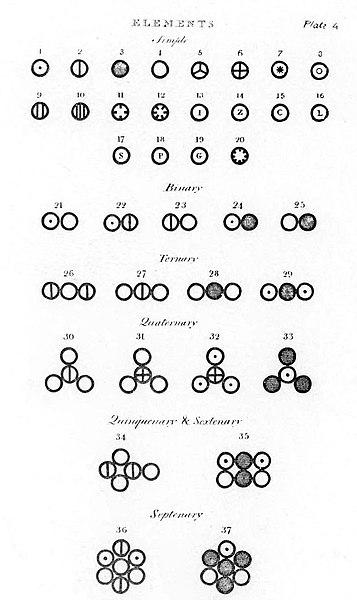
<p><a href="/tags/otd/" rel="tag">#OTD</a> in 1803.</p><p>British scientist John Dalton begins using symbols to represent the atoms of different elements.</p><p>In his laboratory notebook there is a list in which he set out the relative weights of the atoms of a number of elements, derived from analysis of water, ammonia, carbon dioxide, etc. by chemists of the time.</p><p><a href="https://en.wikipedia.org/wiki/John_Dalton#Atomic_theory" rel="nofollow" class="ellipsis" title="en.wikipedia.org/wiki/John_Dalton#Atomic_theory"><span class="invisible">https://</span><span class="ellipsis">en.wikipedia.org/wiki/John_Dal</span><span class="invisible">ton#Atomic_theory</span></a></p><p>Books about John Dalton at PG:<br><a href="https://www.gutenberg.org/ebooks/56648" rel="nofollow"><span class="invisible">https://</span>www.gutenberg.org/ebooks/56648</a></p><p><a href="/tags/books/" rel="tag">#books</a> <a href="/tags/science/" rel="tag">#science</a> <a href="/tags/chemistry/" rel="tag">#chemistry</a></p>
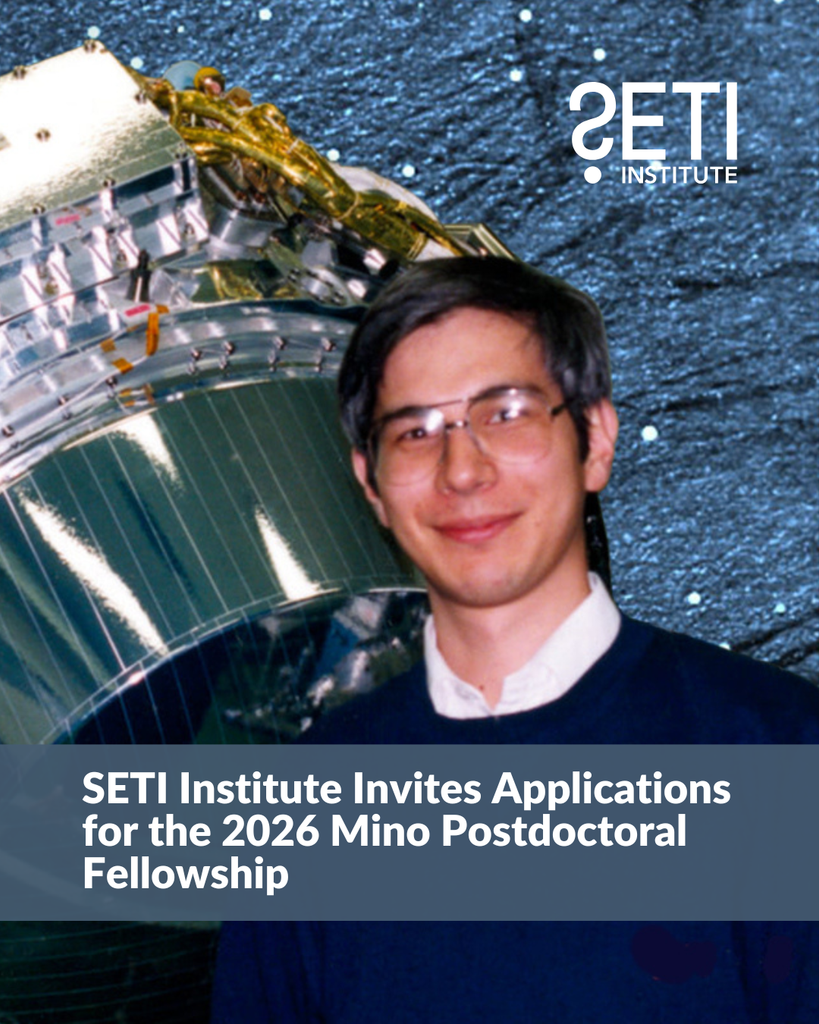
<p>PRESS RELEASE:<br>The SETI Institute is pleased to open the call for applications for the 2026 Mino Postdoctoral Fellowship. This research program offers an exceptional opportunity for talented early-career scientists worldwide to contribute significant advances in several fields.</p><p>Applications open on November 20, 2025, and must be submitted by January 16, 2026.</p><p>To learn more and apply: <a href="https://www.seti.org/news/seti-institute-invites-applications-for-the-2026-mino-postdoctoral-fellowship/" rel="nofollow" class="ellipsis" title="www.seti.org/news/seti-institute-invites-applications-for-the-2026-mino-postdoctoral-fellowship/"><span class="invisible">https://</span><span class="ellipsis">www.seti.org/news/seti-institu</span><span class="invisible">te-invites-applications-for-the-2026-mino-postdoctoral-fellowship/</span></a> </p><p><a href="/tags/science/" rel="tag">#science</a> <a href="/tags/postdoc/" rel="tag">#postdoc</a></p>
Edited 136d ago
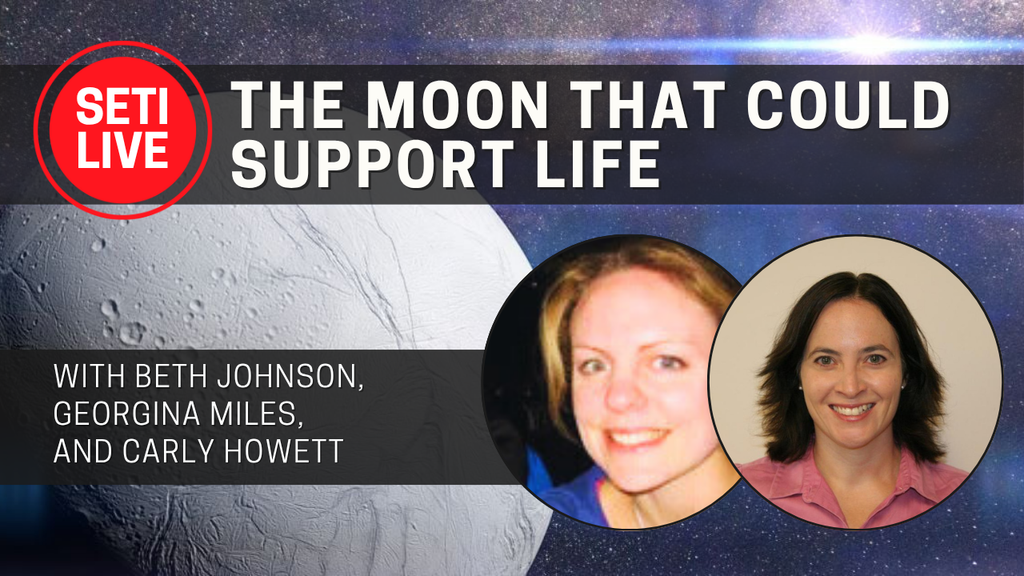
<p>Next <a href="/tags/setilive/" rel="tag">#SETILive</a>: The Moon that Could Support Life<br>TODAY, 20 November, 11 am PST / 2 pm EST</p><p>Join host Beth Johnson for a fascinating episode of SETI Live, featuring planetary scientists Dr Georgina Miles and Dr Carly Howett from the University of Oxford. We’ll be unpacking their groundbreaking study showing that Enceladus — one of Saturn’s icy moons — may harbor a stable subsurface ocean capable of supporting life. </p><p>WATCH LIVE: <a href="https://youtube.com/live/fDf0VQ_S-Bs" rel="nofollow"><span class="invisible">https://</span>youtube.com/live/fDf0VQ_S-Bs</a> </p><p><a href="/tags/space/" rel="tag">#space</a> <a href="/tags/science/" rel="tag">#science</a> <a href="/tags/planetaryscience/" rel="tag">#planetaryscience</a></p>
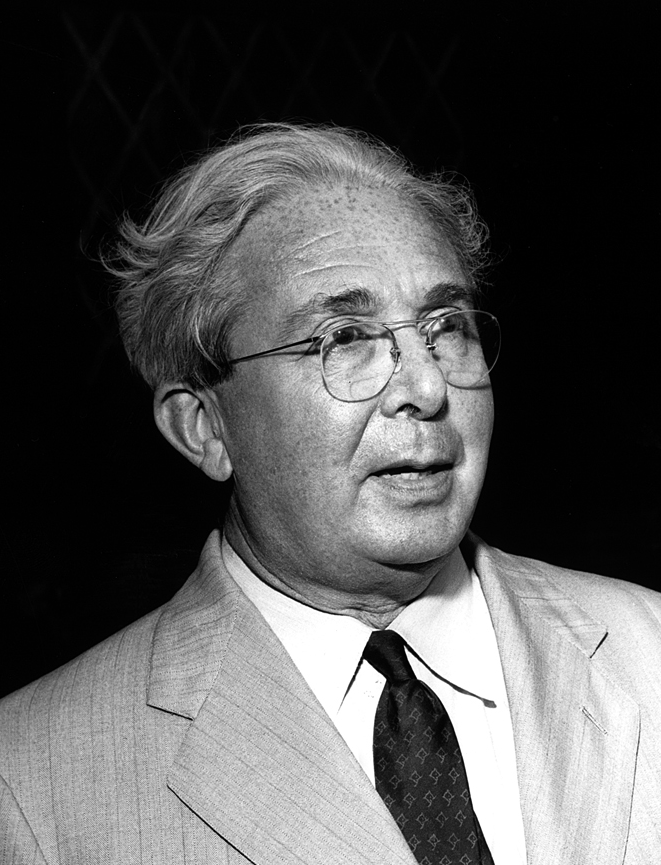
<p><a href="/tags/otd/" rel="tag">#OTD</a> in 1933.</p><p>Hungarian-American physicist Leo Szilard conceived of the idea of the nuclear chain reaction while waiting for a traffic light in Bloomsbury, London. He patented the idea in 1936.</p><p><a href="https://en.wikipedia.org/wiki/Leo_Szilard" rel="nofollow" class="ellipsis" title="en.wikipedia.org/wiki/Leo_Szilard"><span class="invisible">https://</span><span class="ellipsis">en.wikipedia.org/wiki/Leo_Szil</span><span class="invisible">ard</span></a></p><p><a href="https://en.wikipedia.org/wiki/Nuclear_chain_reaction" rel="nofollow" class="ellipsis" title="en.wikipedia.org/wiki/Nuclear_chain_reaction"><span class="invisible">https://</span><span class="ellipsis">en.wikipedia.org/wiki/Nuclear_</span><span class="invisible">chain_reaction</span></a></p><p><a href="/tags/science/" rel="tag">#science</a> <a href="/tags/physics/" rel="tag">#physics</a></p>
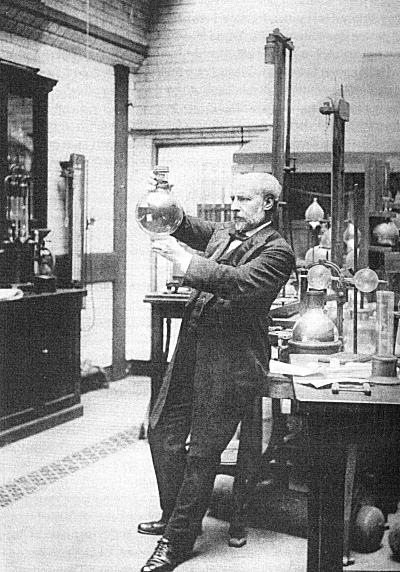
<p>Scottish chemist and physicist James Dewar was born <a href="/tags/otd/" rel="tag">#OTD</a> in 1842.</p><p>He is best known for his invention of the vacuum flask, which he used in conjunction with research into the liquefaction of gases. He also studied atomic and molecular spectroscopy, working in these fields for more than 25 years. Dewar was nominated for the Nobel Prize 8 times — 5 times in Physics and 3 times in Chemistry — but he never succeeded in winning it.</p><p><a href="https://en.wikipedia.org/wiki/James_Dewar" rel="nofollow" class="ellipsis" title="en.wikipedia.org/wiki/James_Dewar"><span class="invisible">https://</span><span class="ellipsis">en.wikipedia.org/wiki/James_De</span><span class="invisible">war</span></a></p><p><a href="/tags/science/" rel="tag">#science</a> <a href="/tags/chemistry/" rel="tag">#chemistry</a> <a href="/tags/physics/" rel="tag">#physics</a></p>
Edited 1y ago

<p><a href="/tags/science/" rel="tag">#Science</a> video accounts to follow:</p><p>➡️ <span class="h-card"><a href="https://tilvids.com/accounts/ruth_mottram" class="u-url mention" rel="nofollow noopener noreferrer" target="_blank">@<span>ruth_mottram</span></a></span> - Climate scientist, glaciers, ice sheets, polar climate<br>➡️ <span class="h-card"><a href="[{'type': 'Link', 'href': 'https://makertube.net/a/adam_steer/video-channels', 'mediaType': 'text/html'}, {'type': 'Link', 'href': 'https://makertube.net/a/adam_steer', 'mediaType': 'text/html'}, {'type': 'Link', 'href': 'https://makertube.net/accounts/adam_steer', 'mediaType': 'text/html'}]" class="u-url mention" rel="nofollow noopener noreferrer" target="_blank">@<span>adam_steer</span></a></span> - Former polar researcher, polar exploration<br>➡️ <span class="h-card"><a href="https://video.katehildenbrand.com/video-channels/makingwaves" class="u-url mention" rel="nofollow noopener noreferrer" target="_blank">@<span>makingwaves</span></a></span> - Marine ecologist, life in the sea<br>➡️ <span class="h-card"><a href="https://tilvids.com/accounts/nicemicro" class="u-url mention" rel="nofollow noopener noreferrer" target="_blank">@<span>nicemicro</span></a></span> - Scientist on chemistry, FOSS, tech<br>➡️ <span class="h-card"><a href="[{'type': 'Link', 'href': 'https://spectra.video/a/kirk/video-channels', 'mediaType': 'text/html'}, {'type': 'Link', 'href': 'https://spectra.video/a/kirk', 'mediaType': 'text/html'}, {'type': 'Link', 'href': 'https://spectra.video/accounts/kirk', 'mediaType': 'text/html'}]" class="u-url mention" rel="nofollow noopener noreferrer" target="_blank">@<span>kirk</span></a></span> - Scientist, engineer, open hardware for energy conversion & storage<br>➡️ <span class="h-card"><a href="[{'type': 'Link', 'href': 'https://solarsystem.video/a/europlanet_media/video-channels', 'mediaType': 'text/html'}, {'type': 'Link', 'href': 'https://solarsystem.video/a/europlanet_media', 'mediaType': 'text/html'}, {'type': 'Link', 'href': 'https://solarsystem.video/accounts/europlanet_media', 'mediaType': 'text/html'}]" class="u-url mention" rel="nofollow noopener noreferrer" target="_blank">@<span>europlanet_media</span></a></span> - European org for planetary scientists</p><p>🧵 1/3</p><p><a href="/tags/peertube/" rel="tag">#PeerTube</a></p>
Edited 136d ago
<p>Two-way mathematical 'dictionary' could connect quantum physics with number theory</p><p>by Institute of Science and Technology Austria via @physorg_com </p><p><a href="https://phys.org/news/2024-09-mathematical-dictionary-quantum-physics-theory.html" rel="nofollow" class="ellipsis" title="phys.org/news/2024-09-mathematical-dictionary-quantum-physics-theory.html"><span class="invisible">https://</span><span class="ellipsis">phys.org/news/2024-09-mathemat</span><span class="invisible">ical-dictionary-quantum-physics-theory.html</span></a></p><p><a href="/tags/mathematics/" rel="tag">#mathematics</a> <a href="/tags/physics/" rel="tag">#physics</a> <a href="/tags/science/" rel="tag">#science</a></p>
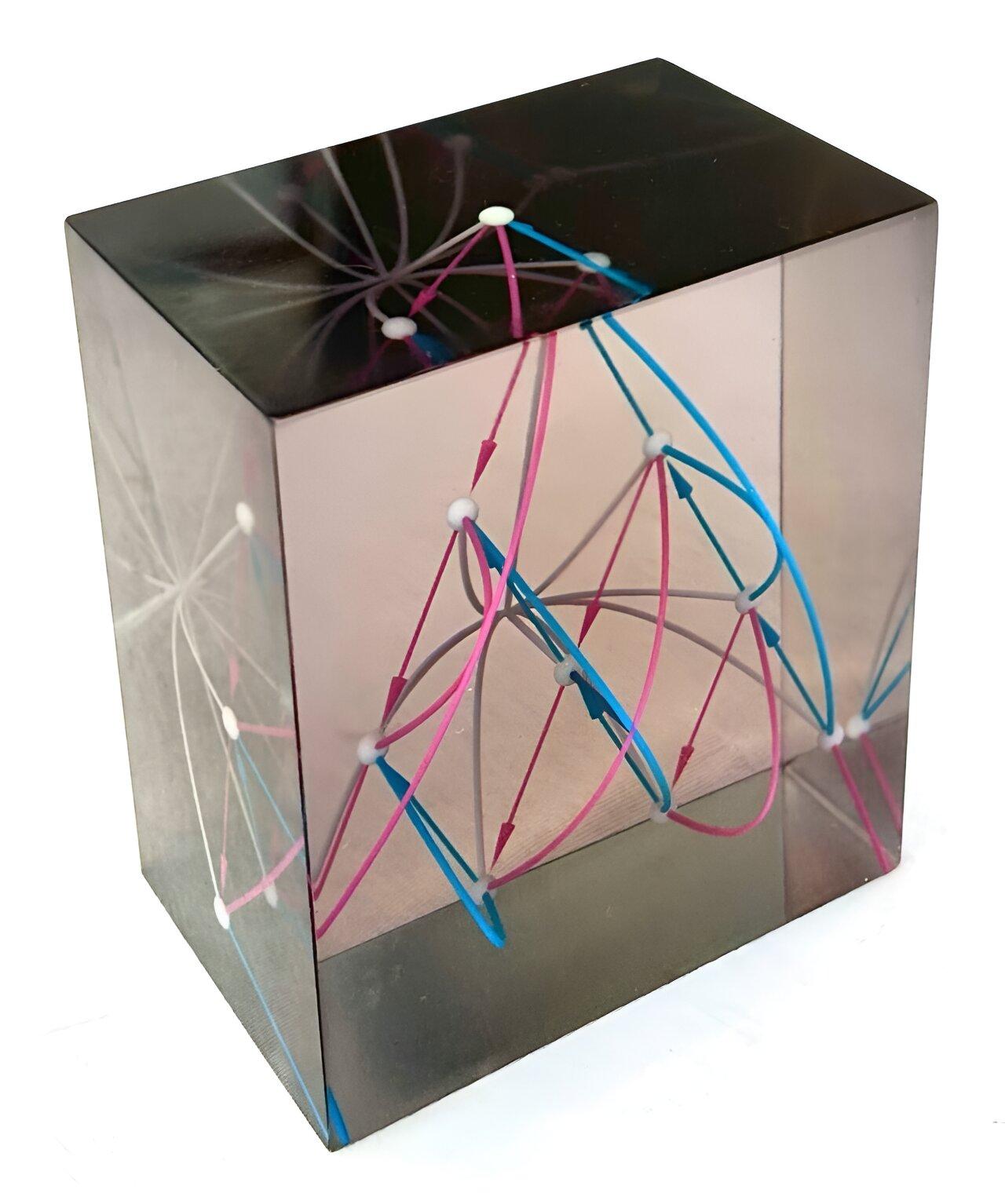

<p>The most extreme rogue wave occurred in November 2020, lifting a single buoy off of Canada's British Columbia coast some 58 feet high. Since then, dozens more rogue waves have been recorded (some even in lakes). <span class="h-card"><a href="https://flipboard.com/@ScienceAlert" class="u-url mention" rel="nofollow noopener noreferrer" target="_blank">@<span>ScienceAlert</span></a></span> has more on this aquatic phenomenon that was once considered a myth. And if buoys could talk, the one that went for a wild ride would tell you how very real rogue waves are: <a href="https://flip.it/AILAJv" rel="nofollow"><span class="invisible">https://</span>flip.it/AILAJv</a><br><a href="/tags/science/" rel="tag">#Science</a> <a href="/tags/ocean/" rel="tag">#Ocean</a> <a href="/tags/pacificocean/" rel="tag">#PacificOcean</a> <a href="/tags/waves/" rel="tag">#Waves</a> <a href="/tags/roguewaves/" rel="tag">#RogueWaves</a></p>

<p>📣 It's been a while since we've federated a batch of publishers — so to make up for it, here are 250, and they're big ones. </p><p>Today, we're bringing names like <span class="h-card"><a href="https://flipboard.com/@abc" class="u-url mention" rel="nofollow noopener noreferrer" target="_blank">@<span>abc</span></a></span>, <span class="h-card"><a href="https://flipboard.com/@RollingStone" class="u-url mention" rel="nofollow noopener noreferrer" target="_blank">@<span>RollingStone</span></a></span>, <span class="h-card"><a href="https://flipboard.com/@forbes" class="u-url mention" rel="nofollow noopener noreferrer" target="_blank">@<span>forbes</span></a></span>, <span class="h-card"><a href="https://flipboard.com/@BleacherReport" class="u-url mention" rel="nofollow noopener noreferrer" target="_blank">@<span>BleacherReport</span></a></span>, <span class="h-card"><a href="https://flipboard.com/@NationalGeographic" class="u-url mention" rel="nofollow noopener noreferrer" target="_blank">@<span>NationalGeographic</span></a></span> and <span class="h-card"><a href="https://flipboard.com/@newyorktimes" class="u-url mention" rel="nofollow noopener noreferrer" target="_blank">@<span>newyorktimes</span></a></span> to the fediverse. They join the 174 profiles we've already federated, which include everyone from <span class="h-card"><a href="https://flipboard.com/@19thnews" class="u-url mention" rel="nofollow noopener noreferrer" target="_blank">@<span>19thnews</span></a></span> to <span class="h-card"><a href="https://flipboard.com/@Vox" class="u-url mention" rel="nofollow noopener noreferrer" target="_blank">@<span>Vox</span></a></span> </p><p>Here's a blogpost with more details on this latest batch of publications that cover news, business, cooking, home design, politics, sports, science and more. Follow their Magazine feeds if you're only interested in one topic, or their whole profiles if you want the lot. The spreadsheet below lists out all federated accounts.</p><p><a href="https://about.flipboard.com/fediverse/flipboard-federates-250-publishers/" rel="nofollow" class="ellipsis" title="about.flipboard.com/fediverse/flipboard-federates-250-publishers/"><span class="invisible">https://</span><span class="ellipsis">about.flipboard.com/fediverse/</span><span class="invisible">flipboard-federates-250-publishers/</span></a></p><p><a href="https://docs.google.com/spreadsheets/d/1iUFTo6rPvhqzCReLaM1c6-xUKRuBVqlZVStZl9Al-EU" rel="nofollow" class="ellipsis" title="docs.google.com/spreadsheets/d/1iUFTo6rPvhqzCReLaM1c6-xUKRuBVqlZVStZl9Al-EU"><span class="invisible">https://</span><span class="ellipsis">docs.google.com/spreadsheets/d</span><span class="invisible">/1iUFTo6rPvhqzCReLaM1c6-xUKRuBVqlZVStZl9Al-EU</span></a></p><p><a href="/tags/flipboard/" rel="tag">#Flipboard</a> <a href="/tags/federation/" rel="tag">#Federation</a> <a href="/tags/spreadmastodon/" rel="tag">#SpreadMastodon</a> <a href="/tags/activitypub/" rel="tag">#ActivityPub</a> <a href="/tags/media/" rel="tag">#Media</a> <a href="/tags/publishers/" rel="tag">#Publishers</a> <a href="/tags/journalism/" rel="tag">#Journalism</a> <a href="/tags/news/" rel="tag">#News</a> <a href="/tags/politics/" rel="tag">#Politics</a> <a href="/tags/sports/" rel="tag">#Sports</a> <a href="/tags/entertainment/" rel="tag">#Entertainment</a> <a href="/tags/food/" rel="tag">#Food</a> <a href="/tags/lifestyle/" rel="tag">#Lifestyle</a> <a href="/tags/science/" rel="tag">#Science</a></p>
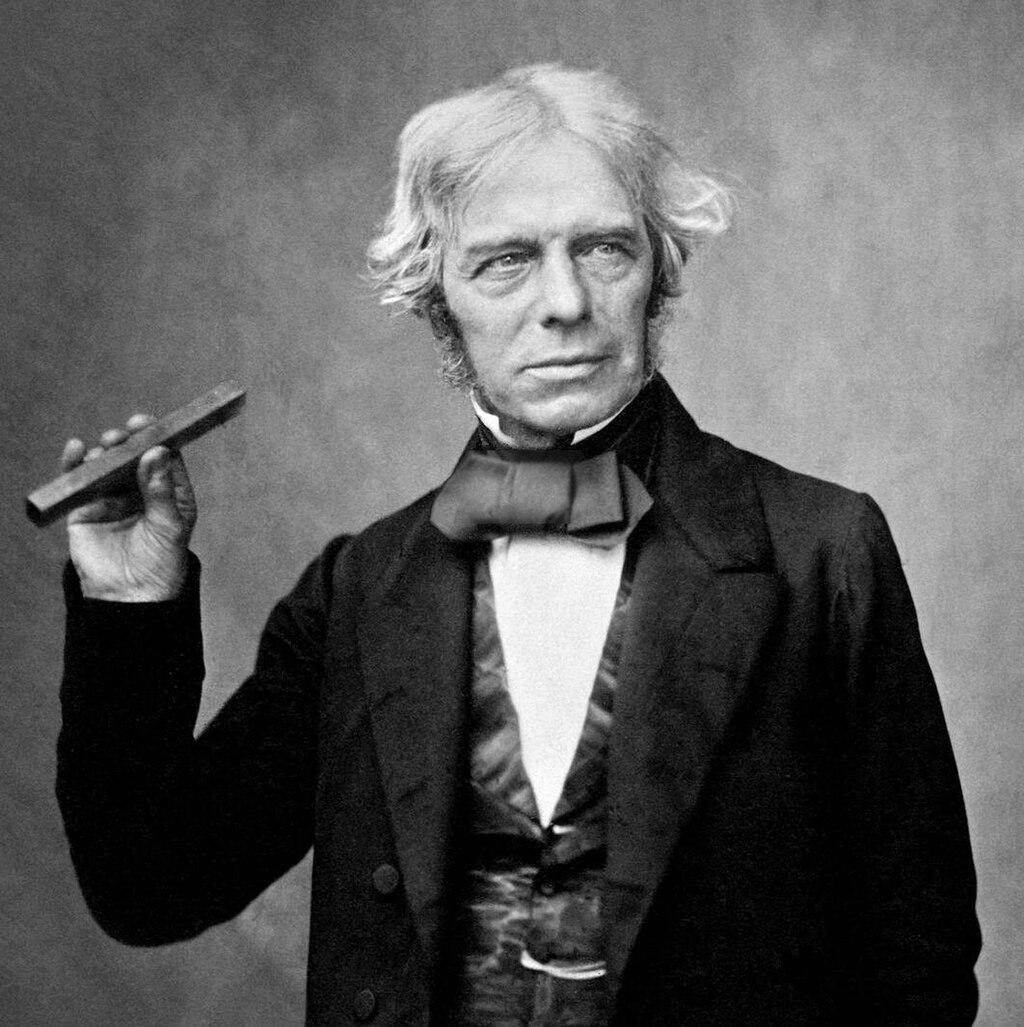
<p>English physicist and chemist Michael Faraday was born <a href="/tags/otd/" rel="tag">#OTD</a> in 1791.</p><p>Faraday discovered that a changing magnetic field could induce an electric current in a wire, laying the foundation for the concept of the electromagnetic field. He formulated the fundamental laws of electrolysis; he was the inventor of the Faraday cage and he discovered the Faraday effect.</p><p><a href="https://en.wikipedia.org/wiki/Michael_Faraday" rel="nofollow" class="ellipsis" title="en.wikipedia.org/wiki/Michael_Faraday"><span class="invisible">https://</span><span class="ellipsis">en.wikipedia.org/wiki/Michael_</span><span class="invisible">Faraday</span></a></p><p>Books about or by Michael Faraday at PG:<br><a href="https://www.gutenberg.org/ebooks/search/?query=Michael+Faraday&submit_search=Search" rel="nofollow" class="ellipsis" title="www.gutenberg.org/ebooks/search/?query=Michael+Faraday&submit_search=Search"><span class="invisible">https://</span><span class="ellipsis">www.gutenberg.org/ebooks/searc</span><span class="invisible">h/?query=Michael+Faraday&submit_search=Search</span></a></p><p><a href="/tags/books/" rel="tag">#books</a> <a href="/tags/science/" rel="tag">#science</a> <a href="/tags/physics/" rel="tag">#physics</a> <a href="/tags/chemistry/" rel="tag">#chemistry</a></p>
Edited 1y ago
<p>On our latest <a href="/tags/setilive/" rel="tag">#SETILive</a> <a href="/tags/podcast/" rel="tag">#podcast</a>, Dr Carly Howett from the University of Oxford explains the kinds of Earth analogues that may exist for the subsurface ocean environment of Enceladus. Hydrothermal vents, anyone? Listen to the full episode: <a href="https://feeds.libsyn.com/462636/rss" rel="nofollow"><span class="invisible">https://</span>feeds.libsyn.com/462636/rss</a> </p><p><a href="/tags/space/" rel="tag">#space</a> <a href="/tags/science/" rel="tag">#science</a></p>
<p>You've been throwing a frisbee all wrong, new study finds.</p><p>From <span class="h-card"><a href="https://flipboard.com/@sciencefocus" class="u-url mention" rel="nofollow noopener noreferrer" target="_blank">@<span>sciencefocus</span></a></span>: "Researchers at Berry College, Georgia, investigated professional and amateur disc golf players (yes… that’s a real sport) to explore the effect different thumb positions had on disc throwing."</p><p><a href="https://flip.it/NmLNk_" rel="nofollow"><span class="invisible">https://</span>flip.it/NmLNk_</a></p><p><a href="/tags/frisbee/" rel="tag">#Frisbee</a> <a href="/tags/sports/" rel="tag">#Sports</a> <a href="/tags/science/" rel="tag">#Science</a></p>
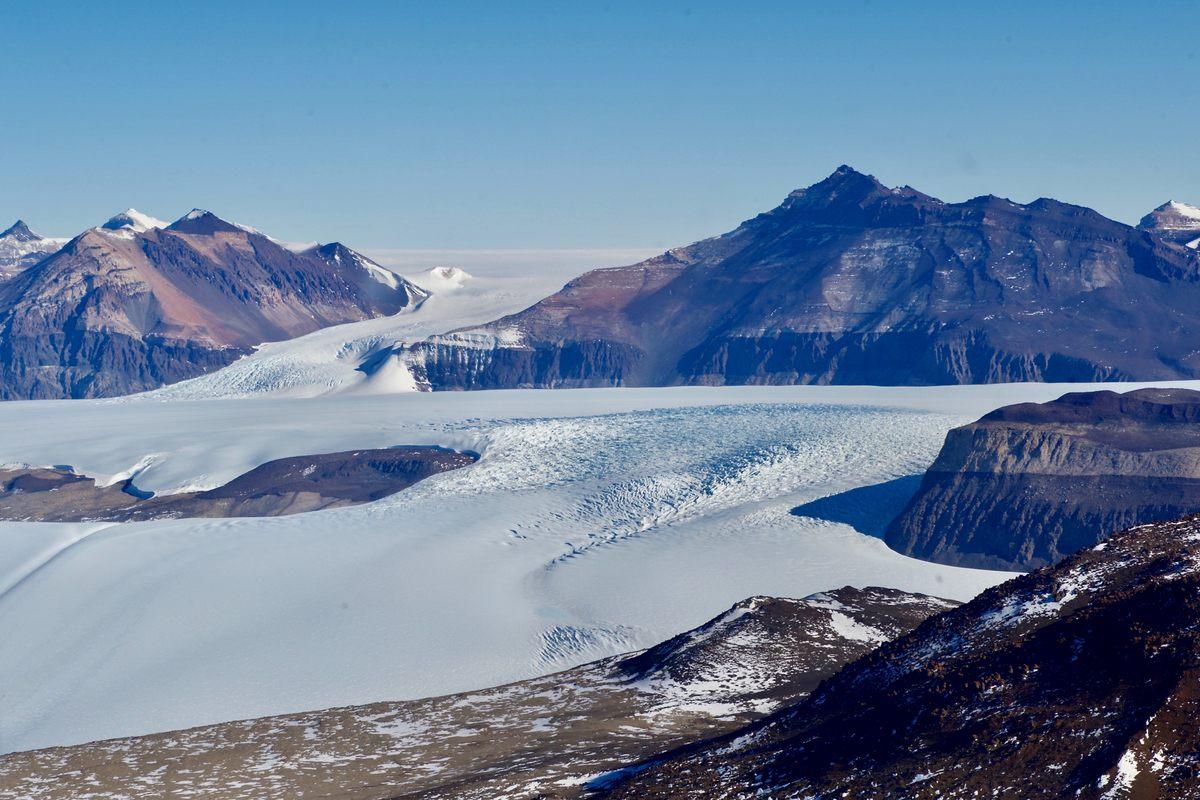
<p>The World’s Oldest Glaciers Are Buried Under South African Gold</p><p>2.9-billion-year-old evidence could be proof of a lost ice age—the first “Snowball Earth.”</p><p>by Gemma Tarlach via @atlasobscura</p><p><a href="https://www.atlasobscura.com/articles/oldest-glaciers-lost-ice-age" rel="nofollow" class="ellipsis" title="www.atlasobscura.com/articles/oldest-glaciers-lost-ice-age"><span class="invisible">https://</span><span class="ellipsis">www.atlasobscura.com/articles/</span><span class="invisible">oldest-glaciers-lost-ice-age</span></a></p><p><a href="/tags/science/" rel="tag">#science</a> <a href="/tags/geology/" rel="tag">#geology</a> <a href="/tags/glaciers/" rel="tag">#glaciers</a> <a href="/tags/climatechange/" rel="tag">#climatechange</a></p>

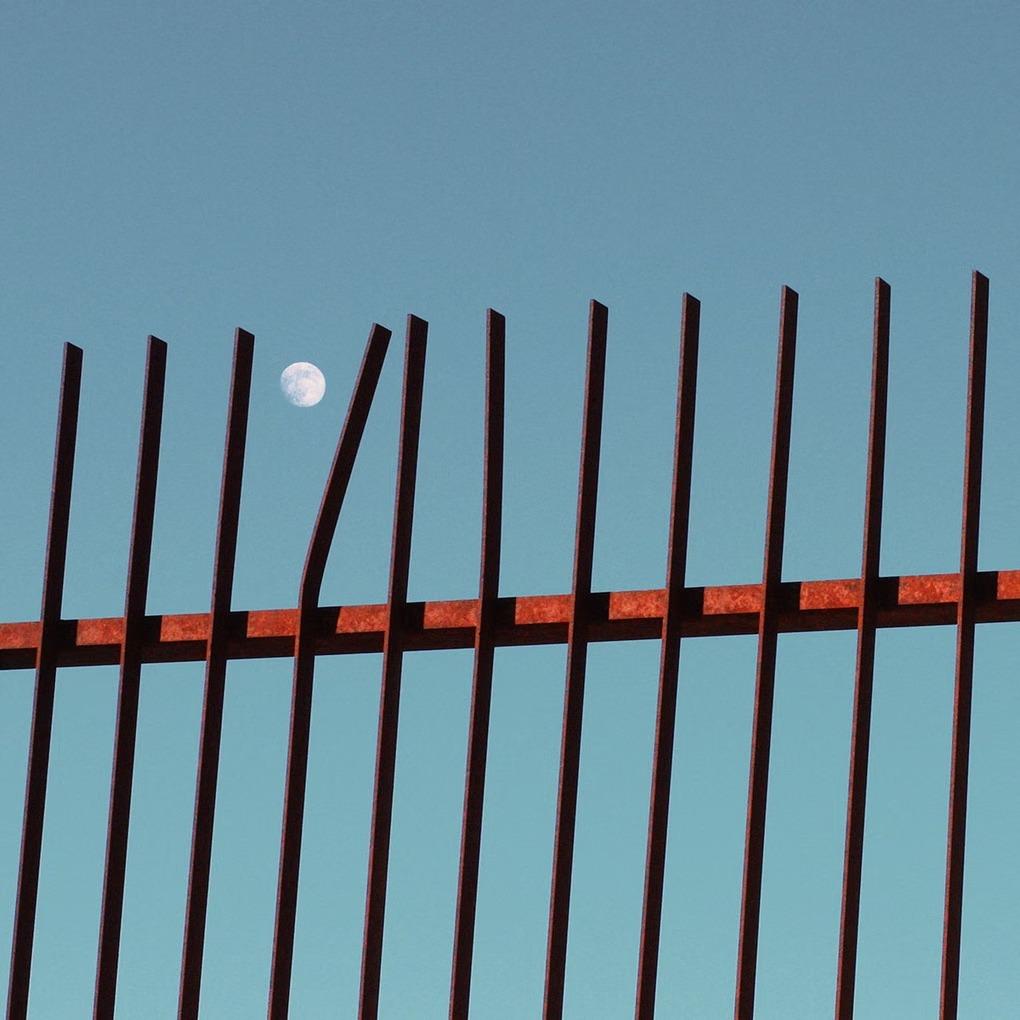
<p>de l'influence de la lune sur les barreaux des grilles</p><p>Timo Lemmetti<br><a href="/tags/moon/" rel="tag">#moon</a> <a href="/tags/science/" rel="tag">#science</a> <a href="/tags/sky/" rel="tag">#sky</a> <a href="/tags/freedom/" rel="tag">#freedom</a> <a href="/tags/photography/" rel="tag">#photography</a></p>
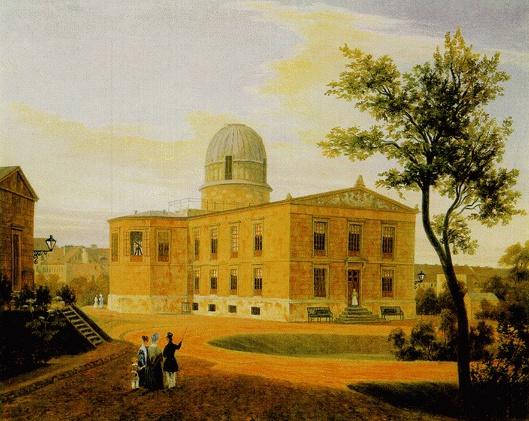
<p><a href="/tags/otd/" rel="tag">#OTD</a> in 1905.</p><p>Albert Einstein publishes the third of his Annus Mirabilis papers, introducing the special theory of relativity, which used the universal constant speed of light c to derive the Lorentz transformations.</p><p>There are some controversies on the question of the extent to which Mileva Marić contributed to the insights of Einstein's annus mirabilis publications</p><p><a href="https://en.wikipedia.org/wiki/Annus_mirabilis_papers#" rel="nofollow" class="ellipsis" title="en.wikipedia.org/wiki/Annus_mirabilis_papers#"><span class="invisible">https://</span><span class="ellipsis">en.wikipedia.org/wiki/Annus_mi</span><span class="invisible">rabilis_papers#</span></a></p><p>On the Electrodynamics of Moving Bodies at PG:<br><a href="https://www.gutenberg.org/ebooks/66944" rel="nofollow"><span class="invisible">https://</span>www.gutenberg.org/ebooks/66944</a></p><p><a href="/tags/books/" rel="tag">#books</a> <a href="/tags/science/" rel="tag">#science</a> <a href="/tags/physics/" rel="tag">#physics</a></p>
![Einstein, Albert (30 June 1905). "Zur Elektrodynamik bewegter Körper" [On the Electrodynamics of Moving Bodies] (PDF). Annalen der Physik (in German). 17 (10): 891–921.](/proxy/post_attachment/390325/9da374cdab.png "Einstein, Albert (30 June 1905). \"Zur Elektrodynamik bewegter Körper\" [On the Electrodynamics of Moving Bodies] (PDF). Annalen der Physik (in German). 17 (10): 891–921.")
<p><a href="/tags/otd/" rel="tag">#OTD</a> in 1846.</p><p>Astronomers Urbain Le Verrier, John Couch Adams and Johann Gottfried Galle collaborate on the discovery of Neptune.</p><p>There is evidence that Neptune was seen and recorded by Galileo Galilei in 1613, Jérôme Lalande in 1795, and John Herschel in 1830, but none are known to have recognized it as a planet at the time.</p><p><a href="https://en.wikipedia.org/wiki/Discovery_of_Neptune" rel="nofollow" class="ellipsis" title="en.wikipedia.org/wiki/Discovery_of_Neptune"><span class="invisible">https://</span><span class="ellipsis">en.wikipedia.org/wiki/Discover</span><span class="invisible">y_of_Neptune</span></a></p><p>Neptune at PG:<br><a href="https://www.gutenberg.org/ebooks/search/?query=neptune&submit_search=Search" rel="nofollow" class="ellipsis" title="www.gutenberg.org/ebooks/search/?query=neptune&submit_search=Search"><span class="invisible">https://</span><span class="ellipsis">www.gutenberg.org/ebooks/searc</span><span class="invisible">h/?query=neptune&submit_search=Search</span></a></p><p><a href="/tags/science/" rel="tag">#science</a> <a href="/tags/astronomy/" rel="tag">#astronomy</a> <a href="/tags/books/" rel="tag">#books</a> <a href="/tags/literature/" rel="tag">#literature</a></p>
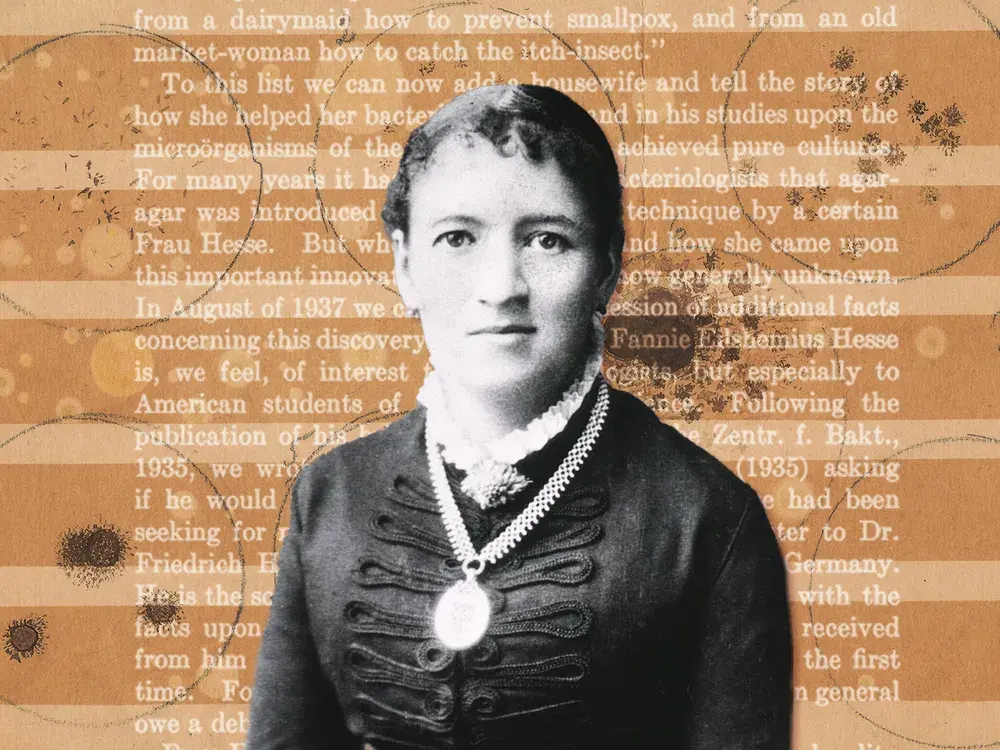
<p>Meet the Forgotten Woman Who Revolutionized Microbiology With a Simple Kitchen Staple</p><p>Fanny Angelina Hesse introduced agar to the life sciences in 1881. A trove of unpublished family papers sheds new light on her many accomplishments.</p><p>By Corrado Nai via @smithsonianmag </p><p><a href="https://www.smithsonianmag.com/history/meet-the-forgotten-woman-who-revolutionized-microbiology-with-a-simple-kitchen-staple-180984572/" rel="nofollow" class="ellipsis" title="www.smithsonianmag.com/history/meet-the-forgotten-woman-who-revolutionized-microbiology-with-a-simple-kitchen-staple-180984572/"><span class="invisible">https://</span><span class="ellipsis">www.smithsonianmag.com/history</span><span class="invisible">/meet-the-forgotten-woman-who-revolutionized-microbiology-with-a-simple-kitchen-staple-180984572/</span></a></p><p><a href="/tags/science/" rel="tag">#science</a> <a href="/tags/microbiology/" rel="tag">#microbiology</a> <a href="/tags/womeninstem/" rel="tag">#womeninSTEM</a></p>

<p>I’ve heard it said that if you don’t vote with whichever party then you are a coward. I think that’s exactly backwards, and even reflects poorly all the person making that argument. It doesn’t take much courage to go with the group.</p><p>Instead I go the other way: no matter which party you might prefer in general, it takes courage to say they nominated a moron, and fortunately the other party also nominated a loser, so no matter what the US is going to slog through these next few years.</p><p>In my opinion the courageous position is to say no, you nominated a moron, and I’m not going to give you my vote. We’re going to be okay I guess, whether you win or not, but I’m not going to let you assume that you have my vote if you insist on nominating a moron. You should have nominated someone better. You should have nominated someone worthy of my vote. Do better next time.</p><p>That’s the state of <a href="/tags/uspolitics/" rel="tag">#USPolitics</a> . As South Park said, big douche versus turd sandwich. So screw both <a href="/tags/democrats/" rel="tag">#Democrats</a> and <a href="/tags/republicans/" rel="tag">#Republicans</a>. Neither of you managed to nominate someone worth voting for, so I’m voting for my dog.</p><p>To give either party our votes is to sign on to their nomination of garbage people. Let’s not. Let’s say that they need to actually nominate worthwhile administrators.</p><p>But more practically, let’s focus on <a href="/tags/congress/" rel="tag">#Congress</a>. No matter who wins this election, they’re going to suck, but we can still express ourselves through our representation in Congress, and that’s honestly how it should be anyway.</p><p>Check out your representatives. See how they have actually been voting, and vote them out if they have been letting you down. That’s really where our focus should be anyway.</p><p>Not on which jerk ends up in the Oval Office.</p><p>(But thank God <a href="/tags/biden/" rel="tag">#Biden</a> is on his way out, as he has been terrible for <a href="/tags/science/" rel="tag">#science</a> in the US, which has not gotten nearly enough attention from the press.)</p>
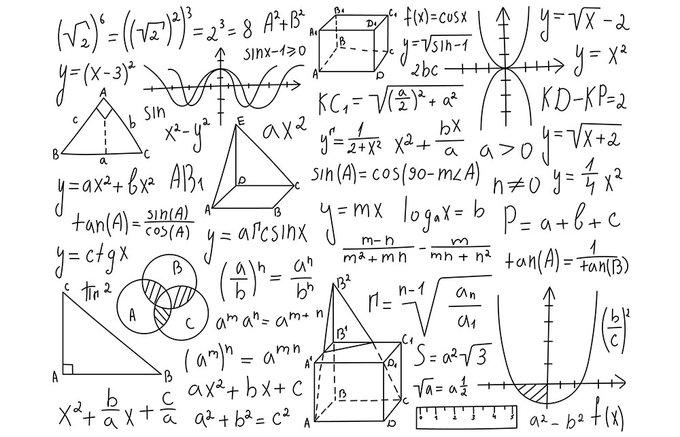
<p>Will the toughest problem in maths ever be solved?</p><p>For many, not just mathematicians, the Riemann hypothesis is the very definition of a supremely difficult problem that might be forever beyond our intellect. Most mathematicians had given up on it, being pessimistic about making any headway. But recently, the first progress – although not a solution – in more than 50 years has been made.</p><p>By David Whitehouse via <span class="h-card"><a href="https://mastodon.social/@spectator" class="u-url mention" rel="nofollow noopener noreferrer" target="_blank">@<span>spectator</span></a></span></p><p><a href="https://www.spectator.co.uk/article/will-the-toughest-problem-in-maths-ever-be-solved/" rel="nofollow" class="ellipsis" title="www.spectator.co.uk/article/will-the-toughest-problem-in-maths-ever-be-solved/"><span class="invisible">https://</span><span class="ellipsis">www.spectator.co.uk/article/wi</span><span class="invisible">ll-the-toughest-problem-in-maths-ever-be-solved/</span></a></p><p><a href="/tags/logic/" rel="tag">#logic</a> <a href="/tags/mathematics/" rel="tag">#mathematics</a> <a href="/tags/science/" rel="tag">#science</a></p>
Edited 1y ago
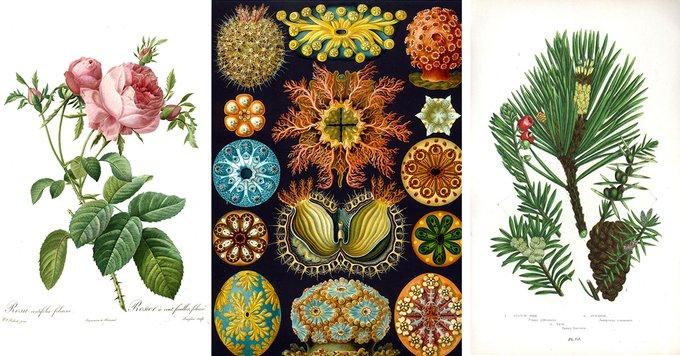
<p><a href="/tags/otd/" rel="tag">#OTD</a> in 1822.</p><p>French physicist Augustin-Jean Fresnel, in a "note" read to the Academy of Sciences, reports a direct refraction experiment verifying David Brewster's hypothesis that photoelasticity (as it is now known) is stress-induced birefringence.</p><p><a href="https://en.wikipedia.org/wiki/Birefringence" rel="nofollow" class="ellipsis" title="en.wikipedia.org/wiki/Birefringence"><span class="invisible">https://</span><span class="ellipsis">en.wikipedia.org/wiki/Birefrin</span><span class="invisible">gence</span></a></p><p><a href="/tags/science/" rel="tag">#science</a> <a href="/tags/physics/" rel="tag">#physics</a> <a href="/tags/optics/" rel="tag">#optics</a></p>
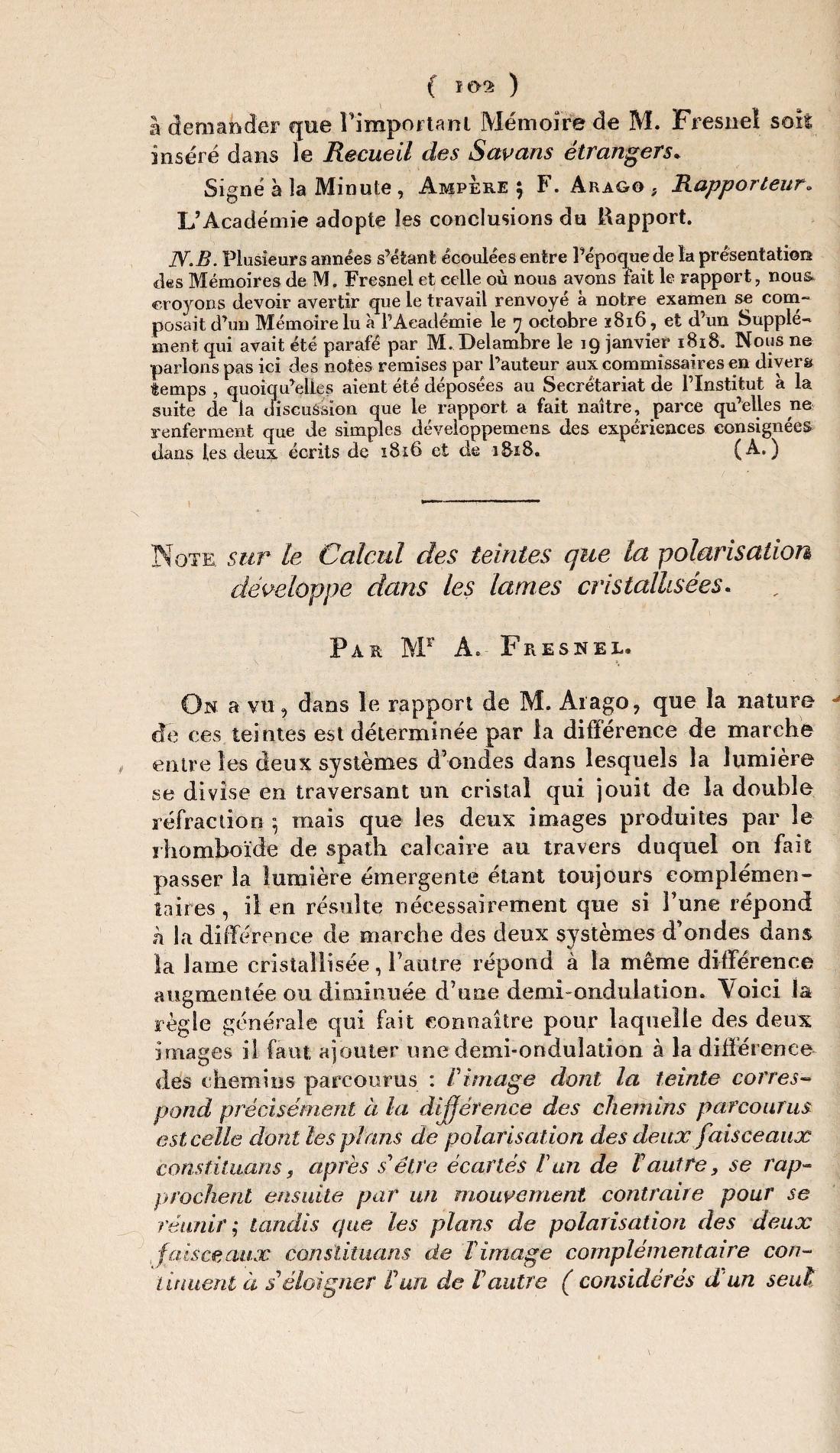
<p>What Is Botanical Illustration? Learn About the History of This Scientific Art Form</p><p>By Emma Taggart and My Modern Met Team via @mymodernmet </p><p><a href="https://mymodernmet.com/history-of-botanical-illustration/?utm_source=convertkit&utm_medium=email&utm_campaign=drawingclub&utm_term=drawingflowers&ck_subscriber_id=2836853634" rel="nofollow" class="ellipsis" title="mymodernmet.com/history-of-botanical-illustration/?utm_source=convertkit&utm_medium=email&utm_campaign=drawingclub&utm_term=drawingflowers&ck_subscriber_id=2836853634"><span class="invisible">https://</span><span class="ellipsis">mymodernmet.com/history-of-bot</span><span class="invisible">anical-illustration/?utm_source=convertkit&utm_medium=email&utm_campaign=drawingclub&utm_term=drawingflowers&ck_subscriber_id=2836853634</span></a></p><p><a href="/tags/science/" rel="tag">#science</a> <a href="/tags/botany/" rel="tag">#botany</a> <a href="/tags/scientificillustrators/" rel="tag">#scientificillustrators</a></p>
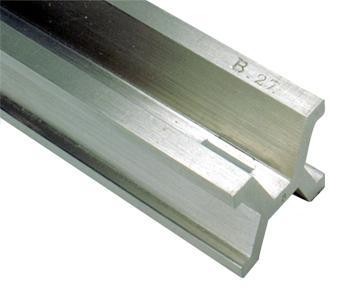
<p><a href="/tags/otd/" rel="tag">#OTD</a> in 1889.</p><p>The General Conference on Weights and Measures (CGPM) defines the length of a metre.</p><p>The history of the metre starts with the Scientific Revolution that is considered to have begun with Nicolaus Copernicus's publication of De revolutionibus orbium coelestium in 1543. The Mètre des Archives & its copies were replaced from 1889 at the initiative of the International Geodetic Association by 30 platinum-iridium bars kept across the globe.</p><p><a href="https://en.wikipedia.org/wiki/History_of_the_metre#" rel="nofollow" class="ellipsis" title="en.wikipedia.org/wiki/History_of_the_metre#"><span class="invisible">https://</span><span class="ellipsis">en.wikipedia.org/wiki/History_</span><span class="invisible">of_the_metre#</span></a></p><p><a href="/tags/science/" rel="tag">#science</a> <a href="/tags/metrology/" rel="tag">#metrology</a></p>
<p>British astronomer and meteorologist Isis Pogson was born <a href="/tags/otd/" rel="tag">#OTD</a> in 1852.</p><p>Pogson worked as an assistant to her father, Norman Pogson, who was an eminent astronomer known for his work on variable stars and the discovery of several asteroids. Over time, she gained recognition for her own work, despite her initial role as an unpaid assistant. She became highly knowledgeable in astronomical calculations, observations, and meteorology.</p><p><a href="https://en.wikipedia.org/wiki/Isis_Pogson" rel="nofollow" class="ellipsis" title="en.wikipedia.org/wiki/Isis_Pogson"><span class="invisible">https://</span><span class="ellipsis">en.wikipedia.org/wiki/Isis_Pog</span><span class="invisible">son</span></a></p><p><a href="/tags/science/" rel="tag">#science</a> <a href="/tags/meteorology/" rel="tag">#meteorology</a> <a href="/tags/womeninstem/" rel="tag">#womeninSTEM</a></p>