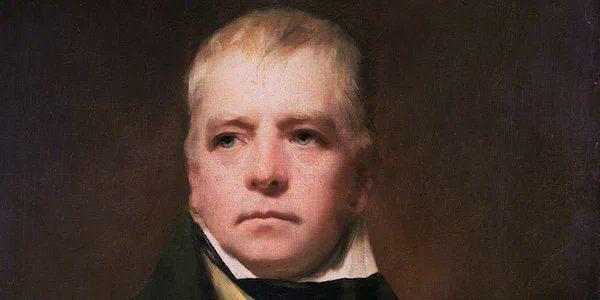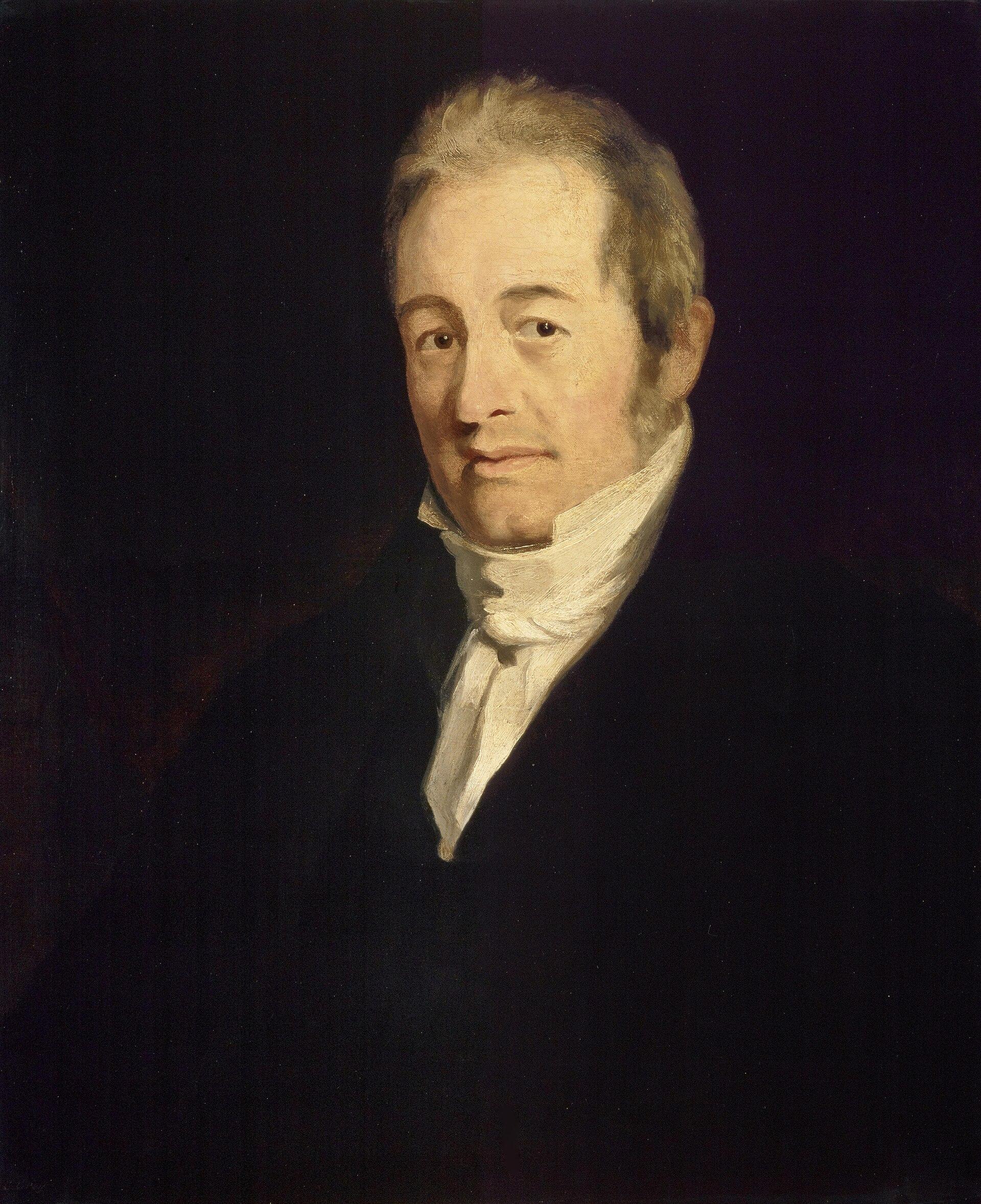
<p>Walter Scott (1771–1832) was born <a href="/tags/onthisday/" rel="tag">#OnThisDay</a>, 15 August, the son of Walter Scott, Writer to the Signet, and Anne Rutherford.</p><p>Scott is one of the most significant figures in Scottish, British, European and world literatures. In 2014, The Bottle Imp dedicated a special issue to celebrating Scott’s work.</p><p>A 🎂 🧵 </p><p>@litstudies </p><p>1/10</p><p><a href="https://www.thebottleimp.org.uk/issues/issue-16/" rel="nofollow" class="ellipsis" title="www.thebottleimp.org.uk/issues/issue-16/"><span class="invisible">https://</span><span class="ellipsis">www.thebottleimp.org.uk/issues</span><span class="invisible">/issue-16/</span></a></p><p><a href="/tags/scottish/" rel="tag">#Scottish</a> <a href="/tags/literature/" rel="tag">#literature</a> <a href="/tags/walterscott/" rel="tag">#WalterScott</a> <a href="/tags/19thcentury/" rel="tag">#19thcentury</a> <a href="/tags/romanticism/" rel="tag">#Romanticism</a></p>
romanticism
<p>The Laird o’ Cockpen, he’s proud an’ he’s great,<br>His mind is ta’en up wi’ the things o’ the State…</p><p>Carolina Oliphant, Lady Nairne (1766–1845) was born <a href="/tags/otd/" rel="tag">#OTD</a>, 16 Aug. Oliphant wrote over 100 popular songs to traditional Scottish tunes. Although she shunned publicity & never acknowledged her authorship, along with Robert Burns she is one of the most significant figures in Scottish folksong</p><p>1/2</p><p><a href="/tags/scottish/" rel="tag">#Scottish</a> <a href="/tags/literature/" rel="tag">#literature</a> <a href="/tags/song/" rel="tag">#song</a> <a href="/tags/folksong/" rel="tag">#folksong</a> <a href="/tags/18thcentury/" rel="tag">#18thcentury</a> <a href="/tags/19thcentury/" rel="tag">#19thcentury</a> <a href="/tags/romanticism/" rel="tag">#romanticism</a> <a href="/tags/womenwriters/" rel="tag">#womenwriters</a></p>
<p>Dr Gerard McKeever – Scotch Novels</p><p>Recorded on 4 September 2025 at the Edinburgh Sir Walter Scott Club.<br>Dr Gerard McKeever, lecturer in modern Scottish literature at the University of Edinburgh, speaks about Walter Scott’s relationship with Scotland, particularly through the lens of his so-called “Scotch Novels”.</p><p>@litstudies </p><p><a href="https://www.youtube.com/watch?v=twvrXYw1Sus" rel="nofollow" class="ellipsis" title="www.youtube.com/watch?v=twvrXYw1Sus"><span class="invisible">https://</span><span class="ellipsis">www.youtube.com/watch?v=twvrXY</span><span class="invisible">w1Sus</span></a></p><p><a href="/tags/scottish/" rel="tag">#Scottish</a> <a href="/tags/literature/" rel="tag">#literature</a> <a href="/tags/walterscott/" rel="tag">#WalterScott</a> <a href="/tags/sirwalterscott/" rel="tag">#SirWalterScott</a> <a href="/tags/19thcentury/" rel="tag">#19thcentury</a> <a href="/tags/romanticism/" rel="tag">#romanticism</a></p>
<p>Susan Ferrier (1782–1854) was born <a href="/tags/otd/" rel="tag">#OTD</a>, 7 September. Her three novels—Marriage, The Inheritance, & Destiny—are vivid & humorous accounts of Scottish society. Often compared to her contemporary Jane Austen, Ferrier’s satires are much more vicious… </p><p>A 🎂🧵</p><p>@litstudies </p><p>1/8</p><p><a href="https://www.scottishwomenwritersontheweb.net/writers-a-to-z/susan-ferrier" rel="nofollow" class="ellipsis" title="www.scottishwomenwritersontheweb.net/writers-a-to-z/susan-ferrier"><span class="invisible">https://</span><span class="ellipsis">www.scottishwomenwritersonthew</span><span class="invisible">eb.net/writers-a-to-z/susan-ferrier</span></a></p><p><a href="/tags/scottish/" rel="tag">#Scottish</a> <a href="/tags/literature/" rel="tag">#literature</a> <a href="/tags/regency/" rel="tag">#Regency</a> <a href="/tags/18thcentury/" rel="tag">#18thcentury</a> <a href="/tags/19thcentury/" rel="tag">#19thCentury</a> <a href="/tags/romanticism/" rel="tag">#romanticism</a> <a href="/tags/womenwriters/" rel="tag">#WomenWriters</a> <a href="/tags/susanferrier/" rel="tag">#SusanFerrier</a> <a href="/tags/janeausten/" rel="tag">#JaneAusten</a></p>
<p>Call it not vain:—they do not err,<br>Who say, that when the Poet dies,<br>Mute Nature mourns her worshipper,<br>And celebrates his obsequies…</p><p>—from Canto V, “The Lay of the Last Minstrel” by Sir Walter Scott (1771–1832) – died <a href="/tags/otd/" rel="tag">#OTD</a>, 21 September</p><p><a href="https://www.theotherpages.org/poems/canto05.html" rel="nofollow" class="ellipsis" title="www.theotherpages.org/poems/canto05.html"><span class="invisible">https://</span><span class="ellipsis">www.theotherpages.org/poems/ca</span><span class="invisible">nto05.html</span></a></p><p><a href="/tags/scottish/" rel="tag">#Scottish</a> <a href="/tags/literature/" rel="tag">#literature</a> <a href="/tags/poem/" rel="tag">#poem</a> <a href="/tags/poetry/" rel="tag">#poetry</a> <a href="/tags/walterscott/" rel="tag">#WalterScott</a> <a href="/tags/19thcentury/" rel="tag">#19thcentury</a> <a href="/tags/romanticism/" rel="tag">#romanticism</a></p>
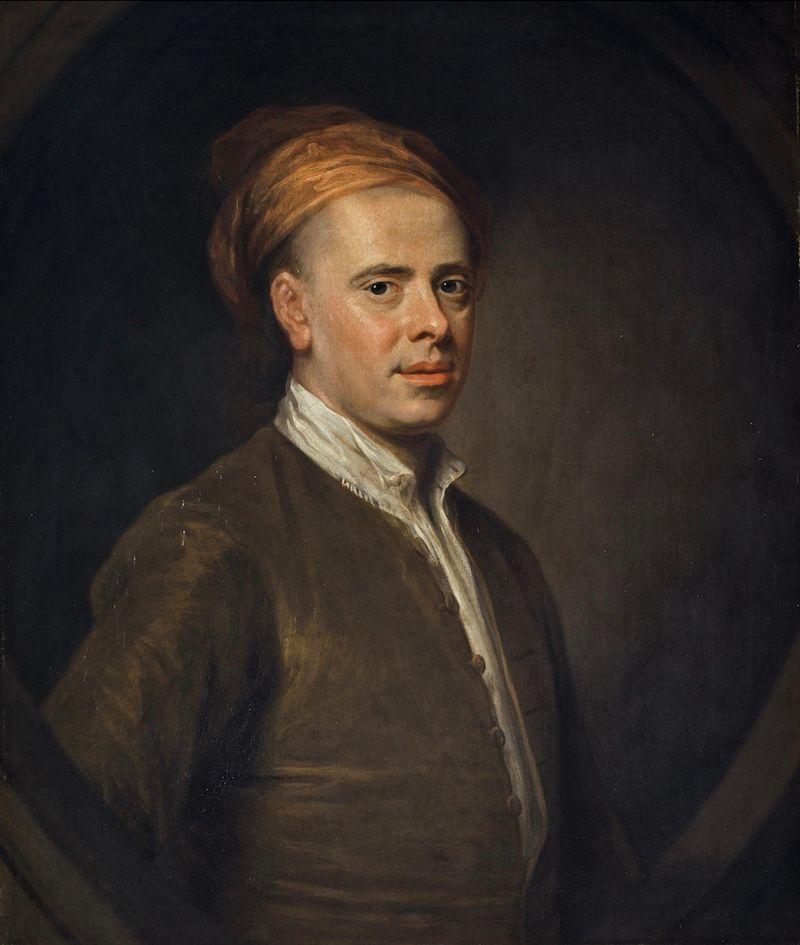
<p>Allan Ramsay (1684–1758) – poet, playwright, founder of modern Scots writing, & with a claim to be the father of Romanticism – was born <a href="/tags/otd/" rel="tag">#OTD</a>, 15 Oct<br>A 🎂 🧵</p><p>1/6</p><p>🖼️ Allan Ramsay, 1684–1758, by William Aikman – Scottish National Portrait Gallery<br>(This portrait was owned by Sir John Clerk of Penicuik, who wrote on the back of the canvas: “Here painted on this canvas clout by Aikman’s hand is Ramsay’s snout”)</p><p><a href="https://www.nationalgalleries.org/art-and-artists/3526" rel="nofollow" class="ellipsis" title="www.nationalgalleries.org/art-and-artists/3526"><span class="invisible">https://</span><span class="ellipsis">www.nationalgalleries.org/art-</span><span class="invisible">and-artists/3526</span></a></p><p><a href="/tags/scottish/" rel="tag">#Scottish</a> <a href="/tags/literature/" rel="tag">#literature</a> <a href="/tags/drama/" rel="tag">#drama</a> <a href="/tags/poetry/" rel="tag">#poetry</a> <a href="/tags/18thcentury/" rel="tag">#18thcentury</a> <a href="/tags/romanticism/" rel="tag">#Romanticism</a></p>
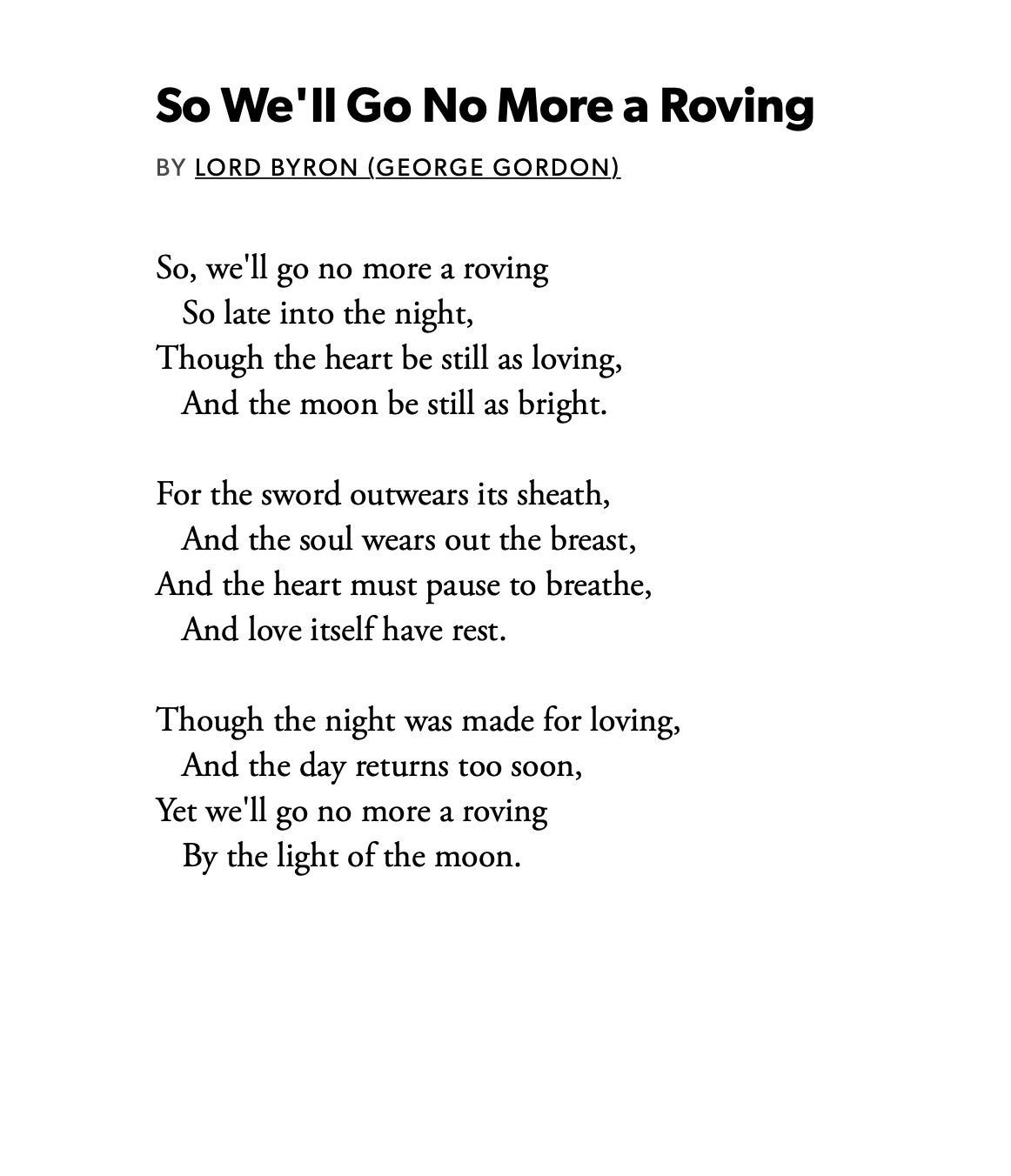
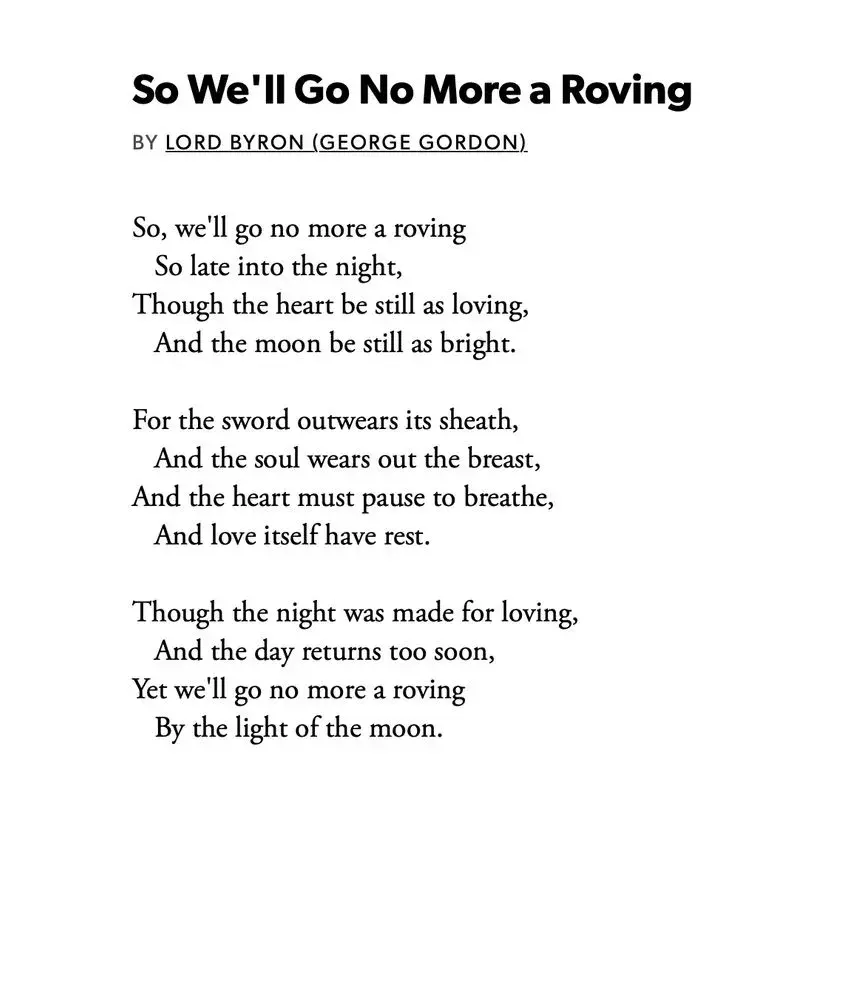
<p>Lord Byron – “half a Scot by birth, and bred / a whole one” – died 200 years ago <a href="/tags/otd/" rel="tag">#OTD</a>, 19 April 1824</p><p>This poem was written in a letter to Thomas Moore from Venice in 1817, when Byron was feeling particularly shagged out after Carnevale…</p><p><a href="/tags/byron/" rel="tag">#Byron</a> <a href="/tags/lordbyron/" rel="tag">#LordByron</a> <a href="/tags/scottish/" rel="tag">#Scottish</a> <a href="/tags/literature/" rel="tag">#literature</a> <a href="/tags/poetry/" rel="tag">#poetry</a> <a href="/tags/18thcentury/" rel="tag">#18thcentury</a> <a href="/tags/19thcentury/" rel="tag">#19thcentury</a> <a href="/tags/romanticism/" rel="tag">#romanticism</a> </p><p>1/4<br><a href="https://www.poetryfoundation.org/poems/43845/so-well-go-no-more-a-roving" rel="nofollow" class="ellipsis" title="www.poetryfoundation.org/poems/43845/so-well-go-no-more-a-roving"><span class="invisible">https://</span><span class="ellipsis">www.poetryfoundation.org/poems</span><span class="invisible">/43845/so-well-go-no-more-a-roving</span></a></p>
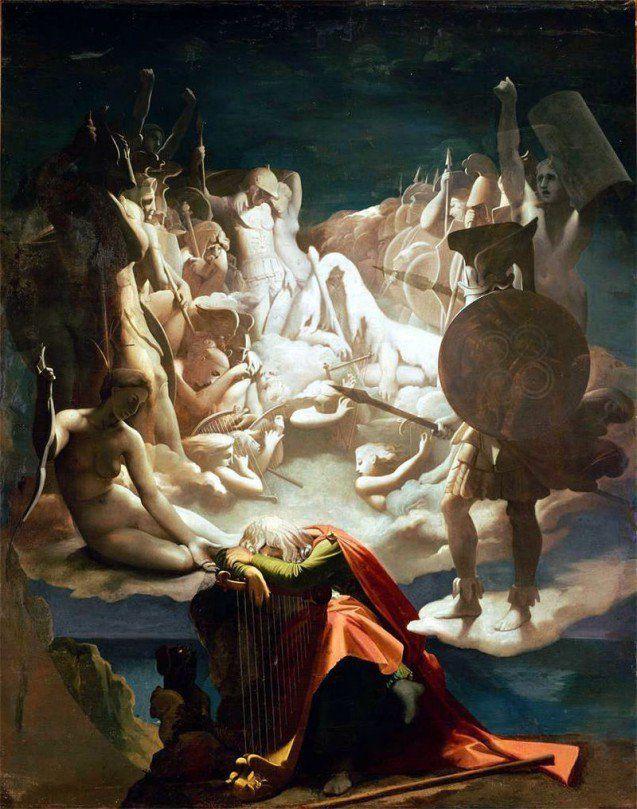
<p>James Macpherson (1736–1796), of “Ossian” fame, was born <a href="/tags/otd/" rel="tag">#OTD</a>, 27 Oct. The “Ossian” poems were the literary sensation of the 18th century; they inspired the Brothers Grimm to collect German folktales, & Elias Lönnrot to compile Finnish poems into the Kalevala. They are the founding texts of European Romanticism & of modern fantasy literature </p><p>A 🎂🧵 </p><p>@litstudies <br>1/9<br>🖼️: Ingres, Le Songe d’Ossian</p><p><a href="/tags/scottish/" rel="tag">#Scottish</a> <a href="/tags/literature/" rel="tag">#literature</a> <a href="/tags/18thcentury/" rel="tag">#18thcentury</a> <a href="/tags/romanticism/" rel="tag">#romanticism</a> <a href="/tags/fantasy/" rel="tag">#fantasy</a> <a href="/tags/ossian/" rel="tag">#Ossian</a> <a href="/tags/jamesmacpherson/" rel="tag">#JamesMacpherson</a> <a href="/tags/gaelic/" rel="tag">#Gaelic</a> <a href="/tags/gaidhlig/" rel="tag">#Gaidhlig</a></p>
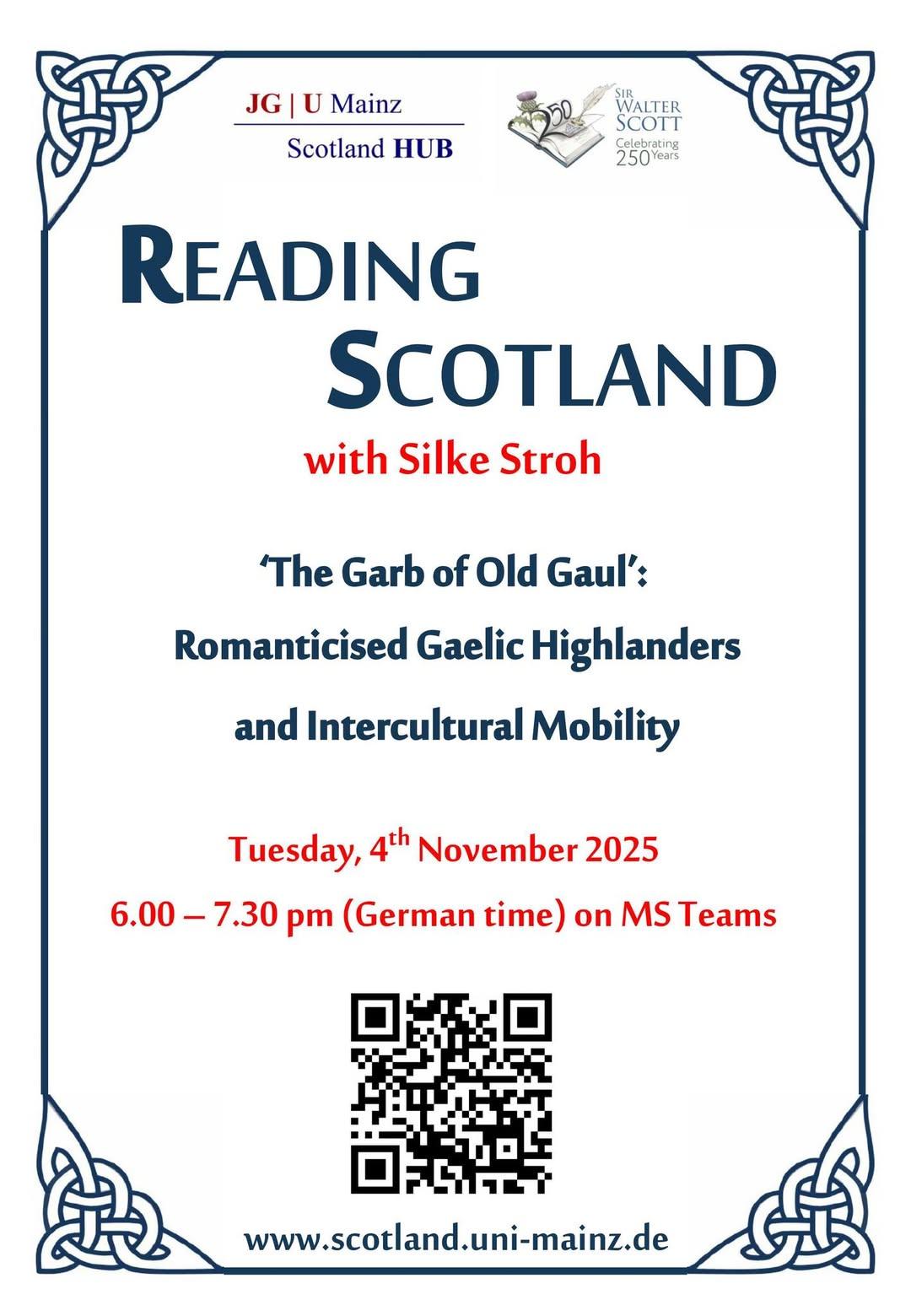
<p>‘The Garb of Old Gaul’: Romanticised Gaelic Highlanders & Intercultural Mobility<br>4 November, online – free</p><p>Prof Silke Stroh discusses the 18th-century song “The Garb of Old Gaul” – an example of the romanticisation of Highland soldiers. She traces the song’s textual history, argues that the English text might be older than is commonly assumed, & sheds new light on the Gaelic translations</p><p><a href="https://www.scotland.uni-mainz.de/reading-scotland/" rel="nofollow" class="ellipsis" title="www.scotland.uni-mainz.de/reading-scotland/"><span class="invisible">https://</span><span class="ellipsis">www.scotland.uni-mainz.de/read</span><span class="invisible">ing-scotland/</span></a></p><p><a href="/tags/scottish/" rel="tag">#Scottish</a> <a href="/tags/literature/" rel="tag">#literature</a> <a href="/tags/18thcentury/" rel="tag">#18thcentury</a> <a href="/tags/highlands/" rel="tag">#Highlands</a> <a href="/tags/romanticism/" rel="tag">#romanticism</a> <a href="/tags/gaelic/" rel="tag">#Gaelic</a> <a href="/tags/gaidhlig/" rel="tag">#Gaidhlig</a></p>
<p>“Hogg defied categorisation. A prolific poet, songwriter, playwright, novelist, short story writer & parodist, he wrote with equal skill in Scots & English”</p><p>James Hogg, AKA “the Ettrick Shepherd” (1770–1835, DOB unknown) was baptised <a href="/tags/otd/" rel="tag">#OTD</a>, 9 Dec</p><p>🧵</p><p>1/10</p><p><a href="https://theconversation.com/james-hogg-at-250-the-farmhand-who-became-one-of-scotlands-greatest-storytellers-155534" rel="nofollow" class="ellipsis" title="theconversation.com/james-hogg-at-250-the-farmhand-who-became-one-of-scotlands-greatest-storytellers-155534"><span class="invisible">https://</span><span class="ellipsis">theconversation.com/james-hogg</span><span class="invisible">-at-250-the-farmhand-who-became-one-of-scotlands-greatest-storytellers-155534</span></a></p><p><a href="/tags/scottish/" rel="tag">#Scottish</a> <a href="/tags/literature/" rel="tag">#literature</a> <a href="/tags/jameshogg/" rel="tag">#JamesHogg</a> <a href="/tags/romanticism/" rel="tag">#romanticism</a> <a href="/tags/gothic/" rel="tag">#gothic</a> <a href="/tags/18thcentury/" rel="tag">#18thcentury</a> <a href="/tags/19thcentury/" rel="tag">#19thcentury</a></p>
<p>If a landscape ‘speaks’, can we hear it?<br>10 Nov, Edinburgh, & online. Tickets £6/£2</p><p>From the medieval West Highlands & Gaelic society, Prof Aonghus MacKechnie’s talk ranges through Early Modern Scotland, the exploitation of history & the ‘signage’ used by the Stewart monarchy, through to post-1660s classicism, Romanticism, “Improvement”, & militarism</p><p><a href="https://www.eventbrite.co.uk/e/if-a-landscape-speaks-can-we-hear-it-with-aonghus-mackechnie-tickets-1733332637579?aff=oddtdtcreator" rel="nofollow" class="ellipsis" title="www.eventbrite.co.uk/e/if-a-landscape-speaks-can-we-hear-it-with-aonghus-mackechnie-tickets-1733332637579?aff=oddtdtcreator"><span class="invisible">https://</span><span class="ellipsis">www.eventbrite.co.uk/e/if-a-la</span><span class="invisible">ndscape-speaks-can-we-hear-it-with-aonghus-mackechnie-tickets-1733332637579?aff=oddtdtcreator</span></a></p><p><a href="/tags/scottish/" rel="tag">#Scottish</a> <a href="/tags/history/" rel="tag">#history</a> <a href="/tags/culture/" rel="tag">#culture</a> <a href="/tags/culturalstudies/" rel="tag">#culturalstudies</a> <a href="/tags/placenames/" rel="tag">#placenames</a> <a href="/tags/gaelic/" rel="tag">#Gaelic</a> <a href="/tags/gaidhlig/" rel="tag">#Gaidhlig</a> <a href="/tags/earlymodern/" rel="tag">#EarlyModern</a> <a href="/tags/romanticism/" rel="tag">#Romanticism</a> <a href="/tags/militarism/" rel="tag">#militarism</a></p>
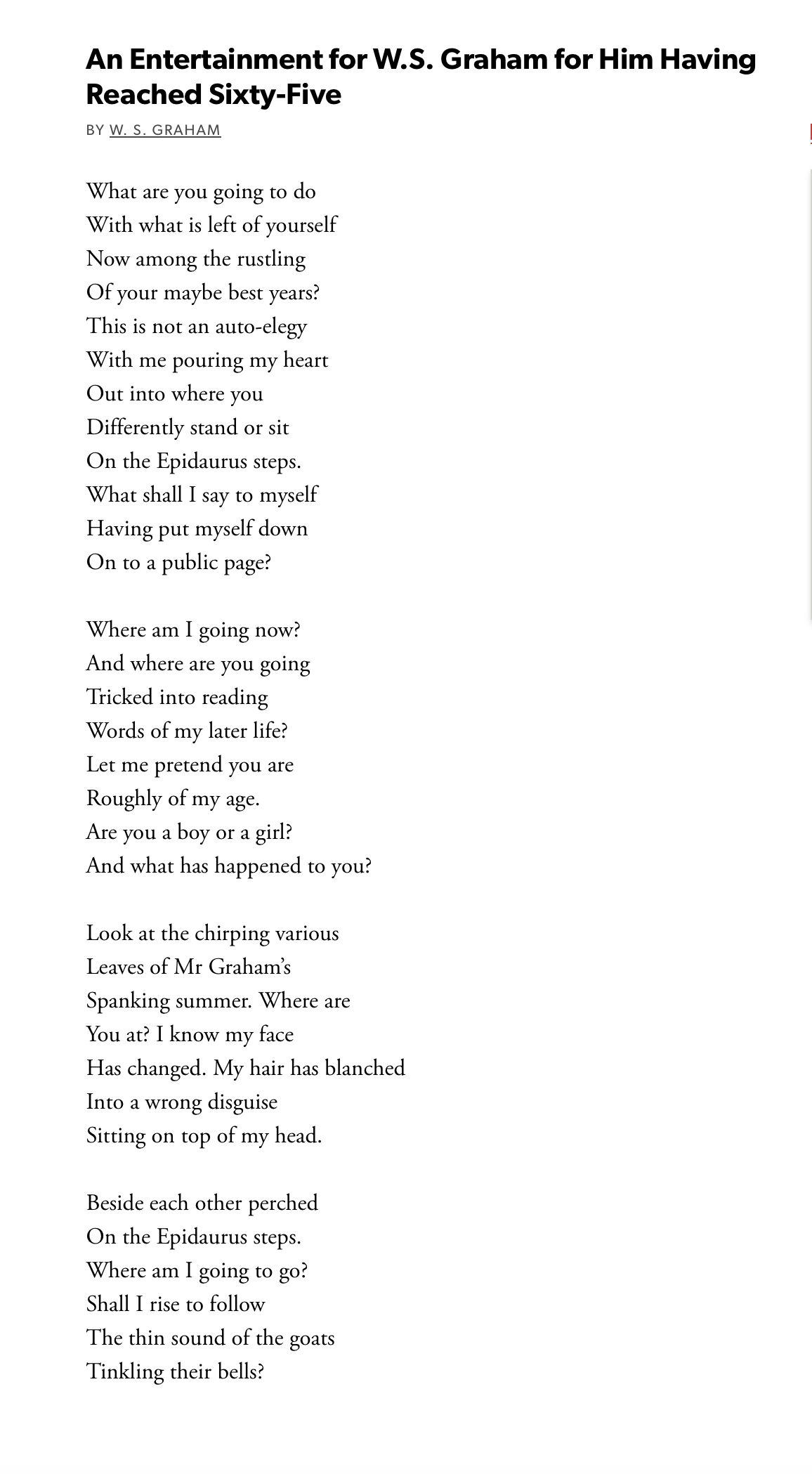
<p>What are you going to do<br>With what is left of yourself<br>Now among the rustling<br>Of your maybe best years?</p><p>—WS Graham, “An Entertainment for WS Graham for Him Having Reached Sixty-Five”</p><p>The Modernist romantic poet W.S. Graham (1918–1986) was born <a href="/tags/otd/" rel="tag">#OTD</a>, 19 November</p><p>A 🎂 🧵</p><p>1/7</p><p><a href="https://www.poetryfoundation.org/poetrymagazine/poems/145184/an-entertainment-for-ws-graham-for-him-having-reached-sixty-five" rel="nofollow" class="ellipsis" title="www.poetryfoundation.org/poetrymagazine/poems/145184/an-entertainment-for-ws-graham-for-him-having-reached-sixty-five"><span class="invisible">https://</span><span class="ellipsis">www.poetryfoundation.org/poetr</span><span class="invisible">ymagazine/poems/145184/an-entertainment-for-ws-graham-for-him-having-reached-sixty-five</span></a></p><p><a href="/tags/scottish/" rel="tag">#Scottish</a> <a href="/tags/literature/" rel="tag">#literature</a> <a href="/tags/poem/" rel="tag">#poem</a> <a href="/tags/poetry/" rel="tag">#poetry</a> <a href="/tags/modernism/" rel="tag">#modernism</a> <a href="/tags/romanticism/" rel="tag">#romanticism</a> <a href="/tags/wsgraham/" rel="tag">#WSGraham</a></p>
<p>Centre for Robert Burns Studies Conference<br>17 January, University of Glasgow – £25 (includes tea, coffee, lunch, & a toast) </p><p>A day conference exploring the life, work, & legacy of Robert Burns.This year, the conference theme is the Burns Supper: a global phenomenon that celebrates its 225th anniversary in 2026.</p><p>@litstudies </p><p><a href="https://www.eventbrite.co.uk/e/centre-for-robert-burns-studies-conference-tickets-1851549627779" rel="nofollow" class="ellipsis" title="www.eventbrite.co.uk/e/centre-for-robert-burns-studies-conference-tickets-1851549627779"><span class="invisible">https://</span><span class="ellipsis">www.eventbrite.co.uk/e/centre-</span><span class="invisible">for-robert-burns-studies-conference-tickets-1851549627779</span></a></p><p><a href="/tags/scottish/" rel="tag">#Scottish</a> <a href="/tags/literature/" rel="tag">#literature</a> <a href="/tags/robertburns/" rel="tag">#RobertBurns</a> <a href="/tags/18thcentury/" rel="tag">#18thcentury</a> <a href="/tags/poetry/" rel="tag">#poetry</a> <a href="/tags/song/" rel="tag">#song</a> <a href="/tags/romanticism/" rel="tag">#romanticism</a> <a href="/tags/burnssupper/" rel="tag">#BurnsSupper</a></p>
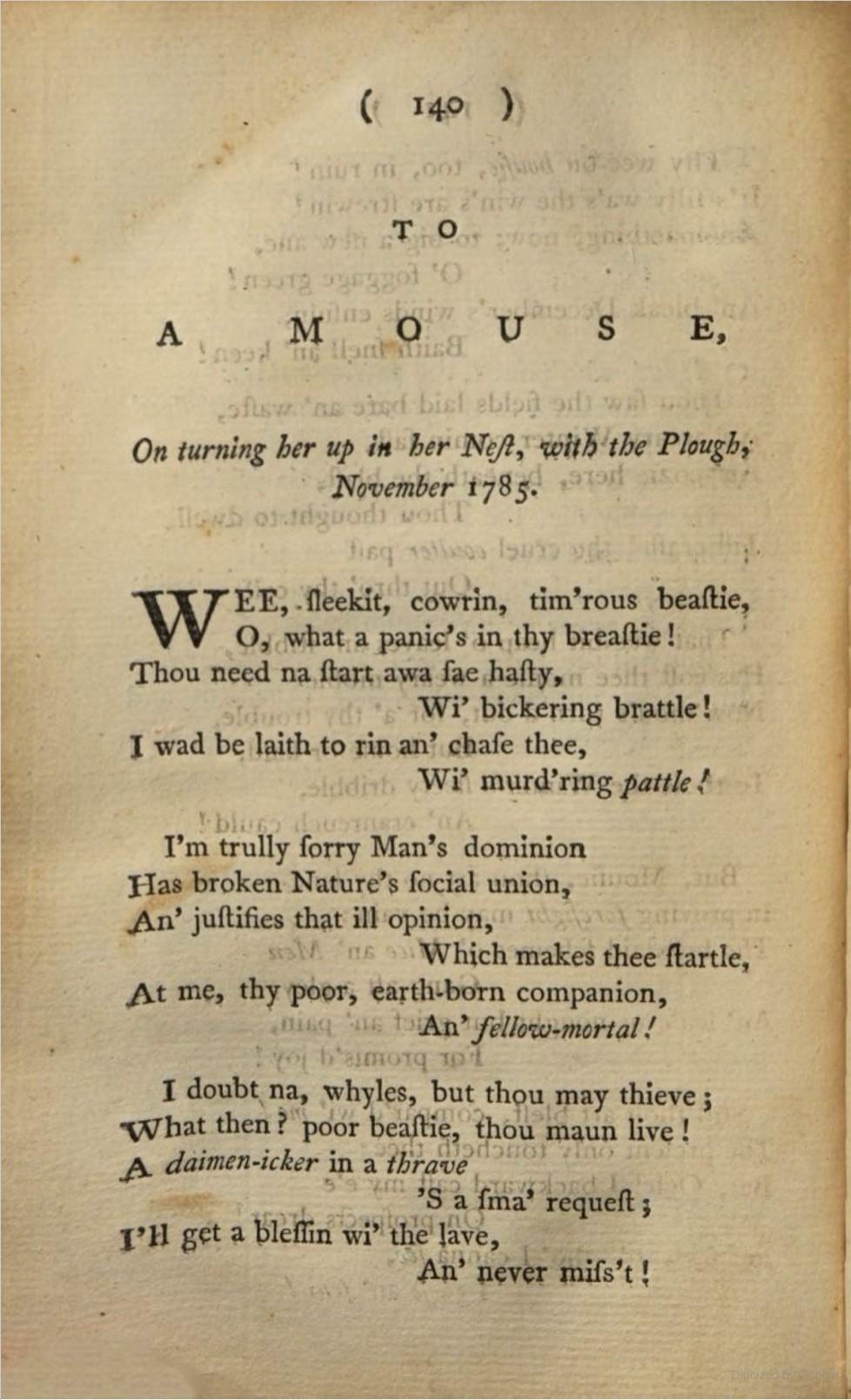
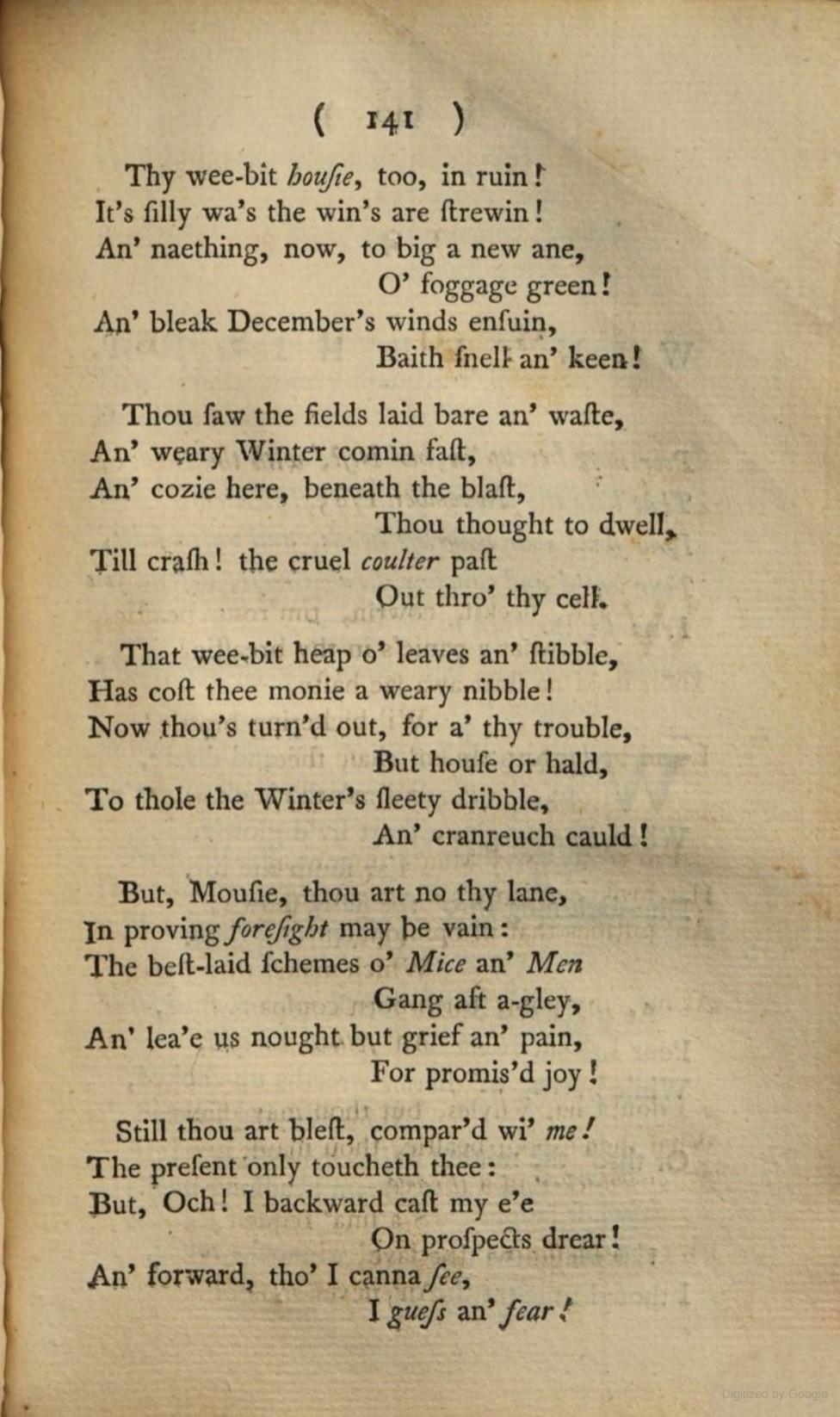
<p>I’m truly sorry Man’s dominion<br>Has broken Nature’s social union,<br>An’ justifies that ill opinion,<br> Which makes thee startle,<br>At me, thy poor, earth-born companion,<br> An’ fellow-mortal!</p><p>—Robert Burns, “To a Mouse, On turning her up in her Nest, with the Plough, November 1785”</p><p><a href="/tags/scottish/" rel="tag">#Scottish</a> <a href="/tags/literature/" rel="tag">#literature</a> <a href="/tags/poem/" rel="tag">#poem</a> <a href="/tags/poetry/" rel="tag">#poetry</a> <a href="/tags/robertburns/" rel="tag">#RobertBurns</a> <a href="/tags/scots/" rel="tag">#Scots</a> <a href="/tags/scotlsanguage/" rel="tag">#Scotlsanguage</a> <a href="/tags/environmentalism/" rel="tag">#environmentalism</a> <a href="/tags/naturewriting/" rel="tag">#naturewriting</a> <a href="/tags/18thcentury/" rel="tag">#18thCentury</a> <a href="/tags/romanticism/" rel="tag">#Romanticism</a> <a href="/tags/november/" rel="tag">#November</a> <a href="/tags/winter/" rel="tag">#winter</a></p>
<p>Unveiling Lady Scott<br>Walter Scott, French Influence & Transcultural Connections<br>Free online from 26 Nov–10 Dec 2025</p><p>Céline Sabiron sheds new light on Walter Scott’s work by investigating the French influence of his wife, Charlotte Charpentier & argues that she, as a knowledgeable art & literature enthusiast, greatly assisted him in his work as his secretary, amanuensis, & proofreader</p><p>@litstudies </p><p><a href="https://www.cambridge.org/core/elements/unveiling-lady-scott/312FE027B29B98DEA13AEFD0A39EA095" rel="nofollow" class="ellipsis" title="www.cambridge.org/core/elements/unveiling-lady-scott/312FE027B29B98DEA13AEFD0A39EA095"><span class="invisible">https://</span><span class="ellipsis">www.cambridge.org/core/element</span><span class="invisible">s/unveiling-lady-scott/312FE027B29B98DEA13AEFD0A39EA095</span></a></p><p><a href="/tags/scottish/" rel="tag">#Scottish</a> <a href="/tags/literature/" rel="tag">#literature</a> <a href="/tags/18thcentury/" rel="tag">#18thcentury</a> <a href="/tags/romanticism/" rel="tag">#romanticism</a> <a href="/tags/walterscott/" rel="tag">#WalterScott</a></p>
<p>‘A Tartan Belle’: Jane, Duchess of Gordon and the Romanticisation of Scottish Identity in London, c.1780–1812<br>25 Nov, online – free</p><p>At a time when markers of Scottish identity were still viewed with suspicion in England, Jane, Duchess of Gordon used her social influence to make Scottish culture interesting & romantic to the British elite</p><p><a href="https://www.history.ac.uk/news-events/events/tartan-belle-jane-duchess-gordon-romanticisation-scottish-identity-london-c1780-1812" rel="nofollow" class="ellipsis" title="www.history.ac.uk/news-events/events/tartan-belle-jane-duchess-gordon-romanticisation-scottish-identity-london-c1780-1812"><span class="invisible">https://</span><span class="ellipsis">www.history.ac.uk/news-events/</span><span class="invisible">events/tartan-belle-jane-duchess-gordon-romanticisation-scottish-identity-london-c1780-1812</span></a></p><p><a href="/tags/scottish/" rel="tag">#Scottish</a> <a href="/tags/literature/" rel="tag">#literature</a> <a href="/tags/history/" rel="tag">#history</a> <a href="/tags/culture/" rel="tag">#culture</a> <a href="/tags/identity/" rel="tag">#identity</a> <a href="/tags/18thcentury/" rel="tag">#18thcentury</a> <a href="/tags/romanticism/" rel="tag">#romanticism</a></p>
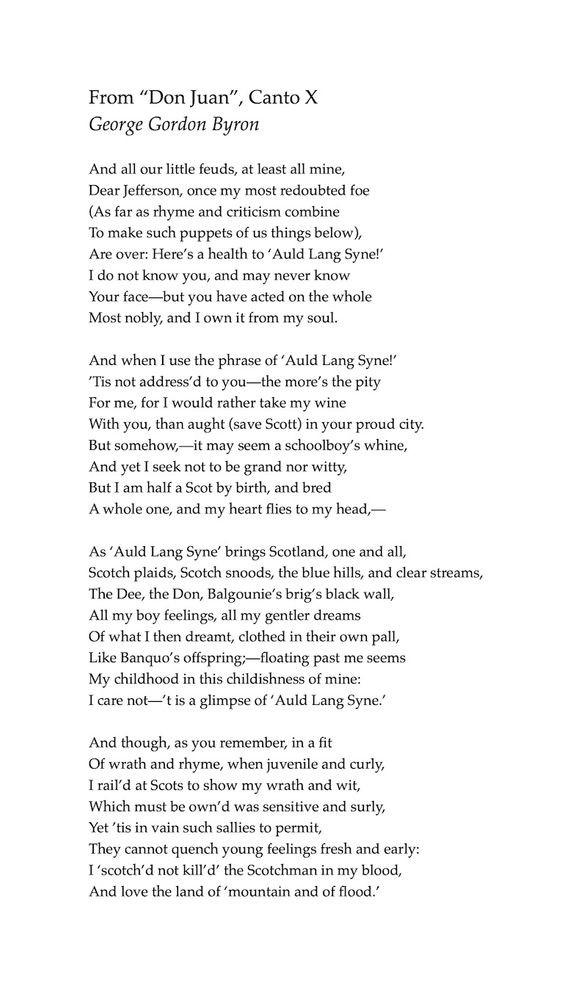
<p>But I am half a Scot by birth, and bred<br>A whole one, and my heart flies to my head,—</p><p>—from “Don Juan”, Canto X, by George Gordon, Lord Byron</p><p>The great Romantic poet George Gordon Byron, 6th Baron Byron – Lord Byron – was born <a href="/tags/otd/" rel="tag">#OTD</a>, 22 Jan, 1788</p><p>A 🎂 🧵</p><p>1/5</p><p><a href="/tags/scottish/" rel="tag">#Scottish</a> <a href="/tags/literature/" rel="tag">#literature</a> <a href="/tags/poem/" rel="tag">#poem</a> <a href="/tags/poetry/" rel="tag">#poetry</a> <a href="/tags/byron/" rel="tag">#Byron</a> <a href="/tags/lordbyron/" rel="tag">#LordByron</a> <a href="/tags/romantic/" rel="tag">#romantic</a> <a href="/tags/romanticism/" rel="tag">#romanticism</a> <a href="/tags/18thcentury/" rel="tag">#18thcentury</a> <a href="/tags/19thcentury/" rel="tag">#19thcentury</a></p>
<p>“On the dirt roads of Arkansas I first met Robert Burns…” </p><p>Currently on the BBC iPlayer: writer, poet, & activist Dr Maya Angelou goes on a pilgrimage to the home of Robert Burns (originally broadcast in 1996 to mark the bicentenary of Burns’s death)</p><p><a href="https://www.bbc.co.uk/programmes/m0013vcs" rel="nofollow" class="ellipsis" title="www.bbc.co.uk/programmes/m0013vcs"><span class="invisible">https://</span><span class="ellipsis">www.bbc.co.uk/programmes/m0013</span><span class="invisible">vcs</span></a></p><p><a href="/tags/scottish/" rel="tag">#Scottish</a> <a href="/tags/literature/" rel="tag">#literature</a> <a href="/tags/robertburns/" rel="tag">#RobertBurns</a> <a href="/tags/mayaangelou/" rel="tag">#MayaAngelou</a> <a href="/tags/burnsnight/" rel="tag">#BurnsNight</a> <a href="/tags/poetry/" rel="tag">#poetry</a> <a href="/tags/romanticism/" rel="tag">#romanticism</a> <a href="/tags/18thcentury/" rel="tag">#18thcentury</a></p>
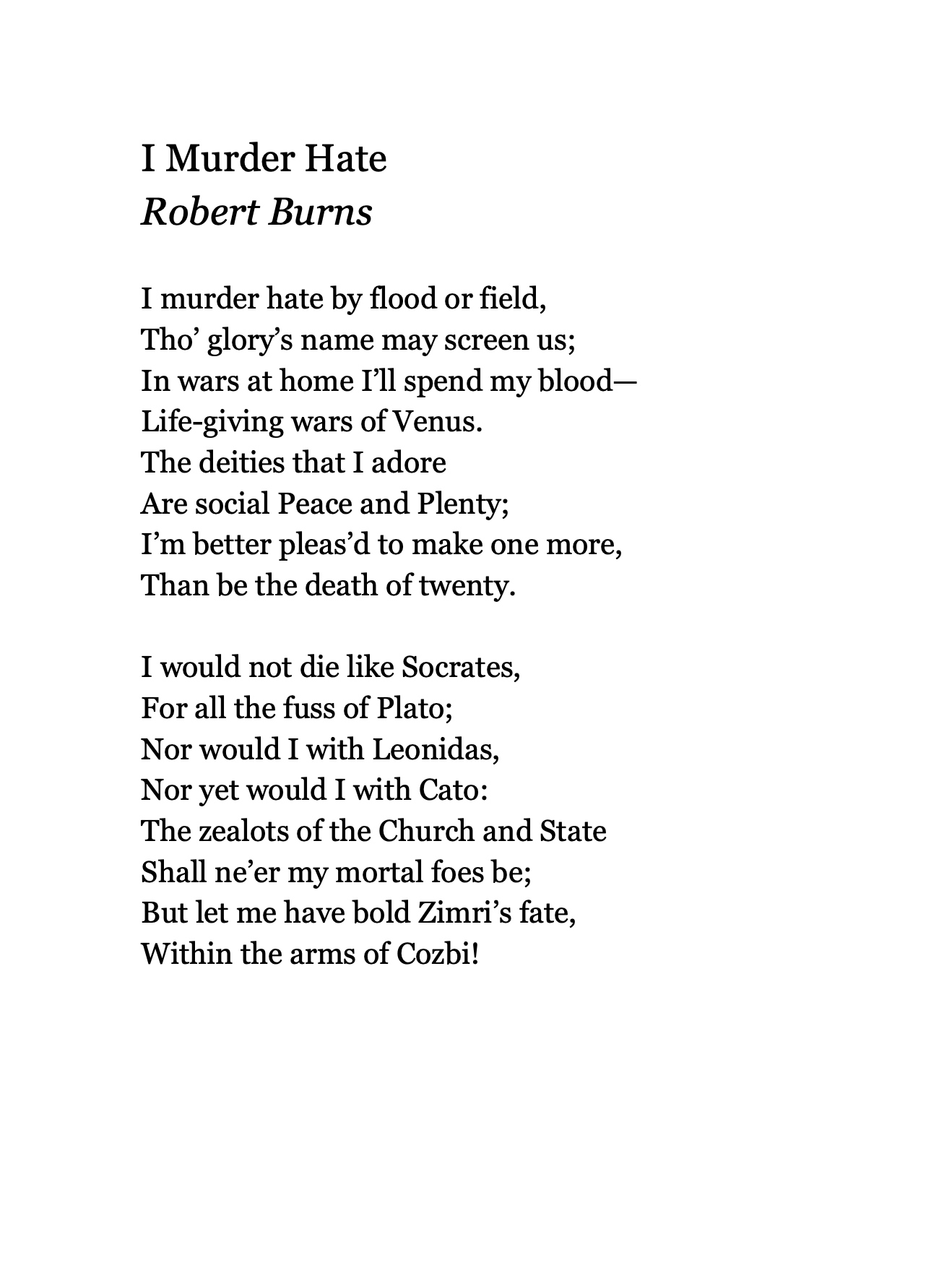
<p>I murder hate by flood or field, <br>Tho’ glory's name may screen us; <br>In wars at home I’ll spend my blood—<br>Life-giving wars of Venus.<br>The deities that I adore<br>Are social Peace and Plenty;<br>I’m better pleas’d to make one more,<br>Than be the death of twenty…<br> <br>—Robert Burns, “I Murder Hate”</p><p><a href="/tags/scottish/" rel="tag">#Scottish</a> <a href="/tags/literature/" rel="tag">#literature</a> <a href="/tags/robertburns/" rel="tag">#RobertBurns</a> <a href="/tags/burnsnight/" rel="tag">#BurnsNight</a> <a href="/tags/poetry/" rel="tag">#poetry</a> <a href="/tags/romanticism/" rel="tag">#romanticism</a> <a href="/tags/18thcentury/" rel="tag">#18thcentury</a></p>
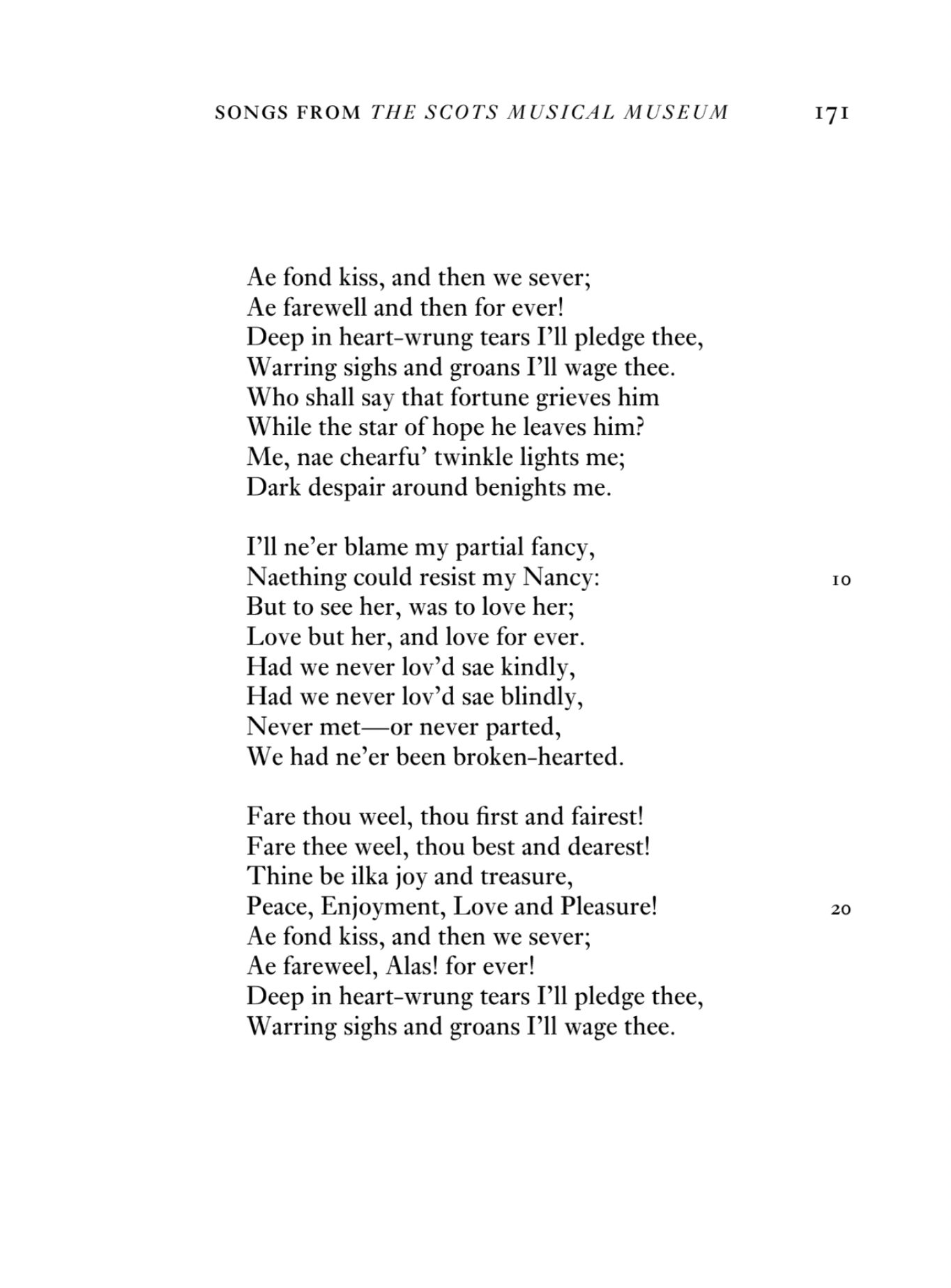
<p>Ae fond kiss, and then we sever;<br>Ae fareweel, and then forever!<br>Deep in heart-wrung tears I’ll pledge thee,<br>Warring sighs and groans I’ll wage thee…</p><p>—Robert Burns<br>published in SELECTED POEMS & SONGS (OUP, 2013)</p><p><a href="https://global.oup.com/academic/product/selected-poems-and-songs-9780199682324" rel="nofollow" class="ellipsis" title="global.oup.com/academic/product/selected-poems-and-songs-9780199682324"><span class="invisible">https://</span><span class="ellipsis">global.oup.com/academic/produc</span><span class="invisible">t/selected-poems-and-songs-9780199682324</span></a></p><p><a href="/tags/scottish/" rel="tag">#Scottish</a> <a href="/tags/literature/" rel="tag">#literature</a> <a href="/tags/robertburns/" rel="tag">#RobertBurns</a> <a href="/tags/burnsnight/" rel="tag">#BurnsNight</a> <a href="/tags/poetry/" rel="tag">#poetry</a> <a href="/tags/romanticism/" rel="tag">#romanticism</a> <a href="/tags/18thcentury/" rel="tag">#18thcentury</a> <a href="/tags/song/" rel="tag">#song</a> <a href="/tags/folksong/" rel="tag">#folksong</a> <a href="/tags/lovesong/" rel="tag">#lovesong</a></p>
<p>From 2020 – Prof Kirsteen McCue, Prof Nigel Leask, & Dr Craig Lamont discuss the importance of the Kilmarnock edition of POEMS, CHIEFLY IN THE SCOTTISH DIALECT for Burns, & the significance of the copy of the volume donated by Craig Sharp to Glasgow University’s Centre for Robert Burns Studies </p><p>@litstudies </p><p><a href="https://www.youtube.com/watch?v=L1LzFCI1bNs&feature=youtu.be" rel="nofollow" class="ellipsis" title="www.youtube.com/watch?v=L1LzFCI1bNs&feature=youtu.be"><span class="invisible">https://</span><span class="ellipsis">www.youtube.com/watch?v=L1LzFC</span><span class="invisible">I1bNs&feature=youtu.be</span></a></p><p><a href="/tags/scottish/" rel="tag">#Scottish</a> <a href="/tags/literature/" rel="tag">#literature</a> <a href="/tags/robertburns/" rel="tag">#RobertBurns</a> <a href="/tags/burnsnight/" rel="tag">#BurnsNight</a> <a href="/tags/poetry/" rel="tag">#poetry</a> <a href="/tags/romanticism/" rel="tag">#romanticism</a> <a href="/tags/18thcentury/" rel="tag">#18thcentury</a> <a href="/tags/bookhistory/" rel="tag">#BookHistory</a></p>
Edited 72d ago
<p>Robert Tannahill (1774–1810), “the weaver poet”, was born <a href="/tags/otd/" rel="tag">#OTD</a>, 3 June – “second only to Robert Burns as a poet writing chiefly in the language of the working class of Scotland”</p><p>1/3</p><p><a href="https://www.thenational.scot/culture/24360177.celebrating-scotlands-second-greatest-poet-robert-tannahill/" rel="nofollow" class="ellipsis" title="www.thenational.scot/culture/24360177.celebrating-scotlands-second-greatest-poet-robert-tannahill/"><span class="invisible">https://</span><span class="ellipsis">www.thenational.scot/culture/2</span><span class="invisible">4360177.celebrating-scotlands-second-greatest-poet-robert-tannahill/</span></a></p><p><a href="/tags/scottish/" rel="tag">#Scottish</a> <a href="/tags/literature/" rel="tag">#literature</a> <a href="/tags/poetry/" rel="tag">#poetry</a> <a href="/tags/18thcentury/" rel="tag">#18thcentury</a> <a href="/tags/19thcentury/" rel="tag">#19thCentury</a> <a href="/tags/romanticism/" rel="tag">#romanticism</a> <a href="/tags/pastoral/" rel="tag">#pastoral</a> <a href="/tags/workingclass/" rel="tag">#workingclass</a></p>
<p>Helen Craik (1751–1825), Gothic novelist & friend of Robert Burns, died 200 years ago <a href="/tags/otd/" rel="tag">#OTD</a>, 11 June. Craik published 5 novels but no poetry. In 1919, excerpts of her poems appeared in a newspaper, but the source – a notebook Craik presented to a family friend – disappeared…</p><p>1/6</p><p><a href="/tags/scottish/" rel="tag">#Scottish</a> <a href="/tags/literature/" rel="tag">#literature</a> <a href="/tags/18thcentury/" rel="tag">#18thcentury</a> <a href="/tags/romanticism/" rel="tag">#romanticism</a> <a href="/tags/poetry/" rel="tag">#poetry</a> <a href="/tags/gothic/" rel="tag">#Gothic</a> <a href="/tags/womenwriters/" rel="tag">#WomenWriters</a> <a href="/tags/manuscripts/" rel="tag">#manuscripts</a></p>
<p>Christian Isobel Johnstone (1781–1857) – novelist, journalist, & editor – was born <a href="/tags/otd/" rel="tag">#OTD</a>, 12 June.</p><p>Johnstone was editor for more than a decade of Tait’s Edinburgh Magazine, a journal famous for its vigorous liberal viewpoints & incisive literary reviews, & wrote some of the most remarkable Scottish novels of the <a href="/tags/romantic/" rel="tag">#Romantic</a> era.</p><p>1/4</p><p><a href="https://www.scottishwomenwritersontheweb.net/writers-a-to-z/christian-isobel-johnstone" rel="nofollow" class="ellipsis" title="www.scottishwomenwritersontheweb.net/writers-a-to-z/christian-isobel-johnstone"><span class="invisible">https://</span><span class="ellipsis">www.scottishwomenwritersonthew</span><span class="invisible">eb.net/writers-a-to-z/christian-isobel-johnstone</span></a></p><p><a href="/tags/scottish/" rel="tag">#Scottish</a> <a href="/tags/literature/" rel="tag">#literature</a> <a href="/tags/womenwriters/" rel="tag">#womenwriters</a> <a href="/tags/18thcentury/" rel="tag">#18thcentury</a> <a href="/tags/19thcentury/" rel="tag">#19thcentury</a> <a href="/tags/romanticism/" rel="tag">#romanticism</a></p>
<p>Infinite Women: Susan Edmonstone Ferrier</p><p>In this episode of the Infinite Women podcast, Cleo O’Callaghan Yeoman (Research Associate at the University of Glasgow) & Kate Ferrier (PhD candidate at the University of Edinburgh) discuss the novelist Susan Edmonstone Ferrier (1782–1854).</p><p>@litstudies </p><p><a href="https://www.youtube.com/watch?v=XbHjU6Jisrk" rel="nofollow" class="ellipsis" title="www.youtube.com/watch?v=XbHjU6Jisrk"><span class="invisible">https://</span><span class="ellipsis">www.youtube.com/watch?v=XbHjU6</span><span class="invisible">Jisrk</span></a></p><p><a href="/tags/scottish/" rel="tag">#Scottish</a> <a href="/tags/literature/" rel="tag">#literature</a> <a href="/tags/18thcentury/" rel="tag">#18thcentury</a> <a href="/tags/19thcentury/" rel="tag">#19thcentury</a> <a href="/tags/womenwriters/" rel="tag">#womenwriters</a> <a href="/tags/romanticism/" rel="tag">#romanticism</a> <a href="/tags/podcast/" rel="tag">#podcast</a></p>