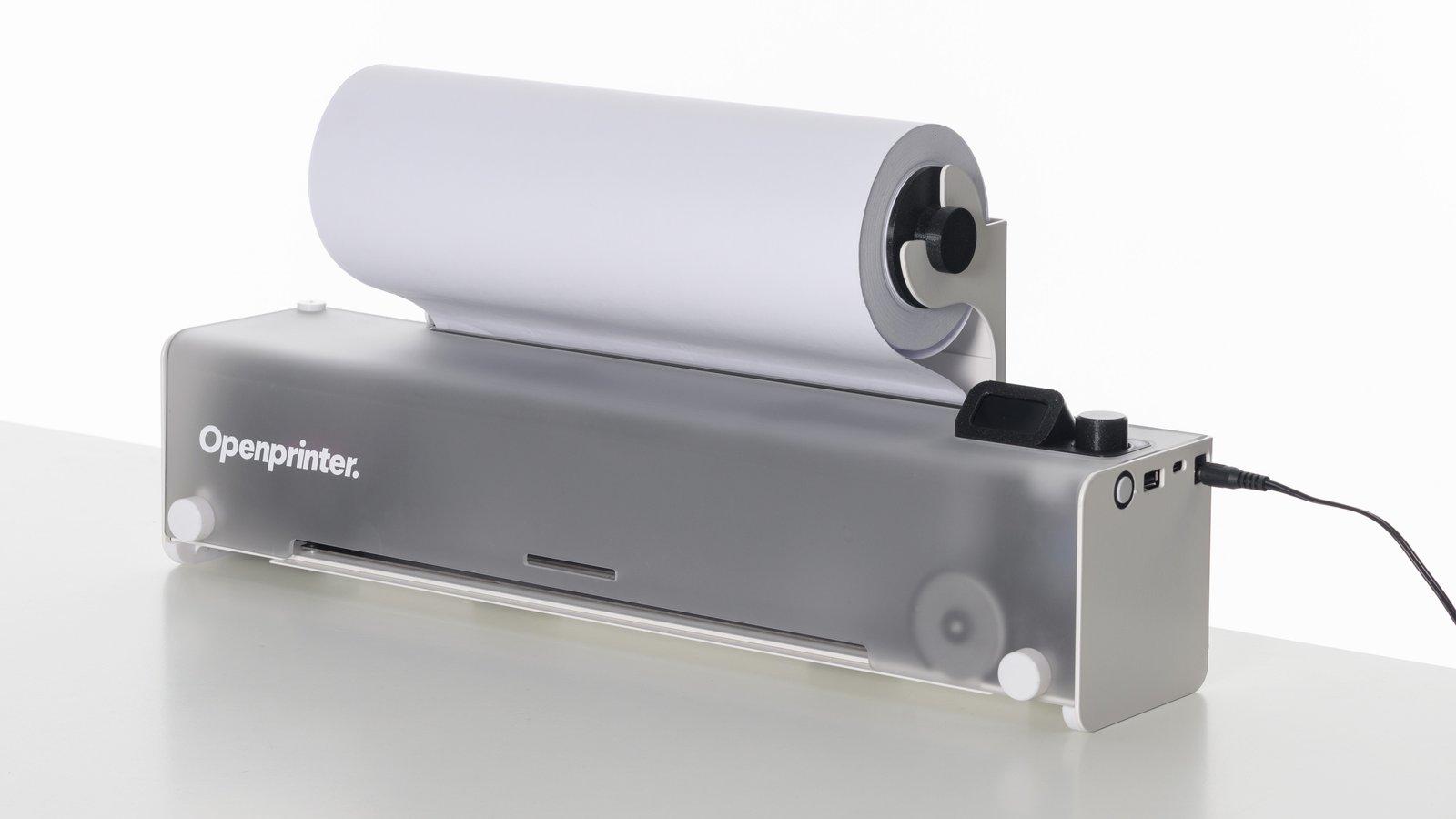
Open Printer is a repairable, open-hardware inkjet powered by Raspberry Pi, built for makers who want freedom from vendor lock-in.
https://linuxiac.com/open-printer-promises-freedom-from-proprietary-cartridges/
printing

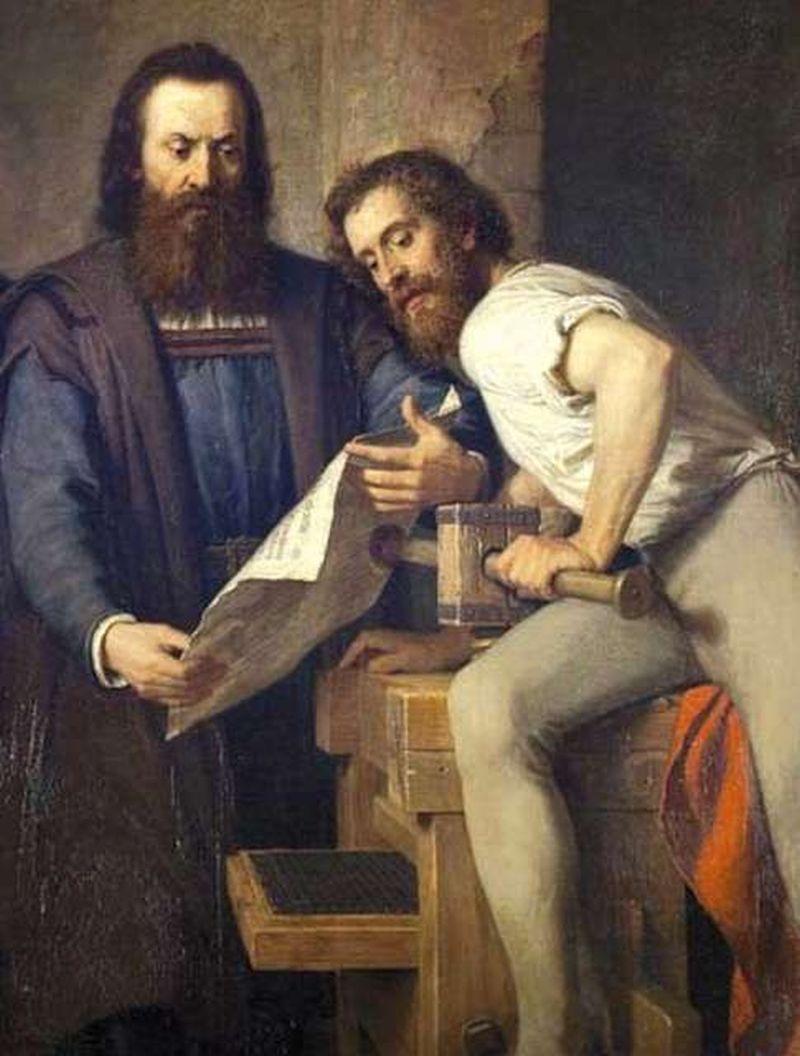
Scotland’s Gutenberg: William Ged & the Invention of Stereotype Printing, 1725–49
Examining the ‘non-moveable type’ productions of Edinburgh goldsmith William Ged (c.1683–1749), Dr William Zachs hypothesises the existence of a group of previously unknown stereotyped books, thus offering a revised history of book production in 18th-century Britain
https://www.youtube.com/watch?v=bMcEZ9FK6ak
#Scottish #literature #history #BookHistory #printing #bookproduction #18thcentury
Typographica Scoto-Gadelica: Scottish Gaelic Typographic Visual Identity through Print & Book Culture
3 Dec, Sabhal Mòr Ostaig, Skye, & online – free
Visual identity of language – the use of distinct characters, diacritics, & conventions – is a key factor in cultural identity & national heritage. This talk will explore Scottish Gaelic’s contemporary visual identity.
https://www.smo.uhi.ac.uk/edwin-pickstone/?lang=en
#Scottish #literature #Gaelic #Gaidhlig #BookHistory #printing #typography #identity #design

How Gutenberg’s Press Sparked a World-Changing Revolution
"The invention of the Gutenberg Press in the mid-15th century started an irreversible change in how information was produced, distributed, and accessed."
https://www.thecollector.com/invention-impact-gutenberg-press/
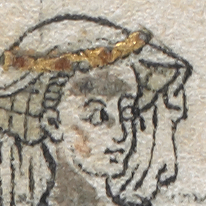
A history of printed books starting c.800CE - China, Korea, Uyghurs - & the ongoing myth-making about Gutenberg.
https://lithub.com/so-gutenberg-didnt-actually-invent-the-printing-press/
h/t @magdelenehall @bookstodon
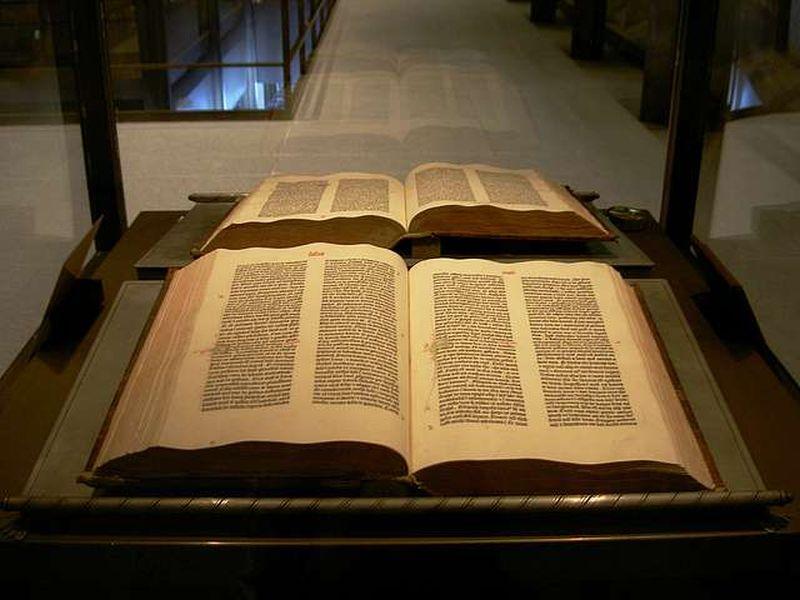
This Week in Literary History: The Gutenberg Bible is Published.
“Previously, manuscripts had to be printed and copied laboriously, by hand, making them rare objects for the wealthy and important.”
https://lithub.com/this-week-in-literary-history-the-gutenberg-bible-is-published/
"Gutenberg, and the Art of Printing" at PG:

Cool History Fact of the night
Before woodblock printing (which was extensively used in China well before the west), there was a very clever, effective way to mass-reproduce the most important texts.
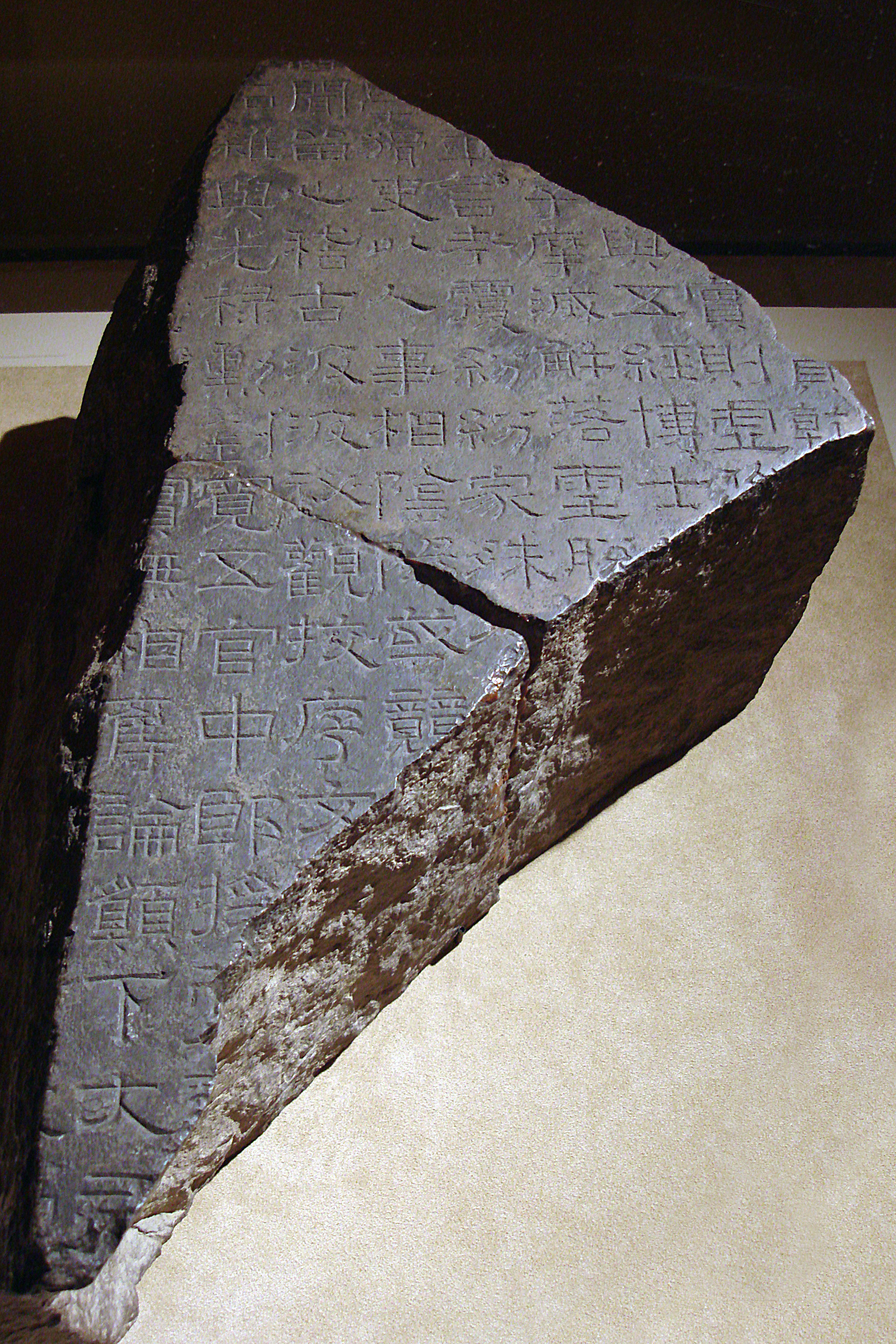
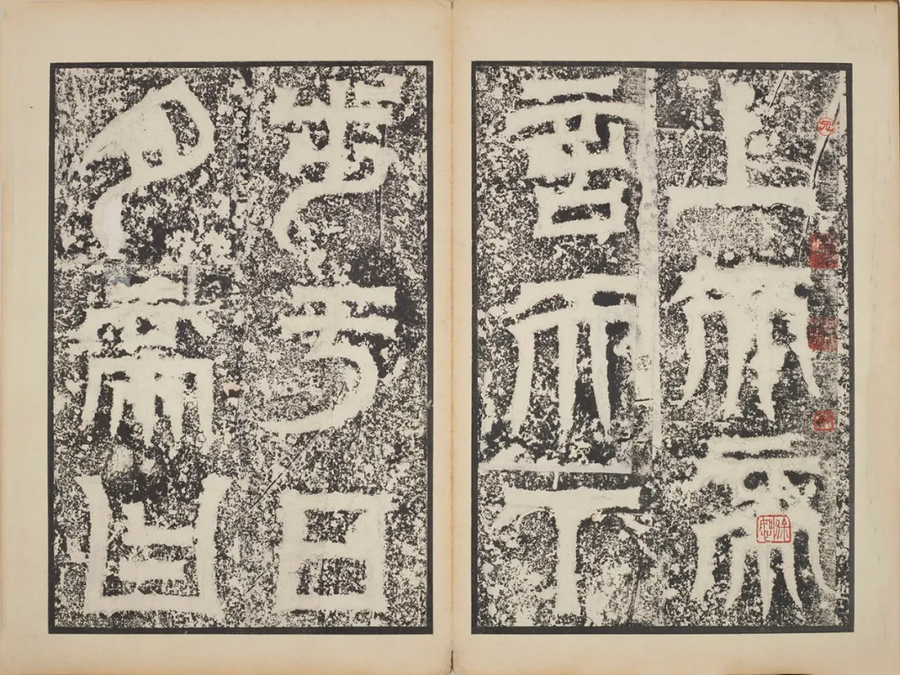
A few different times in imperial China, stone tablets of the most important books were commissioned. Anyone could walk up and look at them, but more importantly: anyone could lay a wet piece of paper over them and then gently rub ink over the paper, which would create a copy of white text on a black background.(And unlike printing, nothing needs to be done backwards.)
And if you were a famous enough calligrapher, you'd be asked to write onto a stone so someone else could chisel out your handwriting exactly, and then copies could be mass-reproduced as teaching examples.
(and I'm fascinated by how the stone fragment here is 1800 years old but the writing style is already extremely legible to me. It still uses the X-style 五 but is otherwise very Normal)