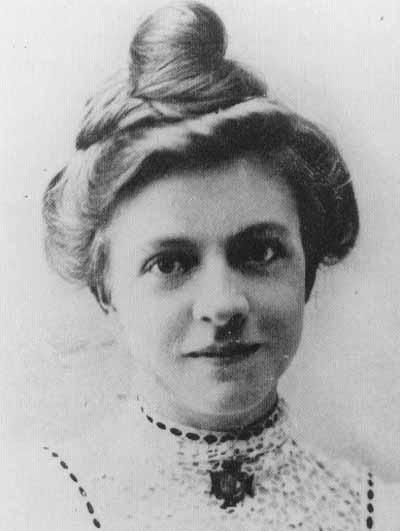
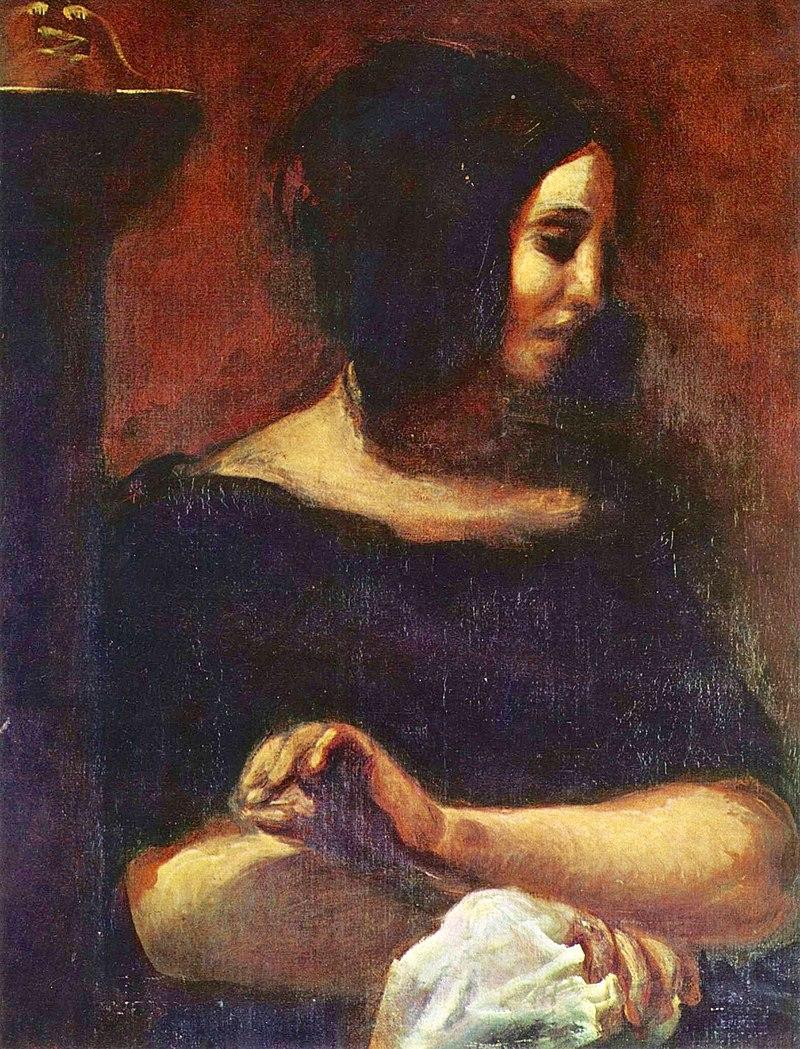
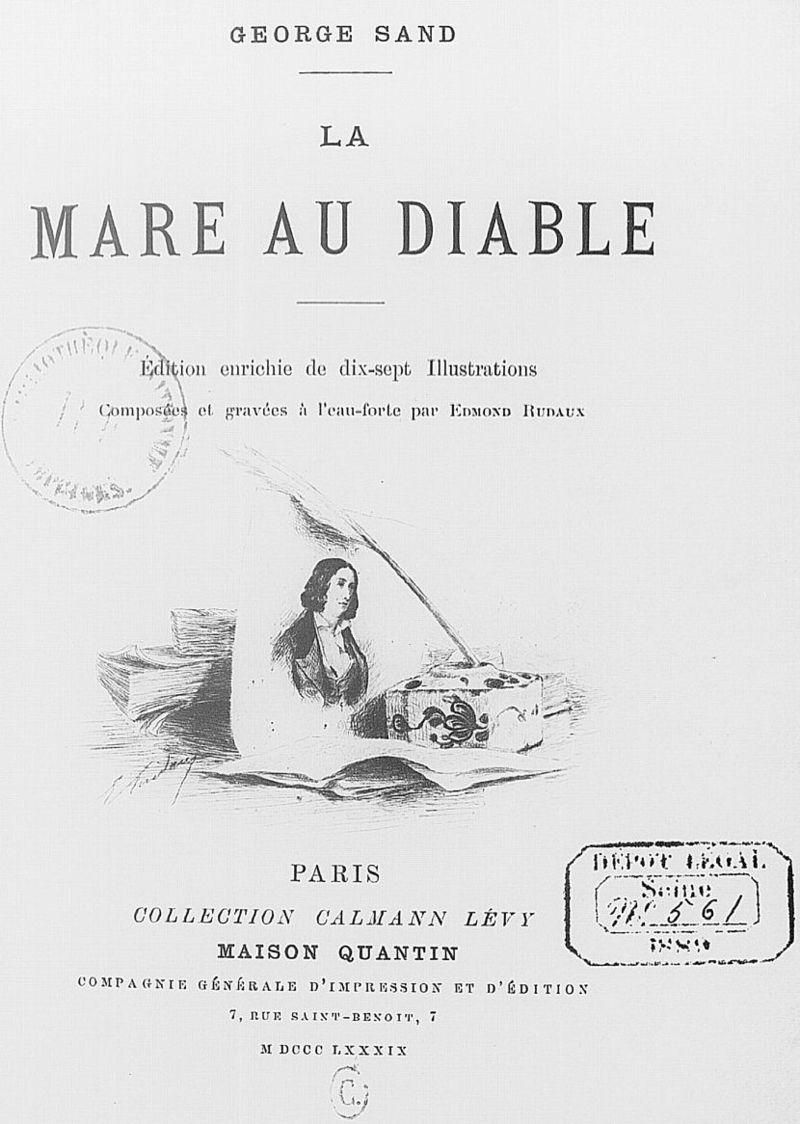
<p>French novelist, memoirist and journalist George Sand died <a href="/tags/otd/" rel="tag">#OTD</a> in 1876.</p><p>Sand's writing combines elements of Romanticism and early Realism, with rich descriptions, strong emotions, and detailed character studies. Her novels often critique societal norms, particularly the limitations placed on women and the injustices faced by the lower classes. </p><p>Books by George Sand at PG:<br><a href="https://www.gutenberg.org/ebooks/author/851" rel="nofollow" class="ellipsis" title="www.gutenberg.org/ebooks/author/851"><span class="invisible">https://</span><span class="ellipsis">www.gutenberg.org/ebooks/autho</span><span class="invisible">r/851</span></a></p><p><a href="/tags/books/" rel="tag">#books</a> <a href="/tags/literature/" rel="tag">#literature</a></p>
otd
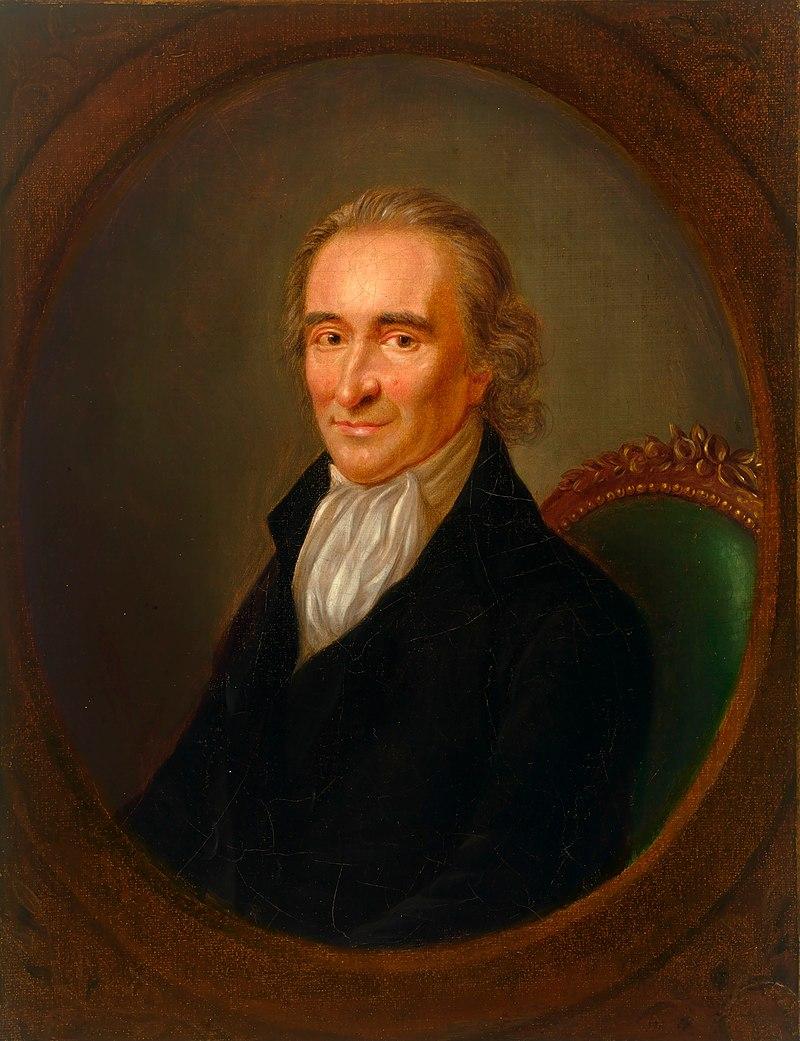
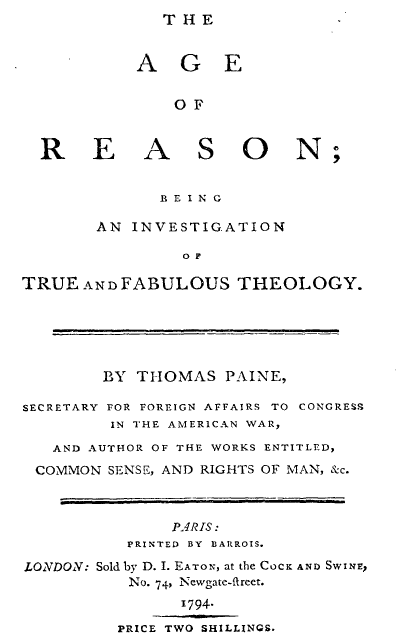
<p>"The most formidable weapon against errors of every kind is Reason."<br>The Age of Reason (1794)</p><p>Thomas Paine died <a href="/tags/otd/" rel="tag">#OTD</a> in 1809.</p><p>He had a great influence on the thoughts and ideas which led to the American Revolution and the United States Declaration of Independence. He wrote three of the most influential and controversial works of the 18th Century: Common Sense, Rights of Man, and The Age of Reason.</p><p>Books by Thomas Paine at PG:<br><a href="https://www.gutenberg.org/ebooks/author/91" rel="nofollow" class="ellipsis" title="www.gutenberg.org/ebooks/author/91"><span class="invisible">https://</span><span class="ellipsis">www.gutenberg.org/ebooks/autho</span><span class="invisible">r/91</span></a></p><p><a href="/tags/books/" rel="tag">#books</a> <a href="/tags/literature/" rel="tag">#literature</a></p>
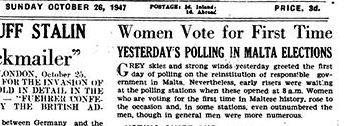
<p><a href="/tags/onthisday/" rel="tag">#OnThisDay</a>, 25 Oct 1947, women in Malta vote for the first time. Almost 35,000 women go to the polls.</p><p><a href="/tags/womeninhistory/" rel="tag">#WomenInHistory</a> <a href="/tags/otd/" rel="tag">#OTD</a> <a href="/tags/history/" rel="tag">#History</a> <a href="/tags/womenshistory/" rel="tag">#WomensHistory</a> <a href="/tags/votesforwomen/" rel="tag">#VotesForWomen</a> <a href="/tags/maltesehistory/" rel="tag">#MalteseHistory</a> <a href="/tags/histodons/" rel="tag">#Histodons</a></p>
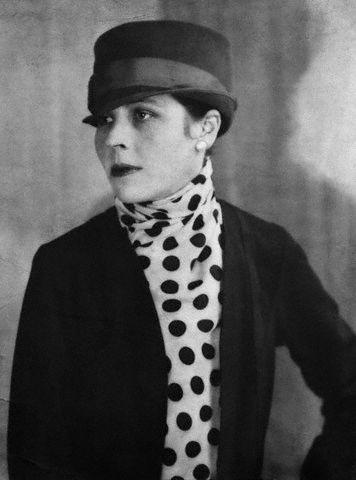
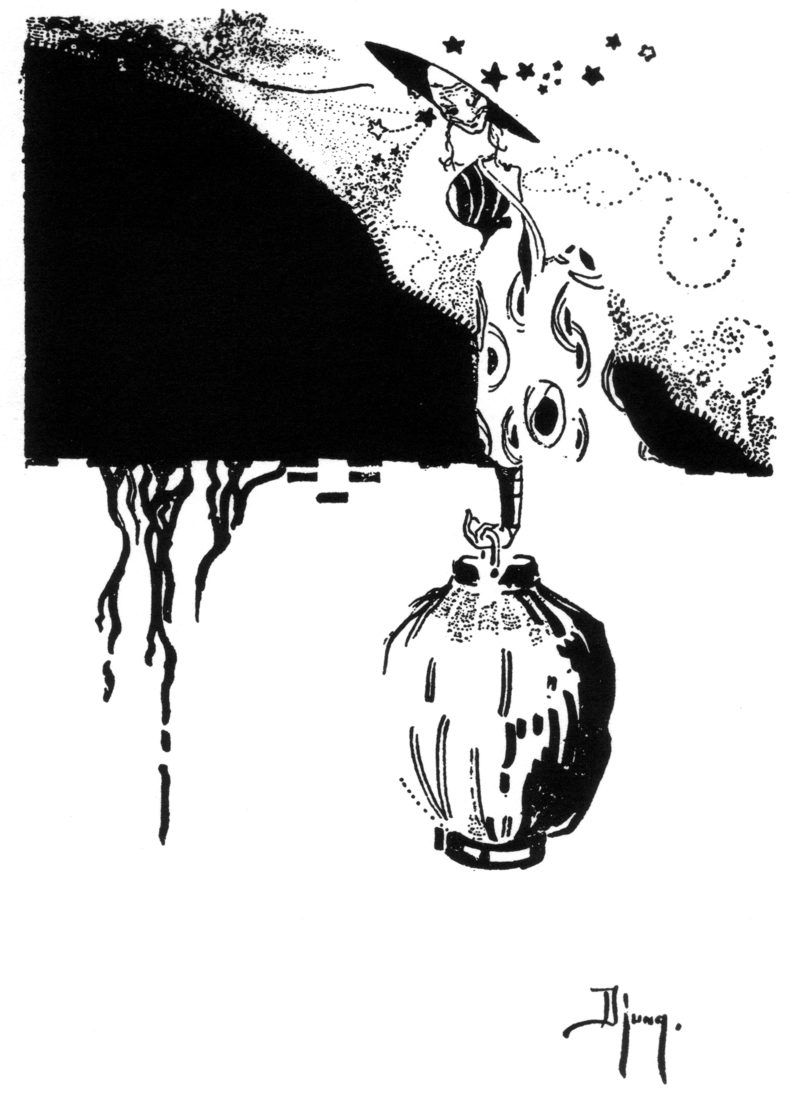
<p>"Destiny and history are untidy."<br>Nightwood (1936)</p><p>American writer, journalist, and artist Djuna Barnes died <a href="/tags/otd/" rel="tag">#OTD</a> in 1982.</p><p>"Ryder" was Barnes's first novel, a semi-autobiographical and highly experimental work. "Nightwood" is widely regarded as Barnes's masterpiece. The novel is a dense, poetic exploration of love, identity, and despair, set in the bohemian world of Paris and Berlin in the 1920s and 1930s.</p><p>Books by Djuna Barnes at PG:<br><a href="https://www.gutenberg.org/ebooks/author/51179" rel="nofollow" class="ellipsis" title="www.gutenberg.org/ebooks/author/51179"><span class="invisible">https://</span><span class="ellipsis">www.gutenberg.org/ebooks/autho</span><span class="invisible">r/51179</span></a></p><p><a href="/tags/books/" rel="tag">#books</a> <a href="/tags/literature/" rel="tag">#literature</a></p>
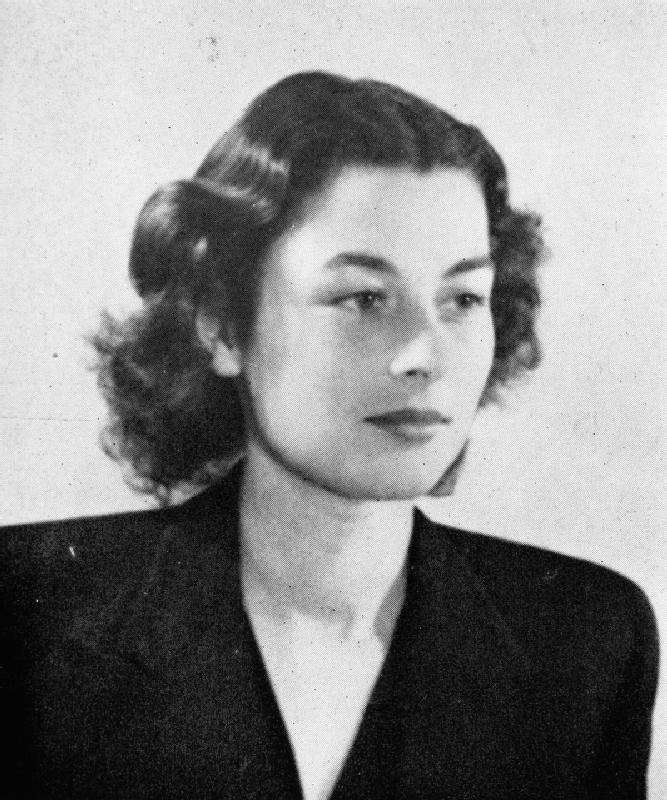
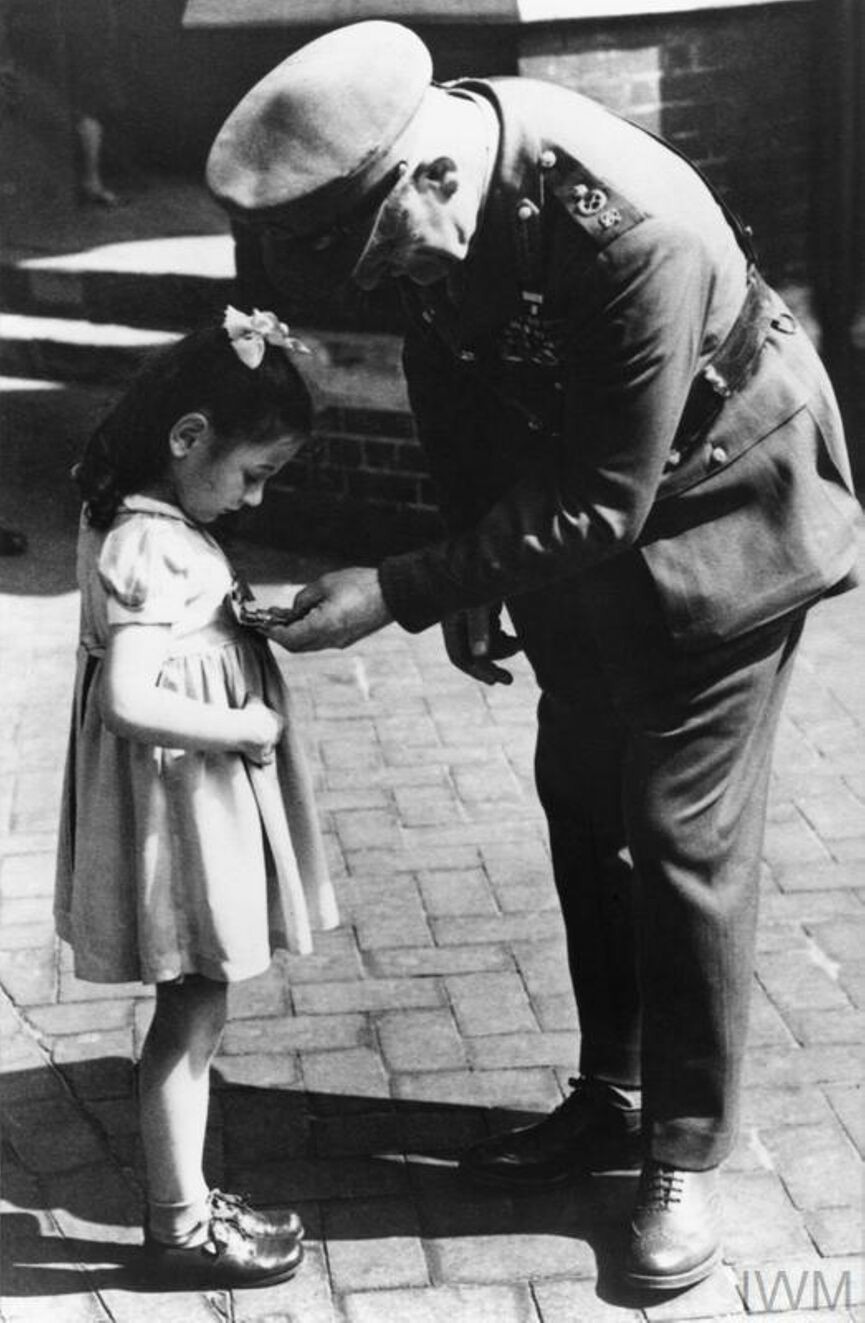
<p><a href="/tags/onthisday/" rel="tag">#OnThisDay</a>, 8 Jun 1944, Violette Szabo returns to occupied France by parachute for her second posting with the British Special Operations Executive.</p><p>She is captured two days later, after a gun battle. She's tortured and sent to Ravensbrück concentration camp. She is killed in Jan 1945. Her daughter Tania received the George Cross on her behalf in 1947.</p><p>Violette Szabo's story was filmed as Carve Her Name With Pride (1958). </p><p><a href="/tags/womeninhistory/" rel="tag">#WomenInHistory</a> <a href="/tags/otd/" rel="tag">#OTD</a> <a href="/tags/history/" rel="tag">#History</a> <a href="/tags/womenshistory/" rel="tag">#WomensHistory</a> <a href="/tags/worldwar2/" rel="tag">#WorldWar2</a> <a href="/tags/histodons/" rel="tag">#Histodons</a></p>
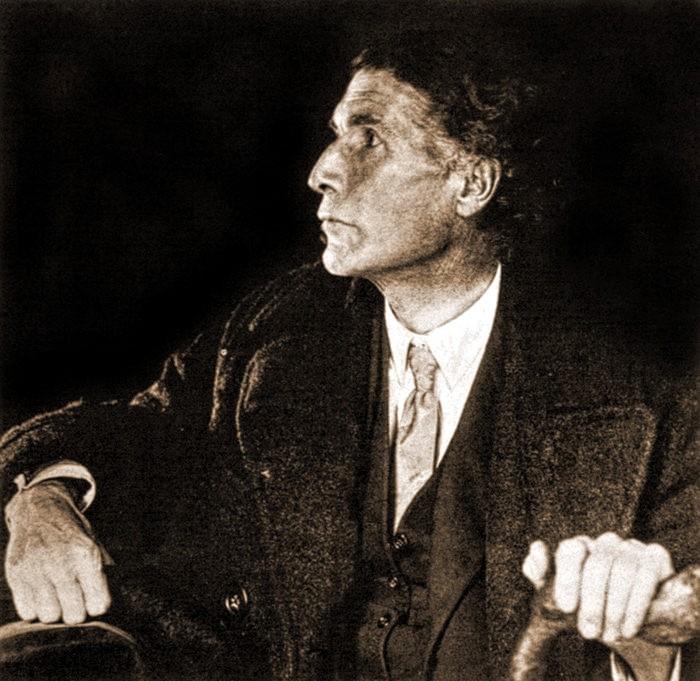
<p>"The strongest of all psychic forces in the world is unsatisfied desire."<br>A Glastonbury Romance</p><p>English novelist John Cowper Powys died <a href="/tags/otd/" rel="tag">#OTD</a> in 1963.</p><p>He appeared with a volume of verse in 1896 and a first novel in 1915, but gained success only with his novel Wolf Solent in 1929. He has been seen as a successor to Thomas Hardy, and Wolf Solent, A Glastonbury Romance, Weymouth Sands, and Maiden Castle have been called his Wessex novels.</p><p><a href="https://www.gutenberg.org/ebooks/author/4710" rel="nofollow" class="ellipsis" title="www.gutenberg.org/ebooks/author/4710"><span class="invisible">https://</span><span class="ellipsis">www.gutenberg.org/ebooks/autho</span><span class="invisible">r/4710</span></a></p><p><a href="/tags/books/" rel="tag">#books</a> <a href="/tags/literature/" rel="tag">#literature</a></p>
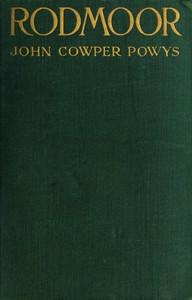
<p>"To dwellers in a wood almost every species of tree has its voice as well as its feature."<br>Opening line.</p><p><a href="/tags/otd/" rel="tag">#OTD</a> in 1872.</p><p>Thomas Hardy's second novel (and the first set in Wessex), Under the Greenwood Tree: A Rural Painting of the Dutch School, is published in London (as "by the author of Desperate Remedies").</p><p>A movie (1929) was made based on this book, directed by Harry Lachman and starring Marguerite Allan, Nigel Barrie and Wilfred Shine.</p><p><a href="https://gutenberg.org/ebooks/2662" rel="nofollow"><span class="invisible">https://</span>gutenberg.org/ebooks/2662</a></p><p><a href="/tags/books/" rel="tag">#books</a> <a href="/tags/literature/" rel="tag">#literature</a></p>


<p>Somhairle MacGill-Eain (Sorley MacLean, 1911–1996), one of the greatest European poets of the 20th century, was born <a href="/tags/otd/" rel="tag">#OTD</a>, 26 Oct. A 🎂 🧵 </p><p>Watch “Sorley MacLean’s Island” via the National Library of Scotland – Sorley MacLean in conversation with fellow writer Iain Crichton Smith </p><p>1/8</p><p><a href="https://movingimage.nls.uk/film/3141" rel="nofollow"><span class="invisible">https://</span>movingimage.nls.uk/film/3141</a></p><p><a href="/tags/scottish/" rel="tag">#Scottish</a> <a href="/tags/literature/" rel="tag">#literature</a> <a href="/tags/hebrides/" rel="tag">#Hebrides</a> <a href="/tags/skye/" rel="tag">#Skye</a> <a href="/tags/raasay/" rel="tag">#Raasay</a> <a href="/tags/gaelic/" rel="tag">#Gaelic</a> <a href="/tags/gaidhlig/" rel="tag">#Gaidhlig</a> <a href="/tags/poetry/" rel="tag">#poetry</a> <a href="/tags/20thcentury/" rel="tag">#20thcentury</a> <a href="/tags/modernism/" rel="tag">#modernism</a></p>

Edited 163d ago
<p><a href="/tags/otd/" rel="tag">#OTD</a> "in 1917, Virginia Woolf and Leonard Woolf purchase a used handpress. A month later, Hogarth Press is born."</p><p><a href="https://lithub.com/lit-hub-daily-march-23-2026/" rel="nofollow" class="ellipsis" title="lithub.com/lit-hub-daily-march-23-2026/"><span class="invisible">https://</span><span class="ellipsis">lithub.com/lit-hub-daily-march</span><span class="invisible">-23-2026/</span></a></p><p>Books by Woolf at PG:</p><p><a href="https://www.gutenberg.org/ebooks/author/89" rel="nofollow" class="ellipsis" title="www.gutenberg.org/ebooks/author/89"><span class="invisible">https://</span><span class="ellipsis">www.gutenberg.org/ebooks/autho</span><span class="invisible">r/89</span></a></p><p><a href="/tags/books/" rel="tag">#books</a> <a href="/tags/literature/" rel="tag">#literature</a></p>
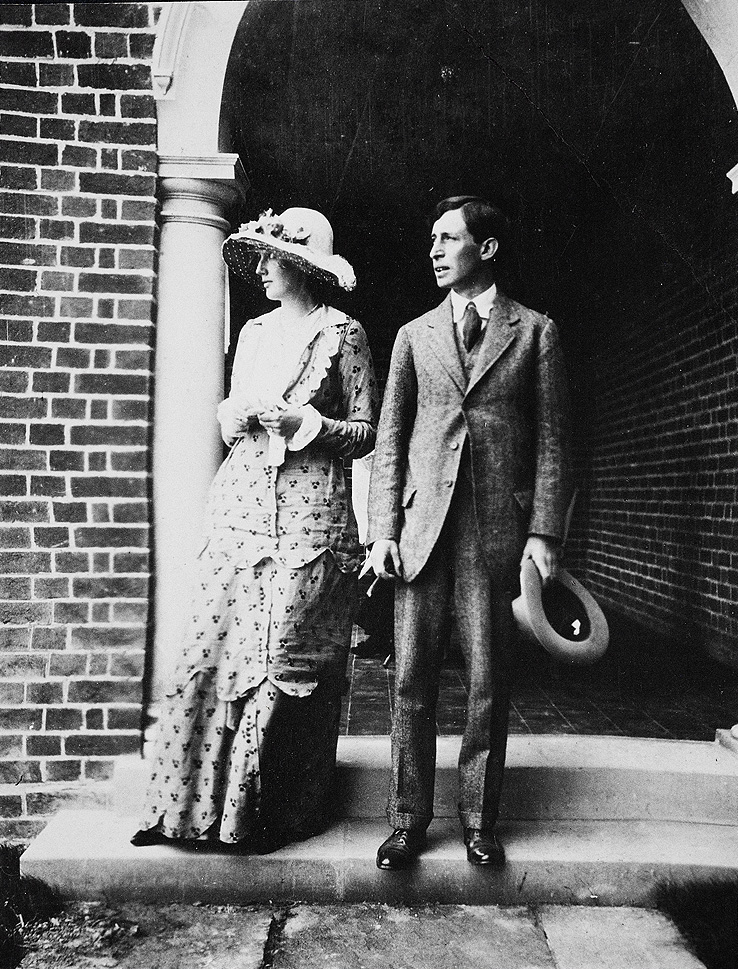
<p>In Gránada, in Gránada,<br>They dumbed the mou o a makar,<br>In Gránada, in Gránada,<br>They strak doun Garcia Lorca…</p><p>—“In Gránada, in Gránada (Llanto por Federico Garcia Lorca)”, by Syndey Goodsir Smith (1915–1975) – a major figure in the 20th-century Scottish renaissance, born <a href="/tags/otd/" rel="tag">#OTD</a>, 26 Oct</p><p>1/4</p><p><a href="https://asls.org.uk/publications/books/volumes/a-kist-o-skinlan-things/" rel="nofollow" class="ellipsis" title="asls.org.uk/publications/books/volumes/a-kist-o-skinlan-things/"><span class="invisible">https://</span><span class="ellipsis">asls.org.uk/publications/books</span><span class="invisible">/volumes/a-kist-o-skinlan-things/</span></a></p><p><a href="/tags/scottish/" rel="tag">#Scottish</a> <a href="/tags/literature/" rel="tag">#literature</a> <a href="/tags/poem/" rel="tag">#poem</a> <a href="/tags/poetry/" rel="tag">#poetry</a> <a href="/tags/scots/" rel="tag">#Scots</a> <a href="/tags/scotslanguage/" rel="tag">#Scotslanguage</a> <a href="/tags/20thcentury/" rel="tag">#20thcentury</a> <a href="/tags/lorca/" rel="tag">#Lorca</a></p>
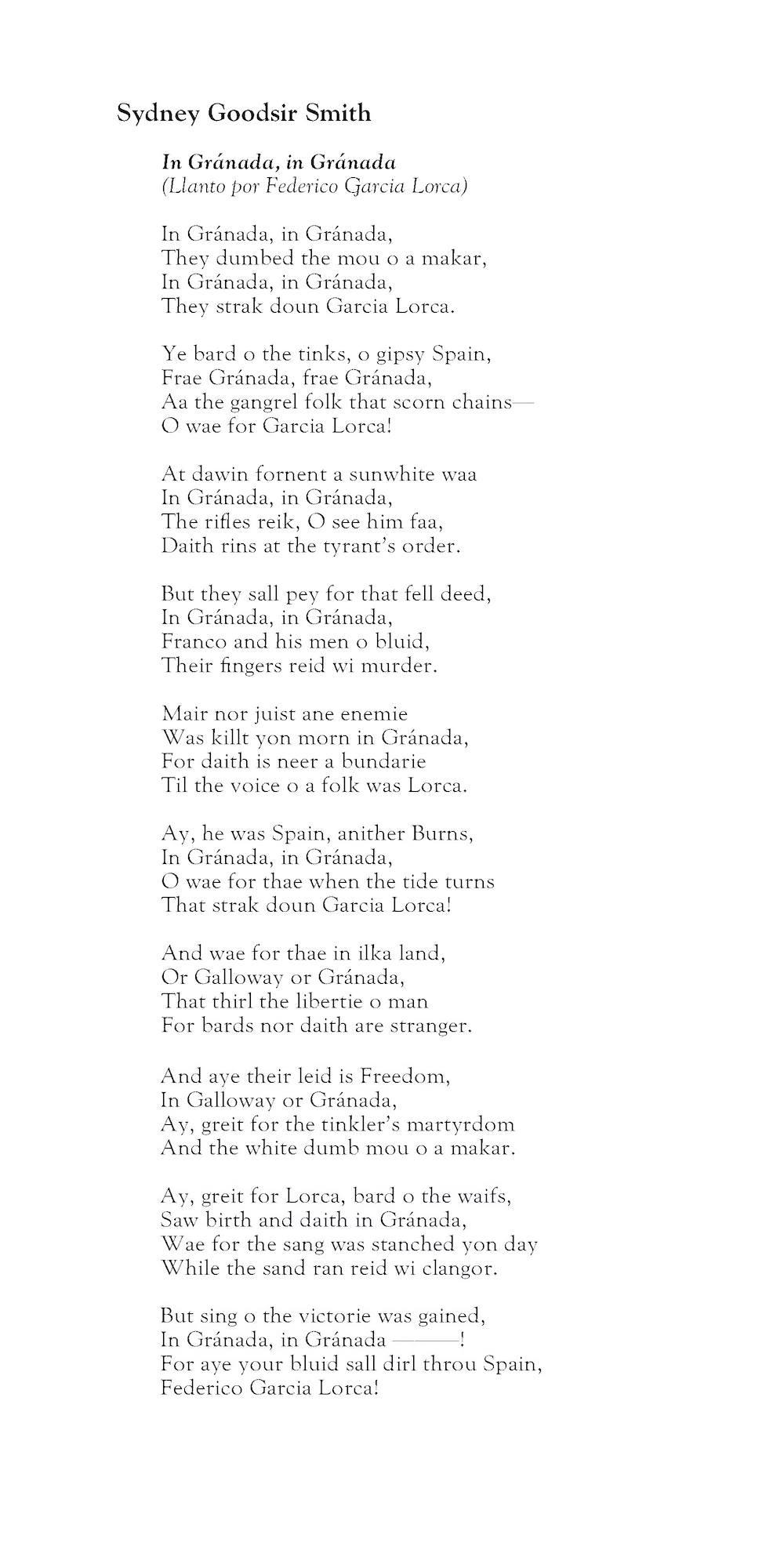

<p>66 years ago, on October 26, 1959, Linus mentioned the Great Pumpkin in the Peanuts comic strip for the first time, kicking off an annual Halloween storyline that ran for 40 years and received its very own animated special.</p><p><a href="/tags/otd/" rel="tag">#OTD</a> <a href="/tags/peanuts/" rel="tag">#Peanuts</a> <a href="/tags/charliebrown/" rel="tag">#CharlieBrown</a> <a href="/tags/onthisday/" rel="tag">#OnThisDay</a> <a href="/tags/comic/" rel="tag">#Comic</a> <a href="/tags/comics/" rel="tag">#Comics</a> <a href="/tags/comicstrip/" rel="tag">#ComicStrip</a> <a href="/tags/snoopy/" rel="tag">#Snoopy</a></p>
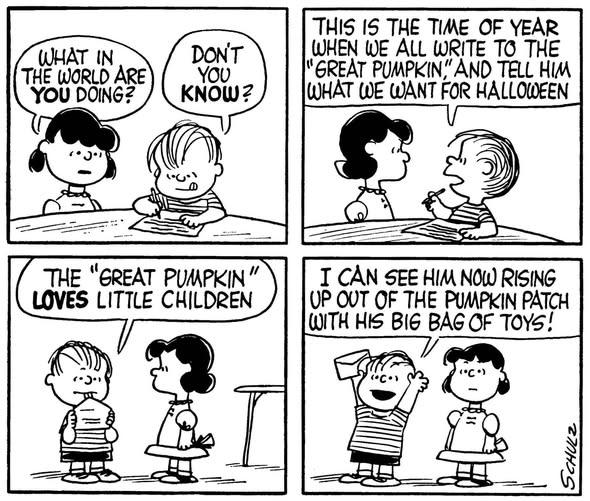
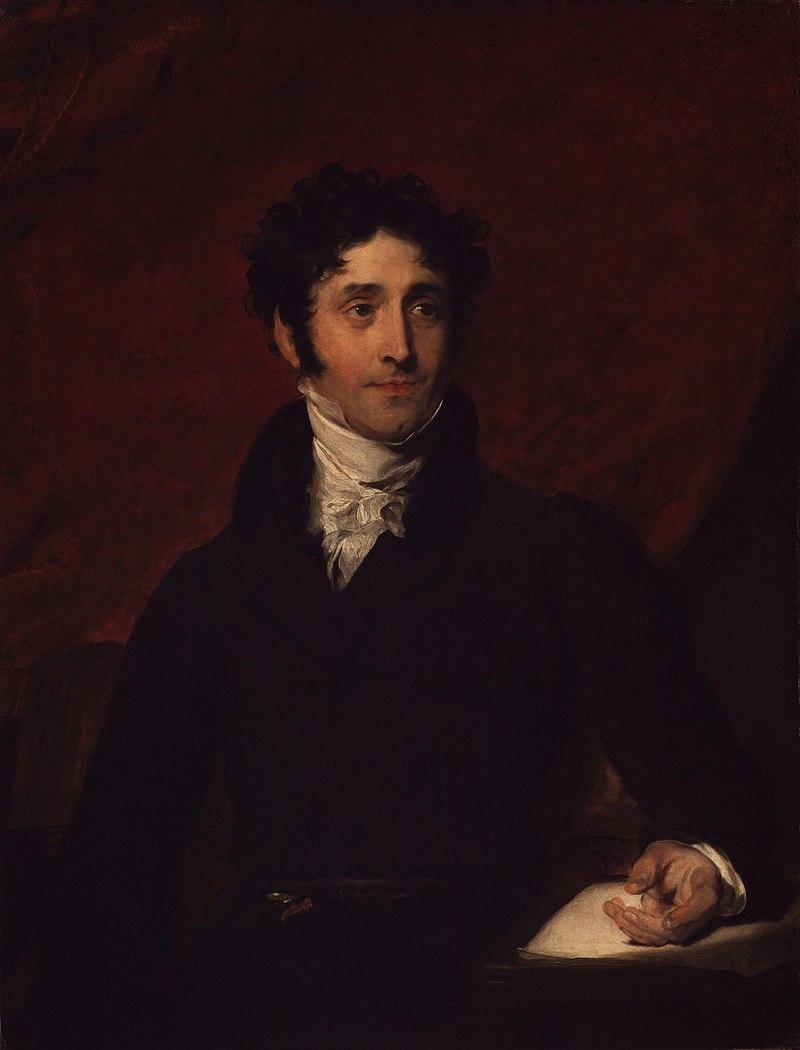
<p>Scottish poet and writer Thomas Campbell died <a href="/tags/otd/" rel="tag">#OTD</a> in 1844.</p><p>In 1799 he wrote Pleasures of Hope, a traditional 18th-century didactic poem in heroic couplets. He also produced several patriotic war songs— "Ye Mariners of England", "The Soldier's Dream", "Hohenlinden" and, in 1801, The Battle of the Baltic, but was no less at home in delicate lyrics such as "At Love's Beginning".</p><p>Books by Thomas Campbell at PG:<br><a href="https://www.gutenberg.org/ebooks/author/7520" rel="nofollow" class="ellipsis" title="www.gutenberg.org/ebooks/author/7520"><span class="invisible">https://</span><span class="ellipsis">www.gutenberg.org/ebooks/autho</span><span class="invisible">r/7520</span></a></p><p><a href="/tags/books/" rel="tag">#books</a> <a href="/tags/literature/" rel="tag">#literature</a> <a href="/tags/poetry/" rel="tag">#poetry</a></p>
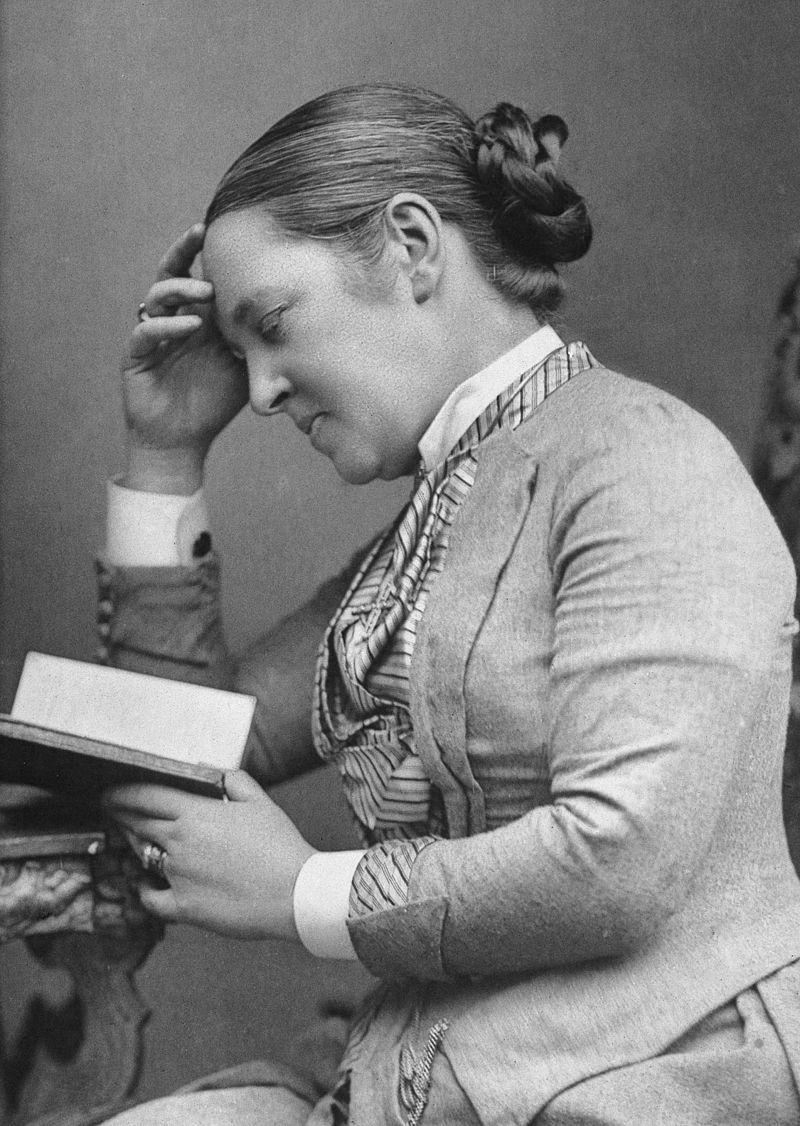
<p>English physician and suffragist Elizabeth Garrett Anderson was born <a href="/tags/otd/" rel="tag">#OTD</a> in 1836.</p><p>In 1865, Elizabeth Anderson became the first woman in Britain to qualify as a physician and surgeon. In 1872, she founded the New Hospital for Women in London, which was staffed entirely by women. In 1874, she co-founded the London School of Medicine for Women, where served as the dean of the school, guiding its development and ensuring high standards of education for women students.</p><p><a href="/tags/medicine/" rel="tag">#medicine</a> <a href="/tags/womeninscience/" rel="tag">#womeninscience</a></p>
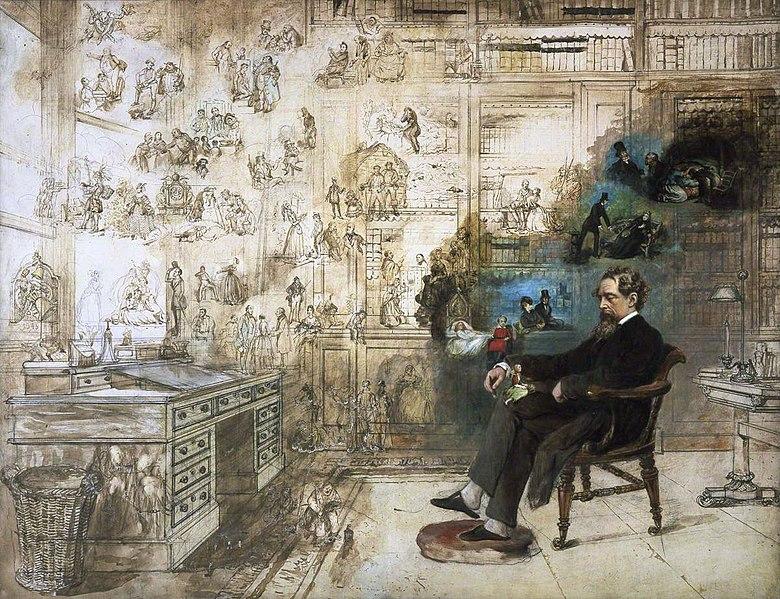
<p>"Remember, to the last, that while there is life there is hope."</p><p>English novelist and social critic Charles Dickens died <a href="/tags/otd/" rel="tag">#OTD</a> in 1870.</p><p>Dickens edited a weekly journal for 20 years; wrote 15 novels, five novellas, hundreds of short stories and nonfiction articles; lectured and performed readings extensively; was an indefatigable letter writer; and campaigned vigorously for children's rights, education, and other social reforms.</p><p>Charles Dickens at PG:<br><a href="https://www.gutenberg.org/ebooks/author/37" rel="nofollow" class="ellipsis" title="www.gutenberg.org/ebooks/author/37"><span class="invisible">https://</span><span class="ellipsis">www.gutenberg.org/ebooks/autho</span><span class="invisible">r/37</span></a></p><p><a href="/tags/books/" rel="tag">#books</a> <a href="/tags/literature/" rel="tag">#literature</a></p>

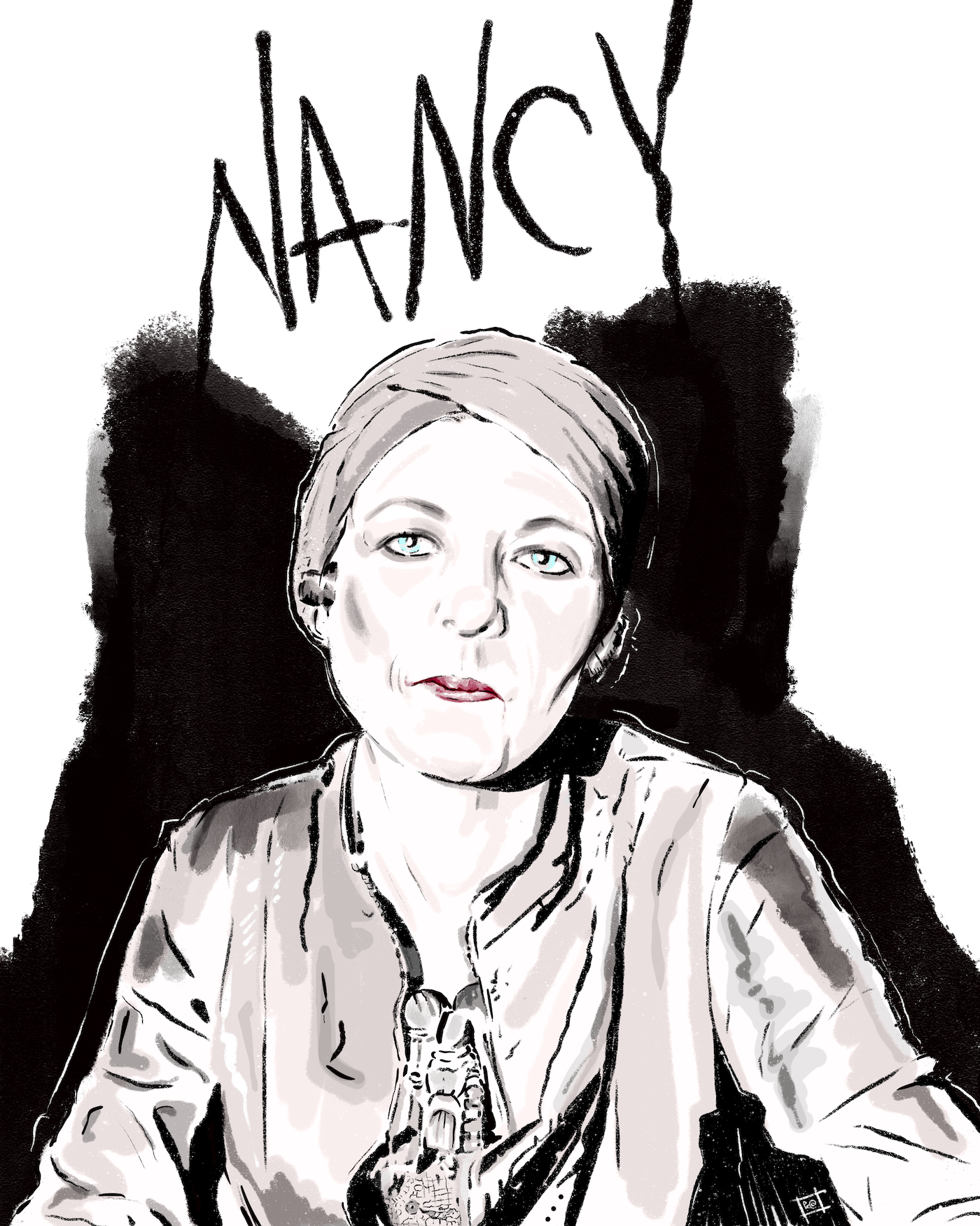
<p><a href="/tags/art/" rel="tag">#art</a> <a href="/tags/history/" rel="tag">#history</a>: if most of the people born into privilege were like nancy cunard (born <a href="/tags/otd/" rel="tag">#otd</a> in 1896), maybe we wouldn't have such an itchy collective guillotine finger. this fashionable fash-basher & anti-racism campaigner (& heir to the cunard shipping line) was a writer who became a muse to man ray, james joyce & langston hughes. <br>when she wasn't busy being effortlessly avant-garde, nancy worked as a translator for the french resistance.<br><a href="/tags/nancycunard/" rel="tag">#nancyCunard</a> <a href="/tags/antifascist/" rel="tag">#antiFascist</a> <a href="/tags/antiracist/" rel="tag">#antiRacist</a> <a href="/tags/poetry/" rel="tag">#poetry</a></p>
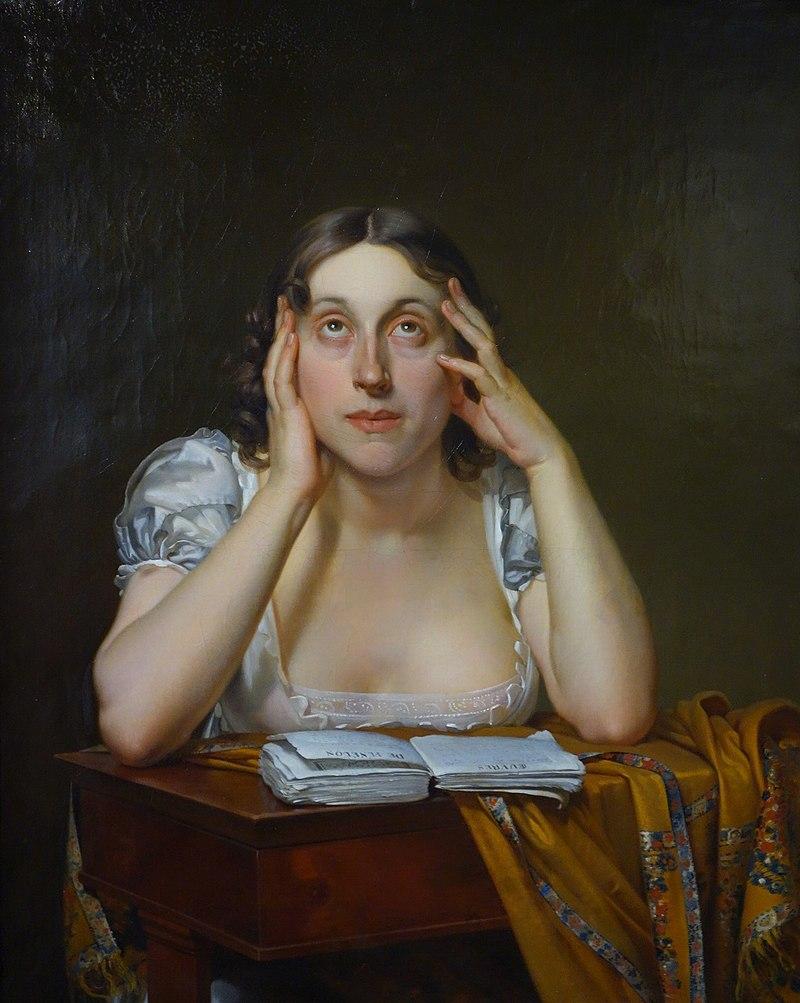
<p>French poet and novelist Marceline Desbordes-Valmore was born <a href="/tags/otd/" rel="tag">#OTD</a> in 1786.</p><p>Marceline Desbordes-Valmore published her first book of poetry, "Élégies et romances," in 1819. She was highly regarded by her contemporaries, including Victor Hugo and Alphonse de Lamartine. Her work influenced later poets, including Paul Verlaine and the Symbolists, who admired her emotional expressiveness and musicality.</p><p>Books by Marceline Desbordes-Valmore at PG:<br><a href="https://www.gutenberg.org/ebooks/author/5436" rel="nofollow" class="ellipsis" title="www.gutenberg.org/ebooks/author/5436"><span class="invisible">https://</span><span class="ellipsis">www.gutenberg.org/ebooks/autho</span><span class="invisible">r/5436</span></a></p><p><a href="/tags/books/" rel="tag">#Books</a> <a href="/tags/literature/" rel="tag">#literature</a> <a href="/tags/poetry/" rel="tag">#poetry</a></p>

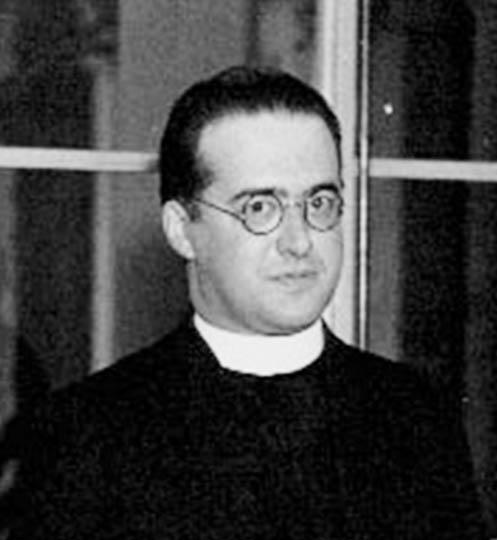
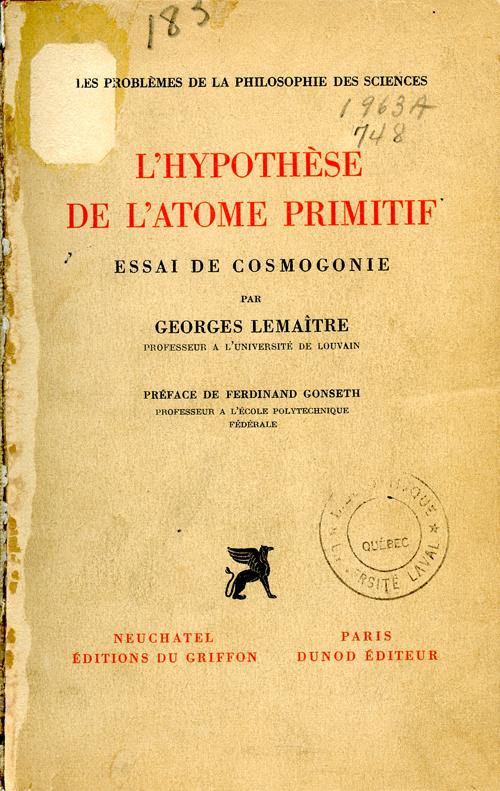
<p>Belgian physicist, mathematician, astronomer Georges Lemaître died <a href="/tags/otd/" rel="tag">#OTD</a> in 1966.</p><p>He was the 1st to theorize that the recession of nearby galaxies can be explained by an expanding universe, which was observationally confirmed soon afterwards by Hubble. He 1st derived the Hubble–Lemaître law. He also proposed the "Big Bang theory" of the origin of the universe, calling it the "hypothesis of the primeval atom", and later calling it "the beginning of the world".</p><p><a href="https://en.wikipedia.org/wiki/Georges_Lema%C3%AEtre" rel="nofollow" class="ellipsis" title="en.wikipedia.org/wiki/Georges_Lema%C3%AEtre"><span class="invisible">https://</span><span class="ellipsis">en.wikipedia.org/wiki/Georges_</span><span class="invisible">Lema%C3%AEtre</span></a></p><p><a href="/tags/astronomy/" rel="tag">#astronomy</a></p>
<p><a href="/tags/otd/" rel="tag">#OTD</a> in 1915.</p><p>P. G. Wodehouse's novel Something Fresh (first published as "Something New" in the United States) is serialized in The Saturday Evening Post (U.S.), introducing the character of Lord Emsworth of Blandings Castle. It first appears in book form on September 3 in New York, from D. Appleton & Company, and on September 16 in London, from Methuen.</p><p><a href="https://en.wikipedia.org/wiki/Something_Fresh" rel="nofollow" class="ellipsis" title="en.wikipedia.org/wiki/Something_Fresh"><span class="invisible">https://</span><span class="ellipsis">en.wikipedia.org/wiki/Somethin</span><span class="invisible">g_Fresh</span></a></p><p>Something New at PG:<br><a href="https://gutenberg.org/ebooks/2042" rel="nofollow"><span class="invisible">https://</span>gutenberg.org/ebooks/2042</a></p><p><a href="/tags/books/" rel="tag">#books</a> <a href="/tags/literature/" rel="tag">#literature</a></p>
![Something Fresh is a novel by P. G. Wodehouse, first published as "Something New" in the United States, by D. Appleton & Company on 3 September 1915.[1] It was published in the United Kingdom as "Something Fresh" by Methuen & Co. on 16 September 1915. There are a number of differences between the American and British versions, but essentially, it is the same book. The novel introduces Lord Emsworth of Blandings Castle, whose home and family reappear in many of Wodehouse's later short stories and novels.](/proxy/post_attachment/276251/093f6d6f0c.jpg "Something Fresh is a novel by P. G. Wodehouse, first published as \"Something New\" in the United States, by D. Appleton & Company on 3 September 1915.[1] It was published in the United Kingdom as \"Something Fresh\" by Methuen & Co. on 16 September 1915. There are a number of differences between the American and British versions, but essentially, it is the same book. The novel introduces Lord Emsworth of Blandings Castle, whose home and family reappear in many of Wodehouse's later short stories and novels.")
Edited 1y ago
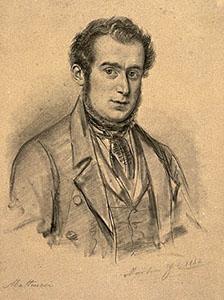
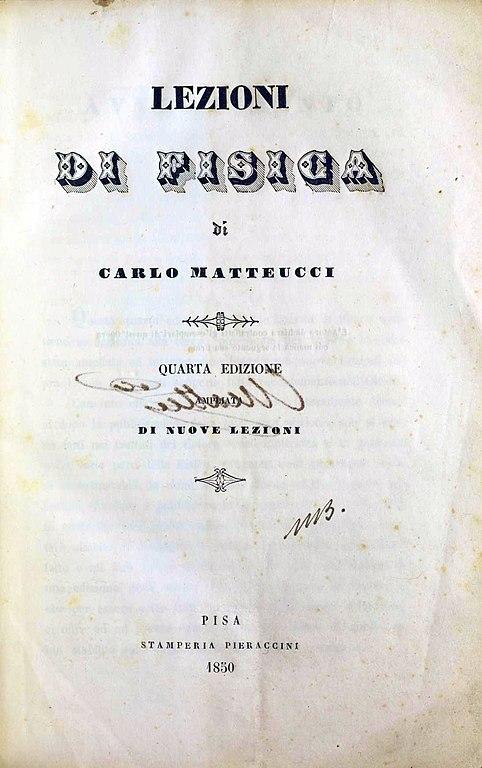
<p>Italian physicist and neurophysiologist Carlo Matteucci was born <a href="/tags/otd/" rel="tag">#OTD</a> in 1811.</p><p>He conducted experiments to measure the electrical currents generated by muscle & nerve tissues during contraction and stimulation. His work provided quantitative data on these electrical phenomena and confirmed that living tissues could generate electricity. Matteucci´s law describes the relationship between the intensity of the electrical current generated by a muscle & the amount of contraction.</p><p><a href="/tags/neurophysiology/" rel="tag">#neurophysiology</a></p>
<p><a href="/tags/otd/" rel="tag">#OTD</a> in 1948.</p><p>Shirley Jackson's short story "The Lottery" is published in The New Yorker magazine.</p><p>The story describes a fictional small American community that observes an annual tradition known as "the lottery", which is intended to ensure a good harvest and purge the town of bad omens. Jackson and The New Yorker were both surprised by the initial negative response from readers.</p><p><a href="https://en.wikipedia.org/wiki/The_Lottery" rel="nofollow" class="ellipsis" title="en.wikipedia.org/wiki/The_Lottery"><span class="invisible">https://</span><span class="ellipsis">en.wikipedia.org/wiki/The_Lott</span><span class="invisible">ery</span></a></p><p><a href="/tags/books/" rel="tag">#books</a> <a href="/tags/literature/" rel="tag">#literature</a></p>
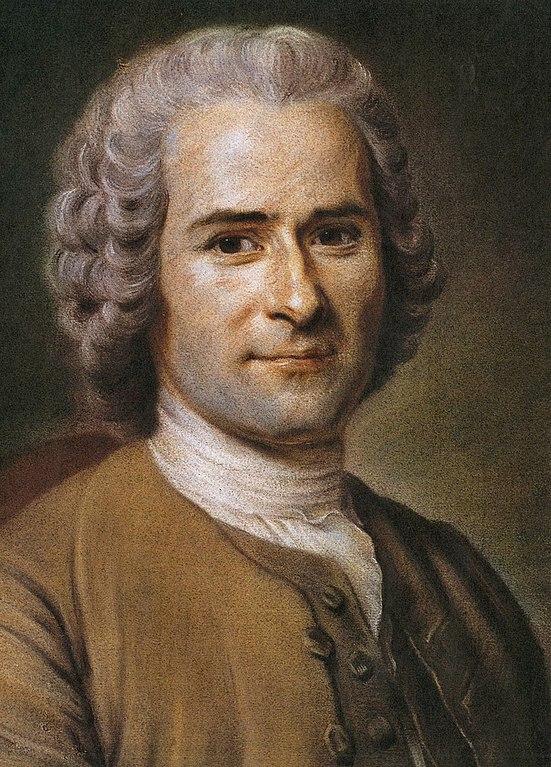
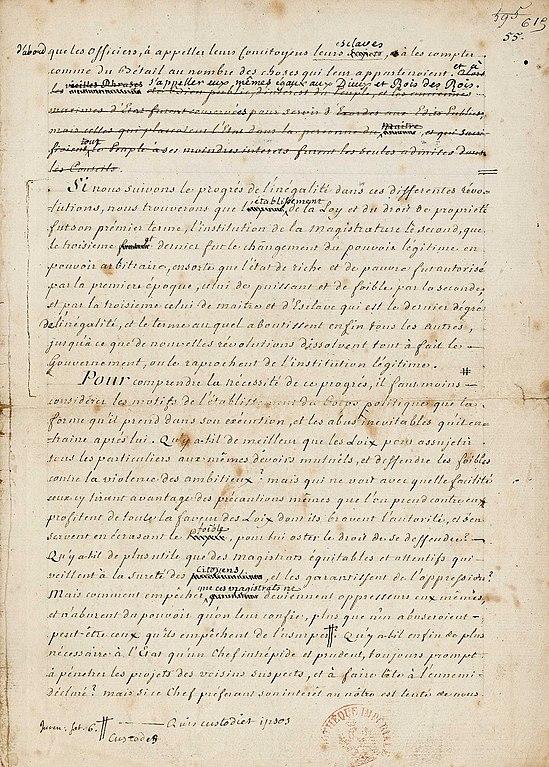
<p>Genevan philosopher, writer, and composer Jean-Jacques Rousseau was born <a href="/tags/otd/" rel="tag">#OTD</a> in 1712.</p><p>In the literary sphere, Rousseau enjoyed great success with his epistolary novel Julie ou la nouvelle Héloïse, one of the best-selling works of the 18th century. In Les Confessions and Les Rêveries du promeneur solitaire, he delves deeply into his innermost feelings.</p><p>Books by Jean-Jacques Rousseau at PG:<br><a href="https://www.gutenberg.org/ebooks/author/1286" rel="nofollow" class="ellipsis" title="www.gutenberg.org/ebooks/author/1286"><span class="invisible">https://</span><span class="ellipsis">www.gutenberg.org/ebooks/autho</span><span class="invisible">r/1286</span></a></p><p><a href="/tags/books/" rel="tag">#books</a> <a href="/tags/literature/" rel="tag">#literature</a> <a href="/tags/philosophy/" rel="tag">#philosophy</a></p>
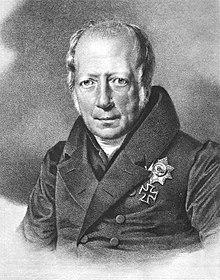
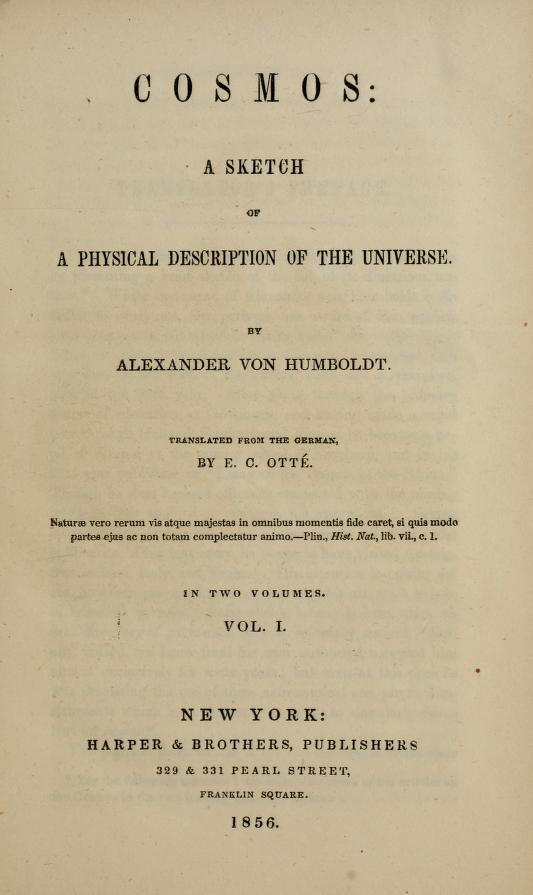
<p>German philosopher and linguist Wilhelm von Humboldt was born <a href="/tags/otd/" rel="tag">#OTD</a> in 1767.</p><p>In 1810, Humboldt founded the University of Berlin. He made significant contributions to the field of linguistics and he is considered one of the early proponents of the idea of a universal grammar, suggesting that underlying structures are common to all languages. His philosophical work often intersected with his ideas on language and education.</p><p>Wilhelm von Humboldt at PG:<br><a href="https://www.gutenberg.org/ebooks/author/1995" rel="nofollow" class="ellipsis" title="www.gutenberg.org/ebooks/author/1995"><span class="invisible">https://</span><span class="ellipsis">www.gutenberg.org/ebooks/autho</span><span class="invisible">r/1995</span></a></p><p><a href="/tags/books/" rel="tag">#books</a> <a href="/tags/literature/" rel="tag">#literature</a></p>
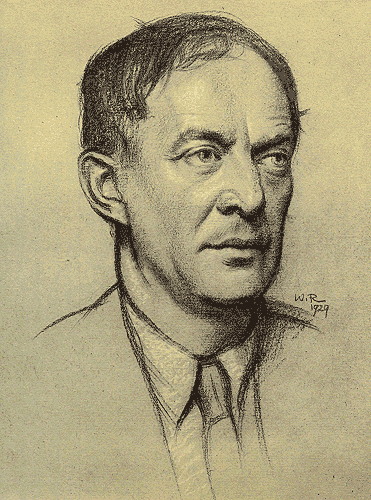
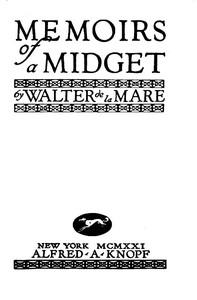
<p>English poet & novelist Walter de la Mare died <a href="/tags/otd/" rel="tag">#OTD</a> in 1956.</p><p>He is best remembered for his works for children, for his poem The Listeners, & for his psychological horror short fiction, including Seaton's Aunt & All Hallows. In 1921, his novel Memoirs of a Midget won the James Tait Black Memorial Prize for fiction, & his post-war Collected Stories for Children won the 1947 Carnegie Medal for British children's books.</p><p>Books by Walter de la Mare at PG:<br><a href="https://www.gutenberg.org/ebooks/author/1108" rel="nofollow" class="ellipsis" title="www.gutenberg.org/ebooks/author/1108"><span class="invisible">https://</span><span class="ellipsis">www.gutenberg.org/ebooks/autho</span><span class="invisible">r/1108</span></a></p><p><a href="/tags/books/" rel="tag">#books</a> <a href="/tags/literature/" rel="tag">#literature</a></p>
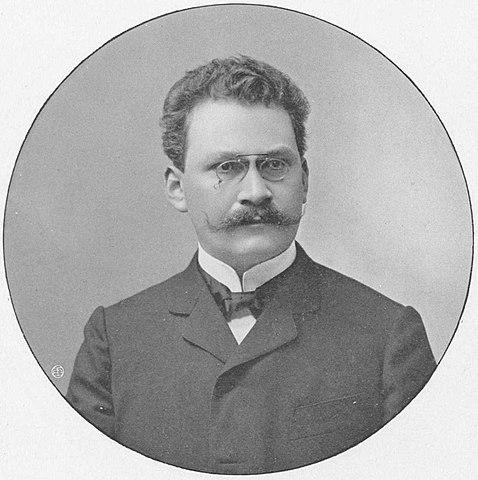
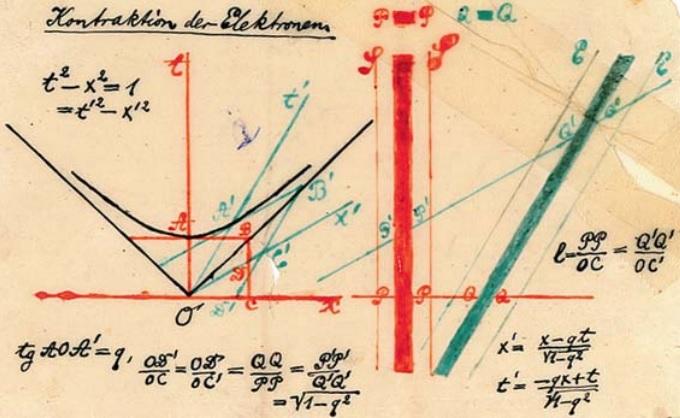
<p>Hermann Minkowski was born <a href="/tags/otd/" rel="tag">#OTD</a> in 1864.</p><p>He created & developed the geometry of numbers & elements of convex geometry, & used geometrical methods to solve problems in number theory, mathematical physics, & the theory of relativity. He is best known for his foundational work describing space & time as a four-dimensional space - "Minkowski spacetime", which facilitated geometric interpretations of Albert Einstein's special theory of relativity (1905).</p><p><a href="https://www.gutenberg.org/ebooks/search/?query=Hermann+Minkowski&submit_search=Go%21" rel="nofollow" class="ellipsis" title="www.gutenberg.org/ebooks/search/?query=Hermann+Minkowski&submit_search=Go%21"><span class="invisible">https://</span><span class="ellipsis">www.gutenberg.org/ebooks/searc</span><span class="invisible">h/?query=Hermann+Minkowski&submit_search=Go%21</span></a></p><p><a href="/tags/books/" rel="tag">#books</a> <a href="/tags/mathematics/" rel="tag">#mathematics</a></p>
<p>American nurse Clara Maass was born <a href="/tags/otd/" rel="tag">#OTD</a> in 1876.</p><p>In 1900, the U.S. Army Yellow Fever Commission, led by Dr. Walter Reed, was established to investigate the transmission of yellow fever. Maass volunteered to participate in the commission’s experiments, which involved being deliberately bitten by mosquitoes that had previously fed on yellow fever patients. She did this in the hope of advancing medical knowledge and finding a way to prevent the disease.</p><p><a href="https://en.wikipedia.org/wiki/Clara_Maass" rel="nofollow" class="ellipsis" title="en.wikipedia.org/wiki/Clara_Maass"><span class="invisible">https://</span><span class="ellipsis">en.wikipedia.org/wiki/Clara_Ma</span><span class="invisible">ass</span></a></p><p><a href="/tags/health/" rel="tag">#health</a> <a href="/tags/nursing/" rel="tag">#nursing</a></p>