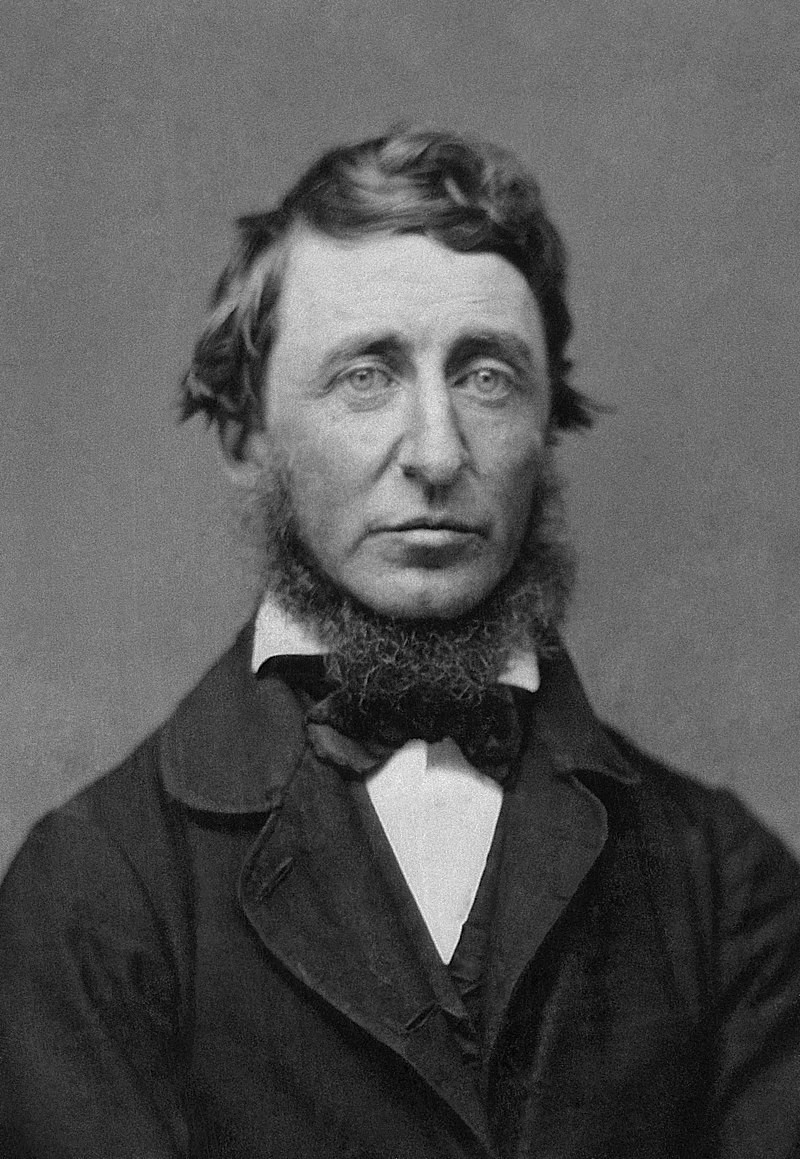
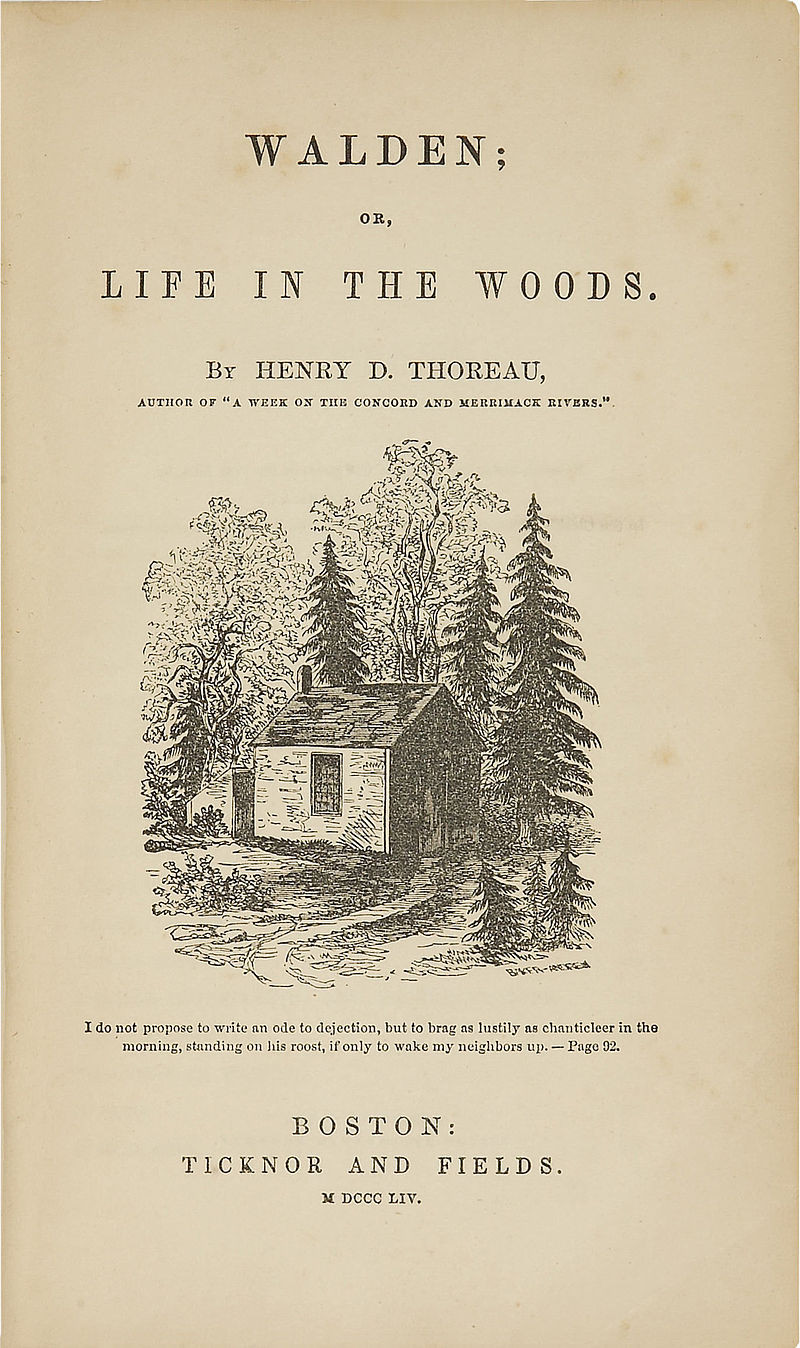
<p>American naturalist, essayist, poet, and philosopher Henry David Thoreau died <a href="/tags/otd/" rel="tag">#OTD</a> in 1862.</p><p>In addition to "Walden," Thoreau is well-known for his essay "Civil Disobedience," which was inspired by his 1846 arrest for refusing to pay poll taxes as a protest against slavery and the Mexican-American War. His political writings later influenced many political leaders, including Mahatma Gandhi and Martin Luther King Jr.</p><p>Books by Henry David Thoreau at PG:<br><a href="https://www.gutenberg.org/ebooks/author/54" rel="nofollow" class="ellipsis" title="www.gutenberg.org/ebooks/author/54"><span class="invisible">https://</span><span class="ellipsis">www.gutenberg.org/ebooks/autho</span><span class="invisible">r/54</span></a></p><p><a href="/tags/books/" rel="tag">#books</a> <a href="/tags/literature/" rel="tag">#literature</a></p>
otd
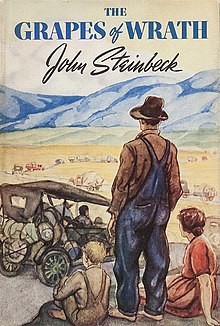
<p><a href="/tags/otd/" rel="tag">#OTD</a> in 1940.</p><p>John Steinbeck is awarded the Pulitzer Prize for his novel The Grapes of Wrath.</p><p>The book was first published in April 14, 1939. The book won the National Book Award & Pulitzer Prize for fiction, & it was cited prominently when Steinbeck was awarded the Nobel Prize in Literature in 1962. When preparing to write the novel, Steinbeck wrote: "I want to put a tag of shame on the greedy bastards who are responsible for this [the Great Depression and its effects]." </p><p><a href="/tags/books/" rel="tag">#books</a> <a href="/tags/literature/" rel="tag">#literature</a></p>
Edited 1y ago

<p>Very early <a href="/tags/onthisday/" rel="tag">#OnThisDay</a>, 6 May 1944, Marguerite 'Peggy' Knight parachutes into occupied France to be a courier for the Special Operations Executive. The British SOE supported the French resistance.</p><p>Knight fought her way out of an attempted capture, and returned to the UK in September 1944.</p><p><a href="/tags/womeninhistory/" rel="tag">#WomenInHistory</a> <a href="/tags/otd/" rel="tag">#OTD</a> <a href="/tags/history/" rel="tag">#History</a> <a href="/tags/womenshistory/" rel="tag">#WomensHistory</a> <a href="/tags/worldwar2/" rel="tag">#WorldWar2</a> <a href="/tags/histodons/" rel="tag">#Histodons</a></p>

<p><a href="/tags/otd/" rel="tag">#OtD</a> 10 May 1933 German Nazis held their first book-burning. In Berlin they burned the library of the Sexology Institute, founded by Magnus Hirschfeld, which supported LGBT+ rights. Joseph Goebbels declared: "No to decadence and moral corruption!" More: <a href="https://t.co/fmyF7rAItD" rel="nofollow"><span class="invisible">https://</span>t.co/fmyF7rAItD</a> <a href="https://stories.workingclasshistory.com/article/11315/nazi-book-burning?utm_source=dlvr.it&utm_medium=mastodon" rel="nofollow" class="ellipsis" title="stories.workingclasshistory.com/article/11315/nazi-book-burning?utm_source=dlvr.it&utm_medium=mastodon"><span class="invisible">https://</span><span class="ellipsis">stories.workingclasshistory.co</span><span class="invisible">m/article/11315/nazi-book-burning?utm_source=dlvr.it&utm_medium=mastodon</span></a></p>

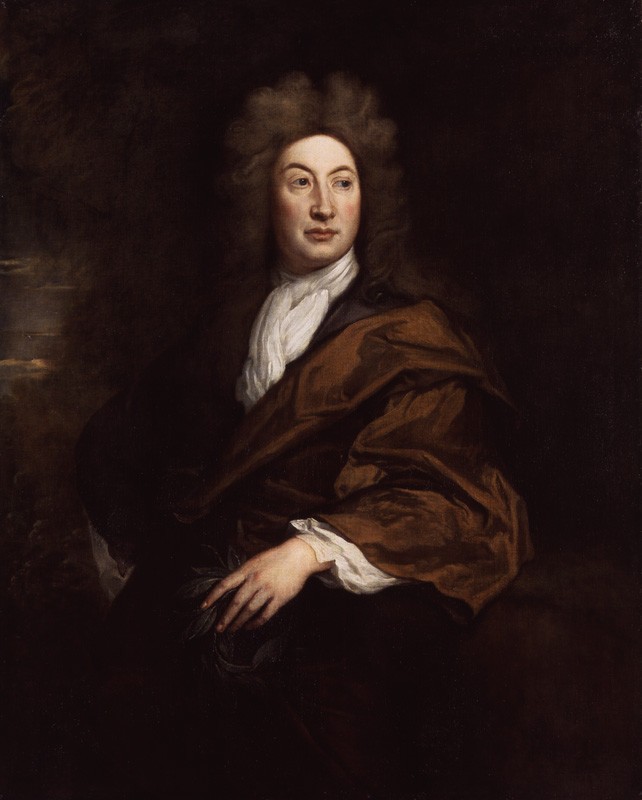
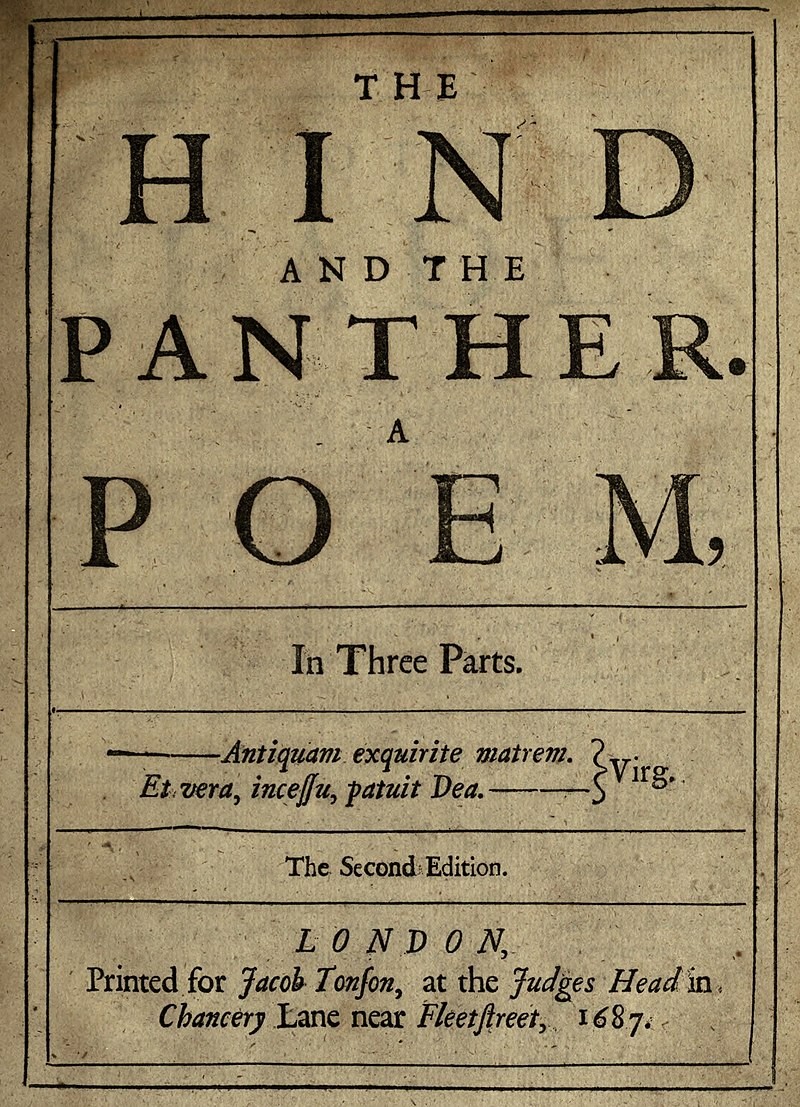
<p>English poet, literary critic, translator, and playwright John Dryden died <a href="/tags/otd/" rel="tag">#OTD</a> in 1700.</p><p>Dryden was one of the most influential literary figures of his time and is often referred to as the "Father of English Criticism." As a poet, Dryden's works ranged from satires and political verse to heroic couplets and translations. He was also a prolific playwright, producing numerous comedies, tragedies, and heroic dramas. </p><p>Books by John Dryden at PG:<br><a href="https://www.gutenberg.org/ebooks/author/807" rel="nofollow" class="ellipsis" title="www.gutenberg.org/ebooks/author/807"><span class="invisible">https://</span><span class="ellipsis">www.gutenberg.org/ebooks/autho</span><span class="invisible">r/807</span></a></p><p><a href="/tags/books/" rel="tag">#books</a> <a href="/tags/literature/" rel="tag">#literature</a> <a href="/tags/poetry/" rel="tag">#poetry</a></p>
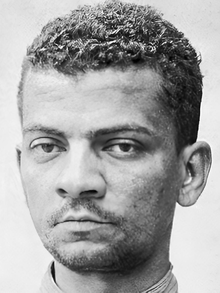
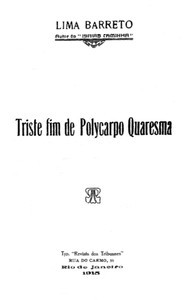
<p>Brazilian novelist & journalist Lima Barreto was born <a href="/tags/otd/" rel="tag">#OTD</a> in 1881.</p><p>His literary career began in the early 20th century, and he is best known for novels such as "Triste Fim de Policarpo Quaresma" - a bitter satire of the first years of the República Velha in Brazil, was published in 1911. Despite facing difficulties & setbacks during his lifetime (alcoholism and mental health issues), he continued to write until his death.</p><p>Books by Lima Barreto at PG<br><a href="https://www.gutenberg.org/ebooks/search/?query=Lima+Barreto&submit_search=Go%21" rel="nofollow" class="ellipsis" title="www.gutenberg.org/ebooks/search/?query=Lima+Barreto&submit_search=Go%21"><span class="invisible">https://</span><span class="ellipsis">www.gutenberg.org/ebooks/searc</span><span class="invisible">h/?query=Lima+Barreto&submit_search=Go%21</span></a></p><p><a href="/tags/books/" rel="tag">#books</a> <a href="/tags/literature/" rel="tag">#literature</a></p>
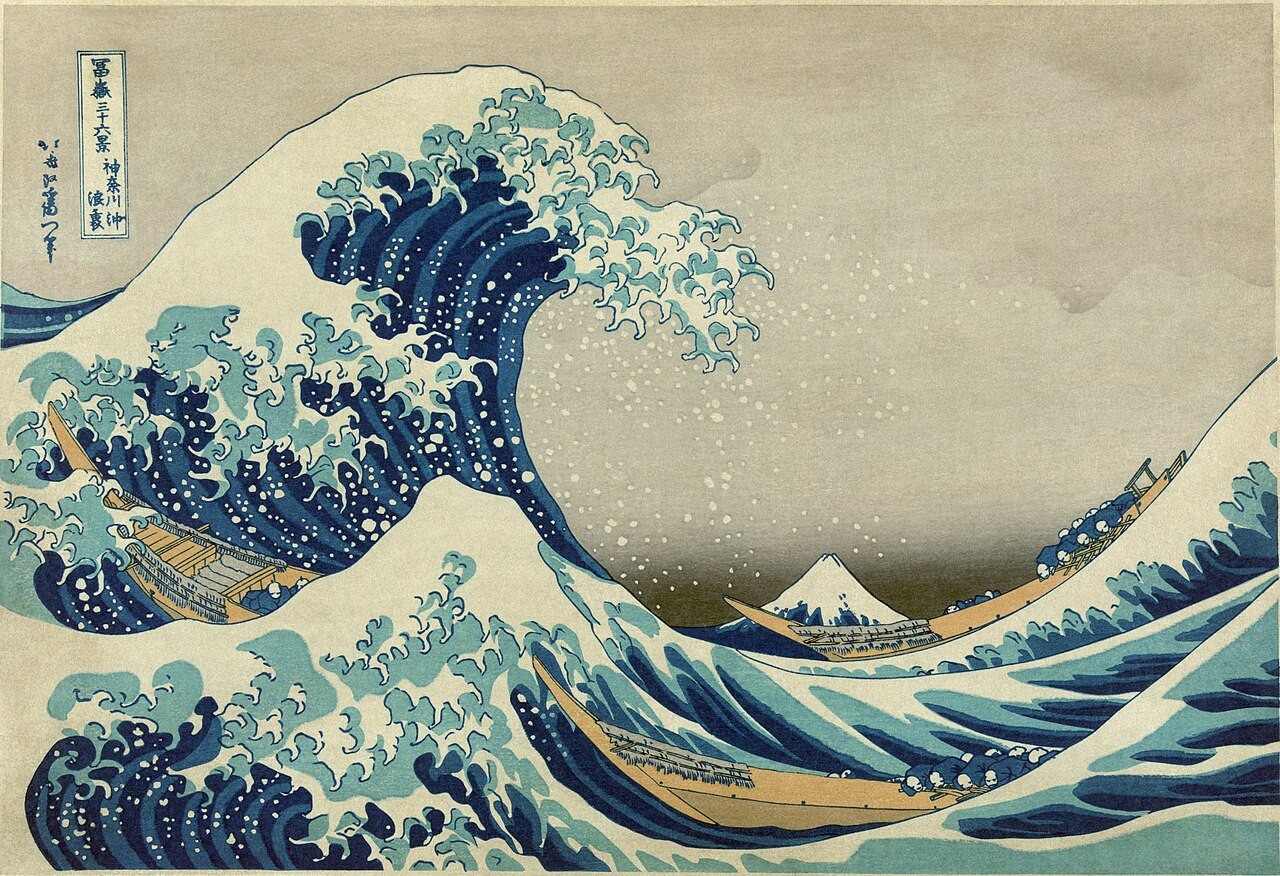
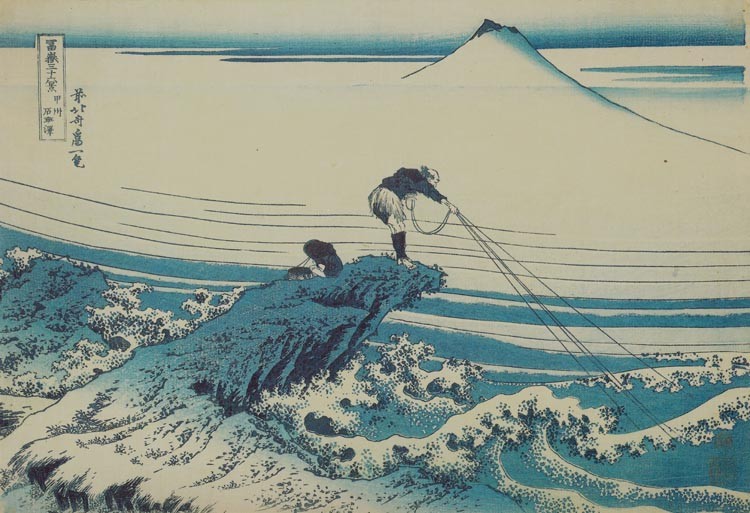
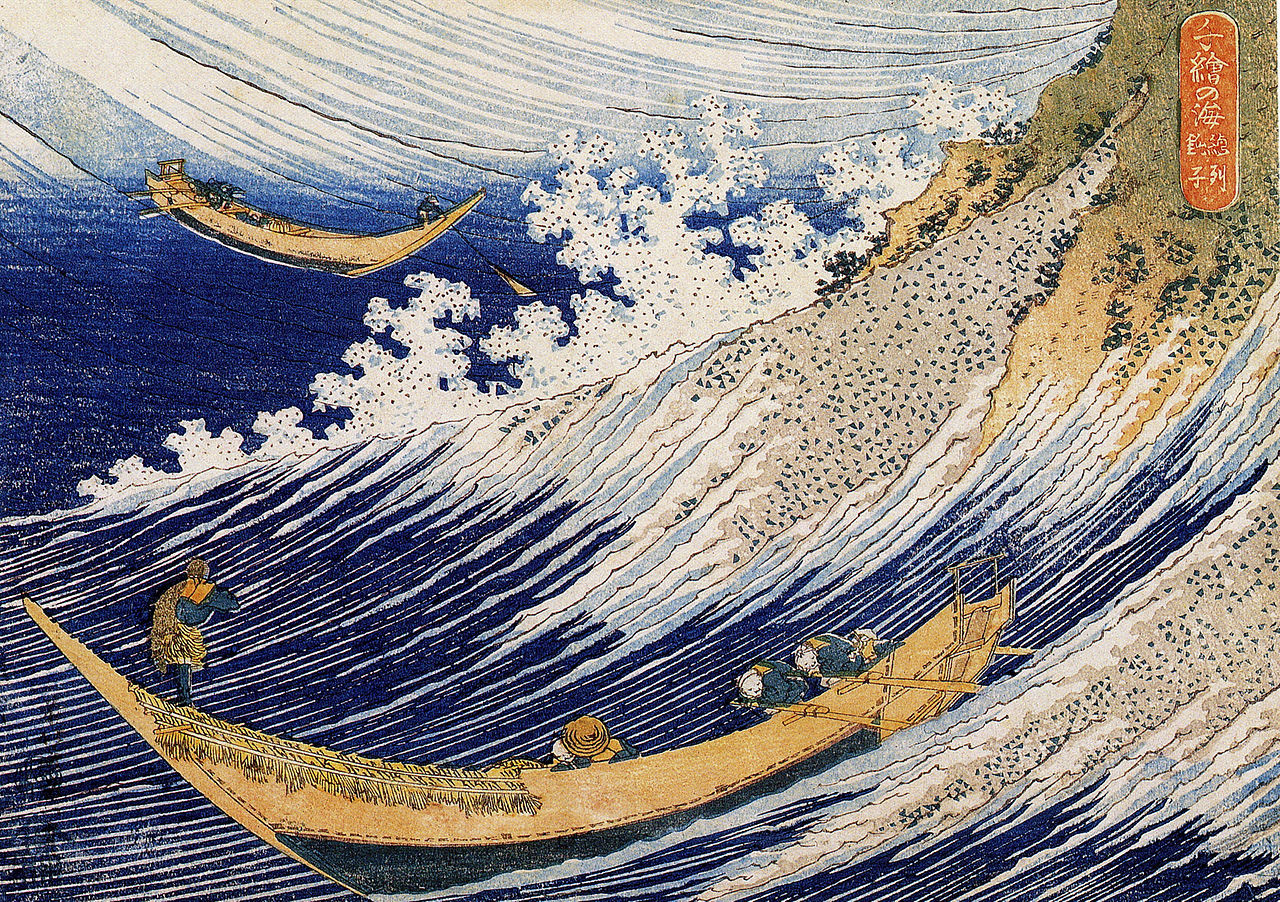
<p>Japanese ukiyo-e artist of the Edo period, active as a painter and printmaker Hokusai died <a href="/tags/otd/" rel="tag">#OTD</a> in 1849.</p><p>The Thirty-six Views of Mount Fuji are noteworthy not only for their beauty and technical prowess but also for the cultural significance of Mount Fuji in Japan. Hokusai's innovative use of the then-new Prussian blue pigment helped to popularize his prints during his lifetime and influenced not only Japanese art but also Western artists like Vincent van Gogh and Claude Monet.</p><p><a href="/tags/art/" rel="tag">#art</a> <a href="/tags/painting/" rel="tag">#painting</a></p>
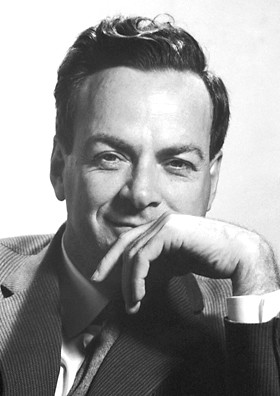
<p>American physicist Richard Feynman was born <a href="/tags/otd/" rel="tag">#OTD</a> in 1918.</p><p>He developed the Feynman diagrams, a pictorial representation of the mathematical expressions governing the behavior of subatomic particles, which provided a powerful tool for calculating complex interactions among particles. He received the Nobel Prize in Physics in 1965 jointly with Julian Schwinger and Shin'ichirō Tomonaga for their fundamental contributions to the development of quantum electrodynamics (QED).</p><p><a href="/tags/books/" rel="tag">#books</a> <a href="/tags/physics/" rel="tag">#physics</a><br>1/3</p>
Edited 1y ago
<p><a href="/tags/otd/" rel="tag">#OtD</a> 11 May 1894 the Pullman railroad strike began in Chicago after the firing of 3 workers. The biggest strike in US history to date, it was only eventually broken by federal government troops and the killing of at least 24 strikers <a href="https://t.co/JGSt1Qbi7k" rel="nofollow"><span class="invisible">https://</span>t.co/JGSt1Qbi7k</a> <a href="https://stories.workingclasshistory.com/article/8336/pullman-strike-begins?utm_source=dlvr.it&utm_medium=mastodon" rel="nofollow" class="ellipsis" title="stories.workingclasshistory.com/article/8336/pullman-strike-begins?utm_source=dlvr.it&utm_medium=mastodon"><span class="invisible">https://</span><span class="ellipsis">stories.workingclasshistory.co</span><span class="invisible">m/article/8336/pullman-strike-begins?utm_source=dlvr.it&utm_medium=mastodon</span></a></p>

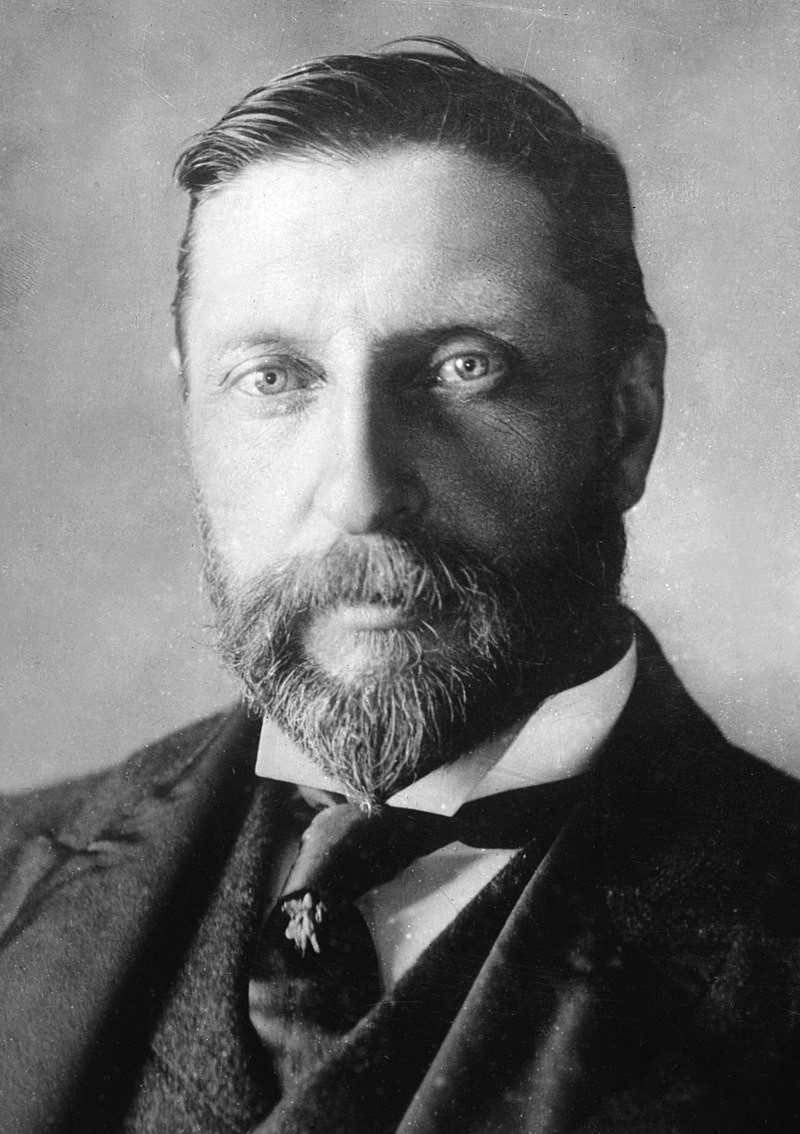
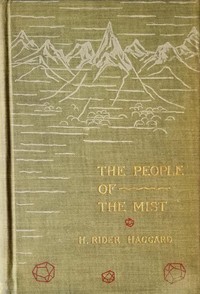
<p>English writer of adventure fiction romances H. Rider Haggard died <a href="/tags/otd/" rel="tag">#OTD</a> in 1925.</p><p>Haggard's most famous work is "King Solomon's Mines," published in 1885. Haggard's other works include "Allan Quatermain" (1887), "Jess" (1887), "Nada the Lily" (1892), "The People of the Mist" (1894), and "The Brethren" (1904), among many others.</p><p>Books by H. Rider Haggard at PG:<br><a href="https://www.gutenberg.org/ebooks/author/365" rel="nofollow" class="ellipsis" title="www.gutenberg.org/ebooks/author/365"><span class="invisible">https://</span><span class="ellipsis">www.gutenberg.org/ebooks/autho</span><span class="invisible">r/365</span></a></p><p><a href="/tags/books/" rel="tag">#books</a> <a href="/tags/literature/" rel="tag">#literature</a></p>
<p>Bengali polymath Rabindranath Tagore was born <a href="/tags/otd/" rel="tag">#OTD</a> in 1861.</p><p>Tagore wrote poetry, short stories, novels, and plays. He is best known for his poetry, and his collection "Gitanjali" is particularly renowned. This work earned him the Nobel Prize in Literature in 1913. By way of translations, Tagore influenced Pablo Neruda, Gabriela Mistral, Octavio Paz, José Ortega y Gasset, Zenobia Camprubí, and Juan Ramón Jiménez.</p><p>Books by Rabindranath Tagore at PG:<br><a href="https://www.gutenberg.org/ebooks/author/942" rel="nofollow" class="ellipsis" title="www.gutenberg.org/ebooks/author/942"><span class="invisible">https://</span><span class="ellipsis">www.gutenberg.org/ebooks/autho</span><span class="invisible">r/942</span></a></p><p><a href="/tags/books/" rel="tag">#books</a> <a href="/tags/literature/" rel="tag">#literature</a></p>

<p>Thread: <a href="/tags/otd/" rel="tag">#OtD</a> 13 May 1985 Philadelphia police attacked the home of Black liberation and environmental group MOVE, then dropped a bomb on it, killing 5 adults and 6 children, destroying 61 homes in the predominantly Black neighbourhood, and making 250 people homeless. <a href="https://t.co/oK3OfSUSWP" rel="nofollow"><span class="invisible">https://</span>t.co/oK3OfSUSWP</a></p>

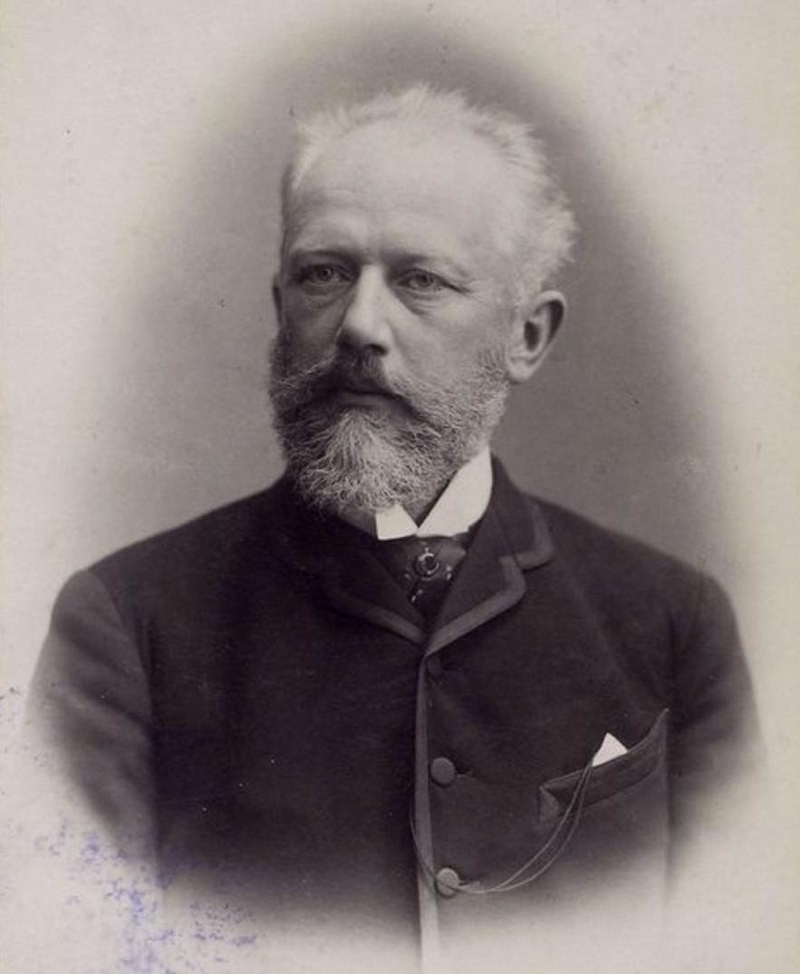
<p>Russian composer Pyotr Ilyich Tchaikovsky was born <a href="/tags/otd/" rel="tag">#OTD</a> in 1840.</p><p>Some of his most famous works include the ballets Swan Lake, The Nutcracker, & Sleeping Beauty; his operas such as Eugene Onegin & The Queen of Spades; & his symphonies, particularly the 4th, 5th, & the 6th, known as the "Pathétique". His "1812 Overture", written to commemorate Russia's defense against Napoleon's Grande Armée in 1812, is also incredibly popular.</p><p>Tchaikovsky at PG:<br><a href="https://www.gutenberg.org/ebooks/search/?query=Tchaikovsky&submit_search=Go%21" rel="nofollow" class="ellipsis" title="www.gutenberg.org/ebooks/search/?query=Tchaikovsky&submit_search=Go%21"><span class="invisible">https://</span><span class="ellipsis">www.gutenberg.org/ebooks/searc</span><span class="invisible">h/?query=Tchaikovsky&submit_search=Go%21</span></a></p><p><a href="/tags/books/" rel="tag">#books</a> <a href="/tags/music/" rel="tag">#music</a></p>
<p><a href="/tags/otd/" rel="tag">#OtD</a> 14 May 1938 the England football team gave a Nazi salute before a match in Berlin. They had been ordered to do so by the govt which had made a pact with Hitler when much of the ruling class supported fascism <a href="https://stories.workingclasshistory.com/article/8604/England-football-team-Nazi-salute" rel="nofollow" class="ellipsis" title="stories.workingclasshistory.com/article/8604/England-football-team-Nazi-salute"><span class="invisible">https://</span><span class="ellipsis">stories.workingclasshistory.co</span><span class="invisible">m/article/8604/England-football-team-Nazi-salute</span></a></p>

<p>Scottish social anthropologist and folklorist James George Frazer died <a href="/tags/otd/" rel="tag">#OTD</a> in 1941.</p><p>He is best known for his influential work "The Golden Bough: A Study in Comparative Religion," which explores the similarities among magical and religious beliefs across diverse cultures. Frazer proposed that human belief progressed through three stages: primitive magic, replaced by religion, and finally replaced by science.</p><p>Books by James George Frazer at PG:<br><a href="https://www.gutenberg.org/ebooks/author/1241" rel="nofollow" class="ellipsis" title="www.gutenberg.org/ebooks/author/1241"><span class="invisible">https://</span><span class="ellipsis">www.gutenberg.org/ebooks/autho</span><span class="invisible">r/1241</span></a></p><p><a href="/tags/books/" rel="tag">#books</a> <a href="/tags/anthropology/" rel="tag">#anthropology</a></p>

<p>"I have made a great discovery. I no longer believe in<br>anything. Objects don't exist for me except in so far as a rapport<br>exists between them or between them and myself. When one attains this<br>harmony, one reaches a sort of intellectual non-existence — what I can<br>only describe as a sense of peace, which makes everything possible and<br>right. Life then becomes a perpetual revelation. That is true poetry."</p><p>~Georges Braque was born <a href="/tags/otd/" rel="tag">#OTD</a> in 1882.</p><p><a href="/tags/art/" rel="tag">#art</a> <a href="/tags/painting/" rel="tag">#painting</a> <a href="/tags/cubism/" rel="tag">#cubism</a></p>
![Georges Braque.
(Cliché Kahnweiler).
Collection Kahnweiler.
L'HOMME À LA MANDOLINE (1912).
Les Peintres Cubistes: [Méditations Esthétiques] by Guillaume Apollinaire
https://www.gutenberg.org/ebooks/55638](/proxy/post_attachment/206758/96849bf121.jpg "Georges Braque.
(Cliché Kahnweiler).
Collection Kahnweiler.
L'HOMME À LA MANDOLINE (1912).
Les Peintres Cubistes: [Méditations Esthétiques] by Guillaume Apollinaire
https://www.gutenberg.org/ebooks/55638")
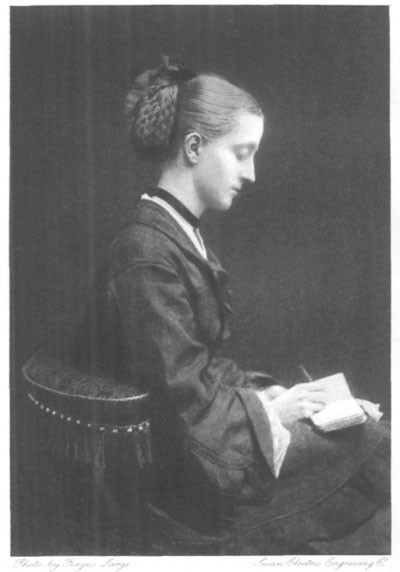
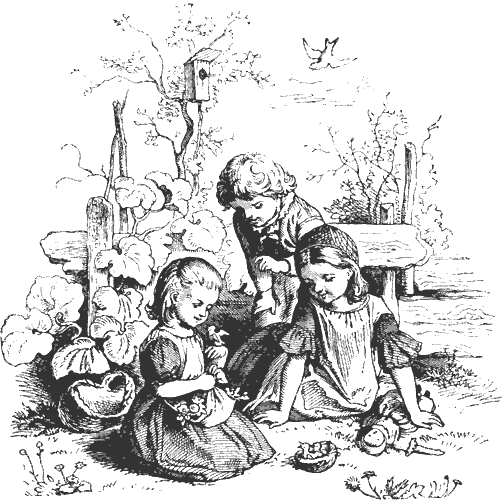
<p>English writer of children's stories Juliana Horatia Ewing died <a href="/tags/otd/" rel="tag">#OTD</a> in 1885.</p><p>Ewing's writing career began in the late 1860s, and she quickly gained recognition for her charming and insightful stories that often featured children and their adventures. Some of Ewing's most popular works include "Mrs. Overtheway's Remembrances" (1869), "Six to Sixteen: A Story for Girls" (1875), and "Jackanapes" (1884). </p><p>Books by Juliana Horatia Ewing at PG:<br><a href="https://www.gutenberg.org/ebooks/author/1803" rel="nofollow" class="ellipsis" title="www.gutenberg.org/ebooks/author/1803"><span class="invisible">https://</span><span class="ellipsis">www.gutenberg.org/ebooks/autho</span><span class="invisible">r/1803</span></a></p><p><a href="/tags/books/" rel="tag">#books</a> <a href="/tags/literature/" rel="tag">#literature</a> <a href="/tags/poetry/" rel="tag">#poetry</a></p>
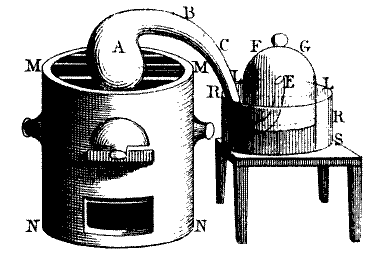
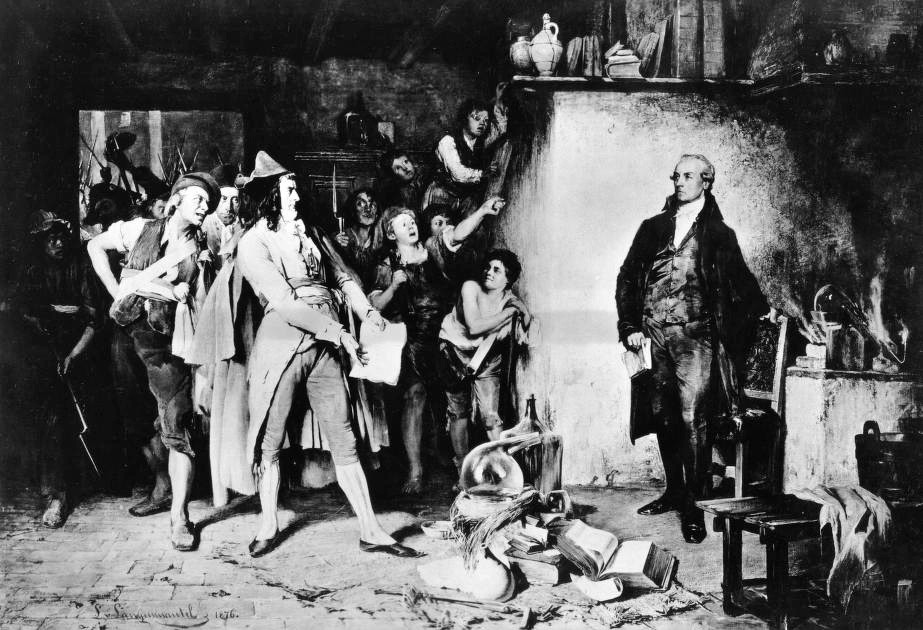
<p>French chemist Antoine Lavoisier died <a href="/tags/otd/" rel="tag">#OTD</a> in 1794.</p><p>He is best known for his development of the law of conservation of mass, which states that mass is neither created nor destroyed in chemical reactions. This principle helped to debunk the phlogiston theory, which was a prevailing theory at the time that suggested substances released a material called "phlogiston" when they burned. He also made significant contributions in understanding respiration as a form of combustion.</p><p><a href="/tags/science/" rel="tag">#science</a> <a href="/tags/chemistry/" rel="tag">#chemistry</a></p>
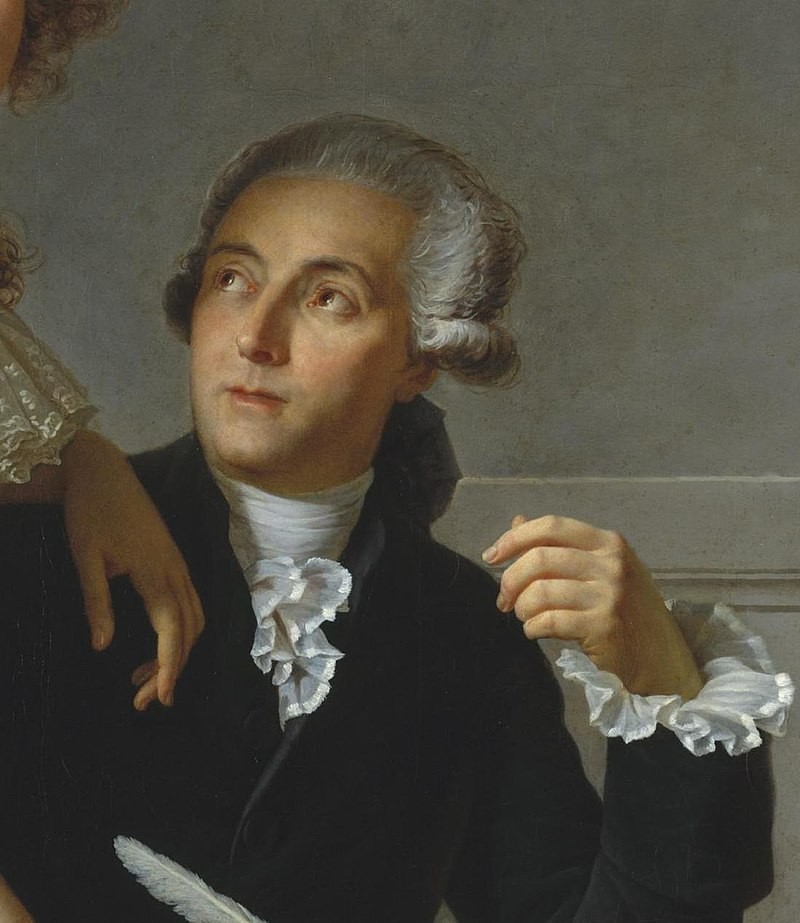
<p><a href="/tags/otd/" rel="tag">#OTD</a> in 1794.</p><p>Branded a traitor during the Reign of Terror, French chemist Antoine Lavoisier, who was also a tax collector with the Ferme générale, is tried, convicted and guillotined in one day in Paris.</p><p>The day after Lavoisier's execution, the great mathematician Louis de Lagrange commented: "It only took them a moment to knock that head off, and perhaps a hundred years won't be enough to reproduce a similar one".</p><p><a href="/tags/books/" rel="tag">#books</a> <a href="/tags/frenchrevolution/" rel="tag">#frenchrevolution</a></p>
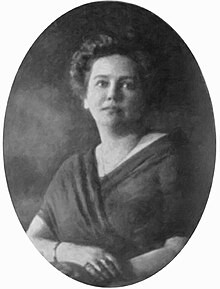
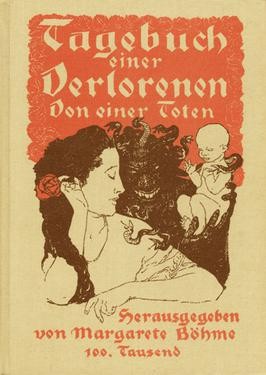
<p>“She dies from never having experienced a love of her own volition.”</p><p>German writer Margarete Böhme was born <a href="/tags/otd/" rel="tag">#OTD</a> in 1867.</p><p>She is best known for her controversial and highly successful novel, "Tagebuch einer Verlorenen", first published in 1905. It purportedly tells the true story of Thymian, a young woman forced by circumstance into a life of prostitution. A movie was made based on this book (Tabea, stehe auf! 1922).</p><p>Books by Margarete Böhme at PG:<br><a href="https://www.gutenberg.org/ebooks/search/?query=Margarete+B%C3%B6hme&submit_search=Go%21" rel="nofollow" class="ellipsis" title="www.gutenberg.org/ebooks/search/?query=Margarete+B%C3%B6hme&submit_search=Go%21"><span class="invisible">https://</span><span class="ellipsis">www.gutenberg.org/ebooks/searc</span><span class="invisible">h/?query=Margarete+B%C3%B6hme&submit_search=Go%21</span></a></p><p><a href="/tags/books/" rel="tag">#books</a> <a href="/tags/literature/" rel="tag">#literature</a></p>
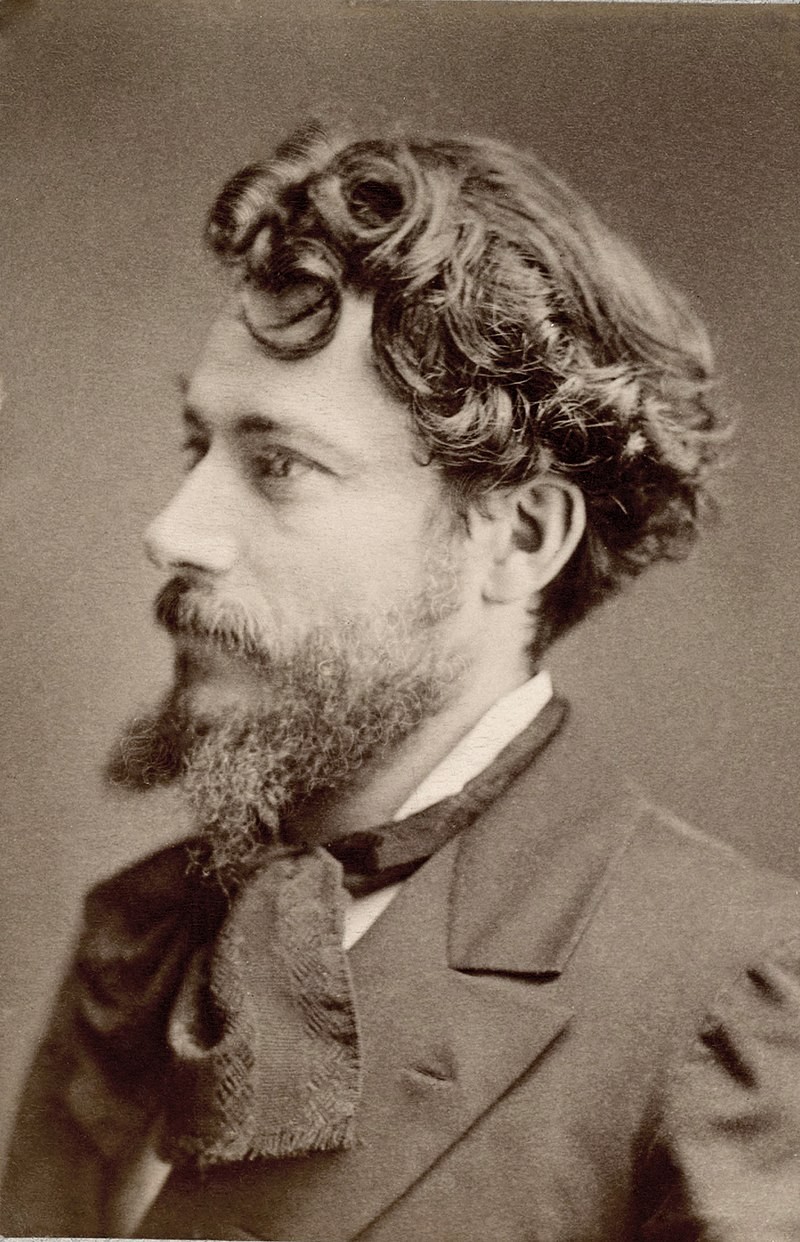
<p>French poet, dramatist, and novelist Jean Aicard died <a href="/tags/otd/" rel="tag">#OTD</a> in 1921.</p><p>He was associated with the Parnassian movement, which emphasized formalism, craftsmanship, and the use of classical mythology and historical themes in poetry. He was also a prolific playwright and novelist. One of Aicard's most famous works is the novel "Le Roi de Camargue" (The King of Camargue), was published in 1872.</p><p>Books by Jean Aicard at PG:<br><a href="https://www.gutenberg.org/ebooks/author/6209" rel="nofollow" class="ellipsis" title="www.gutenberg.org/ebooks/author/6209"><span class="invisible">https://</span><span class="ellipsis">www.gutenberg.org/ebooks/autho</span><span class="invisible">r/6209</span></a></p><p><a href="/tags/books/" rel="tag">#books</a> <a href="/tags/literature/" rel="tag">#literature</a> <a href="/tags/poetry/" rel="tag">#poetry</a> <a href="/tags/theatre/" rel="tag">#theatre</a></p>
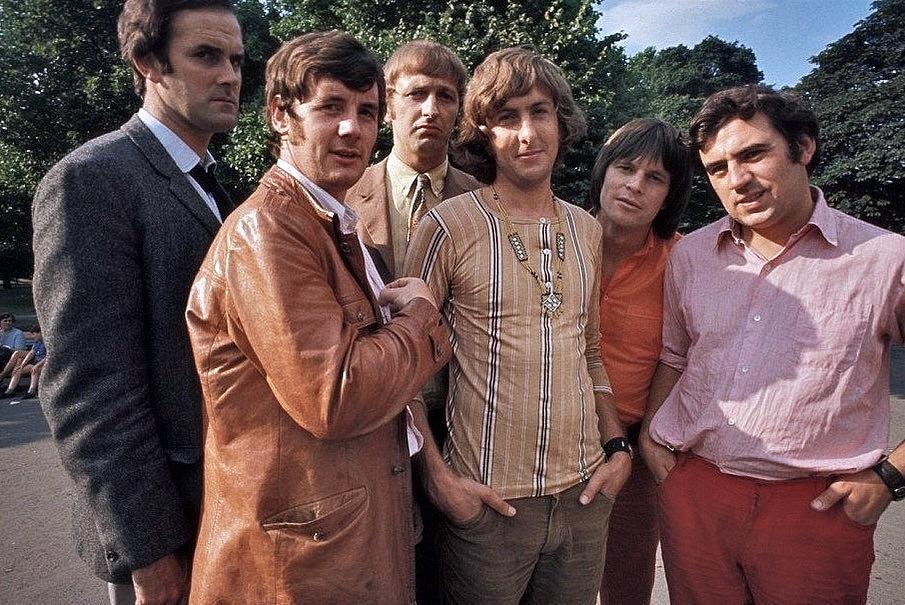
<p>MONTY PYTHON'S FLYING CIRCUS debuted on the BBC <a href="/tags/otd/" rel="tag">#OTD</a> in 1969. </p><p>“Literally nothing was funny," TV GUIDE’s Cleveland Amory wrote when it aired on PBS in 1975. "And the less funny something was—such as a Spanish Inquisition sketch with three cardinals—the more you saw of it."</p><p><a href="/tags/classictv/" rel="tag">#ClassicTV</a> <a href="/tags/montypython/" rel="tag">#montypython</a> <a href="/tags/britishtv/" rel="tag">#BritishTV</a></p>
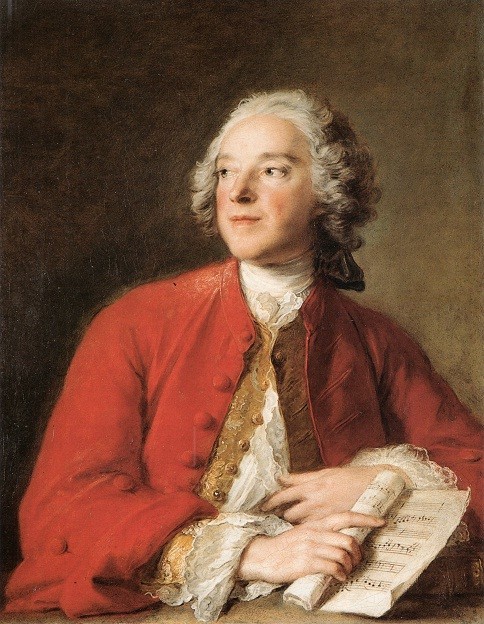
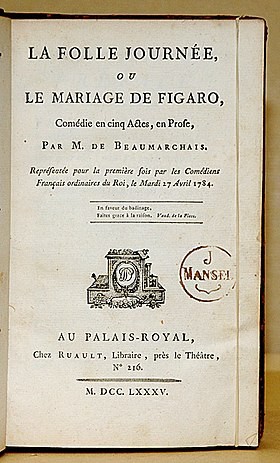
<p>“Feindre d’ignorer ce qu’on sait, de savoir tout ce que l’on ignore... voilà toute la politique.”<br>Le Mariage de Figaro (1778)</p><p>French polymath cha died <a href="/tags/otd/" rel="tag">#OTD</a> in 1799.</p><p>He is best known for his classic plays, particularly "The Barber of Seville" and "The Marriage of Figaro," which form part of the Figaro trilogy. These works were adapted into famous operas by Gioachino Rossini and Wolfgang Amadeus Mozart respectively.</p><p>Books by Pierre Beaumarchais at PG:<br><a href="https://www.gutenberg.org/ebooks/author/7962" rel="nofollow" class="ellipsis" title="www.gutenberg.org/ebooks/author/7962"><span class="invisible">https://</span><span class="ellipsis">www.gutenberg.org/ebooks/autho</span><span class="invisible">r/7962</span></a></p><p><a href="/tags/books/" rel="tag">#books</a> <a href="/tags/literature/" rel="tag">#literature</a></p>
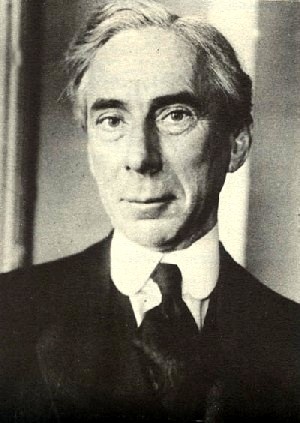
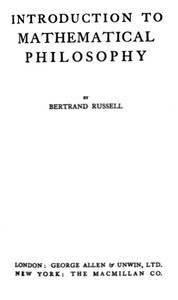
<p>British mathematician, logician, philosopher, & public intellectual Bertrand Russell was born <a href="/tags/otd/" rel="tag">#OTD</a> in 1872.</p><p>One of Russell's most significant achievements is the co-authorship of "Principia Mathematica" (1910-1913) with Alfred North Whitehead. His works, such as "The Problems of Philosophy" (1912) & "Our Knowledge of the External World" (1914), explored issues related to knowledge, perception, & the scientific method.</p><p>Books by Bertrand Russell at PG:<br><a href="https://www.gutenberg.org/ebooks/author/355" rel="nofollow" class="ellipsis" title="www.gutenberg.org/ebooks/author/355"><span class="invisible">https://</span><span class="ellipsis">www.gutenberg.org/ebooks/autho</span><span class="invisible">r/355</span></a></p><p><a href="/tags/books/" rel="tag">#books</a> <a href="/tags/literature/" rel="tag">#literature</a></p>
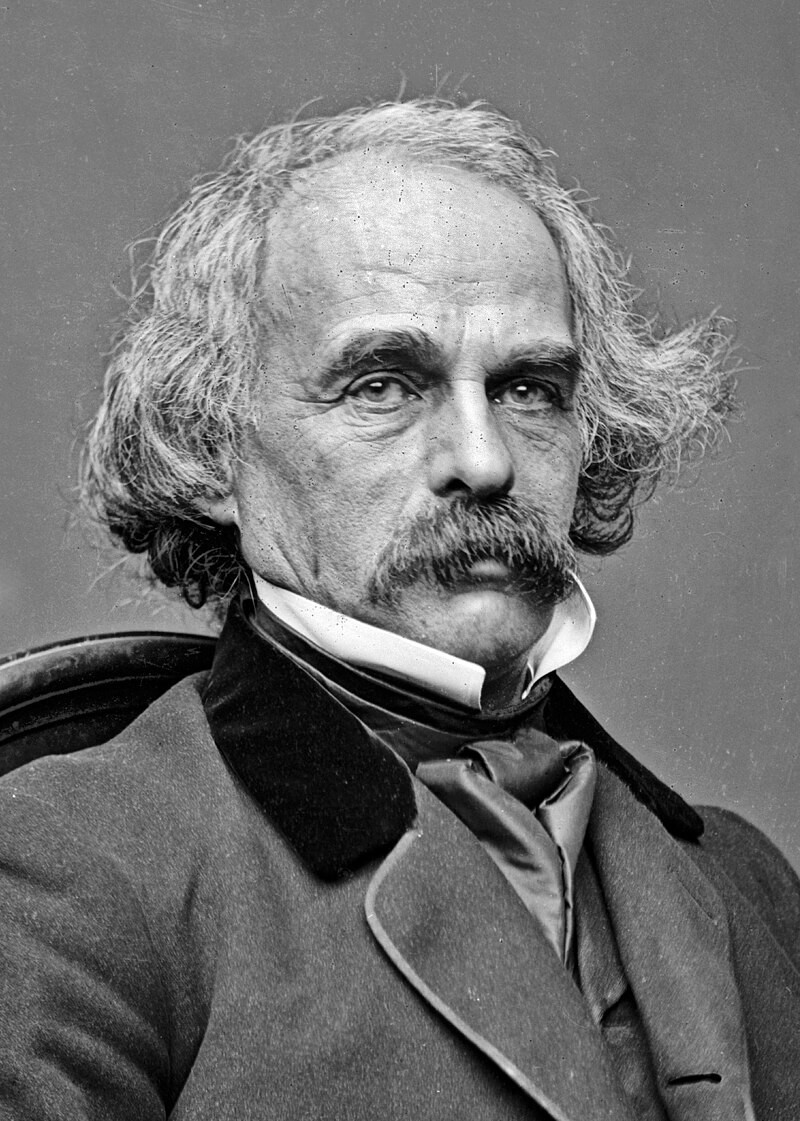
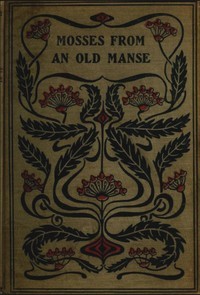
<p>American novelist and short story writer Nathaniel Hawthorne died <a href="/tags/otd/" rel="tag">#OTD</a> in 1864.</p><p>Hawthorne's early career was marked by relative obscurity. He self-published his first work, a novel titled "Fanshawe," in 1828, but later sought to suppress it. Throughout the 1830s and 1840s, he wrote numerous short stories and sketches which were later collected in volumes such as "Twice-Told Tales" (1837, 1842).</p><p>Books by Nathaniel Hawthorne at PG:<br><a href="https://www.gutenberg.org/ebooks/author/28" rel="nofollow" class="ellipsis" title="www.gutenberg.org/ebooks/author/28"><span class="invisible">https://</span><span class="ellipsis">www.gutenberg.org/ebooks/autho</span><span class="invisible">r/28</span></a></p><p><a href="/tags/books/" rel="tag">#books</a> <a href="/tags/literature/" rel="tag">#literature</a></p>