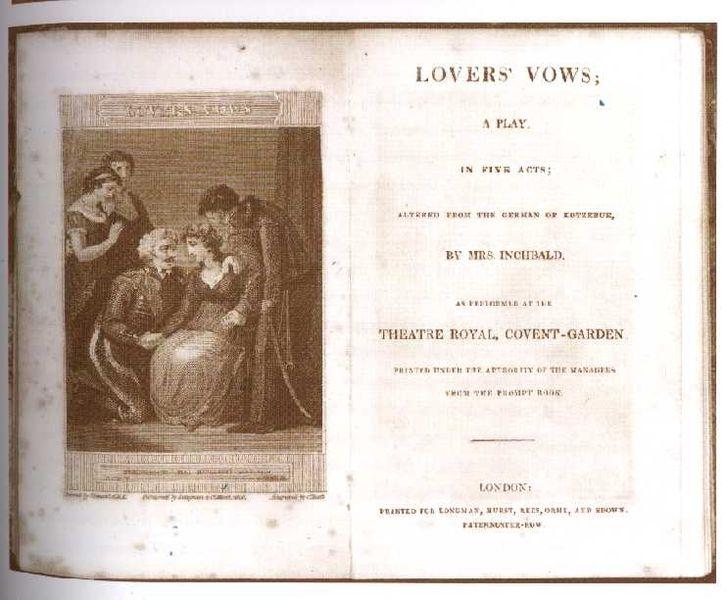
<p><a href="/tags/otd/" rel="tag">#OTD</a> in 1798.</p><p>Elizabeth Inchbald's Lovers' Vows (adapted from Kotzebue's Das Kind der Liebe – 1780; literally "Love Child," or "Natural Son," as it is often translated) is first performed at the Theatre Royal, Drury Lane, London.</p><p>It was likewise successful as a print publication, though it also aroused controversy about its "levelling" politics and moral ambiguity.</p><p><a href="https://en.wikipedia.org/wiki/Lovers%27_Vows" rel="nofollow" class="ellipsis" title="en.wikipedia.org/wiki/Lovers%27_Vows"><span class="invisible">https://</span><span class="ellipsis">en.wikipedia.org/wiki/Lovers%2</span><span class="invisible">7_Vows</span></a></p><p>Lovers' Vows at PG:<br><a href="https://www.gutenberg.org/ebooks/4554" rel="nofollow"><span class="invisible">https://</span>www.gutenberg.org/ebooks/4554</a></p><p><a href="/tags/books/" rel="tag">#books</a> <a href="/tags/literature/" rel="tag">#literature</a> <a href="/tags/theatre/" rel="tag">#theatre</a></p>
otd

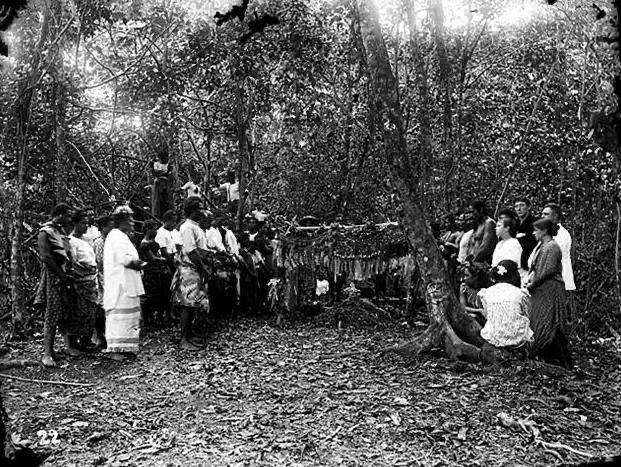
<p>Robert Louis Stevenson died <a href="/tags/otd/" rel="tag">#OTD</a>, 3 December, in 1894, aged 44. He is buried on Mt Vaea, on the island of Upolu in Samoa 🇼🇸 🏴</p><p>📷 Thomas Andrew (1855–1939): Burial of Robert Louis Stevenson, 1894 / Le maliu o Tusitala i le tausaga 1894<br>🧵</p><p>1/6</p><p><a href="https://commons.wikimedia.org/wiki/File:Burial_and_grave_of_Robert_Louis_Stevenson_in_Samoa,_1894.jpg" rel="nofollow" class="ellipsis" title="commons.wikimedia.org/wiki/File:Burial_and_grave_of_Robert_Louis_Stevenson_in_Samoa,_1894.jpg"><span class="invisible">https://</span><span class="ellipsis">commons.wikimedia.org/wiki/Fil</span><span class="invisible">e:Burial_and_grave_of_Robert_Louis_Stevenson_in_Samoa,_1894.jpg</span></a></p><p><a href="/tags/scottish/" rel="tag">#Scottish</a> <a href="/tags/literature/" rel="tag">#literature</a> <a href="/tags/19thcentury/" rel="tag">#19thcentury</a> <a href="/tags/victorian/" rel="tag">#Victorian</a> <a href="/tags/robertlouisstevenson/" rel="tag">#RobertLouisStevenson</a> <a href="/tags/samoa/" rel="tag">#Samoa</a> <a href="/tags/tusitala/" rel="tag">#Tusitala</a></p>
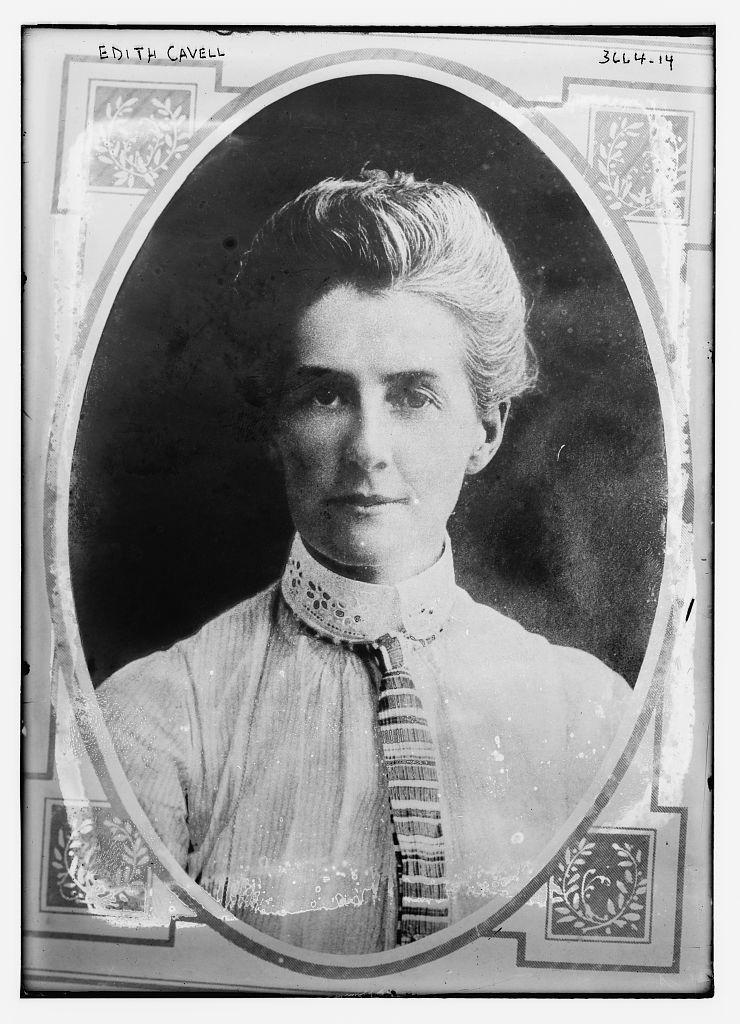
<p>"I have no fear nor shrinking; I have seen death so often that it is not strange or fearful to me."</p><p>British nurse Edith Cavell died <a href="/tags/otd/" rel="tag">#OTD</a> in 1915.</p><p>She is celebrated for treating wounded soldiers from both sides without discrimination during the First World War and for helping some 200 Allied soldiers escape from German-occupied Belgium. Cavell was arrested, court-martialled under German military law and sentenced to death by firing squad. </p><p><a href="https://en.wikipedia.org/wiki/Edith_Cavell" rel="nofollow" class="ellipsis" title="en.wikipedia.org/wiki/Edith_Cavell"><span class="invisible">https://</span><span class="ellipsis">en.wikipedia.org/wiki/Edith_Ca</span><span class="invisible">vell</span></a></p><p><a href="/tags/nurse/" rel="tag">#nurse</a> <a href="/tags/history/" rel="tag">#history</a></p>
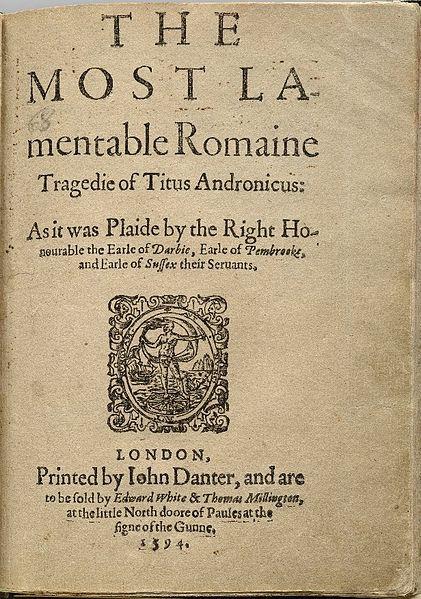
<p><a href="/tags/otd/" rel="tag">#OTD</a> in 1923.</p><p>A production of Shakespeare's Titus Andronicus at The Old Vic, directed by Robert Atkins, is the first in London since 1857. It is also the first to restore the full original text since the playwright's time.</p><p>It is often seen as his attempt to emulate the violent & bloody revenge plays of his contemporaries, which were extremely popular with audiences throughout the 16th century.</p><p><a href="https://en.wikipedia.org/wiki/Titus_Andronicus" rel="nofollow" class="ellipsis" title="en.wikipedia.org/wiki/Titus_Andronicus"><span class="invisible">https://</span><span class="ellipsis">en.wikipedia.org/wiki/Titus_An</span><span class="invisible">dronicus</span></a></p><p>Titus Andronicus at PG<br><a href="https://gutenberg.org/ebooks/1507" rel="nofollow"><span class="invisible">https://</span>gutenberg.org/ebooks/1507</a></p><p><a href="/tags/books/" rel="tag">#books</a> <a href="/tags/literature/" rel="tag">#literature</a> <a href="/tags/theatre/" rel="tag">#theatre</a></p>
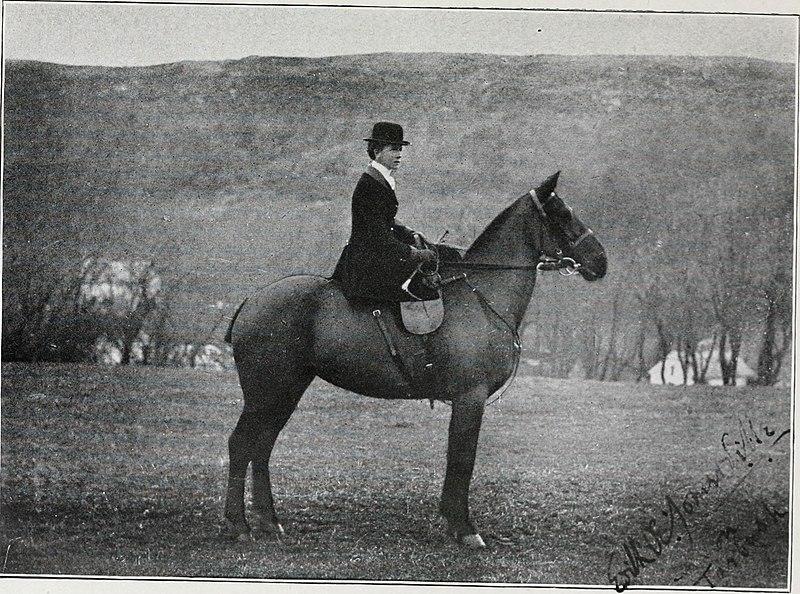
<p>Irish novelist Edith Somerville died <a href="/tags/otd/" rel="tag">#OTD</a> in 1949.</p><p>She wrote in collaboration with her cousin "Martin Ross" (Violet Martin) under the pseudonym "Somerville and Ross". Together they published a series of fourteen stories and novels, the most popular of which were The Real Charlotte, published in 1894, and Some Experiences of an Irish R. M., published in 1899.</p><p>Books by E. Œ. Somerville at PG:<br><a href="https://www.gutenberg.org/ebooks/author/5334" rel="nofollow" class="ellipsis" title="www.gutenberg.org/ebooks/author/5334"><span class="invisible">https://</span><span class="ellipsis">www.gutenberg.org/ebooks/autho</span><span class="invisible">r/5334</span></a></p><p><a href="/tags/books/" rel="tag">#books</a> <a href="/tags/literature/" rel="tag">#literature</a></p>
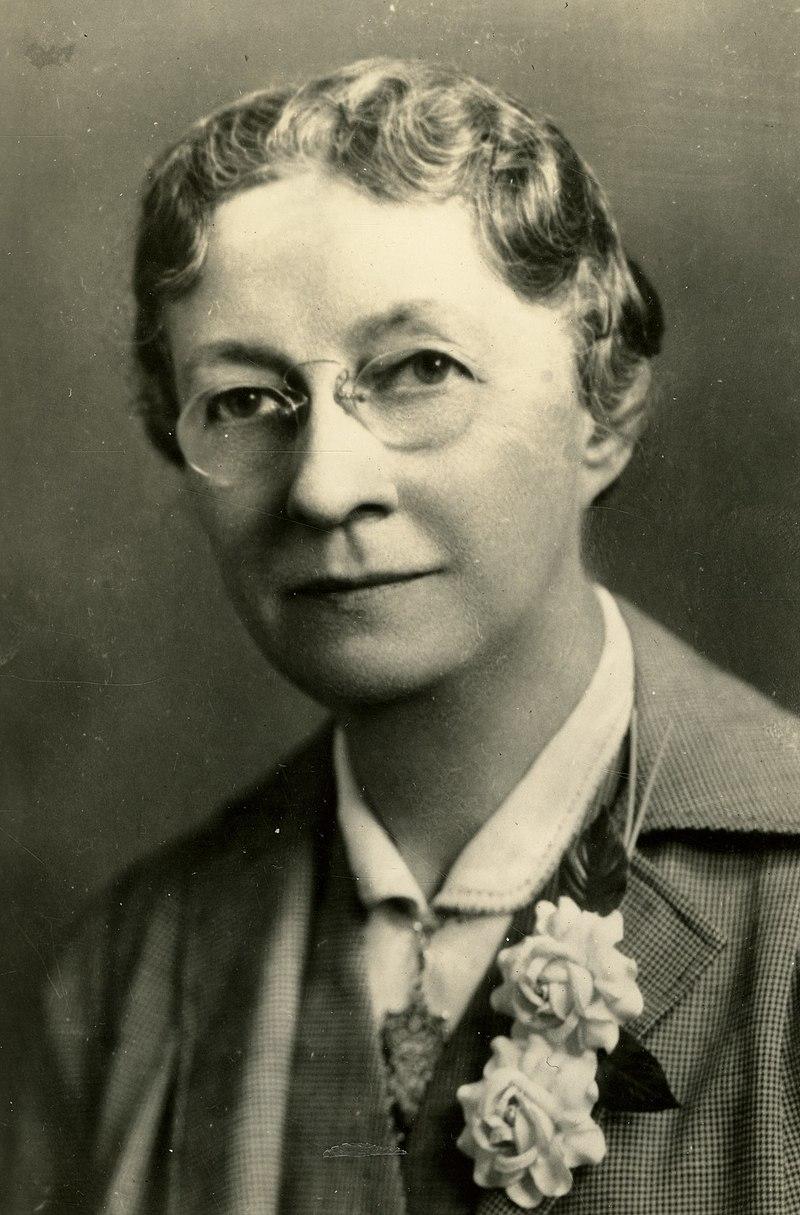
<p>American bacteriological chemist, food scientist and refrigeration engineer Mary Engle Pennington was born <a href="/tags/otd/" rel="tag">#OTD</a> in 1872.</p><p>She was a pioneer in the preservation, handling, storage and transportation of perishable foods and the first female lab chief at the U.S. Food and Drug Administration. She was awarded 5 patents, received the Notable Service Medal from President Herbert Hoover and the Garvin-Olin Medal from the American Chemical Society.</p><p><a href="https://en.wikipedia.org/wiki/Mary_Engle_Pennington" rel="nofollow" class="ellipsis" title="en.wikipedia.org/wiki/Mary_Engle_Pennington"><span class="invisible">https://</span><span class="ellipsis">en.wikipedia.org/wiki/Mary_Eng</span><span class="invisible">le_Pennington</span></a></p><p><a href="/tags/science/" rel="tag">#science</a> <a href="/tags/womeninstem/" rel="tag">#womeninSTEM</a></p>
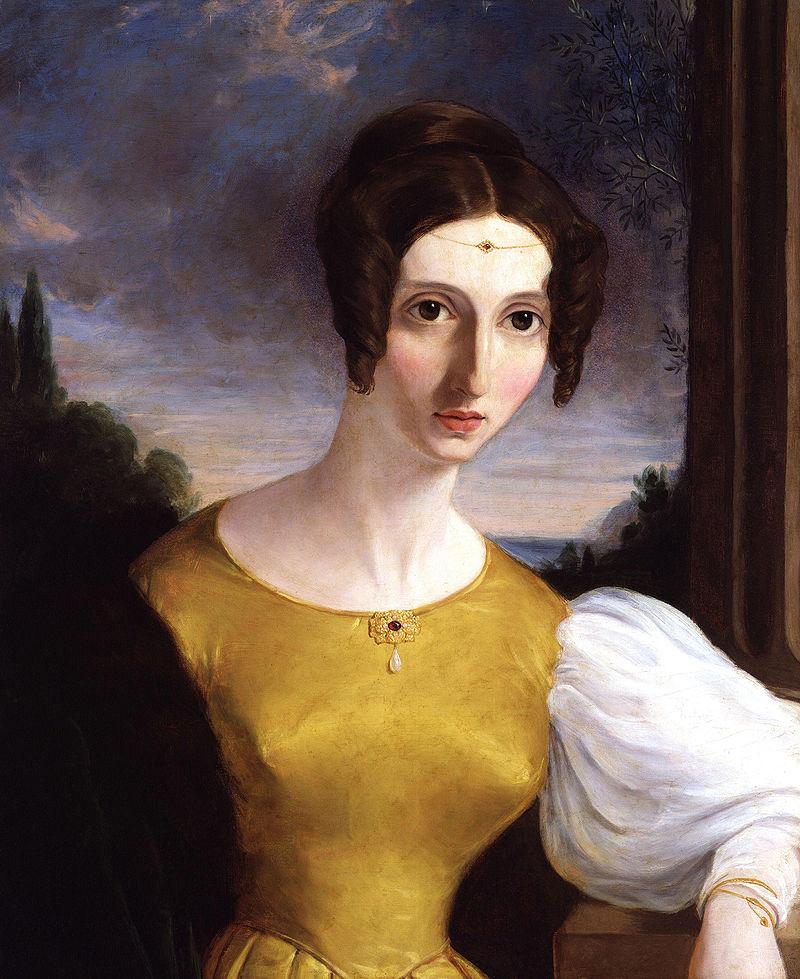
<p>English philosopher and women's rights advocate Harriet Taylor Mill was born <a href="/tags/otd/" rel="tag">#OTD</a> in 1807.</p><p>She is considered to have been a key contributor to many of John Stuart Mill’s most famous works, particularly "On Liberty" (1859) & "The Subjection of Women" (1869). Some of her own writings, such as her essay "The Enfranchisement of Women" (1851), argued for women's equality and their right to vote.</p><p><a href="https://en.wikipedia.org/wiki/Harriet_Taylor_Mill" rel="nofollow" class="ellipsis" title="en.wikipedia.org/wiki/Harriet_Taylor_Mill"><span class="invisible">https://</span><span class="ellipsis">en.wikipedia.org/wiki/Harriet_</span><span class="invisible">Taylor_Mill</span></a></p><p>Books by Harriet Taylor Mill at PG:<br><a href="https://www.gutenberg.org/ebooks/73404" rel="nofollow"><span class="invisible">https://</span>www.gutenberg.org/ebooks/73404</a></p><p><a href="/tags/books/" rel="tag">#books</a> <a href="/tags/literature/" rel="tag">#literature</a></p>
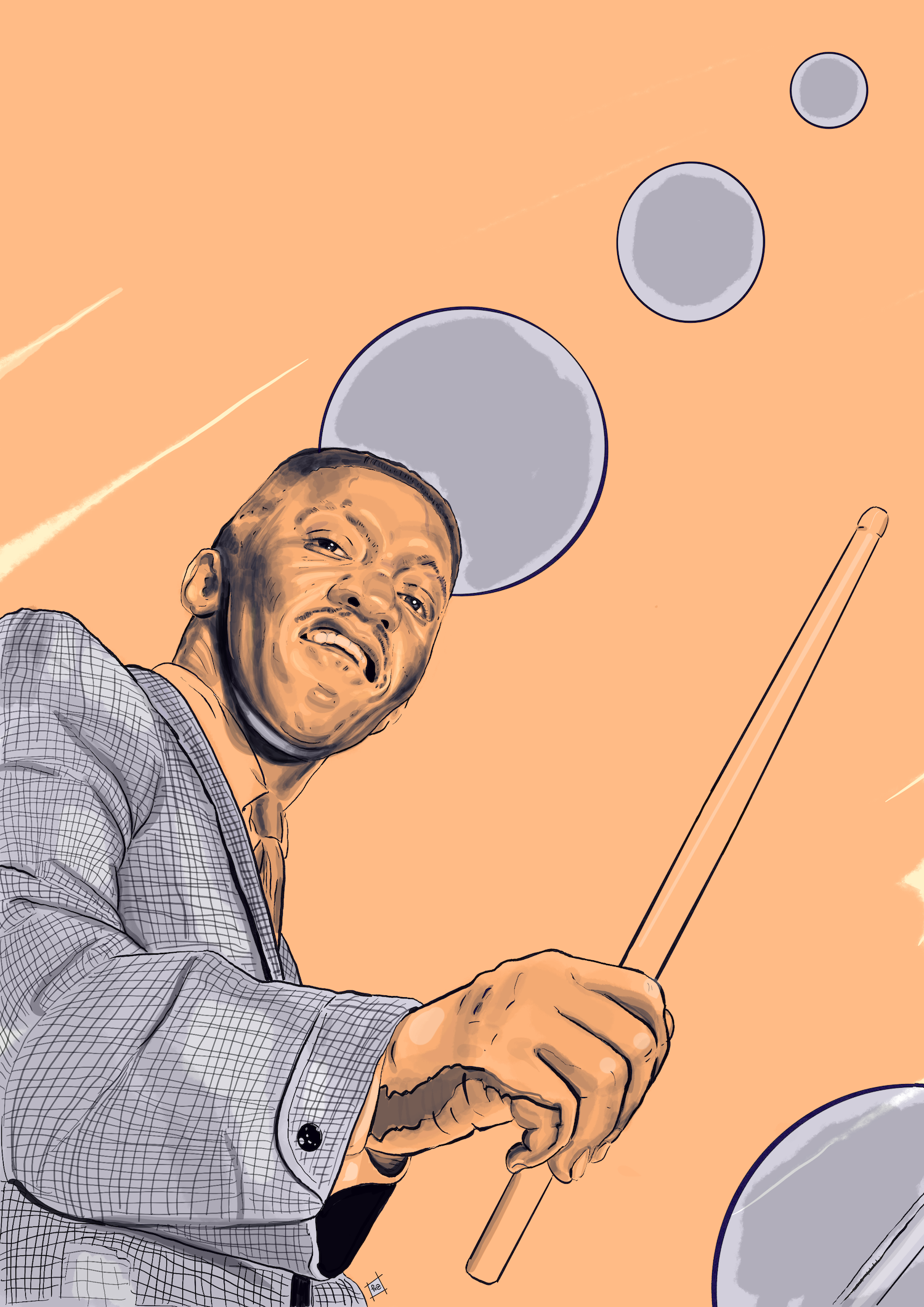
<p><a href="/tags/art/" rel="tag">#art</a> <a href="/tags/history/" rel="tag">#history</a>: jazz juggernaut, arthur blakey (born <a href="/tags/otd/" rel="tag">#otd</a> in 1919 to a single mum who died soon after art arrived), was raised by a family friend. he first gravitated toward the piano, but soon found his true groove with the drums & rose up through the ranks playing alongside bebop monsters charlie parker, dizzy gillespie & thelonious monk. <br>[thread!]<br><a href="/tags/illustration/" rel="tag">#illustration</a> <a href="/tags/artblakey/" rel="tag">#artBlakey</a> <a href="/tags/jazz/" rel="tag">#jazz</a> <a href="/tags/music/" rel="tag">#music</a> <a href="/tags/drummer/" rel="tag">#drummer</a> <a href="/tags/drums/" rel="tag">#drums</a></p>
<p>“In story after story, epicene young men, difficult children, or wild beasts set out to shake up the stifling complacency around them”</p><p>Hector Hugh Munro (1870–1916) – Saki – was born <a href="/tags/otd/" rel="tag">#OTD</a>, 18 Dec, in Myanmar. Although born in the Raj & raised in England, his parents were Scots & he considered himself to be a Scot, too. Fatema Ahmed looks at his fierce, funny, & wicked fiction</p><p>@bookstodon </p><p>1/8</p><p><a href="https://www.prospectmagazine.co.uk/culture/43602/untameable-saki" rel="nofollow" class="ellipsis" title="www.prospectmagazine.co.uk/culture/43602/untameable-saki"><span class="invisible">https://</span><span class="ellipsis">www.prospectmagazine.co.uk/cul</span><span class="invisible">ture/43602/untameable-saki</span></a></p><p><a href="/tags/scottish/" rel="tag">#Scottish</a> <a href="/tags/literature/" rel="tag">#literature</a> <a href="/tags/saki/" rel="tag">#Saki</a> <a href="/tags/shortstories/" rel="tag">#shortstories</a> <a href="/tags/humor/" rel="tag">#humor</a> <a href="/tags/humour/" rel="tag">#humour</a> <a href="/tags/horror/" rel="tag">#horror</a> <a href="/tags/edwardian/" rel="tag">#Edwardian</a></p>
Edited 113d ago
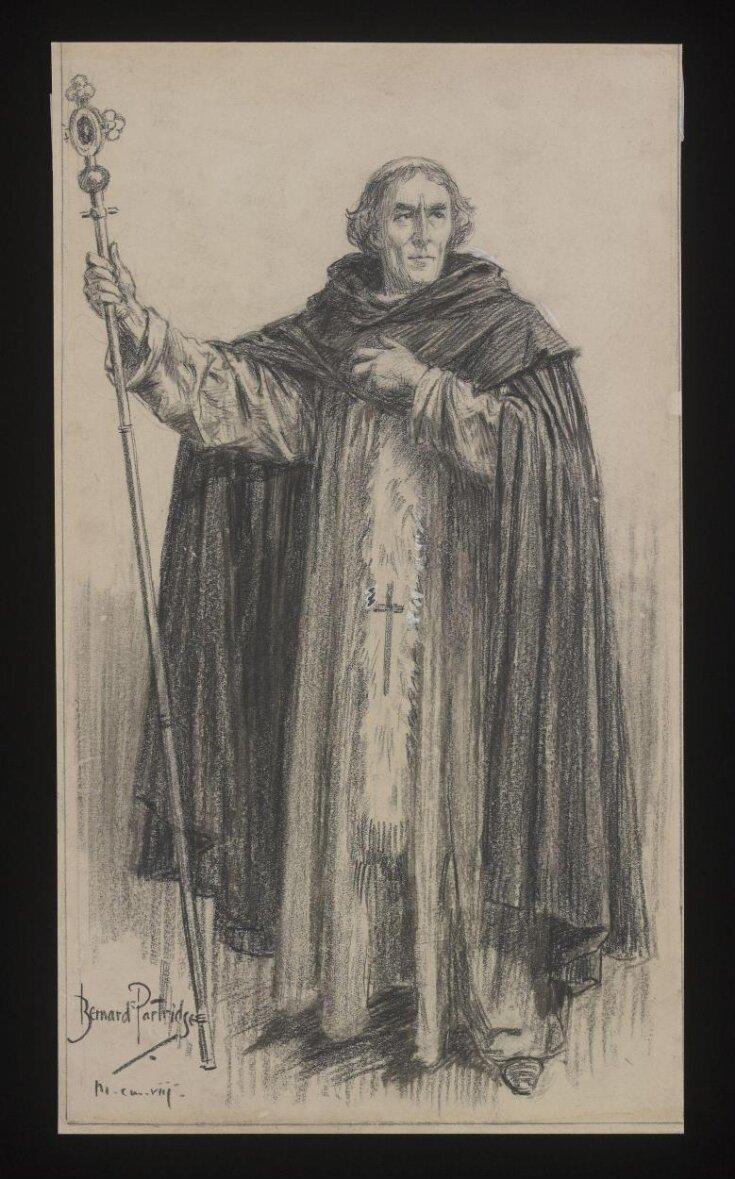
<p><a href="/tags/otd/" rel="tag">#OTD</a> in 1905.</p><p>The English actor-manager Sir Henry Irving collapses in his hotel, while playing Thomas Becket on tour in Bradford, dying soon afterwards. 'Into thy hands, O Lord, into thy hands', and though he lived for an hour or so longer he never spoke again" were his last words.</p><p>Becket and other plays by Baron Alfred Tennyson at PG:<br><a href="https://www.gutenberg.org/ebooks/9162" rel="nofollow"><span class="invisible">https://</span>www.gutenberg.org/ebooks/9162</a></p><p><a href="/tags/books/" rel="tag">#books</a> <a href="/tags/literature/" rel="tag">#literature</a> <a href="/tags/theatre/" rel="tag">#theatre</a></p>
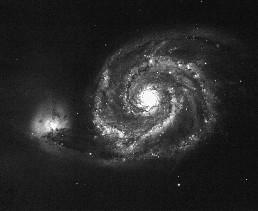
<p><a href="/tags/otd/" rel="tag">#OTD</a> in 1773.</p><p>French astronomer Charles Messier discovered the Whirlpool Galaxy, an interacting, grand design spiral galaxy located an estimated 31 million light-years away.</p><p>Messier made his discovery while hunting for objects that could confuse comet hunters, and was designated in Messier's catalogue as M51. The advent of radio astronomy and subsequent radio images of M51 unequivocally demonstrated that the Whirlpool and its companion galaxy are indeed interacting.</p><p><a href="https://en.wikipedia.org/wiki/Whirlpool_Galaxy" rel="nofollow" class="ellipsis" title="en.wikipedia.org/wiki/Whirlpool_Galaxy"><span class="invisible">https://</span><span class="ellipsis">en.wikipedia.org/wiki/Whirlpoo</span><span class="invisible">l_Galaxy</span></a></p>
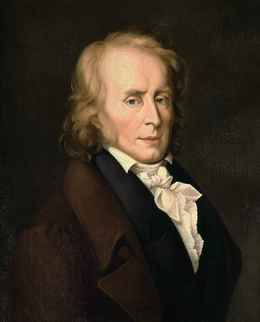
<p>"La reconnaissance a la mémoire courte."</p><p>Swiss philosopher & politician Benjamin Constant was born <a href="/tags/otd/" rel="tag">#OTD</a> in 1767. Author of numerous essays on political & religious issues, he also wrote psychological novels, such as Le Cahier rouge and Adolphe.</p><p><a href="https://www.gutenberg.org/ebooks/author/5256" rel="nofollow" class="ellipsis" title="www.gutenberg.org/ebooks/author/5256"><span class="invisible">https://</span><span class="ellipsis">www.gutenberg.org/ebooks/autho</span><span class="invisible">r/5256</span></a></p><p><a href="/tags/books/" rel="tag">#books</a></p>
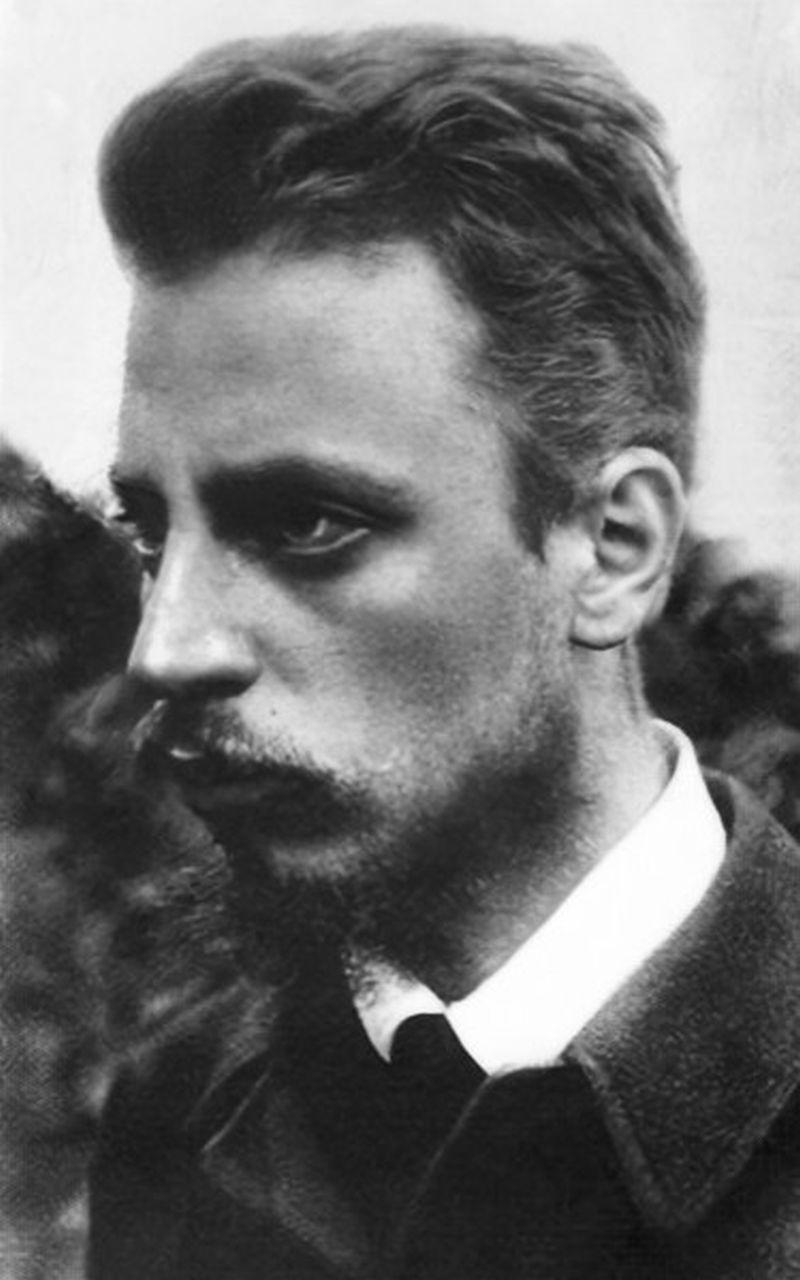
<p><a href="/tags/otd/" rel="tag">#OTD</a> in 1875, poet and novelist Rainer Maria Rilke is born</p><p>Rilke "was an Austrian poet and novelist. Acclaimed as an idiosyncratic and expressive poet, he is widely recognized as a significant writer in the German language. His work is viewed by critics and scholars as possessing undertones of mysticism, exploring themes of subjective experience and disbelief."</p><p><a href="https://en.wikipedia.org/wiki/Rainer_Maria_Rilke" rel="nofollow" class="ellipsis" title="en.wikipedia.org/wiki/Rainer_Maria_Rilke"><span class="invisible">https://</span><span class="ellipsis">en.wikipedia.org/wiki/Rainer_M</span><span class="invisible">aria_Rilke</span></a></p><p>Rilke at PG:</p><p><a href="https://www.gutenberg.org/ebooks/author/846" rel="nofollow" class="ellipsis" title="www.gutenberg.org/ebooks/author/846"><span class="invisible">https://</span><span class="ellipsis">www.gutenberg.org/ebooks/autho</span><span class="invisible">r/846</span></a></p><p><a href="/tags/books/" rel="tag">#books</a> <a href="/tags/literature/" rel="tag">#literature</a> <a href="/tags/poetry/" rel="tag">#poetry</a></p>
<p>“What sprang forth from Carlyle’s pen was not a dry account of the French Revolution, but a book brimming with passion and philosophy, one that offered a new style of storytelling that influenced a generation of Victorian writers.”</p><p>Thomas Carlyle (1795–1881) was born <a href="/tags/otd/" rel="tag">#OTD</a>, 4 Dec. His THE FRENCH REVOLUTION established him as one of the most important social & cultural commentators of his day</p><p>🧵</p><p>1/7</p><p><a href="https://www.neh.gov/humanities/2009/marchapril/feature/the-voracious-pen-thomas-carlyle" rel="nofollow" class="ellipsis" title="www.neh.gov/humanities/2009/marchapril/feature/the-voracious-pen-thomas-carlyle"><span class="invisible">https://</span><span class="ellipsis">www.neh.gov/humanities/2009/ma</span><span class="invisible">rchapril/feature/the-voracious-pen-thomas-carlyle</span></a></p><p><a href="/tags/scottish/" rel="tag">#Scottish</a> <a href="/tags/literature/" rel="tag">#literature</a> <a href="/tags/victorian/" rel="tag">#Victorian</a> <a href="/tags/19thcentury/" rel="tag">#19thcentury</a> <a href="/tags/history/" rel="tag">#history</a> <a href="/tags/thomascarlyle/" rel="tag">#ThomasCarlyle</a></p>
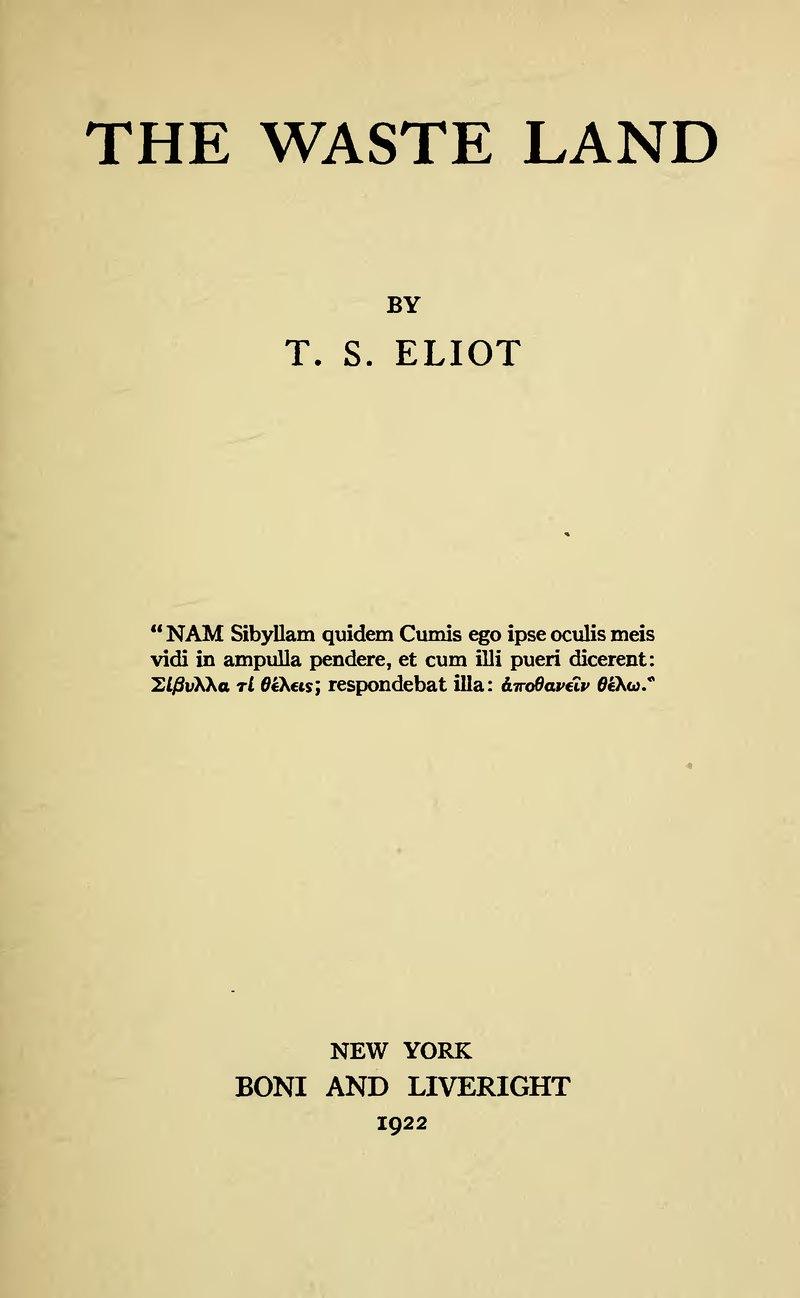
<p><a href="/tags/otd/" rel="tag">#OTD</a> in 1922.</p><p>T. S. Eliot founds The Criterion magazine, with the first appearance of his poem The Waste Land. This will be first fully published in book form by Boni & Liveright in New York in December.</p><p>Eliot's goal was to make it a literary review dedicated to the maintenance of standards and the reunification of a European intellectual community.</p><p><a href="https://en.wikipedia.org/wiki/The_Criterion" rel="nofollow" class="ellipsis" title="en.wikipedia.org/wiki/The_Criterion"><span class="invisible">https://</span><span class="ellipsis">en.wikipedia.org/wiki/The_Crit</span><span class="invisible">erion</span></a></p><p>The Waste Land at PG:<br><a href="https://gutenberg.org/ebooks/1321" rel="nofollow"><span class="invisible">https://</span>gutenberg.org/ebooks/1321</a></p><p><a href="/tags/books/" rel="tag">#books</a> <a href="/tags/literature/" rel="tag">#literature</a> <a href="/tags/poetry/" rel="tag">#poetry</a></p>
Edited 1y ago
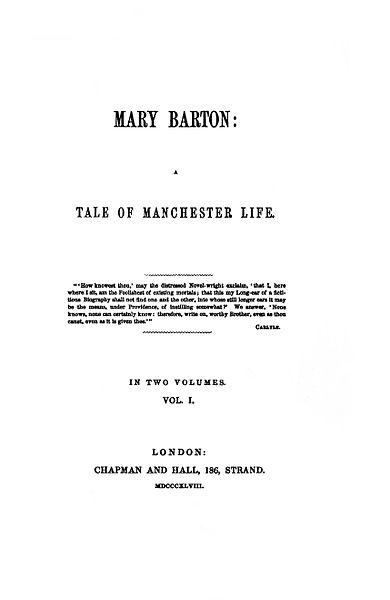
<p>"Were all men equal to-night, some would get the start by rising an hour earlier to-morrow."</p><p><a href="/tags/otd/" rel="tag">#OTD</a> in 1848.</p><p>Elizabeth Gaskell's first novel, Mary Barton: A Tale of Manchester Life is published anonymously by Chapman & Hall in London in two volumes.</p><p>Gaskell was paid £100 for the novel. The publisher Edward Chapman had had the manuscript since the middle of 1847.</p><p><a href="https://en.wikipedia.org/wiki/Mary_Barton" rel="nofollow" class="ellipsis" title="en.wikipedia.org/wiki/Mary_Barton"><span class="invisible">https://</span><span class="ellipsis">en.wikipedia.org/wiki/Mary_Bar</span><span class="invisible">ton</span></a></p><p>Mary Barton at PG:<br><a href="https://gutenberg.org/ebooks/2153" rel="nofollow"><span class="invisible">https://</span>gutenberg.org/ebooks/2153</a></p><p><a href="/tags/books/" rel="tag">#books</a> <a href="/tags/literature/" rel="tag">#literature</a></p>
Edited 1y ago
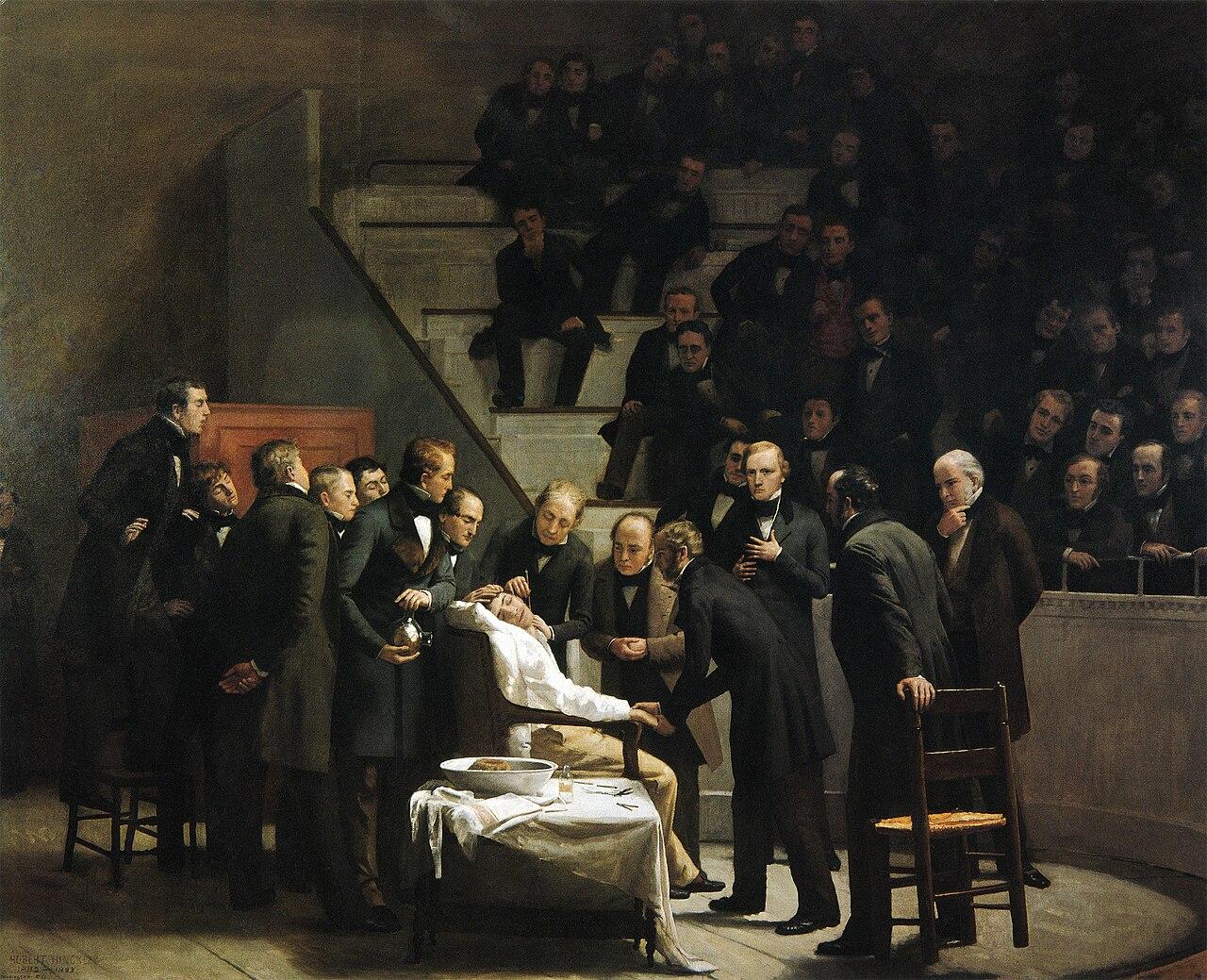
<p><a href="/tags/otd/" rel="tag">#OTD</a> in 1846.</p><p>William T. G. Morton administers ether anesthesia during a surgical operation, by the use of inhaled ether.</p><p>A month after this demonstration, a patent was issued for "letheon", although it was widely known by then that the inhalant was ether. The promotion of his questionable claim to have been the discoverer of anesthesia became an obsession for the rest of his life.</p><p><a href="https://en.wikipedia.org/wiki/William_T._G._Morton" rel="nofollow" class="ellipsis" title="en.wikipedia.org/wiki/William_T._G._Morton"><span class="invisible">https://</span><span class="ellipsis">en.wikipedia.org/wiki/William_</span><span class="invisible">T._G._Morton</span></a></p><p><a href="/tags/science/" rel="tag">#science</a> <a href="/tags/medicine/" rel="tag">#medicine</a></p>

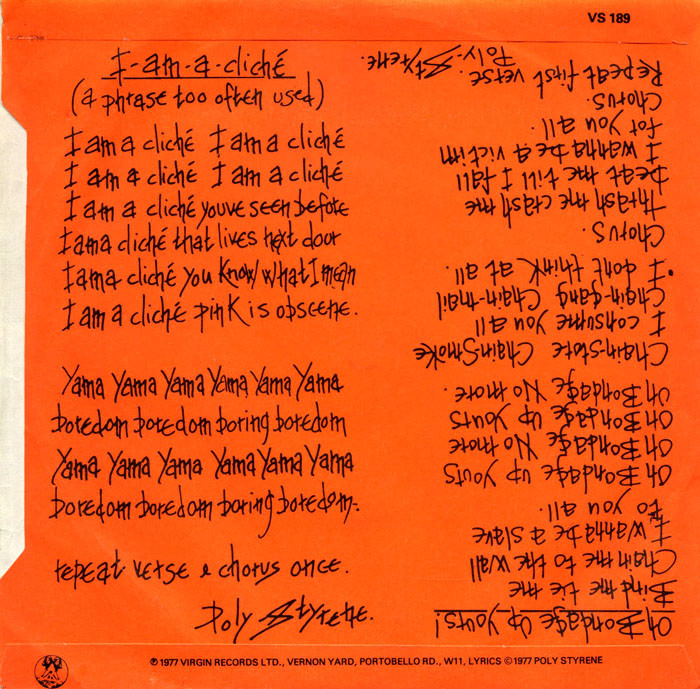
<p>47 years ago today<br>"Oh Bondage Up Yours!" is the debut single by English punk rock band X-Ray Spex, released on this day in 1977.</p><p><a href="/tags/punk/" rel="tag">#punk</a> <a href="/tags/punks/" rel="tag">#punks</a> <a href="/tags/womenofpunk/" rel="tag">#womenofpunk</a> <a href="/tags/xrayspex/" rel="tag">#xrayspex</a> <a href="/tags/polystyrene/" rel="tag">#polystyrene</a> <a href="/tags/history/" rel="tag">#history</a> <a href="/tags/punkrockhistory/" rel="tag">#punkrockhistory</a> <a href="/tags/otd/" rel="tag">#otd</a></p>

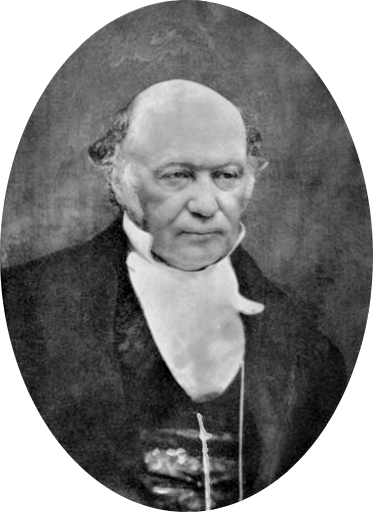
<p><a href="/tags/otd/" rel="tag">#OTD</a> in 1843.</p><p>William Rowan Hamilton invents quaternions, a 3D system of complex numbers.</p><p>Important precursors to this work included Euler's four-square identity (1748) & Olinde Rodrigues' parameterization of general rotations by 4 parameters (1840), but neither of these writers treated the four-parameter rotations as an algebra. Carl Friedrich Gauss had discovered quaternions in 1819, but this work was not published until 1900.</p><p><a href="https://en.wikipedia.org/wiki/Quaternion" rel="nofollow" class="ellipsis" title="en.wikipedia.org/wiki/Quaternion"><span class="invisible">https://</span><span class="ellipsis">en.wikipedia.org/wiki/Quaterni</span><span class="invisible">on</span></a></p><p><a href="https://www.gutenberg.org/ebooks/9942" rel="nofollow"><span class="invisible">https://</span>www.gutenberg.org/ebooks/9942</a></p><p><a href="/tags/mathematics/" rel="tag">#mathematics</a></p>
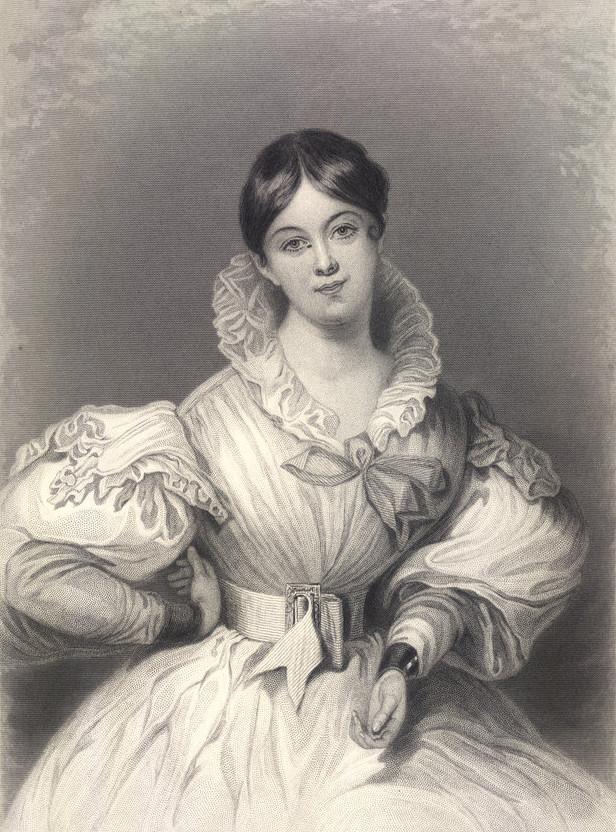
<p>English poet and novelist Letitia Elizabeth Landon died <a href="/tags/otd/" rel="tag">#OTD</a> in 1838.</p><p>Her first major breakthrough came with The Improvisatrice and thence she developed the metrical romance towards the Victorian ideal of the Victorian monologue, influencing fellow English writers such as Elizabeth Barrett Browning, Robert Browning, Alfred Tennyson and Christina Rossetti.</p><p><a href="https://en.wikipedia.org/wiki/Letitia_Elizabeth_Landon" rel="nofollow" class="ellipsis" title="en.wikipedia.org/wiki/Letitia_Elizabeth_Landon"><span class="invisible">https://</span><span class="ellipsis">en.wikipedia.org/wiki/Letitia_</span><span class="invisible">Elizabeth_Landon</span></a></p><p>Books about Letitia Elizabeth Landon at PG:<br><a href="https://www.gutenberg.org/ebooks/56166" rel="nofollow"><span class="invisible">https://</span>www.gutenberg.org/ebooks/56166</a></p><p><a href="/tags/books/" rel="tag">#books</a> <a href="/tags/literature/" rel="tag">#literature</a> <a href="/tags/poetry/" rel="tag">#poetry</a></p>
<p><a href="/tags/otd/" rel="tag">#OTD</a> in 1858.</p><p>The farce Our American Cousin by the English playwright Tom Taylor is first performed at Laura Keene's Theatre in New York City, with the American Joe Jefferson in the title rôle and the English actor Edward Askew Sothern as Lord Dundreary.</p><p><a href="https://en.wikipedia.org/wiki/Our_American_Cousin" rel="nofollow" class="ellipsis" title="en.wikipedia.org/wiki/Our_American_Cousin"><span class="invisible">https://</span><span class="ellipsis">en.wikipedia.org/wiki/Our_Amer</span><span class="invisible">ican_Cousin</span></a></p><p>Our American Cousin at PG:<br><a href="https://gutenberg.org/ebooks/3158" rel="nofollow"><span class="invisible">https://</span>gutenberg.org/ebooks/3158</a></p><p><a href="/tags/books/" rel="tag">#books</a> <a href="/tags/literature/" rel="tag">#literature</a> <a href="/tags/theatre/" rel="tag">#theatre</a></p>
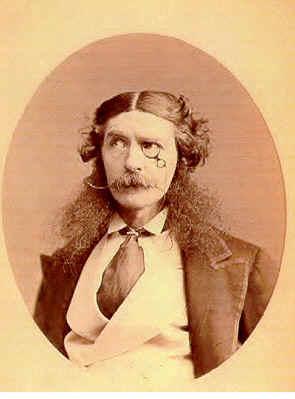
<p><a href="/tags/otd/" rel="tag">#OTD</a> in 1892.</p><p>The first collection of Arthur Conan Doyle's Sherlock Holmes stories from The Strand Magazine (June 1891–June 1892), The Adventures of Sherlock Holmes, is published by George Newnes in London; it includes Doyle's favourite, "The Adventure of the Speckled Band", which was originally published in February.</p><p><a href="https://en.wikipedia.org/wiki/The_Adventures_of_Sherlock_Holmes" rel="nofollow" class="ellipsis" title="en.wikipedia.org/wiki/The_Adventures_of_Sherlock_Holmes"><span class="invisible">https://</span><span class="ellipsis">en.wikipedia.org/wiki/The_Adve</span><span class="invisible">ntures_of_Sherlock_Holmes</span></a></p><p>The Adventures of Sherlock Holmes at PG:<br><a href="https://gutenberg.org/ebooks/1661" rel="nofollow"><span class="invisible">https://</span>gutenberg.org/ebooks/1661</a></p><p><a href="/tags/books/" rel="tag">#books</a> <a href="/tags/literature/" rel="tag">#literature</a></p>
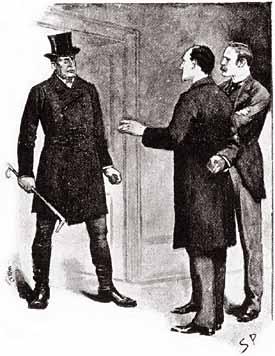
<p>Swiss chemist Nicolas Théodore de Saussure was born <a href="/tags/otd/" rel="tag">#OTD</a> in 1767.</p><p>His book Recherches chimiques sur la Végétation (1804) was the first summation of the fundamental process of photosynthesis and a major contribution to the understanding of plant physiology. In contrast to some of his predecessors in the field of photosynthesis research, Saussure based his conclusions on extensive quantitative data that he had collected.</p><p><a href="https://en.wikipedia.org/wiki/Nicolas_Th%C3%A9odore_de_Saussure" rel="nofollow" class="ellipsis" title="en.wikipedia.org/wiki/Nicolas_Th%C3%A9odore_de_Saussure"><span class="invisible">https://</span><span class="ellipsis">en.wikipedia.org/wiki/Nicolas_</span><span class="invisible">Th%C3%A9odore_de_Saussure</span></a></p><p><a href="/tags/phytochemistry/" rel="tag">#phytochemistry</a> <a href="/tags/photosynthesis/" rel="tag">#photosynthesis</a></p>
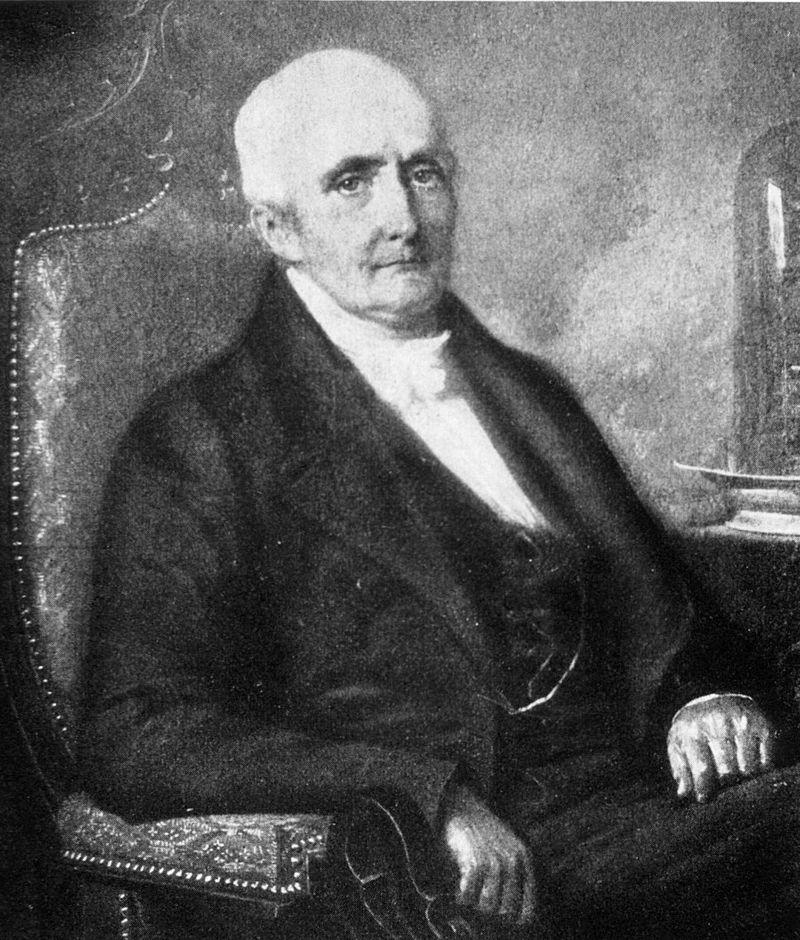
<p><a href="/tags/otd/" rel="tag">#OTD</a> in 1926.</p><p>The children's book Winnie-the-Pooh by A. A. Milne first appears, published by Methuen in London.</p><p><a href="https://en.wikipedia.org/wiki/Winnie-the-Pooh_(book)#" rel="nofollow" class="ellipsis" title="en.wikipedia.org/wiki/Winnie-the-Pooh_(book)#"><span class="invisible">https://</span><span class="ellipsis">en.wikipedia.org/wiki/Winnie-t</span><span class="invisible">he-Pooh_(book)#</span></a></p><p>Winnie-the-Pooh's entrance into the public domain in the United States on January 1, 2022 was noted by several news publications, generally in the context of a greater Public Domain Day article.</p><p><a href="https://web.law.duke.edu/cspd/publicdomainday/2022/#fn6text" rel="nofollow" class="ellipsis" title="web.law.duke.edu/cspd/publicdomainday/2022/#fn6text"><span class="invisible">https://</span><span class="ellipsis">web.law.duke.edu/cspd/publicdo</span><span class="invisible">mainday/2022/#fn6text</span></a></p><p>Winnie-the-Pooh at PG:<br><a href="https://gutenberg.org/ebooks/67098" rel="nofollow"><span class="invisible">https://</span>gutenberg.org/ebooks/67098</a></p><p><a href="/tags/books/" rel="tag">#books</a> <a href="/tags/literature/" rel="tag">#literature</a></p>
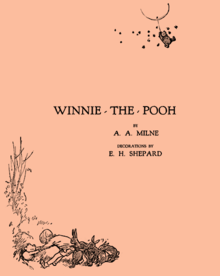
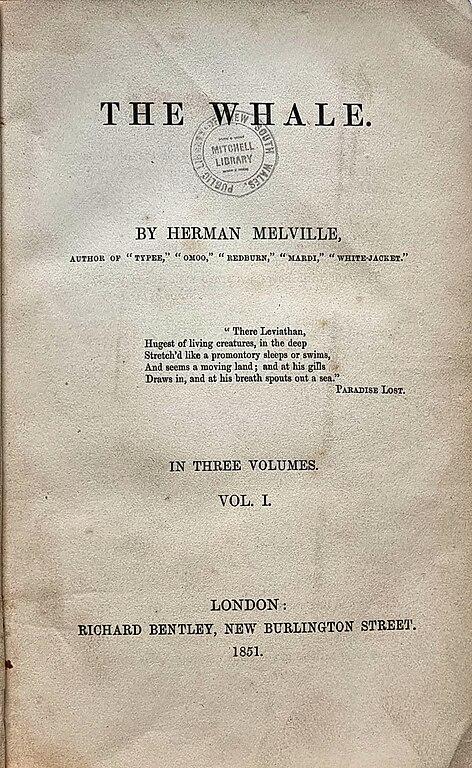
<p>"Call me Ishmael."</p><p><a href="/tags/otd/" rel="tag">#OTD</a> in 1851.</p><p>Herman Melville's Moby-Dick is first published as The Whale by Richard Bentley of London.</p><p>In the October 1851 issue of Harper's New Monthly Magazine "The Town Ho's Story" was published, with a footnote reading: "From 'The Whale'. The title of a new work by Mr. Melville, in the press of Harper and Brothers, and now publishing in London by Mr. Bentley."</p><p><a href="https://en.wikipedia.org/wiki/Moby-Dick" rel="nofollow" class="ellipsis" title="en.wikipedia.org/wiki/Moby-Dick"><span class="invisible">https://</span><span class="ellipsis">en.wikipedia.org/wiki/Moby-Dic</span><span class="invisible">k</span></a></p><p>Moby-Dick at PG:<br><a href="https://gutenberg.org/ebooks/15" rel="nofollow"><span class="invisible">https://</span>gutenberg.org/ebooks/15</a></p><p><a href="/tags/books/" rel="tag">#books</a> <a href="/tags/literature/" rel="tag">#literature</a></p>