<p><a href="/tags/otd/" rel="tag">#OTD</a> in 1905.</p><p>Albert Einstein publishes the third of his Annus Mirabilis papers, introducing the special theory of relativity, which used the universal constant speed of light c to derive the Lorentz transformations.</p><p>There are some controversies on the question of the extent to which Mileva Marić contributed to the insights of Einstein's annus mirabilis publications</p><p><a href="https://en.wikipedia.org/wiki/Annus_mirabilis_papers#" rel="nofollow" class="ellipsis" title="en.wikipedia.org/wiki/Annus_mirabilis_papers#"><span class="invisible">https://</span><span class="ellipsis">en.wikipedia.org/wiki/Annus_mi</span><span class="invisible">rabilis_papers#</span></a></p><p>On the Electrodynamics of Moving Bodies at PG:<br><a href="https://www.gutenberg.org/ebooks/66944" rel="nofollow"><span class="invisible">https://</span>www.gutenberg.org/ebooks/66944</a></p><p><a href="/tags/books/" rel="tag">#books</a> <a href="/tags/science/" rel="tag">#science</a> <a href="/tags/physics/" rel="tag">#physics</a></p>
otd
![Einstein, Albert (30 June 1905). "Zur Elektrodynamik bewegter Körper" [On the Electrodynamics of Moving Bodies] (PDF). Annalen der Physik (in German). 17 (10): 891–921.](/proxy/post_attachment/390325/9da374cdab.png "Einstein, Albert (30 June 1905). \"Zur Elektrodynamik bewegter Körper\" [On the Electrodynamics of Moving Bodies] (PDF). Annalen der Physik (in German). 17 (10): 891–921.")
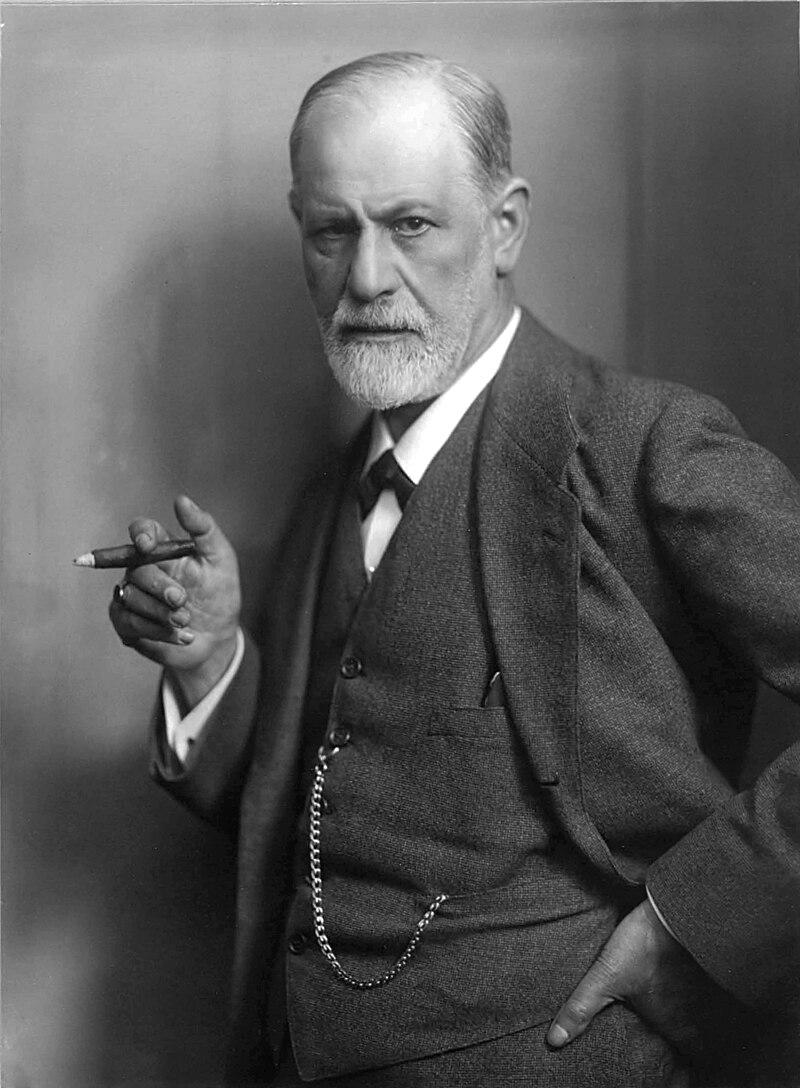
<p>"The mind is an iceberg—it floats with only one-seventh of its bulk above water."</p><p>Austrian neurologist and psychiatrist Sigmund Freud died <a href="/tags/otd/" rel="tag">#OTD</a> in 1939.</p><p>He was the founder of psychoanalysis, a clinical method for evaluating and treating pathologies seen as originating from conflicts in the psyche, through dialogue between patient and psychoanalyst, and the distinctive theory of mind and human agency derived from it.</p><p><a href="https://en.wikipedia.org/wiki/Sigmund_Freud#" rel="nofollow" class="ellipsis" title="en.wikipedia.org/wiki/Sigmund_Freud#"><span class="invisible">https://</span><span class="ellipsis">en.wikipedia.org/wiki/Sigmund_</span><span class="invisible">Freud#</span></a></p><p>Sigmund Freud at PG:<br><a href="https://www.gutenberg.org/ebooks/author/391" rel="nofollow" class="ellipsis" title="www.gutenberg.org/ebooks/author/391"><span class="invisible">https://</span><span class="ellipsis">www.gutenberg.org/ebooks/autho</span><span class="invisible">r/391</span></a></p><p><a href="/tags/books/" rel="tag">#books</a></p>
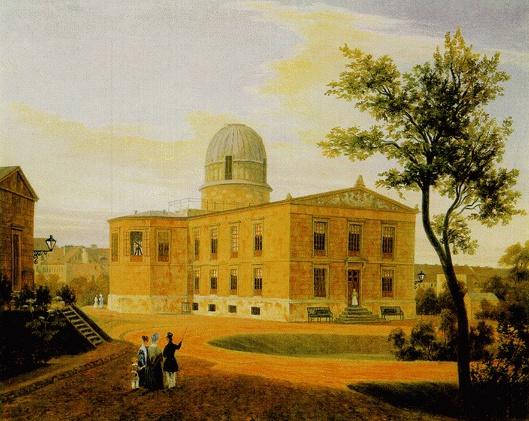
<p><a href="/tags/otd/" rel="tag">#OTD</a> in 1846.</p><p>Astronomers Urbain Le Verrier, John Couch Adams and Johann Gottfried Galle collaborate on the discovery of Neptune.</p><p>There is evidence that Neptune was seen and recorded by Galileo Galilei in 1613, Jérôme Lalande in 1795, and John Herschel in 1830, but none are known to have recognized it as a planet at the time.</p><p><a href="https://en.wikipedia.org/wiki/Discovery_of_Neptune" rel="nofollow" class="ellipsis" title="en.wikipedia.org/wiki/Discovery_of_Neptune"><span class="invisible">https://</span><span class="ellipsis">en.wikipedia.org/wiki/Discover</span><span class="invisible">y_of_Neptune</span></a></p><p>Neptune at PG:<br><a href="https://www.gutenberg.org/ebooks/search/?query=neptune&submit_search=Search" rel="nofollow" class="ellipsis" title="www.gutenberg.org/ebooks/search/?query=neptune&submit_search=Search"><span class="invisible">https://</span><span class="ellipsis">www.gutenberg.org/ebooks/searc</span><span class="invisible">h/?query=neptune&submit_search=Search</span></a></p><p><a href="/tags/science/" rel="tag">#science</a> <a href="/tags/astronomy/" rel="tag">#astronomy</a> <a href="/tags/books/" rel="tag">#books</a> <a href="/tags/literature/" rel="tag">#literature</a></p>
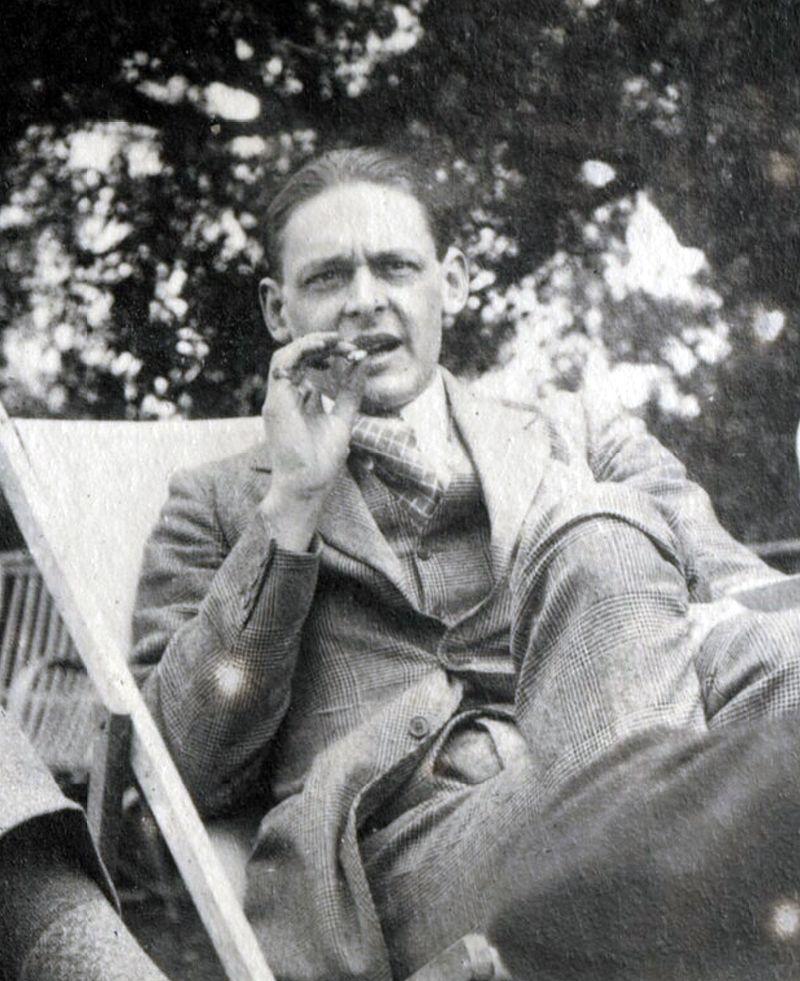
<p>English poet, playwright, critic, Nobel Prize laureate T. S. Eliot was born <a href="/tags/otd/" rel="tag">#OTD</a> in 1888.</p><p>Eliot first attracted widespread attention for his poem "The Love Song of J. Alfred Prufrock" from 1914 to 1915, which, at the time of its publication, was considered outlandish. It was followed by The Waste Land, "The Hollow Men", "Ash Wednesday", and Four Quartets. He was awarded the 1948 Nobel Prize in Literature.</p><p>Books by T. S. Eliot at PG:<br><a href="https://www.gutenberg.org/ebooks/author/599" rel="nofollow" class="ellipsis" title="www.gutenberg.org/ebooks/author/599"><span class="invisible">https://</span><span class="ellipsis">www.gutenberg.org/ebooks/autho</span><span class="invisible">r/599</span></a></p><p><a href="/tags/books/" rel="tag">#books</a> <a href="/tags/literature/" rel="tag">#literature</a> <a href="/tags/poetry/" rel="tag">#poetry</a></p>
<p><a href="/tags/otd/" rel="tag">#OTD</a> in 1859, Wilkie Collins’s novel, The Woman in White, begins serialization in the magazine "All the Year Round". This magazine was edited by Charles Dickens.</p><p><a href="https://en.wikipedia.org/wiki/The_Woman_in_White_(novel)" rel="nofollow" class="ellipsis" title="en.wikipedia.org/wiki/The_Woman_in_White_(novel)"><span class="invisible">https://</span><span class="ellipsis">en.wikipedia.org/wiki/The_Woma</span><span class="invisible">n_in_White_(novel)</span></a></p><p>The novel at PG: </p><p><a href="https://www.gutenberg.org/ebooks/583" rel="nofollow"><span class="invisible">https://</span>www.gutenberg.org/ebooks/583</a></p><p><a href="/tags/books/" rel="tag">#books</a> <a href="/tags/literature/" rel="tag">#literature</a></p>
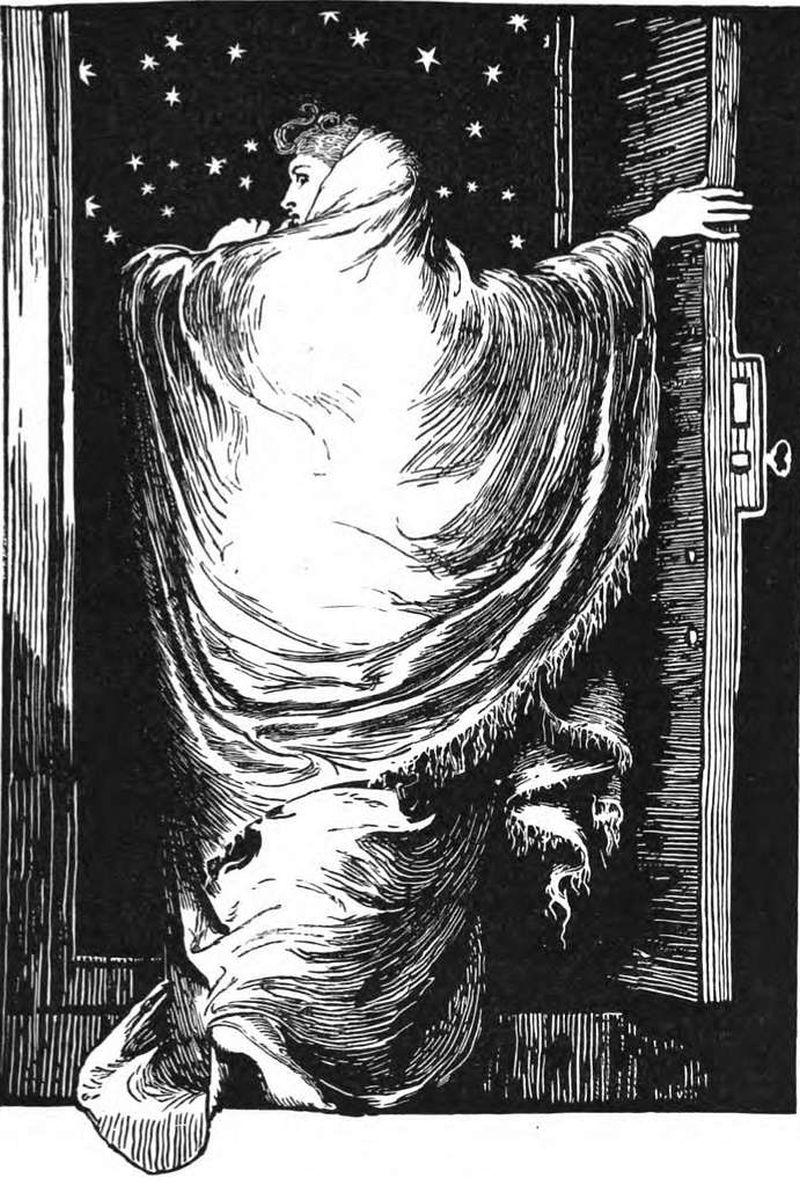
<p>English author, screenwriter, and producer Elinor Glyn died <a href="/tags/otd/" rel="tag">#OTD</a> in 1943.</p><p>She was specialised in romantic fiction, which was considered scandalous for its time, although her works are relatively tame by modern standards. She popularized the concept of the it-girl, and had tremendous influence on early 20th-century popular culture and, possibly, on the careers of Rudolph Valentino, Gloria Swanson and, especially, Clara Bow.</p><p>Books by Elinor Glyn at PG:<br><a href="https://www.gutenberg.org/ebooks/author/1762" rel="nofollow" class="ellipsis" title="www.gutenberg.org/ebooks/author/1762"><span class="invisible">https://</span><span class="ellipsis">www.gutenberg.org/ebooks/autho</span><span class="invisible">r/1762</span></a></p><p><a href="/tags/books/" rel="tag">#books</a> <a href="/tags/literature/" rel="tag">#literature</a></p>
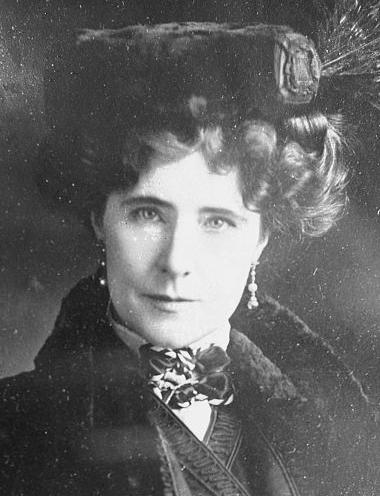
<p>Spanish philosopher, novelist, and poet George Santayana died <a href="/tags/otd/" rel="tag">#OTD</a> in 1952.</p><p>The Sense of Beauty (1896), with a foreword by Arthur Danto, was his first book on aesthetics written in the United States. The Life of Reason recounts the “imaginative” path by which cultures and societies have been shaped. The great philosophical work in which he expounds his ontology and epistemology is The Realms of Being, which establishes four “regions” or domains of reality.</p><p><a href="/tags/books/" rel="tag">#books</a> <a href="/tags/literature/" rel="tag">#literature</a> <a href="/tags/philosophy/" rel="tag">#philosophy</a></p>
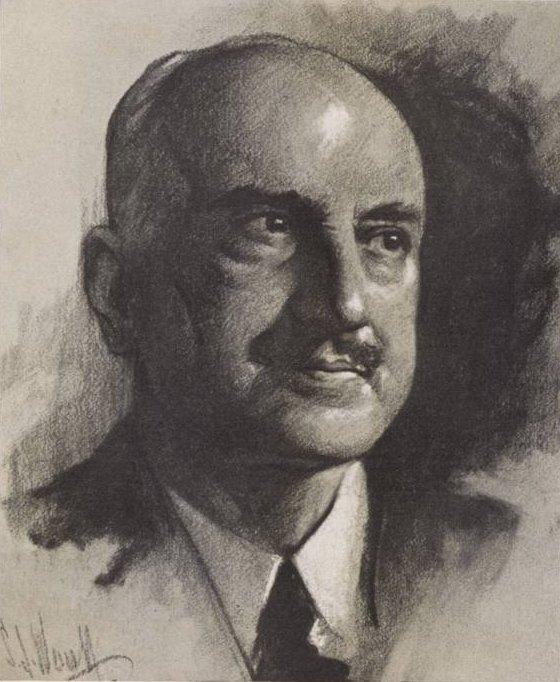
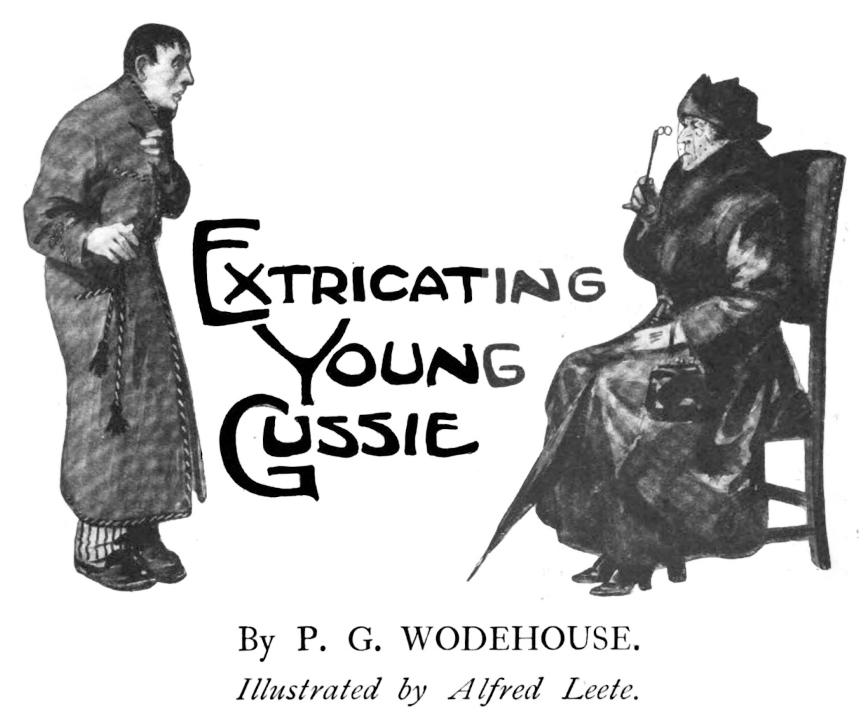
<p><a href="/tags/otd/" rel="tag">#OTD</a> in 1915.</p><p>P. G. Wodehouse's story "Extricating Young Gussie" is published in The Saturday Evening Post (U.S.). It introduces as characters Jeeves and Bertie.</p><p>It was published in the United Kingdom in the January 1916 edition of The Strand Magazine. It was included in the collection The Man with Two Left Feet (1917).</p><p><a href="https://en.wikipedia.org/wiki/Extricating_Young_Gussie" rel="nofollow" class="ellipsis" title="en.wikipedia.org/wiki/Extricating_Young_Gussie"><span class="invisible">https://</span><span class="ellipsis">en.wikipedia.org/wiki/Extricat</span><span class="invisible">ing_Young_Gussie</span></a></p><p>Extricating Young Gussie at PG:<br><a href="https://www.gutenberg.org/ebooks/7471" rel="nofollow"><span class="invisible">https://</span>www.gutenberg.org/ebooks/7471</a></p><p><a href="/tags/books/" rel="tag">#books</a> <a href="/tags/literature/" rel="tag">#literature</a></p>
<p>"Nothing is given so profusely as advice."<br>Maxim 110.</p><p>French author François de La Rochefoucauld was born <a href="/tags/otd/" rel="tag">#OTD</a> in 1613.</p><p>He was a French moralist of the era of French Classical literature and author of Maximes and Memoirs which portrays the callous nature of human conduct, with a cynical attitude towards putative virtue and avowals of affection, friendship, love, and loyalty. </p><p><a href="https://en.wikipedia.org/wiki/Fran%C3%A7ois_de_La_Rochefoucauld_(writer)" rel="nofollow" class="ellipsis" title="en.wikipedia.org/wiki/Fran%C3%A7ois_de_La_Rochefoucauld_(writer)"><span class="invisible">https://</span><span class="ellipsis">en.wikipedia.org/wiki/Fran%C3%</span><span class="invisible">A7ois_de_La_Rochefoucauld_(writer)</span></a></p><p>Books by François de La Rochefoucauld at PG:<br><a href="https://www.gutenberg.org/ebooks/author/5749" rel="nofollow" class="ellipsis" title="www.gutenberg.org/ebooks/author/5749"><span class="invisible">https://</span><span class="ellipsis">www.gutenberg.org/ebooks/autho</span><span class="invisible">r/5749</span></a></p><p><a href="/tags/books/" rel="tag">#books</a> <a href="/tags/literature/" rel="tag">#literature</a></p>
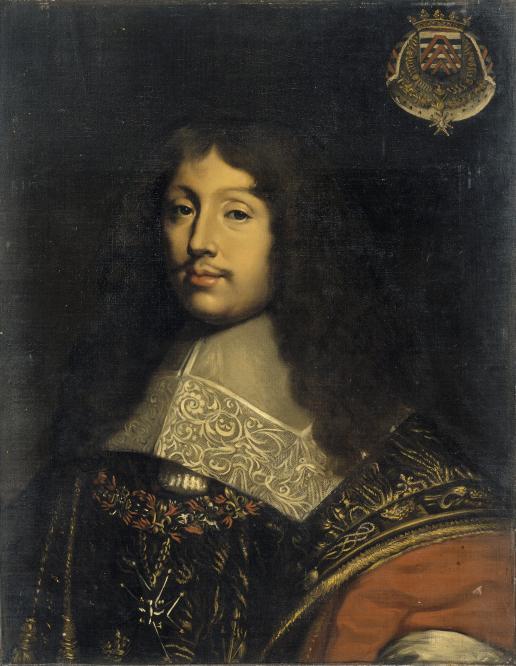
<p>"I have not told half of what I saw."</p><p>Italian merchant and explorer Marco Polo was born <a href="/tags/otd/" rel="tag">#OTD</a> in 1254.</p><p>He is best known for his extensive travels through Asia, particularly for his time spent at the court of Kublai Khan, the Mongol ruler and founder of the Yuan dynasty in China. His journeys were recorded in the book The Travels of Marco Polo (also known as Book of the Marvels of the World and Il Milione, c. 1300).</p><p><a href="https://en.wikipedia.org/wiki/Marco_Polo" rel="nofollow" class="ellipsis" title="en.wikipedia.org/wiki/Marco_Polo"><span class="invisible">https://</span><span class="ellipsis">en.wikipedia.org/wiki/Marco_Po</span><span class="invisible">lo</span></a></p><p>Marco Polo at PG:<br><a href="https://www.gutenberg.org/ebooks/author/3613" rel="nofollow" class="ellipsis" title="www.gutenberg.org/ebooks/author/3613"><span class="invisible">https://</span><span class="ellipsis">www.gutenberg.org/ebooks/autho</span><span class="invisible">r/3613</span></a></p><p><a href="/tags/books/" rel="tag">#books</a></p>
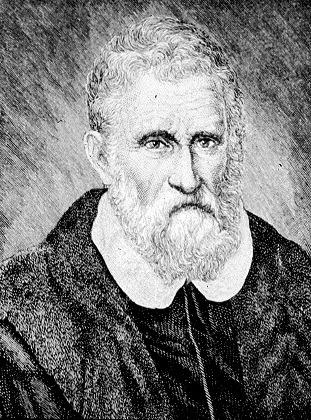
<p>British artist, writer, poet, playwright, novelist, painter, designer of lamps, and bohemian Mina Loy died <a href="/tags/otd/" rel="tag">#OTD</a> in 1966.</p><p>Loy's poetry is known for its non-traditional structure, free verse, and exploration of the female experience, such as Lunar Baedecker (1923). In 1914, while living in an expatriate community in Florence, Italy, Loy wrote her Feminist Manifesto. Loy was also a visual artist, working in painting, sculpture, and design. </p><p><a href="https://en.wikipedia.org/wiki/Mina_Loy#" rel="nofollow" class="ellipsis" title="en.wikipedia.org/wiki/Mina_Loy#"><span class="invisible">https://</span><span class="ellipsis">en.wikipedia.org/wiki/Mina_Loy</span><span class="invisible">#</span></a></p><p><a href="/tags/books/" rel="tag">#books</a> <a href="/tags/literature/" rel="tag">#literature</a> <a href="/tags/poetry/" rel="tag">#poetry</a></p>
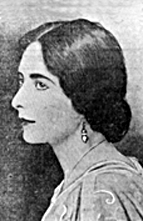
<p>American mathematician Dorothy Vaughan was born <a href="/tags/otd/" rel="tag">#OTD</a> in 1910.</p><p>She was the first respected Black female manager at NASA, thus creating a long-lasting legacy for diversity in mathematics & science for West Area Computers. As one of the first female coders in the field who knew how to code FORTRAN, she was able to instruct other Black women on the coding language & paved a wave of female programmers to integrate their work into NASA’s systems.</p><p><a href="https://en.wikipedia.org/wiki/Dorothy_Vaughan" rel="nofollow" class="ellipsis" title="en.wikipedia.org/wiki/Dorothy_Vaughan"><span class="invisible">https://</span><span class="ellipsis">en.wikipedia.org/wiki/Dorothy_</span><span class="invisible">Vaughan</span></a></p><p><a href="/tags/mathematics/" rel="tag">#mathematics</a> <a href="/tags/womeninstem/" rel="tag">#womeninSTEM</a></p>
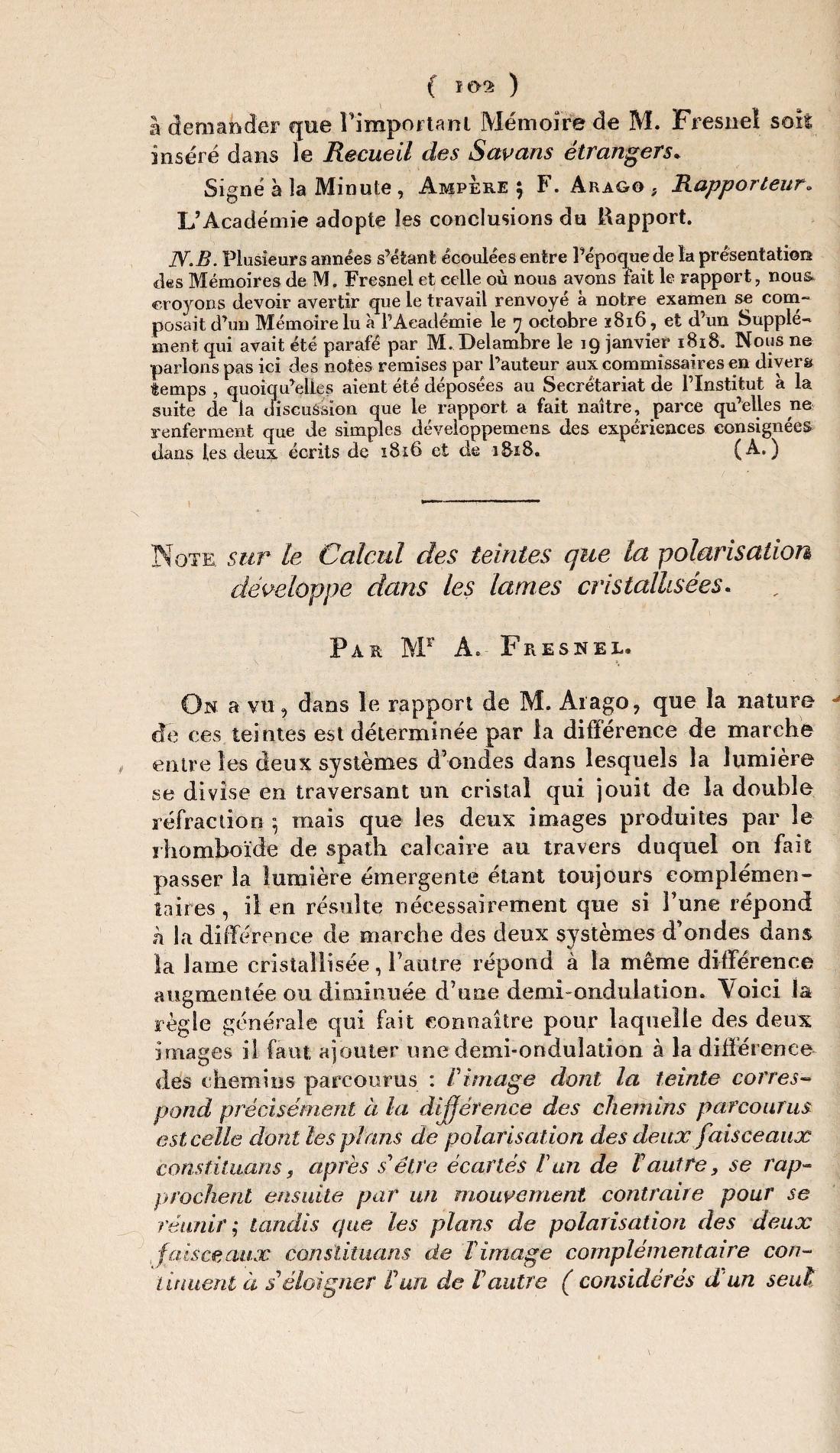
<p><a href="/tags/otd/" rel="tag">#OTD</a> in 1822.</p><p>French physicist Augustin-Jean Fresnel, in a "note" read to the Academy of Sciences, reports a direct refraction experiment verifying David Brewster's hypothesis that photoelasticity (as it is now known) is stress-induced birefringence.</p><p><a href="https://en.wikipedia.org/wiki/Birefringence" rel="nofollow" class="ellipsis" title="en.wikipedia.org/wiki/Birefringence"><span class="invisible">https://</span><span class="ellipsis">en.wikipedia.org/wiki/Birefrin</span><span class="invisible">gence</span></a></p><p><a href="/tags/science/" rel="tag">#science</a> <a href="/tags/physics/" rel="tag">#physics</a> <a href="/tags/optics/" rel="tag">#optics</a></p>
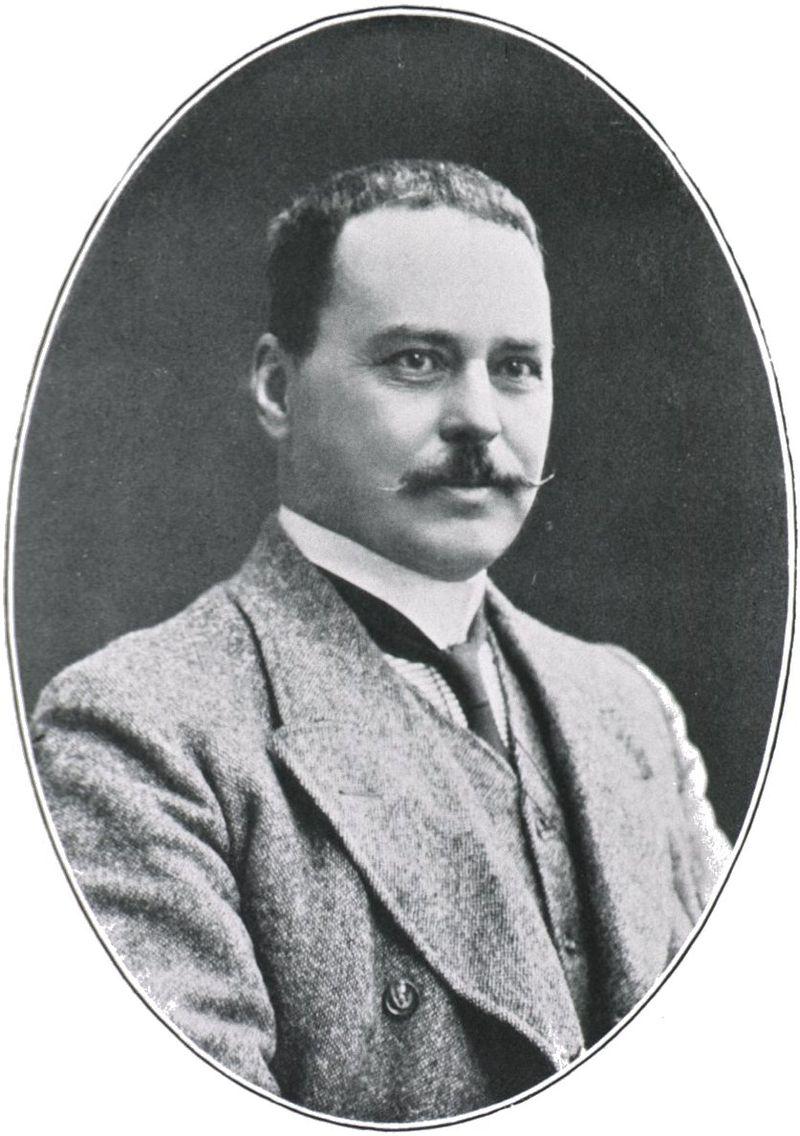
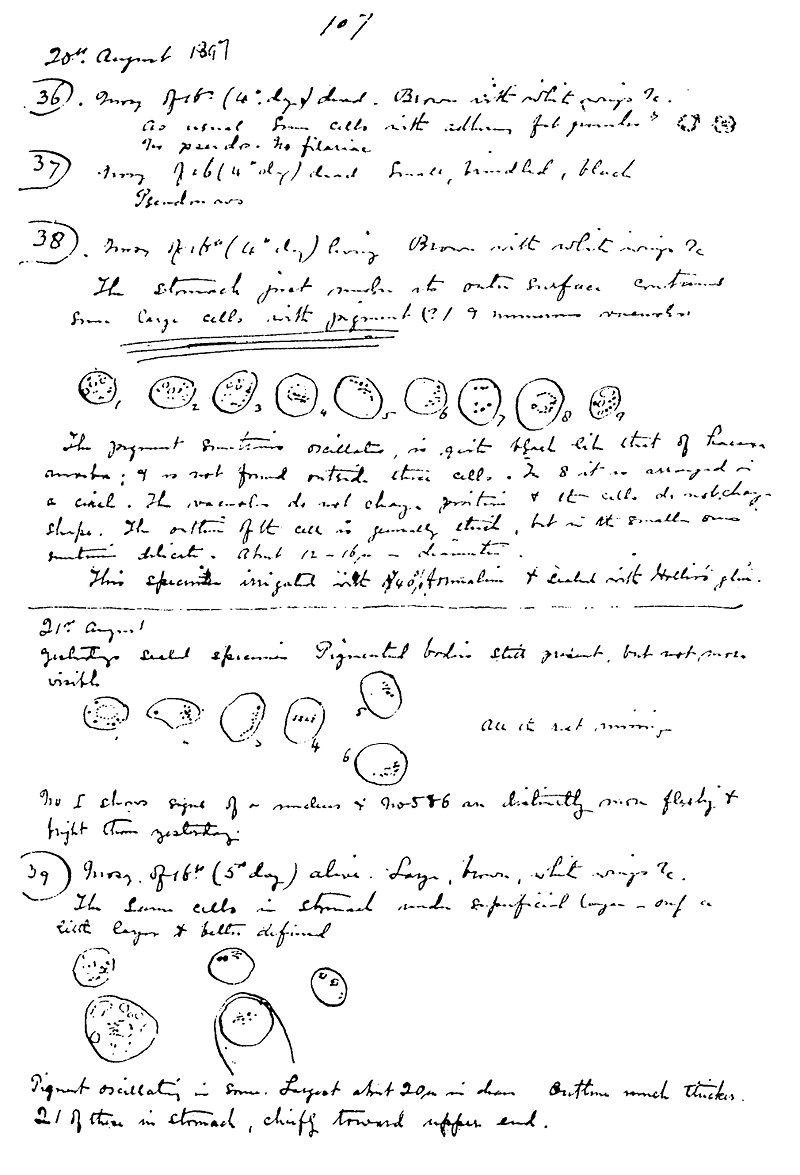
<p>Indian physician and mathematician Ronald Ross died <a href="/tags/otd/" rel="tag">#OTD</a> in 1932.</p><p>He received the Nobel Prize for Physiology or Medicine in 1902 for his work on the transmission of malaria, becoming the first British Nobel laureate, and the first born outside Europe. His discovery of the malarial parasite in the gastrointestinal tract of a mosquito in 1897 proved that malaria was transmitted by mosquitoes, and laid the foundation for the method of combating the disease.</p><p><a href="https://en.wikipedia.org/wiki/Ronald_Ross" rel="nofollow" class="ellipsis" title="en.wikipedia.org/wiki/Ronald_Ross"><span class="invisible">https://</span><span class="ellipsis">en.wikipedia.org/wiki/Ronald_R</span><span class="invisible">oss</span></a></p><p><a href="/tags/publichealth/" rel="tag">#publichealth</a></p>

<p>“Scottishness is not some pedigree lineage. This is a mongrel tradition!”</p><p>William McIlvanney (1936–2015) – author & poet (& provider, at a rally in Edinburgh in 1992, of our profile header, as quoted in Neal Ascherson’s 2002 book STONE VOICES) – was born <a href="/tags/otd/" rel="tag">#OTD</a>, 25 November </p><p>A 🎂 🧵</p><p>@bookstodon </p><p>1/9</p><p><a href="/tags/scottish/" rel="tag">#Scottish</a> <a href="/tags/literature/" rel="tag">#literature</a> <a href="/tags/20thcentury/" rel="tag">#20thcentury</a> <a href="/tags/williammcilvanney/" rel="tag">#WilliamMcIlvanney</a> <a href="/tags/scottishness/" rel="tag">#Scottishness</a> <a href="/tags/identity/" rel="tag">#identity</a></p>

<p><a href="/tags/otd/" rel="tag">#OTD</a> in 1889.</p><p>The General Conference on Weights and Measures (CGPM) defines the length of a metre.</p><p>The history of the metre starts with the Scientific Revolution that is considered to have begun with Nicolaus Copernicus's publication of De revolutionibus orbium coelestium in 1543. The Mètre des Archives & its copies were replaced from 1889 at the initiative of the International Geodetic Association by 30 platinum-iridium bars kept across the globe.</p><p><a href="https://en.wikipedia.org/wiki/History_of_the_metre#" rel="nofollow" class="ellipsis" title="en.wikipedia.org/wiki/History_of_the_metre#"><span class="invisible">https://</span><span class="ellipsis">en.wikipedia.org/wiki/History_</span><span class="invisible">of_the_metre#</span></a></p><p><a href="/tags/science/" rel="tag">#science</a> <a href="/tags/metrology/" rel="tag">#metrology</a></p>

<p>British astronomer and meteorologist Isis Pogson was born <a href="/tags/otd/" rel="tag">#OTD</a> in 1852.</p><p>Pogson worked as an assistant to her father, Norman Pogson, who was an eminent astronomer known for his work on variable stars and the discovery of several asteroids. Over time, she gained recognition for her own work, despite her initial role as an unpaid assistant. She became highly knowledgeable in astronomical calculations, observations, and meteorology.</p><p><a href="https://en.wikipedia.org/wiki/Isis_Pogson" rel="nofollow" class="ellipsis" title="en.wikipedia.org/wiki/Isis_Pogson"><span class="invisible">https://</span><span class="ellipsis">en.wikipedia.org/wiki/Isis_Pog</span><span class="invisible">son</span></a></p><p><a href="/tags/science/" rel="tag">#science</a> <a href="/tags/meteorology/" rel="tag">#meteorology</a> <a href="/tags/womeninstem/" rel="tag">#womeninSTEM</a></p>
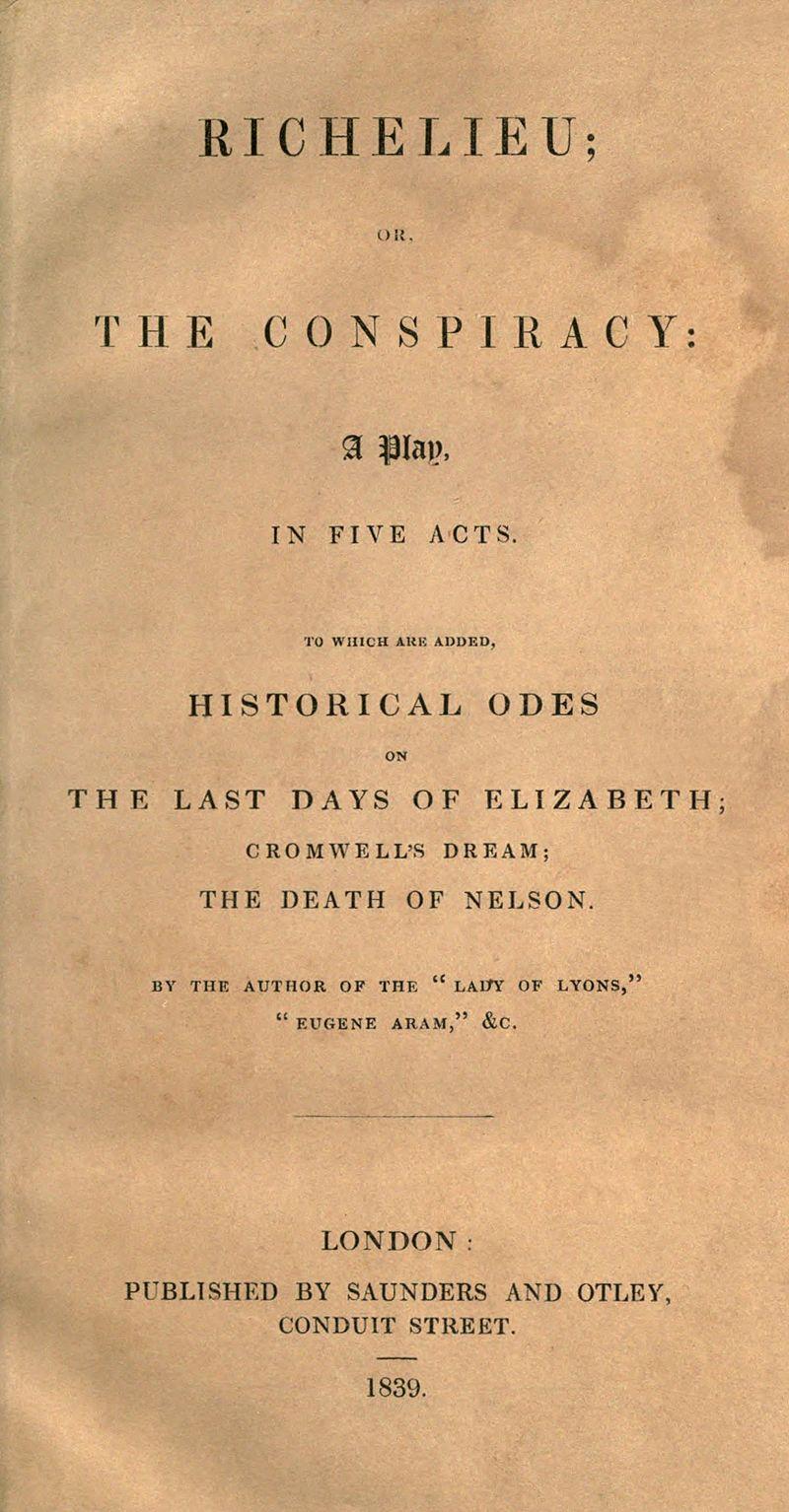
<p>"...beneath the rule of men entirely great, the pen is mightier than the sword..."</p><p><a href="/tags/otd/" rel="tag">#OTD</a> in 1856.</p><p>English actor Henry Irving makes his stage début at Sunderland as Gaston, Duke of Orleans, in Bulwer Lytton's play Richelieu.</p><p>The play has become best known for its line "The pen is mightier than the sword", spoken by the Cardinal in Act II, Scene II.</p><p>Books by Edward Bulwer Lytton at PG:<br><a href="https://www.gutenberg.org/ebooks/author/761" rel="nofollow" class="ellipsis" title="www.gutenberg.org/ebooks/author/761"><span class="invisible">https://</span><span class="ellipsis">www.gutenberg.org/ebooks/autho</span><span class="invisible">r/761</span></a></p><p><a href="/tags/books/" rel="tag">#books</a> <a href="/tags/literature/" rel="tag">#literature</a> <a href="/tags/theatre/" rel="tag">#theatre</a></p>
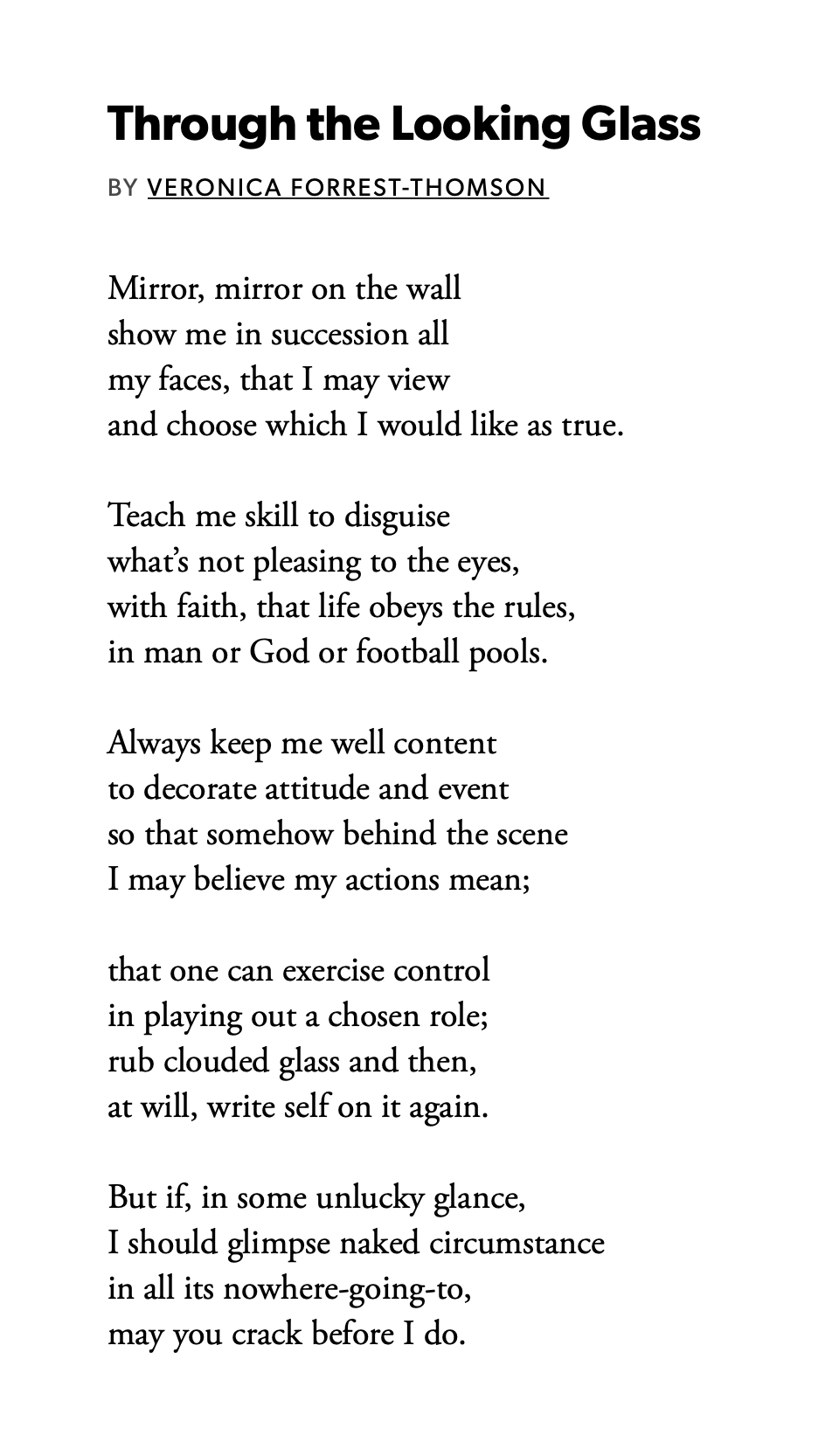
<p>Mirror, mirror on the wall<br>show me in succession all<br>my faces, that I may view<br>and choose which I would like as true…</p><p>—“Through the Looking Glass”, by Veronica Forrest-Thomson (1947–1975) – born <a href="/tags/otd/" rel="tag">#OTD</a>, 28 Nov</p><p>published in COLLECTED POEMS (Shearsman Books, 2008)</p><p>1/3</p><p><a href="https://www.poetryfoundation.org/poems/143680/through-the-looking-glass" rel="nofollow" class="ellipsis" title="www.poetryfoundation.org/poems/143680/through-the-looking-glass"><span class="invisible">https://</span><span class="ellipsis">www.poetryfoundation.org/poems</span><span class="invisible">/143680/through-the-looking-glass</span></a></p><p><a href="/tags/scottish/" rel="tag">#Scottish</a> <a href="/tags/literature/" rel="tag">#literature</a> <a href="/tags/poem/" rel="tag">#poem</a> <a href="/tags/poetry/" rel="tag">#poetry</a> <a href="/tags/20thcentury/" rel="tag">#20thcentury</a> <a href="/tags/womenwriters/" rel="tag">#WomenWriters</a> <a href="/tags/postmodern/" rel="tag">#postmodern</a></p>
<p><a href="/tags/otd/" rel="tag">#OTD</a> in 1914.</p><p>Arthur Machen's short story "The Bowmen" is published in The Evening News (London).</p><p>In this story, written and published during World War I, the ghosts of archers from the battle of Agincourt, led by Saint George, come to the aid of British troops. This is cited as the origin of the Angels of Mons legend.</p><p><a href="https://en.wikipedia.org/wiki/Arthur_Machen" rel="nofollow" class="ellipsis" title="en.wikipedia.org/wiki/Arthur_Machen"><span class="invisible">https://</span><span class="ellipsis">en.wikipedia.org/wiki/Arthur_M</span><span class="invisible">achen</span></a></p><p><a href="https://en.wikipedia.org/wiki/Angels_of_Mons" rel="nofollow" class="ellipsis" title="en.wikipedia.org/wiki/Angels_of_Mons"><span class="invisible">https://</span><span class="ellipsis">en.wikipedia.org/wiki/Angels_o</span><span class="invisible">f_Mons</span></a></p><p>The Angels of Mons: The Bowmen and Other Legends of the War at PG:<br><a href="https://www.gutenberg.org/ebooks/14044" rel="nofollow"><span class="invisible">https://</span>www.gutenberg.org/ebooks/14044</a></p><p><a href="/tags/books/" rel="tag">#books</a> <a href="/tags/literature/" rel="tag">#literature</a></p>
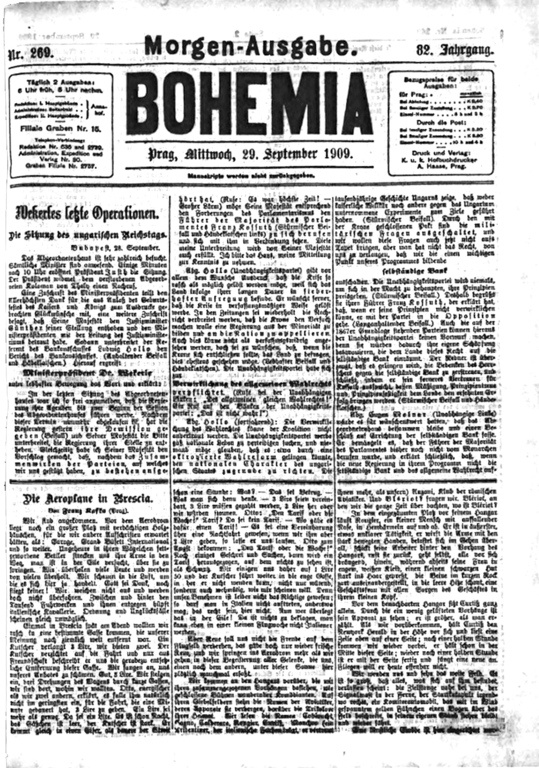
<p><a href="/tags/otd/" rel="tag">#OTD</a> in 1909.</p><p>Franz Kafka's short story "The Aeroplanes at Brescia (Die Aeroplane in Brescia)", based on a real event, is published in the Prague newspaper Bohemia, as the first description of airplanes in German literature.</p><p>It describes an airshow near the Italian city of Brescia, which Kafka saw with two of his friends (Max and his brother Otto Brod) during their journey to Italy.</p><p><a href="https://en.wikipedia.org/wiki/The_Aeroplanes_at_Brescia" rel="nofollow" class="ellipsis" title="en.wikipedia.org/wiki/The_Aeroplanes_at_Brescia"><span class="invisible">https://</span><span class="ellipsis">en.wikipedia.org/wiki/The_Aero</span><span class="invisible">planes_at_Brescia</span></a></p><p>Full transcription here:<br><a href="https://de.wikisource.org/wiki/Die_Aeroplane_in_Brescia" rel="nofollow" class="ellipsis" title="de.wikisource.org/wiki/Die_Aeroplane_in_Brescia"><span class="invisible">https://</span><span class="ellipsis">de.wikisource.org/wiki/Die_Aer</span><span class="invisible">oplane_in_Brescia</span></a></p><p><a href="/tags/books/" rel="tag">#books</a> <a href="/tags/literature/" rel="tag">#literature</a></p>
Edited 1y ago
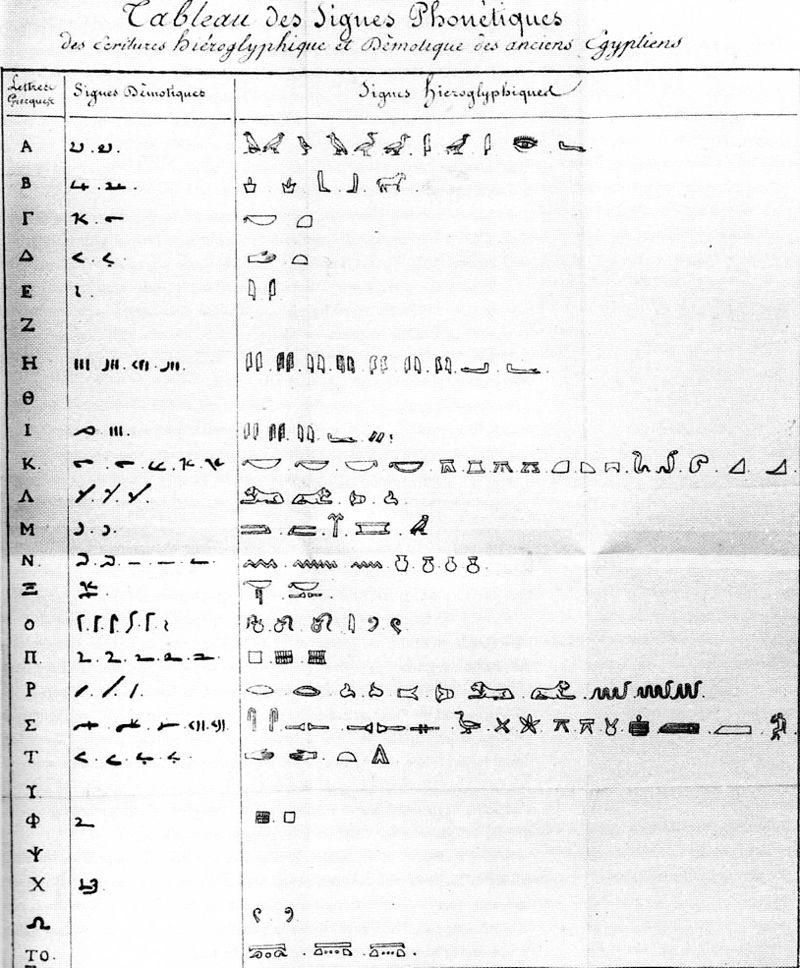
<p><a href="/tags/otd/" rel="tag">#OTD</a> in 1822.</p><p>The Rosetta Stone was deciphered by Jean-François Champollion.</p><p>Major advances in the decoding were recognition that the stone offered three versions of the same text (1799); that the Demotic text used phonetic characters to spell foreign names (1802); that the hieroglyphic text did so as well, & had pervasive similarities to the Demotic (1814); & that phonetic characters were also used to spell native Egyptian words (1822–1824).</p><p><a href="https://en.wikipedia.org/wiki/Rosetta_Stone" rel="nofollow" class="ellipsis" title="en.wikipedia.org/wiki/Rosetta_Stone"><span class="invisible">https://</span><span class="ellipsis">en.wikipedia.org/wiki/Rosetta_</span><span class="invisible">Stone</span></a></p><p><a href="/tags/hieroglyphs/" rel="tag">#hieroglyphs</a> <a href="/tags/egyptology/" rel="tag">#egyptology</a></p>
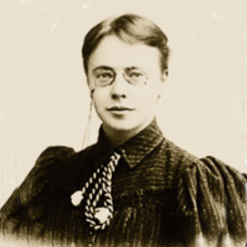
<p>Russian chemist Vera Yevstafievna Popova was born <a href="/tags/otd/" rel="tag">#OTD</a> in 1867.</p><p>Popova became known for her work in organic chemistry, a field that was rapidly developing in the late 19th century. She contributed to research on the synthesis of chemical compounds, particularly focusing on organic substances. One of her most significant areas of study was the preparation of peroxides. It was her work on these compounds that led to her untimely death. </p><p><a href="https://en.wikipedia.org/wiki/Vera_Yevstafievna_Popova" rel="nofollow" class="ellipsis" title="en.wikipedia.org/wiki/Vera_Yevstafievna_Popova"><span class="invisible">https://</span><span class="ellipsis">en.wikipedia.org/wiki/Vera_Yev</span><span class="invisible">stafievna_Popova</span></a></p><p><a href="/tags/science/" rel="tag">#science</a> <a href="/tags/chemistry/" rel="tag">#chemistry</a> <a href="/tags/womeninstem/" rel="tag">#womeninSTEM</a></p>
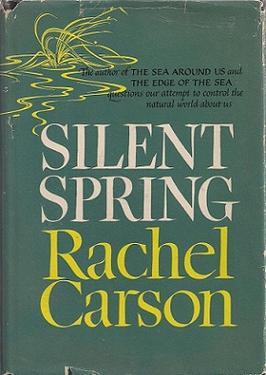
<p><a href="/tags/otd/" rel="tag">#OTD</a> in 1962.</p><p>Rachel Carson's book Silent Spring is published, inspiring an environmental movement and the creation of the U.S. Environmental Protection Agency.</p><p>The book documented the environmental harm caused by the indiscriminate use of DDT, a pesticide used by soldiers during WW2. Carson accused the chemical industry of spreading disinformation, and public officials of accepting the industry's marketing claims unquestioningly.</p><p><a href="https://en.wikipedia.org/wiki/Silent_Spring" rel="nofollow" class="ellipsis" title="en.wikipedia.org/wiki/Silent_Spring"><span class="invisible">https://</span><span class="ellipsis">en.wikipedia.org/wiki/Silent_S</span><span class="invisible">pring</span></a></p><p><a href="/tags/books/" rel="tag">#books</a> <a href="/tags/environment/" rel="tag">#environment</a> <a href="/tags/nature/" rel="tag">#nature</a></p>
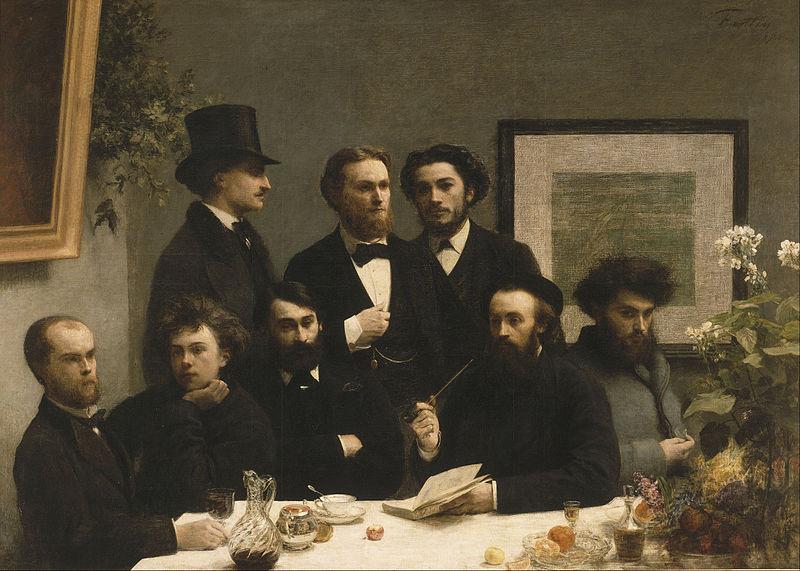
<p><a href="/tags/otd/" rel="tag">#OTD</a> in 1886.</p><p>The "Symbolist Manifesto" is placed in the French newspaper Le Figaro by a Greek-born poet Jean Moréas, who calls Symbolism hostile to "plain meanings, declamations, false sentimentality and matter-of-fact description," and intended to "clothe the Ideal in a perceptible form" whose "goal was not in itself, but whose sole purpose was to express the Ideal."</p><p><a href="https://en.wikipedia.org/wiki/Symbolist_Manifesto" rel="nofollow" class="ellipsis" title="en.wikipedia.org/wiki/Symbolist_Manifesto"><span class="invisible">https://</span><span class="ellipsis">en.wikipedia.org/wiki/Symbolis</span><span class="invisible">t_Manifesto</span></a></p><p>Symbolism at PG:<br><a href="https://www.gutenberg.org/ebooks/search/?query=Symbolism&submit_search=Search" rel="nofollow" class="ellipsis" title="www.gutenberg.org/ebooks/search/?query=Symbolism&submit_search=Search"><span class="invisible">https://</span><span class="ellipsis">www.gutenberg.org/ebooks/searc</span><span class="invisible">h/?query=Symbolism&submit_search=Search</span></a></p><p><a href="/tags/books/" rel="tag">#books</a> <a href="/tags/literature/" rel="tag">#literature</a></p>