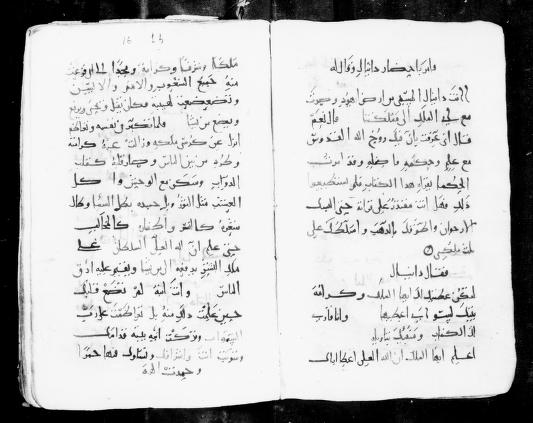
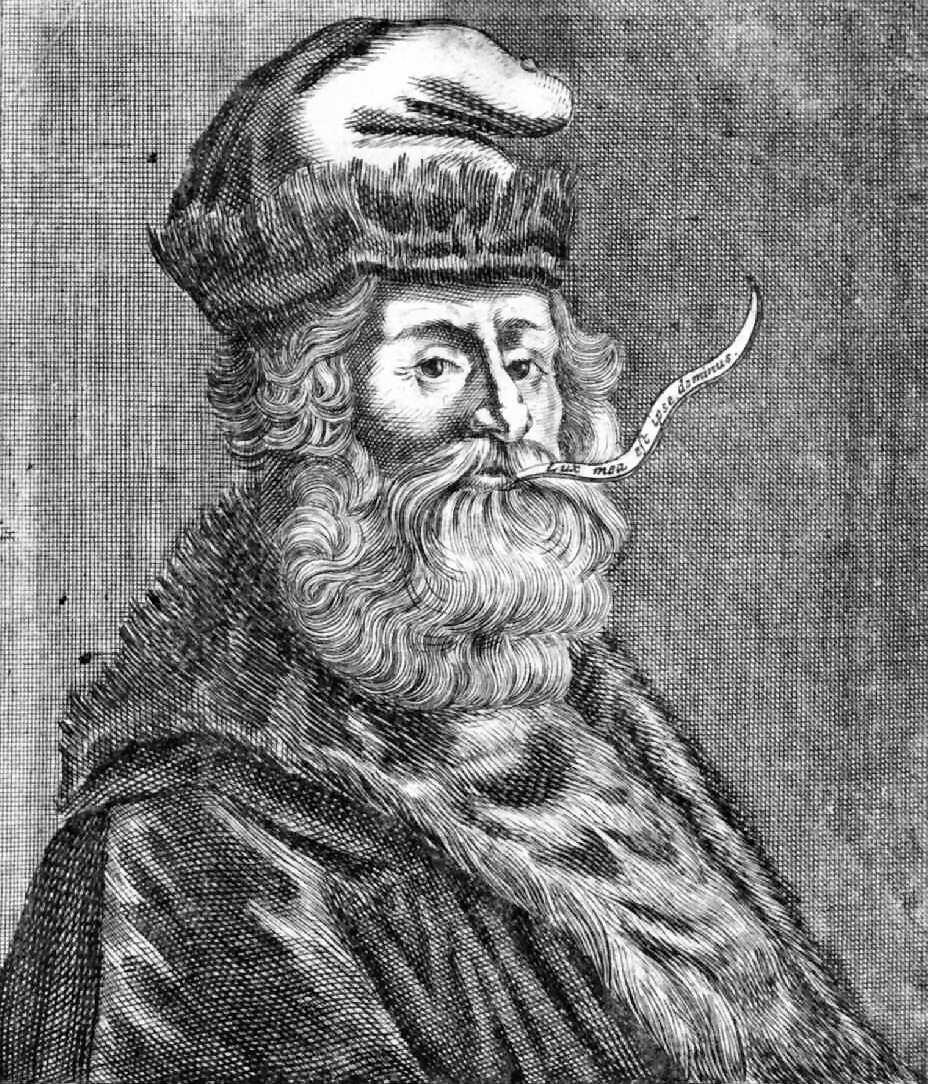
Six centuries of secularism
When the first ‘how-to’ books began to explain the way the world worked, they paved the way for science and secularism
by William Eamon
Secularism at PG:
https://www.gutenberg.org/ebooks/subject/21793
Six centuries of secularism
When the first ‘how-to’ books began to explain the way the world worked, they paved the way for science and secularism
by William Eamon
Secularism at PG:
https://www.gutenberg.org/ebooks/subject/21793
How Close Did We Come to Losing Beowulf Forever?
Robert Bartlett on a Vital Work of the Western Canon That Barely Survived Multiple Disasters
Beowulf at PG:
https://www.gutenberg.org/ebooks/subjects/search/?query=Beowulf
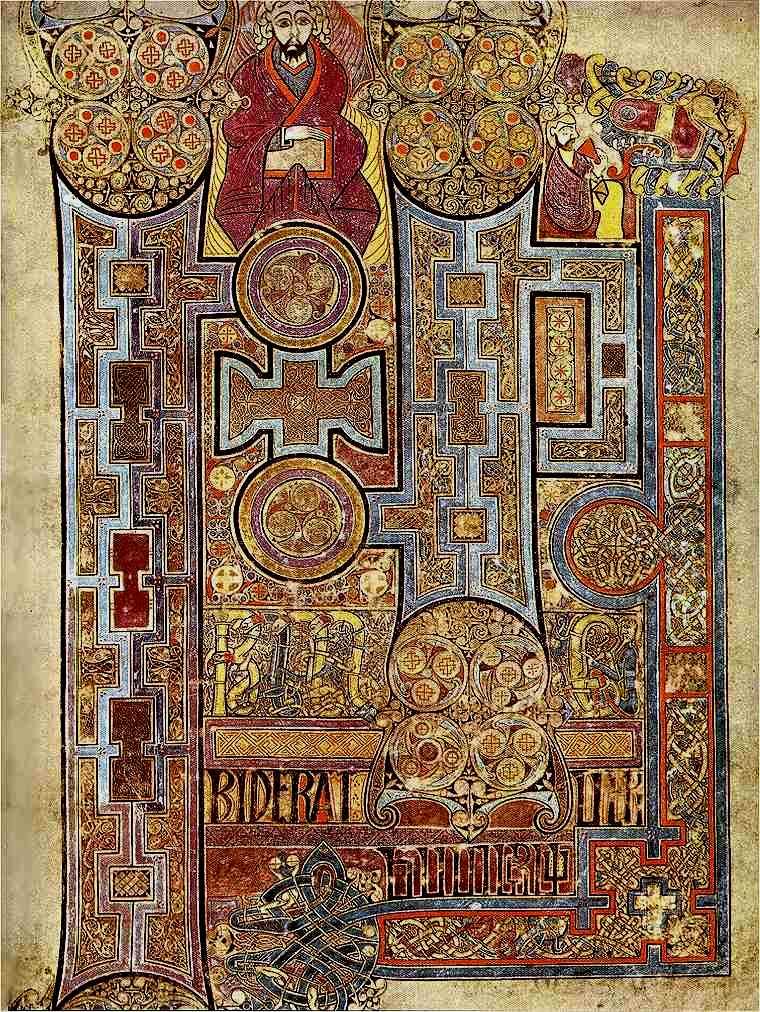
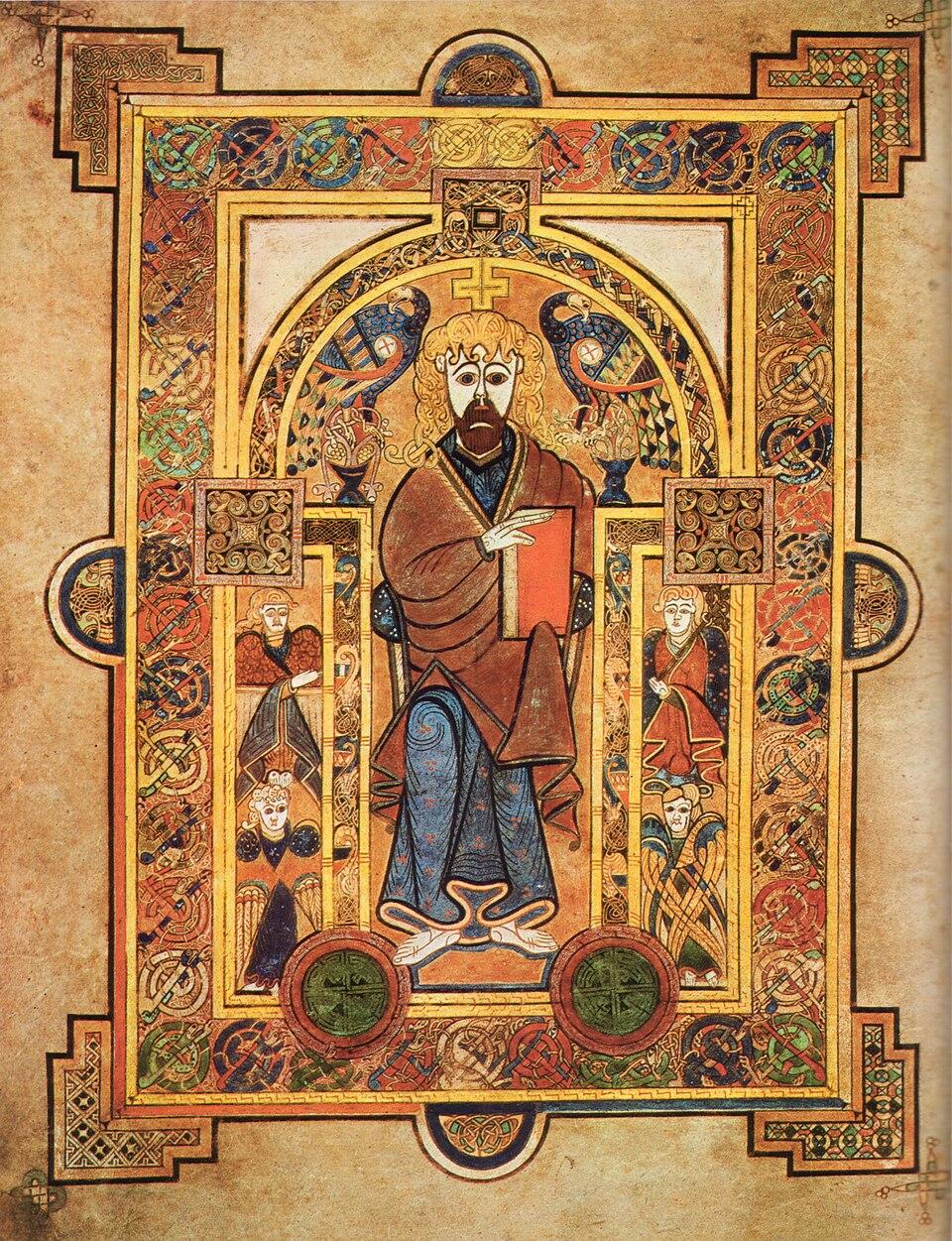
New research may rewrite origins of the Book of Kells, says academic
Author challenges assumption monks on Iona created manuscript, instead positing its origins are Pictish
By Dalya Alberge
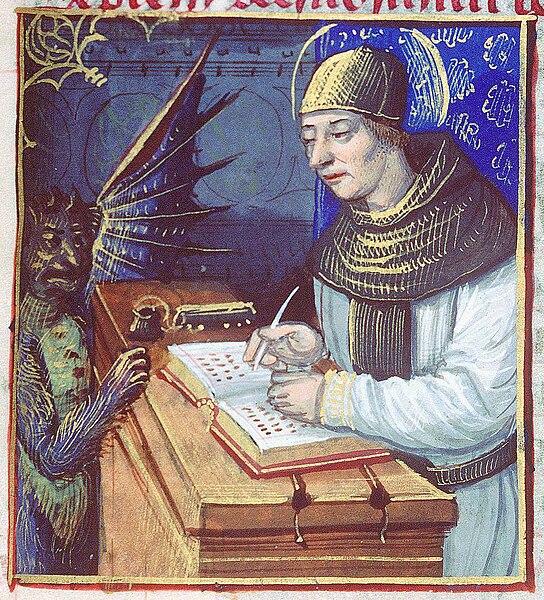
Tutivillus Is Watching You
For medieval scribes, mistakes couldn’t be easily shrugged off, as Tutivillus, the stickler demon, was always looking over their shoulders.
By: Amelia Soth
https://daily.jstor.org/tutivillus-is-watching-you/
Medieval manuscripts at PG:
https://www.gutenberg.org/ebooks/subjects/search/?query=medieval+manuscripts
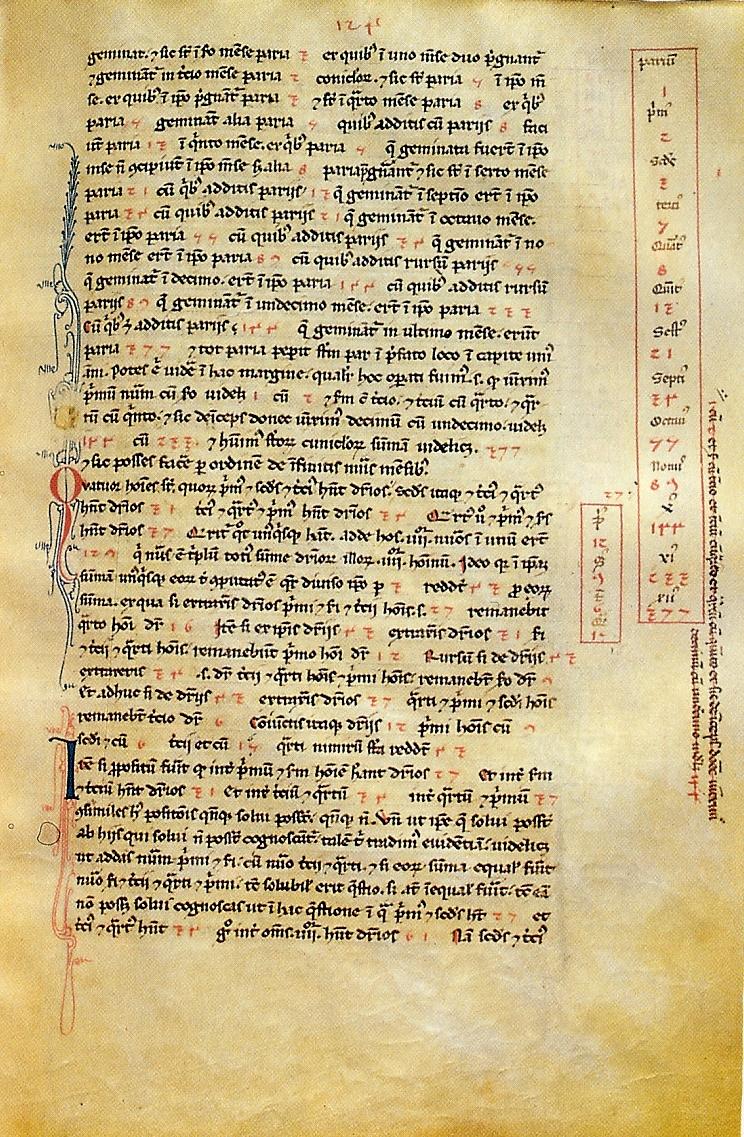
Break out the calculators: November 23 is Fibonacci Sequence Day
The cornerstone of modern math wouldn’t be possible without the Hindu-Arabic numerical system.
by Andrew Paul
https://www.popsci.com/science/fibonacci-sequence-day-2025/
Fibonacci at PG:
https://www.gutenberg.org/ebooks/search/?query=fibonacci
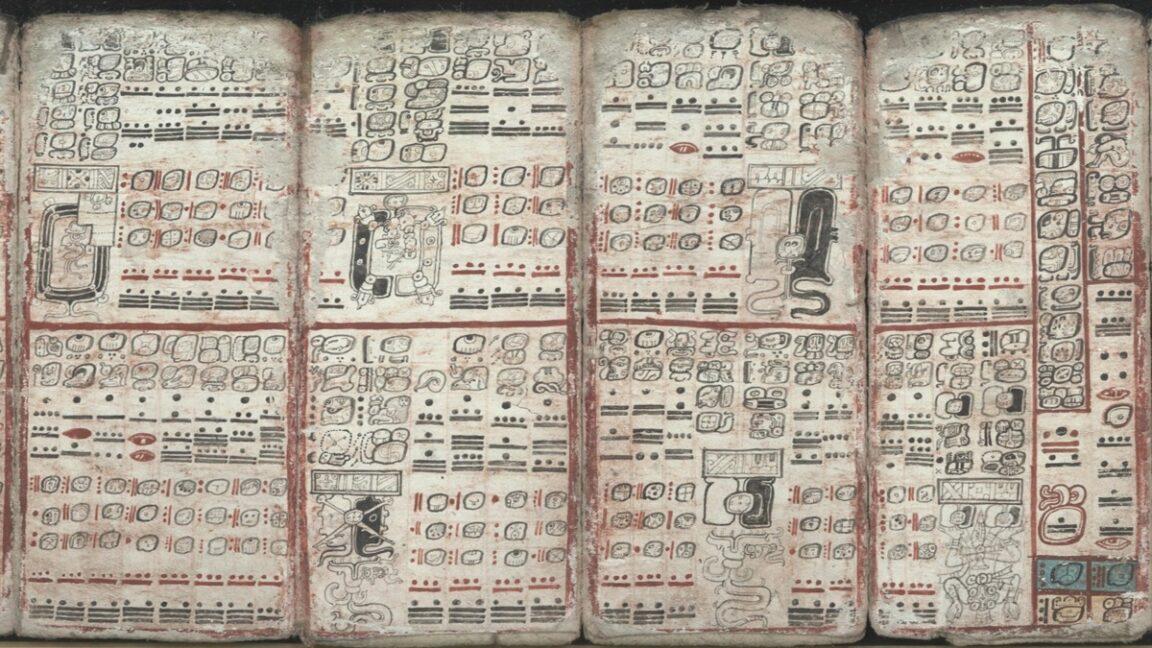
Scientists found the key to accurate Maya eclipse tables
Eclipse tables in the Dresden Codex were based on lunar tables and adjusted for slippage over time.
by Jennifer Ouellette
https://arstechnica.com/science/2025/11/study-how-the-maya-created-such-accurate-eclipse-tables/
Original article:
https://www.science.org/doi/10.1126/sciadv.adt9039
X-rays from SLAC's synchrotron reveal star maps in a centuries-old manuscript
Pages from the Codex Climaci Rescriptus palimpsest from the Museum of the Bible in Washington, DC, were brought to the Stanford Synchrotron Radiation Lightsource to recover erased astronomical text, especially fragments from Hipparchus' star catalog.
Hipparchus at PG:
https://www.gutenberg.org/ebooks/search/?query=Hipparchus
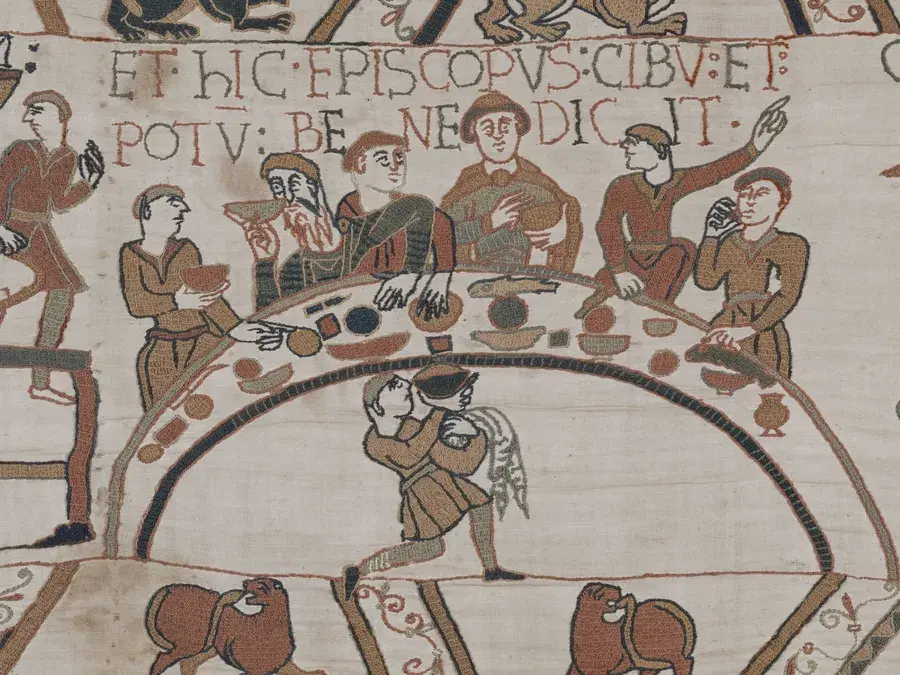
Was the Bayeux Tapestry Made for a Monastic Dining Hall?
A new study offers a fresh way of thinking about one of the most famous works of medieval art by asking a deceptively simple question: where was the Bayeux Tapestry originally meant to be seen?
https://www.medievalists.net/2025/12/bayeux-tapestry-monastic-dining-hall/
Original article:
https://academic.oup.com/histres/advance-article/doi/10.1093/hisres/htaf029/8377922?login=false
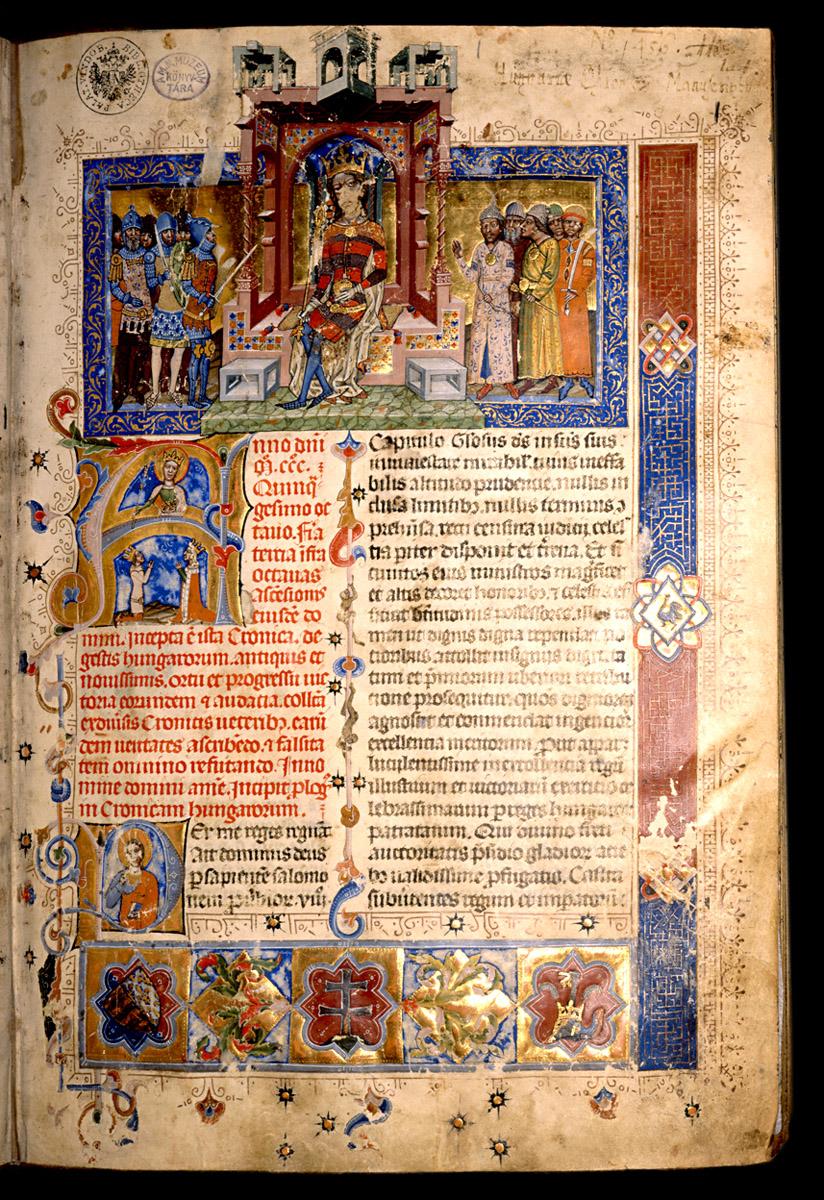
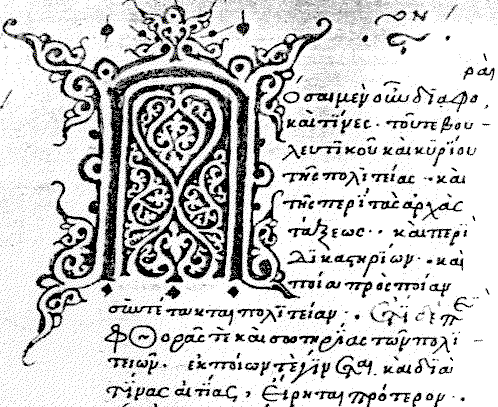
5 Dazzling Medieval Manuscripts That Have Outlasted Empires
These manuscripts stand out for their artistry, craftsmanship, and historical significance.
by Tim Brinkhof
https://news.artnet.com/art-world/illuminated-medieval-manuscripts-to-know-2710634
Old manuscripts at PG:
https://www.gutenberg.org/ebooks/search/?query=old+manuscripts
Over 32,000 medieval manuscripts transcribed in four months using AI
Medievalists can now access automated transcriptions of 32,763 digitised medieval manuscripts, produced in just four months as part of a project called CoMMA—a large-scale corpus designed to make manuscript texts searchable and analysable at a scale that would be impossible to tackle by hand.
https://www.medievalists.net/2026/01/32000-medieval-manuscripts-transcribed-using-ai/
Original paper:
https://inria.hal.science/hal-05299220
The CoMMA website:
https://comma.inria.fr/homepage
Previously Unknown Medieval Chronicle Discovered
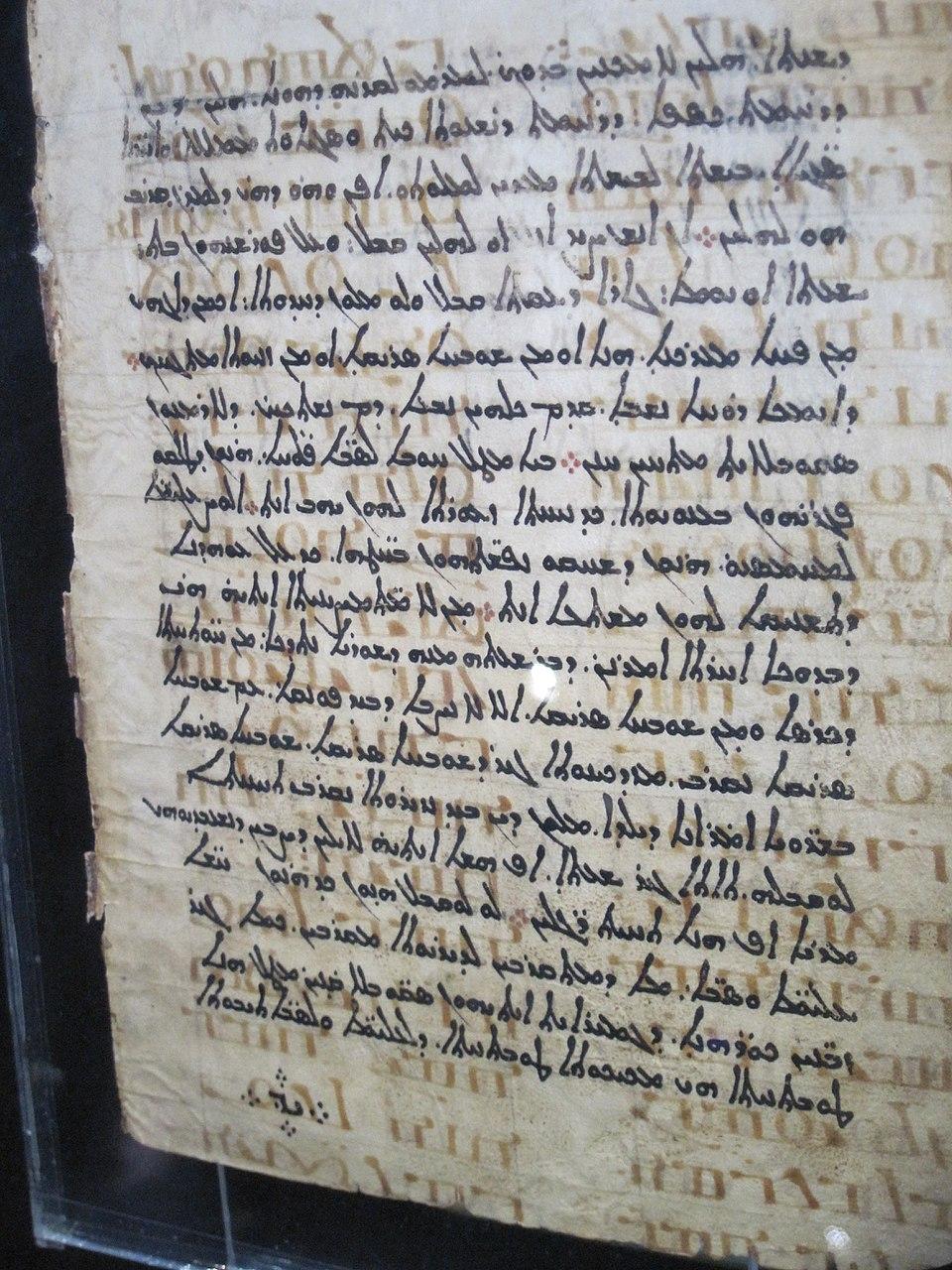
A newly discovered chronicle from the early eighth century is giving medieval historians a rare new window onto the political shocks and religious debates that reshaped the eastern Mediterranean in the decades before and after the rise of Islam.
https://www.medievalists.net/2026/02/previously-unknown-medieval-chronicle-discovered/
More articles about Maronite Chronicle of 713:
https://medievalworlds.net/0xc1aa5572_0x004102d6.pdf
New Project Explores the Craft of Writing in the Medieval Nordic World
A major Nordic research effort is taking a fresh look at the earliest written culture in medieval Finland—by studying not only what documents say, but what they are made of.
Paleography at PG:
https://www.gutenberg.org/ebooks/subjects/search/?query=paleography
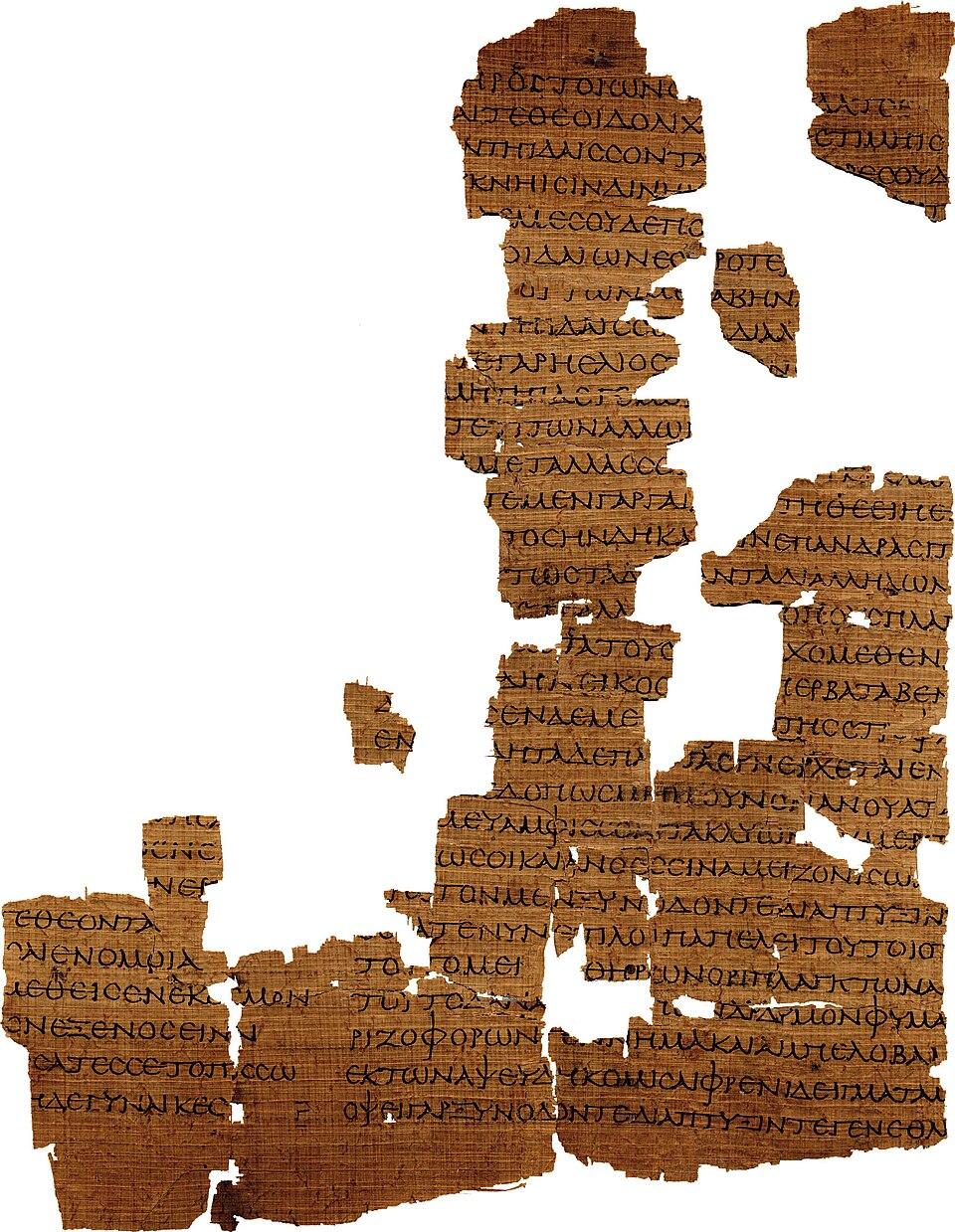
Thirty previously unpublished verses by Empedocles discovered on a papyrus from Cairo
by University de Liege
edited by Stephanie Baum, reviewed by Robert Egan
https://phys.org/news/2026-04-previously-unpublished-verses-empedocles-papyrus.html
Empedocles at PG:
https://www.gutenberg.org/ebooks/search/?query=Empedocles
![The first folio of the heroic epic poem Beowulf, written primarily in the West Saxon dialect of Old English. Part of the Cotton MS Vitellius A XV manuscript currently located within the British Library. This is a digital photographic copy of the folio. Text shown according to https://www.poetryfoundation.org/poems/43521/beowulf-old-english-version:
WE GARDE na in geardagum, þeodcyninga, [129] þrym gefrunon, hu ða æþelingas ellen fremedon. Oft Scyld Scefing sceaþena þreatum,monegum mægþum, meodosetla ofteah, egsode eorlas. Then the feast was found, he asked for it, grew under the clouds, the gods, until each of those sitting around him heard the sound of the horn, gomban gyldan. That was a good king. After that, he was remembered, walking in the fields, the good one sent to the king; the fire on the king who had long been dead. His life, the ruler of the people, the lord of the world, was taken away; Beowulf was quick to spring forth, Scyld's son, into the lands of the dead. Thus shall men go forth to good deeds, from pious gifts to their fathers.
https://en.wikipedia.org/wiki/Beowulf#/media/File:Beowulf_Cotton_MS_Vitellius_A_XV_f._132r.jpg](/proxy/post_attachment/877668/0a09586373.jpg "The first folio of the heroic epic poem Beowulf, written primarily in the West Saxon dialect of Old English. Part of the Cotton MS Vitellius A XV manuscript currently located within the British Library. This is a digital photographic copy of the folio. Text shown according to https://www.poetryfoundation.org/poems/43521/beowulf-old-english-version:
WE GARDE na in geardagum, þeodcyninga, [129] þrym gefrunon, hu ða æþelingas ellen fremedon. Oft Scyld Scefing sceaþena þreatum,monegum mægþum, meodosetla ofteah, egsode eorlas. Then the feast was found, he asked for it, grew under the clouds, the gods, until each of those sitting around him heard the sound of the horn, gomban gyldan. That was a good king. After that, he was remembered, walking in the fields, the good one sent to the king; the fire on the king who had long been dead. His life, the ruler of the people, the lord of the world, was taken away; Beowulf was quick to spring forth, Scyld's son, into the lands of the dead. Thus shall men go forth to good deeds, from pious gifts to their fathers.
https://en.wikipedia.org/wiki/Beowulf#/media/File:Beowulf_Cotton_MS_Vitellius_A_XV_f._132r.jpg")