Ancient Math Is Hidden in 8,000-Year-Old Floral Pottery Patterns
Long before numbers were written down or equations were formalized, human beings were already thinking mathematically; not on tablets or scrolls, but in clay.
By Sage Helene
Ancient Math Is Hidden in 8,000-Year-Old Floral Pottery Patterns
Long before numbers were written down or equations were formalized, human beings were already thinking mathematically; not on tablets or scrolls, but in clay.
By Sage Helene
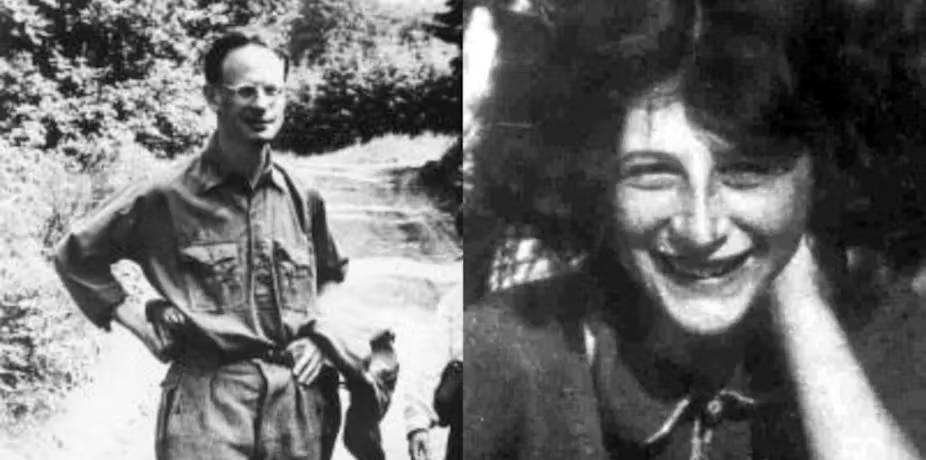
The mystic and the mathematician: What the towering 20th-century thinkers Simone and André Weil can teach today’s math educators.
By Scott Taylor via @ConversationUS
String Theorists Accidentally Find a New Formula for Pi
Two physicists have come across infinitely many novel equations for pi while trying to develop a unifying theory of the fundamental forces
By Manon Bischoff via @sciam
https://www.scientificamerican.com/article/string-theorists-accidentally-find-a-new-formula-for-pi/
More information about Pi:
https://en.wikipedia.org/wiki/Pi
Break out the calculators: November 23 is Fibonacci Sequence Day
The cornerstone of modern math wouldn’t be possible without the Hindu-Arabic numerical system.
by Andrew Paul
https://www.popsci.com/science/fibonacci-sequence-day-2025/
Fibonacci at PG:
https://www.gutenberg.org/ebooks/search/?query=fibonacci
Argentinian mathematician and biochemist Dorothy Maud Wrinch was born #OTD in 1894.
Wrinch is most famous for her controversial cyclol hypothesis (1936). She proposed that proteins were made of interlinked, cyclic structures based on geometric principles. Her cyclol hypothesis faced intense criticism from prominent biochemists, particularly Linus Pauling, who later developed the correct model of protein secondary structure.
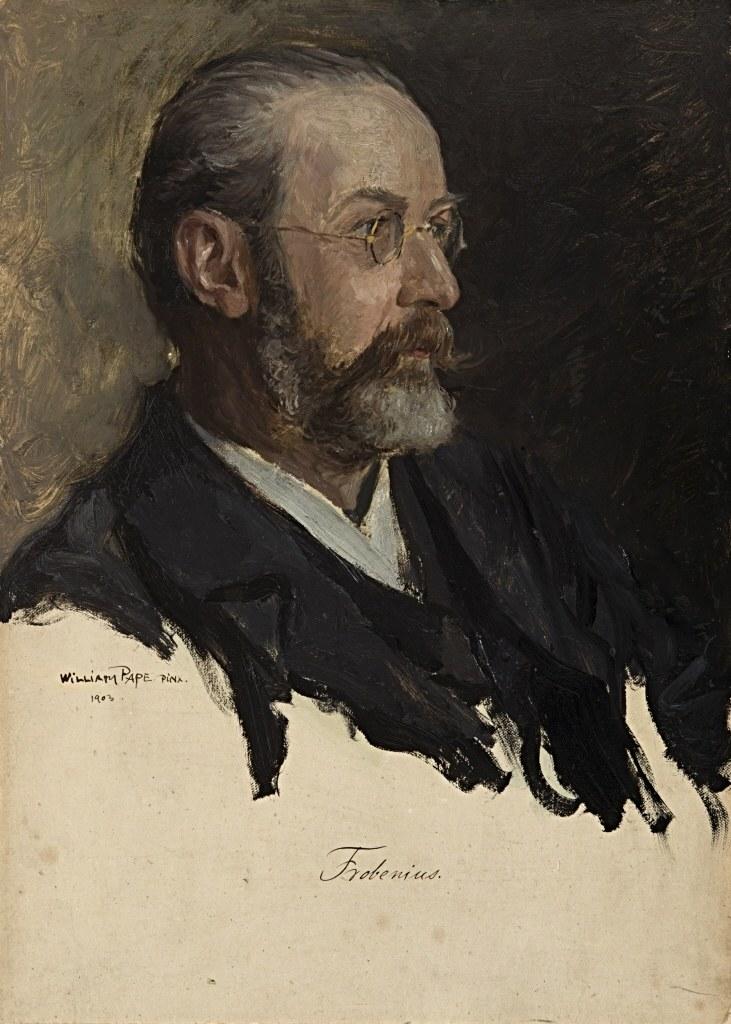
German mathematician Ferdinand Georg Frobenius was born #OTD in 1849.
He made significant contributions to various fields, including linear algebra, group theory, and number theory. His work has had a lasting impact on mathematics, especially in areas such as matrix theory and representation theory.
Two-way mathematical 'dictionary' could connect quantum physics with number theory
by Institute of Science and Technology Austria via @physorg_com
https://phys.org/news/2024-09-mathematical-dictionary-quantum-physics-theory.html
Will the toughest problem in maths ever be solved?
For many, not just mathematicians, the Riemann hypothesis is the very definition of a supremely difficult problem that might be forever beyond our intellect. Most mathematicians had given up on it, being pessimistic about making any headway. But recently, the first progress – although not a solution – in more than 50 years has been made.
By David Whitehouse via @spectator
https://www.spectator.co.uk/article/will-the-toughest-problem-in-maths-ever-be-solved/
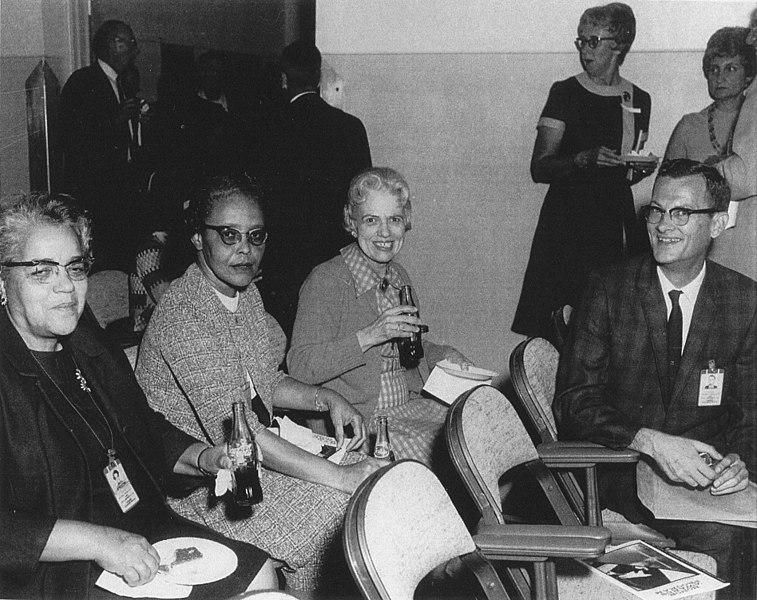
American mathematician Dorothy Vaughan was born #OTD in 1910.
She was the first respected Black female manager at NASA, thus creating a long-lasting legacy for diversity in mathematics & science for West Area Computers. As one of the first female coders in the field who knew how to code FORTRAN, she was able to instruct other Black women on the coding language & paved a wave of female programmers to integrate their work into NASA’s systems.
“There is an island of knights who always say the truth and of knaves who never do. There is a country of day-knights who speak truthfully only at daytime and of night-knights whose speech at the day is a lie. There is an island of Democrats and Republicans.” – I have a new blog entry about knights-and-knaves riddles and how to understand them with propositional logic (https://functor.network/user/414/entry/510).
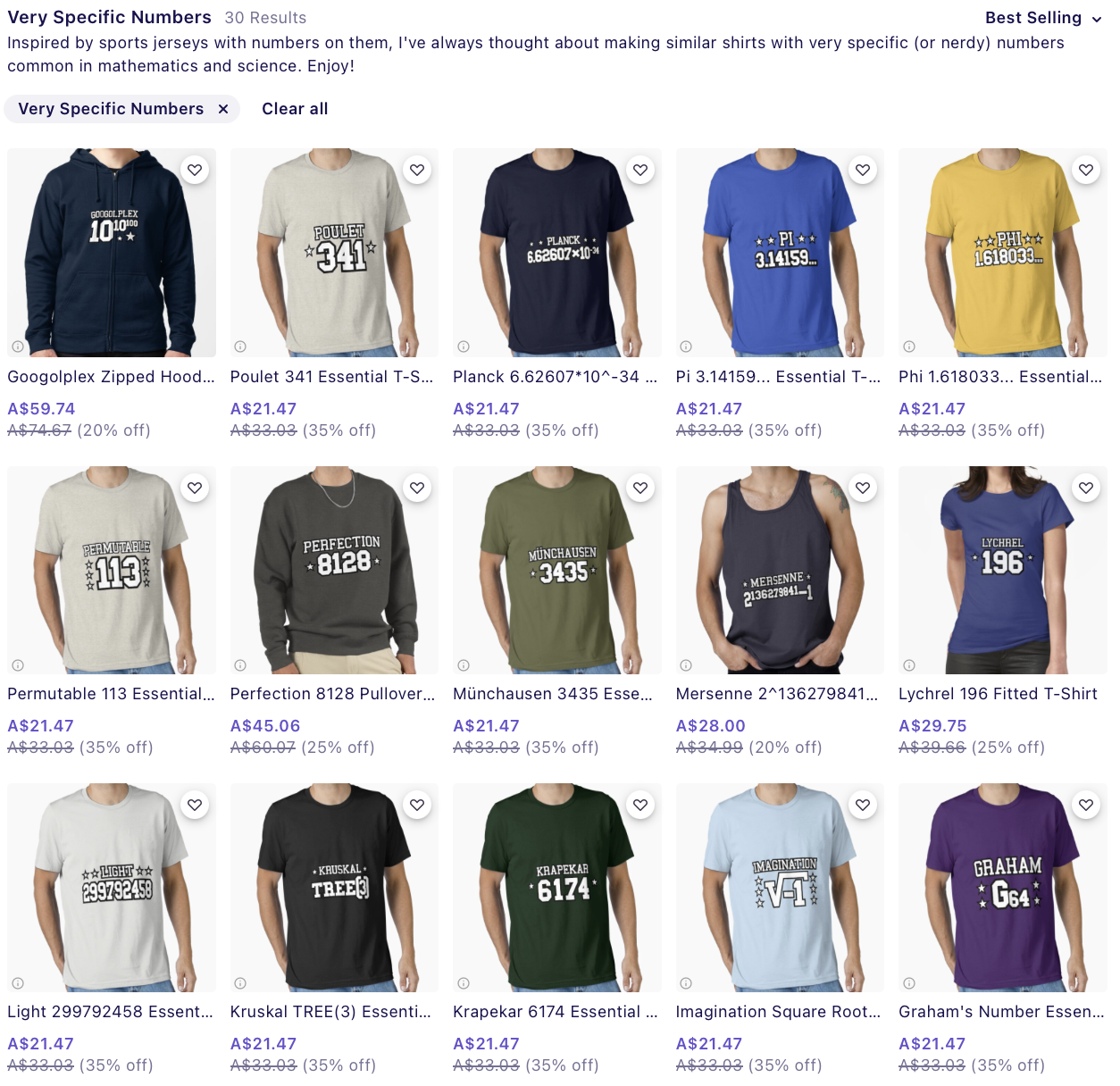
Introducing my latest project: Very Specific Numbers!
Inspired by sports jerseys with numbers on them, I've always thought about making shirts with very specific (or nerdy) numbers common in mathematics and science but not on clothes.
Until now!
Now you can walk around sporting Avogadro's constant, the largest known prime, or an utterly huge number like TREE(3). Enjoy!
(Edit: Fixed “Kaprekar” typo on items)
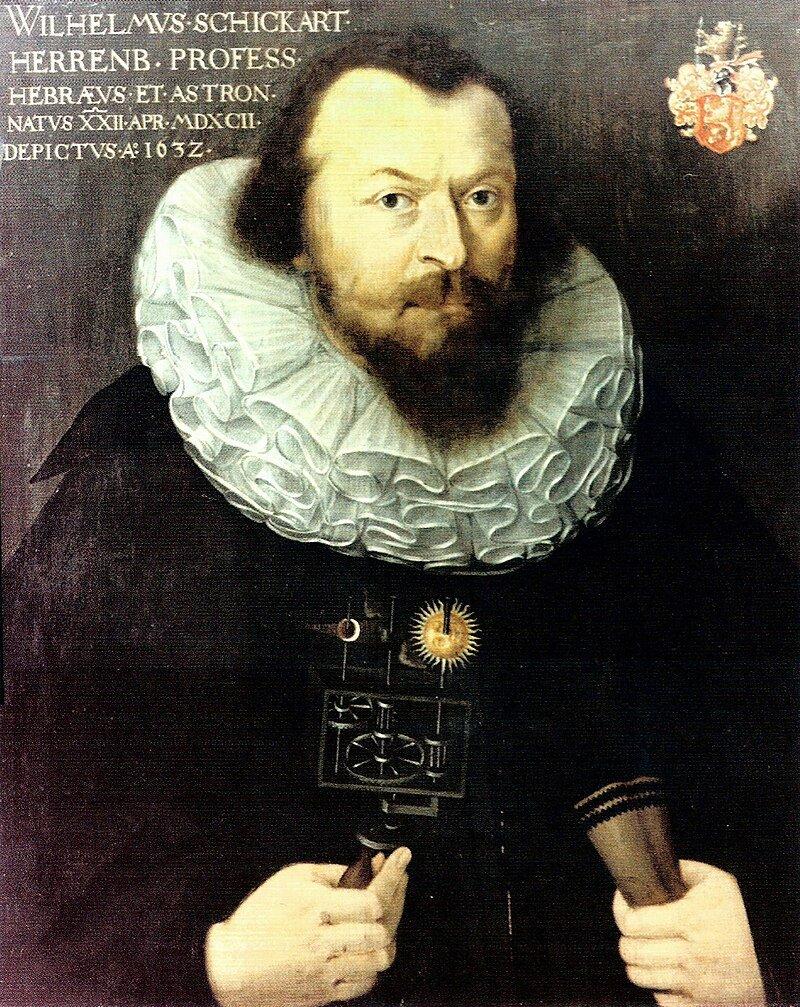
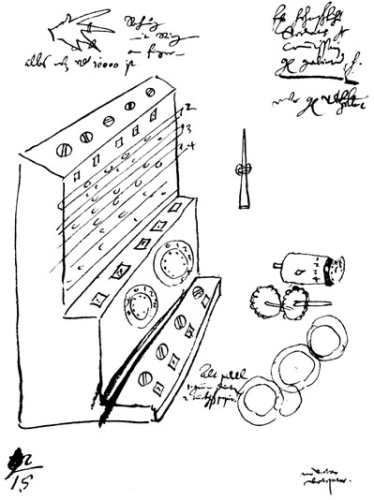
German astronomer, mathematician, and cartographer Wilhelm Schickard died #OTD in 1635.
He is often credited with creating one of the first mechanical calculators, sometimes referred to as the Schickard Calculator or Schickard's Calculating Clock. The machine was lost in a fire during the Thirty Years' War, but descriptions of it survived through correspondence with Kepler.
A derivation of the correlation of two-channel optical Bell test experiment, WITHOUT QUANTUM MECHANICS, that I recently posted to Facebook. This is a copy of the posting on Tumblr:
It is the same derivation I usually present and have for months. It is among the simplest of disproofs of Bell's and Clauser's famous but utterly fallacious works. In experiments such as those of Aspect, the particles are NOT "entangled" and move normally.
How Ramanujan's formulae for pi connect to modern high energy physics
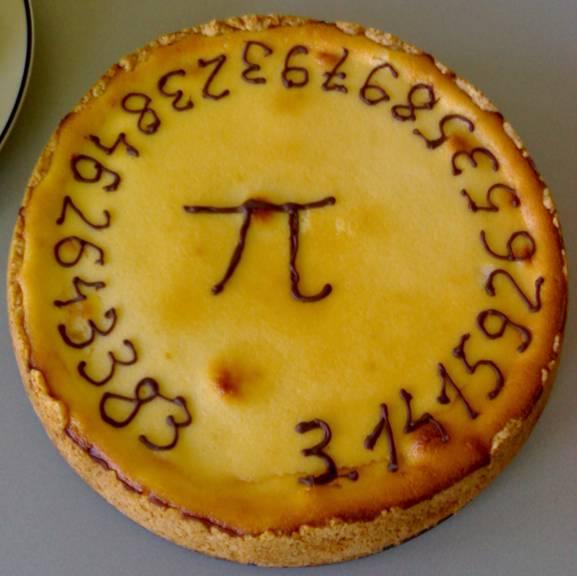
Most of us first hear about the irrational number π (pi)—rounded off as 3.14, with an infinite number of decimal digits—in school, where we learn about its use in the context of a circle. More recently, scientists have developed supercomputers that can estimate up to trillions of its digits.
by Rohini Subrahmanyam
https://phys.org/news/2025-12-ramanujan-formulae-pi-modern-high.html
#OTD in 1843.
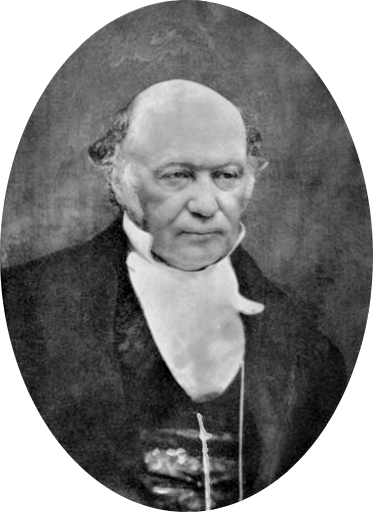
William Rowan Hamilton invents quaternions, a 3D system of complex numbers.
Important precursors to this work included Euler's four-square identity (1748) & Olinde Rodrigues' parameterization of general rotations by 4 parameters (1840), but neither of these writers treated the four-parameter rotations as an algebra. Carl Friedrich Gauss had discovered quaternions in 1819, but this work was not published until 1900.
https://en.wikipedia.org/wiki/Quaternion
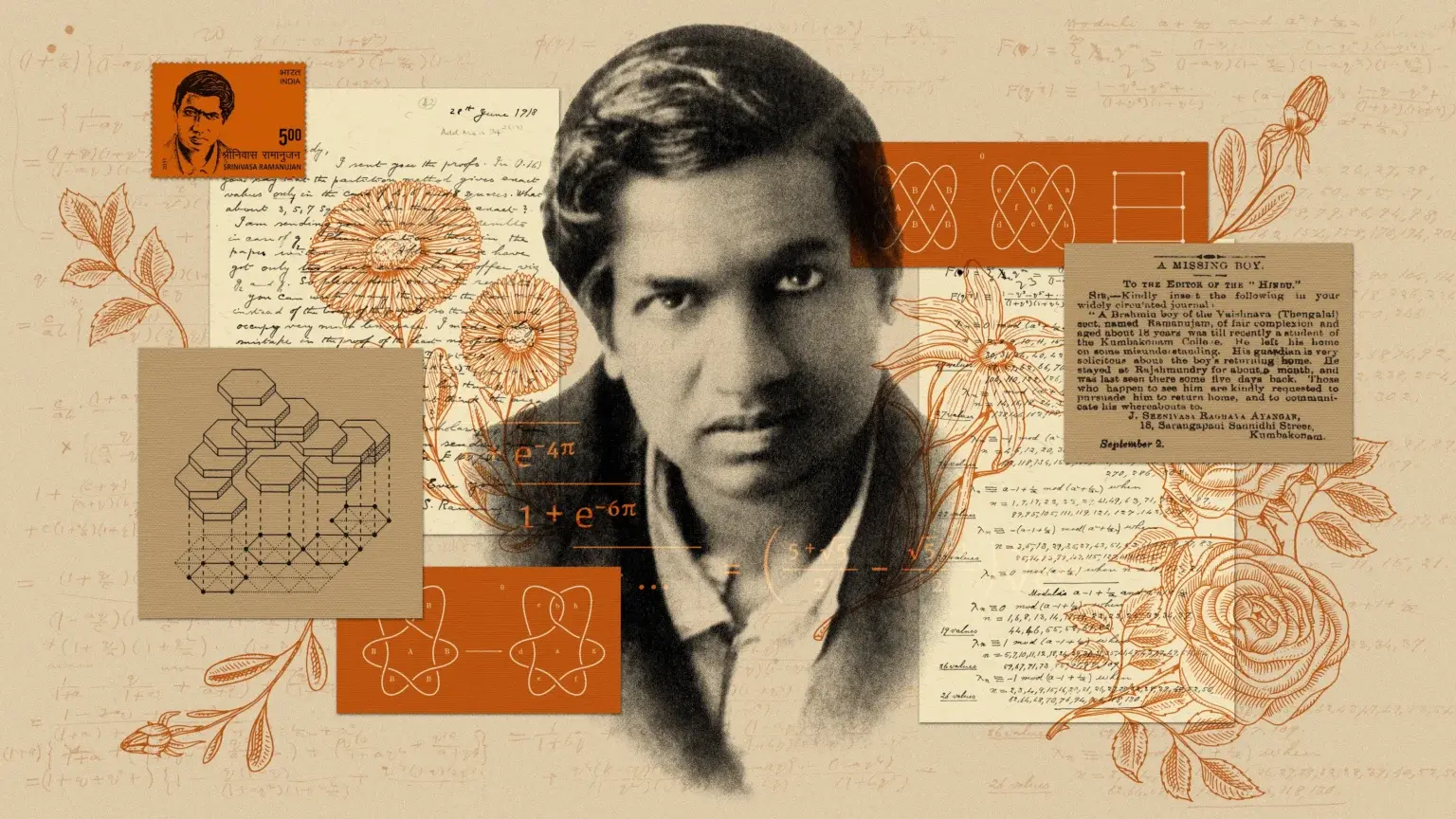
Math Is Still Catching Up to the Mysterious Genius of Srinivasa Ramanujan
Born poor in colonial India and dead at 32, Ramanujan had fantastical, out-of-nowhere visions that continue to shape the field today.
By Jordana Cepelewicz via @QuantaMagazine
https://www.quantamagazine.org/srinivasa-ramanujan-was-a-genius-math-is-still-catching-up-20241021/
How the Human Brain Contends With the Strangeness of Zero
Zero, which was invented late in history, is special among numbers. New studies are uncovering how the brain creates something out of nothing.
In some ways, zero is just like any other number on a number line. But a new study suggests that the mind may treat the symbol for absence differently.
By Yasemin Saplakoglu via @QuantaMagazine
https://www.quantamagazine.org/how-the-human-brain-contends-with-the-strangeness-of-zero-20241018/
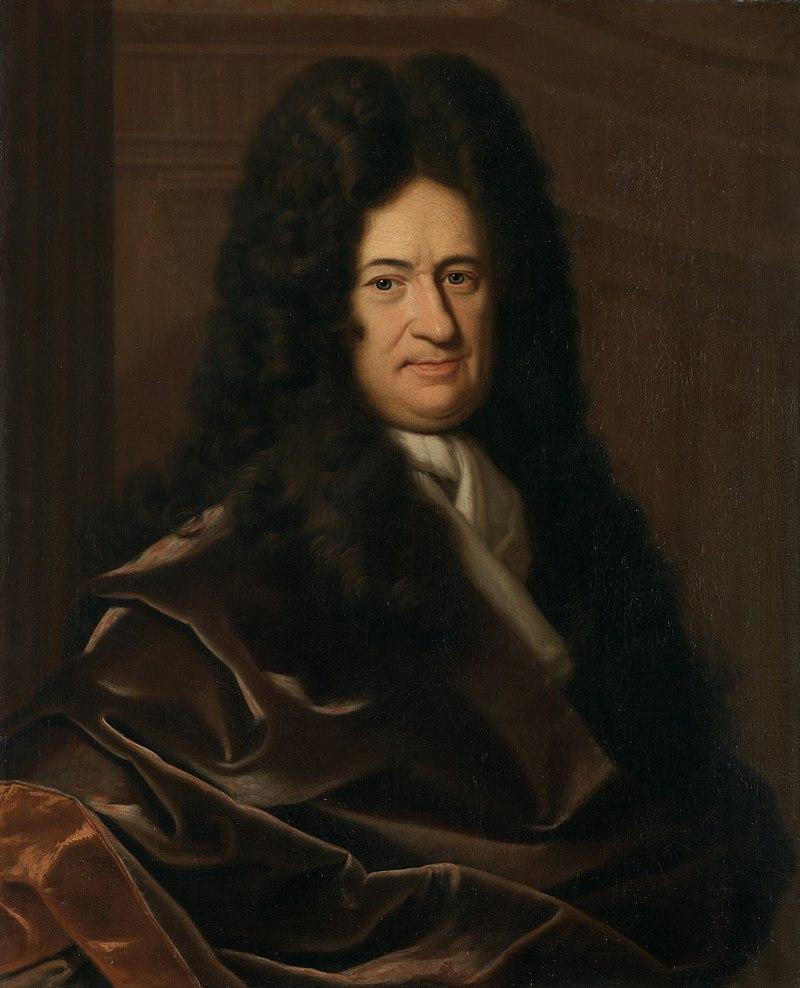
#OTD in 1675.
Leibniz makes the first use of the long s (∫) as a symbol of the integral in calculus. He adapted the integral symbol, ∫, from the letter ſ (long s), standing for summa (written as ſumma; Latin for "sum" or "total").
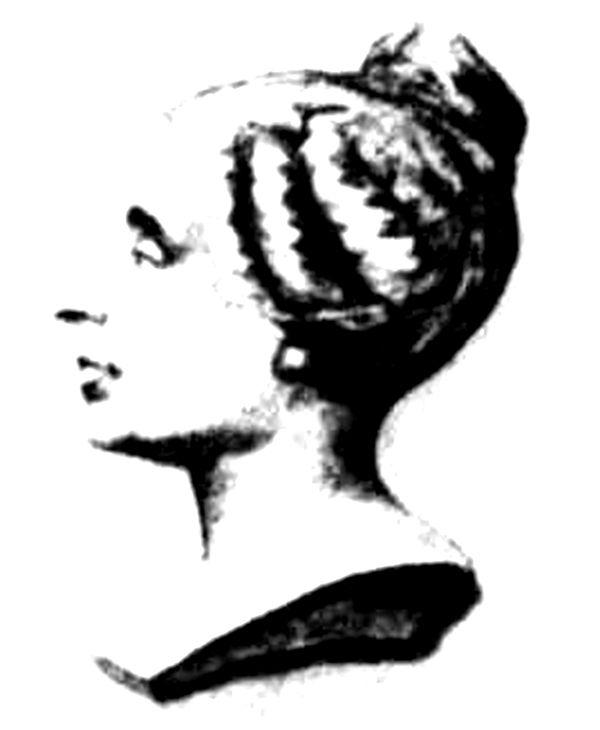
Science history: Sophie Germain, first woman to win France's prestigious 'Grand Mathematics Prize' is snubbed when tickets to award ceremony are 'lost in the mail' — Jan. 9, 1816
By Tia Ghose
More about Sophie Germain:
https://en.wikipedia.org/wiki/Sophie_Germain
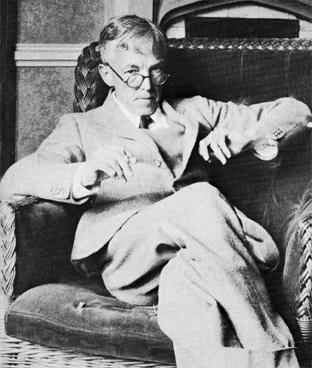
"A mathematician, like a painter or a poet, is a maker of patterns. If his patterns are more permanent than theirs, it is because they are made with ideas."
Godfrey Harold Hardy, who died #OTD in 1947, was an English mathematician, known for his achievements in number theory & mathematical analysis.
In biology, he is known for the Hardy–Weinberg principle, a basic principle of population genetics.
https://en.wikipedia.org/wiki/G._H._Hardy
Books by G.H. Hardy at PG:
https://www.gutenberg.org/ebooks/author/39236
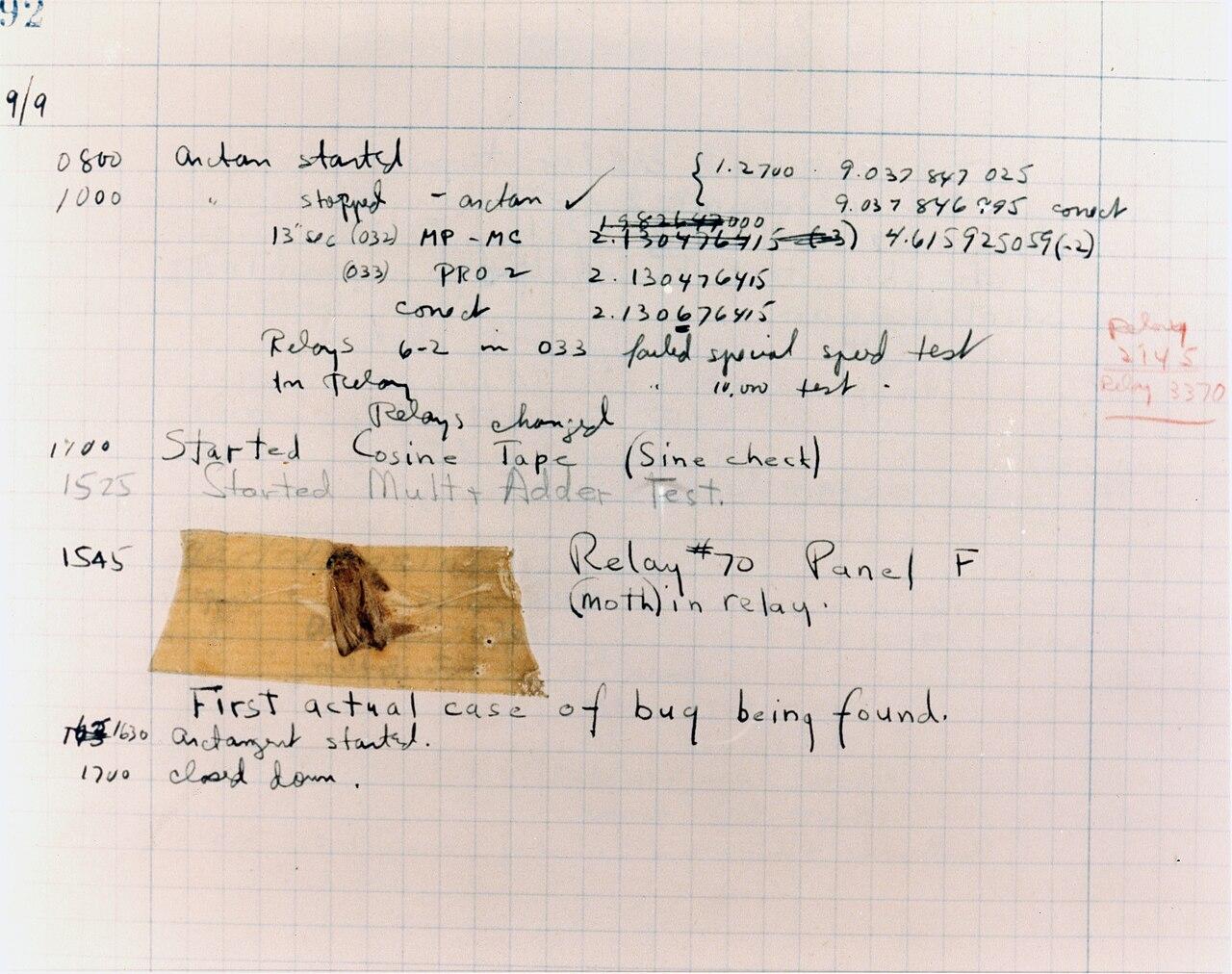
American admiral and computer scientist, (designed COBOL) Grace Hopper was born #OTD in 1906.
She created the first compiler, the A-0 System, in 1952. She was also one of the first programmers on the Harvard Mark I computer. Hopper popularized the term "debugging" in computing after discovering an actual moth causing a malfunction in the Mark II computer.
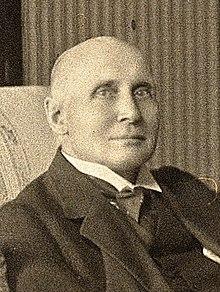
Alfred North Whitehead, who died #OTD in 1947, was an English mathematician and philosopher. He is best known as the defining figure of the philosophical school known as process philosophy, which today has found application to a wide variety of disciplines, including ecology, theology, education, physics, biology, economics, and psychology, among other areas.
https://en.wikipedia.org/wiki/Alfred_North_Whitehead
Alfred North Whitehead at PG:
https://www.gutenberg.org/ebooks/author/8283
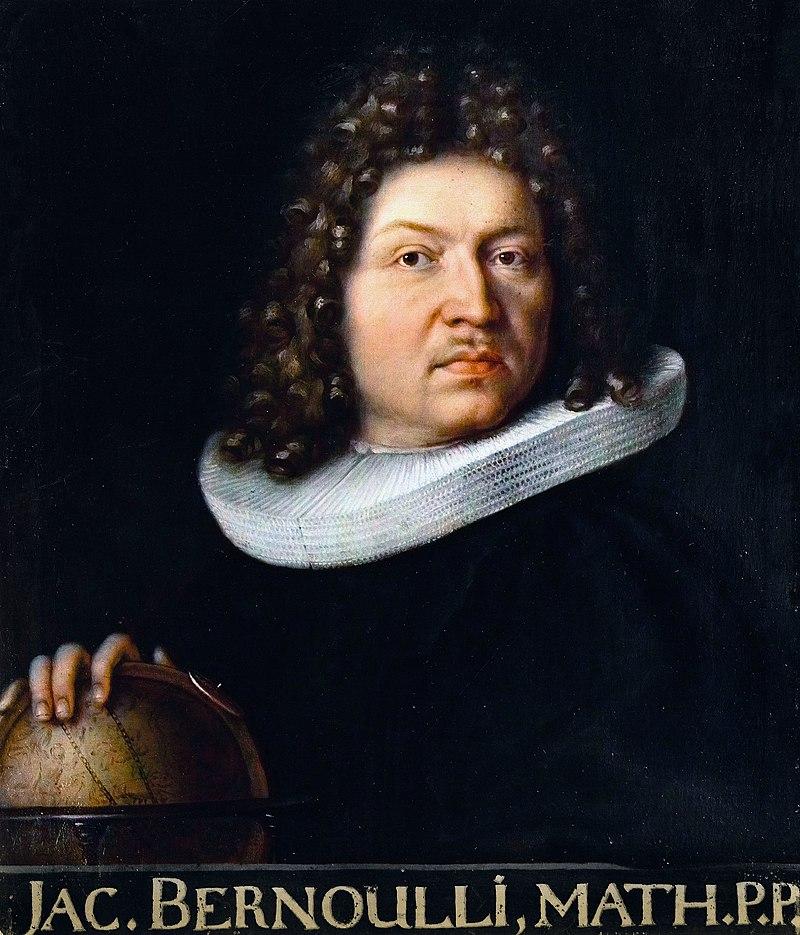
Jacob Bernoulli was born #OTD in 1655.
He was an early proponent of Leibnizian calculus; along with his brother Johann, he was one of the founders of the calculus of variations. He also discovered the fundamental mathematical constant e. However, his most important contribution was in the field of probability, where he derived the first version of the law of large numbers in his work Ars Conjectandi.
To G. H. Hardy who had expressed worry that the number of a taxi - 1729:
"No, it is a very interesting number; it is the smallest number expressible as a sum of two cubes in two different ways, the two ways being 1^3+12^3 and 9^3+10^3."
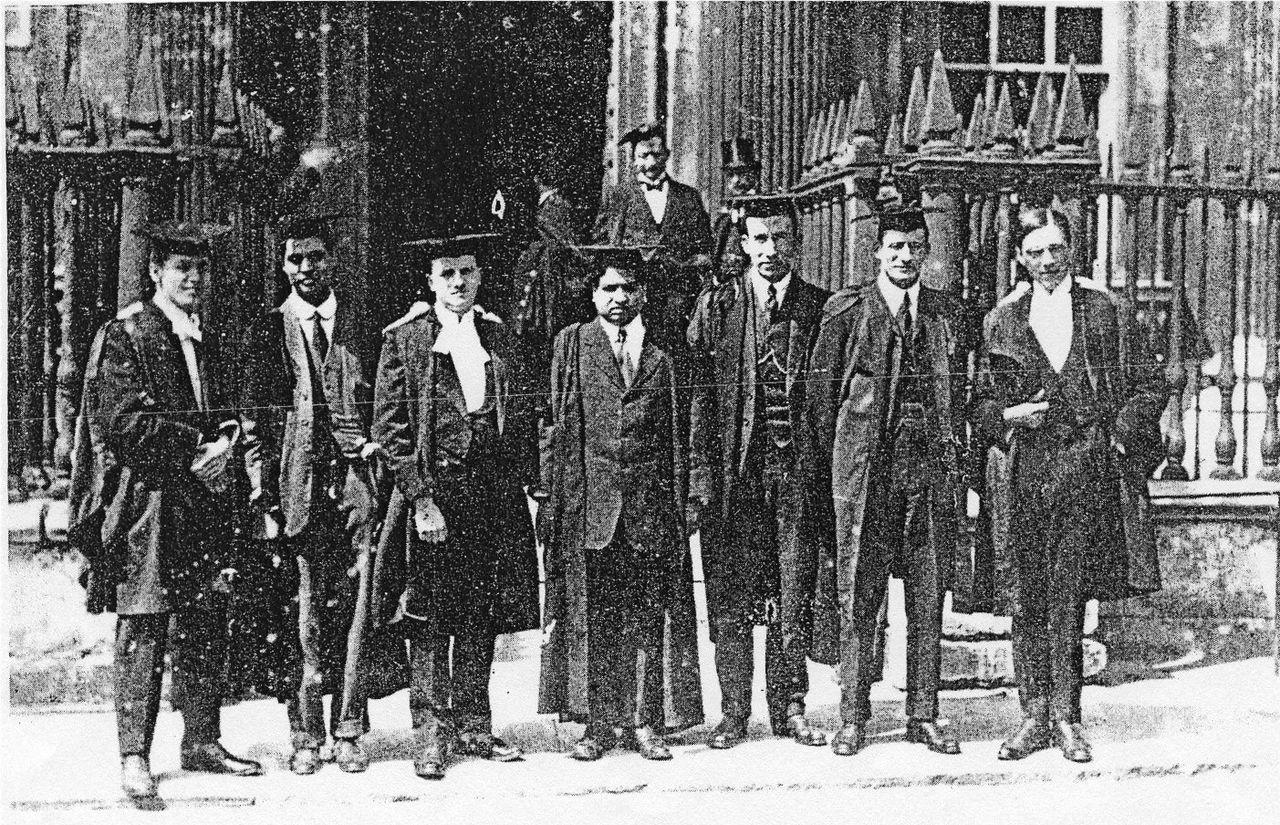
Indian mathematician Srinivasa Ramanujan was born #OTD in 1887. He is noted for his extraordinary achievements in the field of mathematical analysis, number theory, infinite series, and continued fractions.
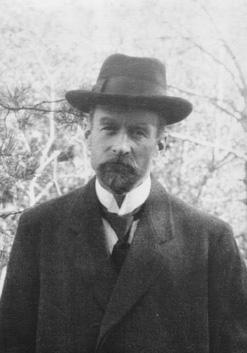
Swedish mathematician Niels Fabian Helge von Koch was born #OTD in 1870.
He gave his name to the famous fractal known as the Koch snowflake, one of the earliest fractal curves to be described. It is based on the Koch curve, which appeared in a 1904 paper titled "On a Continuous Curve Without Tangents, Constructible from Elementary Geometry."
![Miss [Dorothy] Wrinch, docteur ès sciences [de l'université de Londres] : [photographie de presse] / [Agence Rol]
Agence Rol - This file comes from Gallica Digital Library and is available under the digital ID btv1b53062829n](/proxy/post_attachment/365864/584aef2cb6.jpg "Miss [Dorothy] Wrinch, docteur ès sciences [de l'université de Londres] : [photographie de presse] / [Agence Rol]
Agence Rol - This file comes from Gallica Digital Library and is available under the digital ID btv1b53062829n")






![von Koch, Helge (1904). "Sur une courbe continue sans tangente, obtenue par une construction géométrique élémentaire" [On a continuous curve without tangent, obtained by an elementary geometric construction]. Arkiv för Matematik (in French). 1: 681–704. JFM 35.0387.02.
https://babel.hathitrust.org/cgi/pt?id=inu.30000100114564&view=1up&seq=691](/proxy/post_attachment/592616/16ad6e4e88.jpg "von Koch, Helge (1904). \"Sur une courbe continue sans tangente, obtenue par une construction géométrique élémentaire\" [On a continuous curve without tangent, obtained by an elementary geometric construction]. Arkiv för Matematik (in French). 1: 681–704. JFM 35.0387.02.
https://babel.hathitrust.org/cgi/pt?id=inu.30000100114564&view=1up&seq=691")