<p>"Give me a little less<br>with every dawn."</p><p>Marjorie Lotfi performs John Burnside's "Prayer" in a film directed by Savannah Acquah, from a new series from the Adrian Brinkerhoff Poetry Foundation & the Writers’ Mosaic</p><p><a href="https://www.brinkerhoffpoetry.org/poems/prayer" rel="nofollow" class="ellipsis" title="www.brinkerhoffpoetry.org/poems/prayer"><span class="invisible">https://</span><span class="ellipsis">www.brinkerhoffpoetry.org/poem</span><span class="invisible">s/prayer</span></a> </p><p><a href="/tags/scottish/" rel="tag">#Scottish</a> <a href="/tags/literature/" rel="tag">#literature</a> <a href="/tags/poem/" rel="tag">#poem</a> <a href="/tags/poetry/" rel="tag">#poetry</a> <a href="/tags/johnburnside/" rel="tag">#JohnBurnside</a></p>
literature
<p>Alistair Braidwood speaks with Louise Welsh about her latest Rilke novel, THE CUT UP. The pair discuss the book’s central character & wider cast, the world of antiques against which the novel is set, writing violence, the importance of detail, moral ambiguity, representing the senses, the joys of writing about Glasgow, & more</p><p>@bookstodon </p><p><a href="https://www.scotswhayhae.com/post/rilke-s-return-the-scots-whay-hae-podcast-talks-to-louise-welsh" rel="nofollow" class="ellipsis" title="www.scotswhayhae.com/post/rilke-s-return-the-scots-whay-hae-podcast-talks-to-louise-welsh"><span class="invisible">https://</span><span class="ellipsis">www.scotswhayhae.com/post/rilk</span><span class="invisible">e-s-return-the-scots-whay-hae-podcast-talks-to-louise-welsh</span></a></p><p><a href="/tags/scottish/" rel="tag">#Scottish</a> <a href="/tags/literature/" rel="tag">#literature</a> <a href="/tags/crimefiction/" rel="tag">#CrimeFiction</a> <a href="/tags/glasgow/" rel="tag">#Glasgow</a> <a href="/tags/podcast/" rel="tag">#podcast</a></p>
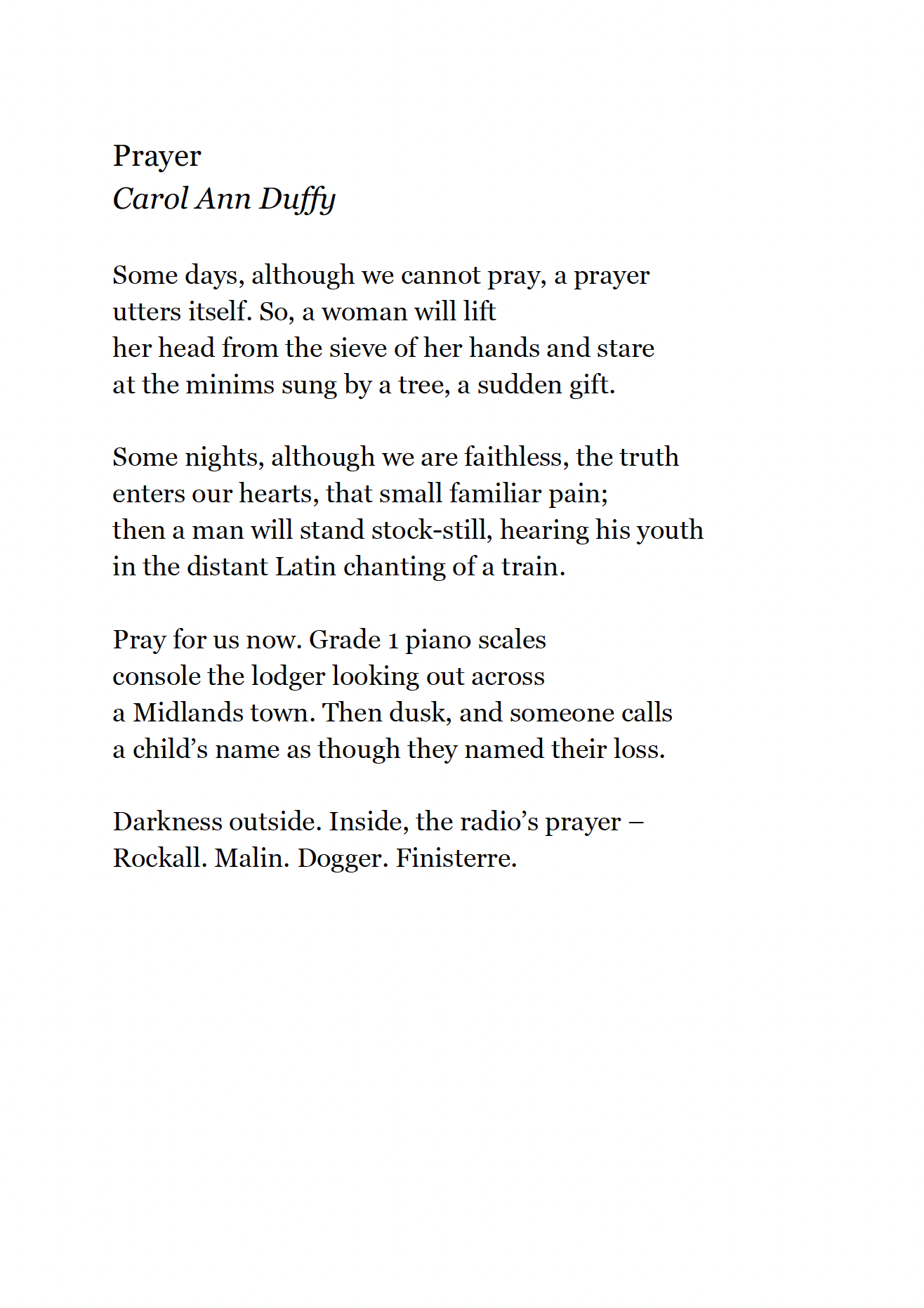
<p>Some days, although we cannot pray, a prayer<br>utters itself. So, a woman will lift<br>her head from the sieve of her hands and stare<br>at the minims sung by a tree, a sudden gift…</p><p>—Carol Ann Duffy, “Prayer”<br>from MEAN TIME (Picador, 2017; Anvil, 1993)</p><p><a href="https://www.panmacmillan.com/authors/carol-ann-duffy/mean-time/9781509852949" rel="nofollow" class="ellipsis" title="www.panmacmillan.com/authors/carol-ann-duffy/mean-time/9781509852949"><span class="invisible">https://</span><span class="ellipsis">www.panmacmillan.com/authors/c</span><span class="invisible">arol-ann-duffy/mean-time/9781509852949</span></a></p><p><a href="/tags/scottish/" rel="tag">#Scottish</a> <a href="/tags/literature/" rel="tag">#literature</a> <a href="/tags/poem/" rel="tag">#poem</a> <a href="/tags/poetry/" rel="tag">#poetry</a> <a href="/tags/carolannduffy/" rel="tag">#CarolAnnDuffy</a> <a href="/tags/womenwriters/" rel="tag">#womenwriters</a> <a href="/tags/prayer/" rel="tag">#prayer</a></p>
<p>“its power as a starter in crowd psychology comes from Mackay’s insistence on humanising the follies he describes. No macroeconomic constructs here – just good old greed, optimism, superstition & cunning plans”</p><p>—Charles Mackay (1814–1889) was born <a href="/tags/otd/" rel="tag">#OTD</a>, 27 March – best remembered today for his 1841 book Extraordinary Popular Delusions & the Madness of Crowds</p><p>1/3</p><p><a href="https://www.peterharrington.co.uk/blog/the-great-and-awful-book-of-human-folly-charles-mackays-popular-delusions-2/" rel="nofollow" class="ellipsis" title="www.peterharrington.co.uk/blog/the-great-and-awful-book-of-human-folly-charles-mackays-popular-delusions-2/"><span class="invisible">https://</span><span class="ellipsis">www.peterharrington.co.uk/blog</span><span class="invisible">/the-great-and-awful-book-of-human-folly-charles-mackays-popular-delusions-2/</span></a></p><p><a href="/tags/scottish/" rel="tag">#Scottish</a> <a href="/tags/literature/" rel="tag">#literature</a> <a href="/tags/19thcentury/" rel="tag">#19thcentury</a> <a href="/tags/victorian/" rel="tag">#Victorian</a> <a href="/tags/psychology/" rel="tag">#psychology</a> <a href="/tags/masspsychology/" rel="tag">#masspsychology</a> <a href="/tags/economics/" rel="tag">#economics</a> <a href="/tags/stockmarket/" rel="tag">#stockmarket</a> <a href="/tags/bubbles/" rel="tag">#bubbles</a></p>
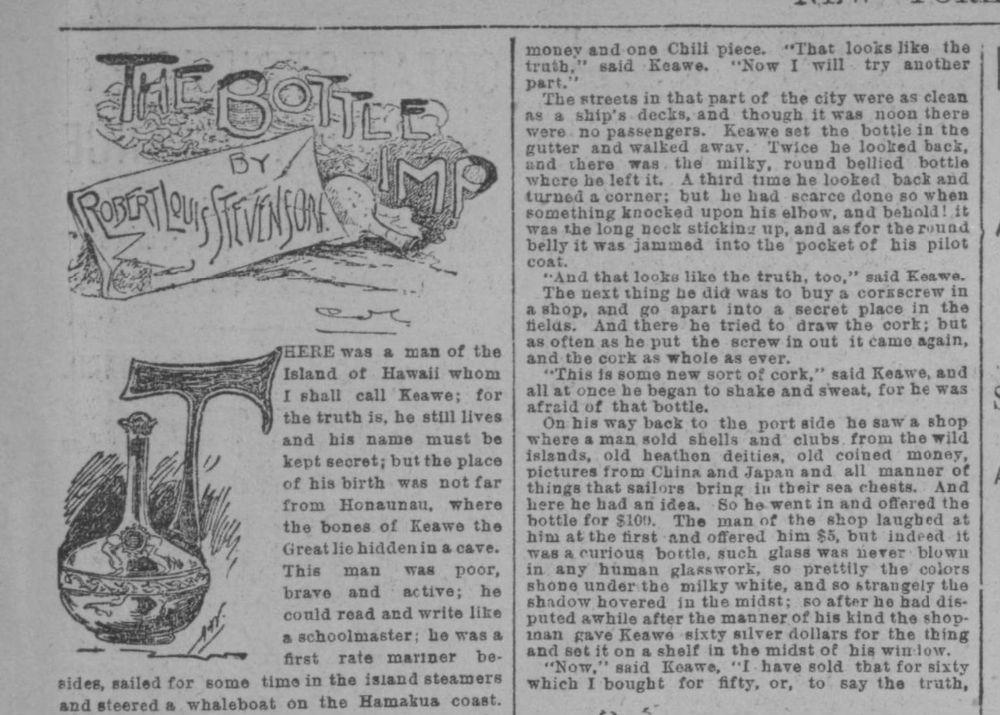
<p>Robert Louis Stevenson’s short story “The Bottle Imp” was first published (in English) on this day, 8 Feb, 1891, in the New York Herald. It was originally published in Samoan translation as “‘O le Fagu Aitu” in the missionary magazine O le sulu Samoa (The Samoan Torch)</p><p>A 👿 🧵</p><p>1/10</p><p><a href="/tags/scottish/" rel="tag">#Scottish</a> <a href="/tags/literature/" rel="tag">#literature</a> <a href="/tags/shortstory/" rel="tag">#shortstory</a> <a href="/tags/robertlouisstevenson/" rel="tag">#RobertLouisStevenson</a> <a href="/tags/19thcentury/" rel="tag">#19thcentury</a> <a href="/tags/victorian/" rel="tag">#Victorian</a> <a href="/tags/pacific/" rel="tag">#Pacific</a> <a href="/tags/samoa/" rel="tag">#Samoa</a> <a href="/tags/hawaii/" rel="tag">#Hawaii</a> <a href="/tags/supernatural/" rel="tag">#supernatural</a></p>

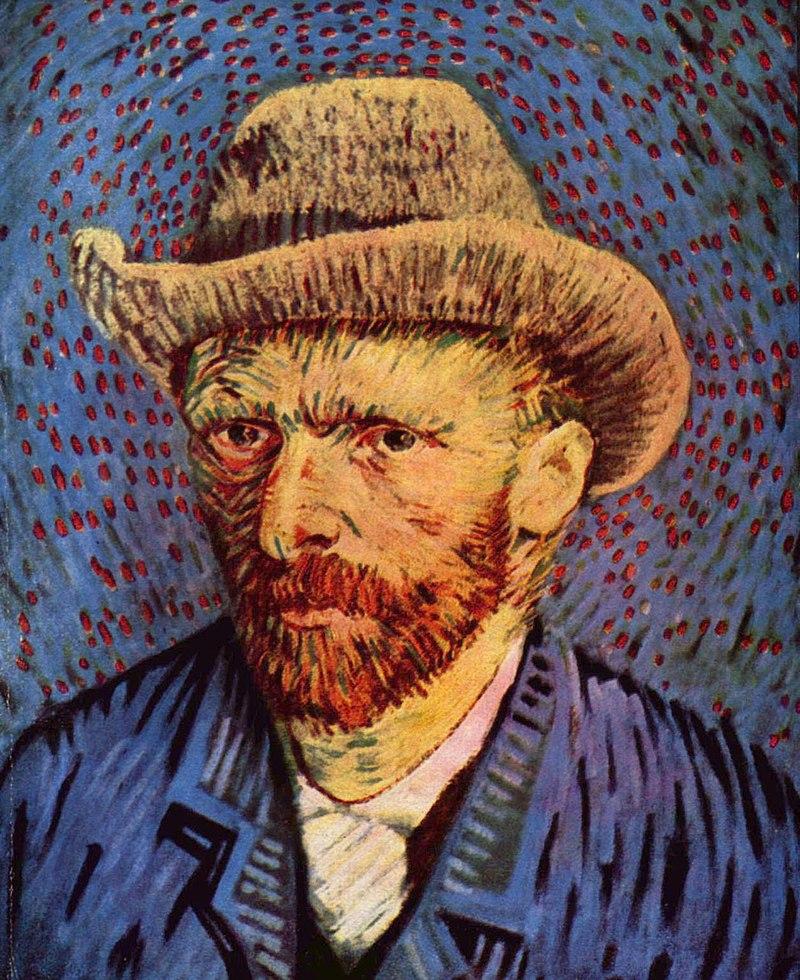
<p>"Someone has a great fire in his soul and nobody ever comes to warm themselves at it, and passers-by see nothing but a little smoke at the top of the chimney and then go on their way."</p><p>Quote in his Letter (no. 155), June 1880.</p><p>~Vincent van Gogh, born <a href="/tags/otd/" rel="tag">#OTD</a> in 1856.</p><p>Van Gogh's letters are available online at:<br><a href="https://vangoghletters.org/" rel="nofollow"><span class="invisible">https://</span>vangoghletters.org/</a></p><p>Books by Van Gogh at PG:<br><a href="https://www.gutenberg.org/ebooks/search/?query=Vincent+van+Gogh&submit_search=Search" rel="nofollow" class="ellipsis" title="www.gutenberg.org/ebooks/search/?query=Vincent+van+Gogh&submit_search=Search"><span class="invisible">https://</span><span class="ellipsis">www.gutenberg.org/ebooks/searc</span><span class="invisible">h/?query=Vincent+van+Gogh&submit_search=Search</span></a></p><p><a href="/tags/books/" rel="tag">#books</a> <a href="/tags/art/" rel="tag">#art</a> <a href="/tags/literature/" rel="tag">#literature</a></p>
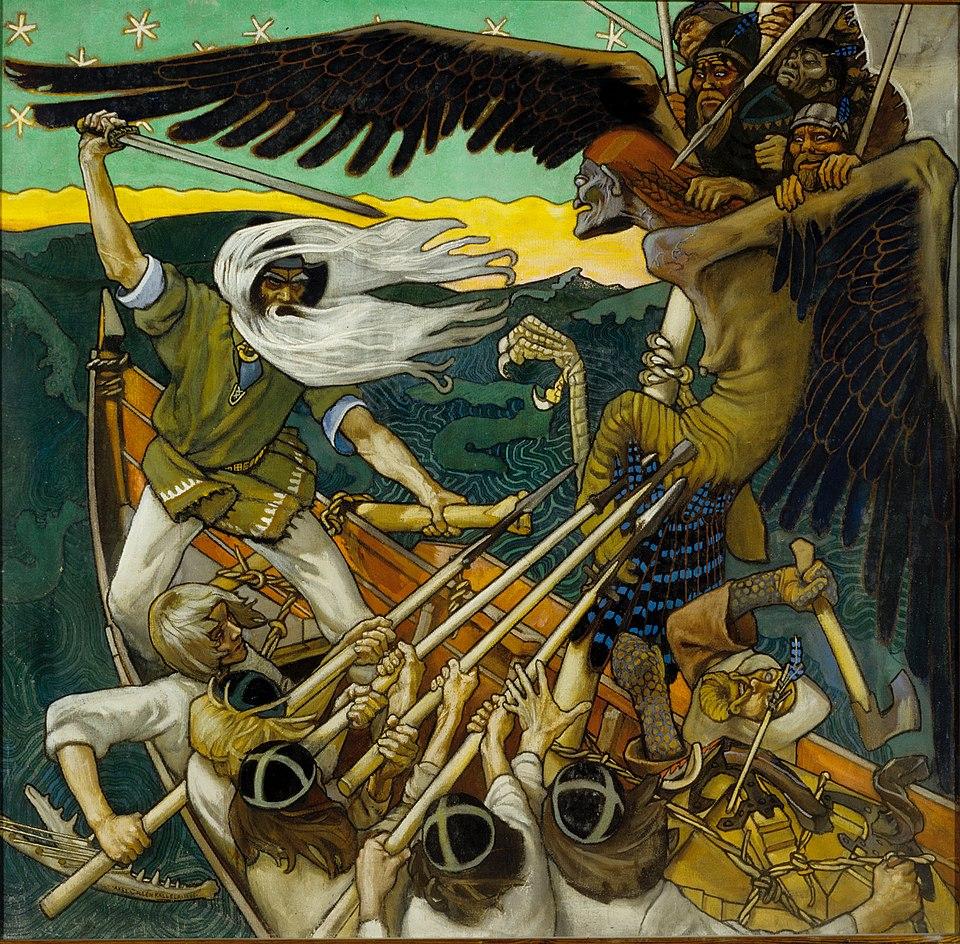
<p>"Mastered by desire impulsive,<br>By a mighty inward urging,<br>I am ready now for singing,<br>Ready to begin the chanting<br>Of our nation’s ancient folk-song..."</p><p>An epic border: Finland’s poetic masterpiece, the Kalevala, has roots in 2 cultures and 2 countries</p><p>by Thomas A. DuBois</p><p><a href="https://theconversation.com/an-epic-border-finlands-poetic-masterpiece-the-kalevala-has-roots-in-2-cultures-and-2-countries-261444" rel="nofollow" class="ellipsis" title="theconversation.com/an-epic-border-finlands-poetic-masterpiece-the-kalevala-has-roots-in-2-cultures-and-2-countries-261444"><span class="invisible">https://</span><span class="ellipsis">theconversation.com/an-epic-bo</span><span class="invisible">rder-finlands-poetic-masterpiece-the-kalevala-has-roots-in-2-cultures-and-2-countries-261444</span></a></p><p>Kalevala at PG:<br><a href="https://www.gutenberg.org/ebooks/search/?query=Kalevala" rel="nofollow" class="ellipsis" title="www.gutenberg.org/ebooks/search/?query=Kalevala"><span class="invisible">https://</span><span class="ellipsis">www.gutenberg.org/ebooks/searc</span><span class="invisible">h/?query=Kalevala</span></a></p><p><a href="/tags/books/" rel="tag">#books</a> <a href="/tags/literature/" rel="tag">#literature</a> <a href="/tags/poetry/" rel="tag">#poetry</a></p>
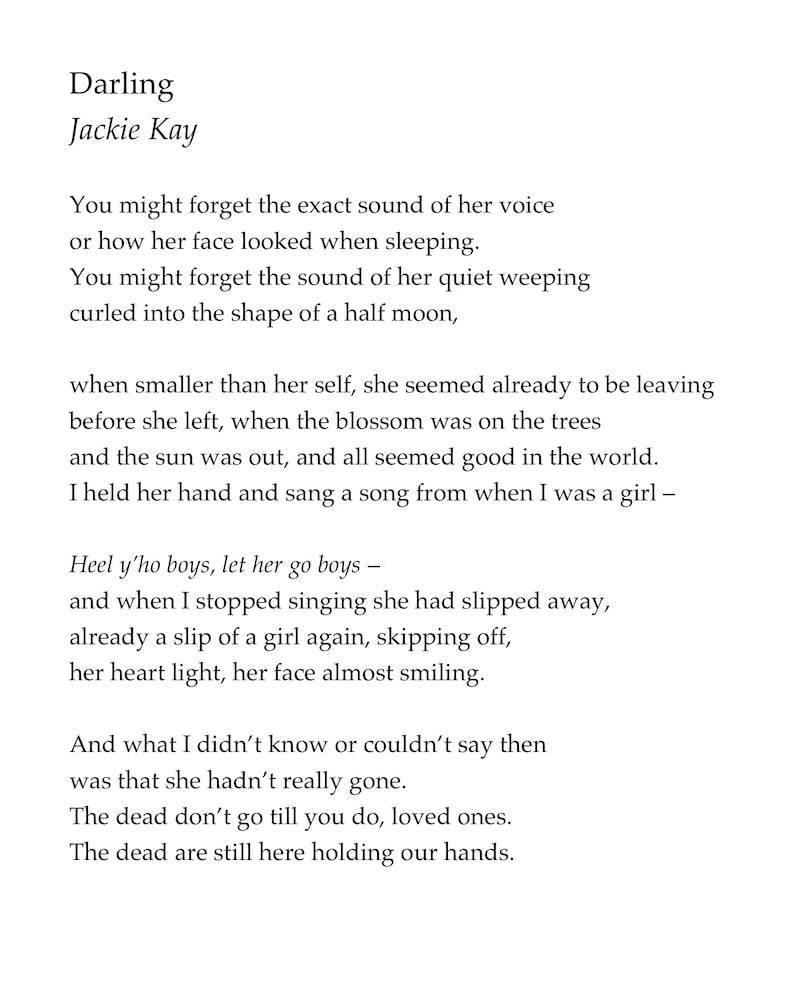
<p>You might forget the exact sound of her voice<br>or how her face looked when sleeping.<br>You might forget the sound of her quiet weeping<br>curled into the shape of a half moon…</p><p>—Jackie Kay, “Darling”<br>published in DARLING (Bloodaxe, 2007)</p><p><a href="https://www.bloodaxebooks.com/ecs/product/darling-877" rel="nofollow" class="ellipsis" title="www.bloodaxebooks.com/ecs/product/darling-877"><span class="invisible">https://</span><span class="ellipsis">www.bloodaxebooks.com/ecs/prod</span><span class="invisible">uct/darling-877</span></a></p><p><a href="/tags/scottish/" rel="tag">#Scottish</a> <a href="/tags/literature/" rel="tag">#literature</a> <a href="/tags/poem/" rel="tag">#poem</a> <a href="/tags/poetry/" rel="tag">#poetry</a> <a href="/tags/jackiekay/" rel="tag">#JackieKay</a> <a href="/tags/grief/" rel="tag">#grief</a> <a href="/tags/death/" rel="tag">#death</a></p>
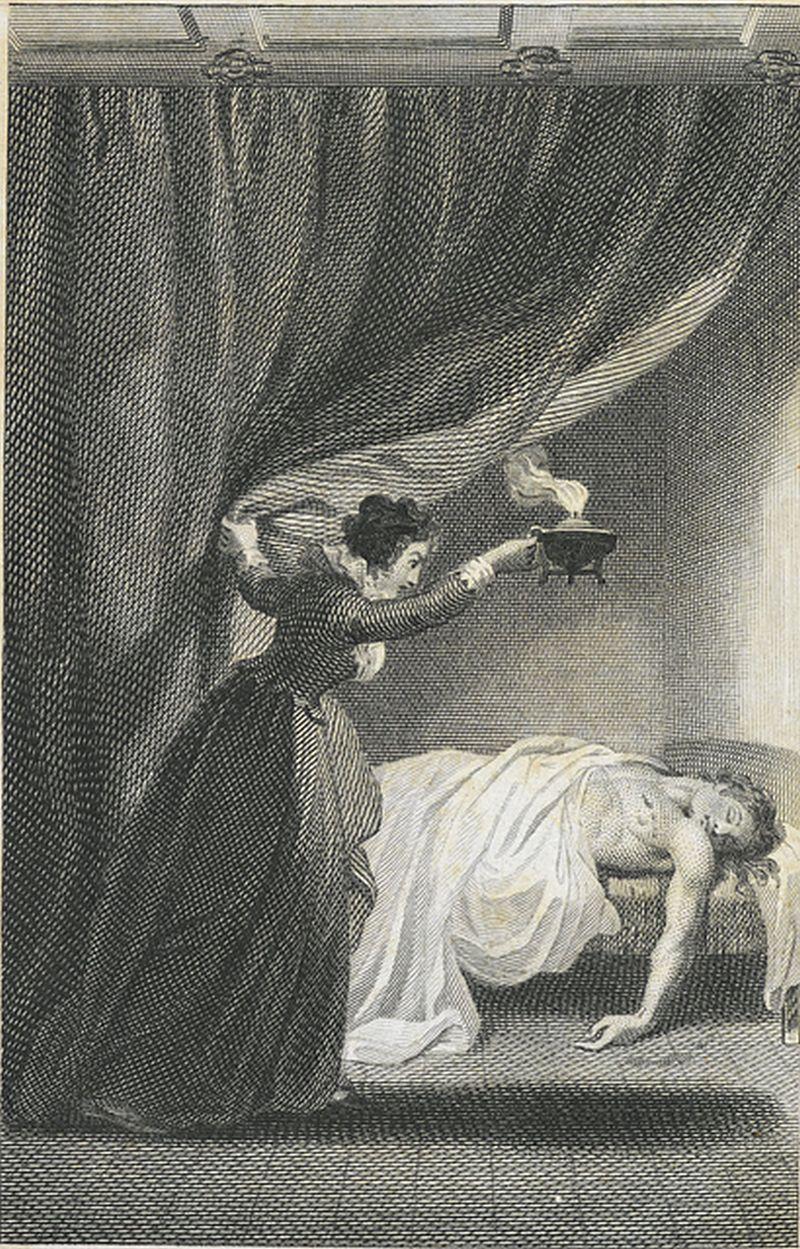
<p><a href="/tags/otd/" rel="tag">#OTD</a> in 1823 novelist Ann Radcliffe died.</p><p>She "was an English novelist who pioneered the Gothic novel, and a minor poet. Her fourth and most popular novel, The Mysteries of Udolpho, was published in 1794.... Her novels combine suspenseful narratives, exotic historical settings, and apparently-supernatural events."</p><p><a href="https://en.wikipedia.org/wiki/Ann_Radcliffe" rel="nofollow" class="ellipsis" title="en.wikipedia.org/wiki/Ann_Radcliffe"><span class="invisible">https://</span><span class="ellipsis">en.wikipedia.org/wiki/Ann_Radc</span><span class="invisible">liffe</span></a></p><p>Books by Radcliffe at PG:</p><p><a href="https://www.gutenberg.org/ebooks/author/1147" rel="nofollow" class="ellipsis" title="www.gutenberg.org/ebooks/author/1147"><span class="invisible">https://</span><span class="ellipsis">www.gutenberg.org/ebooks/autho</span><span class="invisible">r/1147</span></a></p><p><a href="/tags/books/" rel="tag">#books</a> <a href="/tags/literature/" rel="tag">#literature</a></p>
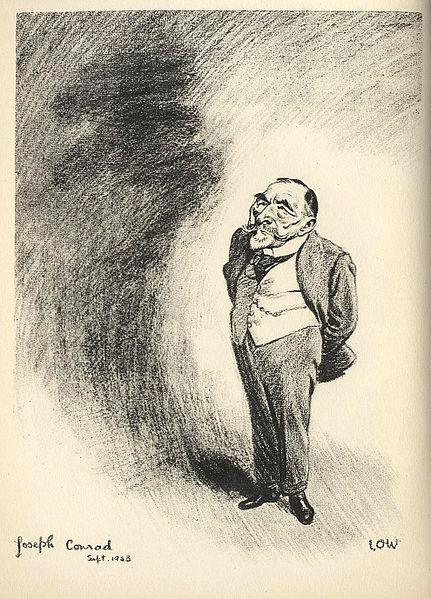
<p>Joseph Conrad’s Travel Stories Weren’t Black and White</p><p>Conrad’s celebration of imperial exploration is accompanied by an acknowledgment that such feats often go hand-in-hand with oppression and exploitation.</p><p>By: H.M.A. Leow </p><p><a href="https://daily.jstor.org/joseph-conrads-travel-stories-werent-black-and-white/" rel="nofollow" class="ellipsis" title="daily.jstor.org/joseph-conrads-travel-stories-werent-black-and-white/"><span class="invisible">https://</span><span class="ellipsis">daily.jstor.org/joseph-conrads</span><span class="invisible">-travel-stories-werent-black-and-white/</span></a></p><p><a href="/tags/books/" rel="tag">#books</a> <a href="/tags/literature/" rel="tag">#literature</a></p>
<p>A Journey Through Dante’s Inferno: A Brief Guide</p><p>Dante’s Inferno is hailed as a medieval masterpiece and a precursor to the Renaissance, with T.S. Eliot having ranked it alongside Shakespeare.</p><p> by Thom Delapa</p><p><a href="https://www.thecollector.com/journey-through-dante-inferno/" rel="nofollow" class="ellipsis" title="www.thecollector.com/journey-through-dante-inferno/"><span class="invisible">https://</span><span class="ellipsis">www.thecollector.com/journey-t</span><span class="invisible">hrough-dante-inferno/</span></a></p><p>The Divine Comedy at PG:<br><a href="https://www.gutenberg.org/ebooks/search/?query=divine+comedy&submit_search=Search" rel="nofollow" class="ellipsis" title="www.gutenberg.org/ebooks/search/?query=divine+comedy&submit_search=Search"><span class="invisible">https://</span><span class="ellipsis">www.gutenberg.org/ebooks/searc</span><span class="invisible">h/?query=divine+comedy&submit_search=Search</span></a></p><p><a href="/tags/books/" rel="tag">#books</a> <a href="/tags/literature/" rel="tag">#literature</a></p>

<p>Nancy Reddy on Researching Beyond the Archives</p><p>Reading sideways requires a willingness to re-read, to wander through a set of sources, to widen your gaze. Sometimes, though, the answers continue to elude us and the record remains incomplete.</p><p><a href="https://lithub.com/nancy-reddy-on-researching-beyond-the-archives/" rel="nofollow" class="ellipsis" title="lithub.com/nancy-reddy-on-researching-beyond-the-archives/"><span class="invisible">https://</span><span class="ellipsis">lithub.com/nancy-reddy-on-rese</span><span class="invisible">arching-beyond-the-archives/</span></a></p><p><a href="/tags/books/" rel="tag">#books</a> <a href="/tags/literature/" rel="tag">#literature</a></p>
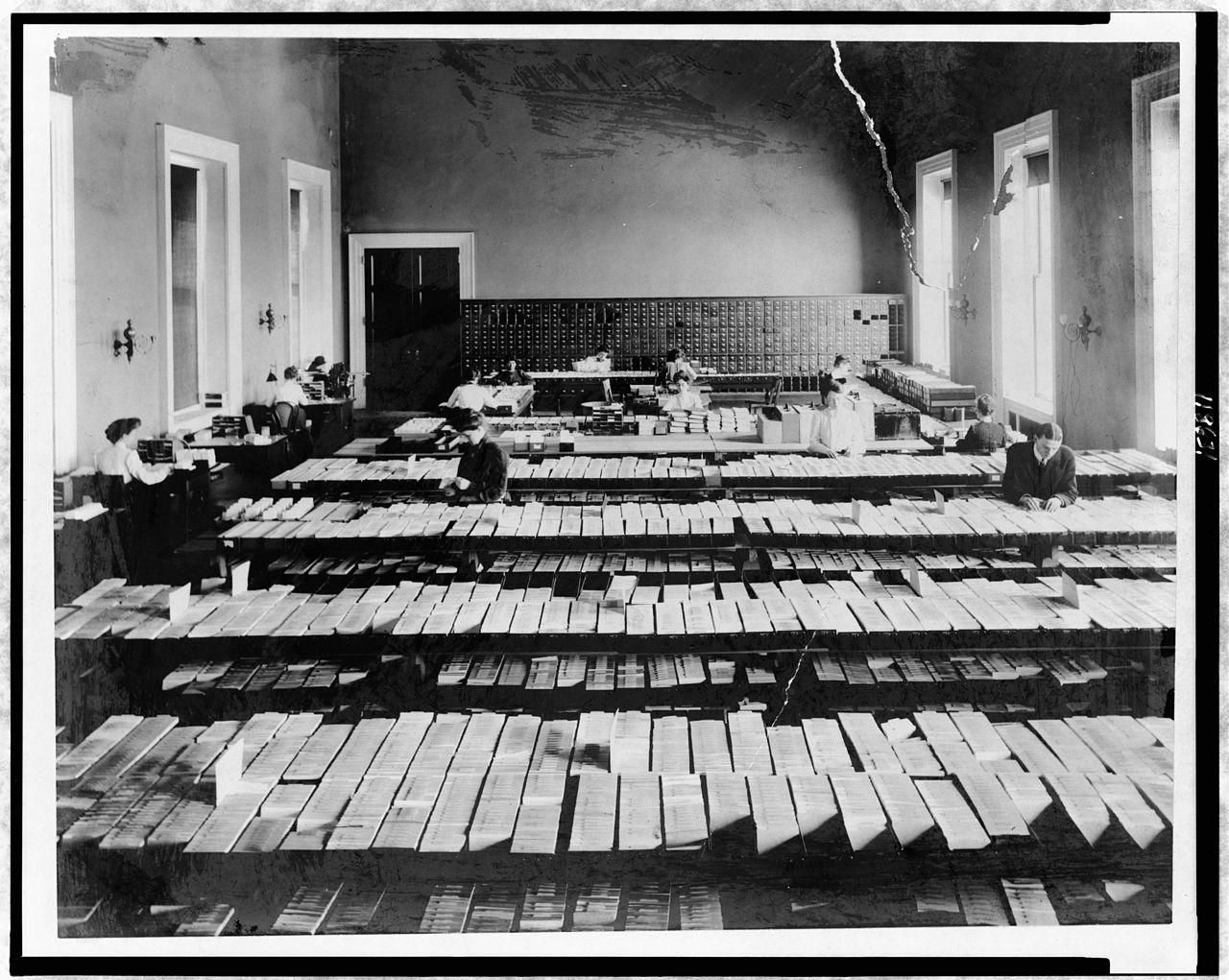
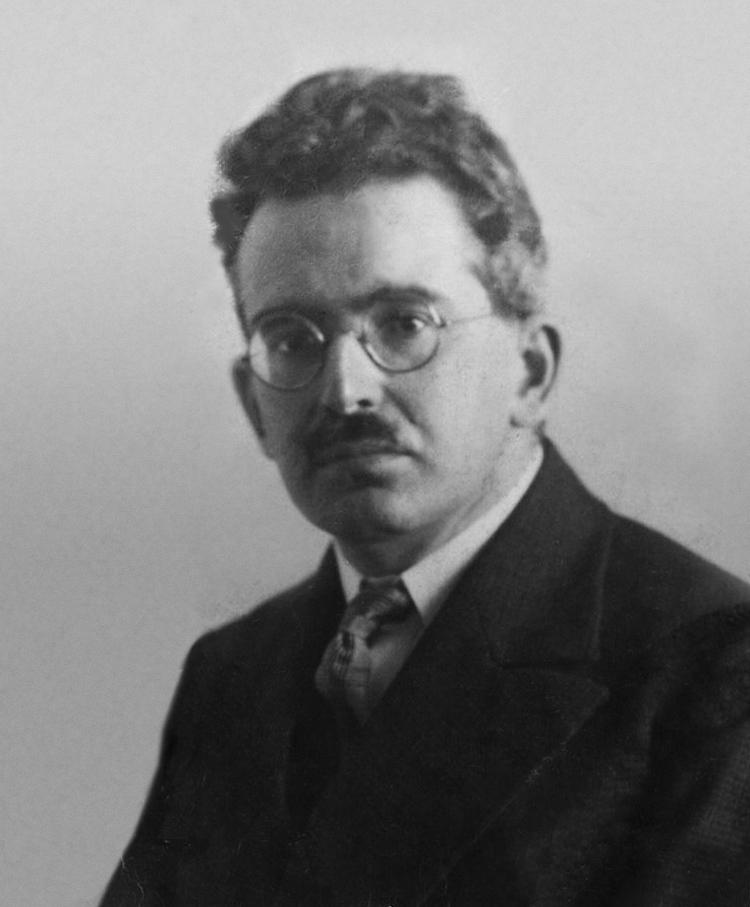
<p>How Bertolt Brecht and Walter Benjamin Pioneered a New Way of Creating</p><p>Katherine Hollander on Intellectual, Political and Artistic Collaboration Among the Exiled Mitarbeiter</p><p><a href="https://lithub.com/how-bertolt-brecht-and-walter-benjamin-pioneered-a-new-way-of-creating/?utm_source=Klaviyo&utm_medium=campaign&utm_id=01KGXQ3HHJ926DWA8QFPY71TN5&_kx=3MZUehzXM-41qlWAMPUiuNZadX2p0SByuNf_t0eMLB0.U5D8ER" rel="nofollow" class="ellipsis" title="lithub.com/how-bertolt-brecht-and-walter-benjamin-pioneered-a-new-way-of-creating/?utm_source=Klaviyo&utm_medium=campaign&utm_id=01KGXQ3HHJ926DWA8QFPY71TN5&_kx=3MZUehzXM-41qlWAMPUiuNZadX2p0SByuNf_t0eMLB0.U5D8ER"><span class="invisible">https://</span><span class="ellipsis">lithub.com/how-bertolt-brecht-</span><span class="invisible">and-walter-benjamin-pioneered-a-new-way-of-creating/?utm_source=Klaviyo&utm_medium=campaign&utm_id=01KGXQ3HHJ926DWA8QFPY71TN5&_kx=3MZUehzXM-41qlWAMPUiuNZadX2p0SByuNf_t0eMLB0.U5D8ER</span></a></p><p><a href="/tags/books/" rel="tag">#books</a> <a href="/tags/literature/" rel="tag">#literature</a> <a href="/tags/literarycriticism/" rel="tag">#literarycriticism</a></p>
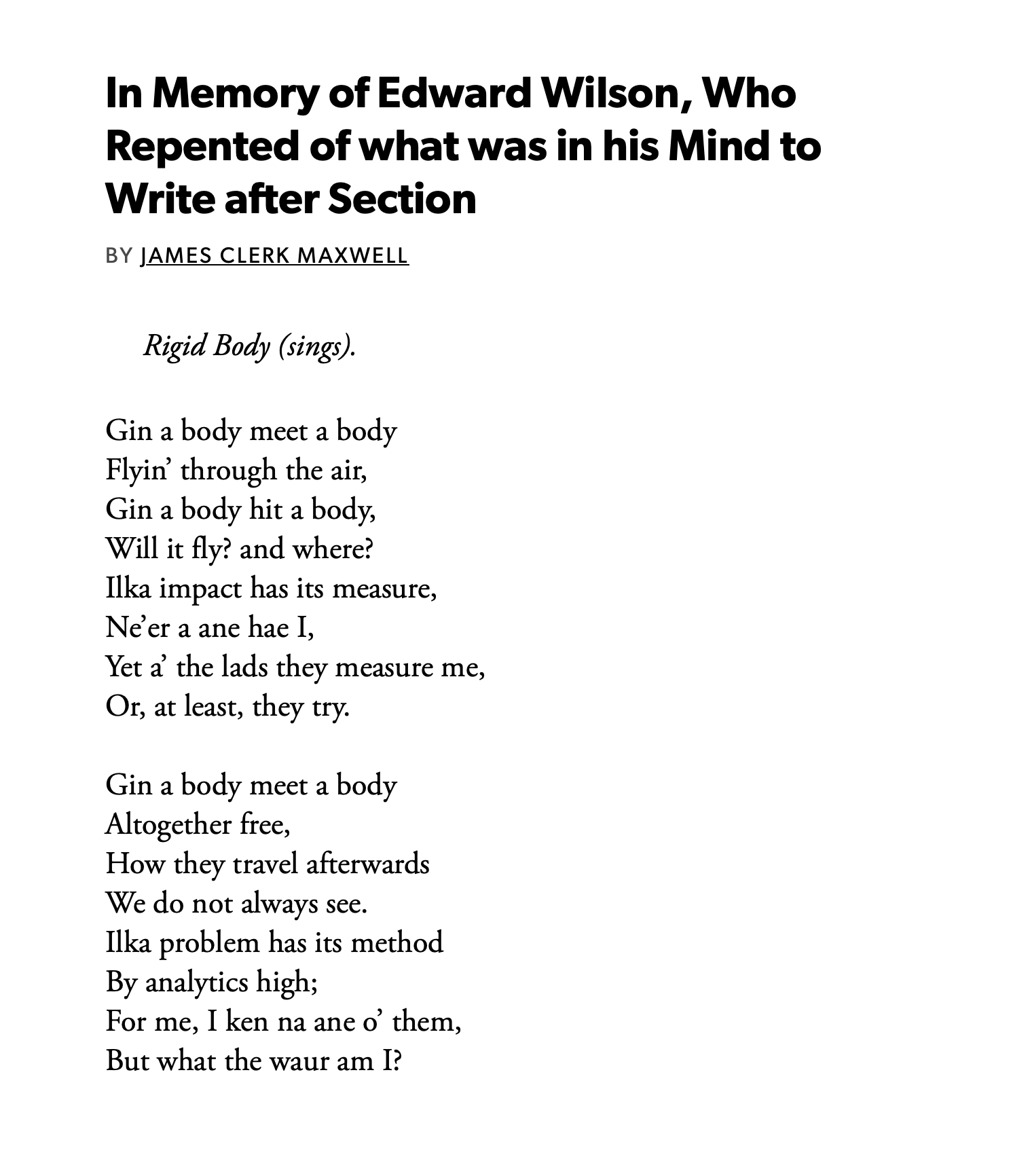
<p>James Clerk Maxwell (1831–1879) was born <a href="/tags/otd/" rel="tag">#OTD</a>, 13 June. As a physicist, he ranks alongside Newton & Einstein (“He achieved greatness unequalled”—Max Planck; “I stand on the shoulders of Maxwell”—Albert Einstein).</p><p>Maxwell also wrote poetry: “Rigid Body Sings” is based on “Comin’ Through the Rye” by Robert Burns</p><p><a href="https://www.poetryfoundation.org/poems/45774/in-memory-of-edward-wilson-who-repented-of-what-was-in-his-mind-to-write-after-section" rel="nofollow" class="ellipsis" title="www.poetryfoundation.org/poems/45774/in-memory-of-edward-wilson-who-repented-of-what-was-in-his-mind-to-write-after-section"><span class="invisible">https://</span><span class="ellipsis">www.poetryfoundation.org/poems</span><span class="invisible">/45774/in-memory-of-edward-wilson-who-repented-of-what-was-in-his-mind-to-write-after-section</span></a></p><p><a href="/tags/scottish/" rel="tag">#Scottish</a> <a href="/tags/literature/" rel="tag">#literature</a> <a href="/tags/poetry/" rel="tag">#poetry</a> <a href="/tags/19thcentury/" rel="tag">#19thcentury</a> <a href="/tags/victorian/" rel="tag">#Victorian</a> <a href="/tags/scots/" rel="tag">#Scots</a> <a href="/tags/scotslanguage/" rel="tag">#Scotslanguage</a> <a href="/tags/physics/" rel="tag">#Physics</a> <a href="/tags/science/" rel="tag">#science</a> <a href="/tags/physicist/" rel="tag">#physicist</a></p>
<p>Call for Papers<br>Scotland Along the New Silk Road<br>IASSL 5th World Congress of Scottish Literatures<br>17–20 June 2027, Nanjing</p><p>This congress seeks to foster reciprocal understanding & cultural collaborations between Scotland & the diverse voices of the New Silk Road</p><p>Deadline for proposals: 30 Nov 2026</p><p>@litstudies </p><p><a href="https://scotlit-iassl.org/2025/11/11/call-for-papers-5th-world-congress-of-scottish-literatures-scotland-along-the-new-silk-road-17-20-june-2027/" rel="nofollow" class="ellipsis" title="scotlit-iassl.org/2025/11/11/call-for-papers-5th-world-congress-of-scottish-literatures-scotland-along-the-new-silk-road-17-20-june-2027/"><span class="invisible">https://</span><span class="ellipsis">scotlit-iassl.org/2025/11/11/c</span><span class="invisible">all-for-papers-5th-world-congress-of-scottish-literatures-scotland-along-the-new-silk-road-17-20-june-2027/</span></a></p><p><a href="/tags/scottish/" rel="tag">#Scottish</a> <a href="/tags/literature/" rel="tag">#literature</a> <a href="/tags/scotland/" rel="tag">#Scotland</a> <a href="/tags/china/" rel="tag">#China</a> <a href="/tags/culture/" rel="tag">#culture</a> <a href="/tags/postcolonial/" rel="tag">#postcolonial</a> <a href="/tags/worldliterature/" rel="tag">#worldliterature</a> <a href="/tags/callforpapers/" rel="tag">#callforpapers</a></p>
<p>Nan MacKinnon, ‘Nan Eachainn Fhionnlaigh’ (1902–1982): her contribution to the School of Scottish Studies & her legacy<br>13 Feb, free online</p><p>Born in Barra & living later in Vatersay, Nan MacKinnon worked with several School of Scottish Studies fieldworkers to record for its archives a wealth of inherited Gaelic oral tradition – songs, tales, legends – as well as personal experience & observation.</p><p><a href="https://llc.ed.ac.uk/celtic-scottish-studies/css-seminar-series-260213" rel="nofollow" class="ellipsis" title="llc.ed.ac.uk/celtic-scottish-studies/css-seminar-series-260213"><span class="invisible">https://</span><span class="ellipsis">llc.ed.ac.uk/celtic-scottish-s</span><span class="invisible">tudies/css-seminar-series-260213</span></a></p><p><a href="/tags/scottish/" rel="tag">#Scottish</a> <a href="/tags/literature/" rel="tag">#literature</a> <a href="/tags/gaidhlig/" rel="tag">#Gaidhlig</a> <a href="/tags/gaelic/" rel="tag">#Gaelic</a> <a href="/tags/tradition/" rel="tag">#tradition</a> <a href="/tags/folklore/" rel="tag">#folklore</a> <a href="/tags/legends/" rel="tag">#legends</a></p>
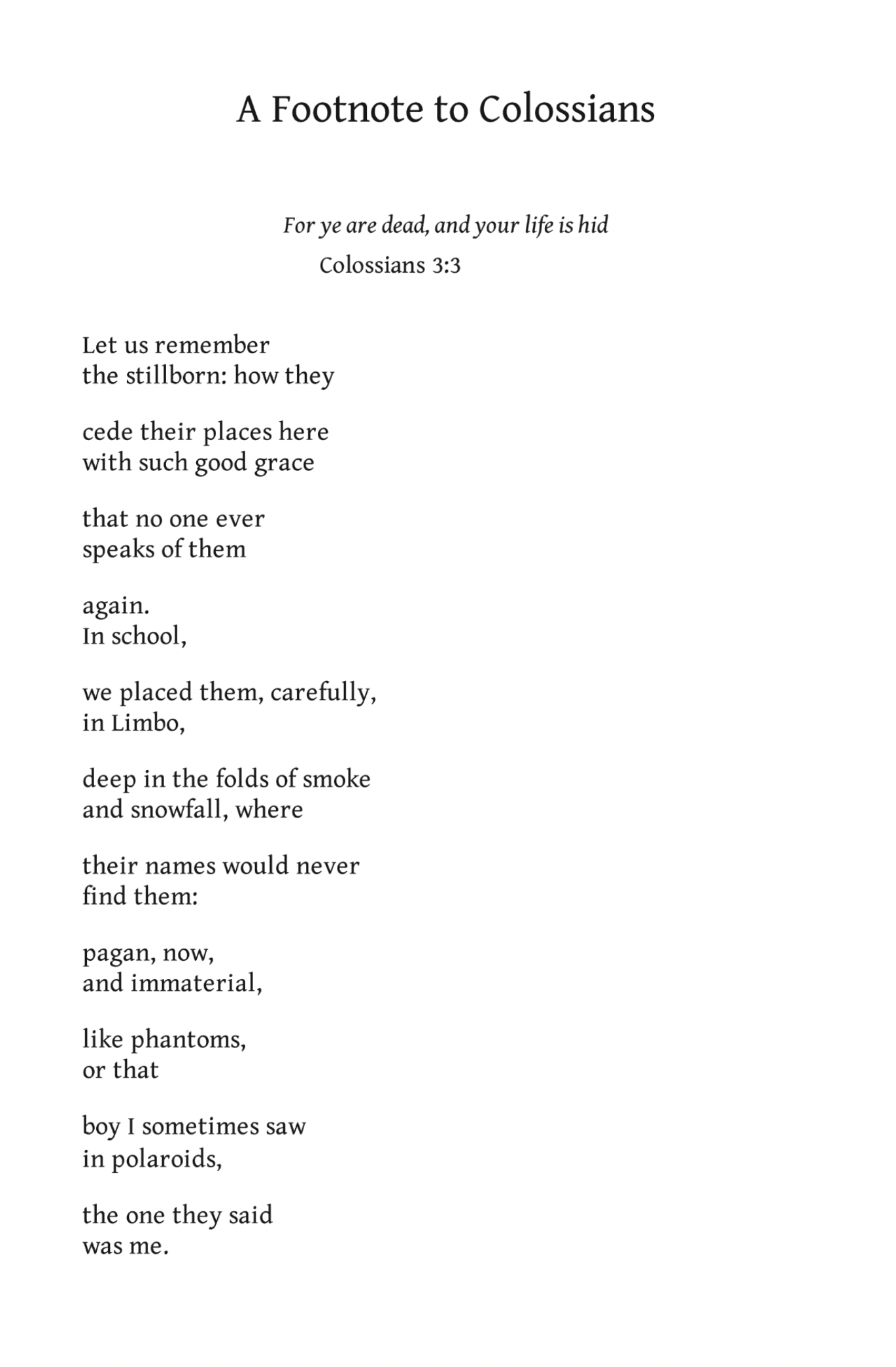
<p>Let us remember<br>the stillborn: how they</p><p>cede their places here<br>with such good grace</p><p>that no one ever<br>speaks of them</p><p>again…</p><p>—John Burnside, “A Footnote to Colossians”<br>published in RUIN, BLOSSOM (Penguin, 2024)</p><p><a href="https://www.penguin.co.uk/books/456120/ruin-blossom-by-burnside-john/9781529909258" rel="nofollow" class="ellipsis" title="www.penguin.co.uk/books/456120/ruin-blossom-by-burnside-john/9781529909258"><span class="invisible">https://</span><span class="ellipsis">www.penguin.co.uk/books/456120</span><span class="invisible">/ruin-blossom-by-burnside-john/9781529909258</span></a></p><p><a href="/tags/scottish/" rel="tag">#Scottish</a> <a href="/tags/literature/" rel="tag">#literature</a> <a href="/tags/poem/" rel="tag">#poem</a> <a href="/tags/poetry/" rel="tag">#poetry</a> <a href="/tags/johnburnside/" rel="tag">#JohnBurnside</a></p>

<p><a href="/tags/art/" rel="tag">#art</a> <a href="/tags/history/" rel="tag">#history</a>: imagine being such a gifted author that one of your most radical & inventive novels was mainly a product of automatic writing? best known, perhaps, for providing the screenplay that would become alain resnais' 'hiroshima mon amour' - which is not a bad place to start if you've not yet become acquainted with marguerite duras (born <a href="/tags/otd/" rel="tag">#otd</a> in 1914) - she largely escaped acclaim outside of france. this is regrettable. (threadish)<br><a href="/tags/margueriteduras/" rel="tag">#margueriteDuras</a> <a href="/tags/literature/" rel="tag">#literature</a> <a href="/tags/illustration/" rel="tag">#illustration</a> <a href="/tags/france/" rel="tag">#france</a></p>



<p>1876 | Laurel Springs, NJ</p><p>Looking Up</p><p>Walt Whitman has a happy hour.</p><p><a href="https://www.laphamsquarterly.org/happiness/looking" rel="nofollow" class="ellipsis" title="www.laphamsquarterly.org/happiness/looking"><span class="invisible">https://</span><span class="ellipsis">www.laphamsquarterly.org/happi</span><span class="invisible">ness/looking</span></a></p><p>Whitman at PG:<br><a href="https://www.gutenberg.org/ebooks/author/600" rel="nofollow" class="ellipsis" title="www.gutenberg.org/ebooks/author/600"><span class="invisible">https://</span><span class="ellipsis">www.gutenberg.org/ebooks/autho</span><span class="invisible">r/600</span></a></p><p><a href="/tags/books/" rel="tag">#books</a> <a href="/tags/literature/" rel="tag">#literature</a></p>
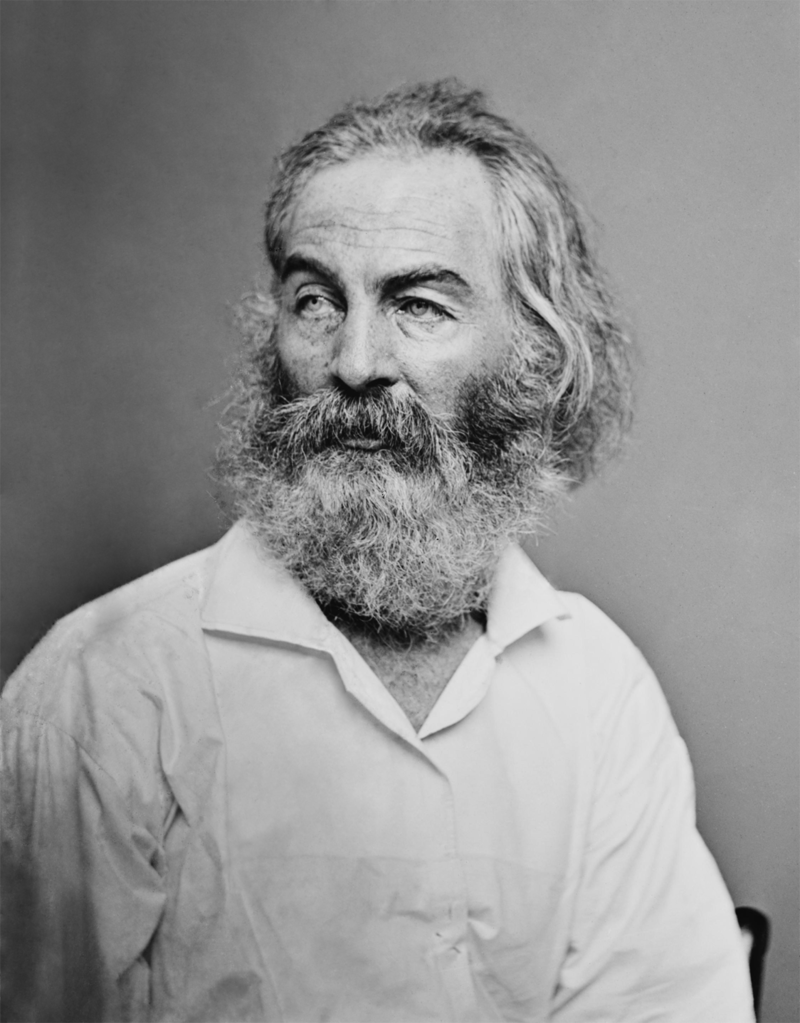
<p>Leigh Hunt, the Unstoppable Critic</p><p>Convicted and imprisoned for libeling the Prince Regent, Hunt capitalized on his incarceration by turning his prison cell into a newsroom and grand salon.</p><p>By: Emily Zarevich </p><p><a href="https://daily.jstor.org/leigh-hunt-the-unstoppable-critic/?utm_source=Sailthru&utm_medium=email&utm_campaign=Lit%20Hub%20Daily:%20April%207%2C%202025&utm_term=lithub_master_list" rel="nofollow" class="ellipsis" title="daily.jstor.org/leigh-hunt-the-unstoppable-critic/?utm_source=Sailthru&utm_medium=email&utm_campaign=Lit%20Hub%20Daily:%20April%207%2C%202025&utm_term=lithub_master_list"><span class="invisible">https://</span><span class="ellipsis">daily.jstor.org/leigh-hunt-the</span><span class="invisible">-unstoppable-critic/?utm_source=Sailthru&utm_medium=email&utm_campaign=Lit%20Hub%20Daily:%20April%207%2C%202025&utm_term=lithub_master_list</span></a></p><p><a href="/tags/books/" rel="tag">#books</a> <a href="/tags/literature/" rel="tag">#literature</a> <a href="/tags/journalism/" rel="tag">#journalism</a></p>
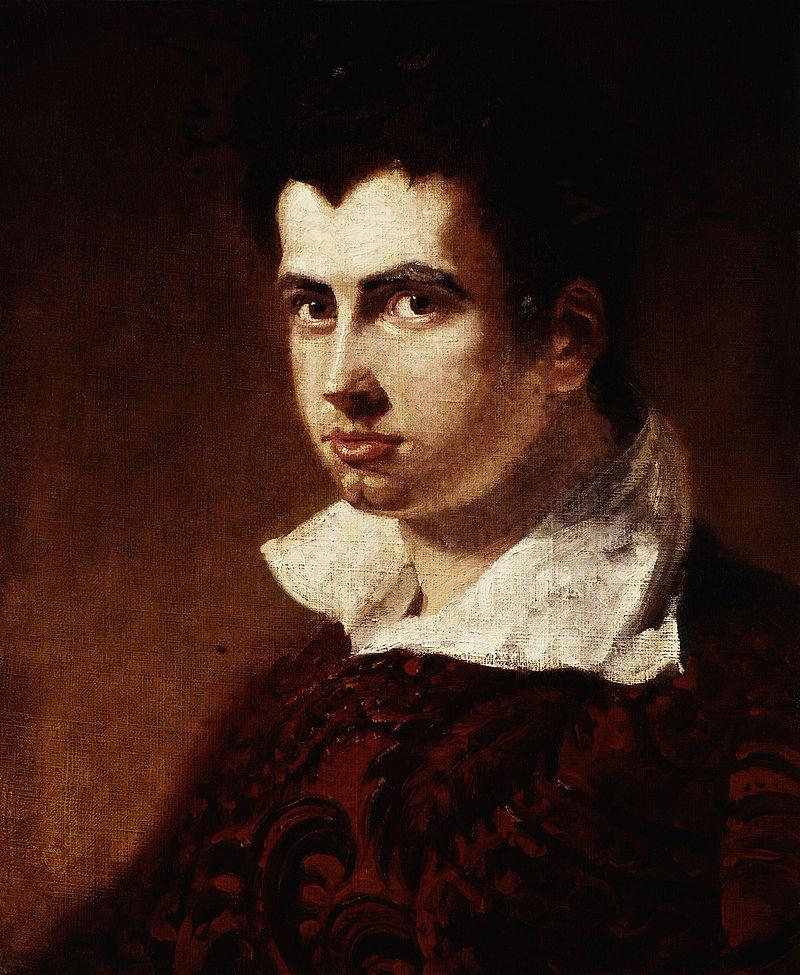
<p>The 19th-century Gaelic poet & songwriter Màiri Nic a’ Phearsain (Mary MacPherson) – known as Màiri Mhòr nan Òran (Great Mary of the Songs) – was born <a href="/tags/otd/" rel="tag">#OTD</a>, 10 March 1821. Much of her work was political & was especially focused on the struggle for land rights</p><p>1/5</p><p><a href="https://www.thenational.scot/news/19145415.mairi-mhor-nan-oran-celebrating-one-greatest-gaelic-poets/" rel="nofollow" class="ellipsis" title="www.thenational.scot/news/19145415.mairi-mhor-nan-oran-celebrating-one-greatest-gaelic-poets/"><span class="invisible">https://</span><span class="ellipsis">www.thenational.scot/news/1914</span><span class="invisible">5415.mairi-mhor-nan-oran-celebrating-one-greatest-gaelic-poets/</span></a></p><p><a href="/tags/scottish/" rel="tag">#Scottish</a> <a href="/tags/literature/" rel="tag">#literature</a> <a href="/tags/gaidhlig/" rel="tag">#Gaidhlig</a> <a href="/tags/gaelic/" rel="tag">#Gaelic</a> <a href="/tags/19thcentury/" rel="tag">#19thcentury</a> <a href="/tags/victorian/" rel="tag">#Victorian</a> <a href="/tags/history/" rel="tag">#history</a> <a href="/tags/landrights/" rel="tag">#landrights</a></p>
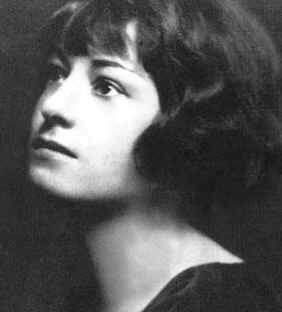
<p>Dorothy Parker: Sharp-Witted Writer, Bitter Professor</p><p>Dorothy Parker’s year as a visiting professor shows how a celebrated literary voice struggled to adapt to the realities of academic teaching.</p><p>By: Emily Zarevich </p><p><a href="https://daily.jstor.org/dorothy-parker-sharp-witted-writer-bitter-professor/" rel="nofollow" class="ellipsis" title="daily.jstor.org/dorothy-parker-sharp-witted-writer-bitter-professor/"><span class="invisible">https://</span><span class="ellipsis">daily.jstor.org/dorothy-parker</span><span class="invisible">-sharp-witted-writer-bitter-professor/</span></a></p><p><a href="/tags/books/" rel="tag">#books</a> <a href="/tags/literature/" rel="tag">#literature</a> <a href="/tags/education/" rel="tag">#education</a></p>
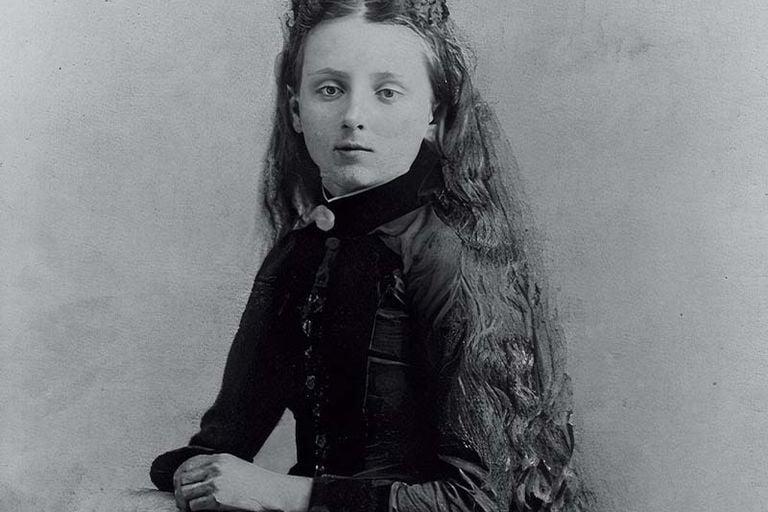
<p>The Author of ‘Anne of Green Gables’ Lived a Far Less Charmed Life Than Her Beloved Heroine</p><p>L.M. Montgomery created a classic of children’s literature, but what about her lesser-known works?</p><p>By V.M. Braganza (from the archive)</p><p><a href="https://www.smithsonianmag.com/arts-culture/lm-montgomery-anne-green-gables-life-180981839/?utm_source=smithsoniandaily&utm_medium=email&utm_campaign=editorial&lctg=93133550" rel="nofollow" class="ellipsis" title="www.smithsonianmag.com/arts-culture/lm-montgomery-anne-green-gables-life-180981839/?utm_source=smithsoniandaily&utm_medium=email&utm_campaign=editorial&lctg=93133550"><span class="invisible">https://</span><span class="ellipsis">www.smithsonianmag.com/arts-cu</span><span class="invisible">lture/lm-montgomery-anne-green-gables-life-180981839/?utm_source=smithsoniandaily&utm_medium=email&utm_campaign=editorial&lctg=93133550</span></a></p><p>L. M. Montgomery at PG:<br><a href="https://www.gutenberg.org/ebooks/author/36" rel="nofollow" class="ellipsis" title="www.gutenberg.org/ebooks/author/36"><span class="invisible">https://</span><span class="ellipsis">www.gutenberg.org/ebooks/autho</span><span class="invisible">r/36</span></a></p><p><a href="/tags/books/" rel="tag">#books</a> <a href="/tags/literature/" rel="tag">#literature</a></p>
<p>Saltire Sessions: Gerda Stevenson</p><p>The Saltire Society talks to Gerda Stevenson – actress, writer, director & musician – about storytelling in its different forms, Scots language, loss & Gerda’s new short story collection CAT WUMMIN, published by Luath Press.</p><p><a href="https://www.youtube.com/watch?v=l93GKY8DeaM" rel="nofollow" class="ellipsis" title="www.youtube.com/watch?v=l93GKY8DeaM"><span class="invisible">https://</span><span class="ellipsis">www.youtube.com/watch?v=l93GKY</span><span class="invisible">8DeaM</span></a></p><p><a href="/tags/scottish/" rel="tag">#Scottish</a> <a href="/tags/literature/" rel="tag">#literature</a> <a href="/tags/scots/" rel="tag">#Scots</a> <a href="/tags/scotslanguage/" rel="tag">#Scotslanguage</a> <a href="/tags/womanwriters/" rel="tag">#womanwriters</a></p>
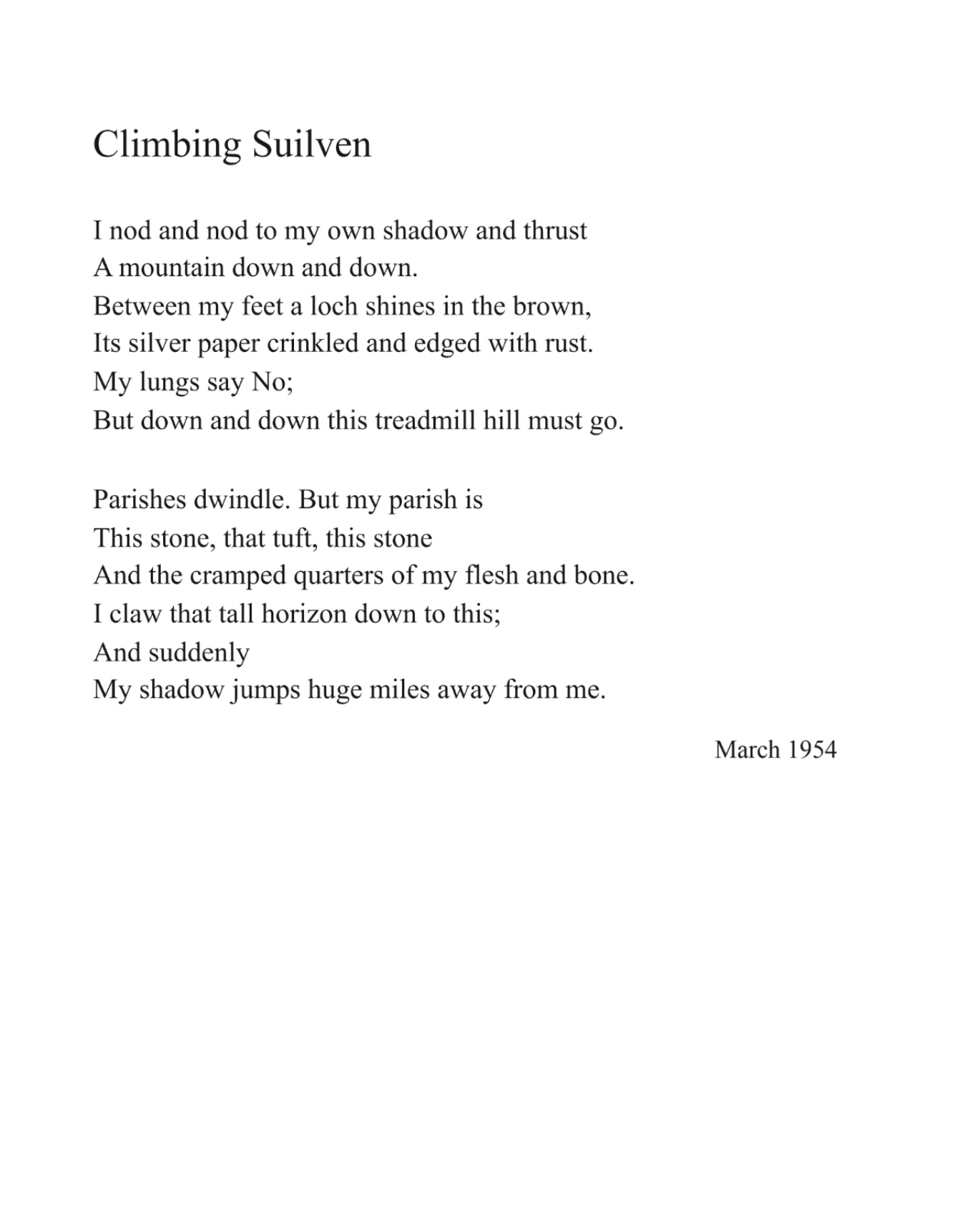
<p>I nod and nod to my own shadow and thrust<br>A mountain down and down.<br>Between my feet a loch shines in the brown,<br>Its silver paper crinkled and edged with rust…</p><p>—Norman MacCaig, “Climbing Suilven”<br>from BETWEEN MOUNTAIN AND SEA: Poems From Assynt (Birlinn, 2018)</p><p><a href="https://birlinn.co.uk/product/between-mountain-and-sea/" rel="nofollow" class="ellipsis" title="birlinn.co.uk/product/between-mountain-and-sea/"><span class="invisible">https://</span><span class="ellipsis">birlinn.co.uk/product/between-</span><span class="invisible">mountain-and-sea/</span></a></p><p><a href="/tags/scottish/" rel="tag">#Scottish</a> <a href="/tags/literature/" rel="tag">#literature</a> <a href="/tags/poem/" rel="tag">#poem</a> <a href="/tags/poetry/" rel="tag">#poetry</a> <a href="/tags/climbing/" rel="tag">#climbing</a> <a href="/tags/hillwalking/" rel="tag">#hillwalking</a> <a href="/tags/suilven/" rel="tag">#Suilven</a> <a href="/tags/sutherland/" rel="tag">#Sutherland</a> <a href="/tags/20thcentury/" rel="tag">#20thcentury</a> <a href="/tags/normanmaccaig/" rel="tag">#NormanMacCaig</a></p>