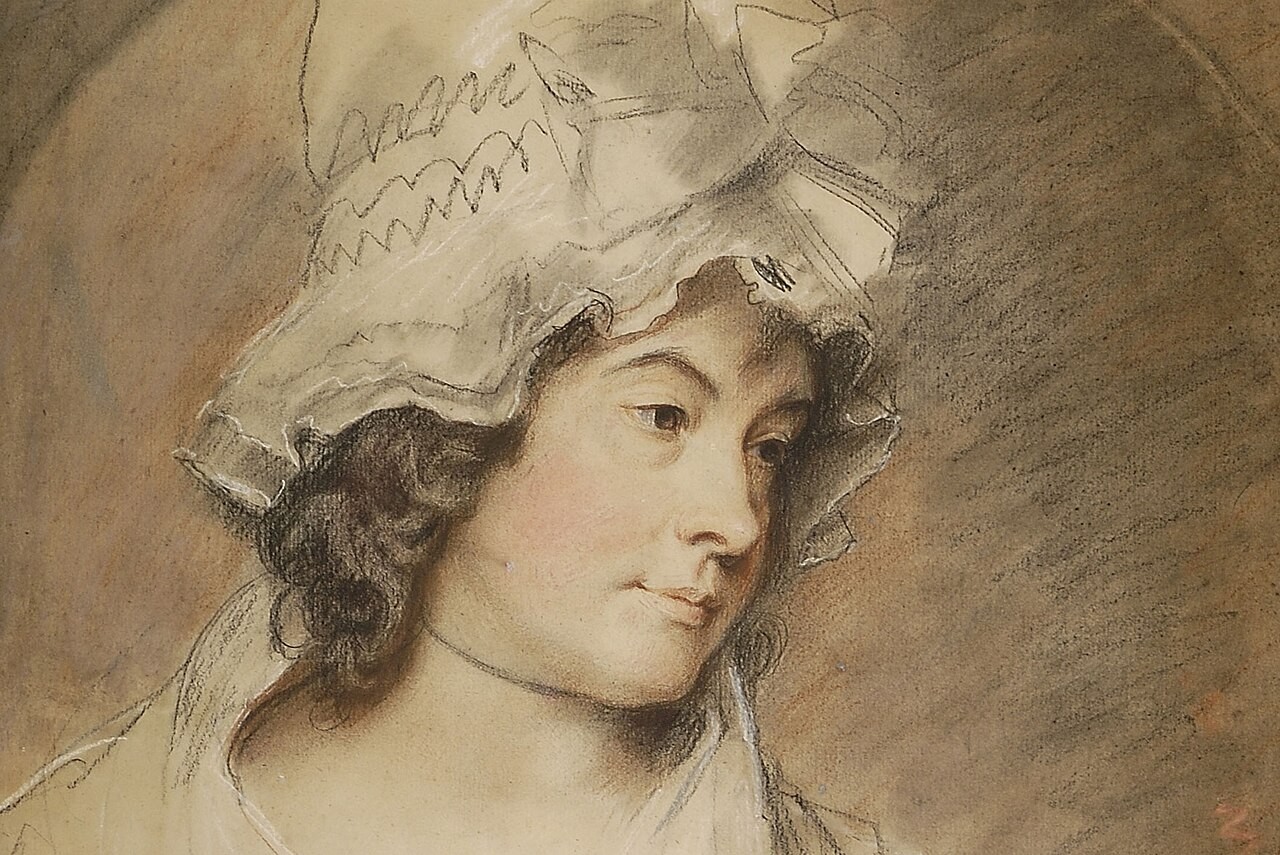
<p>English novelist and poet Charlotte Smith was born <a href="/tags/otd/" rel="tag">#OTD</a> in 1749.</p><p>Smith's first significant literary success came with the publication of "Elegiac Sonnets" in 1784. In addition to her poetry, Smith wrote several novels: her first novel, "Emmeline, or The Orphan of the Castle" (1788), was followed by others such as "Ethelinde" (1789), "The Old Manor House" (1793), and "Desmond" (1792). </p><p>Books by Charlotte Smith at PG:<br><a href="https://www.gutenberg.org/ebooks/author/41281" rel="nofollow" class="ellipsis" title="www.gutenberg.org/ebooks/author/41281"><span class="invisible">https://</span><span class="ellipsis">www.gutenberg.org/ebooks/autho</span><span class="invisible">r/41281</span></a></p><p><a href="/tags/books/" rel="tag">#books</a> <a href="/tags/literature/" rel="tag">#literature</a> <a href="/tags/poetry/" rel="tag">#poetry</a></p>
literature

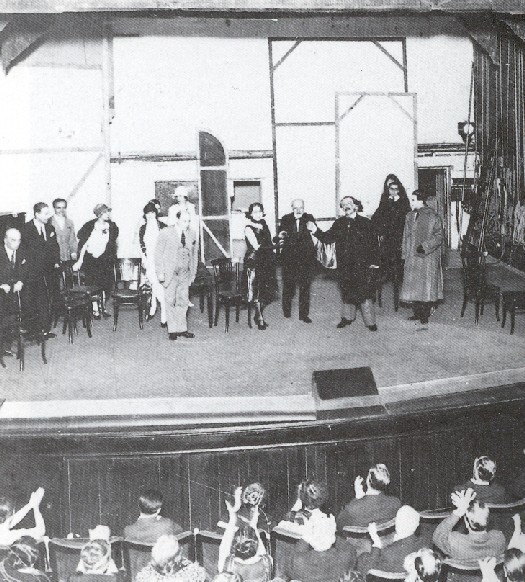
<p><a href="/tags/otd/" rel="tag">#OTD</a> in 1921.</p><p>The première of Luigi Pirandello's Sei personaggi in cerca d'autore at the Teatro Valle in Rome divides the audience.</p><p>An absurdist metatheatric play about the relationship among authors, their characters, and theatre practitioners, it premiered at the Teatro Valle in Rome to a mixed reception, with shouts from the audience of "Manicomio!" and "Incommensurabile!", a reaction to the play's illogical progression.</p><p><a href="https://www.gutenberg.org/ebooks/18457" rel="nofollow"><span class="invisible">https://</span>www.gutenberg.org/ebooks/18457</a></p><p><a href="/tags/books/" rel="tag">#books</a> <a href="/tags/literature/" rel="tag">#literature</a> <a href="/tags/theatre/" rel="tag">#theatre</a></p>
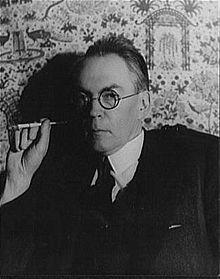
<p>American author of fantasy fiction and belles-lettres James Branch Cabell died <a href="/tags/otd/" rel="tag">#OTD</a> in 1958.</p><p>His career took a significant turn with the publication of "Jurgen, A Comedy of Justice" (1919), which is part of a larger series called "The Biography of the Life of Manuel". Although largely overlooked today, James Branch Cabell was highly regarded in his time, with admirers such as H.L. Mencken and Sinclair Lewis. </p><p>Books by James Branch Cabell at PG:<br><a href="https://www.gutenberg.org/ebooks/author/166" rel="nofollow" class="ellipsis" title="www.gutenberg.org/ebooks/author/166"><span class="invisible">https://</span><span class="ellipsis">www.gutenberg.org/ebooks/autho</span><span class="invisible">r/166</span></a></p><p><a href="/tags/books/" rel="tag">#books</a> <a href="/tags/literature/" rel="tag">#literature</a></p>


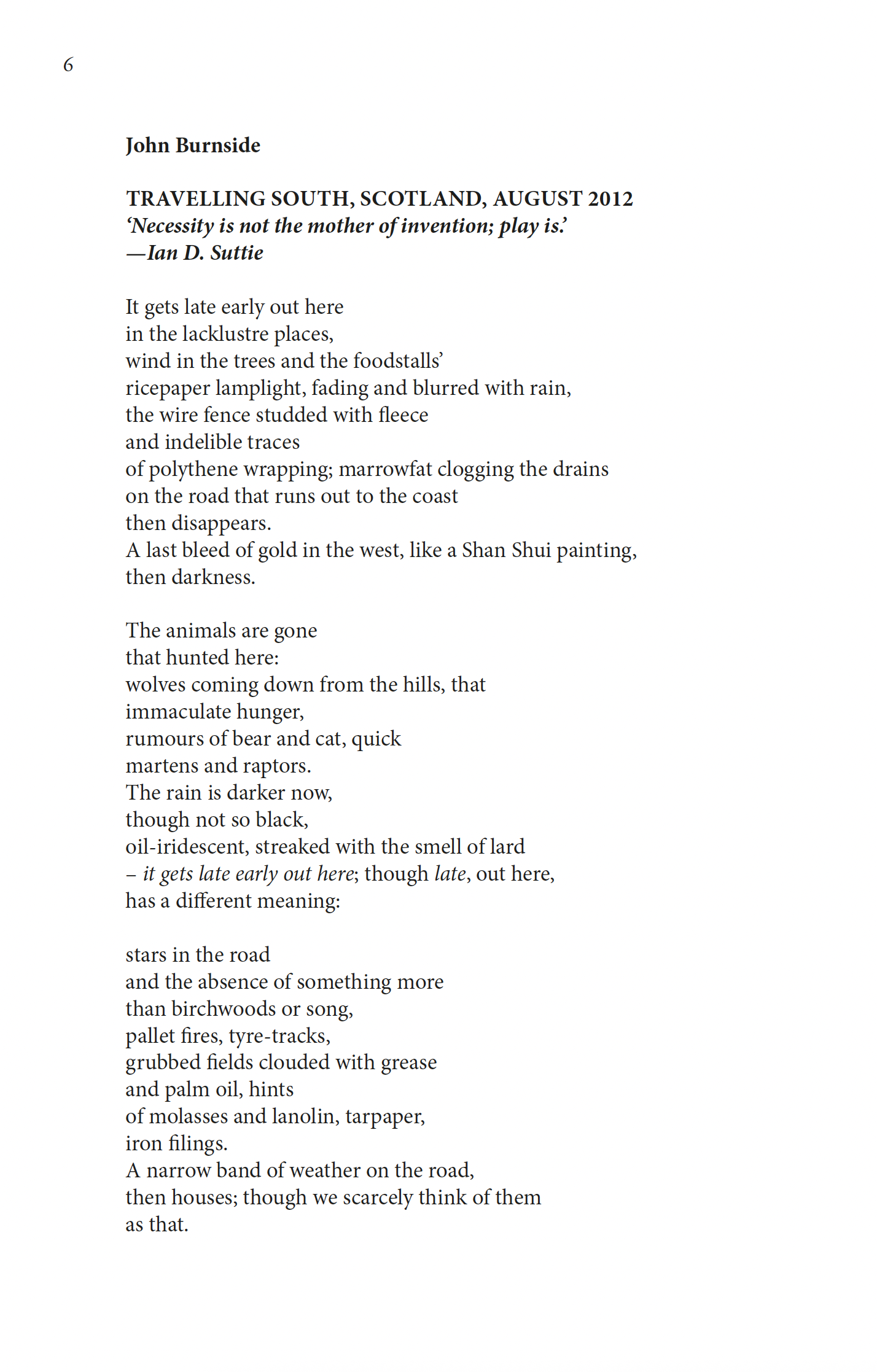
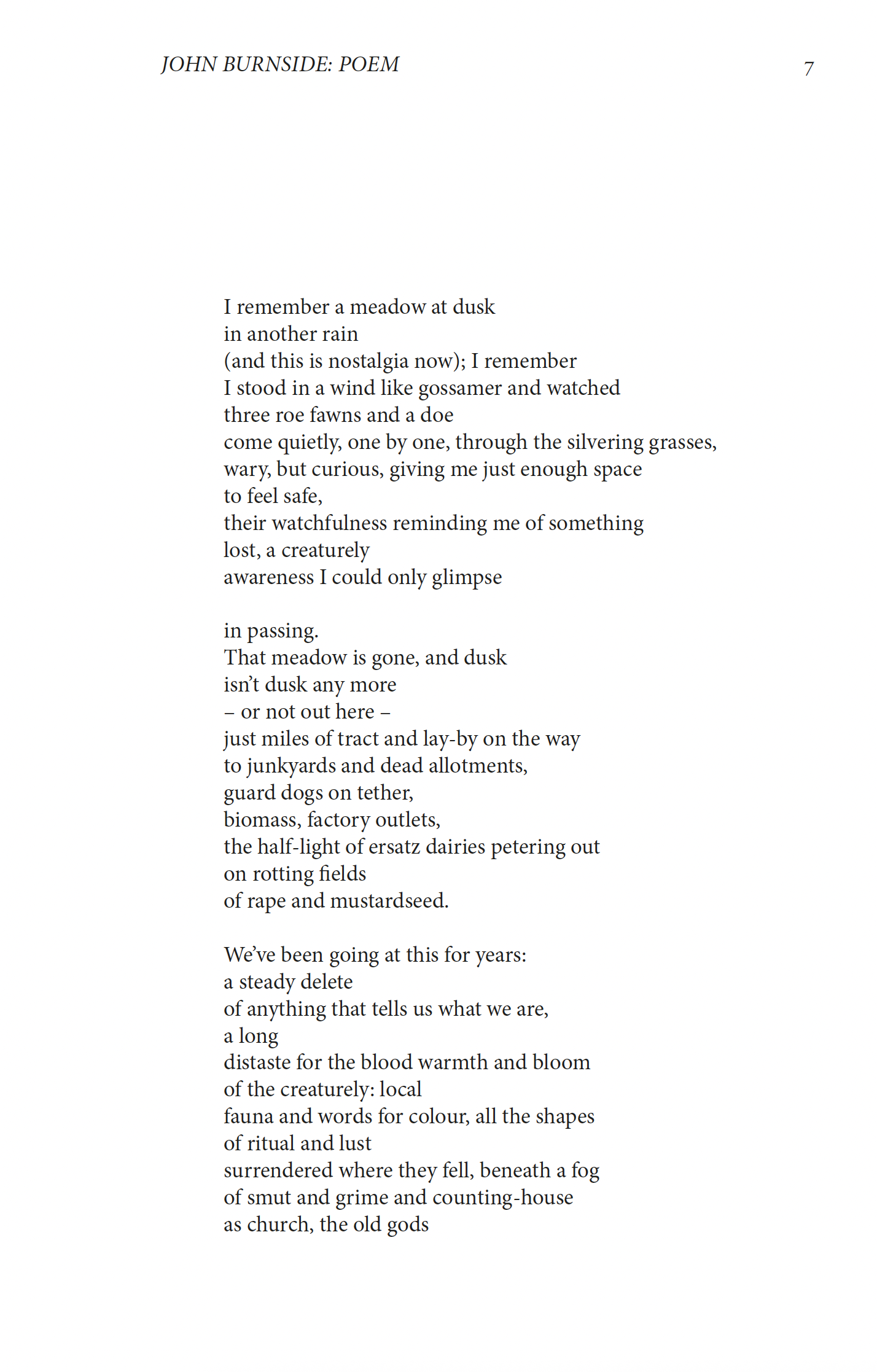
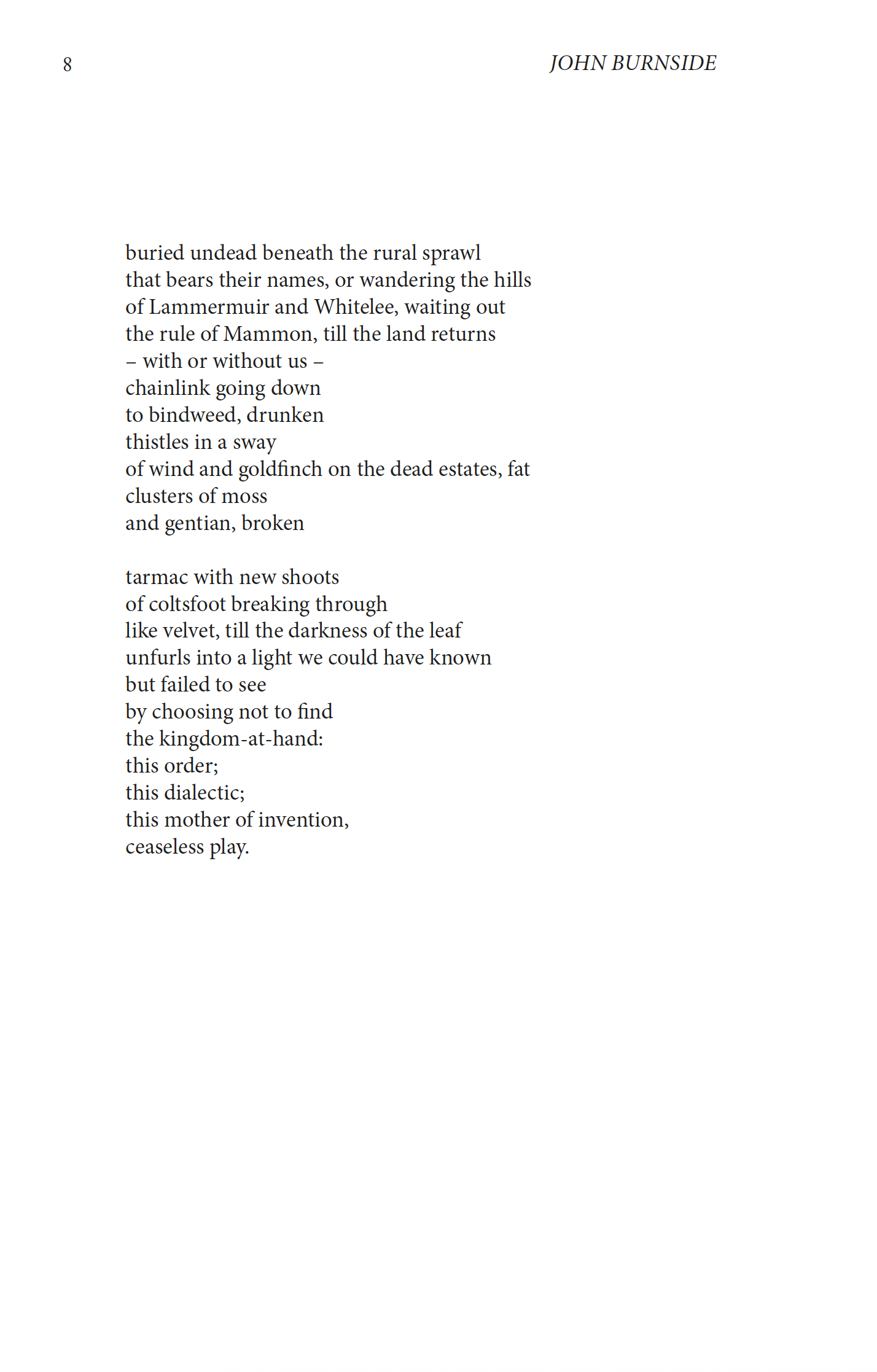
<p>Today, 2 October, is National Poetry Day in the UK. The theme is “play”.</p><p>“Necessity is not the mother of invention; play is”<br>—Ian D. Suttie</p><p>It gets late early out here<br>in the lacklustre places,<br>wind in the trees and the foodstalls’<br>ricepaper lamplight, fading and blurred with rain…</p><p>—John Burnside, “Travelling South, Scotland, August 2012”<br>published in BLACK MIDDENS: New Writing Scotland 31 (ASL, 2013)</p><p><a href="https://poetrysociety.org.uk/projects/national-poetry-day/2025-play/" rel="nofollow" class="ellipsis" title="poetrysociety.org.uk/projects/national-poetry-day/2025-play/"><span class="invisible">https://</span><span class="ellipsis">poetrysociety.org.uk/projects/</span><span class="invisible">national-poetry-day/2025-play/</span></a></p><p><a href="/tags/scottish/" rel="tag">#Scottish</a> <a href="/tags/literature/" rel="tag">#literature</a> <a href="/tags/nationalpoetryday/" rel="tag">#nationalpoetryday</a> <a href="/tags/play/" rel="tag">#play</a> <a href="/tags/poem/" rel="tag">#poem</a> <a href="/tags/poetry/" rel="tag">#poetry</a></p>
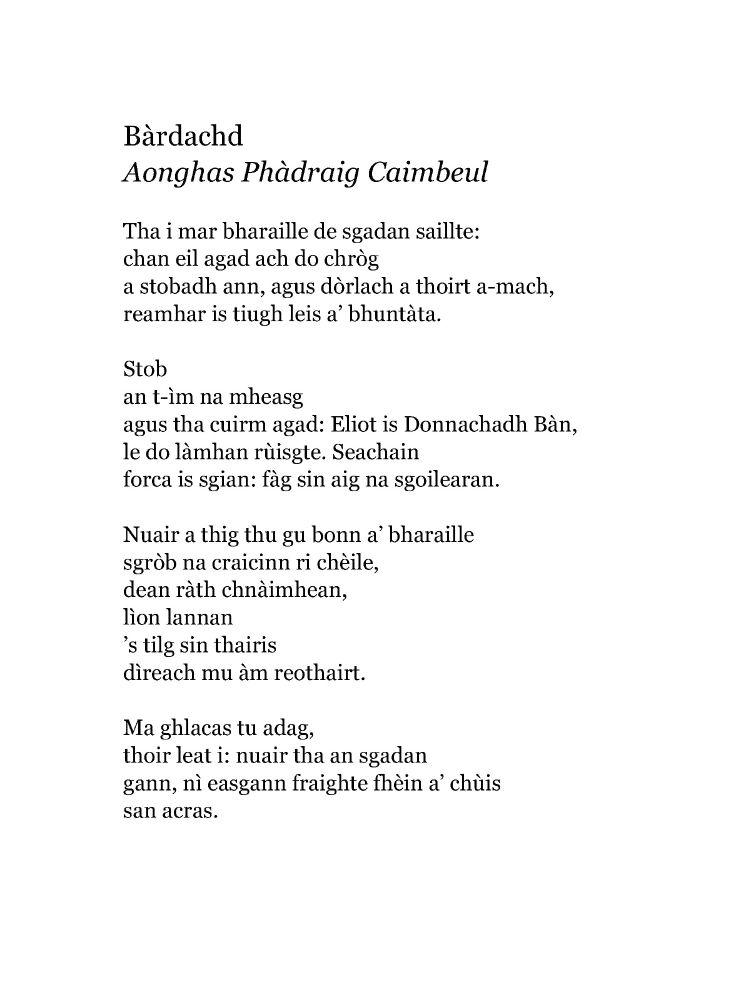
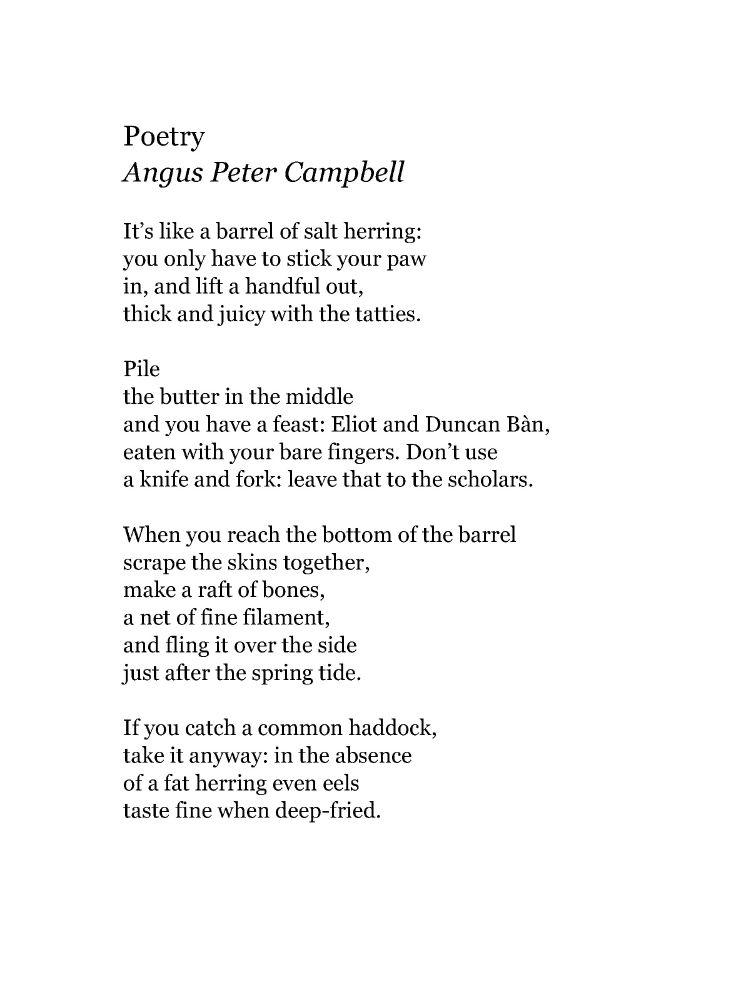
<p>Tha i mar bharaille de sgadan saillte:<br>chan eil agad ach do chròg<br>a stobadh ann, agus dòrlach a thoirt a-mach,<br>reamhar is tiugh leis a’ bhuntàta…</p><p>—Aonghas Phàdraig Caimbeul, “Bàrdachd”</p><p><a href="https://www.scottishpoetrylibrary.org.uk/poem/bardachd/" rel="nofollow" class="ellipsis" title="www.scottishpoetrylibrary.org.uk/poem/bardachd/"><span class="invisible">https://</span><span class="ellipsis">www.scottishpoetrylibrary.org.</span><span class="invisible">uk/poem/bardachd/</span></a></p><p><a href="/tags/scottish/" rel="tag">#Scottish</a> <a href="/tags/literature/" rel="tag">#literature</a> <a href="/tags/poem/" rel="tag">#poem</a> <a href="/tags/poetry/" rel="tag">#poetry</a> <a href="/tags/gaelic/" rel="tag">#Gaelic</a> <a href="/tags/gaidhlig/" rel="tag">#Gaidhlig</a> <a href="/tags/nationalpoetryday/" rel="tag">#NationalPoetryDay</a></p>
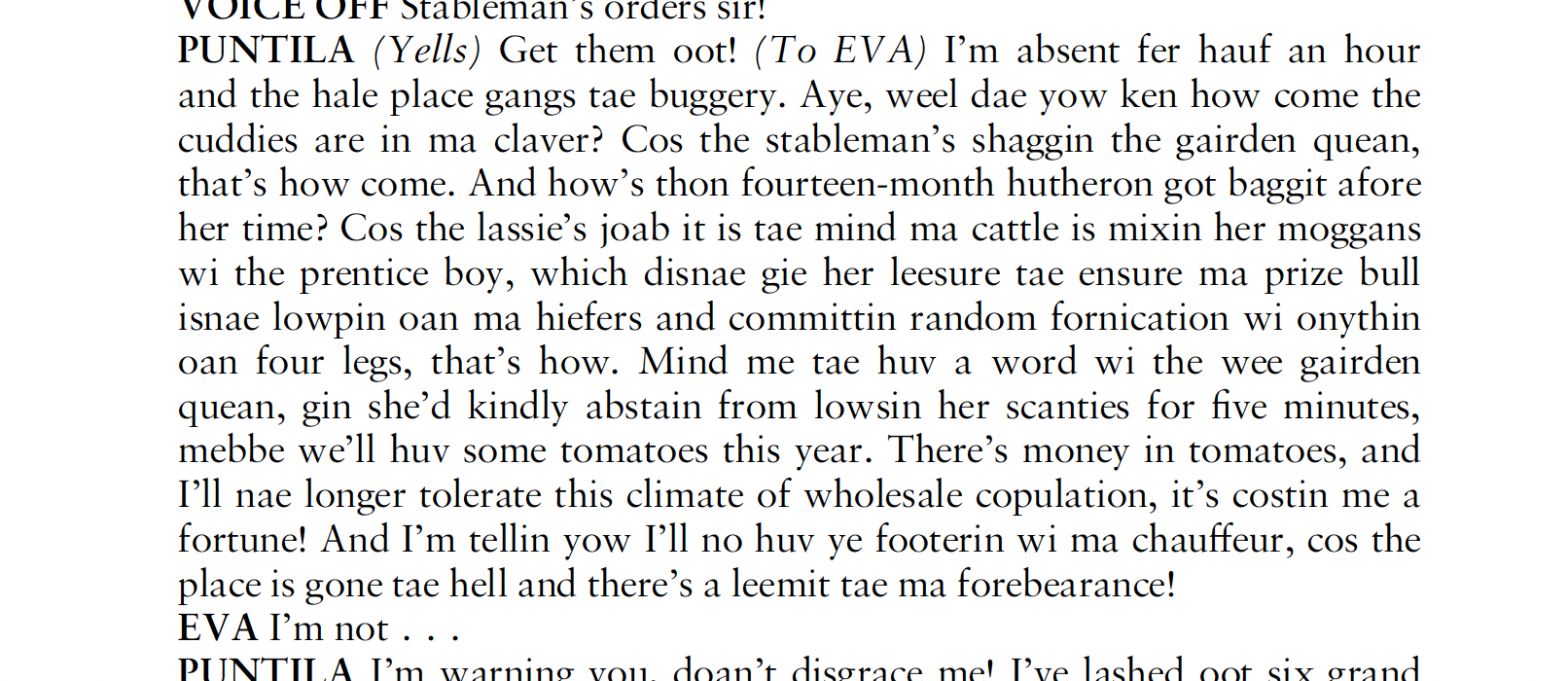
<p>“I’ll nae longer tolerate this climate of wholesale copulation, it’s costin me a fortune! And I’m tellin yow I’ll no huv ye footerin wi ma chauffeur, cos the place is gone tae hell and there’s a leemit tae ma forebearance!”</p><p>—from “Mr Puntila & his Man Matti” (1999) by Peter Arnott, translated from Bertolt Brecht<br>Published in SERVING TWA MAISTERS: Five Classic Plays in Scots Translation</p><p><a href="https://asls.org.uk/publications/books/volumes/serving_twa_maisters/" rel="nofollow" class="ellipsis" title="asls.org.uk/publications/books/volumes/serving_twa_maisters/"><span class="invisible">https://</span><span class="ellipsis">asls.org.uk/publications/books</span><span class="invisible">/volumes/serving_twa_maisters/</span></a></p><p><a href="/tags/scottish/" rel="tag">#Scottish</a> <a href="/tags/literature/" rel="tag">#literature</a> <a href="/tags/scots/" rel="tag">#Scots</a> <a href="/tags/scotslanguage/" rel="tag">#Scotslanguage</a> <a href="/tags/scotstober/" rel="tag">#Scotstober</a> <a href="/tags/drama/" rel="tag">#drama</a> <a href="/tags/theatre/" rel="tag">#theatre</a> <a href="/tags/translation/" rel="tag">#translation</a></p>
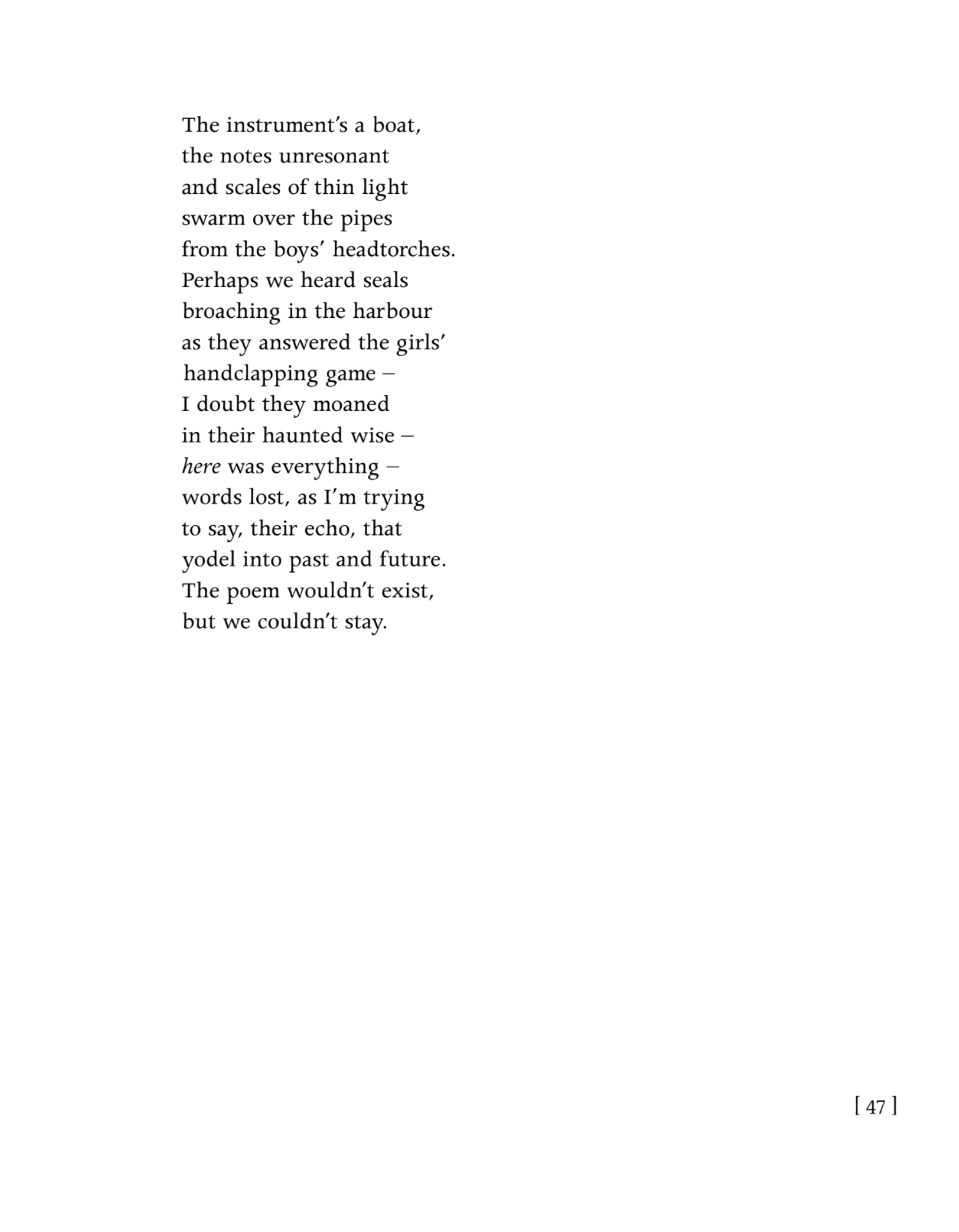
<p>Something near to true<br>night-darkness. The children<br>are playing the Plinky-Boat –<br>a xylophone made<br>from a reclaimed yoal –<br>built for flexibility in a coarse<br>sea…</p><p>—Jen Hadfield, “The Plinky-Boat”<br>published in BYSSUS (Picador, 2014)</p><p><a href="https://www.panmacmillan.com/authors/jen-hadfield/byssus/9781447241102" rel="nofollow" class="ellipsis" title="www.panmacmillan.com/authors/jen-hadfield/byssus/9781447241102"><span class="invisible">https://</span><span class="ellipsis">www.panmacmillan.com/authors/j</span><span class="invisible">en-hadfield/byssus/9781447241102</span></a></p><p><a href="/tags/scottish/" rel="tag">#Scottish</a> <a href="/tags/literature/" rel="tag">#literature</a> <a href="/tags/shetland/" rel="tag">#Shetland</a> <a href="/tags/nationalpoetryday/" rel="tag">#NationalPoetryDay</a> <a href="/tags/poem/" rel="tag">#poem</a> <a href="/tags/poetry/" rel="tag">#poetry</a> <a href="/tags/play/" rel="tag">#play</a></p>
![The Plinky-Boat
Jen Hadfield
‘the present is a fine line […] a puff of air would destroy it’
—Gaspar Galaz, ‘Nostalgia de la Luz’
Something near to true
night-darkness. The children
are playing the Plinky-Boat –
a xylophone made
from a reclaimed yoal –
built for flexibility in a coarse
sea, you can tell it fledged
with ease, just blushed
from boat to instrument,
transpiring streams
of these hoarse night-
notes. For its copper pipes
are cut to breadth exactly
so the boat’s beam is
its sotto voce and two rills
of rising pitch run
into stern and stem to
the harmonic of each
hinnyspot – the point
the boards of gunwales
and stem flow together.
I don’t know what it is
about this place that things
metaflower so readily
into their present selves.](/proxy/post_attachment/867990/bf0d89920c.png "The Plinky-Boat
Jen Hadfield
‘the present is a fine line […] a puff of air would destroy it’
—Gaspar Galaz, ‘Nostalgia de la Luz’
Something near to true
night-darkness. The children
are playing the Plinky-Boat –
a xylophone made
from a reclaimed yoal –
built for flexibility in a coarse
sea, you can tell it fledged
with ease, just blushed
from boat to instrument,
transpiring streams
of these hoarse night-
notes. For its copper pipes
are cut to breadth exactly
so the boat’s beam is
its sotto voce and two rills
of rising pitch run
into stern and stem to
the harmonic of each
hinnyspot – the point
the boards of gunwales
and stem flow together.
I don’t know what it is
about this place that things
metaflower so readily
into their present selves.")
<p>The eye of the mathematician</p><p>Is mathematical beauty real? Or is it just a subjective, human ‘wow’ that is becoming redundant in an AI age?</p><p>by Rita Ahmadi</p><p><a href="https://aeon.co/essays/how-should-we-define-mathematical-beauty-in-the-ai-age?utm_source=Aeon+Newsletter&utm_campaign=93f4888db4-EMAIL_CAMPAIGN_2026_02_23_COPY_01&utm_medium=email&utm_term=0_-4ef8a26106-72664972" rel="nofollow" class="ellipsis" title="aeon.co/essays/how-should-we-define-mathematical-beauty-in-the-ai-age?utm_source=Aeon+Newsletter&utm_campaign=93f4888db4-EMAIL_CAMPAIGN_2026_02_23_COPY_01&utm_medium=email&utm_term=0_-4ef8a26106-72664972"><span class="invisible">https://</span><span class="ellipsis">aeon.co/essays/how-should-we-d</span><span class="invisible">efine-mathematical-beauty-in-the-ai-age?utm_source=Aeon+Newsletter&utm_campaign=93f4888db4-EMAIL_CAMPAIGN_2026_02_23_COPY_01&utm_medium=email&utm_term=0_-4ef8a26106-72664972</span></a></p><p>Mathematics at PG:<br><a href="https://www.gutenberg.org/ebooks/bookshelf/102" rel="nofollow" class="ellipsis" title="www.gutenberg.org/ebooks/bookshelf/102"><span class="invisible">https://</span><span class="ellipsis">www.gutenberg.org/ebooks/books</span><span class="invisible">helf/102</span></a></p><p><a href="/tags/books/" rel="tag">#books</a> <a href="/tags/literature/" rel="tag">#literature</a> <a href="/tags/mathematics/" rel="tag">#mathematics</a></p>
<p>“Frank Quitely is widely celebrated in the comics world, but far less attention has been paid to how deeply his work engages with the cultural, historical, & visual identity of Glasgow & Scotland”</p><p>Drs David John Boys & Julie Briand-Boyd, on the University of Leuven Press blog </p><p><a href="https://lup.be/2025/06/david-john-boyd-and-julie-briand-boyd-superhero-comics-and-scottish-identity/" rel="nofollow" class="ellipsis" title="lup.be/2025/06/david-john-boyd-and-julie-briand-boyd-superhero-comics-and-scottish-identity/"><span class="invisible">https://</span><span class="ellipsis">lup.be/2025/06/david-john-boyd</span><span class="invisible">-and-julie-briand-boyd-superhero-comics-and-scottish-identity/</span></a></p><p><a href="/tags/scottish/" rel="tag">#Scottish</a> <a href="/tags/literature/" rel="tag">#literature</a> <a href="/tags/identity/" rel="tag">#identity</a> <a href="/tags/comics/" rel="tag">#comics</a> <a href="/tags/comicbooks/" rel="tag">#comicbooks</a> <a href="/tags/illustration/" rel="tag">#illustration</a> <a href="/tags/frankquitely/" rel="tag">#FrankQuitely</a> <a href="/tags/glasgow/" rel="tag">#Glasgow</a> <a href="/tags/scotland/" rel="tag">#Scotland</a></p>
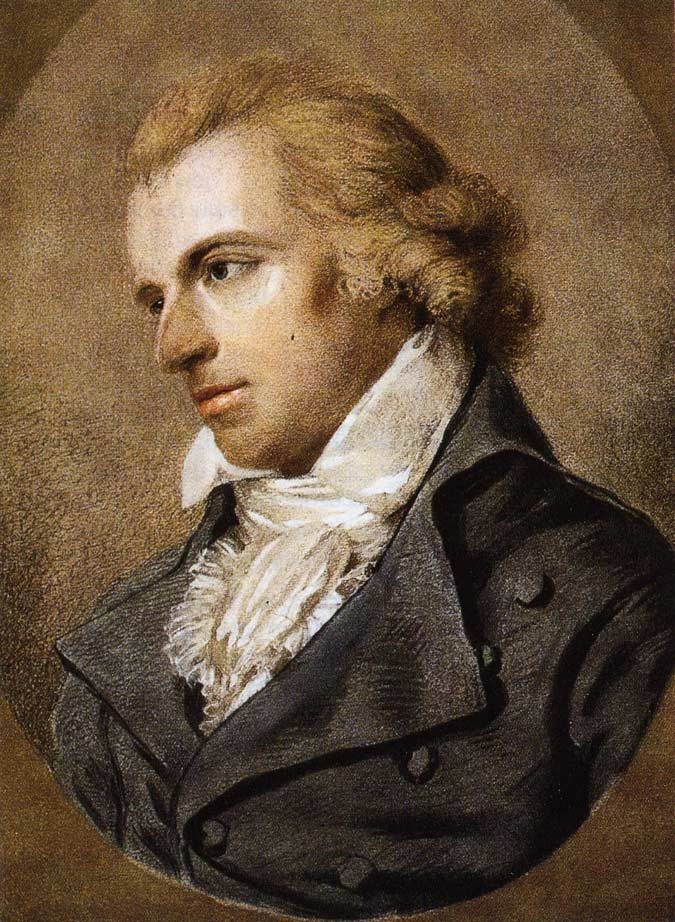
<p>German Poet, Playwright, Historian Friedrich Schiller died <a href="/tags/otd/" rel="tag">#OTD</a> in 1805.</p><p>Initially intended for the priesthood, in 1773 he entered a military academy in Stuttgart and ended up studying medicine. His first play, The Robbers, was written at this time and proved very successful. His major plays include "Don Carlos", and the Wallenstein trilogy, which delves into the tumultuous period of the Thirty Years' War.</p><p>Books by Friedrich Schiller at PG:<br><a href="https://www.gutenberg.org/ebooks/author/289" rel="nofollow" class="ellipsis" title="www.gutenberg.org/ebooks/author/289"><span class="invisible">https://</span><span class="ellipsis">www.gutenberg.org/ebooks/autho</span><span class="invisible">r/289</span></a></p><p><a href="/tags/books/" rel="tag">#books</a> <a href="/tags/literature/" rel="tag">#literature</a> <a href="/tags/theatre/" rel="tag">#theatre</a></p>

Edited 1y ago
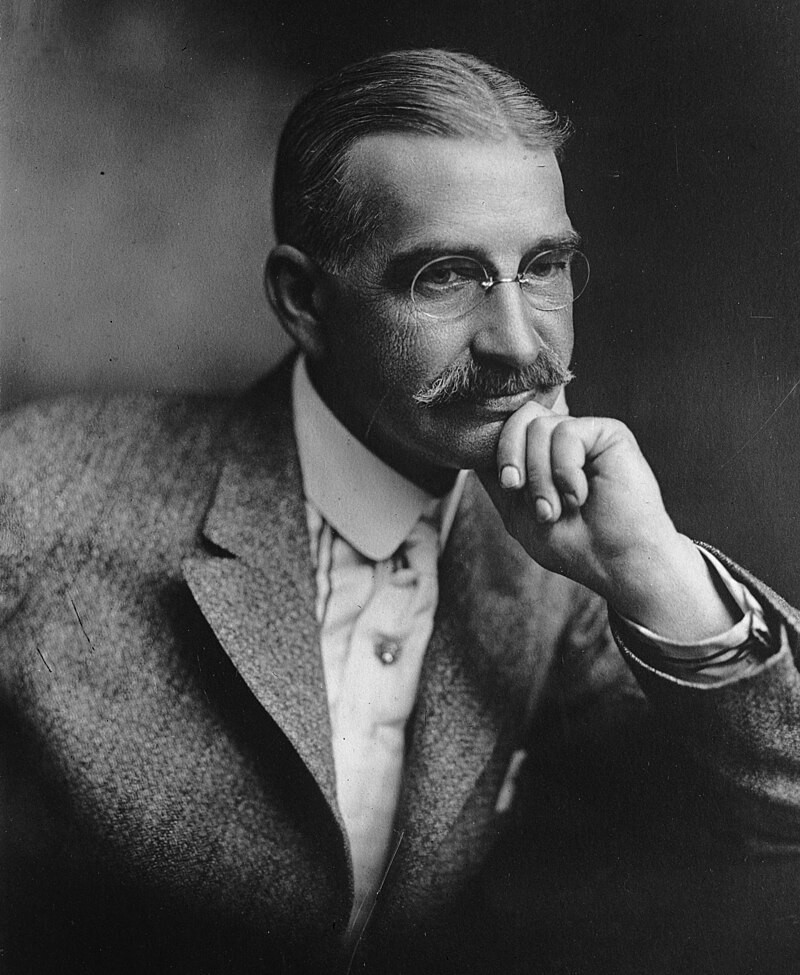
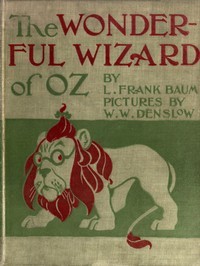
<p>American author L. Frank Baum died <a href="/tags/otd/" rel="tag">#OTD</a> in 1919.</p><p>His breakthrough came with the publication of Mother Goose in Prose (1897), which was followed by Father Goose, His Book (1899), a collection that became a bestseller. In 1900, Baum published The Wonderful Wizard of Oz, illustrated by W.W. Denslow. Baum's Oz series eventually spanned fourteen books with Baum introducing new characters and lands in each subsequent volume.</p><p>Books by L. Frank Baum at PG:<br><a href="https://www.gutenberg.org/ebooks/author/42" rel="nofollow" class="ellipsis" title="www.gutenberg.org/ebooks/author/42"><span class="invisible">https://</span><span class="ellipsis">www.gutenberg.org/ebooks/autho</span><span class="invisible">r/42</span></a></p><p><a href="/tags/books/" rel="tag">#books</a> <a href="/tags/literature/" rel="tag">#literature</a></p>
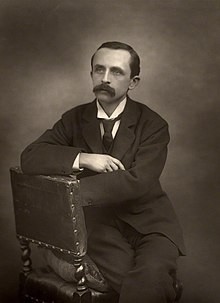
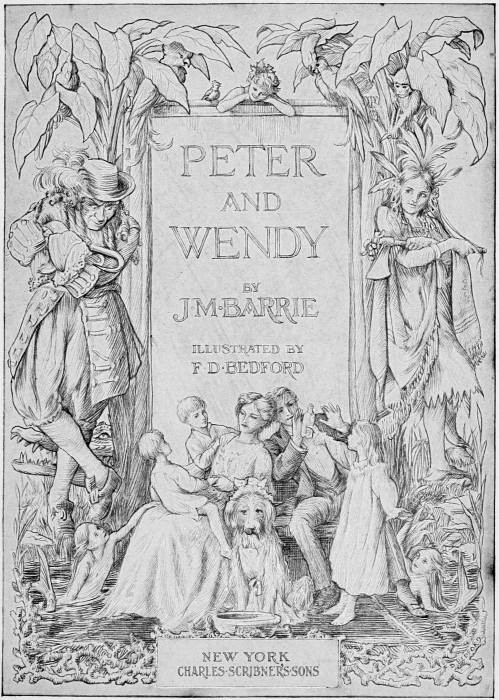
<p>Scottish Playwright & Novelist J.M. Barrie was born <a href="/tags/otd/" rel="tag">#OTD</a> in 1860.</p><p>His early works were modestly successful, including novels such as "Auld Licht Idylls" & "A Window in Thrums". His famous Peter Pan character first appeared in a section of "The Little White Bird", a novel for adults. This was expanded into the stage play "Peter Pan, or The Boy Who Wouldn't Grow Up," which premiered in London in 1904 & was an immediate hit. </p><p>Books by J.M. Barrie at PG:<br><a href="https://www.gutenberg.org/ebooks/author/10" rel="nofollow" class="ellipsis" title="www.gutenberg.org/ebooks/author/10"><span class="invisible">https://</span><span class="ellipsis">www.gutenberg.org/ebooks/autho</span><span class="invisible">r/10</span></a></p><p><a href="/tags/books/" rel="tag">#books</a> <a href="/tags/literature/" rel="tag">#literature</a></p>
<p><a href="/tags/otd/" rel="tag">#OTD</a> in 1923.</p><p>The première of Bertolt Brecht's play In the Jungle of Cities (Im Dickicht der Städte) at the Residenz Theatre in Munich is disrupted by Nazi demonstrators, hooting, whistling and throwing stink bombs at the actors on the stage.</p><p>This production was directed by Erich Engel, with set design by Caspar Neher. The cast included Otto Wernicke as Shlink the lumber dealer, Erwin Faber as George Garga, and Maria Koppenhöfer as his sister Mary.</p><p><a href="/tags/books/" rel="tag">#books</a> <a href="/tags/literature/" rel="tag">#literature</a> <a href="/tags/theatre/" rel="tag">#theatre</a></p>
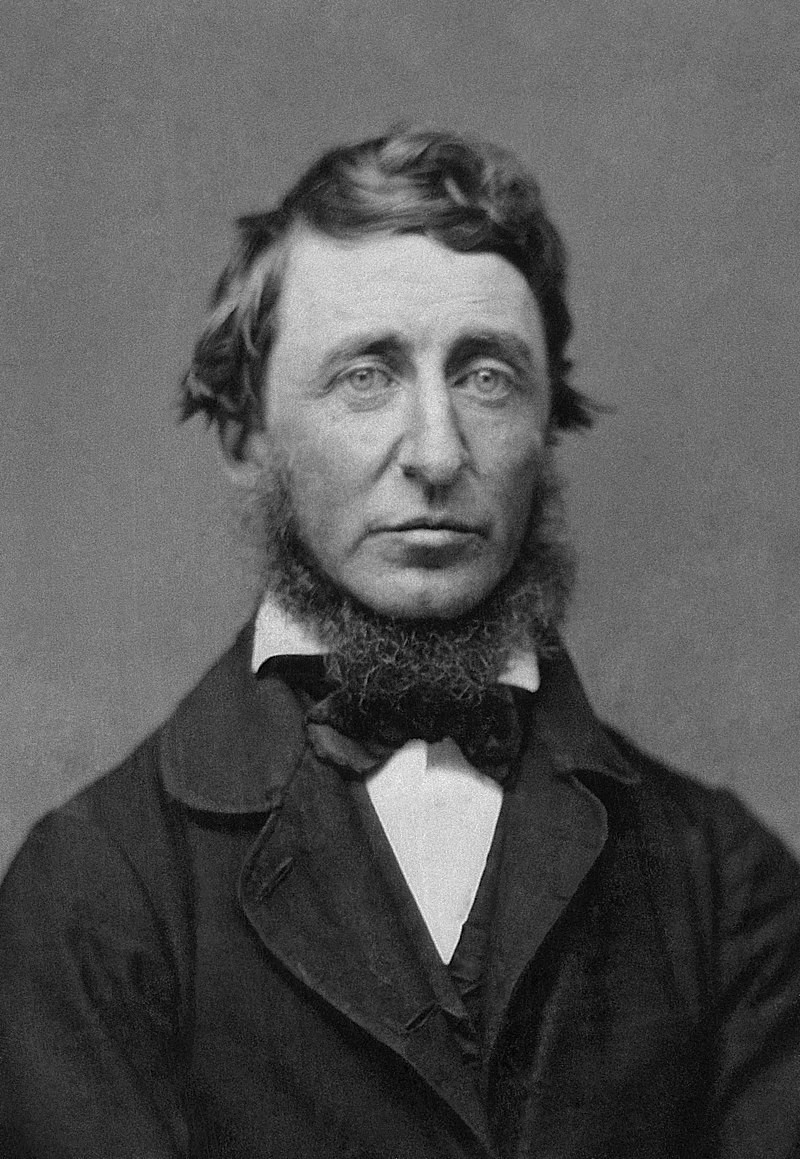
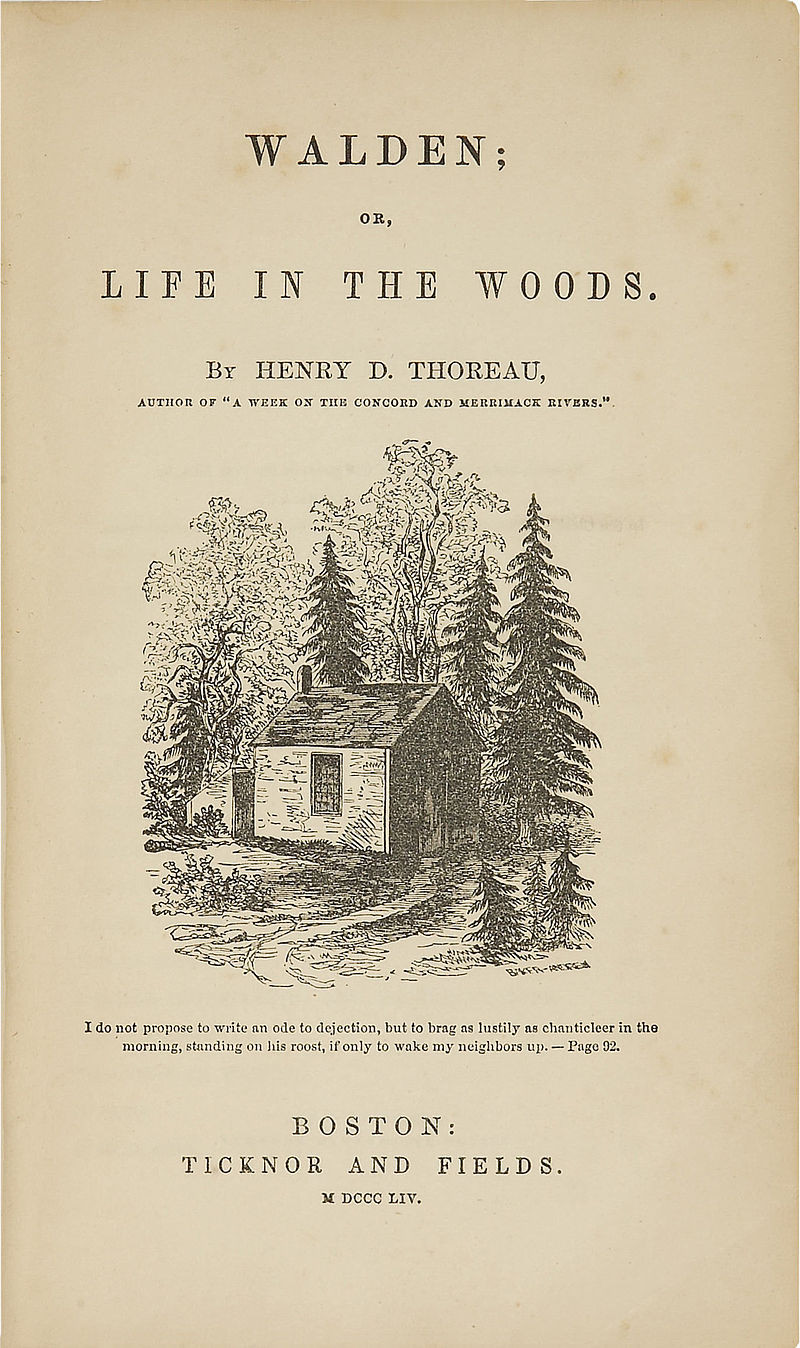
<p>American naturalist, essayist, poet, and philosopher Henry David Thoreau died <a href="/tags/otd/" rel="tag">#OTD</a> in 1862.</p><p>In addition to "Walden," Thoreau is well-known for his essay "Civil Disobedience," which was inspired by his 1846 arrest for refusing to pay poll taxes as a protest against slavery and the Mexican-American War. His political writings later influenced many political leaders, including Mahatma Gandhi and Martin Luther King Jr.</p><p>Books by Henry David Thoreau at PG:<br><a href="https://www.gutenberg.org/ebooks/author/54" rel="nofollow" class="ellipsis" title="www.gutenberg.org/ebooks/author/54"><span class="invisible">https://</span><span class="ellipsis">www.gutenberg.org/ebooks/autho</span><span class="invisible">r/54</span></a></p><p><a href="/tags/books/" rel="tag">#books</a> <a href="/tags/literature/" rel="tag">#literature</a></p>
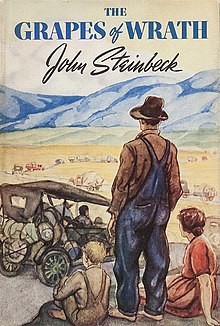
<p><a href="/tags/otd/" rel="tag">#OTD</a> in 1940.</p><p>John Steinbeck is awarded the Pulitzer Prize for his novel The Grapes of Wrath.</p><p>The book was first published in April 14, 1939. The book won the National Book Award & Pulitzer Prize for fiction, & it was cited prominently when Steinbeck was awarded the Nobel Prize in Literature in 1962. When preparing to write the novel, Steinbeck wrote: "I want to put a tag of shame on the greedy bastards who are responsible for this [the Great Depression and its effects]." </p><p><a href="/tags/books/" rel="tag">#books</a> <a href="/tags/literature/" rel="tag">#literature</a></p>
Edited 1y ago
<p>Profs Sally Mapstone & Dauvit Broun explore the St Andrews Chronicles – one of Scotland’s most important historical works – tracing the manuscript’s journey to St Andrews & its significance for understanding Scottish identity, legacy & nationhood</p><p><a href="https://www.youtube.com/watch?v=k_ck7zxfVxA" rel="nofollow" class="ellipsis" title="www.youtube.com/watch?v=k_ck7zxfVxA"><span class="invisible">https://</span><span class="ellipsis">www.youtube.com/watch?v=k_ck7z</span><span class="invisible">xfVxA</span></a></p><p><a href="/tags/scottish/" rel="tag">#Scottish</a> <a href="/tags/literature/" rel="tag">#literature</a> <a href="/tags/history/" rel="tag">#history</a> <a href="/tags/bookhistory/" rel="tag">#BookHistory</a> <a href="/tags/16thcentury/" rel="tag">#16thcentury</a> <a href="/tags/manuscripts/" rel="tag">#manuscripts</a></p>
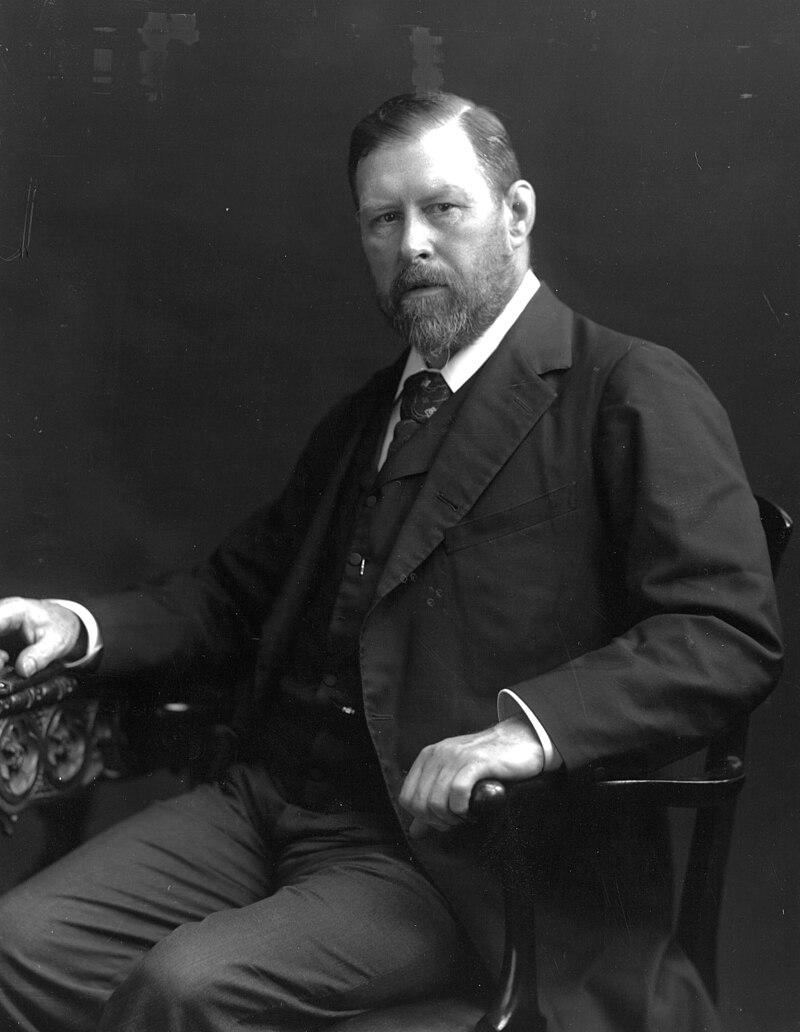
<p>On the Twisted Trail of Bram Stoker’s Notes for ‘Dracula’</p><p>Bram Stoker’s creative process behind his iconic Gothic novel was shrouded in mystery for nearly a century.</p><p>By Sher Hackwell</p><p><a href="https://www.mentalfloss.com/literature/authors/bram-stoker-dracula-notes" rel="nofollow" class="ellipsis" title="www.mentalfloss.com/literature/authors/bram-stoker-dracula-notes"><span class="invisible">https://</span><span class="ellipsis">www.mentalfloss.com/literature</span><span class="invisible">/authors/bram-stoker-dracula-notes</span></a></p><p>Stoker at PG:<br><a href="https://www.gutenberg.org/ebooks/author/190" rel="nofollow" class="ellipsis" title="www.gutenberg.org/ebooks/author/190"><span class="invisible">https://</span><span class="ellipsis">www.gutenberg.org/ebooks/autho</span><span class="invisible">r/190</span></a></p><p><a href="/tags/books/" rel="tag">#books</a> <a href="/tags/literature/" rel="tag">#literature</a></p>
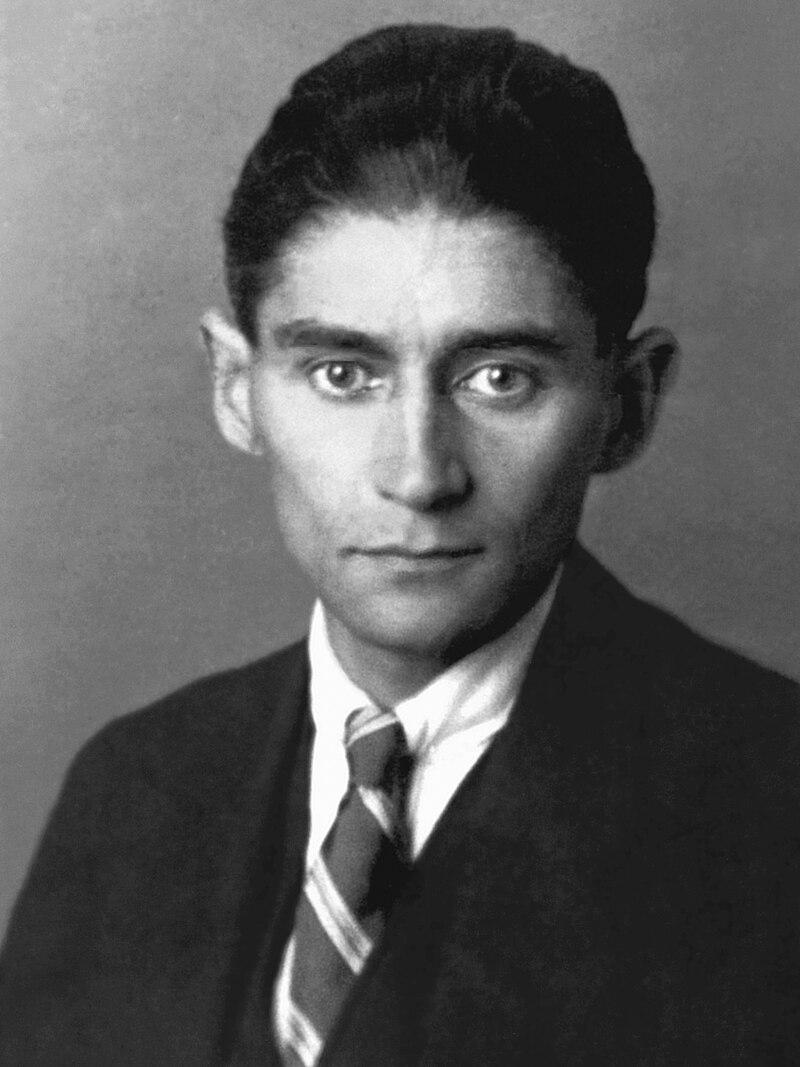
<p>The Kafka Challenge</p><p>Translating the Inimitable</p><p>by Paul Reitter</p><p><a href="https://hedgehogreview.com/issues/lessons-of-babel/articles/the-kafka-challenge?utm_source=Klaviyo&utm_medium=campaign&utm_id=01K6N5TBYYSCYEVDFQSBV94VXF&_kx=3MZUehzXM-41qlWAMPUiuNZadX2p0SByuNf_t0eMLB0.U5D8ER" rel="nofollow" class="ellipsis" title="hedgehogreview.com/issues/lessons-of-babel/articles/the-kafka-challenge?utm_source=Klaviyo&utm_medium=campaign&utm_id=01K6N5TBYYSCYEVDFQSBV94VXF&_kx=3MZUehzXM-41qlWAMPUiuNZadX2p0SByuNf_t0eMLB0.U5D8ER"><span class="invisible">https://</span><span class="ellipsis">hedgehogreview.com/issues/less</span><span class="invisible">ons-of-babel/articles/the-kafka-challenge?utm_source=Klaviyo&utm_medium=campaign&utm_id=01K6N5TBYYSCYEVDFQSBV94VXF&_kx=3MZUehzXM-41qlWAMPUiuNZadX2p0SByuNf_t0eMLB0.U5D8ER</span></a></p><p>Kafka at PG:<br><a href="https://www.gutenberg.org/ebooks/author/1735" rel="nofollow" class="ellipsis" title="www.gutenberg.org/ebooks/author/1735"><span class="invisible">https://</span><span class="ellipsis">www.gutenberg.org/ebooks/autho</span><span class="invisible">r/1735</span></a></p><p><a href="/tags/books/" rel="tag">#books</a> <a href="/tags/literature/" rel="tag">#literature</a> <a href="/tags/translation/" rel="tag">#Translation</a></p>
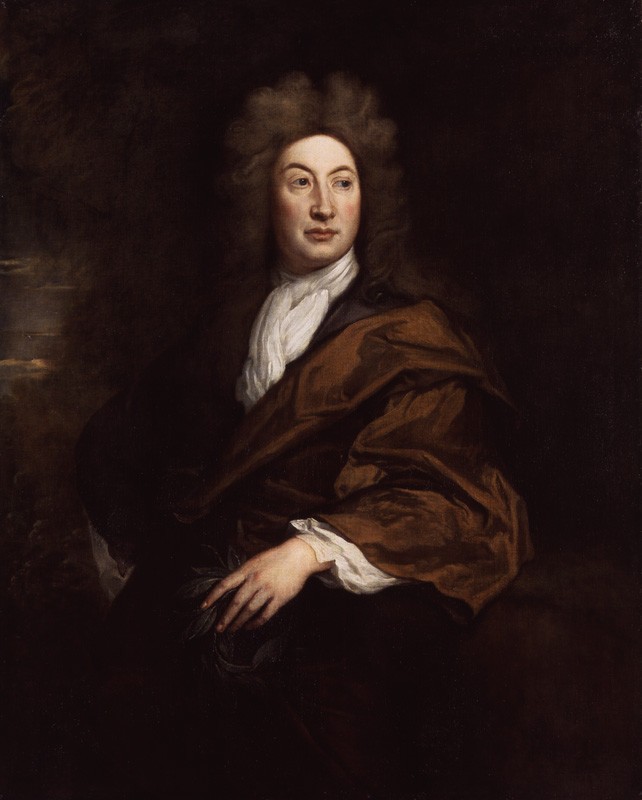
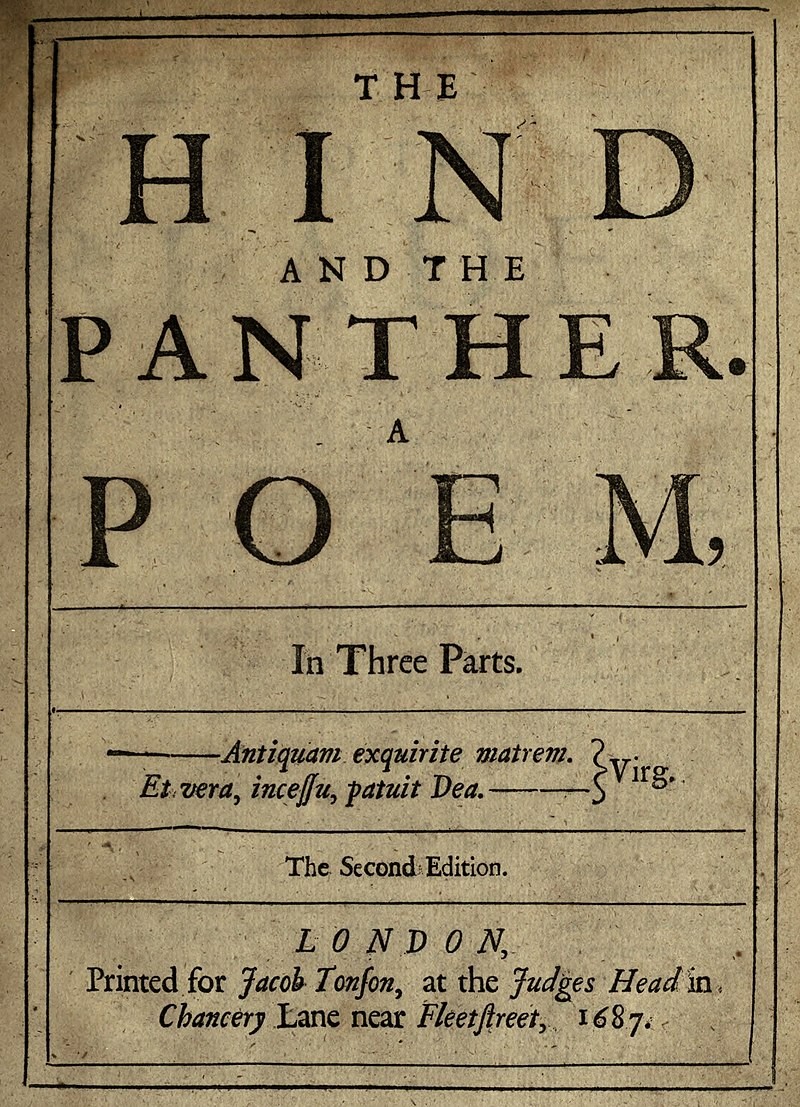
<p>English poet, literary critic, translator, and playwright John Dryden died <a href="/tags/otd/" rel="tag">#OTD</a> in 1700.</p><p>Dryden was one of the most influential literary figures of his time and is often referred to as the "Father of English Criticism." As a poet, Dryden's works ranged from satires and political verse to heroic couplets and translations. He was also a prolific playwright, producing numerous comedies, tragedies, and heroic dramas. </p><p>Books by John Dryden at PG:<br><a href="https://www.gutenberg.org/ebooks/author/807" rel="nofollow" class="ellipsis" title="www.gutenberg.org/ebooks/author/807"><span class="invisible">https://</span><span class="ellipsis">www.gutenberg.org/ebooks/autho</span><span class="invisible">r/807</span></a></p><p><a href="/tags/books/" rel="tag">#books</a> <a href="/tags/literature/" rel="tag">#literature</a> <a href="/tags/poetry/" rel="tag">#poetry</a></p>
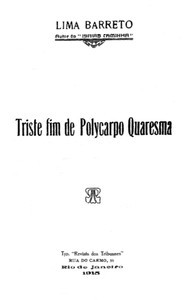
<p>Brazilian novelist & journalist Lima Barreto was born <a href="/tags/otd/" rel="tag">#OTD</a> in 1881.</p><p>His literary career began in the early 20th century, and he is best known for novels such as "Triste Fim de Policarpo Quaresma" - a bitter satire of the first years of the República Velha in Brazil, was published in 1911. Despite facing difficulties & setbacks during his lifetime (alcoholism and mental health issues), he continued to write until his death.</p><p>Books by Lima Barreto at PG<br><a href="https://www.gutenberg.org/ebooks/search/?query=Lima+Barreto&submit_search=Go%21" rel="nofollow" class="ellipsis" title="www.gutenberg.org/ebooks/search/?query=Lima+Barreto&submit_search=Go%21"><span class="invisible">https://</span><span class="ellipsis">www.gutenberg.org/ebooks/searc</span><span class="invisible">h/?query=Lima+Barreto&submit_search=Go%21</span></a></p><p><a href="/tags/books/" rel="tag">#books</a> <a href="/tags/literature/" rel="tag">#literature</a></p>

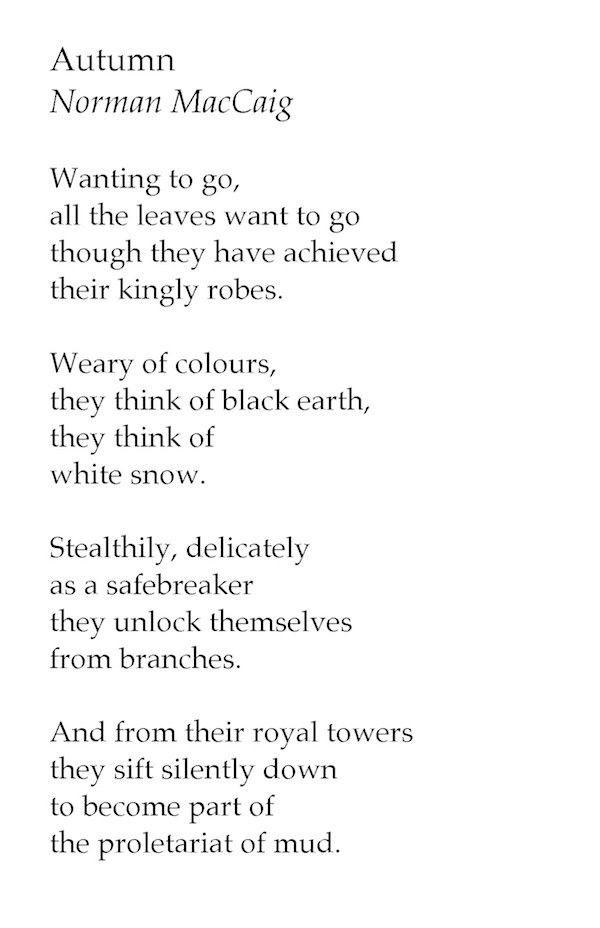
<p>Wanting to go,<br>all the leaves want to go<br>though they have achieved<br>their kingly robes.</p><p>Weary of colours,<br>they think of black earth,<br>they think of<br>white snow…</p><p>—Norman MacCaig, “Autumn”<br>published in The Poems of Norman MacCaig (Birlinn, 2009)</p><p><a href="https://birlinn.co.uk/2022/10/21/poem-of-the-week-autumn-by-norman-maccaig/" rel="nofollow" class="ellipsis" title="birlinn.co.uk/2022/10/21/poem-of-the-week-autumn-by-norman-maccaig/"><span class="invisible">https://</span><span class="ellipsis">birlinn.co.uk/2022/10/21/poem-</span><span class="invisible">of-the-week-autumn-by-norman-maccaig/</span></a></p><p><a href="/tags/scottish/" rel="tag">#Scottish</a> <a href="/tags/literature/" rel="tag">#literature</a> <a href="/tags/poem/" rel="tag">#poem</a> <a href="/tags/poetry/" rel="tag">#poetry</a> <a href="/tags/20thcentury/" rel="tag">#20thcentury</a> <a href="/tags/normanmaccaig/" rel="tag">#NormanMacCaig</a> <a href="/tags/autumn/" rel="tag">#autumn</a></p>
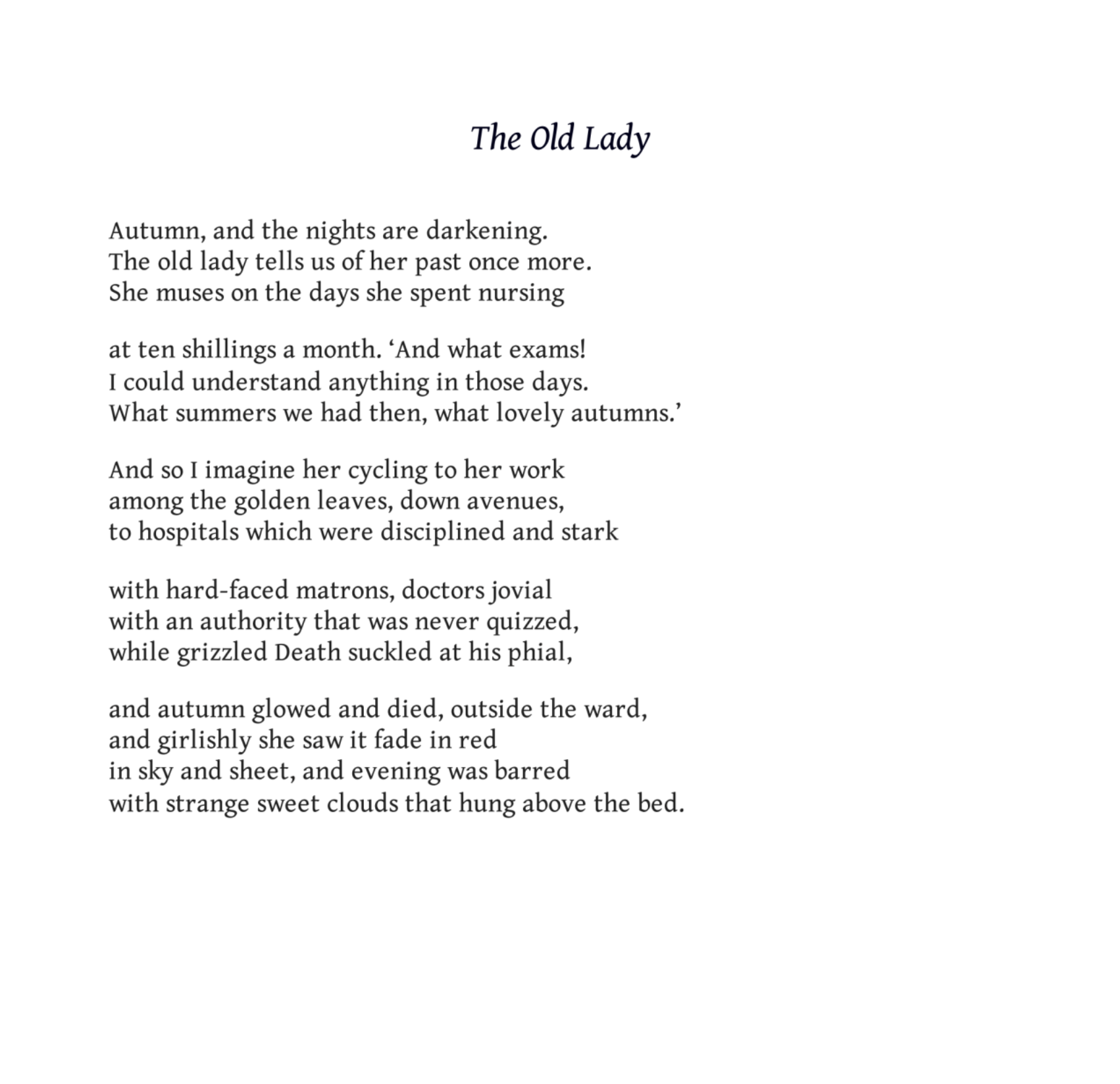
<p>Autumn, and the nights are darkening.<br>The old lady tells us of her past once more.<br>She muses on the days she spent nursing</p><p>at ten shillings a month…</p><p>—Iain Crichton Smith, “The Old Lady”<br>published in NEW COLLECTED POEMS (Carcanet, 2011)</p><p><a href="https://www.carcanet.co.uk/9781857549607/new-collected-poems/" rel="nofollow" class="ellipsis" title="www.carcanet.co.uk/9781857549607/new-collected-poems/"><span class="invisible">https://</span><span class="ellipsis">www.carcanet.co.uk/97818575496</span><span class="invisible">07/new-collected-poems/</span></a></p><p><a href="/tags/scottish/" rel="tag">#Scottish</a> <a href="/tags/literature/" rel="tag">#literature</a> <a href="/tags/poem/" rel="tag">#poem</a> <a href="/tags/poetry/" rel="tag">#poetry</a> <a href="/tags/20thcentury/" rel="tag">#20thcentury</a> <a href="/tags/autumn/" rel="tag">#autumn</a></p>
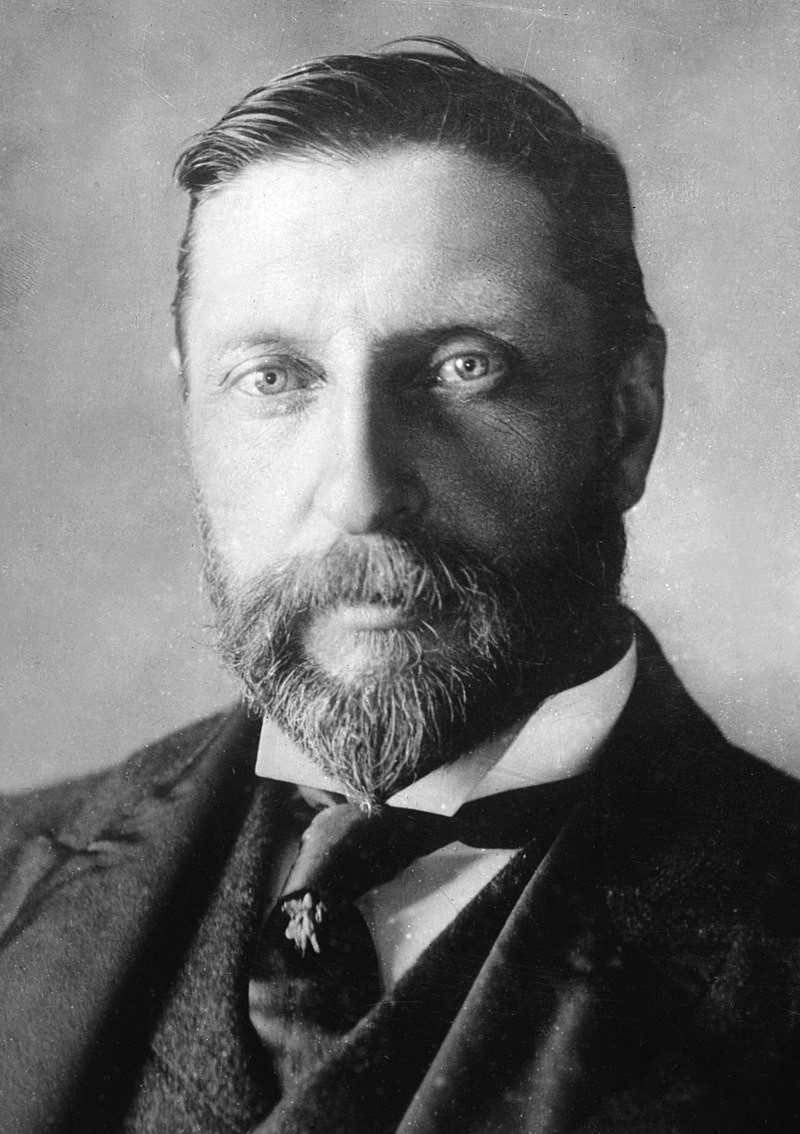
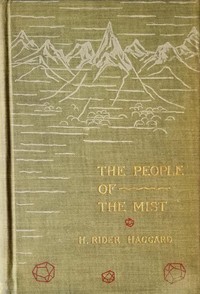
<p>English writer of adventure fiction romances H. Rider Haggard died <a href="/tags/otd/" rel="tag">#OTD</a> in 1925.</p><p>Haggard's most famous work is "King Solomon's Mines," published in 1885. Haggard's other works include "Allan Quatermain" (1887), "Jess" (1887), "Nada the Lily" (1892), "The People of the Mist" (1894), and "The Brethren" (1904), among many others.</p><p>Books by H. Rider Haggard at PG:<br><a href="https://www.gutenberg.org/ebooks/author/365" rel="nofollow" class="ellipsis" title="www.gutenberg.org/ebooks/author/365"><span class="invisible">https://</span><span class="ellipsis">www.gutenberg.org/ebooks/autho</span><span class="invisible">r/365</span></a></p><p><a href="/tags/books/" rel="tag">#books</a> <a href="/tags/literature/" rel="tag">#literature</a></p>
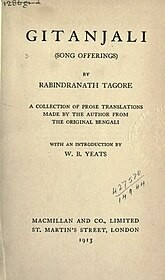
<p>Bengali polymath Rabindranath Tagore was born <a href="/tags/otd/" rel="tag">#OTD</a> in 1861.</p><p>Tagore wrote poetry, short stories, novels, and plays. He is best known for his poetry, and his collection "Gitanjali" is particularly renowned. This work earned him the Nobel Prize in Literature in 1913. By way of translations, Tagore influenced Pablo Neruda, Gabriela Mistral, Octavio Paz, José Ortega y Gasset, Zenobia Camprubí, and Juan Ramón Jiménez.</p><p>Books by Rabindranath Tagore at PG:<br><a href="https://www.gutenberg.org/ebooks/author/942" rel="nofollow" class="ellipsis" title="www.gutenberg.org/ebooks/author/942"><span class="invisible">https://</span><span class="ellipsis">www.gutenberg.org/ebooks/autho</span><span class="invisible">r/942</span></a></p><p><a href="/tags/books/" rel="tag">#books</a> <a href="/tags/literature/" rel="tag">#literature</a></p>

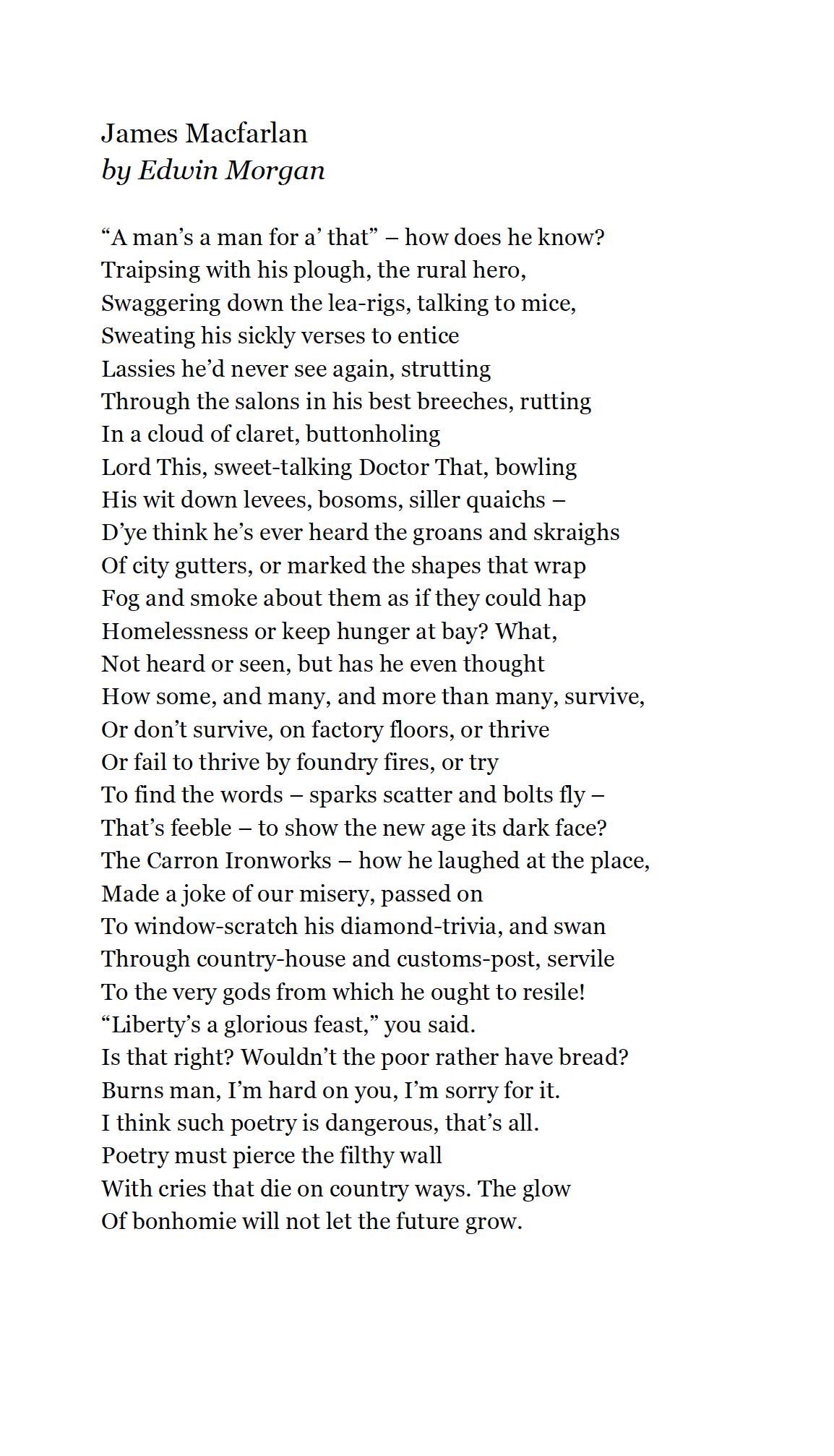
<p>“A man’s a man for a’ that” – how does he know?<br>Traipsing with his plough, the rural hero,<br>Swaggering down the lea-rigs, talking to mice…</p><p>—“James Macfarlan”, by Edwin Morgan<br>published in VIRTUAL & OTHER REALITIES (Carcanet, 1997)</p><p><a href="https://www.carcanet.co.uk/9781857543476/virtual-and-other-realities/" rel="nofollow" class="ellipsis" title="www.carcanet.co.uk/9781857543476/virtual-and-other-realities/"><span class="invisible">https://</span><span class="ellipsis">www.carcanet.co.uk/97818575434</span><span class="invisible">76/virtual-and-other-realities/</span></a></p><p><a href="/tags/scottish/" rel="tag">#Scottish</a> <a href="/tags/literature/" rel="tag">#literature</a> <a href="/tags/scotstober/" rel="tag">#Scotstober</a> <a href="/tags/poem/" rel="tag">#poem</a> <a href="/tags/poetry/" rel="tag">#poetry</a></p>