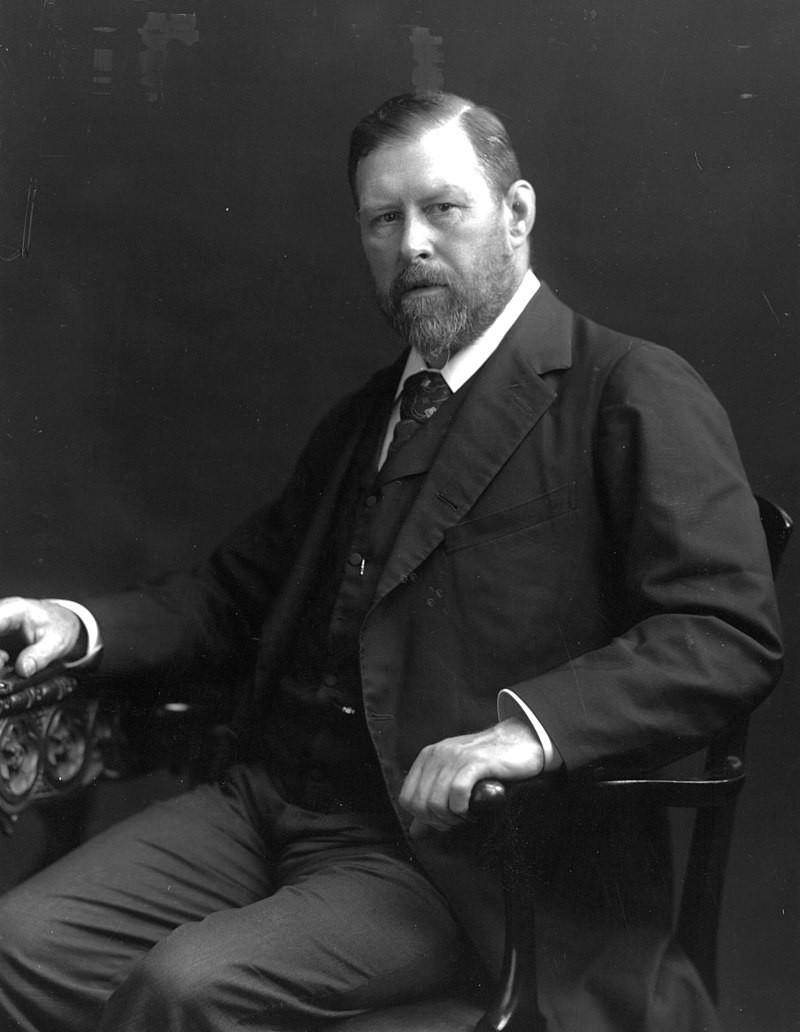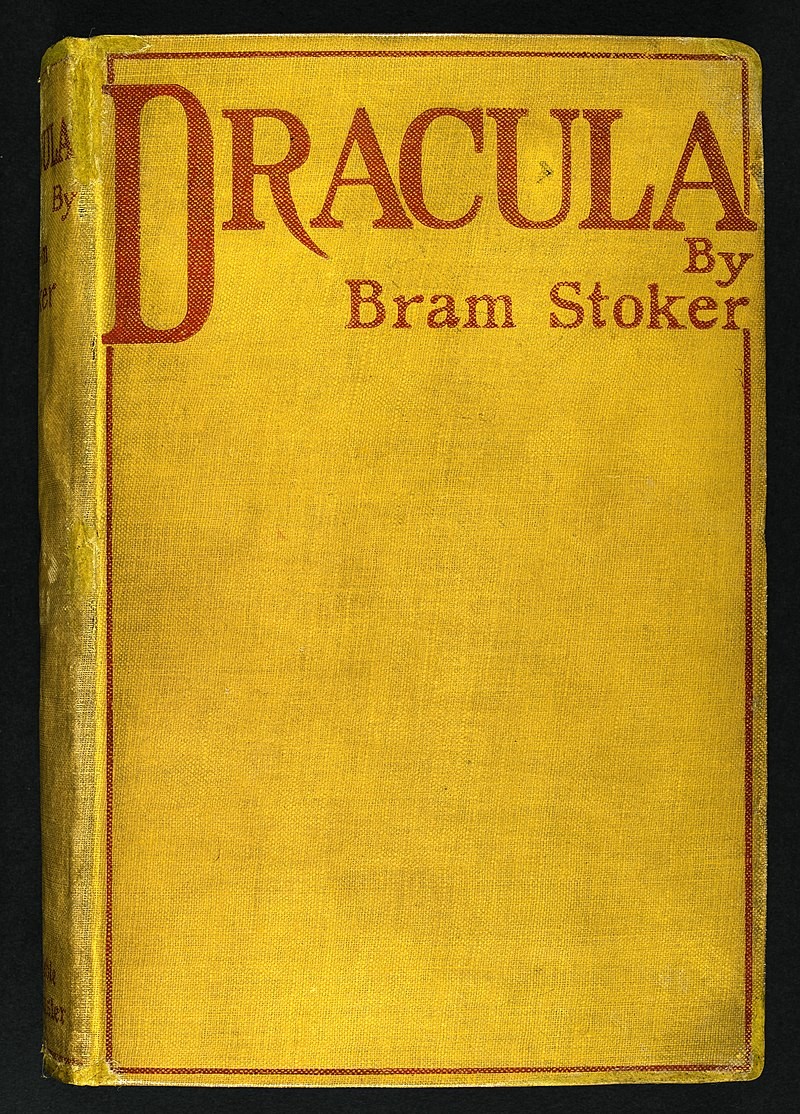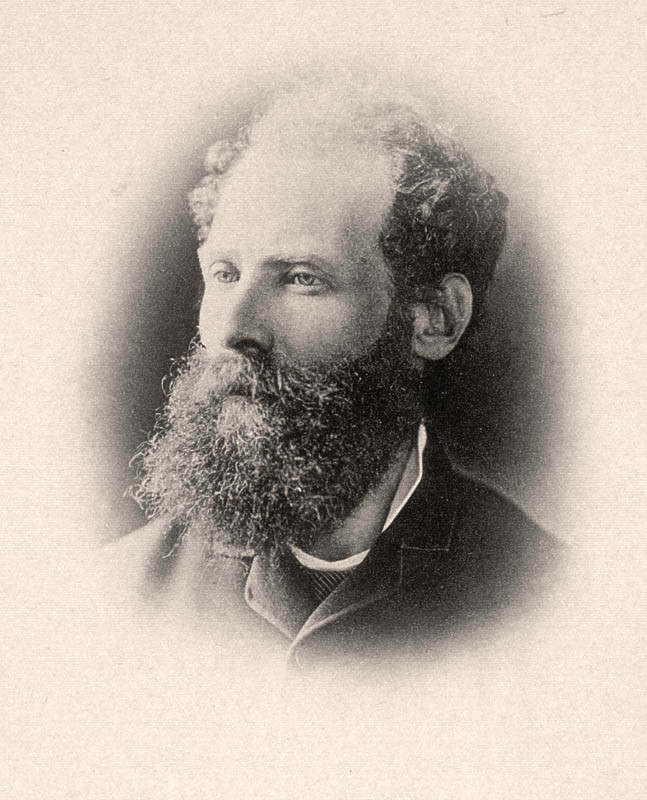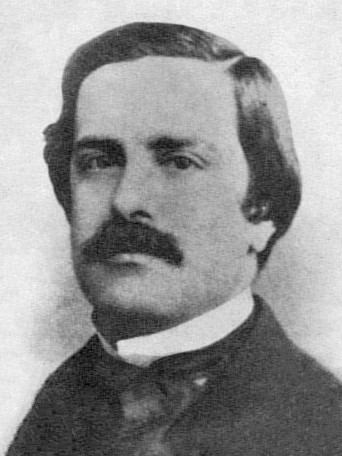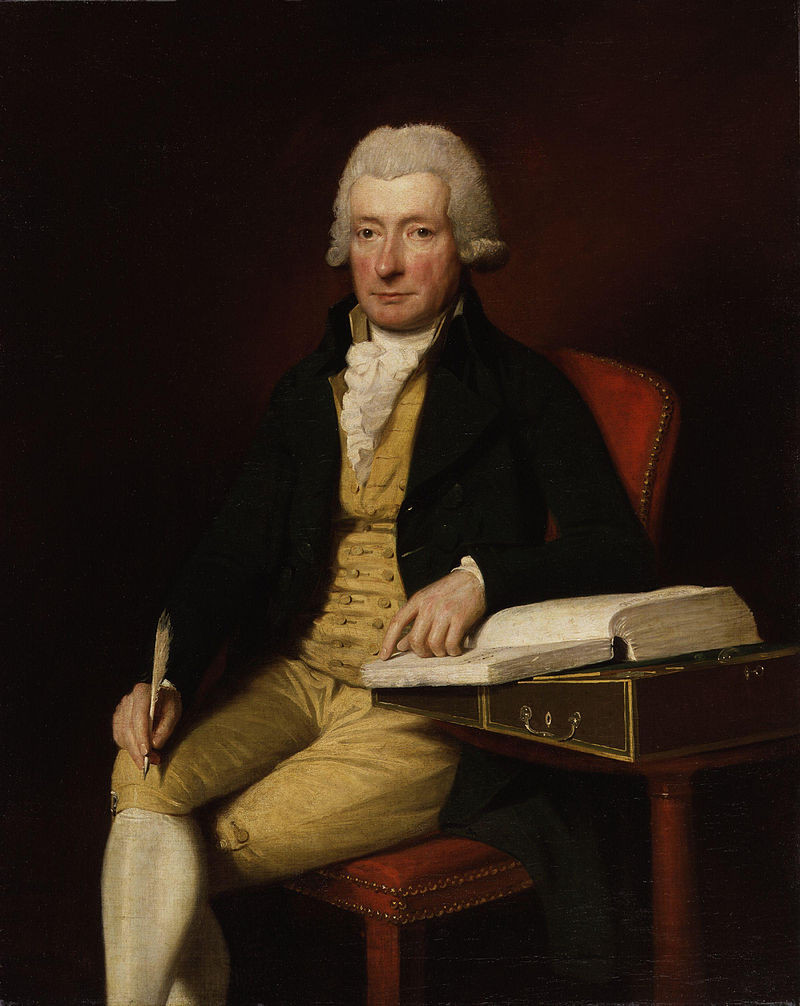
<p>English poet William Cowper died <a href="/tags/otd/" rel="tag">#OTD</a> in 1800.</p><p>His first volume of poetry, "Poems by William Cowper, of the Inner Temple, Esq." was published in 1782. This volume included some of his most famous poems, such as "Table Talk" and other shorter pieces that reflected his views on nature, spirituality, and humanity. His most famous work is "The Task" (1785), a six-book poem in blank verse, which was inspired by a friend who challenged him to write a poem about a sofa. </p><p><a href="/tags/books/" rel="tag">#books</a> <a href="/tags/literature/" rel="tag">#literature</a> <a href="/tags/poetry/" rel="tag">#poetry</a></p>
literature
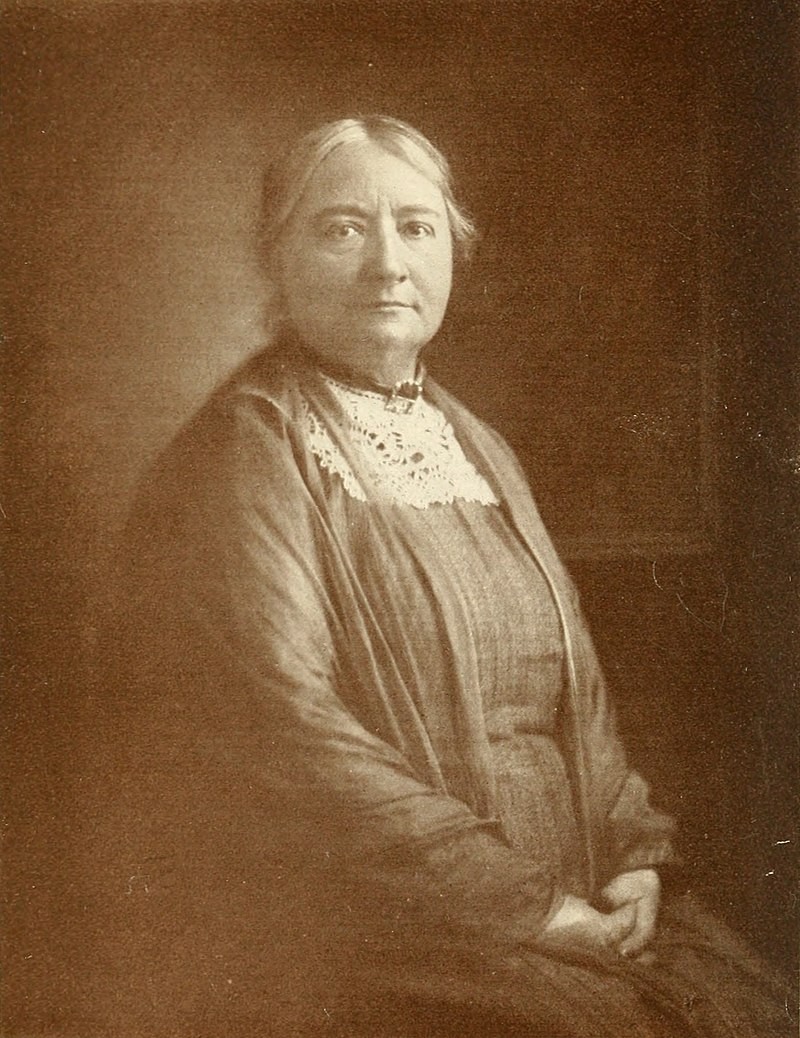
<p>Swedish feminist writer Ellen Key died <a href="/tags/otd/" rel="tag">#OTD</a> in 1926.</p><p>One of her most influential works is "The Century of the Child," first published in 1900. In this book, she projected her ideas about education and the rights of children into the 20th century, which she termed the "Century of the Child." She was also a proponent of women's rights: she believed in the importance of motherhood in society and argued that women should have more choices regarding marriage and children.</p><p><a href="/tags/books/" rel="tag">#books</a> <a href="/tags/literature/" rel="tag">#literature</a></p>
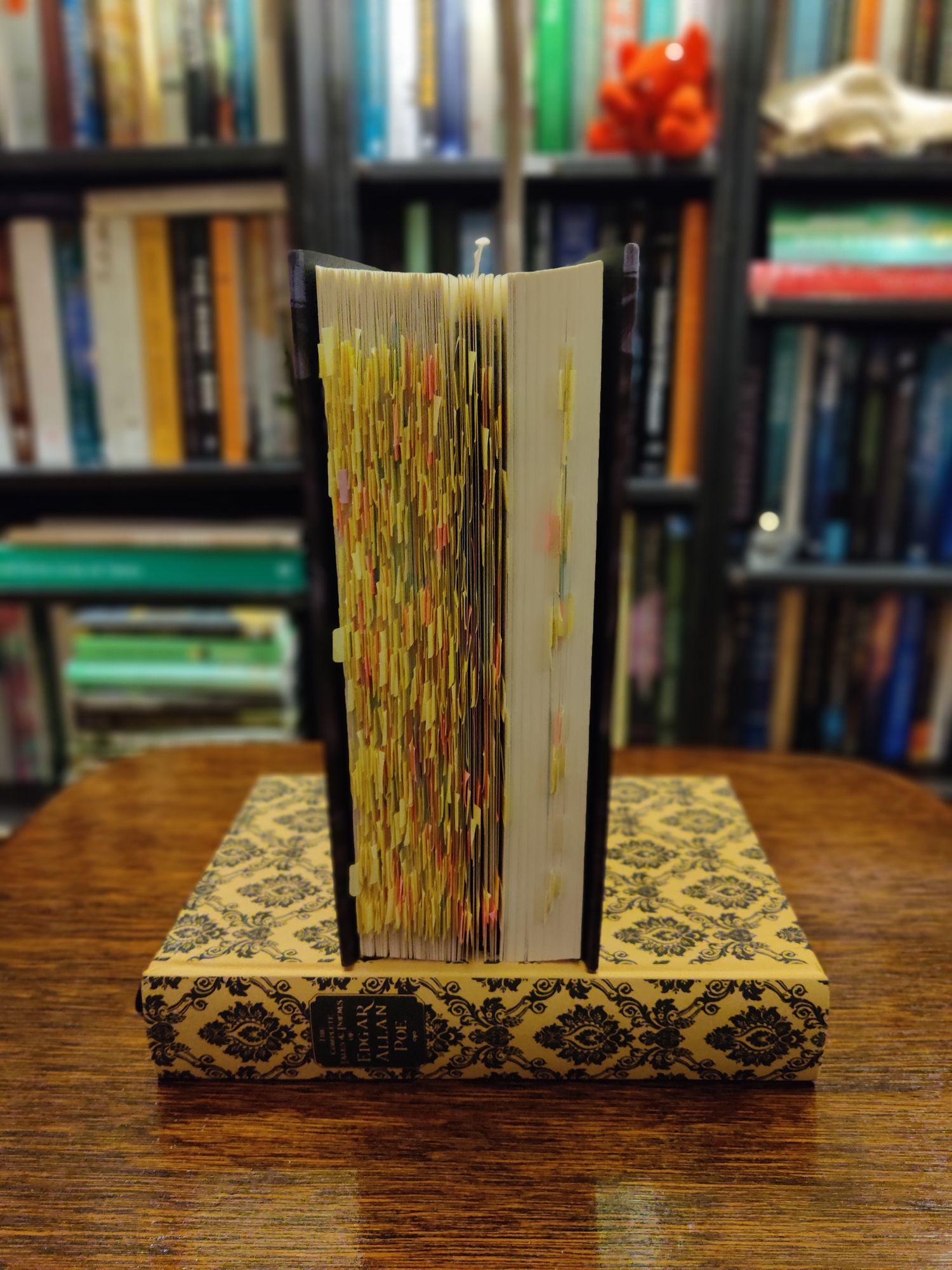
<p>Who is that, so insistently tapping at my chamber door?</p><p>Something suitably spooky is coming to <a href="https://inquisitivebiologist.com" rel="nofollow"><span class="invisible">https://</span>inquisitivebiologist.com</a> this <a href="/tags/halloween/" rel="tag">#Halloween</a>... For now, here is a quick progress shot while you all wait for the next <a href="/tags/bookreview/" rel="tag">#BookReview</a> to drop. I'm about halfway in.<br> <br><a href="/tags/literature/" rel="tag">#Literature</a> <a href="/tags/biography/" rel="tag">#Biography</a> <a href="/tags/gothic/" rel="tag">#Gothic</a> <a href="/tags/horror/" rel="tag">#Horror</a> <a href="/tags/scicomm/" rel="tag">#Scicomm</a> <a href="/tags/books/" rel="tag">#Books</a> <a href="/tags/bookstodon/" rel="tag">#Bookstodon</a> <span class="h-card"><a href="https://fedigroups.social/@bookstodon" class="u-url mention" rel="nofollow noopener noreferrer" target="_blank">@<span>bookstodon</span></a></span></p>
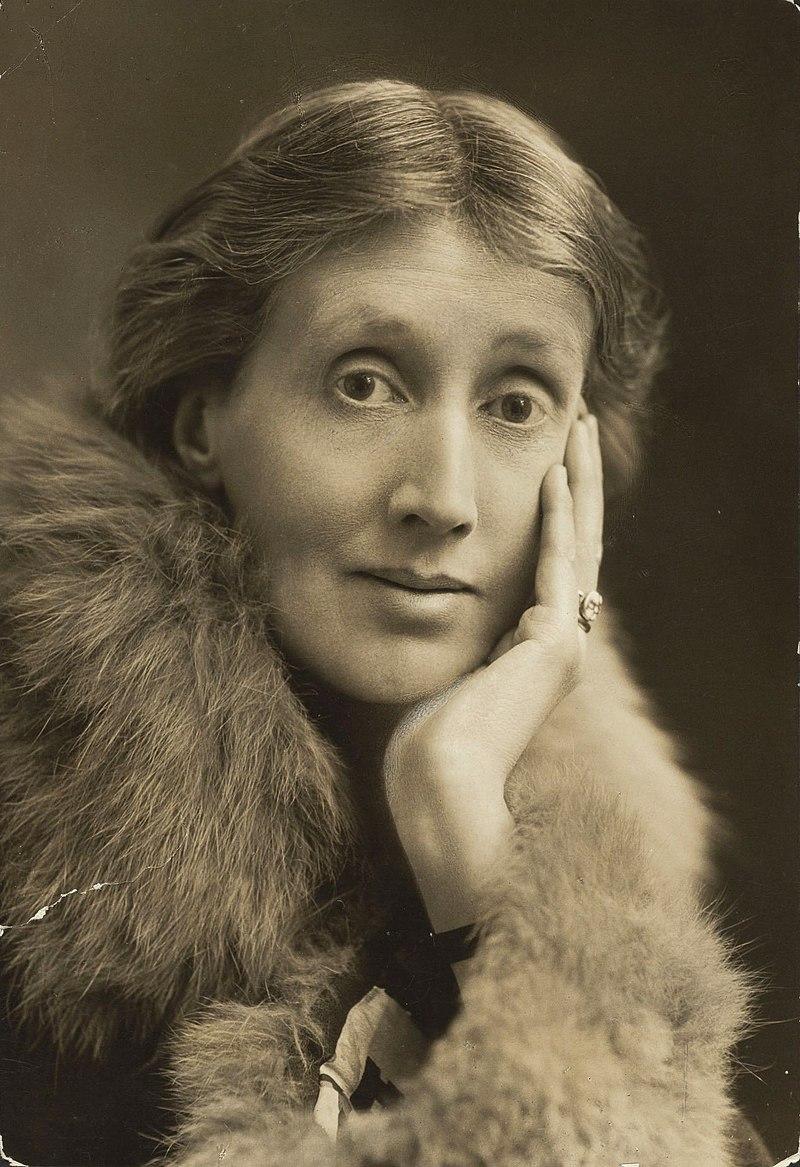
<p>‘A cottage of one’s own’: Newly unearthed Virginia Woolf stories to be published</p><p>A chance discovery at a country house revealed the three funny – sometimes surreal – interlinked tales, written almost a decade before Woolf’s first book was published</p><p><a href="https://www.theguardian.com/books/2025/sep/27/a-cottage-of-ones-own-newly-unearthed-virginia-woolf-stories-to-be-published" rel="nofollow" class="ellipsis" title="www.theguardian.com/books/2025/sep/27/a-cottage-of-ones-own-newly-unearthed-virginia-woolf-stories-to-be-published"><span class="invisible">https://</span><span class="ellipsis">www.theguardian.com/books/2025</span><span class="invisible">/sep/27/a-cottage-of-ones-own-newly-unearthed-virginia-woolf-stories-to-be-published</span></a></p><p>Woolf at PG:<br><a href="https://www.gutenberg.org/ebooks/author/89" rel="nofollow" class="ellipsis" title="www.gutenberg.org/ebooks/author/89"><span class="invisible">https://</span><span class="ellipsis">www.gutenberg.org/ebooks/autho</span><span class="invisible">r/89</span></a></p><p><a href="/tags/books/" rel="tag">#books</a> <a href="/tags/literature/" rel="tag">#literature</a></p>
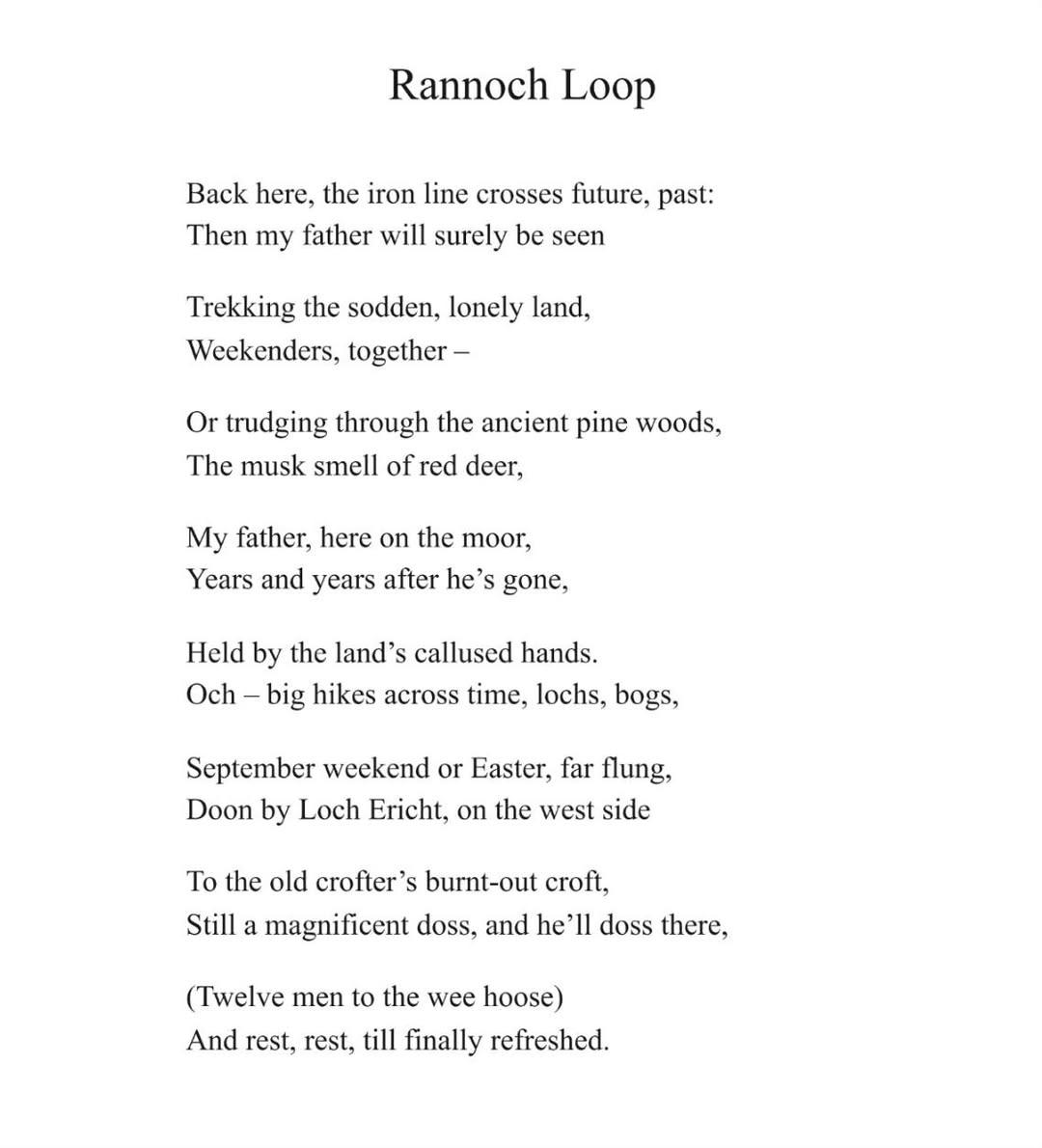
<p>Back here, the iron line crosses future, past:<br>Then my father will surely be seen</p><p>Trekking the sodden, lonely land,<br>Weekenders, together –</p><p>—Jackie Kay, “Rannoch Loop”<br>published in BANTAM (Picador, 2017)</p><p><a href="https://www.panmacmillan.com/authors/jackie-kay/bantam/9781509887927" rel="nofollow" class="ellipsis" title="www.panmacmillan.com/authors/jackie-kay/bantam/9781509887927"><span class="invisible">https://</span><span class="ellipsis">www.panmacmillan.com/authors/j</span><span class="invisible">ackie-kay/bantam/9781509887927</span></a></p><p><a href="/tags/scottish/" rel="tag">#Scottish</a> <a href="/tags/literature/" rel="tag">#literature</a> <a href="/tags/poem/" rel="tag">#poem</a> <a href="/tags/poetry/" rel="tag">#poetry</a> <a href="/tags/walking/" rel="tag">#walking</a> <a href="/tags/hiking/" rel="tag">#hiking</a></p>
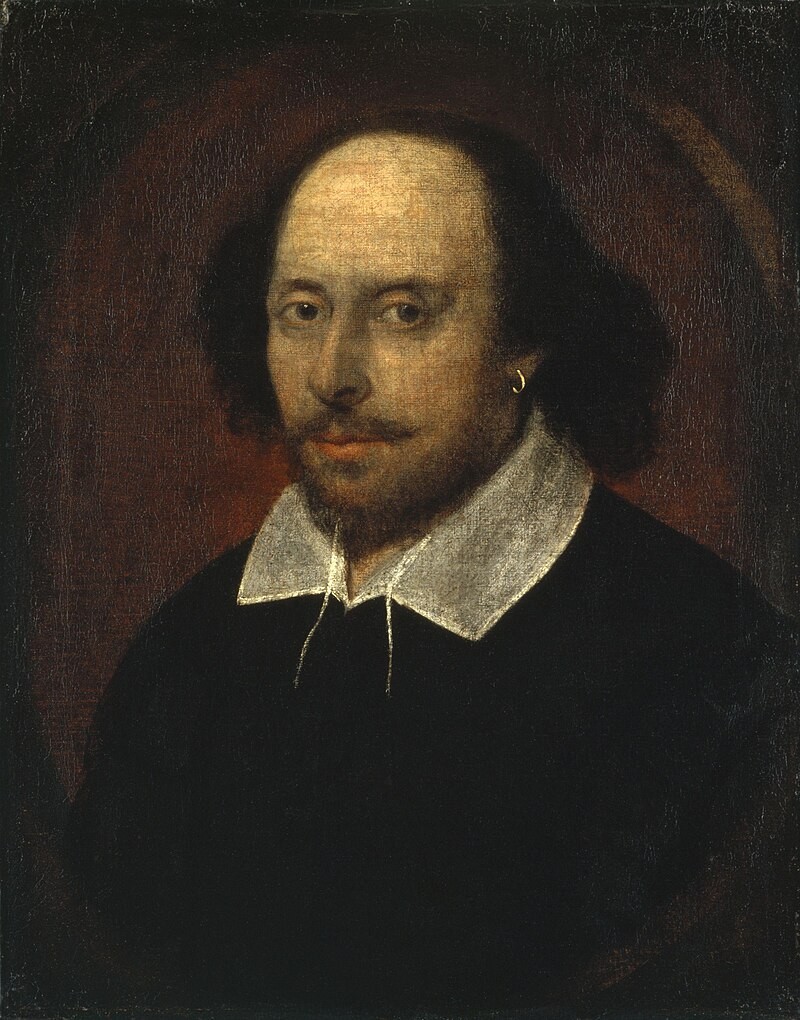
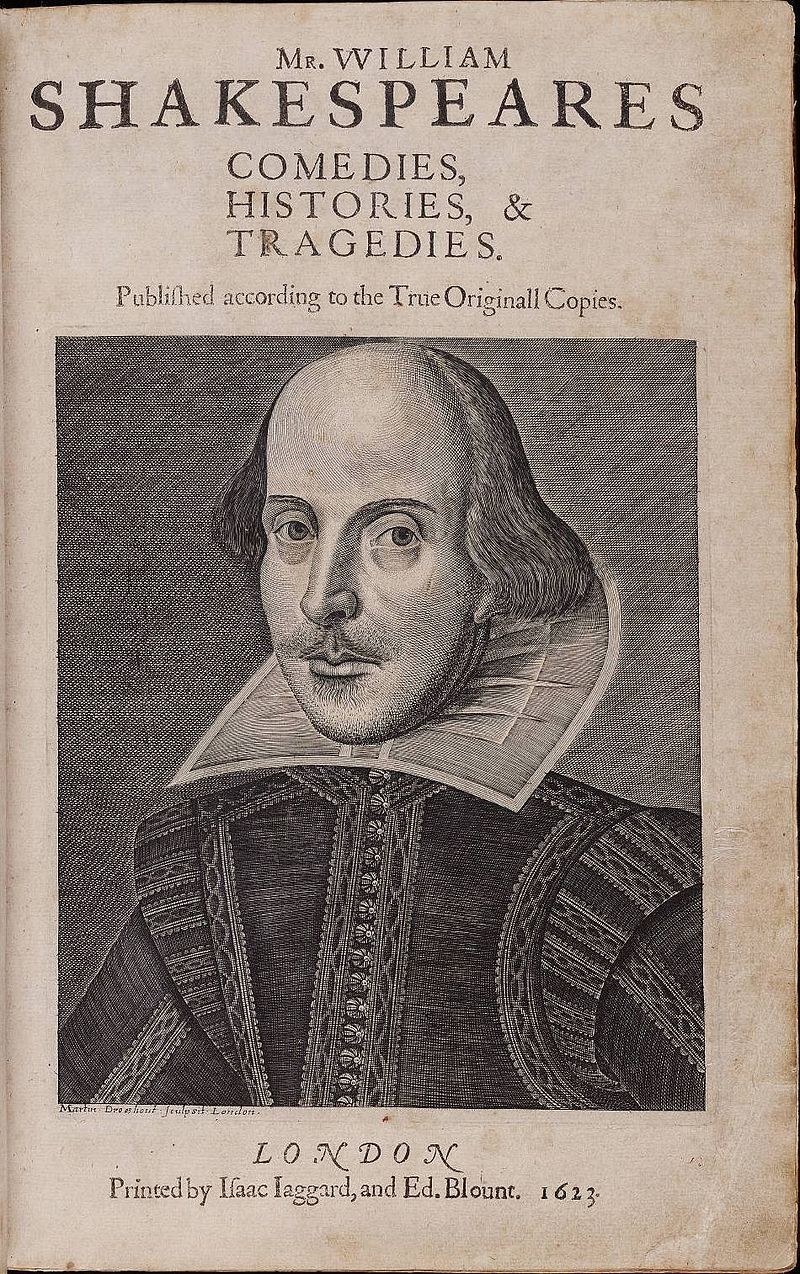
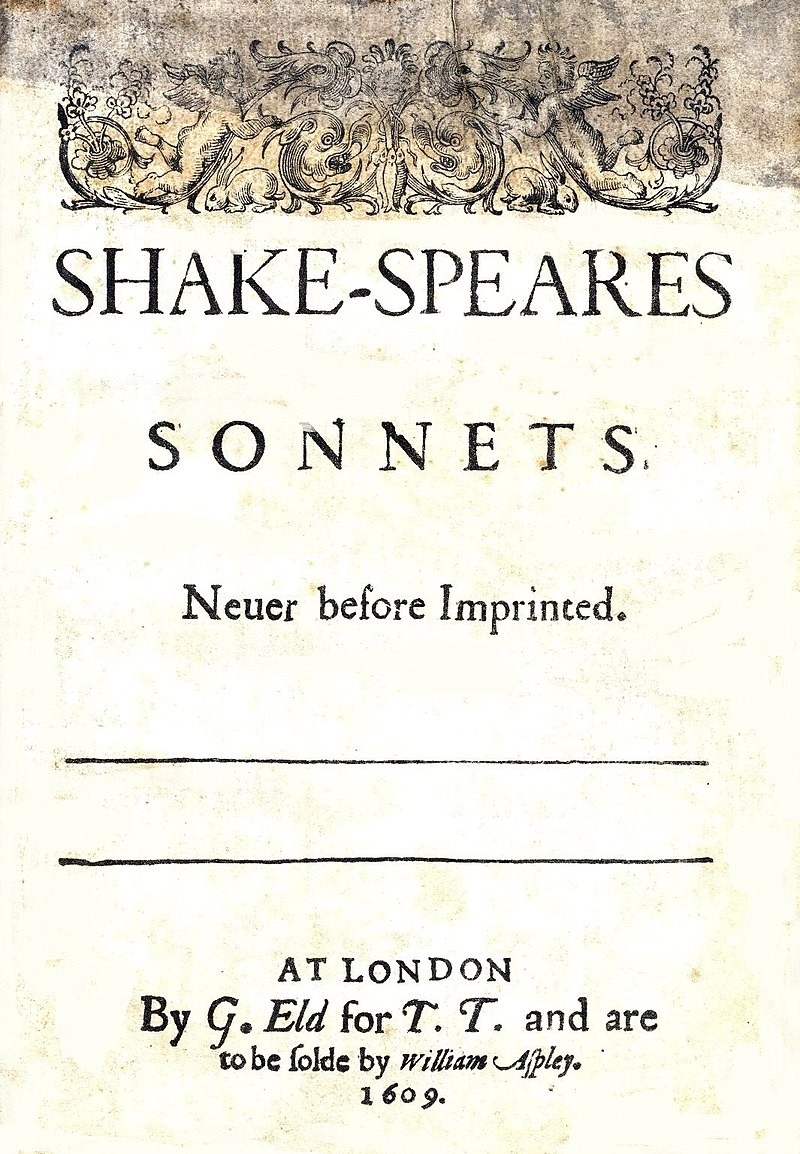
<p>English playwright, poet, and actor William Shakespeare was born (baptized in 26 April) <a href="/tags/otd/" rel="tag">#OTD</a> in 1564 and died <a href="/tags/otd/" rel="tag">#OTD</a> in 1616.</p><p>Some of his most famous tragedies include "Hamlet," "Othello," "King Lear," and "Macbeth". His most known comedies, such as "A Midsummer Night’s Dream," "As You Like It," and "Twelfth Night." Shakespeare's histories—such as "Richard III," "Henry V," and "Julius Caesar"—dive into the lives of historical figures and the political machinations of his time.</p><p><a href="/tags/books/" rel="tag">#books</a> <a href="/tags/literature/" rel="tag">#literature</a></p>
<p>American author, Howard R. Garis, best known for a series of books that featured the character of Uncle Wiggily Longears, was born <a href="/tags/otd/" rel="tag">#OTD</a> in 1873.</p><p>Besides the Uncle Wiggily series, Howard R. Garis also wrote for several other children's series, including Tom Swift under the pseudonym Victor Appleton, The Bobbsey Twins under the pseudonym Laura Lee Hope, and books in the Baseball Joe series as Lester Chadwick.</p><p>Books by Howard R. Garis at PG:<br><a href="https://www.gutenberg.org/ebooks/author/808" rel="nofollow" class="ellipsis" title="www.gutenberg.org/ebooks/author/808"><span class="invisible">https://</span><span class="ellipsis">www.gutenberg.org/ebooks/autho</span><span class="invisible">r/808</span></a></p><p><a href="/tags/books/" rel="tag">#books</a> <a href="/tags/literature/" rel="tag">#literature</a></p>
<p>"Time held me green and dying<br>Though I sang in my chains like the sea."</p><p>Dylan Thomas was a difficult person. But ‘Fern Hill’ is a perfect poem.</p><p>by Jayme Stayer</p><p><a href="https://www.americamagazine.org/ideas/2026/03/06/dylan-thomas-was-a-difficult-person-but-fern-hill-is-a-perfect-poem/" rel="nofollow" class="ellipsis" title="www.americamagazine.org/ideas/2026/03/06/dylan-thomas-was-a-difficult-person-but-fern-hill-is-a-perfect-poem/"><span class="invisible">https://</span><span class="ellipsis">www.americamagazine.org/ideas/</span><span class="invisible">2026/03/06/dylan-thomas-was-a-difficult-person-but-fern-hill-is-a-perfect-poem/</span></a></p><p><a href="/tags/books/" rel="tag">#books</a> <a href="/tags/literature/" rel="tag">#literature</a> <a href="/tags/literarycriticism/" rel="tag">#literarycriticism</a> <a href="/tags/poetry/" rel="tag">#poetry</a></p>
<p>French novelist, poet, short story writer, and literary critic Jules Barbey d'Aurevilly died <a href="/tags/otd/" rel="tag">#OTD</a> in 1889.</p><p>His work depicts the ravages of passion, whether carnal (Une vieille maîtresse, 1851), filial (Un prêtre marié, 1865), political (Le Chevalier des Touches, 1864) or mystical (L'Ensorcelée, 1855). In particular, Les Diaboliques in which the unusual and the transgressive plunge the reader into an ambiguous universe, earned the author accusations of immoralism.</p><p><a href="/tags/books/" rel="tag">#books</a> <a href="/tags/literature/" rel="tag">#literature</a></p>
Edited 1y ago
<p>Take Four Books: William Boyd</p><p>Available on BBC Sounds. William Boyd speaks to Take Four Books about his new spy novel, The Predicament, & together with presenter James Crawford & crime writer Louise Welsh they explore its connections to three other literary works.</p><p>@bookstodon </p><p><a href="https://www.bbc.co.uk/sounds/play/m002k3g6" rel="nofollow" class="ellipsis" title="www.bbc.co.uk/sounds/play/m002k3g6"><span class="invisible">https://</span><span class="ellipsis">www.bbc.co.uk/sounds/play/m002</span><span class="invisible">k3g6</span></a></p><p><a href="/tags/scottish/" rel="tag">#Scottish</a> <a href="/tags/literature/" rel="tag">#literature</a> <a href="/tags/spythriller/" rel="tag">#spythriller</a> <a href="/tags/thriller/" rel="tag">#thriller</a></p>
Edited 189d ago
<p>Winter winds are biting,<br>Etching the woods in shadows.</p><p>The paw prints of hunting dogs<br>Are black stars in the snow…</p><p>—Sheena Blackhall, “A Brueghel Winter”<br>🖼️ Pieter Bruegel the Elder, “Hunters in the Snow”, Kunsthistorisches Museum, Vienna</p><p><a href="https://www.poemhunter.com/poem/a-brueghel-winter/" rel="nofollow" class="ellipsis" title="www.poemhunter.com/poem/a-brueghel-winter/"><span class="invisible">https://</span><span class="ellipsis">www.poemhunter.com/poem/a-brue</span><span class="invisible">ghel-winter/</span></a></p><p><a href="/tags/scottish/" rel="tag">#Scottish</a> <a href="/tags/literature/" rel="tag">#literature</a> <a href="/tags/poem/" rel="tag">#poem</a> <a href="/tags/poetry/" rel="tag">#poetry</a> <a href="/tags/art/" rel="tag">#art</a> <a href="/tags/painting/" rel="tag">#painting</a> <a href="/tags/bruegel/" rel="tag">#Bruegel</a> <a href="/tags/pieterbruegeltheelder/" rel="tag">#PieterBruegelTheElder</a></p>
<p>On BBC Sounds: Jackie Kay talks to John Wilson about her childhood in Glasgow as the mixed-race, adopted daughter of a loving couple. </p><p>Jackie first introduction to performance & theatre were the parties her parents hosted to raise money for the Communist Party.</p><p>Growing up in Glasgow in the 60s & 70s, Jackie had very few Black role models & took inspiration from the works of Audre Lorde & Angela Davis.</p><p><a href="https://www.bbc.co.uk/programmes/m002jttv" rel="nofollow" class="ellipsis" title="www.bbc.co.uk/programmes/m002jttv"><span class="invisible">https://</span><span class="ellipsis">www.bbc.co.uk/programmes/m002j</span><span class="invisible">ttv</span></a></p><p><a href="/tags/scottish/" rel="tag">#Scottish</a> <a href="/tags/literature/" rel="tag">#literature</a> <a href="/tags/identity/" rel="tag">#identity</a> <a href="/tags/poetry/" rel="tag">#poetry</a> <a href="/tags/jackiekay/" rel="tag">#JackieKay</a> <a href="/tags/glasgow/" rel="tag">#Glasgow</a></p>
<p>English poet Rupert Brooke died <a href="/tags/otd/" rel="tag">#OTD</a> in 1915.</p><p>He is known for his idealistic war sonnets written during the First World War, especially "The Soldier". Rupert Brooke’s promising literary career was cut short when he died in April 1915 from sepsis resulting from an infected mosquito bite while he was part of the British Mediterranean Expeditionary Force.</p><p>Books by Rupert Brooke at PG:<br><a href="https://www.gutenberg.org/ebooks/author/148" rel="nofollow" class="ellipsis" title="www.gutenberg.org/ebooks/author/148"><span class="invisible">https://</span><span class="ellipsis">www.gutenberg.org/ebooks/autho</span><span class="invisible">r/148</span></a></p><p><a href="/tags/books/" rel="tag">#books</a> <a href="/tags/literature/" rel="tag">#literature</a> <a href="/tags/poetry/" rel="tag">#poetry</a></p>
<p>I want answers, but there are only the wild geese<br>Calling, high in the almost-dark, bearing south,<br>And me, stopped short, clutching a bag of groceries<br>On the doorstep of my not-quite home…</p><p>—Susan Mansfield, “Bearing South”<br>from The Rooftop Busker: New Writing Scotland 33 (ASL, 2015)</p><p><a href="/tags/scottish/" rel="tag">#Scottish</a> <a href="/tags/literature/" rel="tag">#literature</a> <a href="/tags/poem/" rel="tag">#poem</a> <a href="/tags/poetry/" rel="tag">#poetry</a> <a href="/tags/autumn/" rel="tag">#autumn</a></p>
<p>Here, I got you one of those you like:<br>those bewildered late bloomers, tough and small <br>and sweeter than they’ve any right to be…</p><p>—Don Paterson, “A Winter Apple”<br>Published in THE ARCTIC (Faber, 2022)</p><p><a href="https://www.faber.co.uk/product/9780571338191-the-arctic/" rel="nofollow" class="ellipsis" title="www.faber.co.uk/product/9780571338191-the-arctic/"><span class="invisible">https://</span><span class="ellipsis">www.faber.co.uk/product/978057</span><span class="invisible">1338191-the-arctic/</span></a></p><p><a href="/tags/scottish/" rel="tag">#Scottish</a> <a href="/tags/literature/" rel="tag">#literature</a> <a href="/tags/poem/" rel="tag">#poem</a> <a href="/tags/poetry/" rel="tag">#poetry</a> <a href="/tags/winter/" rel="tag">#winter</a></p>
<p>"Nothing great was ever achieved without enthusiasm."<br>Essays: First Series</p><p>American essayist, lecturer, philosopher, abolitionist, and poet Ralph Waldo Emerson died <a href="/tags/otd/" rel="tag">#OTD</a> in 1882. He led the Transcendentalist movement of the mid-19th century, such as in "Nature". He is best known for his essays, which were initially delivered as lectures. "Self-Reliance" and "The American Scholar" are among his most influential. </p><p>Books by Ralph Waldo Emerson at PG:<br><a href="https://www.gutenberg.org/ebooks/author/1071" rel="nofollow" class="ellipsis" title="www.gutenberg.org/ebooks/author/1071"><span class="invisible">https://</span><span class="ellipsis">www.gutenberg.org/ebooks/autho</span><span class="invisible">r/1071</span></a></p><p><a href="/tags/books/" rel="tag">#books</a> <a href="/tags/literature/" rel="tag">#literature</a></p>
<p>Today's POTD ©️ me</p><p>MESSIAH</p><p>So Jesus <br>ministered to <br>the dregs of society. <br>In His name a religion <br>was raised. <br>Messiahs </p><p>have <br>been seen <br>and are awaited by<br>Christian Jewish and <br>Arab believers. <br>Millions </p><p>upon <br>millions of <br>them. Irony: The <br>Messiah will <br>go </p><p>unrecognized. </p><p>cuz </p><p>the Messiah <br>will be dirty, poor, <br>bedraggled, sometimes <br>even bloodied. That's </p><p>just </p><p>how it is, <br>ministering <br>at the edges to </p><p>dregs</p><p><a href="/tags/literature/" rel="tag">#literature</a> <a href="/tags/poetry/" rel="tag">#poetry</a> <a href="/tags/religion/" rel="tag">#religion</a></p>
Edited 193d ago
<p>Austrian Philosopher Ludwig Wittgenstein was born <a href="/tags/otd/" rel="tag">#OTD</a> in 1899.</p><p>In Tractatus Logico-Philosophicus, he attempted to delineate the limits of language. The book is structured around a series of numbered propositions and sub-propositions, which build on each other to create a dense, almost mathematical argument. In Philosophical Investigations, he introduced the concept of how words take their meanings from their function in various forms of life and activities.</p><p><a href="/tags/books/" rel="tag">#books</a> <a href="/tags/literature/" rel="tag">#literature</a> <a href="/tags/philosophy/" rel="tag">#philosophy</a></p>
Edited 1y ago
<p>“Les pensées et maximes sont un genre épuisé et un genre futile.”<br>Les contemporains</p><p>French critic and dramatist Jules Lemaître was born <a href="/tags/otd/" rel="tag">#OTD</a> in 1853.</p><p>His literary studies were collected under the title of Les Contemporains (7 series, 1886–99), and his dramatic feuilletons as Impressions de Théàtre (10 series, 1888–98). Lemaître found Zola's naturalism to be excessively deterministic and pessimistic.</p><p>Books by Jules Lemaître at PG:<br><a href="https://www.gutenberg.org/ebooks/author/5505" rel="nofollow" class="ellipsis" title="www.gutenberg.org/ebooks/author/5505"><span class="invisible">https://</span><span class="ellipsis">www.gutenberg.org/ebooks/autho</span><span class="invisible">r/5505</span></a></p><p><a href="/tags/books/" rel="tag">#books</a> <a href="/tags/literature/" rel="tag">#literature</a></p>
<p>American writer Willa Cather died <a href="/tags/otd/" rel="tag">#OTD</a> in 1947.</p><p>Cather's first novel, Alexander's Bridge (1912), was a departure from her later work, but it was with her Prairie Trilogy — O Pioneers! (1913), The Song of the Lark (1915), and My Ántonia (1918) — that she established her reputation as a major American novelist. In 1923, she was awarded the Pulitzer Prize for One of Ours, a novel set during World War I.</p><p>Books by Willa Cather at PG:<br><a href="https://www.gutenberg.org/ebooks/author/22" rel="nofollow" class="ellipsis" title="www.gutenberg.org/ebooks/author/22"><span class="invisible">https://</span><span class="ellipsis">www.gutenberg.org/ebooks/autho</span><span class="invisible">r/22</span></a></p><p><a href="/tags/books/" rel="tag">#books</a> <a href="/tags/literature/" rel="tag">#literature</a></p>
<p>Faar’s Baabie Jeanie’s loon? The aal wife hersel<br>Stans treeshin hame the milkers at the ley park yett…</p><p>—“War: 1939–1945”, by Flora Garry (1900–2000) – born <a href="/tags/otd/" rel="tag">#OTD</a>, 30 September<br>Published in FROM THE LINE: Scottish War Poetry 1914–1945 </p><p>1/2</p><p><a href="https://asls.org.uk/publications/books/volumes/from_the_line/" rel="nofollow" class="ellipsis" title="asls.org.uk/publications/books/volumes/from_the_line/"><span class="invisible">https://</span><span class="ellipsis">asls.org.uk/publications/books</span><span class="invisible">/volumes/from_the_line/</span></a></p><p><a href="/tags/scottish/" rel="tag">#Scottish</a> <a href="/tags/literature/" rel="tag">#literature</a> <a href="/tags/20thcentury/" rel="tag">#20thcentury</a> <a href="/tags/poem/" rel="tag">#poem</a> <a href="/tags/poetry/" rel="tag">#poetry</a> <a href="/tags/scots/" rel="tag">#Scots</a> <a href="/tags/scotslanguage/" rel="tag">#Scotslanguage</a> <a href="/tags/warpoetry/" rel="tag">#warpoetry</a> <a href="/tags/ww2/" rel="tag">#WW2</a></p>
<p>Scottish author R. M. Ballantyne was born <a href="/tags/otd/" rel="tag">#OTD</a> in 1825.</p><p>He is best known for his adventure stories for young readers, his most famous work being The Coral Island (1858). This novel was particularly influential in the adventure genre and was a key predecessor to later classic adventure stories, including William Golding's Lord of the Flies. He also wrote The Young Fur Traders, The Dog Crusoe and His Master, The Lighthouse, The Lifeboat and Martin Rattler.</p><p><a href="/tags/books/" rel="tag">#books</a> <a href="/tags/literature/" rel="tag">#literature</a></p>
<p>Today, 30 September, is International Translation Day – read THE BOTTLE IMP: Scottish literature & translation issue free online:</p><p>🇩🇪 SUNSET SONG in the GDR<br>🇮🇹 THE BLACK ARROW on Italian TV<br>🏆 Scotland’s Nobel-nominated Esperanto poet<br>🇫🇷 Franco-Scots poetry & postcolonialism<br>🏗️ Transcreating concrete poetry </p><p><a href="https://www.thebottleimp.org.uk/2019/12/bad-harsk-speech-and-lewit-barbar-tung/" rel="nofollow" class="ellipsis" title="www.thebottleimp.org.uk/2019/12/bad-harsk-speech-and-lewit-barbar-tung/"><span class="invisible">https://</span><span class="ellipsis">www.thebottleimp.org.uk/2019/1</span><span class="invisible">2/bad-harsk-speech-and-lewit-barbar-tung/</span></a></p><p><a href="/tags/scottish/" rel="tag">#Scottish</a> <a href="/tags/literature/" rel="tag">#literature</a> <a href="/tags/internationaltranslationday/" rel="tag">#InternationalTranslationDay</a> <a href="/tags/translation/" rel="tag">#translation</a> <a href="/tags/sunsetsong/" rel="tag">#SunsetSong</a> <a href="/tags/gdr/" rel="tag">#GDR</a> <a href="/tags/italian/" rel="tag">#Italian</a> <a href="/tags/esperanto/" rel="tag">#Esperanto</a> <a href="/tags/french/" rel="tag">#French</a> <a href="/tags/postcolonial/" rel="tag">#postcolonial</a> <a href="/tags/poetry/" rel="tag">#poetry</a> <a href="/tags/concretepoetry/" rel="tag">#concretepoetry</a></p>
<p>“The use of Scots, apart from the relative ease of working up the right atmosphere, also helps (though dangerously) because of the verbal freedom it confers on a harassed translator”</p><p>—Edwin Morgan on translating Mayakovsky into Scots </p><p>1/3</p><p><a href="https://asls.org.uk/publications/books/volumes/edwin-morgan-in-touch-with-language/" rel="nofollow" class="ellipsis" title="asls.org.uk/publications/books/volumes/edwin-morgan-in-touch-with-language/"><span class="invisible">https://</span><span class="ellipsis">asls.org.uk/publications/books</span><span class="invisible">/volumes/edwin-morgan-in-touch-with-language/</span></a><br> <br><a href="/tags/scottish/" rel="tag">#Scottish</a> <a href="/tags/literature/" rel="tag">#literature</a> <a href="/tags/poetry/" rel="tag">#poetry</a> <a href="/tags/translation/" rel="tag">#translation</a> <a href="/tags/internationaltranslationday/" rel="tag">#InternationalTranslationDay</a> <a href="/tags/scots/" rel="tag">#Scots</a> <a href="/tags/scotslanguage/" rel="tag">#Scotslanguage</a> <a href="/tags/russian/" rel="tag">#Russian</a> <a href="/tags/edwinmorgan/" rel="tag">#EdwinMorgan</a> <a href="/tags/mayakovsky/" rel="tag">#Mayakovsky</a></p>
<p>Brazilian writer José de Alencar was born <a href="/tags/otd/" rel="tag">#OTD</a> in 1829.</p><p>He is considered to be one of the most famous and influential Brazilian Romantic novelists of the 19th century, and a major exponent of the literary tradition known as "Indianism". Some of his most celebrated works include: "O Guarani" (1857), "Iracema" (1865), "Senhora" (1875), "Ubirajara" (1874), "Til" (1871).</p><p>Books by José de Alencar at PG:<br><a href="https://www.gutenberg.org/ebooks/author/33653" rel="nofollow" class="ellipsis" title="www.gutenberg.org/ebooks/author/33653"><span class="invisible">https://</span><span class="ellipsis">www.gutenberg.org/ebooks/autho</span><span class="invisible">r/33653</span></a></p><p><a href="/tags/books/" rel="tag">#books</a> <a href="/tags/literature/" rel="tag">#literature</a></p>