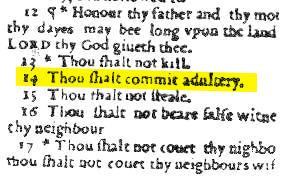
<p>Reformation of science</p><p>Protestantism didn’t hold back science – it revolutionised its methods, its theoretical content and its social significance</p><p>by Peter Harrison</p><p><a href="https://aeon.co/essays/how-protestantism-influenced-the-making-of-modern-science?utm_source=Aeon+Newsletter&utm_campaign=72289caf52-EMAIL_CAMPAIGN_2026_03_06_COPY_01&utm_medium=email&utm_term=0_-4ef8a26106-72664972" rel="nofollow" class="ellipsis" title="aeon.co/essays/how-protestantism-influenced-the-making-of-modern-science?utm_source=Aeon+Newsletter&utm_campaign=72289caf52-EMAIL_CAMPAIGN_2026_03_06_COPY_01&utm_medium=email&utm_term=0_-4ef8a26106-72664972"><span class="invisible">https://</span><span class="ellipsis">aeon.co/essays/how-protestanti</span><span class="invisible">sm-influenced-the-making-of-modern-science?utm_source=Aeon+Newsletter&utm_campaign=72289caf52-EMAIL_CAMPAIGN_2026_03_06_COPY_01&utm_medium=email&utm_term=0_-4ef8a26106-72664972</span></a></p><p>Protestantism at PG:<br><a href="https://www.gutenberg.org/ebooks/subject/4381" rel="nofollow" class="ellipsis" title="www.gutenberg.org/ebooks/subject/4381"><span class="invisible">https://</span><span class="ellipsis">www.gutenberg.org/ebooks/subje</span><span class="invisible">ct/4381</span></a></p><p><a href="/tags/books/" rel="tag">#books</a> <a href="/tags/literature/" rel="tag">#literature</a> <a href="/tags/science/" rel="tag">#science</a></p>
literature
<p>Why Is the Aeneid Important? Key Lessons and Impact of the Ancient Epic</p><p>"Virgil’s Aeneid is one of the most famous and influential pieces of literature from the Roman world. What was its purpose, and what are the key lessons it conveys?"</p><p><a href="https://www.thecollector.com/aeneid-importance-founding-rome/" rel="nofollow" class="ellipsis" title="www.thecollector.com/aeneid-importance-founding-rome/"><span class="invisible">https://</span><span class="ellipsis">www.thecollector.com/aeneid-im</span><span class="invisible">portance-founding-rome/</span></a></p><p>The Aeneid at PG:</p><p><a href="https://www.gutenberg.org/ebooks/search/?query=Aeneid" rel="nofollow" class="ellipsis" title="www.gutenberg.org/ebooks/search/?query=Aeneid"><span class="invisible">https://</span><span class="ellipsis">www.gutenberg.org/ebooks/searc</span><span class="invisible">h/?query=Aeneid</span></a></p><p>Virgil Reading the Aeneid to Augustus and Octavia</p><p><a href="/tags/books/" rel="tag">#books</a> <a href="/tags/literature/" rel="tag">#literature</a></p>
<p>Silence: a brief literary history</p><p>by Kate McLoughlin</p><p>Without silences, we wouldn’t have the exquisite hush of medieval lullabies, the suspenseful secrets of the realist novel, or jagged modernist poetry.</p><p><a href="https://theconversation.com/silence-a-brief-literary-history-277903?utm_medium=email&utm_campaign=Latest%20from%20The%20Conversation%20for%20April%201%202026%20-%203724038096&utm_content=Latest%20from%20The%20Conversation%20for%20April%201%202026%20-%203724038096+CID_11bc9538c61be32abbf7da8bc43f3be9&utm_source=campaign_monitor_uk" rel="nofollow" class="ellipsis" title="theconversation.com/silence-a-brief-literary-history-277903?utm_medium=email&utm_campaign=Latest%20from%20The%20Conversation%20for%20April%201%202026%20-%203724038096&utm_content=Latest%20from%20The%20Conversation%20for%20April%201%202026%20-%203724038096+CID_11bc9538c61be32abbf7da8bc43f3be9&utm_source=campaign_monitor_uk"><span class="invisible">https://</span><span class="ellipsis">theconversation.com/silence-a-</span><span class="invisible">brief-literary-history-277903?utm_medium=email&utm_campaign=Latest%20from%20The%20Conversation%20for%20April%201%202026%20-%203724038096&utm_content=Latest%20from%20The%20Conversation%20for%20April%201%202026%20-%203724038096+CID_11bc9538c61be32abbf7da8bc43f3be9&utm_source=campaign_monitor_uk</span></a></p><p><a href="/tags/books/" rel="tag">#books</a> <a href="/tags/literature/" rel="tag">#literature</a></p>
<p>CFP<br>A Kingdom in Perplexity: Voices of Seventeenth-Century Scotland Symposium<br>11 June, University of Glasgow</p><p>Postgraduate & Early Career Researchers specialising in any aspect of early modern Scottish history, literature & culture are invited to participate in the University of Glasgow’s new interdisciplinary research symposium. Contact scot17thcenturyresearch@gmail.com for details.</p><p><a href="/tags/scottish/" rel="tag">#Scottish</a> <a href="/tags/literature/" rel="tag">#literature</a> <a href="/tags/history/" rel="tag">#history</a> <a href="/tags/culture/" rel="tag">#culture</a> <a href="/tags/celticstudies/" rel="tag">#celticstudies</a> <a href="/tags/callforpapers/" rel="tag">#callforpapers</a> <a href="/tags/gaelic/" rel="tag">#Gaelic</a> <a href="/tags/gaidhlig/" rel="tag">#Gaidhlig</a></p>
<p>George MacDonald Fraser (1925–2008) – author, historian, journalist, screenwriter – was born <a href="/tags/otd/" rel="tag">#OTD</a>, 2 April, 1925</p><p>“His dedication to strongly researched stories, built firmly on a bedrock of historical fact, but always with an eye to the humour of a situation, was the core of what appealed to me”</p><p>Historical novelist Michael Jecks discusses MacDonald Fraser’s writing for the Royal Literary Fund</p><p>@bookstodon </p><p>1/6</p><p><a href="https://www.rlf.org.uk/showcase/not-a-serious-writer/" rel="nofollow" class="ellipsis" title="www.rlf.org.uk/showcase/not-a-serious-writer/"><span class="invisible">https://</span><span class="ellipsis">www.rlf.org.uk/showcase/not-a-</span><span class="invisible">serious-writer/</span></a></p><p><a href="/tags/scottish/" rel="tag">#Scottish</a> <a href="/tags/literature/" rel="tag">#literature</a> <a href="/tags/historicalfiction/" rel="tag">#historicalfiction</a></p>
<p>Thirty previously unpublished verses by Empedocles discovered on a papyrus from Cairo</p><p>by University de Liege</p><p>edited by Stephanie Baum, reviewed by Robert Egan</p><p><a href="https://phys.org/news/2026-04-previously-unpublished-verses-empedocles-papyrus.html" rel="nofollow" class="ellipsis" title="phys.org/news/2026-04-previously-unpublished-verses-empedocles-papyrus.html"><span class="invisible">https://</span><span class="ellipsis">phys.org/news/2026-04-previous</span><span class="invisible">ly-unpublished-verses-empedocles-papyrus.html</span></a></p><p>Empedocles at PG:<br><a href="https://www.gutenberg.org/ebooks/search/?query=Empedocles" rel="nofollow" class="ellipsis" title="www.gutenberg.org/ebooks/search/?query=Empedocles"><span class="invisible">https://</span><span class="ellipsis">www.gutenberg.org/ebooks/searc</span><span class="invisible">h/?query=Empedocles</span></a></p><p><a href="/tags/books/" rel="tag">#books</a> <a href="/tags/literature/" rel="tag">#literature</a> <a href="/tags/old_manuscripts/" rel="tag">#old_manuscripts</a></p>
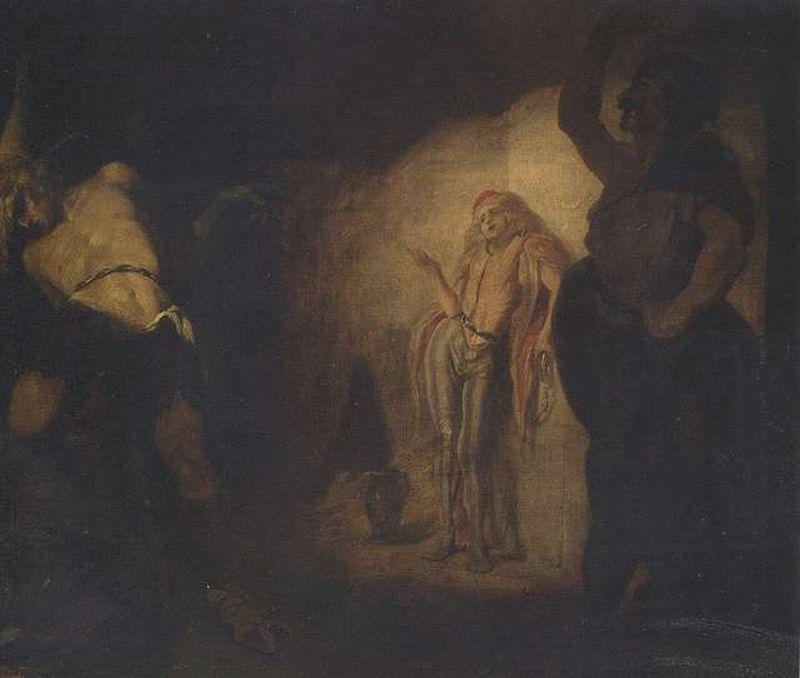
<p>The cold Roman eye, hand on seal.<br>Vale. Take the thief away.</p><p>“You carry your own tree, Jimmy…”<br>Another gallowsbird behind.<br>One ahead, burdened, a bruised brightness…</p><p>—George Mackay Brown, “Stations of the Cross: The Good Thief”<br>published in CARVE THE RUNES: Selected Poems (Birlinn, 2021)</p><p><a href="https://birlinn.co.uk/product/carve-the-runes/" rel="nofollow" class="ellipsis" title="birlinn.co.uk/product/carve-the-runes/"><span class="invisible">https://</span><span class="ellipsis">birlinn.co.uk/product/carve-th</span><span class="invisible">e-runes/</span></a></p><p><a href="/tags/scottish/" rel="tag">#Scottish</a> <a href="/tags/literature/" rel="tag">#literature</a> <a href="/tags/easter/" rel="tag">#Easter</a> <a href="/tags/goodfriday/" rel="tag">#GoodFriday</a> <a href="/tags/poem/" rel="tag">#poem</a> <a href="/tags/poetry/" rel="tag">#poetry</a> <a href="/tags/orkney/" rel="tag">#Orkney</a></p>
<p>Three o’clock. The bus lurches<br>round into the sun. “D’s this go –”<br>he flops beside me – “right along Bath Street?<br>– Oh tha’s, tha’s all right, see I’ve<br>got to get some Easter eggs for the kiddies…</p><p>—Edwin Morgan, “Good Friday”<br>from CENTENARY SELECTED POEMS, @carcanet.bsky.social 2020</p><p><a href="https://www.carcanet.co.uk/9781784109967/centenary-selected-poems/" rel="nofollow" class="ellipsis" title="www.carcanet.co.uk/9781784109967/centenary-selected-poems/"><span class="invisible">https://</span><span class="ellipsis">www.carcanet.co.uk/97817841099</span><span class="invisible">67/centenary-selected-poems/</span></a></p><p><a href="/tags/scottish/" rel="tag">#Scottish</a> <a href="/tags/literature/" rel="tag">#literature</a> <a href="/tags/easter/" rel="tag">#Easter</a> <a href="/tags/poem/" rel="tag">#poem</a> <a href="/tags/poetry/" rel="tag">#poetry</a> <a href="/tags/goodfriday/" rel="tag">#GoodFriday</a> <a href="/tags/glasgow/" rel="tag">#Glasgow</a></p>
<p>Three o’clock. Yer hot cross buns ur in the oven<br>fur another nine minutes. The soup will be tested at some point<br>the mora, or maybe oan Sunday…</p><p>—Charles Lang, “Good Friday (After Edwin Morgan)”<br>from NOBODY REMEMBERS THE BIRDMAN: New Writing Scotland 40 (ASL, 2022)</p><p><a href="https://asls.org.uk/publications/books/newwriting/nws40/" rel="nofollow" class="ellipsis" title="asls.org.uk/publications/books/newwriting/nws40/"><span class="invisible">https://</span><span class="ellipsis">asls.org.uk/publications/books</span><span class="invisible">/newwriting/nws40/</span></a></p><p><a href="/tags/scottish/" rel="tag">#Scottish</a> <a href="/tags/literature/" rel="tag">#literature</a> <a href="/tags/easter/" rel="tag">#Easter</a> <a href="/tags/poem/" rel="tag">#poem</a> <a href="/tags/poetry/" rel="tag">#poetry</a> <a href="/tags/goodfriday/" rel="tag">#GoodFriday</a></p>
<p>heh jimmy<br>yawright ih<br>stull wayiz urryi<br>ih</p><p>heh jimmy<br>ma right insane yirra pape<br>ma right insane yirwanny us jimmy<br>see it nyir eyes<br>wanny uz</p><p>—Tom Leonard, “The Good Thief”<br>published in THE GOLDEN TREASURY OF SCOTTISH VERSE, <span class="h-card"><a href="https://bookish.community/@canongatebooks" class="u-url mention" rel="nofollow noopener noreferrer" target="_blank">@<span>canongatebooks</span></a></span> 2021</p><p><a href="https://canongate.co.uk/books/3267-the-golden-treasury-of-scottish-verse/" rel="nofollow" class="ellipsis" title="canongate.co.uk/books/3267-the-golden-treasury-of-scottish-verse/"><span class="invisible">https://</span><span class="ellipsis">canongate.co.uk/books/3267-the</span><span class="invisible">-golden-treasury-of-scottish-verse/</span></a></p><p><a href="/tags/scottish/" rel="tag">#Scottish</a> <a href="/tags/literature/" rel="tag">#literature</a> <a href="/tags/easter/" rel="tag">#Easter</a> <a href="/tags/poem/" rel="tag">#poem</a> <a href="/tags/poetry/" rel="tag">#poetry</a> <a href="/tags/goodfriday/" rel="tag">#GoodFriday</a> <a href="/tags/glasgow/" rel="tag">#Glasgow</a></p>
<p>Her face was thrawed.<br>She wisna aa come.</p><p>In the trams o her airms<br>the wummin held oot her first bairn.<br>It micht hae been a mercat day<br>and him for sale…</p><p>—Alastair Mackie, “Pietà”<br>from The Golden Treasury of Scottish Verse, <span class="h-card"><a href="https://bookish.community/@canongatebooks" class="u-url mention" rel="nofollow noopener noreferrer" target="_blank">@<span>canongatebooks</span></a></span> 2021</p><p><a href="https://canongate.co.uk/books/3267-the-golden-treasury-of-scottish-verse/" rel="nofollow" class="ellipsis" title="canongate.co.uk/books/3267-the-golden-treasury-of-scottish-verse/"><span class="invisible">https://</span><span class="ellipsis">canongate.co.uk/books/3267-the</span><span class="invisible">-golden-treasury-of-scottish-verse/</span></a></p><p><a href="/tags/scottish/" rel="tag">#Scottish</a> <a href="/tags/literature/" rel="tag">#literature</a> <a href="/tags/poem/" rel="tag">#poem</a> <a href="/tags/poetry/" rel="tag">#poetry</a> <a href="/tags/20thcentury/" rel="tag">#20thcentury</a> <a href="/tags/scots/" rel="tag">#Scots</a> <a href="/tags/scotslanguage/" rel="tag">#Scotslanguage</a></p>
Edited 8d ago
<p>A Reader’s Guide to Poetry for National Poetry Month</p><p>By The Editors</p><p>Read poems, learn poetic forms, and discover writers in this National Poetry Month roundup.</p><p><a href="https://daily.jstor.org/editors-picks-national-poetry-month/?utm_source=mcae&utm_medium=email&utm_campaign=jstordaily_04022026" rel="nofollow" class="ellipsis" title="daily.jstor.org/editors-picks-national-poetry-month/?utm_source=mcae&utm_medium=email&utm_campaign=jstordaily_04022026"><span class="invisible">https://</span><span class="ellipsis">daily.jstor.org/editors-picks-</span><span class="invisible">national-poetry-month/?utm_source=mcae&utm_medium=email&utm_campaign=jstordaily_04022026</span></a></p><p>Poetry at PG:<br><a href="https://www.gutenberg.org/ebooks/bookshelf/637" rel="nofollow" class="ellipsis" title="www.gutenberg.org/ebooks/bookshelf/637"><span class="invisible">https://</span><span class="ellipsis">www.gutenberg.org/ebooks/books</span><span class="invisible">helf/637</span></a></p><p><a href="/tags/books/" rel="tag">#books</a> <a href="/tags/literature/" rel="tag">#literature</a> <a href="/tags/poetry/" rel="tag">#poetry</a></p>
<p>A Poet of Science Who Shook Faith in God</p><p>Biographer Richard Holmes reveals how Tennyson predated Darwin and speaks to us today</p><p>By Kevin Berger</p><p><a href="https://nautil.us/a-poet-of-science-who-shook-faith-in-god-1279489" rel="nofollow" class="ellipsis" title="nautil.us/a-poet-of-science-who-shook-faith-in-god-1279489"><span class="invisible">https://</span><span class="ellipsis">nautil.us/a-poet-of-science-wh</span><span class="invisible">o-shook-faith-in-god-1279489</span></a></p><p>Tennyson at PG:<br><a href="https://www.gutenberg.org/ebooks/author/2987" rel="nofollow" class="ellipsis" title="www.gutenberg.org/ebooks/author/2987"><span class="invisible">https://</span><span class="ellipsis">www.gutenberg.org/ebooks/autho</span><span class="invisible">r/2987</span></a></p><p><a href="/tags/books/" rel="tag">#books</a> <a href="/tags/literature/" rel="tag">#literature</a> <a href="/tags/poetry/" rel="tag">#poetry</a></p>
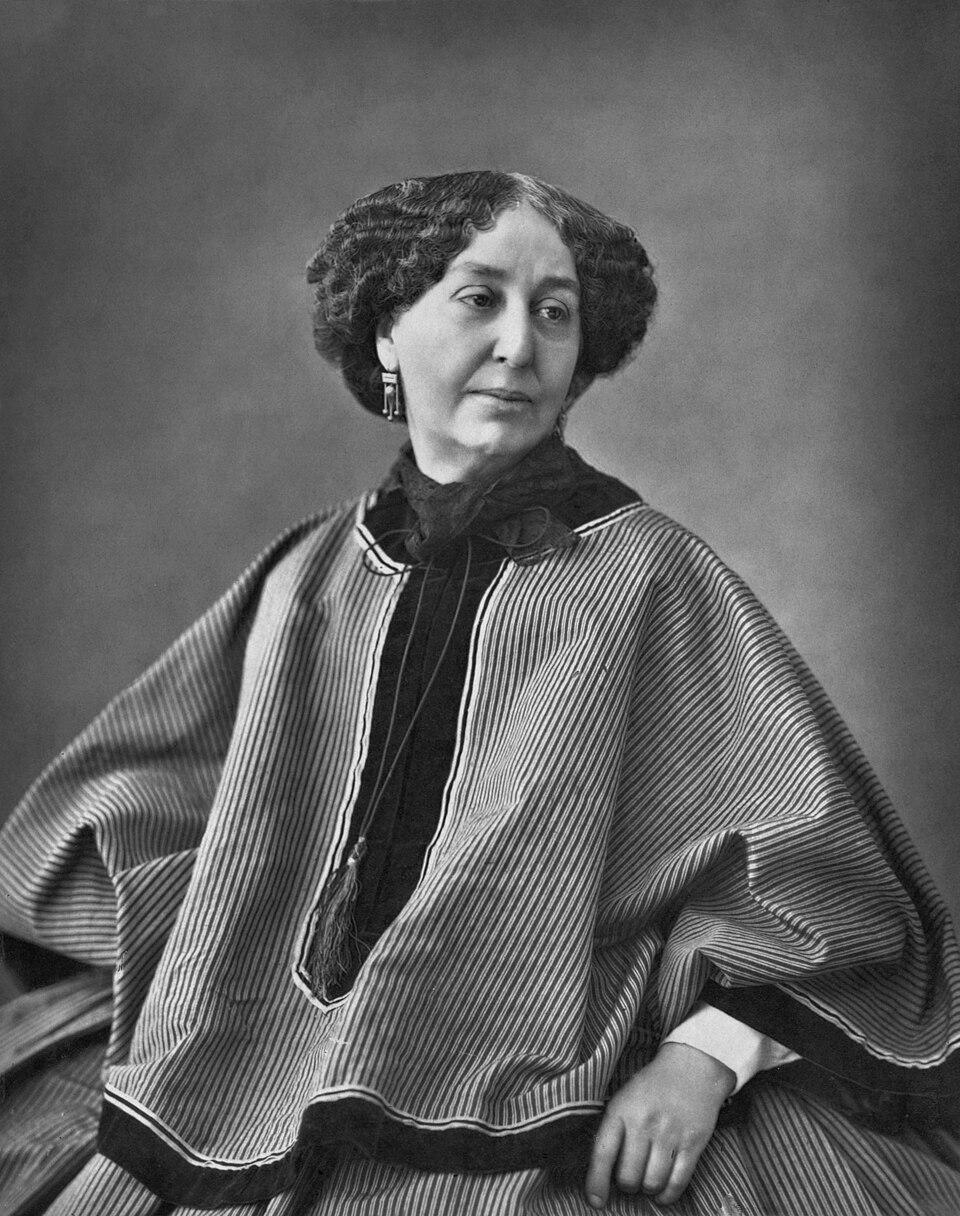
<p><a href="/tags/otd/" rel="tag">#OTD</a> In 1860, George Eliot’s novel The Mill on the Floss is published by John Blackwood in three volumes. </p><p><a href="https://lithub.com/lit-hub-weekly-march-30-april-3-2026/" rel="nofollow" class="ellipsis" title="lithub.com/lit-hub-weekly-march-30-april-3-2026/"><span class="invisible">https://</span><span class="ellipsis">lithub.com/lit-hub-weekly-marc</span><span class="invisible">h-30-april-3-2026/</span></a></p><p>"The Mill on the Floss" at PG: </p><p><a href="https://www.gutenberg.org/ebooks/search/?query=Mill+on+the+floss" rel="nofollow" class="ellipsis" title="www.gutenberg.org/ebooks/search/?query=Mill+on+the+floss"><span class="invisible">https://</span><span class="ellipsis">www.gutenberg.org/ebooks/searc</span><span class="invisible">h/?query=Mill+on+the+floss</span></a></p><p><a href="/tags/books/" rel="tag">#books</a> <a href="/tags/literature/" rel="tag">#literature</a></p>
<p>A girnin, greitin deil wis I –<br>I wis auld, and feelin aulder.<br>Syne the heatin system burst in Hell:<br>It wis cauld – and gettin caulder…</p><p>—James Robertson, “Beelzebub Resurfaces”</p><p><a href="https://www.scottishpoetrylibrary.org.uk/poem/beelzebub-resurfaces/" rel="nofollow" class="ellipsis" title="www.scottishpoetrylibrary.org.uk/poem/beelzebub-resurfaces/"><span class="invisible">https://</span><span class="ellipsis">www.scottishpoetrylibrary.org.</span><span class="invisible">uk/poem/beelzebub-resurfaces/</span></a></p><p><a href="/tags/scottish/" rel="tag">#Scottish</a> <a href="/tags/literature/" rel="tag">#literature</a> <a href="/tags/poem/" rel="tag">#poem</a> <a href="/tags/poetry/" rel="tag">#poetry</a> <a href="/tags/scots/" rel="tag">#Scots</a> <a href="/tags/scotslanguage/" rel="tag">#Scotslanguage</a></p>
<p>Why the Temple of Artemis Was the Greatest Wonder of the World</p><p>The Temple of Artemis at Ephesus was so magnificent that it was considered one of the seven wonders of the ancient world.</p><p>by Kieren Johns</p><p><a href="https://www.thecollector.com/ephesus-temple-of-artemis/" rel="nofollow" class="ellipsis" title="www.thecollector.com/ephesus-temple-of-artemis/"><span class="invisible">https://</span><span class="ellipsis">www.thecollector.com/ephesus-t</span><span class="invisible">emple-of-artemis/</span></a></p><p>Temple of Artemis at PG:<br><a href="https://www.gutenberg.org/ebooks/search/?query=temple+of+artemis" rel="nofollow" class="ellipsis" title="www.gutenberg.org/ebooks/search/?query=temple+of+artemis"><span class="invisible">https://</span><span class="ellipsis">www.gutenberg.org/ebooks/searc</span><span class="invisible">h/?query=temple+of+artemis</span></a></p><p><a href="/tags/books/" rel="tag">#books</a> <a href="/tags/literature/" rel="tag">#literature</a> <a href="/tags/history/" rel="tag">#history</a></p>
<p>Done is a battell on the dragon blak,<br>Our campioun Chryst confoundit hes his force;<br>The ȝettis of hell ar brokin with a crak,<br>The signe triumphall rasit is of the croce…</p><p>—William Dunbar, c.1460–1520. The poem was most likely written when Dunbar was at James IV’s court</p><p>1/2</p><p><a href="/tags/scottish/" rel="tag">#Scottish</a> <a href="/tags/literature/" rel="tag">#literature</a> <a href="/tags/poem/" rel="tag">#poem</a> <a href="/tags/poetry/" rel="tag">#poetry</a> <a href="/tags/medieval/" rel="tag">#medieval</a> <a href="/tags/medievalliterature/" rel="tag">#medievalliterature</a> <a href="/tags/easter/" rel="tag">#Easter</a> <a href="/tags/scots/" rel="tag">#Scots</a> <a href="/tags/scotslanguage/" rel="tag">#Scotslanguage</a></p>
<p>“This poem was written when my father was very ill, dying of cancer, & I was coming home from the hospital. Suddenly this line ‘I am the resurrection & the life’ came into my head & then the poem began to emerge from the line.”</p><p>—Edwin Morgan on “Message Clear”</p><p>1/3</p><p><a href="/tags/scottish/" rel="tag">#Scottish</a> <a href="/tags/literature/" rel="tag">#literature</a> <a href="/tags/easter/" rel="tag">#Easter</a> <a href="/tags/poem/" rel="tag">#poem</a> <a href="/tags/poetry/" rel="tag">#poetry</a> <a href="/tags/concretepoetry/" rel="tag">#concretepoetry</a></p>
<p>There’s a boulder by the forest path,<br>left by the ice ten thousand years ago,<br>it waits, patterned with lichen…</p><p>—Antonia Kearton, “A Benediction”<br>published in Break in Case of Silence: New Writing Scotland 39 (ASL, 2021)</p><p><a href="https://asls.org.uk/publications/books/newwriting/nws39/" rel="nofollow" class="ellipsis" title="asls.org.uk/publications/books/newwriting/nws39/"><span class="invisible">https://</span><span class="ellipsis">asls.org.uk/publications/books</span><span class="invisible">/newwriting/nws39/</span></a></p><p><a href="/tags/scottish/" rel="tag">#Scottish</a> <a href="/tags/literature/" rel="tag">#literature</a> <a href="/tags/easter/" rel="tag">#Easter</a> <a href="/tags/poem/" rel="tag">#poem</a> <a href="/tags/poetry/" rel="tag">#poetry</a></p>
<p>The Loneliness of A Room of One’s Own</p><p>Virginia Woolf put forward an enduring vision of women with the space and financial stability to write. But it’s also a sad vision—of isolated writers, cut off from peers or mentors.</p><p>by Joanna Scutts</p><p><a href="https://newrepublic.com/article/206731/loneliness-room-one-virginia-woolf-hold-up" rel="nofollow" class="ellipsis" title="newrepublic.com/article/206731/loneliness-room-one-virginia-woolf-hold-up"><span class="invisible">https://</span><span class="ellipsis">newrepublic.com/article/206731</span><span class="invisible">/loneliness-room-one-virginia-woolf-hold-up</span></a></p><p>Virginia Wooldf at PG:<br><a href="https://www.gutenberg.org/ebooks/author/89" rel="nofollow" class="ellipsis" title="www.gutenberg.org/ebooks/author/89"><span class="invisible">https://</span><span class="ellipsis">www.gutenberg.org/ebooks/autho</span><span class="invisible">r/89</span></a></p><p><a href="/tags/books/" rel="tag">#books</a> <a href="/tags/literature/" rel="tag">#literature</a> <a href="/tags/literarycriticism/" rel="tag">#literarycriticism</a></p>
<p>B-Sides: Thomas De Quincey’s “The English Mail-Coach”</p><p><a href="https://www.publicbooks.org/b-sides-thomas-de-quinceys-the-english-mail-coach/" rel="nofollow" class="ellipsis" title="www.publicbooks.org/b-sides-thomas-de-quinceys-the-english-mail-coach/"><span class="invisible">https://</span><span class="ellipsis">www.publicbooks.org/b-sides-th</span><span class="invisible">omas-de-quinceys-the-english-mail-coach/</span></a></p><p>The essay at PG:</p><p><a href="https://www.gutenberg.org/ebooks/search/?query=The+English+Mail-Coach" rel="nofollow" class="ellipsis" title="www.gutenberg.org/ebooks/search/?query=The+English+Mail-Coach"><span class="invisible">https://</span><span class="ellipsis">www.gutenberg.org/ebooks/searc</span><span class="invisible">h/?query=The+English+Mail-Coach</span></a></p><p><a href="/tags/books/" rel="tag">#books</a> <a href="/tags/literature/" rel="tag">#literature</a> <a href="/tags/essays/" rel="tag">#essays</a></p>
<p>Your carolan’s blythe, bricht bird i the blackthorn bou,<br>this braw Voar morn, wi trill eftir spirlan trill,<br>tho you only ken the warld as it liggs the nou,<br>an nocht but a glisk concerns your chatteran bill…</p><p>—Maurice Lindsay, “On Hearin a Merle Singan (Arbroath Day, April 6th, 1946)”<br>published in A KIST O SKINKLAN THINGS (ASL 2016)</p><p><a href="https://asls.org.uk/publications/books/volumes/a-kist-o-skinlan-things/" rel="nofollow" class="ellipsis" title="asls.org.uk/publications/books/volumes/a-kist-o-skinlan-things/"><span class="invisible">https://</span><span class="ellipsis">asls.org.uk/publications/books</span><span class="invisible">/volumes/a-kist-o-skinlan-things/</span></a></p><p><a href="/tags/scottish/" rel="tag">#Scottish</a> <a href="/tags/literature/" rel="tag">#literature</a> <a href="/tags/poem/" rel="tag">#poem</a> <a href="/tags/poetry/" rel="tag">#poetry</a> <a href="/tags/scots/" rel="tag">#Scots</a> <a href="/tags/scotslanguage/" rel="tag">#Scotslanguage</a></p>
<p>“It is in truth not for glory, nor riches, nor honours, that we are fighting, but for freedom – for that alone, which no honest man gives up but with life itself”</p><p>The Declaration of Arbroath – a letter from the Community of the Realm of Scotland to Pope John XXII, asserting Scotland’s independence & supporting Robert I as the rightful king – was signed <a href="/tags/otd/" rel="tag">#OTD</a>, 6 April, 1320</p><p><a href="https://unesco.org.uk/our-sites/memory-of-the-world/the-declaration-of-arbroath" rel="nofollow" class="ellipsis" title="unesco.org.uk/our-sites/memory-of-the-world/the-declaration-of-arbroath"><span class="invisible">https://</span><span class="ellipsis">unesco.org.uk/our-sites/memory</span><span class="invisible">-of-the-world/the-declaration-of-arbroath</span></a></p><p><a href="/tags/scottish/" rel="tag">#Scottish</a> <a href="/tags/literature/" rel="tag">#literature</a> <a href="/tags/history/" rel="tag">#history</a> <a href="/tags/medievalhistory/" rel="tag">#medievalhistory</a> <a href="/tags/14thcentury/" rel="tag">#14thcentury</a></p>
<p>Today, 6 April, is Tartan Day – a principally North American day of celebration of Scottish heritage, although it’s also marked, unofficially, in Argentina. 6 April was chosen as it’s the date of the signing of the Declaration of Arbroath in 1320.</p><p>1/4</p><p><a href="/tags/scottish/" rel="tag">#Scottish</a> <a href="/tags/literature/" rel="tag">#literature</a> <a href="/tags/culture/" rel="tag">#culture</a> <a href="/tags/history/" rel="tag">#history</a> <a href="/tags/tartan/" rel="tag">#tartan</a> <a href="/tags/tartanday/" rel="tag">#TartanDay</a></p>
<p>Apollonius of Rhodes: The Man Who Changed Ancient Greek Literature for Ever</p><p>Few figures in Ancient Greek literature have been as consequential and enigmatic as Apollonius of Rhodes.</p><p>By Nick Kampouris</p><p><a href="https://greekreporter.com/2026/04/05/apollonius-rhodes-man-change-greek-literature/" rel="nofollow" class="ellipsis" title="greekreporter.com/2026/04/05/apollonius-rhodes-man-change-greek-literature/"><span class="invisible">https://</span><span class="ellipsis">greekreporter.com/2026/04/05/a</span><span class="invisible">pollonius-rhodes-man-change-greek-literature/</span></a></p><p>Rhodius Apollonius at PG:<br><a href="https://www.gutenberg.org/ebooks/author/433" rel="nofollow" class="ellipsis" title="www.gutenberg.org/ebooks/author/433"><span class="invisible">https://</span><span class="ellipsis">www.gutenberg.org/ebooks/autho</span><span class="invisible">r/433</span></a></p><p><a href="/tags/books/" rel="tag">#books</a> <a href="/tags/literature/" rel="tag">#literature</a> <a href="/tags/philosophy/" rel="tag">#philosophy</a></p>
Edited 4d ago