
<p>"I know that Beauty must ail and die,<br>And will be born again, — but ah, to see<br>Beauty stiffened, staring up at the sky!<br>Oh, Autumn! Autumn! — What is the Spring to me?"</p><p>Second April (1921)</p><p>~Edna St. Vincent Millay (February 22, 1892 – October 19, 1950)</p><p>Books by Edna St. Vincent Millay at PG:<br><a href="https://www.gutenberg.org/ebooks/author/70" rel="nofollow" class="ellipsis" title="www.gutenberg.org/ebooks/author/70"><span class="invisible">https://</span><span class="ellipsis">www.gutenberg.org/ebooks/autho</span><span class="invisible">r/70</span></a></p><p><a href="/tags/books/" rel="tag">#books</a> <a href="/tags/literature/" rel="tag">#literature</a> <a href="/tags/poetry/" rel="tag">#poetry</a></p>
literature
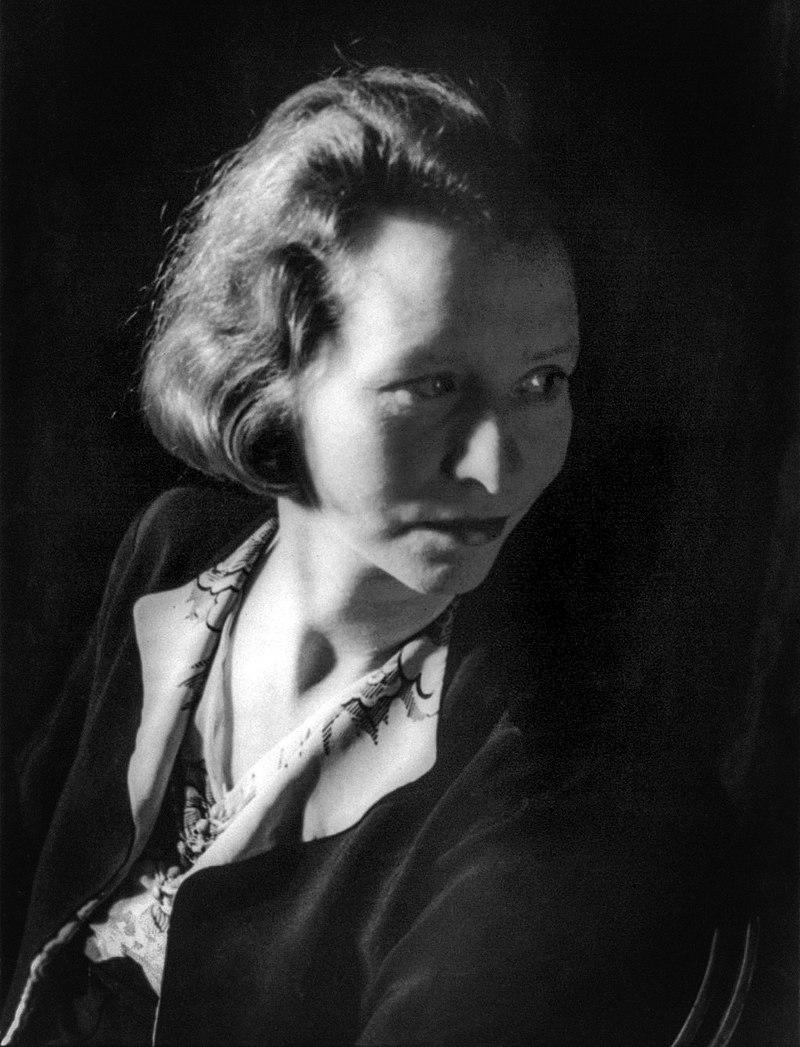

<p>But I am half a Scot by birth, and bred<br>A whole one, and my heart flies to my head,—</p><p>—from “Don Juan”, Canto X, by George Gordon, Lord Byron</p><p>The great Romantic poet George Gordon Byron, 6th Baron Byron – Lord Byron – was born <a href="/tags/otd/" rel="tag">#OTD</a>, 22 Jan, 1788</p><p>A 🎂 🧵</p><p>1/5</p><p><a href="/tags/scottish/" rel="tag">#Scottish</a> <a href="/tags/literature/" rel="tag">#literature</a> <a href="/tags/poem/" rel="tag">#poem</a> <a href="/tags/poetry/" rel="tag">#poetry</a> <a href="/tags/byron/" rel="tag">#Byron</a> <a href="/tags/lordbyron/" rel="tag">#LordByron</a> <a href="/tags/romantic/" rel="tag">#romantic</a> <a href="/tags/romanticism/" rel="tag">#romanticism</a> <a href="/tags/18thcentury/" rel="tag">#18thcentury</a> <a href="/tags/19thcentury/" rel="tag">#19thcentury</a></p>
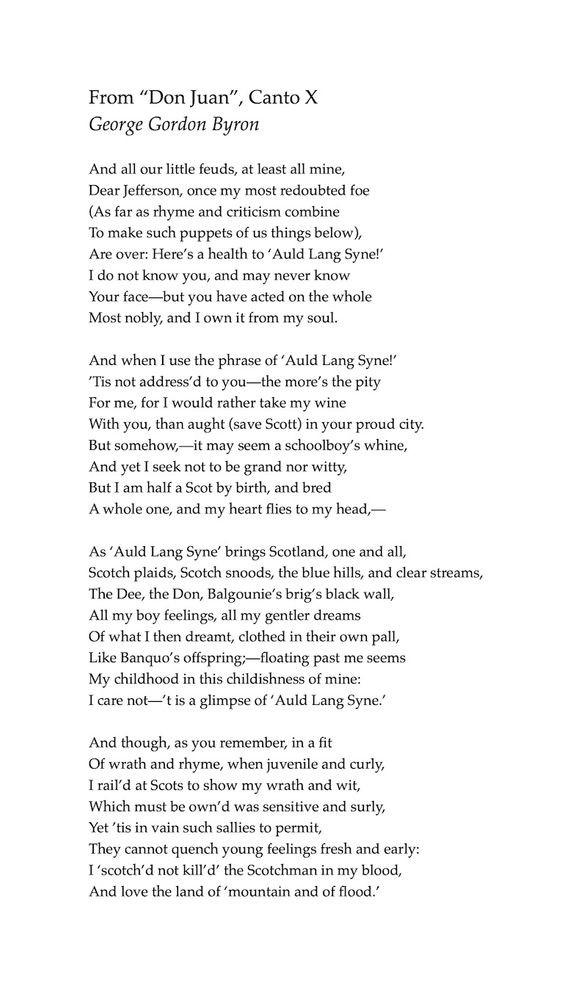
<p>What Are the 5 Most Influential English Ghost Stories?</p><p>Ghost stories are an ancient tradition, often carrying moral or religious messages. Over time, writers realized the power of crafting uniquely unsettling tales, and this list examines 5 of the most influential.</p><p>By Lauren Jones</p><p><a href="https://www.thecollector.com/most-influential-english-ghost-stories/" rel="nofollow" class="ellipsis" title="www.thecollector.com/most-influential-english-ghost-stories/"><span class="invisible">https://</span><span class="ellipsis">www.thecollector.com/most-infl</span><span class="invisible">uential-english-ghost-stories/</span></a></p><p>All these ghost stories are available at PG:<br><a href="https://www.gutenberg.org/ebooks/768" rel="nofollow"><span class="invisible">https://</span>www.gutenberg.org/ebooks/768</a><br><a href="https://www.gutenberg.org/ebooks/1289" rel="nofollow"><span class="invisible">https://</span>www.gutenberg.org/ebooks/1289</a><br><a href="https://www.gutenberg.org/ebooks/14522" rel="nofollow"><span class="invisible">https://</span>www.gutenberg.org/ebooks/14522</a><br><a href="https://www.gutenberg.org/ebooks/8486" rel="nofollow"><span class="invisible">https://</span>www.gutenberg.org/ebooks/8486</a><br><a href="https://www.gutenberg.org/ebooks/209" rel="nofollow"><span class="invisible">https://</span>www.gutenberg.org/ebooks/209</a></p><p><a href="/tags/books/" rel="tag">#books</a> <a href="/tags/literature/" rel="tag">#literature</a></p>
<p>Gin I was God, sittin’ up there abeen,<br>Weariet nae doot noo a’ my darg was deen,<br>Deaved wi’ the harps an’ hymns oonendin’ ringin’,<br>Tired o’ the flockin’ angels hairse wi’ singin’,<br>To some clood-edge I’d daunder furth an’, feth, <br>Look ower an’ watch hoo things were gyaun aneth…</p><p>—Charles Murray (1864–1941), “Gin I Was God”<br>published in THE GOLDEN TREASURY OF SCOTTISH VERSE, <span class="h-card"><a href="https://bookish.community/@canongatebooks" class="u-url mention" rel="nofollow noopener noreferrer" target="_blank">@<span>canongatebooks</span></a></span> 2021</p><p><a href="https://canongate.co.uk/books/3267-the-golden-treasury-of-scottish-verse/" rel="nofollow" class="ellipsis" title="canongate.co.uk/books/3267-the-golden-treasury-of-scottish-verse/"><span class="invisible">https://</span><span class="ellipsis">canongate.co.uk/books/3267-the</span><span class="invisible">-golden-treasury-of-scottish-verse/</span></a></p><p><a href="/tags/scottish/" rel="tag">#Scottish</a> <a href="/tags/literature/" rel="tag">#literature</a> <a href="/tags/poem/" rel="tag">#poem</a> <a href="/tags/poetry/" rel="tag">#poetry</a> <a href="/tags/20thcentury/" rel="tag">#20thcentury</a> <a href="/tags/scots/" rel="tag">#Scots</a> <a href="/tags/scotslanguage/" rel="tag">#Scotslanguage</a> <a href="/tags/god/" rel="tag">#god</a></p>
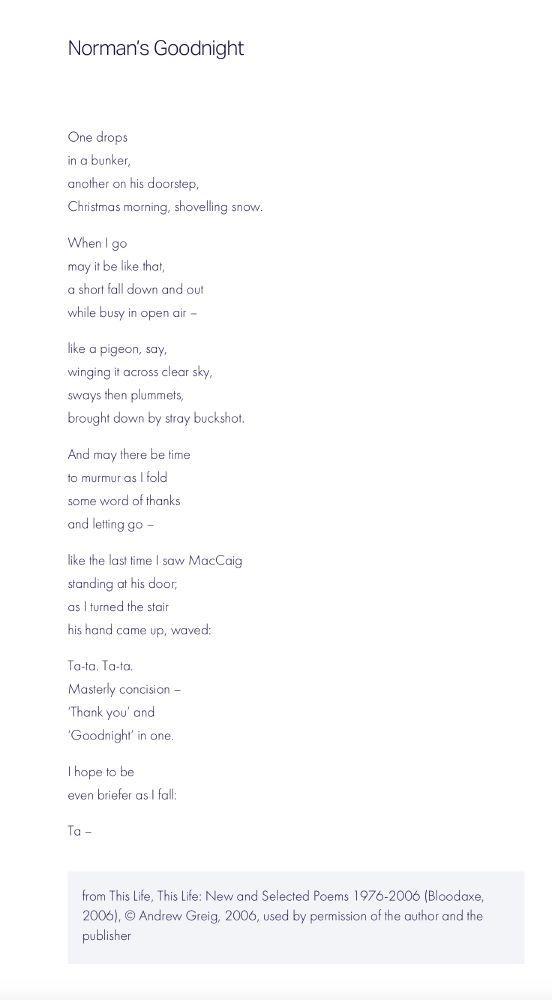
<p>One drops<br>in a bunker,<br>another on his doorstep,<br>Christmas morning, shovelling snow…</p><p>—Andrew Greig, “Norman’s Goodnight”<br>from This Life, This Life: New & Selected Poems 1976–2006 (Bloodaxe Books, 2006</p><p>Norman MacCaig (1910–1996) died <a href="/tags/otd/" rel="tag">#OTD</a>, 23 Jan</p><p><a href="https://poetryarchive.org/poem/normans-goodnight/" rel="nofollow" class="ellipsis" title="poetryarchive.org/poem/normans-goodnight/"><span class="invisible">https://</span><span class="ellipsis">poetryarchive.org/poem/normans</span><span class="invisible">-goodnight/</span></a></p><p><a href="/tags/scottish/" rel="tag">#Scottish</a> <a href="/tags/literature/" rel="tag">#literature</a> <a href="/tags/poem/" rel="tag">#poem</a> <a href="/tags/poetry/" rel="tag">#poetry</a> <a href="/tags/normanmaccaig/" rel="tag">#NormanMacCaig</a></p>
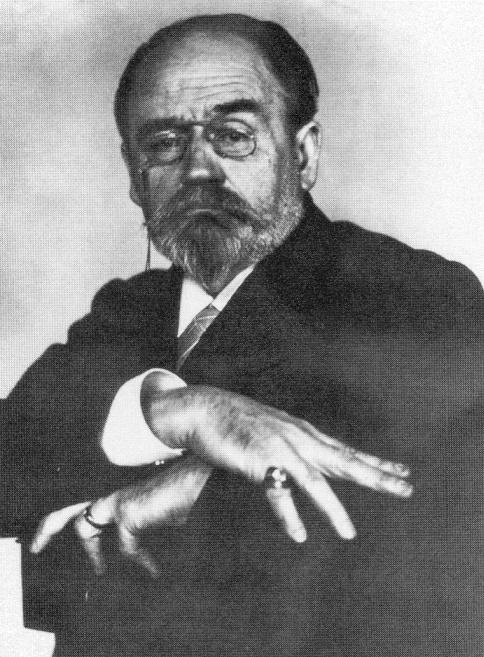
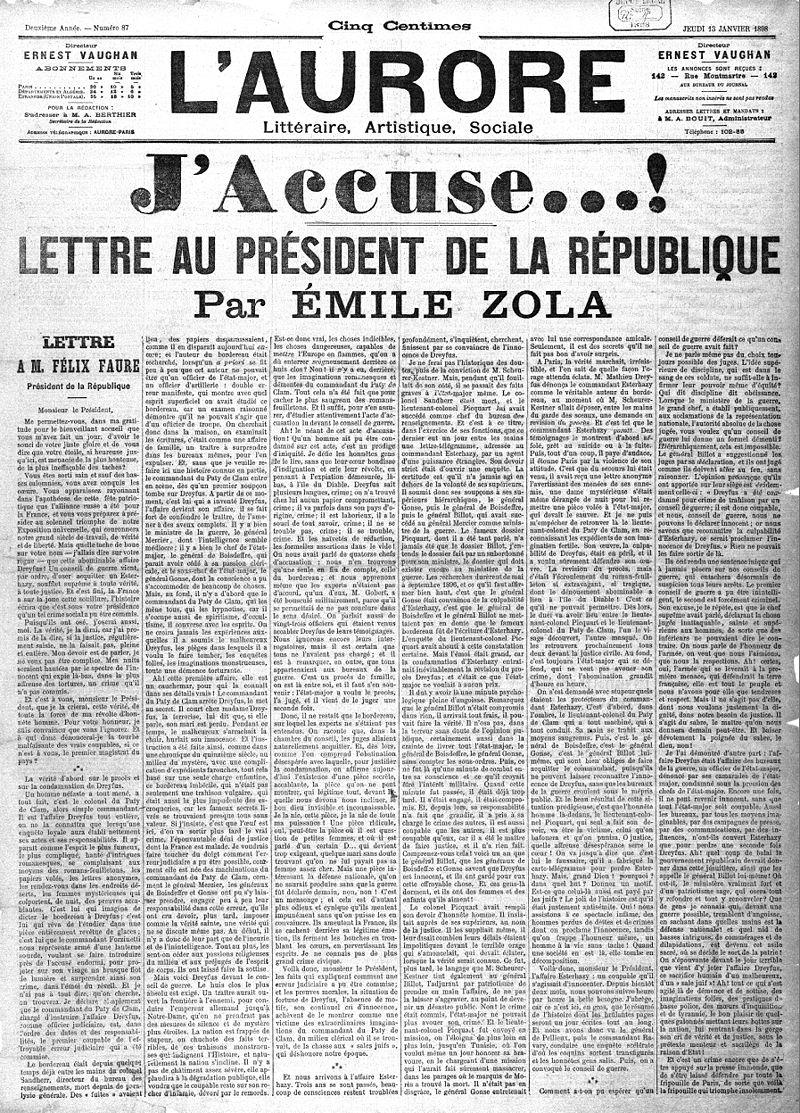
<p><a href="/tags/otd/" rel="tag">#OTD</a> in 1898.</p><p>Émile Zola is imprisoned in France after writing J'Accuse…!, a letter accusing the French government of antisemitism and wrongfully imprisoning Captain Alfred Dreyfus.</p><p>He was sentenced to jail and was removed from the Legion of Honour. To avoid jail time, Zola fled to England. He stayed there until the cabinet fell; he continued to defend Dreyfus.</p><p><a href="https://en.wikipedia.org/wiki/J%27Accuse" rel="nofollow" class="ellipsis" title="en.wikipedia.org/wiki/J%27Accuse"><span class="invisible">https://</span><span class="ellipsis">en.wikipedia.org/wiki/J%27Accu</span><span class="invisible">se</span></a>...!</p><p>J'Accuse at PG:<br><a href="https://www.gutenberg.org/ebooks/20974" rel="nofollow"><span class="invisible">https://</span>www.gutenberg.org/ebooks/20974</a></p><p><a href="/tags/books/" rel="tag">#books</a> <a href="/tags/literature/" rel="tag">#literature</a></p>
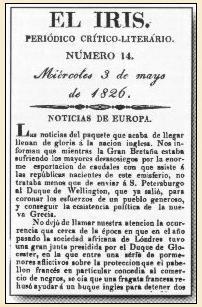
<p><a href="/tags/otd/" rel="tag">#OTD</a> in 1826.</p><p>In the Mexican Republic, lithographer Claudio Linati inaugurates El Iris, a "pocket sized" bi-weekly. It is in print until August 2, when its popularization of liberal ideas prompts the intervention of state censors.</p><p>It was founded as an illustrated literary review, with topics of interest to women. It included articles on poetry, theater and fashion, as well as portraits and biographies of heroes of the recent war of independence.</p><p><a href="https://en.wikipedia.org/wiki/El_Iris" rel="nofollow"><span class="invisible">https://</span>en.wikipedia.org/wiki/El_Iris</a></p><p><a href="/tags/books/" rel="tag">#books</a> <a href="/tags/literature/" rel="tag">#literature</a></p>
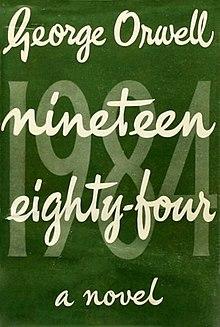
<p>How George Orwell’s Nineteen Eighty-Four predicted the global power shifts happening now</p><p>Orwell is feted for the farsightedness of his geopolitical vision as long ago as the 1940s. But a lot of writers were thinking along similar lines.</p><p>by Emrah Atasoy</p><p><a href="https://theconversation.com/how-george-orwells-nineteen-eighty-four-predicted-the-global-power-shifts-happening-now-273122?utm_medium=email&utm_campaign=The%20Weekender%20-%203653437321&utm_content=The%20Weekender%20-%203653437321+CID_43c6452557555cbd4df21443bb065cc9&utm_source=campaign_monitor_uk" rel="nofollow" class="ellipsis" title="theconversation.com/how-george-orwells-nineteen-eighty-four-predicted-the-global-power-shifts-happening-now-273122?utm_medium=email&utm_campaign=The%20Weekender%20-%203653437321&utm_content=The%20Weekender%20-%203653437321+CID_43c6452557555cbd4df21443bb065cc9&utm_source=campaign_monitor_uk"><span class="invisible">https://</span><span class="ellipsis">theconversation.com/how-george</span><span class="invisible">-orwells-nineteen-eighty-four-predicted-the-global-power-shifts-happening-now-273122?utm_medium=email&utm_campaign=The%20Weekender%20-%203653437321&utm_content=The%20Weekender%20-%203653437321+CID_43c6452557555cbd4df21443bb065cc9&utm_source=campaign_monitor_uk</span></a></p><p>Dystopias at PG:<br><a href="https://www.gutenberg.org/ebooks/subject/3316" rel="nofollow" class="ellipsis" title="www.gutenberg.org/ebooks/subject/3316"><span class="invisible">https://</span><span class="ellipsis">www.gutenberg.org/ebooks/subje</span><span class="invisible">ct/3316</span></a></p><p><a href="/tags/books/" rel="tag">#books</a> <a href="/tags/literature/" rel="tag">#literature</a></p>
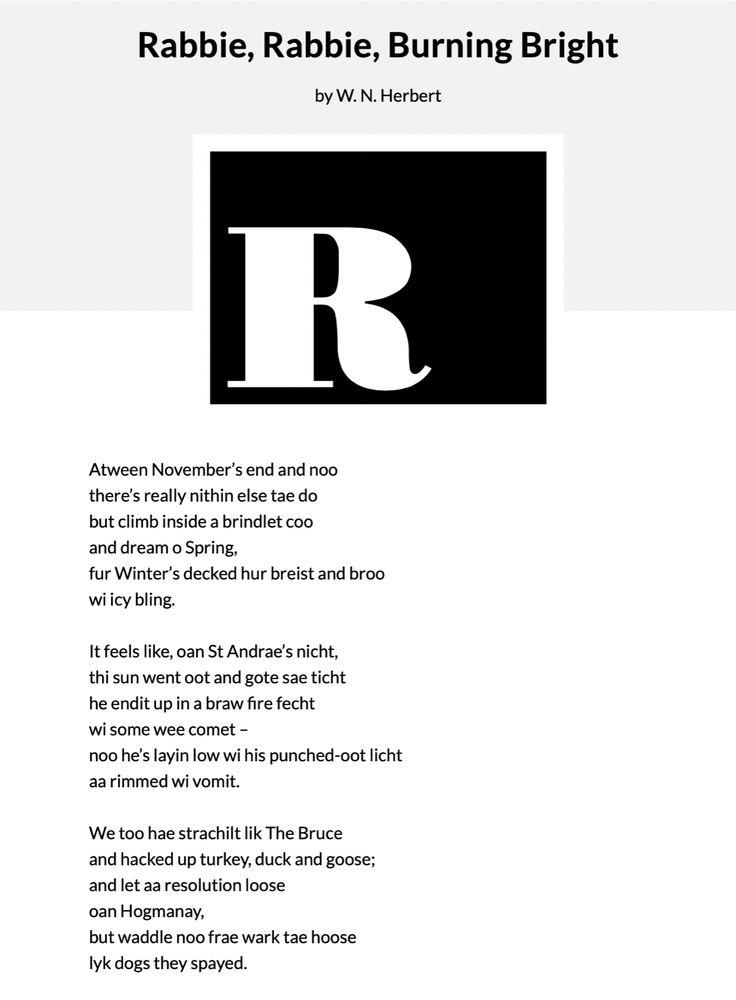
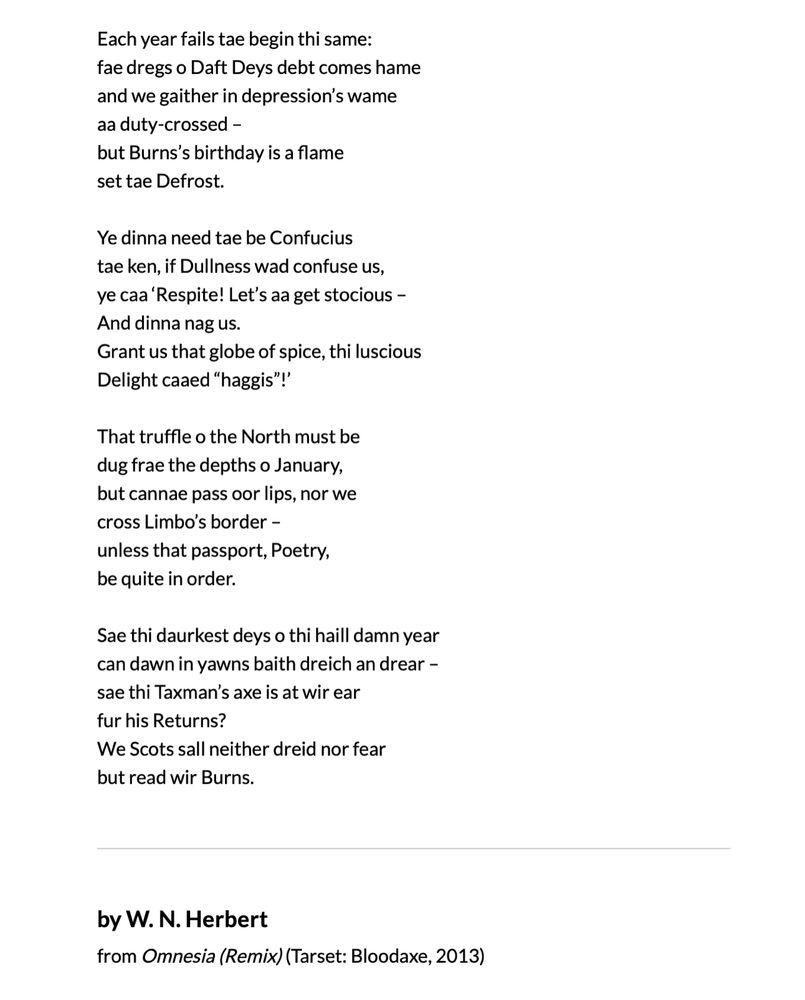
<p>Atween November’s end and noo<br>there’s really nithin else tae do<br>but climb inside a brindlet coo<br>and dream o Spring,<br>fur Winter’s decked hur breist and broo<br>wi icy bling…</p><p>—W.N. Herbert, “Rabbie, Rabbie, Burning Bright” <br>published in OMNESIA (Remix) (Bloodaxe Books, 2013)</p><p>Warming up for Burns Night …</p><p><a href="https://www.scottishpoetrylibrary.org.uk/poem/rabbie-rabbie-burning-bright/" rel="nofollow" class="ellipsis" title="www.scottishpoetrylibrary.org.uk/poem/rabbie-rabbie-burning-bright/"><span class="invisible">https://</span><span class="ellipsis">www.scottishpoetrylibrary.org.</span><span class="invisible">uk/poem/rabbie-rabbie-burning-bright/</span></a></p><p><a href="/tags/scottish/" rel="tag">#Scottish</a> <a href="/tags/literature/" rel="tag">#literature</a> <a href="/tags/poem/" rel="tag">#poem</a> <a href="/tags/poetry/" rel="tag">#poetry</a> <a href="/tags/scots/" rel="tag">#Scots</a> <a href="/tags/scotslanguage/" rel="tag">#Scotslanguage</a> <a href="/tags/robertburns/" rel="tag">#RobertBurns</a> <a href="/tags/burnsnight/" rel="tag">#BurnsNight</a> <a href="/tags/standardhabbie/" rel="tag">#StandardHabbie</a> <a href="/tags/winter/" rel="tag">#winter</a></p>
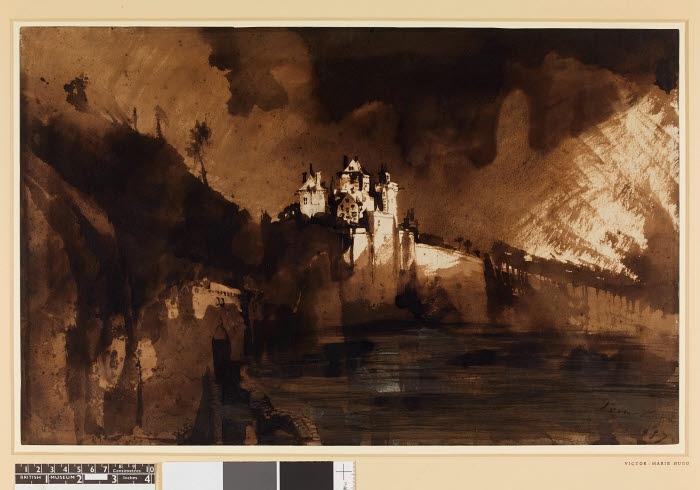
<p>Castles in the sky: the fantastical drawings of author Victor Hugo – in pictures</p><p>Although better known for his sprawling Romantic novels The Hunchback of Notre-Dame and Les Misérables, celebrated French author Victor Hugo spent much of his time drawing. A collection of about 70 of his sketches will soon be on display at the Royal Academy in London, in an exhibition bringing together caricatures, travel drawings and landscapes. </p><p><a href="https://www.theguardian.com/artanddesign/gallery/2025/mar/01/castles-in-the-sky-the-fantastical-drawings-of-author-victor-hugo-in-pictures" rel="nofollow" class="ellipsis" title="www.theguardian.com/artanddesign/gallery/2025/mar/01/castles-in-the-sky-the-fantastical-drawings-of-author-victor-hugo-in-pictures"><span class="invisible">https://</span><span class="ellipsis">www.theguardian.com/artanddesi</span><span class="invisible">gn/gallery/2025/mar/01/castles-in-the-sky-the-fantastical-drawings-of-author-victor-hugo-in-pictures</span></a></p><p><a href="/tags/art/" rel="tag">#art</a> <a href="/tags/painting/" rel="tag">#painting</a> <a href="/tags/literature/" rel="tag">#literature</a></p>
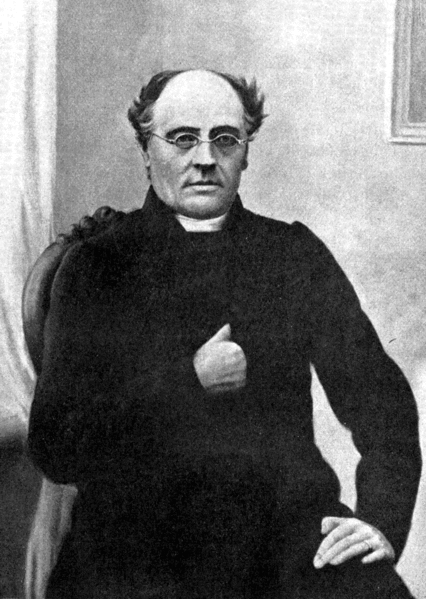
<p>Finnish priest, lyric and epic poet Johan Ludvig Runeberg was born <a href="/tags/otd/" rel="tag">#OTD</a> in 1804 (Runeberg Day).</p><p>He is the author of the lyrics to Vårt land (Our Land, Maamme in Finnish) which became the Finnish national anthem. Runeberg was also involved in the modernization of the Finnish Lutheran hymnal and produced many texts for the new edition.</p><p><a href="https://en.wikipedia.org/wiki/Johan_Ludvig_Runeberg" rel="nofollow" class="ellipsis" title="en.wikipedia.org/wiki/Johan_Ludvig_Runeberg"><span class="invisible">https://</span><span class="ellipsis">en.wikipedia.org/wiki/Johan_Lu</span><span class="invisible">dvig_Runeberg</span></a></p><p>Books by Johan Ludvig Runeberg at PG:<br><a href="https://www.gutenberg.org/ebooks/author/2842" rel="nofollow" class="ellipsis" title="www.gutenberg.org/ebooks/author/2842"><span class="invisible">https://</span><span class="ellipsis">www.gutenberg.org/ebooks/autho</span><span class="invisible">r/2842</span></a></p><p><a href="/tags/books/" rel="tag">#books</a> <a href="/tags/literature/" rel="tag">#literature</a> <a href="/tags/poetry/" rel="tag">#poetry</a></p>
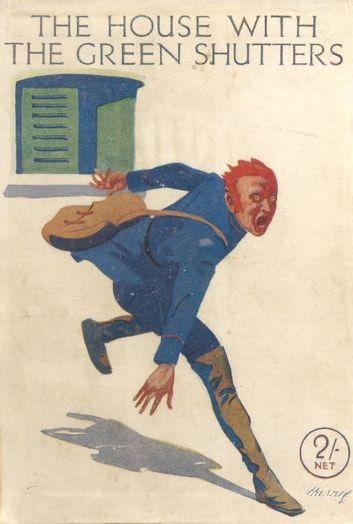
<p>George Douglas Brown (1869–1902) was born <a href="/tags/otd/" rel="tag">#OTD</a>, 26 January – best known for his 1901 novel THE HOUSE WITH THE GREEN SHUTTERS:</p><p>“…the TRAINSPOTTING of its day… an angry young man’s response to the misrepresentation of contemporary Scottish life”</p><p>A 🎂 🧵</p><p>1/7</p><p><a href="https://list.co.uk/news/39535/george-douglas-brown-the-house-with-the-green-shutters-1901" rel="nofollow" class="ellipsis" title="list.co.uk/news/39535/george-douglas-brown-the-house-with-the-green-shutters-1901"><span class="invisible">https://</span><span class="ellipsis">list.co.uk/news/39535/george-d</span><span class="invisible">ouglas-brown-the-house-with-the-green-shutters-1901</span></a></p><p><a href="/tags/scottish/" rel="tag">#Scottish</a> <a href="/tags/literature/" rel="tag">#literature</a> <a href="/tags/20thcentury/" rel="tag">#20thcentury</a> <a href="/tags/modernism/" rel="tag">#modernism</a> <a href="/tags/postmodernism/" rel="tag">#postmodernism</a></p>
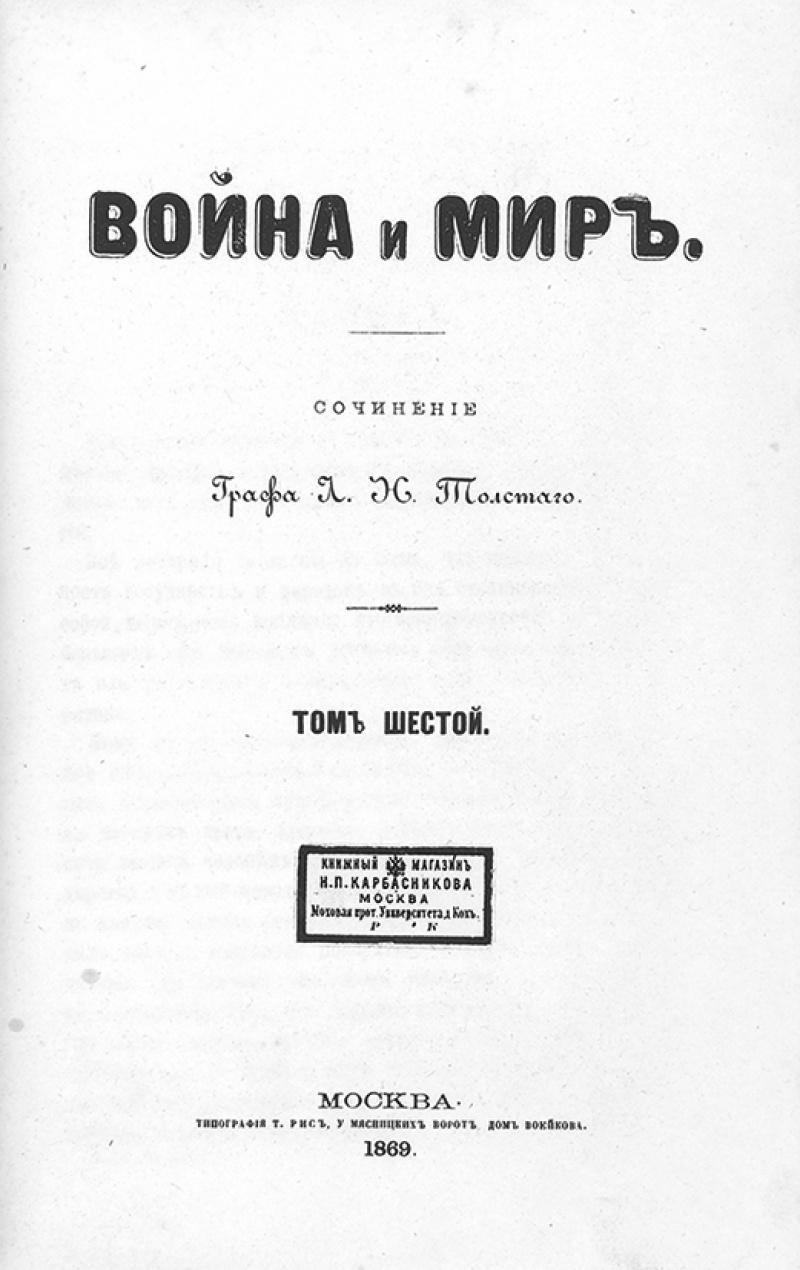
<p>"The only thing that we know is that we know nothing — and that is the highest flight of human wisdom."<br>Book V, Ch. I</p><p>In February 1865.</p><p>Publication of Leo Tolstoy's "1805", an early version of War and Peace, begins in the magazine Russkiy Vestnik. The version that was published in Russkiy Vestnik had a very different ending from the version eventually published under the title War and Peace in 1869.</p><p><a href="https://en.wikipedia.org/wiki/War_and_Peace" rel="nofollow" class="ellipsis" title="en.wikipedia.org/wiki/War_and_Peace"><span class="invisible">https://</span><span class="ellipsis">en.wikipedia.org/wiki/War_and_</span><span class="invisible">Peace</span></a></p><p>War and Peace at PG:<br><a href="https://gutenberg.org/ebooks/2600" rel="nofollow"><span class="invisible">https://</span>gutenberg.org/ebooks/2600</a></p><p><a href="/tags/books/" rel="tag">#books</a> <a href="/tags/literature/" rel="tag">#literature</a></p>
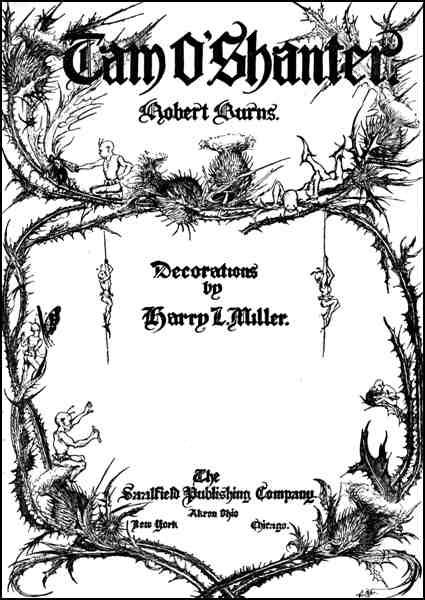
<p>Today is Burns' birthday, let's celebrate! </p><p>'There's no other poem like it': Why this Robert Burns classic is a masterpiece</p><p>Tam O'Shanter is a rip-roaring tale of witches and alcohol, but it has hidden depths. On Burns Night this Sunday – and 235 years after the poem was published in 1791 – Scots everywhere may well be treated to a masterwork with a unique, universal appeal.</p><p>By Nicholas Barber</p><p><a href="https://www.bbc.co.uk/culture/article/20260122-why-this-robert-burns-poem-is-a-masterpiece" rel="nofollow" class="ellipsis" title="www.bbc.co.uk/culture/article/20260122-why-this-robert-burns-poem-is-a-masterpiece"><span class="invisible">https://</span><span class="ellipsis">www.bbc.co.uk/culture/article/</span><span class="invisible">20260122-why-this-robert-burns-poem-is-a-masterpiece</span></a></p><p>Tam O'Shanter at PG:<br><a href="https://www.gutenberg.org/ebooks/25733" rel="nofollow"><span class="invisible">https://</span>www.gutenberg.org/ebooks/25733</a></p><p><a href="/tags/books/" rel="tag">#books</a> <a href="/tags/literature/" rel="tag">#literature</a> <a href="/tags/poetry/" rel="tag">#poetry</a></p>
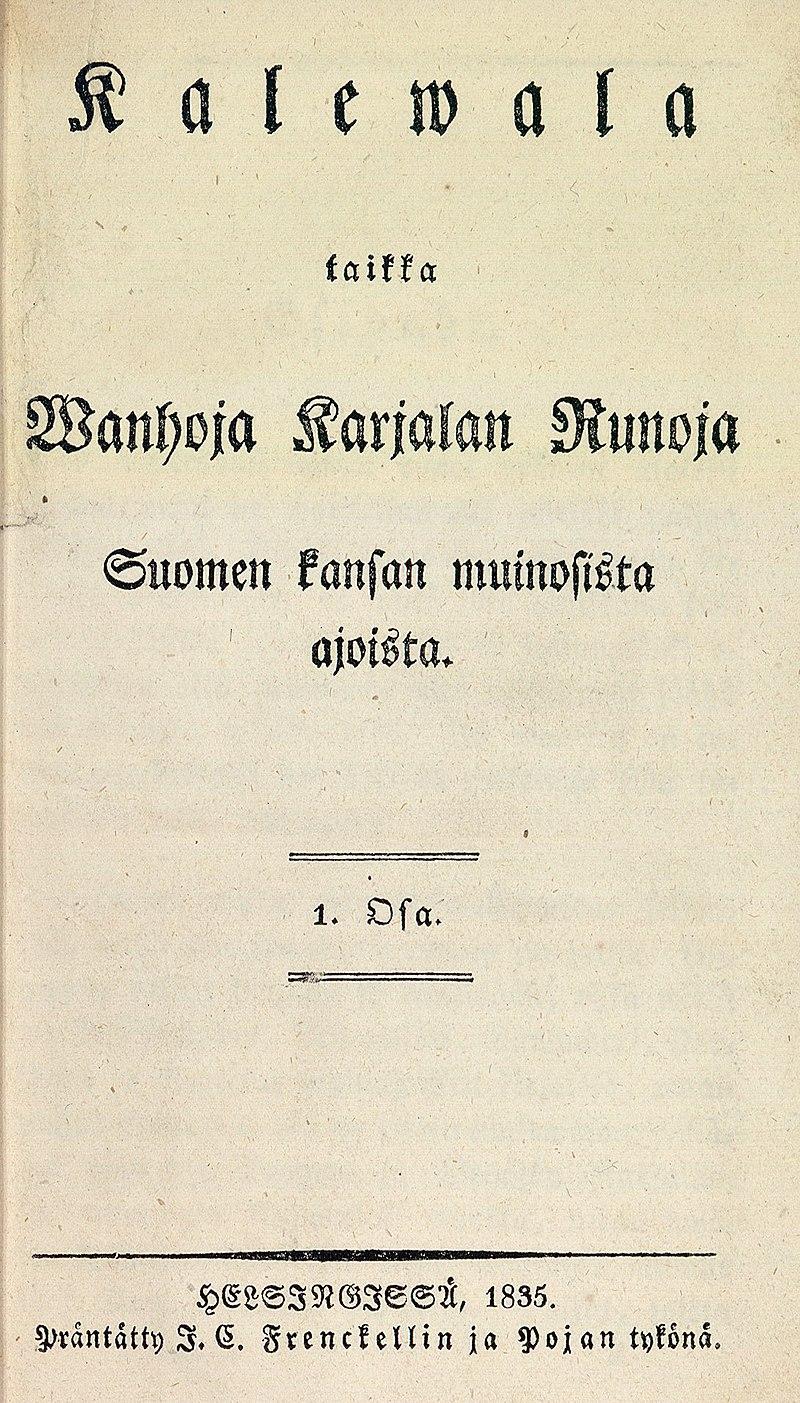
<p>"Thus the wise and worthy singer<br>Sings not all his garnered wisdom;<br>Better leave unsung some sayings<br>Than to sing them out of season."<br>Epilogue, line 20</p><p><a href="/tags/otd/" rel="tag">#OTD</a> in 1835.</p><p>The Finnish language epic poetry Kalevala, compiled by Elias Lönnrot from oral sources, is first published in the Grand Duchy of Finland, becoming influential in the Fennoman movement.</p><p><a href="https://en.wikipedia.org/wiki/Kalevala" rel="nofollow"><span class="invisible">https://</span>en.wikipedia.org/wiki/Kalevala</a></p><p>Kalevala at PG:<br><a href="https://gutenberg.org/ebooks/5186" rel="nofollow"><span class="invisible">https://</span>gutenberg.org/ebooks/5186</a></p><p><a href="/tags/books/" rel="tag">#books</a> <a href="/tags/literature/" rel="tag">#literature</a> <a href="/tags/poetry/" rel="tag">#poetry</a></p>
<p>“On the dirt roads of Arkansas I first met Robert Burns…” </p><p>Currently on the BBC iPlayer: writer, poet, & activist Dr Maya Angelou goes on a pilgrimage to the home of Robert Burns (originally broadcast in 1996 to mark the bicentenary of Burns’s death)</p><p><a href="https://www.bbc.co.uk/programmes/m0013vcs" rel="nofollow" class="ellipsis" title="www.bbc.co.uk/programmes/m0013vcs"><span class="invisible">https://</span><span class="ellipsis">www.bbc.co.uk/programmes/m0013</span><span class="invisible">vcs</span></a></p><p><a href="/tags/scottish/" rel="tag">#Scottish</a> <a href="/tags/literature/" rel="tag">#literature</a> <a href="/tags/robertburns/" rel="tag">#RobertBurns</a> <a href="/tags/mayaangelou/" rel="tag">#MayaAngelou</a> <a href="/tags/burnsnight/" rel="tag">#BurnsNight</a> <a href="/tags/poetry/" rel="tag">#poetry</a> <a href="/tags/romanticism/" rel="tag">#romanticism</a> <a href="/tags/18thcentury/" rel="tag">#18thcentury</a></p>
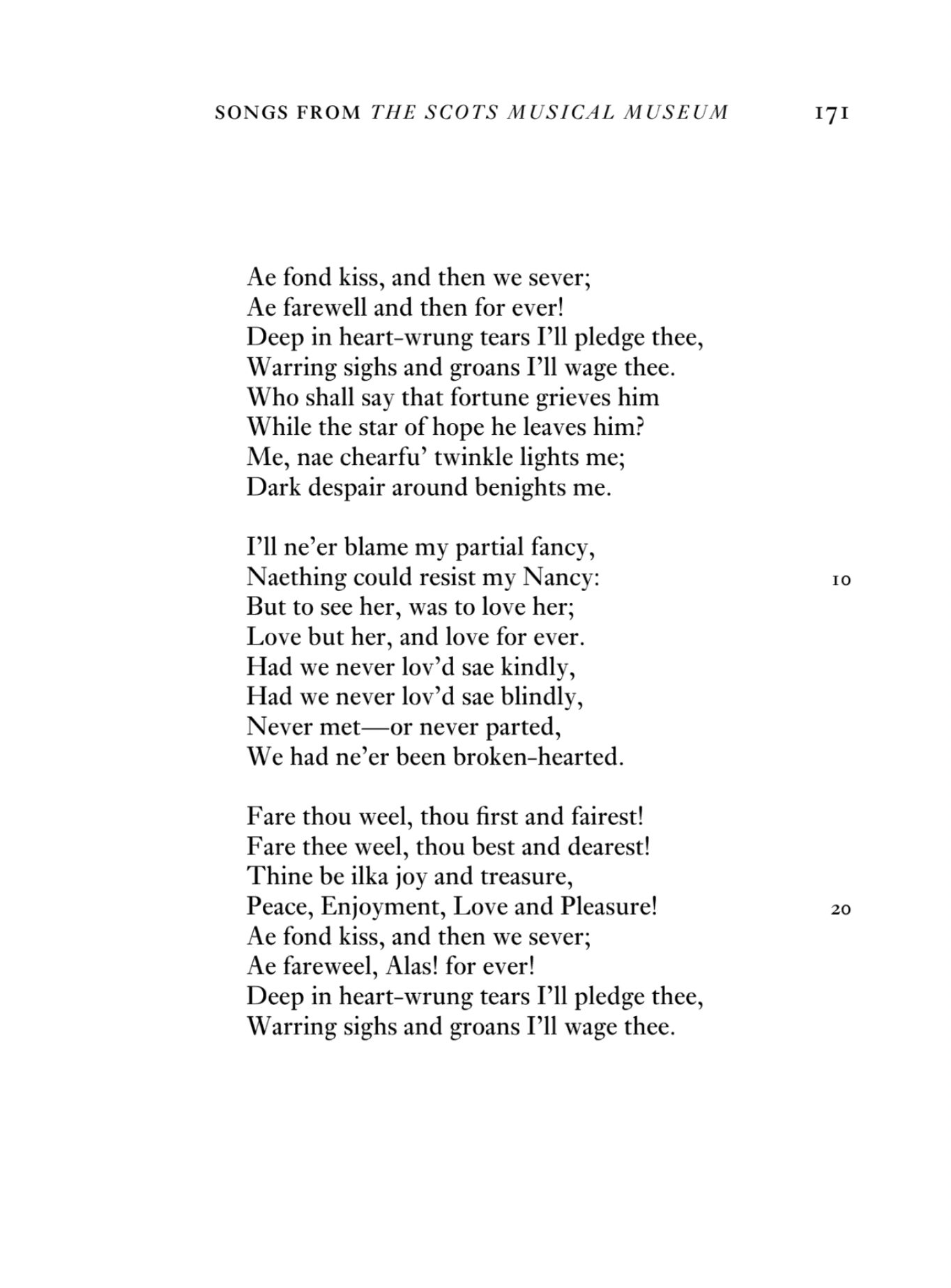
<p>Ae fond kiss, and then we sever;<br>Ae fareweel, and then forever!<br>Deep in heart-wrung tears I’ll pledge thee,<br>Warring sighs and groans I’ll wage thee…</p><p>—Robert Burns<br>published in SELECTED POEMS & SONGS (OUP, 2013)</p><p><a href="https://global.oup.com/academic/product/selected-poems-and-songs-9780199682324" rel="nofollow" class="ellipsis" title="global.oup.com/academic/product/selected-poems-and-songs-9780199682324"><span class="invisible">https://</span><span class="ellipsis">global.oup.com/academic/produc</span><span class="invisible">t/selected-poems-and-songs-9780199682324</span></a></p><p><a href="/tags/scottish/" rel="tag">#Scottish</a> <a href="/tags/literature/" rel="tag">#literature</a> <a href="/tags/robertburns/" rel="tag">#RobertBurns</a> <a href="/tags/burnsnight/" rel="tag">#BurnsNight</a> <a href="/tags/poetry/" rel="tag">#poetry</a> <a href="/tags/romanticism/" rel="tag">#romanticism</a> <a href="/tags/18thcentury/" rel="tag">#18thcentury</a> <a href="/tags/song/" rel="tag">#song</a> <a href="/tags/folksong/" rel="tag">#folksong</a> <a href="/tags/lovesong/" rel="tag">#lovesong</a></p>
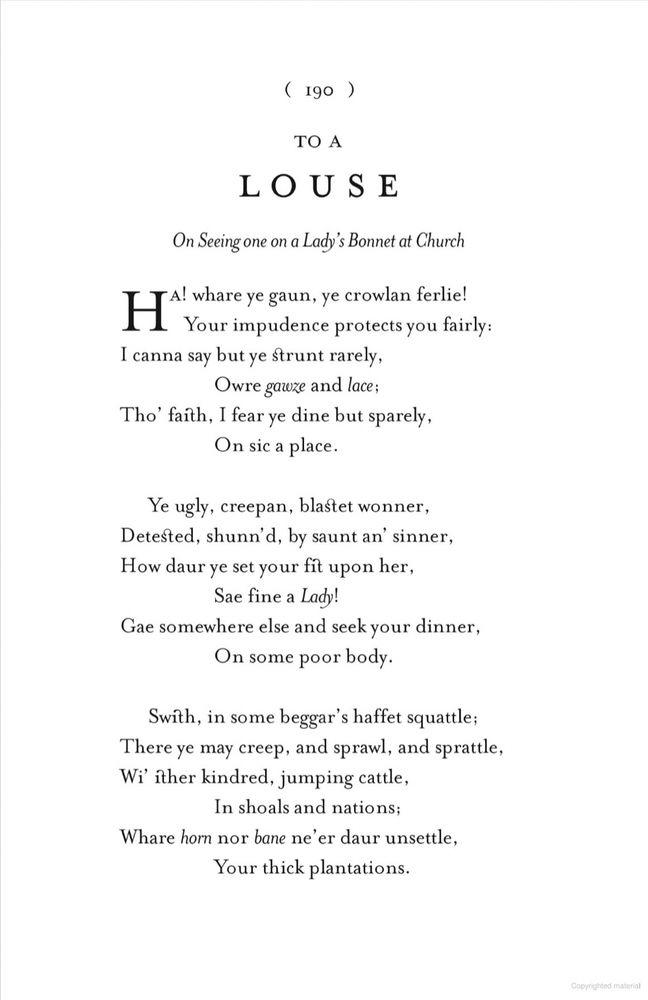
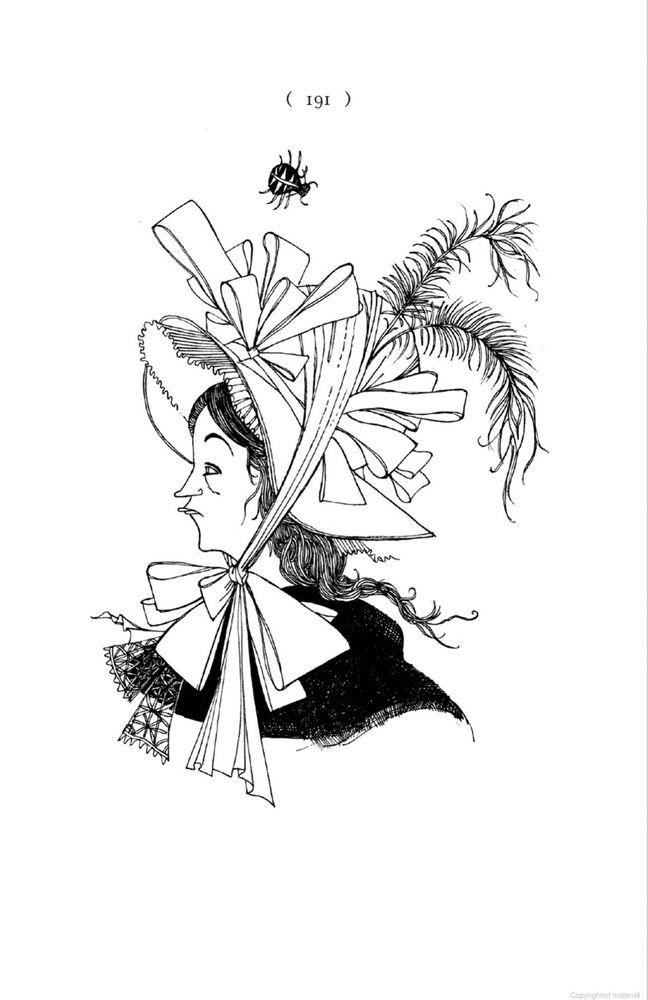
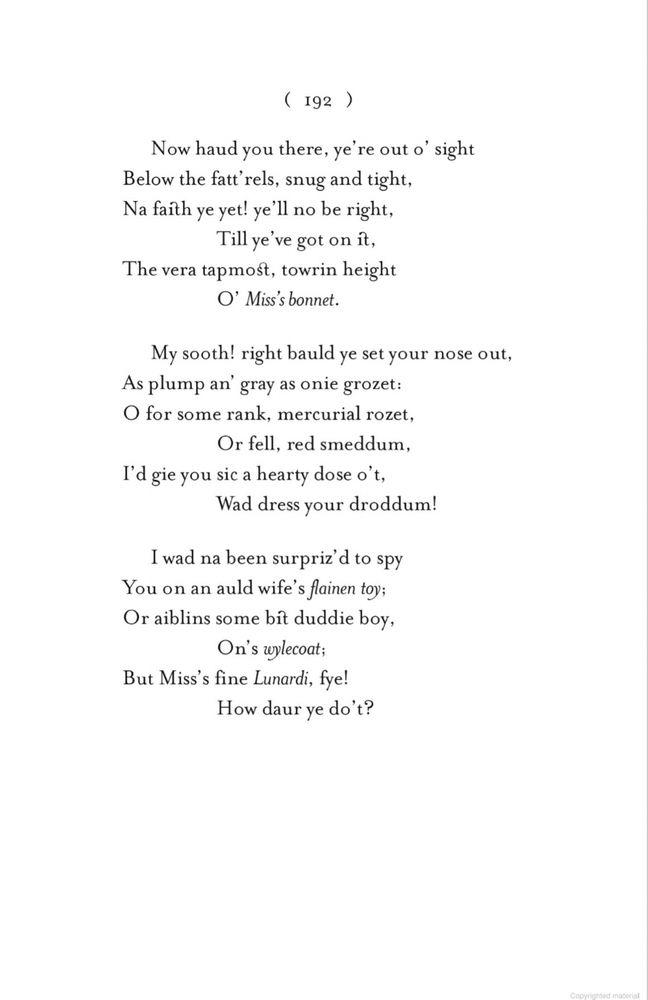
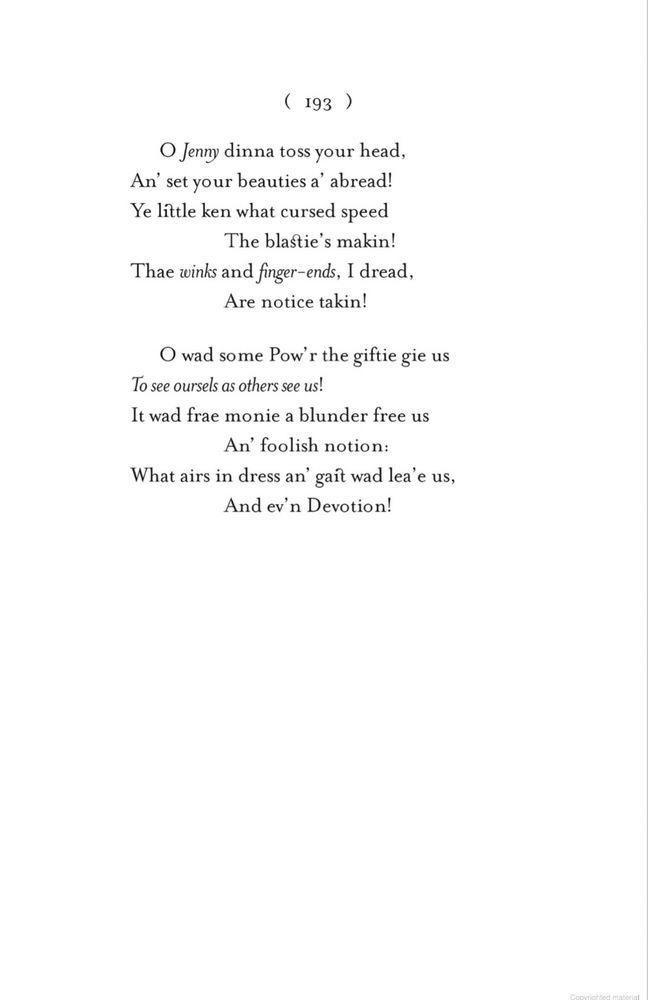
<p>O wad some Pow’r the giftie gie us<br>To see oursels as others see us!<br>It wad frae monie a blunder free us<br>An’ foolish notion:<br>What airs in dress an’ gait wad lea’e us,<br>And ev’n Devotion!</p><p>—Robert Burns, “To a Louse”<br>from Poems, Chiefly in the Scottish Dialect: The Luath Kilmarnock Edition, illustrated by Bob Dewar</p><p><a href="https://luath.co.uk/products/poems-chiefly-in-the-scottish-dialect?variant=42807652581526" rel="nofollow" class="ellipsis" title="luath.co.uk/products/poems-chiefly-in-the-scottish-dialect?variant=42807652581526"><span class="invisible">https://</span><span class="ellipsis">luath.co.uk/products/poems-chi</span><span class="invisible">efly-in-the-scottish-dialect?variant=42807652581526</span></a></p><p><a href="/tags/scottish/" rel="tag">#Scottish</a> <a href="/tags/literature/" rel="tag">#literature</a> <a href="/tags/robertburns/" rel="tag">#RobertBurns</a> <a href="/tags/burnsnight/" rel="tag">#BurnsNight</a> <a href="/tags/poem/" rel="tag">#poem</a> <a href="/tags/poetry/" rel="tag">#poetry</a> <a href="/tags/18thcentury/" rel="tag">#18thcentury</a> <a href="/tags/humour/" rel="tag">#humour</a></p>
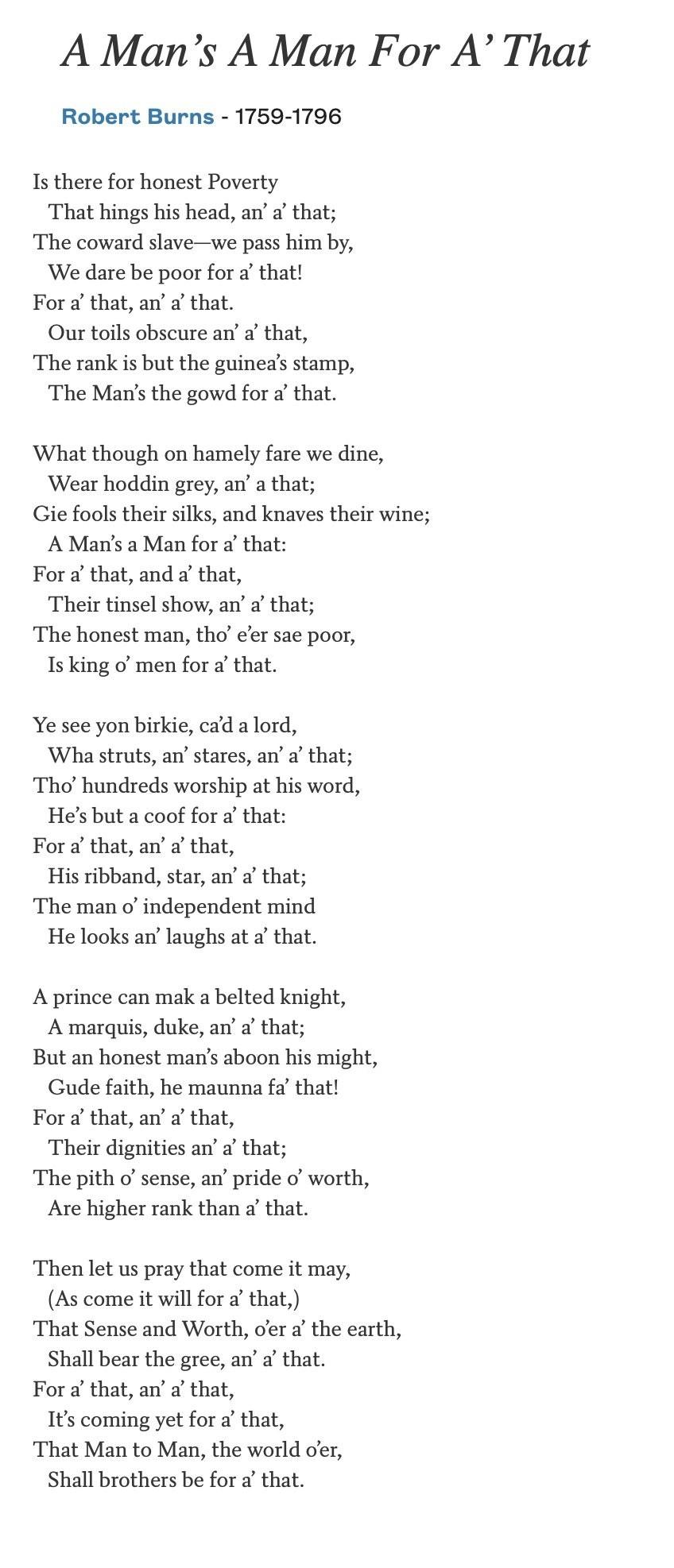
<p>Is there for honest Poverty<br>That hings his head, an’ a’ that;<br>The coward slave—we pass him by,<br>We dare be poor for a’ that!<br>For a’ that, an’ a’ that,<br>Our toils obscure an’ a’ that,<br>The rank is but the guinea’s stamp,<br>The Man’s the gowd for a’ that.</p><p>—Robert Burns</p><p><a href="https://poets.org/poem/mans-man" rel="nofollow"><span class="invisible">https://</span>poets.org/poem/mans-man</a></p><p><a href="/tags/scottish/" rel="tag">#Scottish</a> <a href="/tags/literature/" rel="tag">#literature</a> <a href="/tags/robertburns/" rel="tag">#RobertBurns</a> <a href="/tags/burnsnight/" rel="tag">#BurnsNight</a> <a href="/tags/poem/" rel="tag">#poem</a> <a href="/tags/poetry/" rel="tag">#poetry</a> <a href="/tags/18thcentury/" rel="tag">#18thcentury</a> <a href="/tags/equality/" rel="tag">#equality</a></p>
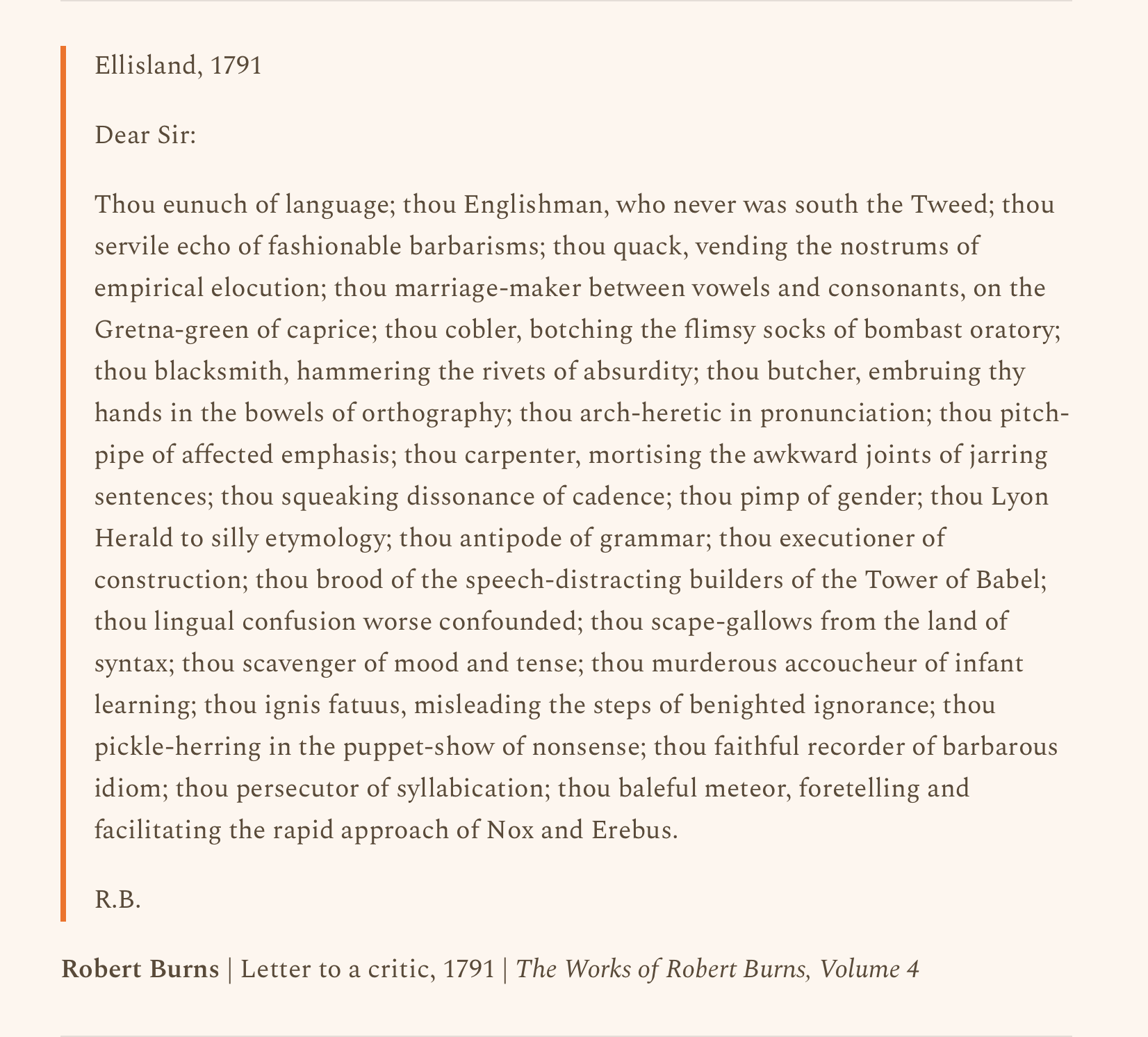
<p>Ellisland, 1791</p><p>Dear Sir:</p><p>Thou eunuch of language; thou Englishman, who never was south the Tweed; thou servile echo of fashionable barbarisms; thou quack, vending the nostrums of empirical elocution; thou marriage-maker between vowels and consonants, on the Gretna-green of caprice…</p><p>—Robert Burns, Letter to a critic<br>via <span class="h-card"><a href="https://mastodon.social/@lettersofnote" class="u-url mention" rel="nofollow noopener noreferrer" target="_blank">@<span>lettersofnote</span></a></span> </p><p><a href="https://news.lettersofnote.com/p/thou-pickle-herring-in-the-puppet" rel="nofollow" class="ellipsis" title="news.lettersofnote.com/p/thou-pickle-herring-in-the-puppet"><span class="invisible">https://</span><span class="ellipsis">news.lettersofnote.com/p/thou-</span><span class="invisible">pickle-herring-in-the-puppet</span></a></p><p><a href="/tags/scottish/" rel="tag">#Scottish</a> <a href="/tags/literature/" rel="tag">#literature</a> <a href="/tags/robertburns/" rel="tag">#RobertBurns</a> <a href="/tags/burnsnight/" rel="tag">#BurnsNight</a> <a href="/tags/18thcentury/" rel="tag">#18thcentury</a> <a href="/tags/lettersofnote/" rel="tag">#LettersofNote</a> <a href="/tags/correspondence/" rel="tag">#correspondence</a> <a href="/tags/letters/" rel="tag">#letters</a> <a href="/tags/critics/" rel="tag">#critics</a> <a href="/tags/insults/" rel="tag">#insults</a></p>
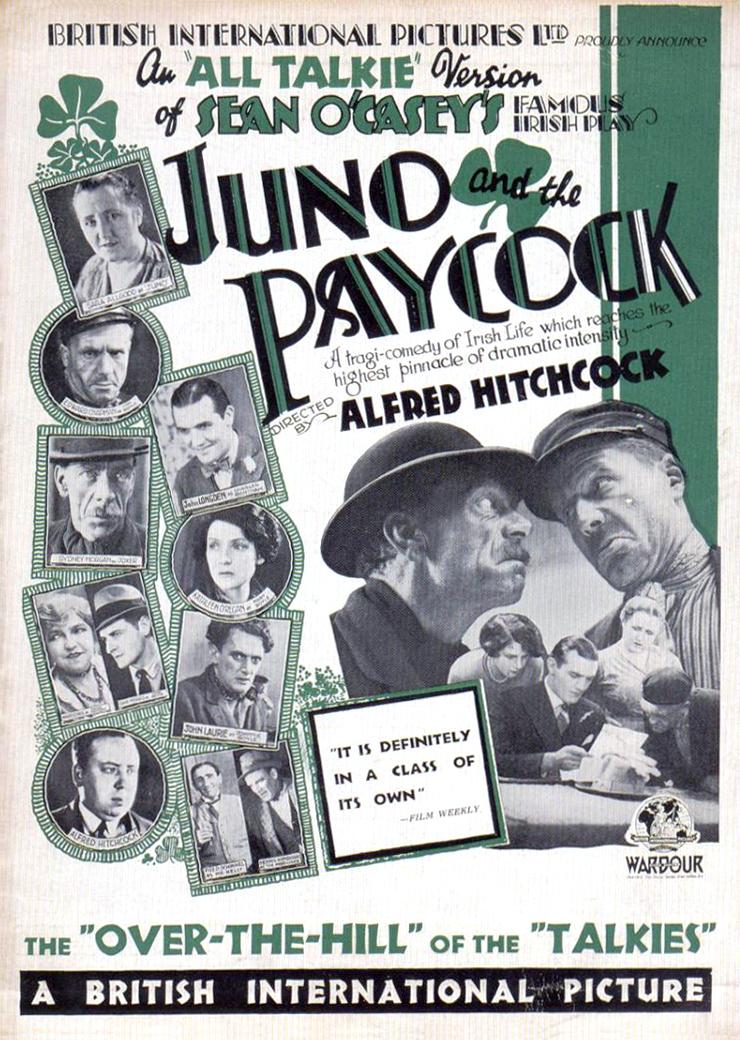
<p><a href="/tags/otd/" rel="tag">#OTD</a> in 1924.</p><p>Seán O'Casey's drama Juno and the Paycock opens at the Abbey Theatre, Dublin. It is set in the working-class tenements of Dublin in the early 1920s, during the Irish Civil War period.</p><p>It is the second of his "Dublin Trilogy" – the other two being The Shadow of a Gunman (1923) and The Plough and the Stars (1926).</p><p><a href="https://en.wikipedia.org/wiki/Juno_and_the_Paycock" rel="nofollow" class="ellipsis" title="en.wikipedia.org/wiki/Juno_and_the_Paycock"><span class="invisible">https://</span><span class="ellipsis">en.wikipedia.org/wiki/Juno_and</span><span class="invisible">_the_Paycock</span></a></p><p><a href="/tags/books/" rel="tag">#books</a> <a href="/tags/literature/" rel="tag">#literature</a> <a href="/tags/drama/" rel="tag">#drama</a> <a href="/tags/theatre/" rel="tag">#theatre</a></p>
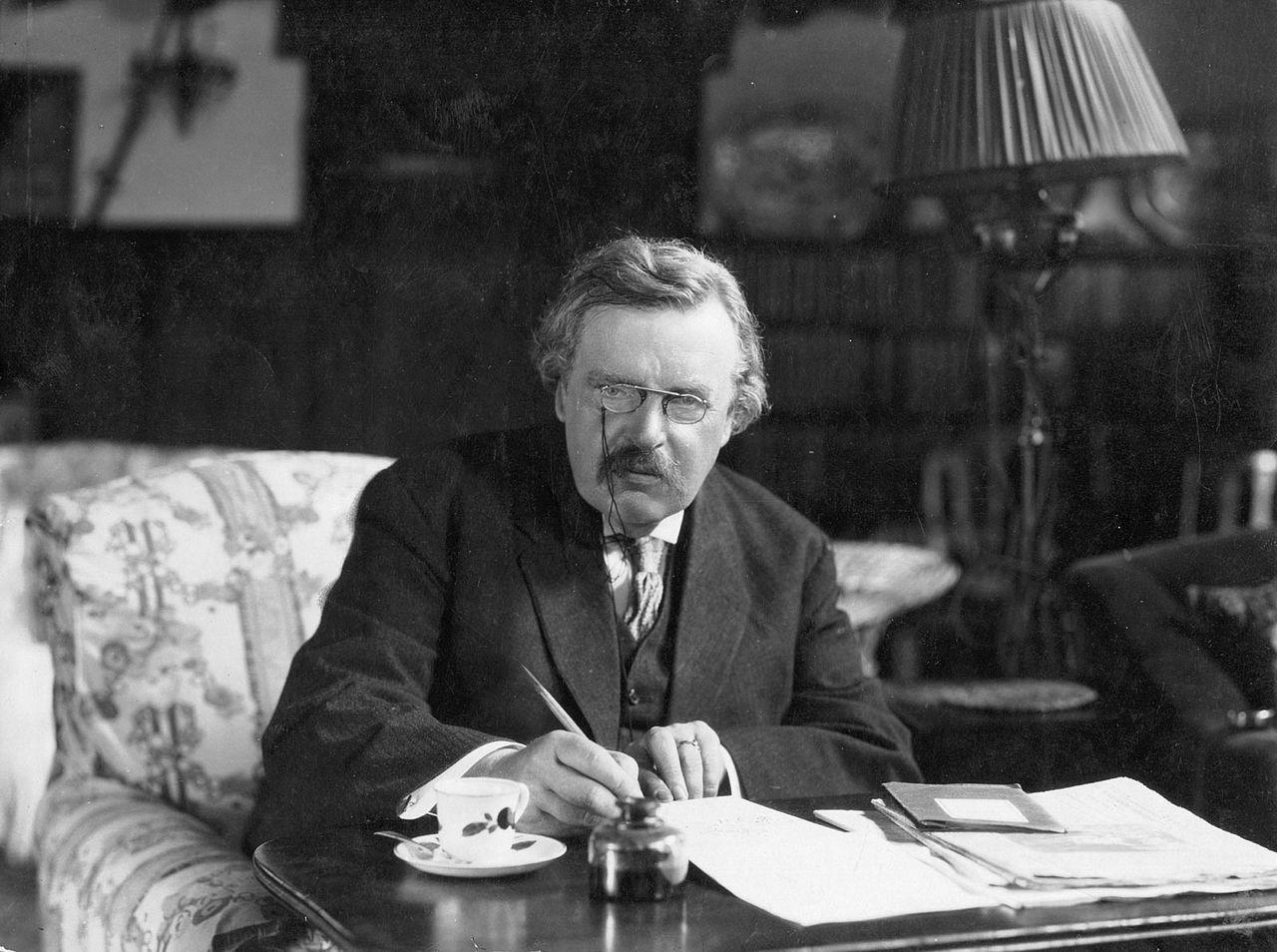
<p>Why G.K. Chesterton?</p><p>What was it that this non-expert, the funny fat man, had to say? Why did his works become for many a sort of bible? How was it that an artist-turned-journalist was accepted as the idea man as well as the entertainer of people?</p><p>By Leo R. Ward</p><p><a href="https://theimaginativeconservative.org/2025/05/gk-chesterton-leo-r-ward.html" rel="nofollow" class="ellipsis" title="theimaginativeconservative.org/2025/05/gk-chesterton-leo-r-ward.html"><span class="invisible">https://</span><span class="ellipsis">theimaginativeconservative.org</span><span class="invisible">/2025/05/gk-chesterton-leo-r-ward.html</span></a></p><p>G.K. Chesterton at PG:<br><a href="https://www.gutenberg.org/ebooks/search/?query=G.K.+Chesterton" rel="nofollow" class="ellipsis" title="www.gutenberg.org/ebooks/search/?query=G.K.+Chesterton"><span class="invisible">https://</span><span class="ellipsis">www.gutenberg.org/ebooks/searc</span><span class="invisible">h/?query=G.K.+Chesterton</span></a></p><p><a href="/tags/books/" rel="tag">#books</a> <a href="/tags/literature/" rel="tag">#literature</a></p>
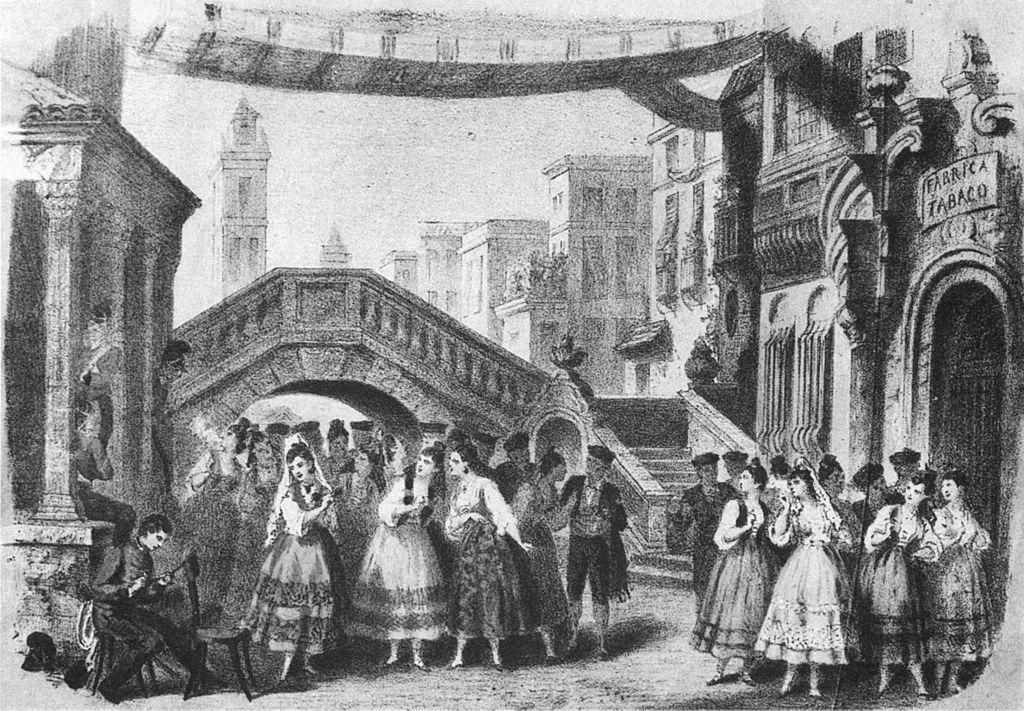
<p><a href="/tags/otd/" rel="tag">#OTD</a> in 1875.</p><p>Bizet's Carmen premiered at the Opéra-Comique in Paris, with mezzo-soprano Célestine Galli-Marié in the title role. It is an opera in four acts by the French composer Georges Bizet. The libretto was written by Henri Meilhac and Ludovic Halévy, based on the novella of the same title by Prosper Mérimée. </p><p><a href="https://en.wikipedia.org/wiki/Carmen" rel="nofollow"><span class="invisible">https://</span>en.wikipedia.org/wiki/Carmen</a></p><p>Carmem at IMSLP:<br><a href="https://imslp.org/wiki/Carmen_(Bizet,_Georges)" rel="nofollow" class="ellipsis" title="imslp.org/wiki/Carmen_(Bizet,_Georges)"><span class="invisible">https://</span><span class="ellipsis">imslp.org/wiki/Carmen_(Bizet,_</span><span class="invisible">Georges)</span></a></p><p><a href="/tags/art/" rel="tag">#art</a> <a href="/tags/music/" rel="tag">#music</a> <a href="/tags/literature/" rel="tag">#literature</a></p>
<p>Ali Smith: The book that changed me as a teenager</p><p>“Liz Lochhead’s Memo for Spring… I found a book so slim it had no spine, just hinges, and was by a woman who was young, Scottish and a poet (at this point in time a rare combination). The poems in it were so good, gripping and clear, written in a kind of Scottish English I knew was close to my own, but I’d never read in any book”</p><p><a href="https://www.theguardian.com/books/2026/jan/23/ali-smith-henry-james-had-me-running-down-the-garden-path-shouting-out-loud" rel="nofollow" class="ellipsis" title="www.theguardian.com/books/2026/jan/23/ali-smith-henry-james-had-me-running-down-the-garden-path-shouting-out-loud"><span class="invisible">https://</span><span class="ellipsis">www.theguardian.com/books/2026</span><span class="invisible">/jan/23/ali-smith-henry-james-had-me-running-down-the-garden-path-shouting-out-loud</span></a></p><p><a href="/tags/scottish/" rel="tag">#Scottish</a> <a href="/tags/literature/" rel="tag">#literature</a> <a href="/tags/poetry/" rel="tag">#poetry</a> <a href="/tags/20thcentury/" rel="tag">#20thcentury</a> <a href="/tags/womenwriters/" rel="tag">#womenwriters</a> <a href="/tags/lizlochhead/" rel="tag">#LizLochhead</a> <a href="/tags/alismith/" rel="tag">#AliSmith</a></p>
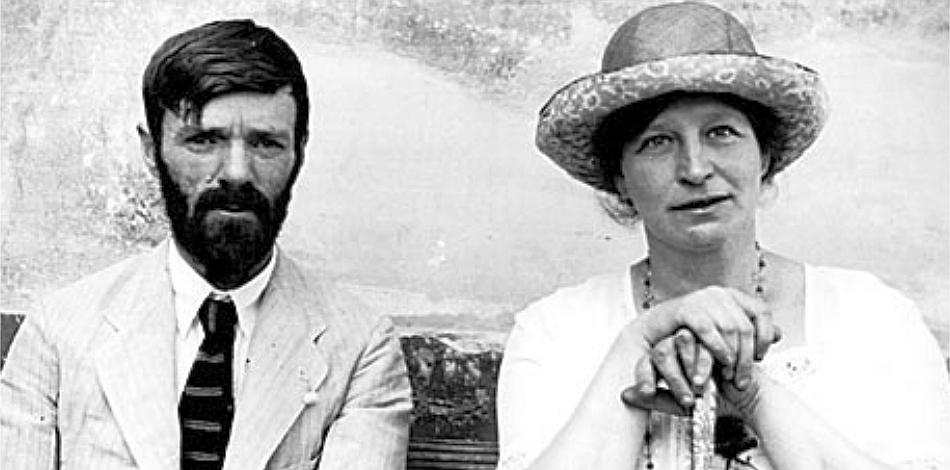
<p><a href="/tags/otd/" rel="tag">#OTD</a> in 1912.</p><p>Frieda Weekley meets D. H. Lawrence in Nottingham. She met D. H. Lawrence, a former student of her husband's; they soon fell in love and eloped to Germany. During their stay Lawrence was arrested for spying; after the intervention of Frieda's father, the couple walked south over the Alps to Italy. In 1914, following her divorce, Frieda and D.H. Lawrence married. </p><p><a href="https://en.wikipedia.org/wiki/Frieda_Lawrence" rel="nofollow" class="ellipsis" title="en.wikipedia.org/wiki/Frieda_Lawrence"><span class="invisible">https://</span><span class="ellipsis">en.wikipedia.org/wiki/Frieda_L</span><span class="invisible">awrence</span></a></p><p>D.H. Lawrence at PG:<br><a href="https://www.gutenberg.org/ebooks/author/123" rel="nofollow" class="ellipsis" title="www.gutenberg.org/ebooks/author/123"><span class="invisible">https://</span><span class="ellipsis">www.gutenberg.org/ebooks/autho</span><span class="invisible">r/123</span></a></p><p><a href="/tags/books/" rel="tag">#books</a> <a href="/tags/literature/" rel="tag">#literature</a></p>
Edited 1y ago