<p>Voices from the Archives: Mary, Burns & Lochhead<br>29 Jan, Perth. Tickets £8.50/£6</p><p>A panel discussion examining 3 manuscripts, each offering a powerful lens on Mary, Queen of Scots: </p><p>📜 her final letter, written just hours before her execution<br>🪶 Robert Burns' poetic tribute “Lament of Mary, Queen of Scots”<br>⌨️ Liz Lochhead's bold reimagining in her play Mary Queen of Scots Got Her Head Chopped Off</p><p><a href="https://www.perthshireboxoffice.com/whats-on/voices-from-the-archives-mary-burns-and-lochhead" rel="nofollow" class="ellipsis" title="www.perthshireboxoffice.com/whats-on/voices-from-the-archives-mary-burns-and-lochhead"><span class="invisible">https://</span><span class="ellipsis">www.perthshireboxoffice.com/wh</span><span class="invisible">ats-on/voices-from-the-archives-mary-burns-and-lochhead</span></a></p><p><a href="/tags/scottish/" rel="tag">#Scottish</a> <a href="/tags/literature/" rel="tag">#literature</a> <a href="/tags/history/" rel="tag">#history</a> <a href="/tags/maryqueenofscots/" rel="tag">#MaryQueenofScots</a> <a href="/tags/poetry/" rel="tag">#poetry</a> <a href="/tags/drama/" rel="tag">#drama</a></p>
literature

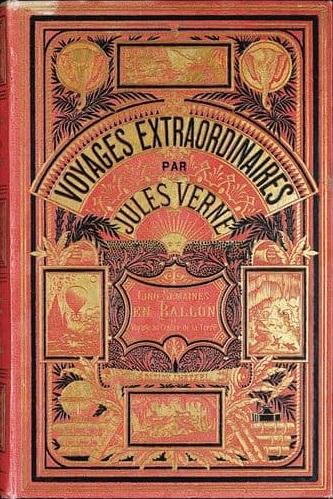
<p><a href="/tags/otd/" rel="tag">#OTD</a> in 1863.</p><p>Jules Verne's novel Five Weeks in a Balloon, or, Journeys and Discoveries in Africa by Three Englishmen (Cinq semaines en ballon) is published in Paris. It will be the first of Verne's Voyages Extraordinaires. This was Verne's first novel to be published by Pierre-Jules Hetzel, following the rejection of Voyage en Angleterre et en Écosse.</p><p><a href="https://en.wikipedia.org/wiki/Five_Weeks_in_a_Balloon" rel="nofollow" class="ellipsis" title="en.wikipedia.org/wiki/Five_Weeks_in_a_Balloon"><span class="invisible">https://</span><span class="ellipsis">en.wikipedia.org/wiki/Five_Wee</span><span class="invisible">ks_in_a_Balloon</span></a></p><p>Five Weeks in a Balloon at PG:<br><a href="https://gutenberg.org/ebooks/3526" rel="nofollow"><span class="invisible">https://</span>gutenberg.org/ebooks/3526</a><br><a href="https://gutenberg.org/ebooks/4548" rel="nofollow"><span class="invisible">https://</span>gutenberg.org/ebooks/4548</a></p><p><a href="/tags/books/" rel="tag">#books</a> <a href="/tags/literature/" rel="tag">#literature</a></p>
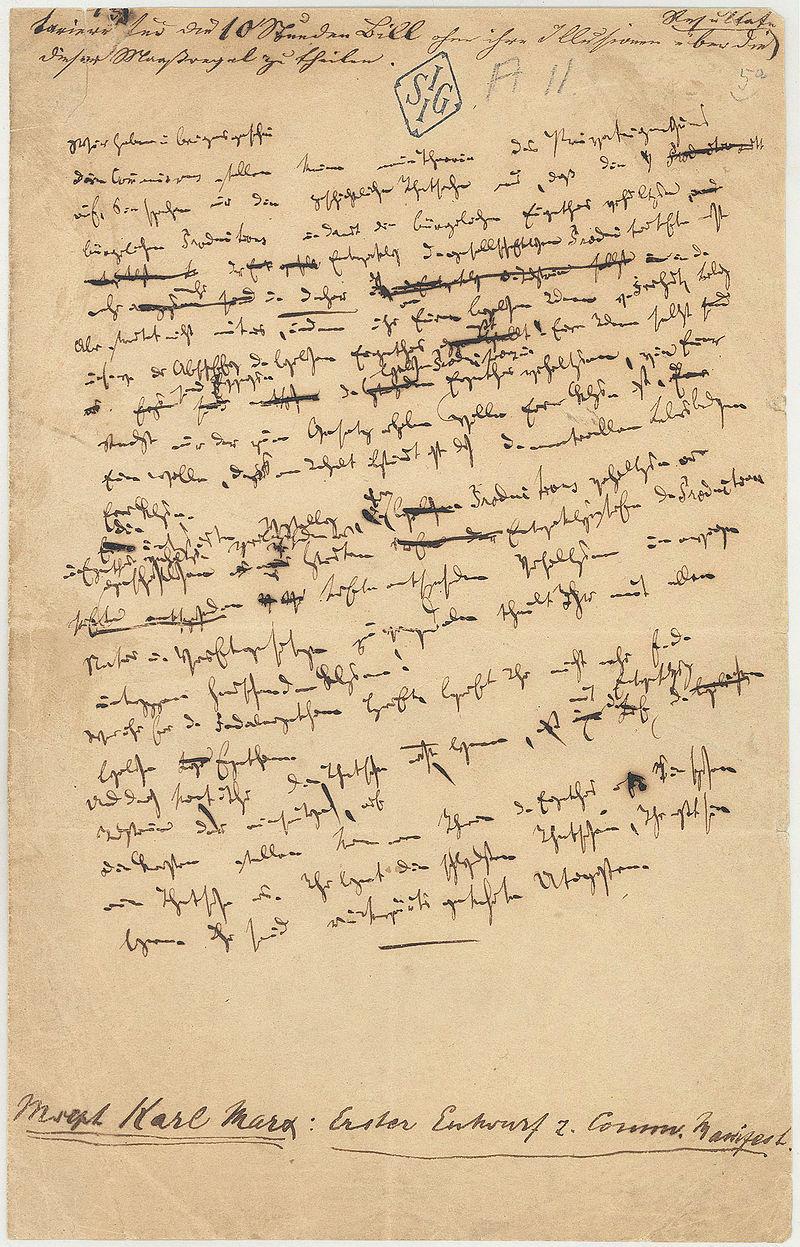
<p><a href="/tags/otd/" rel="tag">#OTD</a> in 1848.</p><p>Karl Marx and Friedrich Engels publish The Communist Manifesto (Manifest der Kommunistischen Partei) in London.</p><p>Published amid the Revolutions of 1848 in Europe, the manifesto remains one of the world's most influential political documents.</p><p><a href="https://en.wikipedia.org/wiki/The_Communist_Manifesto" rel="nofollow" class="ellipsis" title="en.wikipedia.org/wiki/The_Communist_Manifesto"><span class="invisible">https://</span><span class="ellipsis">en.wikipedia.org/wiki/The_Comm</span><span class="invisible">unist_Manifesto</span></a></p><p>At PG.<br><a href="https://gutenberg.org/ebooks/61" rel="nofollow"><span class="invisible">https://</span>gutenberg.org/ebooks/61</a></p><p><a href="/tags/books/" rel="tag">#books</a> <a href="/tags/literature/" rel="tag">#literature</a></p>

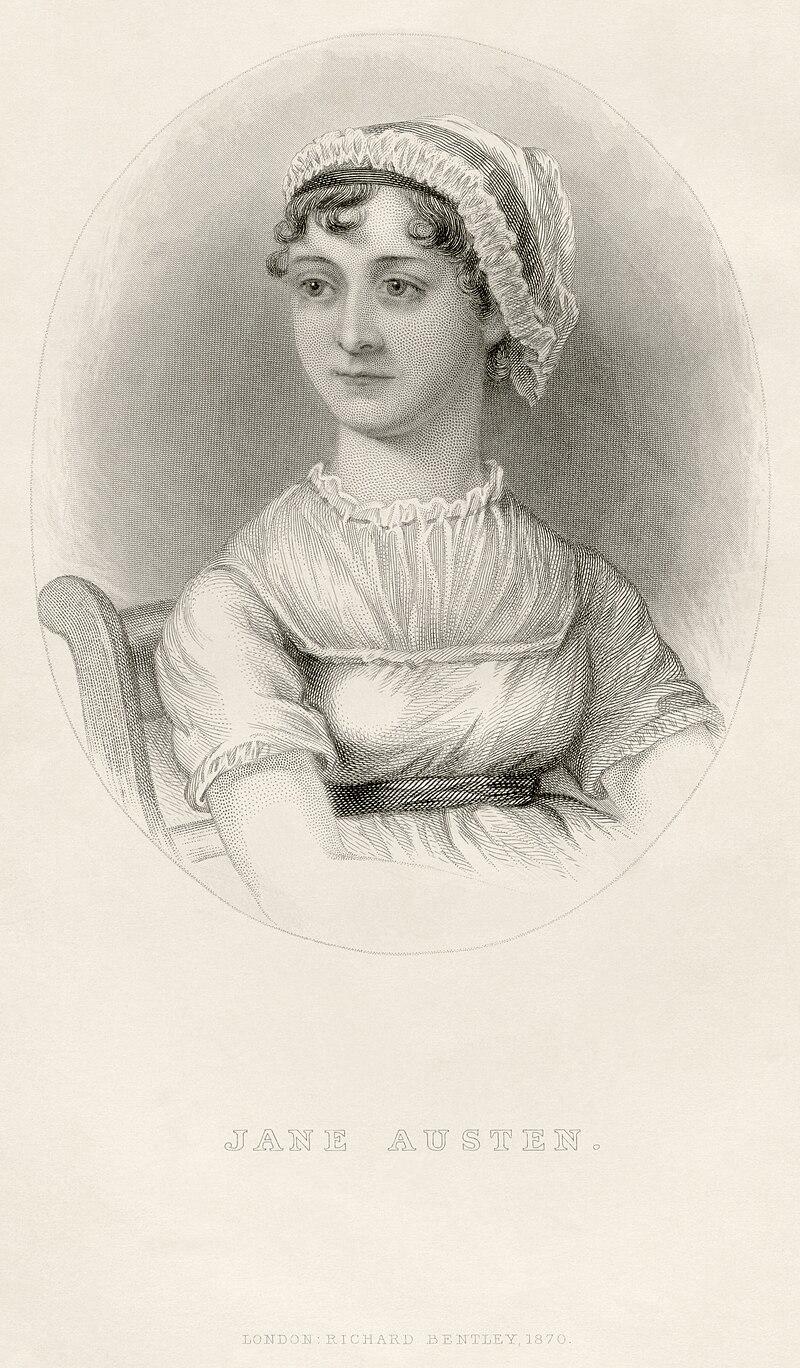
<p>Where to start with: Jane Austen</p><p>From sparkling dialogue to surprise character traits, wit, humour and tragedy, this is the year to appreciate Austen</p><p>By John Mullan</p><p><a href="https://www.theguardian.com/books/2025/feb/20/where-to-start-with-jane-austen" rel="nofollow" class="ellipsis" title="www.theguardian.com/books/2025/feb/20/where-to-start-with-jane-austen"><span class="invisible">https://</span><span class="ellipsis">www.theguardian.com/books/2025</span><span class="invisible">/feb/20/where-to-start-with-jane-austen</span></a></p><p>Jane Austen at PG:<br><a href="https://www.gutenberg.org/ebooks/author/68" rel="nofollow" class="ellipsis" title="www.gutenberg.org/ebooks/author/68"><span class="invisible">https://</span><span class="ellipsis">www.gutenberg.org/ebooks/autho</span><span class="invisible">r/68</span></a></p><p><a href="/tags/books/" rel="tag">#books</a> <a href="/tags/literature/" rel="tag">#literature</a></p>
<p><a href="/tags/otd/" rel="tag">#OTD</a> in 1904.</p><p>J. M. Synge's tragedy Riders to the Sea is first performed at Molesworth Hall, Dublin, by the Irish National Theatre Society, with Helen Laird playing Maurya. </p><p>Synge's use of phrasing from the Irish language is part of the Irish Literary Revival, a period when Irish literature looked to encourage pride and nationalism in Ireland.</p><p><a href="https://en.wikipedia.org/wiki/Riders_to_the_Sea" rel="nofollow" class="ellipsis" title="en.wikipedia.org/wiki/Riders_to_the_Sea"><span class="invisible">https://</span><span class="ellipsis">en.wikipedia.org/wiki/Riders_t</span><span class="invisible">o_the_Sea</span></a></p><p>Riders to the Sea at PG:<br><a href="https://www.gutenberg.org/ebooks/994" rel="nofollow"><span class="invisible">https://</span>www.gutenberg.org/ebooks/994</a></p><p><a href="/tags/books/" rel="tag">#books</a> <a href="/tags/literature/" rel="tag">#literature</a> <a href="/tags/theatre/" rel="tag">#theatre</a></p>
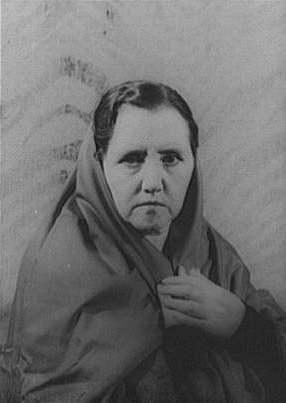
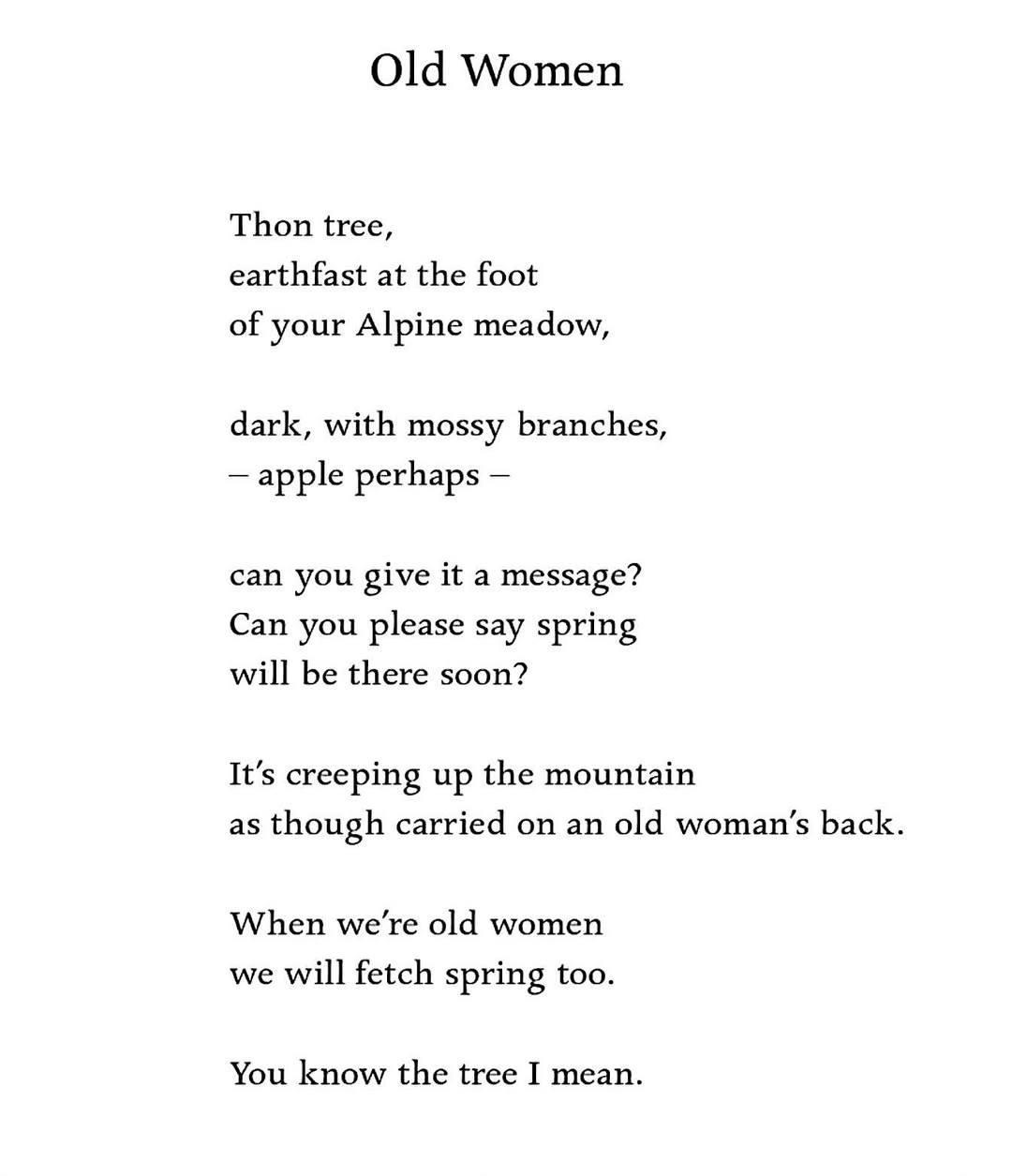
<p>Thon tree,<br>earthfast at the foot<br>of your Alpine meadow,</p><p>dark, with mossy branches,<br>– apple perhaps –</p><p>can you give it a message?<br>Can you please say spring<br>will be there soon?</p><p>—Kathleen Jamie, “Old Women”<br>published in THE BONNIEST COMPANIE (Picador, 2015)</p><p><a href="https://www.panmacmillan.com/authors/kathleen-jamie/the-bonniest-companie/9781509801718" rel="nofollow" class="ellipsis" title="www.panmacmillan.com/authors/kathleen-jamie/the-bonniest-companie/9781509801718"><span class="invisible">https://</span><span class="ellipsis">www.panmacmillan.com/authors/k</span><span class="invisible">athleen-jamie/the-bonniest-companie/9781509801718</span></a></p><p><a href="/tags/scottish/" rel="tag">#Scottish</a> <a href="/tags/literature/" rel="tag">#literature</a> <a href="/tags/poem/" rel="tag">#poem</a> <a href="/tags/poetry/" rel="tag">#poetry</a> <a href="/tags/spring/" rel="tag">#spring</a></p>
<p>StAnza 2026<br>13–15 March, St Andrews & online</p><p>Tickets are on sale for StAnza 2026, Scotland’s award-winning poetry festival dedicated to bringing poetry in all its forms & many languages to audiences around the world</p><p><a href="https://stanzapoetry.org/festival/stanza-2026/" rel="nofollow" class="ellipsis" title="stanzapoetry.org/festival/stanza-2026/"><span class="invisible">https://</span><span class="ellipsis">stanzapoetry.org/festival/stan</span><span class="invisible">za-2026/</span></a></p><p><a href="/tags/scottish/" rel="tag">#Scottish</a> <a href="/tags/literature/" rel="tag">#literature</a> <a href="/tags/poetry/" rel="tag">#poetry</a> <a href="/tags/festivals/" rel="tag">#festivals</a> <a href="/tags/standrews/" rel="tag">#StAndrews</a></p>
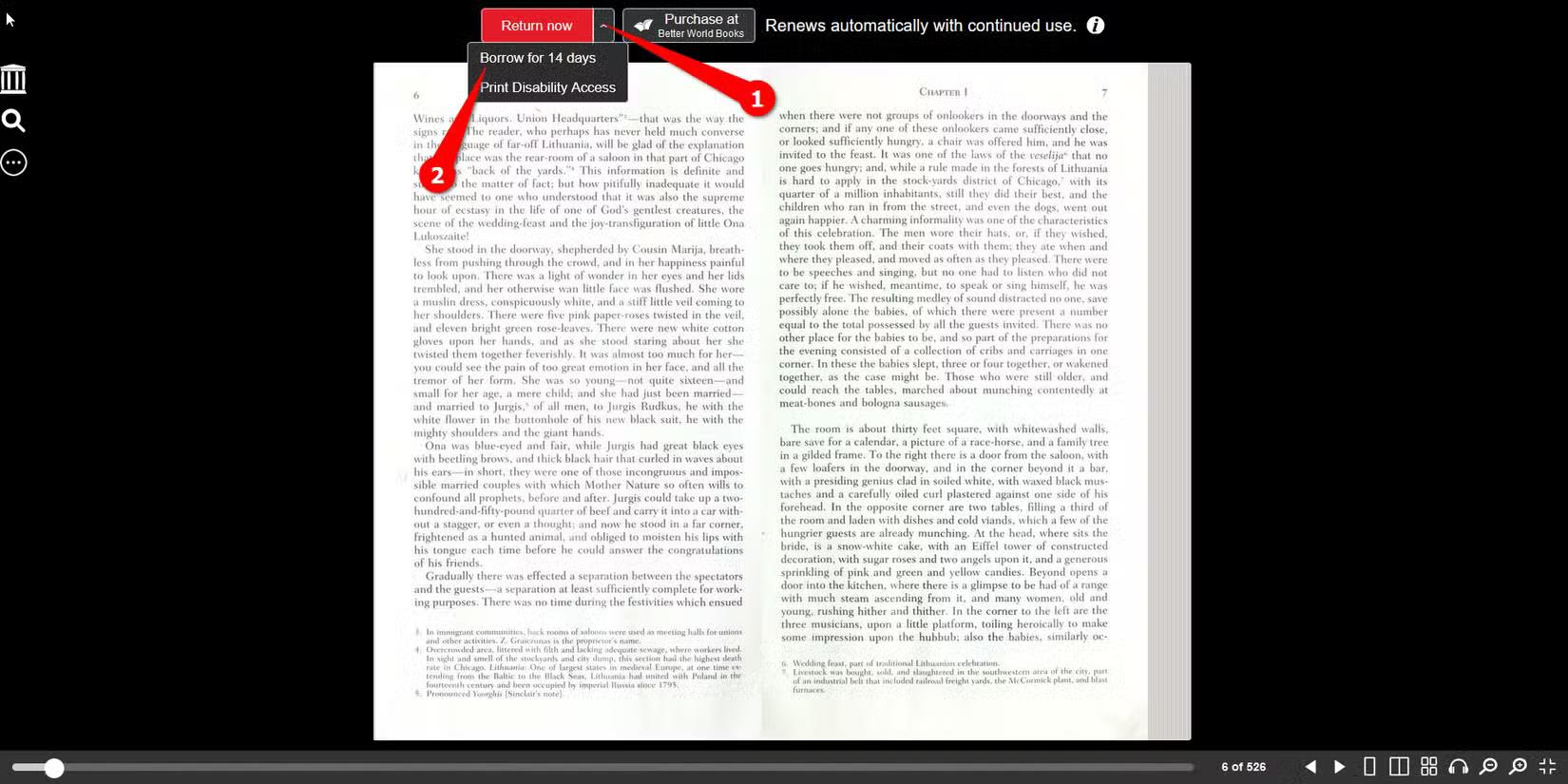
<p>7 Legal Ways To Get Free eBooks</p><p><a href="https://www.howtogeek.com/legal-ways-to-get-free-ebooks/" rel="nofollow" class="ellipsis" title="www.howtogeek.com/legal-ways-to-get-free-ebooks/"><span class="invisible">https://</span><span class="ellipsis">www.howtogeek.com/legal-ways-t</span><span class="invisible">o-get-free-ebooks/</span></a></p><p>(just skip Amazon for obvious reasons)</p><p><a href="/tags/books/" rel="tag">#books</a> <a href="/tags/literature/" rel="tag">#literature</a> <a href="/tags/ebooks/" rel="tag">#ebooks</a></p>
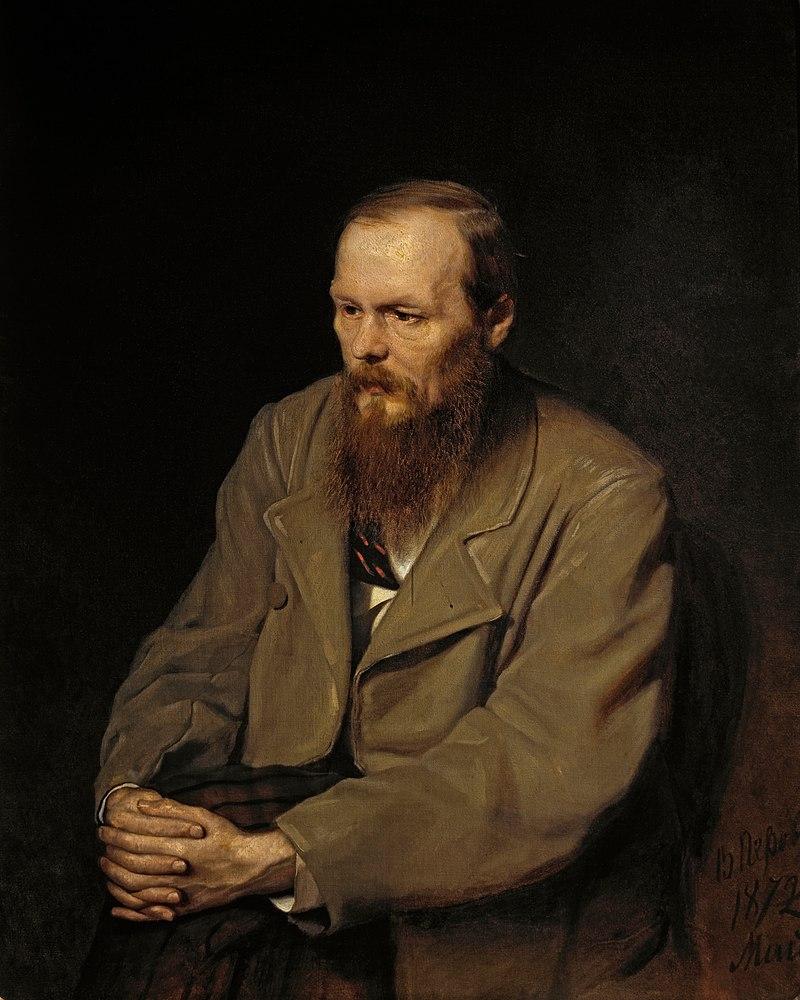
<p>10 most iconic lines by Dostoevsky that make people sit back and overthink life</p><p><a href="https://timesofindia.indiatimes.com/life-style/books/web-stories/10-most-iconic-lines-by-dostoevsky-that-make-people-sit-back-and-overthink-life/photostory/121135703.cms" rel="nofollow" class="ellipsis" title="timesofindia.indiatimes.com/life-style/books/web-stories/10-most-iconic-lines-by-dostoevsky-that-make-people-sit-back-and-overthink-life/photostory/121135703.cms"><span class="invisible">https://</span><span class="ellipsis">timesofindia.indiatimes.com/li</span><span class="invisible">fe-style/books/web-stories/10-most-iconic-lines-by-dostoevsky-that-make-people-sit-back-and-overthink-life/photostory/121135703.cms</span></a></p><p>Dostoevsky at PG:<br><a href="https://www.gutenberg.org/ebooks/author/314" rel="nofollow" class="ellipsis" title="www.gutenberg.org/ebooks/author/314"><span class="invisible">https://</span><span class="ellipsis">www.gutenberg.org/ebooks/autho</span><span class="invisible">r/314</span></a></p><p><a href="/tags/books/" rel="tag">#books</a> <a href="/tags/literature/" rel="tag">#literature</a></p>
<p>Don Quixote: Was the First Modern Novel Born in Captivity?</p><p>The whimsical and idealistic nature of Don Quixote makes it easy to forget that much of the novel was inspired by Cervantes’ incarceration and enslavement.</p><p>By Lily Hunger</p><p><a href="https://www.thecollector.com/don-quixote-first-modern-novel-born-captivity/" rel="nofollow" class="ellipsis" title="www.thecollector.com/don-quixote-first-modern-novel-born-captivity/"><span class="invisible">https://</span><span class="ellipsis">www.thecollector.com/don-quixo</span><span class="invisible">te-first-modern-novel-born-captivity/</span></a></p><p>Don Quixote at PG:<br><a href="https://www.gutenberg.org/ebooks/996" rel="nofollow"><span class="invisible">https://</span>www.gutenberg.org/ebooks/996</a></p><p>The Story of Don Quixote by Paulson, Cervantes Saavedra, and Edwards:<br><a href="https://www.gutenberg.org/ebooks/29468" rel="nofollow"><span class="invisible">https://</span>www.gutenberg.org/ebooks/29468</a></p><p><a href="/tags/books/" rel="tag">#books</a> <a href="/tags/literature/" rel="tag">#literature</a></p>
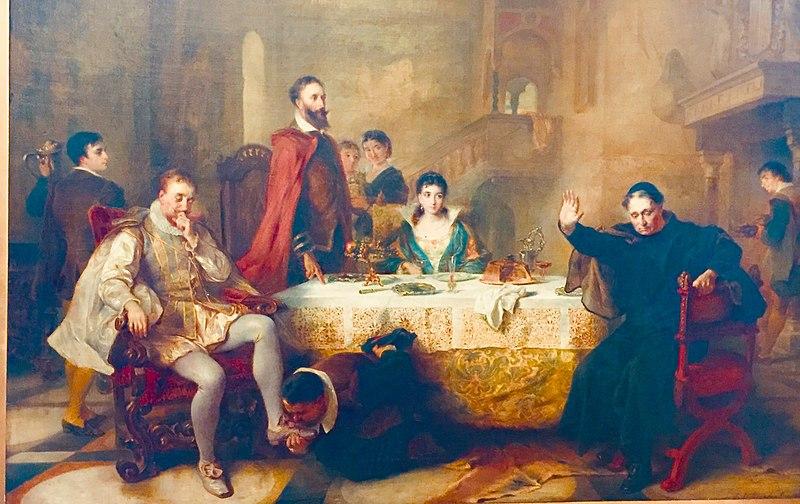
<p><a href="/tags/otd/" rel="tag">#OTD</a> (to March 17) in 1877</p><p>Robert Louis Stevenson's first published work of fiction, the novella "An Old Song", appears anonymously in four episodes in the magazine London. It is first attributed to Stevenson in 1980.</p><p>Books by Robert Louis Stevenson at PG:<br><a href="https://www.gutenberg.org/ebooks/author/35" rel="nofollow" class="ellipsis" title="www.gutenberg.org/ebooks/author/35"><span class="invisible">https://</span><span class="ellipsis">www.gutenberg.org/ebooks/autho</span><span class="invisible">r/35</span></a></p><p><a href="/tags/books/" rel="tag">#books</a> <a href="/tags/literature/" rel="tag">#literature</a></p>
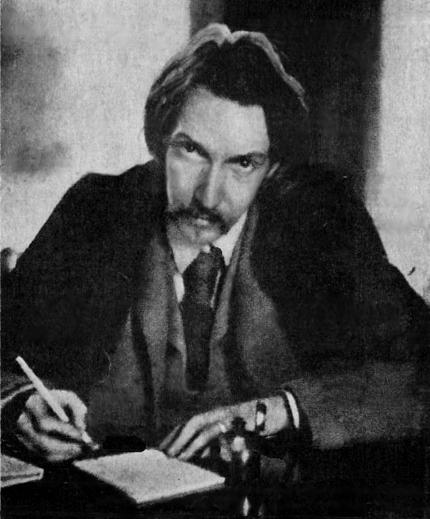
<p>"Hvad skal manden være? Sig selv, det er mit korte svar."<br>"What ought a man to be? Well, my short answer is ‘himself’."<br>Act IV</p><p><a href="/tags/otd/" rel="tag">#OTD</a> in 1876.</p><p>The stage première of the verse-play Peer Gynt by Henrik Ibsen (published 1867) with incidental music by Edvard Grieg, takes place in Christiania, Norway.</p><p><a href="https://en.wikipedia.org/wiki/Peer_Gynt" rel="nofollow" class="ellipsis" title="en.wikipedia.org/wiki/Peer_Gynt"><span class="invisible">https://</span><span class="ellipsis">en.wikipedia.org/wiki/Peer_Gyn</span><span class="invisible">t</span></a></p><p>Peer Gynt at PG:<br><a href="https://www.gutenberg.org/ebooks/66239" rel="nofollow"><span class="invisible">https://</span>www.gutenberg.org/ebooks/66239</a></p><p>In Norwegian at <span class="h-card"><a href="['https://bsky.brid.gy/r/https://bsky.app/profile/runeberg-org.bsky.social', 'https://runeberg.org/']" class="u-url mention" rel="nofollow noopener noreferrer" target="_blank">@<span>runeberg-org.bsky.social</span></a></span> <br><a href="https://runeberg.org/peergynt/" rel="nofollow"><span class="invisible">https://</span>runeberg.org/peergynt/</a></p><p><a href="/tags/books/" rel="tag">#books</a> <a href="/tags/literature/" rel="tag">#literature</a> <a href="/tags/theatre/" rel="tag">#theatre</a></p>
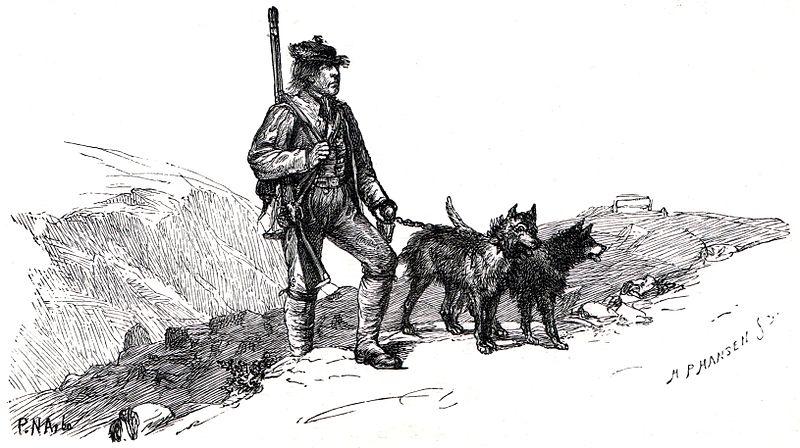
Edited 1y ago
<p>The Bloomsbury Group: A Reading List</p><p>In 1905, a group of writers and painters gathered in a London home and began a conversation on politics, love, sex, and art that lasted decades.</p><p>By: Jenny Noyce </p><p><a href="https://daily.jstor.org/bloomsbury-group-reading-list/" rel="nofollow" class="ellipsis" title="daily.jstor.org/bloomsbury-group-reading-list/"><span class="invisible">https://</span><span class="ellipsis">daily.jstor.org/bloomsbury-gro</span><span class="invisible">up-reading-list/</span></a></p><p>Bloomsbury Group at PG:<br><a href="https://www.gutenberg.org/ebooks/author/89" rel="nofollow" class="ellipsis" title="www.gutenberg.org/ebooks/author/89"><span class="invisible">https://</span><span class="ellipsis">www.gutenberg.org/ebooks/autho</span><span class="invisible">r/89</span></a><br><a href="https://www.gutenberg.org/ebooks/author/975" rel="nofollow" class="ellipsis" title="www.gutenberg.org/ebooks/author/975"><span class="invisible">https://</span><span class="ellipsis">www.gutenberg.org/ebooks/autho</span><span class="invisible">r/975</span></a><br><a href="https://www.gutenberg.org/ebooks/54154" rel="nofollow"><span class="invisible">https://</span>www.gutenberg.org/ebooks/54154</a><br><a href="https://www.gutenberg.org/ebooks/author/4565" rel="nofollow" class="ellipsis" title="www.gutenberg.org/ebooks/author/4565"><span class="invisible">https://</span><span class="ellipsis">www.gutenberg.org/ebooks/autho</span><span class="invisible">r/4565</span></a></p><p><a href="/tags/books/" rel="tag">#books</a> <a href="/tags/literature/" rel="tag">#literature</a></p>
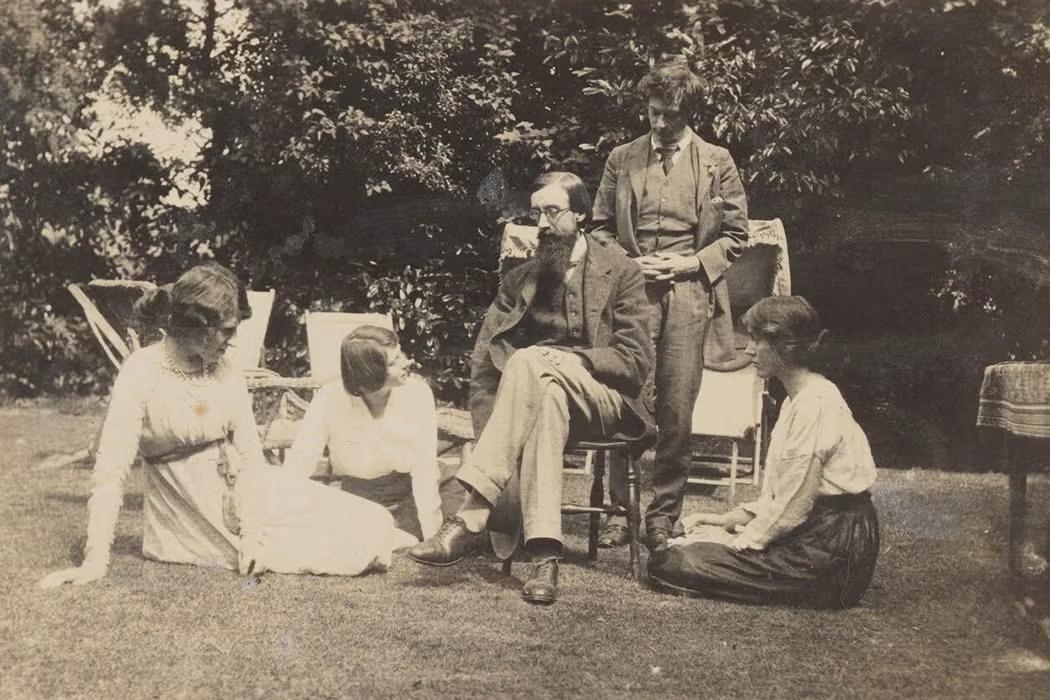
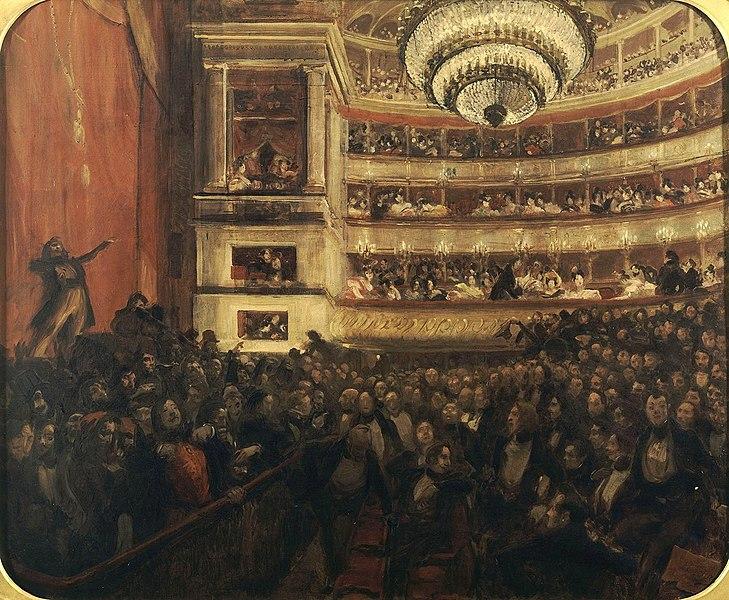
<p><a href="/tags/otd/" rel="tag">#OTD</a> in 1830.</p><p>The première of Victor Hugo's play Hernani in Paris elicits protests from an audience seeing it as an attack on Classicism.</p><p>Hugo had enlisted the support of fellow Romanticists such as Hector Berlioz and Théophile Gautier to combat the opposition of Classicists who recognised the play as a direct attack on their values.</p><p><a href="https://en.wikipedia.org/wiki/Hernani_(drama)" rel="nofollow" class="ellipsis" title="en.wikipedia.org/wiki/Hernani_(drama)"><span class="invisible">https://</span><span class="ellipsis">en.wikipedia.org/wiki/Hernani_</span><span class="invisible">(drama)</span></a></p><p>Hernani at PG:<br><a href="https://www.gutenberg.org/ebooks/9976" rel="nofollow"><span class="invisible">https://</span>www.gutenberg.org/ebooks/9976</a></p><p><a href="/tags/books/" rel="tag">#books</a> <a href="/tags/literature/" rel="tag">#literature</a> <a href="/tags/drama/" rel="tag">#drama</a></p>
<p>Niels Fredrik Dahl and “Reality Literature”: Writing to Become Visible to Yourself</p><p>What does it mean to write truth into literature? In recent decades, books that are largely autobiographical but also explicitly include fictional elements have become a very popular genre in Scandinavia.</p><p>by Linnea Gradin</p><p><a href="https://www.asymptotejournal.com/blog/2026/01/21/niels-fredrik-dahl-and-reality-literature-writing-to-become-visible-to-yourself/?utm_source=Klaviyo&utm_medium=campaign&utm_id=01KFJX49SHZWE60334HQRV1RSS&_kx=3MZUehzXM-41qlWAMPUiuNZadX2p0SByuNf_t0eMLB0.U5D8ER" rel="nofollow" class="ellipsis" title="www.asymptotejournal.com/blog/2026/01/21/niels-fredrik-dahl-and-reality-literature-writing-to-become-visible-to-yourself/?utm_source=Klaviyo&utm_medium=campaign&utm_id=01KFJX49SHZWE60334HQRV1RSS&_kx=3MZUehzXM-41qlWAMPUiuNZadX2p0SByuNf_t0eMLB0.U5D8ER"><span class="invisible">https://</span><span class="ellipsis">www.asymptotejournal.com/blog/</span><span class="invisible">2026/01/21/niels-fredrik-dahl-and-reality-literature-writing-to-become-visible-to-yourself/?utm_source=Klaviyo&utm_medium=campaign&utm_id=01KFJX49SHZWE60334HQRV1RSS&_kx=3MZUehzXM-41qlWAMPUiuNZadX2p0SByuNf_t0eMLB0.U5D8ER</span></a></p><p>Realism at PG:<br><a href="https://www.gutenberg.org/ebooks/subjects/search/?query=realism" rel="nofollow" class="ellipsis" title="www.gutenberg.org/ebooks/subjects/search/?query=realism"><span class="invisible">https://</span><span class="ellipsis">www.gutenberg.org/ebooks/subje</span><span class="invisible">cts/search/?query=realism</span></a></p><p><a href="/tags/books/" rel="tag">#books</a> <a href="/tags/literature/" rel="tag">#literature</a> <a href="/tags/literarycriticism/" rel="tag">#literarycriticism</a></p>

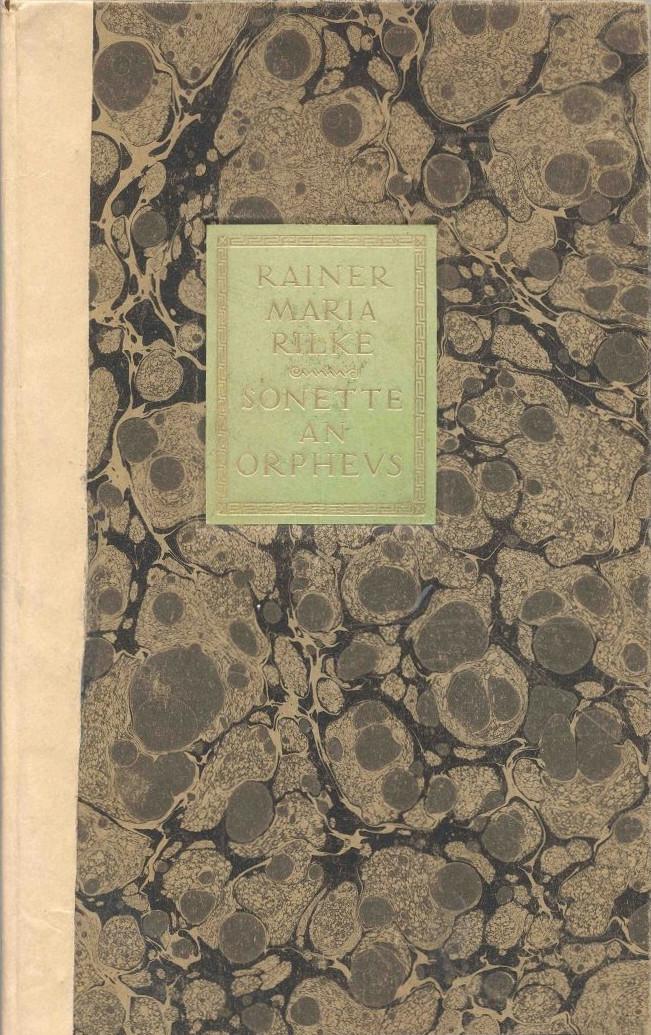
<p><a href="/tags/otd/" rel="tag">#OTD</a> in 1922.</p><p>In a "savage creative storm" of less than three weeks beginning today at Château de Muzot in Switzerland, Rainer Maria Rilke writes his Sonnets to Orpheus (Die Sonette an Orpheus) and completes his Duino Elegies (Duineser Elegien).</p><p><a href="https://en.wikipedia.org/wiki/Sonnets_to_Orpheus" rel="nofollow" class="ellipsis" title="en.wikipedia.org/wiki/Sonnets_to_Orpheus"><span class="invisible">https://</span><span class="ellipsis">en.wikipedia.org/wiki/Sonnets_</span><span class="invisible">to_Orpheus</span></a></p><p><a href="https://en.wikipedia.org/wiki/Duino_Elegies" rel="nofollow" class="ellipsis" title="en.wikipedia.org/wiki/Duino_Elegies"><span class="invisible">https://</span><span class="ellipsis">en.wikipedia.org/wiki/Duino_El</span><span class="invisible">egies</span></a></p><p>Books by Rainer Maria Rilke at PG:<br><a href="https://www.gutenberg.org/ebooks/author/846" rel="nofollow" class="ellipsis" title="www.gutenberg.org/ebooks/author/846"><span class="invisible">https://</span><span class="ellipsis">www.gutenberg.org/ebooks/autho</span><span class="invisible">r/846</span></a></p><p><a href="/tags/books/" rel="tag">#books</a> <a href="/tags/literature/" rel="tag">#literature</a> <a href="/tags/poetry/" rel="tag">#poetry</a></p>

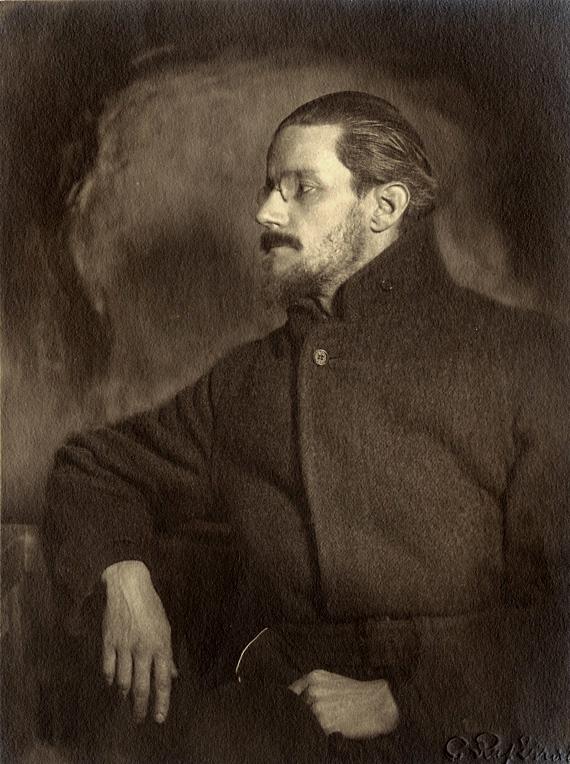
<p>"There is not past, no future; everything flows in an eternal present."</p><p>James Joyce was born <a href="/tags/otd/" rel="tag">#OTD</a> in 1882.</p><p>Together with Virginia Woolf and Dorothy Richardson, he is credited with the development of the stream of consciousness technique in which the same weight is given to both the internal world of the mind and the external world of events and circumstances as factors shaping the actions and views of fictional characters.</p><p>James Joyce at PG:<br><a href="https://gutenberg.org/ebooks/author/1039" rel="nofollow" class="ellipsis" title="gutenberg.org/ebooks/author/1039"><span class="invisible">https://</span><span class="ellipsis">gutenberg.org/ebooks/author/10</span><span class="invisible">39</span></a></p><p><a href="/tags/books/" rel="tag">#books</a> <a href="/tags/literature/" rel="tag">#literature</a></p>
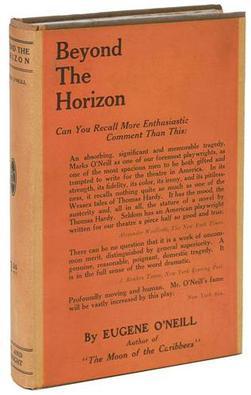
<p><a href="/tags/otd/" rel="tag">#OTD</a> in 1920.</p><p>Beyond the Horizon, Eugene O'Neill's second full-length play, opens with a Morosco Theatre matinée in New York City, partly as a producer's experiment and partly to quiet the actor Richard Bennett, who sought to play the lead. Reviewers hail the play and O'Neill gains fame. It won the 1920 Pulitzer Prize for Drama.</p><p><a href="https://en.wikipedia.org/wiki/Beyond_the_Horizon_(play)" rel="nofollow" class="ellipsis" title="en.wikipedia.org/wiki/Beyond_the_Horizon_(play)"><span class="invisible">https://</span><span class="ellipsis">en.wikipedia.org/wiki/Beyond_t</span><span class="invisible">he_Horizon_(play)</span></a></p><p>Beyond the Horizon at PG:<br><a href="https://www.gutenberg.org/ebooks/58569" rel="nofollow"><span class="invisible">https://</span>www.gutenberg.org/ebooks/58569</a></p><p><a href="/tags/books/" rel="tag">#books</a> <a href="/tags/literature/" rel="tag">#literature</a> <a href="/tags/theatre/" rel="tag">#theatre</a></p>
<p><a href="/tags/otd/" rel="tag">#OTD</a> in 1852.</p><p>Alexandre Dumas, fils's stage adaptation of his 1848 novel La Dame aux caméllias is premièred at the Théâtre du Vaudeville in Paris.</p><p>Shortly thereafter, Italian composer Giuseppe Verdi set about putting the story to music in the 1853 opera La traviata, with female protagonist Marguerite Gautier renamed Violetta Valéry.</p><p><a href="https://en.wikipedia.org/wiki/The_Lady_of_the_Camellias" rel="nofollow" class="ellipsis" title="en.wikipedia.org/wiki/The_Lady_of_the_Camellias"><span class="invisible">https://</span><span class="ellipsis">en.wikipedia.org/wiki/The_Lady</span><span class="invisible">_of_the_Camellias</span></a></p><p>La dame aux camélias at PG:<br><a href="https://www.gutenberg.org/ebooks/2419" rel="nofollow"><span class="invisible">https://</span>www.gutenberg.org/ebooks/2419</a><br><a href="https://www.gutenberg.org/ebooks/1608" rel="nofollow"><span class="invisible">https://</span>www.gutenberg.org/ebooks/1608</a></p><p><a href="/tags/books/" rel="tag">#books</a> <a href="/tags/literature/" rel="tag">#literature</a></p>
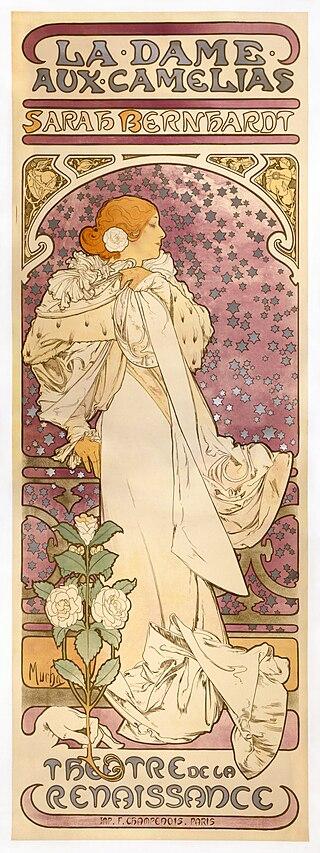
<p><a href="/tags/otd/" rel="tag">#OTD</a> in 1886.</p><p>The first performance of William Gillette's American Civil War drama Held by the Enemy is held at the Criterion Theater, Brooklyn, New York.</p><p>The play was a major step toward modern theater, in that it abandoned many of the crude devices of 19th-century melodrama and introduced realism into the sets, costumes, props, and sound effects. </p><p><a href="https://en.wikipedia.org/wiki/William_Gillette" rel="nofollow" class="ellipsis" title="en.wikipedia.org/wiki/William_Gillette"><span class="invisible">https://</span><span class="ellipsis">en.wikipedia.org/wiki/William_</span><span class="invisible">Gillette</span></a></p><p>William Gillette at PG:<br><a href="https://www.gutenberg.org/ebooks/author/38243" rel="nofollow" class="ellipsis" title="www.gutenberg.org/ebooks/author/38243"><span class="invisible">https://</span><span class="ellipsis">www.gutenberg.org/ebooks/autho</span><span class="invisible">r/38243</span></a></p><p><a href="/tags/books/" rel="tag">#books</a> <a href="/tags/literature/" rel="tag">#literature</a> <a href="/tags/theatre/" rel="tag">#theatre</a></p>
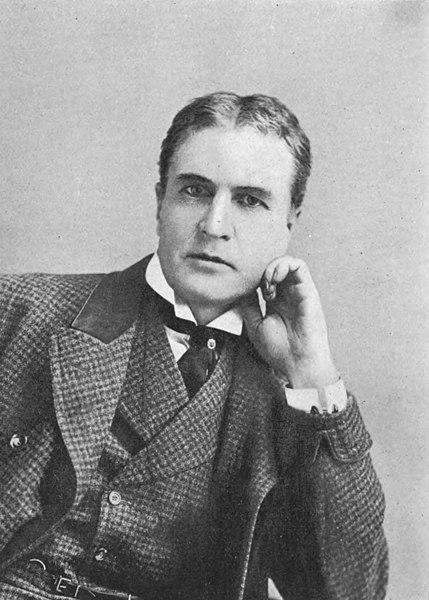
<p>"There are very few who can think, but every man wants to have an opinion; and what remains but to take it ready-made from others, instead of forming opinions for himself?"</p><p>The Art of Controversy, and Other Posthumous Papers (ed. 1896)</p><p>~Arthur Schopenhauer (22 February 1788 – 21 September 1860)</p><p>Books by Arthur Schopenhauer at PG:<br><a href="https://www.gutenberg.org/ebooks/author/3648" rel="nofollow" class="ellipsis" title="www.gutenberg.org/ebooks/author/3648"><span class="invisible">https://</span><span class="ellipsis">www.gutenberg.org/ebooks/autho</span><span class="invisible">r/3648</span></a></p><p><a href="/tags/books/" rel="tag">#books</a> <a href="/tags/literature/" rel="tag">#literature</a> <a href="/tags/philosophy/" rel="tag">#philosophy</a></p>
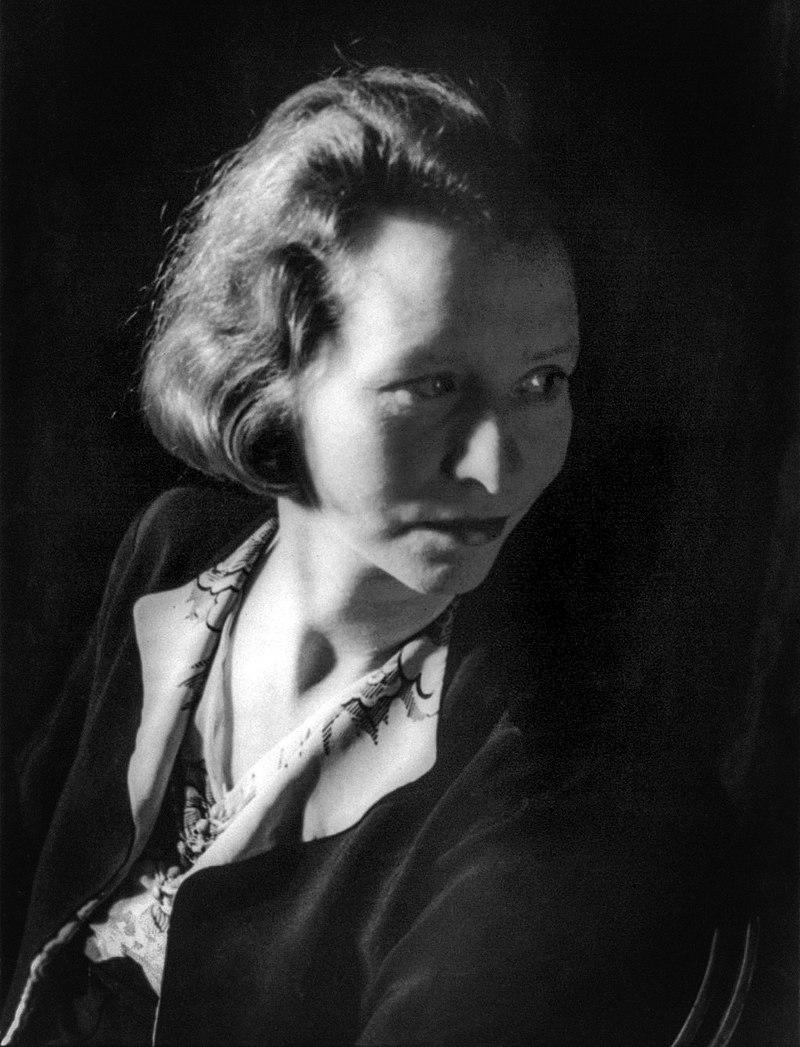
<p>"I know that Beauty must ail and die,<br>And will be born again, — but ah, to see<br>Beauty stiffened, staring up at the sky!<br>Oh, Autumn! Autumn! — What is the Spring to me?"</p><p>Second April (1921)</p><p>~Edna St. Vincent Millay (February 22, 1892 – October 19, 1950)</p><p>Books by Edna St. Vincent Millay at PG:<br><a href="https://www.gutenberg.org/ebooks/author/70" rel="nofollow" class="ellipsis" title="www.gutenberg.org/ebooks/author/70"><span class="invisible">https://</span><span class="ellipsis">www.gutenberg.org/ebooks/autho</span><span class="invisible">r/70</span></a></p><p><a href="/tags/books/" rel="tag">#books</a> <a href="/tags/literature/" rel="tag">#literature</a> <a href="/tags/poetry/" rel="tag">#poetry</a></p>
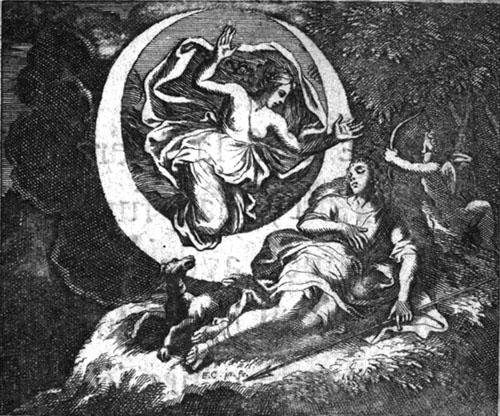
<p>The Untold Story of Selene, Greek Goddess of the Moon</p><p>A daughter of the Titans, Selene was the Greek goddess of the moon. She appears throughout Greek mythology in divine wars and torrid love affairs.</p><p>by Kieren Johns</p><p><a href="https://www.thecollector.com/selene-greek-goddess-moon/" rel="nofollow" class="ellipsis" title="www.thecollector.com/selene-greek-goddess-moon/"><span class="invisible">https://</span><span class="ellipsis">www.thecollector.com/selene-gr</span><span class="invisible">eek-goddess-moon/</span></a></p><p>Greek Mythology in literature at PG:<br><a href="https://www.gutenberg.org/ebooks/subject/17235" rel="nofollow" class="ellipsis" title="www.gutenberg.org/ebooks/subject/17235"><span class="invisible">https://</span><span class="ellipsis">www.gutenberg.org/ebooks/subje</span><span class="invisible">ct/17235</span></a></p><p><a href="/tags/books/" rel="tag">#books</a> <a href="/tags/literature/" rel="tag">#literature</a> <a href="/tags/mythology/" rel="tag">#mythology</a></p>
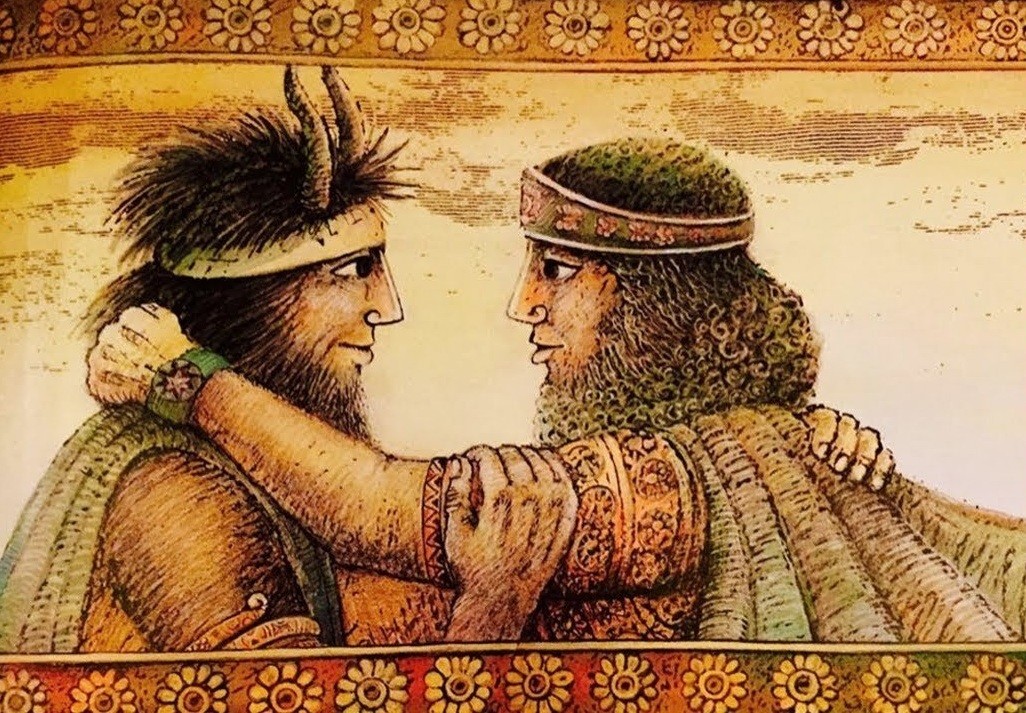
<p>In Mesopotamian mythology, the demigod King Gilgamesh was a tyrant, so the gods sent the wild man Enkidu to defeat him. Though Gilgamesh won, he was impressed by Enkidu's strength and tenacity. Because of his love for the wild man, Gilgamesh became a good king.<br>🎨 Ludmila Zeman</p><p><a href="/tags/folkloresunday/" rel="tag">#FolkloreSunday</a> <a href="/tags/bookchatweekly/" rel="tag">#BookChatWeekly</a> <a href="/tags/31daysofhaunting/" rel="tag">#31DaysofHaunting</a> <a href="/tags/folklore/" rel="tag">#Folklore</a> <a href="/tags/mesopotamianfolklore/" rel="tag">#MesopotamianFolklore</a> <a href="/tags/babylonianfolklore/" rel="tag">#BabylonianFolklore</a> <a href="/tags/mythology/" rel="tag">#Mythology</a> <a href="/tags/mesopotamianmythology/" rel="tag">#MesopotamianMythology</a> <a href="/tags/babylonianmythology/" rel="tag">#BabylonianMythology</a> <a href="/tags/literature/" rel="tag">#Literature</a> <a href="/tags/mesopotamia/" rel="tag">#Mesopotamia</a> <a href="/tags/babylon/" rel="tag">#Babylon</a> <a href="/tags/gilgamesh/" rel="tag">#Gilgamesh</a></p>
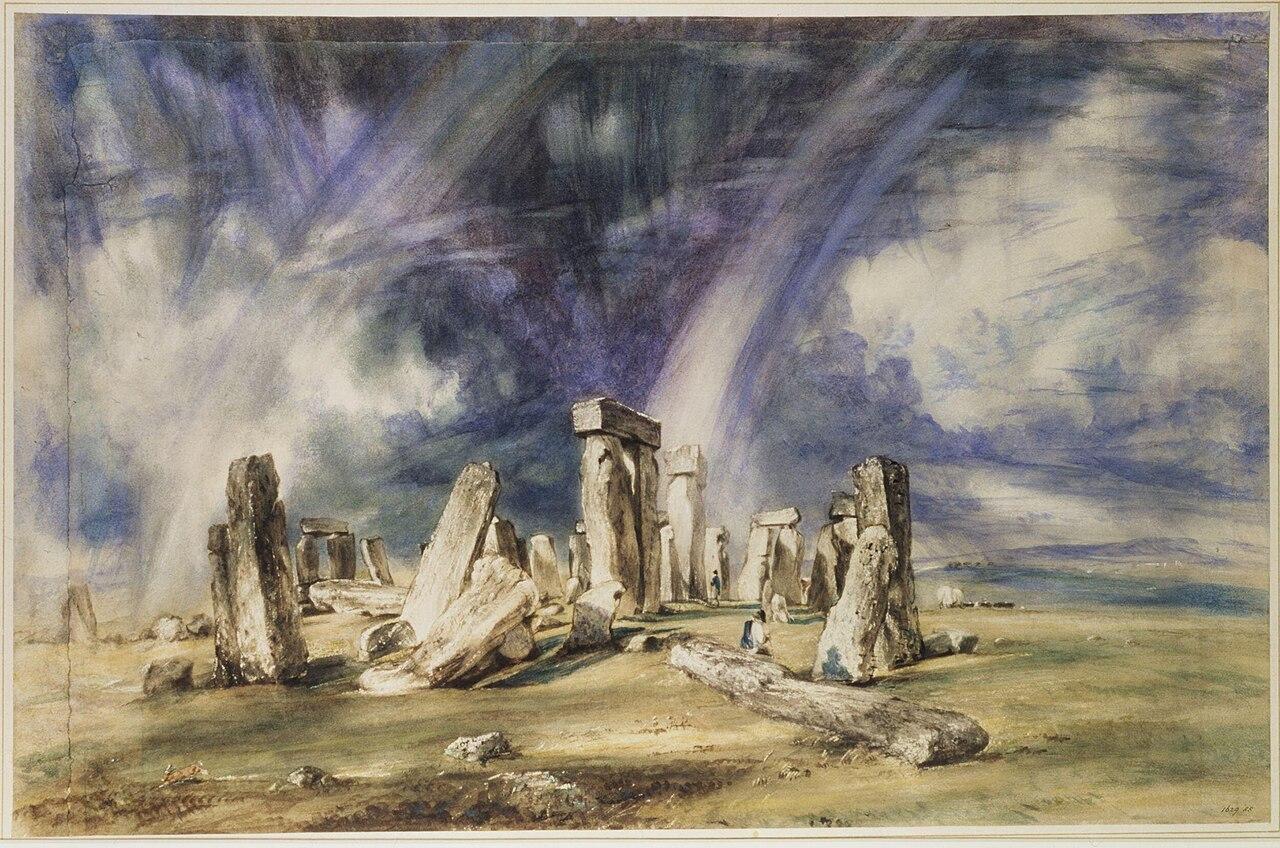
<p>Grains of sand prove people – not glaciers – transported Stonehenge rocks</p><p>Ask people how Stonehenge was built and you’ll hear stories of sledges, ropes, boats and sheer human determination to haul stones from across Britain to Salisbury Plain, in south-west England. </p><p>by Anthony Clarke and Chris Kirkland</p><p><a href="https://theconversation.com/grains-of-sand-prove-people-not-glaciers-transported-stonehenge-rocks-271310" rel="nofollow" class="ellipsis" title="theconversation.com/grains-of-sand-prove-people-not-glaciers-transported-stonehenge-rocks-271310"><span class="invisible">https://</span><span class="ellipsis">theconversation.com/grains-of-</span><span class="invisible">sand-prove-people-not-glaciers-transported-stonehenge-rocks-271310</span></a></p><p>Stonehenge at PG:<br><a href="https://www.gutenberg.org/ebooks/subject/12218" rel="nofollow" class="ellipsis" title="www.gutenberg.org/ebooks/subject/12218"><span class="invisible">https://</span><span class="ellipsis">www.gutenberg.org/ebooks/subje</span><span class="invisible">ct/12218</span></a></p><p><a href="/tags/books/" rel="tag">#books</a> <a href="/tags/literature/" rel="tag">#literature</a> <a href="/tags/geology/" rel="tag">#geology</a></p>