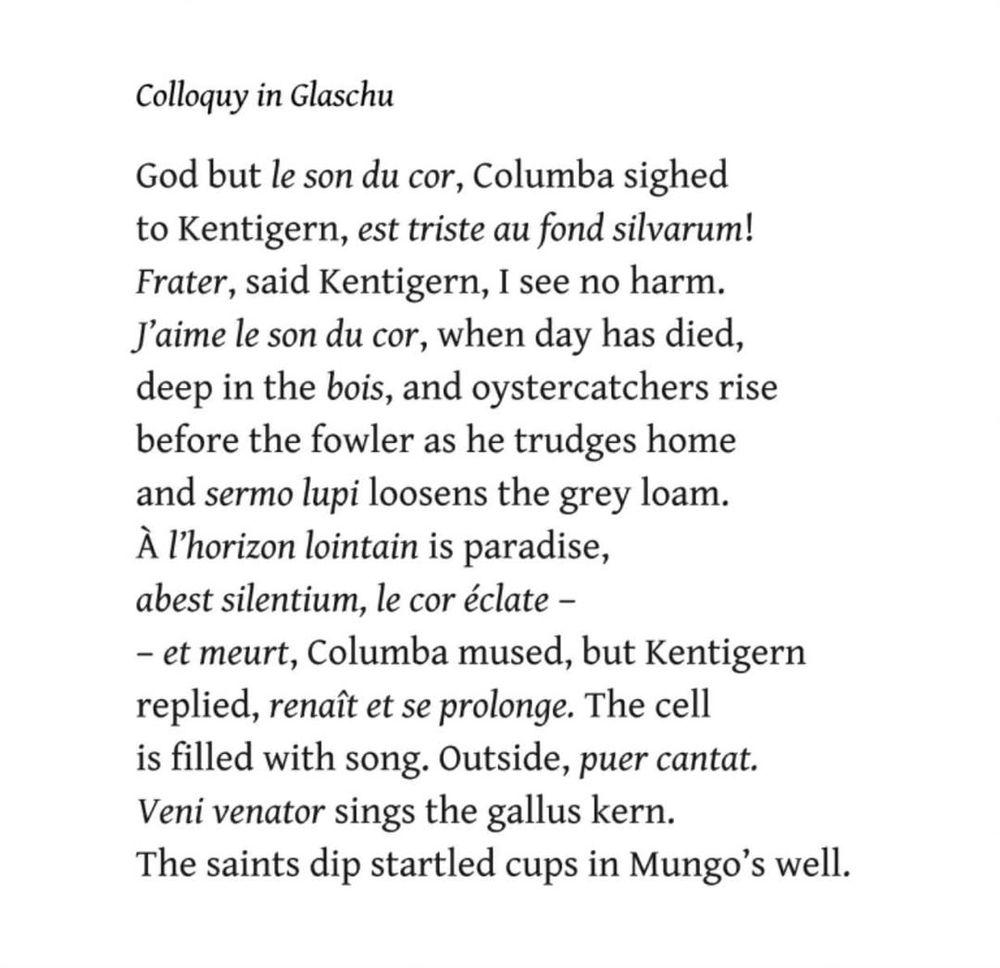
<p><a href="/tags/otd/" rel="tag">#OTD</a> in 1892.</p><p>George Bernard Shaw's first play Widowers' Houses has its first performance, at the Royalty Theatre in London under the auspices of the Independent Theatre Society. The author is booed.</p><p>This is one of three plays Shaw published as Plays Unpleasant in 1898. The other plays in the group are The Philanderer and Mrs. Warren's Profession.</p><p><a href="https://en.wikipedia.org/wiki/Widowers%27_Houses" rel="nofollow" class="ellipsis" title="en.wikipedia.org/wiki/Widowers%27_Houses"><span class="invisible">https://</span><span class="ellipsis">en.wikipedia.org/wiki/Widowers</span><span class="invisible">%27_Houses</span></a></p><p>Books by Bernard Shaw at PG:<br><a href="https://www.gutenberg.org/ebooks/author/467" rel="nofollow" class="ellipsis" title="www.gutenberg.org/ebooks/author/467"><span class="invisible">https://</span><span class="ellipsis">www.gutenberg.org/ebooks/autho</span><span class="invisible">r/467</span></a></p><p><a href="/tags/books/" rel="tag">#books</a> <a href="/tags/literature/" rel="tag">#literature</a> <a href="/tags/theatre/" rel="tag">#theatre</a></p>
literature
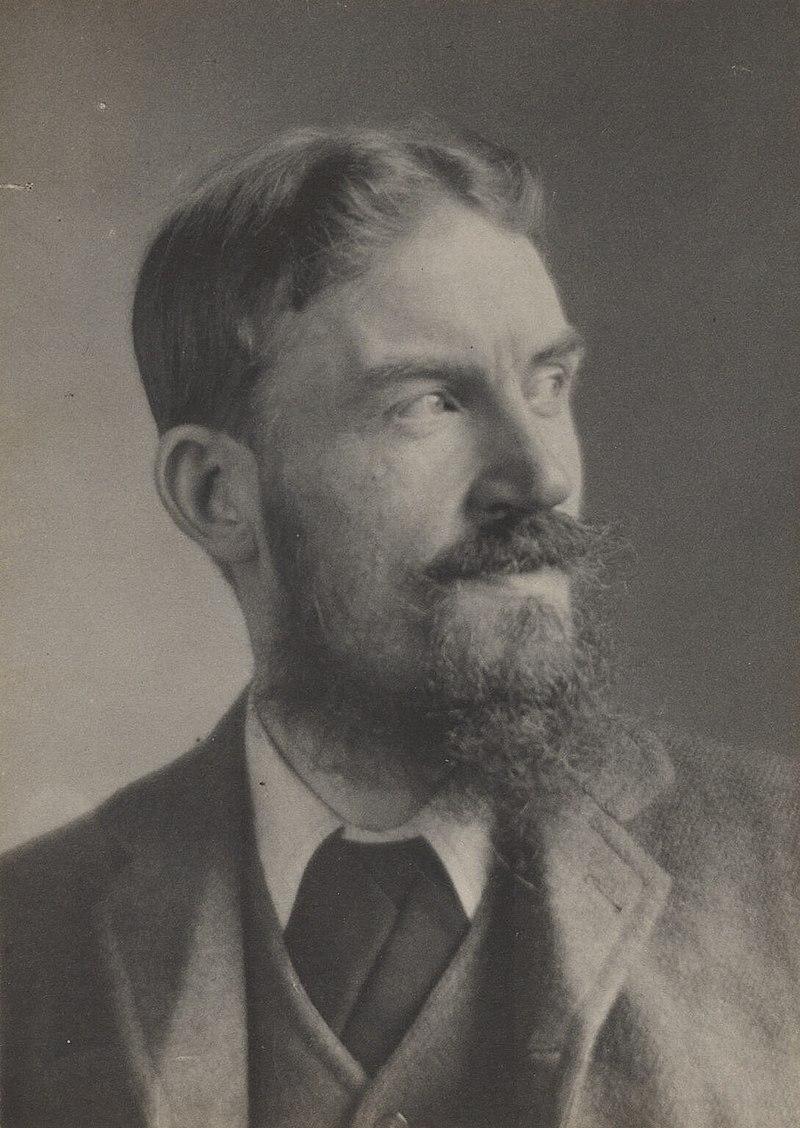
<p>"Was that, then, the way we do things? "Not knowing"— was that the way the most profound things happened? ... Was the secret of never escaping from the greater life the secret of living like a sleepwalker?"<br>The Passion According to G.H.</p><p>~Clarice Lispector (December 10, 1920 – December 9, 1977)</p><p><a href="https://en.wikipedia.org/wiki/Clarice_Lispector" rel="nofollow" class="ellipsis" title="en.wikipedia.org/wiki/Clarice_Lispector"><span class="invisible">https://</span><span class="ellipsis">en.wikipedia.org/wiki/Clarice_</span><span class="invisible">Lispector</span></a></p><p><a href="/tags/books/" rel="tag">#books</a> <a href="/tags/literature/" rel="tag">#literature</a></p>
![Uma coletânea de contos de Clarice Lispector (1920-1977), publicada em julho deste ano nos Estados Unidos com o título "The complete stories", entrou na lista dos 100 melhores livros de 2015 feita pelo jornal americano "The New York Times". A editora Rocco planeja publicar a versão nacional de "The complete stories" em abril de 2016. O título da versão nacional ainda não foi definido. Clarice Lispector nasceu em Tchetchelnick, na Ucrânia. Seu nome de batismo era Haia. Ela se mudou com a família para o Brasil em 1922 e aqui ganhou o nome de Clarice. Em sua lista de melhores do ano, o "New York Times" escreve que "a brasileira foi uma das verdadeiras [vozes] autênticas da literatura latino-americana". O jornal cita como exemplos desses "inovadores" o argentino Jorge Luis Borges (1899-1986), o mexicano Juan Rulfo (1917-1986) e o também brasileiro Machado de Assis (1839-1908).](/proxy/post_attachment/540680/26a8fa37f9.png "Uma coletânea de contos de Clarice Lispector (1920-1977), publicada em julho deste ano nos Estados Unidos com o título \"The complete stories\", entrou na lista dos 100 melhores livros de 2015 feita pelo jornal americano \"The New York Times\". A editora Rocco planeja publicar a versão nacional de \"The complete stories\" em abril de 2016. O título da versão nacional ainda não foi definido. Clarice Lispector nasceu em Tchetchelnick, na Ucrânia. Seu nome de batismo era Haia. Ela se mudou com a família para o Brasil em 1922 e aqui ganhou o nome de Clarice. Em sua lista de melhores do ano, o \"New York Times\" escreve que \"a brasileira foi uma das verdadeiras [vozes] autênticas da literatura latino-americana\". O jornal cita como exemplos desses \"inovadores\" o argentino Jorge Luis Borges (1899-1986), o mexicano Juan Rulfo (1917-1986) e o também brasileiro Machado de Assis (1839-1908).")
<p>"It is equally a fault to believe all men or to believe none."</p><p><a href="/tags/otd/" rel="tag">#OTD</a> in 1817.</p><p>Walter Scott's historical novel Rob Roy, written from this spring, is published anonymously by Archibald Constable in Edinburgh, while a shipload of copies is carried from Leith to London for simultaneous publication there by Longman.</p><p><a href="https://en.wikipedia.org/wiki/Rob_Roy_(novel)" rel="nofollow" class="ellipsis" title="en.wikipedia.org/wiki/Rob_Roy_(novel)"><span class="invisible">https://</span><span class="ellipsis">en.wikipedia.org/wiki/Rob_Roy_</span><span class="invisible">(novel)</span></a></p><p>Rob Roy at PG:<br><a href="https://gutenberg.org/ebooks/7025" rel="nofollow"><span class="invisible">https://</span>gutenberg.org/ebooks/7025</a></p><p><a href="/tags/books/" rel="tag">#books</a> <a href="/tags/literature/" rel="tag">#literature</a></p>

<p>"Everything comes in time to him who knows how to wait."</p><p>In December 1869.</p><p>Publication of Leo Tolstoy's novel War and Peace complete in book form concludes. It is printed in Moscow and sold by the author on subscription. Portions of an earlier version, titled The Year 1805, were serialized in The Russian Messenger from 1865 to 1867 before the novel was published in its entirety in 1869.</p><p><a href="https://en.wikipedia.org/wiki/War_and_Peace#" rel="nofollow" class="ellipsis" title="en.wikipedia.org/wiki/War_and_Peace#"><span class="invisible">https://</span><span class="ellipsis">en.wikipedia.org/wiki/War_and_</span><span class="invisible">Peace#</span></a></p><p>War and Peace at PG:<br><a href="https://gutenberg.org/ebooks/2600" rel="nofollow"><span class="invisible">https://</span>gutenberg.org/ebooks/2600</a></p><p><a href="/tags/books/" rel="tag">#books</a> <a href="/tags/literature/" rel="tag">#literature</a></p>

<p>In December 1855.</p><p>Charles Dickens publishes the first instalment of Little Dorrit, which continues to appear into 1857.</p><p>Little Dorrit was published in 19 monthly instalments, each consisting of 32 pages with two illustrations by Hablot Knight Browne whose pen name was Phiz. Each instalment cost a shilling except for the last, a double issue which cost two shillings.</p><p><a href="https://en.wikipedia.org/wiki/Little_Dorrit#" rel="nofollow" class="ellipsis" title="en.wikipedia.org/wiki/Little_Dorrit#"><span class="invisible">https://</span><span class="ellipsis">en.wikipedia.org/wiki/Little_D</span><span class="invisible">orrit#</span></a></p><p>Little Dorrit at PG:<br><a href="https://gutenberg.org/ebooks/963" rel="nofollow"><span class="invisible">https://</span>gutenberg.org/ebooks/963</a></p><p><a href="/tags/books/" rel="tag">#books</a> <a href="/tags/literature/" rel="tag">#literature</a></p>

<p><a href="/tags/otd/" rel="tag">#OTD</a> in 1898.</p><p>Moscow Art Theatre's first season opens with a double bill of Emilia Matthai's Greta's Happiness and Carlo Goldoni's The Mistress of the Inn. The successful and influential Moscow Art Theatre production of The Seagull by Chekhov (its Moscow première), would open on 29 December 1898.</p><p><a href="https://en.wikipedia.org/wiki/The_Mistress_of_the_Inn" rel="nofollow" class="ellipsis" title="en.wikipedia.org/wiki/The_Mistress_of_the_Inn"><span class="invisible">https://</span><span class="ellipsis">en.wikipedia.org/wiki/The_Mist</span><span class="invisible">ress_of_the_Inn</span></a></p><p><a href="/tags/books/" rel="tag">#books</a> <a href="/tags/literature/" rel="tag">#literature</a> <a href="/tags/theatre/" rel="tag">#theatre</a></p>
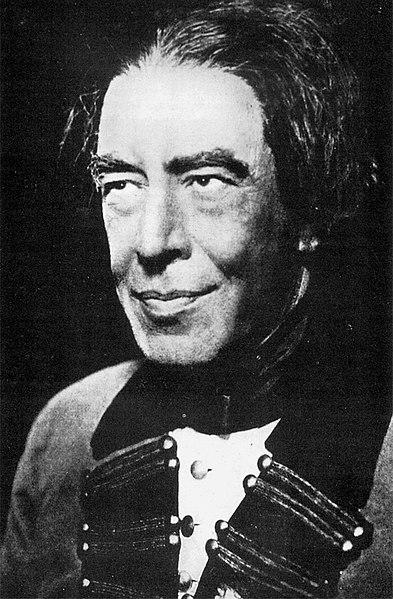
<p><a href="/tags/otd/" rel="tag">#OTD</a> in 1851.</p><p>The French coup d'état of 1851 prompts Victor Hugo to be a leader of an unsuccessful insurrection against it. He is forced into exile, initially to Brussels, then Jersey, from which he was expelled for supporting L’Homme. He finally settled with his family at Hauteville House in Saint Peter Port, Guernsey, where he would live in exile from October 1855 until 1870.</p><p>Books by Victor Hugo at PG:<br><a href="https://www.gutenberg.org/ebooks/author/85" rel="nofollow" class="ellipsis" title="www.gutenberg.org/ebooks/author/85"><span class="invisible">https://</span><span class="ellipsis">www.gutenberg.org/ebooks/autho</span><span class="invisible">r/85</span></a></p><p><a href="/tags/books/" rel="tag">#books</a> <a href="/tags/literature/" rel="tag">#literature</a></p>
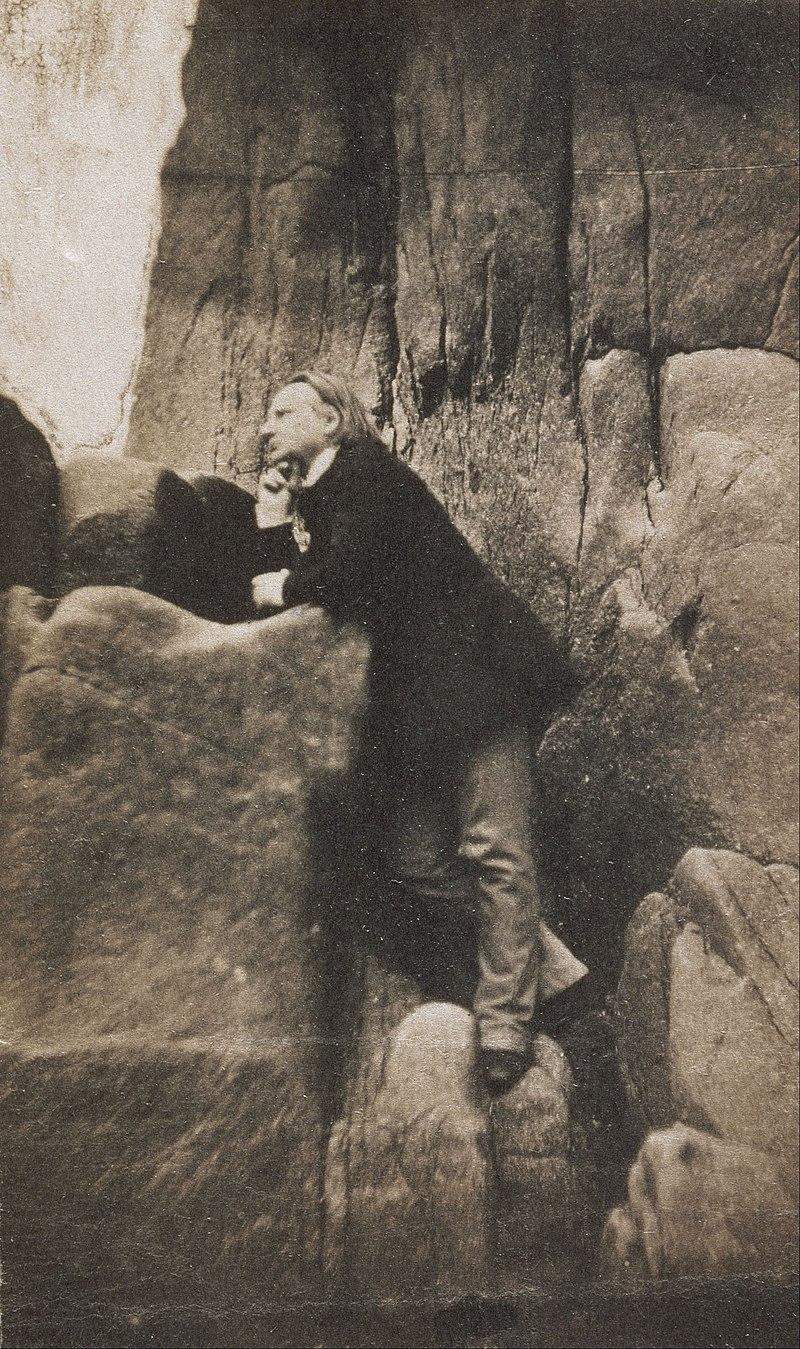
<p><a href="/tags/otd/" rel="tag">#OTD</a> in 1928.</p><p>Radclyffe Hall's novel The Well of Loneliness, published by Jonathan Cape in London, is tried and convicted on the grounds of obscenity under the Hicklin test, after a campaign against it by James Douglas in the Sunday Express. </p><p><a href="https://gutenberg.org/ebooks/73042" rel="nofollow"><span class="invisible">https://</span>gutenberg.org/ebooks/73042</a></p><p><a href="/tags/books/" rel="tag">#books</a> <a href="/tags/literature/" rel="tag">#literature</a></p>
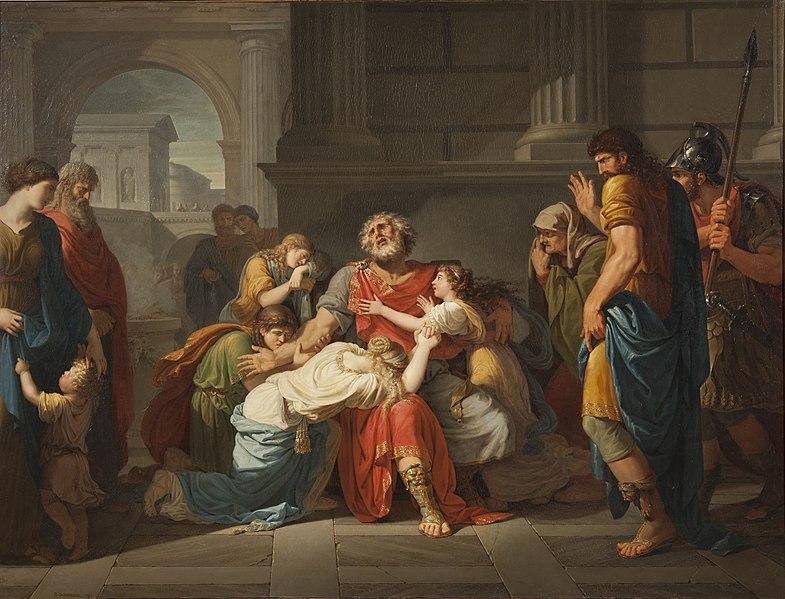
<p>Is Oedipus Rex the Mother of All Drama?</p><p>Sophocles’s Oedipus Rex (aka Oedipus the King) … Is it the mother of all Western drama? The father? Or both?</p><p>By Thom Delapa</p><p><a href="https://www.thecollector.com/oedipus-rex-mother-drama/" rel="nofollow" class="ellipsis" title="www.thecollector.com/oedipus-rex-mother-drama/"><span class="invisible">https://</span><span class="ellipsis">www.thecollector.com/oedipus-r</span><span class="invisible">ex-mother-drama/</span></a></p><p><a href="https://en.wikipedia.org/wiki/Oedipus_Rex" rel="nofollow" class="ellipsis" title="en.wikipedia.org/wiki/Oedipus_Rex"><span class="invisible">https://</span><span class="ellipsis">en.wikipedia.org/wiki/Oedipus_</span><span class="invisible">Rex</span></a></p><p>Oedipus King of Thebes by Sophocles at PG:<br><a href="https://www.gutenberg.org/ebooks/27673" rel="nofollow"><span class="invisible">https://</span>www.gutenberg.org/ebooks/27673</a></p><p><a href="/tags/books/" rel="tag">#books</a> <a href="/tags/literature/" rel="tag">#literature</a> <a href="/tags/culture/" rel="tag">#culture</a> <a href="/tags/history/" rel="tag">#history</a></p>
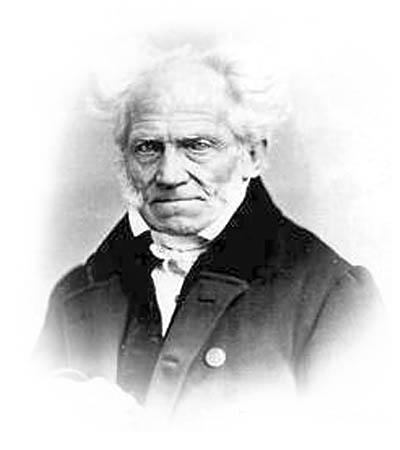
<p>Arthur Schopenhauer’s Idealism: Is Our World Just a Dream?<br>Schopenhauer argued that the world is but an intricate dream, and what he suggested lies beyond it may shock you.</p><p>By Maysara Kamal</p><p><a href="https://www.thecollector.com/arthur-schopenhauers-idealism-is-our-world-just-a-dream/" rel="nofollow" class="ellipsis" title="www.thecollector.com/arthur-schopenhauers-idealism-is-our-world-just-a-dream/"><span class="invisible">https://</span><span class="ellipsis">www.thecollector.com/arthur-sc</span><span class="invisible">hopenhauers-idealism-is-our-world-just-a-dream/</span></a></p><p>Books by Arthur Schopenhauer at PG:<br><a href="https://www.gutenberg.org/ebooks/author/3648" rel="nofollow" class="ellipsis" title="www.gutenberg.org/ebooks/author/3648"><span class="invisible">https://</span><span class="ellipsis">www.gutenberg.org/ebooks/autho</span><span class="invisible">r/3648</span></a></p><p><a href="/tags/books/" rel="tag">#books</a> <a href="/tags/literature/" rel="tag">#literature</a> <a href="/tags/philosophy/" rel="tag">#philosophy</a></p>
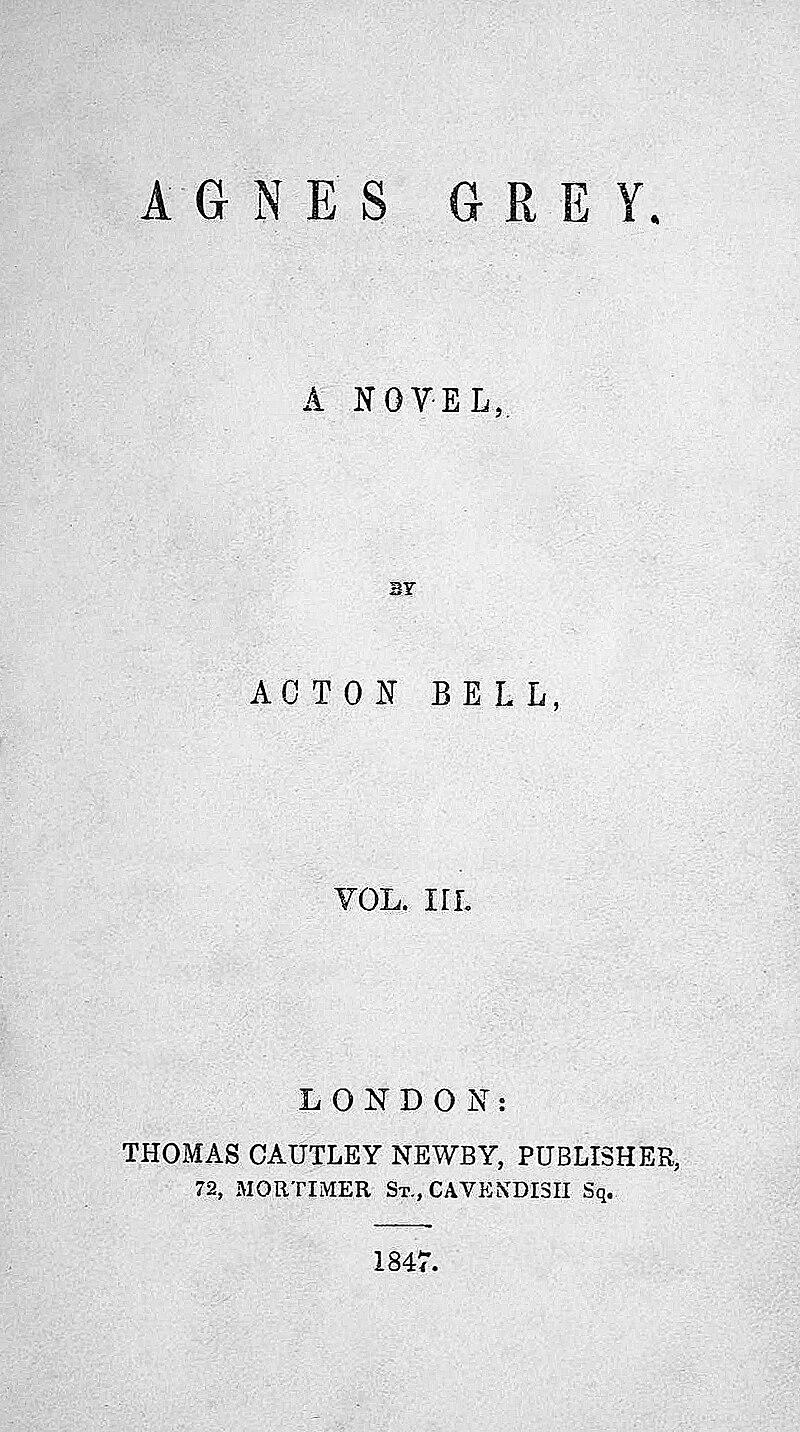
<p><a href="/tags/otd/" rel="tag">#OTD</a> in 1847.</p><p>Emily Brontë's Wuthering Heights and Anne Brontë's Agnes Grey are published in a three-volume set under the pen names of Ellis and Acton Bell respectively, in London by T. C. Newby. Wuthering Heights will be Emily's only published novel, as she dies a year later, aged 30.</p><p><a href="https://en.wikipedia.org/wiki/Wuthering_Heights" rel="nofollow" class="ellipsis" title="en.wikipedia.org/wiki/Wuthering_Heights"><span class="invisible">https://</span><span class="ellipsis">en.wikipedia.org/wiki/Wutherin</span><span class="invisible">g_Heights</span></a></p><p>Wuthering Heights at PG:<br><a href="https://gutenberg.org/ebooks/768" rel="nofollow"><span class="invisible">https://</span>gutenberg.org/ebooks/768</a></p><p><a href="https://en.wikipedia.org/wiki/Agnes_Grey" rel="nofollow" class="ellipsis" title="en.wikipedia.org/wiki/Agnes_Grey"><span class="invisible">https://</span><span class="ellipsis">en.wikipedia.org/wiki/Agnes_Gr</span><span class="invisible">ey</span></a></p><p>Agnes Grey at PG:<br><a href="https://gutenberg.org/ebooks/767" rel="nofollow"><span class="invisible">https://</span>gutenberg.org/ebooks/767</a></p><p><a href="/tags/books/" rel="tag">#books</a> <a href="/tags/literature/" rel="tag">#literature</a></p>


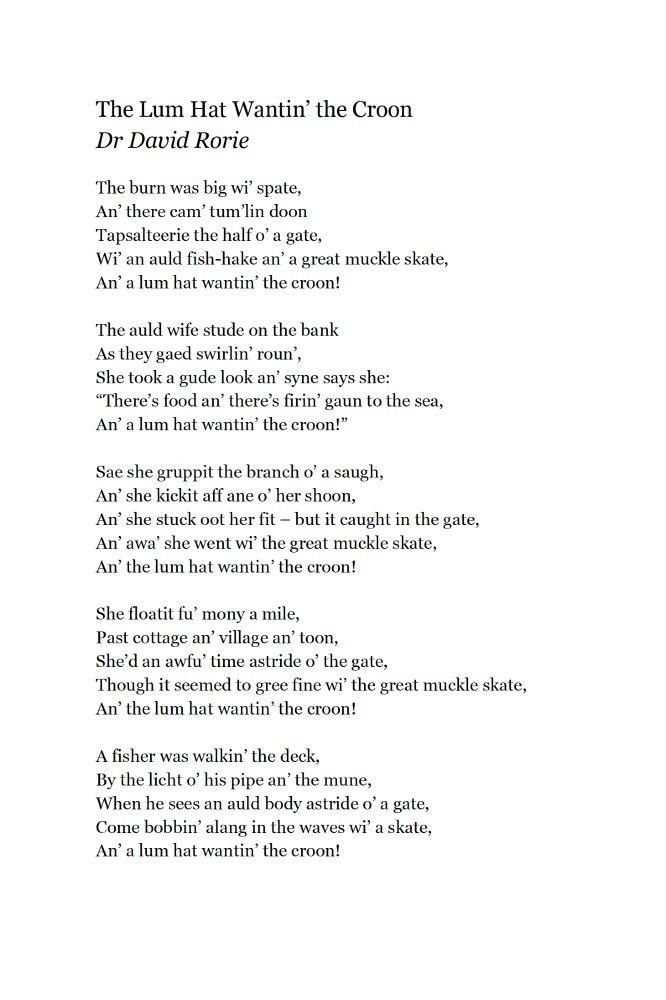
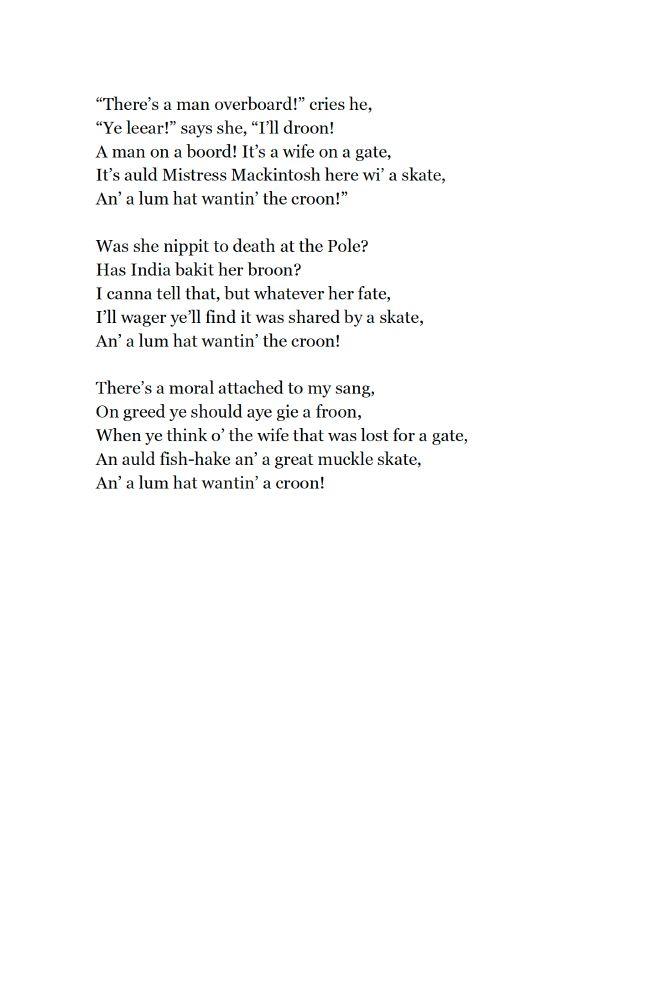
<p>The burn was big wi’ spate,<br>An’ there cam’ tum’lin doon<br>Tapsalteerie the half o’ a gate,<br>Wi’ an auld fish-hake an’ a great muckle skate,<br>An’ a lum hat wantin’ the croon!</p><p>—David Rorie, “The Lum Hat Wantin’ the Croon”</p><p>As things start to thaw in the north-east, mind how ye go…</p><p><a href="/tags/scottish/" rel="tag">#Scottish</a> <a href="/tags/literature/" rel="tag">#literature</a> <a href="/tags/poem/" rel="tag">#poem</a> <a href="/tags/poetry/" rel="tag">#poetry</a> <a href="/tags/song/" rel="tag">#song</a> <a href="/tags/20thcentury/" rel="tag">#20thcentury</a> <a href="/tags/humour/" rel="tag">#humour</a> <a href="/tags/scots/" rel="tag">#Scots</a> <a href="/tags/scotslanguage/" rel="tag">#Scotslanguage</a></p>
Edited 84d ago
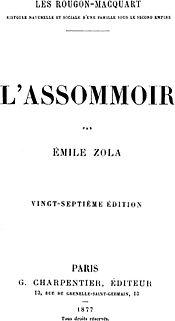
<p>"Ah! the death of the poor, the empty entrails, howling hunger, the animal appetite that leads one with chattering teeth to fill one’s stomach with beastly refuse in this great Paris, so bright and golden! "<br>Chapter XII</p><p><a href="/tags/otd/" rel="tag">#OTD</a> in 1877.</p><p>Émile Zola's L'Assommoir, 7th in his novel sequence Les Rougon-Macquart, is first published in book format a few weeks after its serialisation ends in Le Bien public (Paris). </p><p><a href="https://en.wikipedia.org/wiki/L%27Assommoir" rel="nofollow" class="ellipsis" title="en.wikipedia.org/wiki/L%27Assommoir"><span class="invisible">https://</span><span class="ellipsis">en.wikipedia.org/wiki/L%27Asso</span><span class="invisible">mmoir</span></a></p><p>L´Assommoir at PG:<br><a href="https://gutenberg.org/ebooks/search/?query=L%27Assommoir&submit_search=Go%21" rel="nofollow" class="ellipsis" title="gutenberg.org/ebooks/search/?query=L%27Assommoir&submit_search=Go%21"><span class="invisible">https://</span><span class="ellipsis">gutenberg.org/ebooks/search/?q</span><span class="invisible">uery=L%27Assommoir&submit_search=Go%21</span></a></p><p><a href="/tags/books/" rel="tag">#books</a> <a href="/tags/literature/" rel="tag">#literature</a></p>
<p>Oidhche Challain: No admission without a rhyme</p><p>Happy Old New Year!</p><p>After the 1750 Calendar Act changed the date of New Year’s Day, some Gaels – to make sure they didn’t miss it – chose to celebrate both. Dr Dòmhnall Uilleam Stiùbhart discusses the once ubiquitous Highland tradition of Oidhche Challain:</p><p><a href="https://www.whfp.com/2020/01/08/oidhche-challain-no-admission-without-a-rhyme/" rel="nofollow" class="ellipsis" title="www.whfp.com/2020/01/08/oidhche-challain-no-admission-without-a-rhyme/"><span class="invisible">https://</span><span class="ellipsis">www.whfp.com/2020/01/08/oidhch</span><span class="invisible">e-challain-no-admission-without-a-rhyme/</span></a></p><p><a href="/tags/scottish/" rel="tag">#Scottish</a> <a href="/tags/literature/" rel="tag">#literature</a> <a href="/tags/gaidhlig/" rel="tag">#Gaidhlig</a> <a href="/tags/gaelic/" rel="tag">#Gaelic</a> <a href="/tags/poetry/" rel="tag">#poetry</a> <a href="/tags/tradition/" rel="tag">#tradition</a> <a href="/tags/newyear/" rel="tag">#NewYear</a> <a href="/tags/highlands/" rel="tag">#Highlands</a> <a href="/tags/hebrides/" rel="tag">#Hebrides</a> <a href="/tags/oldnewyear/" rel="tag">#OldNewYear</a></p>
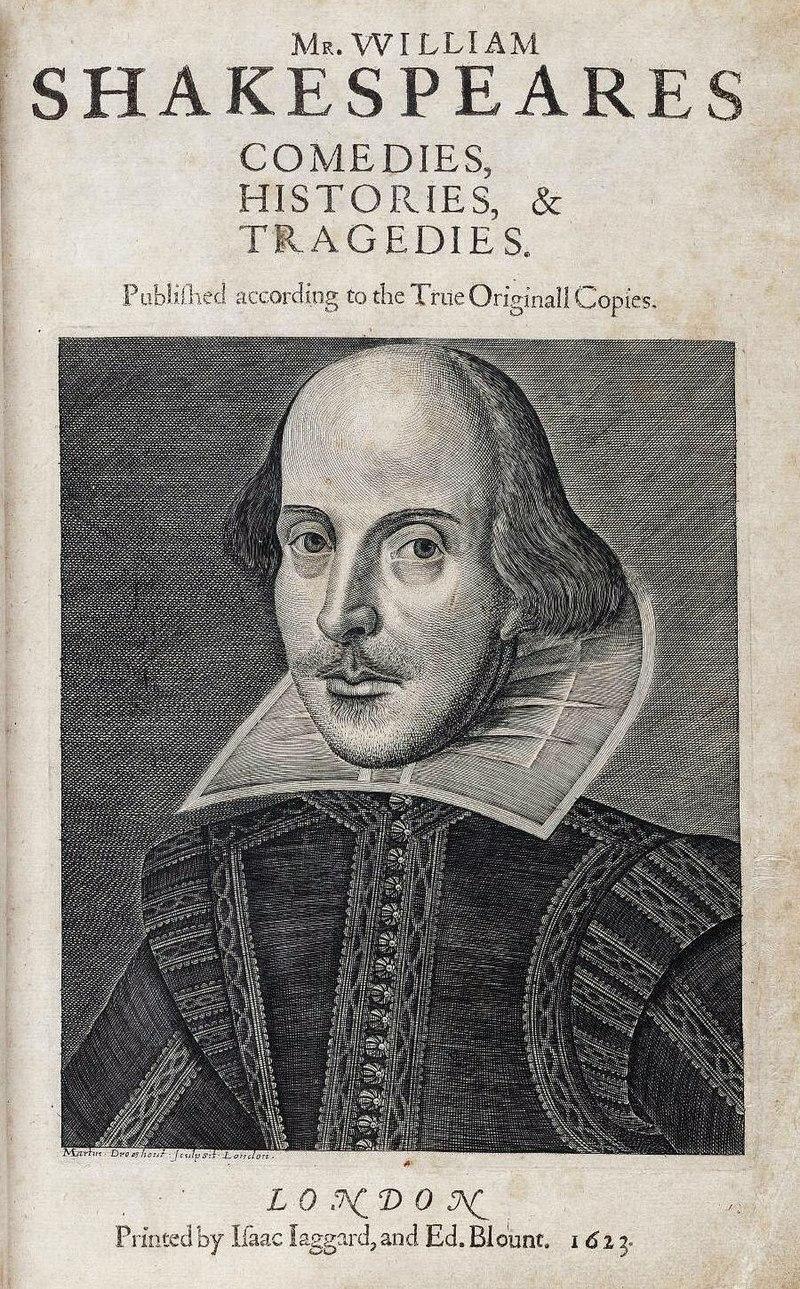
<p>Replicating Shakespearean-era printing brings its own dramas and comedy</p><p>This video from the London Review of Books (LRB) celebrates the Folio’s 400th anniversary by documenting an audacious attempt to replicate the methods used to print the book at the time of its original release.</p><p><a href="https://aeon.co/videos/replicating-shakespearean-era-printing-brings-its-own-dramas-and-comedy" rel="nofollow" class="ellipsis" title="aeon.co/videos/replicating-shakespearean-era-printing-brings-its-own-dramas-and-comedy"><span class="invisible">https://</span><span class="ellipsis">aeon.co/videos/replicating-sha</span><span class="invisible">kespearean-era-printing-brings-its-own-dramas-and-comedy</span></a></p><p><a href="https://en.wikipedia.org/wiki/First_Folio" rel="nofollow" class="ellipsis" title="en.wikipedia.org/wiki/First_Folio"><span class="invisible">https://</span><span class="ellipsis">en.wikipedia.org/wiki/First_Fo</span><span class="invisible">lio</span></a></p><p><a href="/tags/books/" rel="tag">#books</a> <a href="/tags/literature/" rel="tag">#literature</a> <a href="/tags/oldprinting/" rel="tag">#oldprinting</a></p>
Edited 1y ago
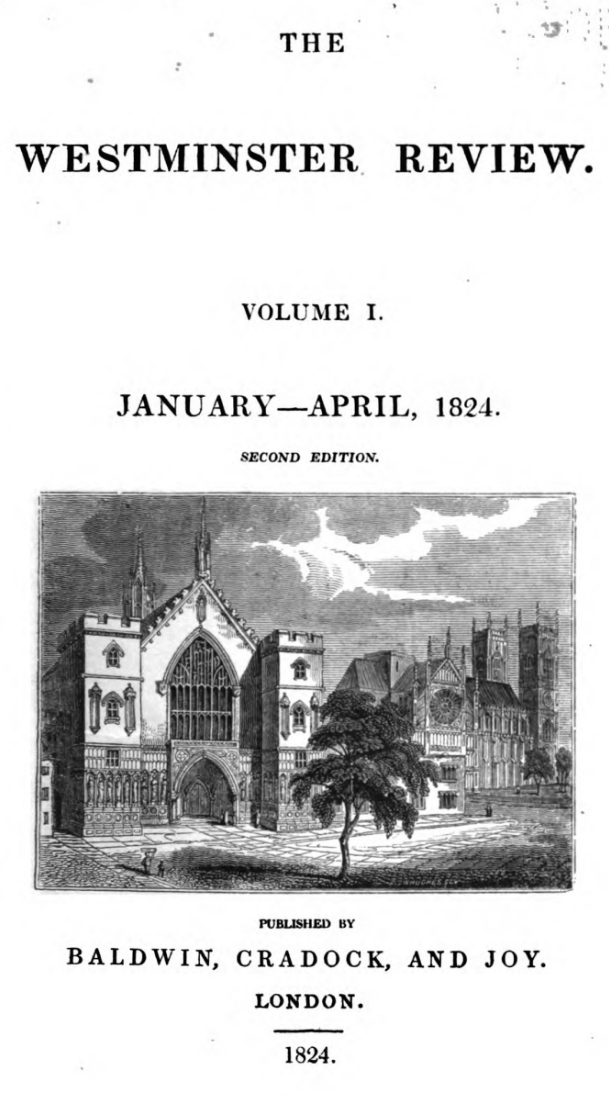
<p><a href="/tags/otd/" rel="tag">#OTD</a> in 1824.</p><p>The first issue of a radical quarterly founded by Jeremy Bentham, The Westminster Review, is published in London.</p><p>It was published from 1824 to 1914. James Mill was one of the driving forces behind the liberal journal until 1828. Some notable contributors: George Eliot, Harriet Martineau, John Stuart Mill, Mary Shelley, Herbert Spencer, John Tyndall, Caroline Cornwallis, Julia Wedgwood, Elizabeth Clarke Wolstenholme Elmy. </p><p><a href="https://en.wikipedia.org/wiki/The_Westminster_Review" rel="nofollow" class="ellipsis" title="en.wikipedia.org/wiki/The_Westminster_Review"><span class="invisible">https://</span><span class="ellipsis">en.wikipedia.org/wiki/The_West</span><span class="invisible">minster_Review</span></a></p><p><a href="/tags/books/" rel="tag">#books</a> <a href="/tags/literature/" rel="tag">#literature</a></p>
<p>HAPPY PUBLIC DOMAIN DAY!</p><p>Books which will enter the US public domain:</p><p>William Faulkner, The Sound and the Fury<br>Ernest Hemingway, A Farewell to Arms<br>Virginia Woolf, A Room of One's Own<br>Dashiell Hammett, Red Harvest and The Maltese Falcon (as serialized in Black Mask magazine)<br>John Steinbeck, Cup of Gold (Steinbeck's first novel)<br>Richard Hughes, A High Wind in Jamaica<br>Oliver La Farge, Laughing Boy: A Navajo Love Story<br>Patrick Hamilton, Rope</p><p><a href="/tags/books/" rel="tag">#books</a> <a href="/tags/literature/" rel="tag">#literature</a> <a href="/tags/publicdomain/" rel="tag">#publicdomain</a> <br>/1</p>
Edited 1y ago
<p><a href="/tags/otd/" rel="tag">#OTD</a> in 1873.</p><p>Louisa May Alcott's family satire "Transcendental Wild Oats" is published in the newspaper The Independent.</p><p>The work was first published in a New York newspaper in 1873, and reprinted in 1874, 1876, and 1915 and after. Alcott's view of male arrogance and female exploitation in this piece is paralleled in her novel Work, published in the same year as Transcendental Wild Oats.</p><p><a href="https://en.wikipedia.org/wiki/Transcendental_Wild_Oats" rel="nofollow" class="ellipsis" title="en.wikipedia.org/wiki/Transcendental_Wild_Oats"><span class="invisible">https://</span><span class="ellipsis">en.wikipedia.org/wiki/Transcen</span><span class="invisible">dental_Wild_Oats</span></a></p><p>Transcendental Wild Oats at PG:<br><a href="https://www.gutenberg.org/ebooks/34920" rel="nofollow"><span class="invisible">https://</span>www.gutenberg.org/ebooks/34920</a></p><p><a href="/tags/books/" rel="tag">#books</a> <a href="/tags/literature/" rel="tag">#literature</a></p>
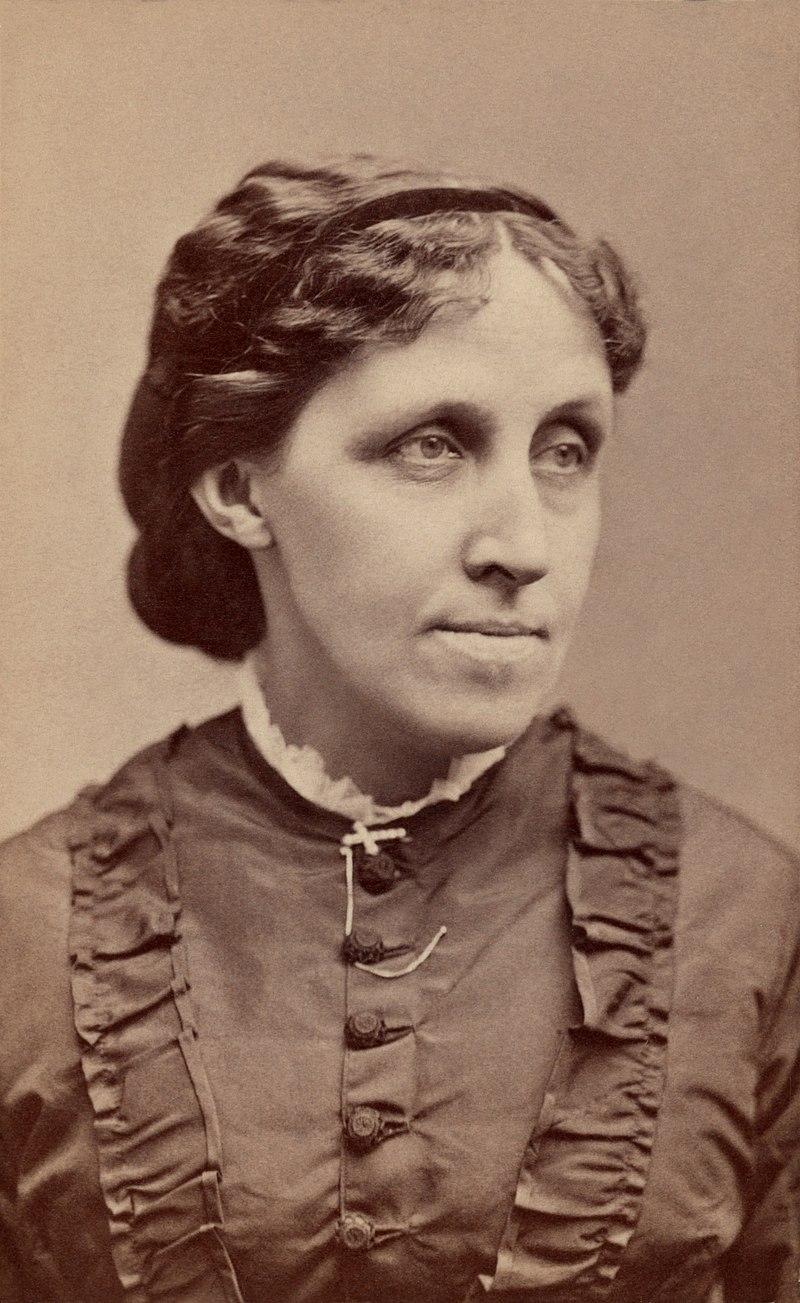
<p>Thomas Hardy’s Jude the Obscure criticised university elitism – it still rings true today</p><p>by Shelley Galpin</p><p><a href="https://theconversation.com/thomas-hardys-jude-the-obscure-criticised-university-elitism-it-still-rings-true-today-266009" rel="nofollow" class="ellipsis" title="theconversation.com/thomas-hardys-jude-the-obscure-criticised-university-elitism-it-still-rings-true-today-266009"><span class="invisible">https://</span><span class="ellipsis">theconversation.com/thomas-har</span><span class="invisible">dys-jude-the-obscure-criticised-university-elitism-it-still-rings-true-today-266009</span></a></p><p>Jude the Obscure at PG:<br><a href="https://www.gutenberg.org/ebooks/153" rel="nofollow"><span class="invisible">https://</span>www.gutenberg.org/ebooks/153</a></p><p><a href="/tags/books/" rel="tag">#books</a> <a href="/tags/literature/" rel="tag">#literature</a></p>
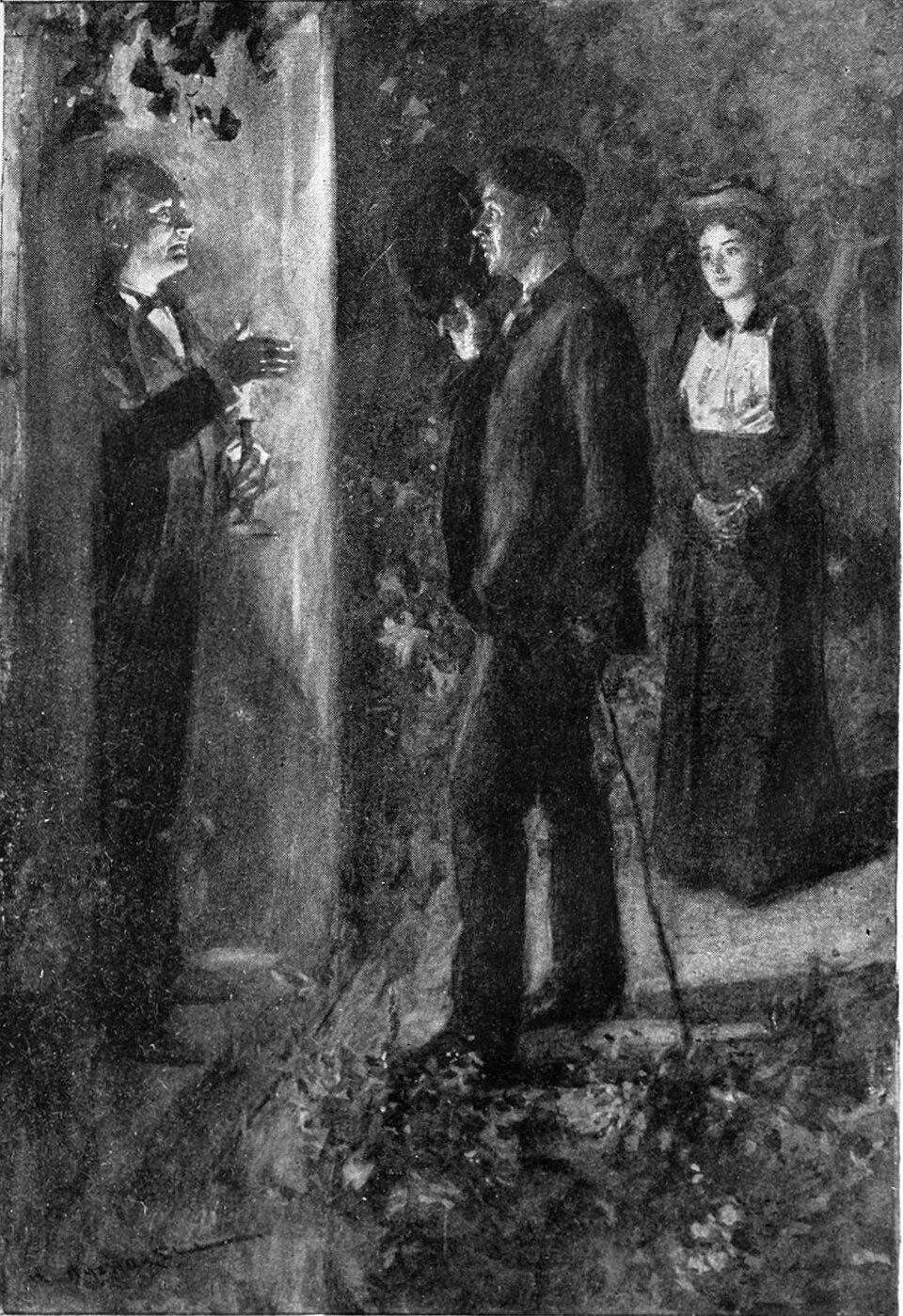
<p>"Thus, after pursuing those images, I overtook them. Now I know that I invented them. But inventing is a creation, not a lie."<br>La coscienza di Zeno (1923)</p><p><a href="/tags/otd/" rel="tag">#OTD</a> in 1928.</p><p>Italo Svevo (Aron Schmitz), returning from an Alpine resort to Trieste, suffers a car accident. He dies next day leaving his novel Il Vegliardo (The Old Man) unfinished in mid-word.</p><p><a href="https://en.wikipedia.org/wiki/Italo_Svevo" rel="nofollow" class="ellipsis" title="en.wikipedia.org/wiki/Italo_Svevo"><span class="invisible">https://</span><span class="ellipsis">en.wikipedia.org/wiki/Italo_Sv</span><span class="invisible">evo</span></a></p><p><a href="/tags/books/" rel="tag">#books</a> <a href="/tags/literature/" rel="tag">#literature</a></p>
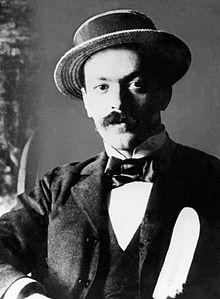
<p>"THE times that tried men's souls," are over- and the greatest and completest revolution the world ever knew, gloriously and happily accomplished."</p><p><a href="/tags/otd/" rel="tag">#OTD</a> in 1776.</p><p>Thomas Paine publishes one of a series of pamphlets in The Pennsylvania Journal entitled "The American Crisis". Paine signed the pamphlets with the pseudonym, "Common Sense".</p><p><a href="https://en.wikipedia.org/wiki/The_American_Crisis" rel="nofollow" class="ellipsis" title="en.wikipedia.org/wiki/The_American_Crisis"><span class="invisible">https://</span><span class="ellipsis">en.wikipedia.org/wiki/The_Amer</span><span class="invisible">ican_Crisis</span></a></p><p>The American Crisis at PG:<br><a href="https://www.gutenberg.org/ebooks/3741" rel="nofollow"><span class="invisible">https://</span>www.gutenberg.org/ebooks/3741</a></p><p><a href="/tags/books/" rel="tag">#books</a> <a href="/tags/literature/" rel="tag">#literature</a></p>
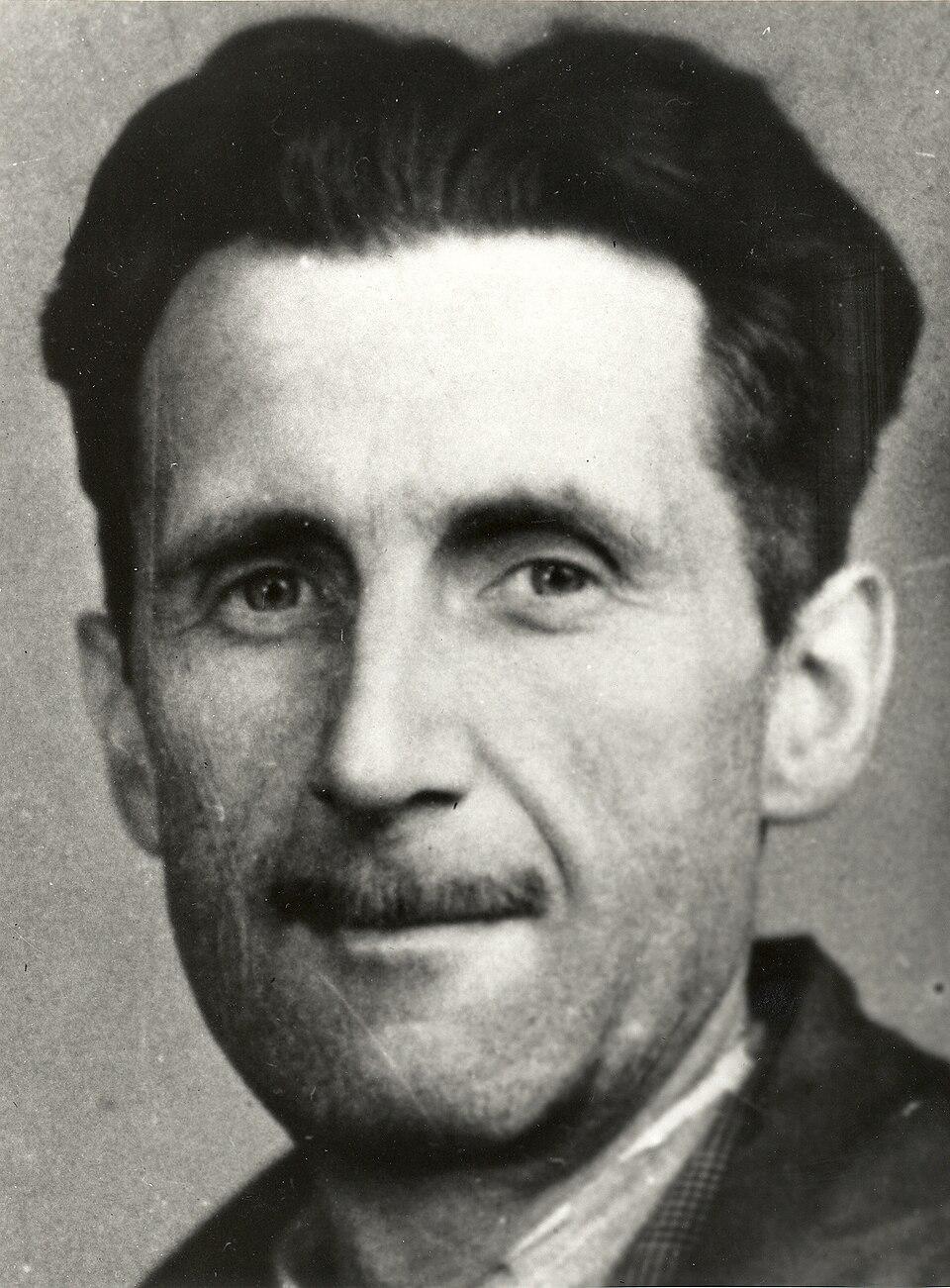
<p>What January taught George Orwell about control and resistance</p><p>Like many of us, George Orwell saw January as a month to be endured rather than enjoyed. You can picture him steeling himself against its cold, gloom, rain, frost and wind.</p><p>by Nathan Waddell</p><p><a href="https://theconversation.com/what-january-taught-george-orwell-about-control-and-resistance-272860" rel="nofollow" class="ellipsis" title="theconversation.com/what-january-taught-george-orwell-about-control-and-resistance-272860"><span class="invisible">https://</span><span class="ellipsis">theconversation.com/what-janua</span><span class="invisible">ry-taught-george-orwell-about-control-and-resistance-272860</span></a></p><p><a href="/tags/books/" rel="tag">#books</a> <a href="/tags/literature/" rel="tag">#literature</a></p>
<p><a href="/tags/otd/" rel="tag">#OTD</a> in 1864 (until April 16).</p><p>James Payn publishes his most popular story, Lost Sir Massingberd, in Chambers's Journal. He follows it in the magazine (August 6 – December 24) by Married Beneath Him. Lost Sir Massingberd was published as a book in two volumes in 1864.</p><p><a href="https://en.wikipedia.org/wiki/Lost_Sir_Massingberd" rel="nofollow" class="ellipsis" title="en.wikipedia.org/wiki/Lost_Sir_Massingberd"><span class="invisible">https://</span><span class="ellipsis">en.wikipedia.org/wiki/Lost_Sir</span><span class="invisible">_Massingberd</span></a></p><p>Lost Sir Massingberd at PG:<br><a href="https://www.gutenberg.org/ebooks/37170" rel="nofollow"><span class="invisible">https://</span>www.gutenberg.org/ebooks/37170</a><br><a href="https://www.gutenberg.org/ebooks/37171" rel="nofollow"><span class="invisible">https://</span>www.gutenberg.org/ebooks/37171</a></p><p><a href="/tags/books/" rel="tag">#books</a> <a href="/tags/literature/" rel="tag">#literature</a></p>
![Title page of Lost Sir Massingberd.
The book is in two volumes, with this being Volume I.
Published in London by Sampson Low, Son, and Marston, located at 14, Ludgate Hill, in 1864.
It includes the note: "[The Right of Translation is Reserved.]".](/proxy/post_attachment/567629/66fd41f7dd.png "Title page of Lost Sir Massingberd.
The book is in two volumes, with this being Volume I.
Published in London by Sampson Low, Son, and Marston, located at 14, Ludgate Hill, in 1864.
It includes the note: \"[The Right of Translation is Reserved.]\".")
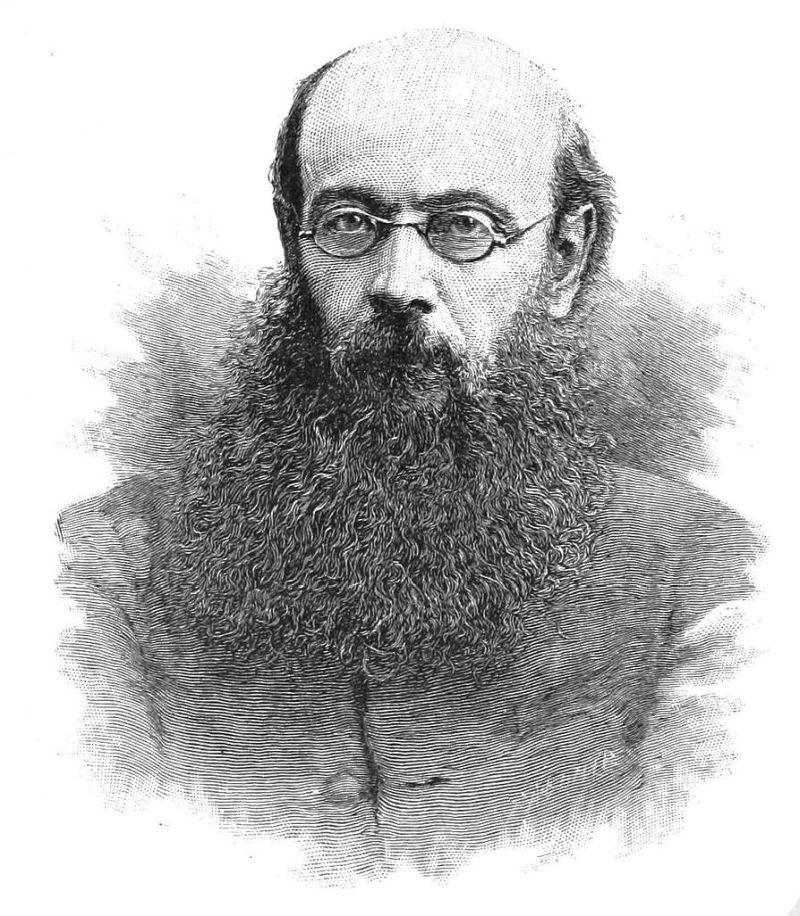
<p>Peter Kropotkin’s Memoirs of a Revolutionist (1899)</p><p>“Many a man and many a woman have accomplished a great life-work without having led a great life”, the influential Danish literary critic Georg Brandes wrote in his introduction to Peter Kropotkin’s 1899 Memoirs of a Revolutionist. “Many people are interesting, although their lives may have been quite insignificant and commonplace. Kropotkin’s life is both great and interesting”.</p><p>Book at PG:</p><p><a href="https://www.gutenberg.org/ebooks/73882" rel="nofollow"><span class="invisible">https://</span>www.gutenberg.org/ebooks/73882</a></p><p><a href="/tags/books/" rel="tag">#books</a> <a href="/tags/literature/" rel="tag">#literature</a></p>
<p>Today, 13 January, is the Feast Day of St Mungo (AKA St Kentigern), patron saint of Glasgow. Edwin Morgan’s “Colloquy in Glaschu” imagines a conversation between St Mungo & St Columba.</p><p>From CENTENARY SELECTED POEMS (Carcanet, 2020)</p><p>1/5</p><p><a href="https://www.carcanet.co.uk/cgi-bin/indexer?product=9781784109967" rel="nofollow" class="ellipsis" title="www.carcanet.co.uk/cgi-bin/indexer?product=9781784109967"><span class="invisible">https://</span><span class="ellipsis">www.carcanet.co.uk/cgi-bin/ind</span><span class="invisible">exer?product=9781784109967</span></a></p><p><a href="/tags/scottish/" rel="tag">#Scottish</a> <a href="/tags/literature/" rel="tag">#literature</a> <a href="/tags/poem/" rel="tag">#poem</a> <a href="/tags/poetry/" rel="tag">#poetry</a> <a href="/tags/edwinmorgan/" rel="tag">#EdwinMorgan</a> <a href="/tags/glasgow/" rel="tag">#Glasgow</a> <a href="/tags/saints/" rel="tag">#Saints</a> <a href="/tags/stmungo/" rel="tag">#StMungo</a></p>