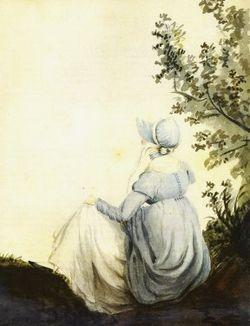
<p>"I have now attained the true art of letter-writing, which we are always told, is to express on paper exactly what one would say to the same person by word of mouth."<br>Letters of Jane Austen</p><p>Happy birthday Jane Austen, born <a href="/tags/otd/" rel="tag">#OTD</a> 250 years ago!!</p><p>At PG:<br><a href="https://www.gutenberg.org/ebooks/author/68" rel="nofollow" class="ellipsis" title="www.gutenberg.org/ebooks/author/68"><span class="invisible">https://</span><span class="ellipsis">www.gutenberg.org/ebooks/autho</span><span class="invisible">r/68</span></a></p><p><a href="/tags/books/" rel="tag">#books</a> <a href="/tags/literature/" rel="tag">#literature</a></p>
literature
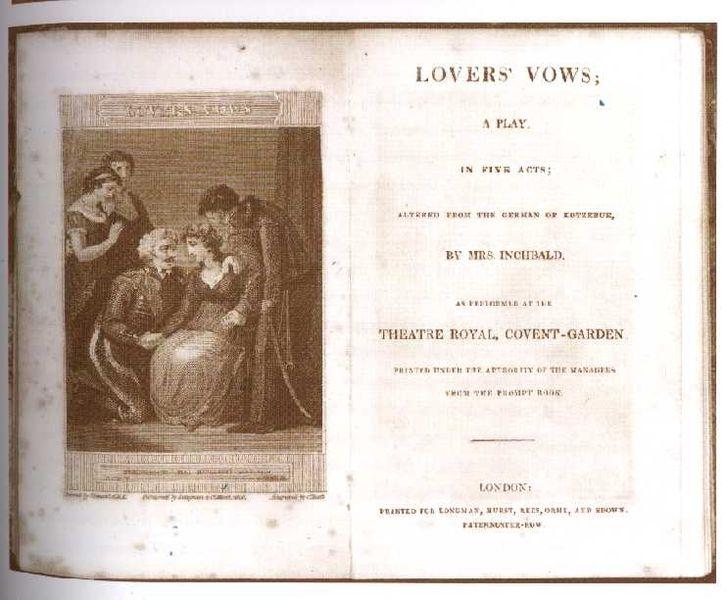
<p><a href="/tags/otd/" rel="tag">#OTD</a> in 1798.</p><p>Elizabeth Inchbald's Lovers' Vows (adapted from Kotzebue's Das Kind der Liebe – 1780; literally "Love Child," or "Natural Son," as it is often translated) is first performed at the Theatre Royal, Drury Lane, London.</p><p>It was likewise successful as a print publication, though it also aroused controversy about its "levelling" politics and moral ambiguity.</p><p><a href="https://en.wikipedia.org/wiki/Lovers%27_Vows" rel="nofollow" class="ellipsis" title="en.wikipedia.org/wiki/Lovers%27_Vows"><span class="invisible">https://</span><span class="ellipsis">en.wikipedia.org/wiki/Lovers%2</span><span class="invisible">7_Vows</span></a></p><p>Lovers' Vows at PG:<br><a href="https://www.gutenberg.org/ebooks/4554" rel="nofollow"><span class="invisible">https://</span>www.gutenberg.org/ebooks/4554</a></p><p><a href="/tags/books/" rel="tag">#books</a> <a href="/tags/literature/" rel="tag">#literature</a> <a href="/tags/theatre/" rel="tag">#theatre</a></p>
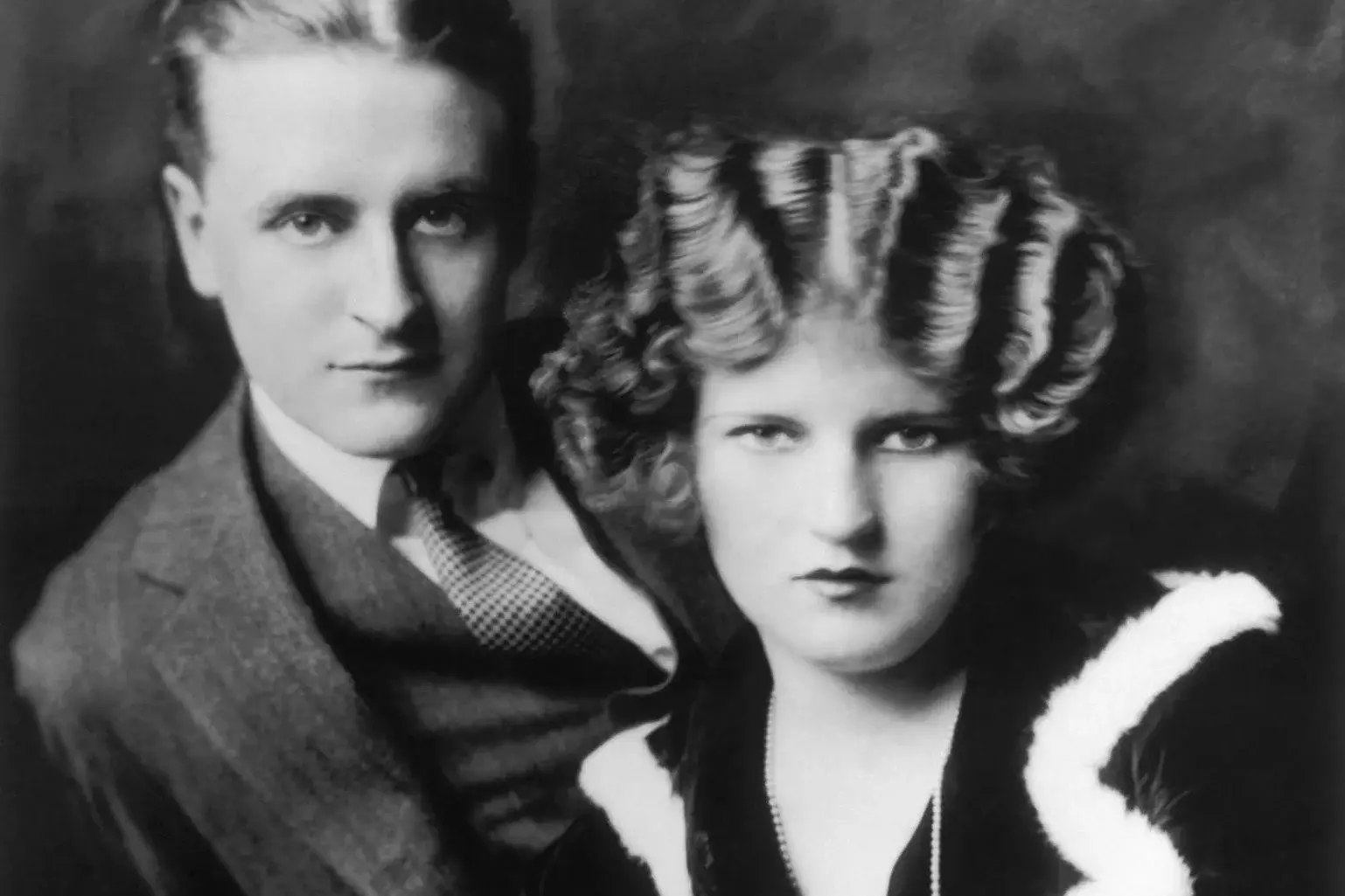
<p>Zelda Fitzgerald on F. Scott’s Writing</p><p>Zelda’s satirical review of F. Scott’s second novel, The Beautiful and the Damned, revealed much more than her wit.</p><p>By: Emily Zarevich via @JSTOR_Daily </p><p><a href="https://daily.jstor.org/zelda-fitzgerald-on-f-scotts-writing/" rel="nofollow" class="ellipsis" title="daily.jstor.org/zelda-fitzgerald-on-f-scotts-writing/"><span class="invisible">https://</span><span class="ellipsis">daily.jstor.org/zelda-fitzgera</span><span class="invisible">ld-on-f-scotts-writing/</span></a></p><p>The Beautiful and the Damned at PG:<br><a href="https://www.gutenberg.org/ebooks/9830" rel="nofollow"><span class="invisible">https://</span>www.gutenberg.org/ebooks/9830</a></p><p><a href="/tags/books/" rel="tag">#books</a> <a href="/tags/literature/" rel="tag">#literature</a> <a href="/tags/literarycriticism/" rel="tag">#literarycriticism</a></p>

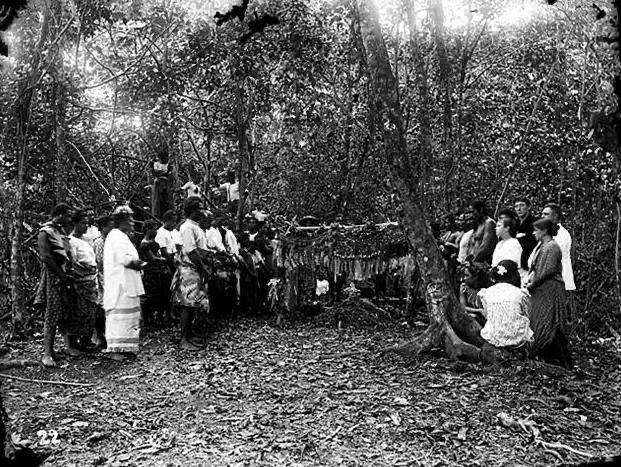
<p>Robert Louis Stevenson died <a href="/tags/otd/" rel="tag">#OTD</a>, 3 December, in 1894, aged 44. He is buried on Mt Vaea, on the island of Upolu in Samoa 🇼🇸 🏴</p><p>📷 Thomas Andrew (1855–1939): Burial of Robert Louis Stevenson, 1894 / Le maliu o Tusitala i le tausaga 1894<br>🧵</p><p>1/6</p><p><a href="https://commons.wikimedia.org/wiki/File:Burial_and_grave_of_Robert_Louis_Stevenson_in_Samoa,_1894.jpg" rel="nofollow" class="ellipsis" title="commons.wikimedia.org/wiki/File:Burial_and_grave_of_Robert_Louis_Stevenson_in_Samoa,_1894.jpg"><span class="invisible">https://</span><span class="ellipsis">commons.wikimedia.org/wiki/Fil</span><span class="invisible">e:Burial_and_grave_of_Robert_Louis_Stevenson_in_Samoa,_1894.jpg</span></a></p><p><a href="/tags/scottish/" rel="tag">#Scottish</a> <a href="/tags/literature/" rel="tag">#literature</a> <a href="/tags/19thcentury/" rel="tag">#19thcentury</a> <a href="/tags/victorian/" rel="tag">#Victorian</a> <a href="/tags/robertlouisstevenson/" rel="tag">#RobertLouisStevenson</a> <a href="/tags/samoa/" rel="tag">#Samoa</a> <a href="/tags/tusitala/" rel="tag">#Tusitala</a></p>
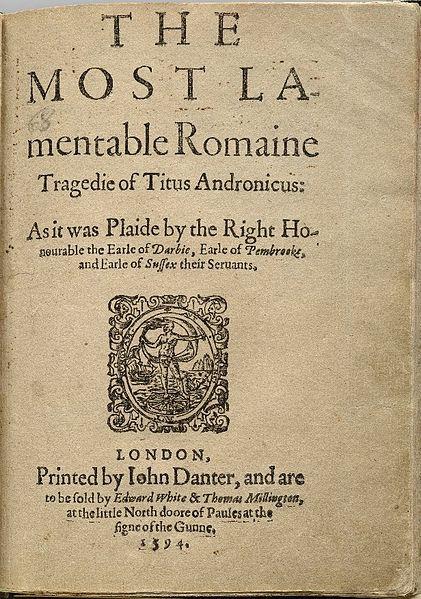
<p><a href="/tags/otd/" rel="tag">#OTD</a> in 1923.</p><p>A production of Shakespeare's Titus Andronicus at The Old Vic, directed by Robert Atkins, is the first in London since 1857. It is also the first to restore the full original text since the playwright's time.</p><p>It is often seen as his attempt to emulate the violent & bloody revenge plays of his contemporaries, which were extremely popular with audiences throughout the 16th century.</p><p><a href="https://en.wikipedia.org/wiki/Titus_Andronicus" rel="nofollow" class="ellipsis" title="en.wikipedia.org/wiki/Titus_Andronicus"><span class="invisible">https://</span><span class="ellipsis">en.wikipedia.org/wiki/Titus_An</span><span class="invisible">dronicus</span></a></p><p>Titus Andronicus at PG<br><a href="https://gutenberg.org/ebooks/1507" rel="nofollow"><span class="invisible">https://</span>gutenberg.org/ebooks/1507</a></p><p><a href="/tags/books/" rel="tag">#books</a> <a href="/tags/literature/" rel="tag">#literature</a> <a href="/tags/theatre/" rel="tag">#theatre</a></p>
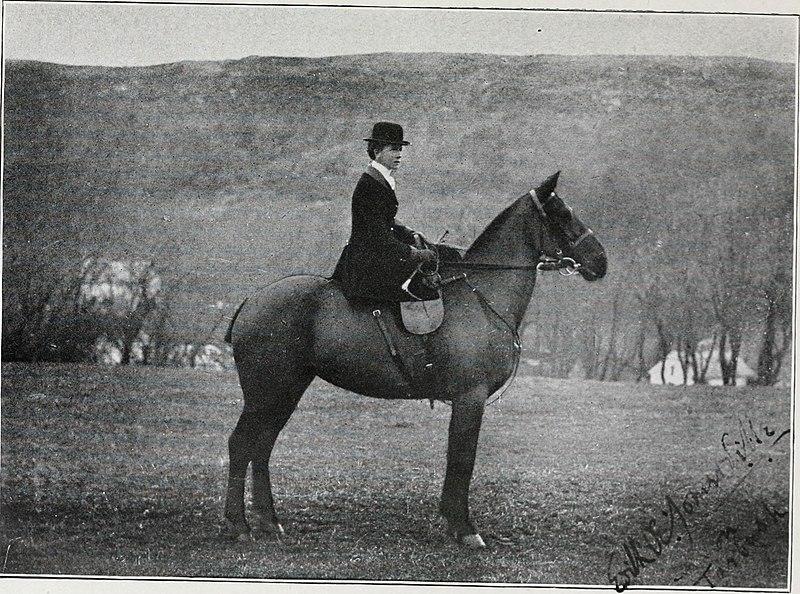
<p>Irish novelist Edith Somerville died <a href="/tags/otd/" rel="tag">#OTD</a> in 1949.</p><p>She wrote in collaboration with her cousin "Martin Ross" (Violet Martin) under the pseudonym "Somerville and Ross". Together they published a series of fourteen stories and novels, the most popular of which were The Real Charlotte, published in 1894, and Some Experiences of an Irish R. M., published in 1899.</p><p>Books by E. Œ. Somerville at PG:<br><a href="https://www.gutenberg.org/ebooks/author/5334" rel="nofollow" class="ellipsis" title="www.gutenberg.org/ebooks/author/5334"><span class="invisible">https://</span><span class="ellipsis">www.gutenberg.org/ebooks/autho</span><span class="invisible">r/5334</span></a></p><p><a href="/tags/books/" rel="tag">#books</a> <a href="/tags/literature/" rel="tag">#literature</a></p>
<p>Re-Tracing the Dance-Steps of the Hugboon: The Nordic Background of Orkney Folk Legends<br>5 December, online – free</p><p>In this seminar, Prof Terry Gunnell (University of Iceland) will explore the Nordic connections of Orkney legends & folklore</p><p><a href="https://llc.ed.ac.uk/celtic-scottish-studies/css-seminar-series-251205" rel="nofollow" class="ellipsis" title="llc.ed.ac.uk/celtic-scottish-studies/css-seminar-series-251205"><span class="invisible">https://</span><span class="ellipsis">llc.ed.ac.uk/celtic-scottish-s</span><span class="invisible">tudies/css-seminar-series-251205</span></a></p><p><a href="/tags/scottish/" rel="tag">#Scottish</a> <a href="/tags/literature/" rel="tag">#literature</a> <a href="/tags/legends/" rel="tag">#legends</a> <a href="/tags/folklore/" rel="tag">#folklore</a> <a href="/tags/folktales/" rel="tag">#folktales</a> <a href="/tags/norse/" rel="tag">#Norse</a> <a href="/tags/orkney/" rel="tag">#Orkney</a></p>
<p>“In story after story, epicene young men, difficult children, or wild beasts set out to shake up the stifling complacency around them”</p><p>Hector Hugh Munro (1870–1916) – Saki – was born <a href="/tags/otd/" rel="tag">#OTD</a>, 18 Dec, in Myanmar. Although born in the Raj & raised in England, his parents were Scots & he considered himself to be a Scot, too. Fatema Ahmed looks at his fierce, funny, & wicked fiction</p><p>@bookstodon </p><p>1/8</p><p><a href="https://www.prospectmagazine.co.uk/culture/43602/untameable-saki" rel="nofollow" class="ellipsis" title="www.prospectmagazine.co.uk/culture/43602/untameable-saki"><span class="invisible">https://</span><span class="ellipsis">www.prospectmagazine.co.uk/cul</span><span class="invisible">ture/43602/untameable-saki</span></a></p><p><a href="/tags/scottish/" rel="tag">#Scottish</a> <a href="/tags/literature/" rel="tag">#literature</a> <a href="/tags/saki/" rel="tag">#Saki</a> <a href="/tags/shortstories/" rel="tag">#shortstories</a> <a href="/tags/humor/" rel="tag">#humor</a> <a href="/tags/humour/" rel="tag">#humour</a> <a href="/tags/horror/" rel="tag">#horror</a> <a href="/tags/edwardian/" rel="tag">#Edwardian</a></p>
Edited 111d ago
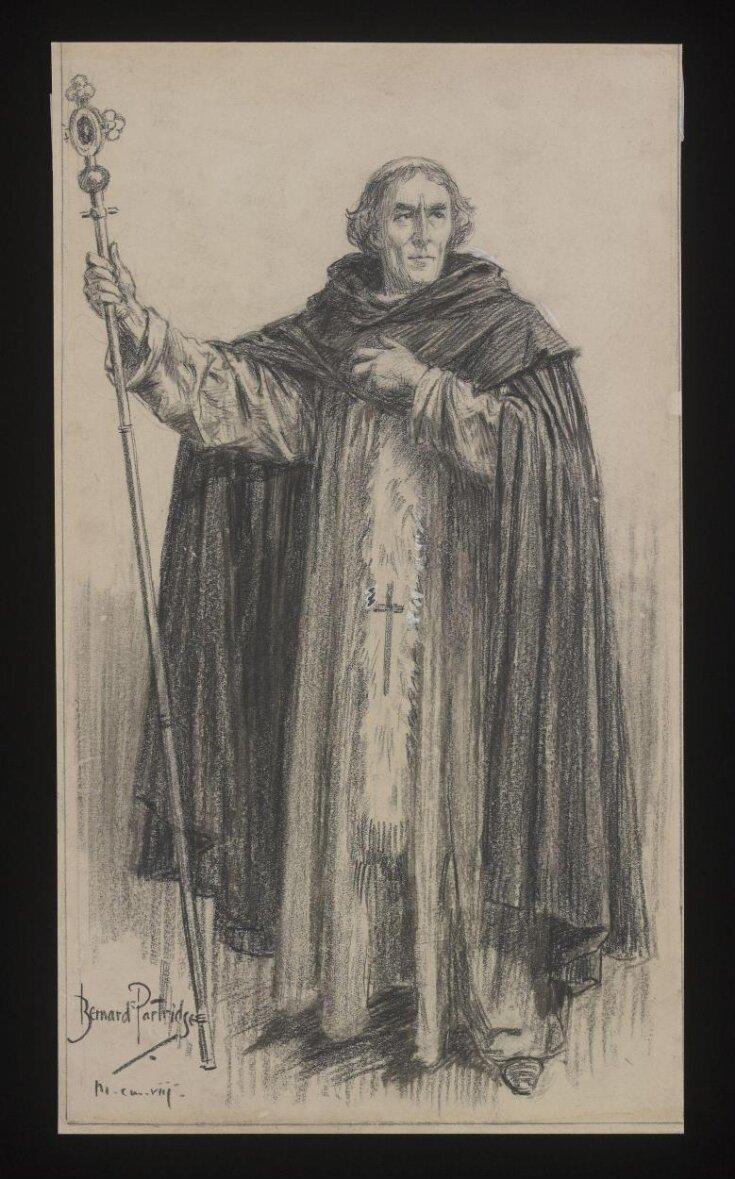
<p><a href="/tags/otd/" rel="tag">#OTD</a> in 1905.</p><p>The English actor-manager Sir Henry Irving collapses in his hotel, while playing Thomas Becket on tour in Bradford, dying soon afterwards. 'Into thy hands, O Lord, into thy hands', and though he lived for an hour or so longer he never spoke again" were his last words.</p><p>Becket and other plays by Baron Alfred Tennyson at PG:<br><a href="https://www.gutenberg.org/ebooks/9162" rel="nofollow"><span class="invisible">https://</span>www.gutenberg.org/ebooks/9162</a></p><p><a href="/tags/books/" rel="tag">#books</a> <a href="/tags/literature/" rel="tag">#literature</a> <a href="/tags/theatre/" rel="tag">#theatre</a></p>
<p>“What sprang forth from Carlyle’s pen was not a dry account of the French Revolution, but a book brimming with passion and philosophy, one that offered a new style of storytelling that influenced a generation of Victorian writers.”</p><p>Thomas Carlyle (1795–1881) was born <a href="/tags/otd/" rel="tag">#OTD</a>, 4 Dec. His THE FRENCH REVOLUTION established him as one of the most important social & cultural commentators of his day</p><p>🧵</p><p>1/7</p><p><a href="https://www.neh.gov/humanities/2009/marchapril/feature/the-voracious-pen-thomas-carlyle" rel="nofollow" class="ellipsis" title="www.neh.gov/humanities/2009/marchapril/feature/the-voracious-pen-thomas-carlyle"><span class="invisible">https://</span><span class="ellipsis">www.neh.gov/humanities/2009/ma</span><span class="invisible">rchapril/feature/the-voracious-pen-thomas-carlyle</span></a></p><p><a href="/tags/scottish/" rel="tag">#Scottish</a> <a href="/tags/literature/" rel="tag">#literature</a> <a href="/tags/victorian/" rel="tag">#Victorian</a> <a href="/tags/19thcentury/" rel="tag">#19thcentury</a> <a href="/tags/history/" rel="tag">#history</a> <a href="/tags/thomascarlyle/" rel="tag">#ThomasCarlyle</a></p>

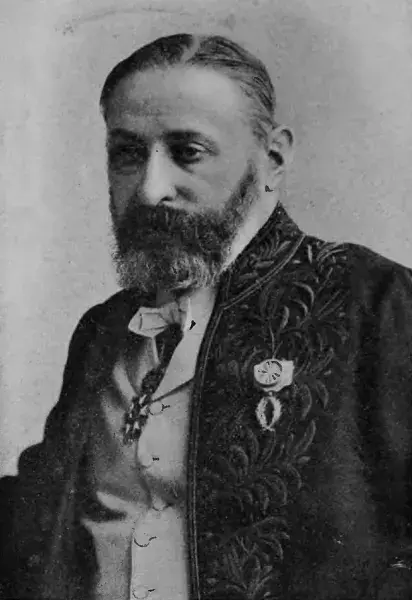
<p>The very first Nobel Prize in Literature in history was awarded to Sully Prudhomme in 1901.</p><p>Most people don’t know him today - which makes it even more interesting to read the man who started Nobel literary history.</p><p>Try his elegant, heartbreaking “The Broken Vase”.</p><p><a href="/tags/books/" rel="tag">#books</a> <a href="/tags/literature/" rel="tag">#literature</a> <br><a href="/tags/bookstodon/" rel="tag">#bookstodon</a> <br><span class="h-card"><a href="https://fedigroups.social/@bookstodon" class="u-url mention" rel="nofollow noopener noreferrer" target="_blank">@<span>bookstodon</span></a></span></p>
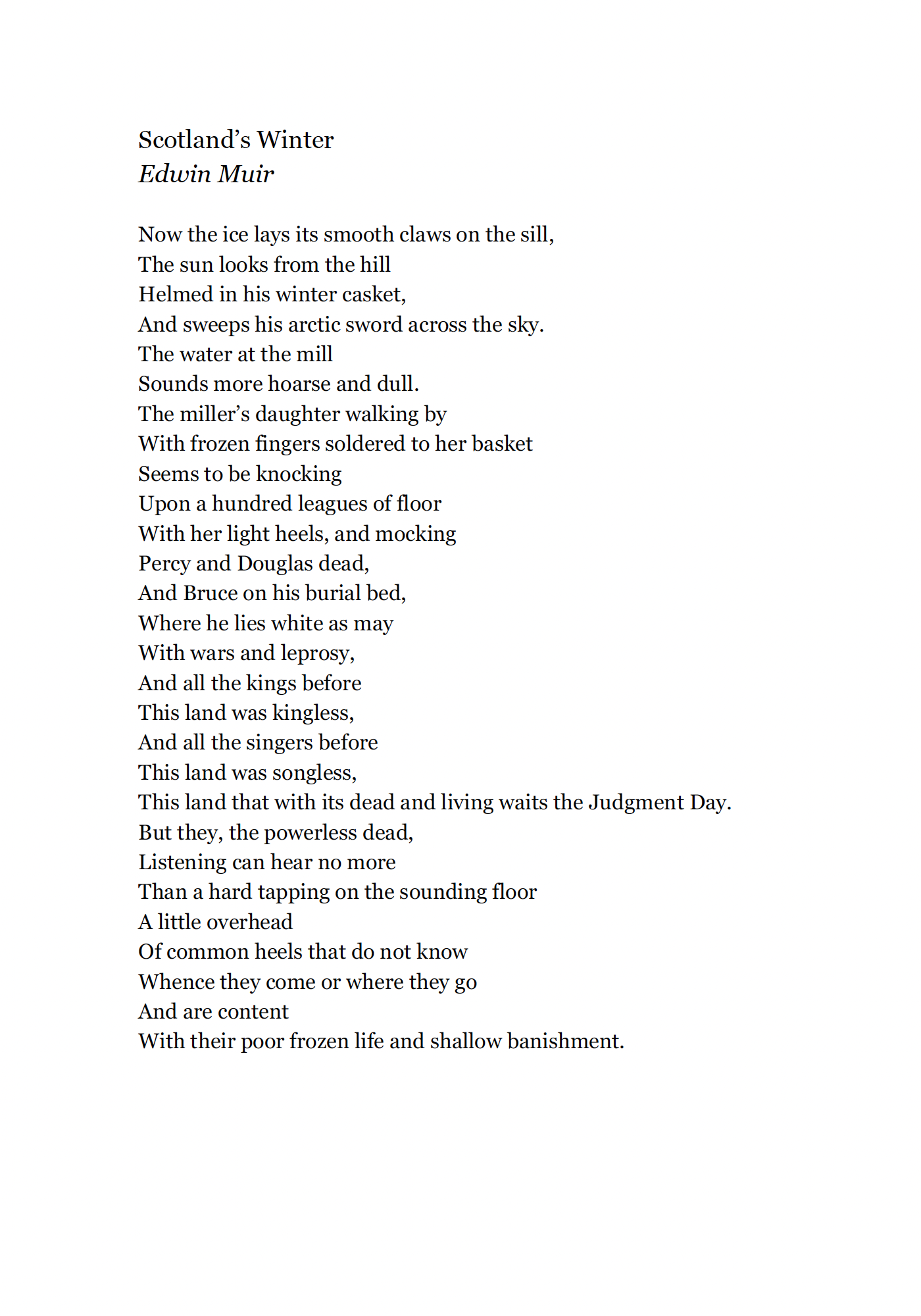
<p>Now the ice lays its smooth claws on the sill,<br>The sun looks from the hill<br>Helmed in his winter casket,<br>And sweeps his arctic sword across the sky…</p><p>—Edwin Muir, “Scotland’s Winter”<br>from ONE FOOT IN EDEN (Faber, 1956)</p><p><a href="/tags/scottish/" rel="tag">#Scottish</a> <a href="/tags/literature/" rel="tag">#literature</a> <a href="/tags/poem/" rel="tag">#poem</a> <a href="/tags/poetry/" rel="tag">#poetry</a> <a href="/tags/20thcentury/" rel="tag">#20thcentury</a> <a href="/tags/edwinmuir/" rel="tag">#EdwinMuir</a> <a href="/tags/winter/" rel="tag">#winter</a></p>
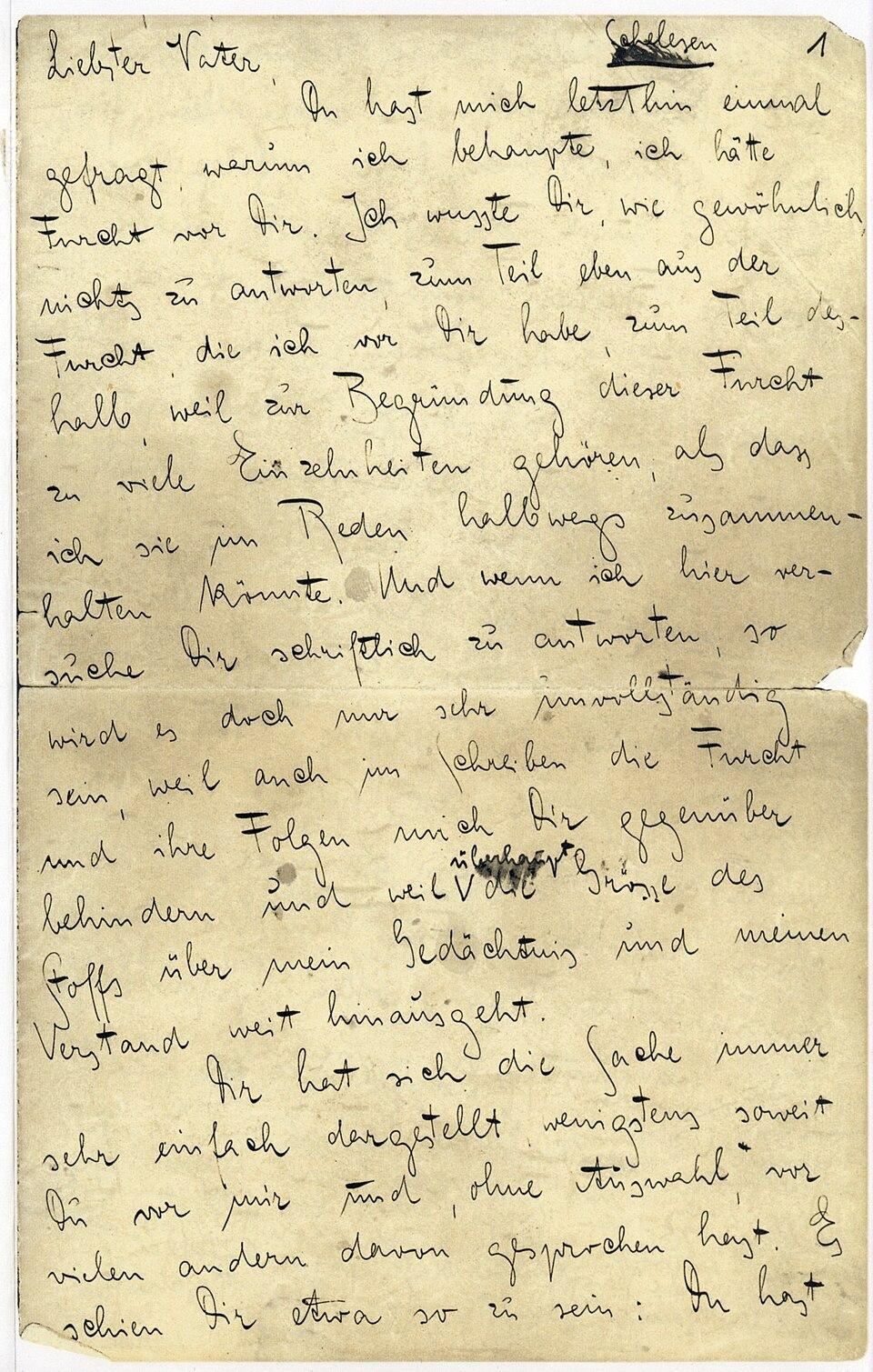
<p>The ratio of words written by Kafka to words written about Kafka is estimated to be about 1:10,000,000. Is anything left to say?</p><p>by Jared Marcel Pollen</p><p><a href="https://libertiesjournal.com/online-articles/kafkainc/" rel="nofollow" class="ellipsis" title="libertiesjournal.com/online-articles/kafkainc/"><span class="invisible">https://</span><span class="ellipsis">libertiesjournal.com/online-ar</span><span class="invisible">ticles/kafkainc/</span></a></p><p>Kafka at PG:<br><a href="https://www.gutenberg.org/ebooks/author/1735" rel="nofollow" class="ellipsis" title="www.gutenberg.org/ebooks/author/1735"><span class="invisible">https://</span><span class="ellipsis">www.gutenberg.org/ebooks/autho</span><span class="invisible">r/1735</span></a></p><p><a href="/tags/books/" rel="tag">#books</a> <a href="/tags/literature/" rel="tag">#literature</a></p>
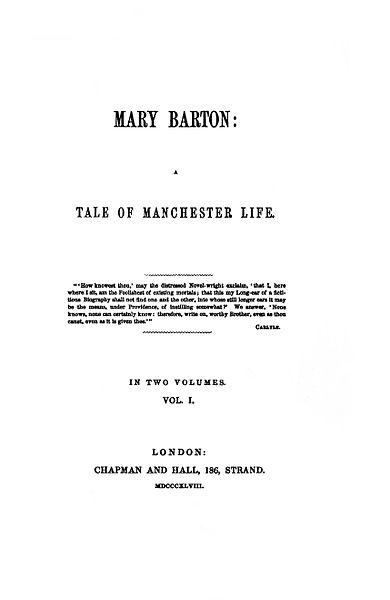
<p>"Were all men equal to-night, some would get the start by rising an hour earlier to-morrow."</p><p><a href="/tags/otd/" rel="tag">#OTD</a> in 1848.</p><p>Elizabeth Gaskell's first novel, Mary Barton: A Tale of Manchester Life is published anonymously by Chapman & Hall in London in two volumes.</p><p>Gaskell was paid £100 for the novel. The publisher Edward Chapman had had the manuscript since the middle of 1847.</p><p><a href="https://en.wikipedia.org/wiki/Mary_Barton" rel="nofollow" class="ellipsis" title="en.wikipedia.org/wiki/Mary_Barton"><span class="invisible">https://</span><span class="ellipsis">en.wikipedia.org/wiki/Mary_Bar</span><span class="invisible">ton</span></a></p><p>Mary Barton at PG:<br><a href="https://gutenberg.org/ebooks/2153" rel="nofollow"><span class="invisible">https://</span>gutenberg.org/ebooks/2153</a></p><p><a href="/tags/books/" rel="tag">#books</a> <a href="/tags/literature/" rel="tag">#literature</a></p>
Edited 1y ago
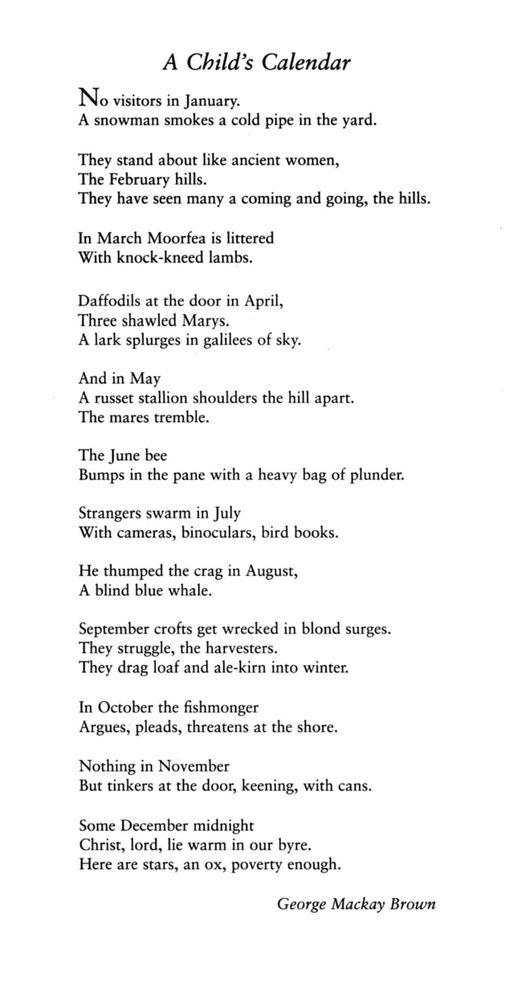
<p>Some December midnight<br>Christ, lord, lie warm in our byre.<br>Here are stars, an ox, poverty enough.</p><p>—George Mackay Brown, “A Child’s Calendar”<br>published in FISHERMEN WITH PLOUGHS (Hogarth Press 1971)</p><p><a href="/tags/scottish/" rel="tag">#Scottish</a> <a href="/tags/literature/" rel="tag">#literature</a> <a href="/tags/20thcentury/" rel="tag">#20thcentury</a> <a href="/tags/christmas/" rel="tag">#Christmas</a> <a href="/tags/poem/" rel="tag">#poem</a> <a href="/tags/poetry/" rel="tag">#poetry</a> <a href="/tags/orkney/" rel="tag">#Orkney</a></p>
<p>CFP: GIFCon 2026 – The Technologies of the Fantastic<br>Glasgow International Fantasy Conversations<br>13–15 May, online</p><p>GIFCon invites the consideration of the technologies of fantasy. The organisers are particularly interested in submissions from PG & early career researchers, & welcome proposals from researchers whose work focuses on marginalised communities & subjects</p><p>@litstudies </p><p><a href="https://fantasy.glasgow.ac.uk/index.php/2025/12/15/gifcon-2026-the-technologies-of-the-fantastic-call-for-papers/" rel="nofollow" class="ellipsis" title="fantasy.glasgow.ac.uk/index.php/2025/12/15/gifcon-2026-the-technologies-of-the-fantastic-call-for-papers/"><span class="invisible">https://</span><span class="ellipsis">fantasy.glasgow.ac.uk/index.ph</span><span class="invisible">p/2025/12/15/gifcon-2026-the-technologies-of-the-fantastic-call-for-papers/</span></a></p><p><a href="/tags/literature/" rel="tag">#literature</a> <a href="/tags/fantasy/" rel="tag">#fantasy</a> <a href="/tags/sff/" rel="tag">#SFF</a> <a href="/tags/callforpapers/" rel="tag">#callforpapers</a></p>
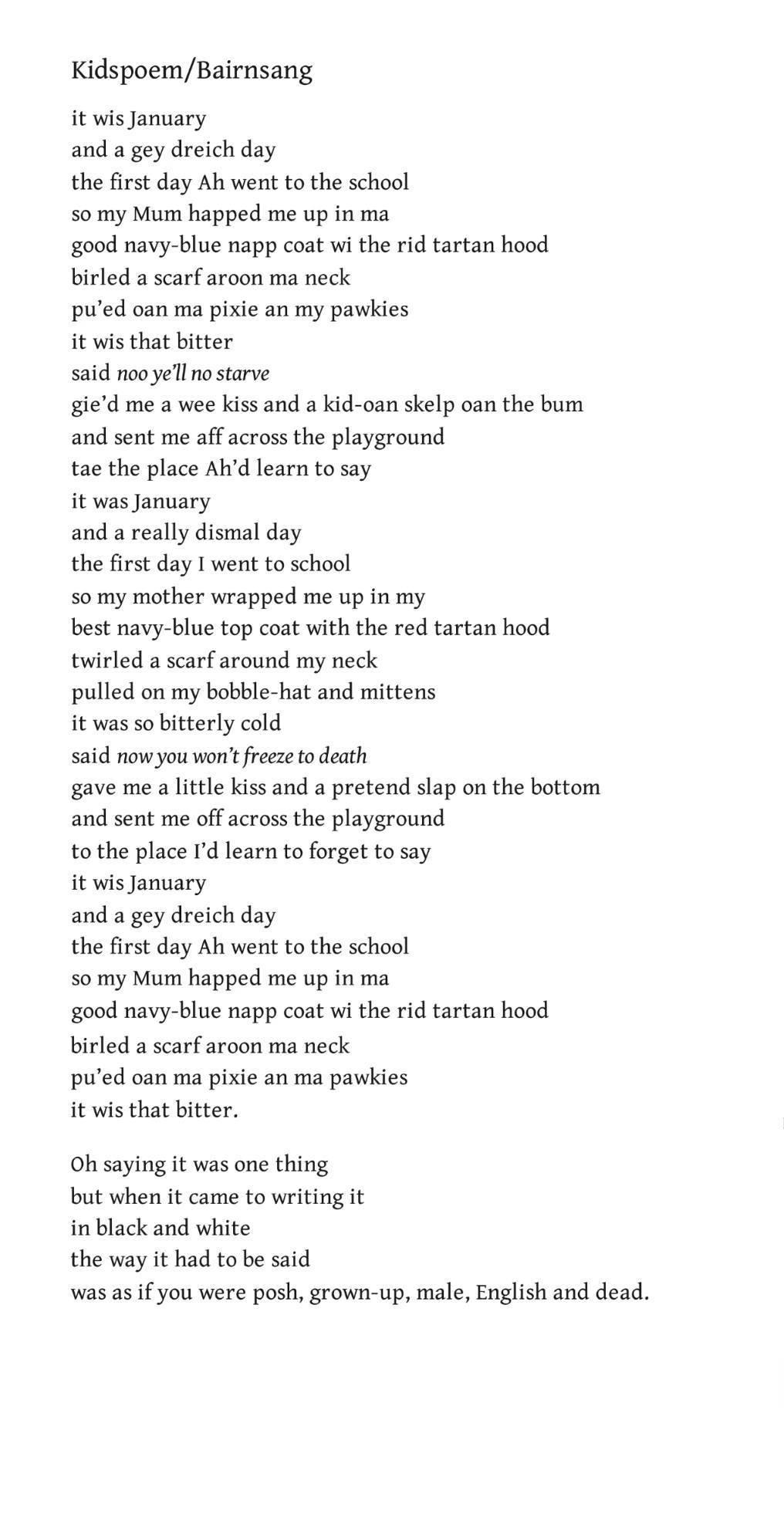
<p>it wis January<br>and a gey dreich day<br>the first day Ah went to the school…</p><p>—Liz Lochhead, “Kidspoem/Bairnsang”<br>published in A CHOOSING: The Selected Poems of Liz Lochhead (Polygon, 2017)</p><p><a href="https://birlinn.co.uk/product/a-choosing/" rel="nofollow" class="ellipsis" title="birlinn.co.uk/product/a-choosing/"><span class="invisible">https://</span><span class="ellipsis">birlinn.co.uk/product/a-choosi</span><span class="invisible">ng/</span></a></p><p><a href="/tags/scottish/" rel="tag">#Scottish</a> <a href="/tags/literature/" rel="tag">#literature</a> <a href="/tags/poem/" rel="tag">#poem</a> <a href="/tags/poetry/" rel="tag">#poetry</a> <a href="/tags/scots/" rel="tag">#scots</a> <a href="/tags/language/" rel="tag">#language</a> <a href="/tags/minoritylanguages/" rel="tag">#MinorityLanguages</a></p>
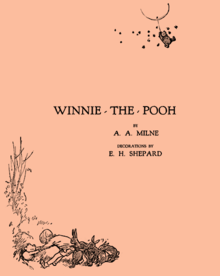
<p><a href="/tags/otd/" rel="tag">#OTD</a> in 1926.</p><p>The children's book Winnie-the-Pooh by A. A. Milne first appears, published by Methuen in London.</p><p><a href="https://en.wikipedia.org/wiki/Winnie-the-Pooh_(book)#" rel="nofollow" class="ellipsis" title="en.wikipedia.org/wiki/Winnie-the-Pooh_(book)#"><span class="invisible">https://</span><span class="ellipsis">en.wikipedia.org/wiki/Winnie-t</span><span class="invisible">he-Pooh_(book)#</span></a></p><p>Winnie-the-Pooh's entrance into the public domain in the United States on January 1, 2022 was noted by several news publications, generally in the context of a greater Public Domain Day article.</p><p><a href="https://web.law.duke.edu/cspd/publicdomainday/2022/#fn6text" rel="nofollow" class="ellipsis" title="web.law.duke.edu/cspd/publicdomainday/2022/#fn6text"><span class="invisible">https://</span><span class="ellipsis">web.law.duke.edu/cspd/publicdo</span><span class="invisible">mainday/2022/#fn6text</span></a></p><p>Winnie-the-Pooh at PG:<br><a href="https://gutenberg.org/ebooks/67098" rel="nofollow"><span class="invisible">https://</span>gutenberg.org/ebooks/67098</a></p><p><a href="/tags/books/" rel="tag">#books</a> <a href="/tags/literature/" rel="tag">#literature</a></p>
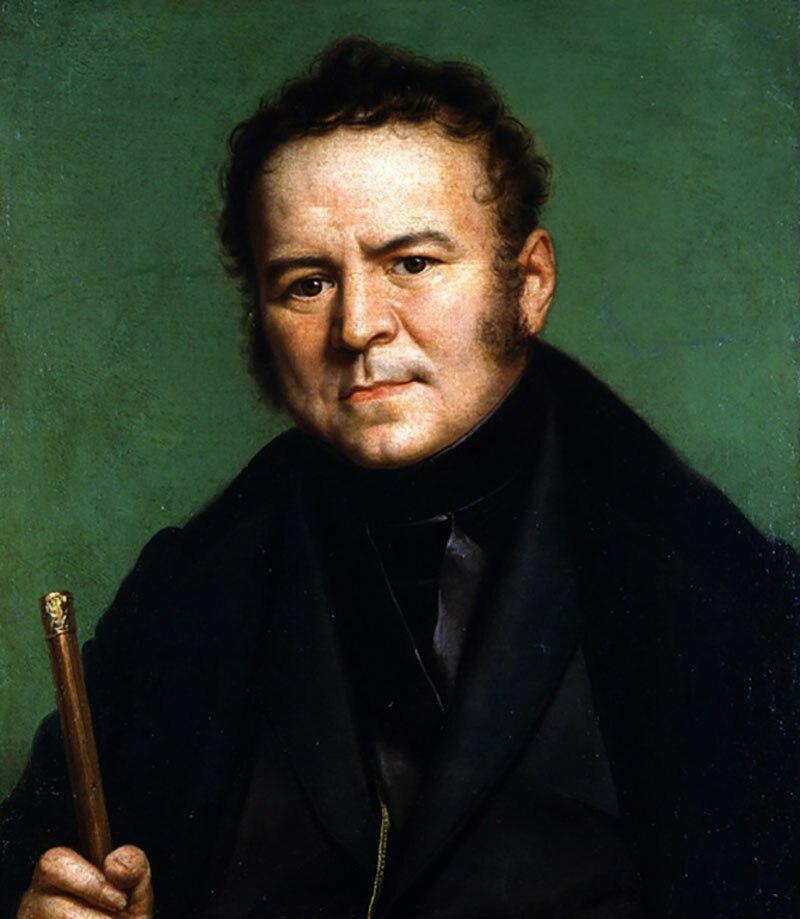
<p>The ecstatic swoon</p><p>As Stendhal knew, the reason for art is to make you feel. Do not try to grasp the artwork: allow it to grasp you instead</p><p>by Robert D Zaretsky</p><p><a href="https://aeon.co/essays/what-stendhal-says-about-the-purpose-and-promise-of-art?utm_source=Aeon+Newsletter&utm_campaign=048e2ed722-EMAIL_CAMPAIGN_2025_12_16&utm_medium=email&utm_term=0_-4ef8a26106-72664972" rel="nofollow" class="ellipsis" title="aeon.co/essays/what-stendhal-says-about-the-purpose-and-promise-of-art?utm_source=Aeon+Newsletter&utm_campaign=048e2ed722-EMAIL_CAMPAIGN_2025_12_16&utm_medium=email&utm_term=0_-4ef8a26106-72664972"><span class="invisible">https://</span><span class="ellipsis">aeon.co/essays/what-stendhal-s</span><span class="invisible">ays-about-the-purpose-and-promise-of-art?utm_source=Aeon+Newsletter&utm_campaign=048e2ed722-EMAIL_CAMPAIGN_2025_12_16&utm_medium=email&utm_term=0_-4ef8a26106-72664972</span></a></p><p><a href="/tags/books/" rel="tag">#books</a> <a href="/tags/art/" rel="tag">#art</a> <a href="/tags/literature/" rel="tag">#literature</a></p>
<p>“You are standing in a high, dim stone vault. There is a thick soundlessness, as in a recording studio, or a strongroom.”</p><p>—Kathleen Jamie visits Maeshowe chambered cairn at midwinter, for the London Review of Books, 2003</p><p>1/5</p><p><a href="https://www.lrb.co.uk/the-paper/v25/n24/kathleen-jamie/into-the-dark" rel="nofollow" class="ellipsis" title="www.lrb.co.uk/the-paper/v25/n24/kathleen-jamie/into-the-dark"><span class="invisible">https://</span><span class="ellipsis">www.lrb.co.uk/the-paper/v25/n2</span><span class="invisible">4/kathleen-jamie/into-the-dark</span></a></p><p><a href="/tags/scottish/" rel="tag">#Scottish</a> <a href="/tags/literature/" rel="tag">#literature</a> <a href="/tags/midwinter/" rel="tag">#midwinter</a> <a href="/tags/solstice/" rel="tag">#solstice</a> <a href="/tags/orkney/" rel="tag">#Orkney</a> <a href="/tags/archaeology/" rel="tag">#archaeology</a> <a href="/tags/prehistory/" rel="tag">#prehistory</a> <a href="/tags/neolithic/" rel="tag">#neolithic</a></p>
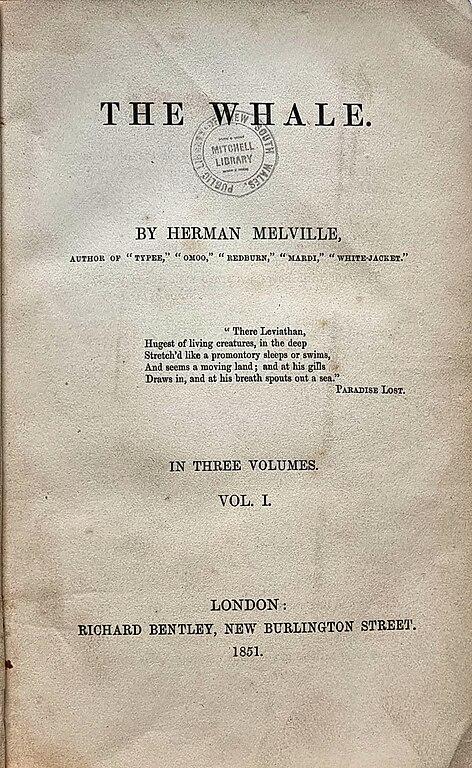
<p>"Call me Ishmael."</p><p><a href="/tags/otd/" rel="tag">#OTD</a> in 1851.</p><p>Herman Melville's Moby-Dick is first published as The Whale by Richard Bentley of London.</p><p>In the October 1851 issue of Harper's New Monthly Magazine "The Town Ho's Story" was published, with a footnote reading: "From 'The Whale'. The title of a new work by Mr. Melville, in the press of Harper and Brothers, and now publishing in London by Mr. Bentley."</p><p><a href="https://en.wikipedia.org/wiki/Moby-Dick" rel="nofollow" class="ellipsis" title="en.wikipedia.org/wiki/Moby-Dick"><span class="invisible">https://</span><span class="ellipsis">en.wikipedia.org/wiki/Moby-Dic</span><span class="invisible">k</span></a></p><p>Moby-Dick at PG:<br><a href="https://gutenberg.org/ebooks/15" rel="nofollow"><span class="invisible">https://</span>gutenberg.org/ebooks/15</a></p><p><a href="/tags/books/" rel="tag">#books</a> <a href="/tags/literature/" rel="tag">#literature</a></p>
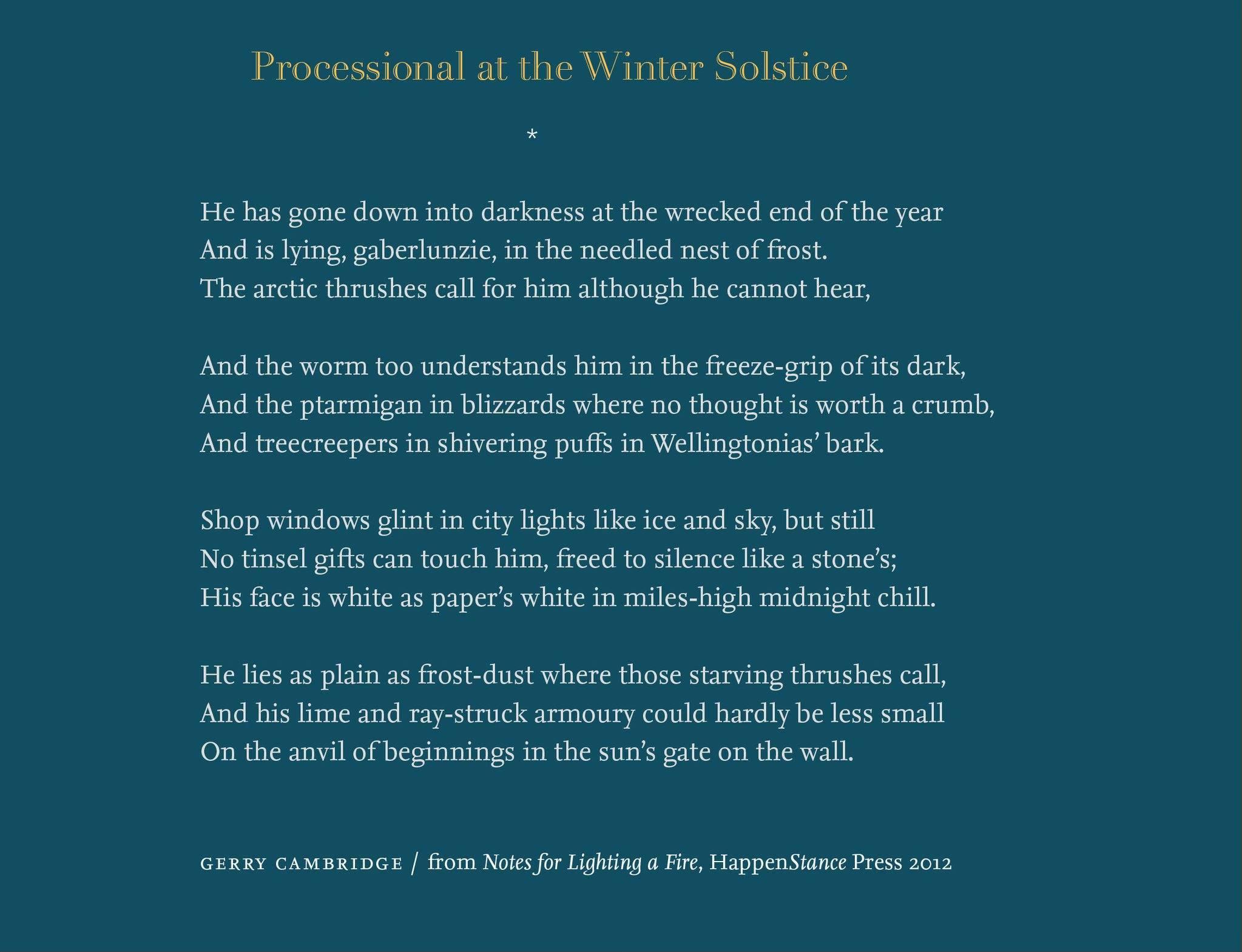
<p>He has gone down into darkness at the wrecked end of the year<br>And is lying, gaberlunzie, in the needled nest of frost… </p><p>—Gerry Cambridge, “Processional at the Winter Solstice”<br>published in Notes for Lighting a Fire (HappenStance Press 2012)</p><p><a href="https://happenstancepress.com/index.php/shop/product/4-notes-for-lighting-a-fire-gerry-cambridge/category_pathway-12" rel="nofollow" class="ellipsis" title="happenstancepress.com/index.php/shop/product/4-notes-for-lighting-a-fire-gerry-cambridge/category_pathway-12"><span class="invisible">https://</span><span class="ellipsis">happenstancepress.com/index.ph</span><span class="invisible">p/shop/product/4-notes-for-lighting-a-fire-gerry-cambridge/category_pathway-12</span></a></p><p><a href="/tags/scottish/" rel="tag">#Scottish</a> <a href="/tags/literature/" rel="tag">#literature</a> <a href="/tags/poem/" rel="tag">#poem</a> <a href="/tags/poetry/" rel="tag">#poetry</a> <a href="/tags/midwinter/" rel="tag">#midwinter</a> <a href="/tags/solstice/" rel="tag">#solstice</a></p>

<p><a href="/tags/sundaysentence/" rel="tag">#sundaySentence</a> <span class="h-card"><a href="https://fedigroups.social/@bookstodon" class="u-url mention" rel="nofollow noopener noreferrer" target="_blank">@<span>bookstodon</span></a></span> <a href="/tags/reading/" rel="tag">#reading</a> <a href="/tags/literature/" rel="tag">#literature</a> <a href="/tags/bookstodon/" rel="tag">#bookstodon</a> </p><p>“…each and every one of us carries with us a wholly uncharted world that reveals itself to us only on occasion, in unfathomable states of perception, and may not such rich mental states, this secret reality, the life that exists in the remotest depths of the soul, be represented in literature too?”</p><p>Karl Ove Knausgaard</p>
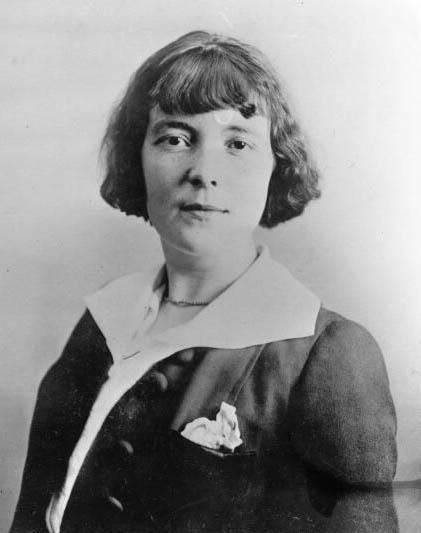
<p>Virginia Woolf Thought Katharine Mansfield Stank Like a “Civet Cat Taken to Streetwalking”</p><p>Gerri Kimber on the Literary Legacy of an Early Master of the Short Form</p><p><a href="https://lithub.com/virginia-woolf-thought-katharine-mansfield-stank-like-a-civet-cat-taken-to-streetwalking/" rel="nofollow" class="ellipsis" title="lithub.com/virginia-woolf-thought-katharine-mansfield-stank-like-a-civet-cat-taken-to-streetwalking/"><span class="invisible">https://</span><span class="ellipsis">lithub.com/virginia-woolf-thou</span><span class="invisible">ght-katharine-mansfield-stank-like-a-civet-cat-taken-to-streetwalking/</span></a></p><p>Mansfield & Woolf at PG:<br><a href="https://www.gutenberg.org/ebooks/author/631" rel="nofollow" class="ellipsis" title="www.gutenberg.org/ebooks/author/631"><span class="invisible">https://</span><span class="ellipsis">www.gutenberg.org/ebooks/autho</span><span class="invisible">r/631</span></a><br><a href="https://www.gutenberg.org/ebooks/author/89" rel="nofollow" class="ellipsis" title="www.gutenberg.org/ebooks/author/89"><span class="invisible">https://</span><span class="ellipsis">www.gutenberg.org/ebooks/autho</span><span class="invisible">r/89</span></a></p><p>#<a href="/tags/books/" rel="tag">#books</a> <a href="/tags/literature/" rel="tag">#literature</a></p>
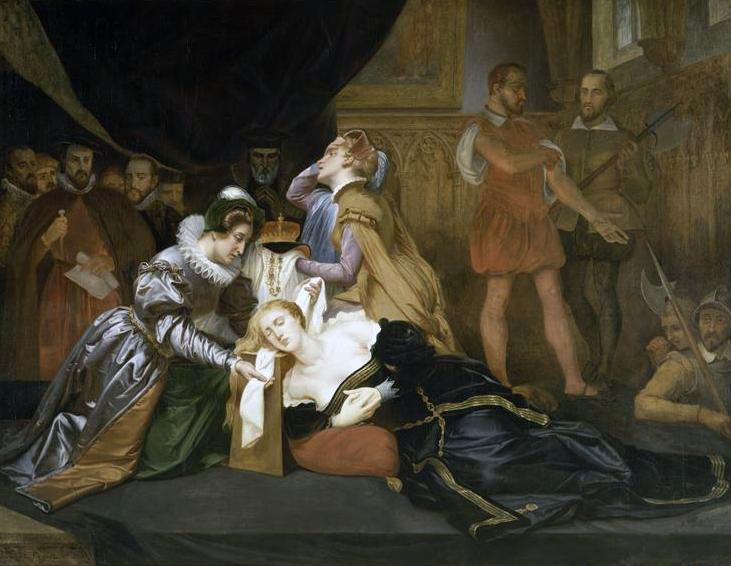
<p>Rare public display for Mary Queen of Scots' final letter</p><p>The public are to be given a rare chance to see the last letter by Mary Queen of Scots, which was written just hours before she was beheaded.</p><p>by Cara Berkley</p><p><a href="https://www.bbc.co.uk/news/articles/cg4nzy3r5zyo" rel="nofollow" class="ellipsis" title="www.bbc.co.uk/news/articles/cg4nzy3r5zyo"><span class="invisible">https://</span><span class="ellipsis">www.bbc.co.uk/news/articles/cg</span><span class="invisible">4nzy3r5zyo</span></a></p><p>Mary Queen of Scots at PG:<br><a href="https://www.gutenberg.org/ebooks/subjects/search/?query=Mary+Queen+of+Scots" rel="nofollow" class="ellipsis" title="www.gutenberg.org/ebooks/subjects/search/?query=Mary+Queen+of+Scots"><span class="invisible">https://</span><span class="ellipsis">www.gutenberg.org/ebooks/subje</span><span class="invisible">cts/search/?query=Mary+Queen+of+Scots</span></a></p><p><a href="/tags/books/" rel="tag">#books</a> <a href="/tags/literature/" rel="tag">#literature</a></p>