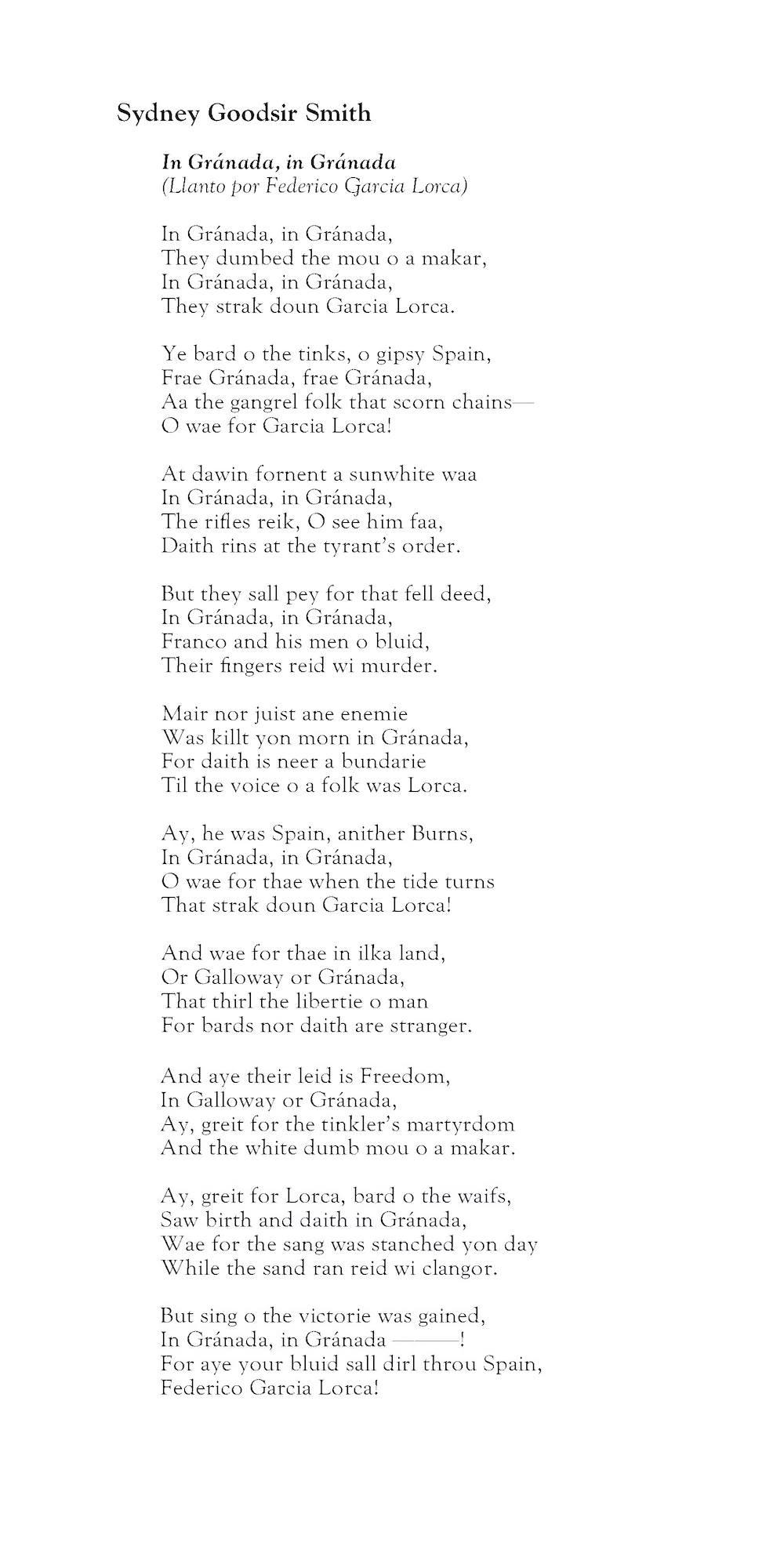
<p>In Gránada, in Gránada,<br>They dumbed the mou o a makar,<br>In Gránada, in Gránada,<br>They strak doun Garcia Lorca…</p><p>—“In Gránada, in Gránada (Llanto por Federico Garcia Lorca)”, by Syndey Goodsir Smith (1915–1975) – a major figure in the 20th-century Scottish renaissance, born <a href="/tags/otd/" rel="tag">#OTD</a>, 26 Oct</p><p>1/4</p><p><a href="https://asls.org.uk/publications/books/volumes/a-kist-o-skinlan-things/" rel="nofollow" class="ellipsis" title="asls.org.uk/publications/books/volumes/a-kist-o-skinlan-things/"><span class="invisible">https://</span><span class="ellipsis">asls.org.uk/publications/books</span><span class="invisible">/volumes/a-kist-o-skinlan-things/</span></a></p><p><a href="/tags/scottish/" rel="tag">#Scottish</a> <a href="/tags/literature/" rel="tag">#literature</a> <a href="/tags/poem/" rel="tag">#poem</a> <a href="/tags/poetry/" rel="tag">#poetry</a> <a href="/tags/scots/" rel="tag">#Scots</a> <a href="/tags/scotslanguage/" rel="tag">#Scotslanguage</a> <a href="/tags/20thcentury/" rel="tag">#20thcentury</a> <a href="/tags/lorca/" rel="tag">#Lorca</a></p>
literature

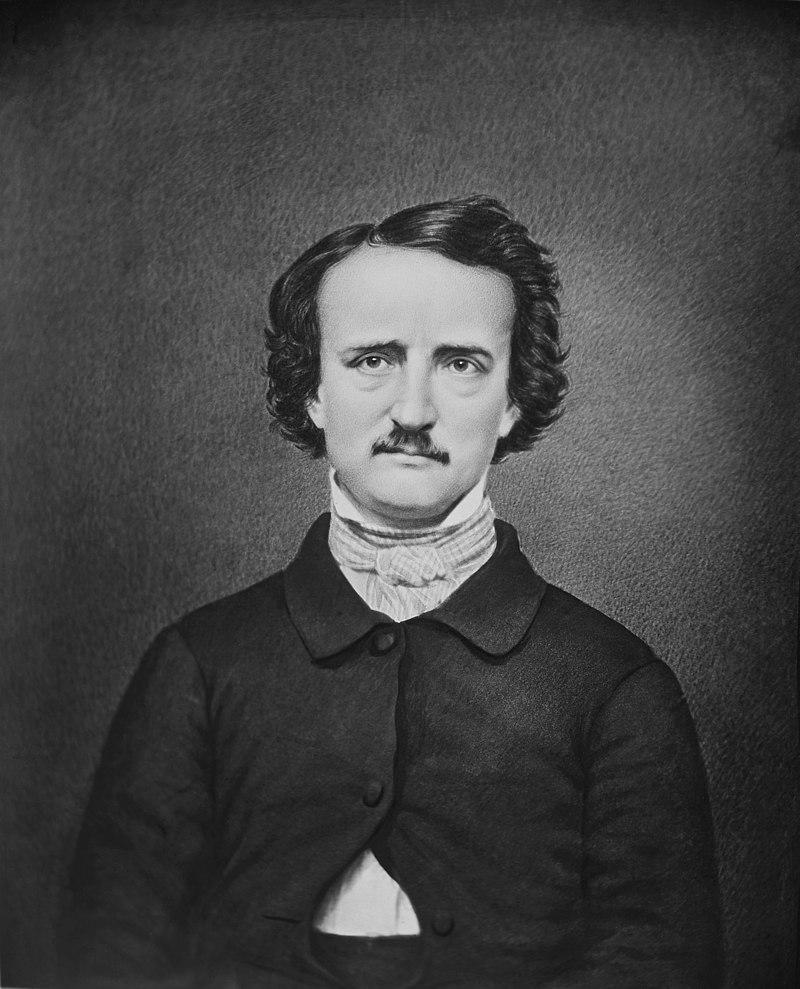
<p>To Haunt and Be Haunted: On the Exhumation of Edgar Allan Poe</p><p>Ed Simon Explores the Terror of Being Buried Alive and Americanism in Poe’s Work</p><p><a href="https://lithub.com/to-haunt-and-be-haunted-on-the-exhumation-of-edgar-allan-poe/" rel="nofollow" class="ellipsis" title="lithub.com/to-haunt-and-be-haunted-on-the-exhumation-of-edgar-allan-poe/"><span class="invisible">https://</span><span class="ellipsis">lithub.com/to-haunt-and-be-hau</span><span class="invisible">nted-on-the-exhumation-of-edgar-allan-poe/</span></a></p><p>Edgar Allan Poe at PG:<br><a href="https://www.gutenberg.org/ebooks/author/481" rel="nofollow" class="ellipsis" title="www.gutenberg.org/ebooks/author/481"><span class="invisible">https://</span><span class="ellipsis">www.gutenberg.org/ebooks/autho</span><span class="invisible">r/481</span></a></p><p><a href="/tags/books/" rel="tag">#books</a> <a href="/tags/literature/" rel="tag">#literature</a></p>
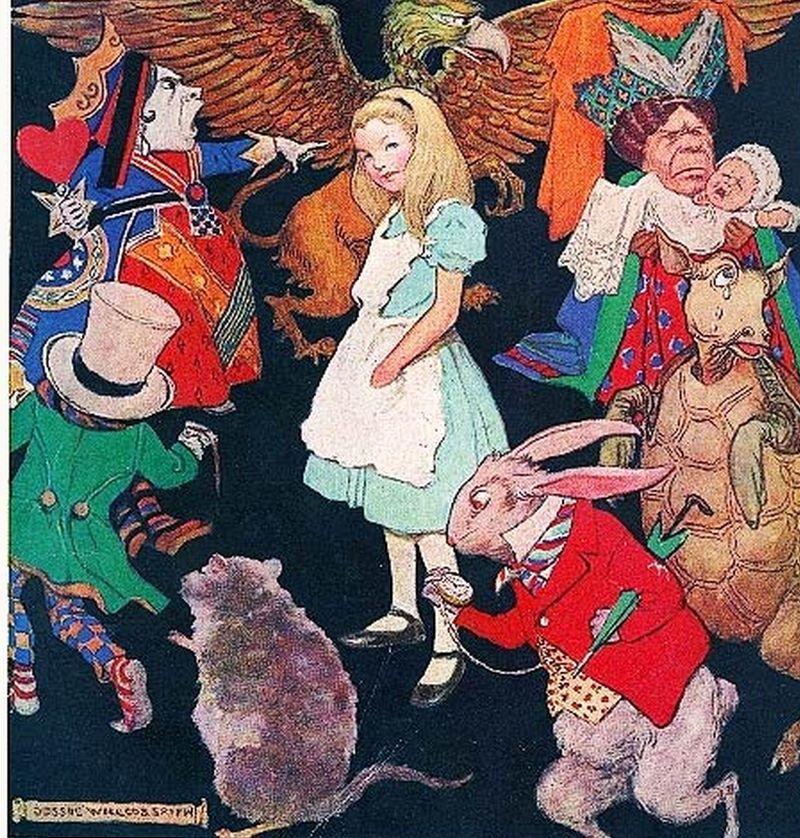
<p>What Is the Symbolism of the White Rabbit in Alice in Wonderland?</p><p>"Many of Lewis Carroll’s characters have been analyzed as symbolic, and one of the most captivating is the time-obsessed White Rabbit, whose sudden appearance in Alice’s world serves as the catalyst for her extraordinary adventures."</p><p><a href="https://www.thecollector.com/symbolism-white-rabbit-alice-in-wonderland/" rel="nofollow" class="ellipsis" title="www.thecollector.com/symbolism-white-rabbit-alice-in-wonderland/"><span class="invisible">https://</span><span class="ellipsis">www.thecollector.com/symbolism</span><span class="invisible">-white-rabbit-alice-in-wonderland/</span></a></p><p>Alice in Wonderland at PG:</p><p><a href="https://www.gutenberg.org/ebooks/search/?query=alice+in+wonderland" rel="nofollow" class="ellipsis" title="www.gutenberg.org/ebooks/search/?query=alice+in+wonderland"><span class="invisible">https://</span><span class="ellipsis">www.gutenberg.org/ebooks/searc</span><span class="invisible">h/?query=alice+in+wonderland</span></a></p><p><a href="/tags/books/" rel="tag">#books</a> <a href="/tags/literature/" rel="tag">#literature</a></p>
Edited 162d ago
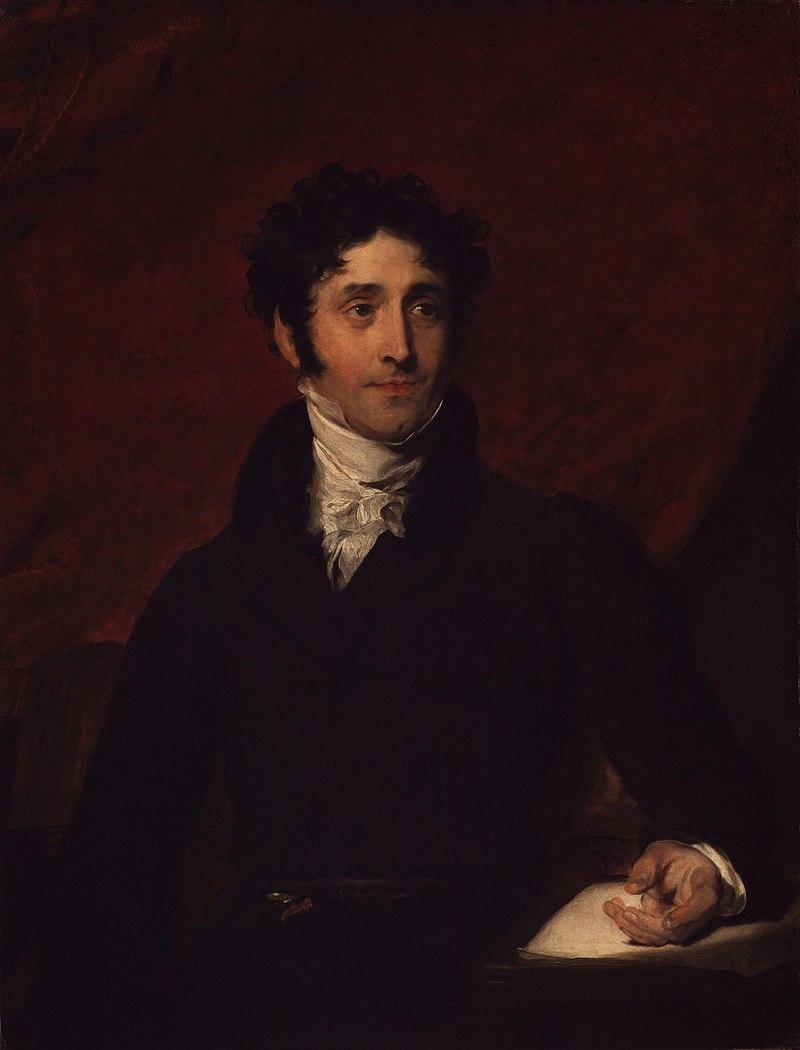
<p>Scottish poet and writer Thomas Campbell died <a href="/tags/otd/" rel="tag">#OTD</a> in 1844.</p><p>In 1799 he wrote Pleasures of Hope, a traditional 18th-century didactic poem in heroic couplets. He also produced several patriotic war songs— "Ye Mariners of England", "The Soldier's Dream", "Hohenlinden" and, in 1801, The Battle of the Baltic, but was no less at home in delicate lyrics such as "At Love's Beginning".</p><p>Books by Thomas Campbell at PG:<br><a href="https://www.gutenberg.org/ebooks/author/7520" rel="nofollow" class="ellipsis" title="www.gutenberg.org/ebooks/author/7520"><span class="invisible">https://</span><span class="ellipsis">www.gutenberg.org/ebooks/autho</span><span class="invisible">r/7520</span></a></p><p><a href="/tags/books/" rel="tag">#books</a> <a href="/tags/literature/" rel="tag">#literature</a> <a href="/tags/poetry/" rel="tag">#poetry</a></p>
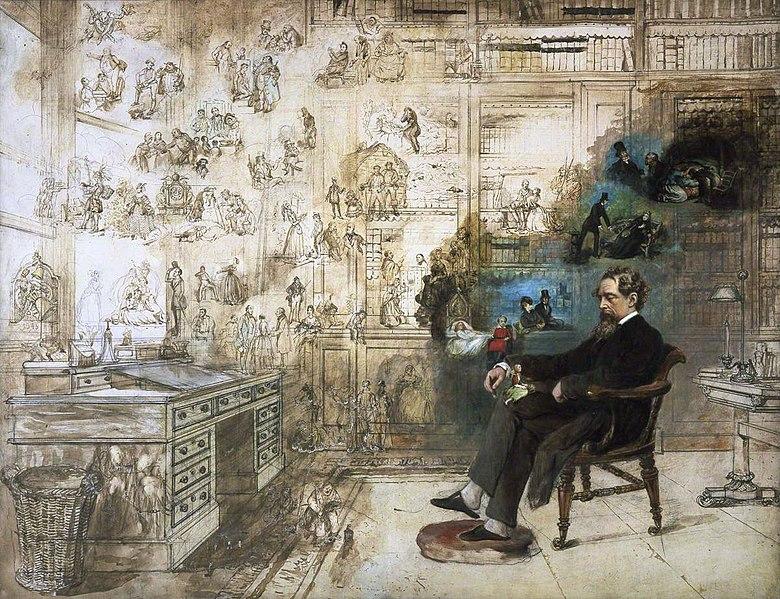
<p>"Remember, to the last, that while there is life there is hope."</p><p>English novelist and social critic Charles Dickens died <a href="/tags/otd/" rel="tag">#OTD</a> in 1870.</p><p>Dickens edited a weekly journal for 20 years; wrote 15 novels, five novellas, hundreds of short stories and nonfiction articles; lectured and performed readings extensively; was an indefatigable letter writer; and campaigned vigorously for children's rights, education, and other social reforms.</p><p>Charles Dickens at PG:<br><a href="https://www.gutenberg.org/ebooks/author/37" rel="nofollow" class="ellipsis" title="www.gutenberg.org/ebooks/author/37"><span class="invisible">https://</span><span class="ellipsis">www.gutenberg.org/ebooks/autho</span><span class="invisible">r/37</span></a></p><p><a href="/tags/books/" rel="tag">#books</a> <a href="/tags/literature/" rel="tag">#literature</a></p>
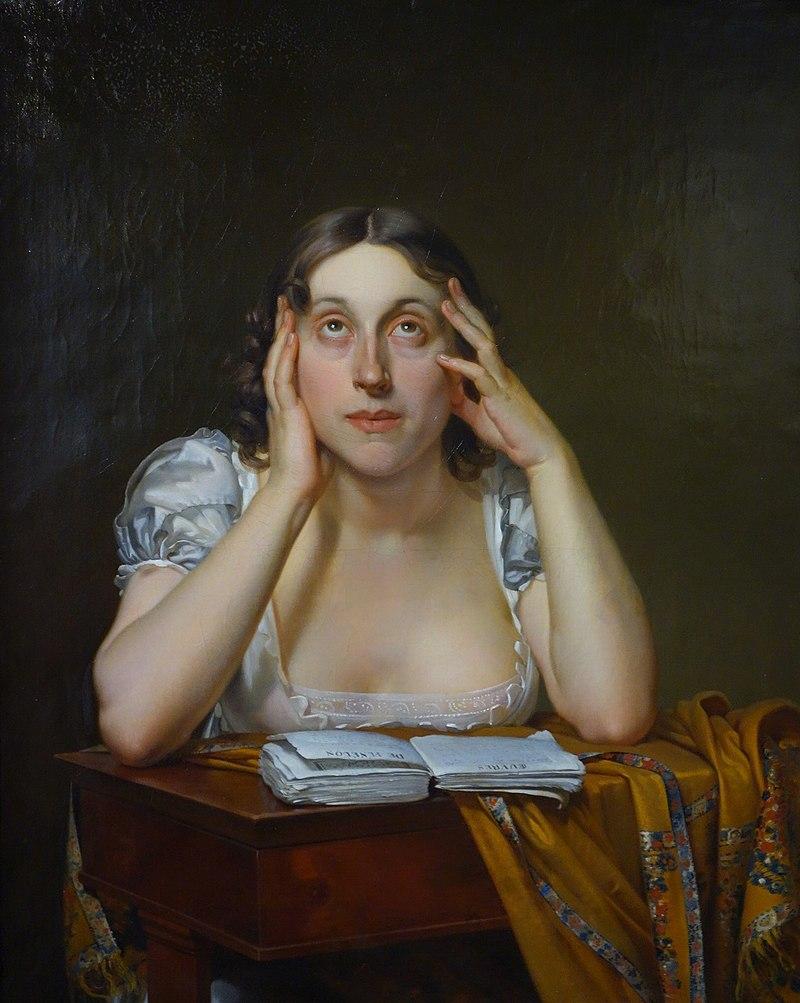
<p>French poet and novelist Marceline Desbordes-Valmore was born <a href="/tags/otd/" rel="tag">#OTD</a> in 1786.</p><p>Marceline Desbordes-Valmore published her first book of poetry, "Élégies et romances," in 1819. She was highly regarded by her contemporaries, including Victor Hugo and Alphonse de Lamartine. Her work influenced later poets, including Paul Verlaine and the Symbolists, who admired her emotional expressiveness and musicality.</p><p>Books by Marceline Desbordes-Valmore at PG:<br><a href="https://www.gutenberg.org/ebooks/author/5436" rel="nofollow" class="ellipsis" title="www.gutenberg.org/ebooks/author/5436"><span class="invisible">https://</span><span class="ellipsis">www.gutenberg.org/ebooks/autho</span><span class="invisible">r/5436</span></a></p><p><a href="/tags/books/" rel="tag">#Books</a> <a href="/tags/literature/" rel="tag">#literature</a> <a href="/tags/poetry/" rel="tag">#poetry</a></p>

<p><a href="/tags/otd/" rel="tag">#OTD</a> in 1915.</p><p>P. G. Wodehouse's novel Something Fresh (first published as "Something New" in the United States) is serialized in The Saturday Evening Post (U.S.), introducing the character of Lord Emsworth of Blandings Castle. It first appears in book form on September 3 in New York, from D. Appleton & Company, and on September 16 in London, from Methuen.</p><p><a href="https://en.wikipedia.org/wiki/Something_Fresh" rel="nofollow" class="ellipsis" title="en.wikipedia.org/wiki/Something_Fresh"><span class="invisible">https://</span><span class="ellipsis">en.wikipedia.org/wiki/Somethin</span><span class="invisible">g_Fresh</span></a></p><p>Something New at PG:<br><a href="https://gutenberg.org/ebooks/2042" rel="nofollow"><span class="invisible">https://</span>gutenberg.org/ebooks/2042</a></p><p><a href="/tags/books/" rel="tag">#books</a> <a href="/tags/literature/" rel="tag">#literature</a></p>
![Something Fresh is a novel by P. G. Wodehouse, first published as "Something New" in the United States, by D. Appleton & Company on 3 September 1915.[1] It was published in the United Kingdom as "Something Fresh" by Methuen & Co. on 16 September 1915. There are a number of differences between the American and British versions, but essentially, it is the same book. The novel introduces Lord Emsworth of Blandings Castle, whose home and family reappear in many of Wodehouse's later short stories and novels.](/proxy/post_attachment/276251/093f6d6f0c.jpg "Something Fresh is a novel by P. G. Wodehouse, first published as \"Something New\" in the United States, by D. Appleton & Company on 3 September 1915.[1] It was published in the United Kingdom as \"Something Fresh\" by Methuen & Co. on 16 September 1915. There are a number of differences between the American and British versions, but essentially, it is the same book. The novel introduces Lord Emsworth of Blandings Castle, whose home and family reappear in many of Wodehouse's later short stories and novels.")
Edited 1y ago
<p>Fallout 4 meets Project Gutenberg in this ‘classic literature’ mod<br>Pride & Prejudice & Radroaches.</p><p>By Andrew Heaton</p><p><a href="https://www.destructoid.com/fallout-4-meets-project-gutenberg-in-this-classic-literature-mod/" rel="nofollow" class="ellipsis" title="www.destructoid.com/fallout-4-meets-project-gutenberg-in-this-classic-literature-mod/"><span class="invisible">https://</span><span class="ellipsis">www.destructoid.com/fallout-4-</span><span class="invisible">meets-project-gutenberg-in-this-classic-literature-mod/</span></a></p><p>#<a href="/tags/books/" rel="tag">#books</a> <a href="/tags/literature/" rel="tag">#literature</a></p>
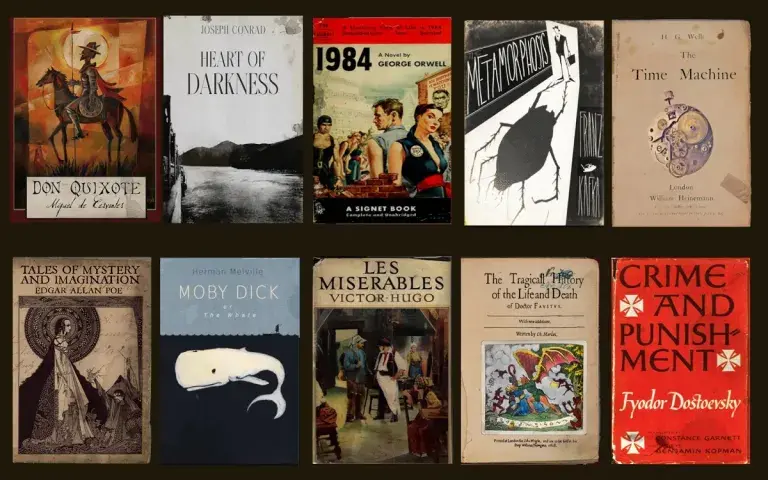
<p><a href="/tags/otd/" rel="tag">#OTD</a> in 1948.</p><p>Shirley Jackson's short story "The Lottery" is published in The New Yorker magazine.</p><p>The story describes a fictional small American community that observes an annual tradition known as "the lottery", which is intended to ensure a good harvest and purge the town of bad omens. Jackson and The New Yorker were both surprised by the initial negative response from readers.</p><p><a href="https://en.wikipedia.org/wiki/The_Lottery" rel="nofollow" class="ellipsis" title="en.wikipedia.org/wiki/The_Lottery"><span class="invisible">https://</span><span class="ellipsis">en.wikipedia.org/wiki/The_Lott</span><span class="invisible">ery</span></a></p><p><a href="/tags/books/" rel="tag">#books</a> <a href="/tags/literature/" rel="tag">#literature</a></p>
<p>Genevan philosopher, writer, and composer Jean-Jacques Rousseau was born <a href="/tags/otd/" rel="tag">#OTD</a> in 1712.</p><p>In the literary sphere, Rousseau enjoyed great success with his epistolary novel Julie ou la nouvelle Héloïse, one of the best-selling works of the 18th century. In Les Confessions and Les Rêveries du promeneur solitaire, he delves deeply into his innermost feelings.</p><p>Books by Jean-Jacques Rousseau at PG:<br><a href="https://www.gutenberg.org/ebooks/author/1286" rel="nofollow" class="ellipsis" title="www.gutenberg.org/ebooks/author/1286"><span class="invisible">https://</span><span class="ellipsis">www.gutenberg.org/ebooks/autho</span><span class="invisible">r/1286</span></a></p><p><a href="/tags/books/" rel="tag">#books</a> <a href="/tags/literature/" rel="tag">#literature</a> <a href="/tags/philosophy/" rel="tag">#philosophy</a></p>
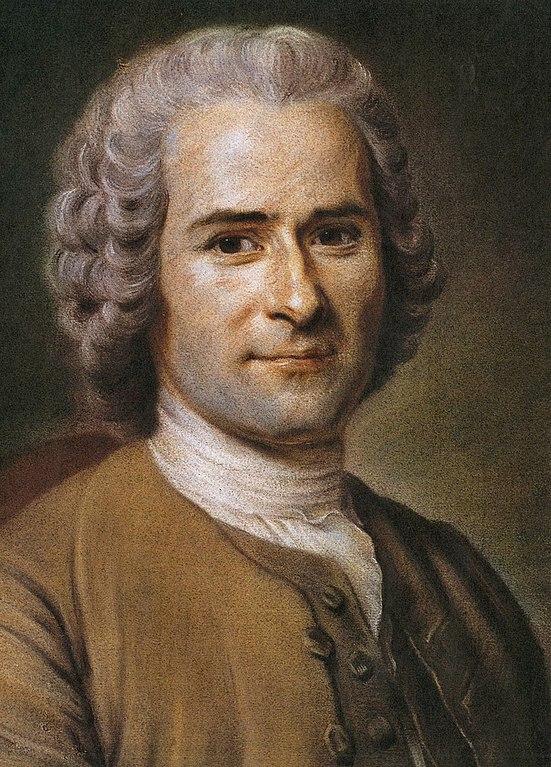
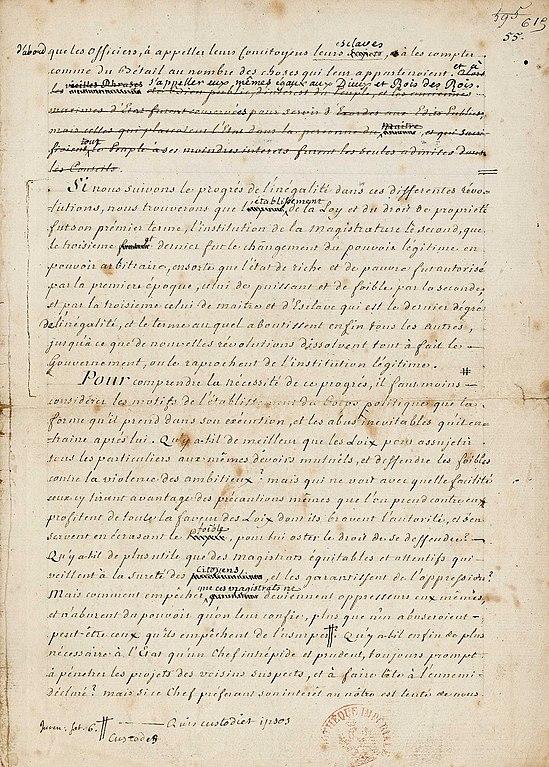
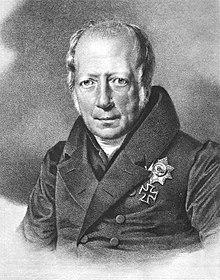
<p>German philosopher and linguist Wilhelm von Humboldt was born <a href="/tags/otd/" rel="tag">#OTD</a> in 1767.</p><p>In 1810, Humboldt founded the University of Berlin. He made significant contributions to the field of linguistics and he is considered one of the early proponents of the idea of a universal grammar, suggesting that underlying structures are common to all languages. His philosophical work often intersected with his ideas on language and education.</p><p>Wilhelm von Humboldt at PG:<br><a href="https://www.gutenberg.org/ebooks/author/1995" rel="nofollow" class="ellipsis" title="www.gutenberg.org/ebooks/author/1995"><span class="invisible">https://</span><span class="ellipsis">www.gutenberg.org/ebooks/autho</span><span class="invisible">r/1995</span></a></p><p><a href="/tags/books/" rel="tag">#books</a> <a href="/tags/literature/" rel="tag">#literature</a></p>
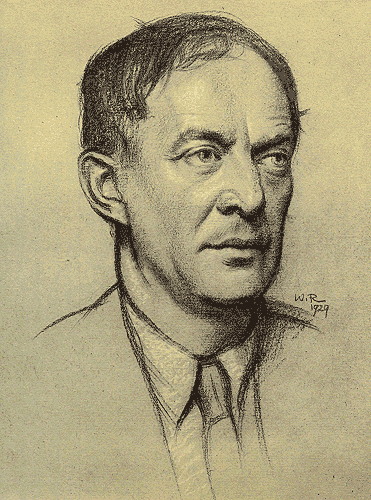
<p>English poet & novelist Walter de la Mare died <a href="/tags/otd/" rel="tag">#OTD</a> in 1956.</p><p>He is best remembered for his works for children, for his poem The Listeners, & for his psychological horror short fiction, including Seaton's Aunt & All Hallows. In 1921, his novel Memoirs of a Midget won the James Tait Black Memorial Prize for fiction, & his post-war Collected Stories for Children won the 1947 Carnegie Medal for British children's books.</p><p>Books by Walter de la Mare at PG:<br><a href="https://www.gutenberg.org/ebooks/author/1108" rel="nofollow" class="ellipsis" title="www.gutenberg.org/ebooks/author/1108"><span class="invisible">https://</span><span class="ellipsis">www.gutenberg.org/ebooks/autho</span><span class="invisible">r/1108</span></a></p><p><a href="/tags/books/" rel="tag">#books</a> <a href="/tags/literature/" rel="tag">#literature</a></p>
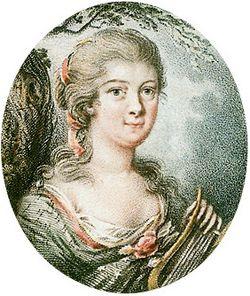
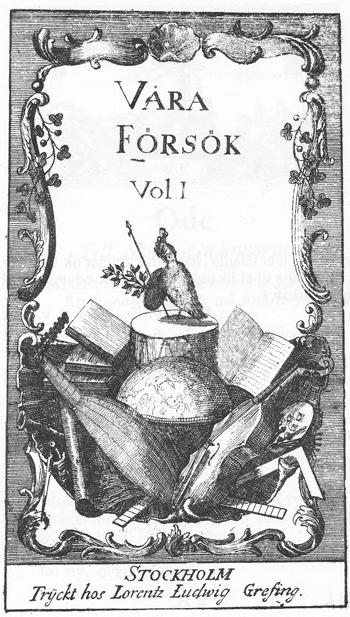
<p>Swedish poet and writer Hedvig Charlotta Nordenflycht died <a href="/tags/otd/" rel="tag">#OTD</a> in 1763.</p><p>Nordenflycht's literary debut came with the publication of "Den sörgande turturduvan" (The Mourning Turtle-Dove) in 1743, a collection of elegies mourning her husband's death. Nordenflycht's contributions to Swedish literature and her pioneering role in advocating for women's intellectual rights have been recognized posthumously. </p><p><a href="https://en.wikipedia.org/wiki/Hedvig_Charlotta_Nordenflycht" rel="nofollow" class="ellipsis" title="en.wikipedia.org/wiki/Hedvig_Charlotta_Nordenflycht"><span class="invisible">https://</span><span class="ellipsis">en.wikipedia.org/wiki/Hedvig_C</span><span class="invisible">harlotta_Nordenflycht</span></a></p><p><a href="/tags/books/" rel="tag">#books</a> <a href="/tags/literature/" rel="tag">#literature</a> <a href="/tags/poetry/" rel="tag">#poetry</a></p>
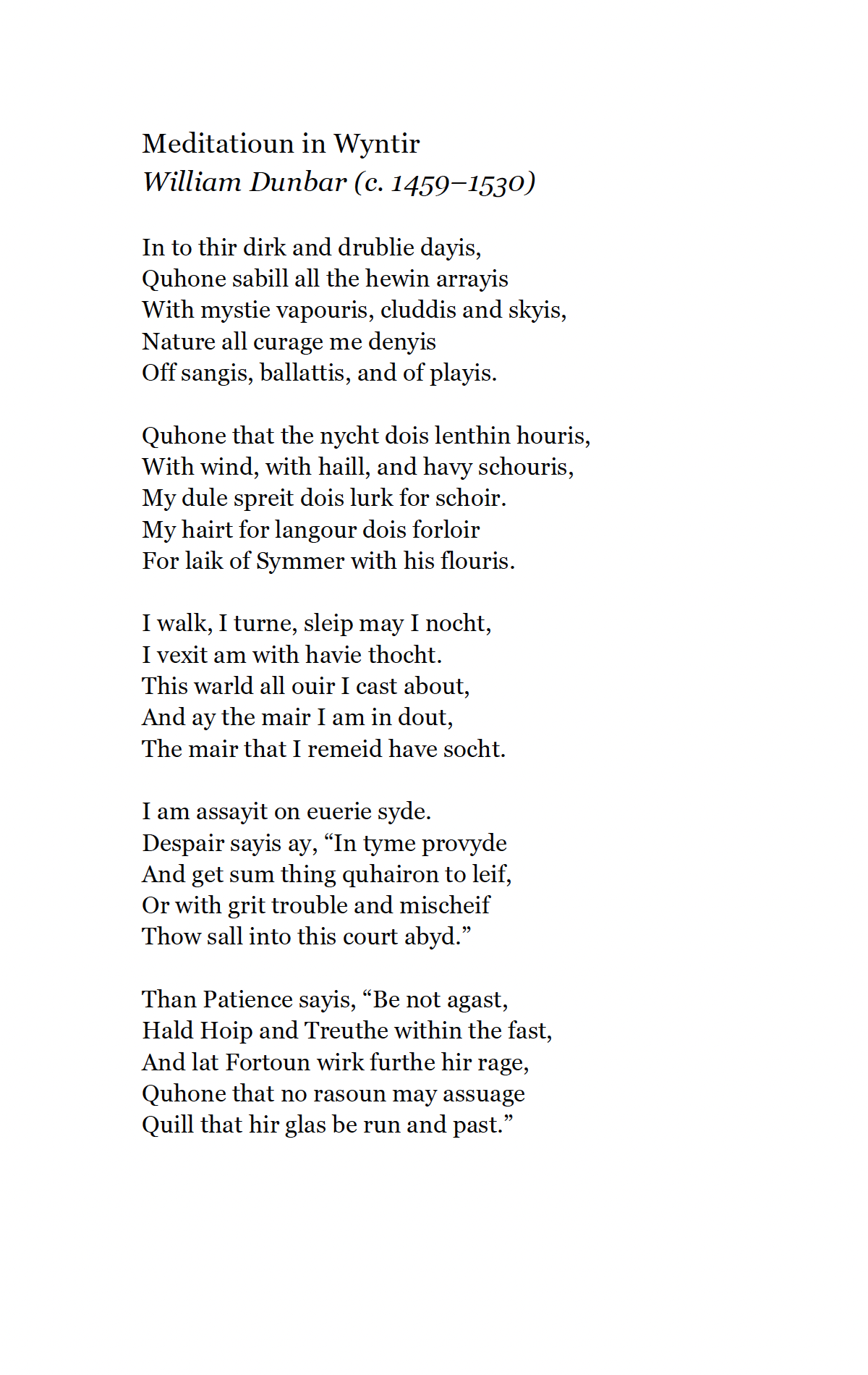
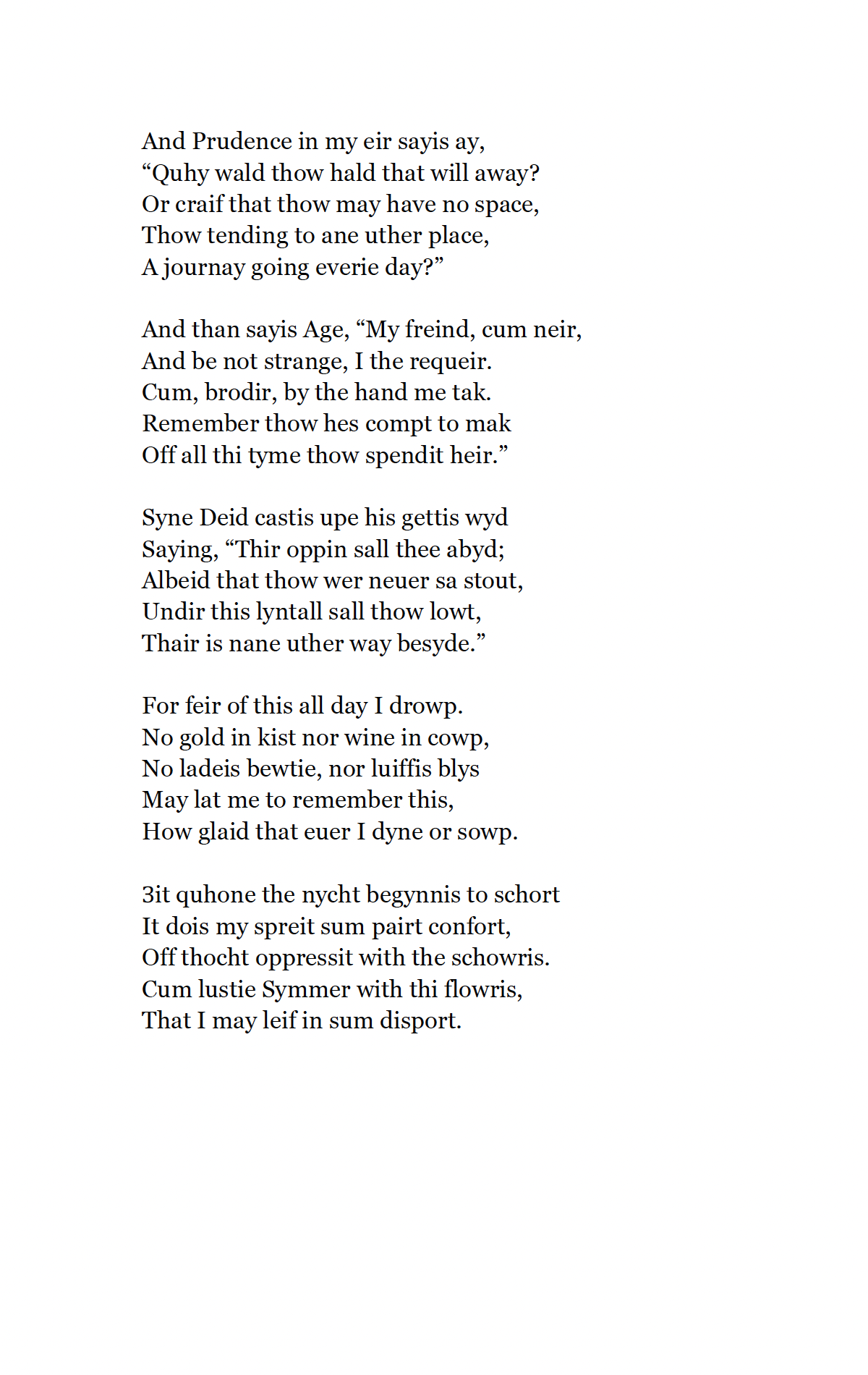
<p>In to thir dirk and drublie dayis,<br>Quhone sabill all the hewin arrayis<br>With mystie vapouris, cluddis and skyis,<br>Nature all curage me denyis<br>Off sangis, ballattis, and of playis…</p><p>—William Dunbar (c.1459–1530), “Meditatioun in Wyntir”</p><p>Full text with glosses available online (poem no. 15)</p><p><a href="https://metseditions.org/read/Kk2rqEDflvYQH57qHG5EqhWNP2p8v3y" rel="nofollow" class="ellipsis" title="metseditions.org/read/Kk2rqEDflvYQH57qHG5EqhWNP2p8v3y"><span class="invisible">https://</span><span class="ellipsis">metseditions.org/read/Kk2rqEDf</span><span class="invisible">lvYQH57qHG5EqhWNP2p8v3y</span></a></p><p><a href="/tags/scottish/" rel="tag">#Scottish</a> <a href="/tags/literature/" rel="tag">#literature</a> <a href="/tags/poem/" rel="tag">#poem</a> <a href="/tags/poetry/" rel="tag">#poetry</a> <a href="/tags/winter/" rel="tag">#winter</a> <a href="/tags/15thcentury/" rel="tag">#15thcentury</a> <a href="/tags/medieval/" rel="tag">#medieval</a> <a href="/tags/scots/" rel="tag">#Scots</a> <a href="/tags/scotslanguage/" rel="tag">#Scotslanguage</a></p>
<p>“Hogg defied categorisation. A prolific poet, songwriter, playwright, novelist, short story writer & parodist, he wrote with equal skill in Scots & English”</p><p>James Hogg, AKA “the Ettrick Shepherd” (1770–1835, DOB unknown) was baptised <a href="/tags/otd/" rel="tag">#OTD</a>, 9 Dec</p><p>🧵</p><p>1/10</p><p><a href="https://theconversation.com/james-hogg-at-250-the-farmhand-who-became-one-of-scotlands-greatest-storytellers-155534" rel="nofollow" class="ellipsis" title="theconversation.com/james-hogg-at-250-the-farmhand-who-became-one-of-scotlands-greatest-storytellers-155534"><span class="invisible">https://</span><span class="ellipsis">theconversation.com/james-hogg</span><span class="invisible">-at-250-the-farmhand-who-became-one-of-scotlands-greatest-storytellers-155534</span></a></p><p><a href="/tags/scottish/" rel="tag">#Scottish</a> <a href="/tags/literature/" rel="tag">#literature</a> <a href="/tags/jameshogg/" rel="tag">#JamesHogg</a> <a href="/tags/romanticism/" rel="tag">#romanticism</a> <a href="/tags/gothic/" rel="tag">#gothic</a> <a href="/tags/18thcentury/" rel="tag">#18thcentury</a> <a href="/tags/19thcentury/" rel="tag">#19thcentury</a></p>
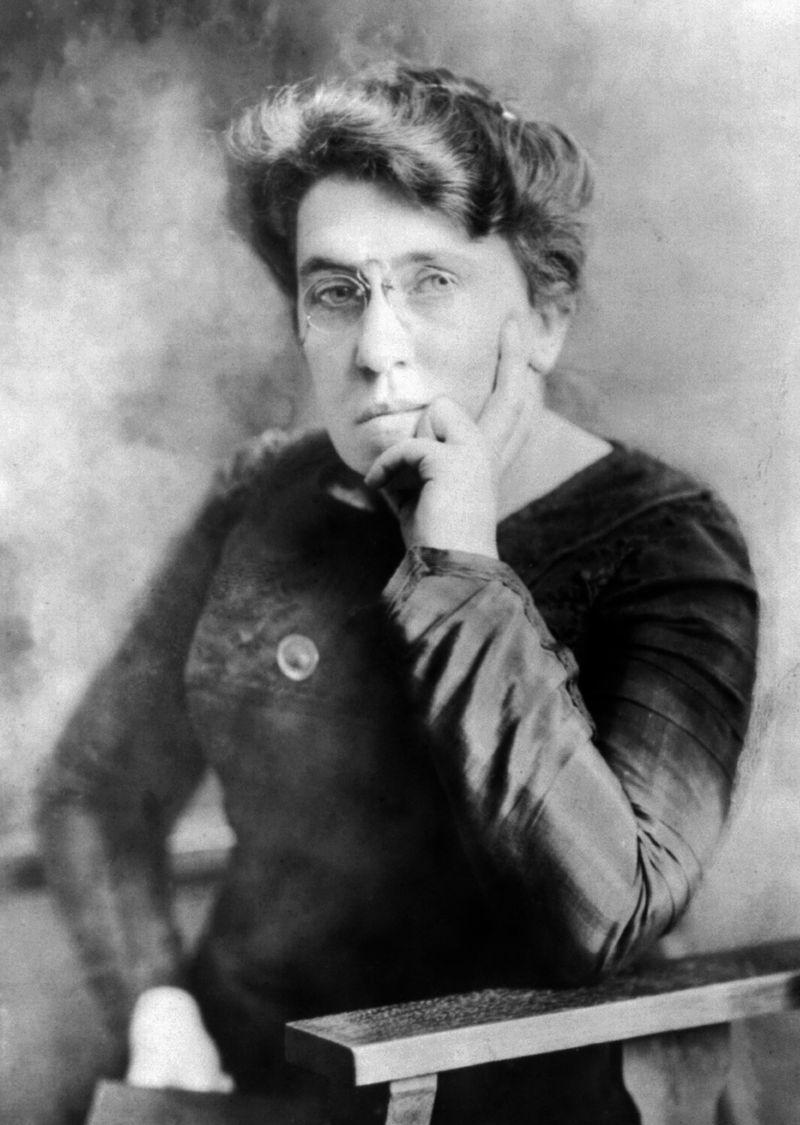
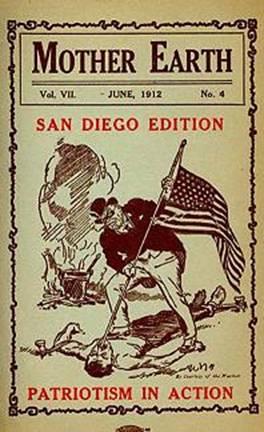
<p>"The most violent element in society is ignorance..."<br>Anarchism and Other Essays</p><p>Lithuanian-born anarchist revolutionary, political activist, and writer Emma Goldman was born <a href="/tags/otd/" rel="tag">#OTD</a> in 1869.</p><p>In 1906, she founded the anarchist journal "Mother Earth," which became a key platform for anarchist ideas and social critique. In 1919, due to her anti-war stance and anarchist activities, Goldman was deported to Russia during the Red Scare.</p><p>Emma Goldman at PG:<br><a href="https://www.gutenberg.org/ebooks/author/840" rel="nofollow" class="ellipsis" title="www.gutenberg.org/ebooks/author/840"><span class="invisible">https://</span><span class="ellipsis">www.gutenberg.org/ebooks/autho</span><span class="invisible">r/840</span></a></p><p><a href="/tags/books/" rel="tag">#books</a> <a href="/tags/literature/" rel="tag">#literature</a></p>
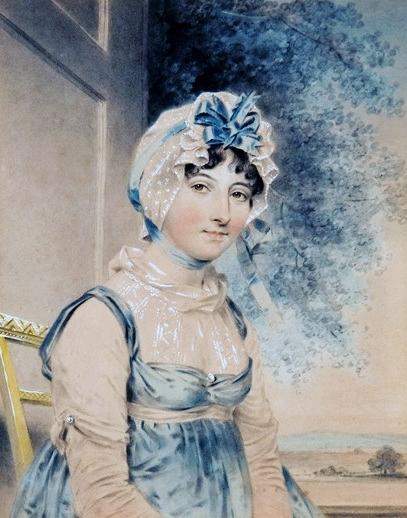
<p>7 Best-Selling 19th-Century Female Novelists Who Aren’t Jane Austen</p><p>Add these forgotten novels to your TBR pile.</p><p>By Rebecca Batley</p><p><a href="https://www.mentalfloss.com/literature/authors/bestselling-victorian-female-authors" rel="nofollow" class="ellipsis" title="www.mentalfloss.com/literature/authors/bestselling-victorian-female-authors"><span class="invisible">https://</span><span class="ellipsis">www.mentalfloss.com/literature</span><span class="invisible">/authors/bestselling-victorian-female-authors</span></a></p><p>At PG:<br><a href="https://www.gutenberg.org/ebooks/author/630" rel="nofollow" class="ellipsis" title="www.gutenberg.org/ebooks/author/630"><span class="invisible">https://</span><span class="ellipsis">www.gutenberg.org/ebooks/autho</span><span class="invisible">r/630</span></a><br><a href="https://www.gutenberg.org/ebooks/author/2824" rel="nofollow" class="ellipsis" title="www.gutenberg.org/ebooks/author/2824"><span class="invisible">https://</span><span class="ellipsis">www.gutenberg.org/ebooks/autho</span><span class="invisible">r/2824</span></a><br><a href="https://www.gutenberg.org/ebooks/author/1177" rel="nofollow" class="ellipsis" title="www.gutenberg.org/ebooks/author/1177"><span class="invisible">https://</span><span class="ellipsis">www.gutenberg.org/ebooks/autho</span><span class="invisible">r/1177</span></a><br><a href="https://www.gutenberg.org/ebooks/author/939" rel="nofollow" class="ellipsis" title="www.gutenberg.org/ebooks/author/939"><span class="invisible">https://</span><span class="ellipsis">www.gutenberg.org/ebooks/autho</span><span class="invisible">r/939</span></a><br><a href="https://www.gutenberg.org/ebooks/author/52296" rel="nofollow" class="ellipsis" title="www.gutenberg.org/ebooks/author/52296"><span class="invisible">https://</span><span class="ellipsis">www.gutenberg.org/ebooks/autho</span><span class="invisible">r/52296</span></a><br><a href="https://www.gutenberg.org/ebooks/author/2957" rel="nofollow" class="ellipsis" title="www.gutenberg.org/ebooks/author/2957"><span class="invisible">https://</span><span class="ellipsis">www.gutenberg.org/ebooks/autho</span><span class="invisible">r/2957</span></a><br><a href="https://www.gutenberg.org/ebooks/author/1147" rel="nofollow" class="ellipsis" title="www.gutenberg.org/ebooks/author/1147"><span class="invisible">https://</span><span class="ellipsis">www.gutenberg.org/ebooks/autho</span><span class="invisible">r/1147</span></a></p><p><a href="/tags/books/" rel="tag">#books</a> <a href="/tags/literature/" rel="tag">#literature</a></p>
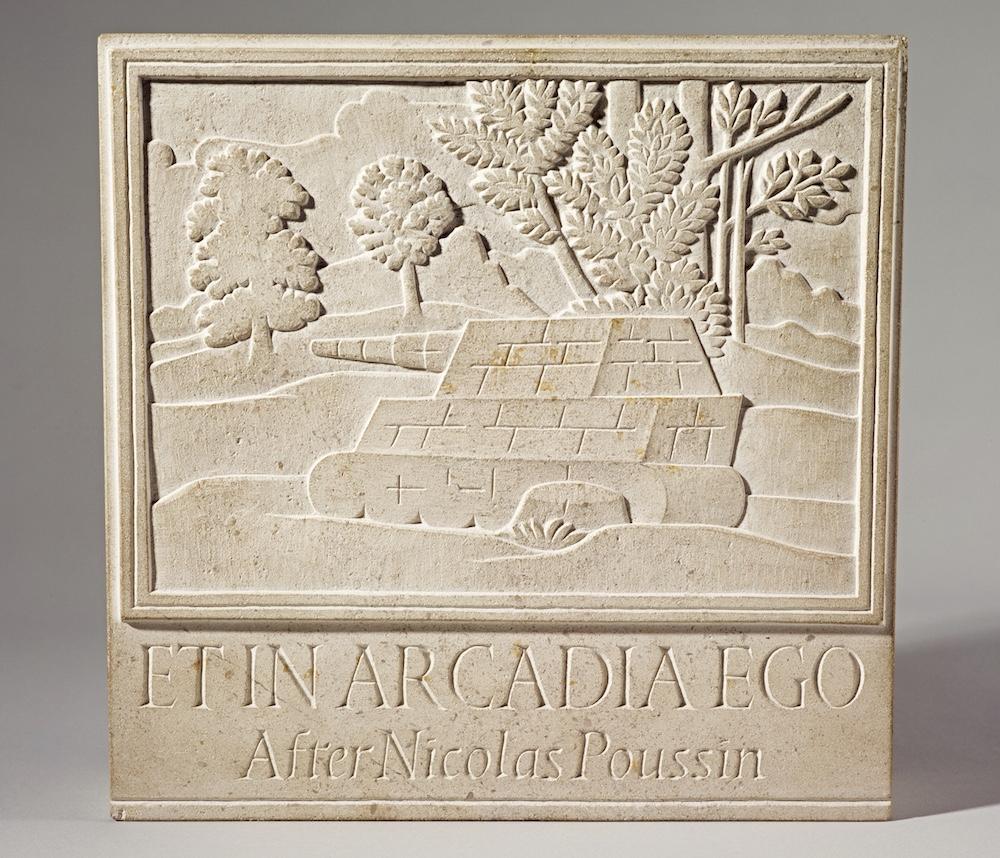
<p>Poet, writer, artist, & avant-gardener Ian Hamilton Finlay (1925–2006) was born 100 years ago <a href="/tags/otd/" rel="tag">#OTD</a>, 28 Oct, in Nassau, Bahamas – a fact which he would later describe as “ridiculous, not in character at all”. His father was a bootlegger, smuggling rum to the USA, & Finlay was sent, aged 6, to Larchfield, a boarding school in Helensburgh, Scotland, where WH Auden had recently joined the staff </p><p>A 🎂🧵</p><p>1/9</p><p><a href="/tags/scottish/" rel="tag">#Scottish</a> <a href="/tags/literature/" rel="tag">#literature</a> <a href="/tags/poetry/" rel="tag">#poetry</a> <a href="/tags/visualart/" rel="tag">#visualart</a> <a href="/tags/gardening/" rel="tag">#gardening</a> <a href="/tags/sculpture/" rel="tag">#sculpture</a> <a href="/tags/ianhamiltonfinlay/" rel="tag">#IanHamiltonFinlay</a></p>
<p>Jessie Kesson (1916–1994) was born <a href="/tags/otd/" rel="tag">#OTD</a>, 28 Oct. Taken from her mother at 10, she spent 6 years in an orphanage; although she displayed obvious academic talent she was denied any chance of further education & was sent into domestic servitude aged 16. </p><p>Despite these & other hardships she became a highly regarded novelist whose works explore ordinary women’s lives with clarity & poetic prose</p><p>A 🎂🧵</p><p>1/5</p><p><a href="https://www.nationalgalleries.org/art-and-artists/9964/jessie-kesson-novelist" rel="nofollow" class="ellipsis" title="www.nationalgalleries.org/art-and-artists/9964/jessie-kesson-novelist"><span class="invisible">https://</span><span class="ellipsis">www.nationalgalleries.org/art-</span><span class="invisible">and-artists/9964/jessie-kesson-novelist</span></a></p><p><a href="/tags/scottish/" rel="tag">#Scottish</a> <a href="/tags/literature/" rel="tag">#literature</a> <a href="/tags/20thcentury/" rel="tag">#20thcentury</a> <a href="/tags/womenwriters/" rel="tag">#womenwriters</a> <a href="/tags/workingclass/" rel="tag">#workingclass</a></p>
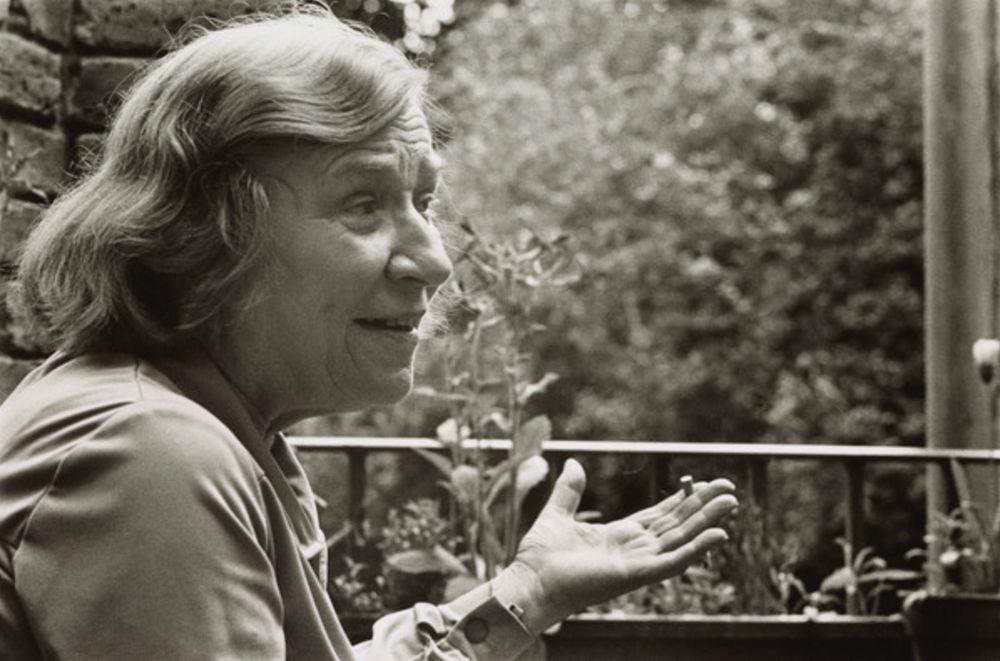
<p>But gin the auld fowks’ tales are richt<br>An’ ghaists come hame on Hallow nicht,<br>O freend o’ freends! what wad I gie<br>To feel ye rax yer hand to me<br>Atween the dark an’ caun’le-licht?</p><p>—Violet Jacob, “Hallowe’en”<br>first published in COUNTRY LIFE, 1920</p><p>Jacob’s only son, Harry, was killed at the Somme in 1916</p><p><a href="/tags/scottish/" rel="tag">#Scottish</a> <a href="/tags/literature/" rel="tag">#literature</a> <a href="/tags/poem/" rel="tag">#poem</a> <a href="/tags/poetry/" rel="tag">#poetry</a> <a href="/tags/halloween/" rel="tag">#Halloween</a> <a href="/tags/warpoem/" rel="tag">#warpoem</a> <a href="/tags/warpoetry/" rel="tag">#warpoetry</a> <a href="/tags/ww1/" rel="tag">#WW1</a></p>
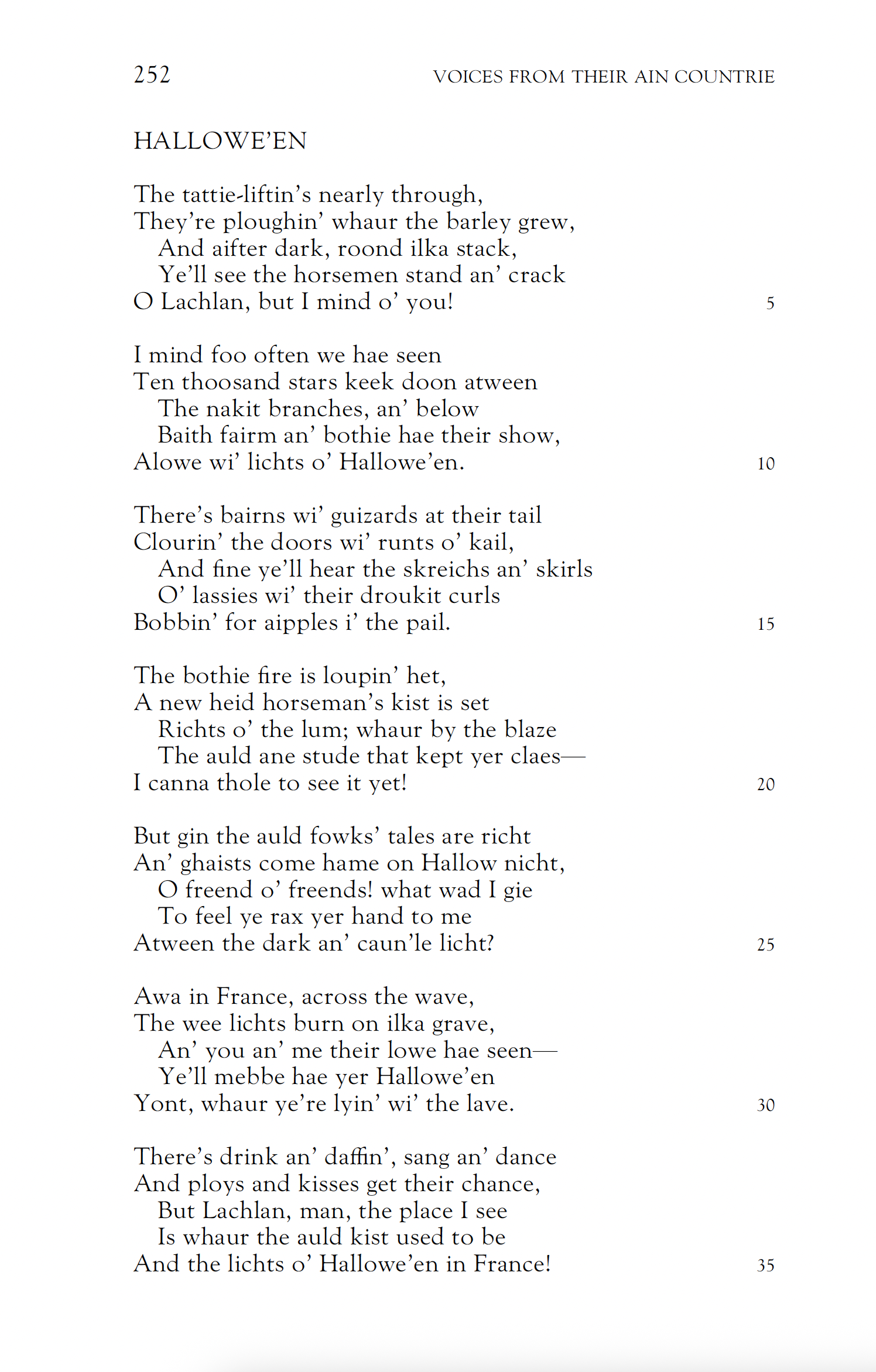
<p>American author, humorist, editor & columnist Irvin S. Cobb was born <a href="/tags/otd/" rel="tag">#OTD</a> in 1876.</p><p>At the age of 17, Cobb began working for the Paducah Daily News, where he quickly made a name for himself with his keen observations & humorous writing style. In 1904, he moved to New York City and joined the staff of the New York Evening Sun. His work as a journalist & columnist gained him national recognition. He was one of the most widely read humorists of his time.</p><p><a href="https://www.gutenberg.org/ebooks/author/559" rel="nofollow" class="ellipsis" title="www.gutenberg.org/ebooks/author/559"><span class="invisible">https://</span><span class="ellipsis">www.gutenberg.org/ebooks/autho</span><span class="invisible">r/559</span></a></p><p><a href="/tags/books/" rel="tag">#books</a> <a href="/tags/literature/" rel="tag">#literature</a></p>
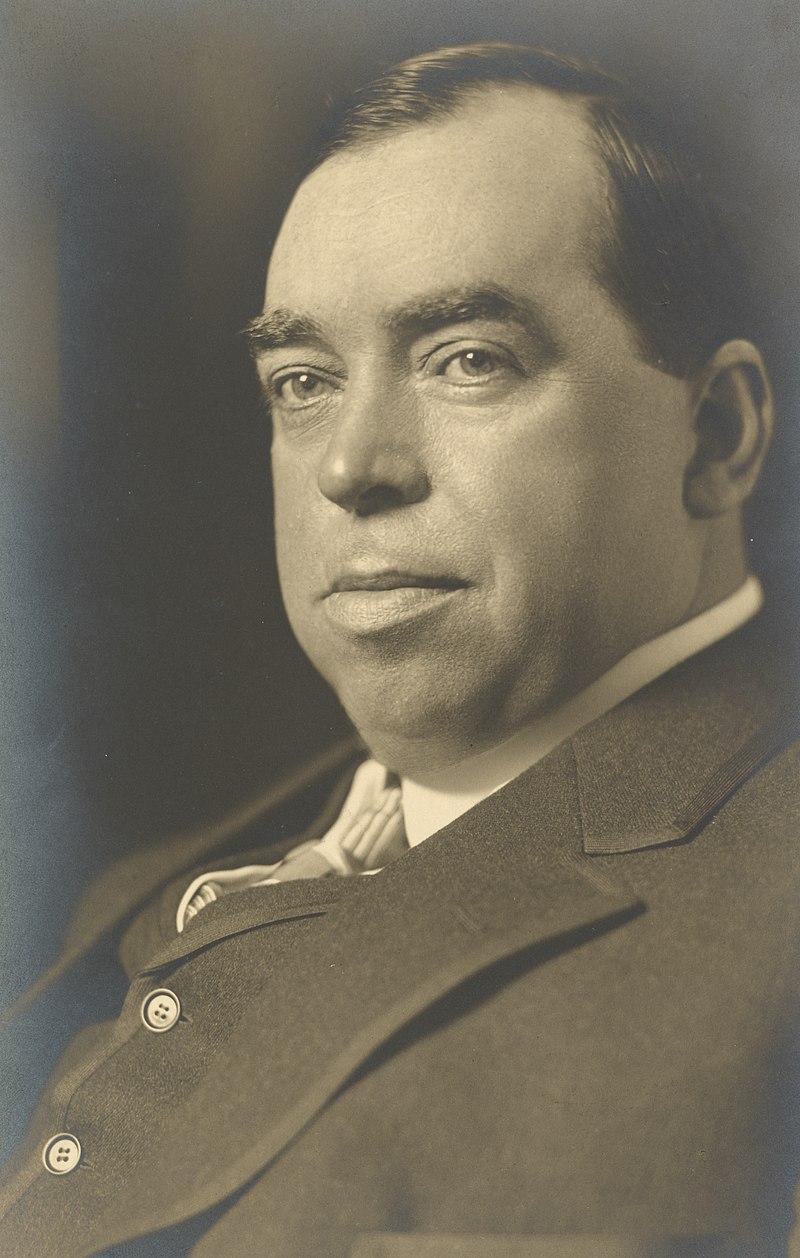
<p>“Despite its premise of the distillation of evil through shapeshifting, the anchoring concerns of this gothic tale are profoundly & universally human”</p><p>Robert Louis Stevenson’s STRANGE CASE OF DR JEKYLL & MR HYDE was first published <a href="/tags/otd/" rel="tag">#OTD</a>, 5 Jan, 1886</p><p>🧵 1/8</p><p><a href="https://theconversation.com/jekyll-and-hyde-a-tale-of-doubles-disguises-and-our-warring-desires-187173" rel="nofollow" class="ellipsis" title="theconversation.com/jekyll-and-hyde-a-tale-of-doubles-disguises-and-our-warring-desires-187173"><span class="invisible">https://</span><span class="ellipsis">theconversation.com/jekyll-and</span><span class="invisible">-hyde-a-tale-of-doubles-disguises-and-our-warring-desires-187173</span></a></p><p><a href="/tags/scottish/" rel="tag">#Scottish</a> <a href="/tags/literature/" rel="tag">#literature</a> <a href="/tags/19thcentury/" rel="tag">#19thcentury</a> <a href="/tags/victorian/" rel="tag">#Victorian</a> <a href="/tags/robertlouisstevenson/" rel="tag">#RobertLouisStevenson</a> <a href="/tags/jekyllandhyde/" rel="tag">#JekyllandHyde</a> <a href="/tags/horror/" rel="tag">#horror</a> <a href="/tags/gothic/" rel="tag">#gothic</a></p>
<p>The Grey Paw (Spòg liath)</p><p>In the big church of Beauly (Eaglais mhor na manachain, i.e. of the Monastery) mysterious and unearthly sights and sounds were seen and heard at night, and none who went to watch the churchyard or burial-places within the church ever came back alive…</p><p>—from Witchcraft & Second Sight in the Highlands & Islands of Scotland (Glasgow, 1902), via <span class="h-card"><a href="https://mastodon.social/@gutenberg_org" class="u-url mention" rel="nofollow noopener noreferrer" target="_blank">@<span>gutenberg_org</span></a></span> </p><p><a href="https://www.gutenberg.org/cache/epub/58894/pg58894-images.html#Page_194" rel="nofollow" class="ellipsis" title="www.gutenberg.org/cache/epub/58894/pg58894-images.html#Page_194"><span class="invisible">https://</span><span class="ellipsis">www.gutenberg.org/cache/epub/5</span><span class="invisible">8894/pg58894-images.html#Page_194</span></a></p><p><a href="/tags/scottish/" rel="tag">#Scottish</a> <a href="/tags/literature/" rel="tag">#literature</a> <a href="/tags/gaelic/" rel="tag">#Gaelic</a> <a href="/tags/gaidhlig/" rel="tag">#Gaidhlig</a> <a href="/tags/folklore/" rel="tag">#folklore</a> <a href="/tags/folktale/" rel="tag">#folktale</a> <a href="/tags/supernatural/" rel="tag">#supernatural</a> <a href="/tags/halloween/" rel="tag">#Halloween</a></p>
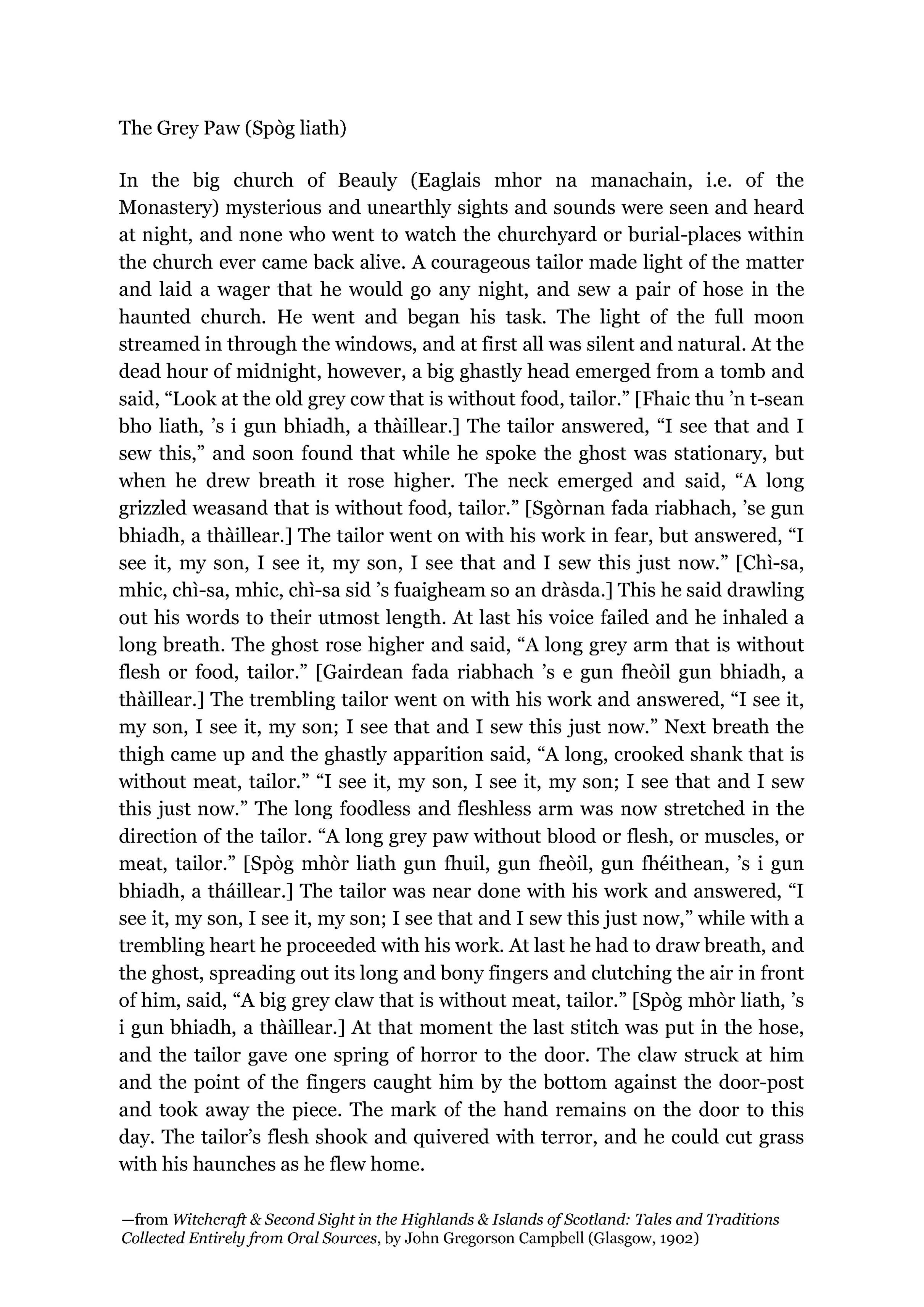
<p>Swedish author and illustrator Elsa Beskow died <a href="/tags/otd/" rel="tag">#OTD</a> in 1953.</p><p>Beskow's first book, "Sagan om den lilla, lilla gumman", was published in 1897. It was followed by "Tomtebobarnen" (1910), "Pelles nya kläder" (1912) and "Tant Grön, tant Brun och tant Gredelin" (1918). In her honor, the Elsa Beskow Award was established in 1958 by the Swedish Library Association. This award is given annually to the best Swedish picture book illustrator.</p><p><a href="https://en.wikipedia.org/wiki/Elsa_Beskow" rel="nofollow" class="ellipsis" title="en.wikipedia.org/wiki/Elsa_Beskow"><span class="invisible">https://</span><span class="ellipsis">en.wikipedia.org/wiki/Elsa_Bes</span><span class="invisible">kow</span></a></p><p><a href="/tags/books/" rel="tag">#books</a> <a href="/tags/art/" rel="tag">#art</a> <a href="/tags/literature/" rel="tag">#literature</a></p>
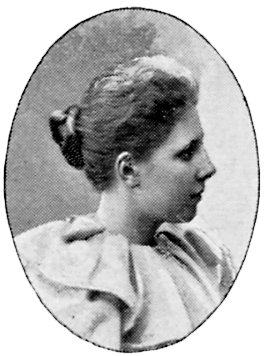
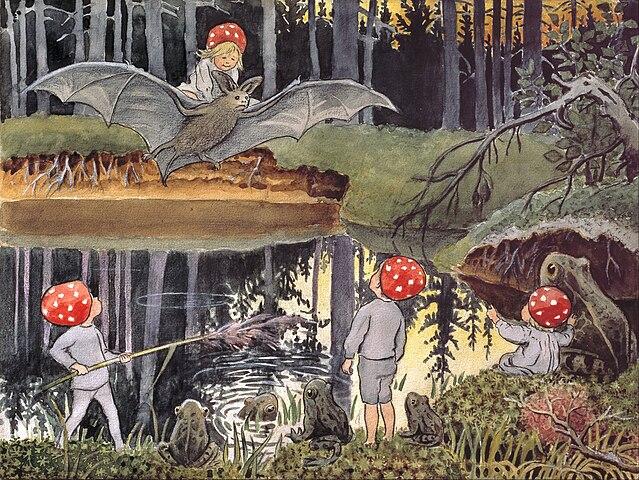
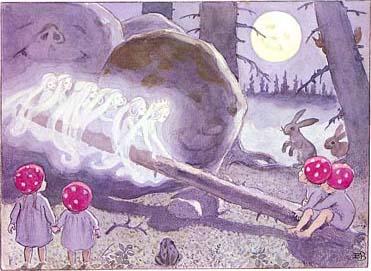
Edited 1y ago
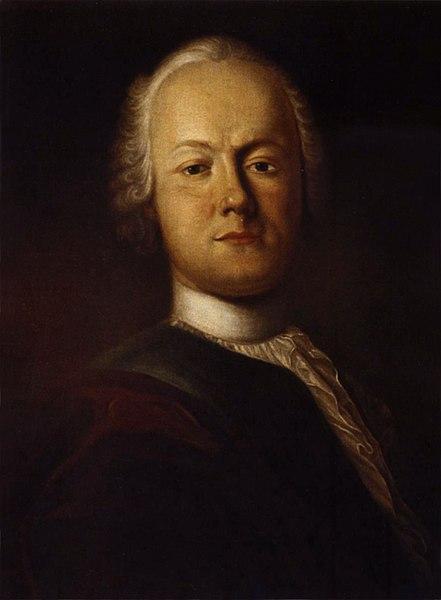
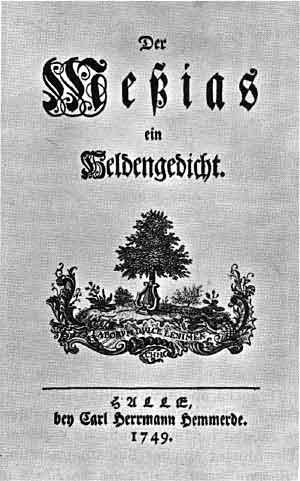
<p>German poet Friedrich Gottlieb Klopstock was born <a href="/tags/otd/" rel="tag">#OTD</a> in 1724.</p><p>He is best known for his epic poem "Der Messias" which was heavily influenced by John Milton's "Paradise Lost" but distinguished itself with its intense emotionality and religious fervor. Klopstock also wrote numerous odes and lyric poems that celebrated themes of friendship, patriotism, nature, and spirituality. Notable collections include "Odes" and "Poetische Werke".</p><p><a href="https://www.gutenberg.org/ebooks/author/6558" rel="nofollow" class="ellipsis" title="www.gutenberg.org/ebooks/author/6558"><span class="invisible">https://</span><span class="ellipsis">www.gutenberg.org/ebooks/autho</span><span class="invisible">r/6558</span></a></p><p><a href="/tags/books/" rel="tag">#books</a> <a href="/tags/literature/" rel="tag">#literature</a> <a href="/tags/poetry/" rel="tag">#poetry</a></p>