
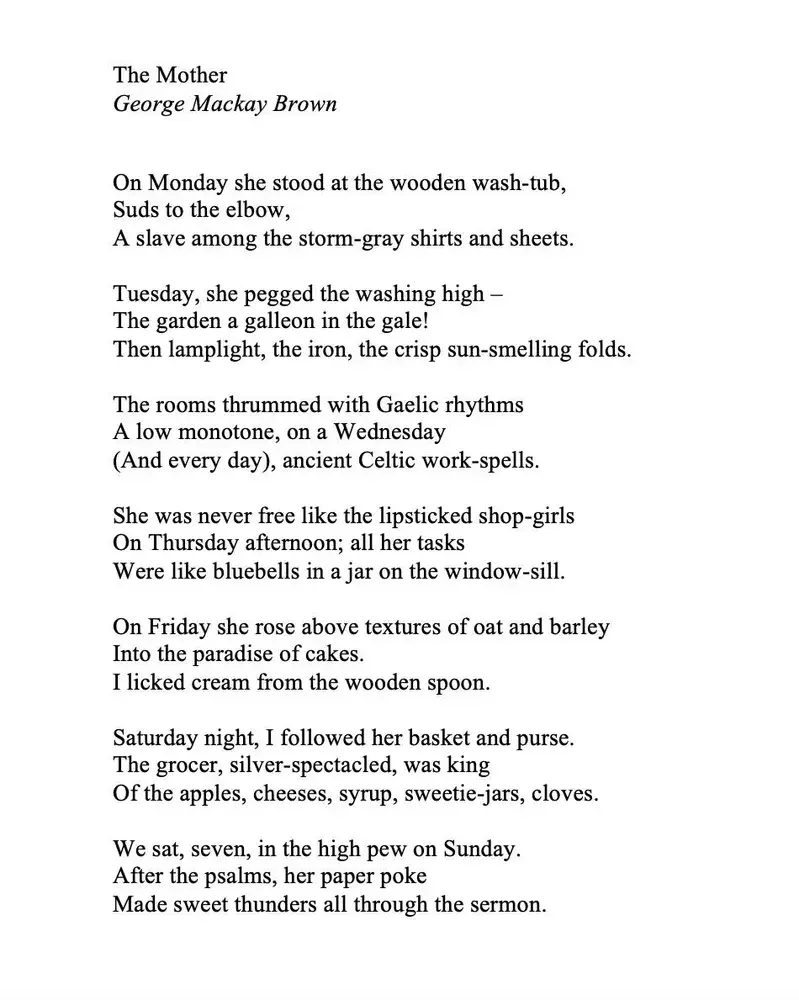
<p>On Monday she stood at the wooden wash-tub,<br>Suds to the elbow,<br>A slave among the storm-gray shirts and sheets…</p><p>—George Mackay Brown, “The Mother”<br>published in TRAVELLERS, Hachette 2014<br> <br><a href="https://www.hachette.co.uk/titles/none/travellers/9781848549487/" rel="nofollow" class="ellipsis" title="www.hachette.co.uk/titles/none/travellers/9781848549487/"><span class="invisible">https://</span><span class="ellipsis">www.hachette.co.uk/titles/none</span><span class="invisible">/travellers/9781848549487/</span></a></p><p><a href="/tags/scottish/" rel="tag">#Scottish</a> <a href="/tags/literature/" rel="tag">#literature</a> <a href="/tags/poem/" rel="tag">#poem</a> <a href="/tags/poetry/" rel="tag">#poetry</a> <a href="/tags/mothersday/" rel="tag">#MothersDay</a> <a href="/tags/orkney/" rel="tag">#Orkney</a></p>
literature
<p>CFP: “Our three-voiced country”: 20th-century cross-currents in Gaelic & other Scottish writing<br>26–28 Jun 2026, Sabhal Mòr Ostaig, Skye</p><p>Proposals for papers are invited exploring literary interactions between Gaelic, Scots & English in poetry, drama, the novel, song, media, & education in the 20th century – deadline 2 Feb</p><p>@litstudies </p><p><a href="https://www.smo.uhi.ac.uk/co-labhairt-bhliadhnail-asl-2026/?lang=en" rel="nofollow" class="ellipsis" title="www.smo.uhi.ac.uk/co-labhairt-bhliadhnail-asl-2026/?lang=en"><span class="invisible">https://</span><span class="ellipsis">www.smo.uhi.ac.uk/co-labhairt-</span><span class="invisible">bhliadhnail-asl-2026/?lang=en</span></a></p><p><a href="/tags/scottish/" rel="tag">#Scottish</a> <a href="/tags/literature/" rel="tag">#literature</a> <a href="/tags/gaelic/" rel="tag">#Gaelic</a> <a href="/tags/gaidhlig/" rel="tag">#Gaidhlig</a> <a href="/tags/scots/" rel="tag">#Scots</a> <a href="/tags/scottishlanguage/" rel="tag">#ScottishLanguage</a> <a href="/tags/drama/" rel="tag">#drama</a> <a href="/tags/novel/" rel="tag">#novel</a> <a href="/tags/poetry/" rel="tag">#poetry</a> <a href="/tags/song/" rel="tag">#song</a> <a href="/tags/tv/" rel="tag">#tv</a> <a href="/tags/film/" rel="tag">#film</a> <a href="/tags/education/" rel="tag">#education</a> <a href="/tags/media/" rel="tag">#media</a> <a href="/tags/mediastudies/" rel="tag">#mediastudies</a></p>

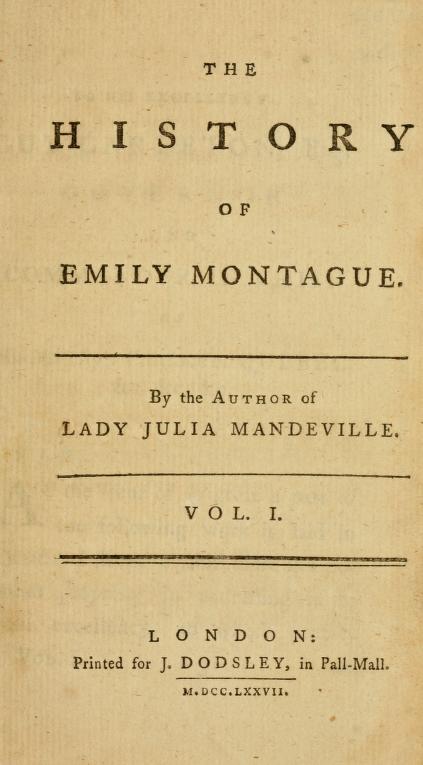
<p>The First Canadian Novel</p><p>Often considered the first Canadian novel, The History of Emily Montague revealed its author’s true feelings about colonial Quebec.</p><p>By: Emily Zarevich </p><p><a href="https://daily.jstor.org/the-first-canadian-novel/?utm_source=mcae&utm_medium=email&utm_campaign=jstordaily-10232025" rel="nofollow" class="ellipsis" title="daily.jstor.org/the-first-canadian-novel/?utm_source=mcae&utm_medium=email&utm_campaign=jstordaily-10232025"><span class="invisible">https://</span><span class="ellipsis">daily.jstor.org/the-first-cana</span><span class="invisible">dian-novel/?utm_source=mcae&utm_medium=email&utm_campaign=jstordaily-10232025</span></a></p><p>Frances Brooke at PG:<br><a href="https://www.gutenberg.org/ebooks/author/6606" rel="nofollow" class="ellipsis" title="www.gutenberg.org/ebooks/author/6606"><span class="invisible">https://</span><span class="ellipsis">www.gutenberg.org/ebooks/autho</span><span class="invisible">r/6606</span></a></p><p><a href="/tags/books/" rel="tag">#books</a> <a href="/tags/literature/" rel="tag">#literature</a></p>
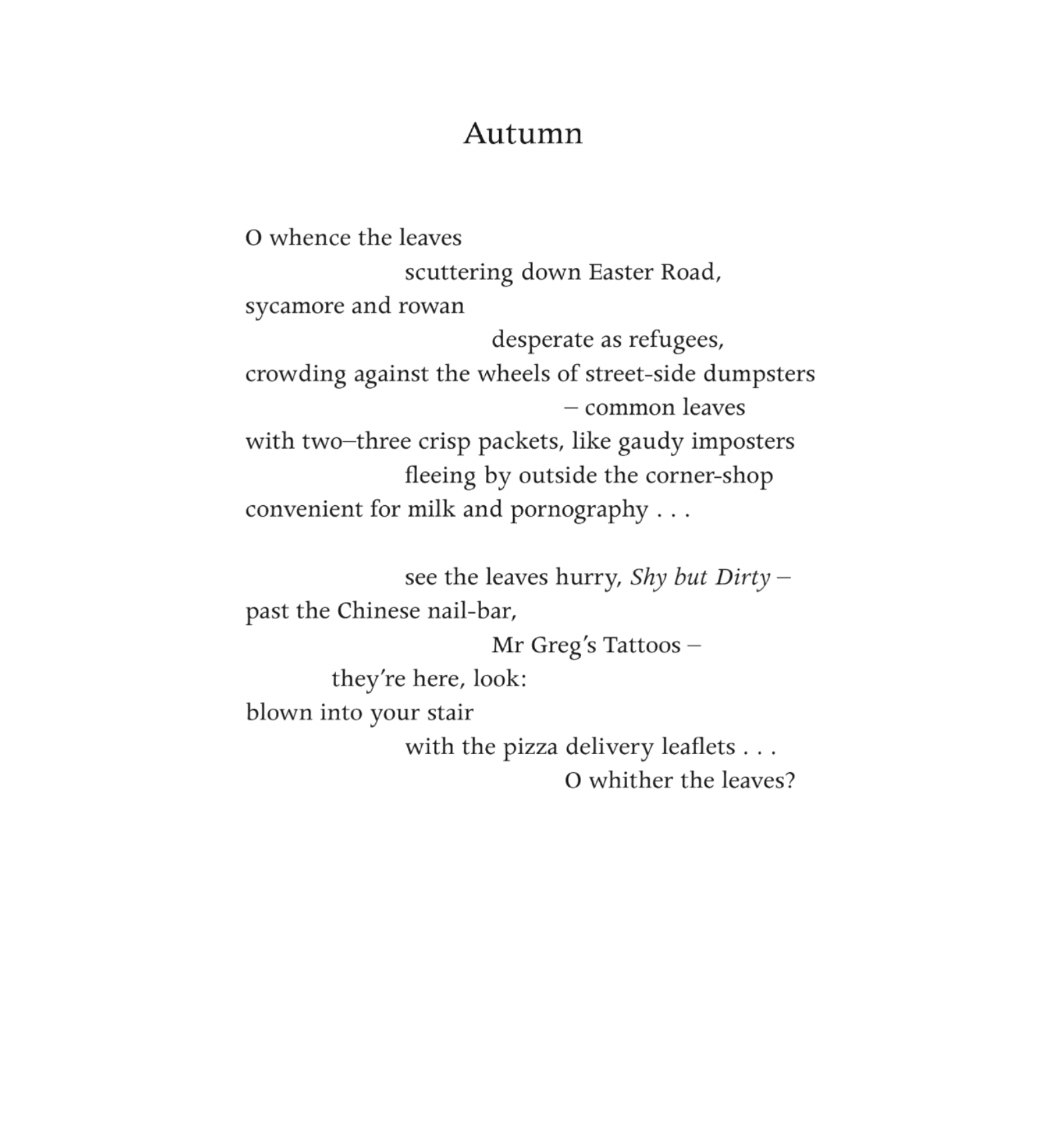
<p>O whence the leaves<br>scuttering down Easter Road,<br>sycamore and rowan<br>desperate as refugees,<br>crowding against the wheels of street-side dumpsters<br>– common leaves<br>with two-three crisp packets, like gaudy imposters<br>fleeing by outside the corner-shop<br>convenient for milk and pornography…</p><p>—Kathleen Jamie, “Autumn”<br>published in THE BONNIEST COMPANIE (Picador, 2015)</p><p><a href="https://www.panmacmillan.com/authors/kathleen-jamie/the-bonniest-companie/9781509801718" rel="nofollow" class="ellipsis" title="www.panmacmillan.com/authors/kathleen-jamie/the-bonniest-companie/9781509801718"><span class="invisible">https://</span><span class="ellipsis">www.panmacmillan.com/authors/k</span><span class="invisible">athleen-jamie/the-bonniest-companie/9781509801718</span></a></p><p><a href="/tags/scottish/" rel="tag">#Scottish</a> <a href="/tags/literature/" rel="tag">#literature</a> <a href="/tags/poem/" rel="tag">#poem</a> <a href="/tags/poetry/" rel="tag">#poetry</a> <a href="/tags/autumn/" rel="tag">#autumn</a> <a href="/tags/edinburgh/" rel="tag">#Edinburgh</a></p>
<p>Short Works: The Cottage</p><p>Labouring for your dad in the summer holidays is grim enough without factoring in a ruined cottage where normal rules don't apply …</p><p>Currently on BBC Sounds – a new short work from award-winning writer Callum McSorley</p><p><a href="https://www.bbc.co.uk/programmes/m002ks5w" rel="nofollow" class="ellipsis" title="www.bbc.co.uk/programmes/m002ks5w"><span class="invisible">https://</span><span class="ellipsis">www.bbc.co.uk/programmes/m002k</span><span class="invisible">s5w</span></a></p><p><a href="/tags/scottish/" rel="tag">#Scottish</a> <a href="/tags/literature/" rel="tag">#literature</a> <a href="/tags/audio/" rel="tag">#audio</a> <a href="/tags/audiobooks/" rel="tag">#audiobooks</a></p>
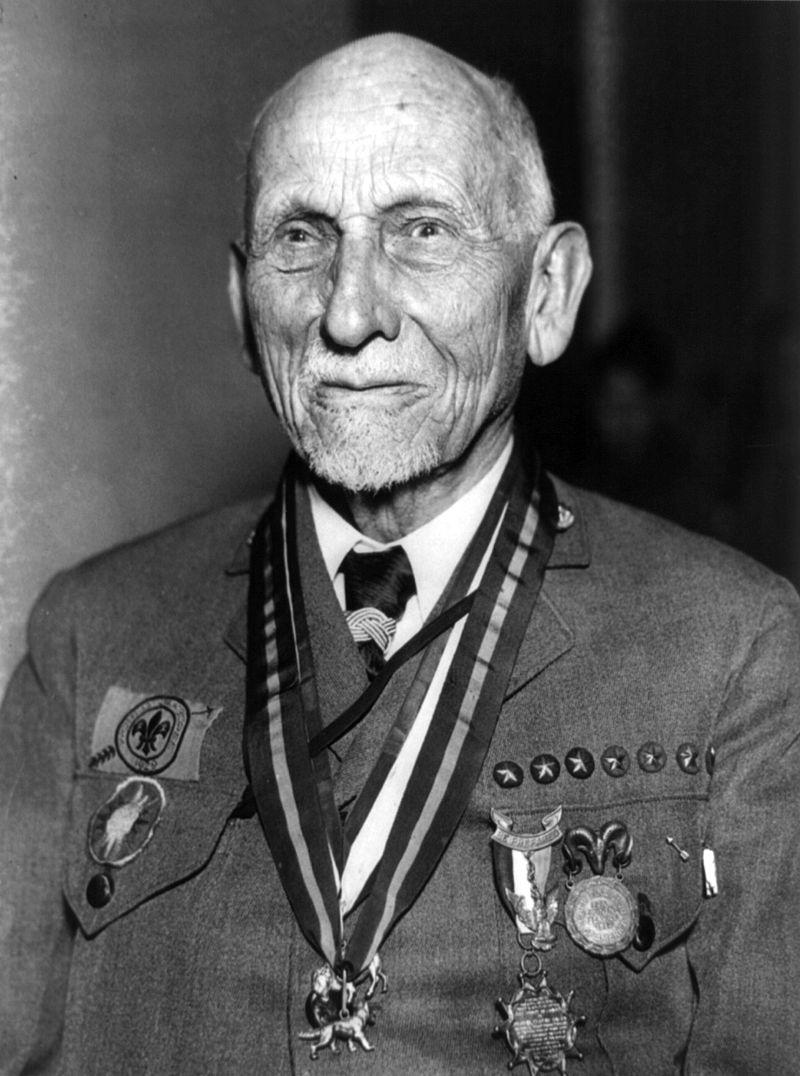
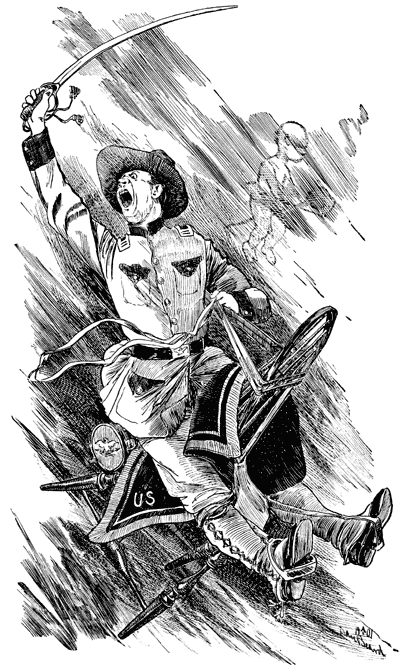
<p>American illustrator, author, youth leader Daniel Carter Beard died <a href="/tags/otd/" rel="tag">#OTD</a> in 1941.</p><p>In 1905, Beard founded an organization called "The Sons of Daniel Boone," which aimed to teach boys outdoor skills, woodcraft, and self-reliance. This organization was one of the first to emphasize the importance of outdoor education and adventure for youth. The Sons of Daniel Boone was later merged with the Boy Scouts of America.</p><p>Books by Daniel Carter Beard at PG:<br><a href="https://www.gutenberg.org/ebooks/author/8612" rel="nofollow" class="ellipsis" title="www.gutenberg.org/ebooks/author/8612"><span class="invisible">https://</span><span class="ellipsis">www.gutenberg.org/ebooks/autho</span><span class="invisible">r/8612</span></a></p><p><a href="/tags/books/" rel="tag">#books</a> <a href="/tags/literature/" rel="tag">#literature</a></p>
![Beard's frontispiece for Twain's A Connecticut Yankee in King Arthur's Court.
Daniel Carter Beard - Library of Congress[1]
"Knight in armor tilting at man in modern dress in tree onto which a man in modern dress has climbed for refuge", "Published as frontispiece in: A Connecticut Yankee in King Arthur's Court / Samuel Clemens. New York : Charles L. Webster & Co., 1889. ", "1 drawing : pen and ink over graphite underdrawing ; sheet 36 x 57.1 cm."](/proxy/post_attachment/250779/0a6872f0d1.jpg "Beard's frontispiece for Twain's A Connecticut Yankee in King Arthur's Court.
Daniel Carter Beard - Library of Congress[1]
\"Knight in armor tilting at man in modern dress in tree onto which a man in modern dress has climbed for refuge\", \"Published as frontispiece in: A Connecticut Yankee in King Arthur's Court / Samuel Clemens. New York : Charles L. Webster & Co., 1889. \", \"1 drawing : pen and ink over graphite underdrawing ; sheet 36 x 57.1 cm.\"")
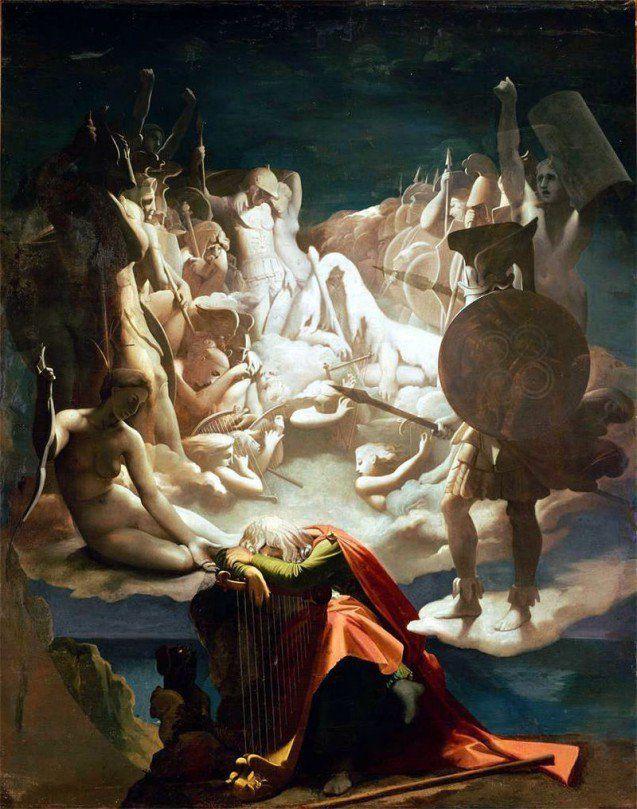
<p>James Macpherson (1736–1796), of “Ossian” fame, was born <a href="/tags/otd/" rel="tag">#OTD</a>, 27 Oct. The “Ossian” poems were the literary sensation of the 18th century; they inspired the Brothers Grimm to collect German folktales, & Elias Lönnrot to compile Finnish poems into the Kalevala. They are the founding texts of European Romanticism & of modern fantasy literature </p><p>A 🎂🧵 </p><p>@litstudies <br>1/9<br>🖼️: Ingres, Le Songe d’Ossian</p><p><a href="/tags/scottish/" rel="tag">#Scottish</a> <a href="/tags/literature/" rel="tag">#literature</a> <a href="/tags/18thcentury/" rel="tag">#18thcentury</a> <a href="/tags/romanticism/" rel="tag">#romanticism</a> <a href="/tags/fantasy/" rel="tag">#fantasy</a> <a href="/tags/ossian/" rel="tag">#Ossian</a> <a href="/tags/jamesmacpherson/" rel="tag">#JamesMacpherson</a> <a href="/tags/gaelic/" rel="tag">#Gaelic</a> <a href="/tags/gaidhlig/" rel="tag">#Gaidhlig</a></p>
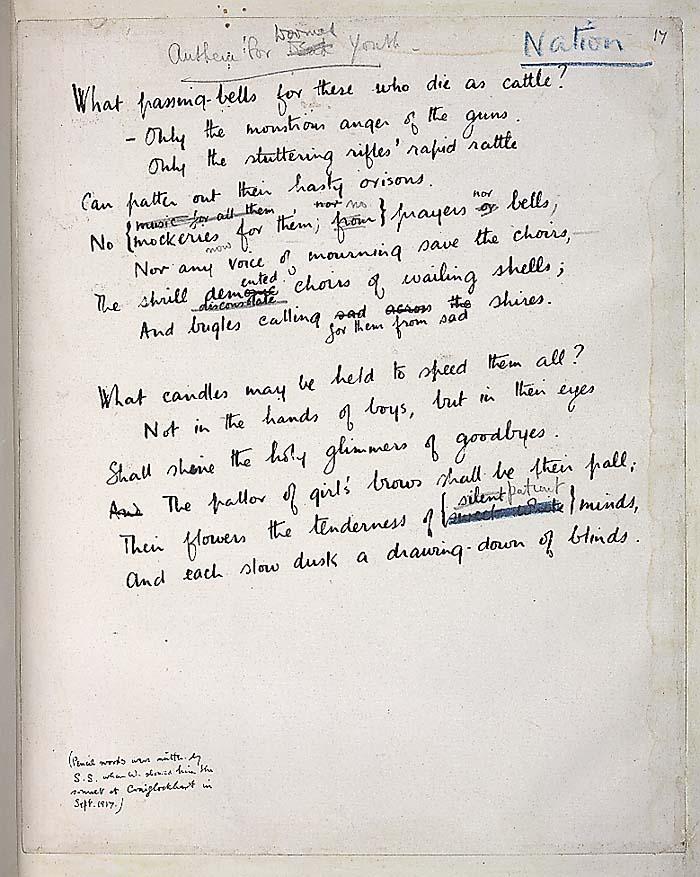
<p>In July 1917</p><p>Siegfried Sassoon issues a "Soldier's Declaration" against prolonging World War I. He is sent by the military (with assistance from Robert Graves) to Edinburgh's Craiglockhart War Hospital, where Wilfred Owen introduces himself on August 18. At Sassoon's urging, Owen writes his two great war poems, "Anthem for Doomed Youth" and "Dulce et Decorum est", although like almost all his poetry they remain unpublished until after his death in action next year. </p><p><a href="/tags/books/" rel="tag">#books</a> <a href="/tags/literature/" rel="tag">#literature</a></p>
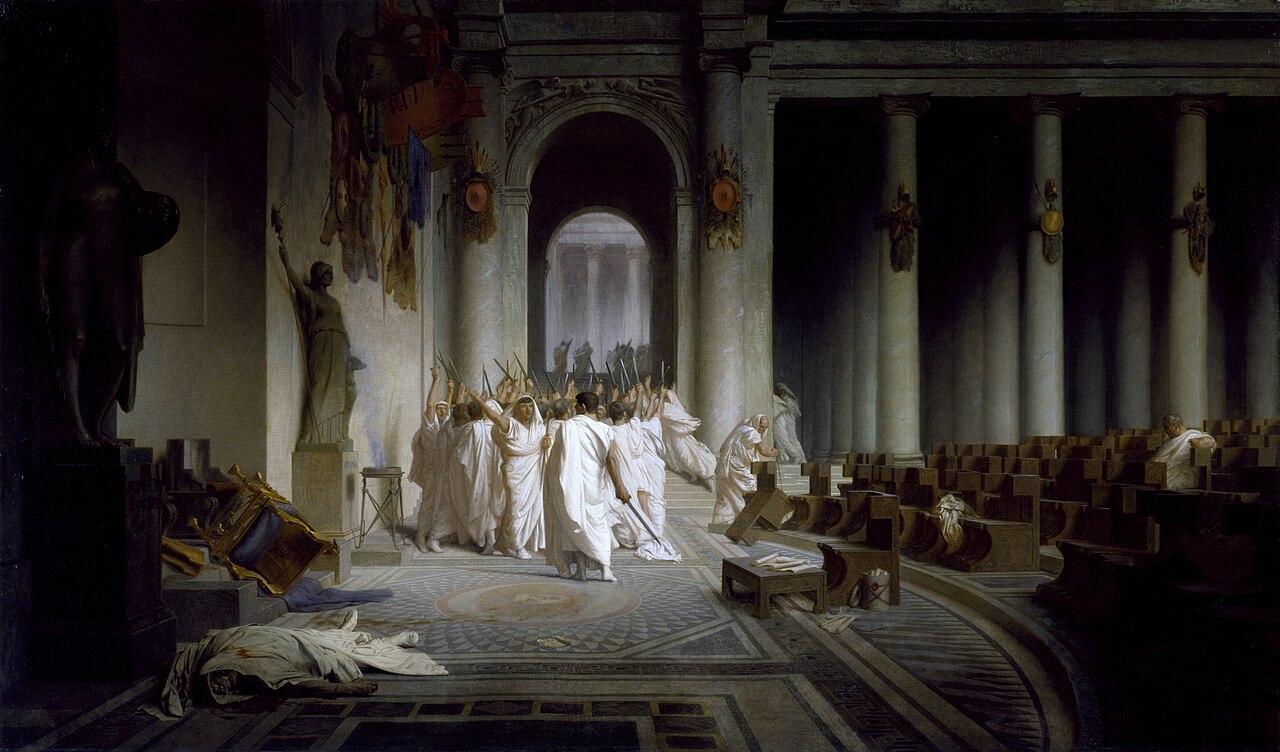
<p>The Lessons of Due Process in Julius Caesar</p><p>Shakespeare’s tragedy offers a telling parable about the administration of justice—and rife mishandling thereof—in our day.</p><p>By: Philip Goldfarb Styrt </p><p><a href="https://daily.jstor.org/the-lessons-of-due-process-in-julius-caesar/?utm_source=Klaviyo&utm_medium=campaign&utm_id=01K87ETKMS0EZD48BZ10CE3FVQ&_kx=3MZUehzXM-41qlWAMPUiuNZadX2p0SByuNf_t0eMLB0.U5D8ER" rel="nofollow" class="ellipsis" title="daily.jstor.org/the-lessons-of-due-process-in-julius-caesar/?utm_source=Klaviyo&utm_medium=campaign&utm_id=01K87ETKMS0EZD48BZ10CE3FVQ&_kx=3MZUehzXM-41qlWAMPUiuNZadX2p0SByuNf_t0eMLB0.U5D8ER"><span class="invisible">https://</span><span class="ellipsis">daily.jstor.org/the-lessons-of</span><span class="invisible">-due-process-in-julius-caesar/?utm_source=Klaviyo&utm_medium=campaign&utm_id=01K87ETKMS0EZD48BZ10CE3FVQ&_kx=3MZUehzXM-41qlWAMPUiuNZadX2p0SByuNf_t0eMLB0.U5D8ER</span></a></p><p>Julius Caesar at PG:<br><a href="https://www.gutenberg.org/ebooks/1522" rel="nofollow"><span class="invisible">https://</span>www.gutenberg.org/ebooks/1522</a></p><p><a href="/tags/books/" rel="tag">#books</a> <a href="/tags/literature/" rel="tag">#literature</a></p>
<p>“[Milne’s] cryogenics story, ‘Ten Thousand Years in Ice’, in which a survivor from an ancient advanced civilisation is revived in the present, unintentionally became one of science fiction’s great literary hoaxes”</p><p>Robert Duncan Milne (1844–1899) was born <a href="/tags/otd/" rel="tag">#OTD</a>, 7 June, in Cupar, Fife. He emigrated to the USA & became America’s first full-time writer of <a href="/tags/sciencefiction/" rel="tag">#sciencefiction</a> </p><p><a href="/tags/scottish/" rel="tag">#Scottish</a> <a href="/tags/literature/" rel="tag">#literature</a> <a href="/tags/scifi/" rel="tag">#scifi</a> <a href="/tags/victorian/" rel="tag">#Victorian</a> <a href="/tags/19thcentury/" rel="tag">#19thcentury</a> </p><p>1/5<br><a href="https://theconversation.com/remembering-the-lost-father-of-american-science-fiction-and-his-scottish-roots-78968" rel="nofollow" class="ellipsis" title="theconversation.com/remembering-the-lost-father-of-american-science-fiction-and-his-scottish-roots-78968"><span class="invisible">https://</span><span class="ellipsis">theconversation.com/rememberin</span><span class="invisible">g-the-lost-father-of-american-science-fiction-and-his-scottish-roots-78968</span></a></p>
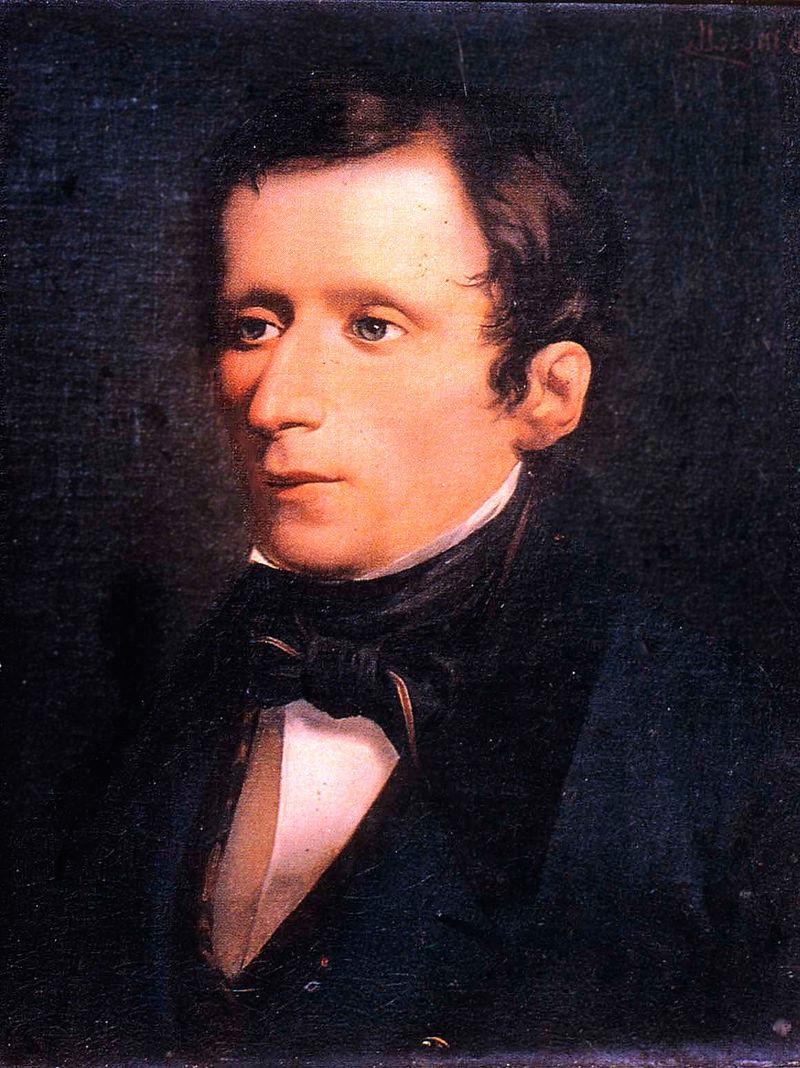
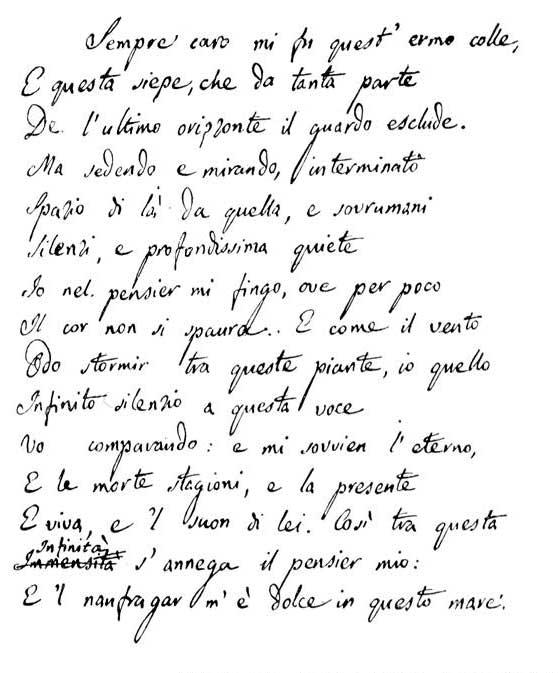
<p>Italian philosopher, poet, essayist, and philologist Giacomo Leopardi died <a href="/tags/otd/" rel="tag">#OTD</a> in 1837.</p><p>Around 1816, Leopardi experienced what he called his "literary conversion," shifting his focus from philological studies to poetry and philosophical reflection. His early lyrical poems, or "canti," began to reflect his developing philosophical ideas. In 1816 the idylls Le rimembranze and Inno a Nettuno were published.</p><p>Books by Giacomo Leopardi at PG:<br><a href="https://www.gutenberg.org/ebooks/author/8593" rel="nofollow" class="ellipsis" title="www.gutenberg.org/ebooks/author/8593"><span class="invisible">https://</span><span class="ellipsis">www.gutenberg.org/ebooks/autho</span><span class="invisible">r/8593</span></a></p><p><a href="/tags/books/" rel="tag">#books</a> <a href="/tags/literature/" rel="tag">#literature</a> <a href="/tags/poetry/" rel="tag">#poetry</a></p>
<p>‘The Garb of Old Gaul’: Romanticised Gaelic Highlanders & Intercultural Mobility<br>4 November, online – free</p><p>Prof Silke Stroh discusses the 18th-century song “The Garb of Old Gaul” – an example of the romanticisation of Highland soldiers. She traces the song’s textual history, argues that the English text might be older than is commonly assumed, & sheds new light on the Gaelic translations</p><p><a href="https://www.scotland.uni-mainz.de/reading-scotland/" rel="nofollow" class="ellipsis" title="www.scotland.uni-mainz.de/reading-scotland/"><span class="invisible">https://</span><span class="ellipsis">www.scotland.uni-mainz.de/read</span><span class="invisible">ing-scotland/</span></a></p><p><a href="/tags/scottish/" rel="tag">#Scottish</a> <a href="/tags/literature/" rel="tag">#literature</a> <a href="/tags/18thcentury/" rel="tag">#18thcentury</a> <a href="/tags/highlands/" rel="tag">#Highlands</a> <a href="/tags/romanticism/" rel="tag">#romanticism</a> <a href="/tags/gaelic/" rel="tag">#Gaelic</a> <a href="/tags/gaidhlig/" rel="tag">#Gaidhlig</a></p>

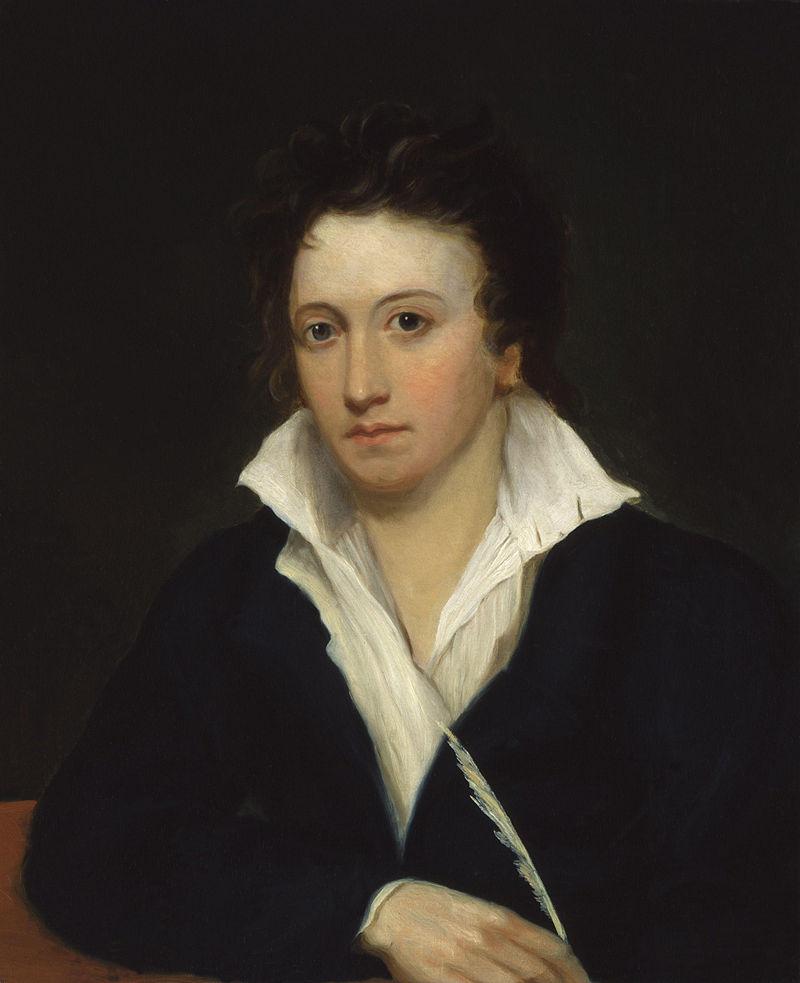
<p><a href="/tags/otd/" rel="tag">#OTD</a> in 1893.</p><p>The Shelley Memorial is inaugurated at University College, Oxford, from which the poet was expelled in 1811. It is designed by Basil Champneys, with a reclining nude marble statue of Percy Bysshe Shelley by Edward Onslow Ford. Although Shelley was expelled from the college, he remains one of its most famous alumni and is now held in high honour there.</p><p>Shelley Memorial all washed up?<br>By Josh Pull via @Cherwell </p><p><a href="https://www.cherwell.org/2005/04/22/shelley-memorial-all-washed-up/" rel="nofollow" class="ellipsis" title="www.cherwell.org/2005/04/22/shelley-memorial-all-washed-up/"><span class="invisible">https://</span><span class="ellipsis">www.cherwell.org/2005/04/22/sh</span><span class="invisible">elley-memorial-all-washed-up/</span></a></p><p><a href="/tags/books/" rel="tag">#books</a> <a href="/tags/literature/" rel="tag">#literature</a></p>
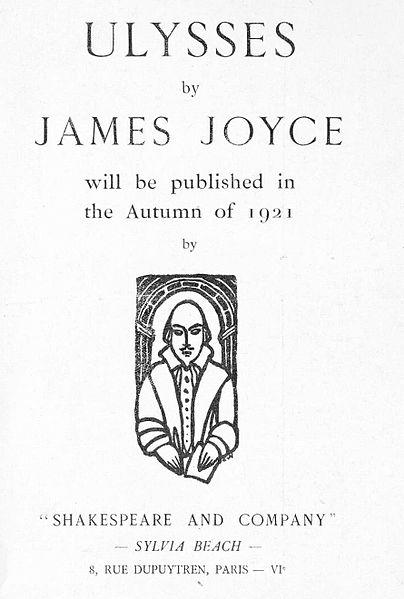
<p>"Our national epic has yet to be written."</p><p><a href="/tags/otd/" rel="tag">#OTD</a> in 1904.</p><p>Irish author James Joyce begins a relationship with Nora Barnacle and subsequently uses the date to set the actions for his novel Ulysses; this date is now traditionally called "Bloomsday" in honour of the novel's main character Leopold Bloom.</p><p>Happy Bloomsday Day!</p><p>Ulysses is available at PG:<br><a href="https://www.gutenberg.org/ebooks/4300" rel="nofollow"><span class="invisible">https://</span>www.gutenberg.org/ebooks/4300</a></p><p><a href="/tags/books/" rel="tag">#books</a> <a href="/tags/literature/" rel="tag">#literature</a></p>
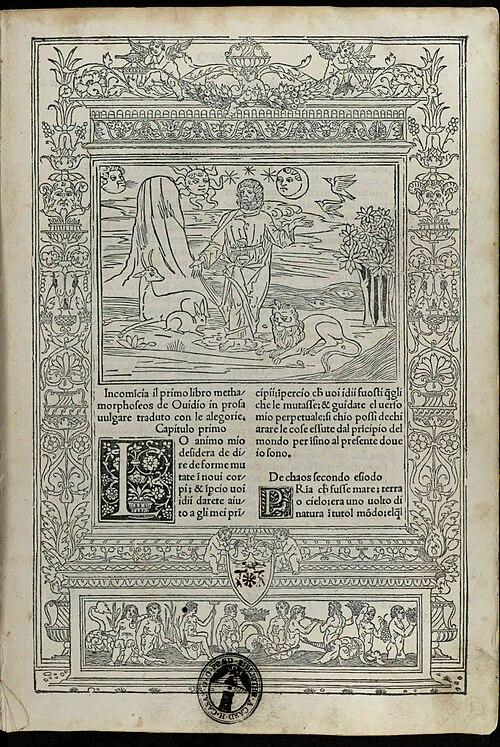
<p>Ovid’s Metamorphoses is all about mothers</p><p>Mothers don’t normally belong in Latin epics, which were meant to be devoted to warriors and warfare.</p><p>by Frances Myatt</p><p><a href="https://theconversation.com/ovids-metamorphoses-is-all-about-mothers-266383?utm_medium=email&utm_campaign=Latest%20from%20The%20Conversation%20for%20December%208%202025%20-%203610136859&utm_content=Latest%20from%20The%20Conversation%20for%20December%208%202025%20-%203610136859+CID_dd5bfffedf1c121cf798264446dd13b0&utm_source=campaign_monitor_uk&utm_term=Ovids%20Metamorphoses%20is%20all%20about%20mothers" rel="nofollow" class="ellipsis" title="theconversation.com/ovids-metamorphoses-is-all-about-mothers-266383?utm_medium=email&utm_campaign=Latest%20from%20The%20Conversation%20for%20December%208%202025%20-%203610136859&utm_content=Latest%20from%20The%20Conversation%20for%20December%208%202025%20-%203610136859+CID_dd5bfffedf1c121cf798264446dd13b0&utm_source=campaign_monitor_uk&utm_term=Ovids%20Metamorphoses%20is%20all%20about%20mothers"><span class="invisible">https://</span><span class="ellipsis">theconversation.com/ovids-meta</span><span class="invisible">morphoses-is-all-about-mothers-266383?utm_medium=email&utm_campaign=Latest%20from%20The%20Conversation%20for%20December%208%202025%20-%203610136859&utm_content=Latest%20from%20The%20Conversation%20for%20December%208%202025%20-%203610136859+CID_dd5bfffedf1c121cf798264446dd13b0&utm_source=campaign_monitor_uk&utm_term=Ovids%20Metamorphoses%20is%20all%20about%20mothers</span></a></p><p>Metamorphoses at PG:<br><a href="https://www.gutenberg.org/ebooks/21765" rel="nofollow"><span class="invisible">https://</span>www.gutenberg.org/ebooks/21765</a></p><p><a href="/tags/books/" rel="tag">#books</a> <a href="/tags/poetry/" rel="tag">#poetry</a> <a href="/tags/literature/" rel="tag">#literature</a></p>
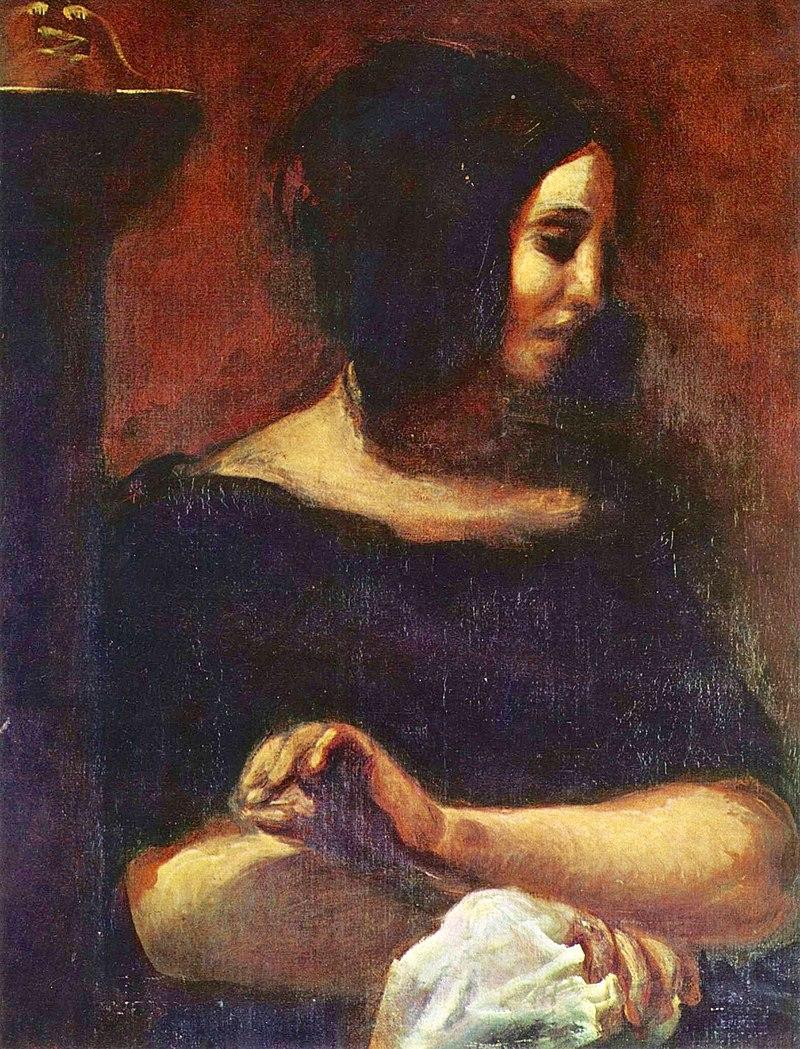
<p>French novelist, memoirist and journalist George Sand died <a href="/tags/otd/" rel="tag">#OTD</a> in 1876.</p><p>Sand's writing combines elements of Romanticism and early Realism, with rich descriptions, strong emotions, and detailed character studies. Her novels often critique societal norms, particularly the limitations placed on women and the injustices faced by the lower classes. </p><p>Books by George Sand at PG:<br><a href="https://www.gutenberg.org/ebooks/author/851" rel="nofollow" class="ellipsis" title="www.gutenberg.org/ebooks/author/851"><span class="invisible">https://</span><span class="ellipsis">www.gutenberg.org/ebooks/autho</span><span class="invisible">r/851</span></a></p><p><a href="/tags/books/" rel="tag">#books</a> <a href="/tags/literature/" rel="tag">#literature</a></p>

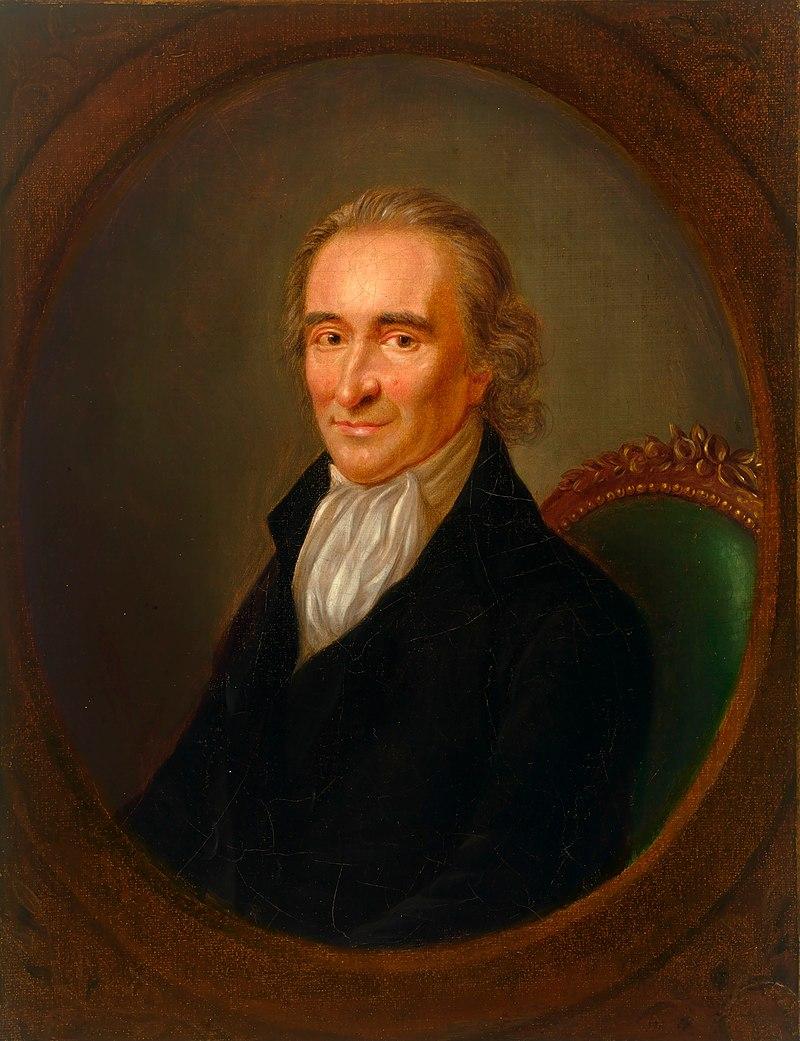
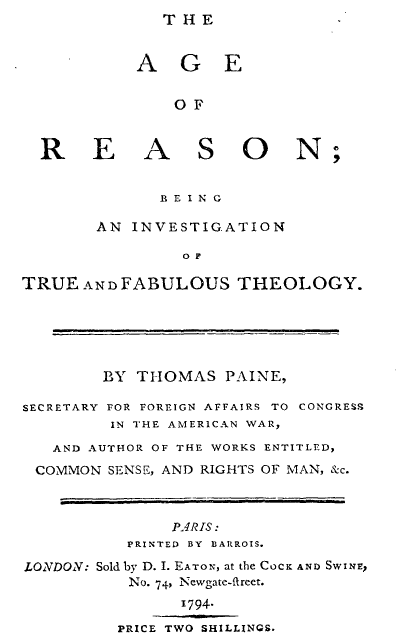
<p>"The most formidable weapon against errors of every kind is Reason."<br>The Age of Reason (1794)</p><p>Thomas Paine died <a href="/tags/otd/" rel="tag">#OTD</a> in 1809.</p><p>He had a great influence on the thoughts and ideas which led to the American Revolution and the United States Declaration of Independence. He wrote three of the most influential and controversial works of the 18th Century: Common Sense, Rights of Man, and The Age of Reason.</p><p>Books by Thomas Paine at PG:<br><a href="https://www.gutenberg.org/ebooks/author/91" rel="nofollow" class="ellipsis" title="www.gutenberg.org/ebooks/author/91"><span class="invisible">https://</span><span class="ellipsis">www.gutenberg.org/ebooks/autho</span><span class="invisible">r/91</span></a></p><p><a href="/tags/books/" rel="tag">#books</a> <a href="/tags/literature/" rel="tag">#literature</a></p>
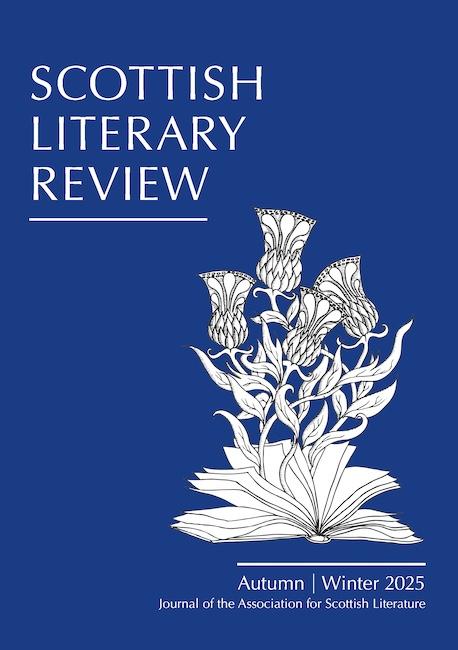
<p>SCOTTISH LITERARY REVIEW 17/2 (Autumn/Winter 2025)</p><p>The latest issue of Scottish Literary Review is online now via Project MUSE (institutional access required). Print copies will be in the mail to subscribers shortly! Papers range from medieval poetry, through 18th- & 19th-century literature, to Muriel Spark & the Brontës</p><p>@litstudies </p><p><a href="https://muse.jhu.edu/issue/55415" rel="nofollow"><span class="invisible">https://</span>muse.jhu.edu/issue/55415</a></p><p><a href="/tags/scottish/" rel="tag">#Scottish</a> <a href="/tags/literature/" rel="tag">#literature</a> <a href="/tags/poetry/" rel="tag">#poetry</a> <a href="/tags/medieval/" rel="tag">#medieval</a> <a href="/tags/18thcentury/" rel="tag">#18thcentury</a> <a href="/tags/19thcentury/" rel="tag">#19thcentury</a> <a href="/tags/20thcentury/" rel="tag">#20thcentury</a> <a href="/tags/jameshogg/" rel="tag">#JamesHogg</a> <a href="/tags/robertburns/" rel="tag">#RobertBurns</a> <a href="/tags/murielspark/" rel="tag">#MurielSpark</a> <a href="/tags/brontes/" rel="tag">#Brontes</a></p>
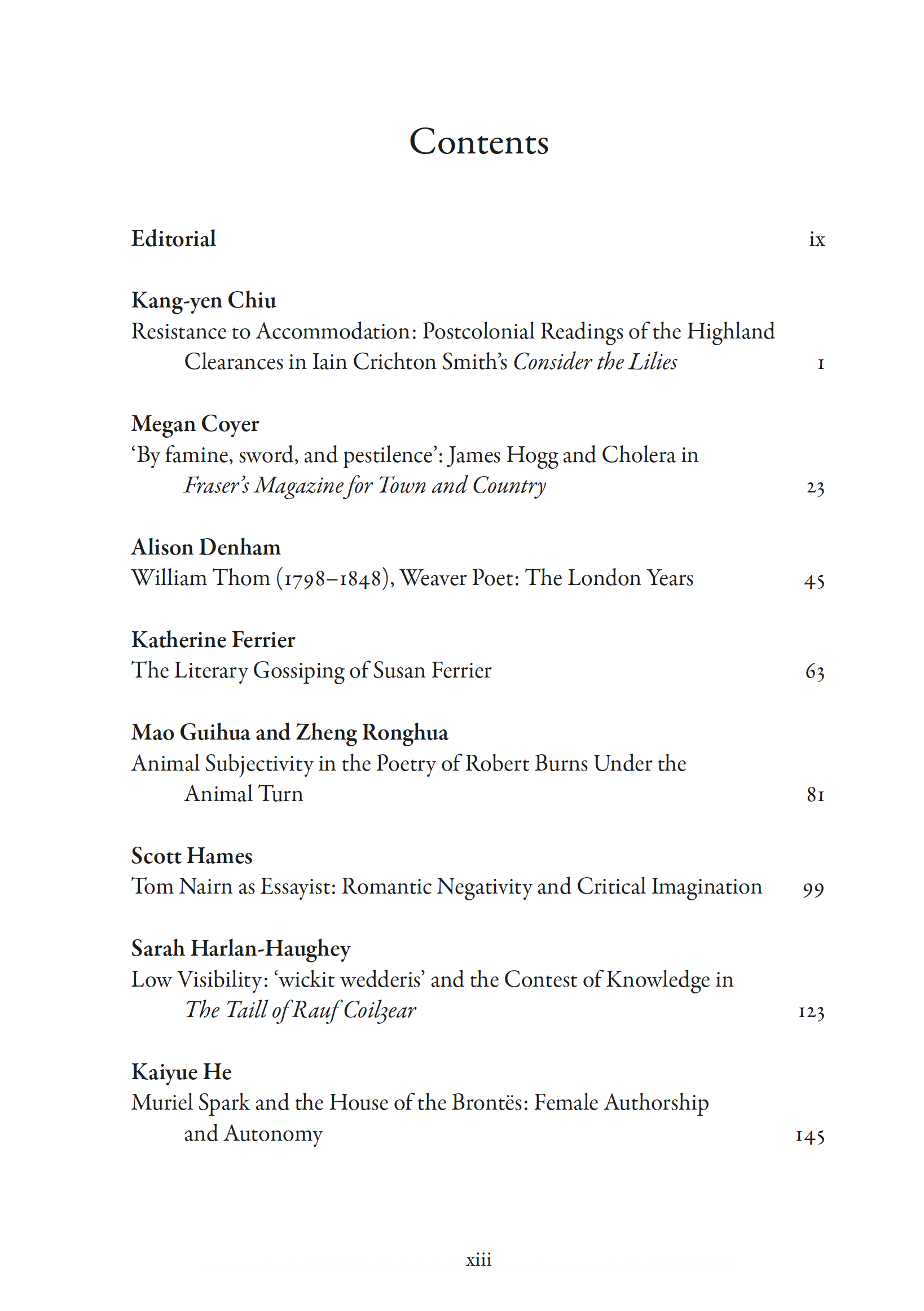
![Contents page 2
Joanna Martin: ‘He in alle thing wele temperite was’: The Emotional Language of The Buik of King Alexander The Conquerour
Ian Cameron Robertson: Green Blades Among the Rubble – Posterity’s Judgement on The Minstrel?
Angus Sutherland: Hogg and the Ettrick Clearances
Annalisa Nicholson: Octonaries upon the Vanitie and Inconstancie of the World, by Esther Inglis; an essay, by Jamie Reid Baxter (review)
Trish Reid: Plays in Scots, Volume 1 and Volume 2, by Michel Tremblay (review)
Honor Rieley: The Edinburgh History of the British and Irish Press, Volume 1: Beginnings and Consolidation, 1640–1800, edited by Nicholas Brownlees (review)
Désha Osborne: Robert Wedderburn, Abolition, and the Commons: Romanticism’s Black Geographies, by Katey Castellano (review)
Adam Kozaczka: Law, Equity and Romantic Writing: Seeking Justice in the Age of Revolutions, edited by Michael Demson and Regina Hewitt (review)
Zsuzsanna Varga: A modern skót irodalom a 19. század végétől napjainkig [Modern Scottish Literature from the End of the Nineteenth Century to the Present Day], by Attila Dósa (review)](/proxy/post_attachment/927688/f434d2ac57.png "Contents page 2
Joanna Martin: ‘He in alle thing wele temperite was’: The Emotional Language of The Buik of King Alexander The Conquerour
Ian Cameron Robertson: Green Blades Among the Rubble – Posterity’s Judgement on The Minstrel?
Angus Sutherland: Hogg and the Ettrick Clearances
Annalisa Nicholson: Octonaries upon the Vanitie and Inconstancie of the World, by Esther Inglis; an essay, by Jamie Reid Baxter (review)
Trish Reid: Plays in Scots, Volume 1 and Volume 2, by Michel Tremblay (review)
Honor Rieley: The Edinburgh History of the British and Irish Press, Volume 1: Beginnings and Consolidation, 1640–1800, edited by Nicholas Brownlees (review)
Désha Osborne: Robert Wedderburn, Abolition, and the Commons: Romanticism’s Black Geographies, by Katey Castellano (review)
Adam Kozaczka: Law, Equity and Romantic Writing: Seeking Justice in the Age of Revolutions, edited by Michael Demson and Regina Hewitt (review)
Zsuzsanna Varga: A modern skót irodalom a 19. század végétől napjainkig [Modern Scottish Literature from the End of the Nineteenth Century to the Present Day], by Attila Dósa (review)")
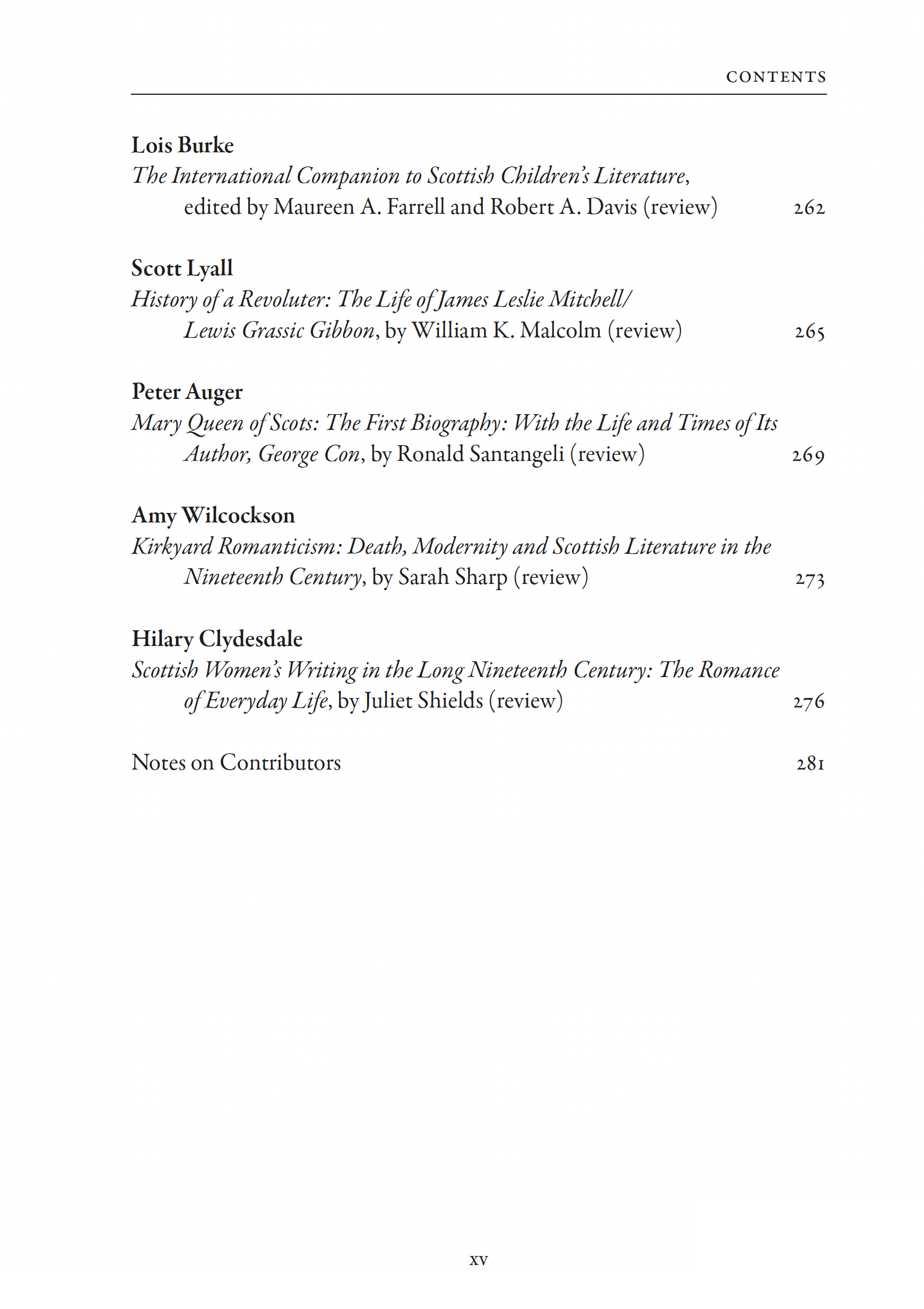
<p>Beyond Winnie-the-Pooh: On A.A. Milne’s Romance Novels</p><p>Gyles Brandreth Explores the Adult Side of an Iconic Children’s Author</p><p><a href="https://lithub.com/beyond-winnie-the-pooh-on-a-a-milnes-romance-novels/" rel="nofollow" class="ellipsis" title="lithub.com/beyond-winnie-the-pooh-on-a-a-milnes-romance-novels/"><span class="invisible">https://</span><span class="ellipsis">lithub.com/beyond-winnie-the-p</span><span class="invisible">ooh-on-a-a-milnes-romance-novels/</span></a></p><p>Milne at PG:<br><a href="https://www.gutenberg.org/ebooks/author/730" rel="nofollow" class="ellipsis" title="www.gutenberg.org/ebooks/author/730"><span class="invisible">https://</span><span class="ellipsis">www.gutenberg.org/ebooks/autho</span><span class="invisible">r/730</span></a></p><p><a href="/tags/books/" rel="tag">#books</a> <a href="/tags/literature/" rel="tag">#literature</a></p>
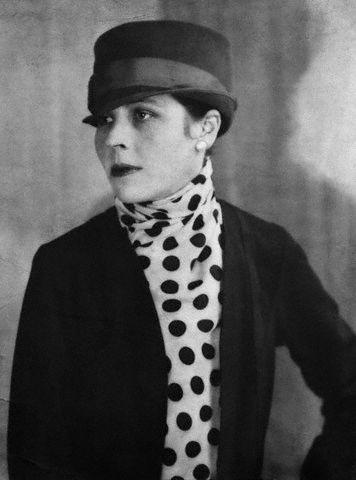
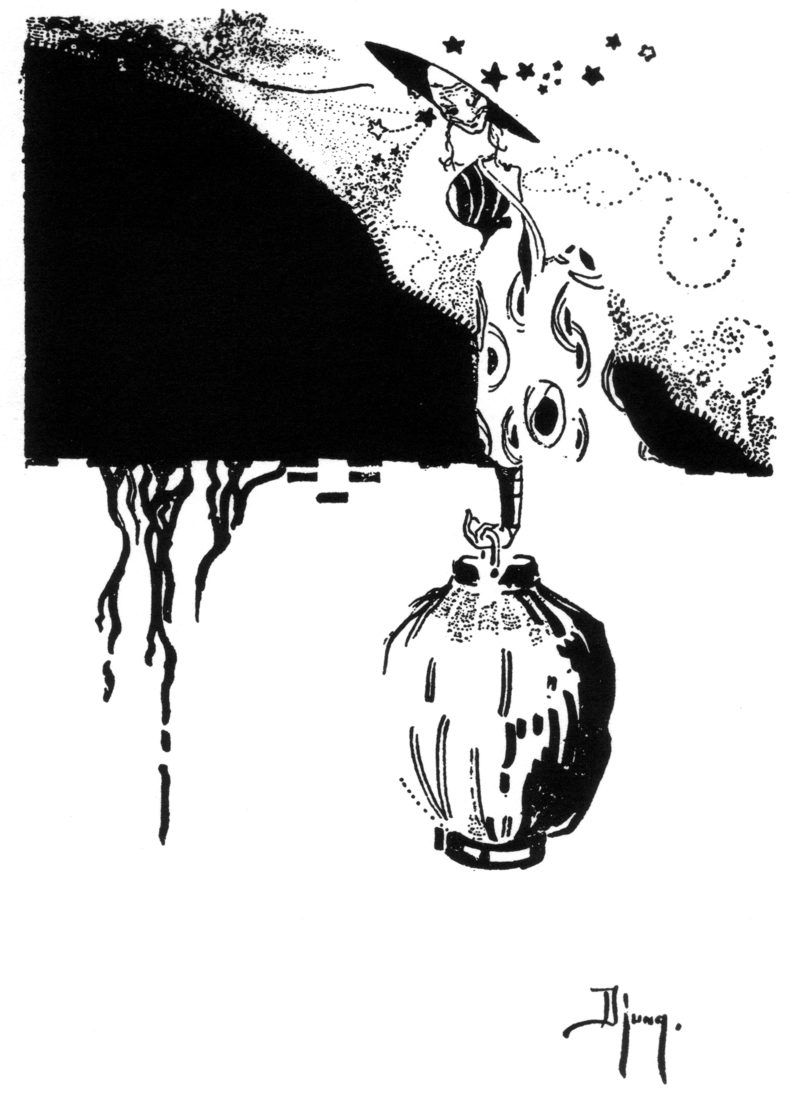
<p>"Destiny and history are untidy."<br>Nightwood (1936)</p><p>American writer, journalist, and artist Djuna Barnes died <a href="/tags/otd/" rel="tag">#OTD</a> in 1982.</p><p>"Ryder" was Barnes's first novel, a semi-autobiographical and highly experimental work. "Nightwood" is widely regarded as Barnes's masterpiece. The novel is a dense, poetic exploration of love, identity, and despair, set in the bohemian world of Paris and Berlin in the 1920s and 1930s.</p><p>Books by Djuna Barnes at PG:<br><a href="https://www.gutenberg.org/ebooks/author/51179" rel="nofollow" class="ellipsis" title="www.gutenberg.org/ebooks/author/51179"><span class="invisible">https://</span><span class="ellipsis">www.gutenberg.org/ebooks/autho</span><span class="invisible">r/51179</span></a></p><p><a href="/tags/books/" rel="tag">#books</a> <a href="/tags/literature/" rel="tag">#literature</a></p>
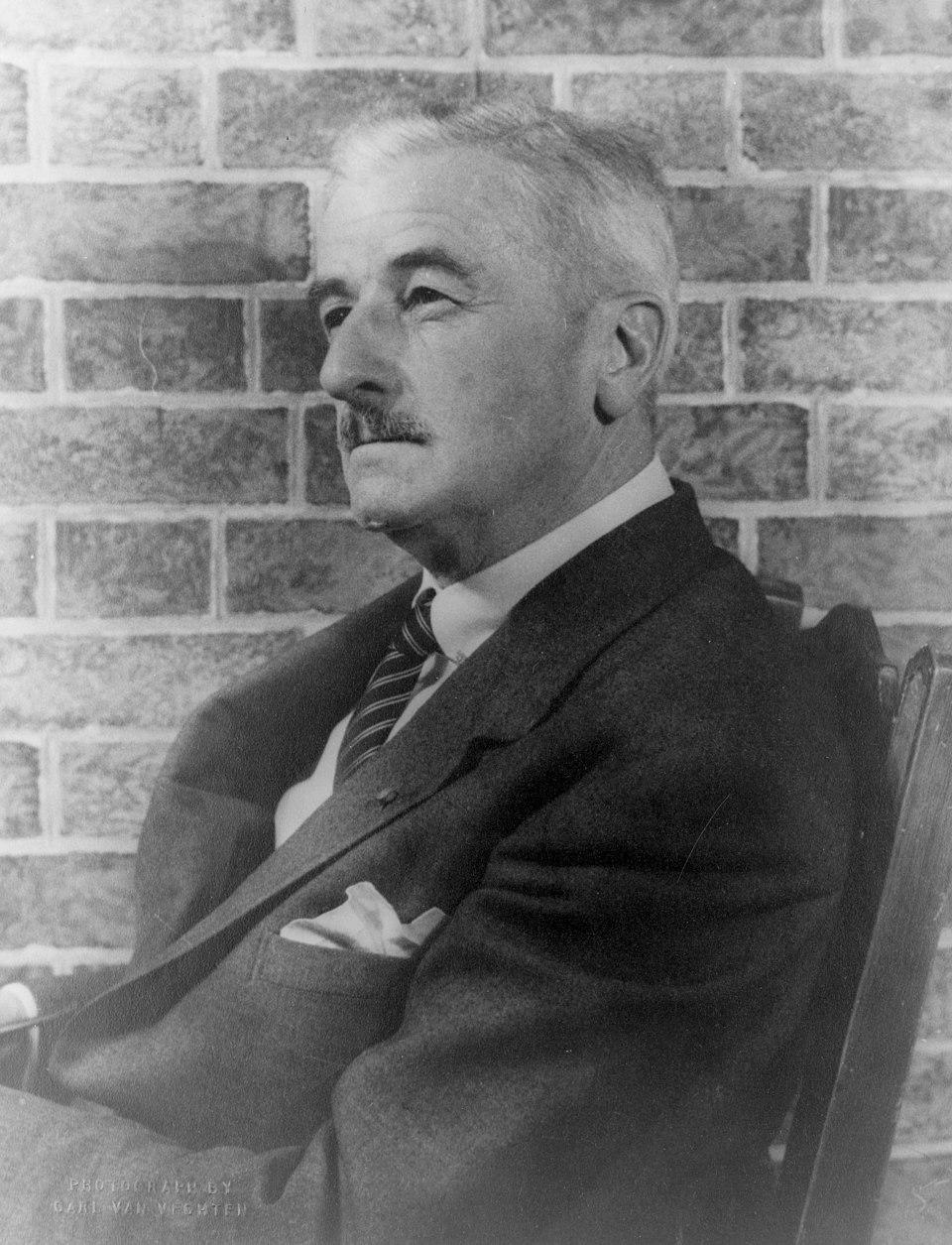
<p>“A Conflicted, Imperfect Love.” Jesmyn Ward on William Faulkner’s As I Lay Dying</p><p>“I realized he was kin in telling this complicated, complex story that is Mississippi.” (from the archives)</p><p><a href="https://lithub.com/a-conflicted-imperfect-love-jesmyn-ward-on-william-faulkners-as-i-lay-dying/?utm_source=Klaviyo&utm_medium=campaign&utm_id=01KE5W7XNRXXS2MZDKNH70YJS5&_kx=3MZUehzXM-41qlWAMPUiuNZadX2p0SByuNf_t0eMLB0.U5D8ER" rel="nofollow" class="ellipsis" title="lithub.com/a-conflicted-imperfect-love-jesmyn-ward-on-william-faulkners-as-i-lay-dying/?utm_source=Klaviyo&utm_medium=campaign&utm_id=01KE5W7XNRXXS2MZDKNH70YJS5&_kx=3MZUehzXM-41qlWAMPUiuNZadX2p0SByuNf_t0eMLB0.U5D8ER"><span class="invisible">https://</span><span class="ellipsis">lithub.com/a-conflicted-imperf</span><span class="invisible">ect-love-jesmyn-ward-on-william-faulkners-as-i-lay-dying/?utm_source=Klaviyo&utm_medium=campaign&utm_id=01KE5W7XNRXXS2MZDKNH70YJS5&_kx=3MZUehzXM-41qlWAMPUiuNZadX2p0SByuNf_t0eMLB0.U5D8ER</span></a></p><p>Mississippi at PG:<br><a href="https://www.gutenberg.org/ebooks/subjects/search/?query=mississippi" rel="nofollow" class="ellipsis" title="www.gutenberg.org/ebooks/subjects/search/?query=mississippi"><span class="invisible">https://</span><span class="ellipsis">www.gutenberg.org/ebooks/subje</span><span class="invisible">cts/search/?query=mississippi</span></a></p><p><a href="/tags/books/" rel="tag">#books</a> <a href="/tags/literature/" rel="tag">#literature</a></p>
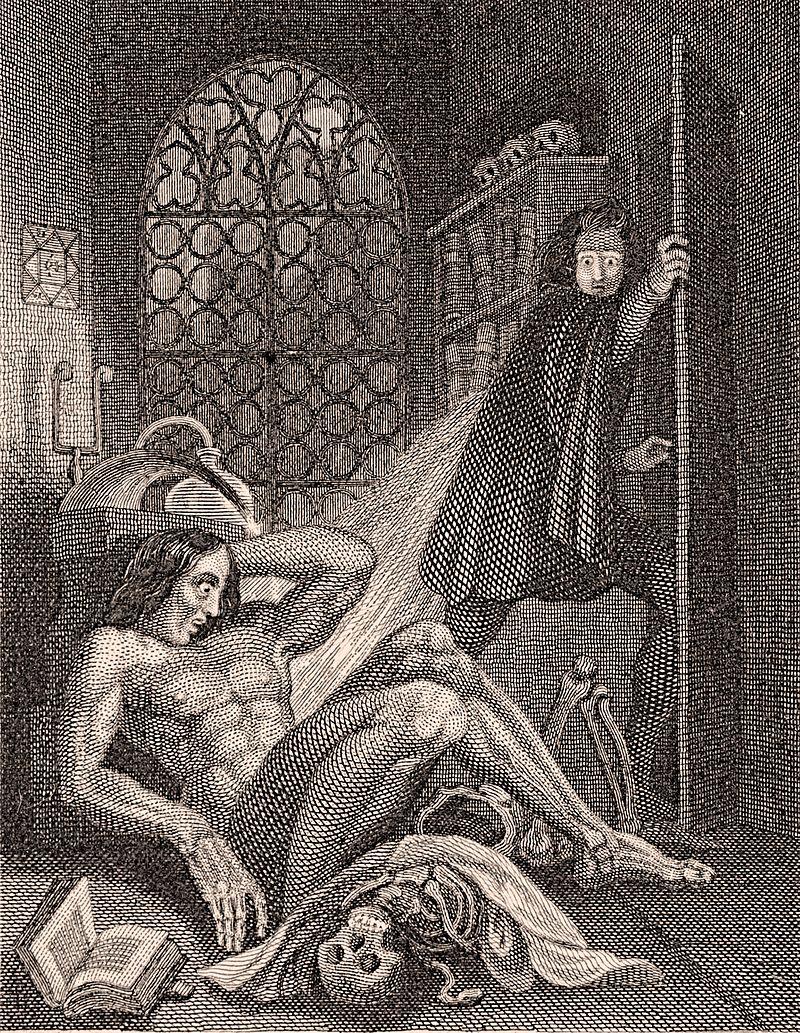
<p>In Mary Shelley’s ‘Frankenstein,’ the Titular Scientist Laments His Nightmarish Creation. But the Real World Can’t Get Enough of His Monster</p><p>by Kayla Randall </p><p><a href="https://www.smithsonianmag.com/history/in-mary-shelleys-frankenstein-the-titular-scientist-laments-his-nightmarish-creation-but-the-real-world-cant-get-enough-of-his-monster-180987538/?utm_source=smithsoniandaily&utm_medium=email&utm_campaign=editorial&lctg=93133550" rel="nofollow" class="ellipsis" title="www.smithsonianmag.com/history/in-mary-shelleys-frankenstein-the-titular-scientist-laments-his-nightmarish-creation-but-the-real-world-cant-get-enough-of-his-monster-180987538/?utm_source=smithsoniandaily&utm_medium=email&utm_campaign=editorial&lctg=93133550"><span class="invisible">https://</span><span class="ellipsis">www.smithsonianmag.com/history</span><span class="invisible">/in-mary-shelleys-frankenstein-the-titular-scientist-laments-his-nightmarish-creation-but-the-real-world-cant-get-enough-of-his-monster-180987538/?utm_source=smithsoniandaily&utm_medium=email&utm_campaign=editorial&lctg=93133550</span></a></p><p>Frankenstein at PG:<br><a href="https://www.gutenberg.org/ebooks/84" rel="nofollow"><span class="invisible">https://</span>www.gutenberg.org/ebooks/84</a></p><p><a href="/tags/books/" rel="tag">#books</a> <a href="/tags/literature/" rel="tag">#literature</a> <a href="/tags/movies/" rel="tag">#Movies</a></p>
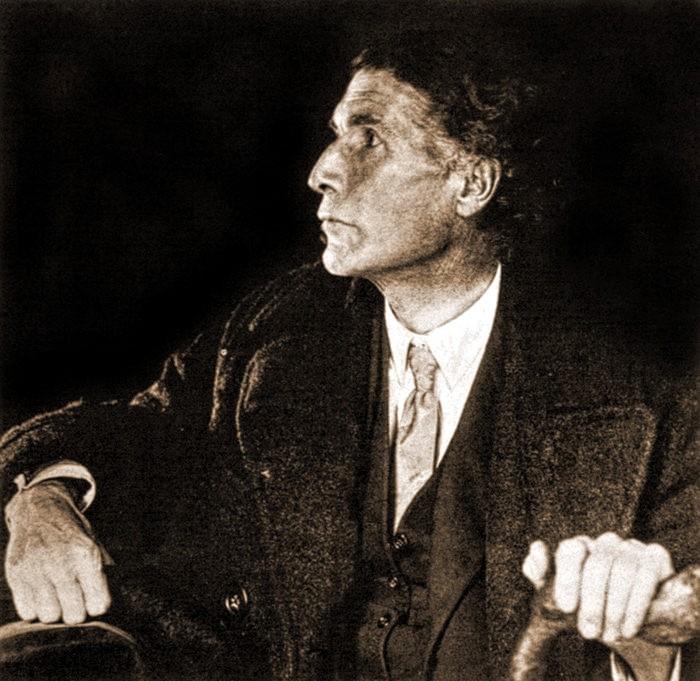
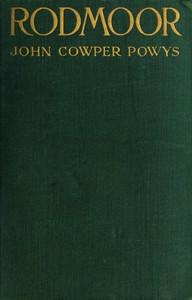
<p>"The strongest of all psychic forces in the world is unsatisfied desire."<br>A Glastonbury Romance</p><p>English novelist John Cowper Powys died <a href="/tags/otd/" rel="tag">#OTD</a> in 1963.</p><p>He appeared with a volume of verse in 1896 and a first novel in 1915, but gained success only with his novel Wolf Solent in 1929. He has been seen as a successor to Thomas Hardy, and Wolf Solent, A Glastonbury Romance, Weymouth Sands, and Maiden Castle have been called his Wessex novels.</p><p><a href="https://www.gutenberg.org/ebooks/author/4710" rel="nofollow" class="ellipsis" title="www.gutenberg.org/ebooks/author/4710"><span class="invisible">https://</span><span class="ellipsis">www.gutenberg.org/ebooks/autho</span><span class="invisible">r/4710</span></a></p><p><a href="/tags/books/" rel="tag">#books</a> <a href="/tags/literature/" rel="tag">#literature</a></p>
<p>"To dwellers in a wood almost every species of tree has its voice as well as its feature."<br>Opening line.</p><p><a href="/tags/otd/" rel="tag">#OTD</a> in 1872.</p><p>Thomas Hardy's second novel (and the first set in Wessex), Under the Greenwood Tree: A Rural Painting of the Dutch School, is published in London (as "by the author of Desperate Remedies").</p><p>A movie (1929) was made based on this book, directed by Harry Lachman and starring Marguerite Allan, Nigel Barrie and Wilfred Shine.</p><p><a href="https://gutenberg.org/ebooks/2662" rel="nofollow"><span class="invisible">https://</span>gutenberg.org/ebooks/2662</a></p><p><a href="/tags/books/" rel="tag">#books</a> <a href="/tags/literature/" rel="tag">#literature</a></p>

<p>Somhairle MacGill-Eain (Sorley MacLean, 1911–1996), one of the greatest European poets of the 20th century, was born <a href="/tags/otd/" rel="tag">#OTD</a>, 26 Oct. A 🎂 🧵 </p><p>Watch “Sorley MacLean’s Island” via the National Library of Scotland – Sorley MacLean in conversation with fellow writer Iain Crichton Smith </p><p>1/8</p><p><a href="https://movingimage.nls.uk/film/3141" rel="nofollow"><span class="invisible">https://</span>movingimage.nls.uk/film/3141</a></p><p><a href="/tags/scottish/" rel="tag">#Scottish</a> <a href="/tags/literature/" rel="tag">#literature</a> <a href="/tags/hebrides/" rel="tag">#Hebrides</a> <a href="/tags/skye/" rel="tag">#Skye</a> <a href="/tags/raasay/" rel="tag">#Raasay</a> <a href="/tags/gaelic/" rel="tag">#Gaelic</a> <a href="/tags/gaidhlig/" rel="tag">#Gaidhlig</a> <a href="/tags/poetry/" rel="tag">#poetry</a> <a href="/tags/20thcentury/" rel="tag">#20thcentury</a> <a href="/tags/modernism/" rel="tag">#modernism</a></p>

Edited 163d ago