<p><a href="/tags/softwareengineering/" rel="tag">#softwareEngineering</a> <a href="/tags/computerscience/" rel="tag">#computerScience</a> <a href="/tags/programming/" rel="tag">#programming</a> <a href="/tags/commonlisp/" rel="tag">#commonLisp</a> <a href="/tags/history/" rel="tag">#history</a> <a href="/tags/essay/" rel="tag">#essay</a> <a href="/tags/reading/" rel="tag">#reading</a> of Whither Original Thought <a href="/tags/transcript/" rel="tag">#transcript</a> from <span class="h-card"><a href="https://climatejustice.social/@kentpitman" class="u-url mention" rel="nofollow noopener noreferrer" target="_blank">@<span>kentpitman</span></a></span> <br><a href="https://screwlisp.small-web.org/show/kmp-whither-original-thought/" rel="nofollow" class="ellipsis" title="screwlisp.small-web.org/show/kmp-whither-original-thought/"><span class="invisible">https://</span><span class="ellipsis">screwlisp.small-web.org/show/k</span><span class="invisible">mp-whither-original-thought/</span></a><br>with a link to its beginning in the interview.</p><p>I chose to hand-transcribe it to remove (and probably introduce) discontinuities.</p><p>A central theme is the tyrannies of programming libraries and the question of having exhaustive knowledge of your increasingly numerous dead forebearers.</p><p>Read it yourself (and/or listen finally).</p>
Edited 1y ago
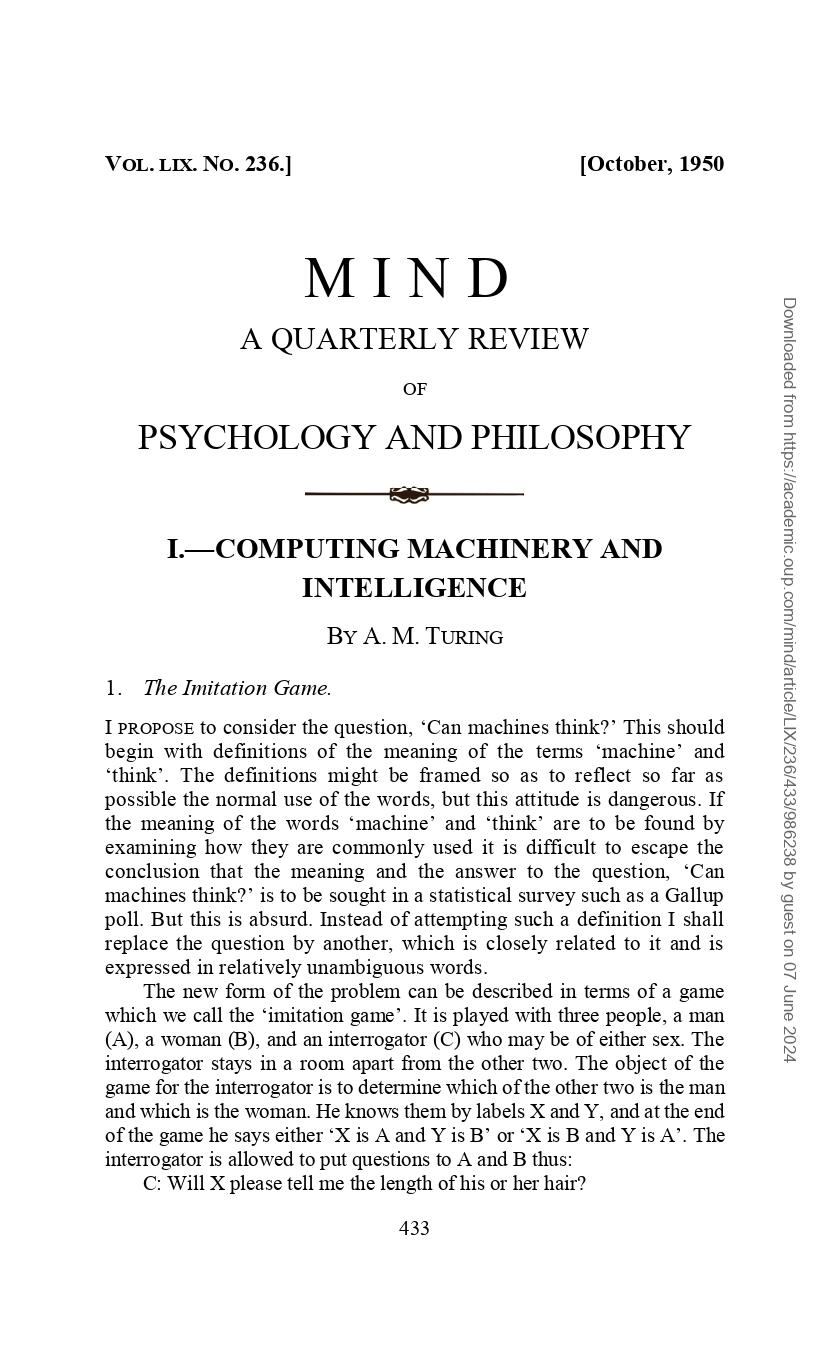
<p>English mathematician and computer scientist Alan Turing died <a href="/tags/otd/" rel="tag">#OTD</a> in 1954.</p><p>During World War II, he played a crucial role in deciphering the Enigma code used by the German military, significantly contributing to the Allied war effort. In his paper "Computing Machinery and Intelligence," he proposed the famous Turing Test as a criterion for determining whether a machine can exhibit intelligent behavior indistinguishable from that of a human.</p><p><a href="https://en.wikipedia.org/wiki/Alan_Turing" rel="nofollow" class="ellipsis" title="en.wikipedia.org/wiki/Alan_Turing"><span class="invisible">https://</span><span class="ellipsis">en.wikipedia.org/wiki/Alan_Tur</span><span class="invisible">ing</span></a></p><p><a href="/tags/computerscience/" rel="tag">#computerscience</a> <a href="/tags/lgbtq/" rel="tag">#lgbtq</a></p>
Edited 2y ago
<p>The Love Letter Generator That Foretold ChatGPT.</p><p>Alan Turing and Christopher Strachey created a ground-breaking computer program that allowed them to express affection vicariously when so doing publicly, as gay men, was criminal.</p><p>By: Patricia Fancher. via @JSTOR_Daily </p><p><a href="https://daily.jstor.org/the-love-letter-generator-that-foretold-chatgpt/?utm_source=Sailthru&utm_medium=email&utm_campaign=Lit%20Hub%20Weekly:%20June%2027%2C%202024&utm_term=lithub_master_list" rel="nofollow" class="ellipsis" title="daily.jstor.org/the-love-letter-generator-that-foretold-chatgpt/?utm_source=Sailthru&utm_medium=email&utm_campaign=Lit%20Hub%20Weekly:%20June%2027%2C%202024&utm_term=lithub_master_list"><span class="invisible">https://</span><span class="ellipsis">daily.jstor.org/the-love-lette</span><span class="invisible">r-generator-that-foretold-chatgpt/?utm_source=Sailthru&utm_medium=email&utm_campaign=Lit%20Hub%20Weekly:%20June%2027%2C%202024&utm_term=lithub_master_list</span></a></p><p><a href="/tags/science/" rel="tag">#science</a> <a href="/tags/technology/" rel="tag">#technology</a> <a href="/tags/computerscience/" rel="tag">#computerscience</a></p>
<p>Margaret Hamilton Recalls Her Life as a Programming Pioneer.</p><p>The pioneering software engineer who helped send men to the moon recalls her decades of innovation in a newly published video conversation. by David Cassel via @thenewstack </p><p><a href="https://thenewstack.io/nasa-programming-legend-margaret-hamilton-gives-rare-interview/" rel="nofollow" class="ellipsis" title="thenewstack.io/nasa-programming-legend-margaret-hamilton-gives-rare-interview/"><span class="invisible">https://</span><span class="ellipsis">thenewstack.io/nasa-programmin</span><span class="invisible">g-legend-margaret-hamilton-gives-rare-interview/</span></a></p><p><a href="/tags/computerprogramming/" rel="tag">#computerprogramming</a> <a href="/tags/computerscience/" rel="tag">#computerscience</a> <a href="/tags/womeninscience/" rel="tag">#womeninscience</a></p>
<p>If you're a software engineer and interested in East Asian languages (so-called <a href="/tags/cjk/" rel="tag">#CJK</a>), check out the “CJK computer science terms comparison” I edited!</p><p><a href="https://cjk-compsci-terms.netlify.app/" rel="nofollow"><span class="invisible">https://</span>cjk-compsci-terms.netlify.app/</a></p><p><a href="/tags/sinosphere/" rel="tag">#Sinosphere</a> <a href="/tags/computerscience/" rel="tag">#computerscience</a> <a href="/tags/電腦科學/" rel="tag">#電腦科學</a> <a href="/tags/コンピュータ科学/" rel="tag">#コンピュータ科学</a> <a href="/tags/전산학/" rel="tag">#전산학</a></p>
There are physical systems with the following property: depending on how you choose to measure the system and how you choose to process your measurements, the system can appear to be any computational system you like.<br><br>Even a particularly simple system such as a spinning disk that is painted half white ("1") and half black ("0"), where what we observe is a string of 0's and 1's corresponding to the colors, can have this property.<br><br><a href="/tags/computerscience/" rel="tag">#ComputerScience</a> <a href="/tags/systems/" rel="tag">#systems</a> <a href="/tags/complexsystems/" rel="tag">#ComplexSystems</a> <a href="/tags/observability/" rel="tag">#observability</a> <a href="/tags/computationalism/" rel="tag">#computationalism</a><br>
<p><a href="/tags/lispygopherclimate/" rel="tag">#lispyGopherClimate</a> Sunday morning in Europe with <a href="/tags/lisp/" rel="tag">#lisp</a> # live <span class="h-card"><a href="https://climatejustice.social/@kentpitman" class="u-url mention" rel="nofollow noopener noreferrer" target="_blank">@<span>kentpitman</span></a></span> </p><p>Going over proto <a href="/tags/emacs/" rel="tag">#emacs</a>, <a href="/tags/cref/" rel="tag">#cref</a>, <a href="/tags/lispm/" rel="tag">#lispm</a> <a href="/tags/computerscience/" rel="tag">#computerScience</a> <a href="/tags/softwareengineering/" rel="tag">#softwareEngineering</a> <a href="/tags/gui/" rel="tag">#GUI</a> history ! Ask questions in <a href="/tags/lisp/" rel="tag">#lisp</a> on <a href="/tags/irc/" rel="tag">#irc</a> now please !</p><p><a href="https://toobnix.org/w/gXLXQqxf5MYg1NDF2Ua6oA" rel="nofollow" class="ellipsis" title="toobnix.org/w/gXLXQqxf5MYg1NDF2Ua6oA"><span class="invisible">https://</span><span class="ellipsis">toobnix.org/w/gXLXQqxf5MYg1NDF</span><span class="invisible">2Ua6oA</span></a> 15 minutes to live.</p><p><a href="/tags/archive/" rel="tag">#Archive</a>: <a href="https://toobnix.org/w/jWdWsrBLCFkFQYrfzbzCR8" rel="nofollow" class="ellipsis" title="toobnix.org/w/jWdWsrBLCFkFQYrfzbzCR8"><span class="invisible">https://</span><span class="ellipsis">toobnix.org/w/jWdWsrBLCFkFQYrf</span><span class="invisible">zbzCR8</span></a></p>
Edited 243d ago
I'm thinking I'll get myself a copy of Samuel Butler's Erewhon. It's on <a href="https://www.gutenberg.org/ebooks/1906" rel="nofollow">Project Gutenberg</a> but lately I've been acquiring paper books and this seems like a good one to have in hard copy. I feel vaguely embarrassed that I've never read it, given how closely it relates to what I've researched in computer science (evolutionary algorithms and artificial life) and what I spend my time thinking about these days (clarifying why I believe machines cannot be alive or intelligent in the way we usually mean these words).<br><br>Apparently Giles Deleuze and Felix Guatarri were influenced by this book and Butler's other writings on machine life. The Butlerian Jihad of Dune is possibly named after him (so far haven't found a definitive statement of this, though a very similar event happens in Erewhon). Even Alan Turing references it. Butler, in turn, was heavily influenced by Darwin's On the Origin of Species. So there is a fascinating confluence around this book.<br><br>Without spoiling it, does anyone have thoughts about Erewhon?<br><br><a href="/tags/erewhon/" rel="tag">#Erewhon</a> <a href="/tags/butler/" rel="tag">#Butler</a> <a href="/tags/fiction/" rel="tag">#fiction</a> <a href="/tags/scifi/" rel="tag">#SciFi</a> <a href="/tags/sciencefiction/" rel="tag">#ScienceFiction</a> <a href="/tags/evolution/" rel="tag">#evolution</a> <a href="/tags/machineintelligence/" rel="tag">#MachineIntelligence</a> <a href="/tags/ai/" rel="tag">#AI</a> <a href="/tags/artificiallife/" rel="tag">#ArtificialLife</a> <a href="/tags/computerscience/" rel="tag">#ComputerScience</a> <a href="/tags/evolutionarybiology/" rel="tag">#EvolutionaryBiology</a><br>
Edited 215d ago
Massive compute power applied to massive data sets can produce outcomes that are worse at the task they’re (ostensibly) intended for than much simpler, easier to understand, less wasteful, and less intrusive data-light methods. It requires an extreme form of bias to believe that big compute + big data is always better.<br><br><a href="/tags/ai/" rel="tag">#AI</a> <a href="/tags/genai/" rel="tag">#GenAI</a> <a href="/tags/generativeai/" rel="tag">#GenerativeAI</a> <a href="/tags/llms/" rel="tag">#LLMs</a> <a href="/tags/tech/" rel="tag">#tech</a> <a href="/tags/dev/" rel="tag">#dev</a> <a href="/tags/datascience/" rel="tag">#DataScience</a> <a href="/tags/science/" rel="tag">#science</a> <a href="/tags/computerscience/" rel="tag">#ComputerScience</a> <a href="/tags/ecologicalrationality/" rel="tag">#EcologicalRationality</a><br>
Edited 230d ago
<p>The archivist preserving decaying floppy disks</p><p>It's a race against time (and magnetic decay) to preserve decades of cultural history stored on obsolete hardware.</p><p>by Mack DeGeurin</p><p><a href="https://www.popsci.com/technology/floppy-disk-archivist-project/?utm_source=nautilus.beehiiv.com&utm_medium=newsletter&utm_campaign=where-to-see-the-total-lunar-eclipse&_bhlid=52ff749846d631cfc15924ca032510c3a9e130dd" rel="nofollow" class="ellipsis" title="www.popsci.com/technology/floppy-disk-archivist-project/?utm_source=nautilus.beehiiv.com&utm_medium=newsletter&utm_campaign=where-to-see-the-total-lunar-eclipse&_bhlid=52ff749846d631cfc15924ca032510c3a9e130dd"><span class="invisible">https://</span><span class="ellipsis">www.popsci.com/technology/flop</span><span class="invisible">py-disk-archivist-project/?utm_source=nautilus.beehiiv.com&utm_medium=newsletter&utm_campaign=where-to-see-the-total-lunar-eclipse&_bhlid=52ff749846d631cfc15924ca032510c3a9e130dd</span></a></p><p><a href="/tags/computerscience/" rel="tag">#computerscience</a> <a href="/tags/publicdomain/" rel="tag">#publicdomain</a></p>
<p>"We may say most aptly that the Analytical Engine weaves algebraical patterns just as the Jacquard-loom weaves flowers and leaves." </p><p>(Notes on the Analytical Engine invented by Charles Babbage)</p><p>~Augusta Ada King, Countess of Lovelace (10 December 1815 – 27 November 1852)</p><p><a href="https://en.wikipedia.org/wiki/Ada_Lovelace" rel="nofollow" class="ellipsis" title="en.wikipedia.org/wiki/Ada_Lovelace"><span class="invisible">https://</span><span class="ellipsis">en.wikipedia.org/wiki/Ada_Love</span><span class="invisible">lace</span></a></p><p><a href="/tags/computerscience/" rel="tag">#computerscience</a> <a href="/tags/womeninstem/" rel="tag">#womeninSTEM</a></p>
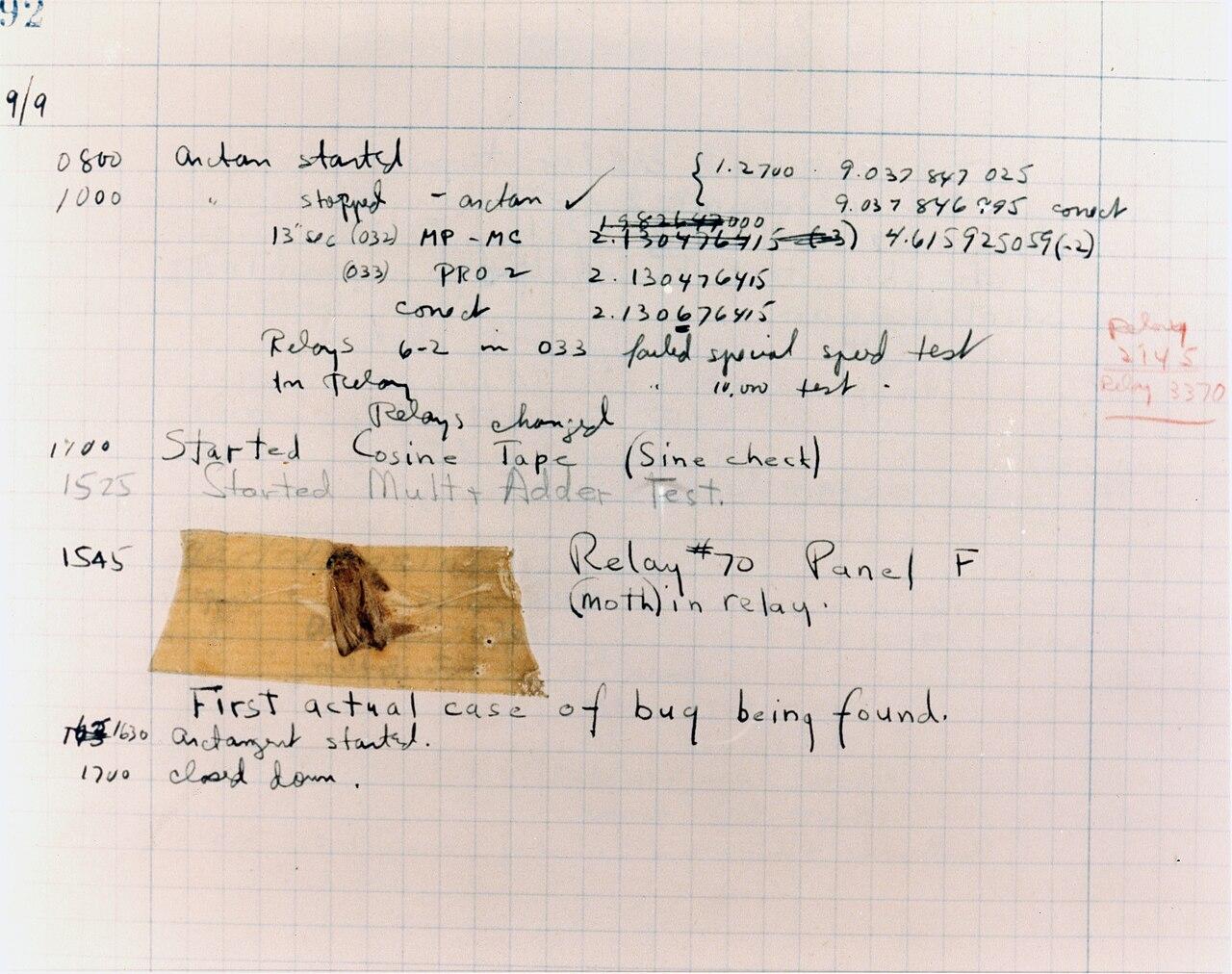
<p>American admiral and computer scientist, (designed COBOL) Grace Hopper was born <a href="/tags/otd/" rel="tag">#OTD</a> in 1906.</p><p>She created the first compiler, the A-0 System, in 1952. She was also one of the first programmers on the Harvard Mark I computer. Hopper popularized the term "debugging" in computing after discovering an actual moth causing a malfunction in the Mark II computer. </p><p><a href="https://en.wikipedia.org/wiki/Grace_Hopper" rel="nofollow" class="ellipsis" title="en.wikipedia.org/wiki/Grace_Hopper"><span class="invisible">https://</span><span class="ellipsis">en.wikipedia.org/wiki/Grace_Ho</span><span class="invisible">pper</span></a></p><p><a href="/tags/computerscience/" rel="tag">#computerscience</a> <a href="/tags/mathematics/" rel="tag">#mathematics</a> <a href="/tags/womeninstem/" rel="tag">#womeninStem</a></p>
Edited 1y ago
<p>Computer theorists thus form a neo-mechanistic school of philosophy. Their tenacious defense of some grossly exaggerated claims of what computers can and will do is more understandable if we realize that they represent a school of metaphysics.<br></p>Epistemology, the Mind and the Computer, Henryk Skolimowski, 1972<br><br><a href="/tags/ai/" rel="tag">#AI</a> <a href="/tags/computerscience/" rel="tag">#ComputerScience</a> <a href="/tags/cognitivescience/" rel="tag">#CognitiveScience</a> <a href="/tags/mind/" rel="tag">#mind</a> <a href="/tags/philosophyofmind/" rel="tag">#PhilosophyOfMind</a><br>
<p>Jean Sammet: An Accidental Computer Programmer</p><p>The IBM programming language specialist helped develop Cobol in 1959</p><p>By Amanda Davis</p><p><a href="https://spectrum.ieee.org/jean-sammet-accidental-computer-programmer" rel="nofollow" class="ellipsis" title="spectrum.ieee.org/jean-sammet-accidental-computer-programmer"><span class="invisible">https://</span><span class="ellipsis">spectrum.ieee.org/jean-sammet-</span><span class="invisible">accidental-computer-programmer</span></a></p><p><a href="https://en.wikipedia.org/wiki/Jean_E._Sammet" rel="nofollow" class="ellipsis" title="en.wikipedia.org/wiki/Jean_E._Sammet"><span class="invisible">https://</span><span class="ellipsis">en.wikipedia.org/wiki/Jean_E._</span><span class="invisible">Sammet</span></a></p><p><a href="/tags/computerscience/" rel="tag">#computerscience</a> <a href="/tags/computerprogramming/" rel="tag">#computerprogramming</a> <a href="/tags/womeninstem/" rel="tag">#womeninStem</a></p>
<p>Before Computers Were Machines, They Were Women. Here Are Six Places Where Human Computers Built Modern Science</p><p>From AT&T to NASA, women working as computers performed the calculations that made modern science possible. In the early 1900s, computing joined teaching and nursing as one of the few careers open to college-educated women, and it opened doors that few other professions could</p><p>by Diana Turnbow</p><p><a href="https://www.smithsonianmag.com/blogs/smithsonian-american-womens-history-museum/2026/04/06/before-computers-were-machines-they-were-womenhere-are-six-places-where-human-computers-built-modern-science/" rel="nofollow" class="ellipsis" title="www.smithsonianmag.com/blogs/smithsonian-american-womens-history-museum/2026/04/06/before-computers-were-machines-they-were-womenhere-are-six-places-where-human-computers-built-modern-science/"><span class="invisible">https://</span><span class="ellipsis">www.smithsonianmag.com/blogs/s</span><span class="invisible">mithsonian-american-womens-history-museum/2026/04/06/before-computers-were-machines-they-were-womenhere-are-six-places-where-human-computers-built-modern-science/</span></a></p><p><a href="/tags/womeninstem/" rel="tag">#womeninstem</a> <a href="/tags/computerscience/" rel="tag">#computerscience</a></p>
<p>🖥️ **Why the Computer Scientist Behind the World’s First Chatbot Dedicated His Life to Publicizing the Threat Posed by A.I.**</p><p>_Joseph Weizenbaum realized that programs like his Eliza chatbot could “induce powerful delusional thinking in quite normal people”_</p><p>🔗 <a href="https://www.smithsonianmag.com/history/why-the-computer-scientist-behind-the-worlds-first-chatbot-dedicated-his-life-to-publicizing-the-threat-posed-by-ai-180987971/" rel="nofollow" class="ellipsis" title="www.smithsonianmag.com/history/why-the-computer-scientist-behind-the-worlds-first-chatbot-dedicated-his-life-to-publicizing-the-threat-posed-by-ai-180987971/"><span class="invisible">https://</span><span class="ellipsis">www.smithsonianmag.com/history</span><span class="invisible">/why-the-computer-scientist-behind-the-worlds-first-chatbot-dedicated-his-life-to-publicizing-the-threat-posed-by-ai-180987971/</span></a>. </p><p><a href="/tags/history/" rel="tag">#History</a> <a href="/tags/histodons/" rel="tag">#Histodons</a> <a href="/tags/ai/" rel="tag">#AI</a> <a href="/tags/artificialintelligence/" rel="tag">#ArtificialIntelligence</a> <a href="/tags/computerscience/" rel="tag">#ComputerScience</a> <a href="/tags/psychology/" rel="tag">#Psychology</a> <a href="/tags/technology/" rel="tag">#Technology</a> <a href="/tags/tech/" rel="tag">#Tech</a> <a href="/tags/stem/" rel="tag">#STEM</a></p>
Beware of academic "papers" about LLMs, especially on arXiv. The signal-to-noise ratio is alarmingly low, especially relative to other subdisciplines of computer science: <a href="https://wandering.shop/@xgranade/114055293092825449" rel="nofollow" class="ellipsis" title="wandering.shop/@xgranade/114055293092825449"><span class="invisible">https://</span><span class="ellipsis">wandering.shop/@xgranade/11405</span><span class="invisible">5293092825449</span></a><br><br><a href="/tags/ai/" rel="tag">#AI</a> <a href="/tags/genai/" rel="tag">#GenAI</a> <a href="/tags/llm/" rel="tag">#LLM</a> <a href="/tags/academicpublishing/" rel="tag">#AcademicPublishing</a> <a href="/tags/arxiv/" rel="tag">#arXiv</a> <a href="/tags/computerscience/" rel="tag">#ComputerScience</a><br>
I was listening to an interview with Tabish Khair about his book Literature Against Fundamentalism, and I was struck by the suggestion that ahistorical readings of texts are in essence fundamentalist (dogmatic) readings. It put a word to a disturbing tendency in computer science to ignore its own past--not to mention the histories of the areas in which it is applied--that has always deeply bothered me. There are quite a few fundamentalist computer scientists, unfortunately.<br><br><a href="/tags/computerscience/" rel="tag">#ComputerScience</a> <a href="/tags/science/" rel="tag">#Science</a><br>
Edited 1y ago
A few inchoate thoughts on Gas Town, since I think this example has more to it than “it’s just a meth binge/crypto scam/one-shot AI poisoning”. Part of the reason I think this is that some of the rhetoric it deploys dovetails perfectly with broader trends and phenomena, and I think it's worth pulling those out.<br><br>1. Economists from the physiocrats (18th century) onward promised society freedom from material deprivation and hard physical labor in exchange for submitting to an economic arrangement of society<br>2. In a country like the US, material deprivation and hard physical labor have been significantly reduced since then:<br><p>Though too many clearly still suffer too much, a large proportion of people live free from fear of starvation or lack of shelter<br>The US has deindustralized, meaning hard physical labor is not the reality for a lot of people. For a lot of people labor is emotional or symbolic (“knowledge work”)<br>In other words, for lots of people the economic promise has been fulfilled</p>3. Having to think hard is one of the service economy’s analogs for hard physical labor. If the promise of economics is to be continually pursued--meaning it maintains the promise that if we collectively submit to it, in exchange we will enjoy a freedom--a natural target of the promise is providing freedom from the need to think hard<br><p>It is not coincidental that “Gas Town”’s announcement post mentioned Towers of Hanoi, an undergraduate CS student homework problem that for most students requires thinking hard. It’s designed to encourage a kind of “eureka” moment where recursion as a computer programming technique becomes more clear. GT claims to fulfill the promise of not having to think hard like this anymore: the LLMs will do that thinking for you<br>It is not coincidental that Gas Town is described as being very expensive. Economic power in the form of asset accumulation is what earns you freedom in this way of conceiving things. If you want the freedom from having to think hard, you’d better accumulate assets<br>Since the promise is greater collective freedom, endeavoring to accumulate assets is, in this view, a collective good<br>This differs from effective altruism and other “do good by doing well” conceptions. Rather, the very mechanism of economics produces collective wealth, so the story goes, which means the more active one is as an economic agent, the more collective good one produces (“wealth” and “good” being conflated)<br>Accumulation of assets is the scorecard, so to speak, of such enhanced economic activity, and the individual reward can then be freedom from having to think hard</p>4. Expending significant resources is viewed as a good in itself from a (naive) evolutionary perspective<br><p>Lotka’s maximum power principle (supposedly) dictates that those entities that transform the most power into useful organization are most fit from an evolutionary standpoint<br>Ernst Juenger’s notion of “total mobilization” brings this principle to politics/political economy/geopolitics: those nations that “totally” mobilize their national resources are the ones that will dominate geopolitically<br>See, for instance, the RAND Corporation’s <a href="https://www.rand.org/nsrd/projects/NDS-commission.html" rel="nofollow">Commission on the National Defense Strategy</a>: “The Commission finds that the U.S. military lacks both the capabilities and the capacity required to be confident it can deter and prevail in combat. It needs to do a better job of incorporating new technology at scale; field more and higher-capability platforms, software, and munitions; and deploy innovative operational concepts to employ them together better.” (emphasis mine). In summary: the US is about to be outcompeted (lacks fitness); in response, it should go big (“at scale”, “more”) in an organized way (“deploy innovative operational concepts”, “employ them together better”)<br>The rhetoric around LLM-based AI includes similar language, exemplified in the GT post: burn through as much infrastructural resources as possible to produce organized outputs “at scale”, while avoiding having human beings think too hard to produce those outputs, an indication that the power was burned to produce useful organization<br>LLM-based AI plays a prominent role in US federal government strategy, particularly military strategy, with language about dominance serving to justify its use<br>It is not coincidental that Gas Town uses many orders of magnitude more resources to solve the Towers of Hanoi problem (“Burn All The Gas” Town). This rhetoric dovetails perfectly with the “total mobilization” concept</p><a href="/tags/computerscience/" rel="tag">#ComputerScience</a> <a href="/tags/ai/" rel="tag">#AI</a> <a href="/tags/genai/" rel="tag">#GenAI</a> <a href="/tags/generativeai/" rel="tag">#GenerativeAI</a> <a href="/tags/llm/" rel="tag">#LLM</a> <a href="/tags/gastown/" rel="tag">#GasTown</a> <a href="/tags/economics/" rel="tag">#economics</a> <a href="/tags/eugenics/" rel="tag">#eugenics</a> <a href="/tags/maximumpowerprinciple/" rel="tag">#MaximumPowerPrinciple</a> <a href="/tags/evolution/" rel="tag">#evolution</a> <a href="/tags/evolutionarytheory/" rel="tag">#EvolutionaryTheory</a> <a href="/tags/darwinism/" rel="tag">#Darwinism</a> <a href="/tags/uspol/" rel="tag">#USPol</a> <a href="/tags/us/" rel="tag">#US</a><br>
Edited 171d ago
<p>Perhaps the most (in)famous and illustrious American computer scientist and acknowledged principal pioneer of the discipline now known as artificial intelligence (AI), Professor Marvin Minsky of MIT, once pronounced—a belief he still holds—that ‘‘the brain is merely a meat machine.’’ It is significant that the English language distinguishes between ‘‘flesh’’ on the one hand, and ‘‘meat’’ on the other. The latter is dead and may be eaten, thrown in the garbage, fed to pigs, and so on. Flesh, on the other hand, is living matter and, as such, deserves the respect and dignity for life of which, among others, Albert Schweitzer spoke eloquently. The word ‘‘merely’’ in Minsky’s sentence means essentially ‘‘nothing but,’’ that is, also not deserving unusual respect. His statement is a clear reflection of a profound contempt for life that, as I see it, is shared explicitly by important sectors of the AI community, the artificial intelligentsia, as well as many scientists, engineers, and ordinary people. Daniel C. Dennett, an important American philosopher, once said that we must give up our awe of life if we are to make further progress in AI.<br></p>From Weizenbaum, Joseph (2007). Social and Political Impact of the Long-term History of Computing<br><br><a href="/tags/ai/" rel="tag">#AI</a> <a href="/tags/computerscience/" rel="tag">#ComputerScience</a> <a href="/tags/life/" rel="tag">#life</a> <a href="/tags/brain/" rel="tag">#brain</a> <a href="/tags/mind/" rel="tag">#mind</a><br>
It's hilarious (*) that "JSON prompting" is a thing and AI people say "prompt engineering is dead; you should be JSON prompting".<br><br>You mean to say it's more effective to use a structured syntax to instruct the computer to do what you want? That's amazing! But I feel like I've heard that somewhere before? 🤔<br><br>💡 I wonder whether having a process that rewrites the JSON you enter into other JSON according to some rules---also expressed in JSON of course---would be helpful sometimes? We could call it "JSON programming", maybe.<br><br><a href="/tags/ai/" rel="tag">#AI</a> <a href="/tags/genai/" rel="tag">#GenAI</a> <a href="/tags/generativeai/" rel="tag">#GenerativeAI</a> <a href="/tags/agenticai/" rel="tag">#AgenticAI</a> <a href="/tags/llm/" rel="tag">#LLM</a> <a href="/tags/claude/" rel="tag">#Claude</a> <a href="/tags/promptengineering/" rel="tag">#PromptEngineering</a> <a href="/tags/jsonprompting/" rel="tag">#JSONPrompting</a> <a href="/tags/computerscience/" rel="tag">#ComputerScience</a><br><br><br>(*) Hilarious in the facepalm sort of way.<br>
Edited 87d ago
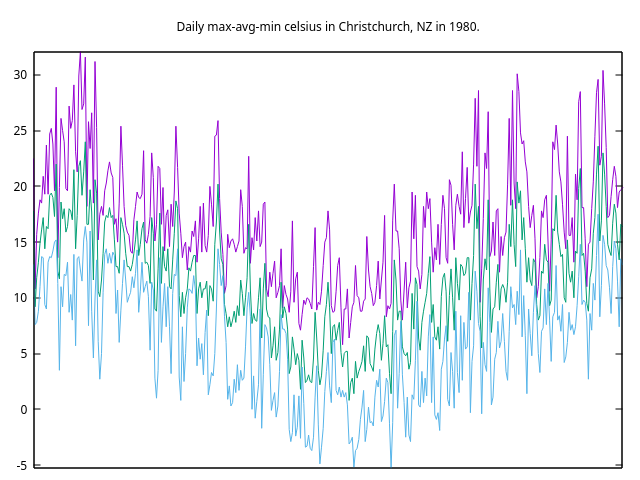
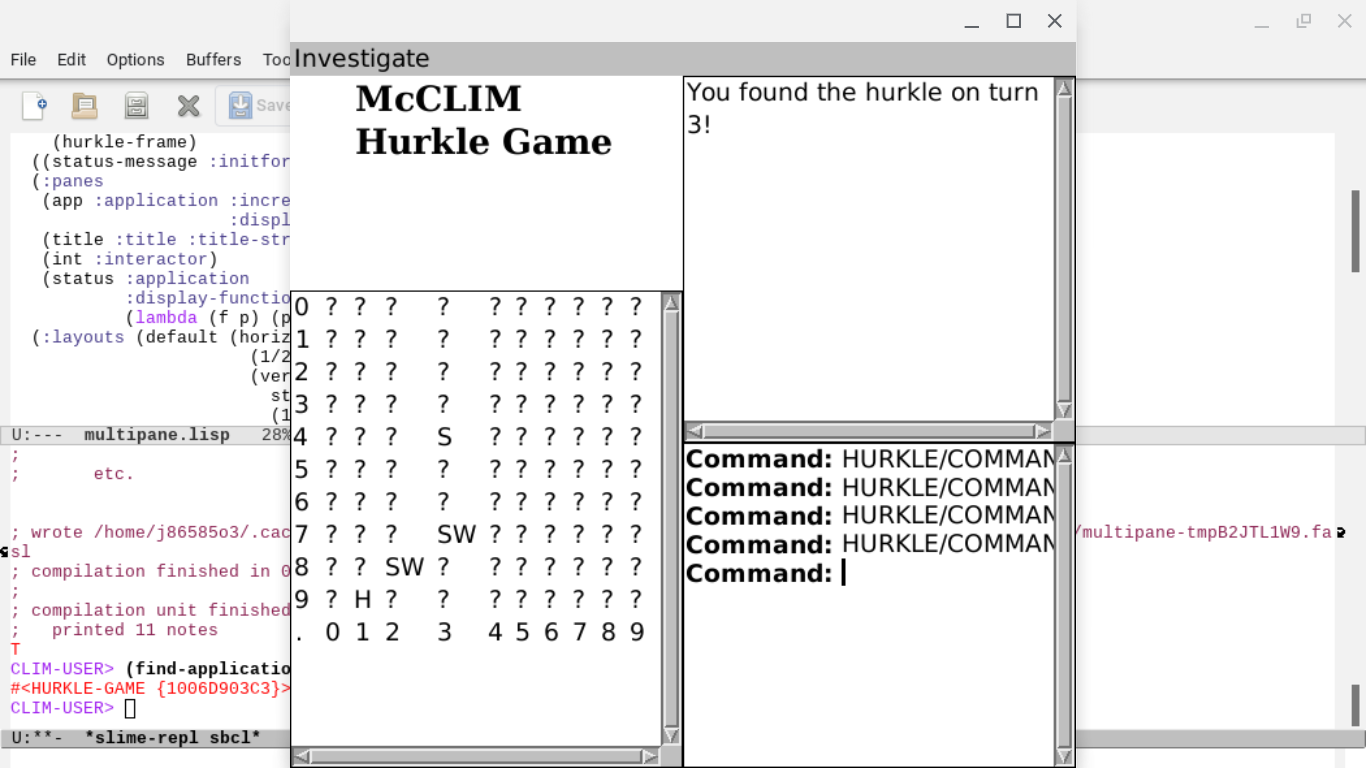
<p><a href="/tags/lispygopherclimate/" rel="tag">#lispyGopherClimate</a> <a href="/tags/softwareengineering/" rel="tag">#softwareEngineering</a> <a href="/tags/computerscience/" rel="tag">#computerScience</a> <a href="/tags/lisp/" rel="tag">#lisp</a> (every Wednesday 0UTC = Tuesday night in Americas)<br><a href="/tags/peertube/" rel="tag">#peertube</a> <a href="/tags/podcast/" rel="tag">#podcast</a> <a href="/tags/archive/" rel="tag">#archive</a> <br><a href="https://communitymedia.video/w/gVRxvMKmdoAwHHJxrcJi5c" rel="nofollow" class="ellipsis" title="communitymedia.video/w/gVRxvMKmdoAwHHJxrcJi5c"><span class="invisible">https://</span><span class="ellipsis">communitymedia.video/w/gVRxvMK</span><span class="invisible">mdoAwHHJxrcJi5c</span></a></p><p><a href="/tags/climatecrisis/" rel="tag">#climateCrisis</a> <a href="/tags/haiku/" rel="tag">#haiku</a> from <span class="h-card"><a href="https://climatejustice.social/@kentpitman" class="u-url mention" rel="nofollow noopener noreferrer" target="_blank">@<span>kentpitman</span></a></span> </p><p><a href="https://screwlisp.small-web.org/" rel="nofollow"><span class="invisible">https://</span>screwlisp.small-web.org/</a><br><a href="/tags/commonlisp/" rel="tag">#commonLisp</a> + <a href="/tags/gnuplot/" rel="tag">#gnuplot</a> <br><a href="/tags/mcclim/" rel="tag">#McCLIM</a> <a href="/tags/hurkle/" rel="tag">#hurkle</a> <a href="/tags/gamedev/" rel="tag">#gameDev</a> <a href="/tags/retrospective/" rel="tag">#retrospective</a> so far</p><p><span class="h-card"><a href="https://mastodon.social/@amszmidt" class="u-url mention" rel="nofollow noopener noreferrer" target="_blank">@<span>amszmidt</span></a></span> sets me straight about the <a href="/tags/loopfacility/" rel="tag">#loopFacility</a> yet again</p><p><span class="h-card"><a href="https://ieji.de/@vnikolov" class="u-url mention" rel="nofollow noopener noreferrer" target="_blank">@<span>vnikolov</span></a></span> points out we can read comp.lang.lisp </p><p>Join in in <a href="/tags/lambdamoo/" rel="tag">#lambdaMOO</a> as always!</p>
Edited 1y ago
<p><a href="/tags/softwareengineering/" rel="tag">#softwareEngineering</a> <a href="/tags/computerscience/" rel="tag">#computerScience</a> <a href="/tags/programming/" rel="tag">#programming</a> <a href="/tags/lisp/" rel="tag">#lisp</a> <a href="/tags/commonlisp/" rel="tag">#commonLisp</a> <a href="/tags/interview/" rel="tag">#interview</a> <a href="/tags/macro/" rel="tag">#macro</a> <a href="/tags/discussion/" rel="tag">#discussion</a> with historical notes-</p><p><a href="https://screwlisp.small-web.org/show/Vassil-Nikolov-Kent-Pitman-assertables-compilation-declare/" rel="nofollow" class="ellipsis" title="screwlisp.small-web.org/show/Vassil-Nikolov-Kent-Pitman-assertables-compilation-declare/"><span class="invisible">https://</span><span class="ellipsis">screwlisp.small-web.org/show/V</span><span class="invisible">assil-Nikolov-Kent-Pitman-assertables-compilation-declare/</span></a></p><p>My quick notes on the downloadable interview discussion with <span class="h-card"><a href="https://ieji.de/@vnikolov" class="u-url mention" rel="nofollow noopener noreferrer" target="_blank">@<span>vnikolov</span></a></span> and <span class="h-card"><a href="https://climatejustice.social/@kentpitman" class="u-url mention" rel="nofollow noopener noreferrer" target="_blank">@<span>kentpitman</span></a></span> About Vassil's assertables classed toggleable assertion macro design. </p><p>Provokes lots of fascinating historical notes from Kent about what the ANSI CL and earlier standardisations were doing and had in mind.</p>
<p><a href="/tags/computerscience/" rel="tag">#computerScience</a> <a href="/tags/engineering/" rel="tag">#engineering</a> <a href="/tags/commonlisp/" rel="tag">#commonLisp</a> <a href="/tags/show/" rel="tag">#show</a> <a href="/tags/live/" rel="tag">#live</a> <a href="/tags/lispygopherclimate/" rel="tag">#lispyGopherClimate</a> <a href="https://communitymedia.video/w/uBZexonyfvFkX92JTps4n3" rel="nofollow" class="ellipsis" title="communitymedia.video/w/uBZexonyfvFkX92JTps4n3"><span class="invisible">https://</span><span class="ellipsis">communitymedia.video/w/uBZexon</span><span class="invisible">yfvFkX92JTps4n3</span></a></p><p><a href="/tags/climatecrisis/" rel="tag">#climateCrisis</a> <a href="/tags/haiku/" rel="tag">#haiku</a> <span class="h-card"><a href="https://climatejustice.social/@kentpitman" class="u-url mention" rel="nofollow noopener noreferrer" target="_blank">@<span>kentpitman</span></a></span> </p><p>We have <span class="h-card"><a href="https://ieji.de/@vnikolov" class="u-url mention" rel="nofollow noopener noreferrer" target="_blank">@<span>vnikolov</span></a></span> talking about common lisp and type checking macros</p><p>+:<br>We do not have incredible artist <span class="h-card"><a href="https://ciberlandia.pt/@shizamura" class="u-url mention" rel="nofollow noopener noreferrer" target="_blank">@<span>shizamura</span></a></span> who has her fourth <a href="/tags/scifi/" rel="tag">#scifi</a> comic volume finished being funded or something (?) <a href="https://sarilho.net/en/" rel="nofollow"><span class="invisible">https://</span>sarilho.net/en/</a> (if you speak english and not portuguese).<br>She promises to record something about semantics for us in the future.</p><p><a href="/tags/lambdamoo/" rel="tag">#lambdaMOO</a> live chat</p>
Edited 1y ago
<p>Spent a bit of time tonight updating the "virtual pet" sprites I have at the top of my Canvas pages to represent student progress. </p><p>I only got caught up on grading one class so far because they're starting the semester project this week, so I updated their sprites.</p><p>Including a screenshot of another class' pets, which are still in "baby form".</p><p><a href="/tags/education/" rel="tag">#Education</a> <a href="/tags/computerscience/" rel="tag">#ComputerScience</a></p>