A rant about the second sentence of Prophet Song
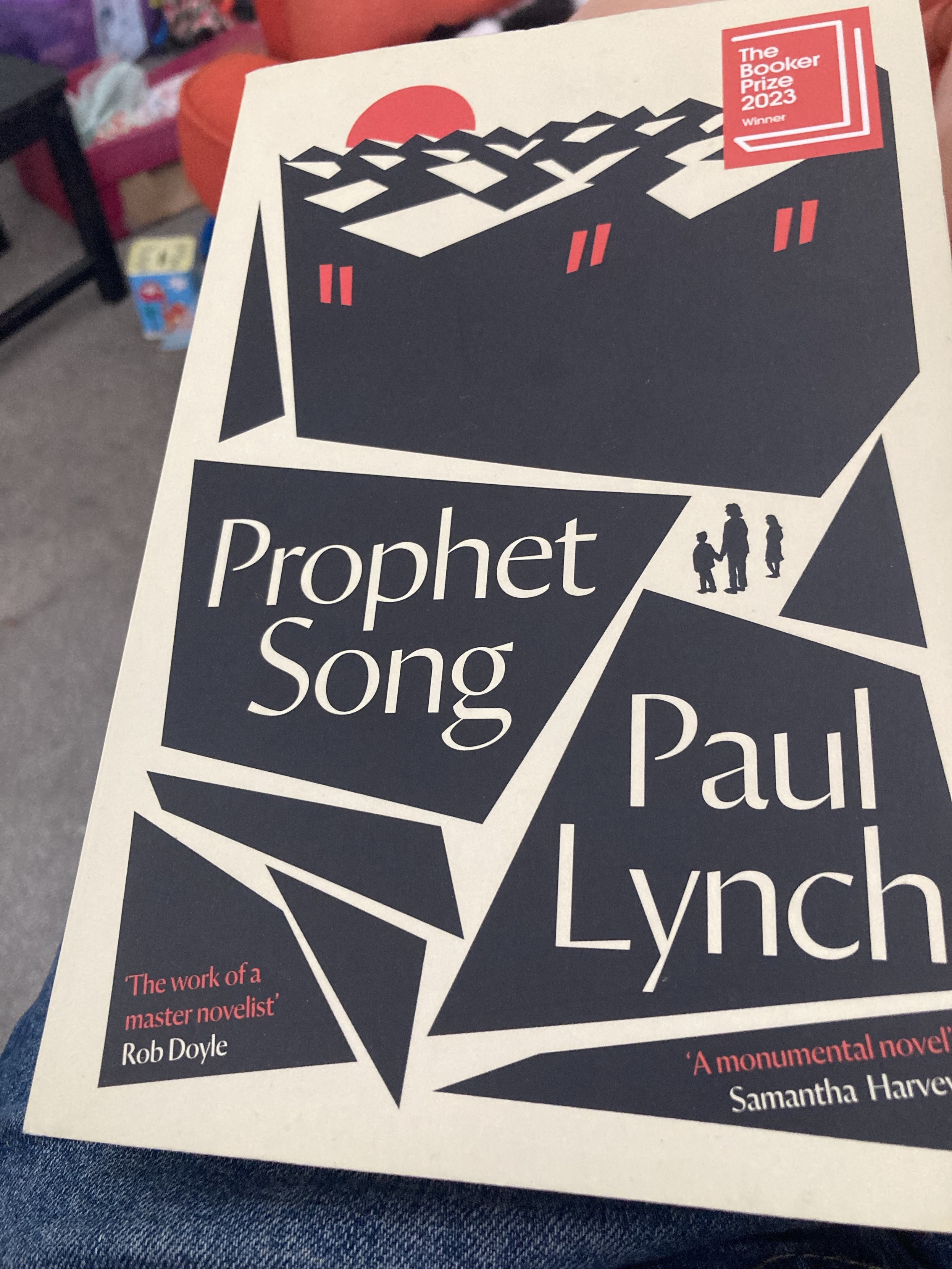
<p>I just finished Prophet Song and loved it but I want to rant about the second sentence. Here are the first three:</p><p><p>The night has come and she has not heard the knocking, standing at the window looking out onto the garden. How the dark gathers without sound the cherry trees. It gathers the last of the leaves and the leaves do not resist the dark but accept the dark in whisper.</p></p><p>The first sentence is great. Introduces the setting and the tone and tells the reader, “I’m about to play with standard grammar.”</p><p>The third sentence is, like, one of thesis statements for the book. Lovely imagery. I wouldn’t have written it that way but I’m not a poet and I’m sure there’s some meter I’m missing.</p><p>But the second sentence is clunky. It reads like he forgot a word. He didn’t. If you read it as “How the dark gathers, without sound, the cherry trees.” then it’s fine. It links to the next sentence. But I read it as “How the dark gathers without sound <adverb omitted > the cherry trees.”</p><p>I ran an informal servey at a board game night and no thought this was a sentence. They did not understand.</p><p>So here’s where my rant begins: he knew I’d do that. He demonstrates profound ability to control how you read. And he absolutely can write grammatically illegal sentences that are super readable and compelling. He’s good at this shit.</p><p>He goes back to the cherry trees over and over again in the book and it’s comforting to check back in on the tree metaphor. It’s a wonderful, comforting metaphor for suffering. You get to high five it a bunch of times during the book. It’s important you remember the trees.</p><p>And I sure did! Because of that clunky second sentence I showed my friends. My wife said, “only a white guy would dare write like this.” And, I dunno about only but his choices do scream, “I’m a pretentious Irish poet and this is Literary Literature.”</p><p>He knows people are going to say, “this dude wishes he was Joyce” and “he sure ain’t Cormac McCarthy.” Again, he’s good at this shit. I think he wanted to do a Literary Literature about refugees.</p><p>Back to cherry trees. I think he chose to make that sentence flow so badly that it stuck in your craw so you’d remember the stupid trees. Talk about them. I think this is a thing Literary types like to do. To put ideas in your head using these fun meta tricks.</p><p>And it worked! I’m talking about the damn trees. And if you read the book and are reading this you are being reminded of the trees and the peotic thesis. I think this is intentional. You don’t risk the second sentence of your book being clunky unless you know what’ll happen.</p><p>But was it worth it? I almost put the book down. I’ve never read this dude before. I almost gave it back to the library on page three when I realized he wasn’t doing paragraphs. I’m ok without quotation marks. Didn’t bother me.</p><p>I read an interview where he said he felt like Europeas just weren’t getting the refugee crisis. I’ve seen people criticize him to telling this story in Ireland or telling a fictional story when so many real life stories happened in the 30s. And much more recently in Eastern Europe. But I don’t buy that criticism. He’s correct that Europeans don’t get it. Well, I know Americans don’t because I’m here and ICE and shit. But I’ve seen some y’all’s media and it sure looks like you are in the same boat as us.</p><p>Whatever. He may as well give it a shot. If tarting it up with metaphor and Literary Literature gets the message out then great.</p><p>But if you want to get the message out then why risk the clunky second sentence? Is it not clunky to Literary Literature types?! If it isn’t clunky then I’d have expected him spend another sentence or two of the trees. Can’t high five a metaphor you forgot.</p><p>So I think this is intentionally clunky. And it does help me remember the tree metaphor. But maybe it does more? I certainly showed it to a bunch of folks. But the lack of paragraph breaks dominate the conversation and he had to know it would. He’s good at this shit.</p><p>Ideas? I’m obviously overreacting. But this is an important choice! One that I don’t understand. I don’t understand lots of stuff and it doesn’t usually bother me. Why does this sentence bother me?</p>
<small class="notice" x-post-type-data="None">
Takahe has limited support for this type: <a href="https://programming.dev/post/49091762">See Original Page</a>
</small>
<p>Bookish Discoveries I Made in 2025: <a href="https://lydiaschoch.com/top-ten-tuesday-bookish-discoveries-i-made-in-2025/" rel="nofollow" class="ellipsis" title="lydiaschoch.com/top-ten-tuesday-bookish-discoveries-i-made-in-2025/"><span class="invisible">https://</span><span class="ellipsis">lydiaschoch.com/top-ten-tuesda</span><span class="invisible">y-bookish-discoveries-i-made-in-2025/</span></a></p><p><a href="/tags/books/" rel="tag">#Books</a> <a href="/tags/readingcommunity/" rel="tag">#ReadingCommunity</a> <a href="/tags/bookstodon/" rel="tag">#Bookstodon</a> <a href="/tags/readersofmastodon/" rel="tag">#ReadersOfMastodon</a> </p><p><span class="h-card"><a href="https://fedigroups.social/@bookstodon" class="u-url mention" rel="nofollow noopener noreferrer" target="_blank">@<span>bookstodon</span></a></span></p>
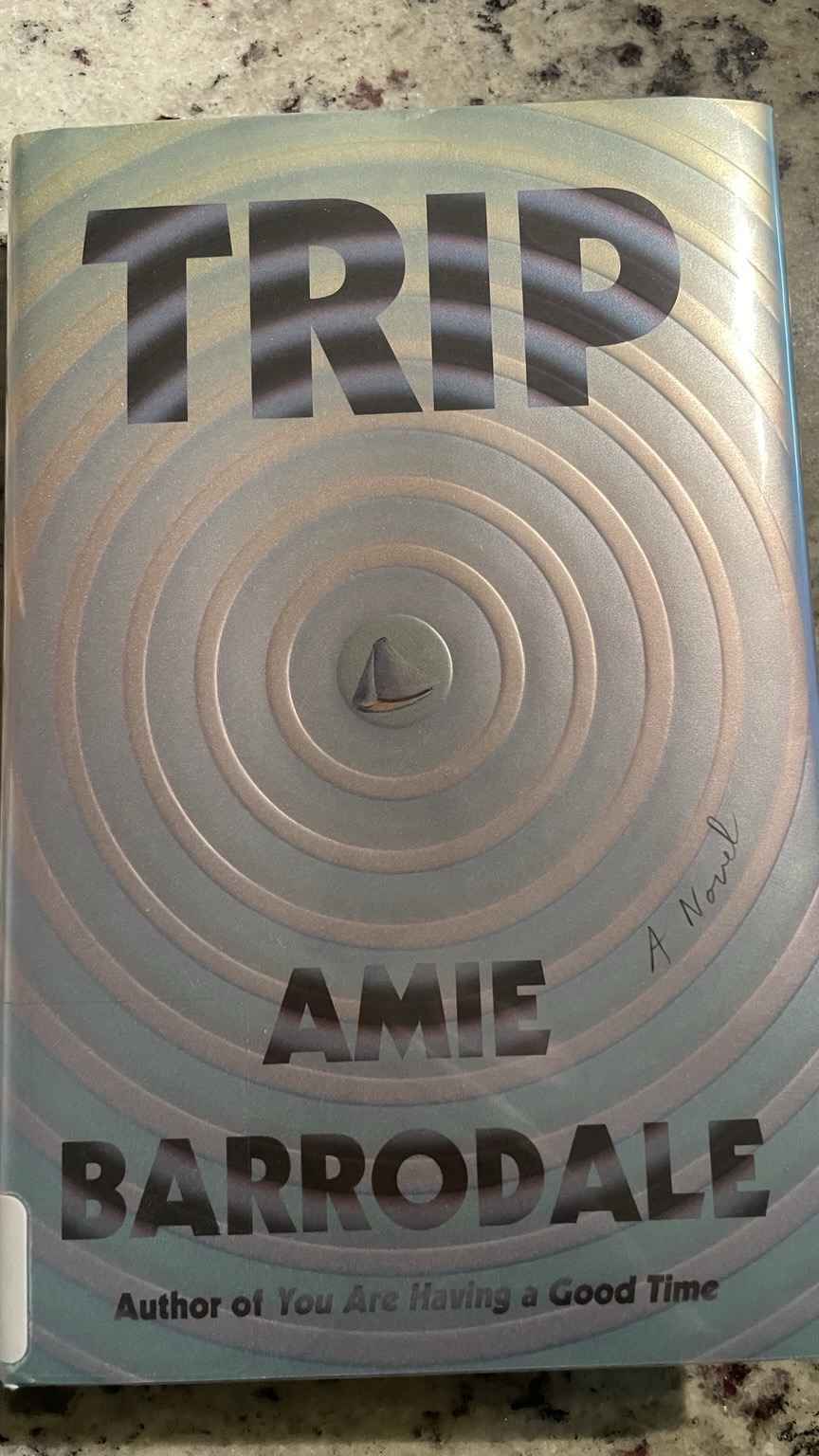
<p>Trip. By Amie Barrodale.</p><p>You are the mother of an autistic teenager, and when you accidentally die at a conference for afterlife studies, you find you have an unexpected chance to maybe fix some things you think you did wrong, though your impact on the living is slight, brief and unwieldy.</p><p>4 of 5 library cats 🐈 🐈 🐈 🐈 </p><p><span class="h-card"><a href="https://fedigroups.social/@bookstodon" class="u-url mention" rel="nofollow noopener noreferrer" target="_blank">@<span>bookstodon</span></a></span> <a href="/tags/books/" rel="tag">#books</a> <a href="/tags/reading/" rel="tag">#reading</a> <a href="/tags/bookstodon/" rel="tag">#bookstodon</a> <a href="/tags/death/" rel="tag">#death</a> <a href="/tags/autism/" rel="tag">#autism</a> <a href="/tags/parenting/" rel="tag">#parenting</a> <a href="/tags/teenagers/" rel="tag">#teenagers</a></p>
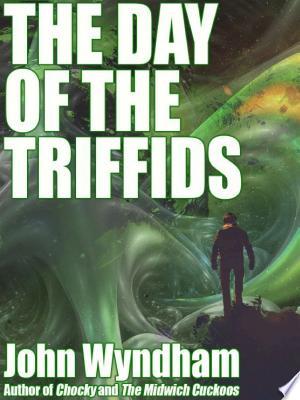
<p>📚 The Day of the Triffids by: John Wyndham</p><p>When a freak cosmic event renders most of the Earth’s population blind, Bill Masen one of the lucky few to wake up with his sight—finds himself trapped in a London packed with sightless mobs who prey on those who can still see. With civilization in chaos, the tr...</p><p><a href="https://bookblabla.com/book/the-day-of-the-triffids" rel="nofollow" class="ellipsis" title="bookblabla.com/book/the-day-of-the-triffids"><span class="invisible">https://</span><span class="ellipsis">bookblabla.com/book/the-day-of</span><span class="invisible">-the-triffids</span></a></p><p><span class="h-card"><a href="https://fedigroups.social/@bookstodon" class="u-url mention" rel="nofollow noopener noreferrer" target="_blank">@<span>bookstodon</span></a></span></p><p><a href="/tags/books/" rel="tag">#books</a> <a href="/tags/reading/" rel="tag">#reading</a> <a href="/tags/libraries/" rel="tag">#libraries</a> <a href="/tags/fiction/" rel="tag">#fiction</a> <a href="/tags/sciencefiction/" rel="tag">#sciencefiction</a> <a href="/tags/generalfiction/" rel="tag">#generalfiction</a> <a href="/tags/apocalypticpostapocalyptic/" rel="tag">#apocalypticpostapocalyptic</a></p>
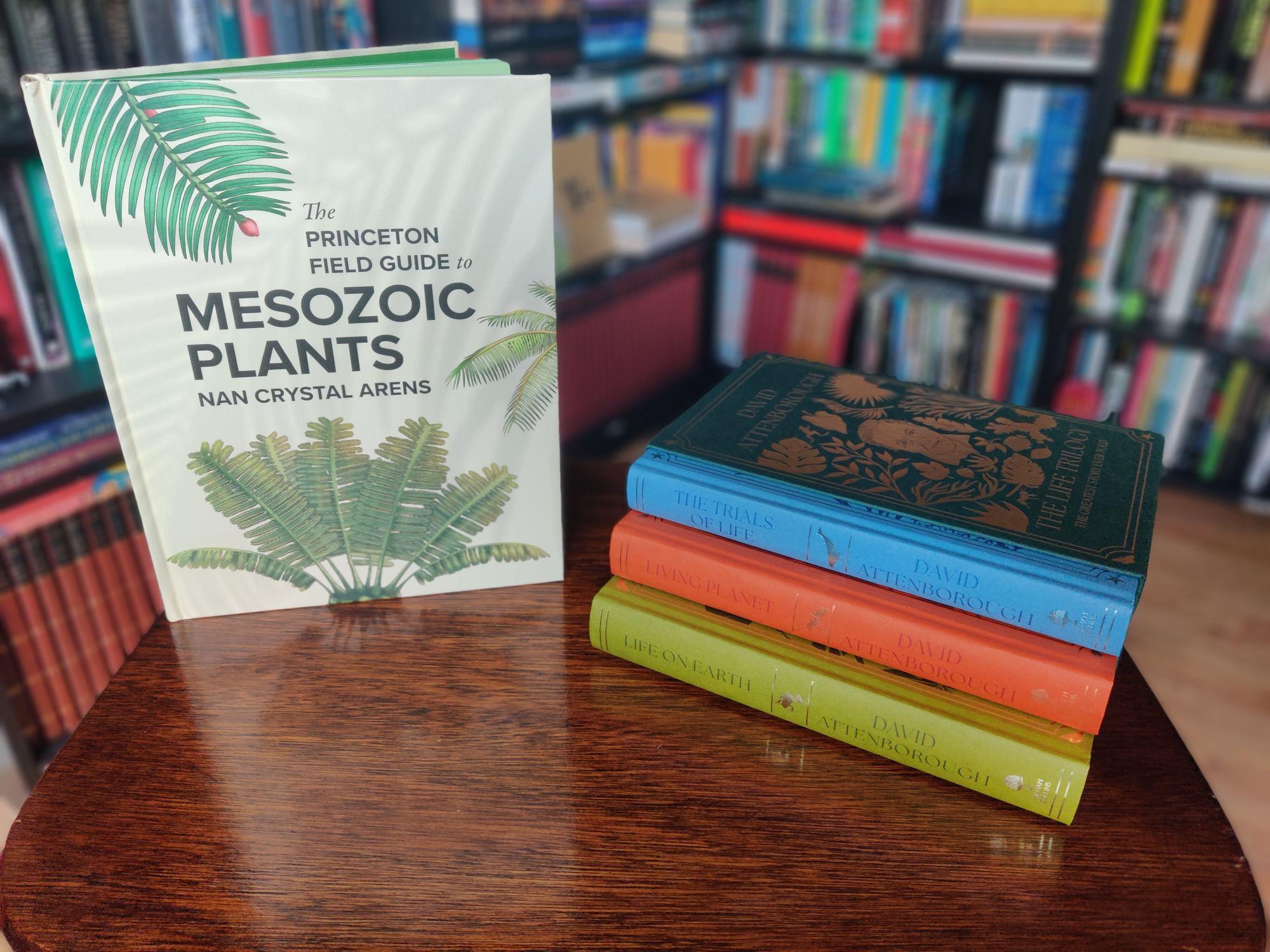
<p>This week's <a href="/tags/newbooks/" rel="tag">#NewBooks</a> at the library: I adopted damaged copies of The Princeton Field Guide to Mesozoic Plants (look out for a review in the near future) and David Attenborough's Life Trilogy Boxset.</p><p><a href="/tags/books/" rel="tag">#Books</a> <a href="/tags/scicomm/" rel="tag">#Scicomm</a> <a href="/tags/bookstodon/" rel="tag">#Bookstodon</a> <a href="/tags/paleobotany/" rel="tag">#Paleobotany</a> <a href="/tags/palaeobotany/" rel="tag">#Palaeobotany</a> <a href="/tags/plants/" rel="tag">#Plants</a> <a href="/tags/botany/" rel="tag">#Botany</a> <a href="/tags/naturalhistory/" rel="tag">#NaturalHistory</a> <span class="h-card"><a href="https://fedigroups.social/@bookstodon" class="u-url mention" rel="nofollow noopener noreferrer" target="_blank">@<span>bookstodon</span></a></span> <span class="h-card"><a href="https://mastodon.social/@princetonupress" class="u-url mention" rel="nofollow noopener noreferrer" target="_blank">@<span>princetonupress</span></a></span></p>
<p>7 Out-of-This-World Facts About Ray Bradbury’s ‘The Martian Chronicles’</p><p>The fix-up novel, which turns 75 this year, would become one of Bradbury’s most famous books—and inspire future scientists.</p><p>By Lorna Wallace</p><p><a href="https://www.mentalfloss.com/ray-bradbury-martian-chronicles-book-facts" rel="nofollow" class="ellipsis" title="www.mentalfloss.com/ray-bradbury-martian-chronicles-book-facts"><span class="invisible">https://</span><span class="ellipsis">www.mentalfloss.com/ray-bradbu</span><span class="invisible">ry-martian-chronicles-book-facts</span></a></p><p><a href="/tags/books/" rel="tag">#books</a> <a href="/tags/literature/" rel="tag">#literature</a></p>
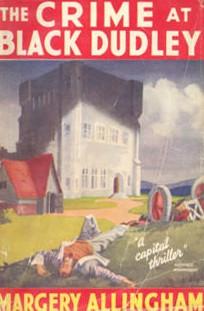
<p>In February 1929.</p><p>The first of Margery Allingham's crime novels to feature Albert Campion, The Crime at Black Dudley (U.S. title: The Black Dudley Murder), is published in the UK. It introduces Albert Campion, her misleadingly vapid detective, who would go on to appear in another 18 novels and many short stories over the next 30 years.</p><p><a href="https://en.wikipedia.org/wiki/The_Crime_at_Black_Dudley" rel="nofollow" class="ellipsis" title="en.wikipedia.org/wiki/The_Crime_at_Black_Dudley"><span class="invisible">https://</span><span class="ellipsis">en.wikipedia.org/wiki/The_Crim</span><span class="invisible">e_at_Black_Dudley</span></a></p><p>Books by Margery Allingham at PG:<br><a href="https://www.gutenberg.org/ebooks/search/?query=Margery+Allingham&submit_search=Search" rel="nofollow" class="ellipsis" title="www.gutenberg.org/ebooks/search/?query=Margery+Allingham&submit_search=Search"><span class="invisible">https://</span><span class="ellipsis">www.gutenberg.org/ebooks/searc</span><span class="invisible">h/?query=Margery+Allingham&submit_search=Search</span></a></p><p><a href="/tags/books/" rel="tag">#books</a> <a href="/tags/literature/" rel="tag">#literature</a></p>
<p>Prophet Song by Paul Lynch. This is a very well written book but geez is it bleak. Honestly I think it will age well as a record of modern war but right now it’s not exactly what I want for my recreational <a href="/tags/reading/" rel="tag">#reading</a>. If you have or love children prepare to have your heart ripped out <a href="/tags/bookerprize/" rel="tag">#BookerPrize</a> <a href="/tags/books/" rel="tag">#books</a> <span class="h-card"><a href="https://fedigroups.social/@bookstodon" class="u-url mention" rel="nofollow noopener noreferrer" target="_blank">@<span>bookstodon</span></a></span></p>
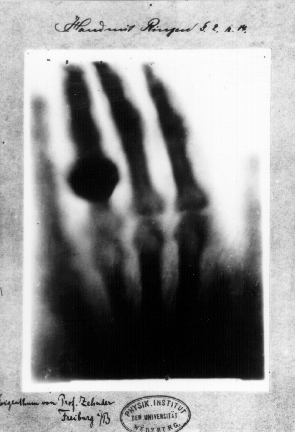
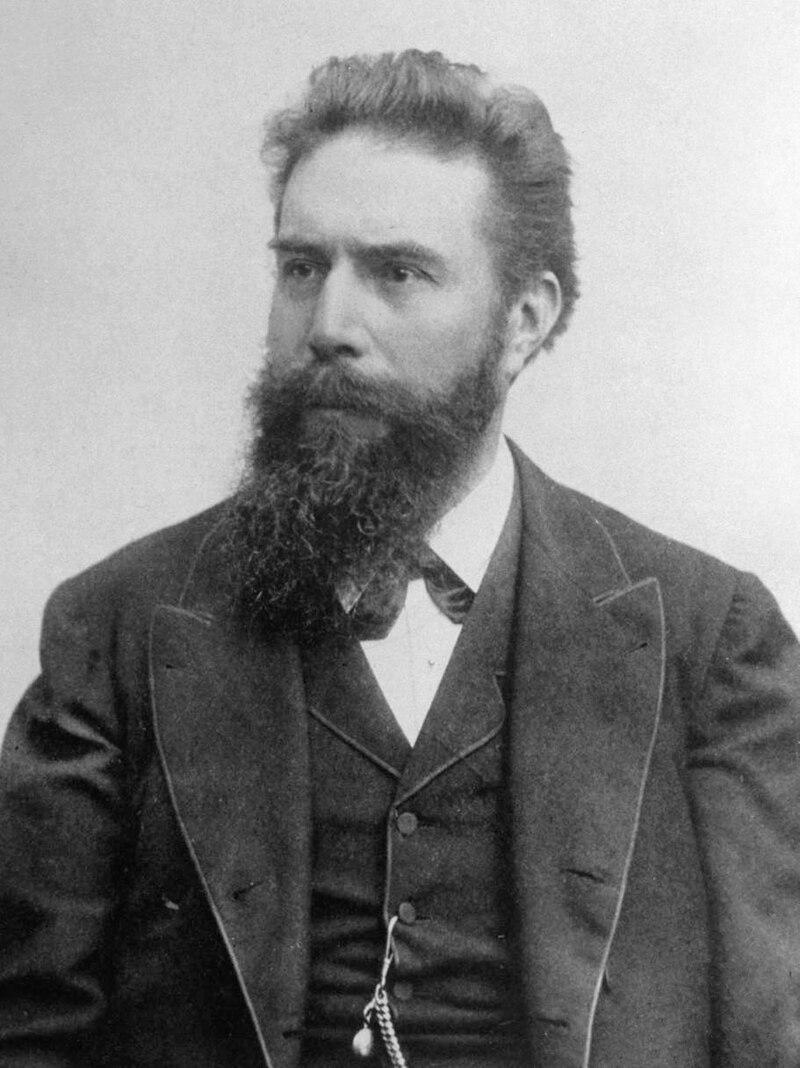
<p>"I did not think; I investigated."</p><p>German physicist Wilhelm Conrad Röntgen died <a href="/tags/otd/" rel="tag">#OTD</a> in 1923.</p><p>On 8 November 1895, he produced and detected electromagnetic radiation in a wavelength range known as X-rays or Röntgen rays, an achievement that earned him the inaugural Nobel Prize in Physics in 1901. The non-SI unit of radiation exposure, the roentgen (R), is also named after him.</p><p><a href="https://en.wikipedia.org/wiki/Wilhelm_R%C3%B6ntgen" rel="nofollow" class="ellipsis" title="en.wikipedia.org/wiki/Wilhelm_R%C3%B6ntgen"><span class="invisible">https://</span><span class="ellipsis">en.wikipedia.org/wiki/Wilhelm_</span><span class="invisible">R%C3%B6ntgen</span></a></p><p>Books about Röntgen at PG:<br><a href="https://www.gutenberg.org/ebooks/search/?query=R%C3%B6ntgen&submit_search=Search" rel="nofollow" class="ellipsis" title="www.gutenberg.org/ebooks/search/?query=R%C3%B6ntgen&submit_search=Search"><span class="invisible">https://</span><span class="ellipsis">www.gutenberg.org/ebooks/searc</span><span class="invisible">h/?query=R%C3%B6ntgen&submit_search=Search</span></a></p><p><a href="/tags/books/" rel="tag">#books</a> <a href="/tags/physics/" rel="tag">#physics</a></p>
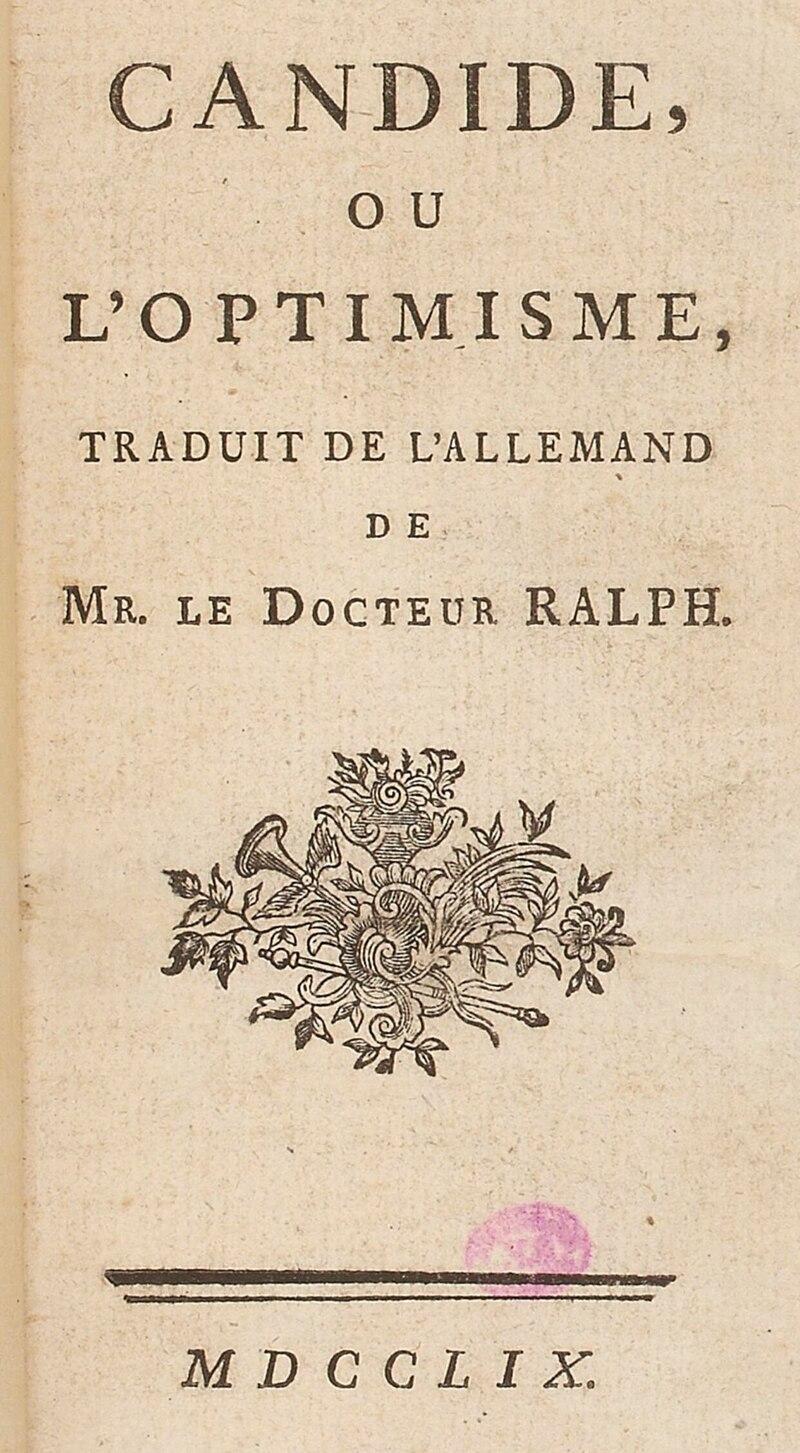
<p>From February to August 1929.</p><p>Voltaire's Candide (1759) is held to be obscene by the United States Customs Service in Boston.</p><p>Immediately after its secretive publication, the book was widely banned because of its religious blasphemy, political sedition, and intellectual hostility hidden under a thin veil of naivety.</p><p><a href="https://en.wikipedia.org/wiki/Candide" rel="nofollow"><span class="invisible">https://</span>en.wikipedia.org/wiki/Candide</a></p><p>Candide at PG:<br><a href="https://gutenberg.org/ebooks/19942" rel="nofollow"><span class="invisible">https://</span>gutenberg.org/ebooks/19942</a></p><p><a href="/tags/books/" rel="tag">#books</a> <a href="/tags/literature/" rel="tag">#literature</a></p>
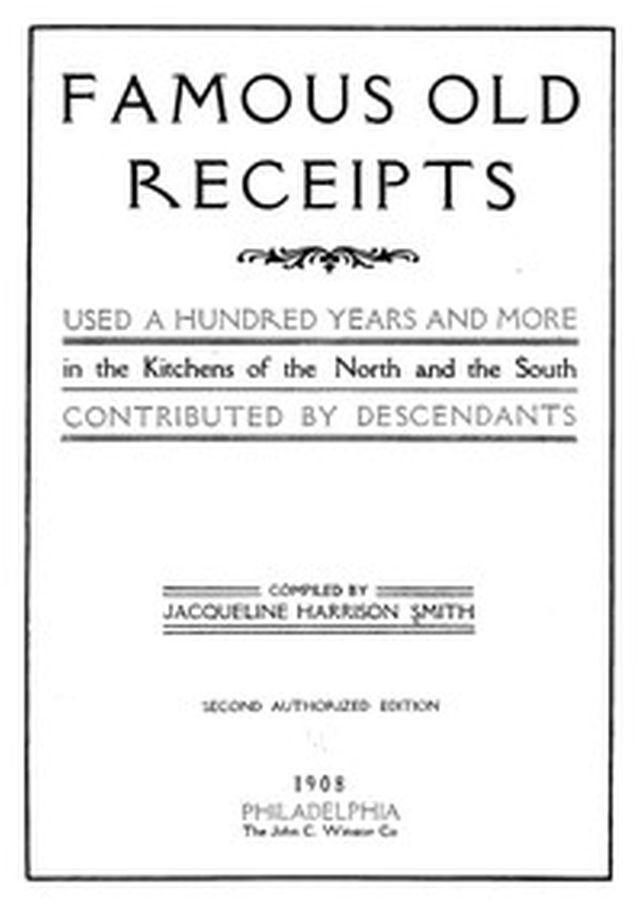
<p>This month's Distributed Proofreaders' (DP) Blog talks about the book "Famous Old Receipts." In this case Receipts means recipes. Read all about this cookbook and see the delicious looking dish our brave blogger tried from it.</p><p><a href="https://blog.pgdp.net/2026/02/01/famous-old-receipts/" rel="nofollow" class="ellipsis" title="blog.pgdp.net/2026/02/01/famous-old-receipts/"><span class="invisible">https://</span><span class="ellipsis">blog.pgdp.net/2026/02/01/famou</span><span class="invisible">s-old-receipts/</span></a></p><p><a href="/tags/dp/" rel="tag">#dp</a> <a href="/tags/dpblog/" rel="tag">#dpblog</a> <a href="/tags/cooking/" rel="tag">#cooking</a> <a href="/tags/food/" rel="tag">#food</a> <a href="/tags/books/" rel="tag">#books</a></p>
Edited 135d ago
<p>The Fairytale Language of the Brothers Grimm</p><p>By Chi Luu</p><p>How the Brothers Grimm went hunting for fairytales, accidentally changed the course of historical linguistics, and kickstarted a new field of scholarship in folklore</p><p><a href="https://daily.jstor.org/the-fairytale-language-of-the-brothers-grimm/?utm_source=mcae&utm_medium=email&utm_campaign=jstordaily_04302026" rel="nofollow" class="ellipsis" title="daily.jstor.org/the-fairytale-language-of-the-brothers-grimm/?utm_source=mcae&utm_medium=email&utm_campaign=jstordaily_04302026"><span class="invisible">https://</span><span class="ellipsis">daily.jstor.org/the-fairytale-</span><span class="invisible">language-of-the-brothers-grimm/?utm_source=mcae&utm_medium=email&utm_campaign=jstordaily_04302026</span></a></p><p>Brothers Grimm at PG:<br><a href="https://www.gutenberg.org/ebooks/search/?query=Brothers+Grimm" rel="nofollow" class="ellipsis" title="www.gutenberg.org/ebooks/search/?query=Brothers+Grimm"><span class="invisible">https://</span><span class="ellipsis">www.gutenberg.org/ebooks/searc</span><span class="invisible">h/?query=Brothers+Grimm</span></a></p><p><a href="/tags/books/" rel="tag">#Books</a> <a href="/tags/literature/" rel="tag">#Literature</a> <a href="/tags/philology/" rel="tag">#Philology</a> <a href="/tags/folklore/" rel="tag">#Folklore</a></p>
<p>A History of Existential Anxiety</p><p>From medieval theology to modern philosophy, dread has long been a guide for living ethically.</p><p>By: Livia Gershon </p><p><a href="https://daily.jstor.org/a-history-of-existential-anxiety/" rel="nofollow" class="ellipsis" title="daily.jstor.org/a-history-of-existential-anxiety/"><span class="invisible">https://</span><span class="ellipsis">daily.jstor.org/a-history-of-e</span><span class="invisible">xistential-anxiety/</span></a></p><p>Original article:<br><a href="https://www.jstor.org/stable/44017151?mag=a-history-of-existential-anxiety&seq=1" rel="nofollow" class="ellipsis" title="www.jstor.org/stable/44017151?mag=a-history-of-existential-anxiety&seq=1"><span class="invisible">https://</span><span class="ellipsis">www.jstor.org/stable/44017151?</span><span class="invisible">mag=a-history-of-existential-anxiety&seq=1</span></a></p><p>Kierkegaard, Julian of Norwich, Margery Kempe at PG: <br><a href="https://www.gutenberg.org/ebooks/author/46682" rel="nofollow" class="ellipsis" title="www.gutenberg.org/ebooks/author/46682"><span class="invisible">https://</span><span class="ellipsis">www.gutenberg.org/ebooks/autho</span><span class="invisible">r/46682</span></a><br><a href="https://www.gutenberg.org/ebooks/author/47157" rel="nofollow" class="ellipsis" title="www.gutenberg.org/ebooks/author/47157"><span class="invisible">https://</span><span class="ellipsis">www.gutenberg.org/ebooks/autho</span><span class="invisible">r/47157</span></a><br><a href="https://www.gutenberg.org/ebooks/search/?query=Margery+Kempe" rel="nofollow" class="ellipsis" title="www.gutenberg.org/ebooks/search/?query=Margery+Kempe"><span class="invisible">https://</span><span class="ellipsis">www.gutenberg.org/ebooks/searc</span><span class="invisible">h/?query=Margery+Kempe</span></a></p><p><a href="/tags/books/" rel="tag">#books</a> <a href="/tags/literature/" rel="tag">#literature</a> <a href="/tags/philosophy/" rel="tag">#philosophy</a> <a href="/tags/religion/" rel="tag">#religion</a></p>
<p>finished reading <a href="https://eggplant.place/search?r=1&q=https://reviewdb.app/book/3KbaJj5K06P6oemmvQHWBX" rel="nofollow">The Collected Schizophrenias: Essays</a> 🌕🌕🌕🌕🌑 <br>Essays on the author's experience of schizophrenia (along with bipolar, PTSD & chronic Lyme!) in the US. Fascinating & unsettling view into psychiatric hospitals, mental health 'support' in Ivy League colleges, and what the hell a psychotic break feels like. Blimey.</p><p><a href="/tags/bookreview/" rel="tag">#BookReview</a> <a href="/tags/books/" rel="tag">#Books</a> <a href="/tags/bookstodon/" rel="tag">#Bookstodon</a> <a href="/tags/essays/" rel="tag">#Essays</a> <a href="/tags/autobiography/" rel="tag">#Autobiography</a> <a href="/tags/mentalhealth/" rel="tag">#MentalHealth</a> <a href="/tags/schizophrenia/" rel="tag">#Schizophrenia</a></p><p><span class="h-card"><a href="https://aus.social/@wildwoila" class="u-url mention" rel="nofollow noopener noreferrer" target="_blank">@<span>WildWoila</span></a></span> @wildwoila@wyrms.de<br></p>
Edited 1y ago
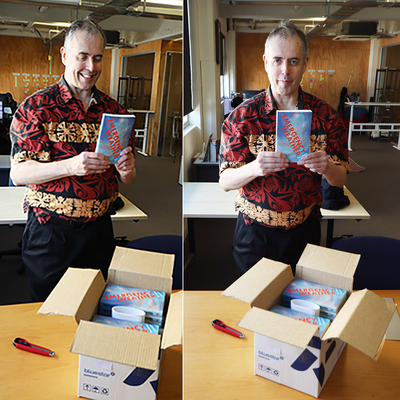
<p>I'm helping to launch Andy Southall's new science fiction novel "Perfect World" - the third book in his science fiction trilogy - at 3pm on Sunday 17th May at Johnsonville Community Centre, Wellington.</p><p>Check out more about the book and the trilogy on Andy's website, <a href="https://andy-southall.com/" rel="nofollow"><span class="invisible">https://</span>andy-southall.com/</a> </p><p>Hope you'll come along to the launch!</p><p>@bookstodon <a href="/tags/johnsonville/" rel="tag">#Johnsonville</a> <a href="/tags/waitohi/" rel="tag">#Waitohi</a> <a href="/tags/wellington/" rel="tag">#Wellington</a> <a href="/tags/books/" rel="tag">#books</a> <a href="/tags/booklaunch/" rel="tag">#booklaunch</a> <a href="/tags/nzbooks/" rel="tag">#nzbooks</a> <a href="/tags/sciencefiction/" rel="tag">#ScienceFiction</a></p>
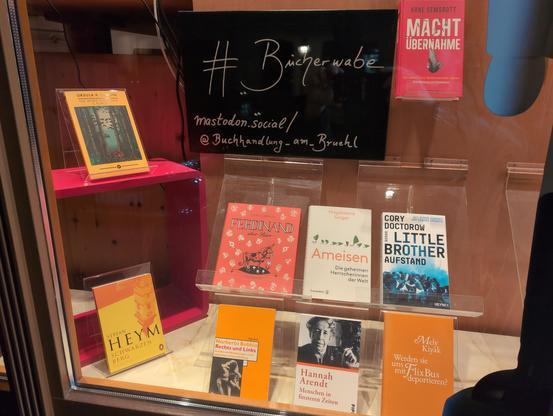
<p>"Little Brother" von Cory Doctorow ( <span class="h-card"><a href="https://mamot.fr/@pluralistic" class="u-url mention" rel="nofollow noopener noreferrer" target="_blank">@<span>pluralistic</span></a></span> ) handelt davon, wie schnell die eigene Heimat zum Feindstaat werden kann, wenn die Freiheit der Sicherheit untergeordnet wird. Und davon wie schnell die Technik, die uns ermächtigt und vernetzt, zum Mittel der Überwachung und Unterdrückung werden kann. Dabei macht Doctorow Mut mit den Mitteln der Technik für die Demokratie zu kämpfen. <a href="/tags/bücherwabe/" rel="tag">#bücherwabe</a> <a href="/tags/chemnitz/" rel="tag">#chemnitz</a> <a href="/tags/bücher/" rel="tag">#bücher</a> <a href="/tags/literatur/" rel="tag">#literatur</a> <a href="/tags/lesen/" rel="tag">#lesen</a> <a href="/tags/books/" rel="tag">#books</a> <a href="/tags/literature/" rel="tag">#literature</a> <a href="/tags/bookstodon/" rel="tag">#bookstodon</a> <a href="/tags/scifi/" rel="tag">#scifi</a> <a href="/tags/politik/" rel="tag">#politik</a> <a href="/tags/politics/" rel="tag">#politics</a></p>
Twenty Thousand Leagues Under the Sea, by Jules Verne
<small class="notice" x-post-type-data="None">
Takahe has limited support for this type: <a href="https://lemmy.ml/post/34087150">See Original Page</a>
</small>
<p><a href="/tags/otd/" rel="tag">#OTD</a> in 1776.</p><p>Scottish political economist Adam Smith's book The Wealth of Nations, the first modern work in economics, was published.</p><p>It has become a fundamental work in classical economics, and has been described as "the first formulation of a comprehensive system of political economy".</p><p><a href="https://en.wikipedia.org/wiki/The_Wealth_of_Nations" rel="nofollow" class="ellipsis" title="en.wikipedia.org/wiki/The_Wealth_of_Nations"><span class="invisible">https://</span><span class="ellipsis">en.wikipedia.org/wiki/The_Weal</span><span class="invisible">th_of_Nations</span></a></p><p>Wealth of Nations at PG:<br><a href="https://www.gutenberg.org/ebooks/3300" rel="nofollow"><span class="invisible">https://</span>www.gutenberg.org/ebooks/3300</a></p><p><a href="/tags/books/" rel="tag">#books</a> <a href="/tags/literature/" rel="tag">#literature</a> <a href="/tags/economy/" rel="tag">#economy</a></p>
<p>An Enduring Source of Inspiration: In Search of Proust’s Legacy in Ireland</p><p>Max McGuinness Explores the French Writer’s Influence on Generations of Irish Literature</p><p><a href="https://lithub.com/an-enduring-source-of-inspiration-in-search-of-prousts-legacy-in-ireland/" rel="nofollow" class="ellipsis" title="lithub.com/an-enduring-source-of-inspiration-in-search-of-prousts-legacy-in-ireland/"><span class="invisible">https://</span><span class="ellipsis">lithub.com/an-enduring-source-</span><span class="invisible">of-inspiration-in-search-of-prousts-legacy-in-ireland/</span></a></p><p>Marcel Proust at PG:<br><a href="https://www.gutenberg.org/ebooks/author/987" rel="nofollow" class="ellipsis" title="www.gutenberg.org/ebooks/author/987"><span class="invisible">https://</span><span class="ellipsis">www.gutenberg.org/ebooks/autho</span><span class="invisible">r/987</span></a></p><p><a href="/tags/books/" rel="tag">#books</a> <a href="/tags/literature/" rel="tag">#literature</a></p>
<p>Forgotten, priceless medieval book found in school library</p><p>The hermit and mystic Richard Rolles was basically a bestselling author in the Middle Ages.</p><p>by Andrew Paul</p><p><a href="https://www.popsci.com/science/medieval-book-found-school-library/" rel="nofollow" class="ellipsis" title="www.popsci.com/science/medieval-book-found-school-library/"><span class="invisible">https://</span><span class="ellipsis">www.popsci.com/science/medieva</span><span class="invisible">l-book-found-school-library/</span></a></p><p>Richard Rolle at PG:<br><a href="https://www.gutenberg.org/ebooks/25856" rel="nofollow"><span class="invisible">https://</span>www.gutenberg.org/ebooks/25856</a></p><p><a href="/tags/books/" rel="tag">#books</a> <a href="/tags/science/" rel="tag">#science</a> <a href="/tags/archeology/" rel="tag">#archeology</a></p>
<p><a href="/tags/otd/" rel="tag">#OTD</a> in 1896.</p><p>While Oscar Wilde is in prison, his play Salome (written in 1891) is premièred in its original French by Lugné-Poe's Théâtre de l'Œuvre company in Paris, perhaps at the Comédie-Parisienne. Because the play depicted biblical characters it was banned in Britain and was not performed publicly there until 1931.</p><p><a href="https://en.wikipedia.org/wiki/Salome_(play)" rel="nofollow" class="ellipsis" title="en.wikipedia.org/wiki/Salome_(play)"><span class="invisible">https://</span><span class="ellipsis">en.wikipedia.org/wiki/Salome_(</span><span class="invisible">play)</span></a></p><p>Salomé at PG:<br><a href="https://www.gutenberg.org/ebooks/1339" rel="nofollow"><span class="invisible">https://</span>www.gutenberg.org/ebooks/1339</a></p><p><a href="/tags/books/" rel="tag">#books</a> <a href="/tags/literature/" rel="tag">#literature</a> <a href="/tags/theatre/" rel="tag">#theatre</a></p>
<p>In February 1919.</p><p>Richmal Crompton's anarchic English schoolboy William Brown is introduced in the first published Just William story, "Rice-Mould", in Home magazine. The books were published over a period of almost fifty years, between 1922 and 1970.</p><p><a href="https://en.wikipedia.org/wiki/Just_William" rel="nofollow" class="ellipsis" title="en.wikipedia.org/wiki/Just_William"><span class="invisible">https://</span><span class="ellipsis">en.wikipedia.org/wiki/Just_Wil</span><span class="invisible">liam</span></a></p><p>Just William at PG:<br><a href="https://www.gutenberg.org/ebooks/34414" rel="nofollow"><span class="invisible">https://</span>www.gutenberg.org/ebooks/34414</a></p><p><a href="/tags/books/" rel="tag">#books</a> <a href="/tags/literature/" rel="tag">#literature</a></p>
<p>French mathematician and philosopher René Descartes died <a href="/tags/otd/" rel="tag">#OTD</a> in 1650.</p><p>He is known for his influential arguments for substance dualism, where mind and body are considered to have distinct essences, one being characterized by thought, the other by spatial extension. He has been dubbed the "Father of Modern Philosophy" and the "Father of Modern Mathematics."</p><p><a href="https://en.wikipedia.org/wiki/Ren%C3%A9_Descartes" rel="nofollow" class="ellipsis" title="en.wikipedia.org/wiki/Ren%C3%A9_Descartes"><span class="invisible">https://</span><span class="ellipsis">en.wikipedia.org/wiki/Ren%C3%A</span><span class="invisible">9_Descartes</span></a></p><p>Books by René Descartes at PG:<br><a href="https://www.gutenberg.org/ebooks/author/44" rel="nofollow" class="ellipsis" title="www.gutenberg.org/ebooks/author/44"><span class="invisible">https://</span><span class="ellipsis">www.gutenberg.org/ebooks/autho</span><span class="invisible">r/44</span></a></p><p><a href="/tags/books/" rel="tag">#books</a> <a href="/tags/literature/" rel="tag">#literature</a> <a href="/tags/philosophy/" rel="tag">#philosophy</a> <a href="/tags/mathematics/" rel="tag">#mathematics</a></p>
<p>A Persian inscription on a sixteenth-century platter reads: “That this platter always be full, always surrounded by friends, that they are lacking for nothing and that they enjoy everything well.” -- from 'Adventures in the Louvre' by Elaine Sciolino</p><p><a href="/tags/sundaysentence/" rel="tag">#SundaySentence</a> <a href="/tags/bookquote/" rel="tag">#BookQuote</a> <a href="/tags/books/" rel="tag">#books</a> <a href="/tags/reading/" rel="tag">#reading</a> <span class="h-card"><a href="https://fedigroups.social/@bookstodon" class="u-url mention" rel="nofollow noopener noreferrer" target="_blank">@<span>bookstodon</span></a></span></p>
<p>Jane Austen was a satirist – why isn’t she treated like one?</p><p>By Adam J Smith</p><p>Although many women writers were critiquing society in the 18th century, hardly any of them were considered satirists.</p><p><a href="https://theconversation.com/jane-austen-was-a-satirist-why-isnt-she-treated-like-one-262274?utm_medium=email&utm_campaign=Latest%20from%20The%20Conversation%20for%20August%204%202025%20-%203474435381&utm_content=Latest%20from%20The%20Conversation%20for%20August%204%202025%20-%203474435381+CID_11a7064190437d6047887b31fe5798d3&utm_source=campaign_monitor_uk&utm_term=Jane%20Austen%20was%20a%20satirist%20%20why%20isnt%20she%20treated%20like%20one" rel="nofollow" class="ellipsis" title="theconversation.com/jane-austen-was-a-satirist-why-isnt-she-treated-like-one-262274?utm_medium=email&utm_campaign=Latest%20from%20The%20Conversation%20for%20August%204%202025%20-%203474435381&utm_content=Latest%20from%20The%20Conversation%20for%20August%204%202025%20-%203474435381+CID_11a7064190437d6047887b31fe5798d3&utm_source=campaign_monitor_uk&utm_term=Jane%20Austen%20was%20a%20satirist%20%20why%20isnt%20she%20treated%20like%20one"><span class="invisible">https://</span><span class="ellipsis">theconversation.com/jane-auste</span><span class="invisible">n-was-a-satirist-why-isnt-she-treated-like-one-262274?utm_medium=email&utm_campaign=Latest%20from%20The%20Conversation%20for%20August%204%202025%20-%203474435381&utm_content=Latest%20from%20The%20Conversation%20for%20August%204%202025%20-%203474435381+CID_11a7064190437d6047887b31fe5798d3&utm_source=campaign_monitor_uk&utm_term=Jane%20Austen%20was%20a%20satirist%20%20why%20isnt%20she%20treated%20like%20one</span></a></p><p>Jane Austen at PG<br><a href="https://www.gutenberg.org/ebooks/author/68" rel="nofollow" class="ellipsis" title="www.gutenberg.org/ebooks/author/68"><span class="invisible">https://</span><span class="ellipsis">www.gutenberg.org/ebooks/autho</span><span class="invisible">r/68</span></a></p><p><a href="/tags/books/" rel="tag">#books</a> <a href="/tags/literature/" rel="tag">#literature</a></p>