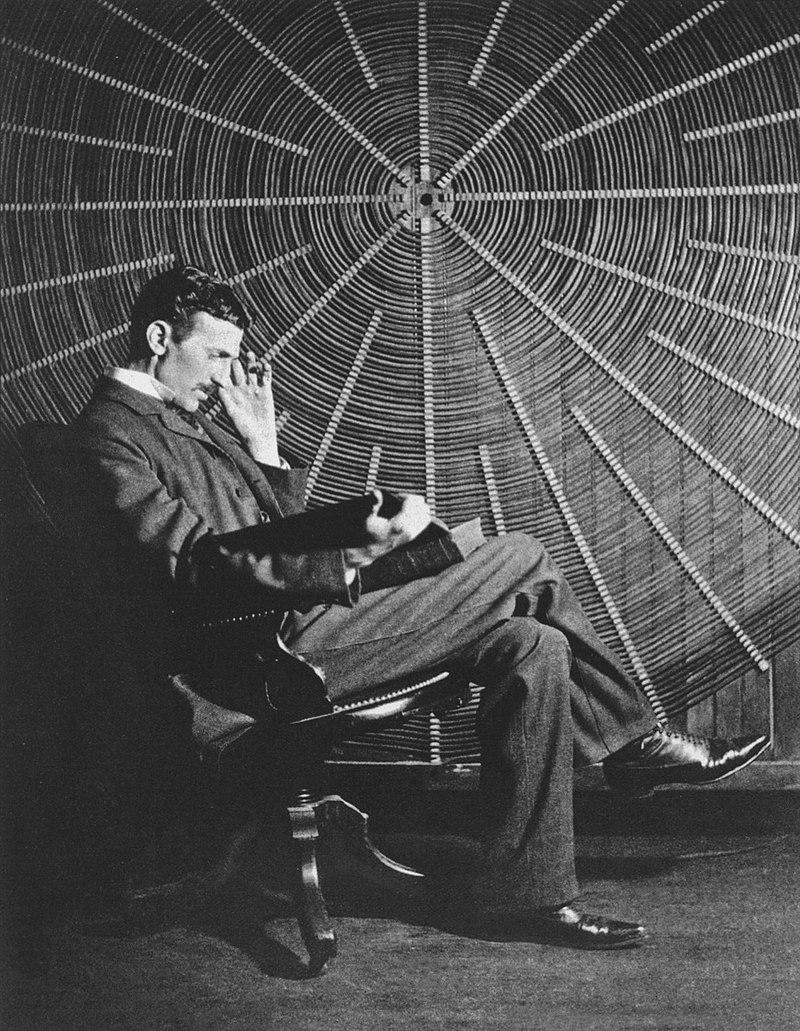
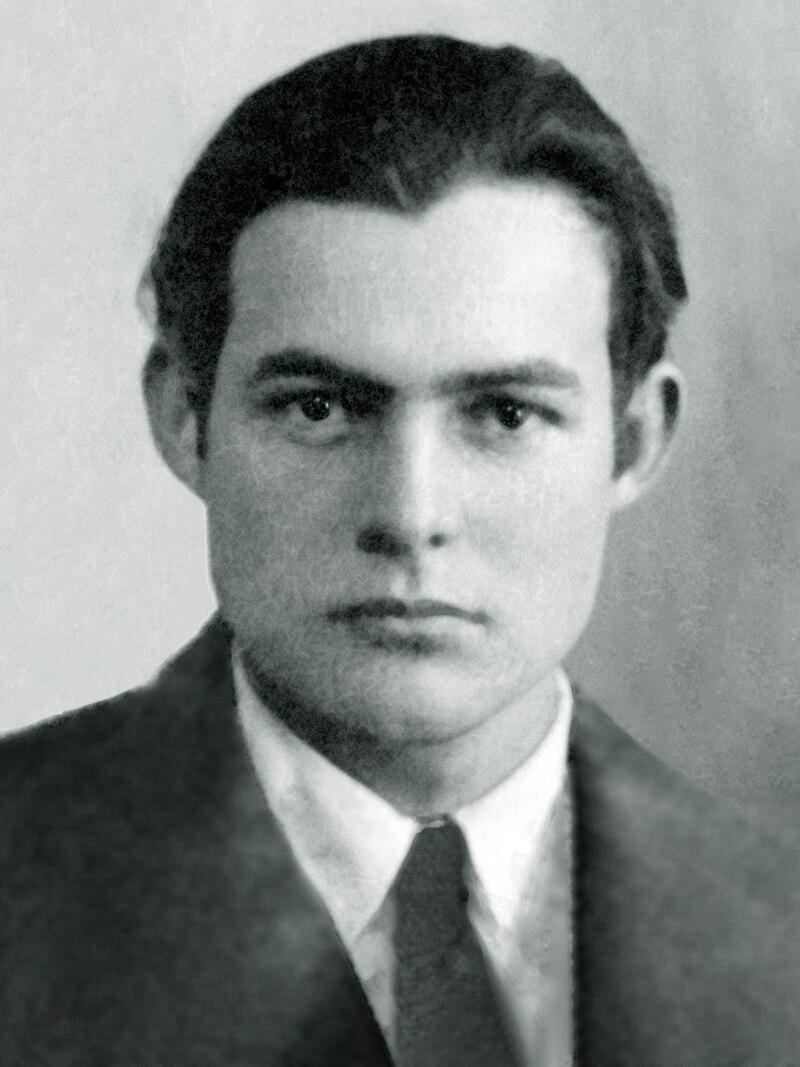
<p>The Editor Who Drove Hemingway Away</p><p>Harry C. Hindmarsh, assistant managing editor of the Toronto Daily Star, knew how to get under Ernest Hemingway’s skin.</p><p><a href="https://daily.jstor.org/the-editor-who-drove-hemingway-away/" rel="nofollow" class="ellipsis" title="daily.jstor.org/the-editor-who-drove-hemingway-away/"><span class="invisible">https://</span><span class="ellipsis">daily.jstor.org/the-editor-who</span><span class="invisible">-drove-hemingway-away/</span></a></p><p>Hemingway at PG:<br><a href="https://www.gutenberg.org/ebooks/author/50533" rel="nofollow" class="ellipsis" title="www.gutenberg.org/ebooks/author/50533"><span class="invisible">https://</span><span class="ellipsis">www.gutenberg.org/ebooks/autho</span><span class="invisible">r/50533</span></a></p><p><a href="/tags/books/" rel="tag">#books</a> <a href="/tags/literature/" rel="tag">#literature</a></p>
books
<p>This is really cool! Last year I read William Dalrymple's "The Golden Road" and central to its narrative are these trade routes. This was an experiment to reconstruct a lost 5th century CE ship design based on drawing in the Ajanta Caves. According to Dalrymple, images in the Ajanta Caves provide some of the best info for the period. </p><p><a href="https://www.bbc.com/news/articles/cwyn15110gvo" rel="nofollow" class="ellipsis" title="www.bbc.com/news/articles/cwyn15110gvo"><span class="invisible">https://</span><span class="ellipsis">www.bbc.com/news/articles/cwyn</span><span class="invisible">15110gvo</span></a></p><p><a href="/tags/india/" rel="tag">#India</a> <a href="/tags/mastindia/" rel="tag">#MastIndia</a> <a href="/tags/history/" rel="tag">#History</a> <a href="/tags/ancienthistory/" rel="tag">#AncientHistory</a> <a href="/tags/histodons/" rel="tag">#Histodons</a> <a href="/tags/books/" rel="tag">#Books</a> <a href="/tags/bookstodon/" rel="tag">#Bookstodon</a> <a href="/tags/ocean/" rel="tag">#Ocean</a> <a href="/tags/ships/" rel="tag">#Ships</a> <a href="/tags/sailing/" rel="tag">#Sailing</a> <a href="/tags/archeology/" rel="tag">#Archeology</a> <span class="h-card"><a href="https://fedigroups.social/@histodons" class="u-url mention" rel="nofollow noopener noreferrer" target="_blank">@<span>histodons</span></a></span> <span class="h-card"><a href="https://fedigroups.social/@bookstodon" class="u-url mention" rel="nofollow noopener noreferrer" target="_blank">@<span>bookstodon</span></a></span></p>
<p>Dear <a href="/tags/fediverse/" rel="tag">#fediverse</a>, please send more readers my way.</p><p>I’d love to connect with more people who read books, post about <a href="/tags/books/" rel="tag">#books</a>, write <a href="/tags/reviews/" rel="tag">#reviews</a>, share <a href="/tags/recommendations/" rel="tag">#recommendations</a>, and enjoy thoughtful conversations about <a href="/tags/literature/" rel="tag">#literature</a>.</p><p><a href="/tags/bookstodon/" rel="tag">#bookstodon</a> <a href="/tags/reading/" rel="tag">#reading</a> <a href="/tags/booksky/" rel="tag">#booksky</a> <a href="/tags/bookreview/" rel="tag">#bookreview</a> <a href="/tags/booklovers/" rel="tag">#booklovers</a> <a href="/tags/readingcommunity/" rel="tag">#readingcommunity</a> <a href="/tags/bookclub/" rel="tag">#bookclub</a> <br><span class="h-card"><a href="https://fedigroups.social/@bookstodon" class="u-url mention" rel="nofollow noopener noreferrer" target="_blank">@<span>bookstodon</span></a></span></p>
<p>A Review of Homeless: <a href="https://lydiaschoch.com/a-review-of-homeless/" rel="nofollow" class="ellipsis" title="lydiaschoch.com/a-review-of-homeless/"><span class="invisible">https://</span><span class="ellipsis">lydiaschoch.com/a-review-of-ho</span><span class="invisible">meless/</span></a></p><p><a href="/tags/sciencefiction/" rel="tag">#ScienceFiction</a> <a href="/tags/postapocalyptic/" rel="tag">#PostApocalyptic</a> <a href="/tags/books/" rel="tag">#Books</a> <a href="/tags/bookreview/" rel="tag">#BookReview</a></p><p><span class="h-card"><a href="https://fedigroups.social/@bookstodon" class="u-url mention" rel="nofollow noopener noreferrer" target="_blank">@<span>bookstodon</span></a></span></p>
<p>The strange tale of Sigmund Freud’s begonia</p><p>How the gift of a plant helped Emma Freud finally get to know her great-grandfather</p><p>by Emma Freud</p><p><a href="https://observer.co.uk/news/first-person/article/emma-freud-sigmund-freuds-begonia" rel="nofollow" class="ellipsis" title="observer.co.uk/news/first-person/article/emma-freud-sigmund-freuds-begonia"><span class="invisible">https://</span><span class="ellipsis">observer.co.uk/news/first-pers</span><span class="invisible">on/article/emma-freud-sigmund-freuds-begonia</span></a></p><p><a href="/tags/books/" rel="tag">#books</a> <a href="/tags/literature/" rel="tag">#literature</a> <a href="/tags/botany/" rel="tag">#botany</a></p>
<p>This week's <a href="/tags/newbooks/" rel="tag">#NewBooks</a> at the library:<br>- I bought a second-hand copy of <a href="/tags/isotopes/" rel="tag">#Isotopes</a>: Principles and Applications, published by Wiley. Isotopes are hugely important in various branches of science, and I have it in mind to get to grips with the finer details at some point.<br>- I found a copy of Simon Lamb's Devil in the Mountain: A Search for the Origin of the Andes at a local charity shop, a classic from <span class="h-card"><a href="https://mastodon.social/@princetonupress" class="u-url mention" rel="nofollow noopener noreferrer" target="_blank">@<span>princetonupress</span></a></span><br>- And I bought a copy of Paul Thagard's Bots and Beasts: What Makes Machines, Animals, and People Smart? from <span class="h-card"><a href="https://mastodon.mit.edu/@themitpress" class="u-url mention" rel="nofollow noopener noreferrer" target="_blank">@<span>themitpress</span></a></span> for basically the price of a packet of crisps.<br><a href="/tags/chemistry/" rel="tag">#Chemistry</a> <a href="/tags/physics/" rel="tag">#Physics</a> <a href="/tags/geology/" rel="tag">#Geology</a> <a href="/tags/earthsciences/" rel="tag">#EarthSciences</a> <a href="/tags/orogeny/" rel="tag">#Orogeny</a> <a href="/tags/cognitivescience/" rel="tag">#CognitiveScience</a> <a href="/tags/cognition/" rel="tag">#Cognition</a> <a href="/tags/intelligence/" rel="tag">#Intelligence</a> <a href="/tags/books/" rel="tag">#Books</a> <a href="/tags/scicomm/" rel="tag">#Scicomm</a> <a href="/tags/bookstodon/" rel="tag">#Bookstodon</a> <span class="h-card"><a href="https://fedigroups.social/@bookstodon" class="u-url mention" rel="nofollow noopener noreferrer" target="_blank">@<span>bookstodon</span></a></span></p>
Edited 149d ago
<p>The Man Who Stole Infinity</p><p>In an 1874 paper, Georg Cantor proved that there are different sizes of infinity and changed math forever. A trove of newly unearthed letters shows that it was also an act of plagiarism.</p><p>By Joseph Howlett</p><p><a href="https://www.quantamagazine.org/the-man-who-stole-infinity-20260225/" rel="nofollow" class="ellipsis" title="www.quantamagazine.org/the-man-who-stole-infinity-20260225/"><span class="invisible">https://</span><span class="ellipsis">www.quantamagazine.org/the-man</span><span class="invisible">-who-stole-infinity-20260225/</span></a></p><p>Cantor at PG:<br><a href="https://www.gutenberg.org/ebooks/author/34168" rel="nofollow" class="ellipsis" title="www.gutenberg.org/ebooks/author/34168"><span class="invisible">https://</span><span class="ellipsis">www.gutenberg.org/ebooks/autho</span><span class="invisible">r/34168</span></a></p><p>Cantor in Principia Mathematica:<br><a href="https://www.gutenberg.org/ebooks/78050" rel="nofollow"><span class="invisible">https://</span>www.gutenberg.org/ebooks/78050</a></p><p><a href="/tags/books/" rel="tag">#books</a> <a href="/tags/mathematics/" rel="tag">#mathematics</a></p>
<p>So I guess it's time for an <a href="/tags/introduction/" rel="tag">#introduction</a>. Well, I'm a 30 something <a href="/tags/black/" rel="tag">#Black</a> <a href="/tags/queer/" rel="tag">#queer</a> woman. I love to read <a href="/tags/books/" rel="tag">#books</a>. I love the <a href="/tags/nyknicks/" rel="tag">#NYKnicks</a>. I like <a href="/tags/bicycles/" rel="tag">#bicycles</a> even though, it's not my primary mode of transportation. I like refurbishing and upgrading old electronics, specifically <a href="/tags/ipods/" rel="tag">#iPods</a> and <a href="/tags/laptops/" rel="tag">#laptops</a>. <a href="/tags/tv/" rel="tag">#TV</a> and music have kept me going more than anything else. I'm branching into <a href="/tags/linux/" rel="tag">#Linux</a> and getting more familiar with <a href="/tags/foss/" rel="tag">#FOSS</a>. I am a <a href="/tags/blogger/" rel="tag">#blogger</a> and I have linked my blog in my bio.</p>
<p>Who Was the Inspiration Behind the ‘Gibson Girl’ Illustrations? The Artist Said She Was Every Woman</p><p>Charles Dana Gibson’s archetype became the original American “it girl” in the late 19th and early 20th centuries, and helped transform fashion and beauty</p><p>by Michelle Mehrtens</p><p><a href="https://www.smithsonianmag.com/smithsonian-institution/who-was-the-inspiration-behind-the-gibson-girl-illustrations-the-artist-said-she-was-every-woman-180988014/?utm_source=smithsoniandaily&utm_medium=email&utm_campaign=editorial&lctg=93133550" rel="nofollow" class="ellipsis" title="www.smithsonianmag.com/smithsonian-institution/who-was-the-inspiration-behind-the-gibson-girl-illustrations-the-artist-said-she-was-every-woman-180988014/?utm_source=smithsoniandaily&utm_medium=email&utm_campaign=editorial&lctg=93133550"><span class="invisible">https://</span><span class="ellipsis">www.smithsonianmag.com/smithso</span><span class="invisible">nian-institution/who-was-the-inspiration-behind-the-gibson-girl-illustrations-the-artist-said-she-was-every-woman-180988014/?utm_source=smithsoniandaily&utm_medium=email&utm_campaign=editorial&lctg=93133550</span></a></p><p>Charles Dana Gibson at PG:<br><a href="https://www.gutenberg.org/ebooks/author/26456" rel="nofollow" class="ellipsis" title="www.gutenberg.org/ebooks/author/26456"><span class="invisible">https://</span><span class="ellipsis">www.gutenberg.org/ebooks/autho</span><span class="invisible">r/26456</span></a></p><p><a href="/tags/books/" rel="tag">#books</a> <a href="/tags/literature/" rel="tag">#literature</a> <a href="/tags/illustrations/" rel="tag">#illustrations</a></p>
<p>Stumbled across an interesting <a href="/tags/reading/" rel="tag">#reading</a> challenge from the Boston Public Library—to read a book by an author from each of six geographic regions: Africa, the Americas, Asia, Europe, the Middle East, and Oceania. It looks easy enough to do independently, and there’s some great stuff on the rec lists for each region. <a href="/tags/books/" rel="tag">#Books</a> <span class="h-card"><a href="https://fedigroups.social/@bookstodon" class="u-url mention" rel="nofollow noopener noreferrer" target="_blank">@<span>bookstodon</span></a></span> </p><p><a href="https://www.bpl.org/winter/" rel="nofollow"><span class="invisible">https://</span>www.bpl.org/winter/</a></p>
<p>Join the Texas Observer in conversation with author Jessica Pishko on February 5th for this FREE event at Alienated Majesty Books.</p><p>We'll discuss Pishko's provocative and important book about the dangers posed by extremist sheriffs in the United States. </p><p>RSVP: <a href="https://buff.ly/4gzkA5r" rel="nofollow"><span class="invisible">https://</span>buff.ly/4gzkA5r</a> </p><p><a href="/tags/events/" rel="tag">#events</a> <a href="/tags/books/" rel="tag">#books</a> <a href="/tags/bookstodon/" rel="tag">#bookstodon</a> @bookstodon <a href="/tags/austin/" rel="tag">#Austin</a> <a href="/tags/texas/" rel="tag">#Texas</a> <a href="/tags/police/" rel="tag">#police</a> <a href="/tags/extremism/" rel="tag">#extremism</a> <a href="/tags/criminaljustice/" rel="tag">#CriminalJustice</a> <a href="/tags/law/" rel="tag">#law</a></p>
<p>📚 Little Bosses Everywhere by: Bridget Read</p><p>Companies like Amway, Mary Kay, and Herbalife advertise the world’s greatest opportunity: the chance to be your own boss via an enigmatic business model called multilevel marketing, or MLM. They offer a world of pink Cadillacs, white-columned mansions, tropical vacations, and most precious of all fin...</p><p><a href="https://bookblabla.com/book/little-bosses-everywhere" rel="nofollow" class="ellipsis" title="bookblabla.com/book/little-bosses-everywhere"><span class="invisible">https://</span><span class="ellipsis">bookblabla.com/book/little-bos</span><span class="invisible">ses-everywhere</span></a></p><p><span class="h-card"><a href="https://fedigroups.social/@bookstodon" class="u-url mention" rel="nofollow noopener noreferrer" target="_blank">@<span>bookstodon</span></a></span></p><p><a href="/tags/books/" rel="tag">#books</a> <a href="/tags/reading/" rel="tag">#reading</a> <a href="/tags/libraries/" rel="tag">#libraries</a> <a href="/tags/businesseconomics/" rel="tag">#businesseconomics</a> <a href="/tags/marketing/" rel="tag">#marketing</a></p>
<p><a href="/tags/otd/" rel="tag">#OTD</a> in 1815.</p><p>Jane Austen's novel Emma is published anonymously by John Murray in London dated 1816. About 1500 copies sell over the next 5 years. Murray offered Austen £450 for this plus the copyrights of Mansfield Park and Sense and Sensibility, which she refused. Instead, she published two thousand copies of the novel at her own expense, retaining the copyright and paying a 10% commission to Murray.</p><p>Emma at PG:<br><a href="https://gutenberg.org/ebooks/158" rel="nofollow"><span class="invisible">https://</span>gutenberg.org/ebooks/158</a></p><p><a href="/tags/books/" rel="tag">#books</a> <a href="/tags/literature/" rel="tag">#literature</a></p>
<p>So here's the first of the <a href="/tags/mysteryauthors/" rel="tag">#MysteryAuthors</a> from our <a href="/tags/winter/" rel="tag">#Winter</a> issue.</p><p>Nice trees, somewhat obscured by the <a href="/tags/blankpage/" rel="tag">#BlankPage</a></p><p>But who could it be?</p><p><a href="/tags/books/" rel="tag">#books</a> <a href="/tags/reading/" rel="tag">#reading</a> <a href="/tags/writing/" rel="tag">#writing</a> <a href="/tags/shortstories/" rel="tag">#ShortStories</a> <a href="/tags/fiction/" rel="tag">#fiction</a> <a href="/tags/comics/" rel="tag">#comics</a> <a href="/tags/translation/" rel="tag">#translation</a> <a href="/tags/blog/" rel="tag">#blog</a> <a href="/tags/bookstodon/" rel="tag">#bookstodon</a></p>
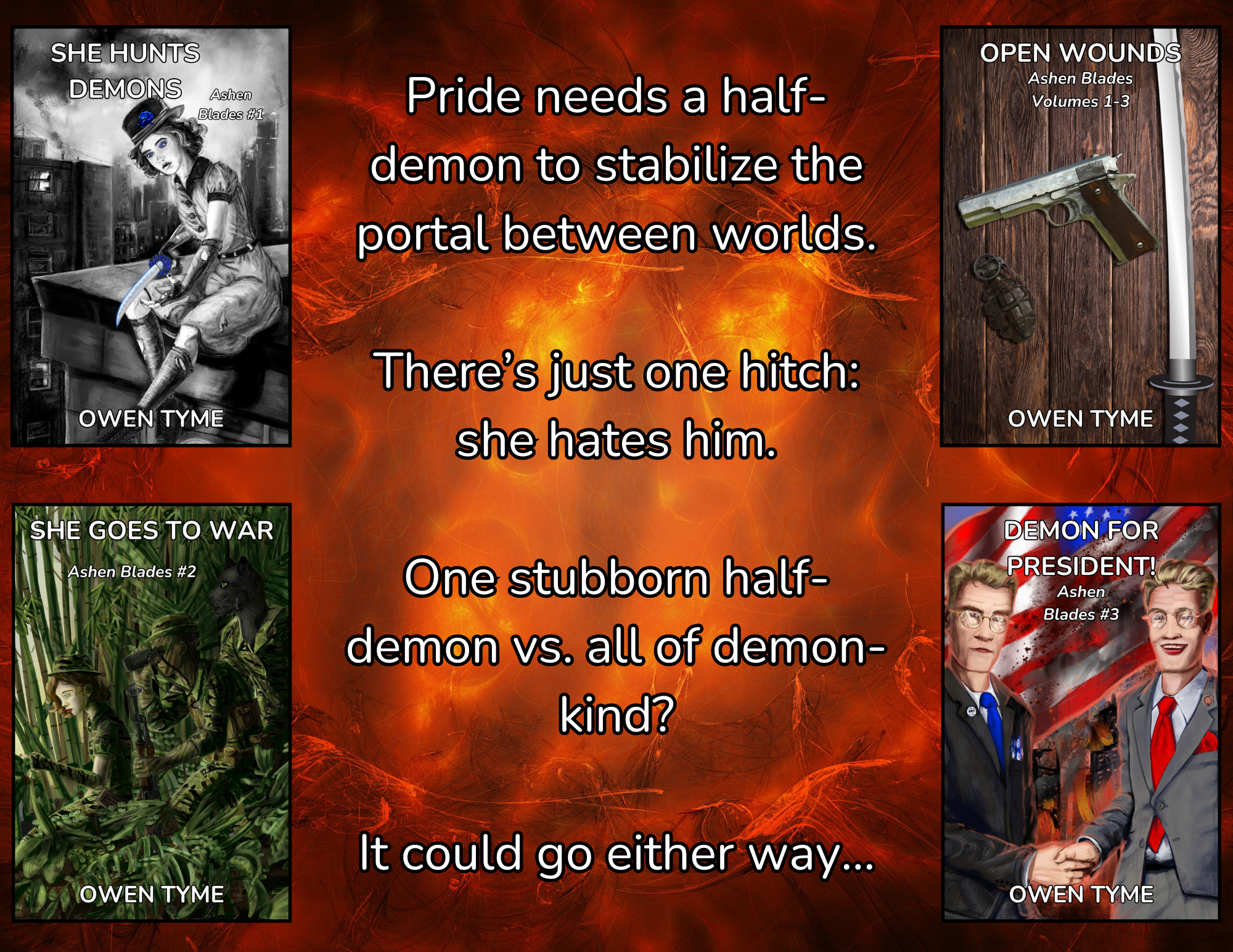
<p>Ebook omnibus: <a href="https://books2read.com/AshenBladesOpenWounds" rel="nofollow" class="ellipsis" title="books2read.com/AshenBladesOpenWounds"><span class="invisible">https://</span><span class="ellipsis">books2read.com/AshenBladesOpen</span><span class="invisible">Wounds</span></a></p><p>The arch-demon, Pride, leads demon-kind in an ancient plan to open a gate between worlds, so vast demon armies might march forth and conquer, but opening a portal requires both energy equivalent to a nuclear explosion and the cooperation of a half-demon, to stabilize it. However, the only half-demon available has made it her life mission to kill all demons.</p><p><span class="h-card"><a href="https://fedigroups.social/@bookstodon" class="u-url mention" rel="nofollow noopener noreferrer" target="_blank">@<span>bookstodon</span></a></span><br><a href="/tags/author/" rel="tag">#author</a> <a href="/tags/indieauthor/" rel="tag">#indieauthor</a> <a href="/tags/writing/" rel="tag">#writing</a> <a href="/tags/fantasy/" rel="tag">#fantasy</a> <a href="/tags/actionadventure/" rel="tag">#actionadventure</a> <a href="/tags/fiction/" rel="tag">#fiction</a> <a href="/tags/books/" rel="tag">#books</a></p>
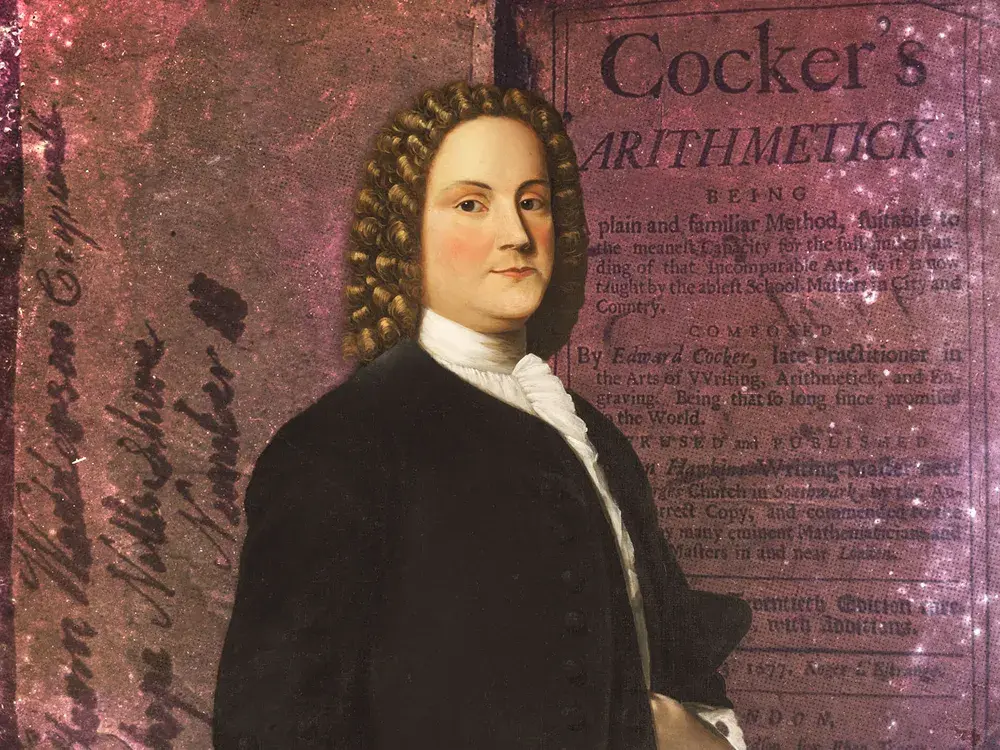
<p>After Failing Math Twice, a Young Benjamin Franklin Turned to This Popular 17th-Century Textbook</p><p>A 19th-century scholar claimed that “Cocker’s Arithmetick” had “probably made as much stir and noise in the English world as any [book]—next to the Bible”</p><p>By James Fox</p><p><a href="https://www.smithsonianmag.com/history/after-failing-math-twice-a-young-benjamin-franklin-turned-to-this-popular-17th-century-textbook-180985664/" rel="nofollow" class="ellipsis" title="www.smithsonianmag.com/history/after-failing-math-twice-a-young-benjamin-franklin-turned-to-this-popular-17th-century-textbook-180985664/"><span class="invisible">https://</span><span class="ellipsis">www.smithsonianmag.com/history</span><span class="invisible">/after-failing-math-twice-a-young-benjamin-franklin-turned-to-this-popular-17th-century-textbook-180985664/</span></a></p><p>1716 edition of Cocker's Arithmetick is available at <span class="h-card"><a href="https://mastodon.archive.org/@internetarchive" class="u-url mention" rel="nofollow noopener noreferrer" target="_blank">@<span>internetarchive</span></a></span> <br><a href="https://archive.org/details/bim_eighteenth-century_cockers-arithmetick-be_cocker-edward_1716/page/n4/mode/1up?view=theater" rel="nofollow" class="ellipsis" title="archive.org/details/bim_eighteenth-century_cockers-arithmetick-be_cocker-edward_1716/page/n4/mode/1up?view=theater"><span class="invisible">https://</span><span class="ellipsis">archive.org/details/bim_eighte</span><span class="invisible">enth-century_cockers-arithmetick-be_cocker-edward_1716/page/n4/mode/1up?view=theater</span></a></p><p><a href="/tags/books/" rel="tag">#books</a> <a href="/tags/history/" rel="tag">#history</a></p>
<p>My favourite story from Russian writer Leonid Kostyukov, whose seminar I attended in the 2000s: once, in the 90s, he was asked to read and review a novel, and then the author asked his advice on a title.</p><p>“Not a word about Yeltsin,” said Kostyukov (still the Yeltsin era).</p><p>— But there’s nothing about Yeltsin in it!<br>— Exactly, — Kostyukov replied.</p><p>The title, oddly enough, was never used — even with another name in Yeltsin's stead.</p><p><span class="h-card"><a href="https://fedigroups.social/@bookstodon" class="u-url mention" rel="nofollow noopener noreferrer" target="_blank">@<span>bookstodon</span></a></span> </p><p><a href="/tags/bookstodon/" rel="tag">#bookstodon</a> <a href="/tags/books/" rel="tag">#books</a></p>
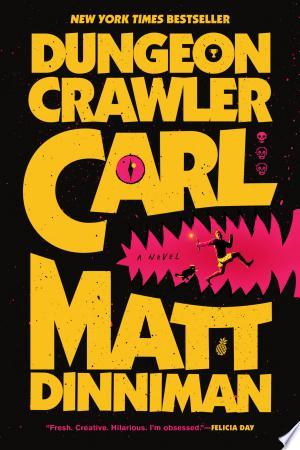
<p>📚 Dungeon Crawler Carl by: Matt Dinniman</p><p>You know what’s worse than breaking up with your girlfriend? Being stuck with her prize-winning show cat. And you know what’s worse than that? An alien invasion, the destruction of all man-made structures on Earth, and the systematic exploitation of all the survivors for a sadistic intergalactic game ...</p><p><a href="https://bookblabla.com/book/dungeon-crawler-carl" rel="nofollow" class="ellipsis" title="bookblabla.com/book/dungeon-crawler-carl"><span class="invisible">https://</span><span class="ellipsis">bookblabla.com/book/dungeon-cr</span><span class="invisible">awler-carl</span></a></p><p><span class="h-card"><a href="https://fedigroups.social/@bookstodon" class="u-url mention" rel="nofollow noopener noreferrer" target="_blank">@<span>bookstodon</span></a></span></p><p><a href="/tags/books/" rel="tag">#books</a> <a href="/tags/reading/" rel="tag">#reading</a> <a href="/tags/libraries/" rel="tag">#libraries</a> <a href="/tags/fiction/" rel="tag">#fiction</a> <a href="/tags/sciencefiction/" rel="tag">#sciencefiction</a> <a href="/tags/fantasy/" rel="tag">#fantasy</a></p>
<p>finished reading <a href="https://eggplant.place/search?r=1&q=https://reviewdb.app/book/285jz09giIlViRRSkhMEBA" rel="nofollow">I Contain Multitudes: The Microbes Within Us and a Grander View of Life</a> 🌕🌕🌕🌕🌑 <br>by Ed Yong.</p><p>Delves into the many varied & amazing ways humans & animals have evolved to depend upon microbes. Most of this was familiar to me already, though told in the author's excellent clear & awed way. New was the incredible nesting of microbes within high-order animal cells, with each doing distinct jobs, such that none can survive without the others. Yong is always good for a celebration of life & its complexity.</p><p><a href="/tags/bookreview/" rel="tag">#BookReview</a> <a href="/tags/books/" rel="tag">#Books</a> <a href="/tags/bookstodon/" rel="tag">#Bookstodon</a> <a href="/tags/nonfiction/" rel="tag">#NonFiction</a> <a href="/tags/sciencewriting/" rel="tag">#ScienceWriting</a></p><p><span class="h-card"><a href="https://aus.social/@wildwoila" class="u-url mention" rel="nofollow noopener noreferrer" target="_blank">@<span>WildWoila</span></a></span> @wildwoila@wyrms.de<br></p>
<p>📚 Against the Grain by: Terry O'Reilly</p><p>In Terry’s bestselling book, My Best Mistake, he uncovers the surprising power of screwing up. Now, he turns his incredible eye to the mavericks who go “against the grain” in their work to see what makes them tick and to explore what lessons we can learn from them. People wh...</p><p><a href="https://bookblabla.com/book/against-the-grain" rel="nofollow" class="ellipsis" title="bookblabla.com/book/against-the-grain"><span class="invisible">https://</span><span class="ellipsis">bookblabla.com/book/against-th</span><span class="invisible">e-grain</span></a></p><p><span class="h-card"><a href="https://fedigroups.social/@bookstodon" class="u-url mention" rel="nofollow noopener noreferrer" target="_blank">@<span>bookstodon</span></a></span></p><p><a href="/tags/books/" rel="tag">#books</a> <a href="/tags/reading/" rel="tag">#reading</a> <a href="/tags/libraries/" rel="tag">#libraries</a> <a href="/tags/businesseconomics/" rel="tag">#businesseconomics</a> <a href="/tags/managementselfhelp/" rel="tag">#managementselfhelp</a> <a href="/tags/personalgrowth/" rel="tag">#personalgrowth</a> <a href="/tags/success/" rel="tag">#success</a></p>
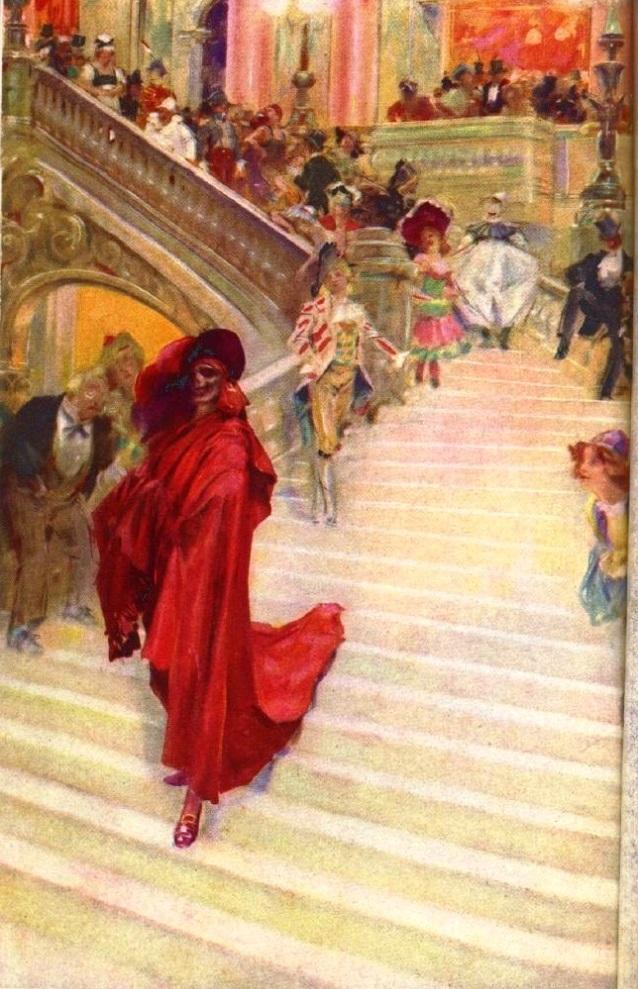
<p><a href="/tags/otd/" rel="tag">#OTD</a> in 1910.</p><p>Serialisation of Gaston Leroux's novel The Phantom of the Opera (Le Fantôme de l'Opéra) concludes in the Paris newspaper Le Gaulois.</p><p>Because of his fascination with both Edgar Allan Poe and Sir Arthur Conan Doyle, he wrote a detective mystery entitled The Mystery of the Yellow Room in 1907, and four years later he published Le Fantôme de l'Opéra.</p><p><a href="https://en.wikipedia.org/wiki/The_Phantom_of_the_Opera_(novel)" rel="nofollow" class="ellipsis" title="en.wikipedia.org/wiki/The_Phantom_of_the_Opera_(novel)"><span class="invisible">https://</span><span class="ellipsis">en.wikipedia.org/wiki/The_Phan</span><span class="invisible">tom_of_the_Opera_(novel)</span></a></p><p>The Phantom of the Opera at PG:<br><a href="https://gutenberg.org/ebooks/175" rel="nofollow"><span class="invisible">https://</span>gutenberg.org/ebooks/175</a></p><p><a href="/tags/books/" rel="tag">#books</a> <a href="/tags/literature/" rel="tag">#literature</a></p>
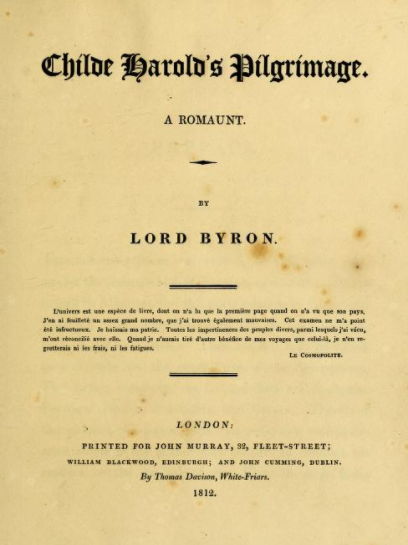
<p><a href="/tags/otd/" rel="tag">#OTD</a> in 1818.</p><p> Lord Byron, in Venice, sends the final part of Childe Harold to his publisher.</p><p>The poem contains elements thought to be autobiographical, as Byron generated some of the storyline from experience gained during his travels through Portugal, the Mediterranean and Aegean Sea between 1809 and 1811.</p><p><a href="https://en.wikipedia.org/wiki/Childe_Harold%27s_Pilgrimage" rel="nofollow" class="ellipsis" title="en.wikipedia.org/wiki/Childe_Harold%27s_Pilgrimage"><span class="invisible">https://</span><span class="ellipsis">en.wikipedia.org/wiki/Childe_H</span><span class="invisible">arold%27s_Pilgrimage</span></a></p><p>Childe Harold's Pilgrimage at PG:<br><a href="https://gutenberg.org/ebooks/5131" rel="nofollow"><span class="invisible">https://</span>gutenberg.org/ebooks/5131</a></p><p><a href="/tags/books/" rel="tag">#books</a> <a href="/tags/literature/" rel="tag">#literature</a> <a href="/tags/poetry/" rel="tag">#poetry</a></p>
<p>Five Good Books about Mental Illness. As a parent and caregiver for an adult living with a serious psychiatric illness, I have read a lot about the subject. Here are my five favorite books about psychiatric illness. </p><p>An Unquiet Mind: A Memoir of Moods and Madness (1996) by Kay Redfield Jamison, PhD. The best memoir about living with a serious mental illness and the best book overall that I have read about mental illness, in this case bipolar disorder. Fine literature written by a brilliant author who earned a PhD in psychology and has been awarded about a dozen honorary doctorates. It is inspirational. </p><p>The Mad Among Us: A History of the Care of America’s Mentally Ill (1995) by Gerald Grob, PhD. The author was a medical historian who wrote this balanced and objective book about the history of psychiatry. It includes the good and the bad. Despite the unfortunate title, this is a great non-fiction book about the history of psychiatry in the USA. </p><p>We’ve Got Issues: Children and Parents in the Age of Medication (2010) by Judith Warner. This book, written by a journalist, was originally intended to be a critique of psychiatry and the parents of children with mental illnesses. But as the author met families and did her research, she changed her mind and wrote a balanced book about parents trying to help their children. As the author points out, we parents are not eager to put our children on psychiatric medications; in fact the opposite is true. </p><p>Hidden Valley Road: Inside the Mind of An American Family (2020) by Robert Kolker. This biography was written by a journalist about the lives of a large family with twelve children, six of whom were eventually diagnosed with schizophrenia. It is intense and disturbing, as is living with schizophrenia. It is not an encouraging or feel-good book. </p><p>Innate: How the Wiring of Our Brains Shapes Who We Are (2018) by Kevin Mitchell, PhD. This book by a neuroscientist is more broadly about neuroscience, rather than specifically about mental illness. But the author addresses serious mental illness and the state of our knowledge about possible underlying causes of it as a developmental disorder. This book focuses on modern scientific evidence, rather than assumptions and the blame game often associated with attitudes about mental illnesses. </p><p><a href="/tags/books/" rel="tag">#Books</a> <a href="/tags/bookstodon/" rel="tag">#Bookstodon</a> <a href="/tags/mentalillness/" rel="tag">#MentalIllness</a> <a href="/tags/mentalhealth/" rel="tag">#MentalHealth</a> <a href="/tags/psychiatry/" rel="tag">#Psychiatry</a> <a href="/tags/caregiving/" rel="tag">#Caregiving</a> <a href="/tags/disability/" rel="tag">#Disability</a> <a href="/tags/schizophrenia/" rel="tag">#Schizophrenia</a> <a href="/tags/neuroscience/" rel="tag">#Neuroscience</a></p>
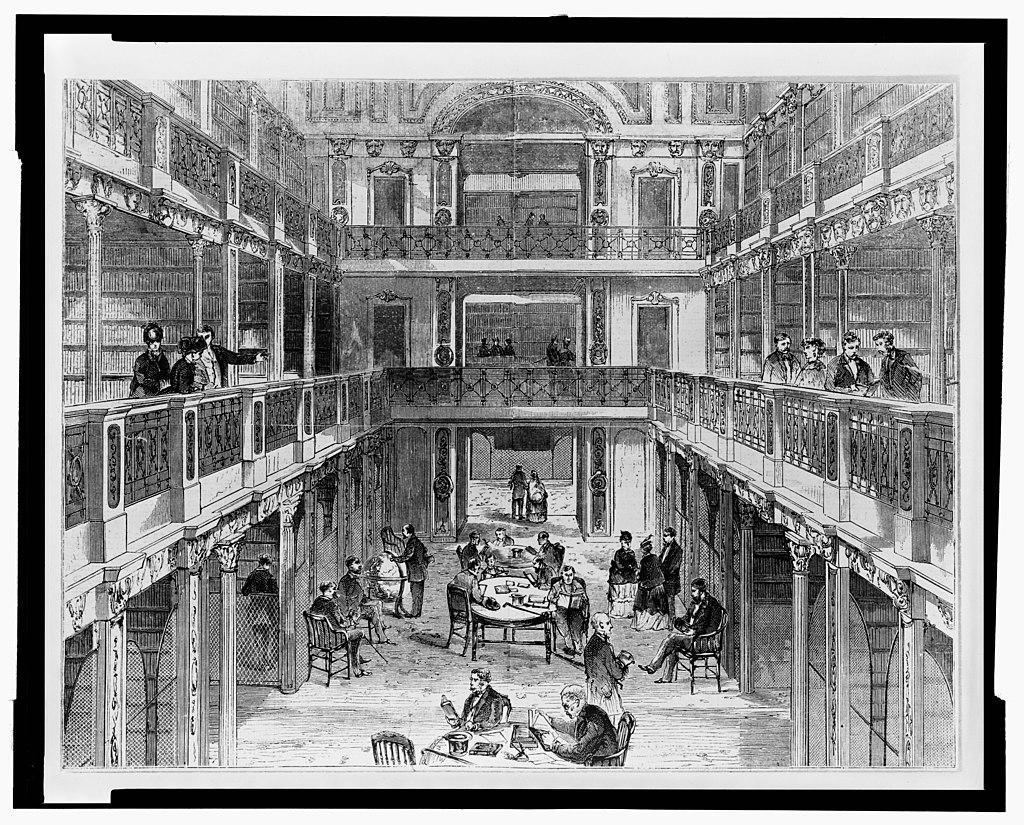
<p><a href="/tags/otd/" rel="tag">#OTD</a> in 1851.</p><p>A fire at the Library of Congress in Washington, D.C., destroys 35,000 books, about two–thirds of the collection. Between 1890 and 1897, a new library building (Thomas Jefferson Building), was constructed. Two additional buildings, the John Adams Building (opened in 1939) and the James Madison Memorial Building (opened in 1980), were later added.</p><p><a href="https://en.wikipedia.org/wiki/Library_of_Congress" rel="nofollow" class="ellipsis" title="en.wikipedia.org/wiki/Library_of_Congress"><span class="invisible">https://</span><span class="ellipsis">en.wikipedia.org/wiki/Library_</span><span class="invisible">of_Congress</span></a></p><p><a href="/tags/books/" rel="tag">#books</a> <a href="/tags/library/" rel="tag">#library</a></p>