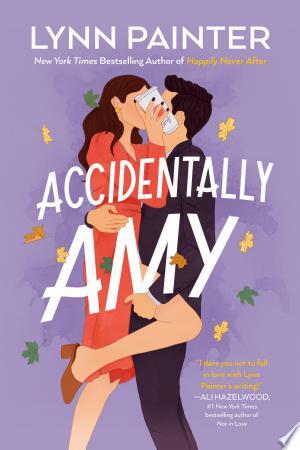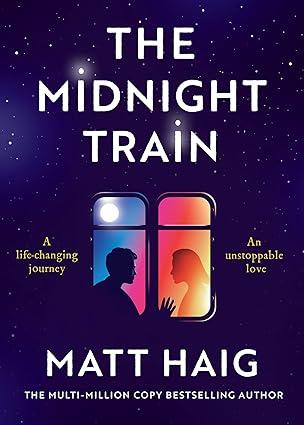
<p>📚 Accidentally Amy by: Lynn Painter</p><p>A stolen latte results in a meet-cute for the ages in this brand-new edition, with bonus content, of New York Times bestselling author Lynn Painter's rom-com Accidentally Amy.</p><p>Isabella Shay is usually a very honest person. But when she’s running late for her first day at her dream job and the barist...</p><p><a href="https://bookblabla.com/book/accidentally-amy" rel="nofollow" class="ellipsis" title="bookblabla.com/book/accidentally-amy"><span class="invisible">https://</span><span class="ellipsis">bookblabla.com/book/accidental</span><span class="invisible">ly-amy</span></a></p><p><span class="h-card"><a href="https://fedigroups.social/@bookstodon" class="u-url mention" rel="nofollow noopener noreferrer" target="_blank">@<span>bookstodon</span></a></span></p><p><a href="/tags/books/" rel="tag">#books</a> <a href="/tags/reading/" rel="tag">#reading</a> <a href="/tags/libraries/" rel="tag">#libraries</a> <a href="/tags/fiction/" rel="tag">#fiction</a> <a href="/tags/romance/" rel="tag">#romance</a> <a href="/tags/contemporaryfiction/" rel="tag">#contemporaryfiction</a> <a href="/tags/women/" rel="tag">#women</a></p>
books
<p><strong>Not a bad haul for a chaotic and only half-medicated year, if I do say so myself!</strong> </p>
<p><strong>The Gulag Archipelago</strong> - Peerless as an oral history of the GULAG, Solzhenitsyn has a gripping and moving writing style that brings the GULAG, the Soviet system, and all of its horrors, to life. Unfortunately, his clash with modern values breaks out in the text from time to time, though they aren’t the focus of the work. His numbers are also not reliable, of course, as the Soviet archives had not been opened, and he was working by guess and by golly. </p>
<p><strong>Hazards of Urban Life in Late Stalinist Russia</strong> - Positively fascinating read on the horrific state of urban life in late Stalinist Russia. Both grimly amusing - such as the description of ‘flat cakes’ of compressed human waste being chopped out from apartment courtyard outhouses with the spring thaw, or the same trucks being used for vegetable delivery and waste disposal (they were not <em>supposed</em> to be used so, but they were also supposed to have multiple trucks, so what’s a municipality to do?) - and utterly horrifying, making comparisons with Victorian-era Britain and describing the pollutants present even in groundwater due to the total lack of treatment (in part stemming from a Soviet notion of ‘self-cleaning’ rivers). Though it goes over it only in passing, also interesting is just how <em>quickly</em> the post-Stalin Soviet Union improved matters - if you ever feel like badmouthing a Khrushchevka… remember what came before! </p>
<p><strong>Soviet Workers and Late Stalinism</strong> - Another fascinating read about the state of the proletariat in the post-WW2 Soviet Union. If you were ever enamored with the idea of workers with rights in the ‘socialist’ country of the USSR, this will quickly disabuse you of the notion - at least in Stalin’s era. It covers everything from workshop/advance pay debts to logistics tangles (including some great examples of classic Soviet inefficiency, shipping parts to factories that didn’t need or couldn’t use them) to food supply to the right (or lack thereof) of workers to quit or change jobs to the actual value of workers’ pay. </p>
<p><strong>Grant and Sherman: The Friendship that Won the Civil War</strong> - An excellent popular history of two of the chief military figures of the US Civil War. It really outlines, in a way that histories of the overall war miss, what kind of characters Grant and Sherman were, apart from the word of their own memoirs (which are also both excellent). Grant comes off as every bit as unshakeable as his reputation, a man of immense calm and reserve, but also surprisingly empathetic. Sherman, on the other hand, shows a much wilder side than he admits to in his memoirs - a man brimming with anger and paranoia, capable of immense compassion and immense callousness almost in the same breath, always prickly and ready to see offenses and keep grudges. For all that, Sherman still comes off as very human and sympathetic, a genius tormented by his own mind, and a fundamentally honest (if not necessarily ‘good’) and straightforward soul who struggles with politics. </p>
<p><strong>Warrior of God: Jan Zizka and the Hussite Revolution</strong> - Honestly, this was not terribly well written, even as a popular history. I learned some about Jan Zizka and the Hussite Revolution, but it was not written in a gripping or clear way, and was also (as most popular histories) not particularly detailed. </p>
<p><strong>The Book of the Crossbow</strong> - An older tome, but a fun read on the history of crossbows. The author obviously has a lot of passion for the subject, including the minutiae. Very fun. </p>
<p><strong>75 Years of the Turkish Republic</strong> - A collection of essays on the history of the Turkish Republic. Quality varies, but is generally high. </p>
<p><strong>General Issues in the Study of Medieval Logistics</strong> - Another extremely dry and technical text. Some fascinating ideas and conclusions, but you… have to have a passion that exceeds mine for the subject of geography and archeology. </p>
<p><strong>Greek Fire, Poison Arrows, and Scorpion Bombs</strong> - A very fun history of ’non-standard’ weaponry in ancient history. Incendiaries, poison, insects - all sorts of early biological and chemical warfare to amuse and entertain, and informative on the state of ancient knowledge of poisons besides. </p>
<p><strong>Logistics of Warfare in the Age of the Crusades</strong> - An excellent collection of essays on medieval logistics. It’s definitely a subject you, uh… have to already have a taste for… but it was extremely intriguing to me, going over animals, infantry, pay, and ship logistics, as well as glances into the Mongols and ‘Saracen’ forces of the period. </p>
<p><strong>The Medieval Soldier</strong> - Somewhat dated. Dry. Unfortunately, I didn’t glean much I didn’t already know. </p>
<p><strong>The Medieval Way of War</strong> - A series of essays on different, very specific subjects of medieval warfare. Very interesting, but definitely academic essays, if you were thinking it might be light reading. </p>
<p><strong>Thomas Sankara: A Revolutionary in Cold War Africa</strong> - Extremely fascinating biography of Thomas Sankara, who was the far-sighted but politically-naive leader of Burkina Faso during the 80s. The picture painted of the man is both compelling and nuanced - a man of immense personal virtue and work ethic who does not always understand <em>people,</em> an idealist unafraid of self-criticism who cannot play the proper tones of diplomacy (with European powers or nearby African countries), an incredibly well-read and incorruptible man who cannot understand why others are not like him. <strong>Highly recommend.</strong> </p>
<p><strong>Washington At The Plow</strong> - A great history of George Washington’s agricultural pursuits. The issue of slavery is, thankfully, not glossed over in the least - a very detailed look at Washington’s attitudes towards slavery (for better and worse) and treatment of his slaves is included, and, for that matter, is core to the book’s examination of Washington’s entire agricultural system. It places Washington as a surprisingly far-sighted and progressive thinker on agriculture, yet struggling with the society of rural Virginia and his own established position as a slave-owner (and what that meant <em>practically</em> for his agricultural pursuits, not just morally) in the process. <strong>Highly recommend.</strong> </p>
<p>The immense number of Roman-related books read will be put under a spoiler, for readability’s sake, lmao: </p>
<p><details><summary>spoiler </summary><p>
<p><strong>24 Hours in Ancient Rome</strong> </p>
<p><strong>A Year in the Life of Ancient Greece</strong> </p>
<p><em>*Ancient Rome on Five Denarii a Day *</em> </p>
<p><em>*Legionary *</em> </p>
<p><strong>Gladiator</strong> - All five of these were just fun little vignettes by the same author, taking a mixture of liberties with the source material and excerpts to present a snapshot of Classical life. </p>
<p><strong>Archeology of Sanitation in Roman Italy</strong> - Dry. Very dry. Unfortunately, I learned little, though not through any fault of the book. Roman sanitation I already understood well, and this is all very… detail-work. Not abstract, but in terms of, well, the archeology - tracing the progress of spread of Greek plumbing through Italy, trying to nail down estimates of dates for major Roman plumbing innovations, etc. </p>
<p><strong>Army of the Roman Emperors</strong> - Very detailed archeological tracing of the development of Roman equipment and military development. A bit boring, but informative. </p>
<p><strong>Caesar: Life of a Colossus</strong> - Extremely compelling biography of Caesar, which, though overall positive, doesn’t lionize him. It fights to place Caesar in the context of Late Republican politics, and does a fantastic job of it, showing both what a cautious political operator he was, and what a <em>ruthless</em> political operator he could be, as well as giving insight as to his personal magnetism and charm (and why those were exceptionally important in Roman politics). I actually read through this several times this year, I enjoyed it so much. <strong>Highly recommend.</strong> </p>
<p><strong>Children in Antiquity</strong> - A collection of essays on childhood in antiquity. Interesting if you ever wondered what a ‘childhood’ was really like, the similarities and differences to the concept of childhood today. </p>
<p><strong>Cities, Peasants, and Food in Classical Antiquity</strong> - A collection of essays on diet, agriculture, and living standards in the ancient world. Tends towards the technical and medical, but still a great book. </p>
<p><strong>Food and Society in Classical Antiquity</strong> - Similar in topics and quality to the previous. </p>
<p><strong>Julian</strong> - A biography of the Late Roman Emperor Julian. Not much extra context given beyond the major sources, and the author extrapolates as to Julian’s motivations at several points with… unconvincing arguments. </p>
<p><strong>Logistics of the Roman Army</strong> - A fantastic study of the Roman logistics system for the Legions and auxiliaries. Brought a smile to my face the whole time I was reading, though, admittedly, it is a very <em>particular</em> topic to be interested in, lmao. </p>
<p><strong>Pax Romana</strong> - A great outline of the Roman Empire (and late Republic) and what methods it used to keep the provinces attached to the Eternal City. It emphasizes the interaction of the Roman state, and provincials and ‘barbarians’, as active and dynamic actors, not simply as an inevitable imperializing force intruding on passive objects. </p>
<p><strong>Roman Homosexuality: Ideologies of Masculinity</strong> - Extremely interesting re-evaluation of the depth and interest the Romans took in male-male sexual relations. Rather than passing and foreign, it establishes, convincingly in my opinion, Roman traditions of homosexuality to be as ancient as any records of the Republic, and the appropriateness of sexual interest in older men. <strong>Highly recommend.</strong> </p>
<p><strong>Roman Military Equipment</strong> - Dry categorization of Roman military equipment through the years. Informative, but could dehydrate a camel. </p>
<p><strong>Roman and Local Citizenship in the Long Second Century CE</strong> - Extremely fascinating collection of essays examining how Romans and provincials saw their <em>identities</em> and legal situations of citizenship. <strong>Highly recommend.</strong> </p>
<p><strong>Rome and China: Comparative Perspectives on Ancient World Empires</strong> - Comparisons between the Roman Empire and China in the same period. Especially interesting are the legal, social, and financial outlooks compared. <strong>Highly recommend</strong> </p>
<p><strong>Slingers and Sling Bullets</strong> - An examination of sling bullets in the Roman world. Interesting, but short. </p>
<p><strong>The Antonines: The Roman Empire in Transition</strong> - A history of the Nerva-Antonine Dynasty of Rome. I found it uncompelling and uninteresting. </p>
<p><strong>The Assassination of Julius Caesar: A People’s History of Ancient Rome</strong> - Extremely trash. Not only does Michael Parenti botch basic facts, but he draws absolutely insane conclusions in order to present Caesar as a proto-Marxist force. Despite being excited to read a leftist and positive account of Caesar, being both left-wing and positive towards Caesar myself, I came away bitterly disappointed. </p>
<p><strong>The Decline of Morality in Republican Rome</strong> - A short piece skewering Cato the Younger. Recommend for the purpose of dunking on a conservative shithead who’s far too lionized because he said some pretty words. </p>
<p><strong>The Marriage of Roman Soldiers</strong> - An excellent examination of the social and legal positions of Roman soldiery in regards to marriage, complete with examination of ages at marriage, the legal complexities of dowry and soldiers’ wills, and so on. Very detailed and very fascinating. </p>
<p><strong>The Roman Army: A Social and Institutional History</strong> - Very good, if broad, overview of the Roman Army. Some information in particular about careerism and military culture I found novel and fascinating. </p>
<p><strong>The Roman Empire and the Indian Ocean</strong> - <em>Extremely</em> fascinating account of Roman trade with the east, focusing on Roman Egypt and Arabia, and the Arabian and Indian polities of the period. Very economics-oriented. In fact, I might reread this one again soon. </p>
<p><strong>The Roman Empire from Severus to Constantine</strong> - An overview of the period it mentions. Both dry and lacking in meaningful detail, unless you have a taste for exact dates. </p>
<p><strong>The Roman Imperial Succession</strong> - An interesting examination of the process of passing the position of ‘Emperor’ from one ruler to the next. As the Roman Emperors were not <em>quite</em> monarchs, normal rules of heredity did not apply, and various authors have proposed various <em>ad hoc</em> ‘rules’ for how it was passed down. I don’t agree with everything that the book argues for, and it gets a bit repetitive in places, but on the whole I found it very thought-provoking. </p>
<p><strong>The Roman Villa</strong> - Dry and dated, but fun to see what was cutting-edge in the 70s but accepted orthodoxy now. </p>
<p><strong>Trade and Famine in Classical Antiquity</strong> - A collection of essays on ancient economics. Honestly, doesn’t have much to do with famine. I think only two of the essays are about famine. Two were also in French, which I certainly can’t read on an academic level. </p>
<p><strong>Un-Roman Sex</strong> - An interesting view of Roman identities and sexual practices, and how such norms were both violated and clahsed with each other. </p>
<p><strong>Warfare in the Roman World</strong> - An interesting view of the more ’non-quantifiable’ aspects of Roman warfare. </p>
</p></details> </p>
Edited 228d ago
<p>They were grown men or at least had lived for several decades, which in some societies is considered the same thing.</p><p>Terry Pratchett, Hogfather </p><p><a href="/tags/books/" rel="tag">#books</a> <a href="/tags/discworld/" rel="tag">#discworld</a></p>
Edited 232d ago
<p>José-Maria de Heredia was born <a href="/tags/otd/" rel="tag">#OTD</a> in 1842.</p><p>He published in 1893 Les Trophées comprising 198 sonnets that retrace the history of the world or depict privileged moments as well as four longer poems.</p><p>José-Maria de Heredia at PG:<br><a href="https://www.gutenberg.org/ebooks/author/5697" rel="nofollow" class="ellipsis" title="www.gutenberg.org/ebooks/author/5697"><span class="invisible">https://</span><span class="ellipsis">www.gutenberg.org/ebooks/autho</span><span class="invisible">r/5697</span></a></p><p><a href="/tags/books/" rel="tag">#books</a> <a href="/tags/literature/" rel="tag">#literature</a></p>
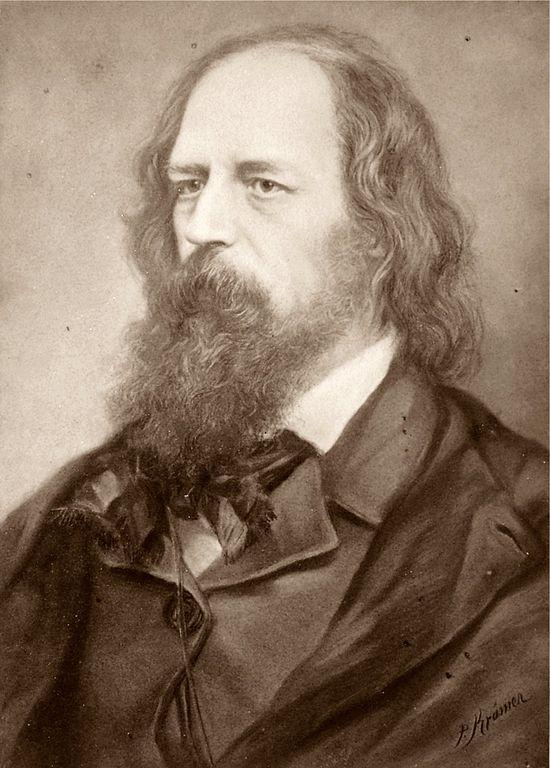
<p><a href="/tags/otd/" rel="tag">#OTD</a> in 1850.</p><p>Alfred Tennyson is named Poet Laureate of the UK in succession to William Wordsworth, but only after Samuel Rogers has declined the offer because of his age and Tennyson is assured that birthday odes will not be required of him.</p><p><a href="https://www.gutenberg.org/ebooks/author/2987" rel="nofollow" class="ellipsis" title="www.gutenberg.org/ebooks/author/2987"><span class="invisible">https://</span><span class="ellipsis">www.gutenberg.org/ebooks/autho</span><span class="invisible">r/2987</span></a></p><p><a href="/tags/books/" rel="tag">#books</a></p>
Edited 1y ago
<p>Did Jane Austen Invent the Wellness Guy?</p><p>"Chris Cohen on the Self-Optimization Obsessions of Austen’s Male Characters"</p><p><a href="https://lithub.com/did-jane-austen-invent-the-wellness-guy/" rel="nofollow" class="ellipsis" title="lithub.com/did-jane-austen-invent-the-wellness-guy/"><span class="invisible">https://</span><span class="ellipsis">lithub.com/did-jane-austen-inv</span><span class="invisible">ent-the-wellness-guy/</span></a></p><p>Books by Austen at PG:</p><p><a href="https://www.gutenberg.org/ebooks/author/68" rel="nofollow" class="ellipsis" title="www.gutenberg.org/ebooks/author/68"><span class="invisible">https://</span><span class="ellipsis">www.gutenberg.org/ebooks/autho</span><span class="invisible">r/68</span></a></p><p>"Persuasion, ch. 18. Admiral Croft is in earnest contemplation of some print, and doesn't see Anne Elliot." - picryl.com</p><p><a href="/tags/books/" rel="tag">#books</a> <a href="/tags/literature/" rel="tag">#literature</a></p>
<p>Paperback now available: <a href="https://books2read.com/StoneProphet" rel="nofollow"><span class="invisible">https://</span>books2read.com/StoneProphet</a></p><p>Nicole seeks to collect the missing fragments of the magical city of Kurg from her home world, but the remaining pieces were deactivated and are hard to find. Luckily, she just found the first piece of the Seventh Sage, an ancient stone man that knows the future, which she hopes knows where to find them.</p><p><span class="h-card"><a href="https://fedigroups.social/@bookstodon" class="u-url mention" rel="nofollow noopener noreferrer" target="_blank">@<span>bookstodon</span></a></span><br><a href="/tags/author/" rel="tag">#author</a> <a href="/tags/indieauthor/" rel="tag">#indieauthor</a> <a href="/tags/writing/" rel="tag">#writing</a> <a href="/tags/fantasy/" rel="tag">#fantasy</a> <a href="/tags/scifi/" rel="tag">#scifi</a> <a href="/tags/sciencefiction/" rel="tag">#sciencefiction</a> <a href="/tags/sff/" rel="tag">#sff</a> <a href="/tags/sciencefantasy/" rel="tag">#sciencefantasy</a> <a href="/tags/scifi/" rel="tag">#scifi</a> <a href="/tags/actionadventure/" rel="tag">#actionadventure</a> <a href="/tags/fiction/" rel="tag">#fiction</a> <a href="/tags/books/" rel="tag">#books</a></p>
<p>📚 The Fellowship of the Ring by: John Ronald Reuel Tolkien</p><p>The Dark Lord Sauron, an utterly evil and powerful being, is stirring again after a long period of dormancy. He will soon dominate all of Middle-earth if he is not stopped. The key to Sauron's defeat is Frodo, nephew and heir to Bilbo Baggins--he has the One Ring into which Sauron deposited much of his power. If th...</p><p><a href="https://bookblabla.com/book/the-fellowship-of-the-ring" rel="nofollow" class="ellipsis" title="bookblabla.com/book/the-fellowship-of-the-ring"><span class="invisible">https://</span><span class="ellipsis">bookblabla.com/book/the-fellow</span><span class="invisible">ship-of-the-ring</span></a></p><p><span class="h-card"><a href="https://fedigroups.social/@bookstodon" class="u-url mention" rel="nofollow noopener noreferrer" target="_blank">@<span>bookstodon</span></a></span></p><p><a href="/tags/books/" rel="tag">#books</a> <a href="/tags/reading/" rel="tag">#reading</a> <a href="/tags/libraries/" rel="tag">#libraries</a></p>
<p><a href="/tags/otd/" rel="tag">#OTD</a> in 1893.</p><p>Arthur Conan Doyle surprises the reading public by revealing in the story "The Adventure of the Final Problem", published in The Strand Magazine, that Sherlock Holmes had apparently died at the Reichenbach Falls on 4 May 1891. </p><p><a href="https://www.gutenberg.org/ebooks/834" rel="nofollow"><span class="invisible">https://</span>www.gutenberg.org/ebooks/834</a></p><p><a href="/tags/books/" rel="tag">#books</a> <a href="/tags/literature/" rel="tag">#literature</a></p>
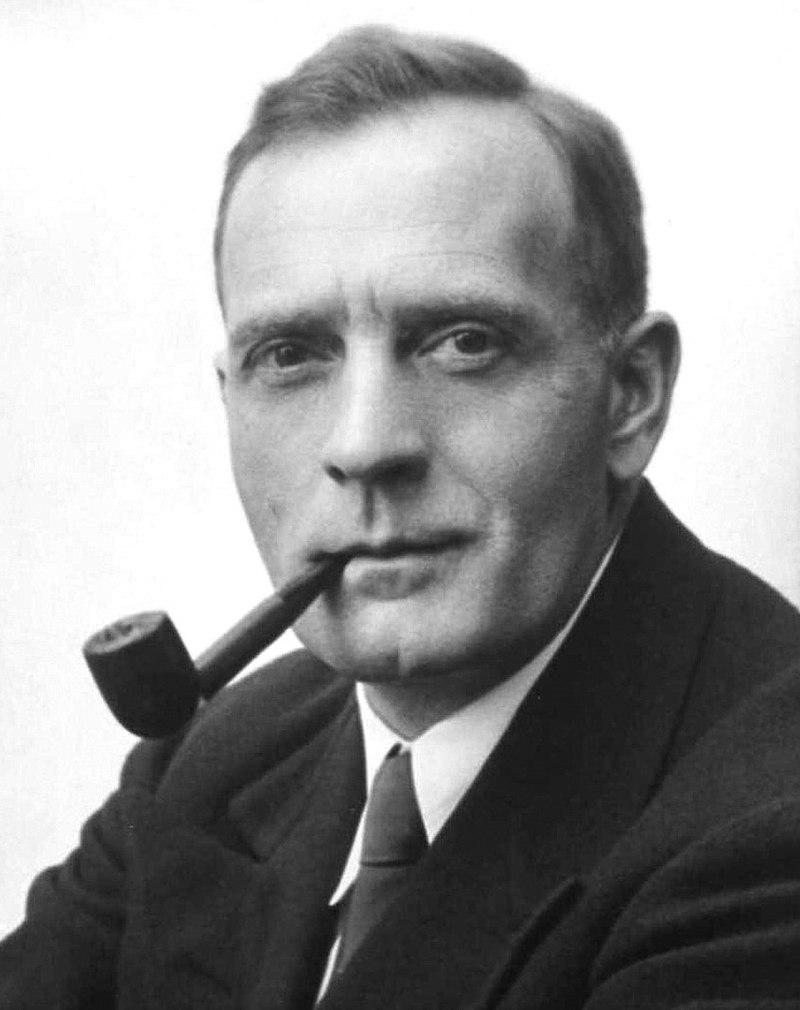
<p><a href="/tags/otd/" rel="tag">#OTD</a> in 1924.</p><p>The New York Times published evidence from Edwin Hubble stating that the Andromeda Nebula, previously believed to be part of the Milky Way, is in fact another galaxy.</p><p><a href="https://en.wikipedia.org/wiki/Edwin_Hubble" rel="nofollow" class="ellipsis" title="en.wikipedia.org/wiki/Edwin_Hubble"><span class="invisible">https://</span><span class="ellipsis">en.wikipedia.org/wiki/Edwin_Hu</span><span class="invisible">bble</span></a></p><p><a href="https://www.gutenberg.org/ebooks/author/54776" rel="nofollow" class="ellipsis" title="www.gutenberg.org/ebooks/author/54776"><span class="invisible">https://</span><span class="ellipsis">www.gutenberg.org/ebooks/autho</span><span class="invisible">r/54776</span></a></p><p><a href="/tags/books/" rel="tag">#books</a> <a href="/tags/astronomy/" rel="tag">#astronomy</a></p>
<p>In November 1909.</p><p>E. M. Forster's science fiction short story "The Machine Stops" is published in The Oxford and Cambridge Review. The story was republished in Forster's The Eternal Moment and Other Stories in 1928.</p><p>The Eternal Moment at PG:<br><a href="https://gutenberg.org/ebooks/72890" rel="nofollow"><span class="invisible">https://</span>gutenberg.org/ebooks/72890</a></p><p><a href="/tags/books/" rel="tag">#books</a> <a href="/tags/literature/" rel="tag">#literature</a></p>
<p>You can never have enough cat manuals 😻</p><p><a href="/tags/catsofmastodon/" rel="tag">#CatsOfMastodon</a> <a href="/tags/books/" rel="tag">#Books</a></p>
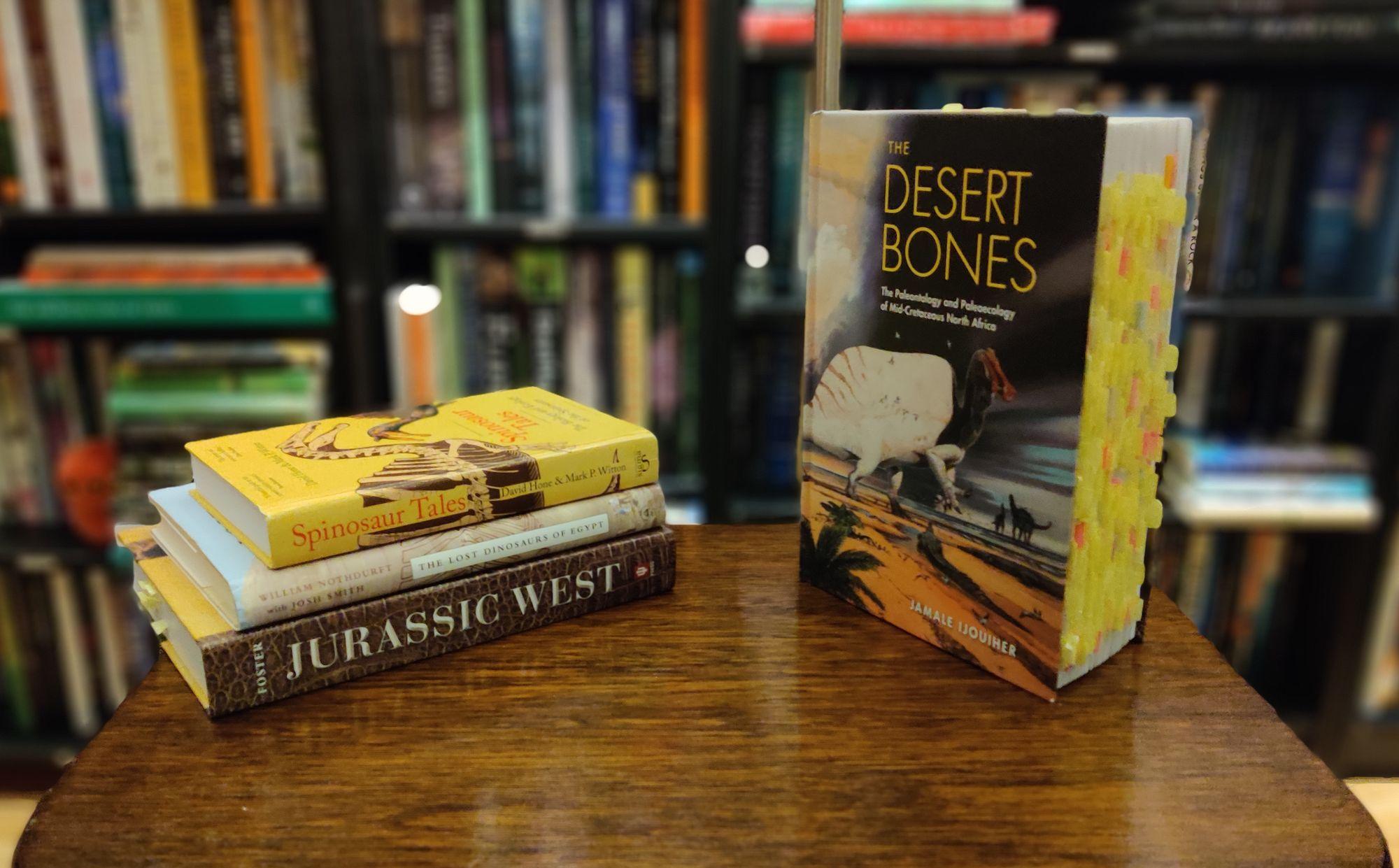
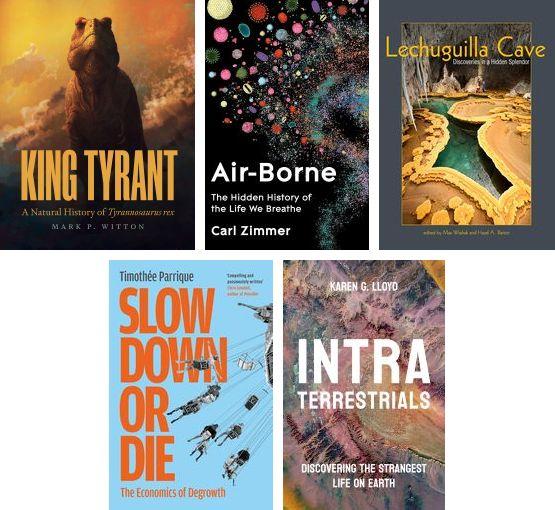
<p>The Inquisitive Biologist looks back at 2025 and picks his five favourite books. Palaeontology, aerobiology, speleology, degrowth, and geomicrobiology top this year's list.</p><p><a href="https://inquisitivebiologist.com/2025/12/31/year-list-the-inquisitive-biologists-top-5-reads-of-2025/" rel="nofollow" class="ellipsis" title="inquisitivebiologist.com/2025/12/31/year-list-the-inquisitive-biologists-top-5-reads-of-2025/"><span class="invisible">https://</span><span class="ellipsis">inquisitivebiologist.com/2025/</span><span class="invisible">12/31/year-list-the-inquisitive-biologists-top-5-reads-of-2025/</span></a></p><p><a href="/tags/books/" rel="tag">#Books</a> <a href="/tags/bookoftheyear/" rel="tag">#BookOfTheYear</a> <a href="/tags/bookreview/" rel="tag">#BookReview</a> <a href="/tags/bookstodon/" rel="tag">#Bookstodon</a> <a href="/tags/scicomm/" rel="tag">#Scicomm</a> <a href="/tags/paleontology/" rel="tag">#Paleontology</a> <a href="/tags/palaeontology/" rel="tag">#Palaeontology</a> <a href="/tags/aerobiology/" rel="tag">#Aerobiology</a> <a href="/tags/historyofscience/" rel="tag">#HistoryOfScience</a> <a href="/tags/sciencehistory/" rel="tag">#ScienceHistory</a> <a href="/tags/histsci/" rel="tag">#HistSci</a> <a href="/tags/speleology/" rel="tag">#Speleology</a> <a href="/tags/caves/" rel="tag">#Caves</a> <a href="/tags/lechuguilla/" rel="tag">#Lechuguilla</a> <a href="/tags/economics/" rel="tag">#Economics</a> <a href="/tags/degrowth/" rel="tag">#Degrowth</a> <a href="/tags/microbiology/" rel="tag">#Microbiology</a> <a href="/tags/geology/" rel="tag">#Geology</a> <a href="/tags/geomicrobiology/" rel="tag">#Geomicrobiology</a> <a href="/tags/edgarallanpoe/" rel="tag">#EdgarAllanPoe</a> <a href="/tags/eapoe/" rel="tag">#EAPoe</a> <a href="/tags/biography/" rel="tag">#Biography</a> <a href="/tags/literature/" rel="tag">#Literature</a> <a href="/tags/goth/" rel="tag">#Goth</a> <a href="/tags/gothic/" rel="tag">#Gothic</a> <a href="/tags/horror/" rel="tag">#Horror</a> <a href="/tags/scienceconvention/" rel="tag">#ScienceConvention</a> <a href="/tags/sciencefair/" rel="tag">#ScienceFair</a> <span class="h-card"><a href="https://sauropods.win/@markwitton" class="u-url mention" rel="nofollow noopener noreferrer" target="_blank">@<span>markwitton</span></a></span> <span class="h-card"><a href="https://mastodon.social/@princetonupress" class="u-url mention" rel="nofollow noopener noreferrer" target="_blank">@<span>princetonupress</span></a></span> <span class="h-card"><a href="https://mastodon.social/@princetonnature" class="u-url mention" rel="nofollow noopener noreferrer" target="_blank">@<span>princetonnature</span></a></span> <span class="h-card"><a href="https://mastodon.social/@Carl_Zimmer" class="u-url mention" rel="nofollow noopener noreferrer" target="_blank">@<span>Carl_Zimmer</span></a></span> <span class="h-card"><a href="https://fediscience.org/@timparrique" class="u-url mention" rel="nofollow noopener noreferrer" target="_blank">@<span>timparrique</span></a></span> <span class="h-card"><a href="https://sauropods.win/@TetZoo" class="u-url mention" rel="nofollow noopener noreferrer" target="_blank">@<span>TetZoo</span></a></span> <span class="h-card"><a href="https://fedigroups.social/@bookstodon" class="u-url mention" rel="nofollow noopener noreferrer" target="_blank">@<span>bookstodon</span></a></span></p>
<p><a href="/tags/otd/" rel="tag">#OTD</a> in 1930.</p><p>American novelist Sinclair Lewis is awarded the Nobel Prize in Literature. He was the first writer from the United States to receive the award.</p><p>Sinclair Lewis Nobel Lecture:<br><a href="https://www.nobelprize.org/prizes/literature/1930/lewis/lecture/" rel="nofollow" class="ellipsis" title="www.nobelprize.org/prizes/literature/1930/lewis/lecture/"><span class="invisible">https://</span><span class="ellipsis">www.nobelprize.org/prizes/lite</span><span class="invisible">rature/1930/lewis/lecture/</span></a></p><p><a href="/tags/books/" rel="tag">#books</a> <a href="/tags/literature/" rel="tag">#literature</a> <a href="/tags/nobelprize/" rel="tag">#nobelprize</a></p>
<p><a href="/tags/free/" rel="tag">#Free</a> @ <a href="/tags/smashwords/" rel="tag">#Smashwords</a>: <a href="https://www.smashwords.com/books/view/1897925" rel="nofollow" class="ellipsis" title="www.smashwords.com/books/view/1897925"><span class="invisible">https://</span><span class="ellipsis">www.smashwords.com/books/view/</span><span class="invisible">1897925</span></a></p><p>Hungry and hunting alone, a goblin boy meets a bouncing, blue slime and assumes it will be dinner. Naturally, the slime has other ideas, and the boy gets his hind-end handed to him by what’s supposed to be one of the weakest monsters of the forest.</p><p><span class="h-card"><a href="https://fedigroups.social/@bookstodon" class="u-url mention" rel="nofollow noopener noreferrer" target="_blank">@<span>bookstodon</span></a></span><br><a href="/tags/author/" rel="tag">#author</a> <a href="/tags/indieauthor/" rel="tag">#indieauthor</a> <a href="/tags/writing/" rel="tag">#writing</a> <a href="/tags/fantasy/" rel="tag">#fantasy</a> <a href="/tags/fiction/" rel="tag">#fiction</a> <a href="/tags/goblin/" rel="tag">#goblin</a> <a href="/tags/books/" rel="tag">#books</a> <a href="/tags/audiobook/" rel="tag">#audiobook</a> <a href="/tags/eoysale25/" rel="tag">#EOYSale25</a> <a href="/tags/ebook/" rel="tag">#ebook</a> <a href="/tags/sale/" rel="tag">#sale</a> <a href="/tags/books2read/" rel="tag">#books2read</a> <a href="/tags/indiebooks/" rel="tag">#indiebooks</a></p>
I'm filling out the promts for the #storygraph Challenges 2026 and I'm open for recommendations
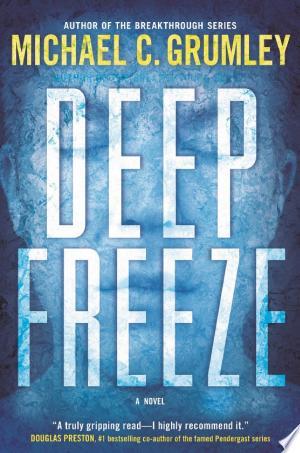
<p>📚 Deep Freeze by: Michael C. Grumley</p><p>The accident came quickly. With no warning. In the dead of night, a precipitous plunge into a freezing river trapped everyone inside the bus. It was then that Army veteran John Reiff’s life came to an end. Extinguished in the sudden rush of frigid water.</p><p>There was no expecta...</p><p><a href="https://bookblabla.com/book/deep-freeze" rel="nofollow" class="ellipsis" title="bookblabla.com/book/deep-freeze"><span class="invisible">https://</span><span class="ellipsis">bookblabla.com/book/deep-freez</span><span class="invisible">e</span></a></p><p><span class="h-card"><a href="https://fedigroups.social/@bookstodon" class="u-url mention" rel="nofollow noopener noreferrer" target="_blank">@<span>bookstodon</span></a></span></p><p><a href="/tags/books/" rel="tag">#books</a> <a href="/tags/reading/" rel="tag">#reading</a> <a href="/tags/libraries/" rel="tag">#libraries</a> <a href="/tags/fiction/" rel="tag">#fiction</a> <a href="/tags/thrillers/" rel="tag">#thrillers</a> <a href="/tags/technologicalfiction/" rel="tag">#technologicalfiction</a> <a href="/tags/suspensefiction/" rel="tag">#suspensefiction</a> <a href="/tags/sciencefiction/" rel="tag">#sciencefiction</a></p>
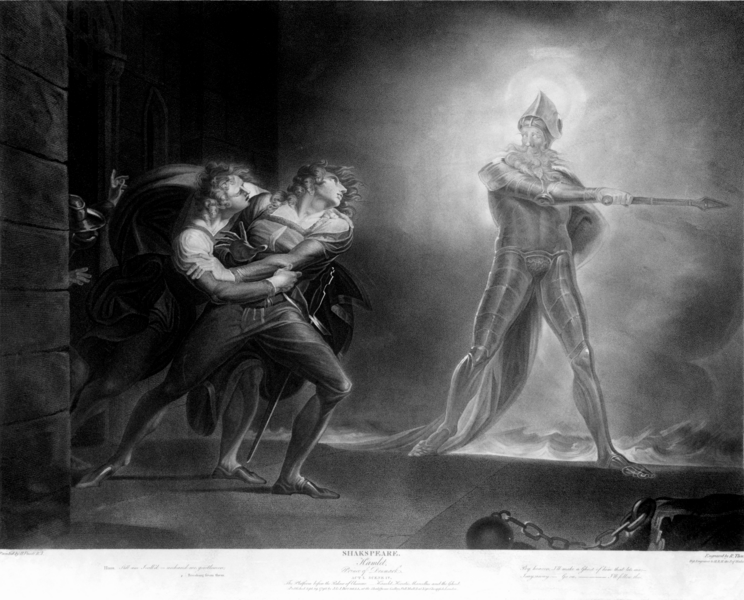
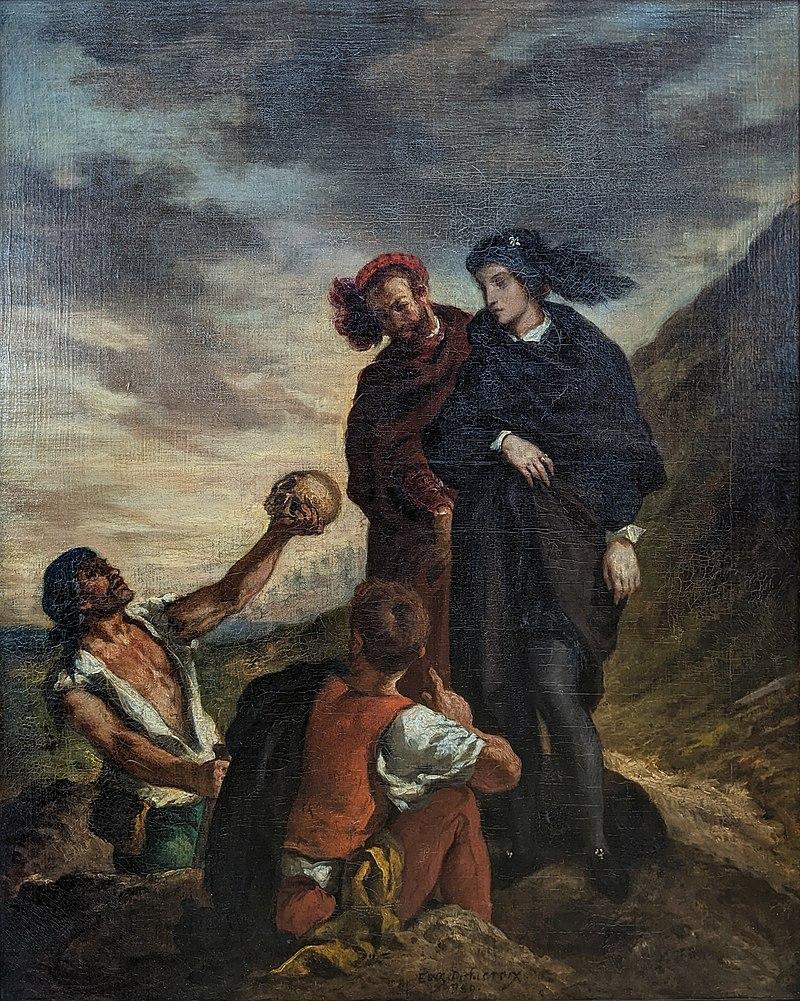
<p><a href="/tags/otd/" rel="tag">#OTD</a> in 1878.</p><p>Henry Irving's production of Hamlet, with himself in the title rôle playing opposite Ellen Terry as Ophelia, opens at the Lyceum Theatre, London (of which they have taken over the management). The tendency of actor-managers to emphasise the importance of their own central character did not always meet with the critics' approval.</p><p><a href="https://en.wikipedia.org/wiki/Hamlet" rel="nofollow"><span class="invisible">https://</span>en.wikipedia.org/wiki/Hamlet</a></p><p>Hamlet at PG:<br><a href="https://gutenberg.org/ebooks/1524" rel="nofollow"><span class="invisible">https://</span>gutenberg.org/ebooks/1524</a></p><p><a href="/tags/books/" rel="tag">#books</a> <a href="/tags/literature/" rel="tag">#literature</a> <a href="/tags/theatre/" rel="tag">#theatre</a> <a href="/tags/drama/" rel="tag">#drama</a></p>
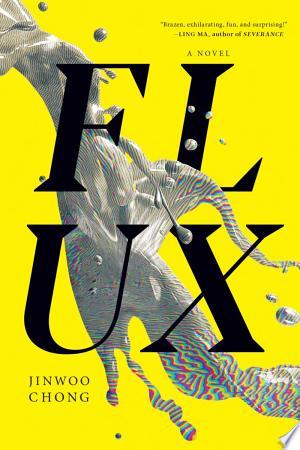
<p>📚 Flux by: Jinwoo Chong</p><p>Four days before Christmas, 8-year-old Bo loses his mother in a tragic accident, 28-year-old Brandon loses his job after a hostile takeover of his big-media employer, and 48-year-old Blue, a key witness in a criminal trial against an infamous now-defunct tech startup, struggles to reconnect with his family.<br> <br>So begins Jinwoo Chon...</p><p><a href="https://bookblabla.com/book/flux" rel="nofollow"><span class="invisible">https://</span>bookblabla.com/book/flux</a></p><p><span class="h-card"><a href="https://fedigroups.social/@bookstodon" class="u-url mention" rel="nofollow noopener noreferrer" target="_blank">@<span>bookstodon</span></a></span></p><p><a href="/tags/books/" rel="tag">#books</a> <a href="/tags/reading/" rel="tag">#reading</a> <a href="/tags/libraries/" rel="tag">#libraries</a> <a href="/tags/fiction/" rel="tag">#fiction</a> <a href="/tags/literaryfiction/" rel="tag">#literaryfiction</a> <a href="/tags/lgbtq/" rel="tag">#lgbtq</a> <a href="/tags/gay/" rel="tag">#gay</a></p>
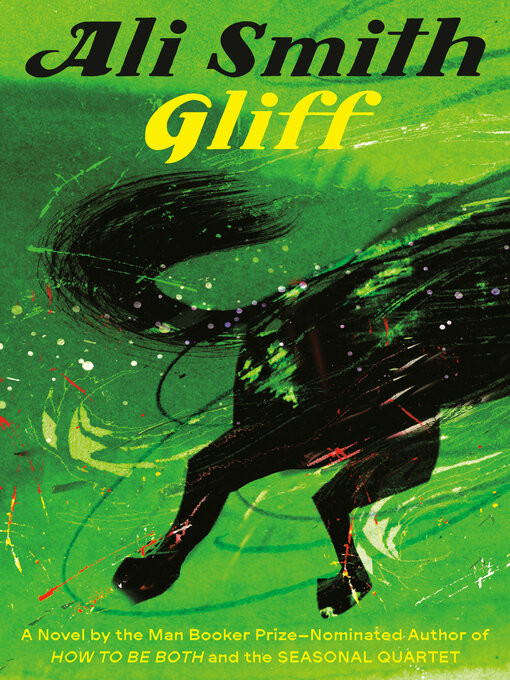
<p>My favorite books published in 2025: </p><p>Gliff - Ali Smith<br>One Day, Everyone Will Have Always Been Against This - Omar El Akkad<br>Audition - Pip Adam<br>Dusk - Robbie Arnott<br>Bat Eater and Other Names for Cora Zeng - Kylie Lee Baker<br>The Buffalo Hunter Hunter - Stephen Graham Jones<br>Sour Cherry - Natalia Theodoridou<br>The Hymn to Dionysus - Natasha Pulley<br>Eternal Summer - Franziska Gansler (tr. Imogen Taylor)<br>The Silver Book - Olivia Laing<br>We Pretty Pieces of Flesh - Colwill Brown<br>Woodworking - Emily St. James</p><p><a href="/tags/books/" rel="tag">#books</a> <a href="/tags/bookstodon/" rel="tag">#bookstodon</a></p>
Edited 227d ago
<p>2025 in <a href="/tags/books/" rel="tag">#books</a>, a thread, inspired by (but not limited to) <a href="https://shereads.com/traci-thomas-best-books-of-2025/" rel="nofollow" class="ellipsis" title="shereads.com/traci-thomas-best-books-of-2025/"><span class="invisible">https://</span><span class="ellipsis">shereads.com/traci-thomas-best</span><span class="invisible">-books-of-2025/</span></a> :</p><p>Two books I loved, part 1: <br>Gliff - Ali Smith</p><p>A fable about survival in a totalitarian surveillance state. A reflection on childhood, siblinghood, and the cost and worth of kindness. A dance with language and memory. I was torn between the impulse to read it all in one sitting and the urge to savor every single sentence.</p><p><a href="/tags/books/" rel="tag">#books</a> <a href="/tags/bookstodon/" rel="tag">#bookstodon</a></p>
<p>What Influenced Mary Shelley to Write Frankenstein?</p><p>Mary Shelley’s novel Frankenstein is today lauded as the first science fiction novel as well as a seminal work of Gothic horror. </p><p>By Lauren Jones</p><p><a href="https://www.thecollector.com/mary-shelley-wrote-frankenstein-novel/" rel="nofollow" class="ellipsis" title="www.thecollector.com/mary-shelley-wrote-frankenstein-novel/"><span class="invisible">https://</span><span class="ellipsis">www.thecollector.com/mary-shel</span><span class="invisible">ley-wrote-frankenstein-novel/</span></a></p><p><a href="/tags/books/" rel="tag">#books</a> <a href="/tags/literature/" rel="tag">#literature</a> <a href="/tags/gothic/" rel="tag">#Gothic</a></p>